Category: Education

  • Chhatrapati Shivaji: An Amazing Journey Through Empire and Rule.

    Chhatrapati Shivaji: An Amazing Journey Through Empire and Rule.

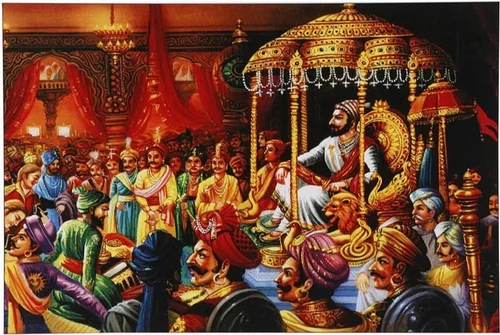
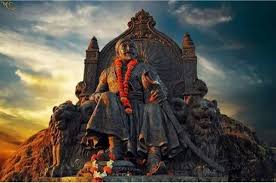
    Chhatrapati Shivaji: Chhatrapati Shivaji Maharaj (1630–1680) was a legendary warrior king and the founder of the Maratha Empire in India. He is known for his bravery, military tactics, and vision of Swarajya (self-rule). He fought against the Mughal Empire and other regional powers to establish an independent kingdom based on justice, good governance, and religious tolerance.
    details on Chhatrapati Shivaji?
    Details on Chhatrapati Shivaji?

    He is remembered as a symbol of courage, leadership, and nationalism. His governance principles influenced many later freedom fighters, including Bal Gangadhar Tilak and Mahatma Gandhi.

    Where Did He Spend His Early Life and How Was Chhatrapati Shivaji Upbringing?

    Shivaji Maharaj was born on February 19, 1630, at Shivneri Fort (Maharashtra), a well-protected fort near Pune. His father, Shahaji Bhosale, was a military general under the Bijapur Sultanate, and his mother, Jijabai, was deeply religious and played a crucial role in shaping his character. Shivaji was raised in Pune, where his mother and mentor, Dadoji Kondadev, supervised his education and training.

    Where Did He Spend His Early Life and How Was His Upbringing?
    Where Did He Spend His Early Life and How Was Chhatrapati Shivaji Upbringing?

    Jijabai instilled in him Hindu values, stories of the Ramayana and Mahabharata, and the dream of Swarajya (self-rule). He was trained in warfare, horse riding, sword fighting, and archery. He also learned administration, politics, and diplomacy under Dadoji Kondadev. Jijabai was his biggest inspiration, guiding him with moral values, strategic thinking, and devotion to the welfare of his people. She often told him stories of great warriors like Rama, Krishna, and Arjuna, fueling his vision to fight for independence.

    How Did Chhatrapati Shivaji Establish the Maratha Empire?

    Shivaji Maharaj laid the foundation of the Maratha Empire through strategic military conquests, guerrilla warfare, and strong administration. At the age of 15, Shivaji began capturing forts from the Bijapur Sultanate. His first major conquest was Torna Fort (1645), followed by Rajgad, Kondhana (Sinhagad), and Purandar Forts. This marked the beginning of Swarajya (self-rule).

    How Did Chhatrapati Shivaji Establish the Maratha Empire?
    How Did Chhatrapati Shivaji Establish the Maratha Empire?

    What Were Chhatrapati Shivaji Major Military Strategies?

    Chhatrapati Shivaji Maharaj was a military genius who used innovative strategies to fight against the Mughals, Adilshahis, and other enemies. Some of Chhatrapati Shivaji military strategies include:

    1. Guerrilla Warfare (Shiv Sutra):
      Shivaji used hit-and-run attacks, small raids, and ambushes as his most effective war tactics. He launched surprise attacks on enemy camps and made quick retreats into forests or mountains. He utilized the rugged Sahyadri hills for swift movement and hiding from enemies, avoiding direct battles with larger armies. Instead, he focused on attrition warfare.

    2. Fort Warfare (Ganimi Kava):
      Shivaji used forts as both defensive and offensive weapons. He built and captured over 300 forts, including Raigad, Pratapgad, and Sinhagad. He developed hidden tunnels, water reservoirs, and food storage inside forts for long battles. Small, well-trained forces inside forts were used to trap and weaken enemies.

    3. Psychological Warfare & Surprise Attacks:
      Shivaji weakened the enemy’s morale before attacking by spreading false rumors to confuse them. He attacked enemy supply chains and communication lines and used fake retreats to lure enemies into traps.
      What Were His Major Military Strategies?
      What Were His Major Military Strategies?
    4. Naval Warfare (First Indian Naval Force):
      He created India’s first strong navy to protect the coastal areas, building sea forts like Sindhudurg and Vijaydurg to control the Konkan coast. He used fast-moving warships to attack Portuguese, Dutch, and British naval forces and ensured trade security by protecting merchant ships from pirates.

    5. Fast Cavalry Movement (Mavalas Troops):
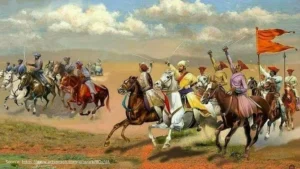
      Shivaji used small, highly mobile cavalry units for quick raids. The Maratha cavalry was trained to attack, loot supplies, and disappear quickly. They avoided fighting in open battles, where the Mughals and Bijapur had stronger armies. Instead, they used forest and mountain routes to avoid enemy detection.

    6. Defensive Retreats and Diplomacy:
      Shivaji knew when to fight and when to retreat strategically. When faced with strong enemies, he signed peace treaties to regain strength. He used diplomacy to play enemies against each other (e.g., Mughals vs. Adilshahis) and always ensured minimal loss of his own army before launching a major attack.

    Details of His Governance and Administration

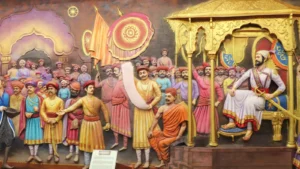
    Shivaji Maharaj’s administration was well-structured, efficient, and focused on justice, military strength, and economic growth. He established the Ashta Pradhan Mandal (Council of Eight Ministers) for governance and introduced a fair revenue system to support farmers. His military administration was disciplined, with a strong army and navy to protect the kingdom. He promoted religious tolerance, local self-governance, and strict anti-corruption policies, ensuring a stable and independent Maratha Empire. His governance laid the foundation for a strong and self-reliant rule.
    Chhatrapati Shivaji
    Chhatrapati Shivaji

    Why Do We Celebrate Chhatrapati Shivaji Maharaj Jayanti?

    Shivaji Maharaj Jayanti is celebrated to honor the birth anniversary of Chhatrapati Shivaji Maharaj, the great warrior king and founder of the Maratha Empire. He is remembered for his bravery, military genius, and vision of Swarajya (self-rule). The day is observed to inspire people with his leadership, patriotism, and principles of justice and good governance. Celebrations include processions, cultural programs, and tributes, especially in Maharashtra, where he is a symbol of pride and valor. His legacy continues to motivate generations.

    Shivaji Maharaj Jayanti
    Shivaji Maharaj Jayanti

    Why Is He an Inspiration for Our Generation?

    Chhatrapati Shivaji Maharaj is an inspiration for the current generation because of his leadership, courage, and vision. He built the Maratha Empire from scratch, fought against powerful enemies with strategy and intelligence, and always prioritized the welfare of his people. His principles of self-rule (Swarajya), good governance, discipline, and religious tolerance are relevant even today. His guerrilla warfare tactics and innovative military strategies teach us resilience and adaptability. Shivaji Maharaj’s fearlessness, respect for all religions, and administrative brilliance continue to inspire leaders, entrepreneurs, and youth to stand for justice, work hard, and lead with integrity.

    Also Read This: Realme P3 Pro: Features, Design, Launch Date, and How to Get It.

  • State scholarship: Details on what is it, eligibility to apply, types of state scholarship, how to apply, it benefits and challenges?

    State scholarship: Details on what is it, eligibility to apply, types of state scholarship, how to apply, it benefits and challenges?

    State scholarship: A state scholarship is a financial aid program provided by a state government to support students in pursuing their education. These scholarships are typically awarded based on academic merit, financial need, or specific eligibility criteria such as belonging to a particular category. Each state has its own set of scholarships with unique eligibility and benefits.

    what is State scholarship?
    what is State scholarship?

    Who all are eligible for state scholarship?

    Some eligibility for state scholarship is as follows: –

    1. It needs academic eligibility like students with a minimum required percentage or grade according to the scholarship.
    2. The eligibility is like financial or economical week students.
    3. The reserved category eligibility like SC, ST and OBC.
    4. It also depends on various courses and institutions according to the one you pick.
    5. Your residential address could also be one of the eligibilities for the scholarship.
    6. There is also a state scholarship for Female students, military kids or single parent kids to encourage education.

      Who all are eligible for state scholarship?
      Who all are eligible for state scholarship?

    What are different types of state scholarship?

    Different types of State scholarship are as follows: –

    1. Merit-Based Scholarships.
    2. Need-Based Scholarships.
    3. Category-Based Scholarships.
    4. Gender-Specific Scholarships.
    5. Course-Specific Scholarships.
    6. Sports Scholarships.
    7. Special Category Scholarships.
    8. Study-Abroad Scholarships.

      What are different types of state scholarship?
      What are different types of state scholarship?

    How can we apply for this scholarship?

    Some steps to apply for this scholarship are as follows: –

    1. Check the eligibility criteria and categories.
    2. Register on the scholarship portal like National scholarship portal or state specific portal.
    3. Fill out the application form and provide them with your details and qualifications.
    4. Upload your documents like Aadhar card and other details.
    5. Submit your application after checking your information properly.
    6. Verify your documents.

      How can we apply for this scholarship?
      How can we apply for this scholarship?

    Details on benefits and impact of this scholarship?

    The benefits of this scholarship are as follows:-

    1. Financial support like tuition fees, examination fees and other academic expenses.
    2. Increases higher education for students with low-income family or other boundaries.
    3. It supports under privileged students and communities like SC, ST and OBC.
    4. It Reduces the dependency of people on loans.
    5. It increases career growth and employment of the country.
    6. It boosts academics excellence.

      The benefits of this scholarship
      The benefits of this scholarship

    What are the challenges and issues of this scholarship?

    Some challenges and issues of this scholarship are as follows: –

    1. People are not aware about this scholarship.
    2. There is a very vast and complex application process.
    3. It has a delayed disbursement of funds.
    4. The restriction of eligibility and quota system.
    5. It also has technical issues in the online portal.
    6. Has many corruptions and missed used issues.
    7. The insufficient scholarship amount.
    8. It has limited opportunities for higher education.
      What are the challenges and issues of this scholarship?
      What are the challenges and issues of this scholarship?

    The future of this scholarship scheme trend.

    The future of scholarship programs is set to evolve with advancements in technology, increased funding, and greater accessibility. Digital transformation, including AI-driven verification and blockchain-based document authentication, will streamline the application and disbursement process, reducing fraud and delays.

    The future of this scholarship scheme trend.
    The future of this scholarship scheme trend.

    Governments are expected to expand funding to cover more students, including postgraduate and research scholars, while also introducing global scholarships for international studies. Simplified application portals and faster Direct Benefit Transfers (DBT) will ensure quicker financial aid distribution. The global opportunities grow, collaborations with foreign universities will open new avenues for students to gain international exposure.

    Overall, the scholarship system is expected to become more efficient, inclusive, and aligned with future career demands.

    ALSO READ THIS: Jio Hotstar: The details on the update, collaboration, features, content and people reaction.

  • CBSE Board Exams 2025: Master Your Preparation with These FAQs!

    CBSE Board Exams 2025: Master Your Preparation with These FAQs!

    The Central Board of Secondary Education (CBSE) has introduced several significant changes for the 2025 board examinations, aiming to enhance the assessment process and align with contemporary educational practices. Below is a comprehensive overview of the latest updates and frequently asked questions regarding the CBSE Board Exams 2025.

    Key Changes in CBSE Board Exams 2025

    • Examination Schedule

      • Commencement Date: The CBSE board examinations for both Class 10 and Class 12 are scheduled to begin on February 15, 2025. Class 10 exams will conclude on March 18, while Class 12 exams will end on April 4. Approximately 44 lakh students are expected to appear for these exams across India and in 26 countries abroad.

    CBSE

    • Syllabus Reduction

      • Extent of Reduction: CBSE has announced a syllabus reduction of up to 15% for Classes 10 and 12. This initiative aims to alleviate academic pressure and provide students with the opportunity to explore subjects more comprehensively.
    • Increased Weightage of Internal Assessments

      • New Weightage Distribution: Internal assessments will now constitute 40% of the total marks, with the remaining 60% allocated to the final board examinations. This change emphasizes continuous learning through projects, assignments, and periodic tests, allowing students to demonstrate their understanding throughout the academic year.
    CBSE
    • Emphasis on Competency-Based Questions

      • Class 10: The exam pattern remains unchanged, with 50% of questions being competency-based, as introduced in the previous session.
      • Class 12: Competency-based questions have been increased to 50%, up from 40% last year. These will include multiple-choice questions (MCQs), case-based, and source-based questions designed to assess students’ ability to apply theoretical knowledge to practical scenarios.
    • Mandatory Attendance Requirement

      • 75% Attendance Mandate: Students must maintain a minimum of 75% attendance to be eligible for the board exams. However, a 25% relaxation is offered for specific circumstances, including medical emergencies or participation in sports tournaments, upon submission of valid documentation.

    • Enhanced Security Measures

      • Biometric Authentication: The Central Board of Secondary Education [CBSE] plans to implement biometric authentication during and after exams. Digital fingerprinting, photo capturing, and face matching with candidates’ scanned images will ensure secure and transparent processes.
    • Reintroduction of Two-Term Board Exams

      • Implementation Timeline: Starting from the 2025-26 academic session, CBSE will reintroduce the two-term board exam system. This approach aims to reduce the stress associated with a single, end-of-year exam by offering more frequent assessments throughout the year.
    CBSE

    Frequently Asked Questions (FAQs)

    Q1: What are competency-based questions, and how should students prepare for them?

    A1: Competency-based questions assess a student’s ability to apply theoretical knowledge to practical, real-world scenarios. They may include MCQs, case-based questions, and source-based questions. To prepare, students should focus on understanding concepts deeply and practicing their application in various contexts. Engaging in problem-solving exercises and case studies can be beneficial.

    Q2: How will the increased weightage of internal assessments affect the overall evaluation?

    A2: With internal assessments now accounting for 40% of the total marks, students’ performance in projects, assignments, and periodic tests throughout the year will significantly impact their final grades. This change encourages consistent effort and active participation in all class activities.

    Q3: What provisions are there for students who cannot meet the 75% attendance requirement due to valid reasons?

    A3: CBSE provides a 25% relaxation in attendance for students facing specific circumstances such as medical emergencies or participation in national or international sports tournaments. To avail of this relaxation, students must submit valid documentation supporting their reasons for absence.

    Q4: How will the reintroduction of the two-term board exam system benefit students?

    A4: The two-term board exam system, set to be implemented from the 2025-26 academic session, aims to distribute the assessment load more evenly across the academic year. This approach reduces the pressure of a single, high-stakes exam and allows students to demonstrate their learning progress more effectively.

    CBSE

    Q5: What security measures are being introduced to ensure the integrity of the examination process?

    A5: CBSE is enhancing security by implementing biometric authentication methods, including digital fingerprinting, photo capturing, and face matching with candidates’ scanned images. These measures aim to ensure a secure and transparent examination process.

    Q6: Will the syllabus reduction apply to all subjects uniformly?

    A6: Yes, the syllabus reduction of up to 15% applies across various subjects for both Classes 10 and 12. This initiative is designed to alleviate academic pressure and allow students to explore subjects more comprehensively.

    Q7: Are there any changes in the examination pattern for Class 10 students?

    A7: No significant changes have been made to the examination pattern for Class 10 students. The pattern remains the same as the previous academic session, with 50% of questions being competency-based.

    Q8: How should students adapt their study strategies in light of these changes?

    A8: Students should focus on understanding concepts deeply and developing the ability to apply knowledge in practical scenarios. Regular participation in class activities, timely completion of assignments, and consistent study habits will be crucial. Practicing with sample papers that include competency-based questions can also be beneficial.

    ALSO READ THIS: Sri Lanka vs Australia 2025: Unstoppable Force Meets Fierce Determination!

  • SBI clerk 2025:Details on SBI clerk recruitment process, Admit card, exam details, syllabus and tips for the exam.

    SBI clerk 2025:Details on SBI clerk recruitment process, Admit card, exam details, syllabus and tips for the exam.

    SBI clerk 2025: The State Bank of India has released a notification for 2025 SBI clerk recruitment exam. They have announced a vacancy of 14,191 vacancy for the position of junior associate in customer support and sales. The process of recruitment will happen in two stages Preliminary Examination and the main Examination.

    SBI clerk recruitment exam
    SBI clerk recruitment exam

    Information on Admit card, how to get it.

    To get your admit card follow this given steps :-

    First visit the official SBI website, sbi.co.in and go on the career section and look for SBI clerk recruitment 2025 link. After that click on the admit card download link enter your registration number and date of birth. Click on submit. your admit card will be available to you after filling this information. Download and print your admit card for future references.

    Admit card
    Admit card

    Important dates of SBI clerk 2025 exam.

    Some of the important dates of SBI clerk 2025 are as following :-

    • Preliminary Examination- It is schedule for February 22, 27, 28 and March 1,2025.
    •  Admit card release date-it is expected to release on February 10, 2025.
    •  The Main examination date is not a announced till now but it is expected to happen in April 2025.

    The exam pattern and syllabus of SBI clerk 2025 exam.

    Prelims examination: –

    The paper will be for a duration of 1 hour with total 100 question and 100 marks. This will be taken in an online mode objective type paper. The subjects of the paper will be English language, numerical abilities, reasoning abilities and etc. There is no sectional cut off but an overall cut off will be applied full stop marks obtained in prelims are not counted in final merit list.

    The exam pattern and syllabus
    The exam pattern and syllabus

    Main examination: –

    The main exam will happen in the similar pattern and subject but the duration of the exam will be 2 hours 40 minutes and the total question will be 190 and the marks will be marking will also be there with 0.25 marks full stop main exam are considered for the final section and there will be no interview for SBI clerk recruitment exam.

    Preparation tips for the exams.

    Some tips for the exams are as following:-

    1. Understand the exam pattern and syllabus.
    2. Make a study plan and stick to it.
    3. Master each section and subject according to the marks.
    4. Do mock test and previous year papers to understand exam pattern and pressure.
    5. Work on time management and exam strategies etc.
    6. A motivated and avoid burnout.

    Also Read This: Women’s national cricket league: Details on Women’s national cricket league, Team analysis, development, growth and the future of women cricket team.

  • Joint Entrance Examination 2025 Answer Key: Unlock Your Success with Accurate Solutions!

    Joint Entrance Examination 2025 Answer Key: Unlock Your Success with Accurate Solutions!

    Joint Entrance Examination: The Joint Entrance Examination (JEE) Main is a pivotal assessment for engineering aspirants across India, serving as a gateway to esteemed institutions like the National Institutes of Technology (NITs), Indian Institutes of Information Technology (IIITs), and other centrally funded technical institutes. A critical component of this examination process is the release of the answer key, which provides candidates with the correct responses to the questions posed in the exam. The answer key not only offers transparency but also allows candidates to estimate their scores and assess their performance prior to the official results.

    Joint Entrance Examination

    Release Timeline of JEE Main 2025 Answer Key

    The National Testing Agency (NTA), responsible for conducting the JEE Main, typically releases the provisional answer key a few days after the conclusion of the examination. For the 2025 session, the JEE Main exams were conducted from January 22 to 31, 2025. Based on previous trends, it is anticipated that the provisional answer key will be made available in the first week of February 2025, possibly around February 4 or 5. This provisional release allows candidates to review the answers and raise objections if discrepancies are found. Following the resolution of these objections, the final answer key is expected to be published in the third week of February 2025.

    Accessing the Answer Key

    To access the JOINT ENTRANCE EXAMINATION [JEE] Main 2025 answer key, candidates should follow these steps:

    1. Visit the Official Website: Navigate to the NTA’s official JEE Main portal at jeemain.nta.nic.in.
    2. Locate the Answer Key Link: On the homepage, look for the link labeled “JEE Main 2025 Provisional Answer Key” and click on it.
    3. Log In: You will be prompted to enter your application number and password or date of birth.
    4. Download the Answer Key: Upon successful login, the answer key will be displayed. Download and save it for reference.

    This process ensures that candidates can efficiently access the answer key and evaluate their performance.

    Joint Entrance Examination
    Joint Entrance Examination

    Challenging the Provisional Answer Key

    The NTA provides an opportunity for candidates to challenge the provisional answer key if they believe there are errors or discrepancies. To do so, candidates must:

    1. Log In to the Portal: Access the official JEE Main website and log in using your credentials.
    2. Select the Question to Challenge: Identify and select the specific question(s) you wish to challenge.
    3. Provide Justification: Submit valid supporting documents or explanations for each challenge.
    4. Pay the Processing Fee: A non-refundable fee of INR 200 per question is required to process the challenge. Payment can be made via debit card, credit card, net banking, or UPI.

    It’s important to note that the window for challenging the answer key is limited, typically lasting 2-3 days after the release of the provisional key. Candidates should act promptly to ensure their challenges are considered.

    Joint Entrance Examination

    Calculating Probable Scores Using the Answer Key

    The answer key serves as a valuable tool for candidates to estimate their scores before the official results are announced. To calculate your probable score:

    1. Match Your Responses: Compare your answers with the ones provided in the answer key.
    2. Apply the Marking Scheme:
      • Correct Answer: Award yourself +4 marks.
      • Incorrect Answer: Deduct 1 mark.
      • Unanswered Question: No marks are added or deducted.
    3. Total Your Score: Sum the marks for all questions to get your estimated score.

    This self-assessment provides insight into your performance and helps set realistic expectations for the official results.

    Joint Entrance Examination

    Significance of the Answer Key

    The release of the answer key is a critical aspect of the JEE Main examination process for several reasons:

    • Transparency: It ensures that the examination process is transparent, allowing candidates to see the correct answers and understand the evaluation process.
    • Self-Evaluation: Candidates can assess their performance, identify areas of strength and weakness, and plan their future preparation strategies accordingly.
    • Feedback Mechanism: The challenge process allows candidates to provide feedback, ensuring that any errors in the question paper or answer key are addressed promptly.
    Joint Entrance Examination

    Recent Changes in JEE Main Exam Pattern

    In 2024, the NTA announced significant changes to the JEE Main exam pattern, reverting to the pre-pandemic format. Notably, the optional questions in Section B were removed, making all questions mandatory. This change emphasizes the need for comprehensive preparation across all topics, as selective studying is no longer a viable strategy. Additionally, negative marking has been reintroduced for numerical value questions, requiring candidates to approach these questions with greater caution.

    Expert Insights on Exam Pattern Changes

    Educational experts have weighed in on these changes, suggesting that the removal of optional questions and the reintroduction of negative marking may lead to a reduction in cutoff scores. Ramesh Batlish, Managing Partner and Head of FIITJEE NOIDA, noted that the absence of optional questions necessitates a more thorough preparation strategy, as students can no longer afford to skip topics they find challenging. He emphasized the importance of a comprehensive study approach to succeed under the new pattern. The JEE Main answer key is an indispensable resource for candidates, offering clarity and insight into their performance.

    ALSO READ THIS: Space Tourism 2025: Epic Adventures Beyond Earth The Thrill & Wonder of Space Tourism”

  • Gate 2025: Details on exam date, syllabus, study materials and other details.

    Gate 2025: Details on exam date, syllabus, study materials and other details.

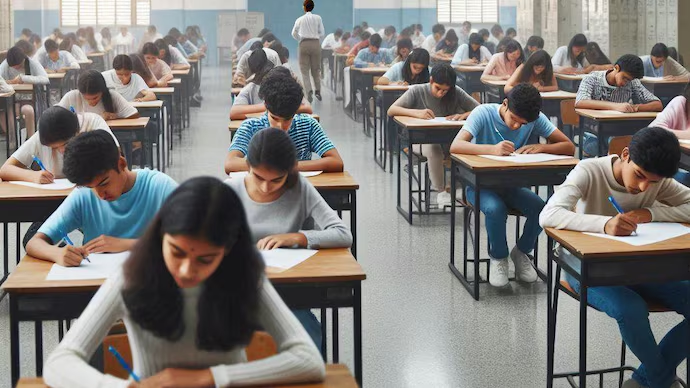
    Gate 2025: The Graduate Aptitude Test in Engineering (GATE 2025) offer about 30 test paper across various subjects and area like disciplines, including Engineering, Technology Architecture, Science, Commerce, Arts and Humanities. The candidate is allowed to give one to two tests.

    This is scheduled to Begin from February 1, 2025 till February 15, 2025 alternatively.

    details on Gate 2025
    Details on Gate 2025

    Gate 2025 Important dates of the exam.

    The exam will happen on February 1, 2, 15 and 16, 2025. Apart from this the exam will be conducted in two slots forenoon session (9:30 AM to 12:30PM) and (2:30 PM to 5:30 PM).

    Whereas Admit card and center details will be available from January 7, 2025. The details of the subject vice schedule will also be available on the official side of GATE with the admit card.

    Important dates of the Gate 2025
    Important dates of the Gate 2025

    What is the marking scheme for Gate 2025?

    The marking scheme for Gate 2025 are as following: –

    1. There will be questions like multiple choice question and multiple select questions for about 1 or 2 Marks each.
    2. Numerical and logical thinking questions for 2 or 3 marks each.
    3. The total marks of the paper will be 100 in which 15 marks will be general aptitude and 85 marks will be for core subjects’ paper.
    4. Total number of questions will be 65.
    5. There will be negative marking for wrong answer, except MSQs and NAT question.

      The marking scheme.
      The marking scheme.

    Study material for Gate exam.

    Some study materials for your preparation are as following: –

    1. You could download the full syllabus from GATE 2025 official websites.
    2. Solve previous year question paper available on various sites like IIT websites and ACE academy.
    3. Do mock test on various platforms like unacademy, BYJU’S and Gradeup.
    4. Attend live lessons, courses or coaching for better understanding.
    5. Check online courses and notes.

      Study material for gate exam
      Study material for gate exam

    Tip for Preparations.

    Some basic tip for preparation and cracking the exams are as following: –

    1. Have a proper understanding for the exam pattern and syllabus.
    2. Make your own study plan and timing.
    3. Go for right and accurate study materials.
    4. Focus on strengthen your core concept.
    5. Solve mock test and pervious year paper.
    6. Learn time management and set your self-according to given time of the paper.
    7. Revise properly and accurately on a daily base.
    8. Stay motivated and consistent.
    9. Stay calm and avoid last minute panic.
    10. Analyze from your mistake.

      Tip for Preparations
      Tip for Preparations

    What to pursue after Gate 2025?

    You can go for higher studies like MTech, M.S, MBA, PGDM and Ph.D.

    Apart from this you can also go for government jobs like PSU jobs and etc.

    You can also do startup, private sectors, entrepreneurship and self-employment etc.

    Also Read This: Quantum computing: what is quantum computing, it fundamental, application, features, and tools. What is future of quantum computing?

  • UPSC 2025 notification: details, highlights, important dates, criteria, pattern, syllabus and application process of the UPSC 2025 exam.

    UPSC 2025 notification: details, highlights, important dates, criteria, pattern, syllabus and application process of the UPSC 2025 exam.

    UPSC 2025 notification: The registration for civil service exam have start from today January 22,2025. The commission has released the notice on the official website too, the notification of the exam is live on upsc.gov.in.

    The eligible candidates can register on the site the deadline of the application is February 11, 2025. Whereas the prelims exam will start from May 25, 2025.

    Information about UPSC 2025
    Information about UPSC 2025

    Details and highlights of the UPSC 2025.

    Here are some key points of UPSC exam 2025: –

    • The application or register form is set from January 22, 2025 till February 11, 2025. Whereas the preliminary exam will be on May 25,2025 and the main exam will be from August 22, 2025.
    • The candidate is required to fill the examination form online on UPSC official website within the specified dates.
    • The candidate must check their eligibility criteria like age, education qualification, and number of attempts.
    • Candidate should grab comprehensive details like syllabus and exam pattern from official website.
    • The admit card will be available on the site few days before the exams.

      highlights of the UPSC 2025
      highlights of the UPSC 2025

    How to apply for this exam?

    To apply for the UPSC 2025 exam follow these given steps: –

    1. First visit the official site of UPSC, www.upsc.gov.in.
    2. Check the “examination” tab or the “what’s notification” section for the relevant exam notification.
    3. Then visit the UPSC online application site, https://upsconline.nic.in.
    4. Complete your one-time registration (OTR) by providing basic details for examination.
    5. Then choose your exam preference.

      apply for the UPSC 2025 exam
      apply for the UPSC 2025 exam
    6. Upload copies of your photograph, your signature, and identity proof. According to the required size.
    7. The application fee which is Rs.100 for General/OBC and Rs.0 for SC/ST/Female.
    8. Then select the nearest exam center.
    9. At last review and submit your form. After this download and save confirmation.
    10. Download and save your Admit card for the exams.

    The syllabus and exam pattern for UPSC 2025.

    Preliminary examination: –

    • Paper 1 (General studies) –
    • The paper will be for 200 marks with the duration of 2 hours.
    • The syllabus will contain topics and subject like current events, history of India, India and world geography, India politics and governance, Economic, social development, and general studies.
    • Paper 2 (CSAT) –
    • The total Marks for the exam is 200 and the duration of the paper is 2 hours.
    • Syllabus for the exam is interpersonal skills, communication skills, logical reasoning, analytical ability, decision making, problems solving, basic numeracy and data interpretation.

      The syllabus and exam pattern for UPSC 2025
      The syllabus and exam pattern for UPSC 2025

    Main examination: –

    • Qualification paper-
    • Paper A will be for 300 marks in any Indian language and etc.
    • Paper b will also be for 300 marks and subject will be in English
    • Paper of merits details.
    • The total marks will be 1750 with subject and paper like-
    1. Paper 1 essay for 250 marks.
    2. Paper 2 Indian heritage, culture, history, and geography for 250 marks.
    3. Paper 3 governance, constitution, polity, social justice, and international relations for 250 marks.
    4. Paper 4 technology, economic development, bio-diversity, environment, security, and disaster management for250 marks
    5. Paper 5 ethics, integrity and aptitude for 250 marks.
    6. Where as Paper 6 and 7 will be optional paper with subject like History, geography, sociology, political science, public administration, literature and etc. with 250 marks each.

    Some useful resource for the examination.

    The Resources for UPSC exams are: –

    1. NCERT books from class 6 to 12 like history, policy, economy, geography, environment, science and technology.
    2. Current affairs and latest updates of India and world.
    3. Some YouTube channels like Vision IAS, Unacademy UPSC, StudylQ, and Drishti IAS.
    4. Websites like UPSC official website, PIB, PRS India, and RBI website. For government schemes, policy, bills and economical updates.
    5. Apps like Clear IAS, IAS baba, Civils daily, and insights IAS.

      Resources for UPSC exams
      Resources for UPSC exams

    Some Tips for the exams and candidates.

    Tips for the exams are as following: –

    1. Check and understand exam pattern and syllabus.
    2. Make your goals and study plans.
    3. Prioritize NCERTs and other standard books for proper preparation.
    4. Be updated and connected with current news and affairs.
    5. Do practice paper and answer writing by setting the timer and doing mock tests paper.
    6. Revision is crucial and choose the right optional subjects.
    7. Manage stress and stay healthy for better focus.
    8. Prepare for the interview by learning various skills.

    Also Read This: New Delhi World Book Fair: what is it, where and when is it happening? Highlights, insights and other details of the fair.

  • Government job for 10th and 12th Pass: Government Job Opportunities in 2025

    Government job for 10th and 12th Pass: Government Job Opportunities in 2025

    Government job for 10th and 12th Pass 2025

    The central and state governments regularly announce government job openings across various departments. If you are looking for government job opportunities, this blog provides details about upcoming vacancies in 2025. You can apply for these government jobs based on your qualifications.

    Government job : UP Lekhpal Recruitment 2025

    The Uttar Pradesh Subordinate Services Selection Commission (UPSSSC) has received a proposal from the Revenue Department for 7,994 Lekhpal positions. The official advertisement for these vacancies is expected to be released soon.

    RRB Group D Recruitment 2025

    The Railway Recruitment Board (RRB) has issued a notification for Group D posts. The application process will commence on January 23, 2025, and the application link will be available on RRB’s official website. A total of 32,438 Level 1 Group D posts will be filled in this recruitment drive.

    The Railway Recruitment Board (RRB)
    The Railway Recruitment Board (RRB)

    Delhi Police SI and Constable Recruitment 2025

    The Staff Selection Commission (SSC) has announced the Tier-2 exam dates for Sub-Inspector (SI) recruitment in Delhi Police and various Central Armed Police Forces (CAPFs). The exam schedule is available on the official SSC website (ssc.gov.in).

    SSC CHSL Recruitment 2025

    The notification for SSC CHSL (Combined Higher Secondary Level) Recruitment 2025 will be released on May 27, 2025. Online applications will open on the same date and close on June 25, 2025, as per the SSC exam calendar.

    Government job
    Government job

    Bihar Police Recruitment 2025

    The Bihar Police Subordinate Services Commission (BPSSC) has announced 305 Steno Assistant Sub-Inspector posts. Online applications can be submitted on the official website (bpssc.bihar.gov.in) until January 17, 2025. Among these, 121 posts are unreserved, while the remaining are reserved for various categories, including SC, ST, EBC, BC, BC Female, and EWS.

    SSC CGL Recruitment 2025

    According to the SSC calendar, the SSC CGL (Combined Graduate Level) Recruitment 2025 notification will be released on April 22, 2025, and the Tier-1 examination will be conducted in June-July 2025. Similarly, the MTS and Havaldar Recruitment 2025 notification will be published on June 26, 2025, with exams scheduled for September-October 2025.

    SSC CGL
    SSC CGL

    GD Constable Recruitment 2025

    The GD Constable recruitment exam for 2025 will be conducted from February 4 to February 25, 2025. The notification is available on the official SSC website (ssc.gov.in). The SSC has also announced the exam dates for GD, CGL, and other key recruitments.

    SSC MTS and Havaldar Recruitment 2025

    The SSC has mentioned in its calendar that the notification for MTS and Havaldar recruitment will be released in June 2025, with the application deadline set for July 25, 2025. The examinations are scheduled for September-October 2025.

    Also Read This: Tahawwur Rana Extradition: A Major Breakthrough in Justice for 26/11 Mumbai Attacks

    Rajasthan Group D Recruitment 2025

    The Rajasthan Staff Selection Board (RSSB) has released a notification for 52,453 Group D posts. The online application process for RSMSSB Group D Recruitment 2025 will begin on March 21, 2025, and the last date to apply is April 19, 2025.

  • Suraksha Kavach: Shanti International School Noida Showcases India’s Path to Global Power

    Suraksha Kavach: Shanti International School Noida Showcases India’s Path to Global Power

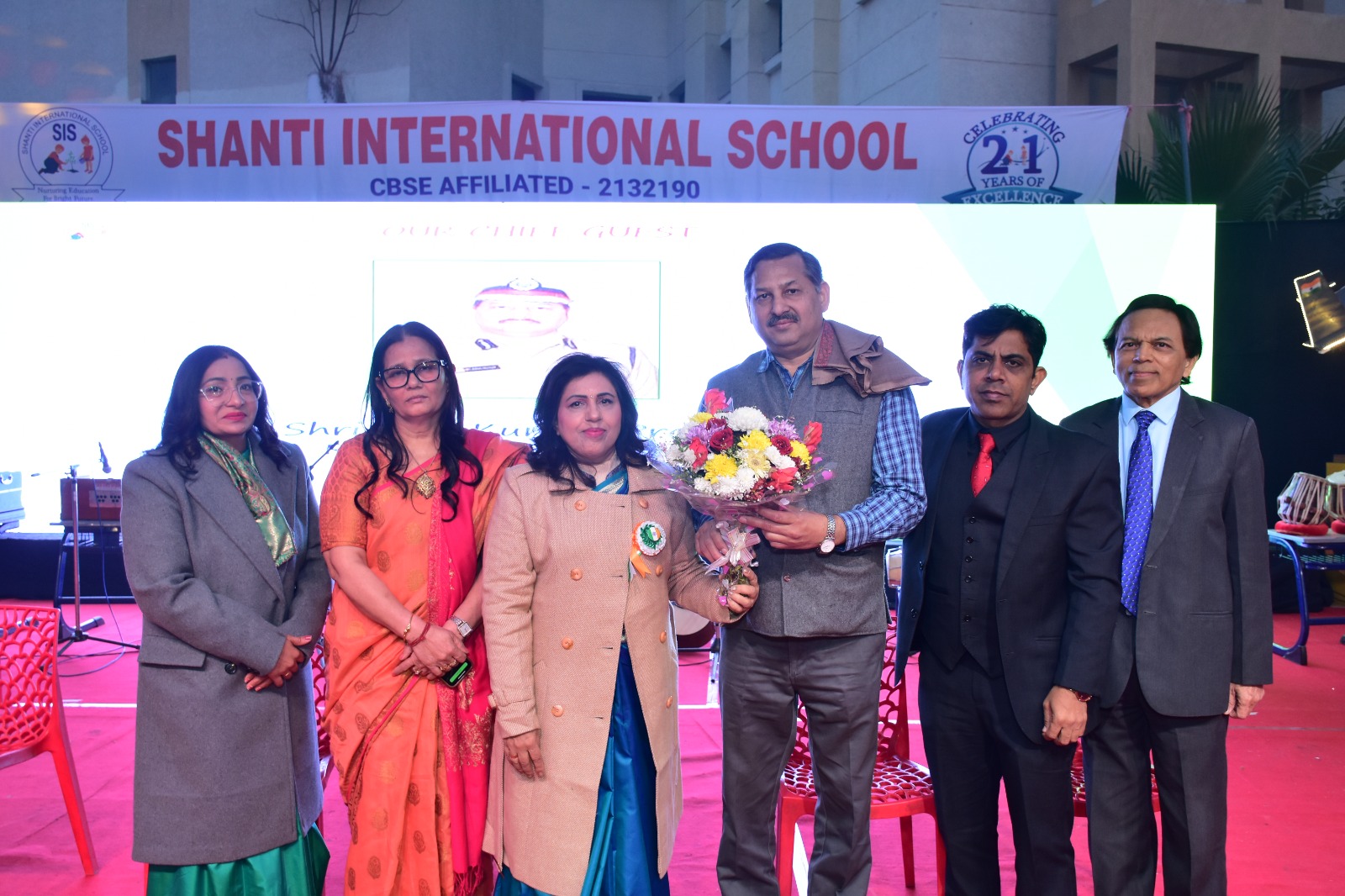
    Noida, 26th December 2024: Shanti International School, Noida, recently organized its annual function, “Suraksha Kavach: India, the Emerging Superpower,” on 22nd December 2024. The event was a grand celebration of India’s cultural heritage, technological achievements, and defense capabilities, inspiring patriotism and pride among students, parents, and dignitarie

    Shanti International School Noida
    Shanti International School Noida

    Awards and Recognition

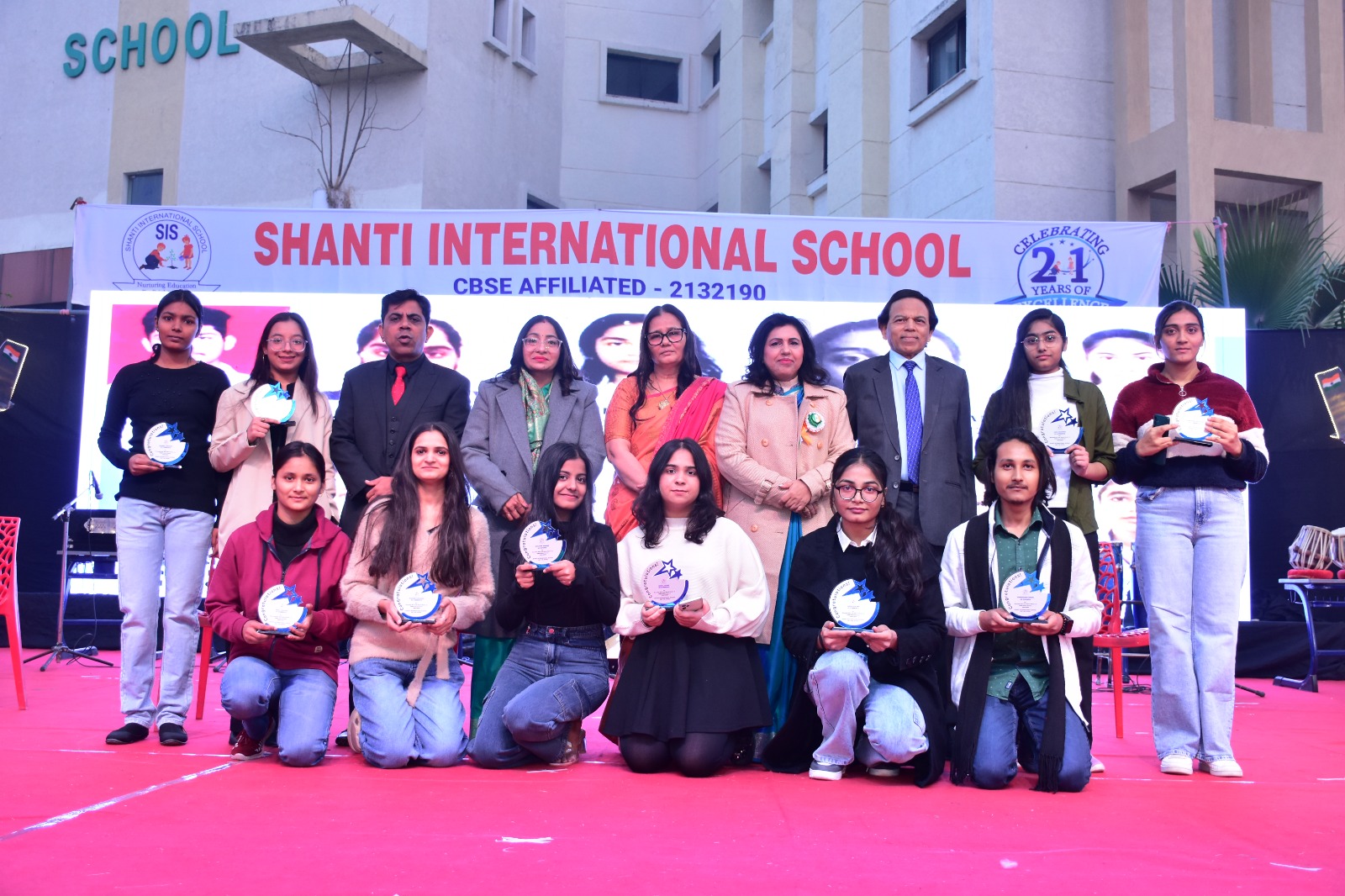
    The program began with an award ceremony, honoring students and staff for their exceptional achievements in academics, sports, and extracurricular activities. The recognition boosted morale and set the stage for the event’s highlights.

    Shanti International School, Noida
    Shanti International School, Noida
    Shanti International School Noida
    Shanti International School Noida

    Dignitaries Add Prestige
    The event was graced by distinguished chief guests, including Mr. Anil Kumar Pratham, retired Director General of Police, and Shri Sahil Malik, son of renowned politician Shri K.P. Malik, MLA of Uttar Pradesh.

    Guests of honor included Mr. Subodh Verma (UCO Bank Business Facilitator), Dr. Vikas Raj Tiwari (Journalist & Digital Media Innovator, AVP News), Dr. Swati Raj Tiwari (Social Activist & Parenting Expert), Ms. Renu Nehra (Owner, Blossoms Square Preschool), Mr. Pankaj (Jolly Kids Playgroup), and Ms. Priyanka (Wonder Playgroup). The dignitaries commended the school for its well-organized and impactful program.

    Shanti International School, Noida
    Shanti International School, Noida

    Emotional Tribute to Martyrs
    A solemn Pushpanjali (flower offering) and a ceremonial 5-gun salute honored India’s brave martyrs. This tribute deeply moved the audience, reminding them of the sacrifices made for the nation’s freedom and security.

    Cultural Performances Highlight India’s Journey
    The cultural segment stole the show with captivating performances:

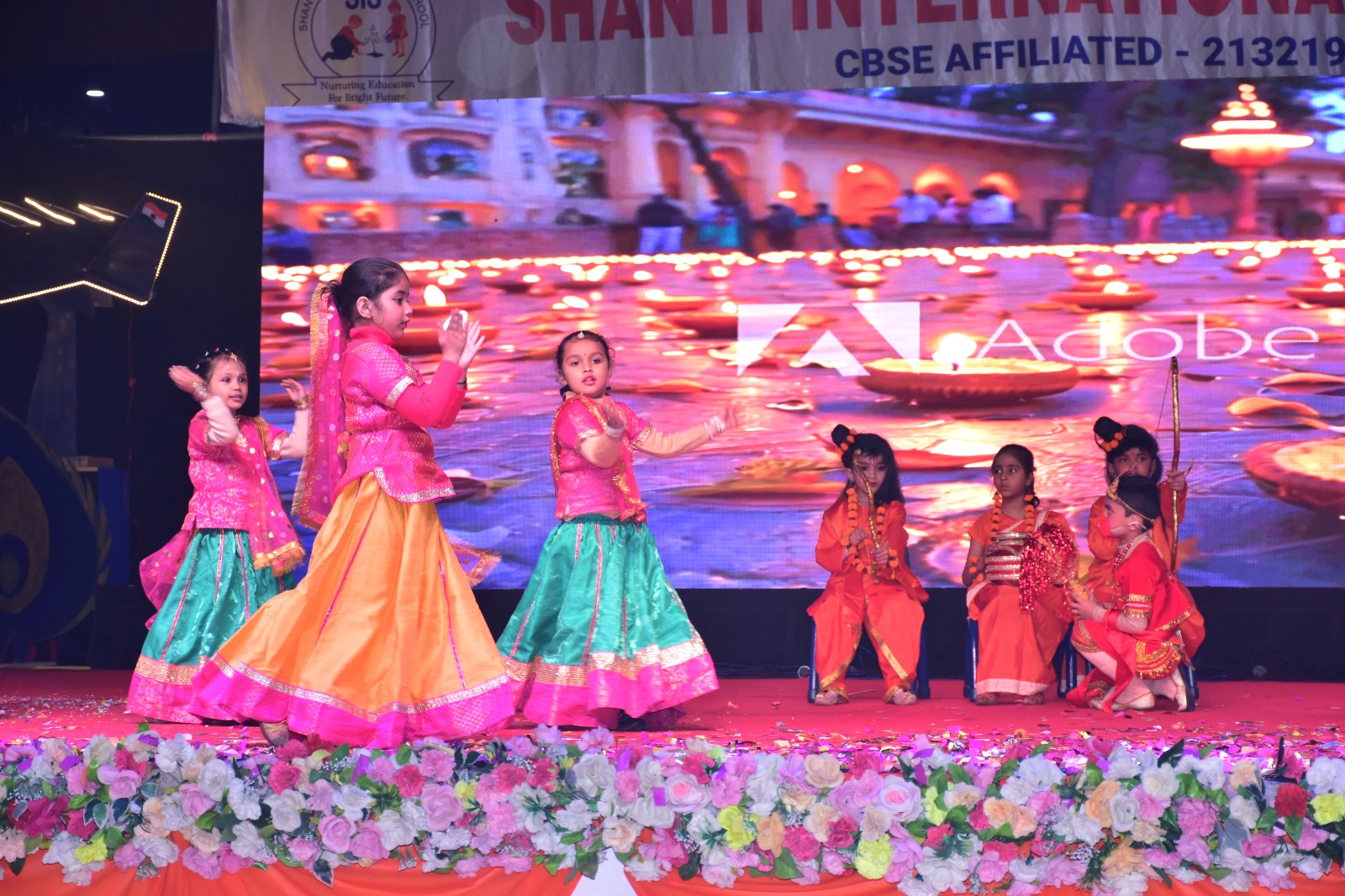
    • Traditional Dance: Vibrantly showcased India’s unity in diversity.
    • Patriotic Acts: Dramatic and emotional presentations celebrated freedom fighters and the valor of soldiers.
    • Technological Aspirations: Creative skits and choreography depicted India’s advancements in innovation, space exploration, and defense technology.
    Shanti International School, Noida
    Shanti International School, Noida

    Musical Harmony Through Qawwali
    A soulful qawwali performance added depth to the evening, blending music with a patriotic theme, celebrating the unity and resilience of the nation.

    Inspiring Message and Conclusion
    The program concluded with a message of collective responsibility toward building a stronger India. The theme, “Suraksha Kavach,” resonated as a call to action for all attendees to contribute to the nation’s growth.

    Shanti International School Noida’s dedication to presenting a meaningful and impactful event was widely praised. The evening left an indelible impression, inspiring pride and hope for India’s bright future.

  • CTET 2024 December : A Significant Opportunity for Candidates – Admit Card Release, Exam Date, and Important Information

    CTET 2024 December : A Significant Opportunity for Candidates – Admit Card Release, Exam Date, and Important Information

    The CTET 2024 (Central Teacher Eligibility Test) is conducted every year by CBSE (Central Board of Secondary Education). This exam is crucial for candidates who aspire to become teachers at the primary (classes 1-5) and upper primary (classes 6-8) levels. For candidates waiting for the CTET December 2024 exam, this blog will share all the important information, including the exam date, admit card release date, and other details.

    CTET 2024 December Exam Date

    The CTET 2024 December exam is scheduled for December 28, 2024. The exam will be conducted in two phases:

    • Paper-1 (for Primary Education, classes 1 to 5)
    • Paper-2 (for Upper Primary Education, classes 6 to 8)

    Both papers will be held on the same day at different times. Paper-1 will be conducted in the morning session, and Paper-2 will be conducted in the afternoon. Candidates must select the paper at the time of application.

    When will the CTET December 2024 Admit Card be released?

    The CTET 2024 admit card is expected to be released by CBSE before the exam. It will be available on the official CTET 2024 website (https://ctet.nic.in/). Candidates need to download the admit card as it contains important information such as the exam center, time, and other details.

    To download the admit card, you will need the following details:

    • Application number
    • Date of birth
    • Security code (visible on the website)

    Important Dates for CTET December 2024

    Event Date
    Admit Card Release Date 14-15 December 2024
    Exam Date 28 December 2024

    CTET Exam Pattern: Paper I and Paper II

    Paper I:

    Subject Total Questions Total Marks Duration
    Child Development and Pedagogy 30 30 2.5 hours
    Language I (Compulsory) 30 30
    Language II (Compulsory) 30 30
    Mathematics 30 30
    Environmental Studies 30 30
    Total 150 150 2.5 hours

    Paper II:

    Subject Total Questions Total Marks Duration
    Child Development and Pedagogy 30 30 2.5 hours
    Language I (Compulsory) 30 30
    Language II (Compulsory) 30 30
    A. Mathematics & Science 30 + 30 60
    B. Social Studies & Social Science 60 60
    Total 150 150 2.5 hours

    Subjects:

    • Child Development and Pedagogy
    • Language 1 (Hindi, English, etc.)
    • Language 2 (Hindi, English, etc.)
    • Mathematics
    • Science
    • Social Studies / Social Science (in Paper-2)

    CTET 2024 December Preparation Tips

    1. Solve Previous Question Papers: This will help you understand the exam pattern and types of questions.
    2. Focus on Time Management: It is essential to allocate enough time for each section to ensure you can complete the entire exam.
    3. Practice Mock Tests: Regular mock tests will improve your speed and confidence.
    4. Make Notes: Write down important concepts and formulas to quickly revise them before the exam.

    What After the CTET December 2024 Exam?

    After the CTET December 2024 exam, CBSE will announce the results. A few weeks after the results are declared, candidates who have passed the exam will receive the CTET Certificate. This certificate will make candidates eligible to apply for teaching positions in both government and private schools.

    Also Read This: SEO: WHAT IS SEO, TYPES OF SEO, THE NEED OF SEO, WHAT IS NICHE IN SEO, USE OF NICHE TOOL IN MAKETING, AND TYPES OF NICHE MARKETING.

    The CTET December 2024 exam is an important opportunity for candidates. To pass it successfully, it is essential to prepare on time and follow all instructions after downloading the admit card.