Category: Education

  • Yogi govt trains teachers to transform UP’s schools into skill development centres

    Yogi govt trains teachers to transform UP’s schools into skill development centres

    Yogi govt

    About 2,402 science and mathematics teachers from Upper Primary, Composite, and PM SHRI schools undergo training

    Emphasis on teaching students through professional skills and practical experience

    Program will boost educational and personal growth of students: Minister Sandeep Singh

    Lucknow, October 23

    The Yogi govt’s initiative to transform Uttar Pradesh’s schools into skill development centres is gaining momentum. As part of a pilot project, 2,402 science and mathematics teachers from upper primary, composite, and PM SHRI schools are undergoing specialised training.

    The program, rooted in the ‘Learning by Doing’ approach, is being conducted with support from Vigyan Ashram and UNICEF and will run until October 25.

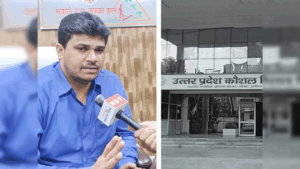
    Yogi govt: Training given to teachers at Deen Dayal Upadhyay State Institute of Rural Development

    In the ongoing training at Deen Dayal Upadhyay State Institute of Rural Development, Lucknow, 1,772 teachers from upper primary and composite schools, 570 from PM SHRI schools, and 60 science and mathematics teachers selected through the pilot project are being trained.
    Yogi govt
    Yogi govt

    These teachers will aim to educate students through vocational skills and practical experiences. This initiative is expected to aid in the academic and personal development of the students.

    Yogi govt

    Under the leadership of Minister of State for Basic Education (Independent Charge) Sandeep Singh, the Basic Education Department conducts this four-day residential training, where teachers are trained in various disciplines.

    The objective behind the initiative is to develop these schools into skill centres as per the guidelines of the National Education Policy 2020. The program aims to help students understand complex subjects like science and mathematics and familiarize them with vocational skills.

    Promoting the holistic development of students is also a key goal. The aim of this initiative is not just to shape them as academicians, but to provide them with opportunities to develop their practical life skills as well.

    In 2022, the pilot project of this program was implemented in 60 schools across 15 districts in which students learned skills in more than 60 activities through four major trades (Engineering and Workshop, Energy and Environment, Agriculture, Nursery and Gardening and Home and Health Care). This effort resulted in a significant increase in students’ practical understanding and interest in these subjects.

    Minister of State for Basic Education (Independent Charge) Sandeep Singh stated that the implementation of this pilot project has not only led to an increase in student attendance in schools, but also brought about a remarkable improvement in their learning levels in science and mathematics.

    “As students acquired vocational and technical skills, they developed a deeper understanding of the subjects, which is now contributing positively to their academic and personal growth”, he further added.

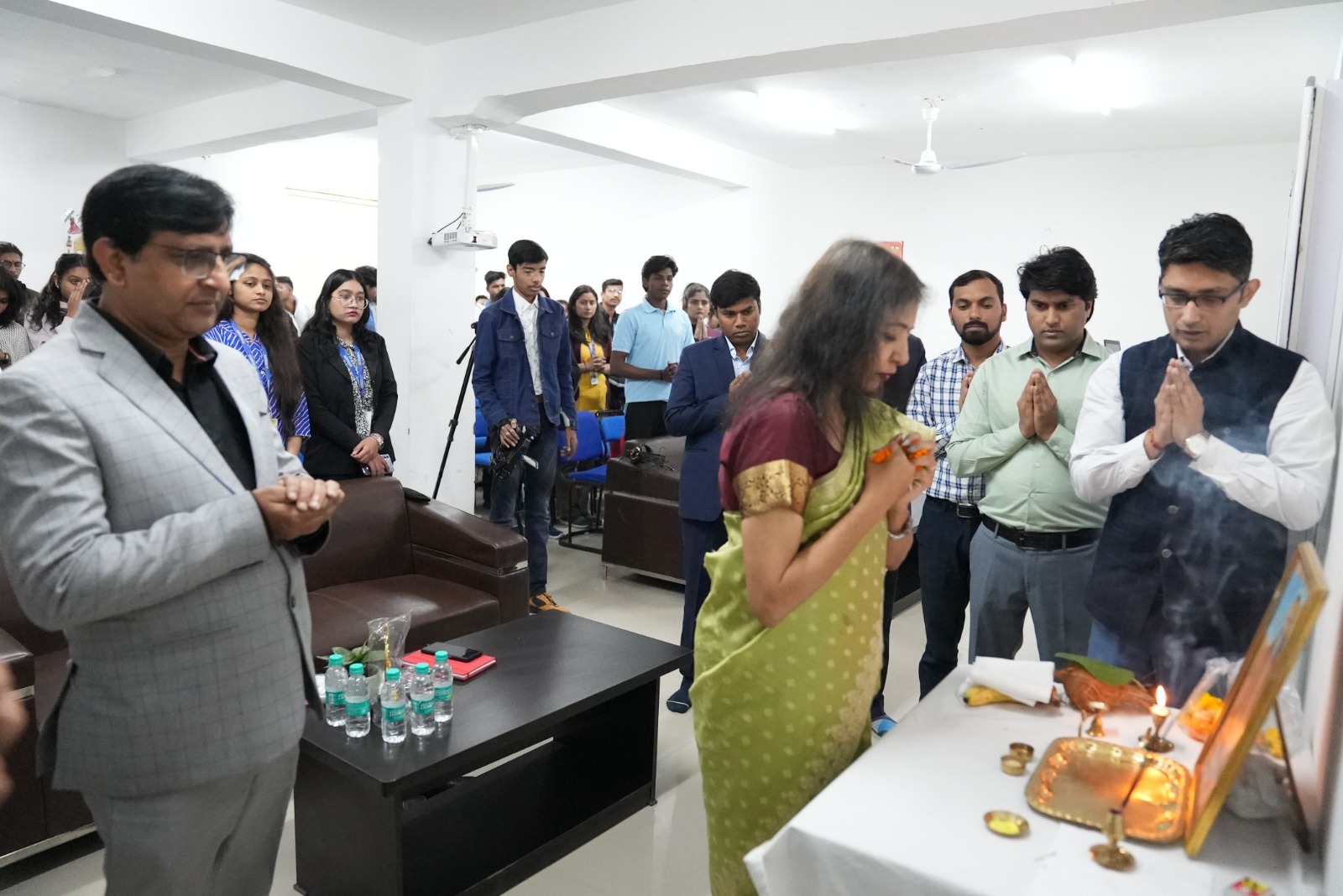
    Inaugurating the training program, ACS Transport L. Venkateshwarlu and special guest Ms. Ekta Singh (IAS) stated that this initiative will prove to be a significant milestone in the skill development of students.

    According to them, it will not only foster scientific thinking and technical skills among students but also empower them with the vocational abilities necessary for future self-reliance.

    This effort to introduce practical education in schools will give a new direction to the state’s education system and help provide students with better employment opportunities, they pointed out.

    Also Read This: Yogi govt gears up to hold the most magnificent and unique Deepotsav celebrations to date 

    On this occasion, mainly Shri Madhav Tiwari, Senior Expert Community Participation Samagra Shiksha, B. Chaudhary Additional Director Institute, Mohit Yadav Faculty Officer, Science Ashram and UNICEF team, apart from Rajit Singh and Dr Faizan, State Advisor Community Participation etc. were present.

  • Shanti International School, Noida Ranked 3rd in Times of India School Survey 2024: A Testament to Excellence

    Shanti International School, Noida Ranked 3rd in Times of India School Survey 2024: A Testament to Excellence

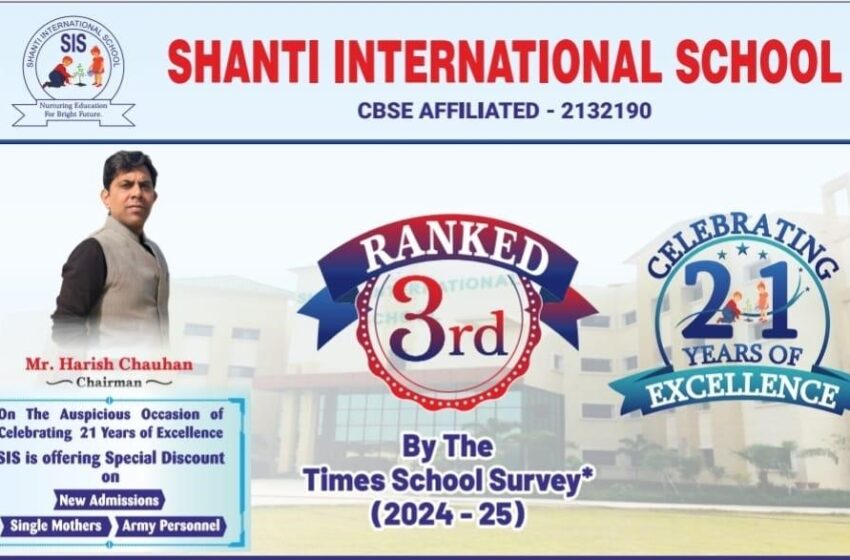
    Noida: Shanti International School, Noida has proudly secured the 3rd position in the prestigious Times of India School Survey 2024, marking a significant milestone in its journey toward academic excellence. This recognition has placed the school among the top educational institutions in the region, affirming its commitment to providing a holistic and high-quality education.

    The ranking is a reflection of the relentless efforts of the school’s dedicated teachers and students, who have worked tirelessly to uphold the school’s values of excellence, integrity, and all-round development. With a curriculum that balances academic rigor and co-curricular activities, Shanti International School continues to create an environment where students can explore their potential to the fullest.

    Sadhvi Verma- Principal

    Commitment to Holistic Education

    Shanti International School has always emphasized a balanced approach to education. The school offers a broad curriculum that integrates academic excellence with sports, arts, and character-building programs. This focus on holistic education has been a key factor in the school’s consistent rise in reputation, culminating in this latest achievement.

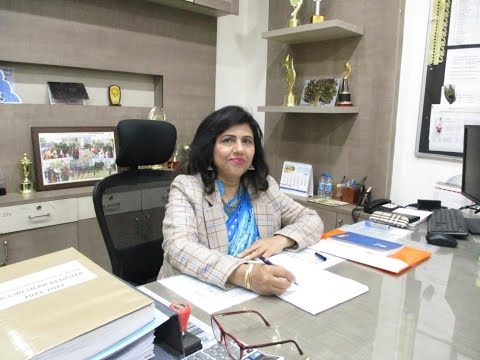
    Reflecting on the honor, Principal Sadhvi Verma expressed her pride in the school’s achievement. “Securing the 3rd rank in the Times of India School Survey is a proud moment for all of us. This ranking is not just about academic performance; it reflects our dedication to nurturing the overall growth of every child who walks through our doors. We are grateful to our teachers, students, and parents for their unwavering trust and support,” she said.

    Principal Verma also highlighted the school’s ongoing commitment to innovation in teaching methods and ensuring students are equipped with 21st-century skills. Her leadership has been a driving force in the school’s continuous development, particularly in integrating technology and creating a dynamic learning environment.

    The Role of Teachers and Students in Success

    Teachers at Shanti International School play a pivotal role in fostering a culture of learning, creativity, and innovation. Their dedication to guiding students beyond textbooks and helping them develop life skills has been a key factor in the school’s success. Students, in turn, have responded with enthusiasm, curiosity, and a passion for learning.

    “This ranking inspires us to work even harder,” said  Anuradha Sharma, a senior teacher at the school. “Our goal is to nurture well-rounded individuals who are prepared to face the challenges of the modern world. We are proud to see that our students consistently excel not just in academics but also in various extracurricular fields.”

    Testimonials from Parents and Students

    The achievement has been met with praise and enthusiasm from parents and students alike. Many parents in Noida believe that Shanti International School has set a high standard for education in the city, and their testimonials reflect the community’s confidence in the school’s approach.

    Pooja Khanna, a parent of two students at Shanti International School, shared, “I have seen remarkable growth in my children, both academically and personally, since they joined this school. The teachers here genuinely care about each child’s progress, and the school’s focus on building confidence and leadership skills has been truly impressive. The Times of India ranking just validates what we already know—that Shanti International is one of the best schools in Noida.”

    Manish Gupta, another parent from Sector 62, Noida, echoed these sentiments, saying, “We chose Shanti International School because of its excellent reputation, and we have not been disappointed. My son has developed a love for learning here. The school’s environment is nurturing yet challenging, which has helped him grow immensely. The recent ranking is a testament to the school’s dedication to its students’ success.”

    Students themselves have also expressed their pride in being part of a top-ranked institution. Riya Malhotra, a Class 10 student, said, “I feel very lucky to be studying at Shanti International. The teachers are always supportive, and we get opportunities to explore different areas like sports, arts, and technology. It’s a place where we can truly discover what we’re passionate about.”

    A Journey of Excellence

    The school’s achievement in the Times of India ranking is not just a recognition of its academic programs, but also of its commitment to the overall development of its students. With a state-of-the-art infrastructure, well-equipped labs, and a wide range of extracurricular activities, the school ensures that students have the resources and guidance they need to succeed in all spheres of life.

    The school’s management also expressed its gratitude to the parents and students for their continuous support. “This achievement would not have been possible without the trust and encouragement of our parents. They have been partners in our journey, and together, we will continue to raise the bar of excellence,” the school’s director said.

    Vision for the Future

    Looking ahead, Shanti International School is committed to building on its success and continuing its mission of providing a world-class education to its students. The school has already set its sights on further enhancing its teaching methods, incorporating the latest educational technologies, and introducing innovative programs to ensure that its students remain competitive in an ever-changing world.

    “Our goal is not just to maintain this position but to keep evolving with the times. We want to offer our students the best possible learning experience that equips them with the skills and knowledge they need to succeed in the 21st century,” said the school principal.

    The recognition by Times of India has only strengthened the school’s resolve to pursue excellence. “We sincerely thank the Times of India for this recognition, which motivates us to continue delivering quality education and nurturing the leaders of tomorrow,” Principal Sadhvi Verma added.

    As Shanti International School celebrates this remarkable achievement, it stands as a beacon of educational excellence in Noida. The school’s focus on holistic development, supported by a strong academic framework, has earned it a well-deserved place among the top schools in the region. With the unwavering support of its dedicated teachers, enthusiastic students, and proud parents, Shanti International School is poised to reach even greater heights in the future.

  • India 2050: The Science Odyssey – A Glimpse into the Future at Shanti International School, Noida

    India 2050: The Science Odyssey – A Glimpse into the Future at Shanti International School, Noida

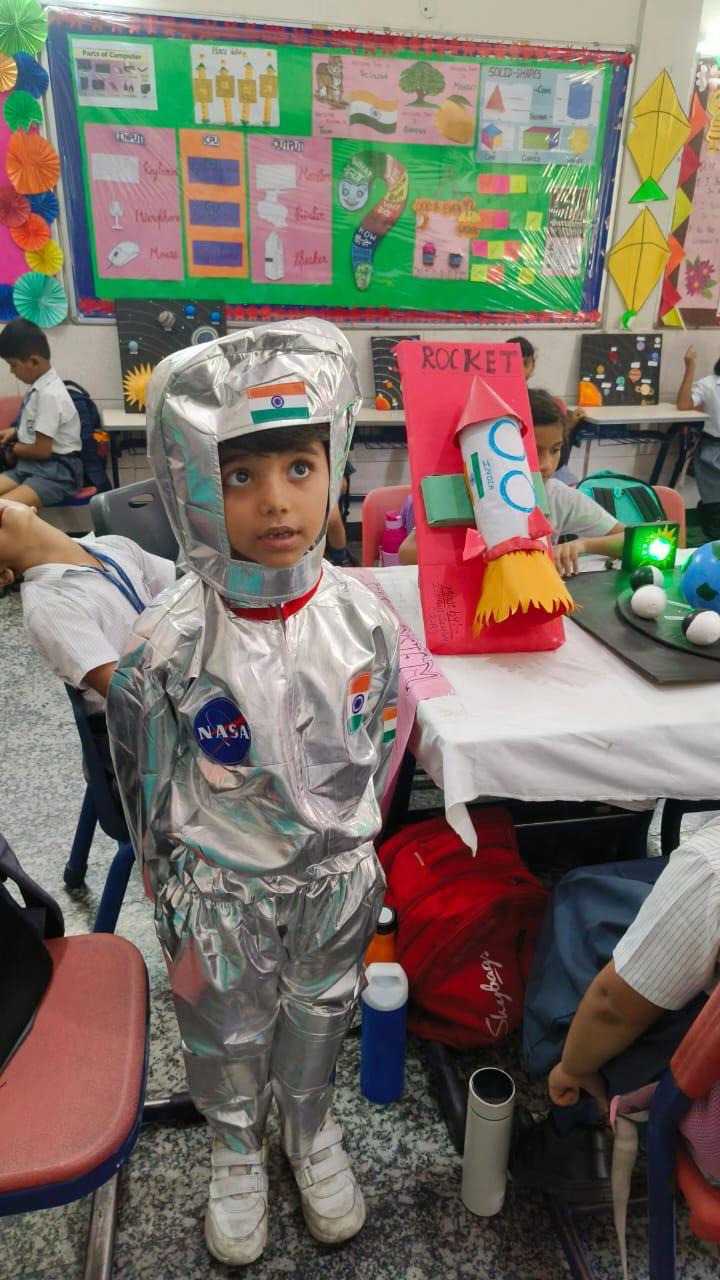
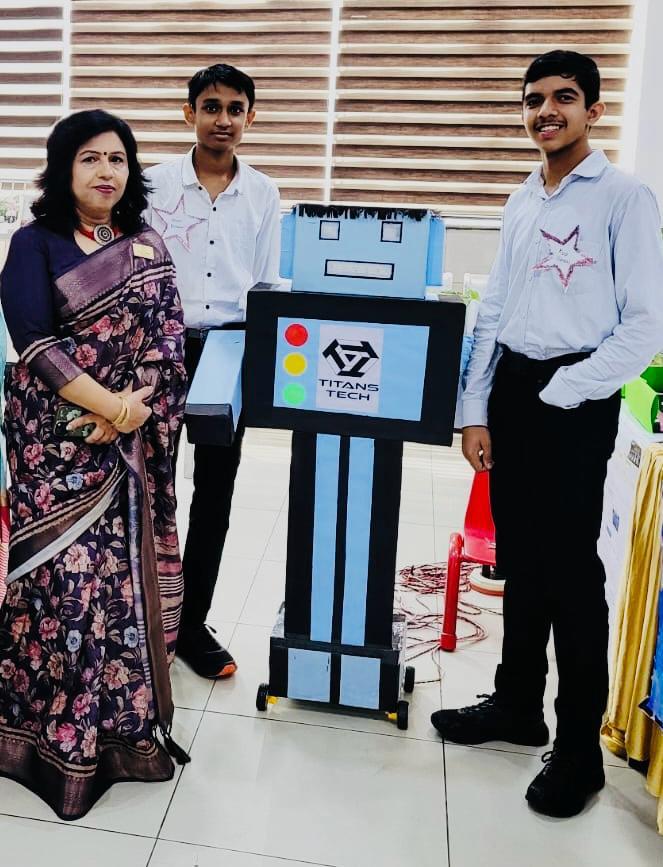
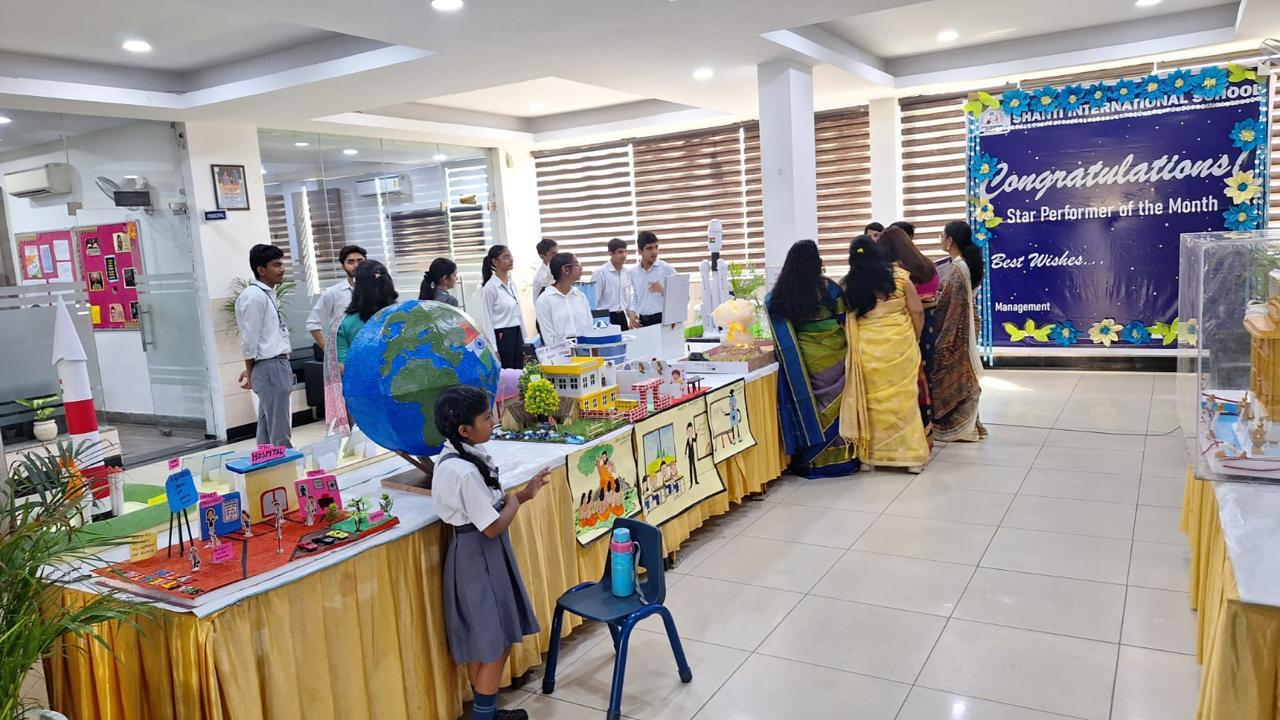
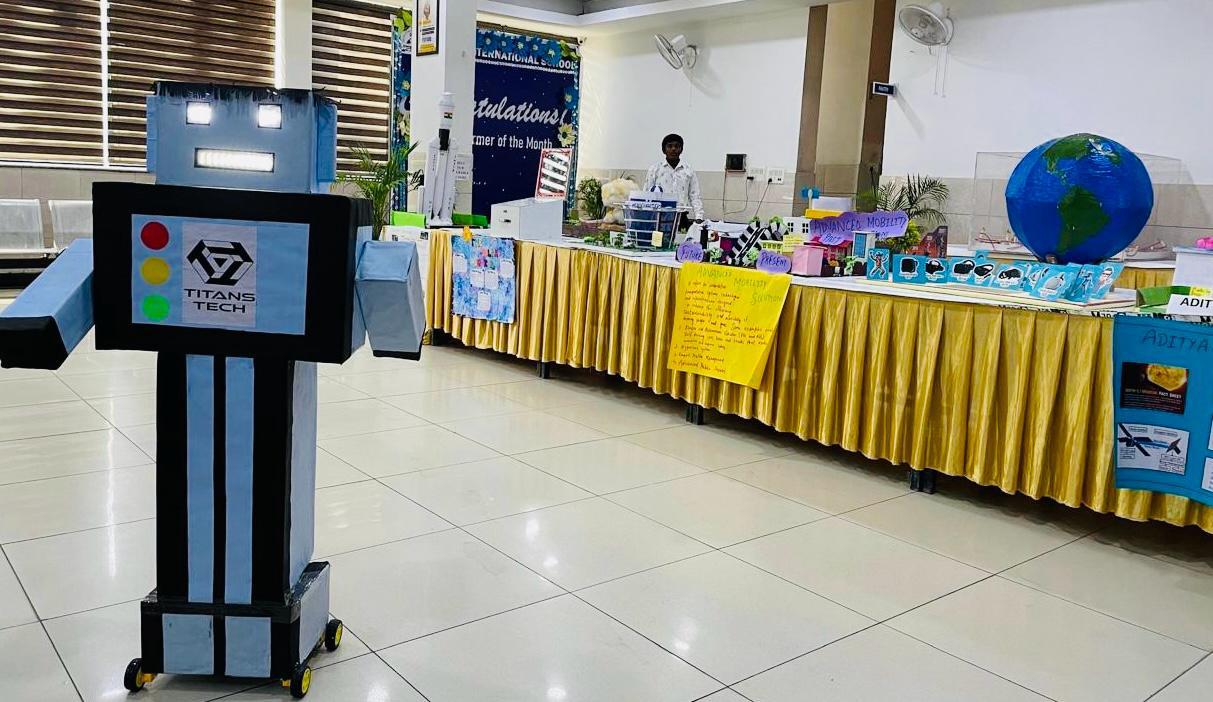
    The Science Odyssey: Shanti International School, Noida, successfully organized the “India 2050: Science Odyssey” exhibition, a remarkable event that showcased students’ innovative ideas and their vision for India’s future. The exhibition highlighted the importance of science, technology, and mathematics in shaping the nation’s progress by the year 2050.

    The Science Odyssey

    Students from Nursery to Class XII actively participated, presenting creative models and projects. The exhibits ranged from advanced robotics to renewable energy solutions, demonstrating a deep understanding of future technologies. The event provided a platform for young minds to showcase futuristic ideas, covering areas like artificial intelligence, smart cities, space exploration, and sustainability.

    Key Highlights:

    • Innovative Projects: Students displayed a variety of models envisioning India’s future. Projects focused on smart technology, clean energy, and innovations aimed at addressing global challenges.
    • Interactive Learning: Visitors were engaged in interactive sessions where students explained the science behind their projects, promoting a better understanding of complex concepts.
    • Expert Insights: Esteemed guest speakers, Ms. Ashima Arora (Chemistry SME) and Ms. Shweta Dixit (HOD and Professor), shared their knowledge on emerging technologies and the critical role they will play in India’s development.
    • The Science Odyssey

    The school’s management, including Chairperson Mr. Harish Chauhan, Director Ms. Anjana Chauhan, and Principal Ms. Sadhvi Verma, graced the event with their presence. The ribbon-cutting ceremony marked the official opening of the exhibition, and the school leadership praised the efforts of both students and teachers for their dedication to excellence in education.

    The Science Odyssey

    Shanti International School, Noida, has once again proven its commitment to fostering innovation and encouraging students to think critically about the future. The Science Odyssey exhibition was a testament to the school’s focus on quality education and its drive to inspire young minds to dream big for a better tomorrow.

  • IIM Mumbai Students Gain Valuable Insights from Pidilite’s Rahul Tiwari: Adaptability and Skills Key to Success in Evolving Corporate World

    IIM Mumbai Students Gain Valuable Insights from Pidilite’s Rahul Tiwari: Adaptability and Skills Key to Success in Evolving Corporate World

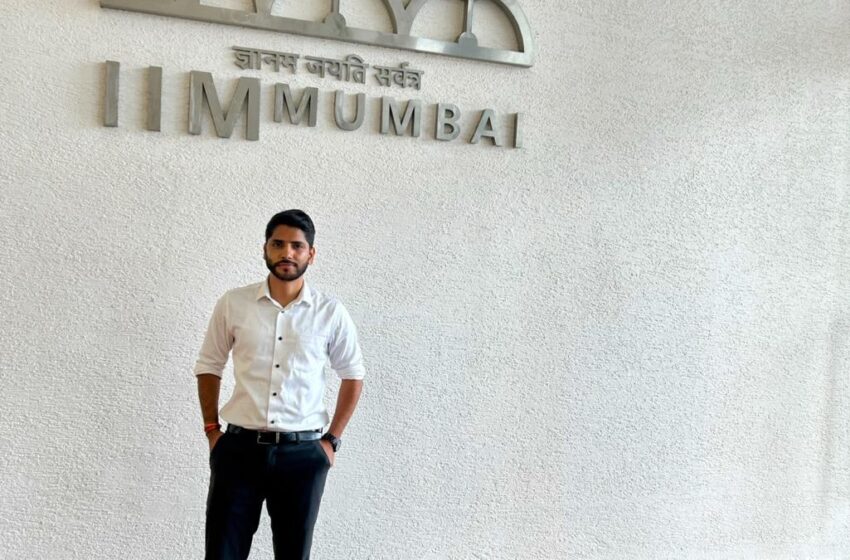
    IIM Mumbai Students: Rahul Tiwari, a prominent business leader and Senior Strategy Leader at Pidilite Industries Limited, recently shared his expertise with future business leaders during a guest lecture at the Indian Institute of Management, Mumbai (IIM Mumbai), one of India’s premier business schools.

    Tiwari, himself an alumnus of a leading Indian business school, brought a wealth of experience to the session. Currently part of Pidilite’s senior leadership team, he is also a renowned speaker and consultant, offering valuable guidance to businesses, government institutions, and emerging startups on career and business strategy.

    During his inspiring talk, Tiwari focused on equipping students with the necessary tools to navigate their upcoming corporate journeys. He offered practical insights to excel in their summer internship placements, while also shedding light on emerging industry trends and how students can strategically align their skillsets with evolving industry requirements.

    Emphasizing the dynamic nature of the corporate world, Tiwari highlighted the importance of adaptability and a strong skillset for achieving future success. He commended the institute’s commitment to fostering diversity within its curriculum and student body, recognizing its significance in preparing well-rounded business leaders.

    This session served a two-fold purpose: to empower IIM Mumbai students for their upcoming corporate endeavors and to strengthen the valuable connection between the institute and the corporate sector.

    Beyond his leadership role at Pidilite, Tiwari is also recognized as an emerging business icon and a leading voice on LinkedIn, where he consistently shares his knowledge and insights with a broader audience.

  • Bharat Nyay Sanhita: Revolutionizing Legal Reform in India

    Bharat Nyay Sanhita: Revolutionizing Legal Reform in India

    Bharat Nyay Sanhita:In a bold stride towards transforming India’s legal framework, the government has unveiled the Bharat Nyay Sanhita, a comprehensive suite of legal reforms aimed at addressing systemic inefficiencies and ensuring equitable access to justice across the nation.

    Streamlining Legal Procedures: The Bharat Nyay Sanhita proposes to simplify and expedite legal processes to reduce the backlog of cases clogging the courts. For instance, the introduction of e-filing systems and online case management platforms will streamline administrative tasks, allowing judges to focus more on adjudication. This reform is expected to significantly enhance the efficiency of the judicial system, leading to quicker resolution of disputes.

    Enhancing Judicial Infrastructure: Under the Bharat Nyay Sanhita, significant investments are earmarked for upgrading judicial infrastructure, including the construction of new court complexes and the appointment of additional judges. By bolstering the physical infrastructure of the judiciary, the reforms aim to alleviate the burden on existing courts and ensure that citizens have timely access to justice.

    Promoting Legal Awareness and Education: Recognizing the importance of legal literacy, the Bharat Nyay Sanhita emphasizes the need for widespread legal awareness programs and initiatives. By educating citizens about their rights and responsibilities, as well as the available legal remedies, the reforms seek to empower individuals to navigate the legal system more effectively. For example, legal aid clinics and mobile legal assistance units will be established to provide guidance and support to those in need.

    Encouraging Alternative Dispute Resolution (ADR): In line with global best practices, the Bharat Nyay Sanhita advocates for the promotion of alternative dispute resolution mechanisms such as mediation, conciliation, and arbitration. By offering parties flexible and amicable avenues for resolving conflicts outside of traditional courtrooms, ADR can help reduce the burden on the formal justice system and promote quicker resolution of disputes. As an illustration, community mediation centers will be set up in rural areas to facilitate the resolution of local disputes through dialogue and consensus-building.

    Ensuring Access to Justice for Marginalized Communities: A key focus of the Bharat Nyay Sanhita is to address the barriers to justice faced by marginalized communities, including women, children, and persons with disabilities. Specialized courts and tribunals will be established to handle cases related to gender-based violence, child rights violations, and disability rights, ensuring that vulnerable groups receive timely and sensitive adjudication. Additionally, legal aid schemes tailored to the needs of marginalized communities will be expanded to provide comprehensive support.

    Strengthening Judicial Accountability and Integrity: To enhance public trust in the judiciary, the Bharat Nyay Sanhita includes provisions for promoting judicial transparency, accountability, and integrity. Measures such as regular performance evaluations of judges, stricter ethical standards, and the establishment of judicial oversight bodies will be implemented to uphold the highest standards of judicial conduct and professionalism.

    Conclusion: As India embarks on the journey of implementing the Bharat Nyay Sanhita, it heralds a new era of legal reform and innovation. With its holistic approach and forward-looking vision, the Bharat Nyay Sanhita has the potential to usher in a more accessible, efficient, and equitable justice system that upholds the rule of law and safeguards the rights of all citizens.

  • Nominations for Padma Awards-2025 begins, Know all the procedures

    Nominations for Padma Awards-2025 begins, Know all the procedures

    Padma Awards-2025: Online nominations/recommendations for the Padma Awards 2025 to be announced on the occasion of Republic Day, 2025 have begun from today. The last date for nominations for Padma Awards is 15th September, 2024. The nominations/recommendations for Padma Awards will be received online on the Rashtriya Puraskar Portal (https://awards.gov.in).

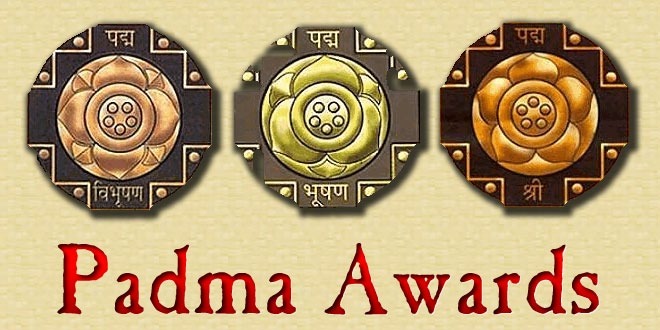
    The Padma Awards, namely, Padma Vibhushan, Padma Bhushan and Padma Shri, are amongst the highest civilian awards of the country. Instituted in 1954, these Awards are announced on the occasion of the Republic Day every year. The award seeks to recognize ‘work of distinction’ and is given for distinguished and exceptional achievements/service in all fields/disciplines, such as, Art, Literature and Education, Sports, Medicine, Social Work, Science and Engineering, Public Affairs, Civil Service, Trade and Industry etc. All persons without distinction of race, occupation, position or sex are eligible for these Awards. Government servants including those working with PSUs, except Doctors and Scientists, are not eligible for Padma Awards.

    The Government is committed to transform Padma Awards into “People’s Padma”. All citizens are, therefore, requested to make nominations/recommendations, including self-nomination. Concerted efforts may be made to identify talented persons whose excellence and achievements really deserve to be recognized from amongst women, weaker sections of the society, SCs & STs, divyang persons and who are doing selfless service to the society.

    The nominations/recommendations should contain all relevant details specified in the format available on the above said Portal, including a citation in narrative form (maximum 800 words), clearly bringing out the distinguished and exceptional achievements/service of the person recommended in her/his respective field/discipline.

    Details in this regard are also available under the heading ‘Awards and Medals’ on the website of Ministry of Home Affairs (https://mha.gov.in) and on the Padma Awards Portal (https://padmaawards.gov.in ). The statutes and rules relating to these awards are available on the website with the link https://padmaawards.gov.in/AboutAwards.aspx .

  • AI in Law: Revolutionizing Legal Practice and Jurisprudence

    AI in Law: Revolutionizing Legal Practice and Jurisprudence

    AI in Law: Artificial intelligence (AI) is becoming a major factor in many different areas, including law. In this article, we will discuss the ways in which artificial intelligence (AI) improves legal research, changes the way contracts are managed, affects the creation and evaluation of legal documents, assists with e-discovery and case evaluation, and even transforms courtrooms. Come explore with us how AI could change the legal landscape.
    AI in Law: Understanding the Role of Artificial Intelligence in Law
    The goal of the computer science field of artificial intelligence (AI) is to build machines that are capable of tasks that ordinarily call for human intelligence. It is used in the legal field to assist legal professionals with a range of duties, including as legal research, contract management, case appraisal, and document analysis. Using AI, legal teams may get insightful information, save time, and boost accuracy.
    AI in Law: Historical Background of Customary Legal Procedures and AI Integration
    In the past, legal professionals collected and analyzed legal data manually. Going through legal documents and textbooks takes hours. However, the application of AI has significantly simplified this time-consuming process.
    Legal practitioners may now access vast databases of legal material using AI-powered tools, which allow them to swiftly search, filter, and retrieve relevant laws, cases, and regulations. The swift progression of technology has revolutionized the study and analysis of law, driving the growth of jurisprudence.

    Examining the Consequences and Difficulties of Artificial Intelligence in Jurisprudence
    Although artificial intelligence (AI) has a lot to offer the legal industry, there are also a lot of consequences and difficulties. For example, the use of AI systems necessitates a careful assessment of their precision and dependability. It’s also critical to guarantee openness and deal with biases in AI algorithms.
    Furthermore, professional training and ethical frameworks must alter in order for AI to be used in the legal industry. To preserve the integrity of the legal system, legal practitioners must comprehend and negotiate the ethical issues surrounding the use of artificial intelligence.
    Enhancing Legal Research and Analysis through AI
    • Automated Legal Research: Enhancing Precision and Reducing Time: AI-powered platforms can assist legal practitioners in automating legal research processes. These platforms swiftly obtain relevant facts by scanning vast legal libraries with machine learning and natural language processing algorithms. By saving time, legal scholars can focus on higher-value projects and boost output and client service.
    • AI-Powered Data Analysis: Revealing Trends and Perspectives: Attorneys may discover trends and insights through the application of AI in legal analysis that they might not have seen otherwise. Using advanced analytics technology, lawyers may analyze vast amounts of data, identify trends, and make decisions based on facts. This makes it possible for lawyers to build stronger cases and develop successful litigation strategies.
    • Lawyers’ Aid in Case Evaluation using Predictive Analytics: One notable additional application of AI in the legal sector is predictive analytics. By looking at case data from the past, AI systems can predict the potential outcomes of cases that are currently pending compared to those that are not. This aids in risk assessment, strategy formulation, and client counselling for lawyers. Predictive analytics combined with legal expertise gives legal practitioners a competitive edge.
    Maintaining compliance is a crucial aspect of contract management. AI-powered monitoring and audit tools assist legal teams in tracking compliance with contractual obligations and changing regulations. These tools automate the monitoring process, flag potential non-compliance issues, and provide suggestions for corrective actions. This proactive approach strengthens risk management and reduces legal liability.
     AI’s Effect on the Drafting and Analysis of Legal Documents
    o Automated Drafting: By utilizing client data and pre-existing templates, AI-powered drafting solutions expedite the creation of legal documents. The uniformity and efficiency are increased by this automation.
    o Language Analysis and Document Comparison: By highlighting important clauses and possible problems, AI’s language analysis skills help to understand complicated legal documents. Tools for comparing documents make it easier to analyze different versions while maintaining correctness and consistency.
    o Cutting Down on Mistakes and Acquiring Knowledge: Artificial intelligence-powered proofreading systems reduce mistakes by emphasizing consistency, grammar, and spelling mistakes. They also provide shrewd advice on how to increase accuracy and clarity.
    AI’s Place in E-Discovery and Case Evaluation
    o Effective Data Management: Artificial Intelligence makes e-discovery easier by automating the classification and sorting of data, assisting legal practitioners in effectively managing vast amounts of electronic evidence.
    o Automated Document Review: AI-powered solutions streamline the review process by classifying and evaluating documents based on relevancy, freeing up lawyers to concentrate on making strategic decisions.
    o Advanced Case Assessment: By forecasting outcomes and guiding litigation strategies, AI’s predictive analysis capabilities support case assessment by improving decision-making and client advise.
     Smart Courtrooms and Artificial Intelligence
    o Virtual Hearings and Online Dispute settlement: Artificial Intelligence (AI) facilitates safe data management, smooth communication, and remote participation and effective case settlement through virtual hearings and online dispute resolution platforms.
    o Automation of Robotic Processes (RPA) for Administrative Tasks: Automating routine administrative operations in courtrooms with AI-powered RPA lowers human error, speeds up procedures, and boosts productivity.
    o Ethical and Transparent AI Application: Regular audits, open decision-making procedures, and continuous algorithm review are essential to guaranteeing the ethical application of AI in courtrooms. These actions preserve justice, protect the public’s trust, and lessen prejudice.
    Summary and Conclusion
    The legal profession has undergone a transformation with the incorporation of AI into legal proceedings and jurisprudence. Artificial Intelligence (AI) enriches legal research, elevates the drafting and analysis of legal documents, eases e-discovery and case evaluation, and even revolutionizes the courtroom. Achieving a balance between the ethical issues raised by AI and the opportunities it brings is crucial as we move forward. The law has a great deal of room to expand and innovate in the future if it embraces AI while maintaining moral principles.

    Know about the Author

    Author Name: Meenu Singh

    Profession: Young Professional at AICTE (All India Council for Technical Education)

    Meenu Singh is a highly skilled professional with a strong background in administration and human resources. She holds a Post Graduate Diploma in Human Resource Management from IGNOU and an MBA in HR from Guru Gobind Singh Indraprastha University. Recognized as a certified POSH Trainer by the Indian Society for Training & Development, Meenu brings a wealth of experience to her role. Previously, she served as an Apprentice Human Resource Executive Trainee at Power Grid Corporation of India Limited, where she gained valuable insights and expertise in the field.

  • MIUT Noida: Students learn the tricks of the trade in radio jingle making workshop

    MIUT Noida: Students learn the tricks of the trade in radio jingle making workshop

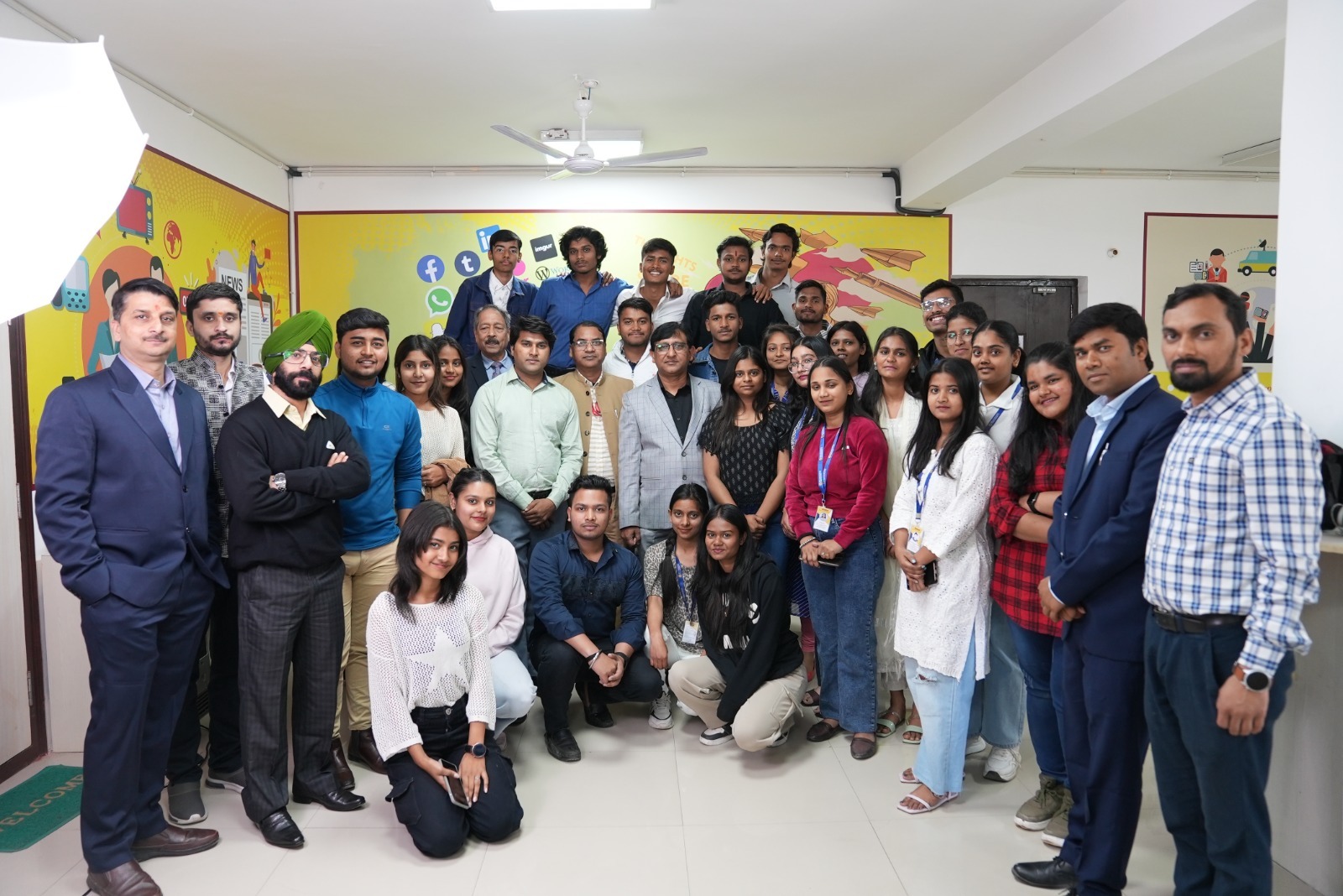
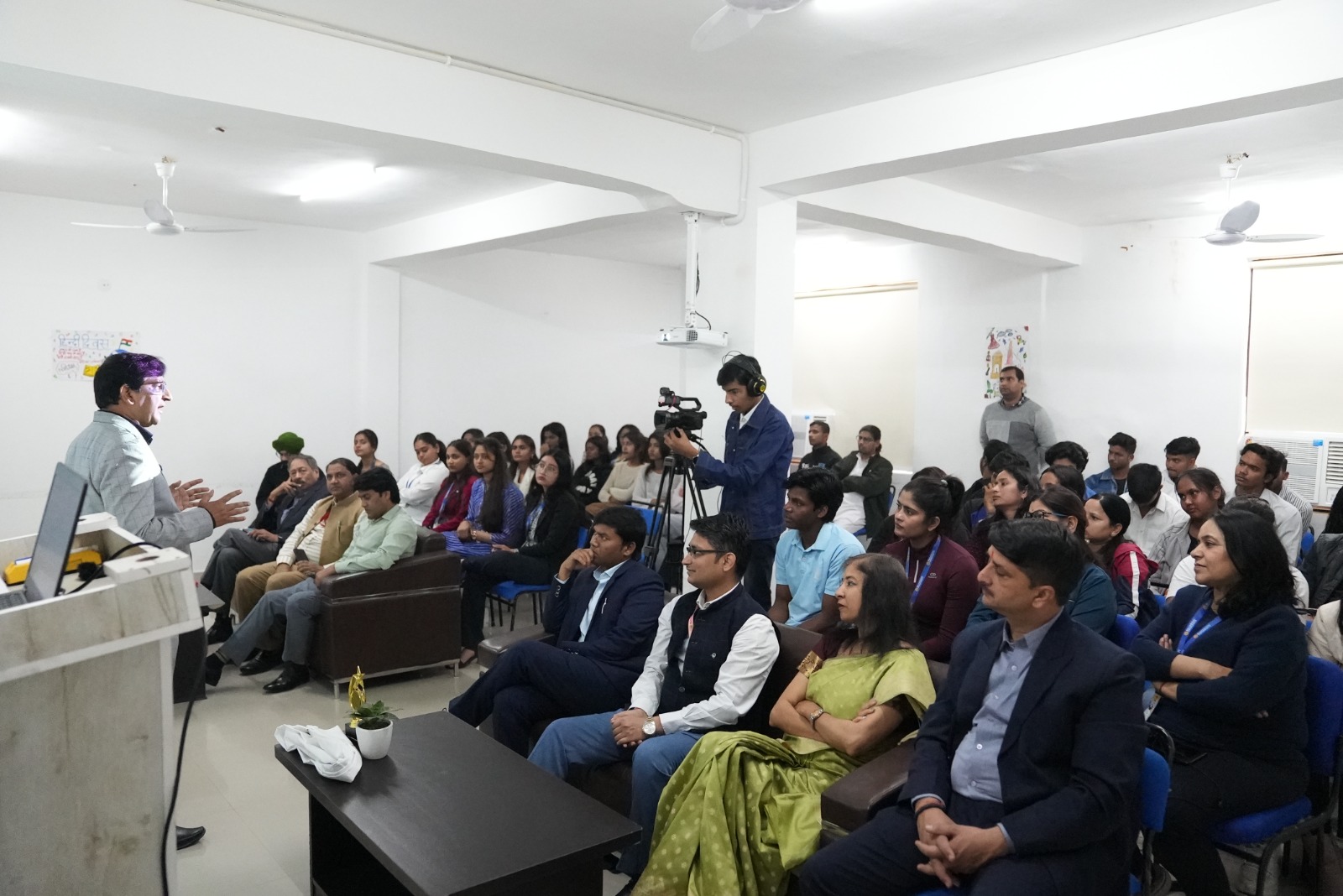
    MIUT NOIDA:  A workshop on “Making a Radio Jingle” was organized by the Media Department in collaboration with Maharshi University of Information Technology, Noida, and IQAC. The undergraduate and postgraduate students of Journalism and Mass Communication learned the tricks of the trade in radio jingle making.

    The chief guest of the workshop was Dr. Umesh Chandra Pathak, Head of the Department of Journalism and Mass Communication, Maharaja Agrasen Institute of Management Studies, Delhi (affiliated to Guru Gobind Singh Indraprastha University, Delhi). Dr. Pathak shared his experiences and insights related to jingle making with the students during the workshop. He explained the importance of radio jingles and taglines and showed some relevant advertisements from the past two decades. He said that a jingle was a lyrical musical advertising-spot on a product and was often a commercial effort and that it should be creative and catchy.

    Dr. Pathak, who is known for his mimicry skills, entertained the students with his imitations of several celluloid stars, including Amitabh Bachchan and radio presenter Amin Sayani. He said that jingle making is a process of hard work and creativity and it is done within a deadline.

    Continuing his lecture with the students in the workshop, Dr. Pathak said that jingles are the heartbeat of marketing campaigns, enchanting audiences with catchy tunes and memorable lyrics. Creating an effective jingle requires a blend of creativity, strategic thinking, and musical skills. Here are some key points to consider when embarking on the journey of jingle creation:

    • Understand the brand or product: It is important to understand the brand or product before writing the lyrics. It is necessary to understand what message the product should convey and what kind of emotional message the jingle should generate.

    • Know your target audience: It is important to create a jingle that will resonate with the target audience. If it is for the young generation, ‘Har dost jaruri hota hai’ (Every friend is important) may be appropriate, while for a housewife doing household chores, the jingle ‘Nirma… Nirma washing powder Nirma…’ may be perfect.

    • Keep it simple and catchy: The jingle should be simple, catchy, and easy to remember. It should be something that people can hum along to and remember even after hearing it once.

    • Use strong vocals and music: The vocals and music in a jingle should be strong and catchy. They should complement the lyrics and help to create a memorable experience for the listener.

    The workshop concluded with an interactive question-and-answer session with the students. Dr. Mudita Aggarwal (Dean), Mr. Gaurav Thakur, Faculty (SOC), and Dr. Shambhu Sharan Gupta (HOD), Associate Professor, Nitin Saxena, Professor, Dr. Mithilesh Kumar, Dr. Surmeet Singh, Assistant Professor, Mr. Shivam Yadav, Mr. Sunil Kumar Yadav, Arvind Singh, and Mr. Mohan Singh Rawat from Maharshi University were present.

  • Shanti International School Annual Day Celebration Receives Acclaim

    Shanti International School Annual Day Celebration Receives Acclaim

    New Delhi: Shanti International School Noida marked the culmination of 2023 with a spectacular Annual Day Celebration on December 26th. Held at the Auditorium, Gautam Buddha University, Greater Noida, the event garnered enthusiastic reviews from parents who witnessed an extraordinary display of talent and creativity.

    The distinguished presence of Mr. Ashok Kumar Sharma, Additional DSP, G B Nagar, Noida, and Prof. Ravindra Kumar Sinha, Vice-Chancellor, Gautam Buddha University, Greater Noida, as our esteemed Chief Guests, added to the inspiration of the evening.

    The theme of the celebration, “Vasudhaiva Kutumbakam,” left the audience in awe, with some moved to tears of ecstasy. The profound impact of the program showcased the unity of society through the exceptional performances of our talented students.

    Principal Sadhvi Verma, the guiding force behind the event, made this extraordinary evening possible through her keen vision and understanding of the contemporary world. The theme’s relevance resonated with parents, instilling pride in their connection to the school family, Shanti International School, Noida.

    The event not only highlighted the excellence of the school but also showcased the dedication and commitment of the teachers. The seamless coordination and efforts of the teaching staff under Principal Sadhvi Verma’s leadership played a pivotal role in making the celebration a resounding success.

    Shanti International School continues to stand out as a beacon of educational excellence, nurturing not only academic achievement but also fostering a sense of global citizenship and unity among its students.

    In essence, the Annual Day Celebration not only showcased the best of Shanti International School but also underscored the invaluable role played by the dedicated teachers and the visionary leadership of Principal Sadhvi Verma in shaping the future of the students.

  • Happy Diwali 2023: Shanti International School Principal Sadhvi Verma Extends Diwali Greetings with a Call for Caution

    Happy Diwali 2023: Shanti International School Principal Sadhvi Verma Extends Diwali Greetings with a Call for Caution

    Happy Diwali 2023: In a heartfelt message, Principal Sadhvi Verma of Shanti International School in Noida has urged citizens to celebrate Diwali with joy and caution. As the festival of lights approaches, she emphasized the significance of embracing the spirit of Diwali while prioritizing safety.

    In a special address to the school community and the nation at large, Principal Sadhvi Verma extended warm Diwali greetings to all. She expressed the hope that the festival would bring happiness, prosperity, and the light of knowledge to every household.

    However, in light of the ongoing concerns related to safety during festivities, the principal emphasized the need for caution. She highlighted the importance of celebrating Diwali responsibly, urging everyone to be mindful of the environment and to follow safety guidelines while enjoying the traditional rituals of the festival.

    Principal Sadhvi Verma’s message resonated with a call for unity and responsible celebration. She urged all citizens to be mindful of the potential hazards associated with fireworks and to prioritize the well-being of both individuals and the community at large.

    As the school gears up for Diwali celebrations, Principal Sadhvi Verma encourages students, parents, and staff to embrace the festive spirit while fostering a sense of responsibility and safety. The school has also organized various awareness programs and initiatives to promote an eco-friendly and safe Diwali celebration within the school community.

    As the nation prepares to celebrate Diwali, the message from Shanti International School serves as a reminder to cherish the traditions of the festival while being mindful of the impact on the environment and the safety of all citizens.

    The school community looks forward to a joyous and safe Diwali celebration, guided by the principles of responsibility and unity as advocated by Principal Sadhvi Verma.