Category: Technology News

  • A Game Changer by Elon Musk : X Users Can Now Access Grok AI Chatbot for Free

    A Game Changer by Elon Musk : X Users Can Now Access Grok AI Chatbot for Free

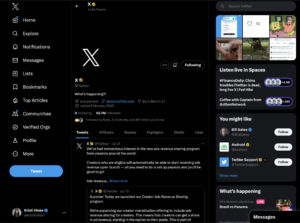
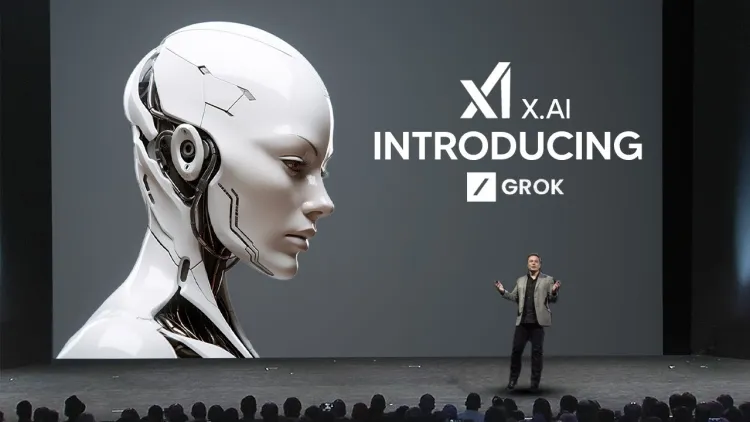
    Now, all X users can use Grok AI for free. If you’re a user of the microblogging platform X, here’s some great news for you. Elon Musk has gifted millions of X users a free chatbot. This update brings a significant change for X users, making the platform more user-friendly and technically capable than ever before.

    Elon Musk : X Users Can Now Use AI Chatbot for Free

    Since Elon Musk acquired the X social media platform, he has introduced several significant changes and continues to roll out new updates. If you use X, this is excellent news for you. Recently, X introduced support for the Grok AI chatbot, and now Musk has made it available for all users for free. This gives X users the opportunity to experience new AI technology that was previously available only to a select few premium subscribers.

    Grok AI was launched in 2023 and later integrated with the X platform. Initially, users had to subscribe to use this chatbot, but now you can use it completely for free. This move will help connect X users with a new experience of technical services and features. With Grok AI being free, it could pose a tough challenge to other AI chatbots like OpenAI’s ChatGPT, Google’s Gemini AI, and Claude AI.

    However, no official announcement has been made by X regarding this, but many users have reported that they are using Grok AI for free with X’s premium subscription. This AI chatbot will provide users with a smart and seamless conversation experience, offering quick and accurate answers to their questions.

    Elon Musk : Features of the Free Version of Grok AI

    If you’re using the free version of Grok AI, you may encounter some limits. According to reports, users can only send 10 messages every two hours and analyze up to 3 photos per day. These limits are in place to control the use of AI and avoid overwhelming the platform. Currently, Grok AI is built into the X platform, but it may be launched as a standalone app, similar to ChatGPT and Gemini AI, providing users with an even better experience.

    AI Tools : Elon Musk
    AI Tools : Elon Musk

    Elon Musk recently shared that Grok will soon be capable of processing documents like PDFs and Word files. This feature will make it much easier for users, as they will be able to summarize and analyze documents using AI. This will help streamline workflows, especially for those who deal with documents in their work lives.

    New Features on X

    Elon Musk is working on making X the perfect app, where users can do multiple tasks in one place. Recently, X introduced a new Radar Tool feature for users. With this tool, users can easily search for trending topics, breaking news, and other events. This new feature will help users stay updated with the latest trending content and keep them connected with what’s happening in real-time.

    New Features on X
    New Features on X

    However, this feature is currently only available to X’s premium members, but it is expected that it will be made available to all users in the future. Elon Musk aims to make X a platform that leads not just in the world of microblogging but also in all forms of social media interaction. These updates clearly show that X is evolving into not just a social networking platform but a comprehensive digital service app.

    Also Read This: Wearable tech: what is Wearable tech, its types, evolution, advantages and disadvantages.

    With the introduction of Grok AI’s free version, X users are now able to experience a new and improved AI chatbot service that can provide them with information and helpful suggestions for every kind of query. This move could prove to be a major shift, not only for X users but also in the world of social media and AI technology.

  • India 2050: The Science Odyssey – A Glimpse into the Future at Shanti International School, Noida

    India 2050: The Science Odyssey – A Glimpse into the Future at Shanti International School, Noida

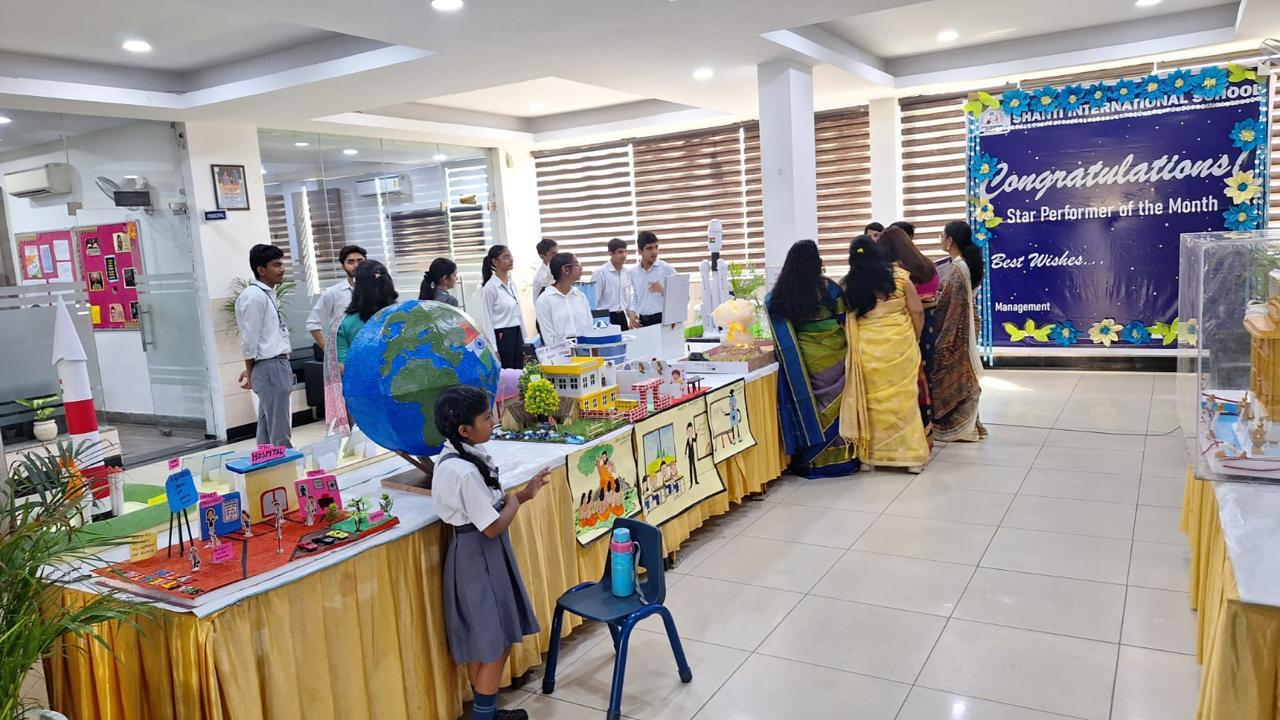
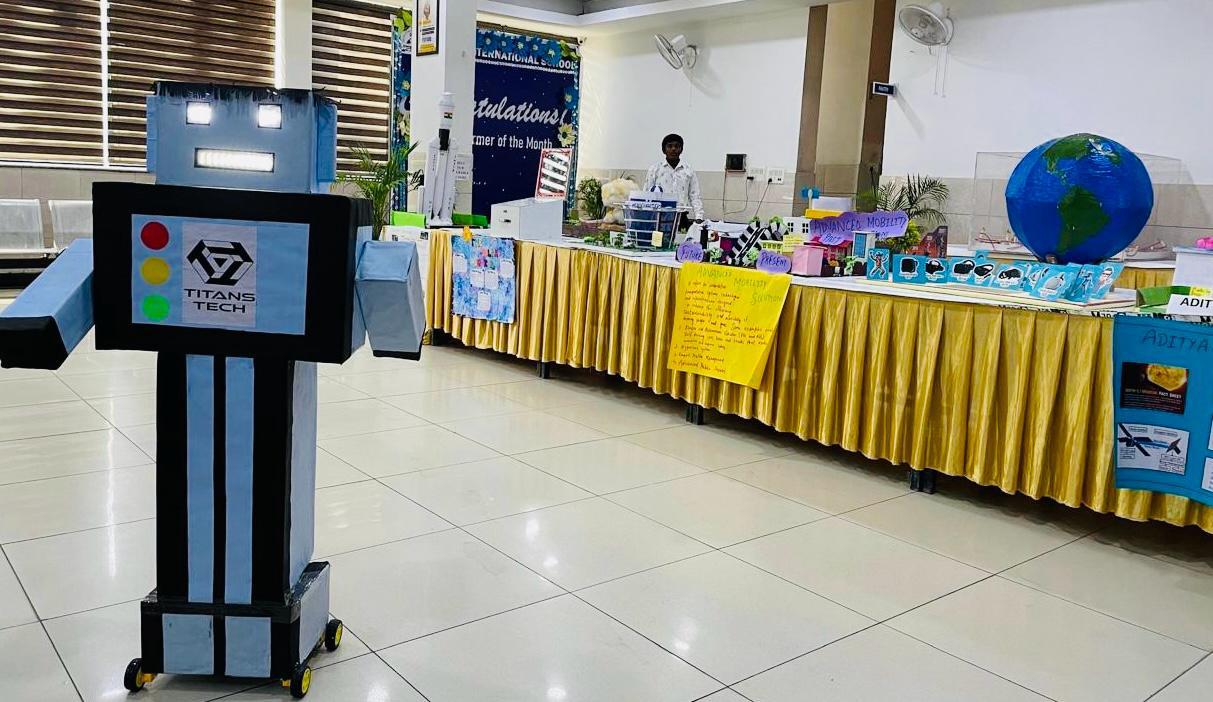
    The Science Odyssey: Shanti International School, Noida, successfully organized the “India 2050: Science Odyssey” exhibition, a remarkable event that showcased students’ innovative ideas and their vision for India’s future. The exhibition highlighted the importance of science, technology, and mathematics in shaping the nation’s progress by the year 2050.

    The Science Odyssey

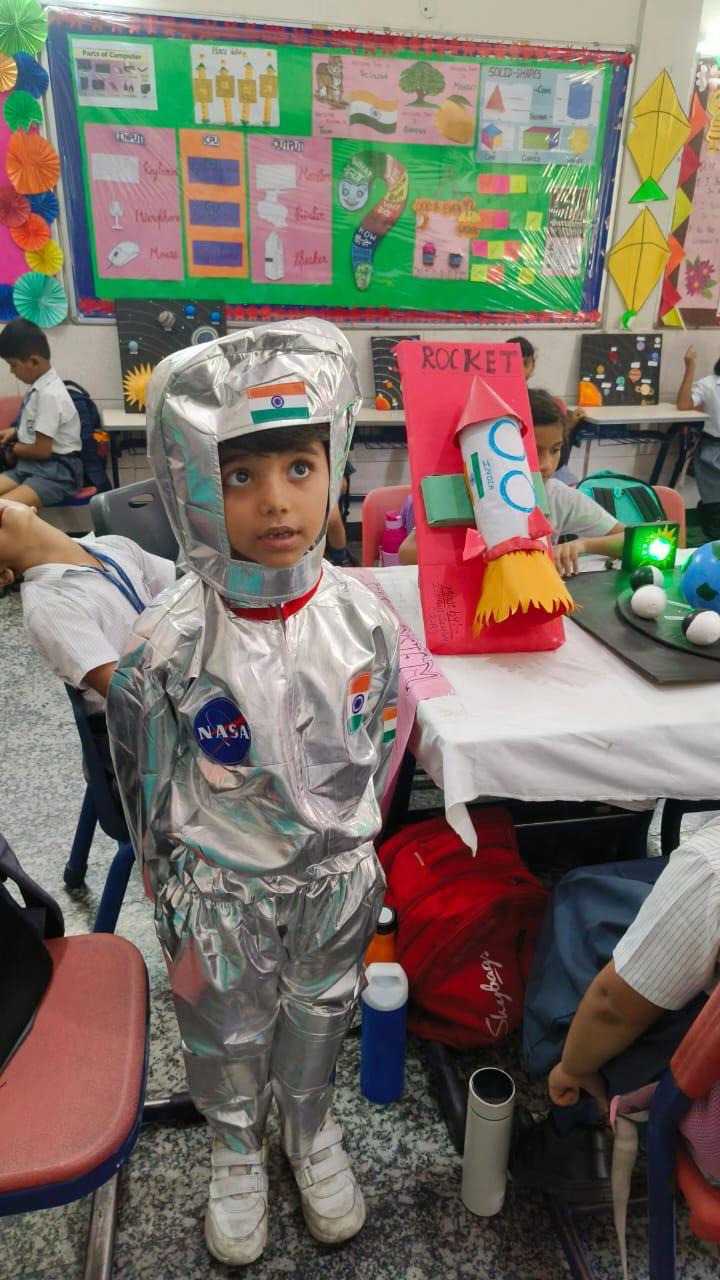
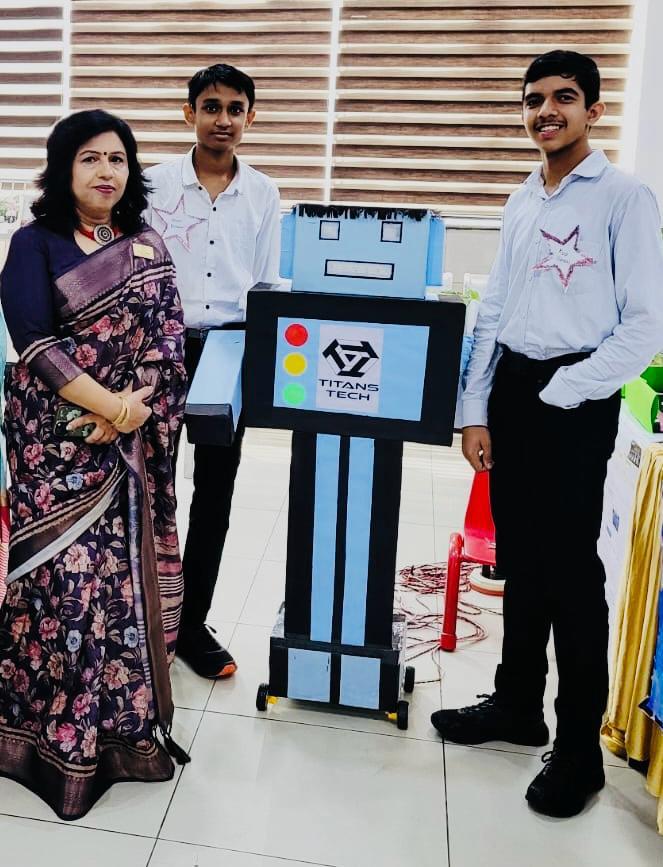
    Students from Nursery to Class XII actively participated, presenting creative models and projects. The exhibits ranged from advanced robotics to renewable energy solutions, demonstrating a deep understanding of future technologies. The event provided a platform for young minds to showcase futuristic ideas, covering areas like artificial intelligence, smart cities, space exploration, and sustainability.

    Key Highlights:

    • Innovative Projects: Students displayed a variety of models envisioning India’s future. Projects focused on smart technology, clean energy, and innovations aimed at addressing global challenges.
    • Interactive Learning: Visitors were engaged in interactive sessions where students explained the science behind their projects, promoting a better understanding of complex concepts.
    • Expert Insights: Esteemed guest speakers, Ms. Ashima Arora (Chemistry SME) and Ms. Shweta Dixit (HOD and Professor), shared their knowledge on emerging technologies and the critical role they will play in India’s development.
    • The Science Odyssey

    The school’s management, including Chairperson Mr. Harish Chauhan, Director Ms. Anjana Chauhan, and Principal Ms. Sadhvi Verma, graced the event with their presence. The ribbon-cutting ceremony marked the official opening of the exhibition, and the school leadership praised the efforts of both students and teachers for their dedication to excellence in education.

    The Science Odyssey

    Shanti International School, Noida, has once again proven its commitment to fostering innovation and encouraging students to think critically about the future. The Science Odyssey exhibition was a testament to the school’s focus on quality education and its drive to inspire young minds to dream big for a better tomorrow.

  • IIM Mumbai Students Gain Valuable Insights from Pidilite’s Rahul Tiwari: Adaptability and Skills Key to Success in Evolving Corporate World

    IIM Mumbai Students Gain Valuable Insights from Pidilite’s Rahul Tiwari: Adaptability and Skills Key to Success in Evolving Corporate World

    IIM Mumbai Students: Rahul Tiwari, a prominent business leader and Senior Strategy Leader at Pidilite Industries Limited, recently shared his expertise with future business leaders during a guest lecture at the Indian Institute of Management, Mumbai (IIM Mumbai), one of India’s premier business schools.

    Tiwari, himself an alumnus of a leading Indian business school, brought a wealth of experience to the session. Currently part of Pidilite’s senior leadership team, he is also a renowned speaker and consultant, offering valuable guidance to businesses, government institutions, and emerging startups on career and business strategy.

    During his inspiring talk, Tiwari focused on equipping students with the necessary tools to navigate their upcoming corporate journeys. He offered practical insights to excel in their summer internship placements, while also shedding light on emerging industry trends and how students can strategically align their skillsets with evolving industry requirements.

    Emphasizing the dynamic nature of the corporate world, Tiwari highlighted the importance of adaptability and a strong skillset for achieving future success. He commended the institute’s commitment to fostering diversity within its curriculum and student body, recognizing its significance in preparing well-rounded business leaders.

    This session served a two-fold purpose: to empower IIM Mumbai students for their upcoming corporate endeavors and to strengthen the valuable connection between the institute and the corporate sector.

    Beyond his leadership role at Pidilite, Tiwari is also recognized as an emerging business icon and a leading voice on LinkedIn, where he consistently shares his knowledge and insights with a broader audience.

  • AI in Law: Revolutionizing Legal Practice and Jurisprudence

    AI in Law: Revolutionizing Legal Practice and Jurisprudence

    AI in Law: Artificial intelligence (AI) is becoming a major factor in many different areas, including law. In this article, we will discuss the ways in which artificial intelligence (AI) improves legal research, changes the way contracts are managed, affects the creation and evaluation of legal documents, assists with e-discovery and case evaluation, and even transforms courtrooms. Come explore with us how AI could change the legal landscape.
    AI in Law: Understanding the Role of Artificial Intelligence in Law
    The goal of the computer science field of artificial intelligence (AI) is to build machines that are capable of tasks that ordinarily call for human intelligence. It is used in the legal field to assist legal professionals with a range of duties, including as legal research, contract management, case appraisal, and document analysis. Using AI, legal teams may get insightful information, save time, and boost accuracy.
    AI in Law: Historical Background of Customary Legal Procedures and AI Integration
    In the past, legal professionals collected and analyzed legal data manually. Going through legal documents and textbooks takes hours. However, the application of AI has significantly simplified this time-consuming process.
    Legal practitioners may now access vast databases of legal material using AI-powered tools, which allow them to swiftly search, filter, and retrieve relevant laws, cases, and regulations. The swift progression of technology has revolutionized the study and analysis of law, driving the growth of jurisprudence.

    Examining the Consequences and Difficulties of Artificial Intelligence in Jurisprudence
    Although artificial intelligence (AI) has a lot to offer the legal industry, there are also a lot of consequences and difficulties. For example, the use of AI systems necessitates a careful assessment of their precision and dependability. It’s also critical to guarantee openness and deal with biases in AI algorithms.
    Furthermore, professional training and ethical frameworks must alter in order for AI to be used in the legal industry. To preserve the integrity of the legal system, legal practitioners must comprehend and negotiate the ethical issues surrounding the use of artificial intelligence.
    Enhancing Legal Research and Analysis through AI
    • Automated Legal Research: Enhancing Precision and Reducing Time: AI-powered platforms can assist legal practitioners in automating legal research processes. These platforms swiftly obtain relevant facts by scanning vast legal libraries with machine learning and natural language processing algorithms. By saving time, legal scholars can focus on higher-value projects and boost output and client service.
    • AI-Powered Data Analysis: Revealing Trends and Perspectives: Attorneys may discover trends and insights through the application of AI in legal analysis that they might not have seen otherwise. Using advanced analytics technology, lawyers may analyze vast amounts of data, identify trends, and make decisions based on facts. This makes it possible for lawyers to build stronger cases and develop successful litigation strategies.
    • Lawyers’ Aid in Case Evaluation using Predictive Analytics: One notable additional application of AI in the legal sector is predictive analytics. By looking at case data from the past, AI systems can predict the potential outcomes of cases that are currently pending compared to those that are not. This aids in risk assessment, strategy formulation, and client counselling for lawyers. Predictive analytics combined with legal expertise gives legal practitioners a competitive edge.
    Maintaining compliance is a crucial aspect of contract management. AI-powered monitoring and audit tools assist legal teams in tracking compliance with contractual obligations and changing regulations. These tools automate the monitoring process, flag potential non-compliance issues, and provide suggestions for corrective actions. This proactive approach strengthens risk management and reduces legal liability.
     AI’s Effect on the Drafting and Analysis of Legal Documents
    o Automated Drafting: By utilizing client data and pre-existing templates, AI-powered drafting solutions expedite the creation of legal documents. The uniformity and efficiency are increased by this automation.
    o Language Analysis and Document Comparison: By highlighting important clauses and possible problems, AI’s language analysis skills help to understand complicated legal documents. Tools for comparing documents make it easier to analyze different versions while maintaining correctness and consistency.
    o Cutting Down on Mistakes and Acquiring Knowledge: Artificial intelligence-powered proofreading systems reduce mistakes by emphasizing consistency, grammar, and spelling mistakes. They also provide shrewd advice on how to increase accuracy and clarity.
    AI’s Place in E-Discovery and Case Evaluation
    o Effective Data Management: Artificial Intelligence makes e-discovery easier by automating the classification and sorting of data, assisting legal practitioners in effectively managing vast amounts of electronic evidence.
    o Automated Document Review: AI-powered solutions streamline the review process by classifying and evaluating documents based on relevancy, freeing up lawyers to concentrate on making strategic decisions.
    o Advanced Case Assessment: By forecasting outcomes and guiding litigation strategies, AI’s predictive analysis capabilities support case assessment by improving decision-making and client advise.
     Smart Courtrooms and Artificial Intelligence
    o Virtual Hearings and Online Dispute settlement: Artificial Intelligence (AI) facilitates safe data management, smooth communication, and remote participation and effective case settlement through virtual hearings and online dispute resolution platforms.
    o Automation of Robotic Processes (RPA) for Administrative Tasks: Automating routine administrative operations in courtrooms with AI-powered RPA lowers human error, speeds up procedures, and boosts productivity.
    o Ethical and Transparent AI Application: Regular audits, open decision-making procedures, and continuous algorithm review are essential to guaranteeing the ethical application of AI in courtrooms. These actions preserve justice, protect the public’s trust, and lessen prejudice.
    Summary and Conclusion
    The legal profession has undergone a transformation with the incorporation of AI into legal proceedings and jurisprudence. Artificial Intelligence (AI) enriches legal research, elevates the drafting and analysis of legal documents, eases e-discovery and case evaluation, and even revolutionizes the courtroom. Achieving a balance between the ethical issues raised by AI and the opportunities it brings is crucial as we move forward. The law has a great deal of room to expand and innovate in the future if it embraces AI while maintaining moral principles.

    Know about the Author

    Author Name: Meenu Singh

    Profession: Young Professional at AICTE (All India Council for Technical Education)

    Meenu Singh is a highly skilled professional with a strong background in administration and human resources. She holds a Post Graduate Diploma in Human Resource Management from IGNOU and an MBA in HR from Guru Gobind Singh Indraprastha University. Recognized as a certified POSH Trainer by the Indian Society for Training & Development, Meenu brings a wealth of experience to her role. Previously, she served as an Apprentice Human Resource Executive Trainee at Power Grid Corporation of India Limited, where she gained valuable insights and expertise in the field.

  • TEC, DoT & ICAR to host ITU/FAO Workshop on “Cultivating tomorrow: Advancing digital agriculture through IoT and AI

    TEC, DoT & ICAR to host ITU/FAO Workshop on “Cultivating tomorrow: Advancing digital agriculture through IoT and AI

    International Telecommunication Union (ITU) is organizing a Workshop on “Cultivating tomorrow: Advancing digital agriculture through IoT and AI,” in collaboration with the Food and Agriculture Organization (FAO) of the United Nations. This event will be hosted by the Telecommunication Engineering Centre (TEC) of the Department of Telecommunications (DoT) and the Indian Council of Agricultural Research (ICAR), Department of Agricultural Research and Education (DARE), Ministry of Agriculture and Farmers’ Welfare, Government of India.

    The Workshop is scheduled to take place on 18 March 2024 at the National Agricultural Science Complex (NASC), ICAR in the National Capital. The Workshop will be followed by the 9th meeting of the ITU/FAO Focus Group on “Artificial Intelligence (AI) and Internet of Things (IoT) for Digital Agriculture” (FG-AI4A) on 19 March 2024 at the same venue.

    Around 200 delegates are expected to participate including international participants.  They will share their experiences in this emerging field, poised to bring a complete transformation in agriculture, often referred to as Agriculture 4.0. Participation is open to ITU Member States, Sector Members, Associates, ITU Academia, and individuals from countries that are members of the ITU, as well as members of international, regional, and national organizations in hybrid mode.

    With the growing world population and climate change posing challenges to traditional farming practices, leveraging technology becomes imperative for sustainable food production. The workshop will explore the application of Internet of Things (IoT), Artificial Intelligence/Machine Learning (AI/ML), Unmanned Aerial Vehicles (UAVs) and other cutting-edge technologies across the entire value chain of agriculture, from production to consumption, including post-harvest management and marketing. The workshop will delve into how these technologies can revolutionize agriculture by providing farmers with real-time data, predictive analytics and actionable insights.

    Moreover, during the workshop, the Technical report on “Revolutionizing Agriculture: The Digital Transformation of Farming” will be released. This report will serve as a reference document for stakeholders of the agricultural sector, guiding decision-makers on harnessing the power of technology to drive sustainability, efficiency, and resilience in food production.

  • FIRST TRAINING SQUADRON PARTICIPATES IN CUTLASS EXPRESS 24

    FIRST TRAINING SQUADRON PARTICIPATES IN CUTLASS EXPRESS 24

    INS Tir, the lead ship of First Training Squadron (1TS) participated in Exercise Cutlass Express – 24 (CE – 24) held at Port Victoria, Seychelles from 26 Feb – 08 Mar 24. The exercise was inaugurated by the President of Seychelles in attendance of dignitaries from India, USA and African countries. As part of Cutlass Express, the Indian Navy actively engaged with participants from 16 friendly foreign countries. Training was conducted on theoretical and practical aspects of Maritime Interdiction Operations, Visit Board Search and Seizure procedures and Diving operations. During the sea phase, the ship’s VBSS team boarded Seychelles Coast Guard (SCG) ship LE Vigilant and demonstrated procedures of boarding operations. Indian divers along with US and Seychelles divers undertook joint diving operations post rigorous training week. The ship hosted R Adm Calvin M Foster, Deputy Commander of US Navy 6th Fleet who shared his views on the importance of maritime cooperation and shared commitment in the region, appreciating the crucial role played by the Indian Navy. The exercise culminated at a closing ceremony held at Seychelles Defence Academy, Ile Perseverance on 08 Mar 24. The Indian Navy has been participating in the exercise since 2019.

    Earlier INS Tir undertook joint EEZ surveillance with Seychelles Coast Guard from 01 – 03 Mar 24. During the ship’s stay at Seychelles, as part of long-range training deployment, professional exchanges, cross deck visits and friendly sports fixtures were held with Seychelles Defence Forces. The Indian Naval band performed at National Museum, Port Victoria and enthralled a huge crowd. Further, a philanthropic activity was also undertaken wherein provisions and stores were donated for the elderly.

    During the Port Call, Senior Officer, First Training Squadron, Capt Anshul Kishore paid courtesy calls on Designated Minister Mr. Sylvestre Radegonde, Seychelles Minister for Foreign Affairs and Tourism, Brig Michael Rosette, Chief of Defence Forces – Seychelles Defence Force and Shri Kartik Pande, High Commissioner of India to Seychelles. As a goodwill gesture and cooperation, the ship handed over spares for SCG ships and aircraft towards capacity building.

    The extant deployment of INS Tir at Seychelles and participation in exercise Cutlass Express underscores close ties between Indian Navy and the regional Navies towards joint training fostering interoperability and building bridges of friendship.


  • NTPC registers 62% growth in coal production from its captive mines

    NTPC registers 62% growth in coal production from its captive mines

    NTPC Limited continues to demonstrate excellence in operations with an increasing trend in coal production from its captive mines. NTPC has produced 7.36 MMT of coal production as per data available on 31st August 2022 registering a robust growth of 62% compared to 4.55 MMT achieved during the same period last year.

    With meticulous planning, resource mobilization, and regular monitoring, NTPC has achieved substantial growth even during the monsoon period, so far, and is hopeful of sustaining the growth that will help in ensuring uninterrupted, reliable and affordable power generation.
    Further, NTPC has dispatched 7.52 MMT of coal from its captive mines as compared to 5.47 MMT of coal dispatched during the same period last year, registering a growth of 37%.

    NTPC has taken various steps to augment the coal production from its coal mines. The engagement of high-capacity dumpers as well as an increase in the existing fleet size of excavators has allowed the operational mines to increase their production.

  • INDIAN 5G TEST BED TO BE ESTABLISHED AT MILITARY COLLEGE OF TELECOMMUNICATION ENGINEERING (MCTE), MHOW

    INDIAN 5G TEST BED TO BE ESTABLISHED AT MILITARY COLLEGE OF TELECOMMUNICATION ENGINEERING (MCTE), MHOW

    5G Test: An Indian 5G test bed is to be established at the Military College of Telecommunication Engineering (MCTE), Mhow in collaboration with Indian Institute of Technology, Madras (IIT-M). An Memorandum of Understanding (MoU) to facilitate the same was signed between MCTE & IIT-M at a function in Chennai today. The test bed will facilitate Indian Army to utilise the 5G technology for its operational use, especially along its borders.

    The MoU signed will give an impetus to induction of systems, devices & equipment using niche technology and also use of AI based algorithms for enhancing capabilities of our Armed Forces. It will also promote collaborative and cooperative research and facilitate exchange of ideas for development of new technologies. It will encourage students, faculties and scientist for research in area of 5G communications and development of military applications. Joint partnership between MCTE and IIT-Madras aims to accelerate Indian Army’s indigenisation efforts for achieving ‘Atmanirbharta’ in the fields of communications and provide a testing facility for Tri-Service and thus act as a catalyst for Research and Development. Under the ambit of the MoU, IIT Madras will provide consultancy, duly supported by research for feasibility studies and prototype development on 5G enabled future communications.

  • Netflix tests TikTok-style feed for children

    Netflix tests TikTok-style feed for children

    Netflix’s iOS app is starting a test of a new feed for children this week.

    As per The Verge, the “Kids Clips” feature uses a similar interface to TikTok or Instagram Reels in an attempt to surface child-friendly content and is designed to show short clips taken from its library of children’s content.

    But while competing services are primarily formatted for viewing in portrait, Kids Clips’ videos are designed to be viewed in landscape.

    Kids Clips joins a similar feature Netflix launched to promote its comedy content earlier this year called “Fast Laughs”.

    Both features have a similar aim: to promote Netflix’s content using short clips similar to what users are already watching on social media.

    Netflix has cited TikTok as a major competitor in past earnings reports, suggesting these features are aimed at stealing time away from the service by focusing on more short-form content.

    However, while competing social networks are criticised for sucking away hours of users’ time, as per sources, Kids Clips limits the amount of clips users can watch in a single sitting to 10 to 20 clips. It sounds like a sensible limitation in light of the younger audience the feature is designed for.

    Kids Clips is launching this week in markets including the US, Canada, Australia, Ireland, and Spanish-speaking Latin America. There’s no word on if or when the feature may come to Android.

    ( With inputs from ANI )

    Disclaimer: This post has been auto-published from an agency feed without any modifications to the text and has not been reviewed by an editor

  • Twitter Spaces is now accessible to people without accounts

    Twitter Spaces is now accessible to people without accounts

    Twitter Spaces was launched in November 2020 to compete with Facebook’s Clubhouse. Any user with a Twitter account was allowed to join a space, but only Twitter account holders with a minimum of 600 followers were allowed to host a space. Now, a year after its launch, a few major updates have been released that are aimed at widening the reach of Twitter Spaces to users across the web. Most notably, Twitter says that accessing the Spaces section will no longer require a Twitter account.

    Thanks to this update, users can share direct links to Spaces with others, and invitees can attend the sessions even without logging into their accounts. Users without Twitter accounts can also access Spaces via Twitter’s Web version.

    However, there are a few restrictions to these changes. At the moment, these updates are limited to the web browser. It is expected that Twitter will extend this feature to its Android and iOS app in the coming months. Also, non-account holders will not have the option of hosting Spaces or engaging in conversations, but can simply access the audio. Twitter Spaces currently allows up to 13 members to speak in a single session (this includes a host and two cohosts).

    Twitter has made several changes recently in the Spaces section to enhance user experience. All account holders, including those using the app version, can host a Space, even if the number of followers on their accounts is below 600. Another change has allowed hosts to record their audio sessions, which gives them access to the same for 30 days. The recording and replay features allow users to listen to audio conversations even after their conclusion. They are expected to arrive soon for Android users. In order to take advantage of the full set of benefits, it is suggested that users sign up for a new Twitter account.