Category: Technology News

  • Nissan Gravite Unveiled : Nissan’s Bold Bet on Affordable Family Mobility in India 2026

    Nissan Gravite Unveiled : Nissan’s Bold Bet on Affordable Family Mobility in India 2026

    Nissan Gravite : In a market where space, affordability, and versatility are non-negotiable for growing families, Nissan has just dropped a bombshell. Yesterday, on December 18, 2025, the Japanese automaker took the wraps off the Nissan Gravite, a sub-compact seven-seater MPV that’s not just another vehicle, but a “modern art form on four wheels” inspired by the aspirations of 1.4 billion Indians. Set for an official launch in early 2026, with a full reveal slated for January, the Gravite signals Nissan’s aggressive resurgence in India, joining the likes of the Magnite SUV and the premium X-Trail in a lineup that’s finally starting to feel revitalized.

    If you’re tired of cramped sedans or overpriced SUVs that guzzle fuel and parking space, the Gravite could be the game-changer you’ve been waiting for. Built on the proven CMF-A platform and sharing DNA with its Renault sibling, the Triber, this MPV promises to blend global engineering with local smarts. Let’s dive into what makes the Gravite tick—and why it might just anchor your next family road trip.

    Design: Bold, Familiar, Yet Distinctly Nissan Gravite

    First impressions? The Gravite doesn’t shy away from making a statement. Teaser images and leaked production shots reveal a confident, boxy stance that’s perfect for urban jungles and highway hauls alike. Up front, it sports Nissan’s signature V-motion grille, flanked by sleek LED DRLs that give it a premium edge without the premium price tag. The rear end gets unique Gravite badging and a fresh lighting layout, differentiating it from the Triber while maintaining that practical, no-nonsense MPV silhouette.

    Nissan Gravite
    Nissan Gravite

    Measuring under 4 meters in length, the Gravite qualifies for India’s sub-4m tax incentives, keeping costs down for buyers. It’s all about modularity here—think slide-and-tumble second and third rows that transform from a seven-seater people carrier to a cargo-hauling beast in seconds. Nissan calls it “designed for Indian families,” and from the looks of it, they’ve nailed the balance of style and substance.

    Powertrain: Efficient and Punchy for Everyday Adventures

    Under the hood, the Gravite borrows the Triber’s reliable 1.0-litre naturally aspirated petrol engine, but whispers from the grapevine suggest a turbocharged variant could spice things up for those craving a bit more grunt. Expect around 70-100 bhp depending on the tune, paired with a five-speed manual or an optional AMT for effortless city commuting. Fuel efficiency? We’re talking 18-20 kmpl, making it a wallet-friendly choice in a segment dominated by thirstier rivals.

    Nissan hasn’t spilled all the beans yet, but the focus is clear: smooth, reliable performance tailored for India’s diverse roads—from pothole-riddled streets to monsoon-soaked highways. And with its lightweight construction, handling feels nimble, not boat-like.

    Features: Loaded for the Long Haul

    What good is space without smarts? The Nissan Gravite packs a punch in the features department, aiming to outshine its budget roots. Expect a 7-inch touchscreen infotainment system with Apple CarPlay and Android Auto, wireless charging, and NissanConnect connectivity for seamless smartphone integration. Safety gets a nod too, with dual airbags, ABS with EBD, rear parking sensors, and possibly a 360-degree camera in higher trims.

    Inside, it’s all about family-friendly vibes: ventilated front seats for those sweltering Indian summers, ample boot space (up to 625 liters with seats folded), and ISOFIX mounts for child seats. Nissan emphasizes “comfort and modularity,” so don’t be surprised if we see customizable storage cubbies and USB ports galore. It’s not flashy like a luxury MPV, but for the price, it’s feature-packed enough to feel like a steal.

    Nissan Gravite
    Nissan Gravite

    Pricing and Competition: Value King in a Crowded Ring

    Word on the street (and from early estimates) is that the Nissan Gravite will start at around ₹6 lakh, climbing to ₹9 lakh for top-spec variants—ex-showroom, of course. That’s squarely in the wheelhouse of the Renault Triber (its closest cousin), Maruti Suzuki Ertiga, and Kia Carens, but with Nissan’s badge adding a touch of aspirational flair.

    Competitor Starting Price (₹ Lakh) Key Edge Over Gravite
    Renault Triber 6.0 Slightly cheaper base, but less styling tweaks
    Maruti Ertiga 8.7 More powerful engines, wider service network
    Kia Carens 10.5 Premium features, but pricier

    The Gravite’s ace? Its sub-4m footprint for tax savings and that perfect blend of Nissan reliability with Triber practicality. If priced right, it could poach buyers from the Ertiga’s value segment while undercutting the Carens’ premium play.

    A Resurgence Worth Watching

    The Nissan Gravite isn’t reinventing the wheel—it’s reimagining it for the Indian family on the go. In a year that’s seen Nissan double down on India with the Magnite facelift and now this, the brand’s “Defy Ordinary” mantra feels more tangible than ever. Launching in just a few weeks, it’ll be fascinating to see how it stacks up in real-world tests.

    Also Read This : Dhurandhar Box Office Collection 2025 : Day-Wise Earnings, Budget, Worldwide Gross & Verdict

    What do you think—will the Nissan Gravite pull families away from Maruti’s stronghold? Drop your thoughts in the comments below. Stay tuned for our full review post-launch. Until then, defy the ordinary—because why settle for less when you can have seven seats of fun?


  • Vivo x300 price in india : A Compact Powerhouse That’s Finally Here – Price, Specs, and Why You Should Care

    Vivo x300 price in india : A Compact Powerhouse That’s Finally Here – Price, Specs, and Why You Should Care

    Vivo x300 price in India : That’s the magic Vivo just unleashed with the Vivo x300 launch in India today. In a market drowning in bezel-less behemoths, Vivo’s gone rogue with a 6.31-inch compact flagship that’s equal parts nostalgic and next-gen. I snagged an early peek at the event (shoutout to that invite-only chaos), and let me tell you – this isn’t just a phone; it’s a statement. Small can be mighty, and the X300 proves it without apology.

    I’ve been chasing that elusive “one-hand wonder” since the iPhone 4 days, but life’s been a parade of phablets that mock my grip strength. Enter the Vivo x300 : sleek at 7.7mm thick, weighing in under 180g, and built like it could survive a rickshaw fender-bender. The Summit Red variant? It’s got this fiery gradient that turns heads without screaming “look at me.” Elite Black keeps it low-key pro, while Mist Blue whispers coastal escape. Whichever you pick, it’s a phone that fits you, not the other way around.

    Vivo x300 price in india
    Vivo x300 price in india

    Power in a Palm : Specs That Punch Above Their Size

    Don’t let the diminutive display fool you – Vivo crammed a supernova under the hood. The MediaTek Dimensity 9500 is the star here, clocking scores that rival Snapdragon’s elite in multi-core mayhem. We’re talking seamless 8K video renders, AR filters that don’t lag during Diwali selfies, and enough thermal headroom to binge Netflix on a Delhi summer scorcher. RAM tops out at 16GB (hello, tab-hoarding multitaskers), and storage hits 512GB – no more deleting vacation pics to make room for that one podcast episode.

    The screen’s a 1.5K OLED gem: 3000 nits peak brightness for glare-proof doom-scrolling, LTPO tech for adaptive refresh rates that sip battery like a pro. And oh, the 5,500mAh pack? It laughs at heavy days, juicing up to 100% in 35 minutes via 80W wired (or 50W wireless if you’re fancy). IP68 means puddle-jumping is no biggie, and stereo speakers tuned by JBL deliver bass that thumps without ear fatigue.

    But the real heart-stealer? That Zeiss-blessed camera array. The 200MP main sensor captures street food glow with absurd clarity – think cropping a chaat close-up into a foodie masterpiece. The 50MP ultrawide sweeps Mumbai skylines without distortion, and the telephoto’s 3x optical zoom nails portraits that make your ex jealous. Low-light? Vivo’s V3 chip processes shots faster than you can say “candid.” I tested a quick snap of the Gateway of India at dusk – colors popped, noise was MIA. For creators scraping by on Reels revenue, this is your new sidekick.

    Vivo x300 price in India : Flagship Smarts, Mid-Range Heart

    Vivo’s pricing game is chef’s kiss – premium without the wallet assault. Dropping today with pre-orders firing up on Vivo.com, Flipkart, and Amazon, here’s the lineup:

    Variant Price (INR) Best For…
    12GB + 256GB ₹75,999 Everyday hustlers who stream but don’t hoard.
    12GB + 512GB ₹81,999 Content creators stacking edits and exports.
    16GB + 512GB ₹85,999 Power pros juggling apps like circus acts.

    Sweeteners? ₹4,000 instant discount on accessories, 10% back on ICICI/SBI swipes, and 24-month zero-interest EMI. Sales hit shelves December 10, but if FOMO’s your fuel, lock one in now. In a post-pandemic pinch, Vivo gets it – tech should empower, not enslave.

    Vivo x300 price in india
    Vivo x300 price in india

    Why the Vivo x300 Feels Like a Win

    This phone’s my antidote to upgrade fatigue. Funtouch OS 15 runs OriginOS smoothly, with AI tricks like real-time translation for that foreign menu puzzle. It’s got the ecosystem hooks too – seamless sync with Vivo tabs and buds. Compared to the X100? Sharper, smaller, smarter. Against Pixel 9? Better zoom, longer life. Samsung S25? We’ll see, but Vivo‘s undercutting on price while matching the camera flex.

    Also Read This : Under-16 Social Media Ban in Australia : Full Guide to the New Online Safety Law 2025

  • Under-16 Social Media Ban in Australia : Full Guide to the New Online Safety Law 2025

    Under-16 Social Media Ban in Australia : Full Guide to the New Online Safety Law 2025

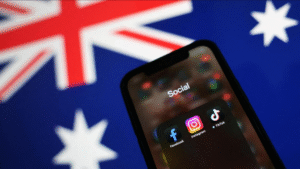
    Social Media Ban in Australia : As the clock ticks down to December 10, 2025, Australia stands on the brink of a digital revolution that’s got parents, teens, and tech executives buzzing. In just over a week, the nation’s groundbreaking under-16 social media ban kicks in, forcing platforms like TikTok, Instagram, and Snapchat to lock out young users or cough up fines that could top AUD $50 million. It’s a bold move aimed at reclaiming childhood from the grip of addictive algorithms and endless feeds. But is it a shield for vulnerable minds or a sledgehammer to online freedom? Let’s dive into the details, unpack the drama, and figure out how this could reshape family screen time forever.

    Understanding Social Media Ban in Australia

    Under-16 Social Media Ban in Australia : At its core, Social Media Ban in Australia, officially the Online Safety Amendment (Social Media Minimum Age) Act 2024. Isn’t about shaming parents or policing kids’ devices. Instead, it flips the script, placing the full weight of responsibility on tech giants. Platforms with more than a million Australian users must now deploy “reasonable steps” to verify ages and block anyone under 16 from signing up or staying logged in. We’re talking advanced tools like AI-powered facial recognition, biometric scans, or even government ID checks to keep the under-16 crowd out.

    Under-16 Social Media Ban in Australia
    Under-16 Social Media Ban in Australia

    This isn’t a vague suggestion; it’s enforceable law, overseen by the eSafety Commissioner. If Meta, ByteDance, or Snap fail to comply, they could face those eye-watering penalties—enough to make any CEO sweat. The ban’s roots trace back to mounting evidence of social media’s toll on youth: studies linking it to spikes in anxiety, depression, and cyberbullying, all supercharged by AI that knows exactly how to hook a 14-year-old’s attention. Communications Minister Michelle Rowland put it bluntly during the bill’s passage: “The evidence is overwhelming, social media is inflicting real harm on our children, and it’s time for platforms to act.”

    With enforcement starting next week, Meta has already begun testing account deactivations on Instagram and Facebook, flagging profiles based on signup data and usage patterns. Teens caught in the net can appeal with proof of age, but expect a scramble as families adjust.

    The Tech and Enforcement Puzzle: How Will It Play Out?

    Under-16 Social Media Ban in Australia Picture this: Your 15-year-old tries to log into TikTok, only to hit a wall demanding a selfie for age estimation. That’s the reality platforms are rolling out. Early pilots, like those from UK-based Yoti, use machine learning to guess ages from facial features with about 99% accuracy for most users—but not without hiccups. Reports highlight biases, with higher error rates for Indigenous Australians or people with darker skin tones, sparking calls for urgent tweaks.

    Enforcement won’t be flawless. Savvy kids might dust off old VPN tricks or borrow a sibling’s account, and rural families without easy ID access could feel the pinch hardest. Still, the law gives platforms a one-year grace period to iron out kinks, with regular audits to keep everyone honest. Exemptions keep things targeted: private messengers like WhatsApp and non-social apps like Roblox slip through, as long as they’re not masquerading as hangout spots.

    Critics, including digital rights advocates from Electronic Frontiers Australia, argue it’s a privacy minefield. Mandatory age checks could mean hoarding sensitive data—facial scans that hackers dream of. Two enterprising Sydney teens are even mounting a court challenge, claiming it stomps on free expression and discriminates against marginalized groups. The Australian Human Rights Commission is weighing in today, with a full hearing eyed for early 2026. It’s messy, but that’s the point: this ban is forcing a reckoning on how we balance innovation with innocence.

    Under-16 Social Media Ban in Australia
    Under-16 Social Media Ban in Australia

    Voices from the Frontlines: Cheers, Fears, and Family Realities

    Under-16 Social Media Ban in Australia : Supporters see the Australia social media ban as a long-overdue victory. UNICEF Australia hailed it as a “vital step toward safer digital spaces,” while polls show seven in ten parents cheering the extra layer of protection. eSafety Commissioner Julie Inman Grant frames it poetically: “We’re giving kids a fighting chance to thrive offline, where real connections bloom without the buzz of notifications.”

    On the flip side, the backlash is fierce and heartfelt. Teens like 15-year-old Mia from Melbourne, who shared with the BBC that Instagram is her “lifeline for mental health chats and LGBTQ+ support,” worry about isolation. In remote areas, where social media doubles as a portal to the world, the ban could widen divides. Tech heavyweights like Meta have grumbled it’s “unworkable” without stronger privacy safeguards, and they’re not wrong—Australia’s patchwork data laws leave gaps that could expose users to breaches.

    Yet amid the noise, families are adapting with grit. Parents are dusting off board games, organizing park meetups, and exploring kid-safe alternatives like Duolingo or Khan Academy Kids. One mum in Brisbane told The Guardian: “It’s scary, but it’s forcing us to talk more. My daughter’s already reading a physical book again—miracle!”

    A Global Wake-Up Call: Who’s Next?

    Under-16 Social Media Ban in Australia : Australia’s gamble isn’t happening in a vacuum. Eyes from London to Washington are locked on Sydney, wondering if this sparks a worldwide wave. The UK’s Online Safety Act is piloting similar age gates, with under-16 restrictions possibly landing by 2026. In the EU, the Digital Services Act demands tougher youth protections, and U.S. states like California are drafting mirror bills amid federal foot-dragging.

    If the ban sticks—curbing harms without crumbling under workarounds—it could pressure global platforms to build in age walls from the get-go. Bloomberg dubs it a “world-first blueprint,” one that might just drag Big Tech into the 21st-century ethics conversation.

    Also Read This : FIFA World Cup 2026 : The Ultimate Guide to Football’s Biggest Tournament Ever

    Unplugging for a Brighter Tomorrow

    Social Media Ban in Australia : As December 10 looms, Social Media Ban in Australia feels less like a barrier and more like a bridge—to healthier habits, deeper bonds, and a childhood less defined by likes. It’s imperfect, yes: privacy risks linger, enforcement will stumble, and not every family will cheer. But in an era where AI feeds prey on young vulnerabilities, stepping up feels essential.

    Parents, grab esafety’s free guides now—tips on spotting sneaky sign-ups and sparking offline adventures await. Teens, this isn’t the end of connection; it’s a pivot to real-world magic. And to the world watching: Australia’s lighting the fuse. Will you join the spark?

  • UP Transport Department WhatsApp Chatbot : Get Driving License & Vehicle Details Instantly

    UP Transport Department WhatsApp Chatbot : Get Driving License & Vehicle Details Instantly

    UP Transport Department WhatsApp Chatbot  : Transport Department’s digital leap for smarter public services

    UP Transport Department uses WhatsApp Chatbot for hassle-free services

    Get driving license and vehicle details instantly on WhatsApp

    Digital Drive: Access all transport services from home

    Lucknow, November 13

    UP Transport Department WhatsApp Chatbot : Get Driving License Details on WhatsApp

    Under the leadership of the Chief Minister, the Transport Department is driving a major digital initiative aimed at enhancing citizen convenience. With the department’s WhatsApp chatbot (mobile: 8005441222), people can now access a range of transportation services and information quickly, easily, and transparently from home.

    UP Transport Department WhatsApp Chatbot
    UP Transport Department WhatsApp Chatbot

    The chatbot allows users to obtain details on driving licenses, vehicle registration, tax payments, fitness certificates, permits, and more, directly on their mobile phones. Citizens no longer need to visit transport offices unnecessarily. Simply save 8005441222 on WhatsApp and send “Hi” or “Namaste” to receive instant assistance and relevant information.

    Available 24×7, the service provides fast, secure, and reliable information digitally, marking a significant step toward accessible, technology-driven citizen services in line with the “Digital India” mission.

    The Transport Department encourages citizens to use the WhatsApp chatbot extensively and share their feedback to help further improve this innovative service.

    Also Read This : Baahubali : The Eternal War – Part 1 Teaser : A Mythic Resurrection That Shakes the Screen

  • India Hits a Milestone: ISRO Launches Its Heaviest Communication Satellite Yet, CMS-03

    India Hits a Milestone: ISRO Launches Its Heaviest Communication Satellite Yet, CMS-03

    CMS-03 Satellite : India’s space efforts are on fire right now—pushing boundaries like never before. The Indian Space Research Organisation (ISRO) just nailed the launch of CMS-03, their beefiest communication satellite to date. This isn’t just another rocket ride; it’s a huge leap for India’s tech smarts, push for self-sufficiency, and all things digital growth. The whole thing spotlights ISRO’s sharp skills and cements India’s spot among the top space players globally.

    Breaking Down CMS-03

    At its core, CMS-03 is a cutting-edge comms beast tipping the scales at about 4,100 kg. It’ll supercharge telecom networks, TV signals, internet access, and even secure chats for government ops right across the nation. Packed with the newest C-band and Ku-band transponders, it’s geared to sharpen up signals in the sticks and beef up web reach where it’s spotty. Expect it to keep humming for 12 to 15 years, locking in solid digital links for the long haul.

    ISRO Launches Its Heaviest Communication Satellite Yet, CMS-03
    ISRO Launches Its Heaviest Communication Satellite Yet, CMS-03

    How the Launch Went Down

    They kicked things off from the Satish Dhawan Space Centre in Sriharikota, ISRO’s go-to spot. Powering the show was their heavy-hitter, the GSLV Mk III—affectionately dubbed the “Bahubali” rocket for its muscle. It slotted the satellite perfectly into Geosynchronous Transfer Orbit (GTO). Next up, ground teams will nudge it up to 36,000 km in geostationary orbit, giving it a bird’s-eye view over India and nearby spots.

    ISRO’s big boss, Dr. S. Somanath, was all grins post-liftoff, high-fiving the team and dropping this gem: “CMS-03 is set to turbocharge India’s digital roadmap, making sure no corner of the country gets left offline.”

    Why This Mission Matters

    This launch is rocket fuel for Digital India and BharatNet projects, zipping broadband and mobile signals to the farthest flung villages. Here’s the real payoff:

    • Turbo Telecom & Web: High-speed net even in back-of-beyond spots—no more dead zones for rural folks.
    • TV Upgrade: Smoother DTH and cable feeds with rock-solid signals.
    • Ironclad Comms: Bulletproof lines for gov and military needs.
    • Crisis Mode: Quick-as-a-flash networks during floods, quakes, or whatever Mother Nature throws.
    • Power-Up for the People: Easier online learning, remote doc visits, and streamlined gov services.

    Bottom line? It’s a bold stride toward a digitally independent India.

    ISRO Launches Its Heaviest Communication Satellite Yet, CMS-03
    ISRO Launches Its Heaviest Communication Satellite Yet, CMS-03

    ISRO’s Winning Streak

    Lately, ISRO’s been on a tear with game-changers like:

    • Chandrayaan-3’s nail-biter landing at the Moon’s south pole—first ever!
    • Aditya-L1, now eyeballing the Sun up close.
    • Gaganyaan gearing up for India’s crewed space jaunt.

    Tossing CMS-03 into the mix? It screams that ISRO’s not just playing catch-up—they’re calling shots in heavyweight satellite ops worldwide.

    Also Read This : 3I/ATLAS Interstellar Comet : What is the 40% Alien Claim, How Close Will It Pass to Earth, and the Truth Behind NASA’s Warning

    CMS-03‘s blast-off is pure Indian pride stuff. Beyond the tech win, it’s a shoutout to our digital hustle and do-it-ourselves vibe. Those ISRO brainiacs? Their grind proves we’re not mere runners in the space game—we’re out front, leading the pack. This one’s a game-changer, wiring up a smarter, tighter-knit, bolder India.

  • 3I/ATLAS Interstellar Comet : What is the 40% Alien Claim, How Close Will It Pass to Earth, and the Truth Behind NASA’s Warning

    3I/ATLAS Interstellar Comet : What is the 40% Alien Claim, How Close Will It Pass to Earth, and the Truth Behind NASA’s Warning

    This year is incredibly exciting for space enthusiasts! Scientists have recently discovered a new interstellar comet — named 3I/ATLAS. It is the third such object to arrive from outside our solar system, leaving scientists astonished. But it’s making headlines because some experts have claimed there’s a “40% chance it involves alien technology”!

    What exactly is this claim? How close will it come to Earth? And is it really a warning of danger? Let’s dive into the details.

    What is 3I/ATLAS?

    3I/ATLAS is an interstellar comet, meaning a comet that has come from outside our solar system.

    “3I” means it is the third confirmed interstellar object — the previous two were ‘Oumuamua (2017) and 2I/Borisov (2019).

    This comet was discovered in July 2025 by the ATLAS (Asteroid Terrestrial-impact Last Alert System) survey. Its speed is about 200,000 kilometers per hour, and it is traveling in a hyperbolic orbit around the Sun — meaning it will never return.

    3I/ATLAS Interstellar Comet
    3I/ATLAS Interstellar Comet

    What’s the Story Behind the “40% Alien Technology” Claim?

    This discussion started when Harvard University astrophysicist Avi Loeb stated that this object has some characteristics that don’t match typical comets.

    He said that its speed, direction, and light reflection are so unusual that there’s about a “40% probability” it could be a technological artifact from an alien civilization (Alien Technology) — like an abandoned space probe.

    However, he himself added that “there’s a 60% chance it’s just a natural comet.”

     In other words, this “alien object” claim is not a verified fact, but rather a scientific speculation (speculative hypothesis).

    NASA and other astronomical institutions still consider it a natural interstellar comet.

    Will It Come Close to Earth?

    No — absolutely not.

    According to NASA’s data, 3I/ATLAS will pass Earth at a distance of about 1.8 astronomical units (AU).

     1 AU = the distance between Earth and the Sun, which is about 150 million kilometers.

    Thus, it will remain about 270 million kilometers away from us — which is even beyond Mars’ orbit.

    Therefore, there is no possibility of it colliding with Earth or posing any danger.

    What’s the Secret Behind the Scientists’ Warning?

    Scientists used the word “warning” regarding this object because it is changing very rapidly.

    • Its gas and dust emission (outgassing) has suddenly increased.
    • Some “non-gravitational acceleration” has also been observed, meaning it is changing its direction beyond gravitational influences.
    • Because of this, scientists are calling it “a unique astronomical laboratory” that can teach us more mysteries of the universe.

    According to NASA, it will come closest to the Sun at about 1.4 AU (210 million kilometers) — meaning it’s completely safe.

    3I/ATLAS Interstellar Comet
    3I/ATLAS Interstellar Comet

    Why is 3I/ATLAS Special?

    • It is one of only three interstellar visitors discovered so far.
    • Its CO₂ and H₂O ratio is very different from typical comets.
    • As it passes through our solar system, it will tell us how comets form in other star systems.

    Also Read This : Excitement Builds for the Women’s World Cup Final 2025 : India vs. South Africa Showdown

    Mysterious but Far from Danger

    3I/ATLAS is incredibly exciting from a scientific perspective — it is giving us a glimpse of materials from outside our solar system.

    The “40% alien technology” talk is certainly sensational in the media, but there is no solid evidence for it.

    The truth is that 3I/ATLAS poses no threat to Earth; instead, it’s a rare scientific opportunity — a messenger from another star’s world that has come to us.

  • Artificial Rain : Delhi’s Daring Experiment to Combat Deadly Smog

    Artificial Rain : Delhi’s Daring Experiment to Combat Deadly Smog

    Artificial Rain : Delhi’s air quality index (AQI) has plummeted to hazardous levels post-Diwali, with fine particulate matter (PM2.5) choking the lungs of millions. Enter artificial rain—a weather modification technique known as cloud seeding—that promises to literally wash away the pollution. But is this high-tech hail Mary a real game-changer, or just another drop in the polluted ocean?

    In this blog, we’ll dive into what artificial rain is, how Delhi is gearing up for its first trial, the science behind it, and why it’s sparking both hope and skepticism worldwide.

    What Exactly is Artificial Rain?

    Artificial rain, or cloud seeding, isn’t some sci-fi plot—it’s a proven meteorological hack that’s been around since the 1940s. The core idea? Humans playing rainmaker by injecting clouds with particles that encourage water droplets to form and fall as precipitation.

    Artificial Rain
    Artificial Rain

    Here’s the simple science :-

    • Target Clouds : Pilots scan for supercooled clouds (those below freezing but still liquid) using radar and weather data.
    • Seeding Agents : From an aircraft or ground-based generators, they release substances like silver iodide (which mimics ice crystals), dry ice (solid CO2), or even table salt. These act as “nuclei” for moisture to cling to.
    • The Cascade Effect : Tiny droplets collide and grow into raindrops heavy enough to plummet to earth.

    The goal isn’t to conjure rain from thin air but to amplify what’s already brewing in the atmosphere. Success rates? Studies suggest 10-30% more precipitation in ideal conditions, though measuring exact impact remains tricky—how do you prove what wouldn’t have rained without intervention?

    Globally, it’s no stranger: China deploys it for drought relief and even cleared Beijing’s skies for the 2008 Olympics. The UAE uses it to green deserts, while the U.S. has seeded clouds for over 50 years to boost snowfall in ski resorts.

    Delhi’s Smog Crisis : Why Artificial Rain Now?

    Delhi isn’t just polluted—it’s the world’s most polluted city, according to recent IQAir rankings. Post-Diwali fireworks, crop burning from neighboring states, and stagnant winter winds have pushed AQI above 400 in parts of the National Capital Region (NCR). That’s “severe” territory, where kids stay home, construction halts, and hospitals overflow with respiratory cases.

    Enter the Delhi government’s bold move: artificial rain as an emergency detox. On October 23, 2025, a successful trial flight over Burari released seeding agents into clouds, confirming the tech’s viability. Chief Minister Rekha Gupta announced that if weather gods cooperate—with cloudy skies forecast for October 28-30—the capital could see its first man-made downpour on October 29.

    “This is a necessity,” Gupta stated, emphasizing how the rain would scrub PM2.5 and PM10 particles from the air, potentially slashing AQI by 20-30%. The operation, costing around ₹50 lakh per flight, involves IIT Kanpur experts and aircraft from the Indian Air Force. It’s not just about today—future plans include regular seeding during peak pollution months.

    Social media is buzzing. On X (formerly Twitter), users like @IndianTechGuide hailed it as a “tech triumph,” while farmers voiced concerns about untimely rains damaging fresh wheat crops. Vision IAS shared a video breakdown, questioning if cloud seeding can truly “clear the air” long-term.

    The Promise and Perils of Cloud Seeding

    The Upsides

    • Instant Relief : A single shower can trap pollutants in raindrops, depositing them on the ground for cleanup. In past UAE trials, it reduced urban dust by up to 40%.
    • Multi-Purpose : Beyond pollution, it aids agriculture in drought-hit areas and stabilizes reservoirs for hydropower.
    • Eco-Friendly Edge : Compared to chemical foggers or water sprinklers, it’s targeted and uses minimal agents.
    Artificial Rain
    Artificial Rain

    The Challenges

    • Weather Lottery : No clouds, no rain. If October 29 stays dry, it’s back to square one.
    • Unproven in Urban Chaos : Delhi’s mega-pollution soup might overwhelm the washout—experts warn it could redistribute toxins rather than eliminate them.
    • Environmental Risks : Silver iodide is low-toxicity, but overuse raises questions about soil and water contamination. Plus, who gets the rain? Downwind areas might flood while upstream stays parched.
    • Cost vs. Cure : At ₹50 lakh a pop, it’s pricey. Critics argue it’s a band-aid when root fixes—like stricter stubble burning bans or electric vehicle mandates—lag behind.

    A Guardian report captured the skepticism: “India trials Delhi cloud seeding to clean air in world’s most polluted city,” but experts like those at Context News note it’s no silver bullet for the “airpocalypse.”

    Aspect Potential Impact in Delhi Global Precedent
    Pollution Reduction 20-30% AQI drop per event UAE: 40% dust cut
    Cost ₹50 lakh/flight China: $100M/year program
    Success Rate 50-70% (weather-dependent) U.S.: 10-15% precip boost
    Risks Chemical residue, uneven rain Minimal, but monitoring needed

    A Global Lifeline or Local Gimmick?

    Artificial rain shines brightest in water-scarce spots. Australia’s “Rainmaker” project revived farms during the Millennium Drought, while California’s seeding fights wildfires by enhancing snowpack. In India, Maharashtra and Tamil Nadu have toyed with it for monsoons, but Delhi’s urban twist makes it pioneering.

    Yet, as NDTV’s aerial report from the trial plane reveals, the real test is integration: Pair seeding with GRAP (Graded Response Action Plan) stages, green corridors, and public transport pushes. Without that, it’s like mopping the floor during a flood.

    Also Read This : Mappls : India’s Indigenous Navigation Revolution Developed by Indian Company MapmyIndia

    Clearing the Air : What’s Next for Delhi?

    As October 29 approaches, all eyes are on the skies. Will artificial rain deliver a breath of fresh air to 30 million Delhiites? Early signs are promising—the Burari trial showed chemical dispersion without a hitch. But true victory lies in prevention: Reforestation, clean energy, and cross-state cooperation.

  • Zoho Pay : India’s Next Big Thing in Digital Payments – Ready to Rival Google Pay and PhonePe?

    Zoho Pay : India’s Next Big Thing in Digital Payments – Ready to Rival Google Pay and PhonePe?

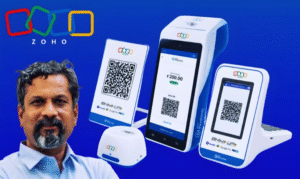
    Zoho Pay : In the hyper-competitive world of digital payments, where giants like Google Pay and PhonePe dominate the UPI landscape, a new player is stepping up to shake things up. Chennai-based SaaS powerhouse Zoho Corporation has just announced Zoho Pay, a consumer-focused payments app poised to bridge the gap between everyday transactions and seamless business integrations. Set to launch in phases over the coming months, this “Made in India” solution isn’t just another wallet—it’s a unified fintech ecosystem designed for privacy-conscious users and small businesses alike. As of October 23, 2025, the buzz is real, and we’re breaking it down for you.

    The Genesis of Zoho Pay: From Business Tools to Consumer Wallets

    Zoho has long been a go-to for small and medium enterprises (SMBs) with its suite of productivity apps, serving over 50 million users globally. But now, they’re venturing deeper into fintech. Zoho Pay builds on their existing business payments infrastructure, like Zoho Payments and POS devices launched earlier this year. The app is currently in internal testing and will roll out as both a standalone mobile application and an embedded feature within Zoho’s privacy-first chat platform, Arattai.

    Arattai, launched in 2021, is more than just a messaging app—it’s a secure hub for group chats, video calls, and now, instant payments. Imagine sending money to a friend mid-conversation without switching apps. That’s the frictionless experience Zoho is betting on to win over India’s 800 million+ smartphone users.

    India's Next Big Thing in Digital Payments
    India’s Next Big Thing in Digital Payments

    Key Features That Set Zoho Pay Apart

    What makes Zoho Pay more than just “another UPI app”? Here’s a quick rundown:

    • Peer-to-Peer (P2P) Transfers: Send and receive money instantly to friends and family using UPI IDs or mobile numbers. No more fumbling for QR codes.
    • Bill Payments and Utilities: Pay electricity, water, or phone bills directly, with auto-reminders to keep you on track.
    • Seamless Integrations: Links effortlessly with Zoho’s ecosystem, including billing tools, invoicing, and payroll. For SMBs, this means turning chats into transactions without leaving the platform.
    • Top-Notch Security: Backed by RBI’s payment aggregator license, it emphasizes end-to-end encryption and data privacy—key in an era of rising cyber threats.
    • Future-Proof Expansions: Plans include lending, insurance, and wealth management, turning it into a full-fledged fintech super app.

    Zoho’s approach is refreshingly understated: no aggressive cashback wars or celebrity endorsements. Instead, it’s about organic growth through reliability and integration.

    Chennai-based SaaS powerhouse Zoho Corporation
    Chennai-based SaaS powerhouse Zoho Corporation

    How Zoho Pay Stacks Up Against the Big Boys

    India’s UPI ecosystem processed over 15 billion transactions last month alone, with PhonePe and Google Pay holding a combined 80% market share. So, can Zoho Pay carve out a niche?

    Feature Zoho Pay Google Pay PhonePe
    Core Focus SMB + Consumer Integration Everyday P2P & Rewards Merchant + Rewards
    Unique Selling Point Arattai Chat Embedding Google Ecosystem Tie-ins NPCI Backing & Offers
    Privacy Emphasis High (End-to-End) Standard Standard
    Expansion Plans Lending, Insurance Basic Banking Full Fintech Stack
    User Base Leverage 50M+ Zoho Users 500M+ Android Users 400M+ App Users

    While the incumbents lead in sheer volume, Zoho’s edge lies in its B2B roots. For freelancers and small shop owners, the ability to invoice and collect payments in one flow could be a game-changer. Early adopters on X (formerly Twitter) are already hyped, with posts like “Finally, a payments app that doesn’t feel like it’s spying on me!”

    The Road Ahead: Challenges and Opportunities

    Zoho isn’t naive about the hurdles. User acquisition in a saturated market will require smart marketing, and competing on rewards might mean rethinking their no-frills strategy. Yet, with India’s digital economy projected to hit $1 trillion by 2028, there’s ample room for innovators like Zoho.

    CEO Sridhar Vembu has hinted at a “phased rollout” starting with beta testers from their existing user base. If successful, Zoho Pay could redefine how SMBs and consumers interact, fostering a more inclusive fintech landscape.

    Also Read This : Zoho Mail in 2025 : The Privacy-First Email Revolution and Latest Updates

     Is Zoho Pay Your Next Wallet?

    In a sea of flashy apps, Zoho Pay stands out for its substance over spectacle. Whether you’re a solopreneur juggling invoices or just tired of app-hopping for payments, keep an eye on this one.

  • Zoho Enters China : How an Indian Company is Making Big Moves in Tech

    Zoho Enters China : How an Indian Company is Making Big Moves in Tech

    Zoho enters China : In the high-stakes world of global tech, where U.S. giants like Google and Microsoft often hit roadblocks, an underdog from India is rewriting the rules. Zoho Corporation, the bootstrapped Chennai-based powerhouse known for its affordable cloud suite, has just made waves by officially launching in China. This isn’t just another market entry—it’s a geopolitical chess move that could reshape the SaaS landscape in Asia. As of early October 2025, Zoho’s localized services are rolling out with data centers in Shanghai and Beijing, partnerships with local firms, and even eye-catching billboards in major airports and train stations. Let’s dive into what this means for businesses, innovators, and the ongoing tussle between Eastern and Western tech ecosystems.

    Zoho Enters China : Navigating the Great Firewall with Smarts

    Zoho enters China at a time when the country’s digital economy is booming, yet fiercely protective of its data sovereignty. Unlike American behemoths that faced outright bans or heavy compliance hurdles—think Google’s 2010 exit or Amazon’s ongoing struggles—Zoho has cracked the code through strategic localization. The company established a Beijing office back in 2019 and has since expanded with dedicated data centers, ensuring all user data stays within China’s borders. This move aligns perfectly with Beijing’s regulations, allowing Zoho to offer its full stack of tools, from CRM and email to AI-powered analytics, without the friction that sidelined competitors.

    Zoho Enters China
    Zoho Enters China

    What sets Zoho apart? It’s not just compliance—it’s cultural and economic savvy. Founder Sridhar Vembu, a vocal advocate for self-reliant tech, has long emphasized learning from China’s playbook on manufacturing and R&D. In recent interviews, Vembu urged India to “study China closely” for its phased economic growth model, a philosophy that’s clearly guiding Zoho’s expansion. The result? Rapid adoption by Chinese SMBs and enterprises, who are drawn to Zoho’s cost-effective alternatives—think Zoho Workplace rivaling Microsoft 365 at a fraction of the price.

    The Ripple Effects: A Blow to Big Tech and a Boost for India

    This entry isn’t happening in a vacuum. Amid U.S.-China tensions, Zoho’s success signals a shift in the global tech balance, empowering non-Western players to fill gaps left by restricted American services. Hyperbolic headlines scream “death of Microsoft planned,” but the reality is more nuanced: Zoho’s nimble, VC-free model is eroding market share in price-sensitive segments, especially as it integrates AI tools tailored for the Chinese market. In India, this fuels national pride—government mandates are already pushing Zoho’s suite into public offices, and tools like Vani (a Workspace clone) are gaining traction at rock-bottom prices.

    For global businesses, the takeaway is clear: Diversify beyond Silicon Valley. Zoho’s China play proves that innovation from emerging markets can thrive in the world’s toughest arenas, offering secure, sovereign alternatives without the geopolitical baggage.

    Zoho Enters China
    Zoho Enters China

    Also Read This : WhatsApp vs Arattai : The Ultimate Messaging App Showdown for India in 2025

    What’s Next for Zoho and the SaaS World?

    Zoho Enters China : As Zoho ramps up marketing with those ubiquitous ads in Shanghai metros and Beijing hubs, expect more headlines about its “surprise breakthrough.” Could this pave the way for other Indian SaaS firms? Absolutely. Vembu’s vision of India as a tech bridge between East and West feels prescient, especially with Zoho’s 80 million+ users worldwide.

  • WhatsApp vs Arattai : The Ultimate Messaging App Showdown for India in 2025

    WhatsApp vs Arattai : The Ultimate Messaging App Showdown for India in 2025

    WhatsApp vs Arattai : In the fast-paced world of instant messaging, WhatsApp has long been the undisputed king, with over 3 billion users globally and more than 500 million in India alone. However, a new player, Arattai—meaning “casual chat” in Tamil—is making waves as a homegrown alternative. Launched in 2021 by India’s Zoho Corporation, Arattai has surged to over 1 million downloads by September 2025, fueled by endorsements from Indian ministers like Dharmendra Pradhan and Ashwini Vaishnaw. Topping the Apple App Store and climbing Google Play’s ranks, Arattai is positioning itself as a privacy-focused, lightweight, and Made in India app tailored for India’s diverse users. But can it challenge WhatsApp’s dominance? This blog compares WhatsApp vs. Arattai across key features, exploring why users might consider switching and what each app brings to the table.

    What Are WhatsApp and Arattai?

    WhatsApp

    • Owner: Meta, a US-based tech giant behind Facebook and Instagram.
    • Launched: 2009
    • User Base: Over 3 billion globally, with 500M+ in India, making it the go-to for personal and business communication.
    • Positioning: A global, feature-rich messaging platform with seamless integration into Meta’s ecosystem.

    Arattai

    • Owner: Zoho Corporation, an Indian software company known for privacy-first enterprise solutions.
    • Launched: 2021
    • User Base: Over 1 million downloads in India, with signups exploding from 3,000 to 350,000 in days during recent campaigns.
    • Positioning: A Made in India alternative optimized for low-end devices, slow networks, and regional languages, with a strong focus on data sovereignty and no ad monetization.
    WhatsApp vs Arattai
    WhatsApp vs Arattai

    Why Compare WhatsApp and Arattai?

    WhatsApp vs Arattai : India’s messaging landscape is at a crossroads. WhatsApp’s universal adoption makes it hard to beat, but its ties to Meta’s ecosystem and global servers raise privacy concerns. Meanwhile, Arattai taps into India’s push for digital self-reliance (Atmanirbhar Bharat), offering a lightweight, locally developed app that resonates with users prioritizing data privacy and accessibility. This comparison will help you decide which app suits your needs in 2025.

    Feature-by-Feature Comparison: WhatsApp vs Arattai

    Feature WhatsApp Arattai
    Core Messaging Text, voice notes, media (photos, videos, documents up to 2GB) Text, voice notes, media (photos, videos, documents)
    Calls Audio and video calls, end-to-end encrypted Audio and video calls, end-to-end encrypted
    Group Chats Up to 1,024 members; Communities for larger groups Up to 1,000 members
    Broadcast/Channels WhatsApp Channels for one-way updates Dedicated Channels for broadcasts
    Stories Status updates (24-hour ephemeral content) 24-hour ephemeral stories
    Meetings Up to 32 participants via WhatsApp calls Up to 250 participants; instant and scheduled meetings
    Encryption End-to-end encryption for all messages, calls, and media End-to-end encryption for calls; messages in “secret chat” mode (full E2E in development)
    Data Storage Global servers; linked to Meta’s ecosystem India-only servers (Mumbai, Delhi, Chennai); no data monetization
    Language Support 100+ languages, including Hindi, Tamil, Telugu, etc. Strong focus on Indian regional languages; multilingual support
    Performance Smooth on mid-to-high-end devices; lags on low-end phones or 2G/3G Lightweight; optimized for low-end devices and slow networks (2G/3G)
    Additional Features Business API, payments (select countries), Google Drive/iCloud backups Username-based chats, WhatsApp chat/group import, Android TV app
    Privacy Focus Strong encryption but tied to Meta; past privacy controversies Ad-free, no data sharing; interoperable protocols in development
    Availability iOS, Android, Desktop, Web iOS, Android (including TV); global expansion underway
    Monetization Free for users; revenue via business tools Free; ad-free, no data exploitation
    WhatsApp vs Arattai
    WhatsApp vs Arattai

    Why Replace WhatsApp with Arattai? Key Reasons

    1. Data Sovereignty and Privacy

    • WhatsApp’s Drawbacks:
      • Meta’s Ecosystem: WhatsApp’s data is stored on global servers, and its integration with Meta’s ad-driven platforms (Facebook, Instagram) raises concerns about metadata usage (e.g., contacts, usage patterns), despite end-to-end encryption.
      • Privacy Controversies: The 2021 privacy policy update sparked outrage in India over potential data sharing with Meta’s broader ecosystem, eroding trust among privacy-conscious users.
      • Regulatory Scrutiny: India’s data localization laws (e.g., Personal Data Protection Bill) push for local storage, which WhatsApp only partially addresses.
    • Arattai’s Advantages:
      • India-Centric Storage: Data is stored on servers in Mumbai, Delhi, and Chennai, aligning with data sovereignty goals and reducing exposure to foreign regulations.
      • No Data Monetization: Zoho’s ad-free model ensures user data isn’t exploited, a stark contrast to Meta’s business model.
      • Username-Based Chats: Users can communicate without sharing phone numbers, enhancing privacy—a feature WhatsApp lacks.

    Why Switch?: WhatsApp vs Arattai – If you’re wary of Meta’s data practices or prioritize data sovereignty, Arattai’s India-first approach and privacy focus make it a compelling alternative.

    2. Optimized for India’s Diverse Users

    • WhatsApp’s Drawbacks:
      • Resource-Heavy: WhatsApp’s feature-rich app can be slow on low-end smartphones or 2G/3G networks, common in rural India.
      • Data and Battery Drain: Media-heavy features and background processes consume significant resources, a challenge for users with limited data plans or budget devices.
      • Urban-Centric Design: While it supports Indian languages, WhatsApp’s design prioritizes high-speed internet users, leaving rural users with suboptimal experiences.
    • Arattai’s Advantages:
      • Lightweight Performance: Built for low-end devices and slow networks (2G/3G), Arattai ensures smooth operation in semi-urban and rural areas.
      • Regional Language Support: Strong emphasis on languages like Tamil, Telugu, and Hindi makes it accessible to non-English speakers, a key demographic in India.
      • Low Data Usage: Optimized to minimize data consumption, saving costs for users on limited plans.

    Why Switch?: If you use a budget phone, live in an area with poor connectivity, or prefer an app tailored for India’s linguistic diversity, Arattai is a better fit.

    3. Innovative Features for Indian Users

    • WhatsApp’s Drawbacks:
      • Feature Bloat: Features like Channels, payments, and Communities can overwhelm users seeking simple messaging.
      • Limited Meeting Capacity: Video calls are capped at 32 participants, insufficient for larger groups.
      • Phone Number Dependency: Requiring a phone number for registration and chats limits privacy.
    • Arattai’s Advantages:
      • WhatsApp Chat Import: Seamlessly transfer chats and groups from WhatsApp, easing the transition.
      • Large Meetings: Supports up to 250 participants for instant or scheduled calls, ideal for community or professional use.
      • Android TV App: Unique support for Android TV enables messaging on shared screens, catering to Indian households.
      • Interoperability Plans: Zoho’s work with iSPIRT (UPI’s creators) on open messaging protocols could enable cross-app communication, reducing platform lock-in.

    Why Switch?: WhatsApp vs Arattai – Arattai’s user-friendly features like chat imports and large meetings cater to India-specific needs, while its interoperability vision could disrupt messaging monopolies.

    WhatsApp vs Arattai
    WhatsApp vs Arattai

    4. Made in India and Government Support

    • WhatsApp’s Drawbacks:
      • Foreign Ownership: As a Meta product, WhatsApp faces skepticism in India’s push for Atmanirbhar Bharat (self-reliant India).
      • Limited Local Focus: Its global design doesn’t fully address India’s unique socio-economic context.
    • Arattai’s Advantages:
      • Government Backing: Endorsements from Indian ministers boost Arattai’s credibility as a national alternative.
      • Zoho’s Reputation: Developed entirely in India without reliance on AWS/Azure, Zoho’s track record adds trust.
      • Cultural Resonance: The name “Arattai” and focus on regional languages align with India’s cultural diversity.

    Why Switch?: WhatsApp vs Arattai – If you support local innovation or India’s self-reliance movement, Arattai’s Made in India credentials make it a strong choice.

    5. Breaking Big Tech’s Monopoly

    • WhatsApp’s Drawbacks:
      • Network Effects: WhatsApp’s dominance creates a lock-in effect—everyone uses it because everyone else does, stifling competition.
      • Meta Integration: Ties to Facebook/Instagram can feel intrusive for users wanting a standalone app.
    • Arattai’s Advantages:
      • Competitive Alternative: Backed by Zoho and government support, Arattai challenges WhatsApp’s monopoly in India.
      • Standalone Focus: No ties to a broader social media ecosystem, offering a cleaner experience.

    Why Switch?: WhatsApp vs Arattai : Choosing Arattai supports a competitive tech landscape, reducing reliance on WhatsApp’s dominance.

    Challenges to Replacing WhatsApp

    WhatsApp vs Arattai : Despite its strengths, Arattai faces hurdles:

    • Incomplete Encryption: Only calls are end-to-end encrypted; messages rely on a “secret chat” mode, with full encryption still in development (a major drawback for privacy hawks).
    • Scaling Issues: Recent signup surges caused OTP delays and sync problems, though Zoho is addressing these.
    • Smaller User Base: With just 1 million users, Arattai lacks WhatsApp’s network effects, making it harder to convince friends or groups to switch.

    Can Arattai Replace WhatsApp?

    WhatsApp vs Arattai : Arattai’s rise echoes UPI’s disruption of payment giants like Visa and Mastercard in India. Its lightweight design, data sovereignty, and innovative features position it as a strong contender, especially for rural and semi-urban users. Zoho’s interoperable protocol plans could further level the playing field. However, WhatsApp’s universal adoption, full end-to-end encryption, and mature ecosystem make it hard to dethrone in 2025. Arattai could capture 100M+ users in 2–3 years if it delivers full encryption and scales smoothly, but for now, it’s a promising alternative rather than a full replacement.

    WhatsApp vs Arattai
    WhatsApp vs Arattai

    Who Should Use Each App?

    • Stick with WhatsApp if:
      • You need a globally accepted app with a massive user base.
      • End-to-end encryption for all communications is critical.
      • You rely on features like payments or business APIs.
      • You’re comfortable with Meta’s ecosystem.
    • Switch to Arattai if:
      • You prioritize data sovereignty and an ad-free experience.
      • You use low-end devices or slow networks (2G/3G).
      • You value features like chat imports, large meetings, or Indian language support.
      • You support Made in India tech and want to try a local alternative.

    How to Get Started

    • WhatsApp: Free on iOS, Android, Desktop, and Web. Download from the Apple App Store or Google Play.
    • Arattai: Free on iOS and Android (including Android TV). Available on the App Store and Google Play.

    Also Read This : Goodbye Google Chrome? Zoho Launches Ulaa Browser as India’s Better Alternative

    WhatsApp vs Arattai : WhatsApp remains the gold standard for messaging due to its reliability, encryption, and universal reach. However, Arattai’s privacy-first, Made in India approach, combined with its lightweight design and innovative features, makes it a strong contender for users seeking an alternative. As Zoho addresses encryption gaps and scaling challenges, Arattai could reshape India’s messaging landscape, much like UPI transformed payments. If you’re curious, download Arattai and give it a try—it’s free, and you can even import your WhatsApp chats to test the waters.