Category: Technology

  • Beyond Gaming : How Virtual Reality Is Reshaping Our World

    Beyond Gaming : How Virtual Reality Is Reshaping Our World

    From being a specialised idea in science fiction, virtual reality (VR) has developed into a game-changing technology that is changing entire industries and how people live their lives. VR is no longer just for gaming thanks to ongoing improvements in processing power, graphics, and immersive technologies. Today, it is an effective tool in many different fields, such as real estate, tourism, healthcare, and education. This article examines the emergence of virtual reality, its primary uses, and the enormous potential it holds for the future.

    (VR) has developed into a game-changing technology
    (VR) has developed into a game-changing technology

    Virtual reality: what is it?

    The term “virtual reality” describes a simulated environment that may resemble the real world or be entirely different from it. With the use of specialised equipment like motion trackers, gloves, and VR headsets, it immerses users in a completely digital world. Virtual reality (VR) creates a completely different, interactive space, in contrast to augmented reality (AR), which superimposes digital elements onto the real world.

    In order to create a sense of “presence”—the psychological state of feeling physically present in a non-physical world—modern VR systems frequently incorporate high-definition visuals, spatial audio, and responsive environments that respond to user movements.

    The VR Market’s Growth

    Thanks to innovations from tech giants like Microsoft, HTC, Sony, and Meta (formerly Facebook), the global VR market has grown rapidly. Industry projections indicate that by 2030, the VR market will have grown to over $100 billion, with both consumer and business applications expected to make substantial contributions.

    Declining hardware costs, increased accessibility, the widespread adoption of 5G, and a burgeoning VR content developer and creator ecosystem are some of the major factors driving this growth. 

    describes a simulated environment that may resemble the real world
    describes a simulated environment that may resemble the real world

    Virtual Reality Applications

    1. Entertainment and Gaming

    The first sector to fully adopt VR was gaming. Players can engage with virtual worlds in real time through immersive experiences provided by platforms such as Oculus Quest, PlayStation VR, and HTC Vive. VR is revolutionising live entertainment in addition to traditional gaming; immersive storytelling, interactive films, and virtual concerts are all growing in popularity.

    1. Instruction and Practice

    With its immersive learning environments, virtual reality is transforming education. From the classroom, students can investigate historical sites, learn about the human body, or carry out challenging scientific investigations. VR offers risk-free simulations for skill development in vocational training. For instance, medical students practise surgeries in virtual labs, and pilots train in flight using VR simulators.

    1. Medical Care

    VR is being used in healthcare for training as well as treatment. Through exposure therapy, therapists use virtual reality (VR) to treat anxiety disorders, PTSD, and phobias. VR games are used in physical rehabilitation programs to encourage patients and monitor their progress. Additionally, VR improves accuracy and results by helping surgeons plan intricate procedures using 3D organ models.

    Virtual Reality
    Virtual Reality
    1. Architecture and Real Estate

    With VR, prospective purchasers can virtually tour homes without ever setting foot on them. Before a building is constructed, clients can experience its layout, lighting, and atmosphere thanks to the use of virtual reality (VR) by architects and designers to visualise structures in three dimensions. This decreases expensive design modifications and improves teamwork.

    1. Virtual workspaces and remote collaboration

    VR is becoming a popular tool for virtual collaboration as remote work becomes more prevalent. Users can interact as avatars, share content, and replicate an actual office setting in 3D meeting spaces created by platforms such as Spatial and Horizon Workrooms. By improving presence and engagement, these immersive workspaces seek to get around the drawbacks of video conferencing.

    1. Travel and Cultural Encounters

    People can visit museums, cultural sites, and landmarks around the world from the comfort of their own homes with virtual tourism. These experiences, such as a guided tour of Machu Picchu or a virtual reality walk through the Louvre, are democratising access to travel and culture.

    Prospects and Difficulties

    Prospects: Novel Business Structures: Virtual reality creates opportunities for immersive advertising, subscription-based services, and virtual products.

    Job Creation: As the VR ecosystem expands, there will be a greater need for developers, hardware engineers, UX designers, and content producers.

    Enhanced Accessibility: By assisting in the removal of geographical and physical barriers, virtual reality can promote inclusivity in healthcare, education, and cultural experiences.

    Immersive Futures
    Immersive Futures

    Prospects and Difficulties

    • Prospects: Novel Business Structures: Virtual reality creates opportunities for immersive advertising, subscription-based services, and virtual products.
    • Job Creation: As the VR ecosystem expands, there will be a greater need for developers, hardware engineers, UX designers, and content producers.
    • Enhanced Accessibility: By assisting in the removal of geographical and physical barriers, virtual reality can promote inclusivity in healthcare, education, and cultural experiences.

    Challenges

    • Hardware Costs: Many consumers still cannot afford high-quality VR systems, even with declining prices.
    • Motion Sickness: Motion lag or low visual quality can cause discomfort for certain users.
    • Content Development: The need for specific knowledge and equipment to produce engaging virtual reality content may be a deterrent for newcomers.
    • Privacy and Ethics: Issues regarding user privacy and ethical use become crucial as virtual reality gathers sensitive biometric and behavioural data.

    Also Read This: 6 Dangerous Cybercrime Tactics You’re Not Ready For

    VR’s Future

    VR is anticipated to become more smooth, wireless, and socially integrated as technology advances. The distinction between the real and virtual worlds may become even more hazy in the future thanks to innovations like brain-computer interfaces, haptic feedback suits, and AI-generated environments.

    Virtual reality has the potential to become as commonplace as smartphones in the coming ten years, radically altering the ways in which we connect, learn, work, and play.


  • 6 Dangerous Cybercrime Tactics You’re Not Ready For

    6 Dangerous Cybercrime Tactics You’re Not Ready For

    Cybercrime and Fraud: A Developing Risk in the Digital Age The internet has become an essential part of our everyday lives in today’s hyperconnected world. The digital world is incredibly convenient for everything from banking and shopping to education and entertainment. But this greater dependence on technology has also led to an increase in cybercrimes and frauds, which is a concerning issue for people, companies, and governments everywhere.

    Cybercrime

    Cybercrime: What is it?

    Any illegal activity involving computers or the internet is referred to as cybercrime. Hacking, identity theft, data breaches, cyberbullying, and online scams are just a few of the many crimes it covers. These offences may be committed for personal vengeance, political motivations, or financial gain. As digital tools have become more sophisticated, cybercriminals have discovered new and more efficient ways to take advantage of weaknesses in systems and networks.

    Cyberfraud Types

    A subset of cybercrime, cyber fraud focusses exclusively on using deception to obtain money, property, or personal data. Among the most prevalent kinds of online frauds are:

    • Phishing Scams: To fool recipients into disclosing private information, such as credit card numbers and passwords, scammers send phoney emails or messages that appear to be from reputable companies.
    • Online banking frauds: Cybercriminals target online banking sites in order to obtain login credentials and make unauthorised money transfers from users’ accounts.

    • Credit/Debit Card Fraud: Thieves use stolen card information or counterfeit cards to make illegal purchases.
    • E-commerce frauds include fraudulent online retailers, phoney goods, and vendors who take orders but never deliver their goods.
    • Social engineering: By posing as reliable sources, attackers trick victims into disclosing private information.
    • Ransomware Attacks: Criminals use malicious software to prevent users from accessing their data and demand payment to gain access.

    Reasons for the Increase

    The increase in cybercrimes and frauds is caused by a number of factors. First of all, there are now more possible targets due to the quick rise in internet users and digital services. Second, a lot of people are easy targets because they are ignorant of fundamental cybersecurity procedures. Furthermore, the anonymity that the internet offers makes it simpler for criminals to operate covertly. Furthermore, the speed at which new cyberthreats emerge frequently outpaces the development of legal frameworks and law enforcement capabilities.

    Effects on the Community

    Cybercrimes can have disastrous results. People may experience identity theft, emotional distress, or monetary losses. Companies risk reputational harm, lost consumer trust, and data breaches. Larger-scale cyberattacks have the potential to seriously impair vital services, jeopardise national security, and cause extensive economic disruption. Attacks on power grids or healthcare systems, for instance, can put lives in danger, while cyber espionage can reveal private government information.

    Avoidance and Defence

    Cybercrime prevention calls for a multifaceted strategy. People need to be taught safe internet habits, like creating strong passwords, staying away from dubious links, and updating software on a regular basis. Businesses should spend money on a strong cybersecurity infrastructure, perform frequent security audits, and teach staff members how to spot phishing scams and other dangers.

    Governments are essential in the fight against cybercrime. This entails passing stringent cyber laws, establishing dedicated cybercrime units, and encouraging global collaboration to find and apprehend cybercriminals. Public awareness-raising initiatives and partnerships between the public and private sectors are also essential.

    In conclusion

    Although cybercrimes and frauds are an inevitable part of our digital age, their effects can be greatly lessened with preventative actions. Building a secure digital environment requires awareness, attention to detail, and teamwork. Our tactics to protect against the increasing threat of cybercrime must also change as technology does.

    ALSO READ THIS: Evolution of Love : 4 Uplifting Ways Love transforms with Every Generation

    Written by – Ananya Saxena (Author avspost.com)

  • OPPO K13: When is it launching, its features, design, price and more.

    OPPO K13: When is it launching, its features, design, price and more.

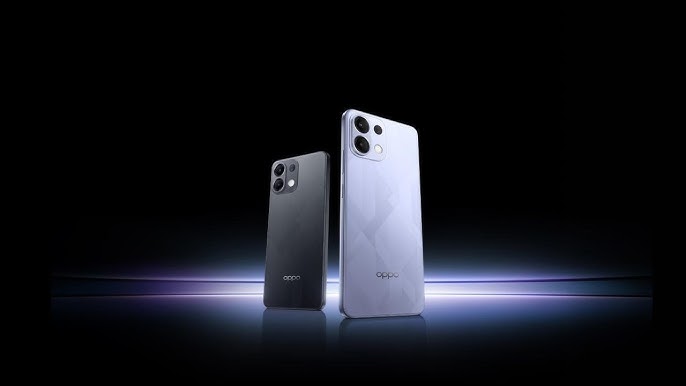
    OPPO K13: The latest phone of oppo the Oppo K13 5G is ready to launch its latest phone this year. The official launch event is already held on April 21 2025 and will soon be released in markets and other online apps.

    Details about what is OPPO K13?
    Details about what is OPPO K13?

    When is OPPO K13 launching?

    The Oppo has announced its launch event and release update on April 21, 2025. Where it was available for purchase from April 25, 2025.

    When is OPPO K13 launching?
    When is OPPO K13 launching?

    What are its features and skills?

    Some of its features and skills are:

    • It has the Qualcomm Snapdragon 6 Gen 4 chip.
    • It has a RAM of 8GB which can support Multiple apps at the same time.
    • It has a fast storage system.
    • It has a vibrant Amoled display.

    • It has a smooth refresh rate.
    • It has a stereo type speaker.

      Some of its features and skills
      Some of its features and skills
    • It has a dual camera feature and 4K video quality.
    • It also has various AI features.
    • It has a long battery life of about 7000mAH.
    • It has 5G connectivity, Wi-Fi and Bluetooth support.
    • It has a comprehensive Navigation system.
    • It also has a finger print sensor.

    How it’s display and design?

    Some details about its design and display are as follows:

    • It has a 6.67 inch Full HD display.
    • It also has an Amoled display with vibrant colours like black.
    • It has a brightness of 120 nits see.
    • Its display and design also support wet hand and glove touch.
    • It is slim and boxy with flat edges.
    • It comes in colour like icy purple, and prism black.

      Some details about its design and display are as follows
      Some details about its design and display are as follows

    Details on its price and more.

    Its pricing is Rs. 17,999 for 128GB storage and Rs. 19,999 for 256GB storage.

    Details on its price and more.
    Details on its price and more.

    Why and who should you buy this phone?

    It is an amazing phone for travellers, gamers, content creation and photography as it supports Long battery life, camera quality, storage and more.

    Why and who should you buy this phone?
    Why and who should you buy this phone?

    Where can we buy this phone?

    We can buy this phone from Flipkart, Amazon, OPPO e-store or OPPO sites and nearby stores or outlets.

    Where can we buy this phone?
    Where can we buy this phone?

    Also Read This: India’s New Education Policy 2025: The changes, benefits, and challenges of New Education policy.

  • 5 Best AI Tools Indians Are Using in 2025 for Work, Study & Business

    5 Best AI Tools Indians Are Using in 2025 for Work, Study & Business

    Data on the specific AI tools most used by Indians in 2025 is limited, but based on global trends, India’s tech adoption patterns, and available insights, here are five AI tools likely to be popular in India this year, considering their accessibility, affordability, and relevance to Indian users

    5 Best AI Tools Indians Are Using in 2025 

    1. ChatGPT (OpenAI)

    Why Popular: ChatGPT remains a global leader with 4.7 billion monthly site visits as of January 2025, offering versatile conversational abilities for tasks like content creation, coding, and research. Its free tier, with access to GPT-4o mini, appeals to India’s price-sensitive market, while the Plus plan ($20/month) suits professionals. India’s 180 million+ ChatGPT users (as of December 2024) reflect its widespread adoption.

    AI Tools : ChatGPT (OpenAI)
    AI Tools : ChatGPT (OpenAI)

    Use Case in India: Students use it for assignments, professionals for drafting emails, and developers for code debugging. Its ability to handle queries in multiple Indian languages via Bhashini integration boosts its appeal.

         2. Canva (Magic Studio)

    Why Popular: Canva’s AI-powered design tools, part of Magic Studio, are used for creating graphics, presentations, and videos. With 887 million monthly visits globally, it’s the second-most popular AI tool. Its freemium model and templates cater to India’s growing creator economy, including small businesses and social media marketers.

    Canva (Magic Studio)
    Canva (Magic Studio)

    Use Case in India: Freelancers, educators, and SMEs use Canva for marketing materials and educational content. Its affordability and ease of use make it a go-to for non-designers.

        3. Grammarly

    • Why Popular: Grammarly, with 30 million daily users globally, enhances writing by correcting grammar, style, and tone. Its free plan is widely used, while premium options ($12–$30/month) appeal to professionals. In India, where English is a key professional language, Grammarly’s AI-driven suggestions are valuable.
    Grammarly
    Grammarly
    • Use Case in India: Professionals, students, and content creators use it for emails, essays, and social media posts. Its integration with browsers and apps ensures broad accessibility.

       4. DeepSeek (R1 and V3 Models)

    • Why Popular: DeepSeek, a Chinese AI tool, saw a 2,026% surge in traffic (268 million visits) after releasing its open-source R1 model in January 2025. Its free access to V3 and R1 models, affordability, and transparency in reasoning make it attractive to India’s developer community.
    DeepSeek (R1 and V3 Models)
    DeepSeek (R1 and V3 Models)
    • Use Case in India: Developers use DeepSeek for coding and debugging, especially for cost-effective solutions. Its open-source nature aligns with India’s push for accessible AI tools.

    Also Read This:

       5. YourGPT (Delta4Infotech)

    • Why Popular: Developed by an Indian company, YourGPT focuses on generative AI tools for businesses, offering chatbots and developer tools like LLM Spark. Its local relevance, support for Indian languages, and affordability make it a rising star in India’s AI ecosystem.
    YourGPT (Delta4Infotech)
    YourGPT (Delta4Infotech)
    • Use Case in India: SMEs and startups use YourGPT for customer service chatbots and workflow automation. Its focus on Indian business needs gives it an edge.

    Also Read This : Top 6 Smart AI Ideas for Better City Traffic

  • Top 6 Smart AI Ideas for Better City Traffic

    Top 6 Smart AI Ideas for Better City Traffic

    Smart AI Solutions: AI-Powered Urban Traffic Systems: Transforming Urban Transportation Managing traffic congestion in cities has emerged as one of the most urgent issues in an era of rapid urbanisation. Conventional traffic management systems frequently fail to optimise traffic flow, which results in longer commutes, more pollution, and irritated commuters. The AI-Controlled Urban Traffic System is a revolutionary invention that uses artificial intelligence to build safer, more intelligent, and more effective urban transportation systems.

    Revolutionary AI for Urbanization
    Smart AI for Urbanization

    An AI-Controlled Urban Traffic System: What Is It?

    An AI-controlled urban traffic system tracks, analyses, and controls traffic flow in cities using real-time data, machine learning models, and artificial intelligence algorithms. To obtain a thorough grasp of road usage and vehicle movement, these systems combine data from multiple sources, such as sensors, traffic cameras, GPS data from cars, and mobile apps.

    After processing this data, Artificial Intelligence makes smart decisions in real time, including rerouting traffic, anticipating congestion, modifying traffic signal timings, and even alerting emergency response teams.

    Revolutionary AI for Urbanization

    Important attributes and capabilities

    • AI-powered adaptive traffic signal control can dynamically modify traffic light cycles in response to current traffic conditions, greatly cutting down on intersection wait times and enhancing traffic flow in general.
    • Predictive traffic management: AI can forecast traffic patterns and recommend the best routes to commuters by evaluating both historical and present data. This helps to avert possible congestion before it arises.
    • Smart Incident Detection and Response: Using sensor inputs and surveillance footage, AI can instantly identify accidents, stalled cars, or other disruptions, allowing for automatic traffic rerouting and a quicker response from authorities.
    • Connected cars, Internet of Things-enabled road signs, and public transport systems are examples of smart city infrastructure that integrates with AI systems to produce a more intelligent and coordinated traffic ecosystem.
    • Environmental Monitoring and Control: By keeping an eye on emissions and air quality, AI can make decisions about traffic management that help cut pollution, like giving preference to electric buses or encouraging green wave systems.
    Smart AI for Urbanization

    AI’s advantages for managing traffic in cities

    • Decreased Congestion: Smarter routing and better signal timings greatly reduce traffic bottlenecks.
    • Reduced Emissions: Less idling and emissions result from better traffic flow.
    • Enhanced Safety: The likelihood of accidents is decreased by better traffic regulation and faster incident detection.
    • Cost-effectiveness: By automating traffic control, operating expenses are decreased and less human involvement is required.
    • Improved Commuter Experience: Predictive travel times and real-time updates make commuting more dependable and seamless.
    Smart AI for Urbanization

    Examples from the Real World

    Smart AI-powered traffic systems have already started to be implemented in cities like Los Angeles, Singapore, and Barcelona. Singapore’s AI-based system has effectively decreased traffic congestion during peak hours by adjusting traffic signals using sensors and predictive models. Barcelona, meanwhile, uses AI in conjunction with its smart city infrastructure to keep an eye on traffic and sustainably manage urban mobility.

    Smart AI for Urbanization

    Obstacles and Things to Think About

    • The deployment of AI-controlled traffic systems is not without difficulties, despite its potential:
    • High Implementation Costs: A substantial investment is needed to set up the infrastructure.
    • Data Privacy Issues: Real-time data collection from smartphones and cars presents privacy challenges.
    • Cybersecurity Risks: These systems need to be secured against online attacks because they are susceptible to hacking.
    • Equity and Accessibility: It’s critical to make sure AI systems treat all neighbourhoods equally, particularly underprivileged ones.
    Smart AI for Urbanization

    AI’s Role in Urban Mobility

    AI-controlled traffic systems are expected to become the foundation of urban mobility as cities become more intelligent and networked. The capabilities of AI traffic management will be further improved by the integration of advanced IoT devices, 5G networks, and driverless cars. These systems have the potential to make cities more livable, effective, and ecologically friendly places with continued investment and innovation.

    ALSO READ THIS: Phule Movie: 2 Voices That Dispelled the Quiet

  • India Ignited by whatsapp AI: 8 Revolutionary Advancements Revealed!

    India Ignited by whatsapp AI: 8 Revolutionary Advancements Revealed!

    whatsapp AI: The Best AI Assistant Is Now at Your Fingertips with Meta AI’s Launch in India the official launch of Meta AI in India, the company is bringing its cutting-edge AI capabilities straight to consumers through well-known platforms like Facebook, Instagram, WhatsApp, and Messenger. This rollout, which is based on Meta’s potent Llama 3 large language model, is a major step towards incorporating generative AI into the daily conversations of millions of Indian users.

    whatsapp AI
    whatsapp AI

    How Can I Get Meta AI?

    Meta AI is easy to use and seamless:

    • On Instagram, Facebook, or WhatsApp:
    • In the chat box or search bar, look for the Meta AI logo, which is a vibrant circular icon or “sparkle” symbol.
    • To initiate a direct conversation with Meta AI, tap it.
    • Enquiries, summaries, text translation, content creation, and even original ideas can all be requested.

    In chats:

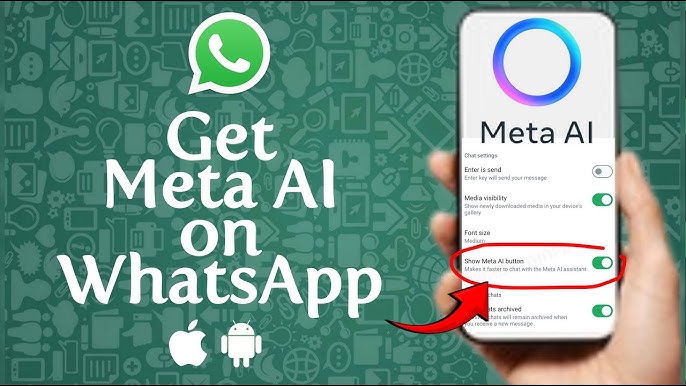
    • When typing in chats on WhatsApp, you might notice a Meta AI button.
    • In group chats, you can ask the assistant to assist with tasks like finding information, translating text, or summarising messages by typing “@Meta AI.”
    whatsapp AI

    Mark Zuckerberg’s Remarks Regarding Meta AI

    “The most intelligent AI assistant that you can freely use” is how Meta CEO Mark Zuckerberg characterised Meta AI. He underlined that the goal of this rollout is to integrate beneficial AI into popular apps that people already use, eliminating the need for additional apps or complex tools.

    In his own words:

    “We believe that Meta AI, which is accessible through our apps with real-time web access, will be the most practical, entertaining, and engaging assistant available to people.”

    whatsapp AI

    What Is Possible with Meta AI?

    Meta AI is capable of many different tasks, such as:

    • utilising current online information to respond to general enquiries.
    • summarising articles or conversations for easy comprehension.
    • producing textual content for social media posts, emails, poems, and jokes.
    • offering suggestions for travel, films, recipes, and other things.
    • real-time language translation.
    • generating images (in certain regions) with integrated AI image creation tools.

    Consider it your personal smart assistant, integrated directly into your social media platforms, akin to ChatGPT or Google Gemini.

    How Can I Get Rid of WhatsApp’s Meta AI Button?

    Many Indian users have noticed a new Meta AI button in WhatsApp’s search or chat bar since the update. This button allows users to quickly access the AI assistant.

    whatsapp AI

    What Does the Meta AI Button on WhatsApp Do?

    • From any screen, it offers immediate access to Meta AI.
    • allows you to create content, ask questions, and receive suggestions all within the app.
    • The AI can participate in group chats and ask @Meta AI for assistance.

    Can the Meta AI Button Be Removed?

    There isn’t currently a built-in way for Meta to hide or remove the button. Toggles to disable or hide the button from view may be included in future updates, though, as user feedback has already begun to flood in regarding the desire for greater customisation.

    whatsapp AI

    What Is a WhatsApp AI Chatbot?

    A WhatsApp chatbot that uses artificial intelligence (AI) is a virtual assistant that can interact with users via text messages. One such chatbot is Meta AI, which is built right into the WhatsApp user interface.

    Additional WhatsApp AI chatbots could be:

    • third-party bots for booking, shopping, or customer support.
    • Chatbots for businesses that take orders, respond to frequently asked questions, or gather feedback.
    • The fact that Meta AI is formally integrated into WhatsApp and is intended for both enjoyment and efficiency makes it special.
    whatsapp AI

    What Are the Future Prospects for Meta AI?

    Meta plans to enhance Meta AI in the future by adding features like enhanced functionality and multilingual support. The business is also looking into working with Indian state governments to create chatbots for e-governance services that are based on WhatsApp.​

    With its ongoing development, Meta AI seeks to revolutionise user interaction with digital platforms, enabling more effective and customised communication.

    ALSO READ THIS: Kesari Chapter 2 Sparks Pride and Power in Patriotism!

  • 6 Factors That Make the iPhone 17 Pro Max a Revolutionary Device in 2025

    6 Factors That Make the iPhone 17 Pro Max a Revolutionary Device in 2025

    ​The iPhone 17 Pro Max: With its combination of cutting-edge design, potent hardware, and AI-driven features, the iPhone 17 Pro Max is set to become Apple’s most ambitious smartphone to date. Here’s a detailed look at what makes this device unique, which is anticipated to launch between September 11 and 13, 2025.​

    Design: An Audacious New Path

    Apple intends to update the iPhone’s design with the iPhone 17 Pro Max. According to leaked renders, a dual-material back panel with glass on the bottom and aluminium on the top half would improve durability and enable wireless charging. Additionally, the camera module is being redesigned to resemble the Google Pixel 9 with a horizontal “camera bar.” In addition to updating the appearance, this design supports cutting-edge camera technologies.

    iPhone 17 Pro Max

    Additionally, Apple intends to switch the iPhone 17 lineup’s titanium frame to aluminium, which will make the devices lighter and possibly more affordable. Additionally, it is rumoured that the Pro models will have under-display Face ID technology, which would do away with the Dynamic Island and provide a more engaging screen experience.​

    Display: Smoother and Brighter

    The iPhone 17 Pro Max’s 6.9-inch LTPO Super Retina XDR OLED screen will display 1320 x 2868 pixels. Even in direct sunlight, the screen maintains clarity thanks to its support for HDR10, Dolby Vision, and a refresh rate of 120 Hz. Its maximum brightness is 2000 nits. Convenience is increased by the Always-On display feature, which shows important information without waking the phone.

    iPhone 17 Pro Max

    Notably, Apple is anticipated to improve the user experience on all iPhone 17 models by implementing the 120Hz ProMotion technology, including the base models.​

    Performance: Efficiency and Power Come Together

    The new A19 Pro chipset, which is based on a 3nm process, will power the iPhone 17 Pro Max. Significant improvements in performance and energy efficiency are promised by this update. The device is positioned as a performance powerhouse thanks to its 12GB of RAM, which allows it to handle demanding tasks and AI-driven features.

    iPhone 17 Pro Max

    Camera: The Dream of a Photographer

    With the iPhone 17 Pro Max’s triple-camera configuration—a 48MP primary sensor, a 48MP ultrawide lens, and a 48MP telephoto lens with a 5x optical zoom—Apple is poised to revolutionise mobile photography. Additionally, the front-facing camera will be upgraded to 24MP, guaranteeing sharp video calls and selfies. The goal of these improvements is to give smartphones professional-caliber photography capabilities.​

    iPhone 17 Pro Max

    Charging and Battery: Continuous Power

    Although precise battery capacities have not been revealed, longer battery life is suggested by the A19 Pro chip’s efficiency and the LTPO display technology. Users will be able to swiftly recharge their phones as needed thanks to the device’s support for MagSafe wireless charging and fast charging.​

    Software: More Intelligent Than Before

    iOS 18 will power the iPhone 17 Pro Max, incorporating cutting-edge AI capabilities to improve user experience. These could include enhanced Siri capabilities, more intelligent photo and video editing tools, and easier-to-use user interfaces, which would make the device not only powerful but also intelligent.​

    iPhone 17 Pro Max

    Cost and Availability

    The anticipated price of the iPhone 17 Pro Max in India is ₹1,44,900. Following the official announcement in mid-September 2025, pre-orders are anticipated to open, and the product will soon be available in major markets, including India.​

    Concluding remarks

    The iPhone 17 Pro Max, which combines cutting-edge design, superior performance, and clever features, is a major advancement for Apple. Whether you’re a professional photographer, a tech enthusiast, or someone looking for a high-end smartphone, the iPhone 17 Pro Max is set to revolutionise the market.

    ALSO READ THIS: Ishant Sharma became a legend thanks to 6 unforgettable spells.

  • iQOO Z10: Details on its launch date, features, design, price and more.

    iQOO Z10: Details on its launch date, features, design, price and more.

    iQOO Z10: The iQOO is launching its two new smartphones with its budget Z series. It is the iQOO Z10 5G and iQOO Z10 × 5G. It is launching on this April and will be available soon in the market.

    Details on the launch of iQOO Z10 series?
    Details on the launch of iQOO Z10 series?

    When this phone launching?

    These phones are launching on April 11, 2025 and will be available for sale soon on various platforms.

    When this phone series launching?
    When this phone series launching?

    What are the features of this phone?

    Some of its features are as following:

    • It has a display of 6.77 inch with 120Hz refresh rate and more.
    • It has the latest snapdragon 7s Gen3 feature.
    • It has a RAM of 8GB and and 12GB.
    • It has an internal storage of 128 GB and 256GB.

      What are the features of this phone?
      What are the features of this phone?
    • It has a dual camera feature with 50MP sensor and 4K video quality.
    • It has a massive battery life of 7300 mAH.
    • It has 5G connectivity, Wi-Fi, Bluetooth and dual sim features.
    • It is slim and light in weight.

    Detail on the design of the phone?

    Some details on the design of the phone are:

    • It has a modern and aesthetic design.
    • It is slim and light in weight.
    • It is available in two colours Stella Black and Glacier Silver.

      Some details on the design of the phone are:
      Some details on the design of the phone are:
    • It has a Plastic frame with a matte finish that helps prevent fingerprint.
    • It is durable with an IP65 rating for dust and splash resistance.
    • It also has military grade durability.

    What are the price of this phone?

    The iQOO Z10 price is Rs. 21,999 ( 128 GB Storage) or Rs. 25,999 (256 GB Storage) depending on the model. Whereas the iQOO Z10 × 5G is for Rs. 23, 999 ( 128GB) or Rs. 25,999 (256GB)

    What are the price of this phone?
    What are the price of this phone?

    Who should buy this phone and why ?

    This phone is suitable for people who need a phone for gaming, battery life, photography and more.

    Who should buy this phone and why ?
    Who should buy this phone and why ?

    Where can we get this phone?

    The phone is available on Amazon, Flipkart and it’s official site. It will also soon be available in markets.

    Where can we get this phone?
    Where can we get this phone?

    Also Read This: Smart Glass: what is it, it’s features, benefits, challenges, Its importance in 2025 and future.

  • Artificial intelligence: what is it, how does it work, its benefits, difficulties and future.

    Artificial intelligence: what is it, how does it work, its benefits, difficulties and future.

    Artificial intelligence: It is refers to the simulation of human intelligence in machines that are programmed to think, learn, and problem-solve. It allows machines to perform tasks that typically require human intelligence, such as understanding natural language, recognizing patterns, and making decisions. It is creating systems that can analyze data, learn from it, and then use that knowledge to perform tasks on their own. The most common examples of AI we interact with daily include virtual assistants like Siri and Alexa, recommendation engines on Netflix or Amazon, and even self-driving cars.

    What is Artificial intelligence?
    What is Artificial intelligence?

    What are different types of Artificial intelligence?

    Some different types of AI are as follows:

    • Narrow AI (Weak AI) for examples: Virtual assistants like Siri, Google Assistant,  Alexa and recommendation systems on platforms like Netflix or Amazon. It also comes in Self-driving cars and image recognition software.
    • General AI (Strong AI) for example: AI researchers.
    • Super intelligent AI, While still hypothetical, some experts predict that Super intelligent AI could eventually be developed.

      What are different types of Artificial intelligence?
      What are different types of Artificial intelligence?

    How does Artificial intelligence work?

    AI works in the following ways:

    AI works by processing large amounts of data using algorithms to identify patterns and make decisions. It starts by collecting and cleaning data, then uses machine learning models to learn from this data. Its systems continuously improve over time through feedback, becoming more accurate and efficient at performing tasks. Its key technologies are machine learning, natural language processing, and computer vision enables AI to handle everything from language translation to facial recognition, with the ability to adapt and learn from new information.

    How does Artificial intelligence work?
    How does Artificial intelligence work?

    What are the benefits and importance of AI?

    Some of its benefits and importance of Artificial Intelligence are:

    • It has an Increased Efficiency and Automation, AI automates repetitive tasks, reducing time and effort for humans, leading to faster and more efficient operations.
    • It has improved Decision-Making by AI uses data to make accurate predictions and decisions, reducing human error and enhancing business outcomes.
    • It has Personalized Solutions like healthcare, AI helps personalize treatments, predict patient outcomes, and improve diagnostic accuracy.
    • It is Cost Reduction by automating processes and increasing productivity, AI can reduce operational costs for businesses.
    • It is innovation and problem solving skills like AI fosters innovation by solving complex problems in fields like finance, education, and engineering.

      What are the benefits and importance of AI?
      What are the benefits and importance of AI?
    • It enhances Productivity as AI frees up humans from routine tasks, allowing them to focus on creative and strategic work.
    • It has Driving Technological Advancements like AI powers emerging technologies like self-driving cars, smart homes, and virtual assistants, shaping the future of industries.
    • It has Global Impact as AI has the potential to address major challenges in areas such as climate change, healthcare, and resource management.
    • It has 24/7 Availability as AI systems can operate around the clock without fatigue, providing continuous support and service.
    • It has Scalability as AI can scale solutions efficiently, handling large amounts of data and processes that would be impossible for humans alone.

    What are the challenge and difficulties of Artificial intelligence?

    Some of its challenges and difficulties are:

    • It has Data Privacy and Security issue as AI systems require vast amounts of data, raising concerns about how personal information is collected, stored, and used, making privacy protection a critical issue.
    • It is Bias and Discrimination problem as AI systems can inherit biases present in the data they’re trained on, leading to unfair decisions or reinforcing societal inequalities.
    • It creates Job Displacement as AI automates tasks traditionally performed by humans, there are concerns about job loss and the need for workers to reskill and adapt to new roles.
    • It has Lack of Transparency Many AI systems, especially deep learning models, operate in a “black box” manner, where it’s difficult to understand how decisions are made, leading to accountability and trust issues.
    • It has a High Costs of Development issues like developing advanced AI systems requires significant resources, both in terms of computing power and skilled professionals, making it expensive to create and maintain.

      What are the challenge and difficulties of Artificial intelligence?
      What are the challenge and difficulties of Artificial intelligence?
    • It creates a Ethical Concerns as AI becomes more integrated into society, ethical questions arise regarding its use in military applications, surveillance, and decision-making in critical areas like healthcare.
    • It has Dependence on Data Quality as AI systems are only as good as the data they are trained on. Inaccurate or incomplete data can lead to incorrect predictions or biased outcomes.
    • It has Regulation and Governance. There is currently a lack of clear, global regulations governing AI development, raising concerns about misuse, especially in areas like autonomous weapons or surveillance.
    • It has limited Understanding and Trust. Many people don’t fully understand how AI works, leading to skepticism and fear, especially as AI begins to play more significant roles in society.
    • It has Technological Uncertainty as AI technologies, particularly those aiming for General AI or Superintelligence, are still in early stages, with uncertain long-term consequences and development paths.

    Where can we use tools and platforms of AI?

    Where can we use tools and platforms of AI?:
    Where can we use tools and platforms of AI?

    We can use AI tools and platforms in several areas like Healthcare, Finance, Retail, E-commerce, Transportation, Logistics, Education, Manufacturing, Customer service, Human resource, security, Marketing and Advertising.

    Also Read This: Smart Glass: what is it, it’s features, benefits, challenges, Its importance in 2025 and future.

  • Smart Glass: what is it, it’s features, benefits, challenges, Its importance in 2025 and future.

    Smart Glass: what is it, it’s features, benefits, challenges, Its importance in 2025 and future.

    Smart Glass: The Smart glass is also know as switchable glass or dynamic glass. It is a high-tech material that can change its appearance based on external conditions. This innovative material gives users the ability to control light and privacy instantly by making it ideal for modern buildings, vehicles, and even consumer electronics. This glass comes in several types such as each using different technology to achieve its effects. These include electrochromic, photochromic, thermochromic, and some other advanced materials.What is Smart Glass?

    How does Smart Glass work?

    This Glass work in the following ways:

    It works by using advanced materials that react to external stimuli like electricity, light, or heat to change the glass’s transparency, color, or shading. The technology behind it varies depending on the type of smart glass, but the core idea is the same, giving users control over how much light passes through the glass.

    How does Smart Glass Smart Glasswork?
    How does Smart Glass Smart Glass work?

    What are the different types of Smart glass?

    Some of its types of this Glass are as follows:

    • The Electrochromic Glass.
    • The Suspended Particle Devices.
    • The Polymer Dispersed Liquid Crystal.

      What are the different types of Smart glass?
      What are the different types of Smart glass?
    • The Thermochromic Glass.
    • The Liquid Crystal Glass (LC Glass).
    • The Photochromic Glass.

    Details on the features and benefits of Smart glass?

    Some of its features and benefits of Smart Glass are:

    • It has Switchable Transparency which gives instant change from transparent to opaque which allows privacy on demand without the need for curtains or blinds.
    • It has Energy Efficiency which helps regulate indoor temperatures by blocking heat and sunlight, reducing the need for air conditioning and lighting.
    • It has UV and Glare Reduction Filters. Which protects us from harmful UV rays and reduces glare, protecting furniture and improving visual comfort.
    • It has Privacy Control features, which is ideal for offices, bathrooms, and hospitals. This smart glass provides a modern solution for on-demand privacy with a clean aesthetic.

      Details on the features and benefits of Smart glass?
      Details on the features and benefits of Smart glass?
    • It has a Remote and Automated Control to control via switches, remotes, or integrated into smart home or office systems for automation based on time or sunlight.
    • It has durability and Safety which is made with laminated or toughened glass, it maintains safety standards similar to traditional safety glass.
    • Its Aesthetic Appeals adds a sleek, futuristic look to buildings and interiors, blending technology with modern design.
    • It has a Low Maintenance.

    Different types of company making this and where can we purchase it?

    Some the company marking this are View inc, SageGlass, Guardian Glass, Kinestral Technologies, Research Frontiers (SPD-SmartGlass), Pythagoras Solar, Smartglass International, Polytronix Inc and Epson. You can purchase this from Amazon, Flipkart or there official sites.

    How is it important in 2025 and what is its future?

    Its importance in Current Times:

    In today’s time (2025), where energy efficiency, smart technology, and modern design are more important than ever, smart glass stands out as a game-changer. It helps us save on energy costs while enhancing aesthetics and privacy. It offers hygienic, touch-free privacy. It also improves safety and comfort. The importance of smart glass is growing as we move toward more connected and energy-conscious living.

    How is it important in 2025 and what is its future?
    How is it important in 2025 and what is its future?

    Its importance in Future are:

    The future of  this glass is bright literally and figuratively. Market trends suggest rapid growth, driven by the rise of smart buildings, electric vehicles, and next-gen devices. We may soon see smart glass integrated into augmented reality, wearables, and even adaptive clothing or furniture. It also has a manufacturing costs drop and technology improves. It could become a standard feature in homes, offices, and beyond transforming the way we experience and interact with glass in everyday life.

    Also Read This: Mrunal Thakur: Details about her early life, education, family, career, Top 10 movies and more.