Category: Technology

  • Mirage Fighter Jet : History, Design, Specs and Combat Record

    Mirage Fighter Jet : History, Design, Specs and Combat Record

    The Mirage Fighter Jet stands as one of the most successful and recognizable families of combat aircraft in modern military aviation history. Designed and built by France’s Dassault Aviation, the Mirage series has served air forces around the world for more than six decades. From the groundbreaking Mirage III of the Cold War era to the advanced multirole Mirage 2000 still flying today, the Mirage Fighter Jet has earned a reputation for speed, agility, reliability, and export success.

    This comprehensive guide covers the history, design, key variants, specifications, operators, and combat record of the Mirage Fighter Jet family.

    History of the Mirage Fighter Jet

    The story of the Mirage Fighter Jet began in the mid-1950s. France sought a lightweight, high-performance interceptor after World War II experiences highlighted the need for independent air power. Dassault responded with the Mirage I and II prototypes, leading to the production Mirage III.

    The Mirage III first flew on 17 November 1956 and became the first Western European combat aircraft to sustain Mach 2 in level flight. It entered service with the French Air Force in 1961. The pure delta-wing design proved highly effective and commercially successful, with more than 1,400 Mirage III, 5, and 50 variants produced. These aircraft saw combat with Israel during the 1967 Six-Day War, where they achieved remarkable air superiority.

    Mirage Fighter Jet : Complete Guide to the Iconic French Combat Aircraft
    Mirage Fighter Jet : Complete Guide to the Iconic French Combat Aircraft

    In the 1960s, Dassault developed the Mirage F1, which replaced the pure delta with a conventional swept wing for better low-speed handling and short-field performance. The F1 first flew in 1966 and entered service in 1973. Approximately 720 were built and exported widely.

    The modern face of the Mirage Fighter Jet is the Mirage 2000. Developed in the 1970s as a lightweight replacement for the Mirage III and F1, the Mirage 2000 first flew on 10 March 1978 and entered French service in 1984. Around 601 aircraft were produced between 1978 and 2007. It remains in active service with several air forces today.

    Design Features of the Mirage Fighter Jet

    The signature feature of most Mirage Fighter Jets is the tailless delta wing. This configuration delivers excellent high-speed performance, low drag, and large internal volume for fuel and weapons. Early deltas like the Mirage III had limited maneuverability at low speeds, but the Mirage 2000 solved this with relaxed stability and a digital fly-by-wire flight control system. The result is a highly agile aircraft that retains the classic Mirage silhouette.

    Key design elements across the series include:

    • Single-engine layout for simplicity and lower operating costs
    • Area-ruled fuselage for efficient transonic and supersonic flight
    • High thrust-to-weight ratios enabling rapid climb and acceleration
    • Progressive improvements in radar, avionics, and weapons integration

    The Mirage 2000, for example, is powered by a single SNECMA M53-P2 afterburning turbofan producing approximately 95 kN (21,400 lbf) of thrust with afterburner. It features nine hardpoints capable of carrying up to 6,300 kg of external stores.

    Major Variants of the Mirage Fighter Jet

    Mirage III / 5 / 50 Family

    • Interceptor and ground-attack versions
    • Pure delta wing
    • Powered by SNECMA Atar turbojets
    • Widely exported and licence-built

    Mirage F1

    • Swept-wing multirole fighter
    • Better field performance than pure deltas
    • Used extensively in the Middle East and Africa
    Mirage Fighter Jet : Complete Guide to the Iconic French Combat Aircraft
    Mirage Fighter Jet : Complete Guide to the Iconic French Combat Aircraft

    Mirage 2000 Family

    • Mirage 2000C: Single-seat air-defense interceptor
    • Mirage 2000B: Two-seat trainer
    • Mirage 2000N: Nuclear strike variant (retired from French service)
    • Mirage 2000D: Conventional precision-strike aircraft
    • Mirage 2000-5 / 2000-9: Advanced multirole versions with improved radar (RDY) and beyond-visual-range missiles

    Export customers received tailored versions such as the Indian Mirage 2000H/TH (locally called Vajra) and UAE Mirage 2000-9.

    Mirage 2000 Key Specifications

    Parameter Value
    Crew 1 (2 in trainer/strike variants)
    Length 14.36 m (47 ft 1 in)
    Wingspan 9.13 m (29 ft 11 in)
    Height 5.20 m (17 ft 1 in)
    Empty Weight Approx. 7,500 kg
    Max Takeoff Weight 17,000–17,500 kg
    Engine 1 × SNECMA M53-P2 turbofan
    Max Speed Mach 2.2 (2,336 km/h)
    Ferry Range Approx. 3,335 km with external tanks
    Service Ceiling 18,000+ m (59,000+ ft)
    Armament 2 × 30 mm DEFA cannons + up to 6,300 kg external stores

    Operators and Combat History

    The Mirage Fighter Jet has been operated by more than 20 countries over its lifetime. Current or recent operators of the Mirage 2000 include France, the United Arab Emirates, Taiwan (Republic of China), India, Greece, Egypt, Peru, Qatar, and Ukraine (which received ex-French aircraft).

    Combat experience is extensive:

    • Israeli Mirage IIIs dominated in the 1967 Six-Day War
    • Mirage F1s saw action in various Middle Eastern conflicts
    • French Mirage 2000s participated in the Gulf War, Bosnia, Kosovo, Afghanistan, Libya, and Syria
    • Indian Mirage 2000s performed precision strikes during the 1999 Kargil War
    • UAE Mirage 2000s have flown combat missions in the region

    The aircraft’s combination of performance, relatively low cost, and French political independence made it highly attractive on the export market.

    Mirage Fighter Jet : Complete Guide to the Iconic French Combat Aircraft
    Mirage Fighter Jet : Complete Guide to the Iconic French Combat Aircraft

    Why the Mirage Fighter Jet Remains Relevant

    Even decades after its introduction, the Mirage Fighter Jet continues to serve effectively. Continuous upgrades in avionics, radar, electronic warfare systems, and precision weapons have kept later variants competitive. The Mirage 2000’s low operating costs compared with twin-engine fighters and its proven combat record ensure it will remain a valuable asset for many air forces well into the 2030s.

    Also Read This : Apple Pay : The Complete Guide to Faster, Safer Contactless Payments

    The Mirage Fighter Jet represents a remarkable achievement in aeronautical engineering. From the pure-delta Mirage III that helped redefine air combat in the 1960s to the sophisticated multirole Mirage 2000 still defending skies today, the family has left an indelible mark on aviation history. Its blend of elegant design, high performance, and export success makes the Mirage one of the most important fighter series of the jet age.


    View this post on Instagram

     

    A post shared by AVSPOST (@avspost)

  • Apple Pay : The Complete Guide to Faster, Safer Contactless Payments

    Apple Pay : The Complete Guide to Faster, Safer Contactless Payments

    Apple Pay has transformed how millions of people pay for everyday purchases. Instead of digging for a physical card or typing long card numbers online, you can complete transactions with a simple tap or glance on your iPhone, Apple Watch, iPad, or Mac. This guide explains what Apple Pay is, how it works, its key benefits, setup steps, and why it ranks among the most secure payment methods available today.

    What Is Apple Pay?

    Apple Pay is Apple’s built-in mobile payment and digital wallet service. It stores your eligible credit, debit, or prepaid cards in the Wallet app and lets you make contactless payments in stores, within apps, and on the web. It works wherever you see the contactless payment symbol or the Apple Pay mark.

    Unlike traditional cards, Apple Pay never shares your actual card number with merchants. When you add a card, your bank creates a unique Device Account Number (a token) that is stored securely on your device. Each transaction uses this token plus a one-time dynamic security code.

    The Complete Guide to Faster, Safer Contactless Payments
    The Complete Guide to Faster, Safer Contactless Payments

    How Does Apple Pay Work?

    The process is simple on the surface but relies on strong security underneath:

    1. You double-click the side button (or Home button on older models) to open Wallet.
    2. Authenticate with Face ID, Touch ID, Optic ID, or your device passcode.
    3. Hold your iPhone or Apple Watch near a contactless terminal (or confirm in an app or on the web).
    4. Near Field Communication (NFC) transmits the tokenized credentials.
    5. The payment is approved, and you see a confirmation on screen.

    In apps and on websites that support Apple Pay, you simply tap the Apple Pay button and authenticate. No need to fill out lengthy forms.

    Key Benefits of Using Apple Pay

    • Speed and Convenience: Pay in seconds without opening your wallet or entering details.
    • Enhanced Security: Your real card number is never stored on the device or shared with merchants. Data lives in the Secure Element, a dedicated chip isolated from the operating system.
    • Privacy Protection: Apple does not keep transaction information that can be tied back to you. Transactions stay between you, the merchant, and your bank.
    • Rewards and Benefits: You still earn the same rewards, cash back, and protections offered by your card issuer.
    • Wide Acceptance: Available at millions of locations worldwide, in apps, and on websites. Support continues to expand (recently including new markets such as India with participating banks).
    • Device Integration: Works seamlessly across iPhone, Apple Watch, iPad, Mac, and Apple Vision Pro.
    The Complete Guide to Faster, Safer Contactless Payments
    Apple Pay : The Complete Guide to Faster, Safer Contactless Payments

    How to Set Up Apple Pay

    Setting up Apple Pay takes only a couple of minutes:

    1. Open the Wallet app on your iPhone.
    2. Tap the + button.
    3. Choose Debit or Credit Card.
    4. Scan your card with the camera or enter the details manually.
    5. Follow the verification steps from your bank (usually a code via text or app).

    Once added, the card appears in Wallet and is ready to use. You can also add cards directly from many banking apps. Compatible devices include recent iPhones with NFC, Apple Watch models, iPads with Face ID or Touch ID, and Macs with Touch ID or paired authentication.

    Is Apple Pay Safe?

    Yes. Apple Pay is designed to be more secure than using a physical card. Key protections include:

    • Tokenization so merchants never receive your real card number.
    • Biometric or passcode authentication required for every payment.
    • Secure Element hardware storage that is not backed up to iCloud.
    • No retention by Apple of personally identifiable transaction data.

    Even if a merchant experiences a data breach, your actual card details are not exposed because they were never transmitted.

    Apple pay : The Complete Guide to Faster, Safer Contactless Payments
    Apple pay : The Complete Guide to Faster, Safer Contactless Payments

    Tips for Getting the Most Out of Apple Pay

    • Set a default card in Wallet for one-tap payments.
    • Use Apple Watch for quick transit or store payments when your phone is in a bag.
    • Check participating banks and card issuers in your country, as availability varies by region and issuer.
    • Keep your device software updated for the latest features and security improvements.
    • Combine it with contactless rewards cards stored in Wallet where supported.

    Also Read This : iPhone Ultra Fold : Apple’s First Foldable iPhone – Rumored Features, Design, Specs, and Price

    Apple Pay delivers a cleaner, faster, and more private way to pay whether you’re in a store, buying in an app, or checking out online. By replacing physical cards with secure tokens and requiring biometric confirmation, it reduces friction while raising the security bar. If you own a compatible Apple device and a supported card, adding Apple Pay takes minutes and can streamline nearly every purchase you make.


    View this post on Instagram
     

    A post shared by AVSPOST (@avspost)

  • Volkswagen Tiguan : The Complete 2026 Guide to VW’s Best-Selling Compact SUV

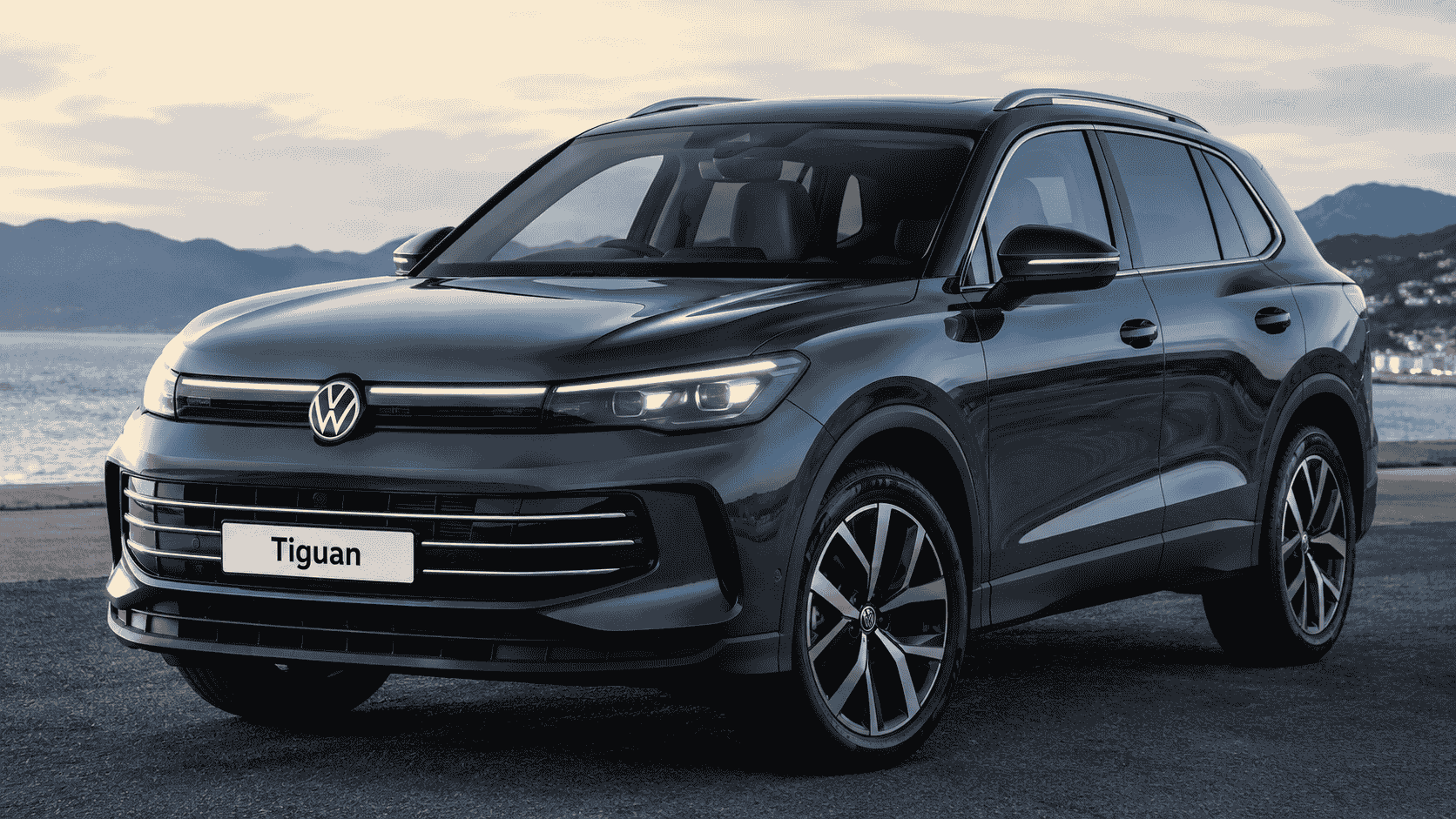
    Volkswagen Tiguan : The Complete 2026 Guide to VW’s Best-Selling Compact SUV

    The Volkswagen Tiguan continues to dominate the compact SUV segment as one of the most popular and well-rounded crossovers on the market. With over nine million units sold worldwide since its 2007 debut, the Tiguan blends German engineering, premium comfort, advanced technology, and everyday practicality. Whether you’re shopping for a family hauler, daily commuter, or stylish adventure vehicle, the latest Volkswagen Tiguan delivers impressive value.

    In this comprehensive guide, we’ll cover the latest 2025–2026 models, key specifications, features, pricing, pros and cons, and expert insights to help you decide if the VW Tiguan is the right SUV for you.

    Why the Volkswagen Tiguan Remains a Top Choice in 2026

    The third-generation Volkswagen Tiguan (launched in 2024/2025) represents a major leap forward. Built on an evolved MQB Evo platform, it features sharper styling, a more luxurious interior, enhanced driver assistance systems, and better performance than ever before.

    Volkswagen Tiguan 2026
    Volkswagen Tiguan 2026

    Volkswagen Tiguan stands out from rivals like the Honda CR-V, Toyota RAV4, Hyundai Tucson, and Mazda CX-5 thanks to its refined driving dynamics, upscale cabin materials, and strong standard safety features — all at a competitive price.

    Volkswagen Tiguan Generations: A Quick History

    • First Generation (2007–2017): Introduced the Tiguan as a Golf-based compact SUV. It quickly gained popularity for its solid build and versatile design.
    • Second Generation (2016–2024): Larger footprint, optional third-row seating (Allspace), and improved tech.
    • Third Generation (2024–present): All-new design, no third row (prioritizing rear passenger space and cargo), premium interior, and more powerful engine options.

    The current Volkswagen Tiguan focuses on five-passenger comfort with class-leading rear legroom and cargo versatility.

    2026 Volkswagen Tiguan Specs and Performance

    The 2026 VW Tiguan offers two standout powertrain options in most markets (primarily the US):

    • Standard Engine: 2.0L turbocharged inline-4 producing 201 horsepower and 207–221 lb-ft of torque.
    • SEL R-Line Turbo (New for 2026): Upgraded 2.0L turbo delivering 268 horsepower and 258 lb-ft of torque — a significant performance boost.

    Both pair with an smooth 8-speed automatic transmission. Front-wheel drive is standard, with available 4Motion all-wheel drive.

    Performance Highlights:

    • 0–60 mph: Approximately 7.7–8.7 seconds (standard); ~6.7–7.0 seconds (Turbo model).
    • Towing capacity: Up to 1,800 lbs with AWD.
    • Fuel economy: Up to 29 mpg combined (FWD models); AWD models average 25 mpg combined.

    Multiple drive modes (Eco, Comfort, Sport, Off-Road, Snow, and Custom) make the Tiguan adaptable for various conditions.

    Interior, Technology, and Comfort

    One of the biggest upgrades in the latest Volkswagen Tiguan is the premium cabin. Expect:

    • High-quality materials, soft-touch surfaces, and available quilted leather with massaging front seats.
    • Large touchscreen infotainment (up to 15 inches) with wireless Apple CarPlay and Android Auto.
    • Digital cockpit, ambient lighting, Harman Kardon premium audio, and a head-up display on higher trims.
    • Spacious seating for five adults with excellent cargo space (around 34 cu ft behind rear seats, expanding to 70+ cu ft).

    The Volkswagen Tiguan delivers a quiet, refined ride that feels more expensive than its price tag suggests.

    Volkswagen Tiguan 2026
    Volkswagen Tiguan 2026

    Safety Features and Ratings

    Safety is a strong suit for the VW Tiguan. It earns a 5-star overall NHTSA rating. Standard IQ.DRIVE includes:

    • Automatic emergency braking with pedestrian/cyclist detection.
    • Adaptive cruise control with lane centering.
    • Blind-spot monitoring, lane-keep assist, and rear cross-traffic alert.
    • Enhanced Travel Assist with automatic lane-change capability on 2026 models.

    Additional airbags and advanced structural design further enhance protection.

    Volkswagen Tiguan Pricing and Trim Levels (2026 US Market)

    Pricing remains competitive:

    • S (Base): Starting around $30,805 (FWD).
    • SE / SE R-Line Black: Mid-range options with more comfort and style features.
    • SEL R-Line Turbo: Top trim, loaded with performance and luxury upgrades — around $43,000–$45,000.

    Destination fees typically add $1,400–$1,500. Check local incentives and regional pricing, as European and Australian markets offer plug-in hybrid (eHybrid) variants with excellent electric range.

    Pros and Cons of the Volkswagen Tiguan

    Pros:

    • Engaging driving dynamics and responsive handling.
    • Premium, spacious, and comfortable interior.
    • Strong standard safety technology.
    • Powerful new Turbo engine option for 2026.
    • Excellent build quality and resale value.

    Cons:

    • Infotainment system can feel overly touchscreen-dependent.
    • No hybrid option currently available in the US market.
    • Fuel economy is average for AWD models.
    • Base engine may feel underpowered for enthusiastic drivers (addressed by the Turbo trim).

    Volkswagen Tiguan vs Competitors

    The Tiguan often edges out rivals in refinement and premium feel. While the Toyota RAV4 excels in hybrid efficiency and the Honda CR-V offers bulletproof reliability, the VW Tiguan provides sportier handling and a more upscale cabin experience. The new 268-hp Turbo model gives it a unique performance advantage in the segment.

    Who Should Buy the Volkswagen Tiguan?

    The Volkswagen Tiguan is ideal for:

    • Families needing space and safety.
    • Drivers who value European driving dynamics.
    • Buyers seeking a stylish, tech-loaded SUV without luxury-brand pricing.
    • Those planning to keep the vehicle long-term (strong reliability reputation in recent years).

    Also Read This : Tata Tiago 2026 : The Ultimate Budget Hatchback Gets a Massive Glow-Up

    Yes — the Volkswagen Tiguan is one of the most well-rounded compact SUVs available today. The third-generation model elevates the nameplate with premium features, strong performance options, and everyday usability. If you prioritize driving enjoyment and interior quality alongside practicality, the Tiguan deserves a top spot on your test-drive list.

    Ready to experience it? Visit your local Volkswagen dealer for a test drive of the latest Volkswagen Tiguan model


    View this post on Instagram


    A post shared by AVSPOST (@avspost)

  • India’s First Private Rocket : Skyroot Aerospace Makes History with Vikram-1 Launch

    India’s First Private Rocket : Skyroot Aerospace Makes History with Vikram-1 Launch

    In a landmark achievement for India’s space industry, Skyroot Aerospace has successfully launched India’s first private rocket into orbit. Named Vikram-1, this mission — codenamed “Mission Aagaman” — marks a new era in Indian space exploration, where private companies are now capable of developing and launching orbital-class rockets.

    On July 18, 2026, the 20–24 metre tall Vikram-1 rocket lifted off from the Satish Dhawan Space Centre in Sriharikota, making India one of the few nations with proven private orbital launch capability.

    What Makes This Launch Historic?

    The successful flight of India’s first private rocket is more than just a technical milestone. It represents the growing strength of India’s private space ecosystem and the fruition of government policies that opened up the sector to startups.

    India’s First Private Rocket: Skyroot Aerospace Makes History with Vikram-1 Launch
    India’s First Private Rocket: Skyroot Aerospace Makes History with Vikram-1 Launch

    Skyroot Aerospace, a Hyderabad-based startup founded by former ISRO scientists, designed and built the Vikram-1 entirely in India. The rocket features an all-carbon composite structure, advanced solid rocket motors, and 3D-printed components — showcasing world-class indigenous technology.

    Mission Aagaman : Key Highlights

    • Rocket: Vikram-1 (four-stage orbital launch vehicle)
    • Payload Capacity: Up to 350 kg to Low Earth Orbit
    • Orbit Targeted: Approximately 450 km altitude at 60° inclination
    • Payloads: Included satellites and technology demonstrators from Indian startups (Grahaa Space, Cosmoserve) and Germany’s Dcubed, along with Skyroot’s own SCOPE satellite.

    The primary objective of this maiden flight was to collect real-time flight data on propulsion, stage separation, guidance, navigation, and control systems. This data will be crucial for refining future commercial launches.

    Significance for India

    The launch of India’s first private rocket strengthens the country’s position in the global small satellite launch market. With increasing demand for dedicated and responsive launches, Skyroot aims to offer cost-effective and rapid access to space for both domestic and international customers.

    Prime Minister Narendra Modi congratulated the Skyroot team, stating that this achievement will inspire countless young Indians to dream bigger in science and innovation.


    View this post on Instagram


    A post shared by AVSPOST (@avspost)

    India’s First Private Rocket : The Road Ahead

    This success is just the beginning. Skyroot has already announced plans for an upgraded variant, Vikram-1U, with higher payload capacity. With more test flights planned, the company is gearing up for regular commercial operations in the coming years.

    The successful debut of India’s first private rocket not only boosts national pride but also signals to the world that India is serious about becoming a major player in the global space economy, projected to reach $600 billion in the near future.

    Also Read This : West Asia Tensions Put Pressure on Crude Prices; Mixed Sentiment in Asian Markets

    The launch of Vikram-1 by Skyroot Aerospace will be remembered as the moment when India’s private space sector truly arrived. As India’s first private rocket soars into the skies, it carries with it the dreams and ambitions of a new generation of Indian space entrepreneurs.

  • iPhone Ultra Fold : Apple’s First Foldable iPhone – Rumored Features, Design, Specs, and Price

    iPhone Ultra Fold : Apple’s First Foldable iPhone – Rumored Features, Design, Specs, and Price

    The tech world has been buzzing about Apple’s entry into the foldable smartphone market for years. The iPhone Ultra Fold (also referred to as iPhone Ultra or iPhone Fold) is shaping up to be one of the most anticipated devices of 2026. While Apple has not officially confirmed the product, extensive leaks, supply chain reports, and analyst predictions paint a detailed picture of this premium book-style foldable.

    This blog post dives deep into the iPhone Ultra Fold rumors, covering its design, key features, expected specifications, pricing, and release timeline.

    Design and Build of the iPhone Ultra Fold

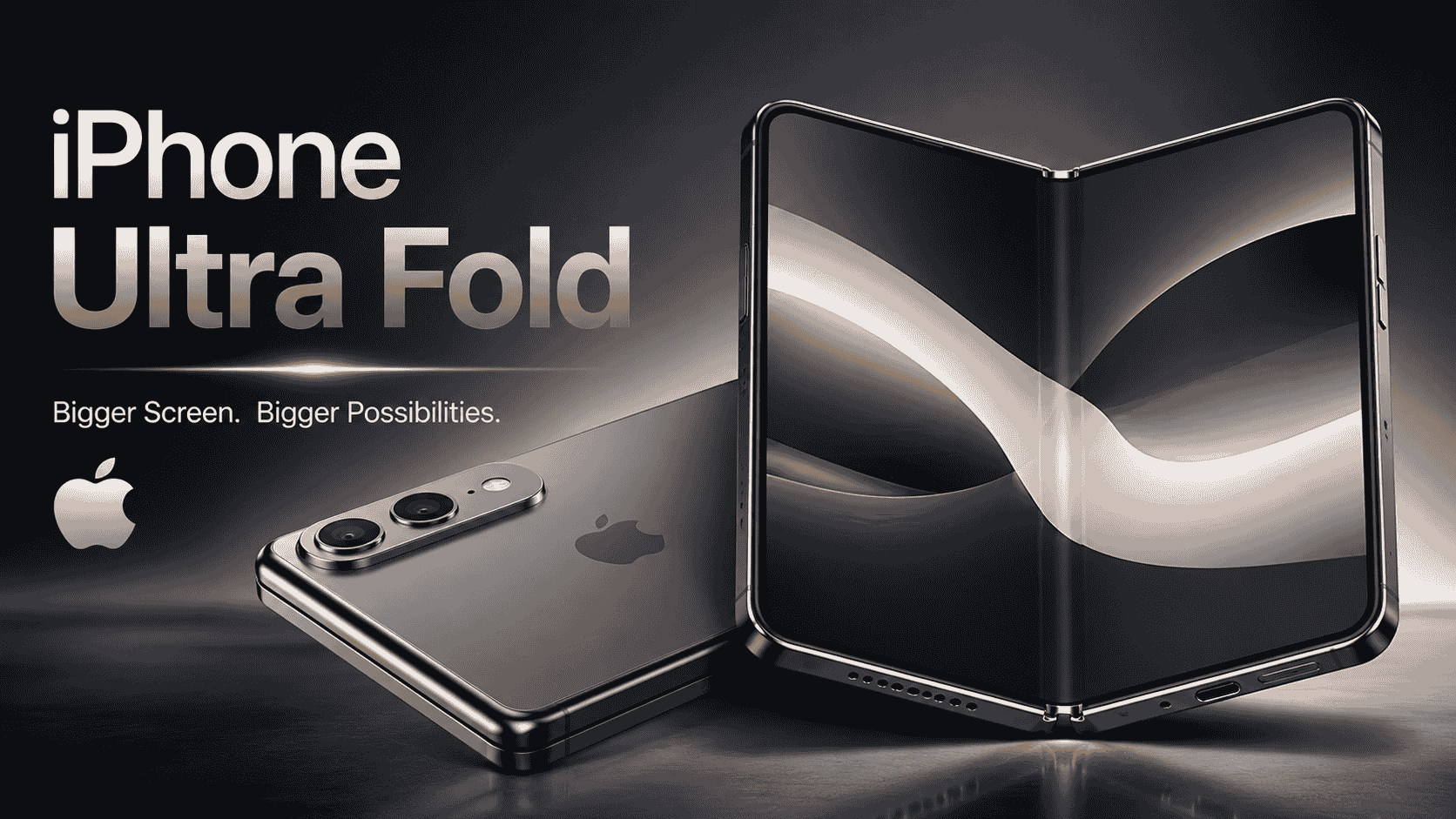
    The iPhone Ultra Fold is expected to feature a book-style foldable design (inward-folding, similar to the Samsung Galaxy Z Fold series but with Apple’s signature refinements). When folded, it resembles a compact, passport-like device; when unfolded, it transforms into a tablet-like experience.

    • Displays:
    • Inner (unfolded) display: Approximately 7.7–7.8 inches OLED with a near 4:3 aspect ratio (similar to an iPad mini). Apple is prioritizing a nearly invisible crease using ultra-thin glass (UTG) for a smoother, more durable screen.
    • Outer (folded/cover) display: 5.3–5.5 inches OLED for quick tasks without unfolding.
    • Dimensions and Durability: Folded thickness around 9–9.5mm; unfolded as thin as 4.5mm. Expect a premium aluminum/titanium frame and a robust hinge (possibly using Liquid Metal alloy for strength and longevity).
    Apple’s First Foldable iPhone
    iPhone Ultra Fold : Apple’s First Foldable iPhone

    Apple is focusing on crease reduction, hinge reliability, and seamless software integration, setting the iPhone Ultra Fold apart from competitors.

    Key Features and Specifications of the iPhone Ultra Fold

    Here’s what rumors suggest for the iPhone Ultra Fold hardware and software:

    • Processor and Performance: Powered by the A20 (or A20 Pro) chip with up to 12GB RAM. This should deliver flagship-level performance, multitasking, and AI capabilities via Apple Intelligence.
    • Cameras: Dual rear cameras (likely led by a 48MP main sensor). There may be compromises (e.g., no telephoto due to space constraints in the foldable form). Expect front cameras on both inner and outer displays, possibly with under-display options.
    • Battery: Large capacity estimated at 5,400–5,800mAh — one of the biggest in any iPhone — to support the dual displays and power-hungry features.
    • Other Hardware: Apple’s in-house C2 modem, Touch ID (in the power button, as Face ID may be tricky in this form factor), and advanced cooling like a vapor chamber.
    • Software: iOS 27 with enhanced foldable optimizations, including Split View multitasking, better app continuity across folded/unfolded states, and iPad-like windowing. Developers are getting tools to adapt apps easily.

    The iPhone Ultra Fold aims to blend iPhone portability with iPad productivity in one device.

    Pricing of the iPhone Ultra Fold

    The iPhone Ultra Fold is positioned as Apple’s most premium iPhone ever. Rumored pricing starts at around $1,999 for the base 256GB model, climbing to $2,199–$2,399 for higher storage (512GB/1TB) and potentially higher in some markets.

    Apple’s First Foldable iPhone
    Apple’s First Foldable iPhone

    This puts it significantly above current iPhone Pro Max models and aligns with (or exceeds) competitors like the Samsung Galaxy Z Fold. The high cost reflects expensive components like the foldable display, hinge, and premium materials.

    Release Date for the iPhone Ultra Fold

    Apple is expected to announce the iPhone Ultra Fold in September 2026 alongside the iPhone 18 Pro series during its fall event. Availability could follow in October–December 2026, though initial supplies may be limited due to manufacturing complexities. Mass production is reportedly ramping up, with Apple ordering millions of units.

    Some reports mention potential minor delays to late 2026, but recent updates indicate it’s on track.

    Also Read This : WhatsApp New Username Feature : What It Is and How to Reserve One for Yourself?

    The iPhone Ultra Fold represents Apple’s careful, high-quality approach to foldables — addressing durability, software experience, and premium feel that earlier devices sometimes lacked. It could appeal to productivity users, creators, and those wanting a device that replaces both a phone and a small tablet.

    Of course, all details about the iPhone Ultra Fold remain rumors until Apple makes an official announcement. Pricing, exact specs, and availability can shift.


    View this post on Instagram


    A post shared by AVSPOST (@avspost)

  • Tata Tiago 2026 : The Ultimate Budget Hatchback Gets a Massive Glow-Up

    Tata Tiago 2026 : The Ultimate Budget Hatchback Gets a Massive Glow-Up

    The Tata Tiago 2026 has arrived, and it’s more than just a simple facelift — it’s a comprehensive update that transforms Tata’s popular entry-level hatchback into a modern, feature-packed contender. Launched in late May 2026, the new Tata Tiago 2026 brings sharper styling inspired by the Altroz, a completely redesigned premium cabin, enhanced safety features, and the same reliable and efficient powertrains that made the original a bestseller. Whether you’re a first-time buyer looking for an affordable city car or someone who values low running costs with CNG, the Tata Tiago 2026 delivers impressive value.

    Bold New Design That Turns Heads

    The Tata Tiago 2026 sports a fresh, more mature look. The front end features sleek swept-back LED headlamps with integrated DRLs, a slim connected black grille, and a redesigned bumper with a larger air dam. A new clamshell bonnet adds presence, while the rear gets connected LED taillamps and a full-width reflector for a contemporary touch.

    Tata Tiago 2026
    Tata Tiago 2026

    Dimensionally, it’s slightly longer and wider than before, yet it retains the compact footprint ideal for Indian cities — with 170mm ground clearance that handles bad roads effortlessly. New alloy wheel designs, black wheel arch cladding, and vibrant colour options like Pangong Pulse, Varanasi Vibrance, and Sobo Surge give the Tata Tiago 2026 a premium and youthful appeal.

    Revamped Interior: Premium Feel at an Affordable Price

    Step inside the Tata Tiago 2026, and you’ll notice a complete transformation. The dashboard has been fully redesigned with better materials, improved ergonomics, and a more upmarket layout. Higher variants offer a large 10.25-inch touchscreen with wireless Android Auto and Apple CarPlay, a part-digital instrument cluster, rear AC vents, and thoughtful storage solutions.

    Seats now offer better bolstering and cushioning for long drives. Features like a cooled glovebox, wireless charging, 360-degree camera (in top trims), and connected car technology with iRA make the cabin feel far more premium than its price suggests. The Tata Tiago 2026 successfully bridges the gap between budget hatchbacks and more expensive offerings.

    Tata Tiago 2026
    Tata Tiago 2026

    Powertrains: Efficient and Practical

    Under the hood, the Tata Tiago 2026 sticks with proven and reliable options:

    • Petrol: 1.2-litre 3-cylinder engine producing around 86 hp and 113 Nm, paired with a 5-speed manual or AMT.
    • CNG (iCNG): Same engine tuned for dual-cylinder CNG, delivering about 75.5 hp and 96.5 Nm, also available with MT or AMT (with paddle shifters on higher variants).

    The engine is peppy enough for city commuting and effortless highway cruising. While refinement could be better (typical three-cylinder vibes at idle), real-world mileage remains strong — making the Tata Tiago 2026 an economical choice for daily use. The Tiago EV variant also gets updates for those interested in electric mobility.

    Safety: Segment-Leading Protection

    Tata has significantly upped the safety game in the Tata Tiago 2026. Even the base variant gets 6 airbags as standard, along with ABS with EBD, ESP, rear parking sensors, and ISOFIX child seat anchors. Higher trims add a 360-degree camera and more advanced assists. Built on the improved X-Alfa platform, the new Tiago promises strong structural integrity and crash performance.

    Tata Tiago 2026
    Tata Tiago 2026

    Pricing and Variants

    The Tata Tiago 2026 is aggressively priced, starting at ₹4.69 lakh (ex-showroom) for the base petrol Smart variant and going up to around ₹8.55 lakh for the top Creative CNG AMT. Variants include Smart, Pure, Pure+, Pure+ A, Creative, and Creative+. This pricing, combined with the massive upgrades, makes it one of the strongest value propositions in the segment.

    Who Should Buy the Tata Tiago 2026?

    The Tata Tiago 2026 shines as an ideal first car or urban runabout. It offers modern design, a comfortable and feature-rich cabin, excellent fuel efficiency (especially the CNG versions), and Tata’s renowned build quality — all at a price that undercuts many rivals.

    If you prioritize low ownership costs, practicality, and a car that feels more expensive than it is, the Tata Tiago 2026 is hard to beat. It stands tall against competitors like the Maruti Suzuki Swift, Hyundai Grand i10 Nios, and Citroen C3.

    Also Read This : Why Wearing a Helmet is Non-Negotiable: The Rise of Smart Helmets in 2026

    The Tata Tiago 2026 is a confident step forward for Tata. It retains everything buyers loved about the original while fixing its shortcomings and adding premium touches. For budget-conscious buyers seeking style, features, and efficiency in one compact package, this updated hatchback is a winner.


    View this post on Instagram


    A post shared by AVSPOST (@avspost)

  • Why Wearing a Helmet is Non-Negotiable: The Rise of Smart Helmets in 2026

    Why Wearing a Helmet is Non-Negotiable: The Rise of Smart Helmets in 2026

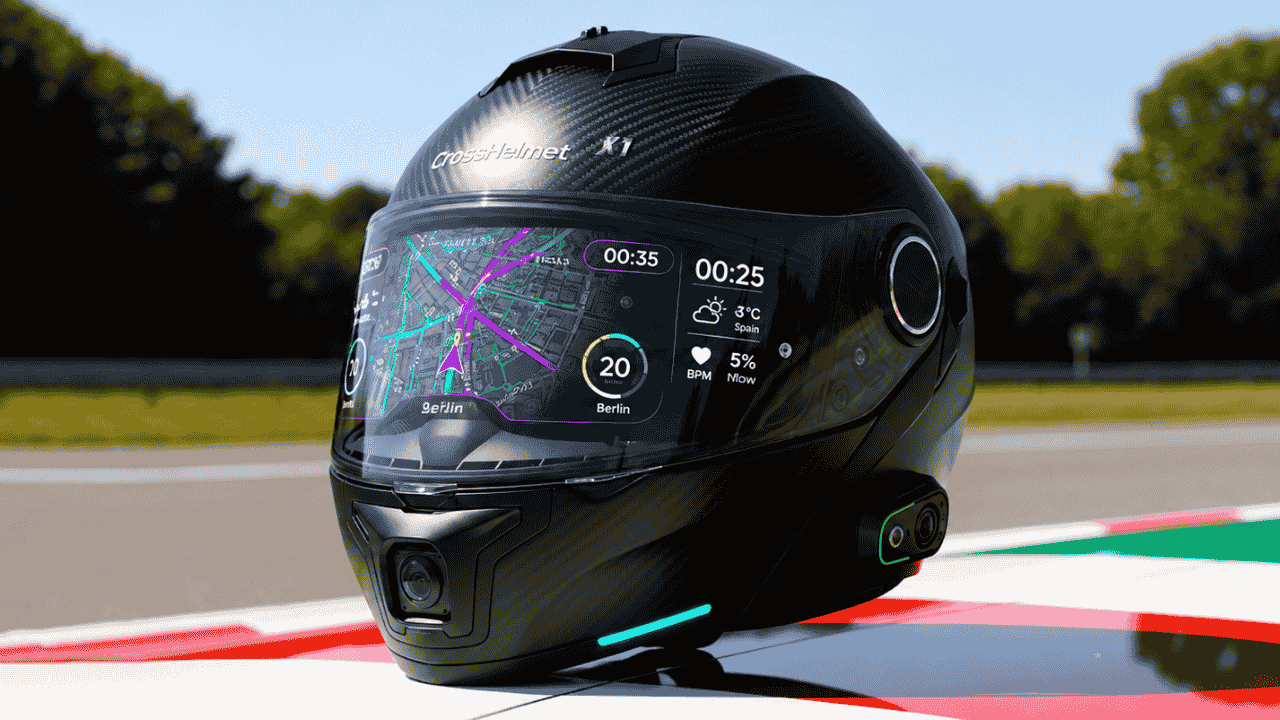
    Smart Helmets in 2026 : Motorcycle and scooter riders often underestimate the importance of wearing a helmets — until it’s too late. In the unfortunate event of an accident, head injuries are among the most dangerous and life-threatening. A high-quality helmets can dramatically reduce the risk of severe trauma and even save your life.

    In India alone, thousands of road accidents occur every year, with head injuries being one of the leading causes of fatalities. This is exactly why traffic laws across the country have made helmet use mandatory. Wearing a helmets is not just a legal requirement — it’s a life-saving habit.

    Why Helmet Matter More Than You Think

    • Helmets protect your skull and brain from direct impact.
    • They absorb shock and prevent fatal injuries in crashes.
    • They also shield your face and eyes from dust, debris, rain, and UV rays.
    • According to road safety data, helmet use can reduce the risk of head injury by up to 70% and the risk of death by 40%.

    Despite these proven benefits, many riders still avoid helmets citing discomfort or style concerns. Modern technology has solved these issues with smart, lightweight, and feature-rich helmets.

    Smart Helmets in 2026
    Smartest Helmets in 2026

    Top Features of Smart & Advanced Helmets in 2026

    The helmets industry has evolved significantly. Today’s smart helmets are no longer just protective gear — they are intelligent riding companions. Here are the most popular features available in the market:

    1. Bluetooth Connectivity

    Built-in Bluetooth allows riders to take calls, listen to music, and follow GPS navigation without removing their hands from the handlebar. Voice commands make the entire experience safe and seamless.

    1. Smart Visor Technology

    Anti-fog, anti-scratch, and UV-protected visors are now standard. Many models come with pinlock systems or even auto-tinting (photochromic) visors that adjust according to light conditions — perfect for day and night riding.

    1. Crash Detection & SOS Alert System

    One of the most life-saving innovations. In case of an accident, the helmet can automatically detect impact and send your live location via SMS or app notification to emergency contacts and family members.

    1. Built-in Camera

    Some premium helmets now feature integrated action cameras (front or dual-facing) that record your rides. This footage can serve as crucial evidence in case of disputes or accidents.

    1. Advanced Ventilation System

    Multi-directional air vents and aerodynamic designs keep your head cool even during long rides in hot weather. Good ventilation significantly reduces fatigue and sweating.

    1. Lightweight yet Strong Materials

    Modern helmets use premium materials like Carbon Fiber, Fiberglass, and high-impact Polycarbonate. These helmets meet international safety standards (ECE, DOT) while weighing much less than traditional ones.

    Top Features of Smart & Advanced Helmets in 2026
    Top Features of Smart & Advanced Helmets in 2026

    Important Buying Tips

    • Always choose a BIS (ISI) certified helmet. Never compromise on safety for style or price.
    • Full-face helmets offer the highest protection compared to half or open-face helmets.
    • Replace your helmets every 3–5 years, even if it looks fine. The protective foam and materials degrade over time.
    • Choose the right size and shape for a snug, comfortable fit.
    • For women and children, opt for specially designed helmets that fit smaller head sizes properly.

    Also Read This : Sonam Zomba Defends Strawweight Title with Dominant Submission Win at MFN 18

    A helmets is the single most important piece of safety equipment for any two-wheeler rider. With the availability of smart helmets packed with useful features, there’s no longer any excuse to ride without one.

    Protect your head. Protect your life. Make helmets wearing a non-negotiable habit every time you ride.

    Ride Safe. Ride Smart.


    View this post on Instagram


    A post shared by AVSPOST (@avspost)

  • Royal Enfield Flying Flea C6 : The Lightest and Boldest Electric Motorcycle from Royal Enfield

    Royal Enfield Flying Flea C6 : The Lightest and Boldest Electric Motorcycle from Royal Enfield

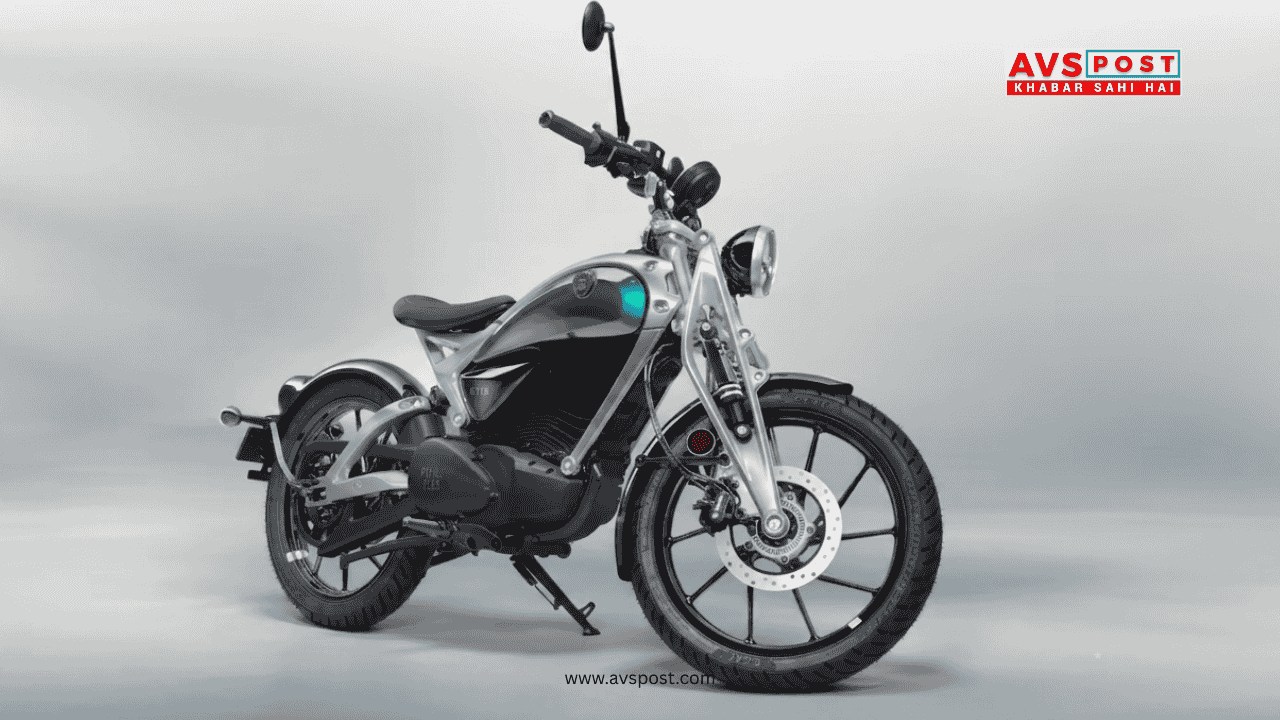
    Royal Enfield has officially entered the electric motorcycle segment with the launch of the Royal Enfield Flying Flea C6. This all-new electric bike marks the beginning of a fresh chapter for the iconic brand, combining its legendary heritage of lightness with modern electric technology.

    The Story Behind Royal Enfield Flying Flea C6

    The name “Flying Flea” pays tribute to Royal Enfield’s history. During World War II, the original Flying Flea was a lightweight motorcycle dropped by parachute for British paratroopers. It was known for its agility, portability, and ability to operate in tough conditions.

    Today, the Royal Enfield Flying Flea C6 revives that same spirit of nimbleness in an all-electric form. Designed primarily for urban and city-plus riding, the Royal Enfield Flying Flea C6 brings effortless performance, instant torque, and zero emissions while staying true to the idea of riding light and free.

    Royal Enfield Flying Flea C6
    Royal Enfield Flying Flea C6

    Design and Build of Royal Enfield Flying Flea C6

    The Flying Flea C6 looks strikingly modern and completely different from traditional Royal Enfield motorcycles. It features a compact, futuristic design with clean lines and a narrow profile that enhances its agile character.

    Standout design elements include:

    • A forged aluminium girder-style front fork with an articulating mudguard
    • Lightweight exoskeleton frame
    • Magnesium-finished battery housing with integrated cooling fins
    • Premium fit and finish typical of Royal Enfield

    Weighing just 124 kg, the Royal Enfield Flying Flea C6 is the lightest motorcycle ever made by Royal Enfield. This low weight makes it extremely easy to handle in traffic and gives it a fun, flickable character on twisty roads.

    Performance of Royal Enfield Flying Flea C6

    Despite its compact size, the Flying Flea C6 delivers impressive performance:

    • Motor : 15.4 kW (approximately 21 bhp) PMSM motor
    • Peak Torque : 60 Nm — available instantly
    • Acceleration : 0-60 km/h in just 3.7 seconds
    • Top Speed : 115 km/h
    • Battery : 3.91 kWh air-cooled lithium-ion pack
    • Claimed Range : 154 km (IDC)
    • Real-world Range : Expected between 100-115 km

    The Flying Flea C6 comes with multiple riding modes that allow riders to adjust power delivery and regenerative braking according to their needs. The belt drive system ensures smooth and silent power transmission with minimal maintenance.

    Charging the Royal Enfield Flying Flea C6 is reasonably quick — 20-80% in about 65 minutes, with a full charge taking roughly 2 hours and 16 minutes.

    Royal Enfield Flying Flea C6
    Royal Enfield Flying Flea C6

    Key Features of Flying Flea C6

    The Flying Flea C6 is equipped with modern features while keeping the riding experience pure and engaging:

    • Multiple riding modes (City, Sport, Rain, and more)
    • Connected digital instrumentation
    • High ground clearance suitable for Indian roads
    • Comfortable ergonomics for daily commuting and short weekend rides

    A more adventure-oriented Flying Flea S6 variant is also expected in the coming months.

    Pricing and Availability of Royal Enfield Flying Flea C6

    The Flying Flea C6 is priced at ₹2.79 lakh (ex-showroom) when bought with the battery.

    To make it more accessible, Royal Enfield has introduced a Battery-as-a-Service (BaaS) option that reduces the price to ₹1.99 lakh (ex-showroom).

    Bookings for the Flying Flea C6 are now open, with deliveries beginning in major cities from May 2026 onwards.

    Who is the Royal Enfield Flying Flea C6 For?

    The Flying Flea C6 is ideal for:

    • Urban riders looking for an agile and fun daily commuter
    • Young buyers entering the motorcycle world
    • Riders who want low running costs and modern performance
    • Enthusiasts who appreciate Royal Enfield’s heritage but are ready for an electric future

    It is not positioned as a replacement for the classic Royal Enfield Bullets, but as a fresh, lightweight, and exciting new offering.

    Also Read This : R. Vaishali Creates History : Wins the 2026 FIDE Women’s Candidates Tournament

    Final Thoughts on Royal Enfield Flying Flea C6

    The Royal Enfield Flying Flea C6 successfully brings together the brand’s legacy of lightness with cutting-edge electric technology. With its ultra-low weight, strong torque, quick acceleration, and distinctive design, the Royal Enfield Flying Flea C6 feels like a motorcycle built for today’s riding conditions.

    If you’re looking for a fun, practical, and forward-looking electric motorcycle that still carries the Royal Enfield name with pride, the Royal Enfield Flying Flea C6 is definitely worth considering.


    View this post on Instagram


    A post shared by AVSPOST (@avspost)

  • NASA Artemis II Crew Completes Historic Journey with Safe Splashdown

    NASA Artemis II Crew Completes Historic Journey with Safe Splashdown

    In a landmark moment for space exploration, the NASA Artemis II program took a giant leap forward as the four astronauts of Artemis II safely returned to Earth. On April 10, 2026, the Orion spacecraft nicknamed Integrity splashed down in the Pacific Ocean off the coast of San Diego, California, marking the successful end of humanity’s first crewed lunar mission in over 50 years.

    What Was the NASA Artemis II Mission?

    The NASA Artemis II mission was the first crewed flight of NASA’s ambitious program aimed at returning humans to the Moon and establishing a long-term presence there. Launched on April 1, 2026, the mission sent four astronauts on a 10-day journey that included a lunar flyby, taking them farther from Earth than any humans have ever traveled — approximately 694,481 miles.


    View this post on Instagram


    A post shared by AVSPOST (@avspost)


    The international crew consisted of:

    • NASA astronaut Reid Wiseman (Commander)
    • NASA astronaut Victor Glover (Pilot)
    • NASA astronaut Christina Koch (Mission Specialist)
    • Canadian Space Agency astronaut Jeremy Hansen (Mission Specialist)

    During the flight, the team tested critical systems for future NASA Artemis missions, including the Orion spacecraft’s heat shield, life support systems, and navigation during high-speed re-entry.

    NASA Artemis II Crew Completes Historic Journey with Safe Splashdown
    NASA Artemis II Crew Completes Historic Journey with Safe Splashdown

    Dramatic Re-Entry and Text-Book Splashdown

    The highlight of the return was the high-stakes atmospheric re-entry. Traveling at nearly 25,000 mph, the Orion capsule endured extreme temperatures reaching about 2,760°C — roughly half the surface temperature of the Sun. After a flawless parachute deployment, the spacecraft made a perfect “textbook” splashdown at 8:07 p.m. EDT (5:07 p.m. PDT) in the Pacific Ocean.

    Commander Reid Wiseman radioed back: “What a journey. We are stable. Four green crewmembers.” All astronauts were reported happy and healthy immediately after recovery by Navy teams aboard the USS John P. Murtha.

    Why This NASA Artemis Milestone Matters

    The successful completion of NASA Artemis II is more than just a return mission — it’s a critical stepping stone. This flight has validated key technologies that will enable Artemis III, the first crewed landing on the lunar surface (targeted for 2028 or later). The long-term goal of the NASA Artemis program is to build a sustainable human presence on the Moon, learn how to live and work in deep space, and ultimately prepare for sending astronauts to Mars.

    This mission also highlights strong international collaboration, with Canada playing a key role through astronaut Jeremy Hansen.

    NASA Artemis II Crew Completes Historic Journey with Safe Splashdown
    NASA Artemis II Crew Completes Historic Journey with Safe Splashdown

    What’s Next for NASA Artemis II ?

    With Artemis II now complete, NASA is already preparing for more ambitious steps in the NASA Artemis program. Future missions will focus on lunar landings, building the Lunar Gateway station, and developing new spacesuits and landers.

    The safe return of the Artemis II crew proves that humanity is ready to venture back to the Moon — and beyond.

    Also Read This : Iran US War News : Trump’s Fresh Warning on Iran Deal as Tehran Delegation Heads to Pakistan for Crucial Talks

  • Growth of Digital Transactions In India : Cashless India A Growing Trend

    Growth of Digital Transactions In India : Cashless India A Growing Trend

    Growth of Digital Transactions In India has increase rapidly  in recent years as more people prefer cashless transaction. Apps like Google pay and paytm  have made it easy to send and receive money instantly. Digital payment played a major In making payments fast, secure and convenient. Rural areas also adopting digital payment.  Small shopkeeper and Street vendors  are also accepting QR code payment, digital payment are becoming an important part of everyday life, making transaction simple, quick and hassle – free. Features like pin protection, OTP verification, and instant transaction alerts  help users feel safe  while making payments

    Growth of Digital Transactions In India : Quick and smoke transactions

    Easy and fast transaction are one of the main reasons behind the Rapid growth of digital payments in India.  Nowadays, Pipal can transfer money within seconds using apps like Paytm and Google pay. This has made daily financial activities must simpler compare to traditional methods like visiting banks or using cash.

    Growth of Digital Transactions In India
    Growth of Digital Transactions In India

    The process is not only quick but also very user -friendly allowing even beginners to use it without difficulty. And the another benefit is  that these transactions are available 24/7. People no longer have to depend on bank timings or worried about holidays. Even in emergencies, money can be sent quickly, which makes digital payment highly reliable.

    Digital payment app provides notification and transaction history, helping users keep track of their spending. This is very useful  in urgent situations where immediate payment is required.

    Small Businesses Going Cashless

    The use of digital payments  buy small businesses has increased fastly in recent years. small shopkeepers and street vendors  relied only on cash transactions, but now many of them have started accepting payment through QR code and mobile app like Paytm. digital payments also help  small businesses maintain   proper records of their transaction.

    The adoption of digital payments by small businesses is helping them to grow, become more efficient and stay updated with new modern technology.

    Growth of Digital Transactions In India
    Growth of Digital Transactions In India

    Role of Government In Digital Growth

    Government played a very Vital role in Rapid growth of digital payments in India. Through the various policies, the government has encourage people  to move towards a cashless economy . Campaigns like digital India focused on improving digital infrastructure, increasing internet access and encouraging citizens to  adopt online services for everyday needs. The government has also taken steps to improve security  and build trust among users, By working with banks and Financial Institutions.

    The government has punctuate  building trust by improving cyber security and protecting users from fraud. Government support played a vital role in shaping India’s digital economy. With ongoing improvements and innovations

    Also Read This : Railways New rules 2026

    Growth of Digital Transactions In India are growing at fast pace  and are becoming an  important part of modern life. India is steadly moving towards a more transparent, efficient, and digital economy.


    View this post on Instagram
     

    A post shared by AVSPOST (@avspost)