Category: Technology

  • Breaking: Instagram to Remove End-to-End Encryption Support on May 8, 2026

    Breaking: Instagram to Remove End-to-End Encryption Support on May 8, 2026

    Instagram to Remove End-to-End Encryption : Instagram Direct Messages (DMs) starting May 8, 2026. This quiet but significant change reverses a limited privacy feature Meta introduced a few years ago and has sparked fresh debates about user privacy, platform moderation, and the future of secure communication on social media.

    What Was End-to-End Encryption on Instagram?

    Instagram to Remove End-to-end encryption (E2EE) is a security method that ensures only the sender and recipient can read or view the contents of a message. Not even the service provider (in this case, Meta) can access the data. On Instagram, this was never the default — it was an opt-in feature available in certain regions and only for specific individual chats (not group chats or business accounts). Users had to manually enable it per conversation, and adoption remained very low.

    Breaking: Instagram to Remove End-to-End Encryption Support on May 8, 2026
    Breaking: Instagram to Remove End-to-End Encryption Support on May 8, 2026

    Meta first rolled out this capability around 2022–2023 as part of a broader privacy initiative promised years earlier. It aligned with similar protections already default on WhatsApp (also owned by Meta).

    The Announcement and Timeline

    Meta updated its official Instagram Help Center page in early 2026 with the key notice:

    “End-to-end encrypted messaging on Instagram will no longer be supported after May 8, 2026.”

    Affected users are seeing in-app notifications with instructions to download any encrypted messages, photos, videos, or other media they want to preserve. If you’re on an outdated app version, updating Instagram may be required to access the export options.

    After the deadline:

    • Existing E2EE chats will lose encryption support.
    • No new chats can enable it.
    • All future DMs will behave like standard Instagram messages — Meta can access them for content moderation, safety scanning, ad targeting, AI training, or law enforcement requests (subject to legal processes).

    Meta’s official reason? A spokesperson told outlets like The Verge and others:

    “Very few people were opting in to end-to-end encrypted messaging in DMs, so we’re removing this option from Instagram in the coming months. Anyone who wants to keep messaging with end-to-end encryption can easily do that on WhatsApp.”

    Breaking: Instagram to Remove End-to-End Encryption Support on May 8, 2026
    Breaking: Instagram to Remove End-to-End Encryption Support on May 8, 2026

    Why This Matters — Privacy vs. Safety Trade-Off

    Instagram to Remove End-to-End Encryption : The decision has reignited criticism from privacy advocates. E2EE makes it impossible for platforms to scan private messages for harmful content (e.g., child exploitation material, scams, harassment, or illegal activity). Law enforcement agencies and child safety organizations have long argued that default encryption hinders their ability to detect and prevent abuse.

    By removing the feature, Meta regains the ability to apply automated scanning, human review, and AI-based moderation across all DMs — the same tools already used on non-encrypted chats.

    On the flip side, millions of users rely on apps like Signal, WhatsApp, or Telegram for truly private conversations. Instagram’s move signals that casual social DMs are not intended for high-privacy use cases.

    What Should Instagram Users Do Now?

    • Check your chats — Open Instagram DMs and look for any encrypted conversations (they usually show a lock icon or special indicator).
    • Download your data — Follow in-app prompts to export affected messages/media before May 8, 2026. Back them up securely elsewhere.
    • Migrate sensitive conversations — If privacy matters to you (e.g., sharing personal details, financial info, health discussions, or anything sensitive), move those chats to:
    • WhatsApp (E2EE by default)
    • Signal (strongest privacy focus)
    • Telegram secret chats (E2EE optional)
    • Stay informed — Keep your app updated and watch for further Meta announcements.
    Breaking: Instagram to Remove End-to-End Encryption Support on May 8, 2026
    Breaking: Instagram to Remove End-to-End Encryption Support on May 8, 2026

    Instagram to Remove End-to-End Encryption

    This isn’t the death of encryption at Meta — WhatsApp remains fully E2EE, and Messenger has partial protections in some cases. But for Instagram specifically, the platform is doubling down on visibility and moderation over optional ultra-privacy.

    Instagram to Remove End-to-End Encryption : In an era of increasing data scrutiny, regulatory pressure, and AI moderation, features like opt-in E2EE were always a half-measure. Their removal reminds us: on most mainstream social apps, “private” messages are only as private as the company allows.

    Also Read This : Dhurandhar 2 Movie Review, Box Office Collection Day 1 : Ranveer Singh Starrer Crosses Rs 50 Crore Mark Amid Cancelled Telugu and Tamil Shows

    If privacy is non-negotiable for you, treat Instagram DMs accordingly — fun for casual chats, but not for anything confidential.


    View this post on Instagram
     

    A post shared by AVSPOST (@avspost)

  • Samsung Galaxy S26 Ultra in India : Full Features, World’s First Privacy Display & Price Breakdown

    Samsung Galaxy S26 Ultra in India : Full Features, World’s First Privacy Display & Price Breakdown

    The Samsung Galaxy S26 Ultra is Samsung’s flagship smartphone for 2026, launched globally (including India) during Galaxy Unpacked on February 25, 2026. Pre-orders are live now across Samsung India, Flipkart, Amazon, major retailers, and offline stores, with open sales and deliveries starting around March 6–11, 2026 (exact date varies slightly by channel).

    This device stands out as Samsung’s most privacy-focused and AI-intuitive Ultra yet, featuring the world’s first built-in Privacy Display, upgraded cameras, a powerful custom processor, faster charging, and refined design—all tailored for productivity, content creation, and secure daily use.

    Samsung Galaxy S26 Ultra : Detailed Features

    The Galaxy S26 Ultra targets power users with premium hardware and software:

    • Display — 6.9-inch Dynamic AMOLED 2X (QHD+ resolution: 3120 x 1440 pixels), 1-120Hz adaptive refresh rate (LTPO), up to 2600 nits peak brightness, anti-reflective coating, and protected by Corning Gorilla Armor 2. It offers stunning visuals, excellent outdoor legibility, and vibrant colors with deep contrast.
    • Processor & Performance — Custom Qualcomm Snapdragon 8 Elite Gen 5 (for Galaxy) on 3nm process, with octa-core CPU, advanced GPU, and enhanced NPU for AI workloads. It delivers up to 19% better efficiency, superior graphics, and improved thermal control for sustained gaming, multitasking, and AI processing. RAM: 12GB (base) or 16GB (top variant); Storage: 256GB / 512GB / 1TB (UFS, no microSD slot).
    Samsung Galaxy S26 Ultra in India
    Samsung Galaxy S26 Ultra in India
    • Camera System — Quad rear setup: 200MP main (f/1.4 for enhanced low-light), 50MP ultrawide (120° FOV), 50MP 5x periscope telephoto, and 10MP 3x telephoto (both OIS-enabled). 12MP front camera. Improvements include better Nightography, natural bokeh, reduced noise, AI-enhanced modes, and support for efficient APV codec in pro video recording.
    • Battery & Charging — 5,000mAh battery (all-day usage, up to 31+ hours video playback). Supports 60W wired fast charging (upgrade from previous), 20W wireless, and reverse wireless charging.
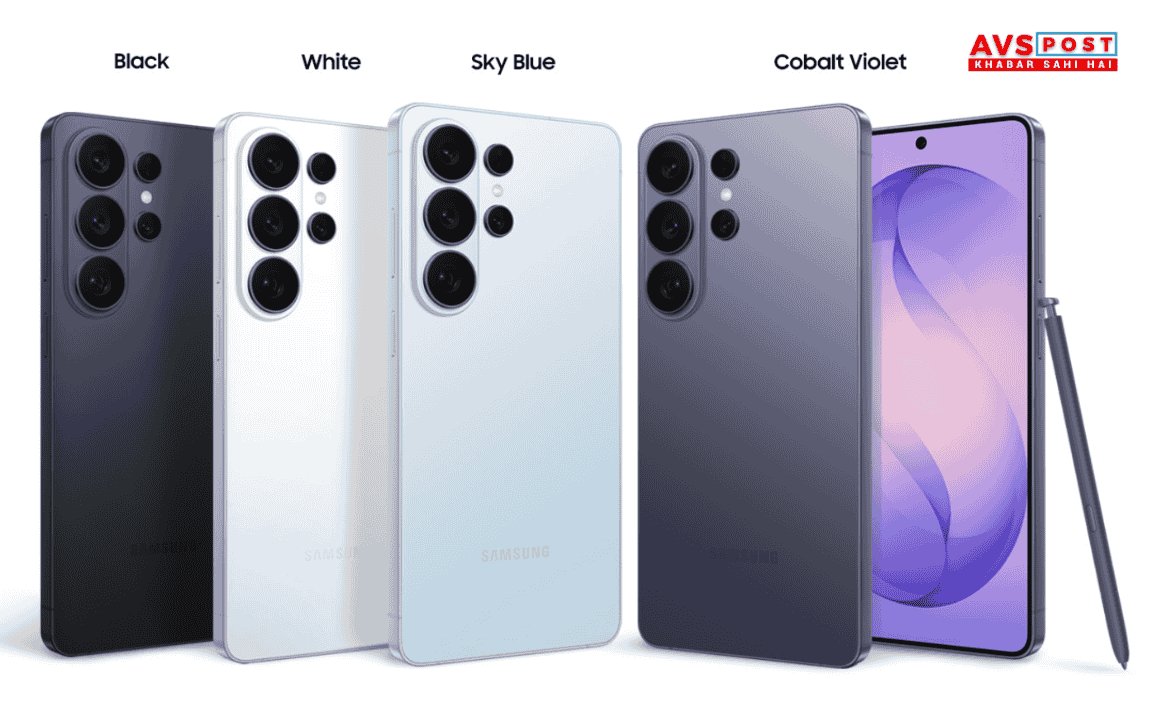
    • Design & Build — Slimmer profile (7.9mm thick, ~214g), Armor Aluminum frame, rounded edges for better grip, IP68 dust/water resistance, and integrated S Pen stylus. Colors: Cobalt Violet, Black, Sky Blue, White (some exclusive online).
    • Software — Android 16 with One UI 8.5 out-of-the-box, promising 7 major Android upgrades + extended security. Galaxy AI is more proactive—handling smart summaries, content generation, background tasks, personalized help, and seamless integration across Samsung ecosystem.
    • Other — Wi-Fi 7, Bluetooth 6.0, advanced 5G, enhanced stereo speakers, in-display fingerprint, NFC, and robust productivity via S Pen.

    Privacy Features – The Game-Changer

    The standout innovation is the world’s first built-in Privacy Display (exclusive to the Ultra), powered by Samsung Display’s Flex Magic Pixel technology in the OLED panel:

    • Combines narrow and wide pixels to control light dispersion.
    • Straight-on view — Full clarity, vibrant colors, no loss in brightness or quality.
    • Side angles — Screen dims, blacks out, or obscures content (like a hardware privacy filter without add-ons).
    • Modes:
    • Partial Screen Privacy — Hides notifications, password fields, or specific areas (ideal for quick checks in public).
    • Maximum Privacy Protection — Blanks the entire screen from side views.
    • Activates via quick settings, gestures, or automatically for sensitive apps (banking, messaging, PIN entry), motion detection, or public transport scenarios.
    • No permanent filters or reduced forward visibility—perfect for trains, cafes, offices, or crowded places in cities like Lucknow.
    Samsung Galaxy S26 Ultra in India
    Samsung Galaxy S26 Ultra in India

    This hardware-software combo addresses real privacy risks (shoulder surfing) without compromising the premium experience, setting a new benchmark.

    Samsung Galaxy S26 Ultra : Price in India

    The Galaxy S26 Ultra sees a modest price increase over the S25 Ultra, reflecting upgrades like the Privacy Display and faster charging.

    Official pricing (as per Samsung India and major retailers):

    • 12GB RAM + 256GB storage — ₹1,39,999
    • 12GB RAM + 512GB storage — ₹1,59,999 (often with double-storage promo during pre-order: get 512GB at ₹1,39,999 price)
    • 16GB RAM + 1TB storage — ₹1,89,999

    Pre-order & Launch Offers (check Samsung.com/in, Flipkart, Amazon, or stores for latest):

    • Instant cashback, exchange bonus (up to ₹50,000+ depending on old device).
    • No-cost EMI options (e.g., starting ~₹5,833/month via Bajaj Finserv or banks).
    • Free storage upgrade (256GB to 512GB at base price in limited-time deals).
    • Bundles with Galaxy Buds, Watch, or accessories.
    • Additional bank discounts (e.g., HDFC/ICICI cards) or trade-in credits.

    For Lucknow/UP buyers, availability is nationwide—pre-order online or visit Samsung exclusive stores/Croma/Reliance Digital. Prices include all taxes; final offers may vary.


    View this post on Instagram

     

    A post shared by AVSPOST (@avspost)

    Also Read This : Feel The Change Foundation’s Initiative : Cyber Fraud in Noida with Police and Community Support

    The Galaxy S26 Ultra combines cutting-edge privacy, powerful AI, and pro-level cameras in a refined package—ideal if privacy in public spaces matters to you or you’re upgrading from an older flagship. Head to Samsung India’s site for the latest deals! If you want comparisons (vs. S26/S26+ or iPhone), unboxing tips, or Lucknow-specific store info, just ask.

  • Tata Punch Facelift 2026 : Launching 13 January – Everything You Need to Know

    Tata Punch Facelift 2026 : Launching 13 January – Everything You Need to Know

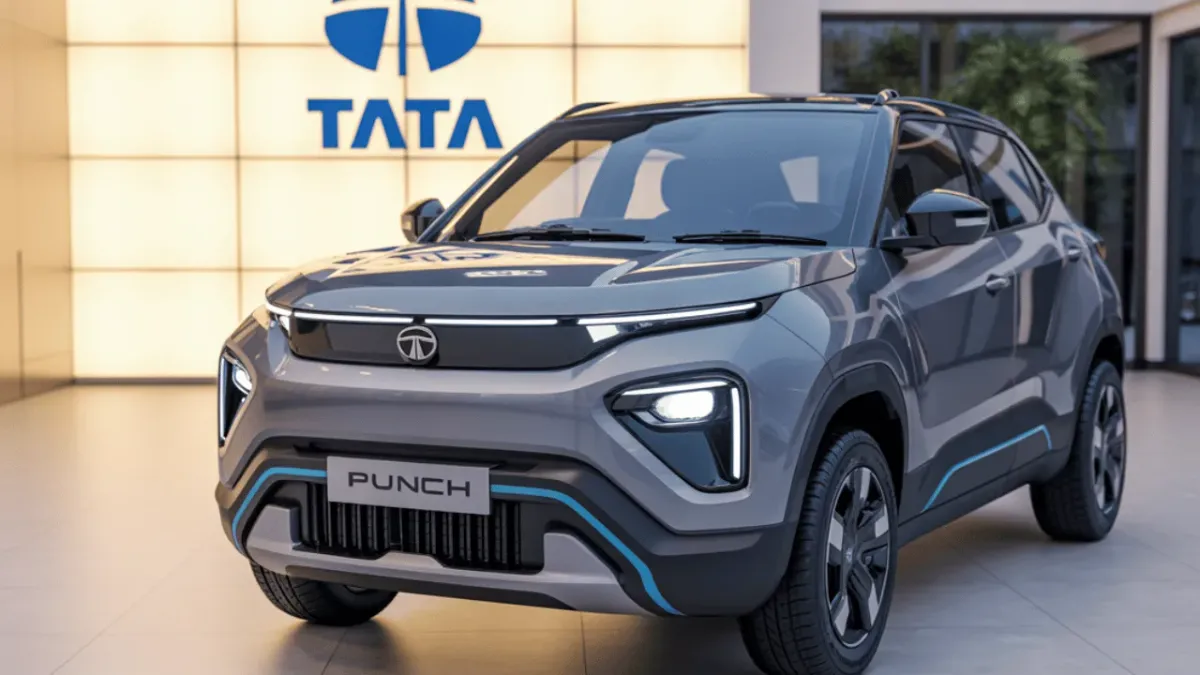
    Tata Punch Facelift 2026 : The Tata Punch has been one of the most successful micro-SUVs in India since its launch in 2021. With strong sales, excellent safety ratings, and a practical package, it quickly became a favourite among buyers. Now, Tata Motors is preparing to launch the Tata Punch Facelift 2026 on 13 January 2026, bringing a much-needed mid-life update to keep it competitive.

    Here’s a complete overview of what to expect from the refreshed Tata Punch.

    Exterior – Sharper & More Modern Look

    The facelift gives the Punch a bolder and more contemporary appearance while retaining its signature high stance and muscular proportions.

    • Completely redesigned front with slimmer LED DRLs, sharper headlamps, and a more sculpted bumper
    • New grille design for a premium and aggressive front fascia
    • Rear features connected LED tail-lamps with a full-width light bar
    • Fresh alloy wheel designs and updated side profile elements

    The overall design draws clear inspiration from the Punch EV and larger Tata SUVs, making it look more upmarket.

    Tata Punch Facelift 2026
    Tata Punch Facelift 2026

    Interior – Bigger Screen, Better Quality

    Inside, the cabin feels noticeably more modern and feature-rich.

    • Larger 10.25-inch touchscreen infotainment system
    • Fully digital instrument cluster
    • New 2-spoke steering wheel with illuminated Tata logo
    • Updated dashboard layout with improved material quality
    • Possible additions like ventilated front seats, air purifier, and enhanced connected car features

    Safety – Segment-First ADAS

    Tata continues to lead in safety with this update.

    • Level-2 ADAS features (adaptive cruise control, lane keep assist, forward collision warning, etc.) – a first for any car in this segment and price range
    • 360-degree camera with front radar sensor
    • 6 airbags as standard across all variants
    • Electronic Stability Control (ESC), TPMS, hill-hold assist, and more

    Engine & Transmission – No Major Changes

    The powertrain remains the same trusted setup:

    • 1.2-litre naturally aspirated petrol engine (88 PS, 115 Nm)
    • 5-speed manual and AMT options
    • Factory-fitted i-CNG variant with dual-cylinder technology for better boot space

    No turbo-petrol or hybrid is expected in this update.

    Tata Punch Facelift 2026
    Tata Punch Facelift 2026

    Tata Punch Facelift : Expected Price

    The current Tata Punch ranges between approximately ₹6 lakh to ₹10.10 lakh (ex-showroom). The facelift version is likely to see a modest increase of ₹25,000–50,000 depending on the variant.

    Expected price band after facelift: ₹6.20 lakh – ₹11 lakh (ex-showroom)

    Rivals It Will Face

    The updated Punch will compete against:

    • Hyundai Exter
    • Nissan Magnite
    • Renault Kiger
    • Citroën C3
    • Maruti Fronx (base variants)

    Also Read This : Nissan Gravite Unveiled : Nissan’s Bold Bet on Affordable Family Mobility in India 2026

    With added ADAS, bigger screen, refreshed design, and Tata’s strong safety reputation, the Tata Punch Facelift 2026 looks set to strengthen its position as one of the best value-for-money micro-SUVs in India.

  • Startup Trends in India 2026 : Top Opportunities & Predictions You Can’t Ignore

    Startup Trends in India 2026 : Top Opportunities & Predictions You Can’t Ignore

    Startup Trends in India 2026 : As of January 02, 2026, India’s startup ecosystem stands resilient and increasingly mature, maintaining its position as the third-largest globally. The ecosystem has transitioned from high-velocity growth phases to a focus on sustainable scaling, strong fundamentals, and real value creation. With over 140,000 DPIIT-recognized startups (building on the 1.4 lakh+ milestone from mid-2024), the emphasis remains on quality over quantity.

    Funding Landscape in 2025 – A Snapshot

    Indian startups raised approximately $10.5–11 billion in 2025 across around 900–1,600 deals (depending on sources like Tracxn and Inc42). This marked a modest decline from prior years, reflecting greater investor selectivity amid global caution. Capital favored:

    • Businesses demonstrating clear paths to profitability
    • Strong unit economics and operational efficiency
    • Defensible technology or market advantages

    Mega-rounds ($100M+) decreased significantly, while early-stage activity held steady, highlighting a healthier, more disciplined environment.

    Startup Trends in India 2026
    Startup Trends in India 2026

    The IPO Boom and Liquidity Surge

    2025 emerged as a landmark year for public listings, with 18–42 tech/startup IPOs (varying by tracking methodology) raising substantial capital — some estimates peg total IPO proceeds from the ecosystem at around $20–22 billion. High-profile listings spanned fintech, e-commerce, consumer services, EVs, and more, providing critical liquidity to investors and employees while shifting the primary exit route from private rounds to public markets.

    This momentum is expected to carry forward strongly into 2026, potentially making it an even bigger year for listings.

    Unicorn Status – Steady but Selective

    India added roughly 5–7 new unicorns in 2025, bringing the total to approximately 125–126 (with collective valuations exceeding $366–389 billion). New entrants included names in AI-driven solutions, logistics, petcare, and enterprise automation. The slower pace compared to peak years reflects a deliberate shift toward sustainable models rather than rapid valuation inflation.

    Key Startup Trends in India Defining 2026

    Startup Trends in India 2026 : The year ahead is poised for deeper maturity, with several structural shifts already gaining traction:

    • AI & Deeptech Acceleration Expect 15–20 new AI-native and deeptech ventures, many emerging as spin-outs from Global Capability Centres (GCCs). Vertical AI applications, voice tech, enterprise automation, and practical deployments in sectors like defence, healthcare, and manufacturing will dominate early-stage interest.
    • Profitability as the New Standard Capital discipline has become non-negotiable. Founders are prioritizing runway extension, margin improvement, and operational leverage over perpetual fundraising. Profitability is now viewed as a competitive edge and entry requirement for funding.
    • Rise of Global-First & Younger Founders More startups are building with international markets in mind from day one. Younger founding teams are securing capital, especially in enterprise, AI, and deeptech spaces.
    • Geographic Decentralization Tier-2 and Tier-3 cities (e.g., Kochi, Jaipur, Indore, Coimbatore) are seeing increased idea flow, talent, and capital, supported by local accelerators, state initiatives, and remote-first models.
    • Sustainability, Climate Tech & Strategic Sectors Growing momentum in climate tech, renewables, agritech, spacetech, defence, and semiconductors — aligned with national priorities and long-term policy support.
    • M&A and Strategic Exits While not explosive, M&A activity is expected to increase selectively, driven by cash-rich late-stage players, profitable incumbents, and strategic acquisitions (especially in SaaS, fintech, and enterprise).
    Startup Trends in India 2026
    Startup Trends in India 2026

    Also Read This : Vaishnavi Sharma : The Rising Left-Arm Spin Sensation of Indian Women’s Cricket

    The Path Forward

    In 2026, Startup Trends in India point toward a more accountable, innovation-led ecosystem. Success will hinge on combining genuine product differentiation with disciplined execution, purpose-driven models, and global relevance. The era of narrative-driven hype has given way to one rewarding real impact and resilience.

  • Tata Sierra 2025 : Reviving an Icon – What to Expect from the November 25 Launch

    Tata Sierra 2025 : Reviving an Icon – What to Expect from the November 25 Launch

    Tata Sierra 2025 : If you’re anything like me, the name “Tata Sierra” brings back a flood of memories from the ’90s – that boxy beast that ruled Indian roads with its rugged charm and unapologetic style. Fast forward to today, and Tata Motors is breathing new life into this legend with the Tata Sierra 2025. Unveiled just yesterday on November 15, 2025, this mid-size SUV is set to make its official launch on November 25, 2025, complete with pricing and booking details. Buckle up as we dive into everything we know so far about this nostalgic yet futuristic ride.

    A Design That Honors the Past While Eyeing the Future

    The Tata Sierra 2025 doesn’t just borrow from its predecessor; it evolves it into a head-turner for the modern era. Picture the original’s iconic boxy silhouette, but amplified with sleek, contemporary touches. The exterior screams premium ruggedness: a massive all-black grille emblazoned with “Sierra” lettering, slim LED headlights connected by a signature light bar, and chunky silver skid plates for that off-road vibe.

    Flush door handles, 18-inch alloy wheels, and roof rails add to the urban explorer aesthetic, while the rear boasts connected LED tail lamps, an integrated spoiler, and a bumper-mounted number plate for a fresh twist. Glossy black accents on the bumpers, side sills, and pillars give it a stealthy, monochromatic edge – available in colors like Cosmic Gold and Lunar White, if rumors hold true.

    Tata Sierra 2025
    Tata Sierra 2025

    Inside, it’s a tech haven. The dashboard features a tri-screen setup: a 10.25-inch infotainment display, a digital driver’s cluster, and even a passenger-side screen for seamless connectivity. Dual-zone climate control, ambient lighting, and a panoramic sunroof elevate the cabin to luxury levels. Tata’s attention to detail shines through with a four-spoke steering wheel sporting an illuminated logo and ventilated leatherette seats. It’s not just a car; it’s a rolling living room designed for Indian families on the go.

    Power Under the Hood: ICE First, EV to Follow

    Performance-wise, the Tata Sierra 2025 is geared for versatility. Launching initially with internal combustion engine (ICE) options, it promises punchy yet efficient drives:

    Engine Option Displacement Power Torque Transmission
    1.5L Turbo-Petrol 1.5L 125 PS 260 Nm 6-Speed MT/AT
    2.0L Diesel 2.0L 170 PS 350 Nm 6-Speed MT/AT

    These powertrains, borrowed from Tata’s proven lineup (think Altroz and Harrier), ensure highway prowess and city maneuverability, with expected mileage around 18-22 kmpl. And here’s the cherry on top: an electric variant is slated for 2026, potentially packing a 60-75 kWh battery for 400+ km range, aligning with Tata’s EV push.

    Safety isn’t an afterthought either. Expect Level 2 ADAS features like adaptive cruise control, lane-keep assist, and automatic emergency braking, plus a 360-degree camera and six airbags as standard.

    Tata Sierra 2025
    Tata Sierra 2025

    Pricing and Rivals : Ready to Shake Up the Segment

    Word on the street is that the Tata Sierra 2025 will start at around ₹11-12 lakh for the base petrol variant, climbing to ₹18-20 lakh for top diesel trims – making it a value-packed contender against the Hyundai Creta, Kia Seltos, and Maruti Suzuki Grand Vitara. Bookings kick off on launch day, November 25, so if you’re eyeing one, mark your calendars!

    In a market flooded with cookie-cutter crossovers, the Sierra stands out with its retro-futuristic appeal. It’s Tata’s bold statement: blending heritage with innovation to capture hearts (and garages) across India.

    Also Read This : The King of Pop Returns: Inside the Record-Breaking Teaser for Michael – The Michael Jackson Biopic

    Why the Tata Sierra 2025 Has Us Hooked

    From its unveil walkaround videos that have already racked up millions of views to the promise of an EV sequel, the Tata Sierra 2025 isn’t just a comeback – it’s a revolution. Whether you’re a nostalgia-driven millennial or a tech-savvy parent, this SUV ticks all the boxes for style, substance, and sustainability.

    What do you think – will the Sierra reclaim its throne? Drop your thoughts in the comments, and stay tuned for our live launch coverage on November 25. Drive safe, folks!

  • New Phones Launched This Month : Full List of Smartphones Released in November 2025

    New Phones Launched This Month : Full List of Smartphones Released in November 2025

    New Phones Launched This Month : India’s smartphone market is growing rapidly, and every month new companies are launching phones with fantastic features. In November 2025 as well, several major brands like Google, Samsung, Vivo, Oppo, Realme, OnePlus, and Redmi have introduced their new devices. Let’s take a look at the complete details of this month’s most talked-about and powerful smartphone launches.

    New Phones Launched This Month in India

    Google Pixel 10 and Pixel 10 Pro

    New Phones Launched This Month in India
    New Phones Launched This Month in India : Google Pixel 10 and Pixel 10 Pro

    Price: Starting from ₹79,999

    Key Features

    • Google Tensor G5 chipset
    • 6.7-inch OLED display, 120Hz refresh rate
    • 50MP + 48MP + 12MP triple camera
    • Android 15 out-of-the-box
    • 30W fast charging

    Google has made significant improvements in both camera and performance with its Pixel 10 series. This series is considered excellent for professional photography.

    Vivo V60 5G

    New Phones Launched This Month in India
    New Phones Launched This Month in India : Vivo V60 5G

    Price: ₹38,999

    Key Features

    • MediaTek Dimensity 8300 chipset
    • 50MP triple camera setup
    • 3× optical zoom
    • 120W fast charging

    Vivo has added the V60 to its camera-centric phone lineup, offering a great option in the mid-high segment. Its design is also premium class.

    Oppo K13 Turbo Series

    New Phones Launched This Month in India
    New Phones Launched This Month in India : Oppo K13 Turbo Series

    Price: ₹39,999

    Key Features

    • Snapdragon 8s Gen 3 processor
    • 7000mAh battery
    • 80W SuperVOOC fast charging
    • Built-in cooling system

    This phone is nothing short of a boon for gaming users. The Turbo Edition doesn’t overheat even during long gaming sessions.

    Realme P4 5G

    New Phones Launched This Month in India
    New Phones Launched This Month in India : Realme P4 5G

    Price: ₹15,999

    Key Features

    • Dimensity 7200 processor
    • 6.6-inch AMOLED display
    • 5000mAh battery + 67W charging
    • 108MP camera

    Realme’s phone is perfect for users who want a stylish and performance-packed phone on a budget.

    OnePlus Nord CE5 5G

    OnePlus Nord CE5 5G
    OnePlus Nord CE5 5G

    Price: ₹26,999

    Key Features

    • Snapdragon 7 Gen 3
    • 6.7-inch AMOLED screen
    • 50MP Sony IMX890 sensor
    • 80W SuperVOOC charging

    The Nord series has always been known for its smooth performance and clean software experience. The CE5 continues this tradition.

    Redmi Note 14 5G

    Redmi Note 14 5G
    Redmi Note 14 5G

    Price: ₹16,499

    Key Features

    • MediaTek Dimensity 6100+
    • 120Hz display
    • 50MP dual camera
    • 5000mAh battery

    The Redmi Note series is once again creating a splash in the budget segment. Both its design and performance are outstanding.

    Samsung Galaxy S25 FE

    Samsung Galaxy S25 FE
    Samsung Galaxy S25 FE

    Price: ₹1,19,999 (expected launch)

    Key Features

    • Exynos 2500 chipset
    • 6.7-inch Dynamic AMOLED 2X display
    • 50MP + 12MP + 10MP triple camera
    • 120Hz refresh rate and IP68 water resistance

    Samsung’s new Galaxy S25 FE, with flagship-grade features, is soon to launch in India.

    Also Read This : Top 5 Phones Under 10000 to buy This month 2025 – Budget Kings That Punch Above Their Weight!

    New Phones Launched This Month : November 2025 has been an extremely special month for mobile enthusiasts. Whether you’re a photography enthusiast, a gamer, or looking for a budget-friendly smartphone—there’s a new option available in almost every segment this month.

  • Top 5 Phones Under 10000 to buy This month 2025 – Budget Kings That Punch Above Their Weight!

    Top 5 Phones Under 10000 to buy This month 2025 – Budget Kings That Punch Above Their Weight!

    Top 5 Phones Under 10000 to buy This month – November 2025, when the festive sales are winding down, but the deals are still popping off like Diwali fireworks. If you’re anything like me, scrolling through your old phone and thinking, “Man, I need an upgrade without breaking the bank,” then you’re in the right spot. Top 5 Phones Under 10000 have come a long way, folks. We’re talking 5G speeds, decent cameras for those Insta reels, and batteries that last longer than your weekend Netflix binge. No more settling for laggy relics – these picks are solid performers for students, first-time buyers, or anyone who’s just trying to survive on a tight wallet.

    Top 5 Phones Under 10000 : I dug through the latest buzz from tech sites (updated as of early November), and here’s my handpicked top 5. I prioritized 5G support, smooth displays, and real-world value – because who wants a phone that looks good on paper but chokes during PUBG? Prices are current online averages (Amazon/Flipkart vibes), and they might dip with flash sales. Let’s dive in!

    Top 5 Phones Under 10000

    1. POCO M7 5G (6GB RAM + 128GB Storage) – The All-Rounder Beast

    Top 5 Phones Under ₹10000
    Top 5 Phones Under 10000 : POCO M7 5G
    • Price: ₹8,999
    • Why It’s Top Dog: If you’re after a no-fuss daily driver, this is it. POCO’s nailed the basics with a massive 6.88-inch 120Hz IPS display that’s buttery for scrolling TikTok or reading e-books. Powered by the Snapdragon 4 Gen 2 chip, it handles multitasking without sweating, and that 50MP rear camera? Surprisingly sharp for low-light selfies or quick snaps at the chai stall.
    • Key Specs Quick Hit:
    • Display: 6.88″ HD+ 120Hz refresh rate
    • Processor: Snapdragon 4 Gen 2 (octa-core up to 2.2GHz)
    • RAM/Storage: 6GB/128GB (expandable up to 1TB)
    • Camera: 50MP main rear + 8MP front
    • Battery: 5,160mAh with 18W fast charging
    • Pros: Superb battery life (easily 1.5 days), clean Android 14 UI, 5G-ready.
    • Cons: No ultra-wide camera if you’re into landscapes. Grab this if you want reliability without the hype – it’s like the reliable sibling in the Xiaomi family.

    2. HMD Crest – The Selfie Monster with a Premium Twist

    Top 5 Phones Under ₹10000
    Top 5 Phones Under 10000 : HMD Crest
    • Price: ₹9,999
    • Why It’s a Steal: HMD (Nokia’s cool cousin) is shaking things up with this one. That 50MP front camera is a game-changer for video calls or vlogging – crystal clear even in dim office lighting. The FHD+ display feels premium for the price, and it’s repairable too (eco-warriors, rejoice!).
    • Key Specs Quick Hit:
    • Display: 6.67″ FHD+ 90Hz AMOLED-ish punch-hole
    • Processor: Unisoc T760 (octa-core up to 2.2GHz)
    • RAM/Storage: 6GB/128GB (expandable up to 256GB)
    • Camera: 50MP + 2MP dual rear + 50MP front
    • Battery: 5,000mAh with 33W turbo charging
    • Pros: Insane selfie quality, vibrant screen, faster charging than most rivals.
    • Cons: Processor isn’t the snappiest for heavy gaming. Perfect for content creators on a budget – your Instagram game will level up overnight.

    3. Tecno Pop 9 5G (8GB RAM + 128GB Storage) – Gaming on a Dime

    Top 5 Phones Under ₹10000
    Top 5 Phones Under 10000 : Tecno Pop 9 5G
    • Price: ₹9,399
    • Why It’s Worth It: Tecno’s sneaking into the big leagues with this 5G champ. The Dimensity 6300 processor chews through games like BGMI at medium settings, and 8GB RAM means zero lag when juggling apps. Plus, that IR blaster? Remote control for your AC from your phone – lazy genius move.
    • Key Specs Quick Hit:
    • Display: 6.67″ HD+ 120Hz punch-hole
    • Processor: MediaTek Dimensity 6300 (octa-core up to 2.4GHz)
    • RAM/Storage: 8GB/128GB (expandable up to 1TB)
    • Camera: 48MP dual rear + 8MP front
    • Battery: 5,000mAh with 18W fast charging
    • Pros: Gaming-friendly chip, NFC for quick payments, expandable storage galore.
    • Cons: Camera struggles in super low light. If esports is your jam, this one’s calling your name – and at under 9.5k, it’s a bargain.

    4. Lava Storm Play 5G – The Underdog with Punch

    Top 5 Phones Under ₹10000
    Top 5 Phones Under 10000 : Lava Storm Play 5G
    • Price: ₹9,999
    • Why It’s Flying Under the Radar: Indian brand Lava is killing it with homegrown vibes. The Dimensity 7060 is a step up for smooth performance, and Android 15 out of the box? Future-proofing at its finest. Great for binge-watching with that punchy 120Hz screen.
    • Key Specs Quick Hit:
    • Display: 6.75″ HD+ 120Hz waterdrop notch
    • Processor: MediaTek Dimensity 7060 (octa-core up to 2.6GHz)
    • RAM/Storage: 6GB/128GB (expandable up to 1TB)
    • Camera: 50MP + 2MP dual rear + 8MP front
    • Battery: 5,000mAh with 18W fast charging
    • Pros: Latest Android version, strong processor for the price, hybrid expandable slot.
    • Cons: Brand support might not be as widespread as Samsung’s. Support local – this feels like a hidden gem that’s about to explode in reviews.

    5. Xiaomi Redmi 14C – The Budget Battery Boss

    Top 5 Phones Under ₹10000
    Top 5 Phones Under 10000 : Xiaomi Redmi 14C
    • Price: ₹8,998
    • Why It’s Essential: Xiaomi’s entry-level king returns with a colossal battery that laughs at power banks. It’s basically the POCO M7’s twin but cheaper – ideal for heavy users who stream music all day or navigate endlessly.
    • Key Specs Quick Hit:
    • Display: 6.88″ HD+ 120Hz IPS LCD
    • Processor: Snapdragon 4 Gen 2 (octa-core)
    • RAM/Storage: 4GB/64GB (expandable) – upgrade to higher variants if you can
    • Camera: 50MP rear + 8MP front
    • Battery: 5,160mAh with 18W fast charging
    • Pros: Epic endurance (2+ days easy), affordable entry to 5G, solid build.
    • Cons: Base storage is tight; go for 128GB if possible. For the marathon scrollers – this phone won’t quit before you do.

    Also Read This : Weekend OTT Releases : What New Can You Watch This Week

    Top 5 Phones Under 10000 : There you have it, my November 2025 roundup! Whether you’re chasing selfies, gaming glory, or just endless battery, there’s a winner here for every vibe. My personal pick? The POCO M7 5G – it’s versatile AF. Head to Flipkart or Amazon before stocks vanish (hello, holiday rush). What’s your budget phone horror story? Drop it in the comments – let’s chat upgrades! Stay techy, stay savvy.

  • Mappls : India’s Indigenous Navigation Revolution Developed by Indian Company MapmyIndia

    Mappls : India’s Indigenous Navigation Revolution Developed by Indian Company MapmyIndia

    Mappls : Whether it’s traveling on crowded city streets or long highway journeys, everyone needs a reliable mapping tool. But did you know that there’s a fantastic Indian alternative amid foreign apps like Google Maps? Yes, we’re talking about this app – created by MapmyIndia, it not only provides accurate navigation but also strengthens the spirit of Atmanirbhar Bharat. Recently, after IT Minister Ashwini Vaishnaw praised it, the tool is back in the headlines.

    Mappls: Developed by Indian Company MapmyIndia
    Mappls: Developed by Indian Company MapmyIndia

    Key Features of Mappls

    This app is called a “super app” because it goes far beyond just navigation. Some of its excellent features set it apart from Google Maps:

    • Real-Time Traffic Updates: The app provides information on traffic congestion, speed limits, traffic signal locations, and live timers, making your journey faster and simpler.
    • 3D Junction Views: You get 3D visuals of junctions, bridges, and flyovers, which make navigation even easier. Plus, doorstep navigation ensures precise routes right to every home.
    • Safety Alerts: Instant alerts for speed cameras, diversions, potholes, speed breakers, and sharp turns keep your travels secure.
    • House-Level Search: House-level search facility is available in every corner of India, based on hyper-local accuracy.

    These features make it a strong competitor. Recently, in the version 10.4.3 released on October 3, 2025, new enhancements have been added, providing users with an even better experience.

    Mappls vs Google Maps: Which is Better?

    When it comes to navigation, the name Google Maps comes to mind first. But this tool outperforms it on several fronts. Google Maps is strong on a global level, but its hyper-local mapping proves more beneficial in understanding the complexities of Indian roads. For example, real-time driving alerts and safety features like pothole warnings are better than Google’s. Moreover, in terms of data privacy, it’s a safer option for Indian users because it relies on indigenous data.

    Mappls: Developed by Indian Company MapmyIndia
    Mappls: Developed by Indian Company MapmyIndia

    MapmyIndia’s mapping expertise since 1995 makes the app reliable. If you live in India, give it a try – it’s not only fast but also affordable.

    Also Read This : Zoho Mail in 2025 : The Privacy-First Email Revolution and Latest Updates

    Make Your Journey Easier with Mappls

    This navigation solution is more than just directions – it’s a complete package for mapping, tracking, safety, and even gadget integration. Under the Atmanirbhar Bharat campaign, the app teaches us how powerful homegrown innovation can be. Download it easily on Android and iOS and experience it yourself. Have you used it? Be sure to share your opinion in the comments!

  • Zoho Mail in 2025 : The Privacy-First Email Revolution and Latest Updates

    Zoho Mail in 2025 : The Privacy-First Email Revolution and Latest Updates

    Zoho Mail : In an era where data privacy is no longer a luxury but a necessity, Zoho Mail is emerging as the go-to alternative for professionals and organizations ditching ad-riddled inboxes. Just this week, high-profile figures like India’s Home Minister Amit Shah have made the switch from Gmail to Zoho Mail, spotlighting its robust security and ad-free experience. As we hit the midpoint of Q4 2025, Zoho Mail continues to evolve with innovative features that blend seamless collaboration, AI-driven productivity, and ironclad privacy. In this post, we’ll dive into the platform’s core strengths, unpack the hottest updates from 2025 so far, and explore why now’s the perfect time to migrate.

    Why Zoho Mail Stands Out in 2025

    Zoho Mail isn’t just email—it’s a full-fledged productivity hub powered by Zoho’s cloud ecosystem. Unlike Gmail, which scans your messages for targeted ads, Zoho Mail keeps your data yours with end-to-end encryption, no ads, and zero data mining. It supports custom domains (think name@yourcompany.com), making it ideal for businesses of all sizes.

    Zoho Mail in 2025
    Zoho Mail in 2025

    Key perks include:

    • Unlimited Aliases and Groups: Streamline team communication without clutter.
    • Integrated Tools: Calendar, Tasks, Notes, and Bookmarks all in one app—no app-switching fatigue.
    • Mobile Mastery: iOS and Android apps with voice mode support for hands-free management.
    • Scalability: From free plans for small teams to enterprise-grade security like S/MIME digital signatures and eDiscovery for compliance.

    Priced affordably at $1/user/month for basics up to $6 for pro features, it’s a steal compared to competitors. But what really sets it apart in 2025? The relentless stream of updates that address real user pain points.

    2025 Updates: A Year of Smarter, Safer Email

    Zoho Mail’s “What’s New” journey this year has been packed with enhancements focused on collaboration, admin efficiency, and AI integration. Here’s a curated look at the standout additions from January through August 2025—proving Zoho’s commitment to iterative innovation.

    Q1 Highlights (January–March): Building Strong Foundations

    • OAuth for SecurePass Emails (January): Ditch OTP hassles—access confidential emails via seamless OAuth login for faster, more secure verification.
    • Super Compact View for Shared Mailboxes (January): Squeeze more emails into view with a denser layout, perfect for high-volume teams.
    • Group Tags in Shared Mailboxes (February): Moderators can now tag and categorize emails collaboratively, boosting organization.
    • Auto-Include Original Messages in Replies (March): Enable this in settings to always carry over context, reducing miscommunication.

    These tweaks laid the groundwork for smoother team workflows, with character limits for comments skyrocketing to 16 million for epic threads.

    Q2 Spotlight (April–June): Customization and Automation Ramp Up

    • Filters and Assignments in Shared Mailboxes (April): Set up incoming email rules and assign tasks directly—think automated triage for support teams.
    • Per-Policy Mail Settings (April): Admins can fine-tune features like signatures or retention per user group, without blanket changes.
    • Mail Merge Enhancements (April): Send from group aliases and skip sheet errors for flawless bulk campaigns.
    • Preset Limits Boost for Reminders/Snoozes (May): Jump from 7 to 50 custom options—ideal for power users juggling deadlines.
    • Bulk Actions for Notes and Bookmarks (June): Delete or move multiples at once, saving precious time.

    Admin tools got a glow-up too, with new roles for group management and CSV/PDF exports for reports.

    Q3 Gems (July–August): AI and Integration Magic

    • Pocket Bookmarks Import (July): Seamlessly pull in your saved reads from Pocket to Zoho’s Bookmarks app.
    • Keyboard Shortcuts for Shared Mailboxes (July): Customize hotkeys to match your flow—Gmail, Outlook, or Zoho style.
    • Reader View and Smart Add in Calendar Widget (July): Distraction-free reading plus natural language event creation (e.g., “Team sync tomorrow 3 PM”).
    • Delegate Email Aliases (August): Delegates can now reply from aliases, streamlining shared inboxes.
    • Zia AI Summaries in Shared Mailboxes (August): Let Zoho’s AI condense long threads into key takeaways.
    • Image Annotator in Compose (August): Double-click to draw, highlight, or crop images before sending.

    Zoho Mail in 2025

    August also brought Zoho Sprints notifications right into your inbox preview, bridging project management gaps effortlessly.

    As of early October 2025, Zoho hasn’t announced Q4 drops yet, but the buzz around privacy has teams migrating en masse. With features like 1GB attachments (auto-linking for bigger files) and email recall beyond Gmail’s undo window, it’s clear Zoho is future-proofing email.

    The Great Gmail Switch: What Changes and How to Do It

    Switching to Zoho Mail? It’s simpler than you think, but expect some trade-offs. You’ll gain Streams—a social feed for team posts, tasks, and events—but lose Gmail’s tight Google Workspace ties (like Drive auto-sync). Here’s a quick pros/cons:

    Aspect Gmail Zoho Mail
    Privacy Ads via email scanning Ad-free, no scanning
    Attachments 25MB limit Up to 1GB, with auto-links
    Recall 30-sec undo only Anytime recall with notification
    Collaboration Basic labels Streams + integrated tasks/calendar
    Security TLS only S/MIME + retention/eDiscovery

    Step-by-Step Migration Guide:

    1. Sign up for Zoho Mail (15-day trial available) and verify your domain.
    2. Use Zoho’s Migration Wizard: Export Gmail data via Google Takeout, then import.
    3. Set up forwarding in Gmail settings to catch stragglers.
    4. Update contacts/apps with your new Zoho address.
    5. Dive into Streams and Zia AI for that instant productivity hit.

    Pro tip: For large archives, it might take days—plan ahead.

    Also Read This : Sridhar Vembu : The Quiet Revolution – From IIT to Building Zoho’s Global Empire

    Wrapping Up: Email Evolved

    Zoho Mail in 2025 isn’t just surviving the privacy reckoning; it’s leading it. From OAuth logins to AI summaries, these updates make it a powerhouse for solopreneurs and enterprises alike. If you’re tired of Gmail’s ads or craving deeper Zoho integrations, the switch is worth it—especially with celebs like Amit Shah paving the way.

  • INS Androth : India’s New Guardian of the Seas – Commissioned into the Navy

    INS Androth : India’s New Guardian of the Seas – Commissioned into the Navy

    INS Androth : In a momentous ceremony that underscores India’s push towards maritime self-reliance, the Indian Navy welcomed its latest asset, INS Androth, into active service on October 6, 2025. Held at the Naval Dockyard in Visakhapatnam, the event marked a significant milestone in the nation’s defense modernization efforts. Presided over by Vice Admiral Rajesh Pendharkar, Flag Officer Commanding-in-Chief of the Eastern Naval Command, the commissioning was attended by senior naval officers, representatives from the builders, and other dignitaries. This sleek anti-submarine warfare vessel isn’t just another ship—it’s a symbol of “Aatmanirbhar Bharat” (Self-Reliant India), boasting over 80% indigenous content and designed to fortify coastal defenses against underwater threats.

    A Quick Dive into the Arnala-Class Legacy

    INS Androth is the second vessel in the Arnala-class series of Anti-Submarine Warfare Shallow Water Craft (ASW-SWC), following the lead ship, INS Arnala, which was inducted just months earlier in August 2024. Built by Garden Reach Shipbuilders & Engineers (GRSE) in Kolkata, in collaboration with Larsen & Toubro (L&T), this corvette replaces the aging Abhay-class vessels from the 1980s. The program aims to deliver a total of 16 such ships—eight from GRSE and L&T, and eight from Cochin Shipyard—enhancing the Navy’s littoral warfare capabilities.

    INS Androth
    INS Androth

    The name “Androth” pays homage to the northernmost island in the Lakshadweep archipelago, reflecting India’s deep ties to its island territories and the strategic importance of the Indian Ocean region. As Vice Admiral Pendharkar aptly put it during the ceremony, “Platforms like INS Androth underscore India’s resolve to build a self-reliant Navy capable of safeguarding our maritime interests and contributing to regional stability.”

    Under the Hood: Specs That Pack a Punch

    At first glance, INS Androth might seem compact for a warship, but its design is optimized for agility in shallow waters—perfect for coastal patrols and rapid response missions. Here’s a breakdown of its key specifications:

    Feature Details
    Length 77.6 meters
    Beam 11.26 meters
    Draft 2.7 meters
    Displacement Approximately 900-1,500 tonnes
    Crew 7 officers + 50 enlisted sailors
    Propulsion Three waterjet systems for high maneuverability
    Speed Up to 25 knots
    Endurance 1,800 nautical miles at 15 knots

    Armed to the teeth for its role, INS Androth features lightweight torpedoes launched from triple tubes on both sides, anti-submarine rockets via a forward RBU-6000 launcher, a 30mm naval gun developed by GRSE, and twin 12.7mm machine guns on remote-controlled mounts. Advanced sonar and sensor suites enable precise detection and neutralization of underwater threats, making it ideal for sub-surface surveillance up to 200 nautical miles offshore. Beyond ASW, it supports maritime surveillance, search and rescue, port protection, minelaying, and even limited air defense—all while coordinating seamlessly with aircraft.

    This isn’t just hardware; it’s a versatile platform for low-intensity operations in India’s vast littorals, from the Arabian Sea to the Bay of Bengal.

    INS Androth
    INS Androth

    Why INS Androth Matters: Strengthening the Blue Frontier

    In an era where submarine threats from adversarial powers loom large in the Indo-Pacific, vessels like INS Androth are game-changers. The Indian Navy’s ASW fleet gets a decisive upgrade, bolstering coastal defense and enabling proactive countermeasures in shallow-water environments. This commissioning aligns perfectly with the “Make in India” initiative, reducing dependency on foreign imports and fostering domestic innovation in shipbuilding.

    As tensions simmer in the region, INS Androth joins its sister ship to patrol vital sea lanes, ensuring the security of trade routes that carry over 90% of India’s commerce. It’s a reminder that India’s maritime ambitions aren’t just about projection—they’re about protection, resilience, and readiness.

    Waves of Indigenization

    With four more ASW-SWCs slated for delivery by 2026, the Arnala-class fleet is set to grow rapidly, transforming the Navy’s shallow-water operations. Events like this commissioning not only inspire national pride but also highlight the collaborative spirit between public and private sectors in defense manufacturing.

    Also Read This : The Sukhoi Su-57 : Russia’s Bold Leap into Fifth-Generation Air Superiority

    As INS Androth sails into the horizon, it carries the hopes of a nation charting its course in a multipolar world. Stay tuned for more updates on India’s naval renaissance—because in the game of thrones on the high seas, self-reliance is the ultimate weapon.