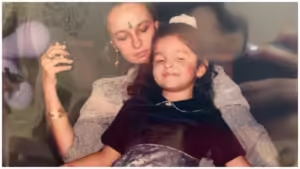
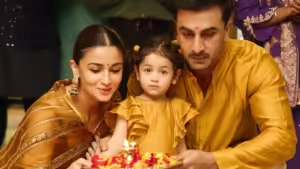
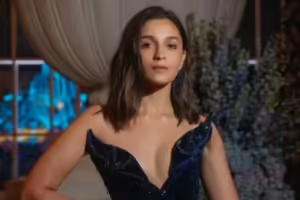
Alia Bhatt: Alia Bhatt is the most popular Bollywood actress in the current time she is the daughter of the film Mahesh Bhatt and actress Soni Razdan. Neither acting debuted in 2012 and quickly gained recognition for her talent and versatile roles.
who is Alia Bhatt?
In many awards and recognition for her rules in various movies and platforms. Apart from acting she up producer, director, singer and brand ambassador of her own brand. She has also gained recognition at a global level for various events and movies.
When and where was Alia Bhatt born?
Alia Bhatt was born on March 15 1993 in Mumbai Maharashtra.
When and where was Alia Bhatt born?
Her childhood, Schooling and college details.
Her childhood was spent in Mumbai, Maharashtra, India. She grew up in a well-known film family (the Bhatt family), living in Mumbai, where she attended her schooling from Jamnabai Narsee School. Where she was being surrounded by the entertainment industry from a very young age. she developed an early interest in acting and eventually later on she pursued a career in Bollywood. Alia Bhatt never attended college but at the age of 19 she made her movie debut with the movie Student of the year in 2012.
Details on her family.
Alia Bhatt comes from a well known film family of Bhatt in Bollywood here some details on her family: –
Her family consists of Mahesh Bhatt (her father) a famous filmmaker producer and screen writer in Bollywood.
Her mother Soni Razdan(her mother) is a British Indian actress and Film maker known for her role in Indian film and television.
She also has three siblings Shaheen Bhatt (her elder sister) author and mental health advocate.
Details on her family.
Apart from this she has to half sibling from her fathers first marriage Kiran Bhatt which are Pooja Bhatt a Bollywood actress and Rahul Bhatt a fitness trainer and actor.
Her husband Ranbir Kapoor is also an Bollywood actor and who comes from a very famous family of Bollywood “the Kapoor’s “and son of Rishi Kapoor and Neetu Kapoor. They got married in April 2020
She also has a daughter who was born in November 2022 her name is Raha.
Her husband Ranbir Kapoor
How did she build her interest in Acting and choose Bollywood as her career?
She developed an interest in acting from a very young age as she was from a family whose roots were deep into Bollywood full stop growing up in Mumbai she was exposed to the film industry from the very beginning as her father was a film maker and her mother was an actor.
One such interest has been shown in a movie called Sangharsh 1999 which was produced by her father’s. In this movie she played the role of young Preity Zinta. The movie also contains Akshay Kumar and Ashutosh Rana. She used to Actively participate in School place in drama and got honored for her acting at a very young age.
her interest in Acting
After her schooling, she did her first audition at 17, in presence of Karan Johar and at the age of 19 she shot her first leading movie “The Student of The year” with Varun Dhawan and Sidharth Malhotra on her side. Instant she has given several excellent performing movies in Bollywood. Apart from this she made her Hollywood debut in 2023 from the movie “Heart of stones”.
How many and what types of movies has she done till now?
Till now Alia Bhatt has done more than 20 movies across various on rose like college romance, novel base movie, action movie, Mental health movies, real life event based movie, thriller movies, musical movie and period films.
what types of movies has she done till now?
Some of the best performance of her are being shown in 2 States, RRR, dear zindagi, udta Punjab, gangubai kathiawadi, darlings, gully boy and her latest performance in Jigra.
Details on her international work.
Now Alia Bhatt has made her presence at international level AT several occasion.
some of these are as following:-
1. She made her Hollywood debut by the movie heart of stones. A long side with Gal Gadot.
2. Apart from the she also had made her presence on met Gala twincs in 2023 and 2024.
3. Apart from this she is the first global ambassador of Gucci from India.
Details on her international work.
4. She is also ambassador of global brand like L’Oréal Paris, Maybelline and etc.
5. Her movie RRR also got an Oscar for the song Naatu Naatu.
6. She has also short for several global magazine and fashion shows.
The Achievement made by her till now.
She won Filmfare Award for Best actress for 5 times, and 1 best debut award. Her Movie gully boy got official entry to the Oscar but then get any award but her movie RRR got global recognition as the song nattu nattu got awarded by Oscar.
The Achievement made by her till now
she have produced her film in 2022 the Darling as a founder of Eternal Sunshine, she launched her band Ed-a-Mamma in 2020 for kids and maternity wear, and apart from this she had also won the National Film Award for gangubai kathiawadi.
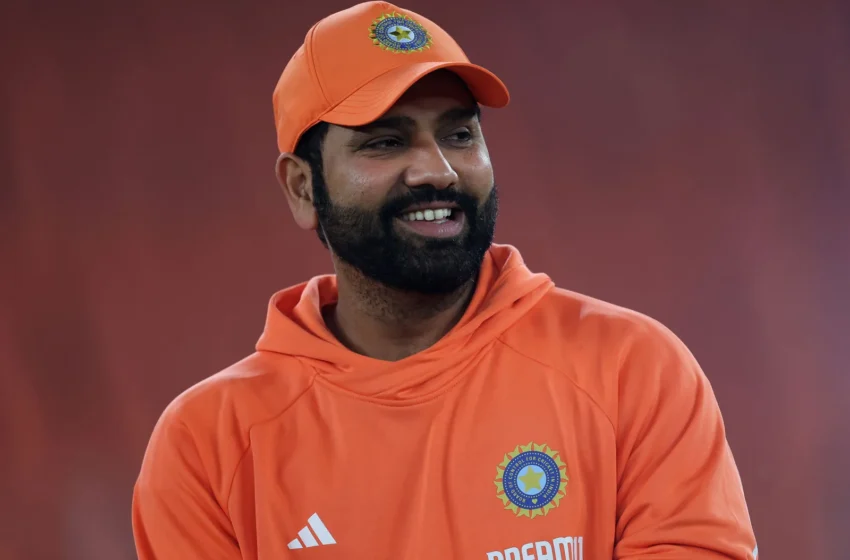
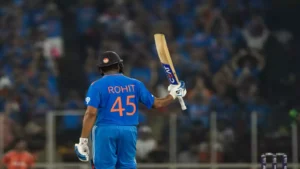
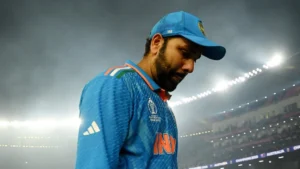
Rohit Sharma: Rohit Sharma is an Indian cricketer and has been captain of the Indian cricket team across all formats. He is also known as the Hitman of the Indian cricket team for his best opening batsman at world level. He has elegant stroke play, big scores and amazing leadership skills.
who is Rohit Sharma?
When and where was he born?
Rohit Gurunath Sharma or Rohit Sharma was born on April 30, 1987, in Bansod, Nagpur, Maharashtra, India.
His early life background.( Childhood, schooling and college)
Rohit Sharma had a humble and challenging childhood but was deeply passionate about cricket from a very young age. He started playing cricket at the age of 11 under the coach Danish lad.
His early life background.
He did his schooling from Swami Vivekananda international School,Mumbai but due to his interest in cricket he never went to college. He made his cricket debut from the Ranji trophy in 2006 and entered the Indian cricket team in 2007.
Details on his family?
Rohit Sharma comes from a middle-class Marathi-Brahmin family and has always credited his family for their support in his cricketing journey.
His father Gurunath Sharma was a care taker in transport company and had a modest income which made it difficult to support Rohit cricket ambition and his mother Purnima Sharma was in homemaker.
He also has a younger brother Vishal Sharma.
Details on his family?
Apart from this he has a wife and a daughter. Ritika Sajdeh was a sports manager who used to work with Rohit. They got married in 2015.
They had their first daughter in 2018 and her name is Samaira Sharma.
Rohit Sharma’s family has been his biggest pillar of support, from his early struggles to becoming one of India’s greatest cricketers. His wife and daughter are now a crucial part of his life, and he often expresses his love for them publicly.
Why is he known as Hitman?
Rohit Sharma earned the nickname “Hitman” because of his explosive batting style, ability to hit big sixes, and record-breaking performances in international cricket. The nickname was first used by a TV commentator during an ODI match when Rohit played an aggressive innings. Since then, fans and the media started calling him “Hitman” due to his power-hitting abilities.
Why is he known as Hitman?
What is the reason behind him choosing Cricket as a career?
Rohit Sharma’s journey into cricket was driven by his passion, natural talent, and the encouragement of his family and coach. Despite financial struggles, he pursued the sport with dedication and turned it into a successful career. Rohit showed a keen interest in cricket and played in the streets of Mumbai.
What is the reason behind him choosing Cricket as a career?
He admired great Indian cricketers and dreamt of playing for the country. His uncle noticed his talent and enrolled him in a local cricket academy. His coach, Dinesh Lad, played a crucial role in shaping his career and Gave him a sports scholarship at Swami Vivekanand International School.
Details on his Captainship Era.
He has been one of India’s most successful captains, known for his calm leadership, sharp tactics, and winning mentality. He officially became India’s full-time captain in all formats in 2022, but his leadership journey began much earlier in the IPL and limited-overs cricket.
Rohit captained India for the first time in 2017 when Virat Kohli was rested. He led India to victory in the 2018 Nidahas Trophy (T20 series vs Bangladesh & Sri Lanka). The team Won the Asia Cup 2018 in the UAE while Kohli was on a break.
Details on his Captainship Era.
He took over as Mumbai Indians (MI) captain in 2013, replacing Ricky Ponting. After which he led MI to 5 IPL titles (2013, 2015, 2017, 2019, 2020) – most by any IPL captain alongside MS Dhoni.
Major Achievement and record of Rohit Sharma.
Some of Rohit Sharma ‘s achievements are: –
1. He has the most Double Centuries in ODIs (3 times).
2. He has the highest Individual Score in ODIs – 264 Runs.
3. He also has Most Centuries in a Single World Cup
4. He is the First Batter to Score 5 T20 Centuries.
Major Achievement and record of Rohit Sharma.
5. He led India to Asia Cup victories in 2018 and 2023 as captain.
6. He has Captained India to the 2023 ODI World Cup Final, winning 10 consecutive matches.
7. He has been awarded by the Rajiv Gandhi Khel Ratna Award (2020), Arjuna Award (2015) and ICC ODI Cricketer of the Year (2019).
8. Rohit Sharma’s career is filled with historic milestones, explosive batting records, and leadership achievements. He continues to be a match-winner for India and Mumbai Indians, proving why he is one of cricket’s greatest players.
Monali Thakur: A Detailed Biography Monali Thakur, born on November 3, 1985, in Kolkata, West Bengal, India, is a distinguished Indian playback singer and actress. Hailing from a Bengali musical family, her father, Shakti Thakur, was a renowned singer and actor in the Bengali film industry, and her elder sister, Mehuli Thakur, is also a playback singer. This rich musical heritage profoundly influenced Monali’s early life and career choices.
Monali’s early exposure to music was profound, leading her to pursue formal training in Hindustani classical music under the tutelage of Pandit Ajoy Chakraborty and the late Pandit Jagdish Prasad. In addition to her musical prowess, she is trained in various dance forms, including Bharatanatyam, hip-hop, and salsa.
Monali’s educational journey began at The Future Foundation School (TFFS) in Kolkata, after which she earned a Bachelor of Arts in English Honours from St. Xavier’s College, Kolkata. During her school and college years, she actively participated in numerous singing competitions and local functions, showcasing her burgeoning talent. At the tender age of 14, she received the Best Playback Singer award at the Anandalok Awards for her rendition in the Bengali serial Sri Ramkrishna.
Monali Thakur
In 2005, Monali’s national prominence surged when she participated in the second season of the singing reality show “Indian Idol,” where she secured the ninth position. Despite not winning, her performances caught the attention of industry stalwarts. Music director Pritam Chakraborty recognized her potential and offered her the opportunity to sing “Zara Zara Touch Me” and “Khwab Dekhe (Sexy Lady)” for the 2008 Bollywood film “Race.” These tracks became chartbusters, marking her significant breakthrough in the Hindi music industry.
Following her initial success, Monali’s career trajectory soared as she lent her voice to numerous hit songs across various Indian languages. In 2013, she mesmerized audiences with “Sawaar Loon” from the film “Lootera,” a performance that earned her the Filmfare Award for Best Female Playback Singer. Her versatility was further showcased with the soulful track “Moh Moh Ke Dhaage” from the 2015 film “Dum Laga Ke Haisha,” for which she was honored with the National Film Award for Best Female Playback Singer.
Beyond playback singing, Monali has explored acting. She made her acting debut in the 2007 Bengali film “Krishnakanter Will,” portraying the character Bhramar. In 2014, she took on the challenging titular role in Nagesh Kukunoor’s Hindi film “Lakshmi,” a poignant narrative addressing human trafficking and child prostitution. Her compelling performance garnered critical acclaim and underscored her multifaceted talent.
Monali has also made significant contributions to television. She served as a judge on “Sa Re Ga Ma Pa L’il Champs”in 2014 and was an expert on “Rising Star,” a live singing competition on Colors TV, for two consecutive seasons. Her insights and mentorship have been invaluable to aspiring singers.
Early Life and Education
Growing up in Kolkata, Monali was immersed in a culturally vibrant environment. She completed her schooling at The Future Foundation School (TFFS) and pursued a Bachelor of Arts in English Honours from St. Xavier’s College, Kolkata. From a young age, she exhibited a passion for music, participating in school and college competitions, and performing at local events. To hone her craft, she received training in Hindustani classical music under the tutelage of Pandit Ajoy Chakraborty and the late Pandit Jagdish Prasad. Additionally, Monali is trained in various dance forms, including Bharatanatyam, hip-hop, and salsa, showcasing her versatility as a performer.
Monali Thakur
Career Beginnings
Monali’s foray into the national spotlight began with her participation in the second season of the singing reality show “Indian Idol” in 2005, where she secured the ninth position. Despite not winning, her melodious voice and charismatic presence garnered attention, paving the way for her entry into the Bollywood music industry.
Breakthrough in Playback Singing
In 2008, Monali Thakur achieved significant acclaim with her playback singing in the Bollywood film “Race.” She lent her voice to the songs “Zara Zara Touch Me” and “Khwab Dekhe (Sexy Lady),” both composed by Pritam Chakraborty. These tracks became chartbusters, with “Zara Zara Touch Me” emerging as one of the most-played songs on Indian radio during the first half of 2008. This success established Monali as a prominent playback singer in the industry.
Monali Thakur
Continued Success and Notable Works
Following her initial success, Monali delivered several memorable songs across various Indian languages. In 2013, she won the Filmfare Award for Best Female Playback Singer for“Sawaar Loon” from the film “Lootera.” Her soulful rendition of “Moh Moh Ke Dhaage” from the 2015 film “Dum Laga Ke Haisha” earned her the National Film Award for Best Female Playback Singer. Other notable tracks include “Cham Cham” from “Baaghi” (2016), “Badri Ki Dulhania” from “Badrinath Ki Dulhania” (2017), and “Ho Jaa Awara” from “Pal Pal Dil Ke Paas” (2019). Monali’s versatility allows her to seamlessly transition between classical melodies and contemporary pop songs, appealing to a wide audience.
Acting Ventures
Beyond her singing career, Monali Thakur has explored acting. She made her acting debut in the Bengali film “Krishnakanter Will” (2007), portraying the character Bhromor. In 2014, she starred in Nagesh Kukunoor’s Hindi film “Lakshmi,” playing a 15-year-old girl trapped in human trafficking and child prostitution. Monali also made cameo appearances in films like “PK” (2014) and “Secret Superstar” (2017), showcasing her acting prowess alongside her musical talents.
Monali Thakur
Television Appearances and Judging Roles
Monali Thakur has been a prominent figure on Indian television, particularly in music reality shows. She served as a judge on “Sa Re Ga Ma Pa L’il Champs” in 2014 and was an expert on Colors TV’s “Rising Star” for two consecutive seasons. Her insightful feedback and nurturing demeanor have made her a respected mentor for aspiring singers.
Personal Life
In 2017, Monali Thakur married Maik Richter, a Swiss restaurateur. The couple met during Monali’s backpacking trip to Switzerland, where Maik was her Airbnb host. They kept their marriage private until June 2020, when Monali publicly announced it coinciding with the release of her single “Dil Ka Fitoor,” which featured Maik in the music video. This revelation showcased a personal side of Monali, highlighting her ability to balance a private personal life with a public career.
Monali Thakur
Monali’s discography is extensive, encompassing a wide range of songs across different genres and languages. Some of her notable tracks include “Cham Cham” from “Baaghi” (2016), which has garnered over a billion views on YouTube, and the title track of “Badrinath Ki Dulhania” (2017), a collaboration with artists like Neha Kakkar and Dev Negi. She has also ventured into non-film music, releasing singles such as “Tamanna” (2018), “Shy Mora Saiyaan” (2018), and “Dil Ka Fitoor” (2020), the latter featuring her husband, Maik Richter, in the music video.
Throughout her illustrious career, Monali has received numerous accolades, including:
National Film Award for Best Female Playback Singer: “Moh Moh Ke Dhaage” from “Dum Laga Ke Haisha” (2015).
Filmfare Award for Best Female Playback Singer: “Sawaar Loon” from “Lootera” (2013).
International Indian Film Academy (IIFA) Award for Best Female Playback Singer: “Moh Moh Ke Dhaage” (2016).
Star Guild Award for Best Female Playback Singer: “Moh Moh Ke Dhaage” (2016).
Monali Thakur journey from a young girl in Kolkata to a celebrated artist in the Indian entertainment industry is a testament to her talent, perseverance, and versatility. Her contributions continue to inspire many, and her melodious voice resonates with audiences worldwide.
Monali Thakur
Recent Endeavors
Monali Thakur continues to contribute to the music industry with her melodious voice. She has released singles such as “Tamanna” (2018), “Shy Mora Saiyaan” (2018), “O Re Naseeba” (2019), “Pani Pani Re” (2019), and “Dil Ka Fitoor” (2020). Her participation in the Zee5 show “Lockdown” in 2018, produced by rapper Badshah, saw her collaborating with international artists, further showcasing her versatility and global appeal.
Monali Thakur’s journey from a reality show contestant to an acclaimed playback singer and actress exemplifies her dedication, talent, and versatility. Her ability to convey deep emotions through her singing has resonated with audiences worldwide. As she continues to evolve as an artist, Monali remains an inspiration for aspiring musicians, demonstrating that passion and perseverance can lead to remarkable achievements in the arts.
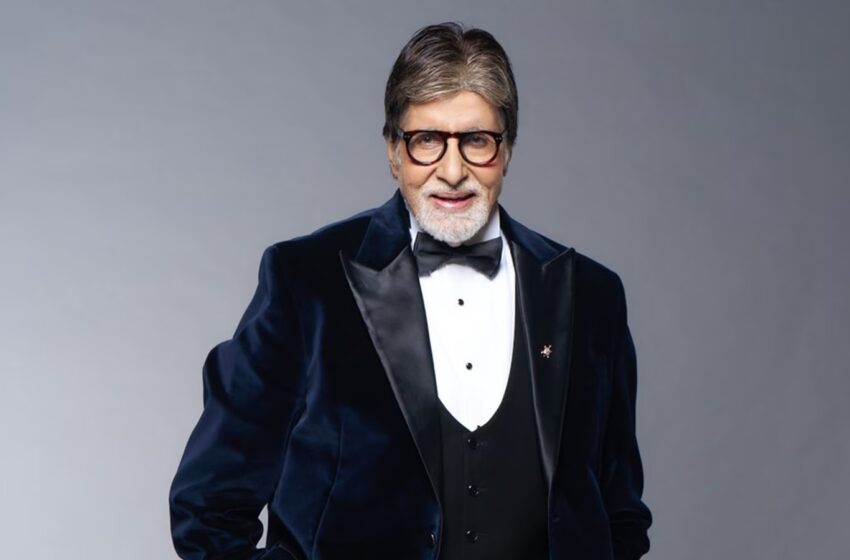
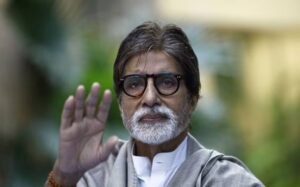
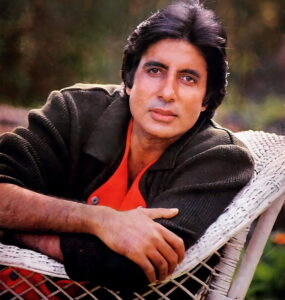
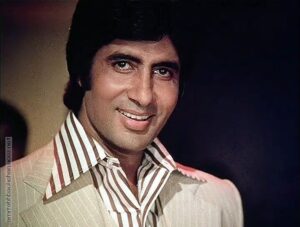
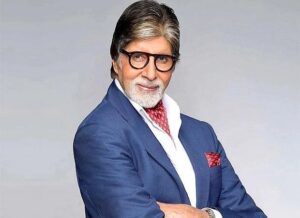
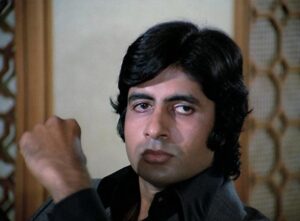
Amitabh Bachchan: A Detailed Biography Amitabh Bachchan is an iconic Indian actor, film producer, television host, and former politician, widely regarded as one of the greatest and most influential actors in Indian cinema. Born on October 11, 1942, in Allahabad (now Prayagraj), India, he rose to fame in the 1970s with his portrayal of the “Angry Young Man” in films like Zanjeer (1973), Deewaar (1975), and Sholay (1975).
Known for his deep baritone voice, towering screen presence, and versatile acting skills, Bachchan has appeared in over 200 films across several decades. Despite facing career slumps and setbacks, he successfully reinvented himself in the 2000s with films like Mohabbatein (2000), Black (2005), and Pink (2016). He has also been the host of the popular TV quiz show Kaun Banega Crorepati (KBC) since 2000.
A recipient of numerous awards, including the Padma Shri, Padma Bhushan, and Padma Vibhushan from the Government of India, as well as the Dadasaheb Phalke Award, Amitabh Bachchan remains an enduring cultural icon and an inspiration to generations of actors and fans worldwide.
Early Life and Background
Amitabh Bachchan was born as Amitabh Harivansh Rai Bachchan on October 11, 1942, in Allahabad (now Prayagraj), Uttar Pradesh, India. He was born into a distinguished family. His father, Harivansh Rai Bachchan, was a renowned Hindi poet, known for his famous work Madhushala. His mother, Teji Bachchan, was a social activist and had a keen interest in theatre.
Originally, Amitabh’s name was to be Inquilaab, inspired by the phrase Inquilab Zindabad (meaning “Long Live the Revolution”), commonly used during India’s independence movement. However, on the suggestion of poet Sumitranandan Pant, his father changed it to Amitabh, meaning “the light that never dims.”
Amitabh completed his schooling at Sherwood College, Nainital, where he was an active student, excelling in academics and extracurricular activities. Later, he pursued his graduation from Kirori Mal College, University of Delhi, where he was part of the theatre and drama society, which played a crucial role in shaping his acting career.
Entry into Bollywood and Initial Struggles
Amitabh Bachchan made his Bollywood debut in 1969 with the film Saat Hindustani, which did not gain much commercial success but earned him the National Film Award for Best Newcomer. His tall, lanky frame and deep baritone voice were initially considered disadvantages in the film industry, but he persevered.
In 1971, he gained recognition for his supporting role in Anand, where he starred alongside Rajesh Khanna. His performance as a cynical doctor was widely appreciated and earned him his first Filmfare Award for Best Supporting Actor. Despite this breakthrough, he struggled to establish himself in the industry, facing multiple rejections and unsuccessful films.
Peak of Success (1970s–1980s)
During the late 1970s and early 1980s, Amitabh delivered some of the most iconic performances of his career. His collaboration with directors like Yash Chopra, Ramesh Sippy, Hrishikesh Mukherjee, and Manmohan Desai resulted in several unforgettable films.
In 1975, Sholay became a milestone in Indian cinema. His portrayal of the rugged yet endearing Jai was loved by audiences. The film remains one of the biggest blockbusters in Bollywood history.
Another major hit was Deewar (1975), where he played a smuggler with a tragic past. The film featured the legendary dialogue, “Mere paas maa hai”, making it one of the most memorable moments in Bollywood history.
In the 1980s, Amitabh continued his dominance with hits like:
Silsila (1981)
Lawaaris (1981)
Satte Pe Satta (1982)
Namak Halaal (1982)
Sharaabi (1984)
However, tragedy struck in 1982 when he was seriously injured while filming Coolie. He suffered internal bleeding and was declared clinically dead for a few minutes before being revived. The entire nation prayed for his recovery, and when he returned to the screen, he was greeted with even greater love and admiration.
Amitabh Bachchan
Rise to Stardom: The Angry Young Man
The turning point in his career came with Zanjeer (1973), directed by Prakash Mehra. In this film, he played Inspector Vijay, a brooding and intense character that resonated with audiences. This role marked the beginning of the “Angry Young Man” era in Bollywood, a persona that Amitabh would become synonymous with.
Following Zanjeer, he delivered several back-to-back hits, including:
Abhimaan (1973)
Namak Haraam (1973)
Deewar (1975)
Sholay (1975)
Kabhi Kabhie (1976)
Amar Akbar Anthony (1977)
Trishul (1978)
Don (1978)
By the late 1970s, Amitabh Bachchan had become the biggest star in Indian cinema. His films not only achieved box office success but also won critical acclaim. His ability to blend action, drama, and emotion made him a favorite among filmmakers and audiences alike.
Versatility and Continued Success
While known for his action-packed roles, Amitabh showcased remarkable versatility in films such as Chupke Chupke (1975), Amar Akbar Anthony (1977), and Muqaddar Ka Sikandar (1978). His ability to handle comedy, romance, and drama with equal ease made him the undisputed king of Bollywood in the late 1970s and 1980s.
During this period, he also experimented with different genres, delivering critically acclaimed performances in films like Silsila (1981), Shakti (1982), and Namak Halaal (1982). His popularity soared, and he was often referred to as the “Shahenshah” of Bollywood, a title derived from one of his successful films.
Career Decline and Political Stint (Late 1980s–1990s)
By the late 1980s, Amitabh’s career started facing a decline. Films like Toofan (1989) and Jaadugar (1989) failed at the box office.
In 1984, he took a break from acting and entered politics at the request of his close friend, Rajiv Gandhi. He contested the Lok Sabha elections from Allahabad on a Congress ticket and won by a massive margin. However, he resigned after three years, citing disillusionment with politics.
His comeback films, Agneepath (1990) and Khuda Gawah (1992), were well-received, but they did not bring back his box-office dominance. In 1994, he announced a temporary retirement.
Near-Fatal Accident and Temporary Retirement
In 1982, while shooting for Coolie, Amitabh suffered a life-threatening injury during an action sequence. The entire nation prayed for his recovery, and he eventually survived after multiple surgeries. This incident reinforced his immense popularity and emotional connection with the audience.
After recovering, he continued acting but gradually shifted towards politics. In 1984, he contested the Indian general elections from Allahabad on a Congress Party ticket and won by a huge margin. However, disillusioned by politics, he resigned after three years and returned to films.
Amitabh Bachchan
Career Slump and Revival
The late 1980s and early 1990s were challenging for Amitabh, as many of his films failed to perform at the box office. He took a brief hiatus in the mid-1990s and ventured into business with the Amitabh Bachchan Corporation Ltd. (ABCL), which faced financial difficulties.
His comeback began with Mohabbatein (2000), where he played a stern yet compassionate headmaster opposite Shah Rukh Khan. Around the same time, he ventured into television as the host of Kaun Banega Crorepati (KBC), the Indian version of Who Wants to Be a Millionaire?. His charismatic hosting revived his career, making him a household name once again.
The Resurgence and Modern Era
From the 2000s onwards, Amitabh reinvented himself by taking on character-driven roles in films like Black (2005), Paa (2009), Piku (2015), and Pink (2016). His ability to adapt to changing cinematic trends kept him relevant in an industry dominated by younger actors.
Films like Sarkar (2005), Bhootnath (2008), and Badla (2019) further cemented his legacy as an actor who could captivate audiences across generations. His collaboration with directors like R. Balki, Shoojit Sircar, and Sujoy Ghosh showcased his ability to take on unconventional and thought-provoking roles.
Personal Life and Philanthropy
Amitabh Bachchan married actress Jaya Bhaduri in 1973, and they have two children, Abhishek Bachchan and Shweta Bachchan Nanda. His son, Abhishek, is also an actor, while his daughter, Shweta, is an author and entrepreneur.
Apart from acting, Amitabh is actively involved in philanthropy. He has supported various charitable initiatives, including campaigns for polio eradication, education, and disaster relief. He has also been a brand ambassador for several social causes, reflecting his commitment to societal welfare.
Awards and Recognition
Amitabh Bachchan has received numerous accolades, including:
Four National Film Awards for Best Actor
16 Filmfare Awards
The Padma Shri (1984), Padma Bhushan (2001), and Padma Vibhushan (2015) from the Government of India
The Dadasaheb Phalke Award (2019) for his contribution to Indian cinema
International honors, including the Knight of the Legion of Honour from France
4 National Film Awards for Best Actor (Agneepath, Black, Paa, Piku)
16 Filmfare Awards
Dadasaheb Phalke Award (2019) for lifetime achievement
Padma Shri (1984), Padma Bhushan (2001), and Padma Vibhushan (2015) by the Government of India
His contributions to Indian cinema have been unparalleled, making him a global icon.
Financial Struggles and Resurgence (2000s–Present)
In the late 1990s, Amitabh faced severe financial troubles. His production company, ABCL (Amitabh Bachchan Corporation Limited), suffered huge losses, leaving him in deep debt.
However, he made a grand comeback in 2000 with the television quiz show Kaun Banega Crorepati (KBC). His dignified hosting style revived his popularity, and he became a household name again.
Simultaneously, he redefined his film career with age-appropriate roles in films like:
Mohabbatein (2000)
Baghban (2003)
Black (2005)
Paa (2009)
Piku (2015)
Amitabh Bachchan
Legacy and Influence
Amitabh Bachchan is regarded as one of the greatest actors in Indian cinema. His ability to reinvent himself across generations has kept him relevant for over five decades.
Apart from acting, he is also involved in philanthropy and social causes. His deep baritone voice has made him the voice behind numerous social campaigns, and he is a regular ambassador for causes like polio eradication, tuberculosis awareness, and girl child education.
At 82 (as of 2024), Amitabh continues to act in films and host KBC, proving that he is truly the Shahenshah of Bollywood.
Amitabh Bachchan
Conclusion
Amitabh Bachchan’s journey from an aspiring actor to Bollywood’s biggest superstar is nothing short of legendary. Despite ups and downs, he has remained an enduring figure in Indian cinema. His dedication, versatility, and charisma have made him one of the most respected figures in the entertainment industry.
Amitabh Bachchan’s journey is a testament to perseverance, talent, and adaptability. From struggling to find roles in his early career to becoming the biggest superstar of Indian cinema, his story continues to inspire millions. His ability to reinvent himself, stay relevant across generations, and contribute to society makes him not just a cinematic legend but a cultural icon. Even in his eighties, he remains active in films, television, and social initiatives, proving that true greatness knows no bounds.
His legacy will continue to inspire future generations, making him an eternal icon in Indian and global cinema.
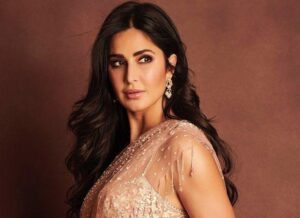
Katrina Kaif: A Detailed Biography Katrina Kaif is one of the most successful and highest-paid actresses in the Indian film industry. Known for her striking beauty, impeccable dance moves, and continuous evolution as an actress, she has carved a niche for herself in Bollywood over the years. With a career spanning over two decades, Katrina has managed to remain a prominent figure in the entertainment industry. This biography delves into her early life, rise to fame, struggles, achievements, and personal journey.
Katrina Kaif is a British-Indian actress and model who is one of the leading stars in Bollywood. Born on July 16, 1983, she began her career as a model before making her Bollywood debut in Boom (2003). Despite initial struggles, she rose to fame with hits like Maine Pyaar Kyun Kiya? (2005) and Namastey London (2007).
Known for her beauty, dedication, and exceptional dance skills, Katrina has starred in several blockbuster films, including Ek Tha Tiger (2012), Dhoom 3 (2013), Tiger Zinda Hai (2017), and Sooryavanshi (2021). She has also ventured into entrepreneurship with her beauty brand Kay Beauty and is actively involved in philanthropic work.Over the years, she has become one of the highest-paid and most influential actresses in Indian cinema. In 2021, she married actor Vicky Kaushal.
Katrina Kaif was born on July 16, 1983, in Hong Kong to an English mother, Suzanne Turquotte, and an Indian father, Mohammed Kaif. Her father, a businessman of Kashmiri descent, and her mother, a charity worker, separated when Katrina was quite young. She was raised primarily by her mother, alongside her seven siblings – six sisters and one brother. Due to her mother’s profession, the family moved frequently across different countries, including China, Japan, France, Switzerland, Poland, and Belgium, before finally settling in London.
From an early age, Katrina displayed an interest in modeling. While living in London, she began her career as a model at the age of 17 and soon found herself in the limelight. She worked for various advertising campaigns, gaining recognition for her beauty and poise. It was during one such assignment that she caught the eye of London-based filmmaker Kaizad Gustad, who gave her the opportunity to work in her first film.
Personal Life
Katrina’s personal life has always been a topic of interest for her fans and the media. She was in a long-term relationship with Salman Khan, but the two eventually parted ways. Later, she was rumored to be dating Ranbir Kapoor; however, they also broke up after a few years. In 2021, she tied the knot with actor Vicky Kaushal in a private but grand ceremony in Rajasthan, which was attended by close friends and family.
Entry into Modeling and Bollywood
Katrina’s foray into modeling began at the age of 14 when she was approached for a jewelry campaign in London. She continued modeling professionally in England, gaining attention from renowned brands and fashion designers. Her striking looks and confidence made her a sought-after model, and she even participated in London Fashion Week. It was during one of these assignments that Indian filmmaker Kaizad Gustad noticed her and offered her a role in his 2003 film, Boom.
Boom, which also starred Amitabh Bachchan and Gulshan Grover, was a commercial failure but marked Katrina’s entry into the Indian film industry. Despite struggling with Hindi and facing criticism for her acting, her stunning screen presence and beauty caught the attention of filmmakers. She decided to stay in India and focus on building a Bollywood career, improving her Hindi and acting skills along the way.
Katrina Kaif
Breakthrough in Bollywood
After her debut, Katrina Kaif faced challenges in securing roles due to her weak command of Hindi. However, she continued modeling and appearing in commercials, eventually catching the attention of filmmaker Mahesh Bhatt, who cast her in Sarkar (2005) alongside Amitabh Bachchan and Abhishek Bachchan. Although her role was small, it helped her gain visibility in the industry.
Her major breakthrough came with Maine Pyaar Kyun Kiya? (2005), in which she starred opposite Salman Khan. The film was a commercial success, and Katrina’s performance was well received. Her chemistry with Salman Khan led to more opportunities in Bollywood, and she quickly became one of the industry’s most in-demand actresses.
Rise to Stardom (2006-2010)
Between 2006 and 2010, Katrina Kaif established herself as a leading Bollywood actress. Her films during this period were primarily commercial entertainers, allowing her to showcase her glamour and dance skills. Some of the notable films from this period include:
Humko Deewana Kar Gaye (2006) – A romantic drama with Akshay Kumar.
Namastey London (2007) – One of her first critically acclaimed performances, where she played an Indo-British girl torn between two cultures.
Apne (2007) – A family drama with the Deol family.
Partner (2007) – A comedy starring Salman Khan and Govinda.
Welcome (2007) – A comedy blockbuster with Akshay Kumar.
Race (2008) – A thriller that became a commercial success.
Singh Is Kinng (2008) – Another major hit with Akshay Kumar.
New York (2009) – A serious role in a film dealing with post-9/11 consequences, which earned her critical acclaim.
Ajab Prem Ki Ghazab Kahani (2009) – A romantic comedy opposite Ranbir Kapoor.
De Dana Dan (2009) – A comedy film that performed well at the box office.
Raajneeti (2010) – A political drama where she played a role inspired by Indian political figures, earning her praise for her acting.
Continued Success and Experimentation (2011-2016)
By the early 2010s, Katrina had cemented her position as one of Bollywood’s top actresses. She started taking on more diverse roles and working with some of the biggest names in the industry:
Zindagi Na Milegi Dobara (2011) – A critically and commercially successful film in which she played a free-spirited character opposite Hrithik Roshan.
Mere Brother Ki Dulhan (2011) – A light-hearted comedy that showcased her comic timing.
Ek Tha Tiger (2012) – A massive blockbuster with Salman Khan, marking the beginning of the Tiger
Jab Tak Hai Jaan (2012) – Directed by Yash Chopra, this romantic drama paired her with Shah Rukh Khan.
Dhoom 3 (2013) – One of the highest-grossing Bollywood films of all time, where she played a circus acrobat alongside Aamir Khan.
Bang Bang! (2014) – An action-packed thriller opposite Hrithik Roshan.
Phantom (2015) – A political action thriller based on global terrorism.
Baar Baar Dekho (2016) – A time-travel romance with Sidharth Malhotra.
Critical Acclaim and Versatility
While Katrina was often cast in glamorous roles, she also sought to challenge herself as an actress. She showcased her acting prowess in films like New York (2009), where she played a serious role in a terrorism-related thriller. The film was a critical and commercial success, and she received her first Filmfare nomination for Best Actress.
She further proved her versatility with Rajneeti (2010), a political drama inspired by The Mahabharata. Playing a role inspired by Sonia Gandhi, Katrina delivered a strong performance that won her critical appreciation.
Her performances in Zindagi Na Milegi Dobara (2011), Ek Tha Tiger (2012), and Jab Tak Hai Jaan (2012) further cemented her place as one of Bollywood’s top actresses. The latter film, directed by the legendary Yash Chopra, earned her the Filmfare Award for Best Supporting Actress.
Katrina Kaif
Recent Years and Evolution as an Actress
While some of her films in the late 2010s received mixed reviews, Katrina continued to be a major force in Bollywood. She reunited with Salman Khan for Tiger Zinda Hai (2017), a massive blockbuster sequel to Ek Tha Tiger. In Zero (2018), she played a complex role opposite Shah Rukh Khan, which earned her praise despite the film’s mixed reception.
In recent years, Katrina has taken on more nuanced and performance-driven roles. In Bharat (2019), she played a strong-willed woman opposite Salman Khan, earning praise for her performance. She also appeared in Sooryavanshi (2021), a cop drama directed by Rohit Shetty, which was a commercial success.
Her portrayal of a troubled actress in Zero (2018) alongside Shah Rukh Khan and Anushka Sharma was another standout role that earned her accolades, even though the film itself did not perform well at the box office.
Brand Endorsements and Business Ventures
Apart from films, Katrina Kaif is one of the highest-paid brand endorsers in India. She has been the face of major brands like L’Oréal, Titan, Slice, Veet, and several luxury fashion labels. In 2019, she launched her own beauty brand, Kay Beauty, which became a successful venture in the Indian cosmetics industry.
Entrepreneurial Ventures and Philanthropy
Apart from acting, Katrina Kaif has ventured into entrepreneurship. In 2019, she launched her own beauty brand, Kay Beauty, which focuses on high-quality cosmetics for Indian skin tones. The brand was well received and became a hit among beauty enthusiasts.
Katrina kaif is actively involved in philanthropy and supports her mother’s charitable organization, Relief Projects India, which works for underprivileged children and women. She has also been involved in various social causes, including disaster relief efforts and women empowerment initiatives.
Katrina Kaif
Legacy and Impact
Katrina Kaif’s journey in Bollywood has been one of resilience, hard work, and continuous self-improvement. Despite facing early struggles due to language barriers, she worked diligently to establish herself as one of the most bankable stars in the industry. Her ability to adapt and evolve with changing times has helped her sustain a successful career over two decades.
From being an outsider in the industry to becoming one of its top stars, Katrina’s story serves as an inspiration to many aspiring actors. With her charm, work ethic, and versatility, she continues to be a significant force in Indian cinema.
Conclusion
Katrina Kaif’s career trajectory is a testament to the power of adaptability, perseverance and dedication. Despite initial setbacks and criticisms, she has carved a niche for herself, becoming one of the most bankable and beloved stars in Indian cinema.
From a struggling model to a Bollywood superstar, she has continuously reinvented herself and remained relevant in the ever-changing landscape of Indian cinema. As she continues to explore new roles and expand her ventures, Katrina remains a beloved figure in the industry, admired by millions around the world.
With a career spanning two decades, Katrina Kaif has remained one of Bollywood’s most successful actresses. Her journey from a struggling outsider to a top star is an inspiration for many aspiring actors. She is known for her professionalism, dedication, and ability to adapt to changing industry trends. Her influence extends beyond films, as she is a fashion icon, entrepreneur, and philanthropist.
Whether through her films, brand ventures, or philanthropic efforts, she continues to inspire millions and remains a significant force in the entertainment industry. Her ability to evolve with time ensures that she will remain relevant and admired for years to come. Beyond her acting career, her contributions to philanthropy, entrepreneurship, and fashion further highlight her multifaceted personality. As she continues to explore new projects and roles, Katrina remains an enduring icon in Indian cinema, inspiring countless aspiring actors and filmmakers worldwide.
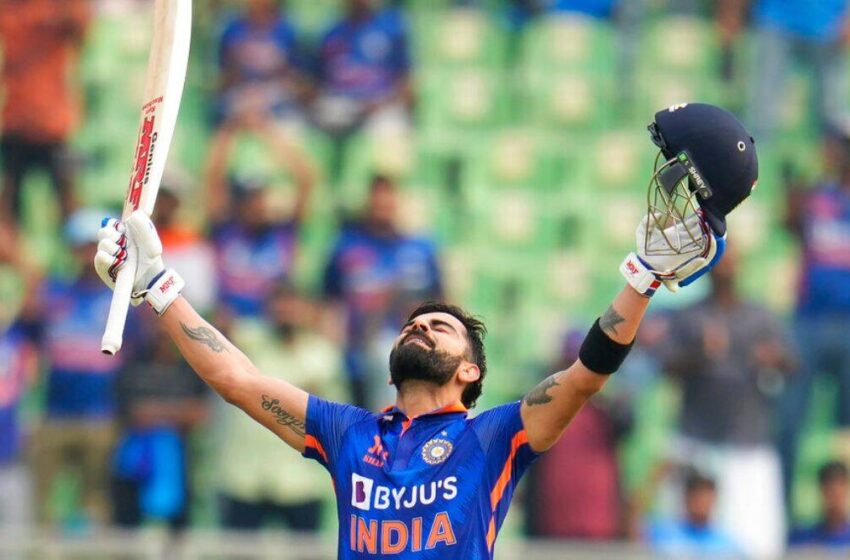
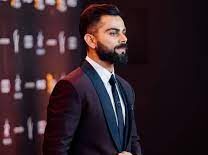
Virat Kohli: Virat Kohli is an Indian cricketer and one of the greatest Batman of the modern era cricket. He is known for his aggressive playing style with exceptional batting skills and strong leadership quality. He has made a number of records in the international cricket ground. He is one of the key players for the Indian cricket team at both international and home ground level.
Virat Kohli
When was he born? Where is he form? Details on his birth place and etc.
He was born on November 5, 1988 in Delhi India. He has spend most of his childhood in Uttam Nagar Delhi and developed a passion for cricket at a very young age.
His childhood
How was his childhood, schooling and college?
Childhood he has a major love for cricket which was recognized by his father at the age of nine years old. Later his father and enrolled him in the West Delhi cricket academy (WDCA). Where his trainer was Rajkumar Sharma.
his childhood, schooling and college?
His schooling was done from Vishal Bharti Public School in Delhi where he balance academic and cricket together. Where as Virat Kohli never attended college as he was fully committed to his cricket career by the time he read at the age for higher study.
Details on about his Family.
Virat Kohli is from a middle class Punjabi family from Delhi his family has paid a crucial role in shaping is cricketing careers his father(Prem Kohli) was a criminal lawyer by profession and passed away in 2006 due to stroke. His mother (Saroj Kohli)was a home maker the backbone of his family who gave him emotional strength and support. He has one elder brother and sister who are in business profession and always supported him in his career and personal growth.
his Family
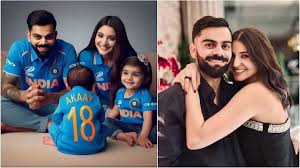
His wife Anushka Sharma is a Bollywood actress and producer who got married to him in December 11, 2017. There one of the most celebrated couples of India and their balance their career while supporting each others profession. They had two children together a daughter (vamika) who was born on January 2021 and ason(Akaay) who was born on February 2024.
What made him choose the cricket path as a career?
Virat Kohli’s journey into cricket was driven by a combination of passion, family support, and natural talent. He was from a very young age, was obsessed with cricket. His family recalls that he would pick up a bat as soon as he could walk and spent hours playing with a ball. He was deeply fascinated by the game and showed extraordinary talent as a child.
Virat Kohli’s journey into cricket
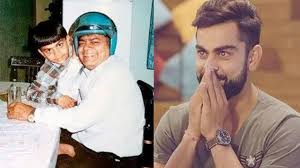
His father, Prem Kohli, was a major influence on his cricketing journey. He recognized Virat’s potential early on and enrolled him in the West Delhi Cricket Academy (WDCA) at the age of nine. His father would take him to practice every day, ensuring that he received proper training and exposure.
Who was his inspiration?
Virat Kohli was highly influenced by his father Prem Kohli, Sachin Tendulkar, MS Dhoni, and Cristiano Ronaldo (As said by him in various interviews).
his father Prem Kohli
A Highlight on his Captainship Era.
Virat Kohli served as the captain of the Indian cricket team across all formats from 2017 to 2021 in Tests and ODIs, and from 2017 to 2021 in T20. His tenure was marked by aggressive leadership, a fitness revolution, and historic victories.
Some of the matches he led as a captain are:-
The Test Cricket Dominance (2014–2021). In which he made the most successful Test captain for India (40 wins in 68 matches), apart from this he led India to the No. 1 Test ranking for five consecutive years (2017–2021) and the historic series win in Australia (2018–19).
The ODI Success (2017–2021). In which he led India to the 2019 Cricket World Cup semi-finals and apart from this India won a bilateral ODI series in South Africa, Australia, New Zealand, and England.
His Captainship Era
T20 Achievements (2017–2021). In this he is the most successful T20 captain for India (30 wins in 50 matches), apart from this he led India to series victories in South Africa, England, New Zealand, and Australia. But after this he stepped down as T20 captain after the 2021 T20 World Cup.
His major milestone and achievements.
Virat Kohli has achieved numerous milestones in his cricketing career, making him one of the greatest players of all time.
Some of his milestones and achievements are as follows: –
1. He is the fastest batsman to reach 8,000, 9,000, 10,000, 11,000, 12,000, and 13,000 runs in ODIs and holds the record for the most centuries in ODIs (50+), surpassing Sachin Tendulkar.
2. Kohli is also the second-highest century scorer in international cricket.
3. In his captain, he led India to historic Test series wins in Australia (2018-19) and multiple overseas victories, making India the No. 1 Test team for five consecutive years (2017–2021).
His major milestone and achievements
4. He also played a key role in India’s 2011 ICC Cricket World Cup and 2013 ICC Champions Trophy victories.
5. Kohli is the only player to average over 50 in all three formats (Test, ODI, and T20I) for an extended period.
6. His incredible fitness revolutionized Indian cricket, and he remains an inspiration for cricketers worldwide.
His Fitness and Diet plan.
Virat Kohli is one of the fittest cricketers in the world, known for his lean physique, endurance, and athleticism. His fitness transformation played a crucial role in his success and also inspired the Indian cricket team to prioritize fitness.
Virat follows a high-protein, low-carb, and fiber-rich diet, avoiding junk food, processed sugar, and excessive dairy. He also drinks plenty of water and electrolyte-rich beverages, avoiding aerated drinks. He completely avoids fried food, butter-based dishes, and refined sugar.
Why is he a major trend in cricket?
Virat Kohli is a global cricket icon, setting trends with his exceptional batting, aggressive leadership, and unmatched fitness. His ability to dominate all formats—Tests, ODIs, and T20—has made him one of the most consistent and reliable players in cricket history. He had a transformation from a young, chubby player to one of the fittest athletes in the world set new standards in cricket. His dedication to diet and training influenced the entire Indian team’s approach to fitness.
He has millions of followers, Kohli is one of the most popular cricketers globally, frequently trending for his on-field heroics, personal life, and inspiring fitness regime. His popularity extends beyond cricket, making him a top brand ambassador for global companies. His ventures like Wrogn and One8 reflect his influence in fashion and fitness.
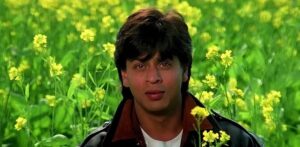
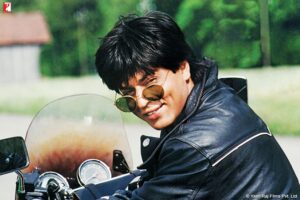
Shah Rukh Khan: The King of Bollywood: Shah Rukh Khan, often called the “King of Bollywood,” is an iconic actor, global superstar, and philanthropist known for his unmatched charisma, versatility, and inspiring journey. With over 80 films, 14 Filmfare Awards, and a fan following spanning continents, he has redefined success in Indian cinema. From his breakthrough in “Deewana” (1992) to timeless classics like “Dilwale Dulhania Le Jayenge”, “Devdas”, and “Pathaan”, SRK has ruled the industry for over three decades. Beyond acting, he is a successful entrepreneur, co-owner of Kolkata Knight Riders (KKR), and humanitarian, supporting numerous charitable causes. His charm, wit, and resilience make him not just a film star but a global phenomenon.
Shah Rukh Khan, often referred to as “SRK” or the “King of Bollywood,” was born on November 2, 1965, in New Delhi, India. His father, Meer Taj Mohammed Khan, was an Indian independence activist from Peshawar (now in Pakistan), and his mother, Lateef Fatima, was the daughter of a senior government engineer. His father was a businessman who owned a transport company, while his mother was a magistrate.
SRK grew up in the Rajendra Nagar neighborhood of Delhi and attended St. Columba’s School, where he excelled in academics as well as sports. He was awarded the Sword of Honour, the highest award given to a student for overall excellence. He was a bright student and a keen sportsperson, playing football and hockey at a competitive level.
After completing his schooling, he enrolled at Hansraj College (Delhi University), where he pursued a Bachelor’s degree in Economics. Despite studying economics, his true passion lay in acting. During his college years, he actively participated in theatre groups, particularly under the guidance of legendary theatre director Barry John. Later, he pursued a Master’s degree in Mass Communication at Jamia Millia Islamia, but he left before completing his studies to pursue a career in acting.
Tragically, his father passed away from cancer when he was just 15 years old, and his mother died in 1991, leaving him and his elder sister, Shehnaz Lalarukh, devastated. He moved to Mumbai shortly afterward to pursue his dreams of making it big in the film industry.
Entry into Acting and Early Career (1988-1992)
SRK’s acting career began with television. His first role was in the television series “Dil Dariya” (1988), followed by “Fauji” (1989), where he played Lt. Abhimanyu Rai, a character that made him popular among Indian households. His role in “Circus” (1989-1990), directed by Aziz Mirza, further solidified his place as a promising young actor.
In 1991, after the death of his mother, Shah Rukh decided to move to Mumbai to try his luck in Bollywood. His first film offer came with “Dil Aashna Hai”, directed by Hema Malini, but his official Bollywood debut was with “Deewana” (1992), opposite Divya Bharti and Rishi Kapoor. The film was a box office success, and SRK won the Filmfare Award for Best Male Debut.
Shah Rukh Khan
Rise to Stardom (1993-1995)
Unlike most Bollywood actors who start their careers with romantic roles, SRK took a bold step by choosing negative roles early on. His performances in “Baazigar” (1993) and “Darr” (1993), where he played obsessive and psychotic characters, won him critical acclaim. “Baazigar” was a game-changer, and SRK won his first Filmfare Award for Best Actor.
In 1995, his career skyrocketed with “Dilwale Dulhania Le Jayenge” (DDLJ), directed by Aditya Chopra. The film is one of Bollywood’s biggest blockbusters and has been running in theaters continuously for over 25 years. DDLJ cemented SRK’s position as the undisputed King of Romance.
Dominating Bollywood (1996-2005)
Between 1996 and 2005, SRK gave multiple box office hits and established himself as Bollywood’s top star. Some of his most successful films during this period include:
“Dil To Pagal Hai” (1997) – A musical romance directed by Yash Chopra.
“Kuch Kuch Hota Hai” (1998) – His first collaboration with Karan Johar.
“Mohabbatein” (2000) – A mentor-student drama with Amitabh Bachchan.
“Kabhi Khushi Kabhie Gham” (2001) – A family drama that became a blockbuster.
“Devdas” (2002) – A classic adaptation of Sarat Chandra Chattopadhyay’s novel, which won him the Filmfare Best Actor Award.
“Kal Ho Naa Ho” (2003) – An emotional drama that was a massive success.
“Veer-Zaara” (2004) – A cross-border love story that was widely acclaimed.
“Swades” (2004) – A critically acclaimed film where SRK played a NASA scientist returning to India.
“Chak De! India” (2007) – A sports drama that won numerous awards and is considered one of his best performances.
Shah Rukh Khan
NETHWORTH
Shah Rukh Khan, often referred to as the “King of Bollywood,” has an estimated net worth of ₹7,300 crore as of 2024, according to the Hurun India Rich List.
This substantial wealth is attributed to his prolific acting career, successful film production company—Red Chillies Entertainment—and ownership stakes in the Indian Premier League (IPL) cricket team, Kolkata Knight Riders.
Beyond his professional ventures, Khan’s assets include luxurious properties such as his Mumbai residence, Mannat, valued at approximately ₹200 crore, and a collection of high-end automobiles, including a Bugatti Veyron worth ₹12 crore.
In the global context, Khan ranks among the wealthiest actors worldwide, with Forbes India reporting his ne
His financial success is complemented by a massive fan following, with an estimated base exceeding one billion people globally.
Khan’s influence extends beyond cinema into various business ventures and philanthropic efforts, solidifying his status as a prominent figure in both the entertainment industry and global business circles.
Global Superstar (2006-Present)
With an already established career, SRK ventured into international markets and became the global face of Bollywood. His films were released in over 70 countries, and he gained a massive international fan following.
Notable films during this period:
“Om Shanti Om” (2007) – A reincarnation drama that became a box office sensation.
“Rab Ne Bana Di Jodi” (2008) – A romantic drama that was highly successful.
“My Name is Khan” (2010) – A film addressing Islamophobia, which was a huge success overseas.
“Chennai Express” (2013) – His highest-grossing film at the time.
“Pathaan” (2023) – A major comeback film that broke box office records.
He also co-owns the Kolkata Knight Riders (KKR) in the Indian Premier League (IPL), adding another dimension to his career.
Shah Rukh Khan
Awards and Achievements
Shah Rukh Khan has won 14 Filmfare Awards, including 8 for Best Actor, making him one of the most awarded actors in Bollywood. He has also received:
Ordre des Arts et des Lettres (2014) – France’s highest cultural honor.
Legion of Honour (2018) – France’s highest civilian award.
Honorary Doctorates from several universities.
Personal Life
Shah Rukh Khan married Gauri Chhibber (now Gauri Khan) in 1991 after a long courtship. The couple has three children:
Aryan Khan (b. 1997) – Studied filmmaking in the US.
Suhana Khan (b. 2000) – Aspiring actress.
AbRam Khan (b. 2013) – Born via surrogacy.
Despite being one of the world’s biggest superstars, SRK is known for his humility, intelligence, and wit. He continues to inspire millions with his journey from an ordinary boy in Delhi to the “King of Bollywood.”
Shah Rukh Khan
Legacy and Influence
Shah Rukh Khan is more than just an actor—he is a global phenomenon. His influence extends beyond Bollywood into business, sports, philanthropy, and education. His production company, Red Chillies Entertainment, is one of India’s most successful film studios. He has been a TED speaker, a UNESCO charity supporter, and has donated extensively to healthcare, education, and disaster relief funds.
With a career spanning over three decades, SRK remains a symbol of success, perseverance, and hard work. Whether through his films, business ventures, or philanthropy, his legacy as the King of Bollywood is unmatched.
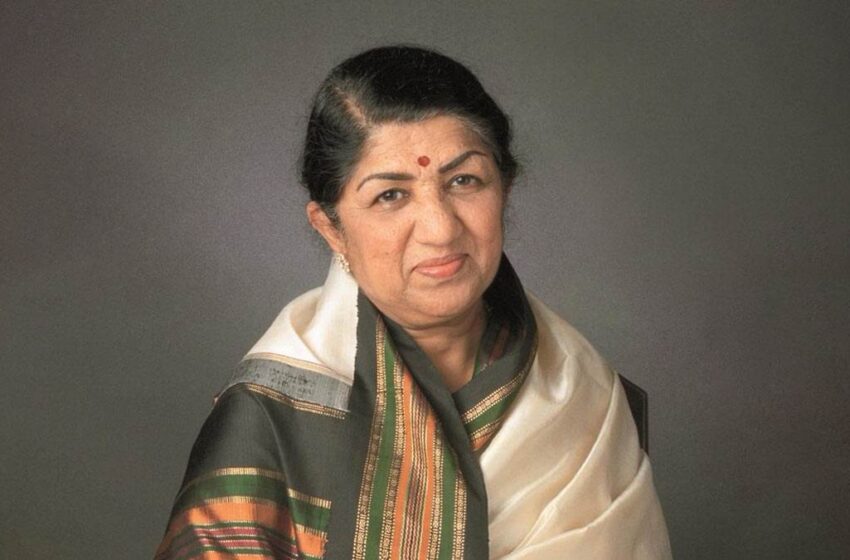
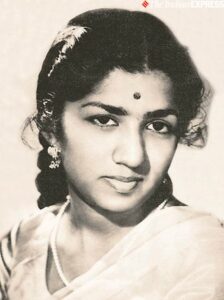
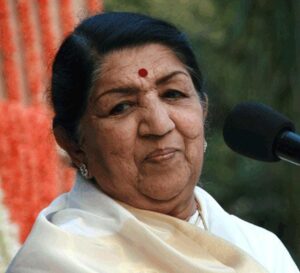
Lata Mangeshkar: The Nightingale of India was a legendary singer whose melodious voice left an everlasting impact on Indian music and culture. With a career spanning over seven decades, she recorded thousands of songs in multiple languages, captivating audiences with her soulful renditions. Her contributions to the music industry earned her numerous prestigious awards, including the Bharat Ratna, India’s highest civilian honor. Beyond accolades, Lata Mangeshkar’s voice became synonymous with emotion, devotion, and timeless artistry, inspiring generations of musicians and music lovers. Her legacy continues to live on, making her an eternal icon in the world of music.
Lata Mangeshkar was born on September 28, 1929, in Indore, Madhya Pradesh, India, into a family deeply rooted in music. Her father, Pandit Deenanath Mangeshkar, was a classical singer and theater actor, while her mother, Shevanti Mangeshkar, was a homemaker. She was the eldest of five siblings—Asha Bhosle, Usha Mangeshkar, Meena Mangeshkar, and Hridaynath Mangeshkar—all of whom became accomplished musicians.
Lata’s interest in music began at an early age, and she received her initial training in classical singing from her father. However, tragedy struck the family in 1942 when her father passed away. She was just 13 years old at the time, and the responsibility of supporting the family fell on her shoulders.
Lata Mangeshkar
Early Struggles and Breakthrough
After her father’s death, Master Vinayak, a close family friend and filmmaker, helped her find work in the film industry. She began her career as a playback singer in 1942, singing her first song for a Marathi film, Kiti Hasaal, though it was eventually removed from the final cut. Her first released song was “Natali Chaitrachi Navlai” for the Marathi film Pahili Mangalaa-gaur (1942).
In the initial years, Lata faced rejection for having a voice that was considered too thin compared to the heavy voices that were popular in the 1940s, like Noor Jehan and Shamshad Begum. However, her breakthrough came in 1949 when she sang “Aayega Aanewala” from the film Mahal, composed by Khemchand Prakash. The song became a massive hit and established her as a leading playback singer in Bollywood.
Rise to Stardom (1950s–1970s)
During the 1950s and 1960s, Lata Mangeshkar became the most sought-after playback singer in the Hindi film industry. She worked with legendary music directors like:
S.D. Burman (Guide, Jewel Thief, Aradhana)
Naushad (Mughal-e-Azam, Baiju Bawra)
Shankar-Jaikishan (Barsaat, Shree 420)
Madan Mohan (Woh Kaun Thi, Mera Saaya)
R.D. Burman (Amar Prem, Aandhi)
Her versatility allowed her to sing a wide range of songs, from classical-based melodies to romantic ballads and patriotic anthems. Some of her most iconic songs from this era include:
“Pyar Kiya Toh Darna Kya” (Mughal-e-Azam, 1960)
“Ajeeb Dastan Hai Yeh” (Dil Apna Aur Preet Parai, 1960)
“Lag Ja Gale” (Woh Kaun Thi, 1964)
“Tere Bina Zindagi Se” (Aandhi, 1975)
She also lent her voice to many regional songs in Marathi, Bengali, Tamil, Telugu, Gujarati, and Punjabi.
1980s–2000s: Later Career and Achievements
Even as Bollywood music evolved, Lata Mangeshkar remained at the top of the industry. She continued collaborating with music directors like Laxmikant-Pyarelal, Kalyanji-Anandji, and A.R. Rahman.
Some of her major hits from this period include:
“Yeh Galiyan Yeh Chaubara” (Prem Rog, 1982)
“Dil Deewana” (Maine Pyar Kiya, 1989)
“Didi Tera Devar Deewana” (Hum Aapke Hain Koun..! 1994)
“Jiya Jale” (Dil Se, 1998, A.R. Rahman)
She recorded fewer songs in the 2000s, but her contribution to Indian music remained unmatched. Her last recorded song was “Saugandh Mujhe Is Mitti Ki” in 2019, dedicated to the Indian Army.
Awards and Honors
Lata Mangeshkar’s contributions to music earned her numerous awards, including:
Bharat Ratna (2001) – India’s highest civilian award
Padma Bhushan (1969) and Padma Vibhushan (1999)
Dadasaheb Phalke Award (1989)
Filmfare Awards – She won four Best Playback Singer Awards, and later, Filmfare created a special Lifetime Achievement Award in her honor
National Film Awards – Won three times for Best Female Playback Singer
Legion of Honour (France’s Highest Civilian Award) (2007)
Lata Mangeshkar
Personal Life and Legacy
Lata Mangeshkar remained unmarried throughout her life, dedicating herself entirely to music. She was deeply spiritual and had a passion for photography and cricket.
Her legacy lives on through her timeless songs, which continue to inspire generations of musicians. She is often regarded as the “Voice of the Millennium” and “Goddess of Music” in India.
Death and Tributes
Lata Mangeshkar passed away on February 6, 2022, at the age of 92 due to complications from COVID-19. Her passing was mourned by millions, with the Government of India declaring two days of national mourning. Her funeral was held with full state honors in Mumbai’s Shivaji Park.
Conclusion: The Timeless Legacy of Lata Mangeshkar
Lata Mangeshkar, often referred to as the “Nightingale of India,” was not just a singer—she was an emotion, a cultural phenomenon, and an eternal voice that resonated across generations. Her contribution to Indian music transcends time, genre, and linguistic barriers, making her one of the most revered and celebrated artists in the history of Indian cinema. Her melodies have defined eras, her voice has been the soul of countless emotions, and her legacy continues to inspire millions worldwide.
An Unparalleled Contribution to Music
Lata Mangeshkar’s career, spanning nearly eight decades, is unparalleled in the history of Indian music. With over 30,000 songs recorded in multiple languages, she created an immense musical treasure trove. Whether it was the classical-based songs of the 1950s, the romantic melodies of the 1960s and 70s, or the patriotic anthems that stirred the nation’s soul, she lent her voice to every emotion imaginable. Her ability to adapt to changing musical styles while maintaining her signature purity and soulfulness is a testament to her extraordinary talent.
Her voice became synonymous with the leading heroines of Bollywood across generations. From Madhubala and Nargis to Sridevi and Madhuri Dixit, her voice seamlessly blended with each actress’s persona, making the songs feel like an extension of their emotions on screen. This rare ability to match vocal expression with visual storytelling elevated Indian film music to an art form that remains unmatched.
A Symbol of Grace, Dedication, and Humility
Despite her unparalleled success, Lata Mangeshkar remained a humble and private person. She carried herself with grace, never letting fame overshadow her deep love for music. She was known for her disciplined approach to singing, ensuring perfection in every note, every expression, and every song she recorded. Her dedication to her craft was unwavering, a quality that made her the undisputed queen of playback singing for decades.
Beyond her musical brilliance, she was a beacon of humility and professionalism. She remained away from controversies, focusing solely on her passion for music. Her simple lifestyle and dignified presence in the industry earned her respect and admiration from peers and audiences alike.
Lata Mangeshkar
A Voice That Defined National Identity
Lata Mangeshkar’s voice was not just about entertainment; it played a crucial role in shaping India’s cultural and national identity. Songs like “Ae Mere Watan Ke Logon” became anthems of patriotism, moving even leaders like Jawaharlal Nehru to tears. Her renditions of Vande Mataram and Sare Jahan Se Achha instilled a sense of pride and unity among Indians.
Her influence extended beyond film music—her bhajans and ghazals brought solace to millions, and her folk songs preserved the rich heritage of India’s diverse musical traditions. Her voice became an integral part of religious ceremonies, celebrations, and even moments of national mourning.
The Immortality of Her Music
Even though Lata Mangeshkar is no longer physically present, her music ensures she remains immortal. Unlike many artists whose work fades over time, her songs continue to be played, cherished, and rediscovered by new generations. Whether it’s a child learning their first Hindi song, a couple reliving their love story through her melodies, or an elderly person finding comfort in her bhajans, her music remains an intrinsic part of people’s lives.
Modern-day artists continue to draw inspiration from her, and digital platforms have made her vast repertoire accessible to music lovers worldwide. Her influence can be seen in the works of contemporary singers, composers, and music producers, proving that true art never fades—it only grows with time.
Final Thoughts: The Eternal Nightingale
Lata Mangeshkar was not just a singer; she was the voice of India’s soul. Her legacy is not confined to records, awards, or accolades—it lives in every melody she sang, every emotion she conveyed, and every heart she touched.
Her passing marked the end of an era, but her voice ensures that her presence will never fade. She remains a guiding light for aspiring musicians, a source of nostalgia for older generations, and a timeless treasure for lovers of music.
In the grand symphony of Indian music, Lata Mangeshkar’s voice will forever be the sweetest note—a note that echoes through time, carrying with it the essence of love, devotion, and artistry. As long as music exists, Lata Mangeshkar will continue to reign as the undisputed “Swar Kokila” of India.
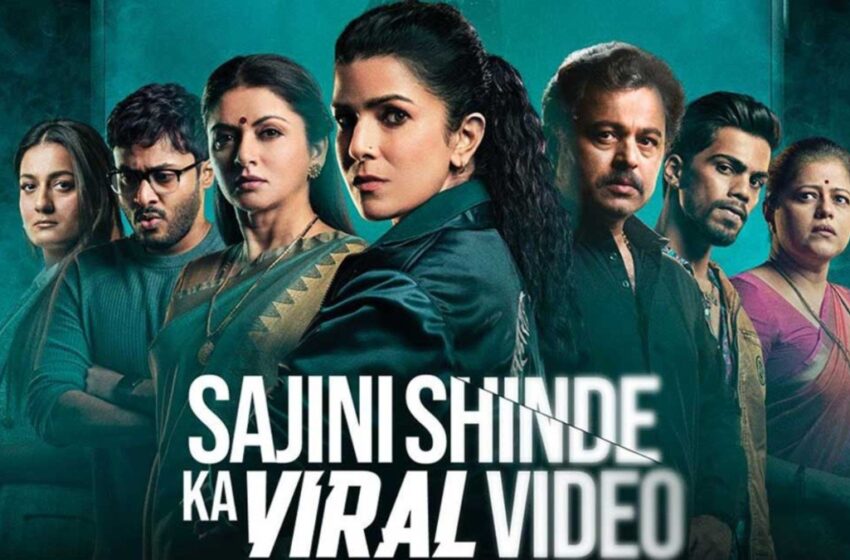
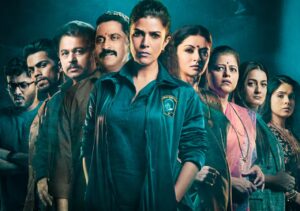
“Sajini Shinde Ka Viral Video” is a 2023 Indian Hindi-language mystery drama directed by Mikhil Musale, known for his National Award-winning Gujarati film “Wrong Side Raju” and the Bollywood film “Made in China”.
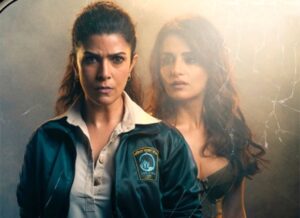
The film stars Radhika Madan as Sajini Shinde, Nimrat Kaur as Inspector Bela Barot, and Bhagyashree as Principal Kalyani Pandit. Released on October 27, 2023, the movie delves into the repercussions of a viral video on a young teacher’s life, exploring themes of societal judgment, media sensationalism, and the quest for truth.
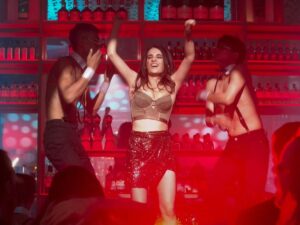
Sajini Shinde, a dedicated physics teacher at a prestigious school in Pune, finds her life turned upside down when a video of her dancing at a nightclub in Singapore goes viral. The footage, intended as a private celebration during a school trip, is accidentally uploaded to the school’s official social media account by a colleague.
The conservative community reacts harshly: Sajini is dismissed from her position by Principal Kalyani Pandit, faces ostracism from her family, and is abandoned by her fiancé, Siddhant Kadam. Overwhelmed by public humiliation and personal betrayal, Sajini disappears after posting a distressing message on social media, hinting at suicide and blaming her father and fiancé for her plight.
The case draws significant media attention, prompting an investigation led by Inspector Bela Barot. As Bela delves deeper, she uncovers layers of deceit, societal hypocrisy, and hidden motives, challenging initial perceptions and revealing the complex interplay between personal choices and public morality.
Themes and Social Commentary
“Sajini Shinde Ka Viral Video” serves as a poignant critique of contemporary society’s quickness to judge, especially in the age of social media. The film highlights the double standards women face, where their personal freedoms are often curtailed by societal expectations. Sajini’s ordeal underscores the dangers of moral policing and the devastating impact of public shaming. The narrative also touches upon the performative nature of online activism, questioning its sincerity and effectiveness.
The character of Principal Kalyani Pandit exemplifies institutional hypocrisy. Despite being an educator, she prioritizes the school’s reputation over supporting a dedicated teacher, showcasing how societal pressures can lead individuals to act against their moral compass. Inspector Bela Barot’s investigation sheds light on systemic issues within law enforcement and the broader community, emphasizing the need for empathy and a deeper understanding of individual circumstances.
Sajni Shinde ka viral video
Character Analysis
Sajini Shinde (Radhika Madan): Portrayed as a passionate educator striving to balance personal desires with societal expectations, Sajini’s character reflects the struggles many women face in conservative settings. Her journey from a respected teacher to a vilified figure highlights the fragility of reputation in the digital age. Radhika Madan delivers a compelling performance, capturing Sajini’s vulnerability and resilience.
Inspector Bela Barot (Nimrat Kaur): As the tenacious investigator, Bela embodies determination and justice. Navigating a male-dominated police force, she confronts biases while seeking the truth about Sajini’s disappearance. Nimrat Kaur’s portrayal brings depth to the character, balancing toughness with empathy.
Principal Kalyani Pandit (Bhagyashree): Kalyani represents the societal gatekeepers who enforce moral codes, often at the expense of fairness. Her decision to dismiss Sajini reflects the challenges institutions face when balancing public image with ethical responsibilities. Bhagyashree’s performance adds nuance to a character torn between duty and compassion.
Critical Reception
The film received mixed to positive reviews. Critics praised its timely subject matter and strong performances, particularly by Nimrat Kaur and Radhika Madan. Filmfare highlighted the movie’s exploration of societal hypocrisy and the impact of public shaming, noting that it “asks pertinent questions about the appalling lack of sensitivity in our society”.
India Today commended the screenplay and direction, stating that the film “manages to navigate these tight ropes sensitively”. However, some reviews pointed out areas for improvement. NDTV noted that while the film is “sporadically watchable primarily because of Nimrat Kaur,” it sometimes “sways between the predictable and the unpredictable”.
Sajini Shinde Ka Viral Video
Direction and Cinematography
Director Mikhil Musale effectively captures the essence of Pune, using the city’s cultural backdrop to enhance the narrative. The film’s pacing maintains suspense, gradually unveiling the mystery behind Sajini’s disappearance. Cinematographer Tribhuvan Babu Sadineni employs a realistic visual style, grounding the story in a relatable setting that mirrors the protagonist’s emotional journey.
Sajni Shinde ka viral video
Conclusion: The Impact and Message of Sajini Shinde Ka Viral Video
Sajini Shinde Ka Viral Video is more than just a mystery drama; it serves as a poignant social commentary on the double standards, moral policing, and the repercussions of digital-age scandals. The film effectively captures the fragility of a person’s reputation in an era where public perception is often dictated by viral content rather than truth or context. Through Sajini’s story, the movie sheds light on how a single moment, misrepresented and sensationalized, can unravel an individual’s life.
The film leaves the audience with critical questions: Why are women disproportionately judged for their personal choices? Why does society rush to condemn without seeking the full story? And most importantly, how responsible are we as individuals when we engage with viral content without understanding its impact?
Sajini Shinde Ka Viral Video
The Complexity of Social Judgment
One of the film’s strongest messages is the ease with which society ostracizes individuals, especially women, based on perceived “moral transgressions.” Sajini Shinde, a talented and dedicated teacher, is reduced to a scandalous headline overnight. Her passion, dedication, and years of hard work are rendered meaningless in the face of public scrutiny. This reflects the unfortunate reality that many individuals, particularly women, face in conservative societies, where personal freedoms are often overshadowed by rigid moral expectations.
The Role of Social Media and Digital Ethics
The film highlights the power and dangers of social media. What was supposed to be a private celebration became a public spectacle due to an accidental upload. The rapid spread of information, without context or verification, demonstrates how digital platforms can be both empowering and destructive. In an age where virality can dictate a person’s fate, the film urges viewers to be more responsible digital citizens—questioning narratives before forming opinions and recognizing the human cost behind every viral controversy.
Sajini Shinde Ka Viral Video
Media Sensationalism and Institutional Hypocrisy
Sajini Shinde Ka Viral Video also critiques institutions—both educational and media-related—that often prioritize their reputations over justice and fairness. Sajini’s school, instead of standing by their teacher, chooses to distance itself from her to avoid controversy. Similarly, mainstream media sensationalizes her case, further tarnishing her image without investigating the full truth. The film exposes how institutions often fail to support individuals in their time of need, bowing instead to public pressure.
Women’s Agency and Empowerment
Sajini Shinde Ka Viral Video A key takeaway from the film is the importance of women reclaiming their narratives. While society often tries to define a ladies’ worth based on her adherence to moral norms, the film encourages women to challenge these conventions and assert their autonomy. Sajini’s journey, though painful, underscores the need for self-empowerment and the fight against societal injustices.
Sajini Shinde Ka Viral Video
Final Thoughts: A Call for Empathy and Change
Sajini Shinde Ka Viral Video leaves audiences with a powerful message—empathy must replace judgment, and understanding must replace hasty conclusions. The film urges society to reassess its collective conscience and question the tendency to shame, ostracize, and vilify individuals without seeking the complete truth.
In the end, Sajini Shinde Ka Viral Video is not just a story about one woman’s downfall but a reflection of a much larger societal issue. It challenges viewers to rethink their engagement with social media, the consequences of public shaming, and the urgent need for a more compassionate, fair, and just society.
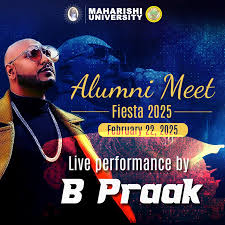
B Praak visit in Maharishi University Of Information Technology in Noida Campus: An Electrifying Concert and Workshop at Maharishi University
A Musical Evening to Remember
A Melodic Evening
A Night of Music, Inspiration, and Passion
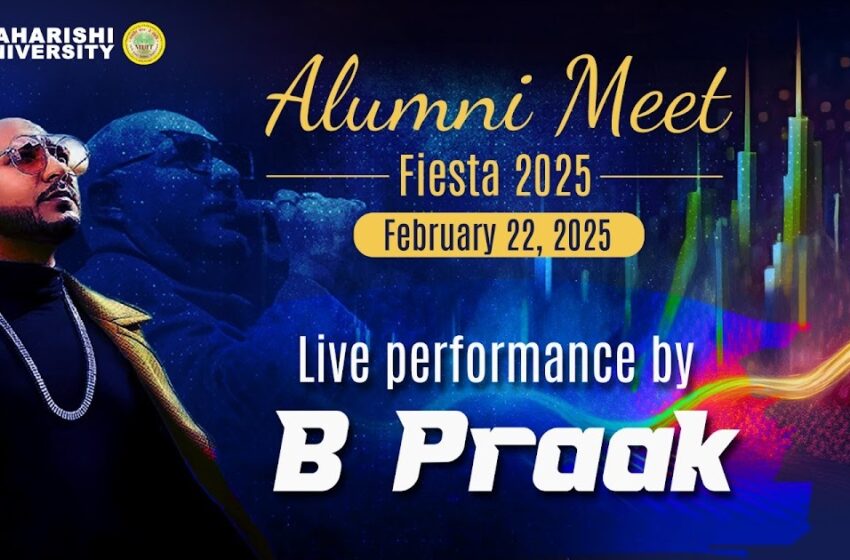
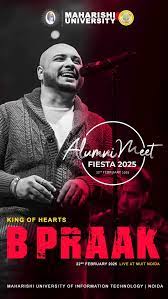
On February 22, 2025, the serene campus of Maharishi University in Noida buzzed with excitement as it welcomed the renowned Indian singer and music composer, B Praak. Known for his soulful voice and chart-topping hits, B Praak’s visit was a highly anticipated event, drawing students, faculty, and music enthusiasts from across the region.
In the weeks leading up to the event, the university’s cultural committee had been meticulously planning and promoting B Praak’s visit. Posters adorned the campus walls, social media platforms were abuzz with announcements, and there was a palpable sense of anticipation in the air. The event was part of the university’s annual cultural festival, “Sanskriti,” which aims to celebrate and showcase diverse art forms and talents.
A Grand Welcome
On the day of the event, the campus was decorated with vibrant banners and floral arrangements. As B Praak arrived, he was greeted with a traditional ‘aarti’ ceremony, symbolizing the university’s rich cultural heritage. Students dressed in traditional attire performed a folk dance, adding to the festive atmosphere. B Praak expressed his gratitude for the warm welcome and took a moment to interact with the performers, appreciating their efforts.
The Interactive Session
The event commenced with an interactive session held in the university’s auditorium, which was filled to capacity. Students eagerly awaited the opportunity to hear from the artist himself. B Praak began by sharing his journey in the music industry, recounting his early days, challenges, and the passion that kept him going.
He emphasized the importance of perseverance and staying true to one’s art. “Success doesn’t come overnight,” he remarked. “It’s a result of continuous effort, learning, and dedication.”
The floor was then opened for questions, and students inquired about various aspects of his career, from his creative process to handling criticism. One student asked about his experience collaborating with other artists, to which B Praak responded, “Collaboration is a beautiful process. It allows for the fusion of ideas and styles, leading to something unique and magical.”
A Musical Extravaganza
Following the interactive session, the stage was set for a live performance. The atmosphere was electric as B Praak took center stage, accompanied by his band. He began with some of his most popular tracks, and the audience sang along, creating a harmonious chorus that resonated throughout the auditorium.
Midway through the performance, B Praak surprised the audience by inviting a few students to join him on stage. These budding musicians had the chance to showcase their talent alongside the maestro, an experience they described as “a dream come true.”
The concert concluded with a heartfelt rendition of one of his soulful ballads, leaving the audience in awe. The standing ovation that followed was a testament to the impact of his performance.
Workshops and Masterclasses
In addition to the concert, B Praak conducted a series of workshops and masterclasses over the next two days. These sessions were designed for students pursuing music and those interested in understanding the intricacies of the industry.
Topics covered included songwriting, music production, and vocal techniques. B Praak provided insights into his creative process, sharing tips and techniques that have helped him craft his hits. He also highlighted the importance of understanding the technical aspects of music production, encouraging students to familiarize themselves with the latest tools and software.
One of the key takeaways from these sessions was the emphasis on originality. “In a world full of trends, dare to be original,” he advised. “Authenticity resonates with the audience more than anything else.”
Impact on the University Community
B Praak’s visit left an indelible mark on the Maharishi University community. Students expressed that interacting with a successful artist provided them with motivation and a clearer perspective on pursuing a career in the arts.
The university’s faculty also appreciated the opportunity for students to gain practical knowledge from a seasoned professional. Dr. Ananya Mehta, head of the Music Department, remarked, “Such interactions bridge the gap between academic learning and real-world application. It’s an invaluable experience for our students.”
A Lasting Legacy
To commemorate the visit, the university announced the establishment of the “B Praak Scholarship for Musical Excellence.” This scholarship aims to support talented students who aspire to make a mark in the music industry. B Praak expressed his honor at having a scholarship in his name and hoped it would inspire students to pursue their passion with dedication.
Conclusion: A Memorable and Transformative Visit
B Praak’s visit to Maharishi University was more than just a musical event; it was an enriching experience that inspired and motivated the entire university community. His journey, insights, and performances left a lasting impression, encouraging students to chase their dreams with renewed vigor. As the echoes of his melodies lingered in the campus corridors, the message was clear: with passion and perseverance, the sky is the limit.
B Praak’s visit to Maharishi University in Noida on February 22, 2025, was more than just a musical event—it was an experience that left an indelible mark on students, faculty, and music lovers alike. From the moment he arrived on campus to the standing ovation at the end of his performance, his presence was nothing short of magical. His soulful music, deep insights into the industry, and warm interaction with students created an atmosphere of inspiration and learning.
One of the most remarkable aspects of his visit was the interactive session, where he spoke candidly about his journey in the music industry. His words resonated with aspiring artists, as he emphasized the importance of hard work, perseverance and authenticity in an era where trends dominate the music industry. His honest responses to student questions provided invaluable guidance to those who dream of making it big in the entertainment world.
The live concert was the highlight of the event, with his powerful voice and emotional renditions moving the audience. The energy in the auditorium was electric, with students singing along, cheering, and even getting the once-in-a-lifetime opportunity to perform alongside the music maestro. The synergy between the audience and B Praak made the evening a celebration of music and emotions.
Beyond the stage, his workshops and masterclasses were a treasure trove of knowledge for budding musicians. He not only shared technical skills in music production and vocal training but also imparted wisdom about the industry’s challenges, including handling criticism and staying motivated. His advice on originality and the importance of staying true to one’s artistic identity struck a chord with many students.
His visit also had a lasting impact on the university’s cultural and academic environment. The announcement of the “B Praak Scholarship for Musical Excellence” was a monumental step toward supporting young talent, ensuring that deserving students receive the resources and encouragement they need to pursue their musical aspirations. This initiative will serve as a legacy of his visit, inspiring future generations of artists to follow their passion with dedication and sincerity.
The faculty, too, recognized the significance of such an event. Professors from the music and performing arts departments appreciated how real-world industry exposure enriched the students’ academic learning. Dr. Ananya Mehta, the head of the Music Department, aptly summarized the impact of the visit: “When an artist of B Praak’s caliber shares his journey and knowledge, it bridges the gap between dreams and reality. This experience has not only motivated our students but has also given them a clearer vision of their own artistic paths.”
As the event concluded and B Praak bid farewell to Maharishi University, the echoes of his melodies and heartfelt words lingered in the air. Students left the auditorium with a renewed sense of ambition, carrying forward the inspiration he had ignited. His visit was not just about entertainment; it was a testament to the power of music as a medium of storytelling, healing, and motivation.
In retrospect, February 22, 2025, will be remembered as a day when music transcended mere performance and became a source of learning, passion, and unity. The event reinforced the belief that with determination, creativity, and authenticity, one can achieve greatness in any field. B Praak’s visit was not just a fleeting moment but a milestone in Maharishi University’s cultural journey, a reminder that true artistry is about touching lives and leaving a lasting impact.