Swami Kailash Anand Giri: He is a revered Hindu saint and spiritual leader known for his deep knowledge of Sanatan Dharma, Vedic scriptures, and ascetic life. He is associated with the Juna Akhara, one of the largest and most prominent Akharas in India, which plays a significant role in Hindu monastic traditions. He is also known for guiding devotees on the path of dharma, devotion, and self-realization.
who is Swami Kailash Anand Giri?
When and where was he born?
He was born in 1976 and according to sources he was born in Bihar, Jharkhand.
How did he came towards spirituality?
His path to spirituality began at a young age, and his early detachment from material pursuits was a significant factor in his spiritual development. He is reported to have renounced his home and worldly life at a young age. He became deeply engrossed in devotion to God, following a path that involved intense penance, a common practice for those seeking spiritual enlightenment.
How did he came towards spirituality?
He served as an Acharya and Mahamandaleshwar of the Niranjani Akhara. He is known for his dedication to spiritual practices, such as the Rudrabhishek of Lord Shiva. His journey is characterized by early renunciation, deep devotion, and rigorous spiritual discipline.
Details on Swami Kailash Anand Giri teachings and philosophy?
Swami kailash Anand Giri teachings and philosophy are as follows:
The Path of Renunciation and Spiritual Discipline.
The Devotion to Lord Shiva and Rudrabhishek.
The Vedic Knowledge and Sanatan Dharma.
The knowledge about Yoga, Meditation, and Self-Realization.
The Role in Niranjani Akhara and Kumbh Mela.
The Service to Humanity and Social Welfare.
Details on Swami Kailash Anand Giri teachings and philosophy?
What are his contribution towards the society?
Some of his contribution towards the society are as follows:
The Promotion of Sanatan Dharma and Vedic Wisdom.
The Role in Kumbh Mela and Religious Leadership.
The Social Welfare and Charitable Activities.
By encouraging Yoga, Meditation, and Mental Well being.
The Environmental and Cultural Preservation.
By Inspiring the Youth Towards Spirituality.
What are his contribution towards the society?
His impact on society and devotees?
His impact on society and devotees are as follows:
By reviving and Strengthening the Sanatan Dharma.
By transforming the Lives of Devotees.
By doing leadership in Kumbh Mela and Niranjani Akhara.
By Social and Humanitarian Contributions.
By promoting Yoga, Meditation, and Holistic Well-being.
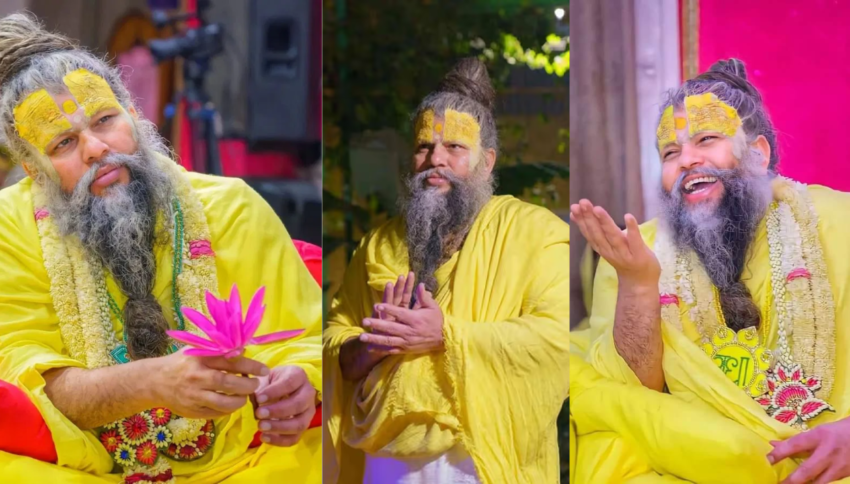
Premanand Maharaj: He is an Hindu saint, spiritual leader, and preacher known for his deep devotion, wisdom, and contributions to Sanatan Dharma. He dedicated his life to spreading bhakti (devotion), selfless service, and the teachings of Hindu scriptures.
details on Premanand Maharaj?
He had always emphasized pure love and devotion toward God as the ultimate path to spiritual enlightenment. He delivered profound spiritual teachings, guiding people on the path of righteousness, self-discipline, and devotion.
When and where was he born?
He was born in 1969 and was born in Kanpur, UP.
How did Premanand Maharaj came towards spirituality?
His journey toward spirituality began at a young age, driven by an innate longing for divine connection and self-realization. His path was shaped by deep devotion, a disciplined spiritual practice, and a desire to serve humanity through the teachings of Sanatan Dharma.
How did Premanand Maharaj came towards spirituality?
He was deeply moved by bhajans, kirtans, and religious discourses, which inspired him to seek a higher purpose. His early detachment from material desires indicated his path toward renunciation and divine love. The teachings of selfless love, devotion, and surrender to God became the foundation of his spiritual journey.
What are his teachings and philosophy?
Premanand Maharaj’s teachings and philosophy are as follows:
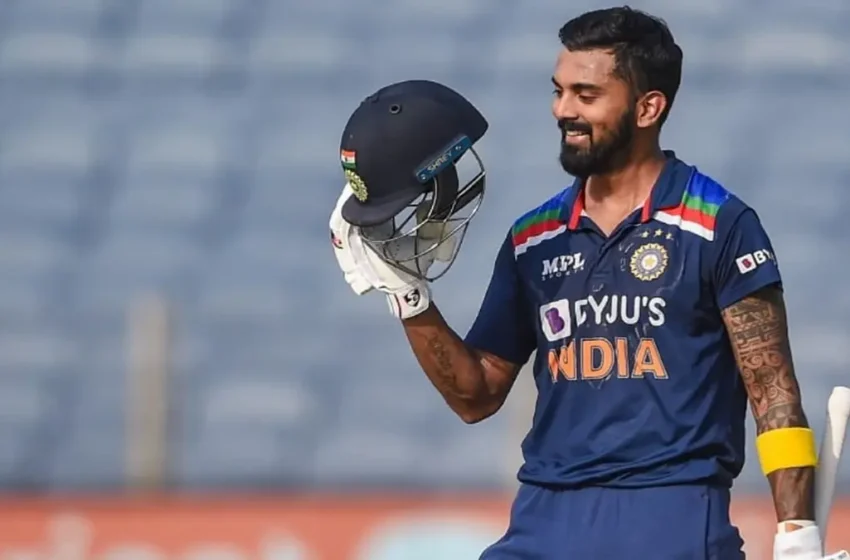
KL Rahul: KL Rahul or Kannur Lokesh Rahul is an Indian international cricketer known for his stylish batting and versatility. He plays as a right-handed batsman and occasional wicketkeeper for the Indian team across all formats. Rahul has captained India in various matches and is a key player for Lucknow Super Giants in the IPL.
Details on who KL Rahul is?
When and where was he born?
He was born on April 18, 1992 and born at Mangalore, Karnataka in India.
When and where was he born at?
How was KL Rahul childhood, Schooling and college?
He spent most of his childhood in Mangalore, Karnataka, India. His schooling was done from NITK English Medium School in Mangalore, after which for his higher education he attended Sri Bhagavan Mahaveer Jain College in Bangalore. During the same time he joined Karnataka State Cricket Academy (KSCA) to focus on his cricket career.
How was KL Rahul childhood, Schooling and college?
Who all are there in his family?
KL Rahul grew up in an academic family as his father was a professor at NIT Karnataka, his family consists of the following:
His Father: Dr. KN Lokesh who is a professor and former director at NIT Karnataka (National Institute of Technology, Surathkal).
His Mother: Rajeshwari Lokesh who is also a professor.
His Sister: Bhavana Lokesh.
KL Rahul grew up in an academic family
His Wife:Athiya Shetty who is a Bollywood actress and model and daughter of Sunil Shetty. They got married on January 23, 2023.
His kids: Till now he doesn’t have any kids but his wife and he are expecting his first baby as announced on late 2024.
His Wife and kid.
Why did he choose cricket as a career?
KL Rahul chose cricket as a career because of his deep passion for the sport from a young age. Even though he came from an academically strong family, his love for cricket overshadowed other career paths. His cricket journey started from the age of 10 and showed exceptional talent. He showed an amazing skills in batting , which was recognized at a early age by his coaches. He always admired cricketers like Rahul Dravid, after whom he was partially named, and wanted to follow in their footsteps. Even though his parents were professors, they encouraged his cricketing ambitions and allowed him to pursue professional training.
Why did he choose cricket as a career?
His performances in school, club, and Karnataka’s age-group cricket gave him the confidence to pursue cricket seriously. He Represented India at the U-19 level which was a turning point that motivated him to make cricket his full-time career. At the age 17, he shifted to Bangalore for advanced coaching at the Karnataka State Cricket Academy (KSCA), which helped shape his professional journey. His dedication, hard work, and natural flair for batting made him one of India’s most stylish and successful cricketers today.
What are his achievement and records?
Some of his achievement and records are as follows:
1. He is the First Indian to Score a Century on ODI Debut.
2. He had the Fastest Fifty in T20I for India, he Scored a 50 in just 18 balls against Scotland in 2021.
3. He is One of the Few Indians to Score a Century in All Three Formats and has a centuries in Tests, ODIs, and T20Is.
What are his achievement and records?
4. He is the Fastest Indian to Reach 2000 T20I Runs, he Achieved the milestone in 58 innings, second-fastest globally.
5. He has done Vice-Captaincy & Leadership and Served as vice-captain of the Indian team and captained India in several matches.
6. He won a Orange Cap in 2020 and Scored 670 runs in IPL 2020.
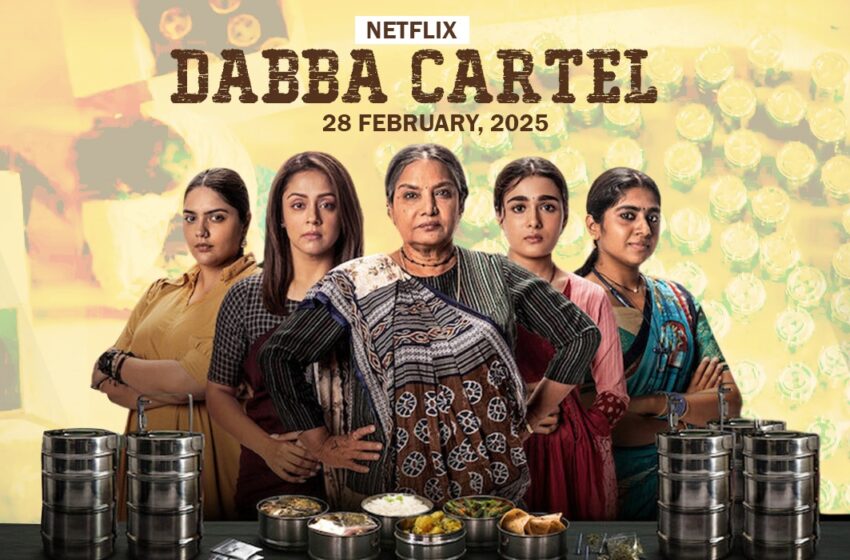
“Dabba Cartel” is a Hindi-language web series that premiered on Netflix on February 28, 2025. Set against the vibrant backdrop of 1960s Mumbai, the series delves into the intertwined lives of five housewives who covertly run a high-stakes drug cartel under the guise of a tiffin service. The narrative intricately weaves themes of ambition, betrayal, friendship, and resilience, offering viewers a gripping tale of crime and camaraderie.
The story unfolds as five seemingly ordinary women from diverse backgrounds come together, driven by circumstances and a shared goal. Facing personal and societal challenges, they establish a tiffin service that becomes a front for their burgeoning drug operation. As their enterprise expands, they navigate the complexities of the criminal underworld, all while maintaining their facades as devoted housewives. The series masterfully portrays their evolution from domesticity to dominance, highlighting the dualities they juggle in their personal and criminal lives.
Dabba Cartel
Cast and Characters
The ensemble cast brings depth and authenticity to the narrative:
Shabana Azmi portrays the formidable Rani Maai, the matriarchal figure whose strategic acumen and leadership anchor the cartel. Her performance has been lauded as the highlight of the series.
Jyotika plays a pivotal role, marking her significant presence in the series.
Shalini Pandey takes on the role of a younger member of the cartel, bringing a mix of vulnerability and determination to her character.
Anjali Anand and Nimisha Sajayan round out the central quintet, each contributing nuanced performances that enrich the storyline.
Supporting roles by actors such as Gajraj Rao, Jisshu Sengupta, Lillete Dubey, and Sai Tamhankar add layers to the narrative, portraying characters that intersect with the cartel’s operations in various capacities.
Direction and Production
Helmed by director Hitesh Bhatia, “Dabba Cartel” is produced by Excel Media & Entertainment. The series boasts a meticulous recreation of 1960s Mumbai, capturing the era’s essence through authentic set designs, costumes, and cultural references. The cinematography by Eeshit Narain complements the narrative’s tone, oscillating between the vibrant streets of Mumbai and the shadowy underbelly of its criminal world. The musical score, crafted by Gaurav Raina and Tarana Marwah, further immerses viewers into the period setting, blending traditional and contemporary sounds to reflect the characters’ journeys.
Dabba Cartel
Critical Reception
Upon its release, “Dabba Cartel” garnered a spectrum of reviews:
Hindustan Times described it as a “gripping tale of crime that delivers it all,” praising its intricate plot and character development.
Koimoi highlighted the series’ strong opening week performance, noting its position in the global trending list of non-English shows on Netflix.
123telugu.com offered a more tempered view, rating it 2.5 out of 5 stars and pointing out certain predictable elements in the storyline.
Audience reactions mirrored this diversity in opinion. Some viewers found the series engaging, appreciating its unpredictable twists and the portrayal of strong female leads. One Reddit user commented on enjoying the series’ twists and turns, noting the slight fun interspersed throughout.
Conversely, others felt the narrative became predictable after the third episode, though they acknowledged Shabana Azmi’s standout performance. Another Reddit user mentioned that while the series became predictable after a point, Shabana Azmi was the highlight of the show.
Dabba Cartel
Themes and Analysis
At its core, “Dabba Cartel” explores the juxtaposition of traditional female roles against the backdrop of organized crime. The series challenges societal norms by showcasing women who, confined by their domestic roles, break free to assert dominance in a male-dominated underworld. This duality underscores themes of empowerment, resilience, and the lengths individuals will go to protect and provide for their loved ones.
The 1960s setting is not merely a backdrop but a character in itself, reflecting a time of socio-political change in India. The series delves into issues such as gender dynamics, economic disparities, and the quest for identity amidst societal expectations. The tiffin service, a symbol of domesticity, becomes a conduit for rebellion and autonomy, highlighting the resourcefulness and ingenuity of the protagonists.
Dabba Cartel
Comparative Analysis
“Dabba Cartel” draws parallels with other crime dramas that focus on the nexus of domestic life and organized crime. Its portrayal of women leading a drug cartel invites comparisons to international series like “Weeds” and “Breaking Bad,” where ordinary individuals become entangled in the drug trade. However, “Dabba Cartel” distinguishes itself by deeply rooting the narrative in Indian culture and history, offering a fresh perspective on the genre.
Audience Feedback
Viewer reactions have been varied:
Some praised the series for its unexpected twists and engaging narrative, stating, “After a long time, enjoyed some unpredictable series with right twists and turns and slight fun in between.”
Others felt that while the series started strong, it became predictable after the third episode, though Shabana Azmi’s performance was consistently highlighted as a standout.
Dabba Cartel
Viewership Metrics
In its opening week, “Dabba Cartel” amassed 1.8 million views on Netflix, securing the fourth spot in the global trending list of non-English shows for the week of February 28 – March 2. However, it fell short of surpassing the viewership of “Black Warrant,” which garnered 2.3 million views in its debut week earlier in January.
Conclusion
“Dabba Cartel” is a noteworthy addition to Netflix’s repertoire of original content, providing a unique lens on crime dramas through its focus on female protagonists in 1960s Mumbai. While opinions on its execution vary, the series succeeds in sparking conversations about gender roles, societal expectations, and the complexities of leading dual lives. For viewers seeking a blend of historical context, strong character arcs, and crime intrigue, “Dabba Cartel” offers a compelling watch.
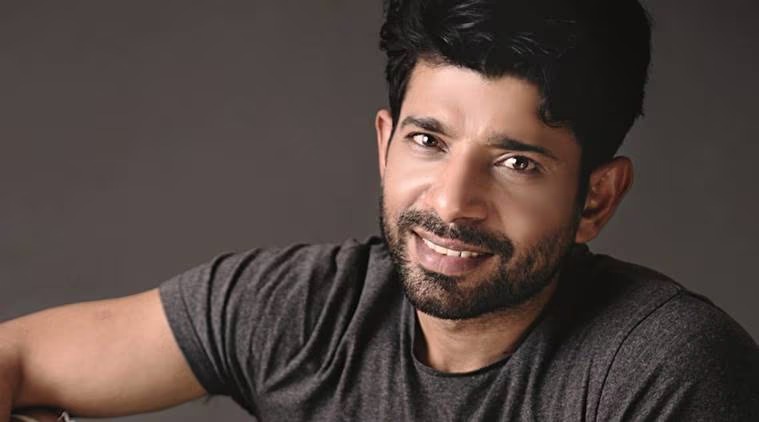
Vineet Kumar Singh: A Detailed Biography Vineet Kumar Singh, born on August 28, 1978, in Varanasi, Uttar Pradesh, India, is a distinguished Indian actor and writer renowned for his compelling performances in contemporary Hindi cinema. His journey from a medical practitioner to a celebrated actor is a testament to his unwavering dedication and passion for the arts.
Growing up in Varanasi, Vineet was immersed in an environment that valued education and intellectual pursuits. His father, a mathematician, instilled in him a love for learning. Vineet exhibited a keen interest in sports during his formative years, particularly in basketball, where he played at the national level, participating in six National Games at the mini and sub-junior levels.
Despite his artistic inclinations, societal norms and familial expectations led him to pursue a career in medicine. He excelled academically, earning his Bachelor of Ayurveda, Medicine, and Surgery (BAMS) degree from R. A. Podar Ayurved Medical College. He further specialized by obtaining a Doctor of Medicine (MD) in Ayurveda from the Government Medical College and Hospital in Nagpur.
Vineet Kumar Singh
Transition to Acting
Vineet’s passion for acting remained undiminished during his medical studies. At the age of 21, he ventured into the world of cinema, making his acting debut with the film “Pitaah” in 2002. However, the film did not achieve commercial success, leading Vineet to face challenges in securing substantial roles in the industry.
To sustain himself and remain connected to the film industry, Vineet worked as an associate and assistant director under the mentorship of Mahesh Manjrekar. He contributed to projects such as “Viruddh” (2005) and “Deh,” gaining valuable insights into the filmmaking process. In 2007, he made a pivotal decision to focus exclusively on acting, marking a significant turning point in his career.
Vineet Kumar Singh
Breakthrough and Collaborations with Anurag Kashyap
Vineet’s persistence began to bear fruit with his involvement in the Hindi-Marathi bilingual film “City of Gold” (2010), which showcased his acting prowess. This performance caught the attention of acclaimed director Anurag Kashyap, leading to a series of collaborations that would define Vineet’s career.
In 2012, Vineet portrayed Danish Khan in Kashyap’s critically acclaimed crime saga “Gangs of Wasseypur.” His nuanced performance alongside actors like Manoj Bajpai, Piyush Mishra, Richa Chadda, and Nawazuddin Siddiqui earned him widespread recognition. This role established him as a versatile actor capable of delivering intense and authentic portrayals.
Continuing his collaboration with Kashyap, Vineet appeared in “Bombay Talkies” (2013) and “Ugly” (2014). His role in “Ugly” garnered critical acclaim and earned him a nomination for Best Supporting Actor at the Screen Awards, further solidifying his reputation in the industry.
Vineet Kumar Singh
Mukkabaaz: A Defining Role
The year 2018 marked a watershed moment in Vineet’s career with the release of “Mukkabaaz” (“The Brawler”). Not only did he play the lead role of Shravan Kumar Singh, an aspiring boxer, but he also co-wrote the script, drawing from his observations of athletes’ struggles in India. His personal experience as a national-level basketball player lent authenticity to the narrative.
To prepare for the role, Vineet underwent rigorous training, dedicating over two years to boxing under the guidance of coaches like Harpreet Singh, a former coach of the Indian boxing team. His commitment to embodying the character extended to enduring physical hardships, including injuries sustained during training.
“Mukkabaaz” received critical acclaim for its raw and realistic portrayal of the challenges faced by athletes amidst socio-political constraints. Vineet’s powerful performance was lauded, earning him the Best Actor award at the FOI Online Awards and the Critics’ Choice Film Awards. He was also nominated for Best Actor (Critics) at the 64th Filmfare Awards, cementing his status as a leading actor in Hindi cinema.
Vineet Kumar Singh
Struggles and Breakthrough
Determined to pursue acting, Vineet Kumar Singh faced numerous challenges, often taking up minor roles in films such as “Gori Tere Pyaar Mein” and “Isaaq.” His breakthrough came with the Hindi-Marathi bilingual film “City of Gold” (2010), which showcased his acting prowess. This performance led to a pivotal collaboration with director Anurag Kashyap, who cast him as Danish Khan in the critically acclaimed “Gangs of Wasseypur” (2012). The film’s success opened doors for Vineet, leading to notable roles in “Bombay Talkies” (2013) and “Ugly” (2014), the latter earning him a nomination for Best Supporting Actor at the Screen Awards.
Vineet Kumar Singh
Subsequent Projects and Diverse Roles
Following the success of “Mukkabaaz,” Vineet continued to showcase his versatility through a variety of roles:
“Gold” (2018): He appeared in this historical sports drama alongside Akshay Kumar, contributing to the film’s depiction of India’s first Olympic gold medal post-independence.
“Saand Ki Aankh” (2019): Vineet played a supporting role in this biographical film about the world’s oldest sharpshooters, demonstrating his ability to adapt to diverse narratives.
“Gunjan Saxena: The Kargil Girl” (2020): He portrayed an Indian Air Force officer in this biopic starring Janhvi Kapoor, contributing to the film’s exploration of gender barriers in the armed forces.
“Aadhaar” (2021): In this satirical comedy-drama, Vineet took on the lead role, reflecting his continued interest in socially relevant themes.
Vineet Kumar Singh
Personal Life
Vineet married his longtime girlfriend, Ruchiraa Gormaray, on November 29, 2021, in Nagpur. The couple had been together for eight years before tying the knot. As of October 2024, they celebrated their third wedding anniversary. Ruchiraa has been a supportive partner throughout Vineet’s journey in the film industry. Vineet maintains an active presence on social media, sharing glimpses of his personal and professional life with his followers.
Legacy and Impact:
Breakthrough Role in Mukkabaaz (2017)
Vineet Kumar Singh gained widespread recognition with Mukkabaaz, where he played a struggling boxer fighting against caste and system oppression. His intense performance and physical transformation were highly praised, solidifying him as a serious actor.
Authentic and Socially Relevant Roles
He has consistently chosen roles that depict societal struggles, such as in Gangs of Wasseypur, Daas Dev, and Betaal. His performances often bring attention to real-world issues.
Vineet Kumar Singh
Inspiration for Aspiring Actors
Vineet’s journey is inspiring—he struggled for years in Bollywood, initially working behind the scenes before getting his big break. His persistence and talent make him a role model for many emerging actors.
Contributions Beyond Acting
Besides acting, Vineet has also worked as a screenwriter and has been vocal about industry challenges, advocating for content-driven cinema.
Recognition and Critical Acclaim
He has received praise from critics and audiences for his natural performances, proving that talent and perseverance can carve a niche in Bollywood without traditional connections.
Anurag Kashyap’s Relocation: According to the latest reports, Anurag Kashyap has moved out of Mumbai and relocated to Bangalore. He also expressed his emotions by saying, “The Hindi film industry is becoming toxic day by day,” and further mentioned that the creative atmosphere has diminished in this space. According to Anurag Kashyap, he wants to distance himself from the current film industry’s environment and move to a place where he can enjoy more creative freedom. He also expressed his joy of filmmaking and how it has been stifled in the Bollywood industry.
Details on Anurag Kashyap’s Relocation?
Who is Anurag Kashyap?
Anurag Kashyap is a prominent figure in the film industry, known for his work as a director, screenwriter, producer, and actor. He is best known for his films like Black Friday and Gangs of Wasseypur. He has also received many Filmfare and other awards for his outstanding contributions to the film industry.
Anurag Kashyap is a prominent figure in the film industry
What is the Reason for Anurag Kashyap’s Relocation?
The reason for Anurag Kashyap’s relocation:
According to Kashyap, the Bollywood industry has become increasingly toxic. He stated, “I’ve left Mumbai. I want to stay away from film people. The industry has become too toxic. Everyone is chasing unrealistic targets, trying to make the next Rs 500-800 crore film. The creative atmosphere is gone,” he told The Hindu. He further added that Bollywood is more focused on high box office numbers, which is leading to the destruction of the creative environment.
What is the Reason for Anurag Kashyap’s Relocation?
Why is the Film Industry Getting Toxic?
The reasons behind the film industry becoming toxic include:
Intense competition and nepotism.
Social media pressure.
Corporate influence and commercialization.
Exploitation and power play.
Cancel culture and boycotts.
Mental health neglect.
The reasons behind the film industry becoming toxic
When and Where Did He Relocate?
Anurag has already relocated to Bangalore. He has always admired the creative freedom of the South Indian film industry. He wanted to distance himself from the Hindi film industry and enjoy the art of making South films for the time being. Currently, he is busy promoting his Hindi release of a Malayalam film. He has always wanted to settle in the South and work within the South Indian film fraternity, which he plans to do for the foreseeable future.
“Nadaaniyan” is an upcoming romantic drama set to premiere on Netflix on March 7, 2025. This film marks the Bollywood debut of Ibrahim Ali Khan, son of Saif Ali Khan and Amrita Singh, and features Khushi Kapoor, daughter of the late Sridevi and Boney Kapoor, in pivotal roles. Directed by Shauna Gautam and produced under the banner of Dharmatic Entertainment by Karan Johar, Apoorva Mehta, and Somen Mishra, the movie delves into the complexities of modern-day relationships.
Set against the vibrant backdrop of contemporary Delhi, “Naadaniyaan” explores the complexities of young love and societal expectations. The narrative centers on Pia Jha, portrayed by Khushi Kapoor, an affluent and confident girl from South Delhi. Facing a misunderstanding that alienates her from her friends, Pia hires Arjun Mehta, a diligent middle-class student from Noida played by Ibrahim Ali Khan, to pose as her boyfriend. As their faux relationship unfolds, genuine emotions surface, leading to complications when their families and college community become aware of their arrangement. The film delves into the ensuing chaos and the transformative journey of its protagonists.
Nadaaniyan
Performances and Emotional Depth
The film’s biggest strength lies in its performances. Ibrahim Ali Khan, in his much-anticipated debut, successfully portrays Arjun Mehta’s transformation from a disciplined, ambitious student to someone who learns to embrace vulnerability and affection. His chemistry with Khushi Kapoor feels authentic, making their evolving relationship believable and engaging. Kapoor, too, delivers a strong performance as Pia, a character who starts out as emotionally guarded but slowly unravels her true self as she navigates love beyond societal expectations.
The seasoned supporting cast—Suniel Shetty, Dia Mirza, Mahima Chaudhary, and Jugal Hansraj—add gravitas to the film. Their presence elevates the story by bringing in the parental perspectives, highlighting generational contrasts in the perception of love and relationships.
Nadaaniyan
Direction and Cinematic Execution
Shauna Gautam’s direction brings a fresh, youthful energy to the narrative while ensuring emotional depth. The screenplay, written by Ishita Moitra and Jehan Handa, strikes a balance between lighthearted romance and poignant moments of introspection. The cinematography by Anuj Samtani captures the vibrancy of Delhi, adding visual richness that complements the film’s tone. The editing by Nitin Baid ensures a smooth narrative flow, keeping audiences engaged without unnecessary subplots.
Nadaaniyan
Cast and Crew
“Naadaniyaan” boasts a talented ensemble cast:
Ibrahim Ali Khan as Arjun Mehta: Marking his acting debut, Ibrahim steps into the role of a sincere and ambitious student navigating the challenges of a fabricated relationship.
Khushi Kapoor as Pia Jha: Following her debut in Zoya Akhtar’s “The Archies,” Khushi takes on the character of a spirited young woman dealing with the repercussions of her actions.
Mahima Chaudhry: Renowned for her work in films like “Pardes,” Mahima adds depth to the narrative in a pivotal role.
Suniel Shetty: A versatile actor known for his extensive filmography, Suniel brings gravitas to the story.
Dia Mirza: Celebrated for her performances in “Rehnaa Hai Terre Dil Mein” and “Sanju,” Dia enriches the film with her presence.
Jugal Hansraj: Known for his roles in “Mohabbatein” and “Masoom,” Jugal contributes his experience to the ensemble.
Nadaaniyan
Thematic Significance
Beyond romance, Nadaaniyan explores the themes of identity, aspirations, and emotional authenticity. Arjun’s struggle to balance his academic ambitions with his growing feelings for Pia reflects the dilemmas many young individuals face. Pia, on the other hand, represents those who use control and planning as defense mechanisms to avoid emotional pain. The film subtly questions societal norms surrounding relationships, class differences, and the pressures of maintaining appearances.
Nadaaniyan
Impact and Reception
With a digital-first release on Netflix, Nadaaniyan has the advantage of reaching a diverse, global audience. Early reactions from critics and fans have been positive, especially praising Ibrahim Ali Khan’s confident debut and the film’s engaging storytelling. The film has been compared to classic coming-of-age romances but stands out for its fresh perspective on love in the modern era.
Nadaaniyan
Trailer and Reception
The official trailer of “Nadaaniyan” was unveiled on March 1, 2025, offering a glimpse into the film’s narrative and the chemistry between the lead actors. Ibrahim Ali Khan’s portrayal of Arjun has been particularly noted, with The Times of India commenting that he “shines like a bright star” in his debut role. The trailer showcases the dynamics between Pia and Arjun, hinting at the emotional rollercoaster that unfolds as their fake relationship blurs into reality.
Nadaaniyan
Production and Development
The collaboration between Dharmatic Entertainment and Netflix India for “Naadaniyaan” signifies a continued partnership aimed at delivering engaging content to a global audience. The film was initially slated for a Valentine’s Day 2025 release; however, scheduling adjustments, particularly concerning Khushi Kapoor’s other commitments, led to its rescheduling to March 7, 2025.
Nadaaniyan
Anticipation and Expectations
The announcement of “Naadaniyaan” has been met with enthusiasm, especially considering the debut of Ibrahim Ali Khan and the fresh pairing with Khushi Kapoor. The film’s premise, focusing on a contractual relationship that evolves into genuine affection, offers a contemporary take on romantic comedies, resonating with Gen Z audiences. The involvement of seasoned actors like Mahima Chaudhry, Suniel Shetty, Dia Mirza, and Jugal Hansraj adds credibility and depth to the project.
Nadaaniyan
Final Thoughts
Nadaaniyan is more than just a love story—it’s an emotional journey that resonates with audiences by portraying love as unpredictable, transformative, and deeply human. It successfully captures the essence of youthful romance while exploring deeper themes of self-growth and societal expectations. With a well-rounded cast, heartfelt performances, and strong directorial vision, the film is set to leave a lasting impression on viewers, making it a must-watch for fans of modern romantic dramas.
Nadaaniyan
Conclusion: A Modern Take on Love and Self-Discovery
“Nadaaniyan” stands out as a contemporary romantic drama that delves into the complexities of love, relationships, and personal growth. With its refreshing take on modern romance, the film offers more than just a love story—it presents a layered narrative about the fine line between pretense and genuine emotion. The journey of Pia Jai Singh and Arjun Mehta is not merely about romance but about self-discovery, societal pressures, and the transformative power of love.
The premise of a “contract relationship” evolving into something real has been explored in cinema before, but Nadaaniyan breathes new life into this concept by infusing it with strong character arcs and emotionally charged storytelling. The film challenges the idea that love can be planned, structured, or controlled, proving instead that it is an organic, unpredictable force that can break barriers of social status, personal insecurities, and preconceived notions.
Ranya Rao: A Detailed Biography Ranya Rao, born on May 28, 1991, in Chikkamagaluru, Karnataka, is an Indian actress and model known for her work in South Indian cinema. She pursued engineering at Dayananda Sagar College of Engineering in Bengaluru before transitioning to acting, honing her skills at the Kishore Namit Kapoor Acting Institute.
Ranya made her acting debut in 2014 with the Kannada film “Maanikya,” directed by Sudeep. In this film, she portrayed Manasa, a young woman from a wealthy family and the protagonist’s love interest. The movie, a remake of the Telugu film “Mirchi,” received positive reviews and performed well at the box office.
Ranya Rao
In 2016, she ventured into Tamil cinema with “Wagah,” starring opposite Vikram Prabhu. The film, set against the backdrop of the India-Pakistan border, featured Ranya as Khaanum/Kajal. Despite high expectations, “Wagah” received mixed reviews from critics and audiences.
Ranya returned to Kannada cinema in 2017 with “Pataki,” an action-comedy where she played Sangeetha, a journalist and the love interest of a police officer portrayed by Ganesh. The film was a remake of the Telugu movie “Pataas” and added to her growing portfolio in the industry.
Ranya Rao
Personal Life
Ranya hails from Chikkamagaluru district in Karnataka. She is the stepdaughter of K. Ramachandra Rao, a senior Indian Police Service (IPS) officer serving as the Director-General of Police at the Karnataka State Police Housing Corporation. In November 2024, she married Jatin Hukkeri, an architect known for designing pubs and microbreweries.
Recent Controversy
On March 3, 2025, Ranya Rao was arrested at Kempegowda International Airport in Bengaluru for allegedly attempting to smuggle 14.8 kilograms of gold, valued at approximately ₹12.56 crore, from Dubai. The Directorate of Revenue Intelligence (DRI) had been monitoring her due to her frequent trips to Dubai—four visits within a span of 15 days.
Ranya Rao
Upon her arrival from Dubai on an Emirates flight, DRI officials intercepted Ranya and discovered gold bars ingeniously concealed on her person, including in a specially designed belt. Subsequent searches at her residence on Lavelle Road, Bengaluru, where she lived with her husband, led to the seizure of gold jewelry worth ₹2.06 crore and Indian currency amounting to ₹2.67 crore. The total seizure in the case stands at ₹17.29 crore, marking a significant blow to organized gold smuggling networks.
Following her arrest, Ranya was presented before an economic offenses court and remanded to 14 days in judicial custody. Investigations are ongoing to determine whether she was operating independently or as part of a larger smuggling syndicate between Dubai and India. Authorities are also reviewing CCTV footage from her previous arrivals to ascertain any prior involvement in smuggling activities.
Ranya Rao
Impact on the Film Industry
Ranya Rao’s arrest has sent shockwaves through the South Indian film industry. Colleagues and fans alike are grappling with the news, given her previous contributions to Kannada and Tamil cinema. The incident has sparked discussions about the pressures and challenges faced by actors, as well as the potential vulnerabilities that may lead them into unlawful activities.
Ranya Rao
Legal Proceedings and Public Reaction
As the legal proceedings unfold, public interest in the case remains high. The involvement of a public figure in such a serious offense has led to widespread media coverage and debates on social platforms. Many express disappointment, while others await more information before forming opinions. The case also brings to light the broader issue of gold smuggling in India and the methods employed by smugglers to evade law enforcement.
Ranya Rao
Conclusion
Ranya Rao’s journey from a budding actress in South Indian cinema to being embroiled in a gold smuggling controversy is both tragic and cautionary. As investigations continue, the film industry and the public watch closely, reflecting on the circumstances that led to this situation and the lessons to be learned.
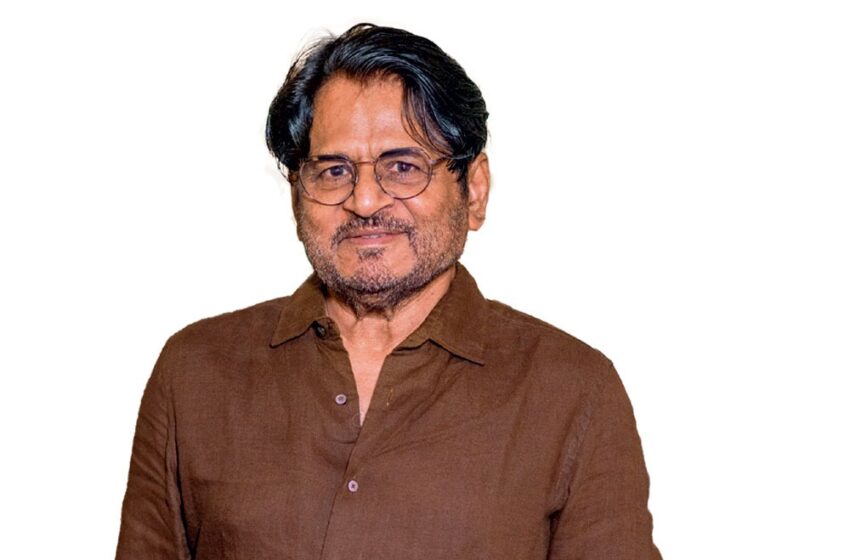
Raghubir Yadav: A Detailed Biography he was born on June 25, 1957, in Jabalpur, Madhya Pradesh, India, is a distinguished actor, music composer, singer, and set designer, renowned for his extensive contributions to Indian cinema, theatre, and television.
His journey from a small village to the national and international stage is a testament to his dedication, versatility, and passion for the performing arts.
Growing up in a modest farming family in a village near Jabalpur, Raghubir Yadav was immersed in rural life, assisting with agricultural activities. He attended a school established by his grandfather, where he developed an early interest in music and performance. He would play film songs on the gramophone and regularly practiced singing folk songs. The traditional performances of Ram Leela and Ras Leela in his village further ignited his passion for the arts. At the age of 15, apprehensive about his academic performance, Yadav left home to pursue his artistic aspirations.
Raghubir Yadav
Theatrical Beginnings
Raghubir Yadav’s initial foray into the performing arts began with the Parsi Theatre Company, where he worked from 1967 to 1973. During this period, he performed in over 70 plays and participated in approximately 2,500 shows, traveling across India and performing in various settings, from villages to cities. This experience honed his acting skills and deepened his understanding of diverse audiences. He also worked with the Rangoli Puppet Theatre in Lucknow from 1973 to 1974, showcasing his versatility by performing with glove puppets.
In 1977, Raghubir Yadav joined the National School of Drama (NSD) Repertory Company in New Delhi, one of India’s premier theatre institutions. Over the next decade, he acted in about 40 plays, totaling over 2,000 shows. His contributions extended beyond acting, as he also engaged in music composition, set design, costumes, and mask-making, reflecting his multifaceted talent and commitment to theatre.
Raghubir Yadav
Transition to Film
Raghubir Yadav made a remarkable transition to cinema with his debut in “Massey Sahib” (1985), where he played the titular role. His portrayal of Francis Massey, a clerk in colonial India, was met with critical acclaim, earning him two international awards: the FIPRESCI Critic’s Award at the Venice Film Festival in 1986 and the Silver Peacock for Best Actor at the 11th International Film Festival of India in 1987.
This debut established Yadav as a formidable actor capable of delivering nuanced performances.
Following “Massey Sahib,” Yadav appeared in several significant films that garnered international attention. Notably, three films featuring Yadav—”Salaam Bombay!” (1988), “Lagaan” (2001), and “Water” (2005)—were nominated for the Academy Award for Best Foreign Language Film. In “Salaam Bombay!”, he portrayed Chillum, a drug-addicted homeless man, delivering a performance that was both poignant and powerful.
In “Lagaan,” he played Bhura, a farmer, contributing to the film’s critical and commercial success. His role in “Water” further showcased his ability to adapt to diverse cinematic narratives.
Raghubir Yadav
Television and Wider Recognition
Raghubir Yadav’s versatility extended to television, where he became a household name with his role as Mungerilal in the series “Mungerilal Ke Haseen Sapne” (1988). The show, which aired on Doordarshan, depicted the escapades of a daydreaming clerk, resonating with audiences across India. He also portrayed the titular character in “Mullah Nasruddin” and brought to life the beloved comic character in the television adaptation of “Chacha Chaudhary,” further cementing his status in Indian popular culture.
Raghubir Yadav
Musical Contributions
Beyond acting, Raghubir Yadav is an accomplished singer and music composer. He has lent his voice to various film soundtracks, including “Maya Memsaab,” “Rudaali,” “Aasmaan Se Gira,” “O Darling Yeh Hai India,” “Samar,” “Sunday,” “Darna Mana Hai,” “Ramaji London Waale,” “Billu,” and “Delhi-6.” His song “Mehngai Dayain” from “Peepli Live” (2010) became particularly popular, reflecting societal issues through its satirical lyrics. Raghubir Yadav has also composed and sung for numerous advertisements, becoming the voice behind jingles for brands like Pepsi, Parle, Vim, Kotak Mahindra, and Britannia.
Raghubir Yadav
Recent Work and Accolades
In recent years, Yadav has continued to showcase his talent across various platforms. His performance in the Amazon Prime Video series “Panchayat” (2020)as Brij Bhushan Dubey, the village pradhan, received widespread acclaim for its authenticity and humor. This role earned him the Best Supporting Actor (Comedy Series) award at the 2020 Filmfare OTT Awards.
Raghubir Yadav
Personal Life
Raghubir Yadav’s personal life has seen its share of complexities. He married Poornima in 1988, an employee at NSD, but the couple separated in 1996. Post-separation, Yadav began a relationship with Roshni Achreja, known for her role as Ritu in Zee TV’s “Banegi Apni Baat.” These personal developments have occasionally attracted media attention, reflecting the challenges of balancing a public career with private life.
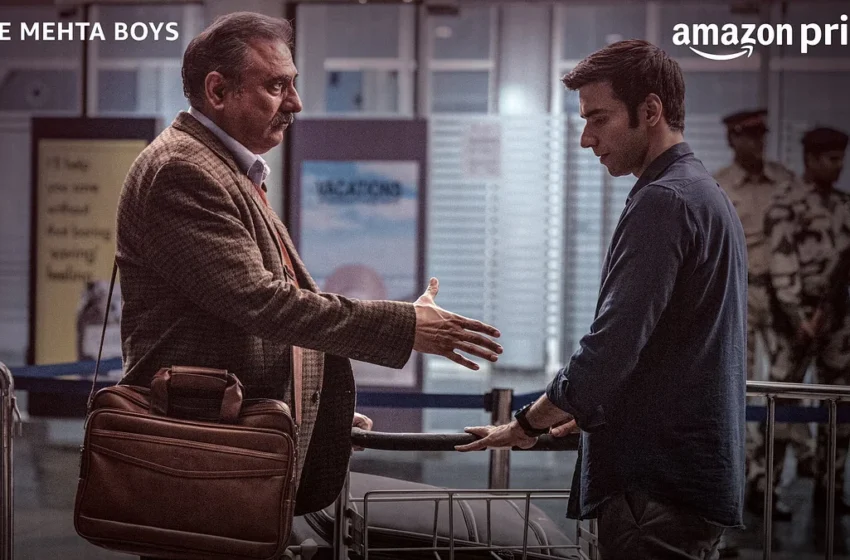
The Mehta boys: The Mehta boys is a 2025 Indian Hindi language drama movie. This released on February 7, 2025. This film talks about the trouble relations of a father and a son after the death of his wife. This film is full of twists and turns and an amazing set of drama.
Details on The Mehta boys?
Information of the director and writer. The actors in this movie.
This movie is directed by Boman Irani and this is written by Boman Irani and Alexander Dinelaris Jr. The film consists of some amazing actors like Boman Irani, Avinash Tiwary, Shreya Chaudhary, Puja Sarup, Harsh A. Singh and more.
Details on the plot and character of the movie?
Details on the plot and character of the movie?
The plot of the movie is after the death of a young architecture mother he is said to spend time with his father. Both of them do not have a really good relationship. The film is about an amazing journey of strain relationship between father and son and 48 hours of this duo. The Characters of the movie are as following – Boman Irani as Mr. Shiv Mehta, Avinash Tiwari as Amay Mehta, and Shreya Chaudhary as Zara.
Details on the plot and character of the movie?
What are the themes of this movie?
The theme of the Mehta boys is as follows: –
The Father and son dynamics.
Son seeking Independence.
Family dynamics.
Siblings bond.
And grief.
What are the themes of this movie?
Where can you watch it?
It was released on February 7, 2025 and the movie is available on Amazon Prime video.
Where can you watch it?
The reaction of audience on The Mehta boys.
The film has received many positive reviews from audiences and critics. People have praised the film by saying that directors have portrayed the performances, storytelling and attention to the details of every single-story line. The critics also commented that film consists of many littles and lovely movements that have made it a heart touching movie.
The reaction of audience on The Mehta boys.
Is there any Future season to this movie.
Till now there are no plans for any sequel of The Mehta Boys movie.