Author: Nimmi Chaudhary

  • India-Pakistan conflict : Operation Sindoor and the Shattered Ceasefire

    India-Pakistan conflict : Operation Sindoor and the Shattered Ceasefire

    The India-Pakistan conflict has once again thrust South Asia into a state of high alert, with a fragile ceasefire barely holding the line. The spark? A devastating terror attack on April 22, 2025, in Pahalgam, Kashmir, claiming 26 lives. What followed was a rapid escalation that has left the world watching anxiously.

    Operation Sindoor : India Strikes Back

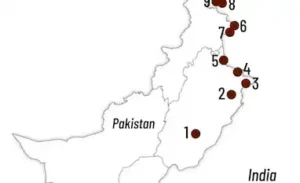
    On May 7, India launched Operation Sindoor, a bold military operation targeting terror infrastructure in Pakistan and Pakistan-occupied Kashmir (PoK). The strikes hit nine terror camps, including Jaish-e-Mohammad’s stronghold in Bahawalpur, eliminating 35-40 personnel. India’s message was clear: terrorism would face severe consequences. The operation was a direct response to the Pahalgam attack, which New Delhi attributed to Pakistan-backed groups.

    India-Pakistan conflict
    India-Pakistan conflict

    India-Pakistan conflict : Pakistan’s Retaliation

    Pakistan didn’t stay silent. On May 8-9, it launched missile and drone attacks on Indian military bases in Jammu, Udhampur, and Pathankot. Hundreds of Turkish drones, mostly unarmed, tested India’s defenses, with some capturing reconnaissance footage. India’s advanced systems—S-400, Akash, and Barak-8—neutralized the threat, but the provocation was unmistakable. The cost was heavy: two Indian soldiers, including Surendra Singh Moga and BSF Sub-Inspector Md Imteyaz, lost their lives, while Pakistan reported 26 civilian deaths from India’s strikes.

    A Fragile Ceasefire

    On May 10, a U.S.-mediated ceasefire brought a temporary pause. But peace was short-lived. By May 11, explosions rocked Srinagar and Jammu, and India accused Pakistan of deploying drones in Barmer, Rajasthan. Pakistan, in turn, claimed India violated the truce. Both nations remain on edge, with India demanding terrorists like Masood Azhar and Hafiz Saeed be handed over, while Pakistan’s troop movements to forward areas hint at further escalation.

    India-Pakistan conflict
    India-Pakistan conflict

    Beyond the Battlefield

    The conflict’s ripples extend far beyond military clashes. India suspended the Indus Waters Treaty, briefly halting water flow from the Baglihar dam, a move with severe implications for Pakistan. Both nations expelled diplomats, canceled visas, and suspended trade. Pakistan closed its airspace, and India abstained from supporting a $1 billion IMF bailout for Pakistan, citing its terrorism links. The human toll is stark: blackouts hit Indian-administered Kashmir, the Indian Premier League paused for a week, and Pakistan’s Twenty20 league was postponed indefinitely.

    The Road Ahead

    The India-Pakistan conflict is a stark reminder of deep-rooted tensions, fueled by decades of mistrust and unresolved issues like Kashmir. The ceasefire, brokered with U.S. and Saudi involvement, hangs by a thread. Social media buzzes with reports of diplomatic fallout and troop movements, though misinformation—like false claims of Imran Khan’s death—clouds the narrative.

    The ceasefire, brokered with U.S. and Saudi involvement
    The ceasefire, brokered with U.S. and Saudi involvement

    Also Read This : Meet Flight Lieutenant Shivangi Singh : India’s Trailblazing Rafale Pilot

    As both nations stand at a crossroads, the world hopes for de-escalation. But with mutual accusations and no clear path to dialogue, the risk of renewed conflict looms large. What’s next for India and Pakistan? Only time will tell.


  • Famous Foods of Delhi : A Culinary Journey Through the Capital

    Famous Foods of Delhi : A Culinary Journey Through the Capital

    Famous foods of Delhi : Delhi, India’s vibrant capital, is a food lover’s paradise, blending rich Mughlai traditions, zesty street eats, and modern fusion flavors. From the bustling lanes of Chandni Chowk to the chic cafes of Khan Market, the city’s culinary scene is a tapestry of taste. This guide explores the famous foods of Delhi in 2025, highlighting must-try dishes, iconic eateries, and tips to savor the best. Perfect for foodies and travelers, this SEO-friendly blog targets keywords like “Delhi famous food,” “best street food in Delhi,” and “Delhi food guide 2025” to boost discoverability.

    Famous foods of Delhi

    1. Chole Bhature: The Heart of Delhi’s Breakfast

    Why It’s Famous: A quintessential Delhi dish, Chole Bhature pairs spicy chickpea curry (chole) with fluffy, deep-fried bread (bhature). Its tangy and hearty flavors make it a breakfast staple.
    Where to Try:

    • Sita Ram Diwan Chand in Paharganj for authentic, no-frills chole bhature.
    • Bikanervala in Karol Bagh for a cleaner, family-friendly vibe.
      Pro Tip: Pair with lassi or tangy pickle for the full experience. Search “best chole bhature in Delhi” to find local gems.
    Famous Foods of Delhi
    Famous foods of Delhi

    2. Paranthe: Stuffed Flatbreads with Endless Variety

    Why It’s Famous: Paranthe, crispy stuffed flatbreads, come with fillings like potato, paneer, or even keema. The iconic Paranthe Wali Gali in Chandni Chowk is a pilgrimage for paratha lovers.
    Where to Try:

    • Pt. Kanhaiyalal Durga Prasad Dixit in Chandni Chowk for over 50 varieties.
    • Moolchand Parantha for late-night cravings.
      Pro Tip: Enjoy with butter, curd, and mint chutney. Look up “Paranthe Wali Gali menu” for inspiration.
    Famous Foods of Delhi
    Famous Foods of Delhi

    3. Momos: Delhi’s Favorite Street Snack

    Why It’s Famous: These Tibetan dumplings, steamed or fried, have won Delhiites’ hearts. Available in veg, chicken, or paneer, they’re served with fiery red chutney.
    Where to Try:

    • Dolma Aunty Momos in Lajpat Nagar for pocket-friendly, authentic flavors.
    • Yashwant Place Momo Market for variety.
      Pro Tip: Try tandoori momos for a smoky twist. Search “best momos in Delhi 2025” for trending spots.
    Famous Foods of Delhi
    Famous Foods of Delhi

    4. Nihari: A Mughlai Masterpiece

    Why It’s Famous: This slow-cooked lamb or beef stew, simmered overnight with spices, is a winter favorite. Its rich, aromatic gravy pairs perfectly with khameeri roti.
    Where to Try:

    • Karim’s near Jama Masjid for legendary Mughlai nihari.
    • Al Jawahar in Old Delhi for a less crowded alternative.
      Pro Tip: Garnish with ginger juliennes and lime. Use “Delhi nihari recipe” to recreate at home.
    Famous Foods of Delhi
    Famous Foods of Delhi

    5. Chaat: The Zesty Street Food Star

    Why It’s Famous: Delhi’s chaat—think golgappe, aloo tikki, and dahi bhalle—is a burst of sweet, spicy, and tangy flavors. It’s the ultimate street food experience.
    Where to Try:

    • Natraj Dahi Bhalle in Chandni Chowk for crispy aloo tikki.
    • Bishan Swaroop Chaat for fruit-based chaat.
      Pro Tip: Visit in the evening for the freshest chaat. Search “Delhi street food chaat” for top recommendations.
    Famous Foods of Delhi
    Famous Foods of Delhi

    6. Butter Chicken: Creamy Comfort Food

    Why It’s Famous: This creamy, tomato-based curry with tender chicken is a global ambassador of Delhi’s Mughlai cuisine.
    Where to Try:

    • Moti Mahal in Daryaganj, credited with inventing butter chicken.
    • Kake Da Hotel in Connaught Place for a budget-friendly version.
      Pro Tip: Pair with naan or jeera rice. Look up “best butter chicken in Delhi” for updated reviews.
    Famous Foods of Delhi
    Famous Foods of Delhi

    7. Kulfi: The Perfect Sweet Ending

    Why It’s Famous: Delhi’s creamy, frozen dessert, often flavored with saffron or pistachio, is a refreshing treat year-round.
    Where to Try:

    • Roshan Di Kulfi in Karol Bagh for classic falooda-kulfi.
    • Kuremal Mohan Lal Kulfiwale in Chawri Bazaar for unique flavors like jamun.
      Pro Tip: Try mango kulfi in summer. Search “Delhi kulfi shops” for hidden spots.
    Famous Foods of Delhi
    Famous Foods of Delhi

    Why Delhi’s Food Scene Stands Out in 2025

    Delhi’s cuisine reflects its history as a cultural melting pot. From Nawabi Mughlai dishes to Tibetan momos and Punjabi chole, the city offers unmatched diversity. In 2025, food festivals, pop-up cafes, and fusion eateries are trending, making it a hotspot for food bloggers and travelers. Follow Instagram accounts like @zingyzest or @delhifoodnerd for real-time updates on new joints.

    Tips for Exploring Delhi’s Food

    • Timing: Visit Chandni Chowk early morning for fresh breakfast or evenings for lively street food stalls.
    • Hygiene: Stick to busy vendors with high turnover for safer street food.
    • Budget: Most street eats cost ₹50-150, while restaurant mains range from ₹300-800.
    • Locations: Key food hubs include Old Delhi, Lajpat Nagar, Kamla Nagar, and Connaught Place.

    Also Read This : Colonel Sofiya Qureshi : Trailblazing Indian Army Officer, Peacekeeper, and Hero of Operation Sindoor

    Ready to dive into Delhi’s food scene? Share your favorite Delhi dish in the comments or tag us with your foodie adventures on Instagram! For more guides, check out our posts on Lucknow’s famous foods or Gorakhpur’s culinary gems. Subscribe for the latest food trends in 2025!

  • Colonel Sofiya Qureshi : Trailblazing Indian Army Officer, Peacekeeper, and Hero of Operation Sindoor

    Colonel Sofiya Qureshi : Trailblazing Indian Army Officer, Peacekeeper, and Hero of Operation Sindoor

    Born in 1974 in Vadodara, Gujarat, Colonel Sofiya Qureshi grew up in a family steeped in military tradition. Her grandfather and father, Taj Mohammad, served in the Indian Army, instilling in her a sense of duty and patriotism. Raised with secular values, Sofiya traces her lineage to a great-grandmother who fought alongside Rani Laxmibai in the 1857 revolt. She and her twin sister, Shyna Sunsara, were educated at Kendriya Vidyalaya, EME, in Vadodara. Sofiya excelled academically, earning a B.Sc. in Chemistry and an M.Sc. in Biochemistry from Maharaja Sayajirao University (MSU), Baroda. She briefly worked as an assistant lecturer at MSU and was enrolled in a Ph.D. program before choosing a military career, inspired by her grandmother’s stories of valor.

    Military Career (1999–Present)

    Colonel Sofiya Qureshi joined the Indian Army in 1999 through the Officers Training Academy (OTA) in Chennai, commissioned into the Corps of Signals. Her career spans over two decades, marked by pioneering leadership, operational excellence, and contributions to peacekeeping.

    • Early Service and Operations: As a young officer, Sofiya earned commendations for her role in counter-insurgency operations on the Punjab border during Operation Parakram (2001–2002), a tense military standoff following the Parliament attack. She also provided critical communication support during flood relief operations in Northeast India, showcasing her versatility.
    • UN Peacekeeping Mission (2006): Sofiya served as a military observer in the United Nations Peacekeeping Mission in the Democratic Republic of Congo. Over her six-plus years in peacekeeping roles, she contributed to ceasefire monitoring, humanitarian aid, and protecting vulnerable populations, particularly women and children. A notable act was reuniting a missing Congolese child with her family, earning local admiration.
    • Historic Leadership (2016): In 2016, as a Lieutenant Colonel, Sofiya made history as the first Indian woman officer to lead a 40-member Indian Army contingent at Exercise Force 18, a multinational military exercise in Pune involving ASEAN Plus countries. As the only female contingent commander among 18 nations, she earned praise from then-Lt. Gen. Bipin Rawat for her strategic acumen and leadership.
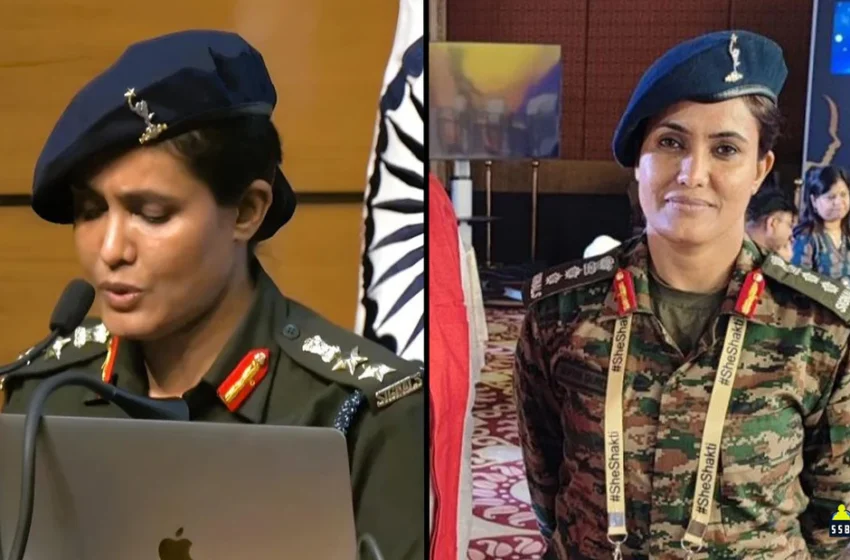
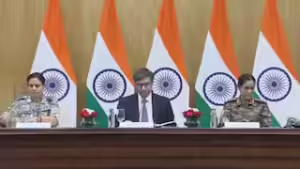
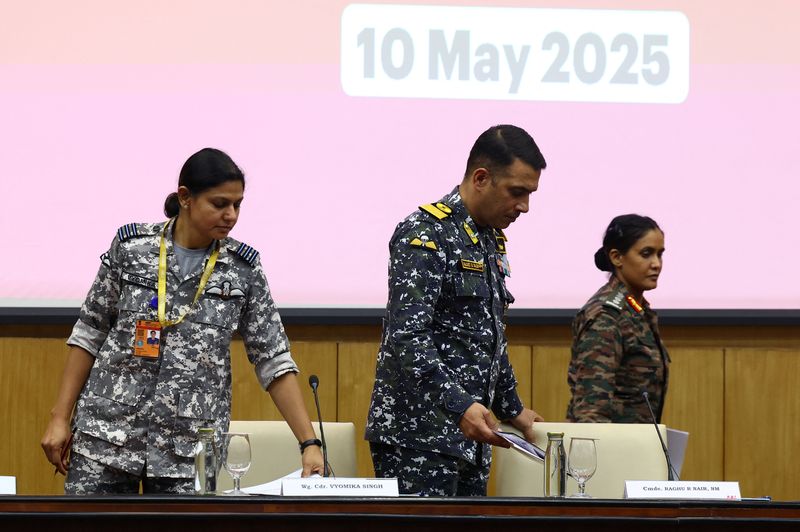
    • Operation Sindoor (2025): Promoted to Colonel, Sofiya gained national prominence for leading the media briefing alongside Wing Commander Vyomika Singh and Foreign Secretary Vikram Misri after India’s precision strikes on nine terrorist hideouts in Pakistan and Pakistan-occupied Kashmir. The operation, a response to the April 22, 2025, Pahalgam terror attack, was a success, and Sofiya’s articulate briefing emphasized justice for victims and countered Pakistani misinformation.
    Colonel Sofiya Qureshi
    Colonel Sofiya Qureshi

    Colonel Sofiya Qureshi : Personal Life

    Colonel Sofiya Qureshi is married to Colonel Tajuddin Bagewadi, an officer in the Mechanised Infantry from Konnur village, Belagavi, Karnataka. The couple met while serving in Jhansi and married in 2015. They have a son, Sameer, who is preparing to join the Air Force. Her twin sister, Shyna Sunsara, is a model and film producer in Mumbai. Sofiya’s family emphasizes unity and service, with her father stating, “We are first Indians and then Hindus or Muslims.” Despite her public profile, Sofiya maintains privacy, and fake social media accounts claiming to be hers have been debunked.

    Colonel Sofiya Qureshi
    Colonel Sofiya Qureshi

    Legacy and Public Perception

    Colonel Sofiya Qureshi is celebrated as a trailblazer for women in the Indian armed forces, embodying gender equality in high-stakes roles. Her leadership in Operation Sindoor and Exercise Force 18 has made her a household name, particularly in Vadodara and Belagavi, where she is honored as a local hero. However, some critiques highlight the use of her image to bolster nationalist narratives, occasionally overshadowing broader conflict-related issues. Her calm, authoritative presence and dedication to service continue to inspire, cementing her as a symbol of resilience and empowerment.

    Also Read This: Meet Flight Lieutenant Shivangi Singh : India’s Trailblazing Rafale Pilot

  • Happy Mothers Day 2025 Wishes Quotes

    Happy Mothers Day 2025 Wishes Quotes

    Below is a collection of heartfelt, original Happy Mothers Day 2025 wishes and quotes to celebrate and honor mothers and maternal figures on Sunday, May 11, 2025. These are designed to be versatile for cards, social media, or personal messages, with a warm, inclusive tone that resonates across cultures, including Indian audiences, given your prior interest in India-related topics. Each quote is concise, emotional, and suitable for various contexts.

    Mother’s Day 2025
    Happy Mothers Day 2025

    Happy Mothers Day 2025 Wishes

    1. Dear Mom, your love is my safe haven, today and always. Happy Mother’s Day 2025—may your heart be as full as you make mine!
    2. To the woman who taught me strength and kindness, Happy Mother’s Day 2025. Your light shines in everything I do.
    3. Maa, your hugs are my home, and your wisdom my guide. Wishing you a joyful Mother’s Day 2025!
    4. Happy Mother’s Day 2025 to my incredible mom—thank you for every sacrifice, every laugh, and every lesson that shapes my world.
    5. To my grandmother, my second mom, your stories and love are my treasures. Here’s to you on Mother’s Day 2025!
    6. Dear Mom-in-Law, your warmth and care make our family whole. Wishing you a beautiful Mother’s Day 2025!
    7. To the new moms shining through sleepless nights, Happy Mother’s Day 2025—your love is already changing the world.
    8. Maa, your prayers and laddoos make life sweeter. May Mother’s Day 2025 bring you all the joy you give me!
    Mother’s Day 2025
    Happy Mothers Day 2025

    Mother’s Day 2025 Quotes

    1. “A mother’s love is the heartbeat of a family, steady and endless.”
    2. “In her smile, we find courage; in her arms, we find home.”
    3. “Mothers weave love into every moment, stitching our lives with care.”
    4. “Her strength is silent, her love is loud, and her legacy is forever.”
    5. “A mother’s heart holds the past, present, and future in every beat.”
    6. “From her sari’s pallu to her warm embrace, a mother’s love is eternal comfort.”
    7. “Mothers don’t just raise us—they plant the dreams we grow into.”
    8. “Her love is the compass that guides us, even when we wander far.”
    Happy Mother’s Day 2025
    Happy Mothers Day 2025

    Usage Ideas

    • Cards: Pair a wish like “Dear Mom, your love is my safe haven…” with a handwritten note for a personal touch.
    • Social Media: Use a quote like “A mother’s love is the heartbeat of a family…” with a photo of you and your mom for an Instagram or X post.
    • Speeches/Toasts: Open with “Her strength is silent, her love is loud…” to set an emotional tone at a Mother’s Day brunch.
    • Cultural Touch: Wishes like “Maa, your prayers and laddoos…” resonate with Indian audiences, evoking nostalgia and warmth.
    • For Grief: Pair a quote like “A mother’s heart holds the past, present, and future…” with a tribute for those honoring late mothers.

    Also Read This: India-Pakistan conflict

  • Meet Flight Lieutenant Shivangi Singh : India’s Trailblazing Rafale Pilot

    Meet Flight Lieutenant Shivangi Singh : India’s Trailblazing Rafale Pilot

    Flight Lieutenant Shivangi Singh, born in 1995 in Phulwariya, Varanasi, Uttar Pradesh, is the first and only woman pilot to fly India’s Rafale fighter jet. Growing up in a modest family, with her father Kumareshwar Singh running a tours and travels business and her mother Seema Singh working as a teacher, Shivangi’s passion for aviation was sparked early. Visits to the Indian Air Force Museum in Delhi with her maternal grandfather, a retired Army colonel, fueled her dream of flying. A graduate of Banaras Hindu University, she joined the 7 UP Air Squadron NCC, setting the stage for her Air Force career.

    Breaking Barriers in the Indian Air Force

    Commissioned into the Indian Air Force (IAF) in December 2017 as part of its second batch of women fighter pilots, Shivangi initially flew the MiG-21 Bison, a challenging aircraft requiring exceptional piloting skills. Stationed at a Rajasthan border base, she trained alongside Wing Commander Abhinandan Varthaman, a national hero known for downing a Pakistani F-16 in 2019. In 2020, after rigorous conversion training, Shivangi was selected to pilot the Rafale, joining the 17 Squadron “Golden Arrows” in Ambala, Punjab. Her selection marked a historic milestone as the first woman to fly India’s advanced multi-role fighter jet.

    Achievements and Recognition

    Flight Lieutenant Shivangi Singh career is studded with firsts. In 2022, she became the second woman fighter pilot to feature in the IAF’s Republic Day tableau, showcasing the Rafale alongside other advanced aircraft. In 2023, she participated in Exercise Orion in France, the IAF’s first overseas deployment of Rafale jets, earning praise for her skill in multinational wargames. She has also flown missions over eastern Ladakh amid tensions with China, demonstrating the Rafale’s reliability in high-stakes operations. Known as “Rafale Rani,” Shivangi’s journey culminated in her leading the IAF tableau at the 2022 Republic Day parade.

    Flight Lieutenant Shivangi Singh
    Flight Lieutenant Shivangi Singh

    Role in Operation Sindoor

    During the ongoing India-Pakistan tensions under Operation Sindoor, sparked by a terror attack in Pahalgam on April 22, 2025, Shivangi’s expertise as a Rafale pilot has been critical. With the IAF on high alert, her role in the Golden Arrows squadron underscores India’s aerial dominance, particularly in countering Pakistani missile and drone attacks. Her experience in high-intensity missions positions her as a key asset in maintaining air superiority.
    Also Read This: India-Pakistan Tensions Escalate Under Operation Sindoor

    Vision and Impact

    Lieutenant  Shivangi Singh aspires to become an astronaut, eyeing ISRO’s upcoming manned space mission. In interviews, she emphasizes gender equality in the IAF, noting that training and responsibilities are identical for men and women. “I succeeded in a field long reserved for men, and if I can do it, anyone can,” she told AFP. Her story inspires countless young women, proving that determination and skill can shatter glass ceilings. Shivangi’s message to aspiring pilots is clear: “Believe in yourself and dream big.”

  • India-Pakistan Tensions Escalate Under Operation Sindoor

    India-Pakistan Tensions Escalate Under Operation Sindoor

    Operation Sindoor : On April 22, 2025, a horrific terror attack in Pahalgam, Jammu and Kashmir, claimed the lives of 26 civilians, igniting a fresh wave of conflict between India and Pakistan. The attack, attributed to Pakistan-based terror group Jaish-e-Mohammad, prompted India to launch Operation Sindoor, a series of precision airstrikes targeting terror infrastructure across the border. This blog explores the unfolding crisis, its implications, and the delicate balance of power in the region.


    View this post on Instagram


    A post shared by AVSPOST (@avspost)

    `

    Operation Sindoor: India’s Decisive Response

    India’s military response was swift and calculated. Airstrikes hit nine terror launchpads in Pakistan and Pakistan-occupied Kashmir (PoK), neutralizing key Jaish-e-Mohammad operatives, including Abdul Rauf Azhar, a notorious figure linked to the IC-814 hijacking and the 2019 Pulwama attack. The Indian Air Force, leveraging advanced intelligence, ensured minimal collateral damage while crippling terror networks. The operation underscored India’s zero-tolerance policy toward cross-border terrorism, with the government emphasizing its right to self-defense.

    Pakistan’s Retaliation and India’s Defense

    Pakistan retaliated aggressively, launching missiles and drones targeting military installations in 15 Indian cities across Jammu, Punjab, Gujarat, and Rajasthan. However, India’s state-of-the-art S-400 air defense system proved formidable, intercepting missiles and downing drones with precision. A significant blow came when Indian forces shot down a Pakistani F-16 jet near Sargodha and disabled Pakistan’s air defense radar in Lahore. These actions highlighted India’s technological and strategic superiority, though the human cost of the conflict remains a grim reality.

    India-Pakistan Tensions : operation sindoor
    India-Pakistan Tensions : operation sindoor

    The Human and Strategic Toll

    The escalation has not been without loss. At least 16 civilians, including women and children, and one Indian soldier have been killed in the crossfire. Blackouts have been enforced in border states, and 24 airports in northern India are closed, disrupting over 400 flights. The Indian government has banned live media coverage of military operations to curb panic and misinformation, while security measures have been tightened nationwide. On the Pakistani side, unverified reports suggest heavy casualties, adding to the regional instability.

    A Call for De-escalation

    The international community has responded with urgency. U.S. Secretary of State Marco Rubio has engaged both nations, urging restraint and dialogue. Former U.S. President Donald Trump described the conflict as a “tit-for-tat” cycle, expressing hope for resolution. Domestically, voices like PDP leader Mehbooba Mufti have called for diplomacy over military action, emphasizing the suffering in Jammu and Kashmir. The situation remains volatile, with the Indian Air Force on high alert and Pakistan signaling readiness for further retaliation.

    Also Read This: India-Pakistan conflict 

    Looking Ahead

    As tensions simmer, the India-Pakistan conflict under Operation Sindoor serves as a stark reminder of the fragile peace in South Asia. While India’s military prowess has sent a strong message, the path to lasting stability lies in addressing the root causes of terrorism and fostering diplomatic engagement. For now, the region holds its breath, hoping cooler heads prevail in this high-stakes standoff.

  • SBI Recruitment 2025 : 18,000 Officer Jobs in FY26, Biggest Hiring in a Decade

    SBI Recruitment 2025 : 18,000 Officer Jobs in FY26, Biggest Hiring in a Decade

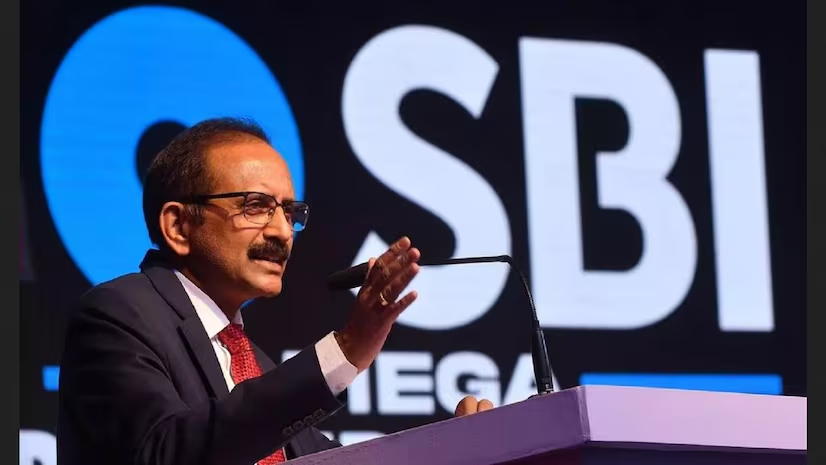
     SBI Recruitment 2025 : The State Bank of India (SBI), the country’s largest public sector bank, has announced its most ambitious recruitment drive in a decade, set to hire 18,000 personnel in FY26 (2025–2026). This landmark initiative, revealed by SBI Chairman CS Setty, aims to bolster the bank’s workforce, enhance its technological capabilities, and support its tech-driven transformation. With roles spanning clerical staff, probationary officers, local bank officers, and system officers, this recruitment offers unparalleled opportunities for banking and tech professionals. This SEO-friendly blog dives into the details of SBI’s hiring plan, its significance, and how aspiring candidates can prepare, optimized for keywords like “SBI recruitment 2025,” “SBI officer jobs FY26,” and “SBI hiring 2025.”

    Breakdown of SBI’s 18,000 Vacancies

     SBI Recruitment 2025 : SBI’s FY26 recruitment drive is designed to address diverse operational needs, from core banking to cutting-edge technology. Here’s the breakdown of the vacancies:

    • Clerical Staff: 13,500–14,000 positions to support branch operations and customer service.
    • Probationary Officers (POs) and Local Bank Officers (LBOs): 3,000 roles for leadership and managerial functions.
    • System Officers: 1,600 specialized tech positions to strengthen digital banking infrastructure.

    This hiring spree, the largest in a decade, reflects SBI’s strategic focus on scaling its workforce to meet growing customer demands and advancing its digital transformation.

     SBI Recruitment 2025
    SBI Recruitment 2025

    Why This Recruitment Matters

    SBI’s massive hiring plan is a game-changer for job seekers and the banking sector. Here’s why it stands out:

    • Unprecedented Scale: The 18,000 vacancies mark SBI’s biggest recruitment drive in 10 years, offering opportunities for fresh graduates and experienced professionals alike.
    • Tech-Driven Focus: The inclusion of 1,600 system officers highlights SBI’s commitment to digital banking, with 98% of customer transactions now conducted through alternate channels like the YONO platform, which boasts over 8.77 crore users.
    • Economic Impact: With a balance sheet exceeding ₹66 trillion and a network of 22,937 branches, SBI’s hiring will boost employment and support India’s financial ecosystem.
    • Diverse Opportunities: From clerical roles to specialized tech positions like data scientists and network operators, the recruitment caters to varied skill sets.

     SBI Recruitment 2025 : Key Roles and Responsibilities

    Each category of SBI’s FY26 recruitment targets specific functions:

    1. Clerical Staff: Handle day-to-day banking operations, customer interactions, and administrative tasks. Ideal for graduates seeking stable, entry-level roles.
      • Salary: Starting at ~₹46,000/month in metro cities like Mumbai, including allowances.
    2. Probationary Officers (POs): Train for leadership roles, managing branches, and driving business growth.
      • Salary: ₹8.2–13.08 LPA, with additional perks like HRA and medical benefits.
    3. Local Bank Officers (LBOs): Focus on regional banking operations, ensuring localized customer service.
      • Salary: Similar to POs, with location-based allowances.
    4. System Officers: Develop and maintain SBI’s tech infrastructure, including digital platforms and cybersecurity systems.
      • Salary: Competitive, often exceeding ₹10 LPA for specialized roles.

    Why SBI Is Investing in Talent

    SBI’s recruitment aligns with its broader vision of becoming a tech-driven banking leader. Key drivers include:

    • Digital Transformation: Investments in platforms like YONO and a focus on hiring tech talent signal SBI’s shift toward seamless digital services.
    • Operational Growth: With deposits over ₹53 lakh crore and advances surpassing ₹42 lakh crore in FY25, SBI needs a robust workforce to sustain its growth.
    • Specialized Roles: The bank is recruiting for niche positions like data scientists and data architects to enhance analytics and customer experience.
    • Financial Strength: SBI’s FY25 operating profit crossed ₹1 lakh crore, enabling significant investments in human capital.
    SBI Recruitment 2025
    SBI Recruitment 2025

    How to Prepare for SBI Recruitment 2025–26

    Aspiring candidates can position themselves for success with these tips:

    • Eligibility Check:
      • Clerical Staff: Graduate degree, age typically 20–28 years.
      • POs/LBOs: Graduate degree, age 21–30 years.
      • System Officers: Engineering/IT degrees, relevant certifications (e.g., AWS, Cisco).
    • Skill Development:
      • For clerical/PO roles: Focus on quantitative aptitude, reasoning, English, and banking awareness.
      • For system officers: Learn coding (Python, Java), cloud computing, and cybersecurity basics.
    • Exam Preparation: SBI exams test general knowledge, data analysis, and role-specific skills. Practice mock tests and review past question papers.
    • Stay Updated: Monitor SBI’s official career portal for notifications, expected to roll out in 2025.
    • Networking: Engage with banking professionals on social platforms to gain insights into the selection process.

    Challenges and Opportunities

    While SBI’s recruitment drive is a golden opportunity, candidates should be aware of:

    • High Competition: With thousands applying, rigorous preparation is essential to stand out.
    • Tech Skills Gap: System officer roles require specialized skills, so upskilling in IT is critical.
    • Training Period: Clerical staff undergo six months of training, while POs face a probationary period with intensive learning.

    On the flip side, SBI offers job security, attractive salaries, and growth prospects, making it a top choice for career aspirants.

    Also Read This : Top 5 High-Demand Jobs in India for 2025-2030 : Your Career Guide

    A Golden Opportunity Awaits

    SBI’s plan to hire 18,000 personnel in FY26 is a historic milestone, opening doors for thousands of job seekers in India’s banking sector. Whether you’re a fresh graduate eyeing a clerical role, a professional aiming for a PO position, or a tech enthusiast targeting system officer jobs, this recruitment drive offers a chance to join a prestigious institution shaping India’s financial future. Start preparing now to seize this once-in-a-decade opportunity.

  • Top 5 High-Demand Jobs in India for 2025-2030 : Your Career Guide

    Top 5 High-Demand Jobs in India for 2025-2030 : Your Career Guide

    Top 5 High-Demand Jobs in India

    India’s job market is evolving rapidly, driven by technology, sustainability, and healthcare advancements. As industries like AI, green energy, and telemedicine expand, new career opportunities are emerging with high earning potential and long-term stability. This blog explores the top five high-demand jobs in India for 2025–2030, backed by industry trends and data, to help you plan your career. Optimized for keywords like “high-demand jobs India 2025,” “future careers India,” and “Top 5 High-Demand Jobs in India,” this guide is your roadmap to the most promising roles.

    Top 5 High-Demand Jobs in India

    1. AI/ML Engineer: Shaping the Future of Technology

    Why It’s Booming: Artificial Intelligence (AI) and Machine Learning (ML) are transforming industries like finance, retail, and healthcare. With India’s AI market projected to grow at a 20% CAGR, reaching $6.26 billion by 2024, AI/ML engineers are in high demand.
    What They Do: Build AI models, develop algorithms, and create systems for automation and predictive analytics.
    Skills Needed: Python, TensorFlow, deep learning, natural language processing (NLP).
    Salary Range: ₹8–25 LPA (entry to mid-level); senior roles up to ₹50 LPA.
    Industries: IT, e-commerce, banking, healthcare.
    Career Tip: Master tools like PyTorch and stay updated on AI advancements to stand out.

    Top 5 High-Demand Jobs in India
    Top 5 High-Demand Jobs in India

    2. Cybersecurity Analyst: Protecting the Digital World

    Why It’s Booming: Rising cyber threats and digital transformation have made cybersecurity critical. With businesses prioritizing data protection, cybersecurity roles are growing at 12% annually through 2027.
    What They Do: Monitor networks, conduct threat assessments, and implement security measures to prevent data breaches.
    Skills Needed: Ethical hacking, network security, tools like Splunk, certifications like CEH or CISSP.
    Salary Range: ₹4–12 LPA (entry-level); ₹12–20 LPA with experience.
    Industries: IT, BFSI, government, healthcare.
    Career Tip: Gain hands-on experience through bug bounty programs or cybersecurity simulations.

    Top 5 High-Demand Jobs in India
    Top 5 High-Demand Jobs in India

    3. Data Scientist : Unlocking Insights from Big Data

    Why It’s Booming: Companies rely on data to drive decisions, yet India faces a shortage of skilled data scientists. The role offers premium salaries, with entry-level positions averaging ₹11.8 LPA in global capability centers (GCCs).
    What They Do: Analyze datasets, build predictive models, and create visualizations to solve business challenges.
    Skills Needed: Python, R, SQL, machine learning, data visualization (e.g., Tableau).
    Salary Range: ₹5.7–12.75 LPA (entry to mid-level); senior roles up to ₹30 LPA.
    Industries: IT, finance, e-commerce, healthcare.
    Career Tip: Build a portfolio of data projects to showcase your analytical skills.

    Top 5 High-Demand Jobs in India
    Top 5 High-Demand Jobs in India

    4. Sustainability Analyst : Building a Greener Future

    Why It’s Booming: India’s commitment to 50% renewable energy by 2030 and corporate ESG (Environmental, Social, Governance) goals are driving demand for sustainability experts. Climate-focused roles are reshaping industries, with 47% of employers prioritizing green initiatives by 2030.
    What They Do: Advise on eco-friendly practices, assess carbon footprints, and ensure compliance with environmental regulations.
    Skills Needed: ESG frameworks, sustainability reporting, knowledge of renewable energy policies.
    Salary Range: ₹6–15 LPA (entry to mid-level); senior roles up to ₹25 LPA.
    Industries: Energy, manufacturing, real estate, consulting.
    Career Tip: Stay informed about global sustainability standards like GRI to boost credibility.

    Top 5 High-Demand Jobs in India
    Top 5 High-Demand Jobs in India

    5. Telemedicine Specialist: Revolutionizing Healthcare

    Why It’s Booming: The telemedicine market is surging due to increased digital health adoption and the need for accessible healthcare in rural areas. Healthcare roles, including telemedicine, are among India’s fastest-growing, with strong demand through 2030.
    What They Do: Deliver remote consultations, diagnose patients via telehealth platforms, and manage care plans.
    Skills Needed: Medical expertise, proficiency in telehealth tools, strong communication.
    Salary Range: ₹5–15 LPA (entry to mid-level); specialists up to ₹30 LPA.
    Industries: Healthcare, healthtech, hospitals.
    Career Tip: Develop empathy and tech fluency to excel in patient interactions.

    Top 5 High-Demand Jobs in India
    Top 5 High-Demand Jobs in India

    Why These Jobs Are Future-Proof

    These roles align with India’s key growth drivers:

    • Technology: AI, cybersecurity, and data science fuel digital transformation across sectors.
    • Sustainability: Green policies and corporate responsibility create new opportunities.
    • Healthcare: An aging population and digital health expansion ensure steady demand.

    Data Insights:

    • Technology roles dominate hiring, with AI and data science leading LinkedIn’s 2025 Jobs on the Rise list.
    • Sustainability and healthcare are emerging fast, reflecting global priorities like climate action and universal healthcare.
    • Salaries for these roles are 20–30% above average, with strong growth potential.
    Top 5 High-Demand Jobs in India
    Top 5 High-Demand Jobs in India

    How to Prepare for These Careers

    • Upskill: Enroll in online courses for AI (Python, ML), cybersecurity (ethical hacking), or sustainability (ESG certifications).
    • Certifications: Pursue AWS for AI, CEH for cybersecurity, or GRI for sustainability.
    • Networking: Join industry forums or events in tech hubs like Bengaluru and Hyderabad.
    • Portfolio: Showcase projects (e.g., AI models, data dashboards) to attract employers.
      SEO Tip: Search “best courses for AI jobs India” or “sustainability certifications 2025” for learning resources.

     Seize the Opportunity

    The next five years offer immense potential for careers in AI, cybersecurity, data science, sustainability, and telemedicine. These high-demand jobs in India combine innovation, impact, and lucrative salaries, making them ideal for ambitious professionals. Start upskilling today to secure your place in India’s future workforce.

    Also Read This : Operation Sindoor : India’s Precision Strike Against Terror After Pahalgam Attack

    Top 5 High-Demand Jobs in India : Which of these careers excites you most? Share your thoughts in the comments or tell us your dream job for 2030! Stay tuned for more career guides and industry insights.

  • Operation Sindoor : India’s Precision Strike Against Terror After Pahalgam Attack

    Operation Sindoor : India’s Precision Strike Against Terror After Pahalgam Attack

    Operation Sindoor was a series of pre-dawn precision military strikes conducted by the Indian Armed Forces on May 7, 2025, targeting nine terrorist infrastructure sites in Pakistan and Pakistan-occupied Jammu and Kashmir (PoK). The operation was a retaliatory response to the Pahalgam terror attack on April 22, 2025, which killed 25 Indians and one Nepali citizen, including newlywed men singled out based on their religion. The strikes were executed jointly by the Indian Army, Navy, and Air Force, marking the first time since the 1971 war that all three services collaborated against Pakistan in such a manner.

    Operation Sindoor

    Operation Sindoor : Key Details

    • Objective: Neutralize terror camps linked to groups like Jaish-e-Mohammed (JeM), Lashkar-e-Taiba (LeT), and Hizbul Mujahideen, which were planning and directing attacks against India. Specific targets included JeM’s headquarters in Bahawalpur and LeT’s base in Muridke.
    • Execution: The operation used precision weapons, including beyond-visual-range and standoff cruise missiles, ensuring no Pakistani military facilities were hit to maintain a non-escalatory approach. The strikes were described as “focused, measured, and restrained” by the Indian Ministry of Defence.
    • Locations: Nine sites were targeted, including Markaz Subhan Allah (Bahawalpur, JeM), Markaz Taiba (Muridke, LeT), and others in Gulpur, Bhimber, Chak Amru, Bagh, Kotli, Sialkot, and Muzaffarabad.
    • Significance of the Name: “Sindoor” (vermilion) holds cultural significance in Hinduism, symbolizing the marital bond of Hindu women and the warrior spirit (as a tilak worn by warriors). The name was chosen to humanize the victims of the Pahalgam attack, particularly referencing the loss of newlywed men, whose widows, like Himanshi Narwal, became symbols of the tragedy. It underscored India’s resolve to avenge the attack while honoring its cultural and warrior ethos.
    For every drop of sindoor lost, a strike answered.
    Operation Sindoor  : For every drop of sindoor lost, a strike answered.
    • Leadership: Prime Minister Narendra Modi monitored the operation overnight, having granted the armed forces full operational freedom to decide the mode, targets, and timing. National Security Advisor Ajit Doval spearheaded the strategy, briefing international counterparts, including U.S. NSA Marco Rubio, post-operation.
    • Impact: The Indian Army declared “Justice is served. Jai Hind!” post-strikes, with all targets successfully neutralized. Pakistan reported civilian casualties (three to nine deaths, per varying claims) and condemned the strikes as an “act of war,” alleging attacks on civilian areas like a mosque in Bahawalpur. India denied these claims, asserting only terror sites were targeted. Pakistan retaliated with ceasefire violations along the Line of Control (LoC), causing civilian deaths and injuries in Jammu and Kashmir.
    • Aftermath: Airspaces in northern India and Pakistan were temporarily closed, affecting commercial flights. Schools and colleges in border districts like Jammu, Poonch, and Rajouri were shut, and India activated air defense units. Diplomatic briefings were conducted with global powers, and the UN Security Council held closed-door discussions, urging de-escalation.
    Operation Sindoor
    Operation Sindoor

    Cultural and Strategic Message:

    The codename “Operation Sindoor” was a deliberate choice, reflecting both the human cost of the Pahalgam attack and India’s warrior resolve. It highlighted the personal tragedies, such as widows losing their sindoor (a symbol of a living husband), and positioned the strikes as a heroic, culturally rooted response to terrorism. The operation was praised domestically for its precision and restraint, with leaders like Defence Minister Rajnath Singh and Congress’s Jairam Ramesh expressing support, while Pakistan’s denials of terror involvement were criticized internationally.

    Operation Sindoor
    Operation Sindoor

    Sources:

    • India Today, May 7, 2025
    • The Times of India, May 7, 2025
    • The Hindu, May 7, 2025
    • Hindustan Times, May 7, 2025
    • NDTV, May 7, 2025
    • Deccan Herald, May 7, 2025
    • ANI and PTI posts on X, May 7, 2025

    Also Read This: Civil Defence Drills Ordered

    Operation Sindoor : The operation underscored India’s zero-tolerance policy toward cross-border terrorism while navigating complex regional tensions, with ongoing diplomatic and military developments expected to shape the aftermath.

  • Gautam Adani : Life, Career, and Controversies of India’s Billionaire Tycoon

    Gautam Adani : Life, Career, and Controversies of India’s Billionaire Tycoon

    Gautam Adani, born June 24, 1962, in Ahmedabad, Gujarat, India, is a global business titan, steering the Adani Group, a conglomerate spanning ports and beyond, energy, logistics, agribusiness, airports, and media. As of April 2025, he is Asia’s third-richest person and the 24th wealthiest globally, boasting a net worth of $64.3 billion. Gautam Adani’s rise from modest roots to a billionaire titan showcases ambition and strategic genius, yet his journey is equally shaped by controversies that have ignited widespread debate. This biography explores his life, achievements, and the challenges that have shaped his legacy.

    Gautam Adani : Early Life and Education

    Gautam Adani was born into a Gujarati Jain family, the seventh of eight children to Shantilal, a modest textile merchant, and Shantaben Adani. Raised in Ahmedabad’s Seth ni Pol, a tightly-knit community, the family grappled with financial limitations, fostering Adani’s early drive for independence. He studied at Sheth Chimanlal Nagindas Vidyalaya School, showing an aptitude for commerce. Enrolling in Gujarat University for a commerce degree, he left after his second year, opting for real-world business experience over academic credentials. This bold choice laid the groundwork for his entrepreneurial journey.

    Gautam Adani
    Gautam Adani

    Early Career and Rise

    At 16, in 1978, Gautam Adani ventured to Mumbai, India’s commercial epicenter, to seek his fortune. He started as a diamond sorter at Mahendra Brothers, quickly mastering the trade. By 1982, at age 20, he had amassed his first million rupees through diamond trading, a remarkable feat. In 1981, he returned to Ahmedabad to manage his brother Mansukhbhai’s plastics unit, diving into global trade by importing polyvinyl chloride (PVC). This experience honed his understanding of international markets, setting the stage for his future ventures. In 1988, he founded Adani Exports, later Adani Enterprises, focusing on agricultural and power commodities.

    Building the Adani Empire

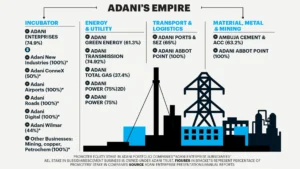
    India’s economic liberalization in the 1990s was a game-changer for Adani. He leveraged the open market to expand his trading operations. In 1995, he secured a transformative contract to develop Mundra Port in Gujarat, which grew into India’s largest private port, handling massive cargo volumes. The Adani Group diversified into energy (Adani Power, Adani Green Energy), logistics, airports, and agribusiness, achieving a market capitalization of over $242 billion by 2022. Adani’s acquisition of seven airports, including Mumbai’s international airport, and his push into renewables cemented his role in India’s infrastructure growth.

    Building the Adani Empire
    Building the Adani Empire

    Controversies and Challenges

    Adani’s meteoric rise has been shadowed by controversies. 

    His apparent ties to Prime Minister Narendra Modi and the Bharatiya Janata Party (BJP) have fueled allegations of cronyism, with detractors challenging the rapid awarding of government contracts.

    Adani denies these claims. In 2022, his group’s acquisition of a 29.18% stake in NDTV raised alarms about media independence. The most significant blow came in January 2023, when Hindenburg Research accused the Adani Group of stock manipulation and fraud, triggering a $150 billion market value loss. India’s Supreme Court later closed related probes. In November 2024, U.S. charges alleged Adani paid over $250 million in bribes for energy contracts, which he denies.

    Personal Life

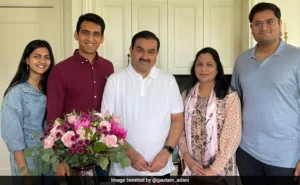
    Gautam Adani married Priti Vora, a dentist, in 1986, and they have two sons: Karan, CEO of Adani Ports and SEZ, and Jeet, head of Adani Airports and Adani Digital Labs. Priti chairs the Adani Foundation, driving its philanthropy. Adani’s resilience is evident in his survival of a 1998 kidnapping for ransom and the 2008 Mumbai Taj Hotel terrorist attack. A vegetarian, he practices yoga and enjoys reading history, philosophy, and biographies, maintaining a disciplined lifestyle despite his high-stakes career.

    Personal Life
    Personal Life

    Philanthropic Contributions

    The Gautam Adani Foundation, established in 1996, is a cornerstone of Adani’s legacy, focusing on education, healthcare, and rural development. Operating across multiple Indian states, it supports underprivileged communities, including fishermen’s children and rural students. During the COVID-19 pandemic in 2020, Adani donated approximately $12 million, including a significant contribution to India’s relief fund, to bolster healthcare and relief efforts. The foundation’s work underscores Adani’s commitment to social impact, balancing his business pursuits with community welfare.

    Also Read This : Civil Defence Drills

    Legacy and Impact

    Gautam Adani’s journey from a school dropout to a global billionaire encapsulates the opportunities and complexities of India’s economic rise. His ability to navigate a competitive business landscape has made him a symbol of entrepreneurial success, driving India’s infrastructure and energy sectors forward. Yet, the controversies surrounding his empire highlight the challenges of operating at the nexus of business and politics. As Adani continues to expand his conglomerate, he remains a polarizing figure, admired for his vision and scrutinized for his methods, embodying the dynamic tensions of modern India’s growth story.