Author: AVS POST Bureau

  • Criminal Psychology 2025: Understanding Crime Through Psychological Perspectives

    Criminal Psychology 2025: Understanding Crime Through Psychological Perspectives

    Criminal behavior has long been a subject of fascination and concern for society. Why do some individuals break the law while others abide by it? What psychological factors contribute to criminal tendencies? Over the years, various psychological theories have been developed to explain the motives, drives, and conditions that lead to criminal activity. These theories provide a lens through which we can understand the complex interplay of personality traits, environmental influences, cognitive processes, and social dynamics that shape criminal behavior.

    Biological and Genetic Foundations of Criminality

    One of the earliest theories of criminal behavior stems from the biological perspective, which suggests that genetics and physiological factors significantly influence criminal tendencies. Although biological theories are not purely psychological, they provide a foundation for understanding the predisposition toward certain behaviors.

    The idea of a “born criminal” was first introduced by Cesare Lombroso in the late 19th century. Lombroso believed that they exhibited distinct physical features, such as a sloping forehead, asymmetry of the face, or large ears, which he termed “atavistic” traits. While this theory has been debunked, modern research into genetics and neuroscience continues to explore the biological roots of criminal behavior.

    Studies have shown that genetic predispositions, such as a mutation in the MAOA gene (commonly referred to as the “warrior gene”), may correlate with aggressive and antisocial behavior. However, the expression of such genes often depends on environmental factors, underscoring the importance of the interaction between nature and nurture in shaping behavior.

    Psychoanalytic Theory: Freud’s Perspective

    Sigmund Freud’s psychoanalytic theory offers a psychological framework for understanding  turpitude. According to Freud, human behavior is driven by the unconscious mind, which comprises three components: the id, ego, and superego. The id represents primal desires and impulses, the ego mediates between the id and reality, and the superego embodies moral standards and societal norms.

    Freud suggested that misconduct could result from an imbalance among these components. For instance, an overactive id might lead to impulsive and aggressive acts, while an underdeveloped superego could result in a lack of moral restraint. Additionally, unresolved childhood conflicts, such as neglect or abuse, may contribute to the development of deviant behavior.

    From this perspective, criminality is often seen as a symptom of deeper psychological disturbances. For example, Freud’s concept of “repressed guilt” suggests that some individuals commit crimes as an unconscious way to punish themselves or gain attention.

    Behavioral and Social Learning Theories

    Behavioral theories focus on the role of learning and conditioning in shaping behavior. According to B.F. Skinner, criminal behavior is learned through reinforcement and punishment. If an individual’s criminal actions are rewarded—whether through material gain, social approval, or emotional satisfaction—they are more likely to repeat those actions.

    Social learning theory, developed by Albert Bandura, expands on this idea by emphasizing the role of observation and imitation. Bandura’s famous “Bobo doll experiment” demonstrated that children who observed aggressive behavior were more likely to imitate it. In the context of criminality, individuals exposed to criminal role models—such as family members, peers, or media representations—may internalize and replicate such behaviors.

    For instance, a child growing up in an environment where theft or violence is normalized may come to view these actions as acceptable or even necessary for survival. Social learning theory highlights the importance of environmental and social influences, making it a valuable tool for understanding group-based or gang-related perpetrators activitves.

    Cognitive Theories: The Role of Thought Processes

    Cognitive theories of criminal behavior examine how individuals perceive, interpret, and respond to their environment. Aaron Beck’s cognitive theory, originally developed to understand depression, has been applied to criminal behavior through concepts like “cognitive distortions.” These are irrational or biased ways of thinking that justify or perpetuate criminal acts.

    For example, a criminal may rationalize theft by believing that “everyone steals” or that “the victim can afford it.” Such distortions allow individuals to avoid feelings of guilt or responsibility for their actions. Additionally, deficits in moral reasoning, as outlined by Lawrence Kohlberg’s stages of moral development, may contribute to criminal behavior. Those who fail to progress beyond the pre-conventional stage—where actions are judged solely based on rewards and punishments—may engage in miscreants activities without considering their ethical implications.

    Criminal

    Personality and Trait-Based Theories

    Certain personality traits have been consistently linked to criminal behavior. Hans Eysenck’s theory of personality identifies three dimensions: extraversion, neuroticism, and psychoticism. Eysenck proposed that individuals high in psychoticism are more prone to  defendants behavior due to traits like aggressiveness, impulsivity, and a lack of empathy.

    Similarly, the “Big Five” personality traits—openness, conscientiousness, extraversion, agreeableness, and neuroticism—offer a framework for understanding individual differences in behavior. Low agreeableness and low conscientiousness, for instance, have been associated with higher rates of criminal activity.

    Another influential concept is the “dark triad” of personality traits: narcissism, Machiavellianism, and psychopathy. Psychopathy, in particular, is strongly correlated with criminal behavior due to characteristics such as superficial charm, lack of remorse, and a propensity for manipulation and deceit.

    Strain and Stress Theories

    Robert Agnew’s General Strain Theory (GST) posits that individuals engage in criminal behavior when they experience strain or stress. This strain arises from the inability to achieve socially valued goals through legitimate means, leading to frustration and anger. For example, someone facing financial hardship may resort to theft or fraud as a way to cope with their circumstances.

    From a psychological perspective, strain can also result from interpersonal conflicts, such as bullying, discrimination, or abuse. The accumulation of stressors, coupled with inadequate coping mechanisms, increases the likelihood of culprits behavior.

    Developmental and Life-Course Theories

    Developmental theories focus on how suspects behavior evolves over time, considering factors such as childhood experiences, family dynamics, and social influences. Terrie Moffitt’s dual taxonomy theory distinguishes between “adolescence-limited” and “life-course-persistent” offenders. Adolescence-limited offenders engage in criminal behavior temporarily due to peer pressure or developmental changes, while life-course-persistent offenders exhibit antisocial behavior consistently throughout their lives.

    Early exposure to adverse childhood experiences (ACEs), such as neglect, abuse, or parental incarceration, has been linked to an increased risk of villan behavior. These experiences can disrupt emotional regulation, social skills, and decision-making processes, setting the stage for lifelong behavioral issues.

    Environmental and Sociocultural Influences

    While psychological theories focus on individual factors, it is essential to consider the broader social and cultural context. Poverty, lack of education, and community disorganization create environments where criminal behavior is more likely to thrive. Psychological theories often intersect with sociological perspectives, highlighting how systemic inequalities and social structures influence individual behavior.

    Implications for Prevention and Intervention

    Understanding the psychological theories of criminal behavior has practical implications for prevention and rehabilitation. Cognitive-behavioral therapy (CBT), for example, can help individuals recognize and challenge distorted thought patterns, improving decision-making and impulse control. Early intervention programs that address childhood trauma and strengthen family support systems can reduce the likelihood of future criminal behavior.

    Additionally, community-based initiatives, such as mentorship programs and educational opportunities, can provide alternative pathways for at-risk individuals. By addressing both psychological and environmental factors, these strategies aim to break the cycle of criminality and promote positive social outcomes.

    Conclusion

    The psychological theories of criminal behavior offer valuable insights into the complex interplay of biological, cognitive, emotional, and social factors that contribute to crime. While no single theory can fully explain all aspects of criminality, each provides a piece of the puzzle, helping us develop more effective prevention and intervention strategies. By understanding the root causes of criminal behavior, society can work toward creating a safer and more just world.

    ALSO READ THIS: SEBI IN 2025: Safeguarding Transparency and Integrity in Financial Markets”

  • SEBI IN 2025: Safeguarding Transparency and Integrity in Financial Markets”

    SEBI IN 2025: Safeguarding Transparency and Integrity in Financial Markets”
    (SEBI)- The Securities and Exchange Board of India  has remained at the forefront of regulating and developing the securities market, ensuring its fairness and transparency. As India’s market watchdog, SEBI’s recent reforms, investigations, and decisions have attracted significant attention from investors, industry experts, and policymakers alike. This article delves into the latest initiatives and developments related to SEBI, exploring their implications for the Indian financial markets and beyond.

    Strengthening Corporate Governance

    In a move to improve corporate governance, SEBI has proposed stricter norms for listed companies. These include enhancing the disclosure requirements related to related-party transactions, corporate actions, and executive compensation. The regulator is also considering mandatory disclosure of Environment, Social, and Governance (ESG) practices for top-listed entities, recognizing the growing importance of sustainable and ethical practices in global markets.

    Implications:

    • Investors will benefit from greater transparency and accountability, leading to informed decision-making.
    • Companies will be encouraged to align their operations with global best practices, potentially improving their valuation and investor confidence.

    Addressing the Surge in IPOs

    With the increasing number of Initial Public Offerings (IPOs) in India, SEBI has taken steps to ensure that investors are adequately protected. The regulator is considering reducing the time frame for listing shares post-IPO to T+3 days, enhancing efficiency in the public offering process. Additionally, SEBI has issued guidelines to curb misuse of funds raised through IPOs, emphasizing transparency in utilization.

    Implications:

    • A shorter listing time will attract more retail investors, providing them with quicker access to the market.
    • Enhanced monitoring of IPO funds will reduce the likelihood of fraudulent practices, boosting investor trust.

    Crackdown on Insider Trading and Market Manipulation

    The Securities and Exchange Board of India [SEBI] has intensified its efforts to combat insider trading and market manipulation. In recent months, the regulator has imposed hefty penalties on individuals and entities found guilty of such offenses. Advanced surveillance technologies, such as artificial intelligence and machine learning, are being deployed to detect suspicious trading patterns.

    Implications:

    • The increased scrutiny will deter market participants from engaging in unethical practices.
    • A fair trading environment will encourage more participation, particularly from foreign institutional investors.

    Focus on Investor Education and Awareness

    SEBI has launched multiple initiatives to enhance investor education and awareness. Programs targeting first-time retail investors have been rolled out, focusing on topics like mutual funds, systematic investment plans (SIPs), and stock market basics.

    Implications:

    • Empowered investors are less likely to fall prey to fraudulent schemes or poor investment decisions.
    • A more informed retail investor base will contribute to market stability and growth.

    SEBI

    Digital Reforms and Technology Adoption

    Recognizing the potential of technology to revolutionize the financial markets, SEBI has introduced reforms to promote digital transformation. These include initiatives to streamline the Know Your Customer (KYC) process using Aadhaar-based verification and blockchain technology for record-keeping.

    Implications:

    • Simplified KYC procedures will make it easier for investors to enter the market.
    • Blockchain-based systems will ensure greater security and transparency in financial transactions.

    Investigations into High-Profile Cases

    IT has been actively investigating high-profile cases involving market irregularities and corporate fraud. Recent probes into alleged violations by major corporations and intermediaries have highlighted SEBI’s commitment to maintaining market integrity.

    SEBI

    Implications:

    • These investigations serve as a warning to market participants, reinforcing the message that non-compliance will not be tolerated.
    • Upholding market integrity will attract long-term investments, both domestic and foreign.

    Challenges and Future Outlook

    While SEBI’s recent actions have been widely applauded, the regulator faces several challenges. Balancing investor protection with market innovation is a delicate task. Furthermore, aligning with global regulatory standards while catering to the unique dynamics of the Indian market requires careful consideration.

    Moving forward, SEBI is expected to focus on:

    1. Expanding the scope of its regulatory framework to cover emerging areas like cryptocurrency and fintech.
    2. Enhancing collaboration with international regulators to address cross-border issues.
    3. Promoting financial inclusion by encouraging greater participation from underrepresented demographics.

    SEBI’s proactive approach and recent reforms underscore its pivotal role in shaping India’s financial landscape. By addressing emerging challenges and leveraging technology, SEBI aims to create a more robust, transparent, and investor-friendly market ecosystem. As India aspires to become a global economic powerhouse, SEBI’s efforts will be instrumental in building a resilient financial system that supports sustainable growth.

    This detailed overview highlights SEBI’s multifaceted approach to tackling current market challenges and its vision for the future. With its robust measures and investor-centric focus, SEBI continues to enhance its reputation as a key pillar of India’s financial infrastructure.

    ALSO READ THIS:  Tata Motors Share 2025: Comprehensive Analysis of Its Share Performance and Future Prospects

  • Tata Motors Share 2025: Comprehensive Analysis of Its Share Performance and Future Prospects

    Tata Motors Share 2025: Comprehensive Analysis of Its Share Performance and Future Prospects

    Tata Motors Share Limited, a flagship company of the Tata Group, is one of India’s largest automotive manufacturers. Established in 1945, the company has evolved into a global leader in automobile manufacturing, producing a wide range of vehicles, from commercial trucks to passenger cars and electric vehicles. Over the years, Tata Motors has garnered significant attention in the stock market due to its robust performance and ambitious growth strategies. This article delves into the performance of Tata Motors shares, the factors influencing their valuation, and the company’s future prospects.

    Performance of Tata Motors Shares

    Tata Motors’ shares have shown a volatile but upward trajectory over the years. Listed on both the Bombay Stock Exchange (BSE) and the National Stock Exchange (NSE) in India, the stock has been a key component of major indices such as the Nifty 50 and BSE Sensex. Additionally, the company’s American Depositary Receipts (ADRs) are traded on the New York Stock Exchange (NYSE), showcasing its global appeal.

    Tata Motors Share

    Historical Performance

    Historically, Tata Motors shares have seen significant fluctuations driven by market trends, global economic conditions, and internal corporate developments. For instance, during the early 2000s, the company gained attention with its acquisition of Jaguar Land Rover (JLR) from Ford Motor Company. This acquisition, though initially a financial strain, eventually paid off as JLR contributed significantly to Tata Motors’ revenues and profits.

    However, the global economic slowdown in 2008-2009 impacted the automotive sector severely, causing a decline in Tata Motors’ share price. Post-2010, the company witnessed a revival, driven by JLR’s strong performance in international markets such as China and the US. More recently, the stock experienced a dip during the COVID-19 pandemic due to disruptions in supply chains and a slump in consumer demand. Nevertheless, it has since rebounded strongly, reflecting the company’s resilience and adaptability.

    Current Trends

    As of January 2025, Tata Motors’ shares have shown remarkable growth, supported by the company’s strategic focus on electric vehicles (EVs), cost optimization, and digital transformation. The stock has attracted both retail and institutional investors, with trading volumes remaining high. Analysts have noted that Tata Motors’ focus on sustainable mobility and its commitment to achieving net-zero emissions by 2045 are key drivers of its current valuation.

    Tata Motors Share

    Factors Influencing Tata Motors Share Performance

    Several factors contribute to the performance of Tata Motors shares, ranging from internal corporate strategies to macroeconomic conditions. Below are some of the key drivers:

    1. Electric Vehicle Revolution

    The global shift towards electric mobility has been a game-changer for Tata Motors. The company’s EV offerings, such as the Tata Nexon EV and Tigor EV, have gained significant market share in India. Tata Motors’ subsidiary, Tata Passenger Electric Mobility Limited, has also announced plans to launch 10 new EV models by 2026. This aggressive push into the EV segment has bolstered investor confidence, making Tata Motors a key player in the EV space.

    2. Jaguar Land Rover’s Performance

    JLR remains a critical component of Tata Motors’ revenue stream. While JLR faced challenges during the pandemic due to semiconductor shortages and declining demand, it has bounced back with strong sales of luxury SUVs and electric models like the Jaguar I-PACE. The brand’s focus on electrification and luxury innovation is expected to drive future growth.

    3. Indian Automobile Market Growth

    India’s automobile market is one of the fastest-growing globally, driven by increasing disposable incomes and urbanization. Tata Motors has capitalized on this growth by introducing affordable and feature-rich vehicles in the passenger car segment. The company’s popular models, such as the Tata Tiago, Altroz, and Harrier, have garnered positive reviews and robust sales figures.

    4. Government Policies and Incentives

    The Indian government’s push for electric vehicles through initiatives like the Faster Adoption and Manufacturing of Hybrid and Electric Vehicles (FAME) scheme has benefited Tata Motors significantly. Subsidies, tax benefits, and infrastructure development for EVs have provided a favorable environment for the company to expand its EV portfolio.

    5. Global Economic Conditions

    Global economic trends, including oil prices, currency fluctuations, and trade policies, also impact Tata Motors’ share performance. For instance, rising oil prices have spurred demand for EVs, indirectly benefiting Tata Motors. On the other hand, geopolitical tensions and inflationary pressures could pose risks to the company’s international operations.

    Tata Motors Share

    Challenges and Risks

    Despite its strong performance, Tata Motors faces several challenges that could impact its share price:

    1. Semiconductor Shortage

    The global shortage of semiconductor chips has disrupted automobile production worldwide. Tata Motors has not been immune to this issue, with delays in vehicle deliveries affecting customer satisfaction and revenue.

    2. Competitive Landscape

    The automotive industry is highly competitive, with global giants like Tesla, Toyota, and Volkswagen investing heavily in EV technology. Domestic rivals such as Mahindra & Mahindra and Maruti Suzuki are also ramping up their EV capabilities, posing a challenge to Tata Motors’ market share.

    3. Regulatory Risks

    Stringent emission norms and safety regulations could increase production costs, affecting profit margins. Additionally, uncertainties around trade policies and tariffs could impact JLR’s international sales.

    Tata Motors Share

    Future Outlook

    The future of Tata Motors appears promising, driven by its strategic initiatives and favorable market trends. Here are some factors contributing to its optimistic outlook:

    1. Expansion in Electric Mobility

    Tata Motors’ aggressive EV strategy positions it as a leader in India’s nascent but rapidly growing EV market. The company’s partnership with Tata Power for charging infrastructure and its focus on localized battery manufacturing are expected to strengthen its EV ecosystem.

    2. Global Growth Opportunities

    With JLR’s strong presence in luxury markets and its pivot towards electrification, Tata Motors is well-positioned to capitalize on global trends. The company’s investments in advanced technologies, such as autonomous driving and connected vehicles, further enhance its growth prospects.

    3. Improved Financial Health

    Tata Motors has undertaken several measures to improve its financial health, including cost-cutting initiatives, debt reduction, and divestment of non-core assets. These efforts have resulted in improved cash flows and profitability, making the company more attractive to investors.

    4. Sustainability Initiatives

    The company’s commitment to sustainability, including its net-zero emissions goal and investments in renewable energy, aligns with global ESG (Environmental, Social, and Governance) trends. This focus is likely to attract ESG-conscious investors, further boosting its share price.

    Tata Motors Share

    Conclusion

    Tata Motors has emerged as a formidable player in the global automotive industry, backed by its strong brand, innovative products, and strategic vision. While challenges such as semiconductor shortages and intense competition persist, the company’s focus on electric mobility, luxury innovation, and sustainability provides a solid foundation for future growth.

    For investors, Tata Motors shares represent a compelling opportunity, given their potential for long-term value creation. However, as with any investment, it is crucial to consider the associated risks and conduct thorough research before making decisions. With its strong fundamentals and ambitious plans, Tata Motors is poised to drive into a promising future, making it a stock to watch in the coming years.

    Tata Motors stands at the cusp of transformation, driven by its vision for innovation, sustainability, and global leadership. While challenges persist, the company’s strategic initiatives and market positioning provide a strong foundation for long-term growth. For investors and stakeholders, Tata Motors represents a dynamic and evolving opportunity, reflecting the broader shifts in the global automotive industry.

    ALSO READ THIS: Imposter Syndrome 2025: The Year You Conquer Imposter Syndrome and Thrive”

  • Imposter Syndrome 2025: The Year You Conquer Imposter Syndrome and Thrive”

    Imposter Syndrome 2025: The Year You Conquer Imposter Syndrome and Thrive”

    Imposter Syndrome is a phenomenon that affects many individuals, particularly high-achieving professionals, students, and creatives. Despite achieving success and recognition, those suffering from Imposter Syndrome often feel like frauds, attributing their achievements to luck or external factors rather than their own abilities and hard work. This persistent self-doubt can lead to anxiety, stress, and burnout, affecting personal well-being and professional growth. In this article, we will explore the nature of Imposter Syndrome, how to recognize its symptoms, and most importantly, strategies for overcoming it.

    What is Imposter Syndrome?

    Imposter Syndrome was first identified in the 1970s by psychologists Pauline Clance and Suzanne Imes, who noticed that high-achieving women in particular experienced chronic feelings of inadequacy, despite their obvious accomplishments. The term has since been expanded to include anyone who experiences similar feelings of self-doubt.

    At its core, Imposter Syndrome is characterized by the belief that you are not truly competent or deserving of your achievements. Instead of internalizing success, those who experience it often attribute their accomplishments to factors like timing, luck, or the help of others. There’s a pervasive fear that at any moment, someone will “find out” that you don’t belong, that you’re not as skilled or talented as others believe you to be. It’s a form of self-sabotage that can prevent individuals from reaching their full potential, as they may shy away from new opportunities or undermine their own success.

    Imposter Syndrome

    The Symptoms of Imposter Syndrome

    Imposter Syndrome manifests in various ways, and different individuals may experience it differently. However, there are some common signs and symptoms to look out for:

    1. Chronic Self-Doubt:

    Individuals with Imposter Syndrome often experience deep self-doubt. They second-guess their abilities, questioning whether they’re truly capable of performing the tasks at hand. This feeling can persist despite receiving positive feedback or achieving success.

    2. Attributing Success to External Factors:

    People suffering from Imposter Syndrome may downplay their achievements and attribute them to luck, help from others, or external circumstances. They may struggle to accept that their skills and efforts played a significant role in their success.

    Imposter Syndrome

    3. Fear of Being “Found Out”:

    One of the most distinctive features of Imposter Syndrome is the constant fear that someone will discover they are not as competent as others think. This fear can be overwhelming, leading individuals to overwork or avoid taking on new challenges for fear of failure.

    4. Perfectionism:

    Many individuals with Imposter Syndrome exhibit perfectionistic tendencies. They feel that if their work is not flawless, they will be exposed as inadequate or unworthy. This leads to setting impossibly high standards for themselves and becoming overly critical of their performance.

    5. Overworking:

    To compensate for their perceived lack of ability, individuals with Imposter Syndrome often overwork themselves, pushing themselves to the point of exhaustion. They may feel that they need to work harder than others to prove their worth, even though their contributions are already valuable.

    6. Avoidance of New Challenges:

    Because of the constant fear of failure and exposure, individuals with Imposter Syndrome may avoid new opportunities or challenges that they would otherwise excel in. This avoidance can prevent them from growing professionally or personally, keeping them stuck in a cycle of self-doubt.

    Imposter Syndrome
    Imposter Syndrome

    The Causes of Imposter Syndrome

    Imposter Syndrome can be caused by a variety of factors, and its roots may be different for each person. However, some common causes include:

    1. Upbringing and Family Expectations:

    Children who grow up in environments where high achievement is heavily emphasized or where they are constantly compared to others may develop feelings of inadequacy when they fail to meet those expectations. This can lead to Imposter Syndrome later in life, as the individual internalizes a fear of failure.

    2. Cultural and Societal Pressure:

    Societal norms and cultural expectations can exacerbate feelings of being an “imposter.” For instance, in industries or environments where success is highly visible, individuals may feel immense pressure to meet external standards, regardless of their own unique strengths or abilities.

    3. Stereotype Threat:

    In some cases, individuals who belong to underrepresented groups may experience Imposter Syndrome due to stereotype threat. They may feel additional pressure to prove themselves because of the societal stereotypes associated with their identity, leading to an overwhelming sense of inadequacy.

    Imposter Syndrome

    4. High Achievements and Success:

    Paradoxically, Imposter Syndrome is often seen in individuals who are highly successful or accomplished. The more success they achieve, the more pressure they may feel to maintain that level of performance, leading to feelings of being undeserving or fraudulent.

    5. Social Media and Comparison:

    In the digital age, social media plays a significant role in amplifying feelings of inadequacy. Constant exposure to curated, idealized versions of other people’s lives and careers can fuel comparisons and trigger self-doubt. This can make individuals feel as though they are not measuring up, even though the portrayal of success online is often far from the full picture.

    The Impact of Imposter Syndrome

    The impact of Imposter Syndrome can be profound. While it’s natural to feel self-doubt from time to time, when these feelings are persistent and unchecked, they can lead to serious negative outcomes. Some potential consequences include:

    • Increased Stress and Anxiety: Constantly worrying about being “found out” or fearing that one’s work isn’t good enough can cause chronic stress and anxiety, which can lead to burnout.
    • Impaired Decision-Making: Those with Imposter Syndrome may struggle to make decisions confidently, fearing that they will make the wrong choice. This indecision can delay progress or lead to missed opportunities.
    • Reduced Job Satisfaction and Career Progression: Because they may not feel they deserve success, individuals with Imposter Syndrome might hold themselves back from pursuing promotions, raises, or new opportunities. They might also feel unfulfilled in their current roles, leading to dissatisfaction and disengagement.
    • Impaired Relationships: The fear of being exposed as an imposter can lead individuals to withdraw from others or avoid asking for help. This isolation can strain professional and personal relationships, as others may not be able to connect with the individual’s struggles.

    Imposter Syndrome

    Overcoming Imposter Syndrome

    While overcoming Imposter Syndrome can be a challenge, it is absolutely possible with the right mindset and strategies. Here are some effective steps for overcoming self-doubt and embracing your achievements:

    1. Recognize the Symptoms:

    The first step in overcoming Imposter Syndrome is to acknowledge that you are experiencing it. By recognizing the symptoms—such as chronic self-doubt, fear of exposure, or perfectionism—you can begin to separate your feelings from reality.

    2. Reframe Your Thoughts:

    Cognitive reframing is a powerful tool for changing negative thought patterns. When you catch yourself thinking, “I don’t deserve this success,” or “I’m just lucky,” try to reframe those thoughts in a more balanced way. Remind yourself of the hard work, skills, and effort that led to your accomplishments.

    Imposter Syndrome

    3. Embrace Imperfection:

    Perfectionism is a major contributor to Imposter Syndrome. Understand that no one is perfect, and mistakes are a natural part of growth. Allow yourself to make errors and learn from them, rather than fearing failure.

    4. Celebrate Your Achievements:

    Take time to acknowledge and celebrate your successes. Reflect on the challenges you’ve overcome and the skills you’ve developed. Creating a list of your achievements, both big and small, can help reinforce the value of your contributions.

    5. Seek Support:

    Don’t be afraid to talk about your feelings of self-doubt with trusted colleagues, friends, or a therapist. Chances are, others have experienced similar emotions and can offer valuable perspective and advice. Support from others can help normalize your feelings and remind you that you’re not alone.

    6. Shift Your Focus to Growth:

    Focus on progress rather than perfection. Recognize that growth comes from trying new things, making mistakes, and learning along the way. Reframe your setbacks as opportunities for learning, not as evidence of incompetence.

    7. Challenge the Fear of Exposure:

    Understand that everyone experiences self-doubt at some point. The belief that you are the only one feeling this way is often a result of Imposter Syndrome itself. Challenge that fear by acknowledging that you’re not alone in your struggles, and many others share similar experiences.

    Conclusion

    Imposter Syndrome can be a deeply ingrained challenge, but it is also one that can be overcome with awareness, self-compassion, and deliberate action. By recognizing the symptoms, understanding the causes, and implementing strategies for change, you can break free from the cycle of self-doubt and begin to embrace your achievements and potential. Remember, you are worthy of your success, and it is your abilities and hard work that have brought you to where you are today. Reclaim your confidence, take ownership of your journey, and step into the future with a renewed sense of self-assurance.

  • Deepseek AI chat: what is deep seek, it features, problems and tips to use it. What will be the future of deep seek AI Chat?

    Deepseek AI chat: what is deep seek, it features, problems and tips to use it. What will be the future of deep seek AI Chat?

    Deepseek AI chat: The DeepSeek is a Chinese AI chart books design to assist users with task such as coding, content creation and document analysis. It can boost your work over 600 billion parameters and enabling advanced language understanding and generation.

    It is available on official site, mobile application and APIs. you can have full access of this AI chat through this platform. It runs on the DeepSeek-V3 model making it competitor to leading AI chatbots.

    what is Deep Seek?
    what is Deepseek AI chat?

    Features and capabilities of Deepseek AI chat.

    Some of Deep seek AI chat features and capabilities are as following: –

    1. It has natural language processing which make understanding and human like response generation easy. It also supports multi-language but its primary language is Chinese.
    2. It has a proper coding and programming assistant to support multiprogramming languages (like python Java, C++ and etc.). It can provide step by step problem solving explanation for coding challenges.
    3. It makes contain creation easy as it can generate article reports blogs and other creative writing in one click. It can also give useful ideas storytelling and rewriting content according to user feedbacks and inputs.

      Features and capabilities of Deep seek AI chat
      Features and capabilities of Deep seek AI chat
    4. It can solve complex mathematical and scientific problems by providing step by step solution and explanation. It supports symbolic computation and logical reasoning.
    5. It has proper knowledge and research assistant which can help you in academic research and document summarization.
    6. It has AI powered conversational capabilities which can provide human-like, contextual, I am engaging conversation full stop it adopts to user preference for personalized response.

    Problem faced by this AI chat.

    Some problems face by Deepseek AI chat: –

    1. It has taken limitation to privacy concerns and government restriction.
    2. It has problems like privacy and data security consumptions.
    3. It has limited language support and poor multilingual adaptation.

      Problem faced by this AI chat
      Problem faced by this AI chat
    4. It is in accurate and biased in responses.
    5. It has week and real time data access, lakh life Internet browsing and difficulties in handling.
    6. It lags behind the competition for advance AI models.

    How is this different from other AI chat?

    Some differences are as follows: –

    • Deep seek AI is developed in China and has several restrictions rather than others like Chat GPT, Gemini and Claude.
    • It has saved real government regulation, strict government content filter and etc.
    • It can’t provide proper privacy or data security then other apps
    • Does not have proper language support or global reach.

      How is this different from other AI chat
      How is this different from other AI chat
    • It does have real time data access apart from other AI chat boxes.
    • It has average performance and accuracy issues.
    • It’s different from other AI chat boxes.

    Also Read This: Nothing phone 3a: details on launch date, features, design, cost and other information of the phone.

  • Gate 2025: Details on exam date, syllabus, study materials and other details.

    Gate 2025: Details on exam date, syllabus, study materials and other details.

    Gate 2025: The Graduate Aptitude Test in Engineering (GATE 2025) offer about 30 test paper across various subjects and area like disciplines, including Engineering, Technology Architecture, Science, Commerce, Arts and Humanities. The candidate is allowed to give one to two tests.

    This is scheduled to Begin from February 1, 2025 till February 15, 2025 alternatively.

    details on Gate 2025
    Details on Gate 2025

    Gate 2025 Important dates of the exam.

    The exam will happen on February 1, 2, 15 and 16, 2025. Apart from this the exam will be conducted in two slots forenoon session (9:30 AM to 12:30PM) and (2:30 PM to 5:30 PM).

    Whereas Admit card and center details will be available from January 7, 2025. The details of the subject vice schedule will also be available on the official side of GATE with the admit card.

    Important dates of the Gate 2025
    Important dates of the Gate 2025

    What is the marking scheme for Gate 2025?

    The marking scheme for Gate 2025 are as following: –

    1. There will be questions like multiple choice question and multiple select questions for about 1 or 2 Marks each.
    2. Numerical and logical thinking questions for 2 or 3 marks each.
    3. The total marks of the paper will be 100 in which 15 marks will be general aptitude and 85 marks will be for core subjects’ paper.
    4. Total number of questions will be 65.
    5. There will be negative marking for wrong answer, except MSQs and NAT question.

      The marking scheme.
      The marking scheme.

    Study material for Gate exam.

    Some study materials for your preparation are as following: –

    1. You could download the full syllabus from GATE 2025 official websites.
    2. Solve previous year question paper available on various sites like IIT websites and ACE academy.
    3. Do mock test on various platforms like unacademy, BYJU’S and Gradeup.
    4. Attend live lessons, courses or coaching for better understanding.
    5. Check online courses and notes.

      Study material for gate exam
      Study material for gate exam

    Tip for Preparations.

    Some basic tip for preparation and cracking the exams are as following: –

    1. Have a proper understanding for the exam pattern and syllabus.
    2. Make your own study plan and timing.
    3. Go for right and accurate study materials.
    4. Focus on strengthen your core concept.
    5. Solve mock test and pervious year paper.
    6. Learn time management and set your self-according to given time of the paper.
    7. Revise properly and accurately on a daily base.
    8. Stay motivated and consistent.
    9. Stay calm and avoid last minute panic.
    10. Analyze from your mistake.

      Tip for Preparations
      Tip for Preparations

    What to pursue after Gate 2025?

    You can go for higher studies like MTech, M.S, MBA, PGDM and Ph.D.

    Apart from this you can also go for government jobs like PSU jobs and etc.

    You can also do startup, private sectors, entrepreneurship and self-employment etc.

    Also Read This: Quantum computing: what is quantum computing, it fundamental, application, features, and tools. What is future of quantum computing?

  • Shreya Ghosal a Huge Sensation : A Journey Through Her Upcoming Concerts and Songs in 2025

    Shreya Ghosal a Huge Sensation : A Journey Through Her Upcoming Concerts and Songs in 2025

    Shreya Ghosal, one of India’s most cherished and versatile playback singers, has been a dominant presence in the music industry for over two decades. Her soulful voice, impeccable technique, and ability to convey deep emotion through her performances have earned her admiration not just in India, but around the world. As we move into 2025, Shreya Ghosal continues to redefine her career with an exciting roster of upcoming concerts, music releases, and fresh collaborations. In this article, we will delve into Shreya’s anticipated musical projects, her upcoming concerts, and her latest songs that promise to add even more depth to her already impressive portfolio.

    Shreya Ghosal

    Shreya Ghosal: A Brief Overview of Her Impact

    Shreya Ghosal’s journey in the world of music is nothing short of extraordinary. From her early days of singing on the famous television show Sa Re Ga Ma Pa in the late 1990s, to becoming one of the leading voices in Bollywood and across multiple regional film industries, Shreya has been a force to reckon with. Her career spans multiple genres, from classical music to playback singing, and she has continuously expanded her artistic horizons.

    Her mastery over various forms of music—from soft romantic ballads to soulful ghazals, peppy numbers, and devotional songs—has kept her at the forefront of the Indian music industry. She has won numerous accolades, including multiple National Film Awards and Filmfare Awards, for her exceptional voice and emotional expression.

    The Year 2025: What’s in Store for Shreya Ghosal?

    As we enter 2025, Shreya Ghosal is all set to embark on new musical adventures, both on stage and in the recording studio. Let’s take a look at her highly anticipated upcoming concerts, albums, and songs.

    Shreya Ghosal

    Upcoming Concerts

    Shreya Ghosal’s live performances are legendary. Known for her ability to connect with her audience through her mellifluous voice and emotive renditions, her concerts attract music lovers from all over the globe. For 2025, fans are in for a treat as Shreya is expected to perform in several key cities, not just in India but also internationally. Here’s a closer look at what we can expect from her concert schedule:

    1. India Tour 2025

    Shreya Ghosal’s India Tour is one of the most anticipated events of the year. Starting from March 2025, she will embark on a nationwide tour covering major cities like Mumbai, Delhi, Bangalore, Kolkata, Pune, and Hyderabad. Fans can expect an eclectic mix of her chart-topping Bollywood hits, regional music, and classical renditions during these concerts.

    Shreya is known for personalizing each performance, adjusting her setlist according to the mood and energy of the crowd. Whether it’s the ethereal renditions of her romantic tracks like “Tum Hi Ho” (Aashiqui 2) or the energetic, foot-tapping beats of her peppy numbers, Shreya always ensures her concerts are a perfect blend of nostalgia and excitement.

    Shreya Ghosal

    1. International Concerts: USA and Europe

    Along with her India tour, Shreya Ghosal is slated to perform at multiple international venues. Her global fanbase is immense, and her concerts in cities like New York, London, Dubai, Toronto, and Sydney are highly awaited. These concerts will feature some of her timeless Bollywood hits, as well as songs from regional industries like Bengali, Tamil, and Telugu, further showcasing her versatility.

    What makes Shreya’s international performances even more special is her ability to create a sense of intimacy and connection with her fans, despite the distance. Audiences abroad often describe her concerts as a deeply emotional experience—one where Shreya’s voice transcends language barriers and speaks directly to the heart.

    1. Collaboration with Live Orchestras

    In 2025, Shreya is also exploring collaborations with live orchestras, adding grandeur to her performances. Fans can expect to hear her renditions of classic Bollywood hits, enhanced by the majestic sound of live strings, brass, and percussion. This integration of classical elements with Bollywood music will surely be a highlight of her concerts.

    Shreya Ghosal Concerts
    Shreya Ghosal Concert

    New Music Releases in 2025

    In addition to her live performances, Shreya Ghosal is set to release several new songs in 2025. As one of the most sought-after playback singers in Bollywood, Shreya’s new tracks are expected to create waves, with composers and filmmakers eagerly awaiting her contribution to their soundtracks. Here’s a preview of the songs and albums she’s expected to feature in:

    1. Bollywood Movie Soundtracks

    Shreya Ghosal’s melodious voice is an essential part of many Bollywood soundtracks, and 2025 is expected to be no different. Here are some of the most anticipated Bollywood projects she is a part of:

    • Film: Sundays in Paris A romantic drama set in the picturesque streets of Paris, Sundays in Paris features music composed by the talented A.R. Rahman. Shreya has already recorded a few tracks for the film, including a soft romantic ballad that is expected to be one of the biggest hits of the year. Fans are eagerly awaiting the release of the soundtrack, as Shreya’s voice is sure to bring the right amount of emotional depth to the film.
    • Film: Navrang Directed by a renowned filmmaker, Navrang is a period drama with music composed by Amit Trivedi. Shreya has lent her voice to a soulful ghazal for the movie, which is expected to showcase her classical training. The song is expected to be a powerful emotional number that will highlight Shreya’s vocal prowess in its most raw and beautiful form.
    Shreya Ghosal
    • Film: Shakti: The Warrior’s Tale This upcoming action-packed thriller promises a powerful soundtrack, and Shreya has been roped in to sing a peppy, high-energy track. Fans of Shreya will enjoy this change in pace, as the song is expected to be full of rhythm and energy, perfect for a high-octane movie like Shakti.
    1. Regional Songs

    Apart from her Bollywood endeavors, Shreya Ghosal is also known for her contributions to regional music, including Bengali, Tamil, Telugu, Kannada, and Marathi. In 2025, she will continue to release songs for various regional films. Some of the most highly awaited projects include:

    Shreya Ghosal Concert
    • Telugu Film: Madhuram Madhuram This upcoming Telugu movie has an enchanting soundtrack composed by Devi Sri Prasad. Shreya is expected to sing several tracks for the film, including a heartwarming love ballad that will showcase her classical and contemporary skills.
    • Bengali Album: Gaaner Kotha Shreya is also gearing up to release a Bengali music album titled Gaaner Kotha in mid-2025. The album will feature a mix of classical and modern Bengali songs, and fans are excited to see her explore this new dimension of her musical journey.
    1. Collaborations with Other Artists

    Shreya has always enjoyed collaborating with other artists, and 2025 will see her teaming up with a few emerging names in the music industry. From working with popular composers like Pritam, Amit Trivedi, and Anupam Roy, to lending her voice for independent music projects, Shreya’s collaborations will bring fresh sounds to her discography.

    One such collaboration is with popular indie artist Prateek Kuhad, where Shreya has lent her voice for a soft, melodic track. The song promises to be a refreshing mix of indie and Bollywood, showcasing both artists’ strengths in creating a soothing and emotional piece of music.

    Shreya Ghosal

    Shreya Ghosal’s Unique Musical Signature

    What sets Shreya Ghosal apart from other playback singers is not just her vocal range, but her ability to bring out the emotional depth of each song. Whether it’s a romantic ballad or a fast-paced number, Shreya’s voice always resonates with the listener, making her one of the most cherished voices in the industry.

    Her ability to shift seamlessly from classical to contemporary, from Bollywood to regional music, allows her to stay relevant in a constantly evolving industry. Shreya has an innate ability to capture the essence of a song and convey it with authenticity, which is why her music continues to leave a lasting impact on audiences worldwide.

    Conclusion

    2025 promises to be a landmark year in Shreya Ghosal’s career. With multiple concerts scheduled across India and abroad, new music releases, and collaborations, Shreya is all set to mesmerize her audience with her extraordinary voice and artistic depth. Whether it’s her enthralling live performances or the soulful renditions of her songs, Shreya Ghosal’s journey in 2025 will undoubtedly be one to watch. Her contributions to the music industry, both in India and abroad, continue to inspire music lovers, and there’s no doubt that her impact on the global music scene will only grow stronger with time.

    ALSO READ THIS: Emergency’ In 2025, Smacks The Box Office Collection Day: Kangana Ranaut’s Political Drama Film falls on Monday, inspecting global wages

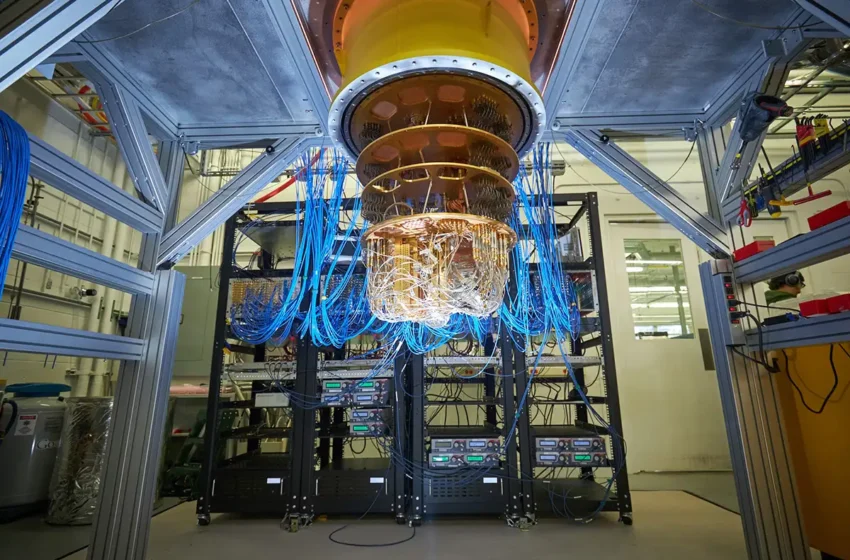
  • Quantum computing: what is quantum computing, it fundamental, application, features, and tools. What is future of quantum computing?

    Quantum computing: what is quantum computing, it fundamental, application, features, and tools. What is future of quantum computing?

    Quantum computing: Quantum computing is a type of computer in that uses the principle of quantum mechanism to process information in fundamentally different ways from classical computers. It uses features like quantum bits and qubits, it can represent and process information in multiple states simulate due to two key quantum phenomena, superposition and entanglement.

    what is Quantum computing?
    what is Quantum computing?

    What are the fundamental of quantum computing?

    Fundamental is based on principle of quantum mechanics. Please principal define how information is represented and proceed it in quantum computers. Its fundamentals are as following: –

    • It has Qubit. Qubits or Quantum bits is basic unit of information in Quantum computing like classical with (0 or 1).
    • Superposition, it allows you which to exist in multiple States at once full stop the property and able Quantum computing to perform many calculations in parallels.
    • Entanglement, it is phenomena where cue which became link such that the state of 1 cubic is collaborated with the state of another no matter how far apart, they are.

      the fundamental of quantum computing
      The fundamental of quantum computing
    • Quantum gate are the building blocks of quantum circuit, analogous to logic gate in classic Computing there are multiple qubits states like Hadamard gates, Pauli gates and CNOT gates and etc.
    • Apart from oil is it also has switches like measurement. Measurement in Quantum computing collapses a cube with state from superposition to a define classic state the outcome depends on the probability. It destroys the superposition.
    • It also has features like Quantum interference, Quantum algorithms Quantum circuit model and quantum decoherence.

    Some applications and features of quantum computing.

    Basic applications and features of quantum computing our as follow: –

    • Cryptography.
    • Optimization problems.
    • Drug discovery and molecular simulation.
    • Artificial intelligence and machine learning.
    • Financial modelling.

      applications and features of quantum computing
      applications and features
    • Climate and weather prediction.
    • Quantum simulation.
    • Supply chain and logistics.
    • Cybersecurity.
    • Search and database management.

    What is quantum programming?

    Quantum programming is a process in which you write quotes and develop algorithms specifically designed to run on quantum computers. Unlike classical programming you can use Quantum programming work with you with which you can operate the principle of quantum mechanics such as Super positioning and entanglement and interference.

    quantum programming

    Tools of quantum Computing.

    Some tools of quantum Computing are as follows: –

    • Quantum hardware like superconducting qubits, trapped lons, and topological qubits.
    • Quantum programming framework and languages.
    • Quantum simulators.
    • Quantum cloud performs.
    • Quantum algorithm libraries.

      Tools of quantum Computing
      Tools of quantum Computing
    • Quantum annealers.
    • Visualization and debugging tools.
    • Quantum error correction tools.
    • Quantum machine learning tools.
    • Development and collaboration tools.

    The Challenges of Quantum computing.

    Some challenges of quantum computing are: –

    • Hardware challenges like qubit qualities and stability.
    • The number of error rates.
    • It has problems like scalability.
    • Cryogenic requirements problems.
    • Coherence timing.
    • Limited algorithms.
    • It has lack of standardization.
    • It is too expensive.
    • It creates workforce shortage.
    • It has Cryptographic threats.

      Challenges of Quantum computing
      Challenges of Quantum computing

    What is the future of quantum computing?

    The future of quantum computing transformation potential across various industries but its realization depends on overcoming significant technical and practical challenges. It will have features like advanced Quantum hardware, Quantum advancement and resistance cryptography, application in the emergency field, and hybrid Quantum classic system.

    Also Read This: Nothing phone 3a: details on launch date, features, design, cost and other information of the phone.

  • Nothing phone 3a: details on launch date, features, design, cost and other information of the phone.

    Nothing phone 3a: details on launch date, features, design, cost and other information of the phone.

    Nothing phone 3a: The Nothing Phone 3A is an upcoming smartphone from the brand Nothing, which is scheduled to launch on March 4, 2025. It is anticipated to introduce a tele photo camera for the first time in the nothing device. Apart from this it is also going to have several other advanced features which will be announced at the launched event of the phone.

    Nothing phone 3a LAUNCH DATE.
    Nothing phone 3a LAUNCH DATE.

    Details on the feature of the Nothing phone 3a.

    Some features of the phone are as following: –

    1. Qualcomm Snapdragon 7s Gen3 chipset.
    2. A triple camera support with 50MP wide angle lens, 50MP ultra-wide lens and a 32MP telephoto lens.
    3. It also has a battery support of 5000mAh with 65w fast charging.
    4. It contains a operating system of Android 15 with Nothing OS 3.0.

      Details on the feature of the Nothing phone 3a.
      Details on the feature of the Nothing phone 3a.
    5. It also gives protection from water and dust resistance
    6. It has a storage of 128GB
    7. Apart from this it also has a fingerprint sensor.
    8. It also has a connectivity of 5G support, dual SIM with e-SIM functionality.

    Design of the phone.

    Here are some details on the look of the phone: –

    1. It comes in two color options Black and white.
    2. It has a transparent look with a slim and light weight design.
    3. It also comes with a Matte or semi-gloss texture to reduce fingerprint.

      Design of the phone.
      Design of the phone.
    4. It has a Glyph interface.
    5. It also has a gorilla glass or equivalent for added durability.
    6. Apart from this it also has flat edges with a symmetrical design and a modern look.

    Pricing details of the phone.

    The Nothing phone 3a is expected to be priced at Rs. 27,990. It is based on leaks and speculation. Whereas the actual price will be revealed on the launch date.

    Pricing details of the phone.
    Pricing details of the phone.

    Where can we buy it?

    You can grab this phone on Amazon and the Flipkart app. It will also be available on your nearby Stores after the launch. You can pre-book the phone now.

    Also Read This: Income tax budget 2025: what will the new plan in budget, changes, Major announcement, Impact of budget, and digital economy.