Author: AVS POST Bureau

  • Dhoom Dhaam 2025: Turbocharged for Success

    Dhoom Dhaam 2025: Turbocharged for Success

    Dhoom Dhaam: Yami Gautam and Pratik Gandhi’s Action-Packed Romantic Comedy

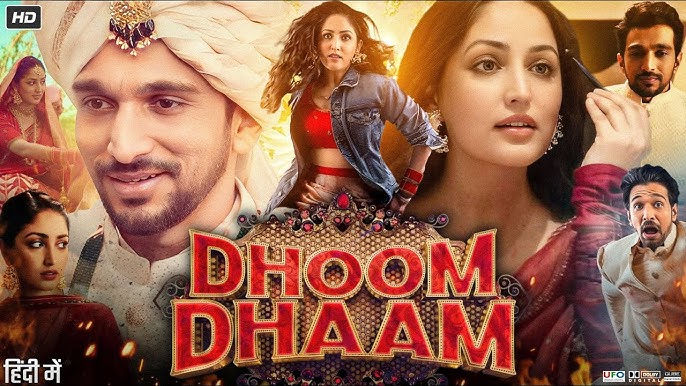
    Bollywood has long been known for blending multiple genres into a single film, and Dhoom Dhaam, starring Yami Gautam and Pratik Gandhi, is no exception. This 2025 release is a delightful mix of action, comedy, and romance, making it a perfect watch for audiences looking for a high-energy film that doesn’t take itself too seriously. Directed by Rishab Seth and produced by Aditya Dhar, Dhoom Dhaam premiered on Netflix on February 14, 2025, coinciding with Valentine’s Day. The film quickly gained traction due to its engaging narrative, refreshing performances, and witty screenplay.

    “Dhoom Dhaam” is a 2025 Indian Hindi-language romantic action-comedy film that brings together the dynamic duo of Yami Gautam Dhar and Pratik Gandhi. Directed by Rishab Seth, the film is a collaborative production between B62 Studios, helmed by Aditya and Lokesh Dhar, and Jio Studios, under the leadership of Jyoti Deshpande. Released on Netflix on February 14, 2025, the film offers a fresh take on the chaos that ensues when two contrasting personalities are bound together in matrimony.

    Dhoom Dhaam

    Plot Overview

    The narrative centers around Koyal Chadda (Yami Gautam Dhar), a spirited and fearless woman, and Veer Poddar (Pratik Gandhi), a reserved veterinarian with a penchant for order. Their arranged marriage sets the stage for a series of unforeseen events that unfold on their wedding night. A case of mistaken identity propels the newlyweds into a whirlwind adventure, compelling them to evade both law enforcement and nefarious characters, all while unraveling the mystery surrounding an enigmatic figure named “Charlie.” This high-energy escapade is replete with comedic episodes, action-packed sequences, and moments that test the couple’s burgeoning relationship.

    As a result, they find themselves on the run from both the law and dangerous criminals, all while trying to solve the mystery surrounding a notorious figure known as “Charlie.” Their journey is filled with humorous mishaps, adrenaline-pumping action sequences, and moments that test their budding relationship. Dhoom Dhaam 2025 successfully blends romance with comedy and action, making it a film that keeps audiences entertained throughout its runtime.

    Cast and Characters

    • Yami Gautam Dhar as Koyal Chadda: Portraying a “wild child” with an indomitable spirit, Yami’s character challenges traditional norms and brings a vivacious energy to the storyline.
    • Pratik Gandhi as Veer Poddar: Embodied as a timid, rule-abiding veterinarian, Pratik’s character provides a stark contrast to Koyal, setting the stage for both conflict and chemistry.
    • Eijaz Khan as Sathe: A pivotal character whose interactions with the protagonists add depth to the unfolding drama.
    • Pavitra Sarkar as Bhide: Contributing to the film’s comedic and dramatic elements through his unique portrayal.
    • Prateik Babbar as Arya: A character whose involvement adds complexity to the plot, influencing the protagonists’ journey.
    • Mukul Chadda as Sanjay Reberio: Playing a role that intertwines with the main narrative, adding layers to the story.
    • Kavin Dave as Khushwant Kapoor: Bringing his distinctive flair to the ensemble, enhancing the film’s dynamic.

    Direction and Cinematic Execution

    Rishab Seth, known for his unique storytelling techniques, has directed Dhoom Dhaam with a keen eye for balancing humor, romance, and action. The screenplay moves at a fast pace, ensuring that audiences remain engaged. The film’s cinematography captures the vibrant chaos of city life, enhancing the sense of urgency and excitement. From high-speed chases to comedic misunderstandings, the visual storytelling adds to the film’s appeal.

    The action sequences, choreographed with a mix of realism and Bollywood flair, contribute to the overall entertainment factor. The film does not rely solely on over-the-top action but instead incorporates humor into its fight scenes, making them engaging without feeling excessive.

    Production Insights

    The inception of “Dhoom Dhaam” was marked by a creative announcement that featured a matrimonial advertisement-style poster, introducing the lead characters in a humorous light. This innovative approach piqued audience interest and set the tone for the film’s promotional campaign.

    Director Rishab Seth envisioned a narrative that seamlessly blends humor, chaos, action, and romance. In an interview, he expressed his enthusiasm for the project, stating, “With ‘Dhoom Dhaam,’ we wanted to create something unique and entertaining, where humor, chaos, action, and romance come together in a fresh, high-energy story.” Seth’s direction aims to challenge conventional storytelling by presenting a plot that is both unpredictable and engaging.

    The film also marks a significant collaboration between Yami Gautam Dhar and her husband, Aditya Dhar, who serves as a producer. This partnership brings a personal touch to the project, with Aditya Dhar noting, “Collaborating with Netflix has been an amazing journey, allowing us to bring this thrilling narrative to a global audience.” The production’s association with Netflix facilitated a worldwide release, ensuring the film reached a diverse and extensive audience.

    Themes and Narrative Structure

    At its core, “Dhoom Dhaam” explores the theme of love emerging amidst chaos. The film delves into how two individuals with contrasting personalities navigate unforeseen challenges, leading to personal growth and mutual understanding. The narrative structure employs a blend of action and comedy, with the protagonists’ journey unfolding over a series of escalating events that test their resilience and compatibility.

    The character development is a focal point, with Koyal’s fearless demeanor gradually influencing Veer’s cautious nature, and vice versa. This interplay not only provides comedic relief but also offers a commentary on the balance required in relationships. The film’s pacing ensures that audiences remain engaged, with each scene contributing to the overarching theme of finding harmony amidst disorder.

    1. Love in Chaos: One of the central themes of Dhoom Dhaam is how love can emerge in the most unexpected circumstances. Koyal and Veer’s relationship is tested through their wild adventure, ultimately bringing them closer.
    2. Contrasting Personalities: The film plays on the classic trope of opposites attract. Koyal’s fearless, spontaneous nature contrasts sharply with Veer’s cautious approach to life. Watching their personalities clash and evolve is one of the film’s highlights.
    3. Comedy Meets Action: Unlike conventional Bollywood action films, Dhoom Dhaam takes a more lighthearted approach, making it accessible to a wider audience. The humor is sharp and well-timed, ensuring that even intense moments are accompanied by a laugh.
    4. Cultural Elements: The film also brings in elements of Indian wedding traditions, family dynamics, and societal expectations, adding a relatable touch to its larger-than-life premise.

    Critical Reception

    Upon its release, “Dhoom Dhaam” garnered a spectrum of reviews from critics. Saibal Chatterjee of NDTV awarded the film two out of five stars, acknowledging the efforts of the lead actors: “Full marks to Yami Gautam and Pratik Gandhi for gamely trying to spice up a desultory ride.” Shubhra Gupta of The Indian Express echoed similar sentiments, noting that while the film attempts to blend various genres, it occasionally falls short of its ambitious goals.

    Conversely, Archika Khurana of The Times of India offered a more favorable perspective, rating the film three and a half stars out of five. She highlighted the film as “an all-out entertainer” and deemed it “a perfect pick for Valentine’s Day,” emphasizing its blend of drama, humor, and unexpected twists that keep viewers engaged from start to finish.

    The performances of the lead actors were consistently praised across reviews. Yami Gautam Dhar’s portrayal of Koyal was lauded for its energy and authenticity, while Pratik Gandhi’s depiction of Veer showcased his versatility, transitioning from a reserved individual to someone embracing spontaneity. Their on-screen chemistry was noted as a driving force that elevates the film’s narrative.

    Impact on Bollywood and Streaming Trends

    Dhoom Dhaam is another example of Bollywood embracing the streaming revolution. The film’s Netflix release allowed it to reach a global audience instantly. The industry is increasingly seeing the potential in direct-to-OTT releases, especially for mid-budget films that might not perform as well in theaters due to competition from big-ticket releases.

    Yami Gautam, who has consistently chosen unconventional roles in recent years (A Thursday, Lost, Article 370), continues to prove her mettle as an actress willing to experiment. Pratik Gandhi, transitioning from the serious drama of Scam 1992 to a more lighthearted role, showcases his versatility, making him a rising star in the industry.

    Audience Engagement

    The film’s release on Netflix provided it with a platform to reach a global audience, allowing viewers from diverse backgrounds to engage with its universal themes. Social media platforms buzzed with discussions, with many viewers appreciating the film’s lighthearted approach and the chemistry between the leads. Memes, fan art, and discussions about favorite scenes proliferated, indicating a positive reception among the streaming audience.

    Conclusion

    “Dhoom Dhaam” is a 2025 Indian Hindi-language romantic action-comedy film directed by Rishab Seth, featuring Yami Gautam as Koyal Chadda and Pratik Gandhi as Veer Khurana. The narrative centers on a mismatched couple in an arranged marriage whose wedding night spirals into chaos due to a case of mistaken identity, propelling them into a frantic search for the enigmatic “Charlie.”

    The film has garnered mixed reviews. Saibal Chatterjee of NDTV awarded it two out of five stars, noting, “Full marks to Yami Gautam and Pratik Gandhi for gamely trying to spice up a desultory ride.” Shubhra Gupta of The Indian Express also rated it two out of five, commenting, “If you married ‘Iss Raat Ki Subah Nahin’ with a zillion iterations of the odd-couple and lovers-on-the-run and heist movies, you would get Yami Gautam-Pratik Gandhi film.”

    Conversely, Devesh Sharma of Filmfare offered a more favorable view, rating the film three out of five stars and describing it as “an action comedy which coasts on the comic timing of its leads, Yami Gautam and Pratik Gandhi.” Archika Khurana of The Times of India rated it three and a half stars out of five, writing, “Dhoom Dhaam is an all-out entertainer. A perfect pick for Valentine’s Day, this film delivers high drama, nonstop laughter, and endless surprises, keeping you hooked from start to finish!”

    In summary, “Dhoom Dhaam” offers a blend of action, comedy, and romance, driven by the dynamic performances of its lead actors. While it may tread familiar narrative paths, the film’s energetic execution and the chemistry between Gautam and Gandhi provide an engaging cinematic experience.

    ALSO READ THIS:AI Dark Side 2025: The Hidden Cost of Job Loss in the Age of Automation
  • AI Dark Side 2025: The Hidden Cost of Job Loss in the Age of Automation

    AI Dark Side 2025: The Hidden Cost of Job Loss in the Age of Automation

    AI Dark Side 2025:Will Create New Jobs but May Also Replace Some Artificial Intelligence (AI) is reshaping the global workforce, with both promising opportunities and significant challenges. While AI is expected to create numerous new job roles, it is also poised to replace some existing ones. Understanding this dual impact is crucial for businesses, workers, and policymakers alike. In this article, we explore how AI is transforming employment, the industries most affected, and what can be done to adapt to this evolving landscape.

    AI as a Job Creator

    Despite fears of job displacement, AI is generating new opportunities across various sectors. The demand for AI specialists, data scientists, and automation engineers has surged as companies integrate AI into their operations. According to reports, industries like healthcare, finance, and technology are seeing a boom in AI-related roles, leading to job creation rather than destruction.

    AI Dark Side 2025
    AI Dark Side 2025

    Emerging AI-Driven Roles

    1.   AI and Machine Learning Engineers – These professionals develop algorithms and AI models that drive automation and data analysis.

    2.   Data Scientists and Analysts – As AI thrives on data, skilled professionals who can interpret and derive insights from data are in high demand.

    3.   Robotics Engineers – With AI playing a significant role in robotics, experts in this field are crucial in designing and maintaining AI-powered machines.

    4.   AI Ethics and Compliance Officers – The rise of AI also brings ethical concerns, necessitating roles that focus on responsible AI usage and governance.

    5.   AI Trainers and Human-AI Interaction Specialists – AI requires training and continuous improvement, creating roles centered around fine-tuning AI models.

    These are just a few examples of new career paths emerging as a result of AI advancements. Many industries are also seeing AI enhance existing roles rather than replace them entirely.

    AI Dark Side 2025

    AI-Induced Job Displacement

    While AI is creating new opportunities, it is also automating tasks traditionally performed by humans. This is particularly evident in industries that rely on repetitive, routine tasks.

    As Artificial Intelligence (AI) continues to advance, its impact on the job market is becoming more apparent. While AI is creating new opportunities, it is also replacing certain roles, particularly those that involve repetitive, routine tasks. Job displacement due to AI and automation is a growing concern, as industries undergo significant transformations.

    AI Dark Side 2025

    Industries Most Affected by AI Displacement

    1. Manufacturing and Production- AI-powered robots are automating assembly lines, reducing the need for human labor.
      Smart factories use AI-driven machines for quality control, logistics, and warehouse operations.
    2. Retail and Customer Service-Chatbots and virtual assistants are replacing human customer service representatives.
      Self-checkout systems and automated inventory management reduce the demand for retail workers.
    3. Transportation and Logistics-Self-driving trucks, delivery drones, and AI-powered logistics planning are reshaping the industry.
      Ride-hailing services and public transport systems are exploring automation, reducing the need for human drivers.
    4. Finance and Accounting-AI-driven algorithms perform data analysis, risk assessment, and fraud detection with greater accuracy.
      Automated bookkeeping and tax preparation software are decreasing the demand for traditional accountants.
    5. Administrative and Clerical Work-AI-powered virtual assistants handle scheduling, data entry, and document management.
      Businesses are adopting AI tools for email filtering, transcription, and workflow automation.
    AI Dark Side 2025

    Mitigating the Impact of AI Displacement

    While AI is displacing some jobs, it is also changing the nature of work rather than eliminating employment altogether. Here’s how workers and industries can adapt

    1. Reskilling and Upskilling Programs-Governments and businesses should invest in AI-related training programs.
      Workers should acquire digital skills, learn AI tools, and transition into roles that require human oversight of AI systems.
    2. Shift Toward Human-AI Collaboration-AI should be used to augment human capabilities rather than replace workers entirely.
      Employees should focus on roles that require creativity, critical thinking, and emotional intelligence.
    3. Policy and Support Systems-Governments should implement policies to support displaced workers, including reemployment programs and financial assistance.
      Encouraging entrepreneurship and innovation can help create new job opportunities.
    4. Emphasis on Soft Skills-Jobs requiring interpersonal skills, problem-solving, and adaptability will remain valuable.
      AI cannot replace human intuition, leadership, or emotional intelligence, making these skills essential for future employment.
    AI Dark Side 2025

    Sectors Most Affected by AI Displacement

    1.   Manufacturing and Production – AI-powered robots are replacing human workers in assembly lines, warehousing, and logistics operations.

    2.   Retail and Customer Service – Chatbots and automated systems are reducing the need for human customer service representatives.

    3.   Transportation and Logistics – Self-driving technology is impacting jobs for truck drivers, delivery personnel, and transport operators.

    4.   Finance and Accounting – AI is automating routine financial analysis, bookkeeping, and auditing tasks, reducing the need for human accountants.

    5.   Administrative and Clerical Work – AI-driven automation tools are handling scheduling, data entry, and documentation tasks that previously required human intervention.

    Although these trends indicate a shift in job requirements, it is important to note that AI does not completely eliminate jobs—it transforms them. Employees in affected sectors can pivot to roles that involve managing and overseeing AI systems.

    AI Dark Side 2025

    The Future of Work: Adaptation and Upskilling

    To mitigate job losses and harness AI’s potential, adaptation is key. Governments, businesses, and educational institutions must focus on upskilling and reskilling workers to prepare them for AI-driven job markets.

    Artificial Intelligence (AI) is transforming industries at an unprecedented pace, disrupting traditional job roles while simultaneously creating new opportunities. As AI continues to evolve, the workforce must adapt to this technological shift to remain relevant in the job market. Adaptation and upskilling are crucial strategies for workers, businesses, and governments to thrive in the AI-driven future.

    AI Dark Side 2025

    Why Adaptation and Upskilling Matter

    AI is not just automating routine tasks—it is reshaping how work is done across various industries. Employees who proactively adapt and acquire new skills will have a competitive advantage, while those resistant to change may struggle to keep up. Upskilling is essential to bridge the gap between human capabilities and AI advancements.

    As Artificial Intelligence (AI) continues to reshape industries, adaptation and upskilling have become essential for workforce survival and growth. AI is automating repetitive tasks, changing job roles, and demanding new skill sets. Workers who embrace change and enhance their skills will remain relevant, while those who resist may face job displacement. Here’s why adaptation and upskilling matter in the AI era.

    AI Dark Side 2025

    1. AI is Reshaping the Job Market-AI is not just replacing jobs; it is transforming them. Many traditional roles are evolving to require a blend of human intelligence and AI-driven decision-making. Workers must adapt by acquiring digital literacy and technical expertise to stay competitive.

    2. New Career Opportunities are Emerging-While AI is automating certain jobs, it is also creating new ones. Roles such as AI specialists, data scientists, automation engineers, and cybersecurity analysts are in high demand. Upskilling allows individuals to transition into these high-growth fields.

    3. Enhancing Human-AI Collaboration-AI excels at processing vast amounts of data but lacks human creativity, emotional intelligence, and problem-solving abilities. Upskilling enables workers to complement AI rather than compete with it, fostering a collaborative and more productive work environment.

    4. Job Security and Career Growth-Workers who continuously update their skills are more likely to secure stable employment and advance in their careers. Employers value employees who can adapt to technological shifts and leverage AI tools to drive innovation.

    5. Competitive Advantage in the Workplace-Companies prefer hiring professionals who are tech-savvy and can integrate AI into business processes. Developing skills in AI, data analytics, and automation enhances job prospects and earning potential.

    6. Future-Proofing the Workforce-The rapid pace of AI development means that job roles will continue to evolve. Lifelong learning and continuous skill development ensure that workers can navigate future technological disruptions without being left behind.

    AI Dark Side 2025

    Key Areas for Upskilling

    AI & Machine Learning – Understanding AI applications and how to work alongside AI systems.
    Data Analysis & Digital Literacy – Gaining insights from AI-driven data and utilizing automation tools.
    Soft Skills Development – Strengthening critical thinking, creativity, emotional intelligence, and leadership skills.
    Cybersecurity & Ethical AI – Ensuring AI systems are secure and used responsibly.

    Key Strategies for Workforce Adaptation

    1. Continuous Learning and Digital Literacy-Staying updated with AI trends and emerging technologies is crucial.
      Learning digital tools, automation software, and data analytics will enhance job security.
    2. Reskilling for AI-Integrated Roles-Workers in jobs at risk of automation should explore reskilling opportunities in AI-driven fields.
      Training in areas like data science, machine learning, and robotics can open new career paths.
    3. Encouraging Human-AI Collaboration-Rather than replacing humans, AI is often used to augment human capabilities.
      Learning to work alongside AI systems can improve productivity and efficiency.
    4. Focusing on Soft Skills-Critical thinking, creativity, emotional intelligence, and problem-solving are skills that AI cannot easily replicate.
      These skills will become more valuable as AI handles technical and repetitive tasks.
    5. Government and Corporate Initiatives-Governments should implement AI education programs and workforce transition policies.
      Companies must invest in employee training to build an AI-ready workforce.
    AI Dark Side 2025

    Industries Leading the Upskilling Movement

    Technology – AI engineers, data analysts, and cybersecurity experts are in high demand.
    Healthcare – AI-assisted diagnostics require professionals trained in AI applications.
    Finance – Analysts and accountants must learn AI-powered financial tools.
    Retail & E-commerce – AI-driven logistics and customer service require skilled operators.

    Strategies for Workforce Adaptation

    1.   Education and Training Programs – Investing in STEM (Science, Technology, Engineering, and Mathematics) education ensures that future workers are equipped with AI-related skills.

    2.   Reskilling and Upskilling Initiatives – Existing employees should be trained in digital literacy, AI usage, and other emerging technologies.

    3.   Encouraging Human-AI Collaboration – AI should complement human workers rather than replace them entirely. Training employees to work alongside AI systems can boost productivity.

    4.   Government Policies and Support – Policymakers should implement workforce transition programs and support displaced workers with alternative employment opportunities.

    5.   Emphasizing Soft Skills – Creativity, problem-solving, and emotional intelligence remain areas where humans excel over AI. Encouraging the development of these skills ensures job security in an AI-driven world.

    AI Dark Side 2025

    Conclusion

    AI is neither a complete job destroyer nor a guaranteed job creator—it is a transformative force reshaping the workforce. While it is eliminating some roles, it is simultaneously generating new opportunities that require different skill sets. The key to thriving in this AI-driven era is adaptability.

    Businesses must embrace AI as a tool for innovation rather than a replacement for human workers. Employees should focus on continuous learning and reskilling to remain relevant in the evolving job market. By striking a balance between AI implementation and workforce readiness, society can harness AI’s potential while minimizing its disruptive effects on employment.

    The rise of artificial intelligence (AI) is reshaping the job market, bringing both opportunities and challenges. While AI will undoubtedly replace certain roles—especially those involving repetitive, rule-based tasks—it will also create new jobs, industries, and career paths that we cannot yet fully anticipate.

    AI-driven automation is most likely to impact jobs in manufacturing, customer service, data entry, and transportation. However, this disruption is not new; throughout history, technological advancements have displaced some jobs while generating others. The key difference with AI is its ability to perform cognitive tasks, which means that even some knowledge-based professions may be affected.

    AI Dark Side 2025

    On the other hand, AI will foster job creation in emerging fields such as AI development, data science, cybersecurity, and human-AI collaboration. Additionally, AI will enable workers to be more productive, automating routine aspects of jobs while allowing humans to focus on creative, strategic, and interpersonal tasks that machines cannot easily replicate.

    The net impact of AI on employment will depend on how governments, businesses, and individuals respond to these changes. Investments in education and reskilling programs will be crucial to preparing the workforce for AI-driven industries. Ethical considerations and policies surrounding job displacement, fair wages, and workforce transition support will also play a significant role in shaping the future of work.

    AI is not simply a job destroyer—it is a powerful tool that, if harnessed effectively, can enhance human potential and drive economic growth. The challenge lies in ensuring that the workforce is equipped to adapt to this transformation, embracing AI as an ally rather than a threat. By fostering a culture of continuous learning and innovation, society can strike a balance where AI complements human skills rather than replacing them entirely.

    ALSO READ THIS:AI-Powered Apps: Powerful Apps Shaping 2025 and Beyond

  • AI-Powered Apps: Powerful Apps Shaping 2025 and Beyond

    AI-Powered Apps: Powerful Apps Shaping 2025 and Beyond

    AI-Powered Apps: In today’s fast-paced digital world, artificial intelligence (AI) has transformed various aspects of human life, with healthcare being a major beneficiary. AI-powered health tracking apps are at the forefront of this revolution, offering users the ability to monitor their health metrics and receive personalized improvement suggestions. These applications leverage machine learning, data analytics, and real-time monitoring to provide insights into physical activity, nutrition, sleep patterns, mental health, and chronic disease management. This article explores how AI-powered health apps are revolutionizing personal well-being and healthcare.

    AI-Powered Apps
    AI-Powered Apps

    The Rise of AI-Powered Health Apps

    The adoption of AI in healthcare has been growing exponentially. With the integration of wearable technology, smartphone sensors, and cloud-based analytics, AI-driven apps have become more sophisticated in tracking health parameters. From monitoring heart rates and step counts to predicting potential health risks, these applications offer a proactive approach to well-being. Some of the most well-known AI health tracking apps include Apple Health, Google Fit, MyFitnessPal, Fitbit, and Sleep Cycle.

    AI-Powered Apps

    Key Features of AI-Powered Health Tracking Apps

    1. Real-Time Health Monitoring

    AI-powered health apps use data from wearable devices like smartwatches, fitness bands, and mobile phones to track real-time health metrics such as heart rate, blood pressure, oxygen levels, and stress levels. The collected data is analyzed instantly to provide meaningful insights and trends.

    1. Personalized Recommendations

    One of the major advantages of AI-driven health apps is their ability to analyze a user’s data and provide personalized health suggestions. Based on past behaviors, dietary habits, and activity levels, these apps generate customized fitness plans, meal recommendations, and lifestyle changes.

    1. Predictive Analytics and Disease Prevention

    AI algorithms can assess vast amounts of historical and real-time health data to identify patterns and predict potential health risks. By recognizing early signs of conditions such as diabetes, cardiovascular diseases, or stress-related disorders, AI-powered apps can prompt users to take preventive measures or seek medical consultation.

    AI-Powered Apps
    1. Sleep and Mental Health Tracking

    With the increasing focus on mental health and sleep quality, AI-driven apps analyze sleep patterns and stress levels. Using voice analysis, facial recognition, and behavior tracking, these apps detect emotional states and provide relaxation techniques, guided meditation, or sleep hygiene tips.

    1. Virtual Health Coaching

    AI-powered virtual health assistants act as digital coaches, guiding users through fitness routines, nutrition tracking, and lifestyle modifications. Some apps also feature chatbots or voice assistants that answer health-related queries, making personalized healthcare more accessible.

    1. Chronic Disease Management

    For individuals with chronic conditions like diabetes or hypertension, AI-powered apps offer continuous monitoring and reminders for medication intake, dietary guidelines, and scheduled check-ups. They also facilitate remote consultation with healthcare providers, enhancing patient engagement and self-care.

    AI-Powered Apps

    Benefits of AI in Health Tracking

    The integration of AI in health tracking offers several benefits, including:

    • Early Detection of Health Issues: Artificial intelligence[AI] can identify subtle health changes and warn users about potential medical conditions before they become severe.
    • Data-Driven Decision Making: With access to comprehensive health analytics, users can make informed lifestyle choices.
    • Improved User Engagement: AI-powered insights motivate users to stay committed to their health and fitness goals.
    • Accessibility and Convenience: These apps provide instant feedback and recommendations, reducing the dependency on frequent doctor visits.
    • Integration with Smart Devices: AI health apps seamlessly connect with smartwatches, fitness bands, and IoT medical devices to provide a holistic view of an individual’s health.
    AI-Powered Apps

    Challenges and Concerns

    While AI-powered health apps offer numerous advantages, there are challenges and concerns that need to be addressed:

    • Data Privacy and Security: Since these apps handle sensitive health information, concerns regarding data breaches and unauthorized access are prevalent.
    • Accuracy and Reliability: AI predictions and recommendations are based on data inputs, and errors in data collection can lead to misleading health insights.
    • Regulatory and Ethical Concerns: The use of AI in healthcare raises questions about accountability, compliance with health regulations, and ethical considerations.
    • Over-Reliance on Technology: Users might excessively depend on AI-driven recommendations without consulting medical professionals, which can be risky in certain health conditions.
    AI-Powered Apps

    Future Trends in AI-Driven Health Tracking

    The future of AI in health tracking looks promising, with several advancements on the horizon:

    • AI-Powered Diagnostics: Enhanced AI algorithms will provide more accurate diagnostic capabilities through image recognition, voice analysis, and wearable sensor data interpretation.
    • Integration with Telemedicine: AI-driven health apps will further integrate with telemedicine platforms, enabling real-time consultations with healthcare providers.
    • Genetic-Based Health Insights: AI will be used to analyze genetic data, providing personalized health recommendations based on an individual’s genetic predisposition.
    • Improved Mental Health Assistance: Advanced AI models will enhance the accuracy of mood detection and mental health assessments, offering more effective support for mental well-being.
    • Wearable AI Health Assistants: Smart wearable devices will incorporate AI-driven insights for continuous monitoring, alerting users about potential health risks in real time.
    AI-Powered Apps

    Conclusion

    AI-powered applications are transforming the landscape of health tracking and personalized well-being, offering unprecedented levels of accuracy, accessibility, and adaptability. By leveraging machine learning, big data, and real-time analytics, these apps empower individuals to take proactive control of their health, providing tailored insights and actionable recommendations.

    One of the most significant advantages of AI in health tracking is its ability to analyze vast amounts of data efficiently, detecting patterns and predicting health risks before they become critical. Whether through wearable devices monitoring vital signs, AI-driven nutrition planners, or mental health chatbots offering real-time support, these applications enhance healthcare precision while promoting preventive care.

    Furthermore, AI-driven health solutions are bridging the gap between individuals and healthcare providers. Telemedicine platforms, AI-powered diagnostics, and virtual health assistants are reducing the burden on healthcare systems, improving accessibility to care, and fostering a more personalized patient experience. By integrating AI with biometric sensors and IoT technology, users receive continuous monitoring, enabling early intervention and better management of chronic conditions.

    AI-Powered Apps

    Despite these advancements, challenges remain. Data privacy concerns, algorithm biases, and regulatory compliance issues must be addressed to ensure ethical and responsible AI implementation. Striking a balance between technological innovation and user trust is crucial for the sustainable growth of AI in health tracking.

    Looking ahead, AI-powered health apps will continue to evolve, incorporating more sophisticated algorithms, enhanced personalization, and deeper integration with medical ecosystems. As AI advances, it holds the potential to revolutionize not only how we track our well-being but also how we approach holistic health management. With ongoing research, ethical considerations, and user-centered design, AI-powered health applications will shape a future where personalized healthcare is not just a luxury but a standard for all.

    ALSO READ THIS:Rasha Thadani: Fearless, Unbreakable and Rising Star in the Spotlight In 2025

  • Jio Hotstar: The details on the update, collaboration, features, content and people reaction.

    Jio Hotstar: The details on the update, collaboration, features, content and people reaction.

    Jio Hotstar: Jio cinema and Disney+ hotstar has collaborated and partnerships to make singles streaming services in India. It has acquired streaming rights from various Disney+ hotstar content and jio cinema content including Hollywood movies, Disney+ shows, Indian shows and movies and sports events. It will also contain exclusive HBO content. This app Will offers free access to many movies and TV shows. The Jio Cinema and Disney+ Hotstar deal, some Hotstar content is now shifting to Jio Cinema, making it a major competitor to other OTT platforms like Netflix and Amazon Prime.

    what is Jio Hotstar?
    what is Jio Hotstar?

    Did Jio cinema and Disney hotstar Collab and merge together?

    Yes, the Jio Cinema and Disney+ Hotstar have merged to form a unified streaming platform called Jio Disney hotstar. The Reliance Industries and Walt Disney, combining their Indian media assets to create the country’s largest entertainment company. The existing subscribers of both Jio Cinema and Disney+ Hotstar have been automatically transitioned to Jio Hotstar, with their current subscription durations and benefits carried over.

    Did Jio cinema and Disney hotstar Collab and merge together?
    Did Jio cinema and Disney hotstar Collab and merge together?

    What are the features and price of an updated app?

    The features of Jio cinema are as follows: –

    1. It has access to a vast array of content, including movies, TV shows, live sports, and exclusive originals from both Jio Cinema and Disney+ Hotstar.
    2. It has an intuitive and easy-to-navigate interface, ensuring a seamless viewing experience across devices.
    3. It allows Multi-Device Support stream content on multiple devices, including smartphones, tablets, smart TVs, and web browsers.
    4. It provides tailored content suggestions based on viewing history and preferences.
    5. It provides many options for streaming like Standard Definition (SD) and High Definition (HD) streaming, catering to varying user preferences and internet bandwidths.

      What are the features and price of an updated app?
      What are the features and price of an updated app?

    Subscription plans of the apps are as following: –

    The Mobile Plan at ₹149 for 3 months or ₹499 per year, the super plan at ₹299 for 3 months or ₹899 annually and the Premium Plan for ₹1,499 per year.

    Details on the content in this app?

    Jio Hotstar, the unified streaming platform resulting from the merger of Jio Cinema and Disney+ Hotstar, offers an extensive and diverse content library to cater to a wide range of viewer preferences. It contains content like Bollywood, Regional Films, Hollywood Films, International Series, Indian Television Serials, and live sports content like cricket, football etc.

    Details on the content in this app?
    Details on the content in this app?

    How are people reacting to this update?

    There are Several positive feedback like many users appreciated the consolidation as it offers more extensive content library under a single platform and single subscription the merge is expected to create the large Ott platform in India providing it was array of content option.

    It Also show concern as some uses have expected concerned about potential changes in subscription in plan and content accessibility. Some people are also concerned about the future of an individual app and how existing subscription will be managed.

    How are people reacting to this update?
    How are people reacting to this update?

    Where can we get this app and its subscription?

    You can access the merged Jio Hotstar platform through the existing Disney+ Hotstar app. If you already have the Disney+ Hotstar app installed, ensure it’s updated to the latest version to enjoy the combined content offerings. The Android Devices can download the app from the Google Play Store and iOS Devices can Get the app from the Apple App Store. After installation, sign up or log in to start streaming a vast array of content, including movies, TV shows, live sports, and more.

    Also Read This: Solitude: Details on solitude, different between solitude and loneliness and other details.

  • Chhaava: Details about the movie plot, music, acting, direction and other details.

    Chhaava: Details about the movie plot, music, acting, direction and other details.

    Chhaava: The Chhaava movie is a 2025 Indian historical movie based on a real-life story of Chhatrapati Sambhaji Maharaj eldest son of Maratha warrior. This movie is the adaptation of a Marathi novel called chhaava written by Shivaji sawant. This movie has amazing visuals and music composed by AR Rahman with lyrics by irshad Kamal and kshitij patwardhan. Chhaava released in theatre today on February 14, 2024.

    Details on Chhaava movie.
    Details on Chhaava movie and reviews.

    Why should you watch Chhaava movie?

    The reasons to watch this Chhaava movie are as follows: –

    1. This movie shows the amazing performance of Vicky Kaushal as Chhatrapati Sambhaji Maharaj other actors and support cast.
    2. It has an engaging story line. Apart from this it is a real-life historical biography which provided the pivotal era of India.
    3. It has an amazing musical album which has been composed by A.R Rahman. This music has enhanced the Storytelling of the movie.
    4. The “Chhaava” has garnered positive reviews for its compelling performances and storytelling by movie Critics even before the movie was released.
    5. It has Cultural Significance. The movie sheds light on an important figure in Maratha history, offering viewers a chance to learn about Sambhaji Maharaj’s contributions and the challenges he faced.

      The reasons to watch this movie
      The reasons to watch this movie and highlights.

    Details on the themes and other highlights of the movies and storyline.

    The Chhaava revolve around the life, struggles, and legacy of Chhatrapati Sambhaji Maharaj. The key themes of the movie are explored: –

    1. It shows Bravery & Warrior Spirit by Showcases his military strategies and leadership in defending the Maratha kingdom.
    2. It shows Sacrifice & Duty by Emphasizes on how Sambhaji Maharaj dedicated his life to protecting Swarajya (self-rule).
    3. It also portrays Father-Son Legacy As the son of Chhatrapati Shivaji Maharaj, Sambhaji has to live an incredible legacy.
    4. It also showcases Freedom and Resistance feeling.
    5. Apart from this it also portrays the internal struggle of Sambhaji Maharaj between his personal aspirations and his duty as a ruler and warriors.

      Details on the themes and other highlights of the movies and storyline.
      Details on the themes and other highlights of the movies and storyline.

    The description on acting and direction overview of the movies.

    The movie has an amazing star cast of Vicky Kaushal as Chhatrapati Sambhaji Maharaj, Rashmika Mandanna as Yesubai Bhonsale, Akshaye Khanna as Aurangzeb, Ashutosh Rana as Sarsenapati Hambirao Mohite, and Divya Dutta as Soyarabai. The movies is directed by Laxman Utekar and produced by Dinesh vijan under Maddock Films.

    The description on acting and direction overview of the movies.
    The description on acting and direction overview of the movies.

    How is this movie connect to our glories history?

    The movie connects deeply to India’s glorious history, especially the Maratha Empire, by portraying the life and struggles of Chhatrapati Sambhaji Maharaj. His story is significant because he was not just the son of Chhatrapati Shivaji Maharaj but also a brave warrior, an intelligent strategist, and a ruler who resisted Mughal dominance.

    How is this movie connect to our glories history?
    How is this movie connect to our glories history?

    What are the people reaction on chhaava movie?

    The film is predicted to make a box office collection of 20 to 25 crores. Till now it has also been awarded with three stars on IMDb. Amazing gripping second half and terrific climax.

    What are the people reaction on chhaava movie?
    What are the people reaction on chhaava movie?

    Where and why should you watch this movie?

    You should watch Chhaava because it is more than just a historical drama—it’s a tribute to one of the bravest warriors in Indian history, Chhatrapati Sambhaji Maharaj. This movie has already been released in nearby theaters.

    ALSO READ THIS: Natco Pharma Shares: Q3 Results, Highlights, and Performance.

  • Rasha Thadani: Fearless, Unbreakable and Rising Star in the Spotlight In 2025

    Rasha Thadani: Fearless, Unbreakable and Rising Star in the Spotlight In 2025

    Rasha Thadani, daughter of Bollywood actress Raveena Tandon, has been in the limelight for quite some time. As a star kid, she has garnered significant attention from the media and fans alike. While she has mostly maintained a low profile, her growing presence in social circles and her striking resemblance to her mother have made her a subject of curiosity. This article delves into Rasha Thadani’s background, her aspirations, and the speculations regarding her potential entry into the film industry.

    Early Life and Background

    Rasha Thadani was born into a family deeply rooted in the entertainment industry. Her mother, Raveena Tandon, is one of Bollywood’s most celebrated actresses, known for her iconic roles in the 1990s and early 2000s. Her father, Anil Thadani, is a film distributor, further strengthening her ties to the industry. Despite being born into a world of glamour and fame, Rasha has maintained a relatively private life, focusing on her education and personal interests.

    Growing up, Rasha has been spotted with her mother at various events, which has led to increased speculation about her future in Bollywood. While she has not officially announced any plans to enter the film industry, her public appearances and social media presence have kept fans intrigued.

    Rasha Thadani

    Education and Personal Interests

    Rasha Thadani has been pursuing her education at one of Mumbai’s prestigious institutions. She has excelled academically and has also been actively involved in extracurricular activities. Reports suggest that she has a keen interest in music and sports, particularly martial arts. She has achieved a black belt in Taekwondo, which showcases her dedication and discipline outside the glamour of Bollywood.

    Her social media posts often reflect her love for nature, travel, and fitness. Unlike many star kids who actively seek the limelight, Rasha has maintained a balanced approach, sharing glimpses of her life while keeping her private affairs discreet.

    Resemblance to Raveena Tandon and Public Attention

    One of the most talked-about aspects of Rasha Thadani is her striking resemblance to her mother, Raveena Tandon. Many fans and media houses have drawn comparisons between the two, highlighting their similar facial features and elegant presence.

    The mother-daughter duo shares a close bond, as evident from their frequent social media interactions and public appearances. Raveena Tandon has often expressed her pride in Rasha’s achievements, emphasizing that she supports whatever career path her daughter chooses to pursue.

    Bollywood Speculations: Will She Enter the Film Industry?

    The Indian film industry has a long-standing tradition of star kids following in their parents’ footsteps, and Rasha Thadani is no exception to such speculations. Given her lineage and the audience’s curiosity, there is considerable buzz about whether she will make her Bollywood debut.

    While neither Rasha nor her family has confirmed any Bollywood aspirations, industry insiders believe she has the potential to follow in her mother’s footsteps. With her graceful demeanor, sharp features, and evident confidence, she certainly has what it takes to make a mark in the entertainment industry. However, her focus on education and other interests suggests that she is in no hurry to step into Bollywood.

    Social Media Presence and Influence

    In today’s digital age, social media plays a crucial role in shaping the public persona of celebrities and star kids. Rasha Thadani has gradually built a social media presence that reflects her personality—elegant, composed, and selectively engaging. Unlike some star kids who actively promote themselves, Rasha prefers to share snippets of her personal life, travel adventures, and hobbies without delving too much into showbiz.

    Her followers admire her for maintaining a balance between privacy and public engagement. She has garnered a loyal fan base that appreciates her authenticity and down-to-earth approach.

    A Supportive Family and Future Prospects

    One of Rasha’s greatest strengths is the unwavering support of her family. Raveena Tandon has often spoken about allowing her children the freedom to choose their own career paths. Whether Rasha decides to pursue a career in films, business, or any other field, she has the backing of her loved ones.

    With the increasing presence of star kids making their Bollywood debuts, it will be interesting to see if and when Rasha Thadani decides to step into the industry. Her mother’s legacy and her own individuality will undoubtedly play a significant role in shaping her journey.

    Conclusion

    Rasha Thadani is a name that continues to garner attention, despite her relatively private lifestyle. As the daughter of Raveena Tandon, she has inherited both the beauty and elegance of her mother. While Bollywood speculations surround her, she remains focused on her education, interests, and personal growth.

    Whether or not she chooses to enter the film industry, Rasha has already made a mark with her charm and individuality. As she continues to grow and explore her path, fans and media will undoubtedly keep a close watch on her journey, eagerly awaiting what the future holds for this rising star.

    ALSO READ THIS: “India’s Oil Import Bill Hits ₹11 Lakh Crore: Driving Growth & Energy Security”

  • “India’s Oil Import Bill Hits ₹11 Lakh Crore: Driving Growth & Energy Security”

    “India’s Oil Import Bill Hits ₹11 Lakh Crore: Driving Growth & Energy Security”

    India’s oil: India’s burgeoning economy has led to a significant increase in energy consumption, making it the world’s third-largest oil importer. In the fiscal year 2020–21, India’s net crude oil imports reached approximately 226.95 million metric tons, underscoring its heavy reliance on foreign oil to meet domestic demand. This dependence has profound implications for the nation’s economy, energy security, and foreign policy.

    India’s oil import bill is a significant component of its economy, reflecting the country’s heavy reliance on imported crude oil to meet its energy demands. In the fiscal year 2023-24, India imported approximately 232.5 million tonnes of crude oil, incurring an expenditure of $132.4 billion. This figure represents a 16% decrease from the previous fiscal year’s import bill of $157.5 billion, primarily due to lower international crude oil prices. However, despite the reduction in expenditure, India’s import dependence increased to 87.7% in 2023-24, up from 87.4% in the prior year, underscoring the nation’s growing energy needs and limited domestic production.

    India's oil

    The global oil landscape is influenced by the policies of major economies, notably the United States. Former President Donald Trump’s energy strategy, often termed the pursuit of “energy dominance,” aimed to position the U.S. as a leading global energy producer and exporter. This approach involved several key initiatives:

    1. Boosting Domestic Production: The Trump administration prioritized increasing domestic oil and gas production by rolling back environmental regulations and expediting permits for drilling, including in previously protected areas like the Arctic National Wildlife Refuge.
    2. Withdrawal from the Paris Agreement: In a move to prioritize economic growth over environmental commitments, the U.S. withdrew from the Paris Climate Accord, signaling a shift away from global efforts to reduce carbon emissions.
    3. Support for Fossil Fuel Infrastructure: The administration advocated for the expansion of fossil fuel infrastructure, including pipelines and liquefied natural gas (LNG) terminals, to facilitate increased exports. This included lifting moratoriums on federal coal leasing and promoting offshore drilling.
    4. Opposition to Renewable Energy Initiatives: The Trump administration took steps to limit the development of renewable energy projects, such as halting new offshore wind leases and rolling back incentives for electric vehicles, arguing that these measures were necessary to protect jobs and ensure energy reliability.

    These policies were designed to enhance U.S. energy independence, stimulate economic growth, and strengthen national security by reducing reliance on foreign oil. However, they also had significant implications for global oil markets and other oil-importing nations like India.

    The Dynamics of India’s Oil Import Bill

    India’s oil import bill is a substantial component of its trade deficit. The country’s import dependence for crude oil stands at 82.8%, highlighting its vulnerability to global oil price fluctuations. Major suppliers include Russia, Iraq, Saudi Arabia, and the United Arab Emirates, with Russia recently becoming a significant contributor, accounting for 40% of India’s oil imports. This shift has reduced the share of Middle Eastern oil imports from 60% to 44%.

    The financial implications are considerable. Elevated global oil prices can lead to increased inflation, a higher current account deficit, and pressure on the Indian rupee. Consequently, the government faces challenges in managing subsidies and maintaining fiscal discipline.

    India’s Oil

    Strategies to Mitigate Import Dependence

    To address these challenges, India is pursuing several strategies:

    1. Diversification of Energy Sources: The government is investing in renewable energy projects, including solar, wind, and hydroelectric power, to reduce reliance on fossil fuels.
    2. Enhancing Domestic Production: Efforts are underway to boost domestic oil and gas exploration and production. The government has engaged with major international oil companies, such as ExxonMobil, BP, Chevron, and Petrobras, to encourage exploration in Indian territories, particularly in untapped regions like the Andaman waters. Proposed regulatory changes aim to protect investors and streamline legal processes, with additional measures including the opening of previously restricted areas for exploration.
    3. Strategic Petroleum Reserves: India is expanding its strategic petroleum reserves to cushion against supply disruptions and price volatility.

    Impact on Global Oil Markets and India

    The U.S.’s increased oil production contributed to a more abundant global oil supply, which, in turn, exerted downward pressure on international oil prices. For India, a major oil importer, lower global oil prices can lead to reduced import bills, providing economic relief. However, the benefits are nuanced.

    While lower oil prices can reduce immediate import costs, they can also discourage investment in domestic oil production and alternative energy sources, potentially increasing long-term dependency on imports. Moreover, the U.S.’s withdrawal from international climate agreements and the rollback of environmental regulations can contribute to global environmental challenges, which have far-reaching consequences beyond energy markets.

    India's oil

    India’s Strategic Response

    In response to the evolving global oil dynamics, India has been exploring strategies to mitigate its import dependence and enhance energy security:

    1. Diversification of Import Sources: India has increased its oil imports from Russia, taking advantage of discounted rates. The share of Russian crude in India’s import basket jumped to 36% in April-February FY2024 from 2% in FY2022. This shift has led to significant savings, estimated at $7.9 billion in 11 months of 2023-24.
    2. Enhancing Domestic Production: The Indian government is encouraging exploration and production activities within the country. Initiatives include offering incentives for oil exploration in unexplored regions and implementing policy reforms to attract foreign investment in the energy sector.
    3. Investing in Renewable Energy: India is making significant investments in renewable energy sources such as solar and wind power to reduce its reliance on imported fossil fuels. The country aims to achieve 450 GW of renewable energy capacity by 2030 as part of its commitment to sustainable development.
    India’s Oil

    The Global Oil Landscape and U.S. Policies

    On the global stage, oil dynamics are influenced by the policies of major producers and consumers, notably the United States. Under President Donald Trump’s administration, there was a pronounced emphasis on achieving energy dominance. This approach involved:

    • Deregulation: Rolling back environmental regulations to boost oil and gas production.
    • Infrastructure Development: Promoting projects like the Keystone XL Pipeline to enhance oil transportation capacity.
    • Industry Leadership: Appointing industry leaders to key positions, such as Chris Wright, CEO of Liberty Energy, as Secretary of Energy.

    These policies aimed to increase domestic production, reduce dependence on foreign oil, and position the U.S. as a leading global energy supplier.

    Implications for India

    The U.S. pursuit of energy dominance has several implications for India:

    1. Market Dynamics: Increased U.S. oil production can influence global oil prices, potentially benefiting large importers like India through more stable or reduced prices.
    2. Trade Opportunities: Enhanced U.S. production opens avenues for India to diversify its import sources, strengthening energy security.
    3. Geopolitical Considerations: U.S. policies can affect global alliances and trade flows, necessitating strategic adjustments by India in its foreign policy and trade relations.

    Conclusion: The Future of India’s Oil Strategy in a Shifting Global Energy Order

    India’s oil import bill of ₹11 lakh crore underscores its heavy reliance on foreign crude, making energy security a critical concern for economic stability. As one of the world’s fastest-growing energy consumers, India faces the challenge of balancing energy affordability, geopolitical risks, and long-term sustainability. The country’s dependency on imported oil has direct implications for its trade deficit, inflation, and currency stability. This makes strategic planning essential, especially when global oil markets are influenced by power plays from dominant nations like the United States, Russia, and OPEC members.

    India’s Strategic Dilemma: Energy Security vs. Geopolitical Constraints

    India has been actively diversifying its crude oil sources, with Russia emerging as a major supplier in recent years. However, this diversification brings its own set of challenges, including sanctions, price volatility, and shifting diplomatic alliances. The dominance of the US in global energy markets—especially with its ambitions to be the world’s top oil and gas producer—adds another layer of complexity.

    India’s Oil

    Under Donald Trump’s leadership, the US adopted a strategy of energy dominance, increasing domestic oil production, lifting export restrictions, and using oil as a geopolitical tool. If Trump were to return to power, his administration is likely to continue prioritizing energy independence and global market influence. This could impact India in several ways:

    1. Oil Price Volatility – US policies favoring domestic production may lead to lower global oil prices, benefiting India in the short term. However, aggressive American energy policies could also disrupt global supply chains.
    2. Geopolitical Alignments – The US may impose stricter trade restrictions on countries buying oil from sanctioned nations like Russia, forcing India to make difficult foreign policy decisions.
    3. Shift Towards US LNG – With the US becoming a leading exporter of Liquefied Natural Gas (LNG), India might increase LNG imports from the US, reducing its crude dependency but raising new cost considerations.

    The Path Forward: Balancing Domestic and Global Priorities

    To reduce its vulnerability, India is focusing on several key strategies:

    • Expanding domestic exploration and production – Investing in oil fields within India and improving extraction technologies.
    • Boosting renewable energy initiatives – Increasing solar, wind, and biofuel projects to lessen dependence on imported crude.
    • Strengthening energy partnerships – Engaging with diverse suppliers like Middle Eastern nations, Russia, and the US to ensure a steady and competitive supply.
    • Enhancing strategic petroleum reserves – Stockpiling oil to cushion against supply disruptions and price shocks.

     Navigating the Global Oil Game with Strategic Agility

    India finds itself at the crossroads of a global oil power struggle, where economic growth, diplomatic flexibility, and energy security must be carefully balanced. While its oil import bill remains high, the country’s ability to adapt to shifting energy dynamics, build resilient supply chains, and invest in alternative energy sources will determine its long-term energy independence.

    With the US pushing for greater control over the global oil market—especially if Trump returns to office—India will need strategic foresight to navigate the oil game effectively. By leveraging diplomatic engagements, enhancing domestic production, and accelerating its clean energy transition, India can strengthen its position and mitigate risks associated with global energy politics.

    ALSO READ THIS:CT 2025: Prize money announced for Champions Trophy, winner will get crores, losing team will also be rich

  • CT 2025: Prize money announced for Champions Trophy, winner will get crores, losing team will also be rich

    CT 2025: Prize money announced for Champions Trophy, winner will get crores, losing team will also be rich

    CT 2025: The International Cricket Council (ICC) has announced a significant increase in the prize money for the 2025 ICC Champions Trophy, elevating the total purse to $6.9 million—a 53% rise from the 2017 edition. The tournament is scheduled from February 19 to March 9, 2025, marking Pakistan’s first time hosting an ICC event in 28 years.

    Prize Money Breakdown:

    • Winners: The champions will receive $2.24 million.
    • Runners-up: The second-place team will earn $1.12 million.
    • Semi-finalists: Teams that reach the semi-finals but do not advance will each get $560,000.
    • 5th and 6th Place: Teams finishing in these positions will receive $350,000 each.
    • 7th and 8th Place: These teams will be awarded $140,000 each.
    CT 2025
    CT 2025

    This substantial increase in prize money underscores the ICC’s commitment to rewarding excellence and enhancing the competitive spirit among participating nations. The 2025 Champions Trophy will feature eight top-ranked One-Day International (ODI) teams, divided into two groups of four. The tournament will commence in Karachi and conclude in Lahore, with matches also held in Rawalpindi. Due to geopolitical considerations, India’s matches are scheduled to be played in Dubai.

    The ICC has allocated a budget of approximately $70 million for the event, covering expenses such as infrastructure development, security, logistics, and marketing. The Pakistan Cricket Board (PCB) has earmarked Rs12.80 billion for the renovation and upgradation of the National Bank Cricket Arena in Karachi, Gaddafi Stadium in Lahore, and the Rawalpindi International Cricket Stadium to meet international standards.

    CT 2025

    The Champions Trophy has a rich history, often referred to as the “Mini World Cup.” The 2017 edition saw Pakistan clinch their maiden Champions Trophy title with a remarkable 180-run victory over India in the final. The increased prize money in 2025 reflects the tournament’s growing prestige and the ICC’s dedication to promoting the sport globally.

    This substantial increase in prize money reflects the ICC’s commitment to rewarding excellence and enhancing the competitive spirit among participating nations. For context, during the 2017 Champions Trophy, the total prize pool was $4.5 million, with the winners receiving $2.2 million.

    Tournament Hosting and Structure:

    After a 28-year hiatus, Pakistan is set to host an ICC event, underscoring the nation’s re-emergence as a central venue for international cricket. The tournament will feature eight top-tier One-Day International (ODI) teams, divided into two groups of four. Each team will play the others in their group, with the top two from each group advancing to the semi-finals, culminating in the final match.

    Due to geopolitical considerations, matches involving the Indian cricket team will be held in Dubai, as India has opted not to travel to Pakistan. This arrangement ensures the participation of all teams while addressing security and diplomatic concerns.

    CT 2025

    Historical Context and Future Outlook:

    The ICC Champions Trophy has evolved since its inception in 1998, both in format and financial incentives. The decision to increase the prize pool aligns with the ICC’s broader strategy to promote the sport and provide greater rewards for excellence. The significant rise in prize money not only underscores the tournament’s prestige but also reflects the growing commercial success and global appeal of cricket.

    As the cricketing world eagerly anticipates the 2025 Champions Trophy, the enhanced financial incentives are expected to further intensify the competition, promising thrilling matches and showcasing the pinnacle of ODI cricket.

    CT 2025

    Conclusion: A Game-Changer for Champions Trophy 2025

    The announcement of the prize money for the ICC Champions Trophy 2025 marks a significant moment in the history of the tournament. With a substantial increase in the total prize pool to $6.9 million, the ICC has reinforced its commitment to making the Champions Trophy a highly prestigious event in the cricketing world. The winning team will take home a massive $2.24 million (approximately INR 18-20 crore), making the tournament not just a fight for the trophy but also a lucrative opportunity for players and cricket boards alike.

    Even the runner-up will not walk away empty-handed, securing a handsome $1.12 million, while semi-finalists will also be rewarded well. This ensures that teams have much more at stake beyond just national pride, as the financial incentives add an extra layer of motivation. Even the teams finishing lower in the rankings will receive monetary rewards, making participation in the tournament financially viable for all.

    CT 2025

    Beyond just the prize money, this financial boost highlights the increasing commercialization of cricket and the growing influence of broadcasting deals, sponsorships, and global audience engagement. The ICC’s decision to significantly hike the Champions Trophy’s prize money aligns with a broader trend seen in global sports, where financial rewards are used to elevate the competition’s stature and encourage high-performance cricket.

    Moreover, with Pakistan hosting an ICC event after almost three decades and India’s matches likely to be played in Dubai, the tournament will not just be about money but also about geopolitical nuances and historic rivalries. The increased prize money further intensifies the battle among the world’s top cricketing nations, ensuring that every game will be played with passion, determination, and the hunger to win—not just for the glory of lifting the trophy but also for the substantial financial rewards.

    CT 2025

    The Champions Trophy 2025 is set to be one of the most exciting and rewarding editions of the tournament. The combination of high-stakes cricket, historic rivalries, and lucrative financial incentives guarantees a fiercely competitive spectacle. Fans around the world can expect thrilling matches, nail-biting finishes, and intense cricketing action, as every team will be playing not just for victory but also for a share of the multi-million-dollar prize pool.

    The ICC Champions Trophy 2025 promises to be a landmark event with its enhanced financial incentives, state-of-the-art facilities, and the return of a major cricket tournament to Pakistan after nearly three decades. Fans worldwide eagerly anticipate a display of top-tier cricketing talent competing for glory and substantial rewards.

    ALSO READ THIS: Self-Care for the Soul 2025: The Ultimate Guide to Skin Care and Self-Care Routines

    Written by – Ananya Saxena (Author avspost.com)

  • Natco Pharma Shares: Q3 Results, Highlights, and Performance

    Natco Pharma Shares: Q3 Results, Highlights, and Performance

    Natco Pharma Shares: According to February 13, 2025 then Natco Pharma’s stock has a significant decline by following the rise of its third quarter final result. According to the company report a 37.75% decrease in the net profit which made a total of Rs 132.4 crores. This happened due to primary produce formulation export the response of the stock price plunged 20% and its closing was Rs 975.05.

    details on Natco Pharma Shares Q3 results.
    Details on Natco Pharma Shares Q3 results.

    Apart from the rise in revenue from active pharmaceutical ingredients, the overall performance was adversely affected by the downfall in the export formulation segment. This made and accounts for 44% of total.

    What is Natco Pharma?

    Natco Pharma Ltd. Indian pharmaceutical company which was founded in 1981 and it’s headquartered is in Hyderabad, India. This company is specializing in production of generic drugs, oncology medicines, active pharmaceutical ingredients and contract manufacturing. It is also known for focus on making of life saving drug particularly for cancer treatment, hepatitis and cardiovascular disease.

    What is Natco Pharma?
    What is Natco Pharma?

    Natco Pharma Shares Highlights.

    Some key highlights of Natco Pharma Shares are as follows:

    1. Stock price has dropped, failed 20% and it closed at Rs.975.05 after Q3 results.
    2. There is also a deadline in net profit, as per the report Rs.132.4 crore has down by 73.75%.
    3. The revenue has also been impacted where we can see major deadline due to weaker export formulation business.
    4. There has been a growth in API segment their revenue from active pharmaceutical has seen active growth.

      Natco Pharma Shares Highlights.
      Natco Pharma Shares Highlights.
    5. Whereas the dividend announcement has declared the third interims dividend despite the lower profits.
    6. The stock is 52 weeks low which happened due to investor concerns
    7. In the market segment the investors have reacted negatively, which caused High volatility.
    8. whereas, the recovery depends on export performance and a new approval.

    What Will Be the Future of Natco Pharma?

    The current indicators suggest potential challenges ahead, Natco Pharma’s strategic initiatives in complex generics and specialty therapies may offer avenues for future growth. The investors should monitor the company’s performance in its export formulation business and its ability to bring new products to market.

    What Will Be the Future of Natco Pharma?
    What Will Be the Future of Natco Pharma?

    Also Read This: Income Tax 2025: This year highlights, changes, important information and other details on Income Tax 2025.

  • Solitude: Details on solitude, different between solitude and loneliness and other details.

    Solitude: Details on solitude, different between solitude and loneliness and other details.

    Solitude: It is an art of being alone without the feeling of the loneliness. It is in choose in or intentional experience that will allow a person to disconnect with external destruction and reconnect with themselves.

    what is solitude?
    what is solitude?

    Apart from this loneliness is a mark of isolations and sadness, whereas solitude is it positive and enriching state that promote self-reflection, creativity and inner peace.

    Why do we need solitude?

    Some of the reasons why we need it are because of the following: –

    1. It helps understand thought emotions and goals.
    2. It encourages self-awareness and deeper isolation.
    3. It reduces mental clutter and overwhelm.
    4. It reduces the stress and anxiety by allowing the mind to set.
    5. It helps us in Deeper thinking which allows us to find out new innovations and thoughts.
    6. It helps us in problem solving situations.

      Why do we need?
      Why do we need?
    7. It enhances focus and productivity.
    8. It teaches us to be comfortable with ourselves.
    9. It helps us strengthen our emotions.
    10. It improves our relationship with others.
    11. It reduces our dependents on others.
    12. It Promotes healthy boundaries.

    What is the importance of it?

    The Solitude plays a crucial role in personal growth, mental well-being, and overall life balance. It is not about isolation or loneliness but about intentionally spending time alone to reflect, recharge, and grow for betterment of our-self.

    What is the importance
    What is the importance

    How can we practice it?

    Some ways of practicing are as following: –

    1. Setting up of alone time.
    2. By disconnecting with technology.
    3. Spending time in nature or a calm place.
    4. By practicing meditation and other activities.

      Some ways of practicing solitude
      Some ways of practicing solitude
    5. By reading and writing for keeping are thoughts.
    6. Enjoy some solo activities you like.
    7. Setup your goal and tasks.
    8. Enjoy the power of doing nothing and letting your mind rest.

    Difference between solitude and loneliness?

    The Solitude is a conscious choice to spend time alone for self-reflection, relaxation, and personal growth. It is a positive state that fosters creativity, emotional balance, and mental clarity. Whereas loneliness is an unwanted feeling of isolation, often accompanied by sadness, emptiness, and a longing for connection.

    The key difference
    The key difference

    The key difference lies in control, solitude is voluntary and fulfilling, whereas loneliness is often involuntary and painful. Understanding this distinction allows us to embrace solitude as a source of strength while addressing loneliness through meaningful connections.

    Also Read This: Champions trophy 2025: The champions trophy 2025 details, format, squad, and fan’s reaction.