Reet Exam 2025: The Reet Exam also known as Rajasthan eligibility examination for teachers is an exam created at state level exam which is conducted by Rajasthan staff selection Board (RSSB) determine the eligibility of the candidates for teaching position in government school of Rajasthan.
what is Reet Exam 2025?
This exam specially decides the teachers from class 1st to 8th standard. That exam is divided into two levels, the first level decides the Teachers for class 1st to 5th and the second level decides the teachers from class 6th to 8th.
What is the criteria to be in Reet Exam 2025?
Some of the criteria to be in the Reet Exam 2025 are as follow: –
1. The Nationality limit.
2. Age limit.
3. Education qualification.
4. There is no limit of attempts.
5. Candidate should apply for teacher recruitment.
The importance of the exam.
The Rajasthan Eligibility Examination for Teachers (REET) is a crucial exam for aspiring teachers in Rajasthan government schools. It serves as a mandatory qualification for those who wish to teach students from Classes 1 to 8 in state-run schools.
The importance of the exam.
Some of its importance are as following:-
1. It is mandatory for Teaching Jobs in Rajasthan.
2. It can provide us with Lifetime Certification.
3. It ensures Quality Education.
4. It gives Skilled Teachers.
5. It gives government Job Benefits.
6. It gives opportunity for Career Growth.
7. It gives recognition Across Rajasthan.
8. It is a motivation for Aspiring Teachers.
How to get your Admit card?
1. Visit the Official Website of the Rajasthan Staff Selection Board (RSSB) official website.
2. Look for the “REET Admit Card 2025” link under the Latest Announcements section.
3. Enter Your Details like name, date of birth and other details.
4. Then submit your application.
5. After submitting the details, your REET admit card will appear on the screen.
6. Download your Admit card.
Details of the Reet Exam 2025 syllabus.
The REET syllabus is divided into two levels. Level 1 (Classes 1-5) includes Child Development & Pedagogy, Language I & II, Mathematics, and Environmental Studies, focusing on basic concepts and teaching methodologies.
Level 2 (Classes 6-8) covers Child Development & Pedagogy, Language I & II, Mathematics & Science (for Science teachers), and Social Studies (for Social Studies teachers), emphasizing subject expertise and teaching strategies.
Details of the Reet Exam 2025 syllabus.
Important dates of the exam.
Some of the important dates of the exam are: –
Notification Release: Expected in the first quarter of the year
Online Application Start Date: Usually within a month of the notification
Last Date to Apply: Around 3–4 weeks after applications open
Admit Card Release: About 1–2 weeks before the exam
Exam Date: Generally held mid-year (April–July)
Result Declaration: Within 1–2 months after the exam
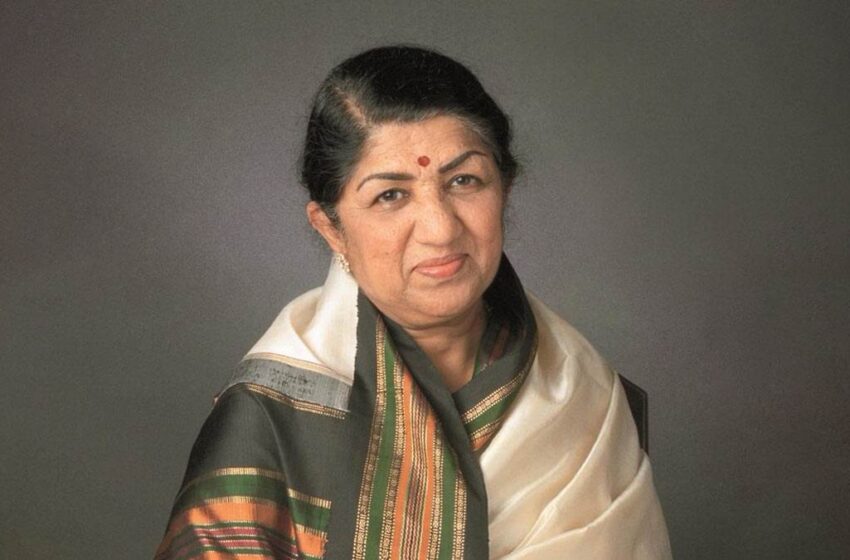
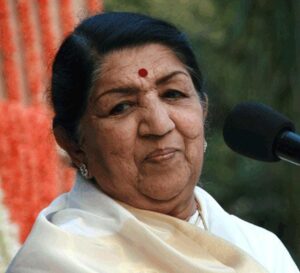
Lata Mangeshkar: The Nightingale of India was a legendary singer whose melodious voice left an everlasting impact on Indian music and culture. With a career spanning over seven decades, she recorded thousands of songs in multiple languages, captivating audiences with her soulful renditions. Her contributions to the music industry earned her numerous prestigious awards, including the Bharat Ratna, India’s highest civilian honor. Beyond accolades, Lata Mangeshkar’s voice became synonymous with emotion, devotion, and timeless artistry, inspiring generations of musicians and music lovers. Her legacy continues to live on, making her an eternal icon in the world of music.
Lata Mangeshkar was born on September 28, 1929, in Indore, Madhya Pradesh, India, into a family deeply rooted in music. Her father, Pandit Deenanath Mangeshkar, was a classical singer and theater actor, while her mother, Shevanti Mangeshkar, was a homemaker. She was the eldest of five siblings—Asha Bhosle, Usha Mangeshkar, Meena Mangeshkar, and Hridaynath Mangeshkar—all of whom became accomplished musicians.
Lata’s interest in music began at an early age, and she received her initial training in classical singing from her father. However, tragedy struck the family in 1942 when her father passed away. She was just 13 years old at the time, and the responsibility of supporting the family fell on her shoulders.
Lata Mangeshkar
Early Struggles and Breakthrough
After her father’s death, Master Vinayak, a close family friend and filmmaker, helped her find work in the film industry. She began her career as a playback singer in 1942, singing her first song for a Marathi film, Kiti Hasaal, though it was eventually removed from the final cut. Her first released song was “Natali Chaitrachi Navlai” for the Marathi film Pahili Mangalaa-gaur (1942).
In the initial years, Lata faced rejection for having a voice that was considered too thin compared to the heavy voices that were popular in the 1940s, like Noor Jehan and Shamshad Begum. However, her breakthrough came in 1949 when she sang “Aayega Aanewala” from the film Mahal, composed by Khemchand Prakash. The song became a massive hit and established her as a leading playback singer in Bollywood.
Rise to Stardom (1950s–1970s)
During the 1950s and 1960s, Lata Mangeshkar became the most sought-after playback singer in the Hindi film industry. She worked with legendary music directors like:
S.D. Burman (Guide, Jewel Thief, Aradhana)
Naushad (Mughal-e-Azam, Baiju Bawra)
Shankar-Jaikishan (Barsaat, Shree 420)
Madan Mohan (Woh Kaun Thi, Mera Saaya)
R.D. Burman (Amar Prem, Aandhi)
Her versatility allowed her to sing a wide range of songs, from classical-based melodies to romantic ballads and patriotic anthems. Some of her most iconic songs from this era include:
“Pyar Kiya Toh Darna Kya” (Mughal-e-Azam, 1960)
“Ajeeb Dastan Hai Yeh” (Dil Apna Aur Preet Parai, 1960)
“Lag Ja Gale” (Woh Kaun Thi, 1964)
“Tere Bina Zindagi Se” (Aandhi, 1975)
She also lent her voice to many regional songs in Marathi, Bengali, Tamil, Telugu, Gujarati, and Punjabi.
1980s–2000s: Later Career and Achievements
Even as Bollywood music evolved, Lata Mangeshkar remained at the top of the industry. She continued collaborating with music directors like Laxmikant-Pyarelal, Kalyanji-Anandji, and A.R. Rahman.
Some of her major hits from this period include:
“Yeh Galiyan Yeh Chaubara” (Prem Rog, 1982)
“Dil Deewana” (Maine Pyar Kiya, 1989)
“Didi Tera Devar Deewana” (Hum Aapke Hain Koun..! 1994)
“Jiya Jale” (Dil Se, 1998, A.R. Rahman)
She recorded fewer songs in the 2000s, but her contribution to Indian music remained unmatched. Her last recorded song was “Saugandh Mujhe Is Mitti Ki” in 2019, dedicated to the Indian Army.
Awards and Honors
Lata Mangeshkar’s contributions to music earned her numerous awards, including:
Bharat Ratna (2001) – India’s highest civilian award
Padma Bhushan (1969) and Padma Vibhushan (1999)
Dadasaheb Phalke Award (1989)
Filmfare Awards – She won four Best Playback Singer Awards, and later, Filmfare created a special Lifetime Achievement Award in her honor
National Film Awards – Won three times for Best Female Playback Singer
Legion of Honour (France’s Highest Civilian Award) (2007)
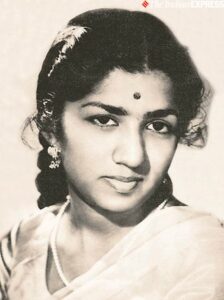
Lata Mangeshkar
Personal Life and Legacy
Lata Mangeshkar remained unmarried throughout her life, dedicating herself entirely to music. She was deeply spiritual and had a passion for photography and cricket.
Her legacy lives on through her timeless songs, which continue to inspire generations of musicians. She is often regarded as the “Voice of the Millennium” and “Goddess of Music” in India.
Death and Tributes
Lata Mangeshkar passed away on February 6, 2022, at the age of 92 due to complications from COVID-19. Her passing was mourned by millions, with the Government of India declaring two days of national mourning. Her funeral was held with full state honors in Mumbai’s Shivaji Park.
Conclusion: The Timeless Legacy of Lata Mangeshkar
Lata Mangeshkar, often referred to as the “Nightingale of India,” was not just a singer—she was an emotion, a cultural phenomenon, and an eternal voice that resonated across generations. Her contribution to Indian music transcends time, genre, and linguistic barriers, making her one of the most revered and celebrated artists in the history of Indian cinema. Her melodies have defined eras, her voice has been the soul of countless emotions, and her legacy continues to inspire millions worldwide.
An Unparalleled Contribution to Music
Lata Mangeshkar’s career, spanning nearly eight decades, is unparalleled in the history of Indian music. With over 30,000 songs recorded in multiple languages, she created an immense musical treasure trove. Whether it was the classical-based songs of the 1950s, the romantic melodies of the 1960s and 70s, or the patriotic anthems that stirred the nation’s soul, she lent her voice to every emotion imaginable. Her ability to adapt to changing musical styles while maintaining her signature purity and soulfulness is a testament to her extraordinary talent.
Her voice became synonymous with the leading heroines of Bollywood across generations. From Madhubala and Nargis to Sridevi and Madhuri Dixit, her voice seamlessly blended with each actress’s persona, making the songs feel like an extension of their emotions on screen. This rare ability to match vocal expression with visual storytelling elevated Indian film music to an art form that remains unmatched.
A Symbol of Grace, Dedication, and Humility
Despite her unparalleled success, Lata Mangeshkar remained a humble and private person. She carried herself with grace, never letting fame overshadow her deep love for music. She was known for her disciplined approach to singing, ensuring perfection in every note, every expression, and every song she recorded. Her dedication to her craft was unwavering, a quality that made her the undisputed queen of playback singing for decades.
Beyond her musical brilliance, she was a beacon of humility and professionalism. She remained away from controversies, focusing solely on her passion for music. Her simple lifestyle and dignified presence in the industry earned her respect and admiration from peers and audiences alike.
Lata Mangeshkar
A Voice That Defined National Identity
Lata Mangeshkar’s voice was not just about entertainment; it played a crucial role in shaping India’s cultural and national identity. Songs like “Ae Mere Watan Ke Logon” became anthems of patriotism, moving even leaders like Jawaharlal Nehru to tears. Her renditions of Vande Mataram and Sare Jahan Se Achha instilled a sense of pride and unity among Indians.
Her influence extended beyond film music—her bhajans and ghazals brought solace to millions, and her folk songs preserved the rich heritage of India’s diverse musical traditions. Her voice became an integral part of religious ceremonies, celebrations, and even moments of national mourning.
The Immortality of Her Music
Even though Lata Mangeshkar is no longer physically present, her music ensures she remains immortal. Unlike many artists whose work fades over time, her songs continue to be played, cherished, and rediscovered by new generations. Whether it’s a child learning their first Hindi song, a couple reliving their love story through her melodies, or an elderly person finding comfort in her bhajans, her music remains an intrinsic part of people’s lives.
Modern-day artists continue to draw inspiration from her, and digital platforms have made her vast repertoire accessible to music lovers worldwide. Her influence can be seen in the works of contemporary singers, composers, and music producers, proving that true art never fades—it only grows with time.
Final Thoughts: The Eternal Nightingale
Lata Mangeshkar was not just a singer; she was the voice of India’s soul. Her legacy is not confined to records, awards, or accolades—it lives in every melody she sang, every emotion she conveyed, and every heart she touched.
Her passing marked the end of an era, but her voice ensures that her presence will never fade. She remains a guiding light for aspiring musicians, a source of nostalgia for older generations, and a timeless treasure for lovers of music.
In the grand symphony of Indian music, Lata Mangeshkar’s voice will forever be the sweetest note—a note that echoes through time, carrying with it the essence of love, devotion, and artistry. As long as music exists, Lata Mangeshkar will continue to reign as the undisputed “Swar Kokila” of India.
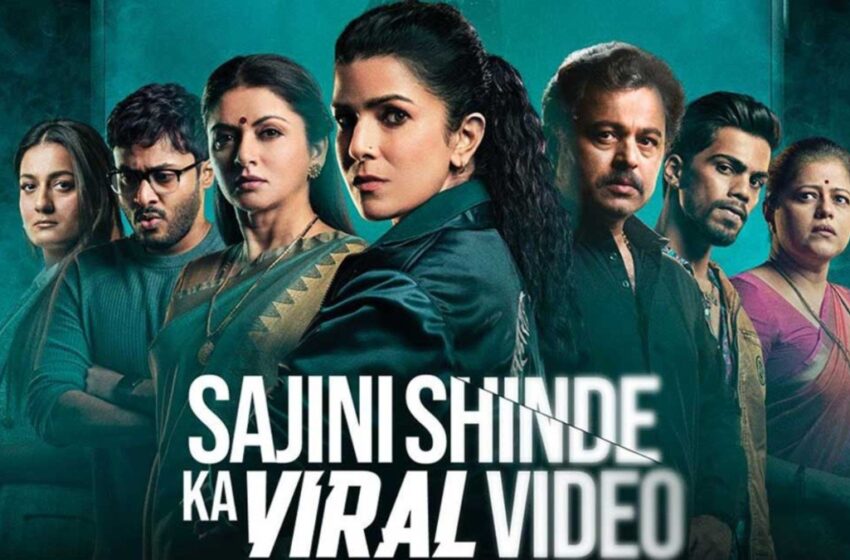
“Sajini Shinde Ka Viral Video” is a 2023 Indian Hindi-language mystery drama directed by Mikhil Musale, known for his National Award-winning Gujarati film “Wrong Side Raju” and the Bollywood film “Made in China”.
The film stars Radhika Madan as Sajini Shinde, Nimrat Kaur as Inspector Bela Barot, and Bhagyashree as Principal Kalyani Pandit. Released on October 27, 2023, the movie delves into the repercussions of a viral video on a young teacher’s life, exploring themes of societal judgment, media sensationalism, and the quest for truth.
Sajini Shinde, a dedicated physics teacher at a prestigious school in Pune, finds her life turned upside down when a video of her dancing at a nightclub in Singapore goes viral. The footage, intended as a private celebration during a school trip, is accidentally uploaded to the school’s official social media account by a colleague.
The conservative community reacts harshly: Sajini is dismissed from her position by Principal Kalyani Pandit, faces ostracism from her family, and is abandoned by her fiancé, Siddhant Kadam. Overwhelmed by public humiliation and personal betrayal, Sajini disappears after posting a distressing message on social media, hinting at suicide and blaming her father and fiancé for her plight.
The case draws significant media attention, prompting an investigation led by Inspector Bela Barot. As Bela delves deeper, she uncovers layers of deceit, societal hypocrisy, and hidden motives, challenging initial perceptions and revealing the complex interplay between personal choices and public morality.
Themes and Social Commentary
“Sajini Shinde Ka Viral Video” serves as a poignant critique of contemporary society’s quickness to judge, especially in the age of social media. The film highlights the double standards women face, where their personal freedoms are often curtailed by societal expectations. Sajini’s ordeal underscores the dangers of moral policing and the devastating impact of public shaming. The narrative also touches upon the performative nature of online activism, questioning its sincerity and effectiveness.
The character of Principal Kalyani Pandit exemplifies institutional hypocrisy. Despite being an educator, she prioritizes the school’s reputation over supporting a dedicated teacher, showcasing how societal pressures can lead individuals to act against their moral compass. Inspector Bela Barot’s investigation sheds light on systemic issues within law enforcement and the broader community, emphasizing the need for empathy and a deeper understanding of individual circumstances.
Sajni Shinde ka viral video
Character Analysis
Sajini Shinde (Radhika Madan): Portrayed as a passionate educator striving to balance personal desires with societal expectations, Sajini’s character reflects the struggles many women face in conservative settings. Her journey from a respected teacher to a vilified figure highlights the fragility of reputation in the digital age. Radhika Madan delivers a compelling performance, capturing Sajini’s vulnerability and resilience.
Inspector Bela Barot (Nimrat Kaur): As the tenacious investigator, Bela embodies determination and justice. Navigating a male-dominated police force, she confronts biases while seeking the truth about Sajini’s disappearance. Nimrat Kaur’s portrayal brings depth to the character, balancing toughness with empathy.
Principal Kalyani Pandit (Bhagyashree): Kalyani represents the societal gatekeepers who enforce moral codes, often at the expense of fairness. Her decision to dismiss Sajini reflects the challenges institutions face when balancing public image with ethical responsibilities. Bhagyashree’s performance adds nuance to a character torn between duty and compassion.
Critical Reception
The film received mixed to positive reviews. Critics praised its timely subject matter and strong performances, particularly by Nimrat Kaur and Radhika Madan. Filmfare highlighted the movie’s exploration of societal hypocrisy and the impact of public shaming, noting that it “asks pertinent questions about the appalling lack of sensitivity in our society”.
India Today commended the screenplay and direction, stating that the film “manages to navigate these tight ropes sensitively”. However, some reviews pointed out areas for improvement. NDTV noted that while the film is “sporadically watchable primarily because of Nimrat Kaur,” it sometimes “sways between the predictable and the unpredictable”.
Sajini Shinde Ka Viral Video
Direction and Cinematography
Director Mikhil Musale effectively captures the essence of Pune, using the city’s cultural backdrop to enhance the narrative. The film’s pacing maintains suspense, gradually unveiling the mystery behind Sajini’s disappearance. Cinematographer Tribhuvan Babu Sadineni employs a realistic visual style, grounding the story in a relatable setting that mirrors the protagonist’s emotional journey.
Sajni Shinde ka viral video
Conclusion: The Impact and Message of Sajini Shinde Ka Viral Video
Sajini Shinde Ka Viral Video is more than just a mystery drama; it serves as a poignant social commentary on the double standards, moral policing, and the repercussions of digital-age scandals. The film effectively captures the fragility of a person’s reputation in an era where public perception is often dictated by viral content rather than truth or context. Through Sajini’s story, the movie sheds light on how a single moment, misrepresented and sensationalized, can unravel an individual’s life.
The film leaves the audience with critical questions: Why are women disproportionately judged for their personal choices? Why does society rush to condemn without seeking the full story? And most importantly, how responsible are we as individuals when we engage with viral content without understanding its impact?
Sajini Shinde Ka Viral Video
The Complexity of Social Judgment
One of the film’s strongest messages is the ease with which society ostracizes individuals, especially women, based on perceived “moral transgressions.” Sajini Shinde, a talented and dedicated teacher, is reduced to a scandalous headline overnight. Her passion, dedication, and years of hard work are rendered meaningless in the face of public scrutiny. This reflects the unfortunate reality that many individuals, particularly women, face in conservative societies, where personal freedoms are often overshadowed by rigid moral expectations.
The Role of Social Media and Digital Ethics
The film highlights the power and dangers of social media. What was supposed to be a private celebration became a public spectacle due to an accidental upload. The rapid spread of information, without context or verification, demonstrates how digital platforms can be both empowering and destructive. In an age where virality can dictate a person’s fate, the film urges viewers to be more responsible digital citizens—questioning narratives before forming opinions and recognizing the human cost behind every viral controversy.
Sajini Shinde Ka Viral Video
Media Sensationalism and Institutional Hypocrisy
Sajini Shinde Ka Viral Video also critiques institutions—both educational and media-related—that often prioritize their reputations over justice and fairness. Sajini’s school, instead of standing by their teacher, chooses to distance itself from her to avoid controversy. Similarly, mainstream media sensationalizes her case, further tarnishing her image without investigating the full truth. The film exposes how institutions often fail to support individuals in their time of need, bowing instead to public pressure.
Women’s Agency and Empowerment
Sajini Shinde Ka Viral Video A key takeaway from the film is the importance of women reclaiming their narratives. While society often tries to define a ladies’ worth based on her adherence to moral norms, the film encourages women to challenge these conventions and assert their autonomy. Sajini’s journey, though painful, underscores the need for self-empowerment and the fight against societal injustices.
Sajini Shinde Ka Viral Video
Final Thoughts: A Call for Empathy and Change
Sajini Shinde Ka Viral Video leaves audiences with a powerful message—empathy must replace judgment, and understanding must replace hasty conclusions. The film urges society to reassess its collective conscience and question the tendency to shame, ostracize, and vilify individuals without seeking the complete truth.
In the end, Sajini Shinde Ka Viral Video is not just a story about one woman’s downfall but a reflection of a much larger societal issue. It challenges viewers to rethink their engagement with social media, the consequences of public shaming, and the urgent need for a more compassionate, fair, and just society.
DRDO internship 2025: The DRDO Internship is a program offered by the Defense Research and Development Organization (DRDO) that provides students and early professionals with hands-on experience in cutting-edge defense and aerospace projects. Interns work alongside experienced scientists and engineers on real-world challenges in fields such as electronics, mechanical engineering, aerospace, and computer science.
This opportunity not only enhances technical skills but also offers insight into national defense research and innovation, making it a valuable stepping stone for a career in defense technology and research.
What is the Importance of DRDO Internship 2025?
Some of the importance of the DRDO Internship 2025 are as follows:
Real-World Projects: Interns work on real defense and research projects, gaining practical knowledge.
Exposure to Advanced Technology: Learn about cutting-edge fields like AI, cybersecurity, missile technology, and aerospace engineering.
Guidance from Experts: Work under top scientists and engineers in India’s premier defense research organization.
Boost in Career Opportunities: Enhance your career prospects with DRDO experience.
What is the Importance of DRDO Internship 2025?
Opportunities for Innovation: Encourages problem-solving, innovation, and research contributions in national security projects.
Networking and Collaboration: Connect with like-minded professionals, researchers, and scientists, building strong career networks.
Certificate and Recognition: Interns receive a certificate from DRDO, adding value to their academic and professional profiles.
Contributing to National Security: Being part of India’s defense research efforts gives interns a sense of pride and responsibility.
Details on the Eligibility Criteria for the Internship.
Some of the eligibility criteria for the internship are as follows: Eligible candidates include B.Tech, M.Tech, B.Sc, M.Sc, and Ph.D. students specializing in disciplines like Aerospace, Mechanical, Electrical, Electronics, Computer Science, Cybersecurity, and Biotechnology. Applicants must have a good academic record and a keen interest in defense research and innovation.
Details on the Eligibility Criteria for the Internship
Internships are usually available for final-year students or those in the pre-final year, depending on specific project requirements. Some DRDO labs may have additional criteria, such as a minimum GPA or a recommendation from the institute. Selection is competitive, and candidates may need to submit a resume, academic transcripts, and a statement of purpose (SOP).
When and Where to Apply for the Internship?
The DRDO Internship 2025 application process typically begins in the first quarter of the year (January–March), but specific deadlines vary by DRDO labs. Interested candidates can apply through the official DRDO website (www.drdo.gov.in) or directly contact DRDO laboratories and research centers related to their field.
When and Where to Apply for the Internship?
Applications usually require a resume, academic transcripts, and a No Objection Certificate (NOC) from the college. Since each DRDO lab has its own selection process, it’s best to check individual lab websites or contact them for specific details.
How Can We Apply for the DRDO Internship?
Visit the Official Website: Go to www.drdo.gov.in or choose a relevant DRDO lab.
Prepare Required Documents: Ensure you have an updated resume/CV, academic transcripts/marksheets, No Objection Certificate (NOC) from your college/university, and a letter of recommendation (if required).
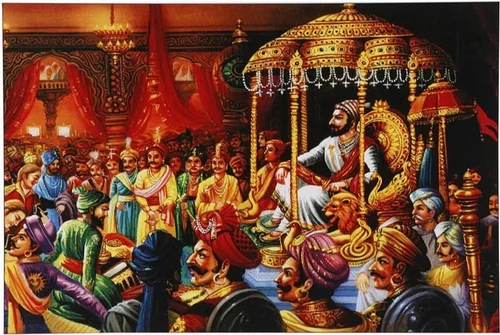
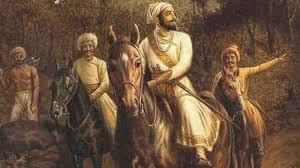
Chhatrapati Shivaji: Chhatrapati Shivaji Maharaj (1630–1680) was a legendary warrior king and the founder of the Maratha Empire in India. He is known for his bravery, military tactics, and vision of Swarajya (self-rule). He fought against the Mughal Empire and other regional powers to establish an independent kingdom based on justice, good governance, and religious tolerance.
Details on Chhatrapati Shivaji?
He is remembered as a symbol of courage, leadership, and nationalism. His governance principles influenced many later freedom fighters, including Bal Gangadhar Tilak and Mahatma Gandhi.
Where Did He Spend His Early Life and How Was Chhatrapati Shivaji Upbringing?
Shivaji Maharaj was born on February 19, 1630, at Shivneri Fort (Maharashtra), a well-protected fort near Pune. His father, Shahaji Bhosale, was a military general under the Bijapur Sultanate, and his mother, Jijabai, was deeply religious and played a crucial role in shaping his character. Shivaji was raised in Pune, where his mother and mentor, Dadoji Kondadev, supervised his education and training.
Where Did He Spend His Early Life and How Was Chhatrapati Shivaji Upbringing?
Jijabai instilled in him Hindu values, stories of the Ramayana and Mahabharata, and the dream of Swarajya (self-rule). He was trained in warfare, horse riding, sword fighting, and archery. He also learned administration, politics, and diplomacy under Dadoji Kondadev. Jijabai was his biggest inspiration, guiding him with moral values, strategic thinking, and devotion to the welfare of his people. She often told him stories of great warriors like Rama, Krishna, and Arjuna, fueling his vision to fight for independence.
How Did Chhatrapati Shivaji Establish the Maratha Empire?
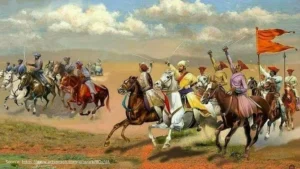
Shivaji Maharaj laid the foundation of the Maratha Empire through strategic military conquests, guerrilla warfare, and strong administration. At the age of 15, Shivaji began capturing forts from the Bijapur Sultanate. His first major conquest was Torna Fort (1645), followed by Rajgad, Kondhana (Sinhagad), and Purandar Forts. This marked the beginning of Swarajya (self-rule).
How Did Chhatrapati Shivaji Establish the Maratha Empire?
What Were Chhatrapati Shivaji Major Military Strategies?
Chhatrapati Shivaji Maharaj was a military genius who used innovative strategies to fight against the Mughals, Adilshahis, and other enemies. Some of Chhatrapati Shivaji military strategies include:
Guerrilla Warfare (Shiv Sutra): Shivaji used hit-and-run attacks, small raids, and ambushes as his most effective war tactics. He launched surprise attacks on enemy camps and made quick retreats into forests or mountains. He utilized the rugged Sahyadri hills for swift movement and hiding from enemies, avoiding direct battles with larger armies. Instead, he focused on attrition warfare.
Fort Warfare (Ganimi Kava): Shivaji used forts as both defensive and offensive weapons. He built and captured over 300 forts, including Raigad, Pratapgad, and Sinhagad. He developed hidden tunnels, water reservoirs, and food storage inside forts for long battles. Small, well-trained forces inside forts were used to trap and weaken enemies.
Psychological Warfare & Surprise Attacks: Shivaji weakened the enemy’s morale before attacking by spreading false rumors to confuse them. He attacked enemy supply chains and communication lines and used fake retreats to lure enemies into traps.
What Were His Major Military Strategies?
Naval Warfare (First Indian Naval Force): He created India’s first strong navy to protect the coastal areas, building sea forts like Sindhudurg and Vijaydurg to control the Konkan coast. He used fast-moving warships to attack Portuguese, Dutch, and British naval forces and ensured trade security by protecting merchant ships from pirates.
Fast Cavalry Movement (Mavalas Troops): Shivaji used small, highly mobile cavalry units for quick raids. The Maratha cavalry was trained to attack, loot supplies, and disappear quickly. They avoided fighting in open battles, where the Mughals and Bijapur had stronger armies. Instead, they used forest and mountain routes to avoid enemy detection.
Defensive Retreats and Diplomacy: Shivaji knew when to fight and when to retreat strategically. When faced with strong enemies, he signed peace treaties to regain strength. He used diplomacy to play enemies against each other (e.g., Mughals vs. Adilshahis) and always ensured minimal loss of his own army before launching a major attack.
Details of His Governance and Administration
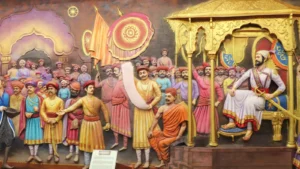
Shivaji Maharaj’s administration was well-structured, efficient, and focused on justice, military strength, and economic growth. He established the Ashta Pradhan Mandal (Council of Eight Ministers) for governance and introduced a fair revenue system to support farmers. His military administration was disciplined, with a strong army and navy to protect the kingdom. He promoted religious tolerance, local self-governance, and strict anti-corruption policies, ensuring a stable and independent Maratha Empire. His governance laid the foundation for a strong and self-reliant rule.
Chhatrapati Shivaji
Why Do We Celebrate Chhatrapati Shivaji Maharaj Jayanti?
Shivaji Maharaj Jayanti is celebrated to honor the birth anniversary of Chhatrapati Shivaji Maharaj, the great warrior king and founder of the Maratha Empire. He is remembered for his bravery, military genius, and vision of Swarajya (self-rule). The day is observed to inspire people with his leadership, patriotism, and principles of justice and good governance. Celebrations include processions, cultural programs, and tributes, especially in Maharashtra, where he is a symbol of pride and valor. His legacy continues to motivate generations.
Shivaji Maharaj Jayanti
Why Is He an Inspiration for Our Generation?
Chhatrapati Shivaji Maharaj is an inspiration for the current generation because of his leadership, courage, and vision. He built the Maratha Empire from scratch, fought against powerful enemies with strategy and intelligence, and always prioritized the welfare of his people. His principles of self-rule (Swarajya), good governance, discipline, and religious tolerance are relevant even today. His guerrilla warfare tactics and innovative military strategies teach us resilience and adaptability. Shivaji Maharaj’s fearlessness, respect for all religions, and administrative brilliance continue to inspire leaders, entrepreneurs, and youth to stand for justice, work hard, and lead with integrity.
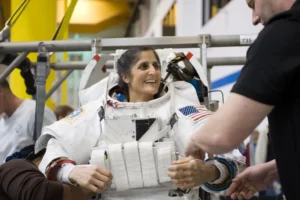
Sunita Williams: Sunita Williams is a former U.S. Navy officer and American astronaut at NASA. She was born on September 19, 1965, in Euclid, Ohio, to Indian-Slovenian parents. Williams is known for her record-breaking space missions and has spent nearly 321 days in space.
She is currently part of NASA’s Commercial Crew Program and is set to fly aboard the Boeing Starline spacecraft. Williams plays a key role in shaping the future of human space travel.
who is Sunita Williams?
How Did She Join NASA?
Sunita Williams’ journey to NASA was influenced by her background in the U.S. Navy and her passion for aviation and space exploration.
She earned her Bachelor of Science degree in Physical Science from the U.S. Naval Academy in 1987.
She later pursued a Master of Science degree in Engineering Management from the Florida Institute of Technology in 1995.
Sunita was commissioned as an officer in the U.S. Navy in 1987. She trained as a helicopter pilot and became a naval aviator in 1989. Afterward, she flew helicopters in combat support missions and later became a test pilot, helping to evaluate new aircraft. Her experience as a pilot and engineer made her a strong candidate for NASA’s astronaut program.
How Did She Join NASA?
NASA selected Sunita Williams as part of Astronaut Group 17, also known as the “Penguins,” in 1998. She underwent extensive astronaut training, which included learning to operate the Space Shuttle, International Space Station (ISS), physical fitness, survival training, and underwater spacewalk simulations.
Williams was assigned to her first space mission, Expedition 14/15, in 2006. She spent nearly 195 days aboard the ISS, conducting scientific experiments and spacewalks.
After this mission, Sunita became one of NASA’s most experienced astronauts and was chosen as Commander of the ISS during her second mission in 2012.
She continues to be an active astronaut, training for upcoming missions, including the Boeing Starliner mission under NASA’s Commercial Crew Program.
Challenges and Missions She Has Undertaken till now.
So far, Sunita Williams has completed two space missions and is preparing for her third. These missions are as follows:
Space Shuttle Discovery (STS-116) on December 9, 2006: Sunita spent 195 days aboard the ISS, performing four spacewalks totaling 29 hours and 17 minutes. She set a record for the longest spaceflight by a woman at that time. She returned to Earth on June 22, 2007, aboard Space Shuttle Atlantis (STS-117).
Soyuz TMA-05M spacecraft on July 15, 2012: She spent 127 days on the ISS, serving as the Commander of Expedition 33, becoming the second woman to do so. She performed three spacewalks, bringing her total spacewalking time to 50 hours and 40 minutes. She returned to Earth on November 18, 2012.
Boeing CST-100 Starliner (Upcoming Mission): Sunita Williams is assigned to fly aboard Boeing’s CST-100 Starliner as part of NASA’s Commercial Crew Program. The mission aims to certify the Starliner for regular crewed missions to the ISS. Although the launch has been delayed multiple times, she is still set to be one of the first astronauts to fly on the Starline spacecraft.
Challenges and Missions She Has Undertaken
Sunita Williams Connection to India.
Though Sunita Williams was born in Euclid, Ohio, USA, her father, Dr. Deepak Pandya, is of Indian origin from Gujarat. Her paternal roots trace back to Jhulasan, a village in the Mehsana district of Gujarat. While she is an American citizen, Sunita has always expressed pride in her Indian heritage.
She has visited India several times, including trips to Gujarat, Delhi, and Mumbai. During her visits, she has met students, scientists, and government officials, encouraging young minds to pursue careers in science, technology, engineering, and mathematics (STEM). She has also visited the Sabarmati Ashram in Ahmedabad, paying tribute to Mahatma Gandhi.
Sunita Williams Daily Routine on Her Current Mission.
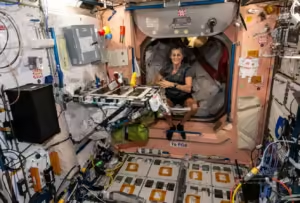
Sunita Williams, like other astronauts on the International Space Station (ISS), followed a well-structured daily routine to maintain productivity, health, and mission success.
Sunita Williams routine is as follows:
Wake-Up and Morning Routine (6:00 AM GMT): Sunita woke up in the morning following GMT (Greenwich Mean Time) to synchronize with mission control. Since there is no running water in space, she used wet wipes and rinse-free shampoo for hygiene. She had a light breakfast (often dehydrated food) and a morning briefing with NASA.
Science Experiments (7:30 AM – 12:30 PM GMT): She conducted various experiments, such as studying how microgravity affects human health, testing new materials and space technology, observing Earth’s atmosphere, and performing maintenance tasks on the ISS.
Exercise (2 Hours Daily): To prevent muscle and bone loss in microgravity, Sunita exercised daily. This included using a treadmill, cycling machine, and resistance exercise device.
Sunita Williams Daily Routine on Her Current Mission.
Lunch Break (12:30 PM – 1:30 PM GMT): Lunch included dehydrated foods like rice, curry, tortillas, and fruit. Sometimes, astronauts added hot water to make their meals more edible.
Evening and Personal Time (6:00 PM – 8:30 PM GMT): During this time, Sunita checked emails and communicated with her family via video calls. She also enjoyed Earth-gazing through the Cupola window, capturing breathtaking photos, and sometimes watched movies or read books, including the Bhagavad Gita, which she carried to space.
Sleep Time (10:00 PM GMT): Astronauts sleep in individual sleeping pods attached to the ISS walls to avoid floating around. They use sleeping bags with straps and earplugs to block out station noise.
Her Achievements.
Some of Sunita Williams’ achievements include:
Spending a total of 321 days in space across two missions.
Holding the record for the longest spaceflight by a woman (195 days) until 2015.
Completing 7 spacewalks, totaling 50 hours and 40 minutes, making her one of the most experienced female spacewalkers.
Being the first person to run a marathon in space (Boston Marathon, 2007).
Becoming the second woman to command the International Space Station (ISS) during Expedition 33.
Carrying a Bhagavad Gita, an idol of Lord Ganesh, and samosas to space, showcasing her Indian heritage.
Her Achievements.
Conducting numerous scientific experiments on microgravity, space medicine, and Earth observation.
Playing a crucial role in maintaining and repairing the ISS, including installing new modules and solar panels.
Training extensively for the Boeing Starline mission as part of NASA’s Commercial Crew Program.
Receiving the NASA Spaceflight Medal (twice) for her contributions to human spaceflight.
Earning the Navy Commendation Medal and Air Medal for her service as a Navy pilot.
Being nominated for the Padma Bhushan (India’s third-highest civilian award) for her inspirational role in science and space exploration.
Social Justice: Activism, Advocacy, and Allyship Social justice is the pursuit of equity, fairness, and the protection of human rights for all individuals, regardless of race, gender, socioeconomic status, or other identity markers. In a world marked by systemic inequalities, activism, advocacy, and allyship play crucial roles in dismantling oppressive structures and fostering a more inclusive society. This article explores these three interwoven pillars of social justice, their significance, and how individuals can contribute to creating a fairer world.
Social justice is founded on the principles of human rights, equality, and dignity. It seeks to address disparities in wealth, access to resources, and representation. While legislative reforms can provide structural changes, real progress is often driven by grassroots movements and collective efforts at various levels of society.
Key Principles of Social Justice:
Equity: Ensuring that resources and opportunities are distributed fairly based on individual needs.
Access: Breaking down barriers to education, healthcare, and employment.
Participation: Encouraging the involvement of marginalized groups in decision-making processes.
Human Rights: Upholding fundamental rights such as freedom, safety, and dignity for all individuals.
Activism: Driving Change Through Action
Activism is the process of taking direct action to effect social, political, or economic change. It can manifest in various forms, from peaceful protests and social media campaigns to lobbying for policy reforms. Activists play a crucial role in raising awareness, mobilizing communities, and holding institutions accountable.
Forms of Activism:
Grassroots Movements: Community-led initiatives that address local issues, such as affordable housing or environmental justice.
Digital Activism: Online campaigns that amplify marginalized voices and advocate for policy changes.
Protests and Demonstrations: Public displays of dissent that draw attention to injustices and push for systemic reforms.
Legislative Advocacy: Working with policymakers to introduce or amend laws that promote social justice.
Notable Examples of Activism:
The Civil Rights Movement (1950s-1960s) in the United States, which fought against racial segregation and discrimination.
The #MeToo Movement, which shed light on sexual harassment and gender-based violence.
Climate strikes led by youth activists like Greta Thunberg, demanding action against environmental degradation.
Advocacy: Amplifying Voices and Influencing Policy
Advocacy involves efforts to influence public opinion, policies, and laws in favor of marginalized communities. Advocates work within systems to create sustainable changes through education, legal reforms, and institutional accountability.
Types of Advocacy:
Policy Advocacy: Engaging with lawmakers to enact or modify policies that promote equity.
Legal Advocacy: Challenging discriminatory laws and defending human rights in courts.
Community Advocacy: Empowering local communities to voice their concerns and influence decision-making.
Media Advocacy: Utilizing journalism and storytelling to highlight social injustices.
Steps to Effective Advocacy:
Educate Yourself and Others: Understanding the issues and raising awareness among peers.
Engage with Decision-Makers: Writing petitions, attending town hall meetings, and contacting representatives.
Build Coalitions: Collaborating with organizations and individuals who share common goals.
Measure Impact: Assessing the effectiveness of advocacy efforts and adjusting strategies accordingly.
Allyship: Supporting and Uplifting Marginalized Communities
Allyship is the practice of using one’s privilege to support marginalized individuals and groups in their fight for justice. Unlike performative allyship, which is superficial and self-serving, genuine allyship requires ongoing education, self-reflection, and action.
How to Be an Effective Ally:
Listen and Learn: Understand the experiences of marginalized communities without centering oneself.
Acknowledge Privilege: Recognizing one’s advantages and using them to support others.
Take Actions: Amplify marginalized voices, challenge discriminatory behaviors, and support equitable policies.
Accept Criticism: Being open to feedback and continuously improving one’s allyship practices.
Commit to Long-Term Support: Engaging in consistent advocacy rather than treating allyship as a trend.
Examples of Allyship in Action:
White allies supporting Black Lives Matter protests by using their platforms to amplify Black voices.
Men advocating for gender equality in workplaces by challenging discriminatory hiring practices.
Despite the progress made in social justice movements, challenges persist. Structural resistance, misinformation, and activist burnout are common hurdles. To sustain momentum, individuals and organizations must prioritize mental health, foster inclusive dialogues, and adopt adaptive strategies.
Ways to Sustain Social Justice Efforts:
Self-Care: Activists and advocates should practice self-care to prevent burnout.
Intersectional Approach: Addressing the interconnected nature of various social justice issues.
Policy Reforms: Ensuring long-term impact by advocating for systemic changes.
Continued Education: Staying informed about emerging social justice issues and evolving best practices.
Conclusion
Social justice is an ongoing struggle that requires dedication, persistence, and collective action. Activism, advocacy, and allyship are crucial components in the fight against systemic inequality and oppression. While activism fuels immediate change through direct action, advocacy works within existing systems to drive long-term reforms. Meanwhile, allyship ensures that marginalized voices are heard and supported in meaningful ways.
Achieving true social justice is not an individual effort but a communal responsibility. It necessitates active engagement from all sectors of society, including individuals, communities, institutions, and governments. By continuously educating ourselves, challenging unjust systems, and standing in solidarity with marginalized groups, we can work toward a more equitable and inclusive world.
Ultimately, the pursuit of social justice is a journey rather than a destination. It requires ongoing commitment and an unwavering belief in the possibility of a better, fairer future for all. The collective power of activism, advocacy, and allyship can create lasting change, shaping a world where every individual, regardless of background, enjoys dignity, respect, and equal opportunities.
Social justice is a fundamental principle that seeks to ensure fairness, equality, and equity for all individuals, regardless of their background, identity, or social status. Activism, advocacy, and allyship are three essential pillars in the pursuit of social justice, each playing a distinct yet interconnected role in challenging injustice and fostering systemic change.
Activism is the driving force behind social movements, often characterized by direct action, protests, and grassroots organizing. Activists bring visibility to social issues, demand accountability, and push for policy changes that dismantle oppressive systems. Their courage and persistence challenge the status quo, ensuring that marginalized voices are heard and societal inequities are addressed.
Advocacy complements activism by engaging with institutions, lawmakers, and communities to influence policy and systemic reforms. Advocates work within legal and organizational frameworks to propose solutions, draft policies, and implement programs that promote social justice. Their work helps translate activist demands into actionable changes that have lasting impacts on society.
Allyship is a crucial component that fosters solidarity among individuals who may not experience oppression firsthand but commit to supporting marginalized communities. True allyship requires continuous education, active listening, and leveraging privilege to amplify the voices of the oppressed. Allies play a vital role in dismantling prejudice within their own circles and advocating for inclusivity and equity.
Together, activism, advocacy, and allyship form a powerful triad that drives social justice forward. While activism sparks the conversation and demands change, advocacy institutionalizes it, and allyship broadens the movement by engaging those in positions of power and influence. Achieving true social justice requires a collective effort where individuals and communities work in unison to challenge discrimination, promote human rights, and create a more just and equitable world for all.
Ultimately, the fight for social justice is ongoing and requires unwavering commitment, resilience, and collaboration. Every act of activism, advocacy, and allyship contributes to a larger movement that seeks to eradicate inequality and build a future where justice and dignity are not privileges, but universal rights.
B Praak visit in Maharishi University Of Information Technology in Noida Campus: An Electrifying Concert and Workshop at Maharishi University
A Musical Evening to Remember
A Melodic Evening
A Night of Music, Inspiration, and Passion
On February 22, 2025, the serene campus of Maharishi University in Noida buzzed with excitement as it welcomed the renowned Indian singer and music composer, B Praak. Known for his soulful voice and chart-topping hits, B Praak’s visit was a highly anticipated event, drawing students, faculty, and music enthusiasts from across the region.
In the weeks leading up to the event, the university’s cultural committee had been meticulously planning and promoting B Praak’s visit. Posters adorned the campus walls, social media platforms were abuzz with announcements, and there was a palpable sense of anticipation in the air. The event was part of the university’s annual cultural festival, “Sanskriti,” which aims to celebrate and showcase diverse art forms and talents.
A Grand Welcome
On the day of the event, the campus was decorated with vibrant banners and floral arrangements. As B Praak arrived, he was greeted with a traditional ‘aarti’ ceremony, symbolizing the university’s rich cultural heritage. Students dressed in traditional attire performed a folk dance, adding to the festive atmosphere. B Praak expressed his gratitude for the warm welcome and took a moment to interact with the performers, appreciating their efforts.
The Interactive Session
The event commenced with an interactive session held in the university’s auditorium, which was filled to capacity. Students eagerly awaited the opportunity to hear from the artist himself. B Praak began by sharing his journey in the music industry, recounting his early days, challenges, and the passion that kept him going.
He emphasized the importance of perseverance and staying true to one’s art. “Success doesn’t come overnight,” he remarked. “It’s a result of continuous effort, learning, and dedication.”
The floor was then opened for questions, and students inquired about various aspects of his career, from his creative process to handling criticism. One student asked about his experience collaborating with other artists, to which B Praak responded, “Collaboration is a beautiful process. It allows for the fusion of ideas and styles, leading to something unique and magical.”
A Musical Extravaganza
Following the interactive session, the stage was set for a live performance. The atmosphere was electric as B Praak took center stage, accompanied by his band. He began with some of his most popular tracks, and the audience sang along, creating a harmonious chorus that resonated throughout the auditorium.
Midway through the performance, B Praak surprised the audience by inviting a few students to join him on stage. These budding musicians had the chance to showcase their talent alongside the maestro, an experience they described as “a dream come true.”
The concert concluded with a heartfelt rendition of one of his soulful ballads, leaving the audience in awe. The standing ovation that followed was a testament to the impact of his performance.
Workshops and Masterclasses
In addition to the concert, B Praak conducted a series of workshops and masterclasses over the next two days. These sessions were designed for students pursuing music and those interested in understanding the intricacies of the industry.
Topics covered included songwriting, music production, and vocal techniques. B Praak provided insights into his creative process, sharing tips and techniques that have helped him craft his hits. He also highlighted the importance of understanding the technical aspects of music production, encouraging students to familiarize themselves with the latest tools and software.
One of the key takeaways from these sessions was the emphasis on originality. “In a world full of trends, dare to be original,” he advised. “Authenticity resonates with the audience more than anything else.”
Impact on the University Community
B Praak’s visit left an indelible mark on the Maharishi University community. Students expressed that interacting with a successful artist provided them with motivation and a clearer perspective on pursuing a career in the arts.
The university’s faculty also appreciated the opportunity for students to gain practical knowledge from a seasoned professional. Dr. Ananya Mehta, head of the Music Department, remarked, “Such interactions bridge the gap between academic learning and real-world application. It’s an invaluable experience for our students.”
A Lasting Legacy
To commemorate the visit, the university announced the establishment of the “B Praak Scholarship for Musical Excellence.” This scholarship aims to support talented students who aspire to make a mark in the music industry. B Praak expressed his honor at having a scholarship in his name and hoped it would inspire students to pursue their passion with dedication.
Conclusion: A Memorable and Transformative Visit
B Praak’s visit to Maharishi University was more than just a musical event; it was an enriching experience that inspired and motivated the entire university community. His journey, insights, and performances left a lasting impression, encouraging students to chase their dreams with renewed vigor. As the echoes of his melodies lingered in the campus corridors, the message was clear: with passion and perseverance, the sky is the limit.
B Praak’s visit to Maharishi University in Noida on February 22, 2025, was more than just a musical event—it was an experience that left an indelible mark on students, faculty, and music lovers alike. From the moment he arrived on campus to the standing ovation at the end of his performance, his presence was nothing short of magical. His soulful music, deep insights into the industry, and warm interaction with students created an atmosphere of inspiration and learning.
One of the most remarkable aspects of his visit was the interactive session, where he spoke candidly about his journey in the music industry. His words resonated with aspiring artists, as he emphasized the importance of hard work, perseverance and authenticity in an era where trends dominate the music industry. His honest responses to student questions provided invaluable guidance to those who dream of making it big in the entertainment world.
The live concert was the highlight of the event, with his powerful voice and emotional renditions moving the audience. The energy in the auditorium was electric, with students singing along, cheering, and even getting the once-in-a-lifetime opportunity to perform alongside the music maestro. The synergy between the audience and B Praak made the evening a celebration of music and emotions.
Beyond the stage, his workshops and masterclasses were a treasure trove of knowledge for budding musicians. He not only shared technical skills in music production and vocal training but also imparted wisdom about the industry’s challenges, including handling criticism and staying motivated. His advice on originality and the importance of staying true to one’s artistic identity struck a chord with many students.
His visit also had a lasting impact on the university’s cultural and academic environment. The announcement of the “B Praak Scholarship for Musical Excellence” was a monumental step toward supporting young talent, ensuring that deserving students receive the resources and encouragement they need to pursue their musical aspirations. This initiative will serve as a legacy of his visit, inspiring future generations of artists to follow their passion with dedication and sincerity.
The faculty, too, recognized the significance of such an event. Professors from the music and performing arts departments appreciated how real-world industry exposure enriched the students’ academic learning. Dr. Ananya Mehta, the head of the Music Department, aptly summarized the impact of the visit: “When an artist of B Praak’s caliber shares his journey and knowledge, it bridges the gap between dreams and reality. This experience has not only motivated our students but has also given them a clearer vision of their own artistic paths.”
As the event concluded and B Praak bid farewell to Maharishi University, the echoes of his melodies and heartfelt words lingered in the air. Students left the auditorium with a renewed sense of ambition, carrying forward the inspiration he had ignited. His visit was not just about entertainment; it was a testament to the power of music as a medium of storytelling, healing, and motivation.
In retrospect, February 22, 2025, will be remembered as a day when music transcended mere performance and became a source of learning, passion, and unity. The event reinforced the belief that with determination, creativity, and authenticity, one can achieve greatness in any field. B Praak’s visit was not just a fleeting moment but a milestone in Maharishi University’s cultural journey, a reminder that true artistry is about touching lives and leaving a lasting impact.
Anuv Jain, born on March 11, 1995, in Ludhiana, Punjab, India, has emerged as a prominent figure in the Indian indie music scene. His journey from a budding musician to a celebrated singer-songwriter is a testament to his dedication and the deep emotional resonance of his music.
Early Life and Musical Beginnings
Growing up in Ludhiana, Anuv was introduced to music at a young age. His parents recognized his singing talent early on, often encouraging him to perform during family gatherings. At 16, inspired by a school band’s guitarist, he began learning the guitar, marking the start of his musical journey. This newfound passion led him to songwriting, with “Meri Baaton Mein Tu” being his first composition. In 2012, while still in high school, Anuv launched his YouTube channel, aiming to share his original music with a broader audience. His debut upload, “Meri Baaton Mein Tu,” garnered attention, setting the stage for his future in music.
Anuv Jain
Rise to Fame
Anuv’s breakthrough came with the release of “Baarishein” in 2018. The song’s heartfelt lyrics and minimalist acoustic arrangement resonated with many, leading to its viral success. “Baarishein” has since surpassed 700 million streams across various platforms, solidifying Anuv’s place in the indie music landscape. Following this success, he released a series of singles, including “Ocean” (2018), “Riha” (2019), and “Maula” (2020). Each track showcased his ability to convey deep emotions through simple yet profound lyrics, often accompanied by acoustic guitar or ukulele.
Anuv Jain
Musical Style and Influences
Anuv’s music is characterized by its simplicity and emotional depth. He often employs basic chord progressions on the guitar or ukulele, allowing the lyrics to take center stage. His songs predominantly explore themes of love, heartbreak, and personal introspection. Anuv cites artists like James Bay as significant influences, drawing inspiration from their storytelling abilities and emotive musical styles.
Anuv Jain
Major Releases and Achievements
In 2020, during the COVID-19 pandemic, Anuv released “Alag Aasmaan,” a song reflecting the challenges of long-distance relationships. The track’s hopeful tone amidst uncertainty resonated with listeners, further expanding his fanbase. This was followed by “Gul” in 2021, a soulful track that delves into themes of love and longing. “Gul” received widespread acclaim, amassing over 500 million streams and topping various music charts in India.
Anuv’s consistent success led to his inclusion in Forbes India’s “30 Under 30” list in 2023, recognizing his impact on the music industry. Additionally, GQ India featured him among the “Most Influential Young Indians” of 2023, highlighting his growing influence and popularity.
Anuv Jain
Live Performances and Tours
Anuv’s live performances are known for their intimate and soulful ambiance. In October 2021, he embarked on his first all-India tour, “Dastakein,” covering ten cities. Despite the challenges posed by the pandemic, the tour was a resounding success, with all shows selling out within 48 hours of ticket release. In 2022, he performed at the Delhi Beat Street Festival, drawing a crowd of over 20,000 attendees. His performance was met with overwhelming enthusiasm, with fans singing along to every word. Anuv was also among the select artists to open for international sensation Post Malone during his India concert in 2022.
Continuing his momentum, Anuv Jain announced the “Guldasta” tour in late 2023, covering ten cities, including New Delhi, Guwahati, Ludhiana, Jaipur, Kolkata, Ahmedabad, Pune, Hyderabad, Bengaluru, and a special finale in Mumbai. The tour aimed to provide fans with a unique musical experience, blending his classic hits with new compositions. Tickets for the tour saw rapid sales, reflecting his widespread popularity.
Anuv Jain
Collaborations and Recent Works
In December 2024, Anuv revealed his first-ever collaboration with artists AP Dhillon and Shinda. The track, titled “Afsos,” is slated for release in 2025. Expressing his excitement, Anuv shared on social media, “AP and I got in touch a couple of months ago and realized that we both love each other’s work. From there to finally being able to work on something together feels surreal.” This collaboration marks a significant milestone in his career, merging his soulful style with AP Dhillon’s dynamic musical approach.
Anuv Jain
Personal Life
On February 18, 2025, Anuv married his longtime partner, Hridi Narang, in an intimate ceremony. Sharing the joyous news with his fans, he posted wedding photos captioned with lyrics from his song “Jo Tum Mere Ho,” reflecting the deep bond he shares with Hridi. The announcement was met with an outpouring of love and congratulations from fans and fellow artists alike.
Anuv Jain
Impact and Future Endeavors
Anuv Jain’s journey from a young boy in Ludhiana to a national indie sensation underscores his talent and the universal appeal of his music. His ability to articulate complex emotions through simple melodies has endeared him to a diverse audience. As he continues to evolve as an artist, fans eagerly anticipate his future projects, including the upcoming collaboration “Afsos” and potential new tours. Anuv’s dedication to his craft and his authentic connection with listeners suggest a promising trajectory in the music industry.
In an era where music often leans towards complex productions, Anuv’s minimalist approach serves as a reminder of the power of raw emotion and storytelling. His journey inspires aspiring artists to stay true to their voice, emphasizing that authenticity resonates profoundly with audiences.
Personal Branding: Personal branding is the process of creating and managing a unique identity, reputation, and presence that represents who you are, what you stand for, and what you offer to others. It involves shaping how people perceive you, both online and offline, to build credibility, influence, and opportunities in your career or business.
what is Personal Branding?
In today’s digital world, your personal brand is your digital resume and reputation people often search for you online before meeting you.
Why do we need it?
The reason behind why we need it: –
It helps us to Differentiate and Standing Out among others.
It helps us to create Career Growth.
It provides various job Opportunities.
It provides us with Business and Entrepreneurship Success.
It Establishes Credibility.
Why do we need it?
It brings out Leadership quality in our personality.
It helps us to expand your network.
It increased Influence and Impact on others.
It provides Greater Control Over Your Online Reputation.
It provides more Opportunities for Income and Side Hustles.
What are key elements and fundamental for Personal Branding?
Some key elements and fundamentals for personal branding are as follows: –
It Defines Your Personal Brand Identity.
It Identifies Your Target Audience.
It Build a Strong Online Presence
It provides Content Strategy and Thought Leadership
It provides Networking and Building Relationships.
What are key elements and fundamental for Personal Branding?
It provides Personal Brand Reputation and Credibility.
It provides a Developed Signature Style and Voice.