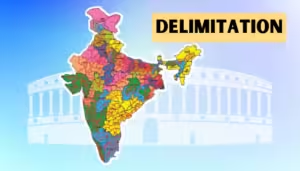
Delimitation: The Delimitation means an act of setting and defining boundaries. Apart from this in a political context it means Defining or redrawing the boundaries of an electoral constituency.
what is it?
Why is Delimitation needed?
The need for it is as follows: –
It ensures equal representation with fundamental principles like “one person, one vote”.
It reflects by changing the population. In this case it ensures that the electoral boundaries remain up to date with these changes and prevent some areas from being over or underrepresented.
It maintains and creates fairness; it helps to maintain a level playing field for all political parties and candidates.
The need for it.
It avoids political biasness.
It create a perfect balance between urban and rural population.
It strengthens our democracy.
How to achieve it?
The steps to achieve it are as follows: –
By establishing a Delimitation Authority. A dedicated, independent Delimitation Commission or Election Commission is usually set up.
Defining the Criteria for Delimitation like Population, Geographical Factors, Administrative Boundaries, Social and Cultural Considerations.
By using Census Data for Fair Representation.
By drafting and public consultation.
By Finalizing and Implementing Changes.
The Periodic Review and Adjustments.
What are the impacts of Delimitation?
It has both positive and negative impacts, some of them are as follows: –
Positive Impact Delimitation:
It ensures Equal Representation.
It Strengthens Democracy.
It improves Electoral Transparency and Legitimacy.
It adapts to Population Shifts.
It reduces Political Manipulation.
It encourages Balanced Development.
It has both positive and negative impacts
Negative Impacts Delimitation:
It has Political Controversies and Resistance.
It has risk political biasness.
It has disruption in Local Governance.
It has legal Disputes and Delays
It has administrative and logistical Challenges.
The Challenges of it.
It is essential for fair electoral representation, but it comes with several challenges.
The Challenges of it.
It has several challenges like: –
Political challenges.
Administrative challenges.
Legal challenges.
Social challenges.
Cultural challenges.
Details on Delimitation in Tamil Nadu.
Tamil Nadu is in a strong opposition to the upcoming delimitation process. It is because they are fearing drastically reducing its parliamentary representation.
Details on it in Tamil Nadu.
Apart from this the state is also having a successful control in their population growth as they are worried about the population biased redistribution of seeds. They also fear that the state with a higher growth rate will get favors.
The Chief Minister M.K. Stalin on Tamil Nadu case.
The Chief Minister M.K. Stalin has also put a strong voice and opposition against the same. The Tamil Nadu assembly has passed resolutions against the delimitation process. Apart from all this it also highlighting a growing north-south political divide on this issue.
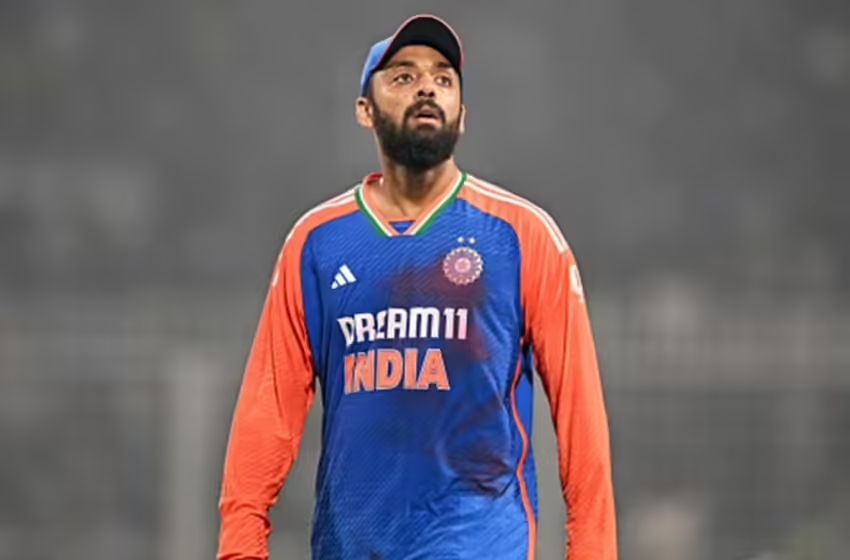
Varun Chakravarthy: Varun Chakravarthy is one of the most intriguing cricketers in modern Indian cricket. Known for his mystery spin and unpredictable variations. He started his career from being an architect to an IPL star and then an Indian cricket team member. His journey is nothing short of inspirational, which is proving the perseverance and passion that can lead to great ours to great success.
Varun Chakravarthy
When and where was he born.
He was Born on August 29, 1991, in Bidar, Karnataka and later got raised in Tamil Nadu.
When and where was he born.
Details on his childhood, Schooling and college.
He grew up in Chennai, Tamil Nadu. He was passionate about cricket and played the sport actively. However, he initially pursued a different career path, focusing on academics and becoming an architect.
Details on his childhood, Schooling and college.
He did his schooling at St. Patrick’s Anglo Indian Higher Secondary School in Chennai. After his higher education, he pursued a degree in architecture from SRM University, which is also in Tamil Nadu.
Who all are there in his family?
He comes from middle class family. His family consist of the following members: –
He has a father C.V. Vinod Chakravarthy, who worked as an assistant manager at Bharat Sanchar Nigam Limited.
His mother Malini Chakravarthy who is a homemaker.
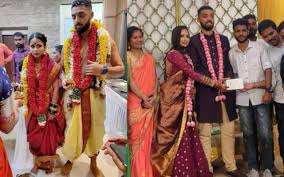
His wife Neha Khedekar, who is his longtime girlfriend. They got married in 2020 in a private ceremony in Chennai.
He also has a younger sister.
Who all are there in his family?
Why did Varun Chakravarthy choose cricket as his career?
He initially pursued a career in architecture. However, he was always passion for cricket never faded. He had played cricket during his school days but initially gave up the sport to focus on his academics. While he was working as an architect, he realized that he was not truly satisfied with his profession.
Why did Varun Chakravarthy choose cricket as his career?
At the age of 25, he decided to quit his job and return to cricket. He initially played as a fast bowler but later switched to spin bowling, which helped him in developing a unique “mystery spin” style. His determination and love for the game ultimately drove him to choose cricket as a career. His performances in local Tamil Nadu leagues and domestic cricket caught the attention of IPL scouts, leading to his breakthrough in professional cricket.
Criminal Psychology: Criminal behavior has long been a subject of fascination and concern for society. Why do some individuals break the law while others abide by it? What psychological factors contribute to criminal tendencies? Over the years, various psychological theories have been developed to explain the motives, drives, and conditions that lead to criminal activity. These theories provide a lens through which we can understand the complex interplay of personality traits, environmental influences, cognitive processes, and social dynamics that shape criminal behavior.
One of the earliest theories of criminal behavior stems from the biological perspective, which suggests that genetics and physiological factors significantly influence criminal tendencies. Although biological theories are not purely psychological, they provide a foundation for understanding the predisposition toward certain behaviors.
The idea of a “born criminal” was first introduced by Cesare Lombroso in the late 19th century. Lombroso believed that criminals exhibited distinct physical features, such as a sloping forehead, asymmetry of the face, or large ears, which he termed “atavistic” traits. While this theory has been debunked, modern research into genetics and neuroscience continues to explore the biological roots of criminal behavior.
Studies have shown that genetic predispositions, such as a mutation in the MAOA gene (commonly referred to as the “warrior gene”), may correlate with aggressive and antisocial behavior. However, the expression of such genes often depends on environmental factors, underscoring the importance of the interaction between nature and nurture in shaping behavior.
Criminal Psychology
Psychoanalytic Theory: Freud’s Perspective
Sigmund Freud’s psychoanalytic theory offers a psychological framework for understanding criminal behavior. According to Freud, human behavior is driven by the unconscious mind, which comprises three components: the id, ego, and superego. The id represents primal desires and impulses, the ego mediates between the id and reality, and the superego embodies moral standards and societal norms.
Freud suggested that criminal behavior could result from an imbalance among these components. For instance, an overactive id might lead to impulsive and aggressive acts, while an underdeveloped superego could result in a lack of moral restraint. Additionally, unresolved childhood conflicts, such as neglect or abuse, may contribute to the development of deviant behavior.
From this perspective, criminality is often seen as a symptom of deeper psychological disturbances. For example, Freud’s concept of “repressed guilt” suggests that some individuals commit crimes as an unconscious way to punish themselves or gain attention.
Criminal Psychology
Behavioral theories focus on the role of learning and conditioning in shaping behavior. According to B.F. Skinner, criminal behavior is learned through reinforcement and punishment. If an individual’s criminal actions are rewarded—whether through material gain, social approval, or emotional satisfaction—they are more likely to repeat those actions.
Social learning theory, developed by Albert Bandura, expands on this idea by emphasizing the role of observation and imitation. Bandura’s famous “Bobo doll experiment” demonstrated that children who observed aggressive behavior were more likely to imitate it. In the context of criminality, individuals exposed to criminal role models—such as family members, peers, or media representations—may internalize and replicate such behaviors.
For instance, a child growing up in an environment where theft or violence is normalized may come to view these actions as acceptable or even necessary for survival. Social learning theory highlights the importance of environmental and social influences, making it a valuable tool for understanding group-based or gang-related criminal activity.
Criminal Psychology
Cognitive Theories: The Role of Thought Processes
Cognitive theories of criminal behavior examine how individuals perceive, interpret, and respond to their environment. Aaron Beck’s cognitive theory, originally developed to understand depression, has been applied to criminal behavior through concepts like “cognitive distortions.” These are irrational or biased ways of thinking that justify or perpetuate criminal acts.
For example, a criminal may rationalize theft by believing that “everyone steals” or that “the victim can afford it.” Such distortions allow individuals to avoid feelings of guilt or responsibility for their actions. Additionally, deficits in moral reasoning, as outlined by Lawrence Kohlberg’s stages of moral development, may contribute to criminal behavior. Those who fail to progress beyond the pre-conventional stage—where actions are judged solely based on rewards and punishments—may engage in criminal activities without considering their ethical implications.
Criminal Psychology
Personality and Trait-Based Theories
Certain personality traits have been consistently linked to criminal behavior. Hans Eysenck’s theory of personality identifies three dimensions: extraversion, neuroticism, and psychoticism. Eysenck proposed that individuals high in psychoticism are more prone to criminal behavior due to traits like aggressiveness, impulsivity, and a lack of empathy.
Similarly, the “Big Five” personality traits—openness, conscientiousness, extraversion, agreeableness, and neuroticism—offer a framework for understanding individual differences in behavior. Low agreeableness and low conscientiousness, for instance, have been associated with higher rates of criminal activity.
Another influential concept is the “dark triad” of personality traits: narcissism, Machiavellianism, and psychopathy. Psychopathy, in particular, is strongly correlated with criminal behavior due to characteristics such as superficial charm, lack of remorse, and a propensity for manipulation and deceit.
Criminal Psychology
Strain and Stress Theories
Robert Agnew’s General Strain Theory (GST) posits that individuals engage in criminal behavior when they experience strain or stress. This strain arises from the inability to achieve socially valued goals through legitimate means, leading to frustration and anger. For example, someone facing financial hardship may resort to theft or fraud as a way to cope with their circumstances.
From a psychological perspective, strain can also result from interpersonal conflicts, such as bullying, discrimination, or abuse. The accumulation of stressors, coupled with inadequate coping mechanisms, increases the likelihood of criminal behavior.
Criminal Psychology
Developmental and Life-Course Theories
Developmental theories focus on how criminal behavior evolves over time, considering factors such as childhood experiences, family dynamics, and social influences. Terrie Moffitt’s dual taxonomy theory distinguishes between “adolescence-limited” and “life-course-persistent” offenders. Adolescence-limited offenders engage in criminal behavior temporarily due to peer pressure or developmental changes, while life-course-persistent offenders exhibit antisocial behavior consistently throughout their lives.
Early exposure to adverse childhood experiences (ACEs), such as neglect, abuse, or parental incarceration, has been linked to an increased risk of criminal behavior. These experiences can disrupt emotional regulation, social skills, and decision-making processes, setting the stage for lifelong behavioral issues.
Environmental and Sociocultural Influences
While psychological theories focus on individual factors, it is essential to consider the broader social and cultural context. Poverty, lack of education, and community disorganization create environments where criminal behavior is more likely to thrive. Psychological theories often intersect with sociological perspectives, highlighting how systemic inequalities and social structures influence individual behavior.
Criminal Psychology
Implications for Prevention and Intervention
Understanding the psychological theories of criminal behavior has practical implications for prevention and rehabilitation. Cognitive-behavioral therapy (CBT), for example, can help individuals recognize and challenge distorted thought patterns, improving decision-making and impulse control. Early intervention programs that address childhood trauma and strengthen family support systems can reduce the likelihood of future criminal behavior.
Additionally, community-based initiatives, such as mentorship programs and educational opportunities, can provide alternative pathways for at-risk individuals. By addressing both psychological and environmental factors, these strategies aim to break the cycle of criminality and promote positive social outcomes.
Criminal Psychology
Conclusion
The psychological theories of criminal behavior offer valuable insights into the complex interplay of biological, cognitive, emotional, and social factors that contribute to crime. While no single theory can fully explain all aspects of criminality, each provides a piece of the puzzle, helping us develop more effective prevention and intervention strategies. By understanding the root causes of criminal behavior, society can work toward creating a safer and more just world.
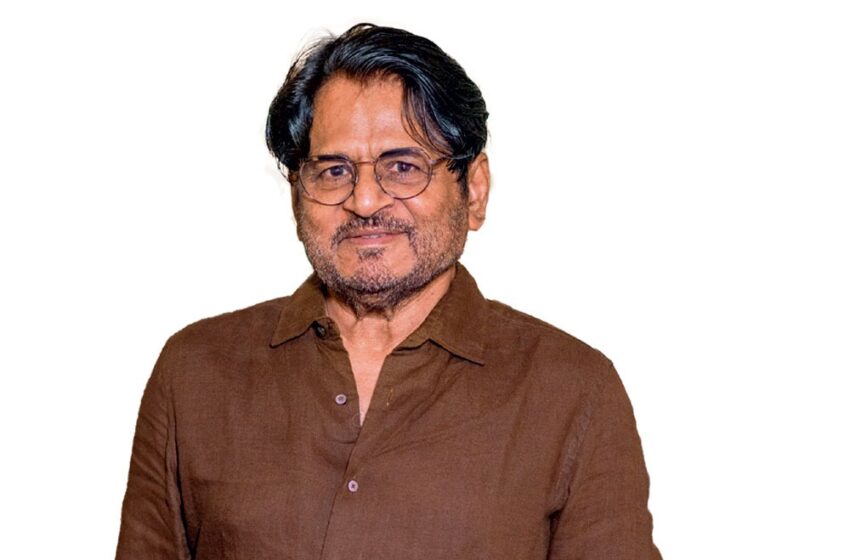
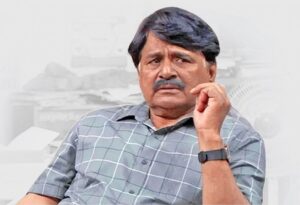
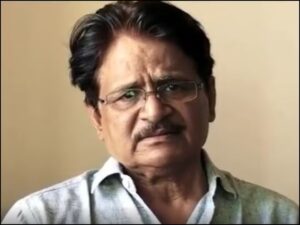
Raghubir Yadav: A Detailed Biography he was born on June 25, 1957, in Jabalpur, Madhya Pradesh, India, is a distinguished actor, music composer, singer, and set designer, renowned for his extensive contributions to Indian cinema, theatre, and television.
His journey from a small village to the national and international stage is a testament to his dedication, versatility, and passion for the performing arts.
Growing up in a modest farming family in a village near Jabalpur, Raghubir Yadav was immersed in rural life, assisting with agricultural activities. He attended a school established by his grandfather, where he developed an early interest in music and performance. He would play film songs on the gramophone and regularly practiced singing folk songs. The traditional performances of Ram Leela and Ras Leela in his village further ignited his passion for the arts. At the age of 15, apprehensive about his academic performance, Yadav left home to pursue his artistic aspirations.
Raghubir Yadav
Theatrical Beginnings
Raghubir Yadav’s initial foray into the performing arts began with the Parsi Theatre Company, where he worked from 1967 to 1973. During this period, he performed in over 70 plays and participated in approximately 2,500 shows, traveling across India and performing in various settings, from villages to cities. This experience honed his acting skills and deepened his understanding of diverse audiences. He also worked with the Rangoli Puppet Theatre in Lucknow from 1973 to 1974, showcasing his versatility by performing with glove puppets.
In 1977, Raghubir Yadav joined the National School of Drama (NSD) Repertory Company in New Delhi, one of India’s premier theatre institutions. Over the next decade, he acted in about 40 plays, totaling over 2,000 shows. His contributions extended beyond acting, as he also engaged in music composition, set design, costumes, and mask-making, reflecting his multifaceted talent and commitment to theatre.
Raghubir Yadav
Transition to Film
Raghubir Yadav made a remarkable transition to cinema with his debut in “Massey Sahib” (1985), where he played the titular role. His portrayal of Francis Massey, a clerk in colonial India, was met with critical acclaim, earning him two international awards: the FIPRESCI Critic’s Award at the Venice Film Festival in 1986 and the Silver Peacock for Best Actor at the 11th International Film Festival of India in 1987.
This debut established Yadav as a formidable actor capable of delivering nuanced performances.
Following “Massey Sahib,” Yadav appeared in several significant films that garnered international attention. Notably, three films featuring Yadav—”Salaam Bombay!” (1988), “Lagaan” (2001), and “Water” (2005)—were nominated for the Academy Award for Best Foreign Language Film. In “Salaam Bombay!”, he portrayed Chillum, a drug-addicted homeless man, delivering a performance that was both poignant and powerful.
In “Lagaan,” he played Bhura, a farmer, contributing to the film’s critical and commercial success. His role in “Water” further showcased his ability to adapt to diverse cinematic narratives.
Raghubir Yadav
Television and Wider Recognition
Raghubir Yadav’s versatility extended to television, where he became a household name with his role as Mungerilal in the series “Mungerilal Ke Haseen Sapne” (1988). The show, which aired on Doordarshan, depicted the escapades of a daydreaming clerk, resonating with audiences across India. He also portrayed the titular character in “Mullah Nasruddin” and brought to life the beloved comic character in the television adaptation of “Chacha Chaudhary,” further cementing his status in Indian popular culture.
Raghubir Yadav
Musical Contributions
Beyond acting, Raghubir Yadav is an accomplished singer and music composer. He has lent his voice to various film soundtracks, including “Maya Memsaab,” “Rudaali,” “Aasmaan Se Gira,” “O Darling Yeh Hai India,” “Samar,” “Sunday,” “Darna Mana Hai,” “Ramaji London Waale,” “Billu,” and “Delhi-6.” His song “Mehngai Dayain” from “Peepli Live” (2010) became particularly popular, reflecting societal issues through its satirical lyrics. Raghubir Yadav has also composed and sung for numerous advertisements, becoming the voice behind jingles for brands like Pepsi, Parle, Vim, Kotak Mahindra, and Britannia.
Raghubir Yadav
Recent Work and Accolades
In recent years, Yadav has continued to showcase his talent across various platforms. His performance in the Amazon Prime Video series “Panchayat” (2020)as Brij Bhushan Dubey, the village pradhan, received widespread acclaim for its authenticity and humor. This role earned him the Best Supporting Actor (Comedy Series) award at the 2020 Filmfare OTT Awards.
Raghubir Yadav
Personal Life
Raghubir Yadav’s personal life has seen its share of complexities. He married Poornima in 1988, an employee at NSD, but the couple separated in 1996. Post-separation, Yadav began a relationship with Roshni Achreja, known for her role as Ritu in Zee TV’s “Banegi Apni Baat.” These personal developments have occasionally attracted media attention, reflecting the challenges of balancing a public career with private life.
Xiaomi 15 has officially unveiled its latest flagship smartphone, the Xiaomi 15 Ultra, at the Mobile World Congress (MWC) 2025 in Barcelona. This device is poised to set new benchmarks in the premium smartphone segment with its top-tier specifications and features. The company has confirmed that the Xiaomi 15 Ultra will launch in India on March 11, 2025, at 12 PM.
The Xiaomi 15 Ultra boasts a 6.73-inch quad-curved LTPO AMOLED display with a resolution of 3200 x 1440 pixels (QHD+). This display supports a 120Hz refresh rate, ensuring smooth scrolling and an enhanced viewing experience. With a peak brightness of 3,200 nits, the screen promises excellent visibility even under direct sunlight. The display is protected by Xiaomi’s Shield Glass 2.0, offering durability against scratches and minor impacts.
In terms of design, the Xiaomi 15 Ultra features a premium build with a glass front and a glass-fiber back or silicone polymer back (eco leather), complemented by an aluminum frame. The device measures 161.3 x 75.3 x 9.4 mm and weighs 226 grams, providing a solid and premium feel in hand. It is available in four color options: Black, White, Silver Chrome, and Green, catering to diverse aesthetic preferences.
Xiaomi 15
Performance
Under the hood, the Xiaomi 15 Ultra is powered by the latest Qualcomm Snapdragon 8 Elite chipset, built on a 3 nm process. This octa-core processor, clocked at 4.32 GHz, is paired with the Adreno 830 GPU, delivering top-notch performance for both daily tasks and intensive applications like gaming and video editing.
The device comes in multiple configurations to suit varying user needs:
**12GB RAM with 256GB internal storage
**16GB RAM with 512GB internal storage
**16GB RAM with 1TB internal storage
All storage variants utilize UFS 4.1 technology, ensuring faster data read and write speeds. However, it’s important to note that the Xiaomi 15 Ultra does not support expandable storage via microSD cards.
Camera System
One of the standout features of the Xiaomi 15 Ultra is its Leica-tuned quad-camera setup:
Primary Camera: A 50-megapixel Sony LYT900 sensor with an f/1.63 aperture and optical image stabilization (OIS), ensuring sharp and clear images even in low-light conditions.
Ultra-Wide Camera: A 50-megapixel sensor with an f/2.2 aperture, allowing users to capture expansive landscapes and group photos.
Telephoto Camera: A 50-megapixel Sony IMX858 sensor with an f/1.8 aperture and 3x optical zoom, ideal for portrait photography and distant subjects.
Periscope Telephoto Camera: A groundbreaking 200-megapixel Samsung ISOCELL HP9 sensor with an f/2.6 aperture and 4.3x optical zoom, offering unprecedented detail and clarity in zoomed-in shots.
For selfies and video calls, the device is equipped with a 32-megapixel front-facing camera, ensuring high-quality images and videos.
Xiaomi 15
Battery and Charging
The Xiaomi 15 Ultra is powered by a 5,410mAh battery, providing ample endurance for a full day of intensive use. It supports 90W wired fast charging and 80W wireless charging, allowing users to quickly recharge their device and minimize downtime. Additionally, the phone offers reverse wireless charging capabilities, enabling it to charge other compatible devices wirelessly.
Software and Features
Running on Android 15-based HyperOS 2.0, the Xiaomi 15 Ultra offers a seamless and intuitive user experience. The device is IP68 rated, ensuring resistance against dust and water ingress. Connectivity options include 5G support, Wi-Fi 7, Bluetooth 5.4, NFC, and an infrared sensor. The phone also features an ultrasonic under-display fingerprint sensor for quick and secure unlocking.
Xiaomi 15
Expected Price in India
While Xiaomi has not officially announced the Indian pricing for the 15 Ultra, insights from the global launch provide a reasonable estimate. In China, the device is available in three configurations:
Given these prices, it is anticipated that the Xiaomi 15 Ultra will be priced between Rs 90,000 to Rs 1,00,000 in India, aligning with its global pricing strategy.
This pricing positions the 15 Ultra as a strong competitor against other flagship smartphones like the Samsung Galaxy S24 Ultra and the iPhone 15 Pro Max.
The Xiaomi 15 Ultra represents a significant leap in smartphone technology, offering a blend of cutting-edge features and premium design. With its imminent launch in India, consumers can look forward to a device that not only meets but potentially exceeds expectations in the flagship smartphone segment.
Given these prices, it’s anticipated that the Indian pricing will align closely with the global rates. The Xiaomi 15 Ultra is expected to compete with other flagship smartphones like the Samsung Galaxy S24 Ultra and iPhone 15 Pro Max in the Indian market.
For the most accurate and updated pricing information, it’s advisable to await the official announcement during the launch event.
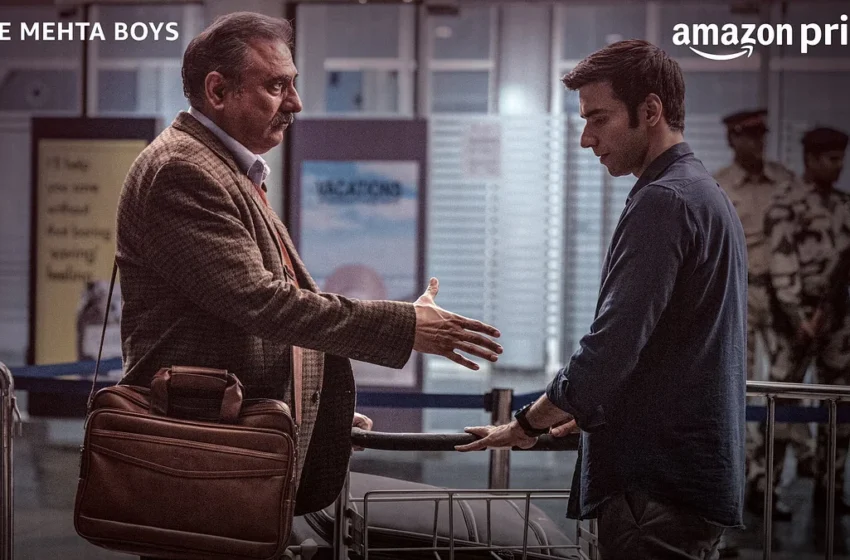
The Mehta boys: The Mehta boys is a 2025 Indian Hindi language drama movie. This released on February 7, 2025. This film talks about the trouble relations of a father and a son after the death of his wife. This film is full of twists and turns and an amazing set of drama.
Details on The Mehta boys?
Information of the director and writer. The actors in this movie.
This movie is directed by Boman Irani and this is written by Boman Irani and Alexander Dinelaris Jr. The film consists of some amazing actors like Boman Irani, Avinash Tiwary, Shreya Chaudhary, Puja Sarup, Harsh A. Singh and more.
Details on the plot and character of the movie?
Details on the plot and character of the movie?
The plot of the movie is after the death of a young architecture mother he is said to spend time with his father. Both of them do not have a really good relationship. The film is about an amazing journey of strain relationship between father and son and 48 hours of this duo. The Characters of the movie are as following – Boman Irani as Mr. Shiv Mehta, Avinash Tiwari as Amay Mehta, and Shreya Chaudhary as Zara.
Details on the plot and character of the movie?
What are the themes of this movie?
The theme of the Mehta boys is as follows: –
The Father and son dynamics.
Son seeking Independence.
Family dynamics.
Siblings bond.
And grief.
What are the themes of this movie?
Where can you watch it?
It was released on February 7, 2025 and the movie is available on Amazon Prime video.
Where can you watch it?
The reaction of audience on The Mehta boys.
The film has received many positive reviews from audiences and critics. People have praised the film by saying that directors have portrayed the performances, storytelling and attention to the details of every single-story line. The critics also commented that film consists of many littles and lovely movements that have made it a heart touching movie.
The reaction of audience on The Mehta boys.
Is there any Future season to this movie.
Till now there are no plans for any sequel of The Mehta Boys movie.
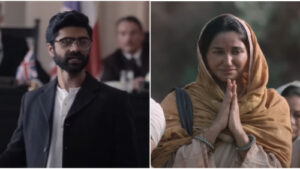
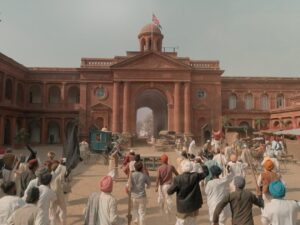
The Waking of a Nation: This series is an upcoming historical drama that covers the story surrounding the Jallianwala Bagh massacre and the tragic pivotal movements of India’s struggles. It also covers some uncovered, unheard stories about the massacre and other investigations.
Details on The Waking of a Nation?
The details on the director and writer.
The series is directed by Ram Madhvani. It is written by Shantanu Srivastava and Shatrujeet Nath.
The details on the director and writer.
The actors in this series.
The cast of the series consist of some great actors like Taaruk Raina, Sahil Mehta, Nikita Dutta, Raj Jadon and Man Singh Karamati.
The actors in this series.
What is this series about and its contexts?
It is an historic drama around the Jallianwala Bagh massacre, which occurred on Apple 13, 1919 and India’s struggle towards independence. Apart from this the series also focuses on the hunter commission enquiry and other legal issues. It tells about the true incident and untold story related to the same.
What is this series about and its contexts?
The themes of The Waking of a Nation.
The theme of the walking of a nation is as follows: –
The pursuit of truth and justice.
To seek justice for the victims.
The series portrays the resistance against British colonial rule.
the fight for India’s independence.
The themes of The Waking of a Nation.
The fight against oppression.
Racism and prejudice issues.
Courage and resilience.
The Historical remembrance.
Where can we watch this series?
The series has avalible on SonyLIV.com. This relesing on march 7,2025 on the same app.
Where can we watch this series?
The audience reaction and reviews on the series.
The series has gained several reactions from both people and critics. Some of these reactions are emotional, anticipation, excitement, shocking, etc.
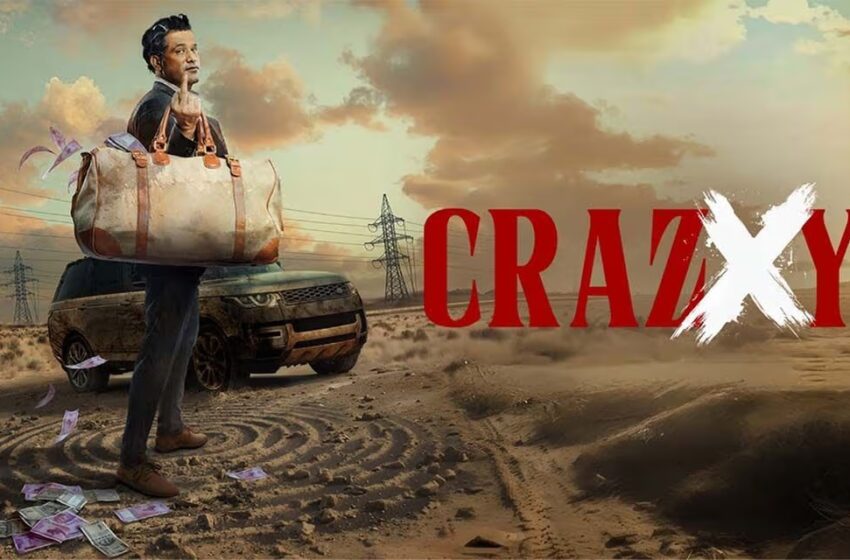
The Indian film industry has long been a tapestry of diverse narratives, and Crazxy, released on February 28, 2025, adds a compelling thread to this rich fabric. Directed and written by Girish Kohli, this Hindi-language thriller delves deep into the human psyche, presenting a story that is as intricate as it is gripping.
Crazxy centers on Dr. Abhimanyu Sood, portrayed by Sohum Shah, a dedicated doctor who finds himself ensnared in a high-stakes chase following a chilling phone call. This unexpected event propels him into a labyrinth of danger and mystery, where every turn reveals new challenges and deeper conspiracies. The film masterfully maintains tension, keeping audiences on the edge of their seats as they navigate the twists and turns alongside the protagonist.
Cast and Crew
Sohum Shah as Dr. Abhimanyu Sood: Shah delivers a nuanced performance, capturing the complexities of a man caught between his professional oath and personal peril.
Tinnu Anand: A veteran actor whose role adds depth to the narrative.
Nimisha Sajayan: Brings authenticity and emotion to her character, enriching the storyline.
Shilpa Shukla: Delivers a compelling performance that complements the film’s intense atmosphere.
The film’s visual storytelling is enhanced by the collaborative efforts of cinematographers Sunil Borkar and Kuldeep Mamania, whose work creates a visually immersive experience. Editors Sanyukta Kaza and Rythem Lath ensure a tight narrative flow, maintaining suspense throughout the film’s 93-minute runtime.
Crazxy
Musical Landscape
The auditory experience of Crazxy is as intricate as its plot. The soundtrack features compositions from renowned artists:
Vishal Bhardwaj: Crafts melodies that resonate with the film’s emotional beats.
Laxmikant-Pyarelal and Anand Bakshi: Their contributions add a classic touch to the musical ensemble.
Jesper Kyd: Provides an original score that heightens the film’s suspenseful atmosphere.
Harshavardhan Rameshwar and Osho Jain: Infuse contemporary elements into the soundtrack, appealing to a diverse audience.
Notable tracks include “Mitron Maidaan,” a collaboration between lyricist Ashim Kemson and singer Babbu Maan, and “Paapi,” featuring the vocals of Romy and Khullar G, with music by Manan Bhardwaj. These songs not only complement the narrative but also stand out as memorable pieces on their own.
Crazxy
Production Journey
The inception of Crazxy traces back to May 2023, when Sohum Shah hinted at a new project. The official announcement came during the re-release of Tumbbad, building anticipation among fans and critics alike. Produced under the banner of Sohum Shah Films, the movie is a collaborative effort with producers Mukesh Shah, Amita Shah, and Adesh Prasad, and co-producer Ankit Jain. The production team has been lauded for their meticulous attention to detail, from casting to post-production, ensuring a high-quality cinematic experience.
Crazxy
Critical Reception
Upon its release, Crazxy garnered a spectrum of reviews:
Saibal Chatterjee (NDTV): Awarded the film 3 out of 5 stars, praising its departure from conventional storytelling and its commitment to a unique narrative style.
Shubhra Gupta (The Indian Express): Gave it 2 out of 5 stars, noting that while the film’s ambition is commendable, the limited presence of supporting characters places a heavy burden on Shah’s solo performance.
Rahul Desai (The Hollywood Reporter India): Highlighted the film’s visual and auditory engagement, emphasizing the effective use of cinematography and sound design to maintain interest in a single-character storyline.
Sana Farzeen (India Today): Rated it 3 out of 5 stars, acknowledging Shah’s gripping performance but expressing reservations about the film’s melodramatic climax.
Rishabh Suri (Hindustan Times): Offered a 2.5 out of 5-star rating, pointing out narrative loopholes that detract from an otherwise engaging premise.
Ganesh Aaglave (Firstpost): Described Crazxy as one of Bollywood’s best recent thrillers, recommending a big-screen viewing for an immersive experience.
Dhaval Roy (The Times of India): Gave it 4 out of 5 stars, likening the film’s blend of tension and style to Quentin Tarantino’s work, and commending its bold storytelling.
Crazxy
Box Office Performance
Crazxy opened with modest numbers, aligning with its production budget. Initial estimates suggest first-day earnings between ₹1 crore to ₹1.25 crore. While these figures are not groundbreaking, they reflect a steady interest, with potential growth hinging on word-of-mouth promotion and critical acclaim.
Crazxy
Conclusion
Crazxy stands as a testament to the evolving landscape of Indian cinema, where filmmakers are unafraid to explore unconventional narratives. Girish Kohli’s direction, combined with Sohum Shah’s compelling performance, crafts a thriller that challenges audiences to engage deeply with its complex storyline. While opinions on its execution vary, the film undeniably contributes to the genre, offering a fresh perspective on psychological thrillers in Bollywood.
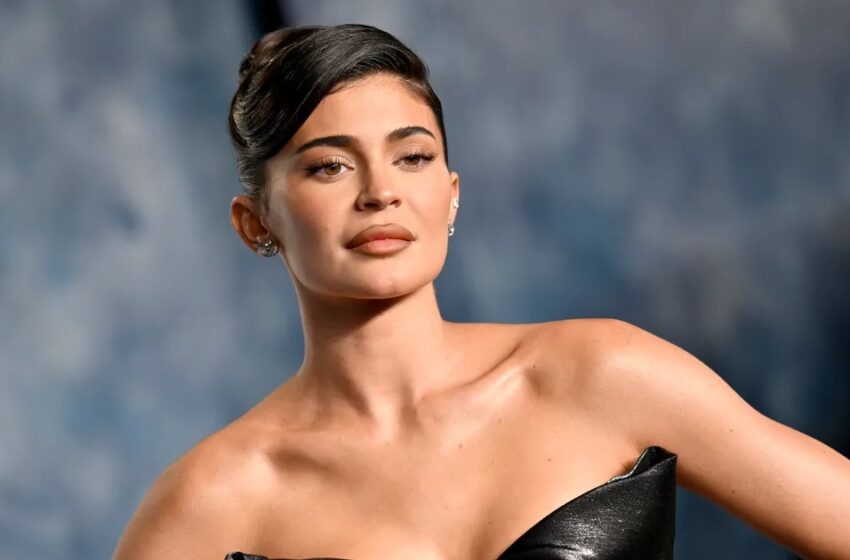
Kylie Jenner Detailed Biography: Kylie Jenner is a prominent American media personality, entrepreneur, and socialite who has significantly impacted the beauty and fashion industries. Rising to fame through the reality television series Keeping Up with the Kardashians, Kylie leveraged her influence to build a personal brand that has made her one of the most successful businesswomen of her generation.
Kylie Kristen Jenner, born on August 10, 1997, in Los Angeles, California, is an American media personality, entrepreneur, and socialite. She is the youngest daughter of Kris Jenner, a television personality and businesswoman, and Caitlyn Jenner, a former Olympic decathlete. Kylie has an older sister, Kendall Jenner, and eight half-siblings: Kourtney, Kim, Khloé, and Rob Kardashian from her mother’s side, and Burt, Brandon, Brody, and Casey Jenner from her father’s side.
Kylie Jenner
Early Life and Education
Kylie grew up in the affluent suburb of Calabasas, Los Angeles, where she attended Sierra Canyon School. During her time there, she was an active cheerleader and participated in various school plays. In 2012, she opted for home schooling and enrolled in an at-home education program, graduating with a high school diploma from Laurel Springs School in July 2015.
Kylie Jenner
Rise to Fame: “Keeping Up with the Kardashians”
In 2007, at the age of ten, Kylie began appearing on the reality television series “Keeping Up with the Kardashians,” which chronicled the lives of the Kardashian-Jenner family. The show became a massive success, propelling the family into international stardom. Kylie’s presence on the show allowed her to cultivate a significant following, especially among younger audiences.
Kylie Jenner
Entrepreneurial Ventures
Leveraging her reality TV fame, Kylie ventured into the business world:
Kylie Cosmetics: In 2015, she launched her own cosmetics line, Kylie Lip Kits, which was later rebranded as Kylie Cosmetics. The initial product, a liquid lipstick and lip liner set, sold out within minutes, showcasing her immense influence. Over the years, the brand expanded its product range, including eyeshadows, blushes, and highlighters. In 2020, Kylie sold 51% of her company to Coty Inc. for $600 million, valuing the company at approximately $1.2 billion.
Khy: In October 2023, Kylie Jenner expanded her entrepreneurial portfolio by launching a ready-to-wear fashion brand named Khy. The brand collaborates with independent designers, significantly boosting brand visibility and sales.
Kylie Jenner
Social Media Influence
Kylie’s social media presence is monumental:
Instagram: As of March 2025, she boasts over 394 million followers, making her one of the platform’s most-followed individuals. Her posts, ranging from personal moments to business promotions, garner millions of likes and comments, reflecting her vast influence.
Media Impact: Her appearances at major fashion events, such as Paris Fashion Week, generate significant media attention. For instance, her attendance at Coperni’s Disneyland show contributed $17.9 million in media impact value.
Kylie Jenner
Personal Life
Kylie’s personal life has been a focal point for media and fans alike:
Relationships: She has been linked to several high-profile individuals. From 2014 to 2017, she dated rapper Tyga. Shortly after, she began a relationship with rapper Travis Scott in April 2017. The couple welcomed their daughter, Stormi Webster, on February 1, 2018, and their son, Aire Webster, on February 2, 2022. The couple had an on-and-off relationship, ultimately separating in January 2023. As of April 2023, Kylie has been in a relationship with actor Timothée Chalamet.
Motherhood: Kylie has been open about her experiences with motherhood. She has shared insights into her journey, including the challenges and joys of raising her two children, Stormi and Aire.
Kylie Jenner
Public Perception and Criticism
While Kylie has achieved significant success, she has also faced criticism:
“Self-Made” Billionaire Debate: In 2019, Forbes named her the youngest self-made billionaire at 21. However, this title sparked debates about the definition of “self-made,” given her family’s wealth and influence.
Cultural Appropriation: She has been accused of cultural appropriation on several occasions, particularly concerning her fashion and hairstyle choices.
Kylie Jenner
Philanthropy
Kylie has engaged in various philanthropic endeavors:
Smile Train: In 2016, she launched a special-edition lip kit, with proceeds funding cleft palate surgeries for children in need.
Teen Cancer America: She has made significant donations to support young cancer patients.
Kylie Jenner
Recent Developments
Kylie’s influence in the fashion industry continues to grow. Her effective use of social media and authentic engagement with her audience, particularly through relatable content, bolster her influential presence. Her ventures, such as Kylie Cosmetics and the emerging fashion brand Khy, demonstrate her entrepreneurial success.
Kylie Jenner
Expanding the Brand
Beyond Kylie Cosmetics, Jenner ventured into skincare with the launch of Kylie Skin in 2019, offering products like face washes and moisturizers. She further diversified her portfolio with Kylie Baby in 2021, introducing skincare and hair care products designed for infants and young children. These expansions showcased her ability to identify and tap into various market segments, reinforcing her status as a versatile entrepreneur.
Kylie Jenner
Conclusion
Kylie Jenner’s journey from a reality TV star to a formidable business mogul and influencer is a testament to her adaptability and keen business acumen. Despite facing criticisms and challenges, she has solidified her place in the beauty and fashion industries, with a legacy that continues to evolve.
Kylie Jenner is a modern-day example of how social media can be harnessed to build a multi-million-dollar empire. She represents the intersection of celebrity culture and entrepreneurship, with an undeniable influence on beauty, fashion, and marketing. Despite controversies, her business acumen and ability to stay relevant in an ever-changing digital landscape solidify her as one of the most influential figures of her generation.
Najafgarh: Najafgarh is one of the 11 sub-divisions of Delhi. It is a prominent suburban area in Southwest Delhi, located near the Haryana border. It is known for its historical significance, growing urban development, and strong cultural identity.
Najafgarh it really getting renaming after the proposal?
Historically, it was a strategic location due to its proximity to Delhi and Haryana. It has a mix of urban and rural characteristics, making it one of the largest and most densely populated regions in Delhi.
Details on the history of this place.
The 1857 battle of Najafgarh, A crucial battle during the First War of Independence between Indian rebels and the British. Historically, it was a strategic location due to its proximity to Delhi and Haryana. Najafgarh, located in Southwest Delhi, has a rich historical background that dates back to the Mughal era.
The 1857 battle of Najafgarh
Over time, it has played a significant role in Delhi’s history, from being a military outpost to witnessing key battles during India’s struggle for independence. This battle played a crucial role in helping the British recapture Delhi, marking a turning point in the revolt.
Why was it named this and who named it?
It was named after Mirza Najaf Khan, a Persian nobleman and a powerful military commander in the Mughal Empire during the late 18th century. Mirza Najaf Khan served as the Mir Bakshi (Commander-in-Chief) of the Mughal army under Emperor Shah Alam II. He strengthens Delhi defenses, as he established a fortified military settlement in this area. After this settlement was later named “Najafgarh,” which means “Fort of Najaf” (with “Garh” meaning fort in Hindi).
Najafgarh was named after Mirza Najaf Khan
It is believed that the Mughal administration and local people started referring to this place as Najafgarh after Mirza Najaf Khan established a fortified military settlement there in the late 18th century. Even after his death in 1782, the name continued to be used, preserving his legacy as a key military leader who played a role in defending Delhi.
When and why did the renaming of the place be proposed?
On February 27 20 25 April proposal was made by BJP MLA of this place , Neelam Pahalwan saying that the place should we renamed into Najafgarh. This proposal was made to honour Raja Nahar Singh’s in 1857 revolt and his efforts to bring the region under Delhi’s territory.
When and why did the renaming of the place be proposed?
She said “During the 1857 revolt, Raja Nahar Singh fought and included Najafgarh in Delhi’s territory. Despite several efforts, including those by then MP Parvesh Verma, we tried to rename Najafgarh to ‘Najafgarh’,”.
BJP MLA of Najafgarh, Neelam Pahalwan
Congress opinion on this proposal.
The Delhi Congress chief Devender Yadav said BJP showing their true Colors within 6 days of forming of their government, instead of delivering on its promises that they made during the election.
The Delhi Congress chief Devender Yadav
He also said “People elected the BJP to power expecting good governance, to solve the many problems afflicting the Capital and its residents, but it is proving to be no better than the corrupt and inefficient Kejriwal government,”.