Author: AVS POST Bureau

  • “Mahvash Amu: 5 Powerful Reasons She’s a Trailblazing Media Icon”

    “Mahvash Amu: 5 Powerful Reasons She’s a Trailblazing Media Icon”

    Mahvash Amu: A Detailed Biography Mahvash Amu, widely recognized as RJ Mahvash, is a prominent Indian radio jockey, content creator, author, and social media influencer. Born on October 27, 1996, in Aligarh, Uttar Pradesh, India, she has carved a niche for herself in the media industry through her engaging personality and innovative content.

    Recently, Indian cricketer Yuzvendra Chahal was spotted with radio jockey and social media influencer RJ Mahvash at the ICC Champions Trophy 2025 final. This has sparked speculation about their relationship.

    RJ Mahvash is from Aligarh and has completed her graduation from Aligarh Muslim University (AMU) and a master’s in mass communication from Jamia Millia Islamia, New Delhi. She is well known for her prank videos and humorous content, which are popular on social media.

    In December 2024, Mahvash shared a picture with Chahal, leading to dating rumors. However, she dismissed these speculations as “baseless” and urged people to respect her privacy. Despite this, their recent public appearance has reignited discussions about their relationship.

    Meanwhile, Yuzvendra Chahal is currently going through a mutual divorce with his wife, Dhanashree Verma, which is under legal proceedings.

    Both Chahal and Mahvash have not officially confirmed any relationship.

    Mahvash Amu
    Mahvash Amu

    Early Life and Education

    Mahvash was born into a supportive family in Aligarh. Her parents, Sameer and Jiya Amu, have been instrumental in her upbringing. Her mother, Jiya, is a gynecologist, reflecting a family background that values education and professional dedication. Mahvash also has a younger brother named Aham Amu.

    She completed her schooling at Women’s College, Aligarh Muslim University (AMU), where she was known for her vibrant personality and active participation in extracurricular activities. Her interest in media and communication led her to pursue a degree in Media Studies and Mass Communication from Jamia Millia Islamia University in New Delhi.

    This academic foundation laid the groundwork for her future endeavors in the media industry.

    Mahvash Amu

    Career Beginnings

    Mahvash’s professional journey began in 2015 when she secured a position as a radio jockey at Radio Mirchi 98.3 FM during her final year of college.

    Her engaging style and ability to connect with listeners quickly made her a popular voice on the airwaves. She collaborated with fellow radio personalities, including RJ Naved, and hosted various shows that resonated with a wide audience.

    Mahvash Amu

    Transition to Digital Content Creation

    Recognizing the growing influence of digital media, Mahvash expanded her horizons beyond traditional radio. She ventured into content creation on platforms like YouTube and Instagram, where her prank videos and humorous content garnered significant attention. Her unique approach to comedy, combined with her relatable personality, led to a substantial increase in her online following. As of July 2023, she amassed over 1 million followers on Instagram and more than 250,000 subscribers on YouTube.

    Mahvash Amu

    Notable Collaborations and Projects

    Mahvash’s creativity and versatility have led her to collaborate with various celebrities and brands. During the Legends League Cricket Tournament, she created content with renowned cricketers such as Brett Lee, Suresh Raina, and Chris Gayle.

    Her video with Abdu Rozik, featuring a playful pickup line, received over 11 million views on Instagram, showcasing her ability to create viral content.

    In addition to her prank videos, Mahvash hosted a show titled “Bold or Bowled,” where she posed daring questions about love and relationships to celebrities like Rakul Preet Singh, Badshah, and Adah Sharma.

    Her candid interviewing style and willingness to address unconventional topics set her apart in the digital content landscape.

    Mahvash Amu

    Authorship and Literary Contributions

    Beyond her work in radio and digital media, Mahvash is also an accomplished author. She has published two books under her pen name, Mahvash A.M.U. Her first book, “Wandering Soul,” was released in 2012, followed by “The Bleeding Hearts,” which explores themes of love and human emotions.

    Her literary pursuits reflect her depth as a storyteller and her ability to connect with audiences across different mediums.

    Mahvash Amu

    Controversies and Public Perception

    In March 2021, Mahvash became involved in a controversy when she entered a men’s bathroom and threw tennis balls into occupied stalls, urging the occupants to throw them out. This act was widely criticized, with many questioning the appropriateness of her prank.

    Despite the backlash, Mahvash continued to create content, demonstrating resilience and a commitment to her craft.

    Mahvash Amu

    Recent Developments

    In March 2025, Mahvash was spotted attending the India vs. New Zealand Champions Trophy final in Dubai alongside Indian cricketer Yuzvendra Chahal. This appearance sparked speculation about a possible romance between the two, though neither has confirmed such rumors. The sighting brought Mahvash into the spotlight once again, highlighting her connections within the sports community.

    Personal Life

    Mahvash Amu has maintained a relatively private personal life despite her growing fame in the media and entertainment industry. Here are some key insights into her personal life:

    • Family Background

    • Mahvash was born and raised in Aligarh, Uttar Pradesh, in a well-educated family. Her father, Sameer Amu, and mother, Jiya Amu, played significant roles in her upbringing. Her mother is a gynecologist, highlighting the family’s professional background. She also has a younger brother, Aham Amu.
    • Education and Interests
    • Mahvash completed her schooling at Women’s College, Aligarh Muslim University (AMU), and later pursued a degree in Media Studies and Mass Communication at Jamia Millia Islamia University in New Delhi. Her interest in media and entertainment shaped her career path, leading her to become a successful radio jockey, content creator, and author.
    Mahvash Amu
    • Relationship Status
    • As of now, Mahvash Amu is unmarried and has not publicly disclosed any romantic relationships. However, in March 2025, she was spotted with Indian cricketer Yuzvendra Chahal at the Champions Trophy final in Dubai, which sparked dating rumors. Neither Mahvash nor Chahal has confirmed any relationship, and she continues to focus on her career.
    • Hobbies and Lifestyle
    • Mahvash enjoys writing and has published books under the pen name Mahvash A.M.U. She is passionate about literature, humor, and social media content creation. Her creative pursuits extend beyond entertainment, as she often shares thought-provoking posts on her social media platforms.
    • Public Perception and Influence
    • Despite a few controversies, Mahvash has built a positive public image as a bold, fun-loving, and talented media personality. She continues to inspire young content creators with her unique approach to digital media, storytelling, and humor.
    Mahvash Amu

    Physical Appearance

    Mahvash Amu is known for her charming personality and stylish appearance. Here are some key details about her physical features:

    Height & Build

    • Height: Approximately 5 feet 4 inches (163 cm)
    • Weight: Around 50-55 kg (110-121 lbs)
    • Body Type: Slim and fit

    Facial Features

    • Face Shape: Oval
    • Skin Tone: Fair to wheatish complexion
    • Eyes: Dark brown, expressive, and lively
    • Hair: Long, black, and often styled in different trendy looks
    Mahvash Amu

    Distinctive Features

    • Smile: Bright and captivating, which complements her cheerful personality
    • Style: Often seen in trendy and elegant outfits, blending traditional and modern fashion
    • Makeup: Usually natural-looking but enhances her features with well-defined eyes and a fresh look

    Fashion & Styling

    Mahvash Amu is known for her stylish yet simple fashion choices. Whether in casual wear or elegant attire, she carries herself with confidence and grace. Her social media presence often showcases her in a mix of ethnic and western outfits, making her a fashion inspiration for many.

    Social Media Presence

    Mahvash’s social media presence continues to grow, with her Instagram account (@rj.mahvash) serving as a platform for her latest projects, collaborations, and personal insights. Her engaging content and interactive approach have solidified her status as a leading digital influencer in India.

    Mahvash Amu

    Conclusion

    Mahvash Amu’s journey from a small-town girl in Aligarh to a celebrated radio jockey, content creator, and author exemplifies her dedication and versatility. Her ability to adapt to changing media landscapes and connect with diverse audiences has established her as a prominent figure in the Indian entertainment.

    ALSO READ THIS: “Dabba Cartel: 5 Powerful Women, 1 Game-Changing Crime Thriller!”

  • Swami Kailash Anand Giri: Detail description on his journey of spirituality and devotion.

    Swami Kailash Anand Giri: Detail description on his journey of spirituality and devotion.

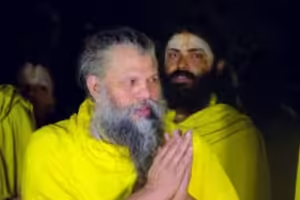
    Swami Kailash Anand Giri: He is a revered Hindu saint and spiritual leader known for his deep knowledge of Sanatan Dharma, Vedic scriptures, and ascetic life. He is associated with the Juna Akhara, one of the largest and most prominent Akharas in India, which plays a significant role in Hindu monastic traditions. He is also known for guiding devotees on the path of dharma, devotion, and self-realization.

    who is Swami Kailash Anand Giri?
    who is Swami Kailash Anand Giri?

    When and where was he born?

    He was born in 1976 and according to sources he was born in Bihar, Jharkhand.

    How did he came towards spirituality?

    His path to spirituality began at a young age, and his early detachment from material pursuits was a significant factor in his spiritual development. He is reported to have renounced his home and worldly life at a young age. He became deeply engrossed in devotion to God, following a path that involved intense penance, a common practice for those seeking spiritual enlightenment.

    How did he came towards spirituality?
    How did he came towards spirituality?

    He served as an Acharya and Mahamandaleshwar of the Niranjani Akhara. He is known for his dedication to spiritual practices, such as the Rudrabhishek of Lord Shiva. His journey is characterized by early renunciation, deep devotion, and rigorous spiritual discipline.

    Details on Swami Kailash Anand Giri teachings and philosophy?

    Swami kailash Anand Giri teachings and philosophy are as follows:

    1. The Path of Renunciation and Spiritual Discipline.
    2. The Devotion to Lord Shiva and Rudrabhishek.
    3. The Vedic Knowledge and Sanatan Dharma.
    4. The knowledge about Yoga, Meditation, and Self-Realization.
    5. The Role in Niranjani Akhara and Kumbh Mela.
    6. The Service to Humanity and Social Welfare.

      Details on Swami Kailash Anand Giri teachings and philosophy?
      Details on Swami Kailash Anand Giri teachings and philosophy?

    What are his contribution towards the society?

    Some of his contribution towards the society are as follows:

    1. The Promotion of Sanatan Dharma and Vedic Wisdom.
    2. The Role in Kumbh Mela and Religious Leadership.
    3. The Social Welfare and Charitable Activities.
    4. By encouraging Yoga, Meditation, and Mental Well being.
    5. The Environmental and Cultural Preservation.
    6. By Inspiring the Youth Towards Spirituality.

      What are his contribution towards the society?
      What are his contribution towards the society?

    His impact on society and devotees?

    His impact on society and devotees are as follows:

    1. By reviving and Strengthening the Sanatan Dharma.
    2. By transforming the Lives of Devotees.
    3. By doing leadership in Kumbh Mela and Niranjani Akhara.
    4. By Social and Humanitarian Contributions.
    5. By promoting Yoga, Meditation, and Holistic Well-being.
    6. By inspiring the Youth and Future Generations.

    Also Read This: Sunil Chhetri: The rise of new India footballer.

  • Premanand Maharaj: Details through his spiritual journey.

    Premanand Maharaj: Details through his spiritual journey.

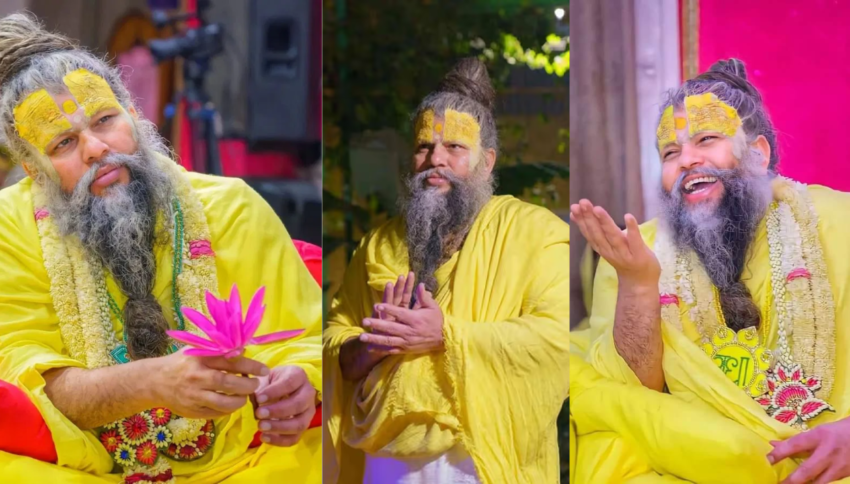
    Premanand Maharaj: He is an Hindu saint, spiritual leader, and preacher known for his deep devotion, wisdom, and contributions to Sanatan Dharma. He dedicated his life to spreading bhakti (devotion), selfless service, and the teachings of Hindu scriptures.

    details on Premanand Maharaj?
    details on Premanand Maharaj?

    He had always emphasized pure love and devotion toward God as the ultimate path to spiritual enlightenment. He delivered profound spiritual teachings, guiding people on the path of righteousness, self-discipline, and devotion.

    When and where was he born?

    He was born in 1969 and was born in Kanpur, UP.

    How did Premanand Maharaj came towards spirituality?

    His journey toward spirituality began at a young age, driven by an innate longing for divine connection and self-realization. His path was shaped by deep devotion, a disciplined spiritual practice, and a desire to serve humanity through the teachings of Sanatan Dharma.

    How did Premanand Maharaj came towards spirituality?
    How did Premanand Maharaj came towards spirituality?

    He was deeply moved by bhajans, kirtans, and religious discourses, which inspired him to seek a higher purpose. His early detachment from material desires indicated his path toward renunciation and divine love. The teachings of selfless love, devotion, and surrender to God became the foundation of his spiritual journey.

    What are his teachings and philosophy?

    Premanand Maharaj’s teachings and philosophy are as follows:

    1. He teaches the Path of Devotion (Bhakti Yoga).
    2. Doing Selfless Service (Seva) and Compassion.
    3. By Living According to Dharma (Righteousness).
    4. He teaches the Power of Meditation and Inner Peace.
    5. He also teaches Universal Love and Harmony.
    6. The importance of Guru (Spiritual Teacher).

      What are his teachings and philosophy?
      What are his teachings and philosophy?

    Details on his contribution towards the society?

    His contribution towards the society are as follows:

    1. By spreading Spiritual Awareness and Sanatan Dharma.
    2. By promoting Social Welfare and Humanitarian Service.
    3. By educational Initiatives’
    4. By encouraging Unity and Peace.
    5. By preservation of Culture and Traditions.
    6. By guiding the Youth Towards Spirituality.

      Details on his contribution towards the society?
      Details on his contribution towards the society?

    The impact he has created on society and devotees?

    His impact on the society and devotees are as follows:

    1. By Transforming Lives Through Spiritual Wisdom.
    2. By Social Welfare and Humanitarian Contributions.
    3. By Revival and Strengthening of Sanatan Dharma.
    4. By Strengthening Faith and Devotion.
    5. By Uniting Communities and Spreading Harmony.
    6. By Inspiring Future Generations.

      The impact he has created on society and devotees?
      The impact he has created on society and devotees?

    Also Read This: Ramadan 2025: Its history, significance and other details.

  • KL Rahul: The underrated king of Indian cricket.

    KL Rahul: The underrated king of Indian cricket.

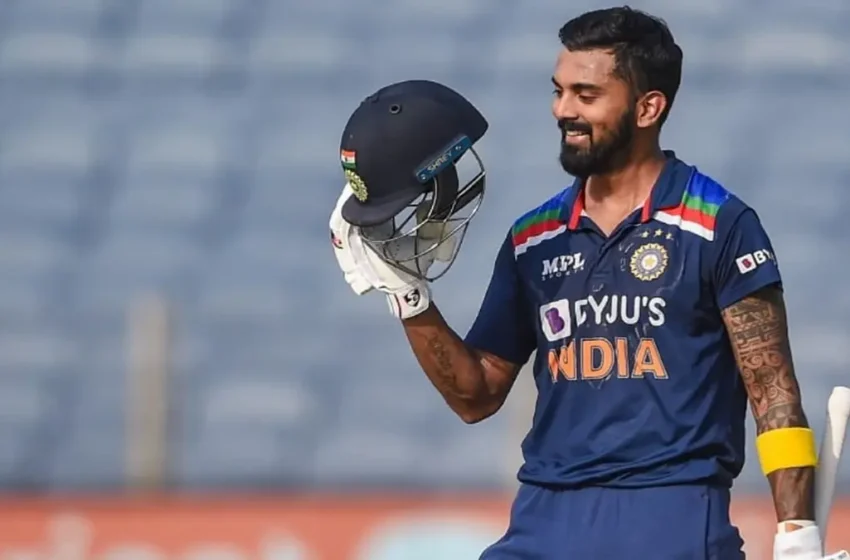
    KL Rahul: KL Rahul or Kannur Lokesh Rahul is an Indian international cricketer known for his stylish batting and versatility. He plays as a right-handed batsman and occasional wicketkeeper for the Indian team across all formats. Rahul has captained India in various matches and is a key player for Lucknow Super Giants in the IPL.

    Details on KL Rahul?
    Details on who KL Rahul is?

    When and where was he born?

    He was born on April 18, 1992 and born at Mangalore, Karnataka in India.

    When and where was he born?
    When and where was he born at?

    How was KL Rahul childhood, Schooling and college?

    He spent most of his childhood in Mangalore, Karnataka, India. His schooling was done from NITK English Medium School in Mangalore, after which for his higher education he attended Sri Bhagavan Mahaveer Jain College in Bangalore. During the same time he joined Karnataka State Cricket Academy (KSCA) to focus on his cricket career.

    How was KL Rahul childhood, Schooling and college?
    How was KL Rahul childhood, Schooling and college?

    Who all are there in his family?

    KL Rahul grew up in an academic family as his father was a professor at NIT Karnataka, his family consists of the following:

    His Father: Dr. KN Lokesh who is a professor and former director at NIT Karnataka (National Institute of Technology, Surathkal).

    His Mother: Rajeshwari Lokesh who is also a professor.

    His Sister: Bhavana Lokesh.

    KL Rahul grew up in an academic family
    KL Rahul grew up in an academic family

    His Wife: Athiya Shetty who is a Bollywood actress and model and daughter of Sunil Shetty. They got married on January 23, 2023.

    His kids: Till now he doesn’t have any kids but his wife and he are expecting his first baby as announced on late 2024.

    His Wife and kid.
    His Wife and kid.

    Why did he choose cricket as a career?

    KL Rahul chose cricket as a career because of his deep passion for the sport from a young age. Even though he came from an academically strong family, his love for cricket overshadowed other career paths. His cricket journey started from the age of 10 and showed exceptional talent. He showed an amazing skills in batting , which was recognized at a early age by his coaches. He always admired cricketers like Rahul Dravid, after whom he was partially named, and wanted to follow in their footsteps. Even though his parents were professors, they encouraged his cricketing ambitions and allowed him to pursue professional training.

    Why did he choose cricket as a career?
    Why did he choose cricket as a career?

    His performances in school, club, and Karnataka’s age-group cricket gave him the confidence to pursue cricket seriously. He Represented India at the U-19 level which was a turning point that motivated him to make cricket his full-time career. At the age 17, he shifted to Bangalore for advanced coaching at the Karnataka State Cricket Academy (KSCA), which helped shape his professional journey. His dedication, hard work, and natural flair for batting made him one of India’s most stylish and successful cricketers today.

    What are his achievement and records?

    Some of his achievement and records are as follows:

    1. He is the First Indian to Score a Century on ODI Debut.

    2. He had the Fastest Fifty in T20I for India, he Scored a 50 in just 18 balls against Scotland in 2021.

    3. He is One of the Few Indians to Score a Century in All Three Formats and has a centuries in Tests, ODIs, and T20Is.

    What are his achievement and records?
    What are his achievement and records?

    4. He is the Fastest Indian to Reach 2000 T20I Runs, he Achieved the milestone in 58 innings, second-fastest globally.

    5. He has done Vice-Captaincy & Leadership and Served as vice-captain of the Indian team and captained India in several matches.

    6. He won a Orange Cap in 2020 and Scored 670 runs in IPL 2020.

    Also Read This: Holi 2025: The Festival of Colors, Joy, and Togetherness.

  • “Dabba Cartel: 5 Powerful Women, 1 Game-Changing Crime Thriller!”

    “Dabba Cartel: 5 Powerful Women, 1 Game-Changing Crime Thriller!”

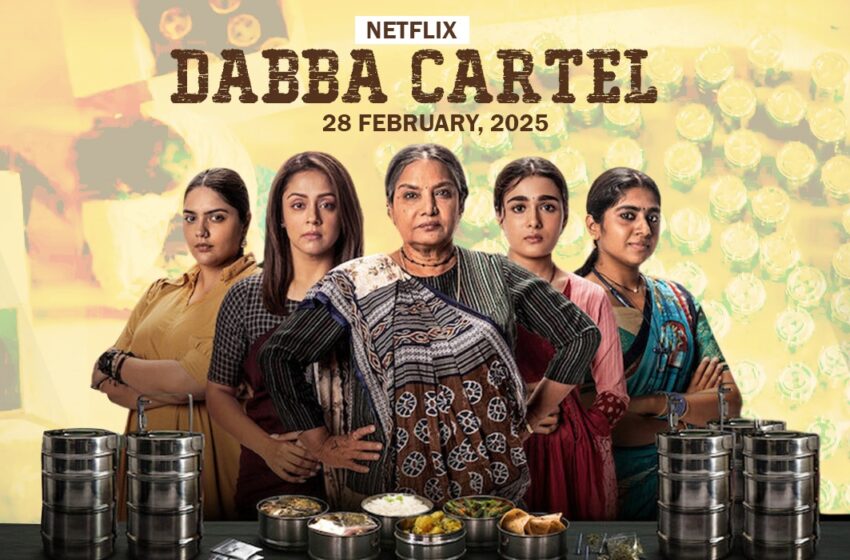
    “Dabba Cartel” is a Hindi-language web series that premiered on Netflix on February 28, 2025. Set against the vibrant backdrop of 1960s Mumbai, the series delves into the intertwined lives of five housewives who covertly run a high-stakes drug cartel under the guise of a tiffin service. The narrative intricately weaves themes of ambition, betrayal, friendship, and resilience, offering viewers a gripping tale of crime and camaraderie.
    Dabba Cartel
    Dabba Cartel

    Plot Overview

    The story unfolds as five seemingly ordinary women from diverse backgrounds come together, driven by circumstances and a shared goal. Facing personal and societal challenges, they establish a tiffin service that becomes a front for their burgeoning drug operation. As their enterprise expands, they navigate the complexities of the criminal underworld, all while maintaining their facades as devoted housewives. The series masterfully portrays their evolution from domesticity to dominance, highlighting the dualities they juggle in their personal and criminal lives.

    Dabba Cartel

    Cast and Characters

    The ensemble cast brings depth and authenticity to the narrative:

    • Shabana Azmi portrays the formidable Rani Maai, the matriarchal figure whose strategic acumen and leadership anchor the cartel. Her performance has been lauded as the highlight of the series.
    • Jyotika plays a pivotal role, marking her significant presence in the series.
    • Shalini Pandey takes on the role of a younger member of the cartel, bringing a mix of vulnerability and determination to her character.
    • Anjali Anand and Nimisha Sajayan round out the central quintet, each contributing nuanced performances that enrich the storyline.

    Supporting roles by actors such as Gajraj Rao, Jisshu Sengupta, Lillete Dubey, and Sai Tamhankar add layers to the narrative, portraying characters that intersect with the cartel’s operations in various capacities.

    Direction and Production

    Helmed by director Hitesh Bhatia, “Dabba Cartel” is produced by Excel Media & Entertainment. The series boasts a meticulous recreation of 1960s Mumbai, capturing the era’s essence through authentic set designs, costumes, and cultural references. The cinematography by Eeshit Narain complements the narrative’s tone, oscillating between the vibrant streets of Mumbai and the shadowy underbelly of its criminal world. The musical score, crafted by Gaurav Raina and Tarana Marwah, further immerses viewers into the period setting, blending traditional and contemporary sounds to reflect the characters’ journeys.

    Dabba Cartel

    Critical Reception

    Upon its release, “Dabba Cartel” garnered a spectrum of reviews:

    • Hindustan Times described it as a “gripping tale of crime that delivers it all,” praising its intricate plot and character development.
    • Koimoi highlighted the series’ strong opening week performance, noting its position in the global trending list of non-English shows on Netflix.
    • 123telugu.com offered a more tempered view, rating it 2.5 out of 5 stars and pointing out certain predictable elements in the storyline.

    Audience reactions mirrored this diversity in opinion. Some viewers found the series engaging, appreciating its unpredictable twists and the portrayal of strong female leads. One Reddit user commented on enjoying the series’ twists and turns, noting the slight fun interspersed throughout.

    Conversely, others felt the narrative became predictable after the third episode, though they acknowledged Shabana Azmi’s standout performance. Another Reddit user mentioned that while the series became predictable after a point, Shabana Azmi was the highlight of the show.

    Dabba Cartel

    Themes and Analysis

    At its core, “Dabba Cartel” explores the juxtaposition of traditional female roles against the backdrop of organized crime. The series challenges societal norms by showcasing women who, confined by their domestic roles, break free to assert dominance in a male-dominated underworld. This duality underscores themes of empowerment, resilience, and the lengths individuals will go to protect and provide for their loved ones.

    The 1960s setting is not merely a backdrop but a character in itself, reflecting a time of socio-political change in India. The series delves into issues such as gender dynamics, economic disparities, and the quest for identity amidst societal expectations. The tiffin service, a symbol of domesticity, becomes a conduit for rebellion and autonomy, highlighting the resourcefulness and ingenuity of the protagonists.

    Dabba Cartel

    Comparative Analysis

    “Dabba Cartel” draws parallels with other crime dramas that focus on the nexus of domestic life and organized crime. Its portrayal of women leading a drug cartel invites comparisons to international series like “Weeds” and “Breaking Bad,” where ordinary individuals become entangled in the drug trade. However, “Dabba Cartel” distinguishes itself by deeply rooting the narrative in Indian culture and history, offering a fresh perspective on the genre.

    Audience Feedback

    Viewer reactions have been varied:

    • Some praised the series for its unexpected twists and engaging narrative, stating, “After a long time, enjoyed some unpredictable series with right twists and turns and slight fun in between.”
    • Others felt that while the series started strong, it became predictable after the third episode, though Shabana Azmi’s performance was consistently highlighted as a standout.
    Dabba Cartel

    Viewership Metrics

    In its opening week, “Dabba Cartel” amassed 1.8 million views on Netflix, securing the fourth spot in the global trending list of non-English shows for the week of February 28 – March 2. However, it fell short of surpassing the viewership of “Black Warrant,” which garnered 2.3 million views in its debut week earlier in January.

    Conclusion

    “Dabba Cartel” is a noteworthy addition to Netflix’s repertoire of original content, providing a unique lens on crime dramas through its focus on female protagonists in 1960s Mumbai. While opinions on its execution vary, the series succeeds in sparking conversations about gender roles, societal expectations, and the complexities of leading dual lives. For viewers seeking a blend of historical context, strong character arcs, and crime intrigue, “Dabba Cartel” offers a compelling watch.

    ALSO READ THIS: “Vineet Kumar Singh: 10X Grit, Talent & Triumph in Cinema”

  • “Vineet Kumar Singh: 10X Grit, Talent & Triumph in Cinema”

    “Vineet Kumar Singh: 10X Grit, Talent & Triumph in Cinema”

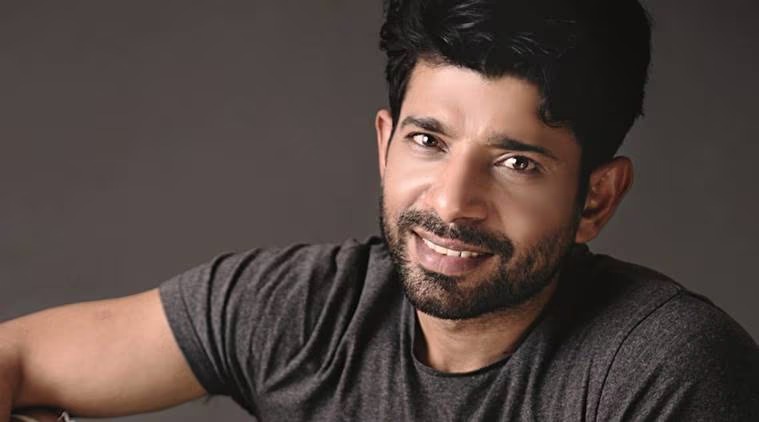
    Vineet Kumar Singh: A Detailed Biography Vineet Kumar Singh, born on August 28, 1978, in Varanasi, Uttar Pradesh, India, is a distinguished Indian actor and writer renowned for his compelling performances in contemporary Hindi cinema. His journey from a medical practitioner to a celebrated actor is a testament to his unwavering dedication and passion for the arts.

    Vineet Kumar Singh
    Vineet Kumar Singh

    Early Life and Education

    Growing up in Varanasi, Vineet was immersed in an environment that valued education and intellectual pursuits. His father, a mathematician, instilled in him a love for learning. Vineet exhibited a keen interest in sports during his formative years, particularly in basketball, where he played at the national level, participating in six National Games at the mini and sub-junior levels.

    Despite his artistic inclinations, societal norms and familial expectations led him to pursue a career in medicine. He excelled academically, earning his Bachelor of Ayurveda, Medicine, and Surgery (BAMS) degree from R. A. Podar Ayurved Medical College. He further specialized by obtaining a Doctor of Medicine (MD) in Ayurveda from the Government Medical College and Hospital in Nagpur.

    Vineet Kumar Singh

    Transition to Acting

    Vineet’s passion for acting remained undiminished during his medical studies. At the age of 21, he ventured into the world of cinema, making his acting debut with the film “Pitaah” in 2002. However, the film did not achieve commercial success, leading Vineet to face challenges in securing substantial roles in the industry.

    To sustain himself and remain connected to the film industry, Vineet worked as an associate and assistant director under the mentorship of Mahesh Manjrekar. He contributed to projects such as “Viruddh” (2005) and “Deh,” gaining valuable insights into the filmmaking process. In 2007, he made a pivotal decision to focus exclusively on acting, marking a significant turning point in his career.

    Vineet Kumar Singh

    Breakthrough and Collaborations with Anurag Kashyap

    Vineet’s persistence began to bear fruit with his involvement in the Hindi-Marathi bilingual film “City of Gold” (2010), which showcased his acting prowess. This performance caught the attention of acclaimed director Anurag Kashyap, leading to a series of collaborations that would define Vineet’s career.

    In 2012, Vineet portrayed Danish Khan in Kashyap’s critically acclaimed crime saga “Gangs of Wasseypur.” His nuanced performance alongside actors like Manoj Bajpai, Piyush Mishra, Richa Chadda, and Nawazuddin Siddiqui earned him widespread recognition. This role established him as a versatile actor capable of delivering intense and authentic portrayals.

    Continuing his collaboration with Kashyap, Vineet appeared in “Bombay Talkies” (2013) and “Ugly” (2014). His role in “Ugly” garnered critical acclaim and earned him a nomination for Best Supporting Actor at the Screen Awards, further solidifying his reputation in the industry.

    Vineet Kumar Singh

    Mukkabaaz: A Defining Role

    The year 2018 marked a watershed moment in Vineet’s career with the release of “Mukkabaaz” (“The Brawler”). Not only did he play the lead role of Shravan Kumar Singh, an aspiring boxer, but he also co-wrote the script, drawing from his observations of athletes’ struggles in India. His personal experience as a national-level basketball player lent authenticity to the narrative.

    To prepare for the role, Vineet underwent rigorous training, dedicating over two years to boxing under the guidance of coaches like Harpreet Singh, a former coach of the Indian boxing team. His commitment to embodying the character extended to enduring physical hardships, including injuries sustained during training.

    “Mukkabaaz” received critical acclaim for its raw and realistic portrayal of the challenges faced by athletes amidst socio-political constraints. Vineet’s powerful performance was lauded, earning him the Best Actor award at the FOI Online Awards and the Critics’ Choice Film Awards. He was also nominated for Best Actor (Critics) at the 64th Filmfare Awards, cementing his status as a leading actor in Hindi cinema.

    Vineet Kumar Singh

    Struggles and Breakthrough

    Determined to pursue acting, Vineet Kumar Singh faced numerous challenges, often taking up minor roles in films such as “Gori Tere Pyaar Mein” and “Isaaq.” His breakthrough came with the Hindi-Marathi bilingual film “City of Gold” (2010), which showcased his acting prowess. This performance led to a pivotal collaboration with director Anurag Kashyap, who cast him as Danish Khan in the critically acclaimed “Gangs of Wasseypur” (2012). The film’s success opened doors for Vineet, leading to notable roles in “Bombay Talkies” (2013) and “Ugly” (2014), the latter earning him a nomination for Best Supporting Actor at the Screen Awards.

    Vineet Kumar Singh

    Subsequent Projects and Diverse Roles

    Following the success of “Mukkabaaz,” Vineet continued to showcase his versatility through a variety of roles:

    • “Gold” (2018): He appeared in this historical sports drama alongside Akshay Kumar, contributing to the film’s depiction of India’s first Olympic gold medal post-independence.
    • “Saand Ki Aankh” (2019): Vineet played a supporting role in this biographical film about the world’s oldest sharpshooters, demonstrating his ability to adapt to diverse narratives.
    • “Gunjan Saxena: The Kargil Girl” (2020): He portrayed an Indian Air Force officer in this biopic starring Janhvi Kapoor, contributing to the film’s exploration of gender barriers in the armed forces.
    • “Aadhaar” (2021): In this satirical comedy-drama, Vineet took on the lead role, reflecting his continued interest in socially relevant themes.
    Vineet Kumar Singh

    Personal Life

    Vineet married his longtime girlfriend, Ruchiraa Gormaray, on November 29, 2021, in Nagpur. The couple had been together for eight years before tying the knot. As of October 2024, they celebrated their third wedding anniversary. Ruchiraa has been a supportive partner throughout Vineet’s journey in the film industry. Vineet maintains an active presence on social media, sharing glimpses of his personal and professional life with his followers.

    Legacy and Impact:

    • Breakthrough Role in Mukkabaaz (2017)
      • Vineet Kumar Singh gained widespread recognition with Mukkabaaz, where he played a struggling boxer fighting against caste and system oppression. His intense performance and physical transformation were highly praised, solidifying him as a serious actor.
    • Authentic and Socially Relevant Roles
      • He has consistently chosen roles that depict societal struggles, such as in Gangs of Wasseypur, Daas Dev, and Betaal. His performances often bring attention to real-world issues.
    Vineet Kumar Singh
    • Inspiration for Aspiring Actors
      • Vineet’s journey is inspiring—he struggled for years in Bollywood, initially working behind the scenes before getting his big break. His persistence and talent make him a role model for many emerging actors.
    • Contributions Beyond Acting
      • Besides acting, Vineet has also worked as a screenwriter and has been vocal about industry challenges, advocating for content-driven cinema.
    • Recognition and Critical Acclaim
      • He has received praise from critics and audiences for his natural performances, proving that talent and perseverance can carve a niche in Bollywood without traditional connections.

    ALSO READ THIS: “Jahangir: 22 Years of 360° Vision, 7 Breakthrough Achievements, and an Enduring Legacy”

  • Ramadan 2025: Its history, significance and other details.

    Ramadan 2025: Its history, significance and other details.

    Ramadan 2025: It is the ninth month of the Islamic lunar calendar. This is considered as one of the holiest month in Islam. Which is observed by Muslims worldwide as a time of fasting, prayer, reflection, and community. Ramadan is not just about fasting but also a month of spiritual growth, self-reflection, and renewal for Muslims around the world.

    what is Ramadan 2025?
    what is Ramadan 2025?

    The history of Ramadan.

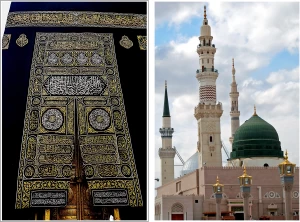
    Ramadan has been observed by Muslims for over 1,400 years and is deeply rooted in Islamic history and spirituality. It is during this time that the Quran was first revealed to Prophet Muhammad. The observance of Ramadan began in 610 CE when Prophet Muhammad received his first revelation from Angel Jibreel (Gabriel) in the Cave of Hira near Mecca. This night is known as Laylat al-Qadr (The Night of Power) and is considered the holiest night of the year. Over time, more revelations followed, and fasting during Ramadan became an obligation in 624 CE after the migration of Muslims from Mecca to Medina.

    the migration of Muslims from Mecca to Medina.
    the migration of Muslims from Mecca to Medina.

    Around 624 CE, Allah commanded fasting during Ramadan through the Quran: “O you who have believed, decreed upon you is fasting as it was decreed upon those before you that you may become righteous.” The practice of fasting was inspired by earlier religious traditions, as Jews, Christians, and other faiths also practiced fasting as a form of devotion.

    Initially, there were fewer restrictions; Muslims could eat and drink at any time until they slept at night. Later, fasting was set from dawn to sunset. In addition, special prayers like Taraweeh and Zakat (charity) became essential parts of Ramadan observance. Over the centuries, Ramadan has evolved into a spiritual, cultural, and social event observed by millions worldwide.

    The history of Ramadan.
    The history of Ramadan.

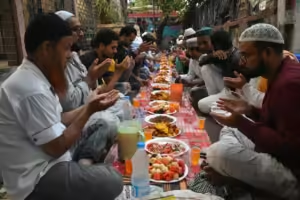
    Today, Ramadan is observed in every Muslim-majority country and by Muslim communities worldwide. It is a time of self-discipline, spiritual reflection, and communal unity. These traditions are shared across cultures, and many non-Muslims also participate in fasting or Iftar gatherings as a sign of solidarity.

    What is the significance of Ramadan?

    Ramadan is the holiest month in Islam and which holds immense spiritual, religious, and social significance. It is the time of fasting, doing prayer, being self-discipline, and doing charity, observed by Muslims around the world.

    What is the significance of Ramadan?
    What is the significance of Ramadan?

    How are in related to spiritual and religious aspects?

    Ramadan is deeply connected to both spiritual growth and religious devotion. It is a sacred month that allows Muslims to purify their souls, strengthen their faith, and grow closer to Allah.

    How are in related to spiritual and religious aspects?
    How are in related to spiritual and religious aspects?

    The Quran was first revealed during Ramadan, making it a time for increased prayers, Quran recitation, and reflection. Special prayers like Taraweeh and Laylat al-Qadr (Night of Power) offer immense spiritual rewards.

    In Spiritually manner, Ramadan helps in self-purification, gratitude, and mindfulness, guiding Muslims toward a life of compassion, patience, and righteousness.

    Details on the routine of Ramadan 2025?

    The routine of Ramadan 2025 are as follows:

    • The Suhoor, the Pre-Dawn Meal before Fajr Prayer.
    • The daytime Routine like Work, Study and Patience.
    • The Fajr Prayer or the Morning Worship.

      Details on the routine of Ramadan 2025?
      Details on the routine of Ramadan 2025?
    • The Iftar or the Breaking the Fast, after Sunset and Maghrib Prayer.
    • The Isha Prayer and Taraweeh (Night Prayers).
    • After this Rest and do Preparation for the Next Day.

    The health benefits of fasting in Ramadan.

    The benifits of fasting in Ramadan are:

    1. It Detoxification and Improved Digestion.
    2. It helps in Weight Loss and Metabolism Boost.
    3. It improves Heart Health and Cholesterol Control.

    The health benefits of fasting in Ramadan.
    The health benefits of fasting in Ramadan.

    4. It gives Mental Clarity and Brain Health improvement.
    5. It Immune System Boost.
    6. It improved Self-Control and Healthy Eating Habits.

    What is Eid al-Fitr?

    Eid al-Fitr is a major Islamic festival that marks the end of Ramadan, the month of fasting. It is a joyous occasion celebrated by Muslims worldwide with prayers, feasting, charity, and family gatherings. The name “Eid al-Fitr” means “Festival of Breaking the Fast,” symbolizing gratitude to Allah for strength and patience during Ramadan.

    What is Eid al-Fitr?
    What is Eid al-Fitr?

    Also Read this: International women’s day 2025: Brief details on history and significance of international women’s Day 2025 and other information.

  • Sunil Chhetri: The rise of new India footballer.

    Sunil Chhetri: The rise of new India footballer.

    Sunil Chhetri: He is an Indian footballer and the captain of the Indian national football team. He is Known for incredible goal scoring ability, leadership, and dedication. He played a crucial role in putting Indian football on the global map and representing the India team’s excellent performance.

    Sunil Chhetri
    Sunil Chhetri

    When and where was he born?

    He was born on August 3, 1984 and in Secunderabad, a region of Telangana, India.

    When and where was he born?
    When and where was he born?

    How was his early childhood, schooling and college?

    He spent most of his childhood in various places due to his father’s military background. He did his schooling at Bahai School in Gangtok, Sikkim, and later continued his education at Army Public School, Dhaula Kuan, New Delhi because of his father’s transfer. He did not attend college for long, as he decided to focus entirely on his football career after completing his schooling. His early talent in the sport led him to play for City Football Club, New Delhi, and later he joined Mohun Bagan in 2002. This helped him to begin his professional football journey.

    How was his early childhood, schooling and college?
    How was his early childhood, schooling and college?

    Who all are there in his family?

    Sunil Chhetri family consists of the following:

    1. His Father, K.B. Chhetri who was a retired officer from the Corps of Electronics and Mechanical Engineers (EME) in the Indian Army. He was also a footballer in India army.
    2. His Mother, Sushila Chhetri who was a former player for the Nepal women’s national football team.
    3. His Sister, Bandana Chhetri.

    Who all are there in his family?
    Who all are there in his family?

    4. His Wife, Sonam Bhattacharya. Who is daughter of Subrata Bhattacharya, a former Indian footballer and Mohun Bagan legend. They got married in 2017.
    5. His Son, Dhruv was born on August 31, 2023 and now almost a year ago.

    his wife and son
    his wife and son

    Why did he choose Football as a career?

    He chose football as a career due to his deep passion for the sport and strong family influence. His mother played for the Nepal women’s national football team and His father, K.B. Chhetri played football for the Indian Army team.

    Why did he choose Football as a career?
    Why did he choose Football as a career?

    By growing up in a football-loving household naturally he naturally development love for the game. He showed exceptional skills and enthusiasm for football. Apart from this he actively participated in school tournaments and local matches. Although he was a bright student, his heart was set on football.

    He joined City Football Club, New Delhi, where he honed his skills. After this his talent caught the attention of Mohun Bagan, where he started his professional career in 2002.

    Details on Sunil Chhetri leadership quality?

    He not only a great footballer but also a excellent leader. His leadership qualities have played a crucial role in shaping Indian football. He is extremely hard working, discipline, inspiring and motivational.

    Details on his leadership quality?
    Details on his leadership quality?

    He has always motivated his players and team-mate and has shown many strategic and decision making skills in the past. He has always represented team India as a pride to himself.

    What are his achievement?

    His achievements and Awards are as follows:

    He has Padma Shri (2019) which is India’s fourth-highest civilian award, Khel Ratna Award (2021) which is India’s highest sporting honor, first footballer to receive it. Arjuna Award (2011), and AIFF Player of the Year for a record 7 Times, this is more than any other Indian footballer.

    His achievements and Awards
    His achievements and Awards

    Apart from this he has the most International Goals for India (94+ goals). He is also the Third-Highest Active International Goal Scorer, which is behind only Cristiano Ronaldo and Lionel Messi. He led India to Multiple Titles – Including the SAFF Championship (2008, 2011, 2015, 2021, 2023) and the AFC Challenge Cup (2008). Till now he had played in Four AFC Asian Cups – 2011, 2015, 2019, and 2023, the most by any Indian player.

    Why is he an inspiration for youth?

    He is inspiration for youth in the following ways: –

    1. He has a never Give Up Attitudes and skills.
    2. He is extremely hard Working and dedicational.
    3. He has amazing Captainship and mentoring skills.

    Why is he an inspiration for youth
    Why is he an inspiration for youth

    4. His love for the game proves him with passion and not just talent, which is the key to his success.
    5. He is Breaking Records and Setting Milestones in every game possible.
    6. He has a Humility and Positive Attitude.

    Also Read This: Anurag Kashyap’s Relocation: Details on His Relocation and Other Information

  • Holi 2025: The Festival of Colors, Joy, and Togetherness.

    Holi 2025: The Festival of Colors, Joy, and Togetherness.

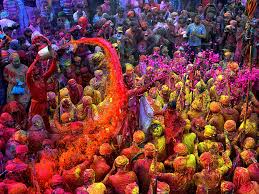
    Holi 2025: Holi is a vibrant and joyful festival celebrated mainly in the many religion India and Nepal. The marks as the arrival of spring season. Apart from this it also marks as the festival of the victory of good over evil. It is known for its playful tradition colored, dancing, feasting and more. Holi also symbolizes unity, love, and new beginnings.

    What is holi?
    What is Holi 2025?

    What significance of this festival?

    This festival has two significant The Legend of Prahlad and Holika (Victory of Good Over Evil) and The Love Story of Radha and Krishna (Festival of Colors). There are other significance but this two are the major reasons of celebrating this festival.

    What is the significance of Holi?
    What is the significance of Holi?

    What is the history?

    Holi history with Prahlad and Holika:

    According to Hindu mythology, There was once a powerful king named Hiranyakashipu who wanted everyone to worship him as a god. However, his son Prahlad was a devout devotee of Lord Vishnu. Watching his son worship vishnu, Hiranyakashipu attempted several times to kill Prahlad but failed. Finally, he sought help from his sister Holika, who had a divine boon that made her immune to fire. She tricked Prahlad into sitting on her lap in a burning pyre, but due to divine protection, Prahlad remained unharmed, while Holika was burned to ashes. This event symbolizes the triumph of good over evil, and thus, the tradition of Holika Dahan (bonfire) is observed on the eve of Holi.

    significance with Prahlad and Holika
    significance with Prahlad and Holika

    Holi history with Radha and Krishna:

    Holi is also related to Lord Krishna and his beloved Radha. Krishna had a dark complexion and was worried about whether fair-skinned Radha would love him or not. His mother Yashoda, playfully suggested that he apply colors to Radha’s face to make them alike. He did so and this playful act became a tradition, leading to the modern time of playing and throwing color on each other celebrations for the celebration of Holi.

    Radha and Krishna
    Radha and Krishna

    Different types of Holi 2025celebration?

    Types of Holi 2025 are as follows: –

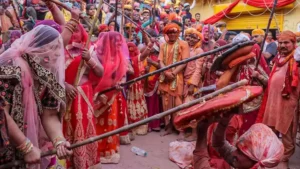
    1. Lathmar Holi played in the region of Barsana and Nandgaon.

    Lathmar Holi
    Lathmar Holi

    2. Phoolon ki Holi played Banke Bihari Temple of Vrindavan and also nearby areas.

    Phoolon ki Holi
    Phoolon ki Holi

    3. Huranga Holi which is Celebrated in Dauji Temple near Mathura.

    4. Rang Panchami played in the region of Madhya Pradesh and Maharashtra.

    5. Dol Jatra or Basanta Utsav in the region of West Bengal.

    Basanta Utsav
    Basanta Utsav

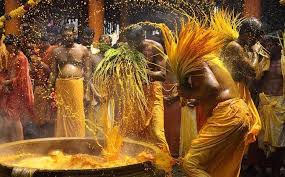
    6. Manjal Kuli Played in many region of Kerala.

    Manjal Kuli
    Manjal Kuli

    7. Royal Holi celebrated in many region of Rajasthan.

    8. Holi in Kumaon in Uttarakhand.

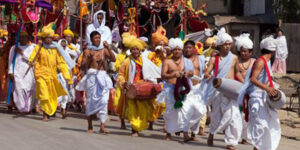
    9. Yaosang in Manipur region.

    Yaosang
    Yaosang

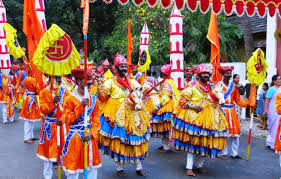
    10. Shigmo in Goa.

    Shigmo
    Shigmo

    11. Brij Holi played in Mathura and Vrindavan.

    12. Banjara Holi in Rajasthan and Gujarat area.

    13. Hola Mohalla in Punjab.

    Hola Mohalla
    Hola Mohalla

    14. Apart from this international it is also played international in Nepal and other regional.

    How to celebrate Holi with proper tradition?

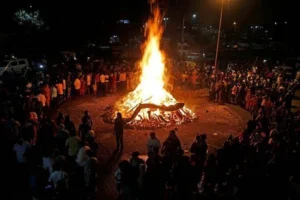
    Holika Dahan: The Holi Celebration begin with Holika Dahan also known as choti Holi. This is celebrated one night before the Holi. The ritual symbolises a victory of good over evil inspired by the story of Prahlad and Holika as discussed before.

    Holika Dahan
    Holika Dahan

    The celebration of Holi are done in the following way first people collect wood and other material for bonfire then after setting, people perform Pooja or worship after, this they burn the bonfire to remove all the negative energy from the surrounding. Apart from this People walk around the fire while chanting prayers and throwing grains, coconut and sweet into the fire as an offering.

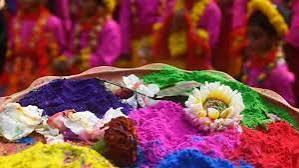
    Holi: Then comes the part of the main Holi celebration with colors (gulal) flowers (phool) and other stuffs like water balloons. People apply color and tika on each other, sing Holi songs and perform folk dances.

    applying color
    applying color

    Apart from this people enjoy sweet and rings like gujiya, thandai, malpua, dahi bhalle and puran poli.

    How to celebrate Holi 2025 safely?

    Some of the ways are as follows: –

    1. By using Safe and Natural Colors.
    2. By protecting Your Skin and Hair.
    3. By dress up Comfortably and Appropriately.
    4. Play with Colors Respectfully and with consent.
    5. Be Careful with Water Usage and don’t waste water.

    How to celebrate Holi 2025 safely?
    How to celebrate Holi 2025 safely?

    6. By Stay Hydrated and Eat Well.
    7. Be ensure about the Children’s Safety.
    8. By Avoid Harmful Substances.
    9. By Drive Safely before of people playing with water and color.
    10. By doing Post-Holi Cleanup and Skincare.

    Also Read this: Abu Azmi controversy: details on the controversy, why it started and other details.

  • “Jahangir: 22 Years of 360° Vision, 7 Breakthrough Achievements, and an Enduring Legacy”

    “Jahangir: 22 Years of 360° Vision, 7 Breakthrough Achievements, and an Enduring Legacy”

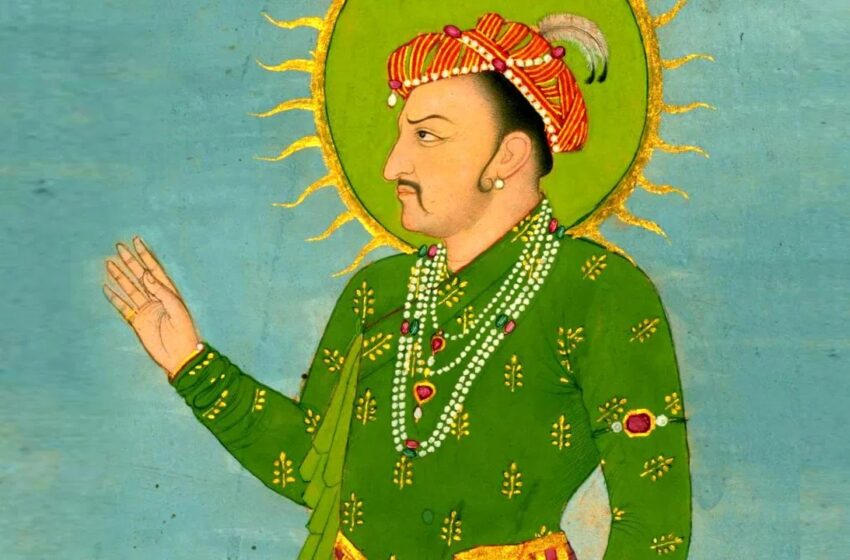
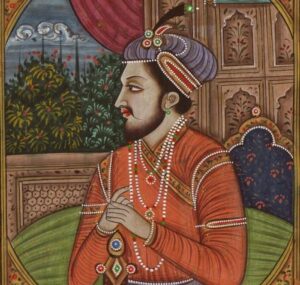
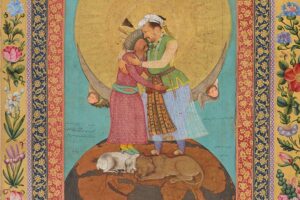
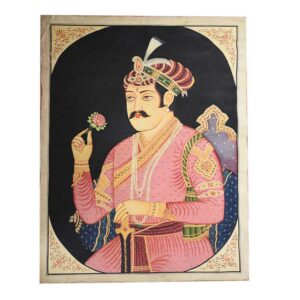
     Jahangir, the fourth Mughal Emperor of India, reigned from 1605 to 1627. Born as Nur-ud-din Muhammad Salim on August 31, 1569, he was the son of the great Emperor Akbar and Empress Mariam-uz-Zamani. His rule was marked by significant developments in art, culture, and administration, as well as political intrigues and personal challenges. Jahangir’s reign is often regarded as a golden period in Mughal history, with notable achievements in painting, architecture, and governance.

    jahangir

    Early Life and Ascension to the Throne

    He was born in Fatehpur Sikri, the imperial capital of the Mughal Empire at the time. He was named Salim, reportedly after the Sufi saint Sheikh Salim Chishti, who had blessed Akbar with the hope of a son. As the eldest surviving son of Akbar, Salim was the natural heir to the throne, but his journey to kingship was fraught with tension.

    During the later years of Akbar’s reign, a rift developed between father and son. Salim was impatient to ascend the throne and even rebelled against his father in 1599 while Akbar was engaged in the Deccan campaigns. However, the rebellion was short-lived, and Akbar forgave Salim, restoring him to favor. Upon Akbar’s death on October 27, 1605, Salim was crowned Emperor and took the title Jahangir, meaning “Conqueror of the World.”

    Administration and Governance

    Jahangir inherited a vast and prosperous empire, and he largely continued the policies of his father while also making notable contributions of his own. His administration was known for its efficiency, and he introduced several important reforms. One of his most famous initiatives was the installation of the “Chain of Justice” outside his palace in Agra, allowing any citizen to seek redress for grievances directly from the Emperor.

    Jahangir’s reign was characterized by a blend of centralized power and delegation to trusted nobles and military officials. He was also known for his keen interest in legal affairs and his fair sense of justice. However, his rule was also marked by court intrigues and the growing influence of his Persian wife, Nur Jahan, who played a significant role in political affairs.

    Role of Nur Jahan

    Nur Jahan, originally named Mehr-un-Nissa, was the most influential woman in his life and one of the most powerful women in Mughal history. She married Jahangir in 1611 and quickly became his closest confidante and advisor. She wielded immense influence over court affairs, effectively ruling the empire in Jahangir’s later years as his health declined due to excessive consumption of alcohol and opium.

    Nur Jahan issued royal decrees, minted coins in her name, and had significant control over imperial decisions. She was also a patron of the arts and played a key role in the construction of several architectural marvels, including her own tomb in Lahore. Her political acumen ensured the stability of Jahangir’s reign, although her dominance also led to resentment among other nobles.

    Patronage of Arts and Culture

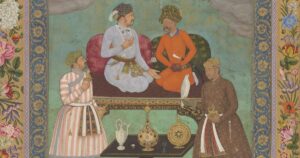
    Jahangir was an avid patron of the arts, particularly painting. Mughal painting reached its zenith during his reign, with the establishment of an imperial atelier that produced exquisite miniature paintings. The artworks from his time are known for their refined aesthetics, intricate detailing, and a blend of Persian and Indian influences.

    He also encouraged the compilation of historical and literary works. His own autobiography, the Tuzuk-i-Jahangiri (Memoirs of Jahangir), provides valuable insights into his reign, personal beliefs, and administrative policies. Unlike his predecessors, Jahangir had a keen interest in European art and culture, which he was exposed to through Jesuit missionaries at his court.

    Foreign Relations and Military Campaigns

    His foreign policy was a mix of diplomacy and military expansion. His relations with the English East India Company began during his reign, with Sir Thomas Roe visiting his court in 1615 to secure trading rights. Jahangir was favorably disposed toward the English and granted them several privileges, laying the foundation for future British involvement in India.

    Militarily, Jahangir faced challenges in various parts of his empire. His biggest conflict was with the Rajput kingdom of Mewar, ruled by Rana Amar Singh. After prolonged warfare, he managed to secure Mewar’s submission in 1615. He also launched campaigns in the Deccan against the Ahmadnagar Sultanate, where his general Malik Ambar proved to be a formidable opponent.

    Jahangir also had conflicts with the Safavid Empire over the control of Kandahar, a strategically important city. In 1622, the Safavids successfully captured Kandahar, marking a significant territorial loss for the Mughals.

    Personal Life and Legacy

    Jahangir was known for his indulgences, particularly his love of alcohol and opium, which affected his health and decision-making in later years. Despite his weaknesses, he was a keen observer of nature and had a deep appreciation for flora and fauna. His court was filled with exotic animals, and he commissioned numerous paintings of birds and animals.

    His later years were marred by internal conflicts and succession struggles. In 1622, his son, Prince Khurram (later Emperor Shah Jahan), rebelled against him, leading to a prolonged power struggle. Jahangir’s declining health and Nur Jahan’s growing influence further complicated matters. In 1627, while traveling from Kashmir to Lahore, he fell seriously ill and passed away on October 28, 1627.

    Conclusion

    Jahangir’s reign was a blend of artistic brilliance, political intrigue, and administrative continuity. While he may not have been as militarily ambitious as Akbar or Shah Jahan, his contributions to Mughal culture and governance were significant. His patronage of the arts and his keen sense of justice left a lasting legacy, making him one of the most intriguing figures in Mughal history. His tomb in Lahore remains a testament to his grandeur and continues to be an important historical site in South Asia.

    ALSO READ THIS: Shah Jahan: 7 Powerful Legacies of the Magnificent Emperor”