Author: AVS POST Bureau

  • Shah Jahan: 7 Powerful Legacies of the Magnificent Emperor”

    Shah Jahan: 7 Powerful Legacies of the Magnificent Emperor”

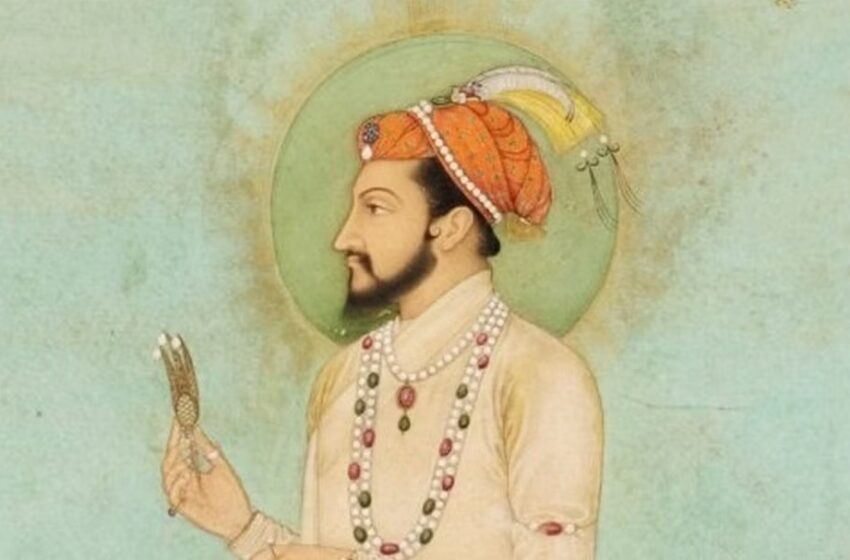
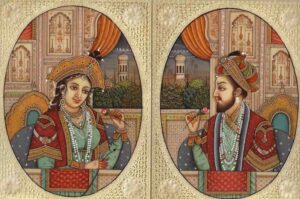
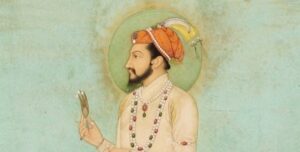
    Shah Jahan: The Magnificent Mughal Emperor: Shah Jahan (1592–1666) was the fifth Mughal emperor of India, ruling from 1628 to 1658. He is best known for commissioning the Taj Mahal, one of the most iconic architectural masterpieces in the world, built in memory of his beloved wife, Mumtaz Mahal. His reign is often considered the golden age of Mughal architecture, marked by grand structures like the Red Fort, Jama Masjid, and Shah Jahanabad (Old Delhi).

    Early Life and Background

    Shah Jahan, born as Prince Khurram on January 5, 1592, in Lahore, was the fifth Mughal Emperor of India. He was the third son of Emperor Jahangir and his Rajput wife, Princess Manmati, also known as Jagat Gosain. From an early age, Khurram exhibited qualities of intelligence, military skill, and an appreciation for art and architecture, which later became his defining traits as an emperor.

    As a young prince, he was rigorously trained in warfare, administration, and the arts. His grandfather, Emperor Akbar, had already established the Mughal Empire as a dominant power in India, and Khurram grew up witnessing the grandeur and complexity of the empire’s administration. Jahangir, his father, favored him over his other sons, which gave him an edge in the succession battle.
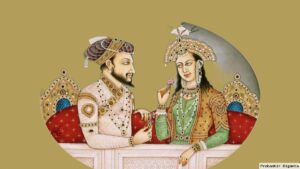
    shah jahan

    Rise to Power

    Prince Khurram proved his mettle by leading successful military campaigns against the Rajputs, Deccan Sultanates, and Mewar. His achievements on the battlefield made him his father’s preferred choice for succession. However, the road to the throne was not without obstacles. He faced stiff competition from his half-brothers and other nobles who sought to undermine his claim.

    In 1622, he rebelled against his father due to political intrigues within the royal court. However, he eventually reconciled with Jahangir before the latter’s death in 1627. Upon Jahangir’s passing, Prince Khurram, with the support of powerful nobles and the army, ascended the throne in 1628, taking the title Shah Jahan, meaning “King of the World.”
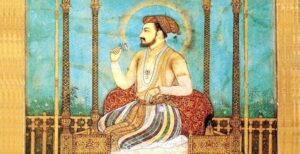
    Reign and Achievements

    Shah Jahan’s reign (1628–1658) is often considered the golden age of Mughal architecture and culture. He expanded the empire’s frontiers and maintained stability through a mix of diplomacy and military strength. His reign was marked by economic prosperity, administrative efficiency, and a flourishing arts scene.

    Military Campaigns

    Shah Jahan inherited a vast empire and sought to further expand it. His notable military campaigns included:

    • Deccan Campaigns: He led expeditions to subdue the Ahmednagar Sultanate and consolidate Mughal control over the Deccan region.
    • Kandahar War: He attempted to recover Kandahar from the Persian Safavids but ultimately failed.
    • Northwestern Expansion: He maintained Mughal supremacy in the northwest by controlling key trade routes and fortifications.

    While his military campaigns were largely successful, they were also expensive, putting a strain on the empire’s resources.

    shah jahan

    Architectural Legacy

    Shah Jahan is best remembered for his grand architectural projects, which blended Persian, Islamic, and Indian styles. His passion for architecture reshaped India’s landscape with some of the most iconic structures in the world.

    • Taj Mahal (1632-1653): Built in memory of his beloved wife, Mumtaz Mahal, this white marble mausoleum in Agra remains one of the world’s greatest architectural masterpieces.
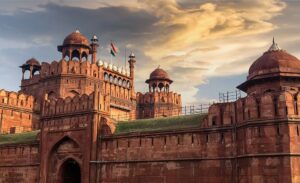
    • Red Fort (1639-1648): Located in Delhi, this massive fortress became the seat of Mughal power.
    • Jama Masjid (1650-1656): One of the largest mosques in India, built in Delhi.
    • Shah Jahanabad: He established the city of Shah Jahanabad, which is today’s Old Delhi.
    • Moti Masjid and Shalimar Gardens: Other architectural marvels that showcase his refined taste.
    Administration and Economic Policies

    Shah Jahan maintained a centralized administration and followed the governance model laid down by Akbar. His rule was characterized by:

    • Efficient Revenue System: The empire’s economy thrived under his policies, with an emphasis on agrarian prosperity.
    • Infrastructure Development: Roads, bridges, and canals were built to facilitate trade and commerce.
    • Religious Policies: While he was a devout Muslim, his rule saw a decline in Akbar’s policy of religious tolerance. He reimposed certain taxes on non-Muslims, which strained relations with Hindus.
    shah jahan

    Personal Life and Tragedy

    Shah Jahan’s personal life was marked by deep love and loss. His marriage to Mumtaz Mahal, a Persian noblewoman, was a love story that became legendary. She was his trusted advisor and constant companion. Tragically, she died in 1631 while giving birth to their 14th child, leaving Shah Jahan devastated. To honor her memory, he commissioned the Taj Mahal, which took over two decades to complete.

    His later years were troubled by illness and political strife. His four sons—Dara Shikoh, Aurangzeb, Shah Shuja, and Murad Baksh—engaged in a bitter succession war. Ultimately, Aurangzeb emerged victorious, deposing Shah Jahan in 1658 and imprisoning him in the Agra Fort, where he spent the last eight years of his life gazing at the Taj Mahal from a window.
    Death and Legacy

    Shah Jahan passed away on January 22, 1666, and was buried beside Mumtaz Mahal in the Taj Mahal. His legacy endures through his contributions to architecture, governance, and the cultural development of India.

    Shah Jahan remains one of the most celebrated Mughal emperors, known for his vision, artistic brilliance, and romantic devotion. His era symbolizes the peak of Mughal grandeur, leaving an indelible mark on India’s history and culture.

    ALSO READ THIS: Tuhin Kanta Pandey: Powering India’s Financial Growth with 35+ Years of Excellence”


  • International women’s day 2025: Brief details on history and significance of international women’s Day 2025 and other information.

    International women’s day 2025: Brief details on history and significance of international women’s Day 2025 and other information.

    International women’s day 2025: The international women’s Day is a celebrations to recognize social, economic, cultural and political achievements of women All around The World. It is celebrated on March 8 every year. It is also served as a call to action for gender equality and women’s right issues. On this day spread awareness about various challenges and discrimination against women and how to cure them. Apart from this they also discuss about education health care and leadership of women.

    details on International women's day 2025
    Details on International women’s day 2025.

    What is the history and significance of this Day?

    The first International Women’s Day was celebrated on March 19, 1911, in Austria, Denmark, Germany, and Switzerland. After which in the year 1917, women in Russia protested for “Bread and Peace,” leading to women gaining suffrage. After which the date was later fixed as March 8. In the same process The United Nations (UN) recognized March 8 as International Women’s Day in 1977. After which each year, the UN sets a theme focusing on issues like gender equality, women’s empowerment, and ending violence against women.

    What is the history and significance of this Day?
    What is the history and significance of this Day?

    When is International women’s day 2025 and what is it theme?

    The international women’s Day 2025 is as said before is on March 8 and this year theme is Accelerate Action,’ calls for rapid advancements in gender equality.

    When is International women's day 2025 and what is it theme?
    When is International women’s day 2025 and what is it theme?

    The challenges faced by women in the current times.

    Some of the challenges faced by women’s in current time are as follows: –

    1. The Workplace Inequality.
    2. Some Gender Pay Gap.
    3. The Gender-Based Violence.
    4. Safety Concerns.
    5. Lack of Access to Education.

      The challenges faced by women in the current times.
      The challenges faced by women in the current times.
    6. Problem in Healthcare services.
    7. The Societal Expectations.
    8. Stereotypes judgment.
    9. The Political Underrepresentation.
    10. Some Mental Health & Emotional Labor.

    Some ways to support women’s.

    Some of the ways to support women’s are as follows: –

    1. By Promoting Education for Girls.
    2. By Advocating for Equal Pay and Opportunities.
    3. By Standing Against Gender-Based Violence and other.
    4. By Sharing Household and Caregiving Responsibilities.
    5. By Supporting Women-Owned Businesses and other.

      Some ways to support women's.
      Some ways to support women’s.
    6. By Challenging Gender Stereotypes.
    7. Be an Ally and Amplify Women’s Voices.
    8. By encouraging Women in Leadership.
    9. By Promoting Mental and Physical Well-being issues.
    10. By Celebrating Women’s Achievements and goals.

    How to celebrate international women’s day 2025?

    Some ways of celebrating international women’s day 2025 are as follows: –

    1.  By doing Shopping from women-owned businesses.
    2. By donating to organizations that support women’s rights, education, and healthcare.
    3.  By volunteering for causes that help women in need.
    4.  By attending seminars, panel discussions, or workshops on gender equality.
    5.  By Organize an event at your workplace, school, or community to honor women’s contributions.
    6.  By joining marches or awareness campaigns advocating for women’s rights.

      How to celebrate international women's day 2025?
      How to celebrate international women’s day 2025?
    7.  By appreciating the women around you – family, colleagues, friends, and mentors.
    8.  By Writing thank-you notes or social media posts recognizing their impact.
    9.  Apart from this share posts, infographics, or videos highlighting women’s achievements and struggles. Also share success stories of women who inspire you.
    10.  By hosting discussions on women’s rights, workplace equality, and breaking gender stereotypes.
    11.  By encouraging conversations about mental health, safety, and inclusion.
    12.  By supporting policies that promote equal opportunities for women.

    Some of the greatest women’s of India who challenged the world.

    Some of the inspiring women’s of India are as follow: –

    1.  Rani Lakshmibai (1828–1858) – The Warrior Queen of Jhansi.
    2. Sarojini Naidu (1879–1949) – The Nightingale of India.
    3. Savitribai Phule (1831–1897) – Pioneer of Women’s Education.
    4. Kalpana Chawla (1961–2003) – First Indian Woman in Space.
    5. Indira Gandhi (1917–1984) – India’s First Woman Prime Minister.

      Some of the greatest women's of India who challenged the world
      Some of the greatest women’s of India who challenged the world
    6. Kiran Bedi (Born 1949) – India’s First Woman IPS Officer.
    7. Mother Teresa (1910–1997) – Nobel Laureate & Humanitarian.
    8. Mary Kom (Born 1982) – Boxing Champion & Role Model.
    9. Dr. M.S. Subbulakshmi (1916–2004) – Legendary Carnatic Musician.
    10. Bhikaiji Cama (1861–1936) – India’s Revolutionary Freedom Fighter.

    Also Read This: Nothing phone 3a: Details on it launching date, its feature, design, price and other.

  • Tuhin Kanta Pandey: Powering India’s Financial Growth with 35+ Years of Excellence”

    Tuhin Kanta Pandey: Powering India’s Financial Growth with 35+ Years of Excellence”

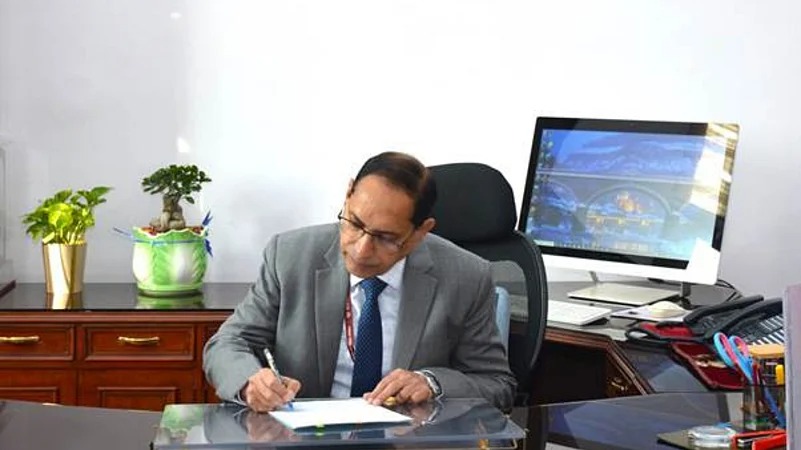
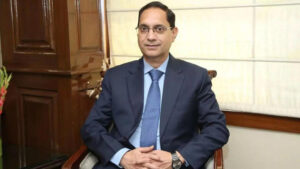
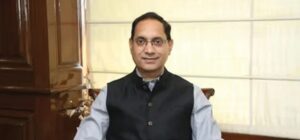
    Tuhin Kanta Pandey: A Detaled Biography Tuhin Kanta Pandey, a distinguished Indian Administrative Service (IAS) officer of the 1987 batch from the Odisha cadre, has played a pivotal role in shaping India’s economic landscape through various high-profile positions in both state and central governments. His extensive experience in public administration, financial management, and policy implementation culminated in his recent appointment as the Chairman of the Securities and Exchange Board of India (SEBI) in February 2025.

    Tuhin Kanta Pandey
    Tuhin Kanta Pandey

    Early Life and Education

    Pandey pursued his higher education with a focus on economics and management. He holds a Master of Arts degree in Economics from Punjab University, Chandigarh, and an MBA from the University of Birmingham, UK.

    This strong educational foundation equipped him with the analytical and managerial skills necessary for his future roles in public service.

    Tuhin Kanta Pandey

    Early Career in Odis

    Pandey’s career began in the state of Odisha, where he held several key positions that laid the groundwork for his expertise in financial and administrative matters. He served as the Executive Director and Managing Director of the Odisha State Finance Corporation (OSFC) and the Odisha Small Industries Corporation (OSIC), institutions crucial for the state’s industrial and financial development. His tenure as the Collector and District Magistrate of Sambalpur district further honed his administrative capabilities.

    Tuhin Kanta Pandey

    Central Government Roles

    Tuhin Kanta Pandey’s competence led to his deputation to the central government, where he assumed roles that expanded his influence on national economic policies. As Deputy Secretary in the Department of Commerce, he was involved in shaping trade policies. His international exposure was augmented by a stint with the United Nations Industrial Development Organisation (UNIDO), providing him with a global perspective on industrial development.

    Tuhin Kanta Pandey

    Return to Odisha

    Upon returning to Odisha, Pandey continued to impact the state’s development through various strategic positions. He served as Special Secretary in the General Administration Department, Transport Commissioner, Health Secretary, and Commissioner of Commercial Taxes. In these roles, he was instrumental in implementing institutional innovations, new policies, and system reforms that contributed to the state’s progress.

    Tuhin Kanta Pandey

    Planning Commission and Cabinet Secretariat

    Pandey’s expertise was further recognized with his appointment as Joint Secretary in the Planning Commission, where he served for five years. This role involved critical policy planning and resource allocation at the national level. Subsequently, he served as Joint Secretary in the Cabinet Secretariat for two years, where he was involved in coordinating among various government departments to ensure cohesive policy implementation.

    Tuhin Kanta Pandey

    Principal Secretary of Finance in Odisha

    In September 2016, Pandey was appointed as the Principal Secretary of the Finance Department in the Government of Odisha. In this capacity, he played a crucial role in managing the state’s finances, formulating budgetary policies, and overseeing fiscal reforms that aimed at enhancing the state’s economic stability and growth.

    Tuhin Kanta Pandey

    Leadership in DIPAM

    Pandey’s tenure as the Secretary of the Department of Investment and Public Asset Management (DIPAM) from October 2019 to January 2025 marked a significant phase in India’s disinvestment strategy. He was instrumental in executing the government’s policy of reducing its stake in public sector enterprises to enhance efficiency and competitiveness. Under his leadership, DIPAM successfully managed the disinvestment of several central public sector enterprises (CPSEs), aligning with the broader economic reforms aimed at liberalizing the economy.

    Tuhin Kanta Pandey

    Privatization of Air India

    One of Pandey’s notable achievements was overseeing the privatization of Air India, the country’s national carrier. The airline had been struggling with financial losses for years, and its privatization was a complex and challenging task. Pandey played a pivotal role in structuring the deal that led to the successful sale of Air India to the Tata Group in January 2022 for ₹18,000 crore. This landmark transaction was a significant step in the government’s disinvestment program and was lauded for its strategic execution.

    Tuhin Kanta Pandey

    Privatization of IDBI Bank

    In addition to Air India, Pandey supervised the privatization process of IDBI Bank. This initiative aimed to reduce the government’s stake in the banking sector and promote greater private sector participation. The process involved complex negotiations and due diligence by potential bidders, reflecting Pandey’s ability to manage intricate financial transactions.

    Tuhin Kanta Pandey

    Role as Finance Secretary

    In January 2025, Pandey assumed the role of Finance Secretary and Secretary of the Department of Revenue. In this capacity, he played a key role in framing the 2025-26 Union Budget, which provided tax reliefs amounting to ₹1 lakh crore for the middle class. He was also involved in drafting the new Income Tax Bill, aiming to replace the 64-year-old Income Tax Act of 1961, reflecting his commitment to modernizing India’s tax framework.

    Tuhin Kanta Pandey

    Appointment as SEBI Chairman

    Pandey’s extensive experience in financial management and policy implementation led to his appointment as the Chairman of SEBI in February 2025. As the head of India’s securities market regulator, he is expected to leverage his vast experience to enhance investor protection, strengthen market regulations, and oversee capital market reforms. His leadership comes at a time when Indian markets are experiencing volatility due to large-scale foreign investor withdrawals, posing challenges that his expertise is well-suited to address.

    Tuhin Kanta Pandey

    Personal Attributes and Leadership Style

    Tuhin Kanta Pandey is a strategic, reform-oriented leader with over 35 years of excellence in finance, economic policy, and governance. Known for his analytical acumen, ethical integrity, and data-driven decision-making, he has played a key role in India’s privatization, disinvestment, and financial market reforms. His leadership style is collaborative and results-oriented, balancing stakeholder engagement, regulatory oversight, and investor confidence. A crisis management expert and innovation-driven policymaker, he has successfully led high-stakes financial transformations, including the ₹18,000 crore Air India privatization. As SEBI Chairman, he is expected to strengthen market regulations, modernize policies, and drive capital market growth.

    ALSO READ THIS: “Nadaaniyan: 7 Shades of Love & Destiny”

  • Anurag Kashyap’s Relocation: Details on His Relocation and Other Information

    Anurag Kashyap’s Relocation: Details on His Relocation and Other Information

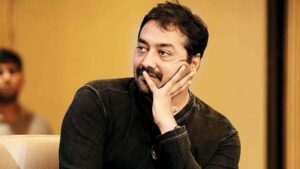
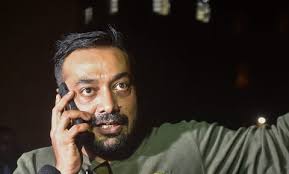
    Anurag Kashyap’s Relocation: According to the latest reports, Anurag Kashyap has moved out of Mumbai and relocated to Bangalore. He also expressed his emotions by saying, “The Hindi film industry is becoming toxic day by day,” and further mentioned that the creative atmosphere has diminished in this space. According to Anurag Kashyap, he wants to distance himself from the current film industry’s environment and move to a place where he can enjoy more creative freedom. He also expressed his joy of filmmaking and how it has been stifled in the Bollywood industry.

    Details on Anurag Kashyap's Relocation?
    Details on Anurag Kashyap’s Relocation?

    Who is Anurag Kashyap?

    Anurag Kashyap is a prominent figure in the film industry, known for his work as a director, screenwriter, producer, and actor. He is best known for his films like Black Friday and Gangs of Wasseypur. He has also received many Filmfare and other awards for his outstanding contributions to the film industry.

    Anurag Kashyap is a prominent figure in the film industry
    Anurag Kashyap is a prominent figure in the film industry

    What is the Reason for Anurag Kashyap’s Relocation?

    The reason for Anurag Kashyap’s relocation:

    According to Kashyap, the Bollywood industry has become increasingly toxic. He stated, “I’ve left Mumbai. I want to stay away from film people. The industry has become too toxic. Everyone is chasing unrealistic targets, trying to make the next Rs 500-800 crore film. The creative atmosphere is gone,” he told The Hindu. He further added that Bollywood is more focused on high box office numbers, which is leading to the destruction of the creative environment.

    What is the Reason for Anurag Kashyap's Relocation?
    What is the Reason for Anurag Kashyap’s Relocation?

    Why is the Film Industry Getting Toxic?

    The reasons behind the film industry becoming toxic include:

    1. Intense competition and nepotism.
    2. Social media pressure.
    3. Corporate influence and commercialization.
    4. Exploitation and power play.
    5. Cancel culture and boycotts.
    6. Mental health neglect.

      The reasons behind the film industry becoming toxic
      The reasons behind the film industry becoming toxic

    When and Where Did He Relocate?

    Anurag has already relocated to Bangalore. He has always admired the creative freedom of the South Indian film industry. He wanted to distance himself from the Hindi film industry and enjoy the art of making South films for the time being. Currently, he is busy promoting his Hindi release of a Malayalam film. He has always wanted to settle in the South and work within the South Indian film fraternity, which he plans to do for the foreseeable future.

    When and Where Did He Relocate?
    When and Where Did He Relocate?

    Also Read This: PM at Gir national park: A step towards the wildlife conservation.

  • “Nadaaniyan: 7 Shades of Love & Destiny”

    “Nadaaniyan: 7 Shades of Love & Destiny”

    “Nadaaniyan” is an upcoming romantic drama set to premiere on Netflix on March 7, 2025. This film marks the Bollywood debut of Ibrahim Ali Khan, son of Saif Ali Khan and Amrita Singh, and features Khushi Kapoor, daughter of the late Sridevi and Boney Kapoor, in pivotal roles. Directed by Shauna Gautam and produced under the banner of Dharmatic Entertainment by Karan Johar, Apoorva Mehta, and Somen Mishra, the movie delves into the complexities of modern-day relationships.

    Nadaaniyan
    Nadaaniyan

    Plot Overview

    Set against the vibrant backdrop of contemporary Delhi, “Naadaniyaan” explores the complexities of young love and societal expectations. The narrative centers on Pia Jha, portrayed by Khushi Kapoor, an affluent and confident girl from South Delhi. Facing a misunderstanding that alienates her from her friends, Pia hires Arjun Mehta, a diligent middle-class student from Noida played by Ibrahim Ali Khan, to pose as her boyfriend. As their faux relationship unfolds, genuine emotions surface, leading to complications when their families and college community become aware of their arrangement. The film delves into the ensuing chaos and the transformative journey of its protagonists.

    Nadaaniyan

    Performances and Emotional Depth

    The film’s biggest strength lies in its performances. Ibrahim Ali Khan, in his much-anticipated debut, successfully portrays Arjun Mehta’s transformation from a disciplined, ambitious student to someone who learns to embrace vulnerability and affection. His chemistry with Khushi Kapoor feels authentic, making their evolving relationship believable and engaging. Kapoor, too, delivers a strong performance as Pia, a character who starts out as emotionally guarded but slowly unravels her true self as she navigates love beyond societal expectations.

    The seasoned supporting cast—Suniel Shetty, Dia Mirza, Mahima Chaudhary, and Jugal Hansraj—add gravitas to the film. Their presence elevates the story by bringing in the parental perspectives, highlighting generational contrasts in the perception of love and relationships.

    Nadaaniyan

    Direction and Cinematic Execution

    Shauna Gautam’s direction brings a fresh, youthful energy to the narrative while ensuring emotional depth. The screenplay, written by Ishita Moitra and Jehan Handa, strikes a balance between lighthearted romance and poignant moments of introspection. The cinematography by Anuj Samtani captures the vibrancy of Delhi, adding visual richness that complements the film’s tone. The editing by Nitin Baid ensures a smooth narrative flow, keeping audiences engaged without unnecessary subplots.

    Nadaaniyan

    Cast and Crew

    “Naadaniyaan” boasts a talented ensemble cast:

    • Ibrahim Ali Khan as Arjun Mehta: Marking his acting debut, Ibrahim steps into the role of a sincere and ambitious student navigating the challenges of a fabricated relationship.
    • Khushi Kapoor as Pia Jha: Following her debut in Zoya Akhtar’s “The Archies,” Khushi takes on the character of a spirited young woman dealing with the repercussions of her actions.
    • Mahima Chaudhry: Renowned for her work in films like “Pardes,” Mahima adds depth to the narrative in a pivotal role.
    • Suniel Shetty: A versatile actor known for his extensive filmography, Suniel brings gravitas to the story.
    • Dia Mirza: Celebrated for her performances in “Rehnaa Hai Terre Dil Mein” and “Sanju,” Dia enriches the film with her presence.
    • Jugal Hansraj: Known for his roles in “Mohabbatein” and “Masoom,” Jugal contributes his experience to the ensemble.
    Nadaaniyan

    Thematic Significance

    Beyond romance, Nadaaniyan explores the themes of identity, aspirations, and emotional authenticity. Arjun’s struggle to balance his academic ambitions with his growing feelings for Pia reflects the dilemmas many young individuals face. Pia, on the other hand, represents those who use control and planning as defense mechanisms to avoid emotional pain. The film subtly questions societal norms surrounding relationships, class differences, and the pressures of maintaining appearances.

    Nadaaniyan

    Impact and Reception

    With a digital-first release on Netflix, Nadaaniyan has the advantage of reaching a diverse, global audience. Early reactions from critics and fans have been positive, especially praising Ibrahim Ali Khan’s confident debut and the film’s engaging storytelling. The film has been compared to classic coming-of-age romances but stands out for its fresh perspective on love in the modern era.

    Nadaaniyan

    Trailer and Reception

    The official trailer of “Nadaaniyan” was unveiled on March 1, 2025, offering a glimpse into the film’s narrative and the chemistry between the lead actors. Ibrahim Ali Khan’s portrayal of Arjun has been particularly noted, with The Times of India commenting that he “shines like a bright star” in his debut role. The trailer showcases the dynamics between Pia and Arjun, hinting at the emotional rollercoaster that unfolds as their fake relationship blurs into reality.

    Nadaaniyan

    Production and Development

    The collaboration between Dharmatic Entertainment and Netflix India for “Naadaniyaan” signifies a continued partnership aimed at delivering engaging content to a global audience. The film was initially slated for a Valentine’s Day 2025 release; however, scheduling adjustments, particularly concerning Khushi Kapoor’s other commitments, led to its rescheduling to March 7, 2025.

    Nadaaniyan

    Anticipation and Expectations

    The announcement of “Naadaniyaan” has been met with enthusiasm, especially considering the debut of Ibrahim Ali Khan and the fresh pairing with Khushi Kapoor. The film’s premise, focusing on a contractual relationship that evolves into genuine affection, offers a contemporary take on romantic comedies, resonating with Gen Z audiences. The involvement of seasoned actors like Mahima Chaudhry, Suniel Shetty, Dia Mirza, and Jugal Hansraj adds credibility and depth to the project.

    Nadaaniyan

    Final Thoughts

    Nadaaniyan is more than just a love story—it’s an emotional journey that resonates with audiences by portraying love as unpredictable, transformative, and deeply human. It successfully captures the essence of youthful romance while exploring deeper themes of self-growth and societal expectations. With a well-rounded cast, heartfelt performances, and strong directorial vision, the film is set to leave a lasting impression on viewers, making it a must-watch for fans of modern romantic dramas.

    Nadaaniyan

    Conclusion: A Modern Take on Love and Self-Discovery

    “Nadaaniyan” stands out as a contemporary romantic drama that delves into the complexities of love, relationships, and personal growth. With its refreshing take on modern romance, the film offers more than just a love story—it presents a layered narrative about the fine line between pretense and genuine emotion. The journey of Pia Jai Singh and Arjun Mehta is not merely about romance but about self-discovery, societal pressures, and the transformative power of love.

    The premise of a “contract relationship” evolving into something real has been explored in cinema before, but Nadaaniyan breathes new life into this concept by infusing it with strong character arcs and emotionally charged storytelling. The film challenges the idea that love can be planned, structured, or controlled, proving instead that it is an organic, unpredictable force that can break barriers of social status, personal insecurities, and preconceived notions.

    ALSO READ THIS: “Ranya Rao: 5 Powerful Milestones of Her Inspiring Journey in Cinema”

  • “Ranya Rao: 5 Powerful Milestones of Her Inspiring Journey in Cinema”

    “Ranya Rao: 5 Powerful Milestones of Her Inspiring Journey in Cinema”

    Ranya Rao: A Detailed Biography Ranya Rao, born on May 28, 1991, in Chikkamagaluru, Karnataka, is an Indian actress and model known for her work in South Indian cinema. She pursued engineering at Dayananda Sagar College of Engineering in Bengaluru before transitioning to acting, honing her skills at the Kishore Namit Kapoor Acting Institute.

    Film Career

    Ranya made her acting debut in 2014 with the Kannada film “Maanikya,” directed by Sudeep. In this film, she portrayed Manasa, a young woman from a wealthy family and the protagonist’s love interest. The movie, a remake of the Telugu film “Mirchi,” received positive reviews and performed well at the box office.

    Ranya Rao

    In 2016, she ventured into Tamil cinema with “Wagah,” starring opposite Vikram Prabhu. The film, set against the backdrop of the India-Pakistan border, featured Ranya as Khaanum/Kajal. Despite high expectations, “Wagah” received mixed reviews from critics and audiences.

    Ranya returned to Kannada cinema in 2017 with “Pataki,” an action-comedy where she played Sangeetha, a journalist and the love interest of a police officer portrayed by Ganesh. The film was a remake of the Telugu movie “Pataas” and added to her growing portfolio in the industry.

    Ranya Rao
    Ranya Rao

    Personal Life

    Ranya hails from Chikkamagaluru district in Karnataka. She is the stepdaughter of K. Ramachandra Rao, a senior Indian Police Service (IPS) officer serving as the Director-General of Police at the Karnataka State Police Housing Corporation. In November 2024, she married Jatin Hukkeri, an architect known for designing pubs and microbreweries.

    Recent Controversy

    On March 3, 2025, Ranya Rao was arrested at Kempegowda International Airport in Bengaluru for allegedly attempting to smuggle 14.8 kilograms of gold, valued at approximately ₹12.56 crore, from Dubai. The Directorate of Revenue Intelligence (DRI) had been monitoring her due to her frequent trips to Dubai—four visits within a span of 15 days.

    Ranya Rao

    Upon her arrival from Dubai on an Emirates flight, DRI officials intercepted Ranya and discovered gold bars ingeniously concealed on her person, including in a specially designed belt. Subsequent searches at her residence on Lavelle Road, Bengaluru, where she lived with her husband, led to the seizure of gold jewelry worth ₹2.06 crore and Indian currency amounting to ₹2.67 crore. The total seizure in the case stands at ₹17.29 crore, marking a significant blow to organized gold smuggling networks.

    Following her arrest, Ranya was presented before an economic offenses court and remanded to 14 days in judicial custody. Investigations are ongoing to determine whether she was operating independently or as part of a larger smuggling syndicate between Dubai and India. Authorities are also reviewing CCTV footage from her previous arrivals to ascertain any prior involvement in smuggling activities.

    Ranya Rao

    Impact on the Film Industry

    Ranya Rao’s arrest has sent shockwaves through the South Indian film industry. Colleagues and fans alike are grappling with the news, given her previous contributions to Kannada and Tamil cinema. The incident has sparked discussions about the pressures and challenges faced by actors, as well as the potential vulnerabilities that may lead them into unlawful activities.

    Ranya Rao

    Legal Proceedings and Public Reaction

    As the legal proceedings unfold, public interest in the case remains high. The involvement of a public figure in such a serious offense has led to widespread media coverage and debates on social platforms. Many express disappointment, while others await more information before forming opinions. The case also brings to light the broader issue of gold smuggling in India and the methods employed by smugglers to evade law enforcement.

    Ranya Rao

    Conclusion

    Ranya Rao’s journey from a budding actress in South Indian cinema to being embroiled in a gold smuggling controversy is both tragic and cautionary. As investigations continue, the film industry and the public watch closely, reflecting on the circumstances that led to this situation and the lessons to be learned.

    ALSO READ THIS: “Adrien Brody: 5 Powerful Moments That Defined His Legacy”

  • Abu Azmi controversy: details on the controversy, why it started and other details.

    Abu Azmi controversy: details on the controversy, why it started and other details.

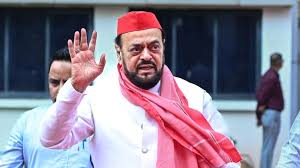
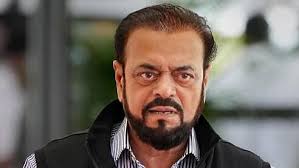
    Abu Azmi controversy: On Monday March 3, 2025 Abu Azmi said a statement about Aurangzeb in his statement he said that we are being taught the wrong history about Aurangzeb and he was a great ruler and administrator. When further some reporters ask him that if he was a cruel ruler, he defended him and said no he has done some great work in the past. Statements also include things about Shivaji Maharaj and Sambhaji Maharaj.

     DETAILS ON Abu Azmi controversy
    DETAILS ON Abu Azmi controversy

    When he was further asked about the fight between the two Kings, he said that the fight was about two kings and kingdoms not about Hindu and Muslim. These statements let to Spark controversy against him.

    Who is Abu Azmi?

    Abu Asim Azmi is an Indian politician from the Samajwadi Party (SP) and a prominent Muslim leader in Maharashtra. He is known for his outspoken views on social, religious, and political issues.

    Who is Abu Azmi?
    Who is Abu Azmi?

    He is a businessman-turned-politician who has played a key role in Muslim representation within Maharashtra politics, especially in areas like Mumbai, Thane, and Azamgarh (Uttar Pradesh).

    What is the reason behind Abu Azmi controversy?

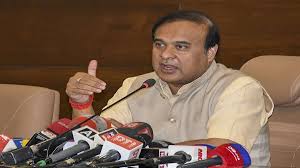
    This controversy started with Abu Azmi reacting to Assam CM Himanta Biswa Sarma. He got upset with the statement of Assam CM. At an event Himanta  said “Aurangzeb wanted to finish the Hindu religion but, in that place, Aurangzeb got finished. He also said Hindu religion always exists while remaining existing.

    Assam CM Himanta Biswa Sarma
    Assam CM Himanta Biswa Sarma

    Reacting to this statement Abu Azmi said the history is teaching false about Aurangzeb, he further added that Aurangzeb has made several temples and he also extended his rule till Afghanistan. He also said that people are dragging him into Hindu- Muslim topics to spoil his name.

    The charges set on him after the controversy.

    The Abu Azmi controversy, led his suspension from the Maharashtra Assembly. This has also triggered several politicians and other communities. these politicians are saying that he should resigned from his post.

    How are other politicians reacting on it?

    Yogi Adityanath on the comment:

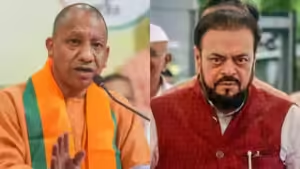
    Yogi Adityanath slammed Abu Azmi and said from praising Aurangzeb, calling him his idol and accepting Mughal rule. He also further said that he is praising Aurangzeb but cursing the Maha Kumbh event. He also said that he should be expelled from the SP party and apologise for his statement publicly. They should spend Azami in UP for treatment.

    Yogi Adityanath on the comment
    Yogi Adityanath on the comment

    Akhilesh Yadav on Abu Azmi controversy:

    Akhilesh Yadav mocked the suspension, claiming it was done on the base of ideology and negative thoughts of the BJP. He also said that the truth can’t be changed.

    Shiv sena on Abu Azami:

    Shiv sena members also said that the Abu Azmi statement was wrong and should be suspended.

    Also Read This: Delimitation: Details note on the topic Delimitation and how it is related case in Tamil Nadu.

  • Nothing phone 3a: Details on it launching date, its feature, design, price and other.

    Nothing phone 3a: Details on it launching date, its feature, design, price and other.

    Nothing phone 3a: The Nothing Phone 3a series is consisting of the 3a and 3a Pro models. It also offering a compelling mid-range smartphone experience with a focus on design and software.

    Details on Nothing phone 3a?
    Details on Nothing phone 3a?

    The key difference lies in the telephoto lens, with the Pro model featuring a superior periscope telephoto camera and a better front facing camera. They both are available to purchase in the market from March 11th.

    When is it launching and when cab we buy it?

    The phone was already launched today on March 4, 2025. It will be available in the market for sale from March 11, 2025.

    When is it launching and when cab we buy it?
    When is it launching and when cab we buy it?

    What are its features?

    The features of the phone are as follows:

    1. The phone is powered by the Snapdragon 7s Gen 3 processor. Which is providing efficient performance.

    2. The Camera of the phone has a rear camera setup, 50 MP main sensor, 8 MP ultra-wide sensor. The key difference is the telephoto Camera.

    3. It has a Battery pack of 5000 mAh.

    4. It has a Software Android 15 with Nothing OS 3.1.

    5. It has AI driven note taking and organization applications.

    The features of the phone are as follows
    The features of the phone are as follows

    6. It has Panda Glass for the protection and added screen durability.

    7. It emphasizes minimal bloatware.

    8. It has a Glyph Interface.

    9. It has Bluetooth, Wi-Fi and 5G support.

    10. It has a 120 Hz refresh rate.

    Details on the design of the Nothing phone 3a?

    Some details on the design of Nothing phone 3a are as follows: –

    1. It has a Transparent Back. which is a signature feature of Nothing phones, the transparent back allows users to see the internal components of the device. It is creating a unique and futuristic aesthetic.

    2. It has a Glyph Interface which consists of LED lights on the back that gets enhanced. It provides customizable notifications, visual effects, and other functional uses. The amount of lighting zones has been increased for more customization.

    3. It’s a minimalist Aesthetic which maintains its focus on a clean and minimalist design with smooth lines and a refined overall look.

    Some details on the design of Nothing phone 3a
    Some details on the design of Nothing phone 3a

    4. It has Materials and Builds. The phones feature a glass back and durable frames. It has an IP64 rating that provides resistance to dust and splashes.

    5. It has various Color Variants like White, Black, and Blue.

    6. The phone aims to create devices that stand out from the crowd, blending technology with art. The design emphasizes functionality and user experience, with the Glyph Interface and other features serving practical purposes.

    The price of the phone.

    The cost of the phone is as follows: –

    • Nothing phone 3a: Rs. 22,999.
    • Nothing phone 3a pr: Rs. 27,999

      The cost of the phone
      The cost of the phone

    Where can we buy it from?

    You can purchase it from Amazon, Flipkart, and your nearby Stores from March 11, 2025. You can also pre-book your order now.

    Also Read This: Varun Chakravarthy: An inspirational cricketer.

  • PM at Gir national park: A step towards the wildlife conservation.

    PM at Gir national park: A step towards the wildlife conservation.

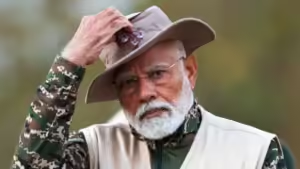
    PM at Gir national park: Prime Minister Narendra Modi visited Gir National Park in Gujarat on March 3, 2024. His visit focused on wildlife conservation efforts, especially for the Asiatic lions, which are exclusively found in Gir. He visited underscored India’s dedication to preserving Asiatic lions and promoting eco-tourism in Gir National Park, which is home to over 600 lions today.

    details of PM at Gir national park
    details of PM at Gir national park

    The importance and other details of Gir national park.

    The importance of Gir national park is as follows: –

    1. Gir National Park is also known as Sasan Gir. This is one of India’s most important wildlife sanctuaries. It is the only place in the world where Asiatic lions are found in the wild.

    2. It is Located in Gujarat and was established in 1965 and covers 1,412 sq km of protected area. It also includes Gir Wildlife Sanctuary.

    3. This is the last remaining habitat of the Asiatic lion. This conservation efforts, led to the lion population having grown from about 20 in the early 1900s to over 600 today.

    4. It is a home to over 600 species of wildlife, including leopards, striped hyenas, jackals, sloth bears, and over 300 species of birds. It is also rich in flora with dry deciduous forests, grasslands, and scrublands supporting diverse ecosystems.

    The importance and other details of Gir national park.
    The importance and other details of Gir national park.

    5. It has amajor tourist attraction in Gujarat, bringing in thousands of visitors each year. It provides employment to locals and also promotes eco-tourism.

    6. It also includes Maldhari tribes, who have coexisted with lions for centuries, play a key role in conservation. It has sustainable tourism and wildlife conservation programs support local livelihoods.

    7. Safari Timings are Morning: 6:00 AM – 9:00 AM, 8:30 AM – 11:30 AM and Evening: 3:00 PM – 6:00 PM.

    8. It put efforts to expand and protect the lion population continue. It is also ensuring Gir remains a global model for wildlife conservation.

    Why is PM at Gir national park a significant event?

    The reason and significance behind PM Gir Visit are as follows: –

    1. It is highlighted on the Asiatic Lion Conservation Success by the Gir national park.

    2. It is Boosting Eco-Tourism in Gujarat and other local things.

    3. It encourages the Community Participation in Conservation of wildlife.

    Asiatic Lion Conservation
    Asiatic Lion Conservation

    4. It also shows Government’s Commitment towards the Wildlife and other Environment issues.

    5. The Global level Awareness on Indian Wildlife Conservation has also been promoted by this.

    What is the purpose of PM at Gir national park?

    The purpose of PM at Gir national park is reviewing conservation efforts, promoting eco-tourism, and highlighting India’s success in protecting the Asiatic lion. He also visit reinforced the government’s commitment to wildlife protection and sustainable environmental policies.

    What is the purpose of PM at Gir national park?
    What is the purpose of PM at Gir national park?

    The main highlights of this visit?

    The main highlights of this Visit are as follows: –

    1. PM Modi took a safari in Gir National Park, observing Asiatic lions in their natural habitat. He shared his experiences through social media, expressing pride in India’s successful conservation efforts.

    2. He emphasized India’s success in increasing the lion population from just 20 in the early 1900s to over 600 today. He also discussions focused on expanding lion habitats and reducing overcrowding stress in Gir.

    3. PM Modi interacted with forest rangers, conservationists, and the Maldhari tribal community, who have played a key role in lion conservation. He also acknowledged their efforts in protecting Gir’s ecosystem and emphasized the importance of community-driven conservation.

    4. The visit brought global attention to Gir National Park as a premier wildlife tourism destination. It also focus on sustainable tourism that benefits local communities while preserving nature.

    The main highlights of this Visit
    The main highlights of this Visit

    5. It is expanding lion habitats to prevent overcrowding. It is the Scientific wildlife management to ensure the long-term health of the species.

    6. The Mitigating human-wildlife conflicts and enhancing protection measures.

    7. PM Modi’s visit sent a strong message about India’s commitment to wildlife conservation.

    8. Apart from this PM social media posts featured stunning images of Gir’s lions and landscapes, increasing public awareness of India’s rich biodiversity.

    Also Read This: The Waking of a Nation: A detailed review on the series.

  • “Adrien Brody: 5 Powerful Moments That Defined His Legacy”

    “Adrien Brody: 5 Powerful Moments That Defined His Legacy”

    Adrien Brody: A Detalied Biography Adrien Brody, born on April 14, 1973, in New York City, is an American actor renowned for his versatile performances across a wide range of film genres. He gained international acclaim for his portrayal of Władysław Szpilman in Roman Polanski’s “The Pianist” (2002), a role that earned him the Academy Award for Best Actor at the age of 29, making him the youngest actor to receive this honor.

    Adrien Brody

    Early Life and Education

    Brody was born to Sylvia Plachy, a renowned Hungarian-born photographer, and Elliot Brody, a history professor and painter. Growing up in Queens, New York, he was exposed to the arts from an early age, often accompanying his mother on assignments, which sparked his interest in acting. He attended the Fiorello H. LaGuardia High School of Music & Art and Performing Arts and later enrolled at Stony Brook University before transferring to Queens College.

    Career Beginnings

    Brody’s acting career commenced in the late 1980s with appearances in Off-Broadway plays and television films. His film debut came with a role in “New York Stories” (1989), followed by performances in “King of the Hill” (1993) and “Angels in the Outfield” (1994). However, it was his role in “Restaurant” (1998) that garnered him an Independent Spirit Award nomination, marking him as a promising talent in Hollywood.

    Adrien Brody
    Adrien Brody

    Breakthrough with “The Pianist”

    In 2002, Brody delivered a career-defining performance in “The Pianist,” portraying a Polish-Jewish pianist struggling to survive the Holocaust. To prepare for the role, he underwent significant physical and emotional transformations, including learning to play Chopin pieces on the piano and losing 30 pounds to authentically depict the character’s hardships. His dedication culminated in winning the Academy Award for Best Actor, making him the youngest recipient in that category at the time.

    Post-Oscar Career

    Following his Oscar win, Brody took on a variety of roles that showcased his versatility. In 2005, he starred as writer Jack Driscoll in Peter Jackson’s “King Kong,” a commercial success that further solidified his status in Hollywood. He continued to explore diverse characters, such as a war veteran in “The Jacket” (2005), a con artist in “The Brothers Bloom” (2008), and a mercenary in “Predators” (2010).

    Adrien Brody

    Collaborations with Wes Anderson

    Brody has frequently collaborated with filmmaker Wes Anderson, appearing in several of his films. He played Peter Whitman in “The Darjeeling Limited” (2007), provided the voice for Rickity Cricket in the animated feature “Fantastic Mr. Fox” (2009), and portrayed Dmitri Desgoffe-und-Taxis in “The Grand Budapest Hotel” (2014). These roles allowed Brody to explore quirky and complex characters, contributing to the distinctive style of Anderson’s films.

    Television Roles

    In addition to his film work, Adrien Brody has made notable appearances on television. He starred as the legendary magician Harry Houdini in the miniseries “Houdini” (2014), earning a Primetime Emmy Award nomination for Outstanding Lead Actor in a Miniseries or Movie. He also portrayed Luca Changretta in the fourth season of the BBC series “Peaky Blinders” (2017) and appeared as investor Josh Aaronson in the HBO series “Succession” (2021), for which he received a Primetime Emmy nomination for Outstanding Guest Actor in a Drama Series.

    Adrien Brody

    Recent Work and Second Academy Award

    In 2024, Brody starred in Brady Corbet’s “The Brutalist,” portraying László Tóth, a Hungarian-Jewish architect and Holocaust survivor. His performance received critical acclaim, with reviewers praising his subtlety and depth, marking it as one of his finest performances since “The Pianist.” This role earned him his second Academy Award for Best Actor, along with a Golden Globe and Critics’ Choice Award.

    Stage Debut

    Expanding his repertoire, Brody made his London stage debut in October 2024, starring in “The Fear of 13” at the Donmar Warehouse. The play is based on the true story of Nick Yarris, an exonerated death-row inmate from Pennsylvania, and showcased Brody’s ability to captivate audiences in a live theater setting.

    Adrien Brody

    Personal Life

    Brody’s personal life has been marked by high-profile relationships and a passion for the arts. He dated Spanish actress Elsa Pataky from 2006 to 2009, during which he purchased a 19th-century farm in New York as a gift for her. He was also in a relationship with Russian model Lara Leito for six years after meeting at the Cannes Film Festival in 2012. Since 2020, he has been dating English fashion designer and actress Georgina Chapman.

    Artistic Pursuits and Lifestyle

    Beyond acting, Brody has a deep appreciation for art and architecture. He leads a nomadic lifestyle, with residences in both California and New York, reflecting his eclectic interests and commitment to personal growth.

    Adrien Brody

    Controversies and Challenges

    1. The Controversial Oscar Kiss (2003)

    One of the most talked-about moments in Adrien Brody’s career happened during the 2003 Academy Awards. After winning the Best Actor Oscar for The Pianist, Brody surprised presenter Halle Berry by grabbing her and kissing her on the lips without prior consent.

    • The moment was seen as romantic by some but sparked discussions about boundaries and consent, especially in modern times.
    • Years later, Halle Berry addressed it, saying she had no issue with the moment but acknowledged it wouldn’t be acceptable today.
    1. Challenges in Hollywood Post-Oscar Win

    Despite winning an Oscar at 29 (the youngest ever Best Actor winner), Brody struggled to maintain A-list status.

    • Many Oscar winners get major career boosts, but Brody took on risky roles that didn’t always pay off commercially, like The Jacket (2005) and Giallo (2009).
    • Some of his films, such as Splice (2010) and Predators (2010), received mixed reactions, making it harder for him to secure top-tier Hollywood roles.
    Adrien Brody
    1. Legal Battle Over ‘Giallo’ (2010)

    Brody starred in the horror-thriller Giallo, directed by Dario Argento, but sued the producers for unpaid wages.

    • He filed a lawsuit in 2010, claiming he was owed $640,000 and attempted to block the film’s release until he was paid.
    • Eventually, the issue was settled, and the movie was released, though it received poor reviews.
    1. Criticism for Playing Salvador Dalí in ‘Midnight in Paris’ (2011)

    Brody played the iconic surrealist painter Salvador Dalí in Woody Allen’s Midnight in Paris. While his performance was well-received, he faced some backlash:

    • Dalí was Spanish, and some critics felt a Spanish actor should have been cast instead.
    • His exaggerated performance was divisive, with some calling it brilliant and others labeling it too over-the-top.
    1. Association with Roman Polanski

    The Pianist was directed by Roman Polanski, who has been a controversial figure due to sexual assault charges from the 1970s.

    • Brody has never openly condemned Polanski and has spoken positively about working with him.
    • Given the ongoing debate about Polanski’s past, Brody’s association with him has led to occasional criticism.
    Adrien Brody
    1. Peaky Blinders Backlash (2017)

    Brody joined the hit BBC show Peaky Blinders as the Italian-American gangster Luca Changretta in Season 4.

    • While his performance was praised by some, others criticized his exaggerated Italian-American accent, calling it stereotypical and cartoonish.
    • Some Italian-American viewers found the portrayal problematic, arguing it played into mobster stereotypes.
    1. Backlash Over ‘Blonde’ (2022)

    Brody played Arthur Miller in Blonde, the controversial Marilyn Monroe biopic.

    • The film received backlash for its graphic and exploitative portrayal of Monroe.
    • While Brody’s performance was well-reviewed, some critics felt all actors involved should have reconsidered being part of the project.

    Despite these challenges, Adrien Brody remains a respected actor known for his commitment to roles.

     ALSO READ THIS: “Criminal Psychology: 5 Powerful Insights into the Criminal Mind”