Category: Top News

  • Jammu and Kashmir: Omar Abdulla advice for better coordination with the center and the Governor

    Jammu and Kashmir: Omar Abdulla advice for better coordination with the center and the Governor

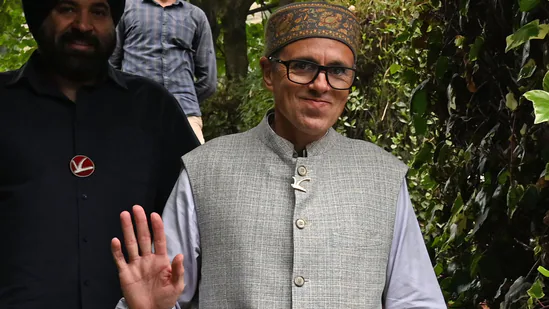
     Jammu and Kashmir: Formal CM says I hope the prime minister will be a normal person and will leave up to the promise of restoring statehood emphasize the need to improve relations with the people.

    Jammu and Kashmir is a special state of India whose political status and constitutional structure is quite different from other states of the country. Maintaining administrative and political stability in this sensitive region has always been a challenging task.

    Former chief minister of Jammu and Kashmir Omar Abdullah has suggested that the next chief minister of Jammu and Kashmir needs to build healthy and balance relationship with the central government and the Raj bhavan

    Jammu and Kashmir: Implicit in his advice is the importance of coordination between politics and administration, which is necessary not only for the development of the state bird also for the well-being and security of its citizen.

    Jammu and Kashmir

    Jammu and Kashmir: Political situation and challenges

    The political history of Jammu and Kashmir is very complex, and politics here has always been marked by controversy and instability. After the removal of article 370 there where many changes in the situation of Jammu and Kashmir also this was a big political move, but it resulted in many new aspects in the politics and administration of the state. An important challenge is to take the state towards stability and development by creating coordination between the center and the Governor.

    Omar Abdulla who has been the former chief minister of Jammu and Kashmir understand. This situation is  very well he has always said that the chief minister of the state should maintain a positive and healthy relationship with the centre Government and the Governor to maintain stability in the state.
    Jammu and Kashmir

    Also Read This: Jammu and Kashmir Election: Congress leader Ghulam Ahmad Mir’s big claim “alliance in Jammu and Kashmir will cross 50”


    Jammu and Kashmir: why is coordination with the centre important?

    It is important for a chief minister to maintain good relation with the centre Government especially when the state is going through special situation. Given the situation in Jammu and Kashmir, it becomes even more important that there is coordination between the centre and state government. This is not only increase political stability but will also provide necessary resources and policies for peace and development in the state.


     

  • Uttar Pradesh: Kushinagar bananas winning hearts from Punjab to Kashmir

    Uttar Pradesh: Kushinagar bananas winning hearts from Punjab to Kashmir

    Uttar Pradesh: Kushinagar bananas, grown in the revered land of Buddha’s Mahaparinirvana and designated as a One District One Product (ODOP) by the Yogi government, have captivated taste buds from Punjab to Kashmir.

    From Uttar Pradesh to Bihar and Nepal: Kushinagar bananas gain widespread popularity 

    These sweet bananas are distributed widely to major cities such as Delhi, Meerut, Ghaziabad, Chandigarh, Ludhiana, and Bhatinda. Their popularity extends beyond Uttar Pradesh, with strong demand across all districts of the Gorakhpur division, as well as in Kanpur, Nepal, and Bihar, where they enjoy a dedicated fan base.

    According to Ashok Rai, in charge of the Kushinagar Krishi Vigyan Kendra, affiliated to the Indian Council of Agricultural Research, local farmers grow bananas for both fruit and vegetable purposes, with 70% of the cultivation area dedicated to fruits and 30% to vegetables. 

    Uttar Pradesh

    The G-9 variety is most popular for consumption, while Robusta is preferred for vegetable use. Banana cultivation covers around 16,000 hectares in the district.

    Notably, banana cultivation and processing has surged in Kushinagar with the ODOP status granted to it by the Uttar Pradesh government.  Voluntary organizations are producing banana juice, chips, flour, pickles, and even products like mats, baskets, and slippers made from banana fiber. These products are seeing growing demand and enthusiasm. 

    Ashok Rai explains that in 2007, banana cultivation in Kushinagar was limited to just 500 hectares. Today, it has expanded 32 times to nearly 16,000 hectares with the ODOP designation. Additionally, the government subsidies approximately Rs 31,000 per hectare to farmers for cultivating bananas.

    Kushinagar, part of the Gorakhpur division, has a major market for fruits and vegetables. Initially, only a few farmers from Kushinagar would bring their bananas to sell in this market. Due to the high quality of the fruit, some traders from Gorakhpur began purchasing bananas directly from the farms in Kushinagar. 

    The bananas are being supplied to Delhi, Meerut, Ghaziabad, Chandigarh, Ludhiana, and Bhatinda 

    These traders, who had established connections with counterparts in Kashmir, Punjab, and Delhi to trade apples, kinnow, and other produce, helped spread the fame of Kushinagar bananas to distant markets. Today, Kushinagar bananas are supplied to major cities, including Kashmir, Bhatinda, Ludhiana, Chandigarh, Kanpur, Delhi, Ghaziabad, and Meerut.

    Noticing the increasing interest of local farmers in banana cultivation, former District Magistrate Umesh Mishra initiated efforts to grant banana farming the status of an industry. He convened meetings with bankers and directed them to offer easy loans to banana growers through various central and state government schemes. 

    Uttar Pradesh

    Read Also This: Uttar Pradesh: Banana emerges as a more profitable alternative to traditional crops in Purvanchal and Awadh regions with Yogi govt’s support

    Murlidhar Dixit from Sirsiyan Dixit and Mrityunjay Mishra from Bharwalia  are prominent banana farmers whose produce is distributed to major cities across the state and country through commission agents. According to them, the peak season for banana sales is just before Navratri, driven by the festive demand.

    Banana farming is labor-intensive. The process involves digging pits for planting, applying fertilizers, planting saplings, regular irrigation, crop protection, and harvesting of ripe fruit. Additionally, the tasks of loading, unloading, and transporting the produce generate significant employment opportunities.

    Dr S.P. Singh, a vegetable scientist at Krishi Vigyan Kendra Belipar (Gorakhpur), advises that the ideal time for planting bananas is in February or during July-August. To minimize risks, farmers cultivating on a large scale are advised to plant in both seasons.


  • 14th edition of the ‘Secretariat Reforms’ report released, for May 2024

    14th edition of the ‘Secretariat Reforms’ report released, for May 2024

    94.34% of total files are e-Files and 94.21% of total receipts are e-Receipts in the Central Secretariat in May 2024

    Average Distinct transaction levels reduced to 4.08 in May 2024, as compared to 7.19 in 2021 and 4.14 in April, 2024

    85.58% Public Grievances disposed (4,95,164 disposed out of 5,78,565 received)

    2,19,932 physical files reviewed, out of which 69,115 physical files weeded out

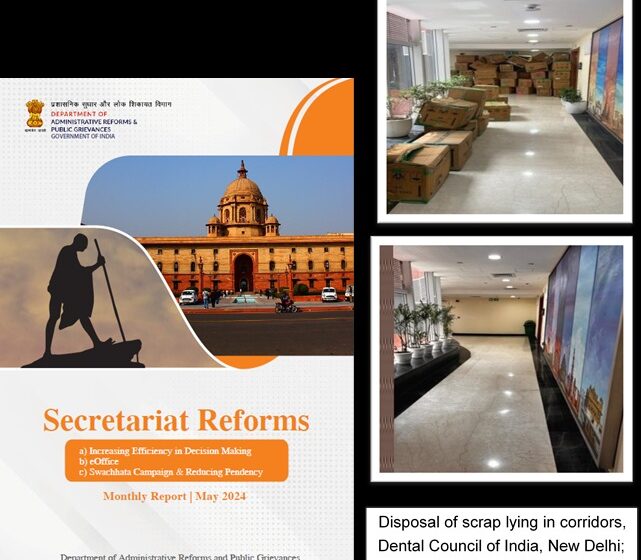
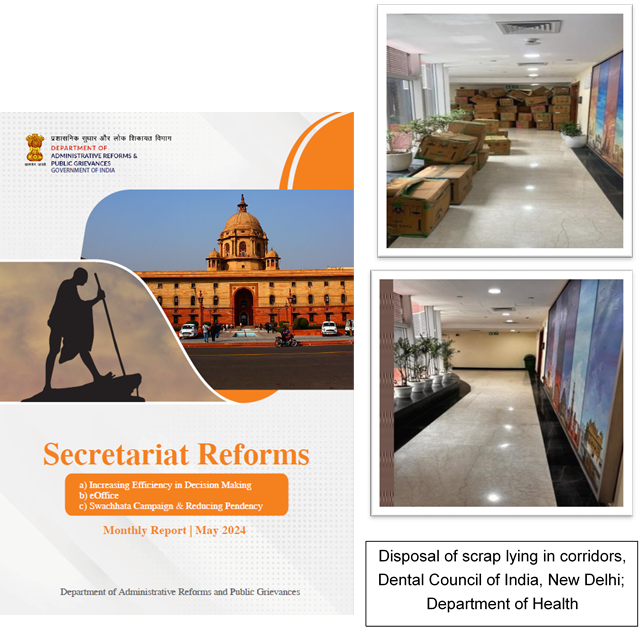
    Secretariat Reforms: Department of Administrative Reforms and Public Grievances (DARPG) under Ministry of Personnel, Public Grievances and Pensions published the 14th edition of the monthly report on “Secretariat Reforms” for May 2024 with detailed analysis under 3 initiatives (i) Increasing Efficiency in Decision Making (ii) Swachhata Campaign (iii) Reducing Pendency to Minimum Levels.  The Report highlights the Government’s efforts for institutionalizing Swachhata, reducing pendency and delayering under the initiative for Increasing Efficiency in Decision Making.  E-Office Analytics validates the success achieved in delayering in Ministries/ Departments.

    2 new chapters have been added in this edition – (i) Best Practices in the category of Scrap Disposal (ii) In Focus: Ministry of Electronics and Information Technology.

    Key highlights of the Report for the month of May 2024 are as follows:

    1. Increasing Efficiency in Decision making- e-Office implementation and analytics
    2. The average transaction levels for active files in the Central Secretariat have substantially reduced from 7.19 in 2021 to 4.08 in May 2024.
    3. In May 2024, 94.34% of total files are e-Files and 94.21% of total receipts are e-Receipts.
    4. 13 Ministries/Departments have 100% share of e-Receipts in May 2024.
    5. Swachhata Campaign & Reduction in Pendency
    1. Cleanliness Campaign conducted at 3,919 sites
    2. 2.03 lakh sq. ft of Space Freed
    3. Rs 52.53 Cr of Revenue earned by scrap disposal
    4. 4,95,164 Public Grievances disposedBest Practices: Scrap disposal

    Several Ministries/Departments conducted targeted campaigns to free up space occupied with scrap and convert them into clean and new office spaces. Photographs of such efforts by Ministries/Departments have been published in the monthly report.

  • CCI approves acquisition NFCL Assets and 100% shareholding of ZeroC by AMG India using proceeds of investments received from AMG Entities, BSI, Gentari, and Platinum Rock

    CCI approves acquisition NFCL Assets and 100% shareholding of ZeroC by AMG India using proceeds of investments received from AMG Entities, BSI, Gentari, and Platinum Rock

    The Competition Commission of India (CCI) has approved the proposed acquisition NFCL Assets and 100% shareholding of ZeroC by AMG India using proceeds of investments received from the AMG Entities, BSI, Gentari, and Platinum Rock. AM Green B.V. (AMG), AM Green Ammonia Holdings B.V. (AMGAH), AM Green Ammonia B.V. (AMGA), AM Green Ammonia (India) Private Limited (AMG India) are collectively referred to as “AMG Entities”. AMG Entities are newly incorporated entities and are currently not engaged in any business activities.

    Baker Street Investment Pte. Ltd. (BSI) is organised as a private limited company in Singapore that is part of a group of investment holding companies managed by GIC Special Investments Private Limited.

    Gentari International Renewables Pte. Ltd. (Gentari) is a newly incorporated company in November 2022, controlled by the PETRONAS Group. It is a clean energy company operating 3 core portfolios – (i) renewable energy; (ii) hydrogen; and (iii) green mobility.

    Platinum Rock B 2014 RSC Limited (acting in its capacity as the trustee of the Platinum Stone A 2014 Trust) (Platinum Rock) has made several investments across the world (including in India) in various sectors including infrastructure, such as transportation, utilities, energy and fund investments in the infrastructure sector. It does not, however, carry out any other business activities, whether in India or globally.

    Greenko ZeroC Private Limited (ZeroC) is not engaged in any revenue generating business activities in India at present.

    Nagarjuna Fertilizers and Chemicals Limited (NFCL) is a public listed company specialising in urea manufacturing and micro-irrigation products. It has one urea manufacturing plant in Kakinada, Andhra Pradesh and three micro irrigation manufacturing plants, namely two in Telangana (i.e., Nacharam and Sadashivpet) and one in Halol, Gujarat. NFCL Assets refers to certain assets of NFCL presently used for the urea and micro-irrigation business.

    The Proposed Combination involves: (i) NFCL Asset Acquisition: Acquisition of the NFCL Assets by AMG India using proceeds of investments received from the AMG Entities, BSI, Gentari, and Platinum Rock. The NFCL Asset Acquisition is proposed to be achieved through an asset sale; and (ii) ZeroC Acquisition: Acquisition of 100% shareholding of ZeroC by AMG India using proceeds of investments received from the AMG Entities, BSI, Gentari, and Platinum Rock. (Proposed Combination).


  • Raghavendra Dubey Panel Sweeps RWA Election in Noida’s Sector 82, Pocket 7

    Raghavendra Dubey Panel Sweeps RWA Election in Noida’s Sector 82, Pocket 7

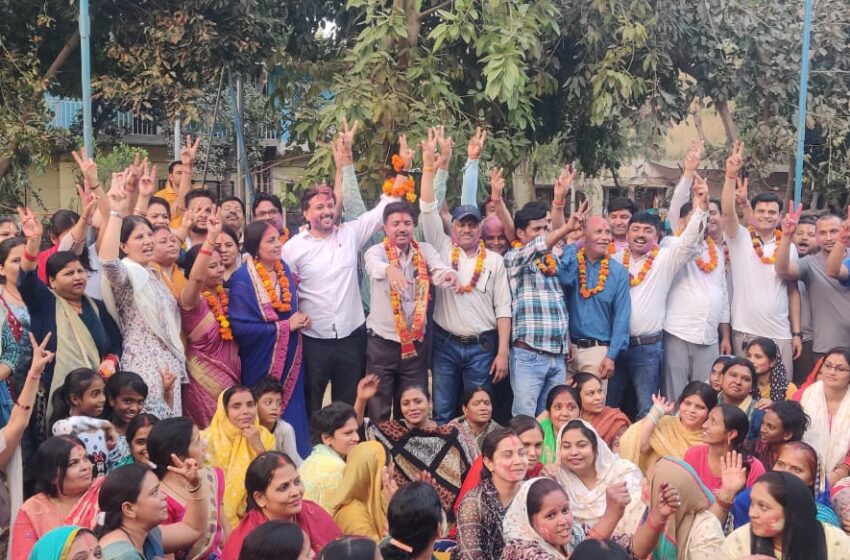
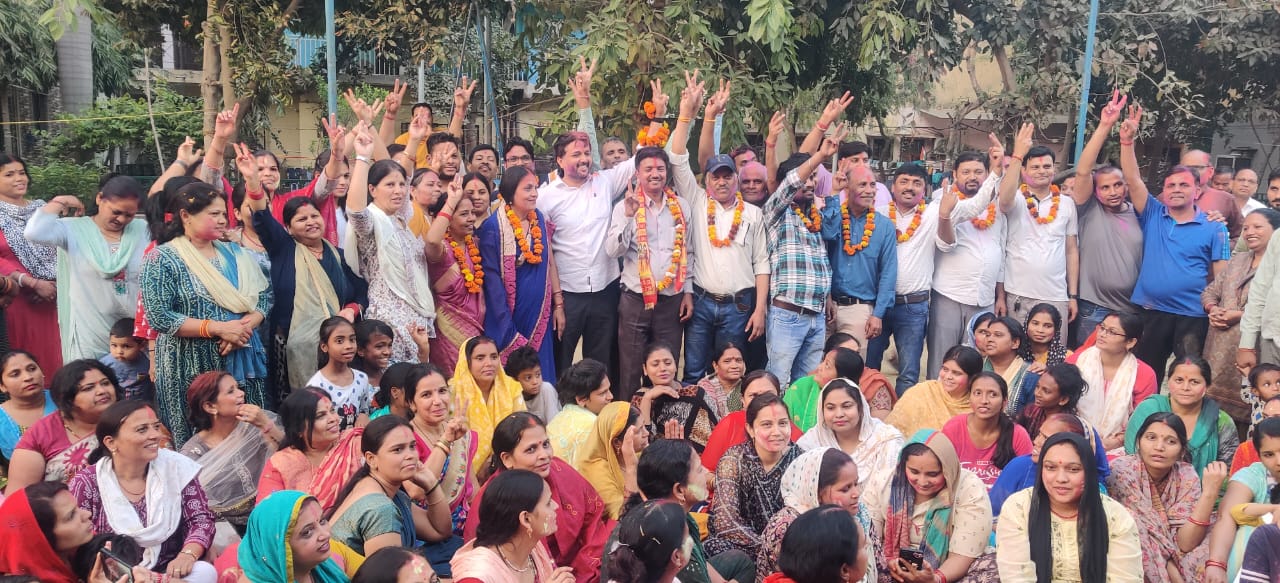
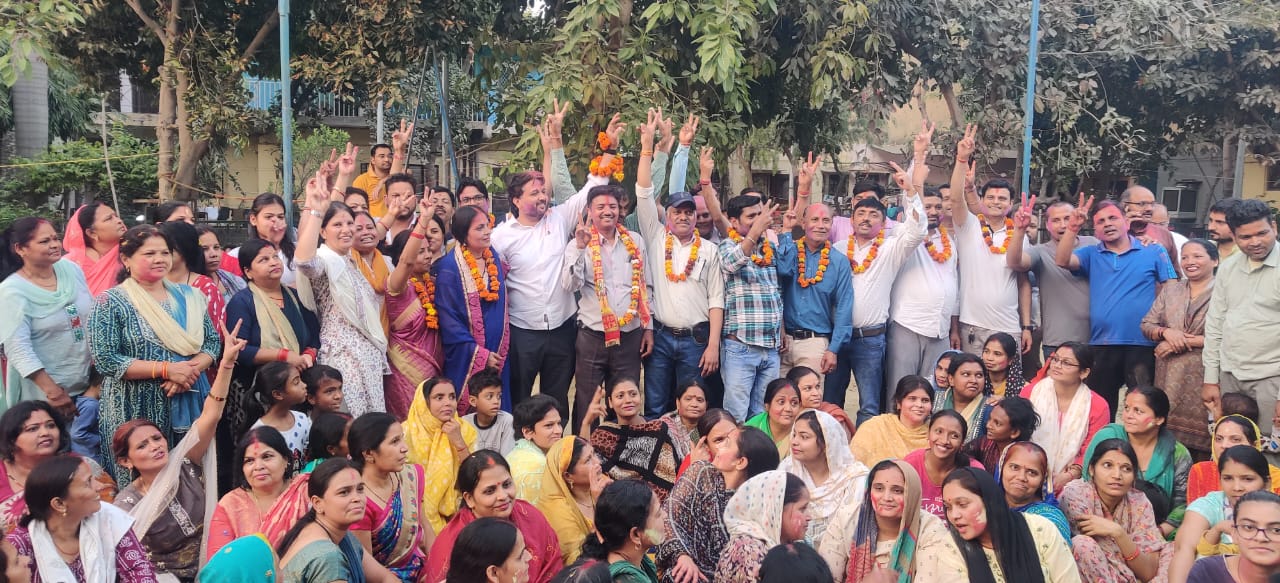
    In the recent RWA election held in Sector 82’s Pocket 7 of Noida, the panel led by Raghavendra Dubey emerged victorious. The Dubey panel defeated the panel led by Nand Kishor Solanki on all positions. Raghavendra Dubey was elected as the President, while Mrs. Banti Kumari secured the position of Secretary, and Ravi Raghav became the Vice President. Sushil Pal was elected as the Treasurer, and Pappu Singh as the Joint Secretary. Meanwhile, Ramesh Chand, Deepak Tiwari, Vikas Kumar, Uttam Kumar Chand, and Dheeraj Kanyal were victorious as members.

    The one-sided victory of the Raghavendra Dubey panel was celebrated with drum beats and dancing by the residents of Pocket 7. They expressed their happiness by sharing sweets with each other. Newly elected President Raghavendra Dubey thanked the residents for their support and wished them a happy Holi on this occasion.

    After announcing the victory, Raghavendra Dubey assured that his team would leave no stone unturned for the development of Pocket 7. The occasion witnessed the presence of several prominent personalities including Sanjay Shukla, Devmani Shukla, Pramod Tiwari, Rajesh Pathak, Vishnu Sharma, Rekha Pradhan, and Devendra Gupta, along with hundreds of residents.

  • Pushpa Bhatt Recognized as Apparel Skill Developer and Master Trainer on International Women’s Day 2024

    Pushpa Bhatt Recognized as Apparel Skill Developer and Master Trainer on International Women’s Day 2024

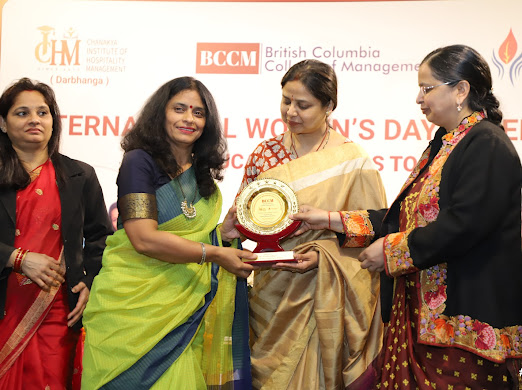
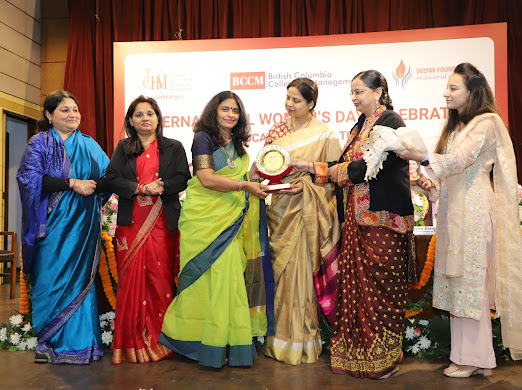
    New Delhi: On the occasion of International Women’s Day 2024, Pushpa Bhatt was celebrated and honored for her outstanding contributions in skill development and women empowerment. The British Columbia College of Management, in collaboration with ONGC under the banner of Deepak Foundation, bestowed upon her the prestigious title of Apparel Skill Developer/Master Trainer. This recognition comes in light of her exemplary work in advancing education and empowering individuals through skill development, aligning with this year’s theme of ‘Education: Wings to Fly’.

    Pushpa Bhatt, an approved Master Trainer from the Apparel sector skill council and NSDC, has been instrumental in designing and implementing various skill development programs such as PMKVY, Samarth, PM Vishwakarma, and DDUGKY. Her expertise and dedication have significantly contributed to enhancing the capabilities of countless individuals, particularly in the apparel industry. Furthermore, Pushpa Bhatt’s commitment to community service and women’s empowerment extends beyond skill development. She is an active member of the BJP Mahila Morcha in Noida, serving as Upadhyaksh and Sector Sanyojak for Sector 34. Through her leadership roles in the political arena, she continues to advocate for the rights and welfare of women, empowering them to actively participate in shaping their communities.

    Pushpa Bhatt’s journey exemplifies resilience, determination, and a steadfast commitment to making a meaningful impact in society. Her dedication to skill development, coupled with her advocacy for women’s rights, serves as an inspiration to many, embodying the spirit of progress and empowerment.

    As Pushpa Bhatt continues her endeavors to uplift and empower individuals, her contributions stand as a testament to the transformative power of education and skill development, driving positive change and fostering inclusive growth in society.

  • MIUT Noida: Students learn the tricks of the trade in radio jingle making workshop

    MIUT Noida: Students learn the tricks of the trade in radio jingle making workshop

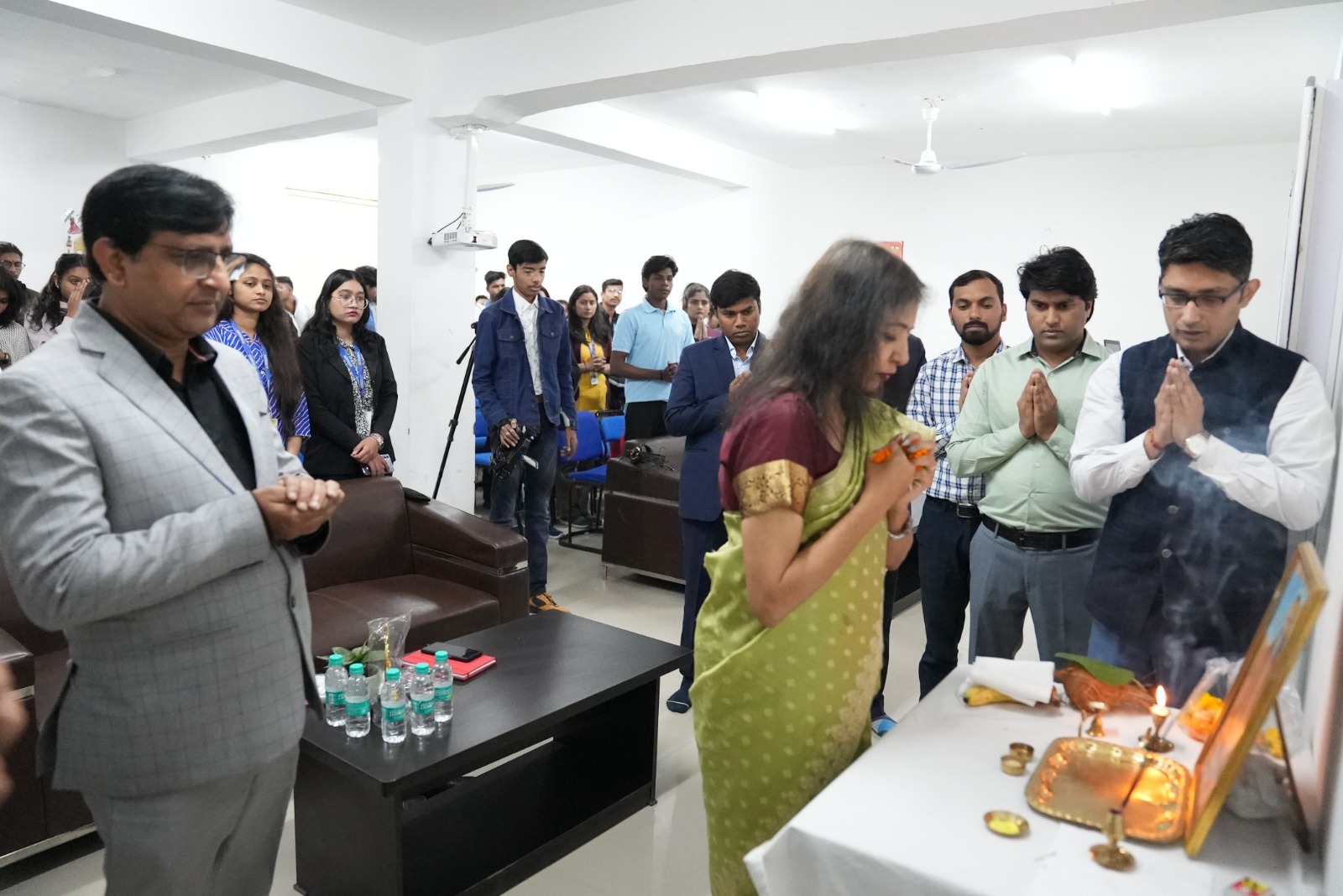
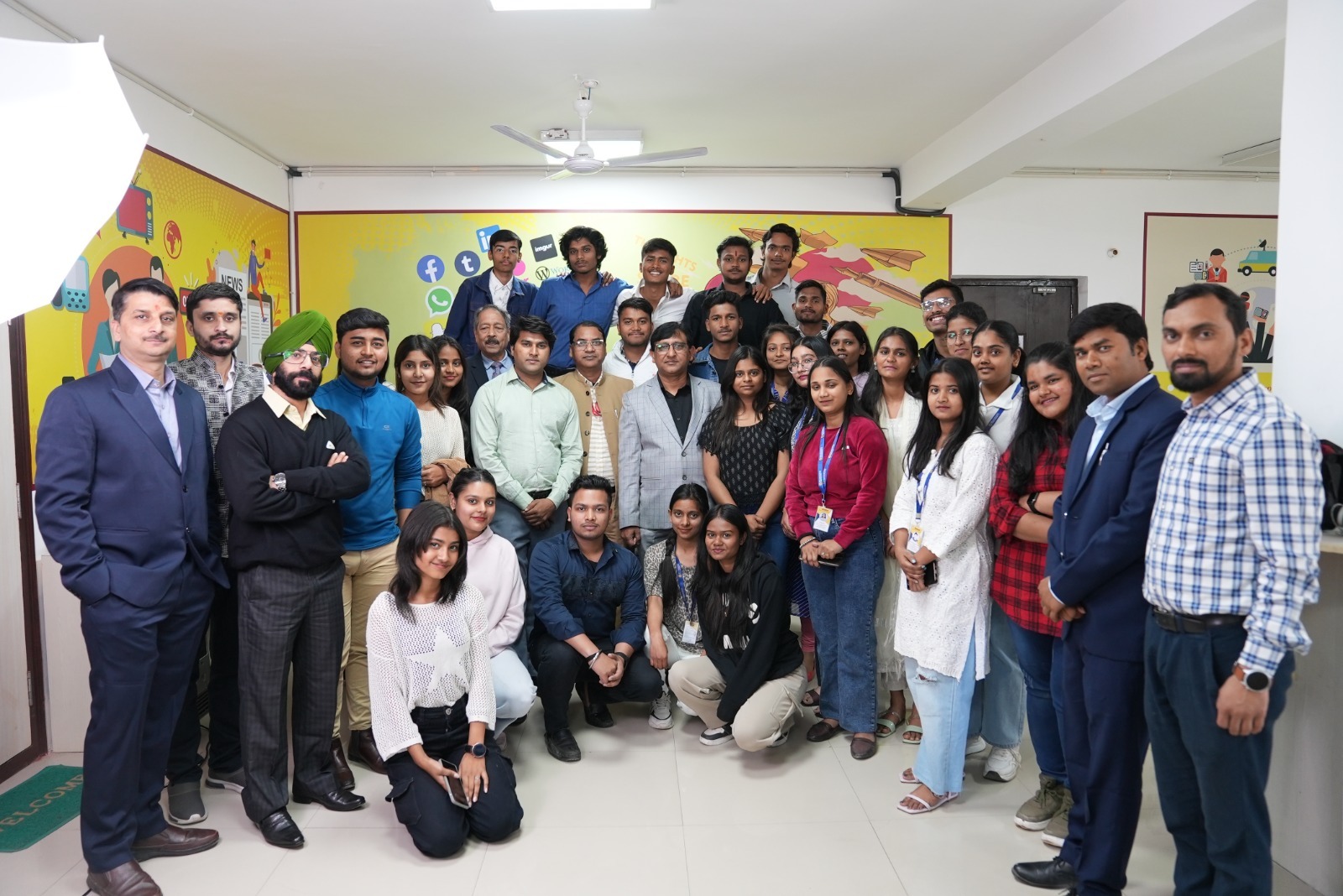
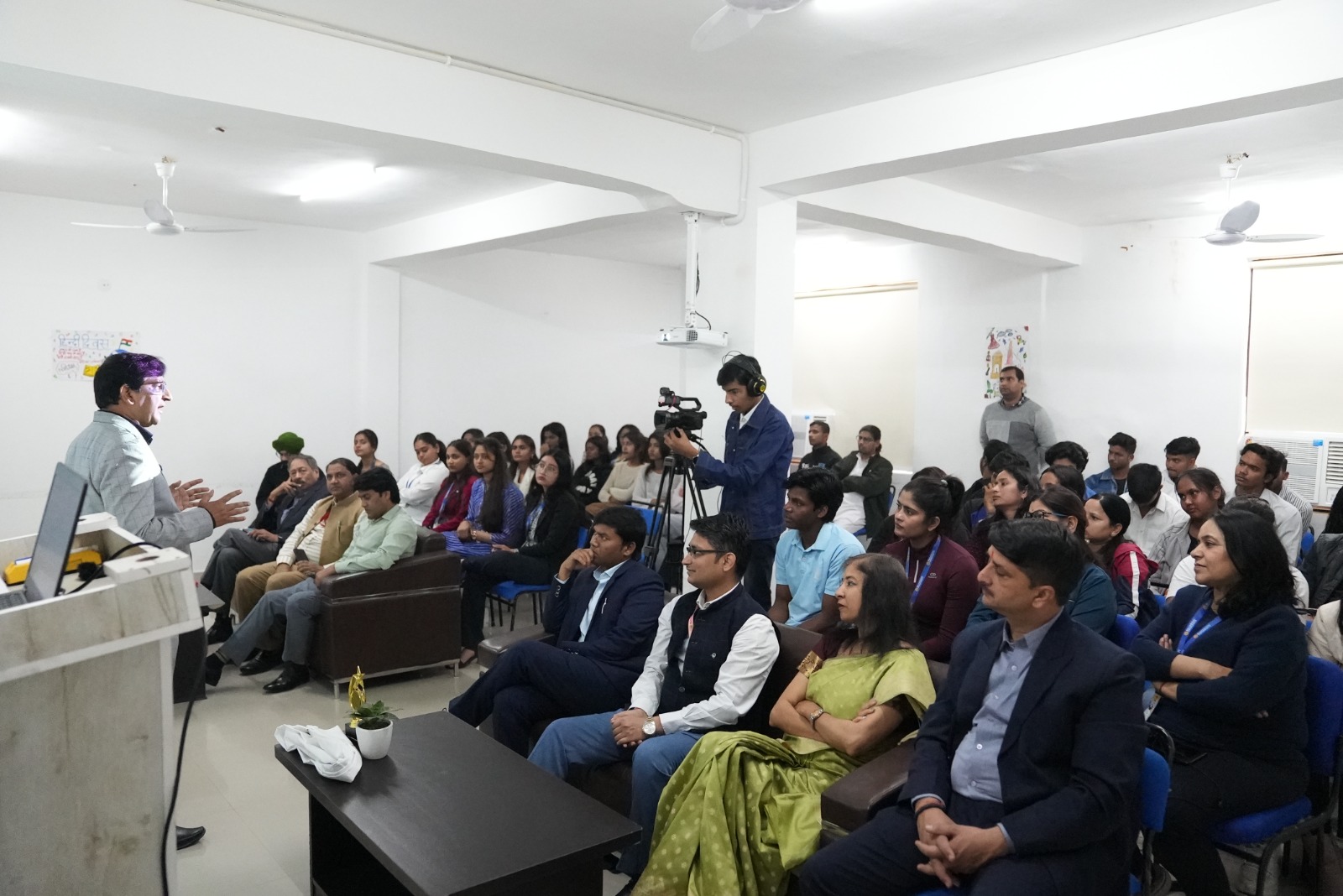
    MIUT NOIDA:  A workshop on “Making a Radio Jingle” was organized by the Media Department in collaboration with Maharshi University of Information Technology, Noida, and IQAC. The undergraduate and postgraduate students of Journalism and Mass Communication learned the tricks of the trade in radio jingle making.

    The chief guest of the workshop was Dr. Umesh Chandra Pathak, Head of the Department of Journalism and Mass Communication, Maharaja Agrasen Institute of Management Studies, Delhi (affiliated to Guru Gobind Singh Indraprastha University, Delhi). Dr. Pathak shared his experiences and insights related to jingle making with the students during the workshop. He explained the importance of radio jingles and taglines and showed some relevant advertisements from the past two decades. He said that a jingle was a lyrical musical advertising-spot on a product and was often a commercial effort and that it should be creative and catchy.

    Dr. Pathak, who is known for his mimicry skills, entertained the students with his imitations of several celluloid stars, including Amitabh Bachchan and radio presenter Amin Sayani. He said that jingle making is a process of hard work and creativity and it is done within a deadline.

    Continuing his lecture with the students in the workshop, Dr. Pathak said that jingles are the heartbeat of marketing campaigns, enchanting audiences with catchy tunes and memorable lyrics. Creating an effective jingle requires a blend of creativity, strategic thinking, and musical skills. Here are some key points to consider when embarking on the journey of jingle creation:

    • Understand the brand or product: It is important to understand the brand or product before writing the lyrics. It is necessary to understand what message the product should convey and what kind of emotional message the jingle should generate.

    • Know your target audience: It is important to create a jingle that will resonate with the target audience. If it is for the young generation, ‘Har dost jaruri hota hai’ (Every friend is important) may be appropriate, while for a housewife doing household chores, the jingle ‘Nirma… Nirma washing powder Nirma…’ may be perfect.

    • Keep it simple and catchy: The jingle should be simple, catchy, and easy to remember. It should be something that people can hum along to and remember even after hearing it once.

    • Use strong vocals and music: The vocals and music in a jingle should be strong and catchy. They should complement the lyrics and help to create a memorable experience for the listener.

    The workshop concluded with an interactive question-and-answer session with the students. Dr. Mudita Aggarwal (Dean), Mr. Gaurav Thakur, Faculty (SOC), and Dr. Shambhu Sharan Gupta (HOD), Associate Professor, Nitin Saxena, Professor, Dr. Mithilesh Kumar, Dr. Surmeet Singh, Assistant Professor, Mr. Shivam Yadav, Mr. Sunil Kumar Yadav, Arvind Singh, and Mr. Mohan Singh Rawat from Maharshi University were present.

  • Noida Authority News: Yogi Government and Noida Authority CEO Trust Vijay Raval’s Leadership as DGM

    Noida Authority News: Yogi Government and Noida Authority CEO Trust Vijay Raval’s Leadership as DGM

    Noida Authority News: In a recent development, Mr. Vijay Kumar Raval, the Deputy General Manager of Noida Authority, has been promoted to the position of Deputy General Manager (DGM). Previously holding the role of Senior Manager, Raval has demonstrated commendable leadership skills, particularly during his tenure as the head of the Public Health Department’s work circle.

    About Vijay Kumar Raval: Vijay Kumar Raval assumed the position of Manager at Noida Authority in 2009, showcasing his dedication to public service. Recognized for his outstanding performance, he earned a promotion to Senior Manager in 2018. His responsibilities expanded to overseeing the Public Health Department’s work circle, demonstrating his versatility and commitment to various administrative roles.

    In addition to his achievements, Vijay Kumar Raval currently manages critical roles in Work Circle Two, serving as the in-charge Senior Manager of the Work Circle, Sports Committee, and Noida Sports. His significant contributions have played a pivotal role in propelling Noida to the 11th position in the cleanliness campaign, a noteworthy feat from the 150th position.

    Moreover, Raval has successfully navigated three legal cases, safeguarding approximately ₹1200 crores of the authority’s funds. Despite facing several allegations during his 14-year tenure, Raval has emerged victorious, proving his efficiency and commitment to his responsibilities.

    As he takes on the new role of Deputy General Manager, Raval is set to lead key projects, including the Bhangel Elevated Road, Chilla Elevated Road, and the Golf Course, demonstrating a keen focus on accelerating stalled major projects in line with the CEO’s vision.

    However, challenges await Vijay Kumar Raval, as he stands at the crossroads of Yogi Government’s expectations and the trust placed in him by the Noida Authority CEO. Negotiating these challenges will be crucial for Raval as he assumes this pivotal role in shaping Noida’s developmental trajectory.

    Vijay Kumar Raval’s promotion to Deputy General Manager reflects not only his professional accomplishments but also his resilience and dedication to transforming Noida into a model city.

  • Hyundai Exter vs. Punch CNG: A Comprehensive Comparison

    Hyundai Exter vs. Punch CNG: A Comprehensive Comparison

    Hyundai Exter vs. Punch CNG- A Comprehensive Comparison: The increasing demand for eco-friendly vehicles has led to the rise of CNG-powered cars. Hyundai Exter and Punch CNG are two popular options in the market today. In this article, we will compare these two models in terms of performance, fuel efficiency, features, and pricing to help you make an informed decision.

    1. Performance: Both the Hyundai Exter and Punch CNG offer impressive performance in their respective segments. The Exter is equipped with a powerful engine that delivers smooth acceleration and ample power for city and highway driving. On the other hand, the Punch CNG focuses more on fuel efficiency, offering a balance between power and economy.
    2. Fuel Efficiency: When it comes to fuel efficiency, the Punch CNG takes the lead. CNG (Compressed Natural Gas) is known for its cost-effectiveness and reduced emissions. The Punch CNG offers excellent mileage on CNG, making it an ideal choice for those looking to save on fuel expenses. However, it’s worth noting that the Exter also offers decent fuel efficiency, especially when running on CNG.
    3. Features: Both the Hyundai Exter and Punch CNG come packed with modern features to enhance the driving experience. The Exter boasts a range of advanced features such as touchscreen infotainment system, Bluetooth connectivity, steering-mounted controls, keyless entry, and safety features like ABS (Anti-lock Braking System) and airbags. The Punch CNG, although more focused on affordability, still offers essential features like power steering, power windows, and a music system.
    4. Pricing: Pricing is an essential factor to consider when comparing any two vehicles. The Hyundai Exter tends to be priced higher due to its superior features, build quality, and performance. On the other hand, the Punch CNG is positioned as a more budget-friendly option, targeting cost-conscious buyers. While the Exter may have a higher upfront cost, its better resale value could offset the initial investment in the long run.

    Conclusion: Both the Hyundai Exter and Punch CNG have their own strengths and cater to different buyer preferences. If you prioritize performance, advanced features, and are willing to invest more, the Exter would be a suitable choice. On the other hand, if fuel efficiency and affordability are your primary concerns, the Punch CNG offers a compelling option. It’s recommended to consider your specific requirements, budget, and priorities to determine which model best suits your needs.

    Remember to take a test drive and thoroughly research both models before making a final decision. Happy car shopping!

  • Prime Minister to unveil the logo, theme and website of India’s G20 Presidency on 8th November

    Prime Minister to unveil the logo, theme and website of India’s G20 Presidency on 8th November

    New Delhi: Prime Minister will unveil the logo, theme and website of India’s G20 Presidency on 8th November 2022 at 4:30 PM via video conferencing. Guided by the vision of the Prime Minister, the foreign policy of India has been evolving to undertake leadership roles on the global stage. In a significant step in this direction, India will assume G20 Presidency from 1st December, 2022. The G20 Presidency offers a unique opportunity to India to contribute to the global agenda on pressing issues of international importance. The logo, theme and website of our G20 Presidency would reflect India’s message and overarching priorities to the world.

    G20 is the premier forum for international economic cooperation representing around 85% of the global GDP, over 75% of the global trade, and about two-thirds of the world population. During the course of its G20 Presidency, India will be holding about 200 meetings in 32 different sectors in multiple locations across India. The G20 Summit to be held next year, would be one of the highest profile international gatherings to be hosted by India.