Category: News

  • Payal Nag Wins Gold : 18-Year-Old Quadruple Amputee Defeats Idol Sheetal Devi in Bangkok

    Payal Nag Wins Gold : 18-Year-Old Quadruple Amputee Defeats Idol Sheetal Devi in Bangkok

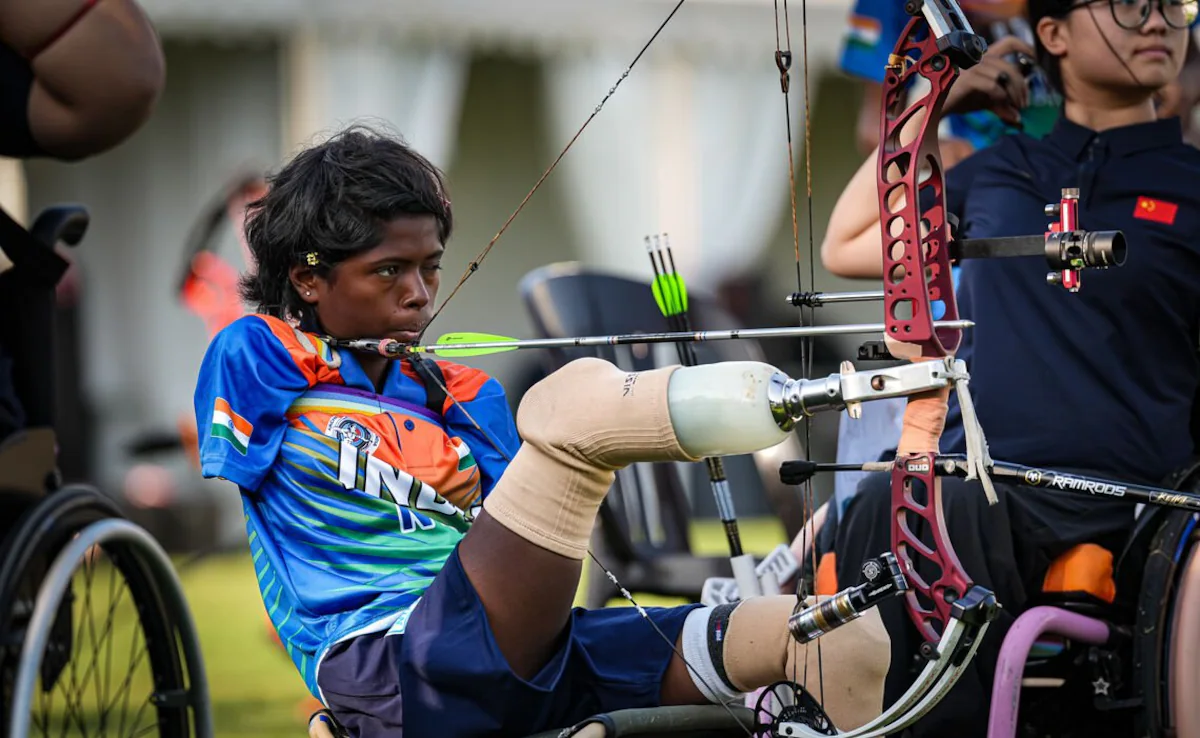
    The World Archery Para Series 2026 in Bangkok, an 18-year-old Indian teenager etched her name into the annals of para-sports forever. Payal Nag, a young woman from the quiet corners of Odisha, stood tall on the victory podium after clinching a stunning gold medal in the women’s compound individual event.

    What made this moment unforgettable was not just the medal, but the opponent she defeated: her own idol and the reigning world champion, Sheetal Devi. In a tense all-Indian final, Payal edged out Sheetal with a razor-sharp score of 139-136. This was her very first senior international competition, and she delivered a performance that left the archery world in awe.

    Payal Nag Wins Gold
    Payal Nag Wins Gold

    A Childhood Shattered, A Spirit Unbroken

    Payal’s life took a devastating turn when she was just a child. Born into a humble family of daily wage labourers in Jamunabahal village, Balangir district, Odisha, she faced unimaginable tragedy around the age of eight. While playing near an under-construction site during her family’s migrant work in Raipur, she accidentally stepped into water that was electrified by a live wire. The severe shock led doctors to amputate all four of her limbs to save her life.

    With her family struggling to provide the intensive care she needed, young Payal found shelter at the Parbati Giri Bal Niketan orphanage in Balangir. Life in the orphanage could have broken many, but Payal chose resilience. She taught herself to draw and paint using only her mouth — a quiet act of creativity that revealed her inner strength and focus.

    Payal Nag Wins Gold
    Payal Nag Wins Gold

    Payal Nag : Discovering Her True Aim

    Everything changed when Payal Nag came across videos of Sheetal Devi, India’s celebrated armless para-archer. Inspired by Sheetal’s remarkable achievements, Payal dared to dream of picking up a bow herself. Her talent was spotted, and she was brought to the Shri Mata Vaishno Devi Shrine Board Archery Academy in Jammu under the guidance of coach Kuldeep Vedwan.

    At the academy, Payal and her coach developed a unique, adaptive technique tailored to her body. Using custom equipment and prosthetic support, she learned to nock arrows, draw the bow, and release with extraordinary precision and calm. What began as inspiration quickly turned into mastery. She won national titles in her very first competitions and continued to rise through the ranks with quiet determination.

    Payal Nag Wins Gold
    Payal Nag Wins Gold

    Bangkok Glory : A Full-Circle Moment

    April 2026 brought Payal to Bangkok for her international debut. The pressure was immense, but she thrived under it. In the women’s compound individual final, she faced the very athlete who had sparked her journey — Sheetal Devi, the world number one.

    The match was a nail-biter. Arrow after arrow flew with perfect focus. When the final scores were tallied, Payal had done the unthinkable: she defeated her idol 139-136 to claim the gold. In a beautiful twist of fate, the student had surpassed the teacher on the global stage.

    Payal didn’t stop there. She teamed up with Sheetal to win team gold in the women’s compound event as well, defeating Kazakhstan 150-147 in the final.

    India’s overall performance in Bangkok was dominant. The team topped the medal standings with 7 gold medals and a total of 16 medals (7 gold, 5 silver, 4 bronze), showcasing the growing depth and excellence of Indian para-archery.

    Payal Nag Wins Gold
    Payal Nag Wins Gold

    Beyond the Medal: A Story of Pure Resilience

    Payal Nag is widely recognized as the world’s first quadruple amputee to compete and win at this elite level in para-archery. Her journey — from painting with her mouth in an orphanage to standing on the international podium — is a powerful reminder that physical limitations do not define human potential.

    Her success highlights the importance of adaptive sports, dedicated coaching, and unwavering self-belief. It also shines a light on the need for better support systems for athletes with disabilities across India.

    In a world quick to focus on obstacles, Payal Nag reminds us to look at possibilities. She didn’t just win a gold medal; she proved that courage, discipline, and heart can overcome any challenge.

    Payal Nag Wins Gold
    Payal Nag Wins Gold

    As India celebrates this young champion, Payal Nag’s story will continue to inspire countless dreams — especially among those who face adversity every single day. Her golden arrow in Bangkok has not only brought pride to the nation but also lit a path for future generations.

    Also Read This : RCB vs CSK IPL 2026 : Defending Champions RCB Host Struggling CSK in High-Voltage Southern Derby at Chinnaswamy

  • India conducts Major Tri- forces Defence Exercise :“ Dweep Shakti “

    India conducts Major Tri- forces Defence Exercise :“ Dweep Shakti “

    India recently carried out a large scale military exercise named“ Dweep Shakti ‘ which involved all three branches of the armed forces – the Indian Army, Indian Navy and Indian Air Force. This military drill mainly aimed at strengthening coastal security and safeguarding island regions . The main aim was to improve coordination between the three forces. The exercise shows that India is strengthening by its defence system especially in coastal and Maritime areas. It’s also highlights the country ‘s readiness to handle emergencies and threats. Dweep Shakti provided an opportunity to simulate real- life situations such as amphibius operations, rescue missions and emergency response actions. This exercise clearly shows that India is continuously working towards strengthening it’s defense system.

    India conducts Major Tri- forces Defence Exercise :“ Dweep Shakti “
    India conducts Major Tri- forces Defence Exercise :“ Dweep Shakti “

    Importance of national security

    The “Dweep Shakti’ exercise plays a crucial role in  strengthening India’s national security India has no longer coastline and many strategic Island, which makes it necessary to stay alert against possible threat such as infiltration, smuggling or external attacks. This exercise helps the forces understand how to respond quickly and  effectively in such situations. This exercise also strengthen India’s Maritime security by ensuring better monitoring of sea routes and coastal areas. It helps in preventing illegal activities and ensures better protection of coastal areas.

    Impact on Defence  strategy

    The “Dweep Shakti” exercise has a significant impact on India’s  defence strategy. The major benefit is improve planning and execution of military operations, the forces learn how to share information quickly, make faster decisions, and respond effectively to threats. And it’s also helping in testing different for strategies and identifying any weaknesses or gaps in coordination,  which can then be corrected. It also supports the concept of joint operations, which is becoming increasingly important in modern warfare.overall “Dweep shakti “ contributes to modernizing India’s defence system by improving coordination, boosting operational efficiency and preparing the country for future security challanges

    Exercise DWEEP SHAKTI
    Exercise DWEEP SHAKTI

    Also Read This : Growth of Digital Transactions In India : Cashless India A Growing Trend

    Extended Impact on Defence strategy

    The “Dweep Shakti’ excercise has a   long term impact on India’s strategic planning .one of the most important impact is on strategic planning.The excercise allows millitary leaders to test different war scenarios,including coastal attacks, iseland defense, and emergency response situations.the excercise also plays a key role in strengthening command and control it ensure that leadership structures functions smoothly during high – pressure situations. It also improves logistical planning and resource management, as moving troops, equipment and supplies across land and sea requires strong coordination and efficiency .

    Written by : Tanya Singh 


    View this post on Instagram


    A post shared by AVSPOST (@avspost)

  • Delhi Budget 2026 : CM Rekha Gupta Announces ₹1.03 Lakh Crore ‘Green Budget’ with 10 Focus Areas

    Delhi Budget 2026 : CM Rekha Gupta Announces ₹1.03 Lakh Crore ‘Green Budget’ with 10 Focus Areas

    Delhi Budget 2026 has taken centre stage today as Chief Minister Rekha Gupta presented the Delhi Budget 2026-27 in the Delhi Assembly with a massive outlay of ₹1,03,700 crore. Described by the CM as a “Green Budget”, this fiscal plan marks a 3.7% increase over the previous year’s ₹1 lakh crore budget and places strong emphasis on environmental sustainability, infrastructure development, education, health, and women’s welfare.

    The Delhi Budget 2026 is structured with approximately ₹72,900 crore for revenue expenditure and ₹30,800 crore for capital projects. Tax revenue is estimated at ₹74,000 crore, while schemes and projects account for ₹62,550 crore.

    10 Focus Areas in Delhi Budget 2026

    CM Rekha Gupta highlighted 10 focus areas (often called “10 sankalps”) that will guide Delhi’s development in the coming year. While the exact wording is still being detailed in official documents, the priorities revolve around:

    • Green and Environmental Initiatives – Pollution control, dust-free roads, climate resilience, and Yamuna cleaning.
    • Infrastructure and Urban Development – Roads, bridges, drainage masterplan, Chandni Chowk revamp, and integrated secretariat.
    • Quality Education for All – School and college upgrades, smart classrooms, and student support.
    • Accessible Healthcare – New medical infrastructure, free screenings, and better hospital facilities.
    • Women and Youth Empowerment – Financial assistance, skill development, and safety measures.
    • Support for Senior Citizens and Vulnerable Groups – Enhanced welfare schemes for the elderly.
    • Efficient Transport and Mobility – Electric buses, seamless connectivity, and last-mile solutions.
    • Water, Sanitation, and Jal Board Initiatives – Improved water supply and sewage management.
    • Industrial Growth, Investment, and Job Creation – Startup policy, incubation centres, and industry-friendly measures.
    • Smart Governance and Seamless Public Services – Digital reforms and efficient delivery of citizen services.

    These 10 focus areas aim to transform Delhi into a Viksit Delhi (Developed Delhi) through a “triple engine” approach involving the Central Government, Delhi Government, and local bodies.

    Delhi Budget 2026: CM Rekha Gupta Announces ₹1.03 Lakh Crore 'Green Budget'
    Delhi Budget 2026 : CM Rekha Gupta Announces ₹1.03 Lakh Crore ‘Green Budget’

    Key Allocations in Delhi Budget 2026

    • Environment/Green Projects: 21% of the total budget (~₹21,777 crore) – the highest-ever emphasis on green initiatives, including dust control and pollution mitigation.
    • Education: ₹19,148 crore (highest sectoral allocation, ~18%) – Free bicycles for 1.3 lakh Class 9 girls, laptops for meritorious Class 10/12 students, new school buildings, and an education city in Narela.
    • Health: ₹12,645 crore (~12.57%) – Upgraded healthcare infrastructure, free newborn screenings (56 tests), real-time ventilator availability system, and new medical colleges.
    • Women & Child Welfare: ₹7,406 crore – Launch of Manila Samriddhi Yojana (₹2,500 monthly assistance to eligible women from poor families), free LPG cylinders on festivals, free bus travel, and 1,000 free e-auto permits for women.
    • Infrastructure & PWD: ₹5,921 crore – 750 km roads to be upgraded, ₹1,352 crore for dust-free roads, Barapullah corridor, and trans-Yamuna development.
    • Urban Development & Housing: ₹7,887 crore.
    • Delhi Jal Board: ₹9,000 crore.
    • MCD: ₹11,666 crore.

    Other notable announcements include support for gig workers, elderly care under Vayo Anand, industrial policy reforms, and a global investment summit.

    Why This Delhi Budget 2026 Matters

    The Delhi Budget 2026 shifts away from what the government calls “freebie culture” towards sustainable growth, job creation, and long-term infrastructure. By allocating a record 21% to green projects, the government aims to tackle Delhi’s persistent challenges of air pollution and urban sustainability while boosting per capita income (projected to reach ₹5.31 lakh).

    The opposition AAP reportedly boycotted parts of the session, but the ruling dispensation presented the budget as people-centric and future-oriented.

    Also Read This : Indian rupee record low ! डॉलर के मुकाबले 93.94 के ऐतिहासिक निचले स्तर पर पहुंचा

    Overall, the Delhi Budget 2026 reflects a balanced approach — strong on environment, education, and welfare while pushing hard on infrastructure and economic growth. Whether it delivers on the ambitious 10 focus areas will depend on efficient implementation in the coming months.


    View this post on Instagram


    A post shared by AVSPOST (@avspost)

  • Breaking: Instagram to Remove End-to-End Encryption Support on May 8, 2026

    Breaking: Instagram to Remove End-to-End Encryption Support on May 8, 2026

    Instagram to Remove End-to-End Encryption : Instagram Direct Messages (DMs) starting May 8, 2026. This quiet but significant change reverses a limited privacy feature Meta introduced a few years ago and has sparked fresh debates about user privacy, platform moderation, and the future of secure communication on social media.

    What Was End-to-End Encryption on Instagram?

    Instagram to Remove End-to-end encryption (E2EE) is a security method that ensures only the sender and recipient can read or view the contents of a message. Not even the service provider (in this case, Meta) can access the data. On Instagram, this was never the default — it was an opt-in feature available in certain regions and only for specific individual chats (not group chats or business accounts). Users had to manually enable it per conversation, and adoption remained very low.

    Breaking: Instagram to Remove End-to-End Encryption Support on May 8, 2026
    Breaking: Instagram to Remove End-to-End Encryption Support on May 8, 2026

    Meta first rolled out this capability around 2022–2023 as part of a broader privacy initiative promised years earlier. It aligned with similar protections already default on WhatsApp (also owned by Meta).

    The Announcement and Timeline

    Meta updated its official Instagram Help Center page in early 2026 with the key notice:

    “End-to-end encrypted messaging on Instagram will no longer be supported after May 8, 2026.”

    Affected users are seeing in-app notifications with instructions to download any encrypted messages, photos, videos, or other media they want to preserve. If you’re on an outdated app version, updating Instagram may be required to access the export options.

    After the deadline:

    • Existing E2EE chats will lose encryption support.
    • No new chats can enable it.
    • All future DMs will behave like standard Instagram messages — Meta can access them for content moderation, safety scanning, ad targeting, AI training, or law enforcement requests (subject to legal processes).

    Meta’s official reason? A spokesperson told outlets like The Verge and others:

    “Very few people were opting in to end-to-end encrypted messaging in DMs, so we’re removing this option from Instagram in the coming months. Anyone who wants to keep messaging with end-to-end encryption can easily do that on WhatsApp.”

    Breaking: Instagram to Remove End-to-End Encryption Support on May 8, 2026
    Breaking: Instagram to Remove End-to-End Encryption Support on May 8, 2026

    Why This Matters — Privacy vs. Safety Trade-Off

    Instagram to Remove End-to-End Encryption : The decision has reignited criticism from privacy advocates. E2EE makes it impossible for platforms to scan private messages for harmful content (e.g., child exploitation material, scams, harassment, or illegal activity). Law enforcement agencies and child safety organizations have long argued that default encryption hinders their ability to detect and prevent abuse.

    By removing the feature, Meta regains the ability to apply automated scanning, human review, and AI-based moderation across all DMs — the same tools already used on non-encrypted chats.

    On the flip side, millions of users rely on apps like Signal, WhatsApp, or Telegram for truly private conversations. Instagram’s move signals that casual social DMs are not intended for high-privacy use cases.

    What Should Instagram Users Do Now?

    • Check your chats — Open Instagram DMs and look for any encrypted conversations (they usually show a lock icon or special indicator).
    • Download your data — Follow in-app prompts to export affected messages/media before May 8, 2026. Back them up securely elsewhere.
    • Migrate sensitive conversations — If privacy matters to you (e.g., sharing personal details, financial info, health discussions, or anything sensitive), move those chats to:
    • WhatsApp (E2EE by default)
    • Signal (strongest privacy focus)
    • Telegram secret chats (E2EE optional)
    • Stay informed — Keep your app updated and watch for further Meta announcements.
    Breaking: Instagram to Remove End-to-End Encryption Support on May 8, 2026
    Breaking: Instagram to Remove End-to-End Encryption Support on May 8, 2026

    Instagram to Remove End-to-End Encryption

    This isn’t the death of encryption at Meta — WhatsApp remains fully E2EE, and Messenger has partial protections in some cases. But for Instagram specifically, the platform is doubling down on visibility and moderation over optional ultra-privacy.

    Instagram to Remove End-to-End Encryption : In an era of increasing data scrutiny, regulatory pressure, and AI moderation, features like opt-in E2EE were always a half-measure. Their removal reminds us: on most mainstream social apps, “private” messages are only as private as the company allows.

    Also Read This : Dhurandhar 2 Movie Review, Box Office Collection Day 1 : Ranveer Singh Starrer Crosses Rs 50 Crore Mark Amid Cancelled Telugu and Tamil Shows

    If privacy is non-negotiable for you, treat Instagram DMs accordingly — fun for casual chats, but not for anything confidential.


    View this post on Instagram


    A post shared by AVSPOST (@avspost)

  • India’s “HappyMe Machine” Gains Attention, Could Lead a New Era of Mental Wellness

    India’s “HappyMe Machine” Gains Attention, Could Lead a New Era of Mental Wellness

    New Delhi: In today’s fast-paced and stressful lifestyle, people are constantly searching for simple ways to stay calm, focused, and happy. In the middle of this growing need, a new Indian innovation called the “HappyMe  Machine” is now attracting attention as a unique solution for emotional well-being. Recently highlighted in national media, this machine is being described as a new-age wellness device designed to improve mental balance, reduce stress, and promote positivity in everyday life.

    What is the HappyMe Machine?

    The “Happy Me Machine” is a non-invasive wellness device developed with the aim of enhancing a person’s emotional and mental state. Unlike traditional medical devices, it does not focus on treating illness but instead works on:

    • Improving mood

    • Reducing stress

    • Supporting mental relaxation

    The idea behind the machine is simple:

    When the mind feels better, overall life improves.

    How the Machine Works

    As per available information, the machine uses a combination of modern techniques that may include:

    • Controlled sound and light-based stimulation

    • Relaxation-focused sensory environment

    • Neuro-calming patterns designed to reduce stress

    These elements are designed to interact with the body’s natural system and help in calming the mind, improving focus, and creating a sense of inner balance.

    The device is said to be easy to use, safe, and suitable for daily use, making it accessible for homes, offices, and wellness centers.

    Scientific Concept Behind It

    The concept of the “Happy Me Machine” is based on established principles of mental wellness, such as:

    • Neuroplasticity – the brain’s ability to develop positive patterns

    • Stress response control – reducing stress hormones can improve overall health

    • Mind-body connection – better mental health leads to better physical and emotional outcomes

    Globally, similar concepts are used in therapies like meditation, sound therapy, and relaxation techniques. The machine aims to combine these ideas into one practical solution.

    Claimed Benefits

    According to early information and concept details, the machine may help in:

    • Reducing stress and anxiety

    • Improving sleep quality

    • Enhancing mood and positivity

    • Increasing focus and productivity

    • Supporting emotional stability

    For many users, it can act as a daily support system for maintaining mental well-being.

    Recognition and Public Response

    The innovation has started receiving attention from various sections of society. Sources indicate that Rekha Gupta has appreciated the initiative, highlighting the importance of such solutions in today’s stressful environment. Apart from this, several well-known individuals and professionals have also shown interest in the concept, praising its simple approach and focus on everyday happiness.

    Why It Matters Today

    Mental stress is increasing across all age groups due to work pressure, digital overload, and lifestyle changes. However, access to proper mental health support is still limited for many people.

    The “Happy Me Machine” offers a simple, non-medical and user-friendly option that people can easily include in their daily routine without complications. Experts believe that if the machine proves effective through further testing and wider usage, it could:

    • Expand into global wellness markets

    • Be used in corporate offices and institutions

    • Become part of regular lifestyle and self-care routines

    This could position India as a growing leader in mental wellness innovation.

    The “Happy Me Machine” represents a new way of thinking—focusing not just on curing problems, but on creating happiness before issues arise.

    In a world full of pressure and challenges, such innovations remind us that:

    Happiness is not a luxury, it is a necessity.

    If successful, this Indian innovation could become a global symbol of positivity, balance, and modern wellness.

  • Pakistan Air Strike on Afghanistan : Hits Major Drug Rehabilitation Center, Afghanistan Claims Civilian Massacre

    Pakistan Air Strike on Afghanistan : Hits Major Drug Rehabilitation Center, Afghanistan Claims Civilian Massacre

    Pakistan Air Strike on Afghanistan Hits Kabul Drug Rehabilitation Hospital, Afghanistan Reports Over 400+ Killed Amid Escalating Border Conflict

    In a dramatic escalation of the ongoing cross-border conflict between Pakistan and Afghanistan, a Pakistani airstrike late Monday night struck the Omid Addiction Treatment Hospital (also known as the Omar or Umid drug rehabilitation center) in Kabul, according to Afghan Taliban government officials. The facility, a state-run 2,000-bed center treating drug addiction patients, was hit around 9:00 PM local time, resulting in massive civilian casualties.


    View this post on Instagram


    A post shared by AVSPOST (@avspost)

    Pakistan Air Strike on Afghanistan : Afghan authorities, including deputy government spokesperson Hamdullah Fitrat, reported that at least 400 people were killed and approximately 250 others injured. Many victims were patients undergoing treatment, with rescue teams still recovering bodies from the rubble into Tuesday morning. Officials described scenes of widespread destruction, fires, and chaos, labeling the strike a “crime against humanity” and a deliberate attack on civilians during Ramadan. The Taliban has vowed retaliation and warned of further consequences.

    Pakistan Air Strike on Afghanistan

    Pakistan’s military and government have categorically denied targeting any hospital or civilian infrastructure. Islamabad stated that its airstrikes precisely hit military installations, terrorist support facilities, and infrastructure linked to groups like the Tehrik-i-Taliban Pakistan (TTP) and other militants in Kabul and surrounding areas. Pakistani officials dismissed Afghan casualty figures and claims as “false,” “misleading,” and part of propaganda efforts. No independent verification of the exact target or full casualty count has been confirmed yet, with conflicting narratives dominating reports.

    Pakistan Air Strike on Afghanistan : This incident marks one of the deadliest single attacks in the broader Pakistan-Afghanistan conflict, which erupted in late February 2026. The fighting began with Pakistani airstrikes on alleged militant hideouts in eastern Afghan provinces (Nangarhar, Paktika, Khost), following attacks inside Pakistan attributed to TTP militants operating from Afghan soil. Tensions rapidly intensified, leading to declarations of “open war” by Pakistan, repeated cross-border strikes, drone incidents, and artillery exchanges. Previous operations have targeted sites in Kandahar, Paktia, and other areas, with both sides reporting heavy losses but providing widely divergent accounts.


    View this post on Instagram


    A post shared by AVSPOST (@avspost)

    International Reactions

    • India strongly condemned the alleged strike on the hospital, calling it “barbaric,” “cowardly,” and a violation of humanitarian norms, especially during Ramadan. New Delhi urged accountability and de-escalation.
    • The United Nations and humanitarian agencies, including the WHO, expressed alarm over civilian impacts and called for protection of health facilities, urging immediate de-escalation.
    • Afghan figures, including cricketers like Rahmanullah Gurbaz, voiced outrage, questioning “where is humanity?” in attacks on medical sites.

    Also Read This : Bihar Rajya Sabha Election 2026 Results

    Pakistan Air Strike on Afghanistan  : The conflict stems from long-standing issues: Pakistan accuses the Taliban government of harboring TTP militants launching attacks across the border, while Afghanistan claims Pakistan violates its sovereignty with unprovoked strikes. Diplomatic efforts for a ceasefire have so far failed, raising fears of further escalation into a wider regional crisis.

  • Kavya Maran Faces Criticism : The Backlash Over Sunrisers Leeds Signing Abrar Ahmed

    Kavya Maran Faces Criticism : The Backlash Over Sunrisers Leeds Signing Abrar Ahmed

    Kavya Maran Faces Criticism : The world of cricket rarely stays confined to the field, and the latest episode proves just that. Kavya Maran, the prominent face of Sunrisers Hyderabad (SRH) and co-owner of its English counterpart Sunrisers Leeds, is currently at the center of a heated social media storm following the franchise’s decision in The Hundred 2026 men’s player auction.

    Sunrisers Leeds Sign Abrar Ahmed in Historic Pick

    On March 12, 2026, Sunrisers Leeds secured Pakistani leg-spinner Abrar Ahmed for approximately ₹2.34 crore after a competitive bidding war, outbidding Trent Rockets. This historic pick made Abrar the first Pakistani player signed by an IPL-affiliated team in The Hundred, a tournament now featuring multiple Indian-owned franchises.

    Head coach Daniel Vettori defended the move as a pure cricketing call, highlighting Abrar’s mystery spin, unique variations, and value in the format. The franchise emphasized merit-based selections, with no blanket exclusion of players from any nation.

    Kavya Maran Faces Criticism Over ₹2.34 Crore Pick: Abrar Ahmed to Sunrisers Leeds
    Kavya Maran Faces Criticism Over ₹2.34 Crore Pick: Abrar Ahmed to Sunrisers Leeds

    Kavya Maran Faces Criticism 

    However, the announcement quickly turned controversial in India. Kavya Maran faces criticism from a vocal section of fans who view the signing as insensitive, especially given Abrar’s alleged past social media posts. These reportedly included content mocking the Indian armed forces, references to the 2019 Abhinandan Varthaman incident (with “tea” gestures symbolizing his capture and release), and celebratory reactions tied to past India-Pakistan tensions like “Operation Sindoor.”

    Social media platforms exploded with outrage:

    • Calls to boycott SRH in the upcoming IPL 2026 season trended heavily.
    • Accusations of being “anti-national” or disregarding national sentiments targeted Kavya Maran directly.
    • Some users labeled the decision “treachery” or urged the franchise to release Abrar immediately.
    • Reports emerged that Sunrisers Leeds’ official X (Twitter) account was suspended in India shortly after the signing announcement, with many attributing it to mass reporting amid the backlash.

    Headlines from major outlets amplified the fury, with phrases like “Boycott SRH in IPL 2026” and “Kavya Maran faces fan fury” dominating coverage. Fans expressed disappointment that an Indian-owned team would prioritize a player with such perceived history over broader sentiments.

    Kavya Maran Faces Criticism Over ₹2.34 Crore Pick: Abrar Ahmed to Sunrisers Leeds
    Kavya Maran Faces Criticism Over ₹2.34 Crore Pick: Abrar Ahmed to Sunrisers Leeds

    On the other hand, the signing has been welcomed in cricketing circles outside India—particularly by the ECB and some neutral observers—as a step toward inclusivity in a globalized sport. It challenged earlier assumptions of a “shadow ban” on Pakistani players in IPL-linked setups and underscored that talent should transcend borders.

    The episode raises deeper questions about the intersection of sport, business, and geopolitics. While franchises like Sunrisers aim to build competitive squads across leagues, fan loyalty in India often carries strong emotional and national undertones. Sustained criticism could impact SRH’s brand, sponsorships, and fanbase ahead of IPL 2026.

    Also Read This : Harish Rana Euthanasia

    Kavya Maran Faces Criticism : As of March 13, 2026, neither Kavya Maran nor the Sunrisers group has issued an official response to the demands for a release or boycott. Whether this remains a short-lived controversy or influences future decisions in cross-border cricket remains to be seen.


    View this post on Instagram


    A post shared by AVSPOST (@avspost)

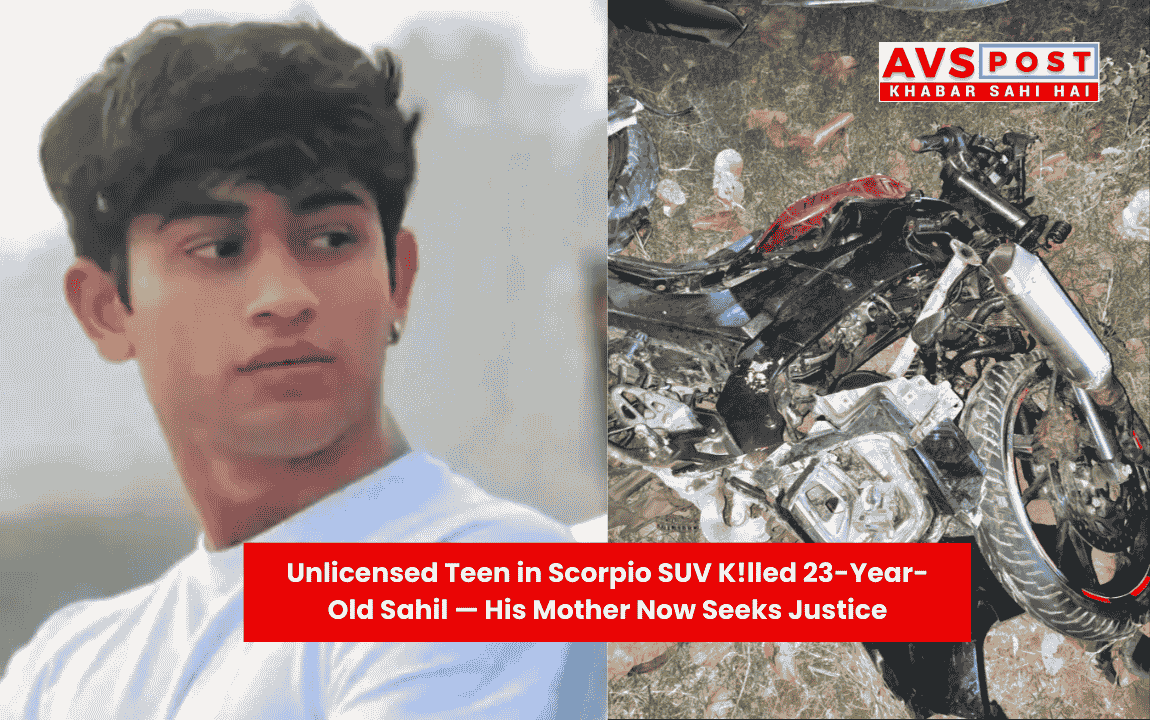
  • Justice for Sahil Dhaneshra : A Mother’s Unyielding Fight Against Reckless Reels and Road Impunity

    Justice for Sahil Dhaneshra : A Mother’s Unyielding Fight Against Reckless Reels and Road Impunity

    Justice for Sahil Dhaneshra : On February 3, 2026, the roads of Dwarka, Delhi, claimed yet another young life in a preventable tragedy that has ignited widespread outrage. Sahil Dhaneshra, a 23-year-old BBA student and property dealer with dreams of studying abroad and achieving a “$1,000,000 year,” was riding his motorcycle to work near Lal Bahadur Shastri College when a speeding Mahindra Scorpio SUV (registration UP57BM3057) veered into the opposite lane and struck him head-on.

    The collision was devastating. The SUV, after narrowly missing a bus and performing what witnesses describe as dangerous stunts, rammed Sahil’s bike, then crashed into a parked taxi—seriously injuring its driver—and possibly an e-rickshaw. Sahil was declared dead at the scene, his body bearing the brutal marks of the impact.

    Justice for Sahil Dhaneshra | Grieving Mother Speaks Out After Tragic Loss

    The autopsy report, now public, reveals the horrifying details: severe cranio-cerebral trauma with a left-side skull fracture and brain swelling, multiple rib fractures, an elbow fracture, lung damage, extensive internal haemorrhage, and haemorrhagic shock as the cause of death. These injuries underscore the sheer force and recklessness involved—no helmet or caution could have saved him from such violence.

    Justice for Sahil Dhaneshra
    Justice for Sahil Dhaneshra

    At the heart of this heartbreak is Inna Makan, Sahil’s single mother who raised him alone for 23 years. In raw, emotional videos shared on social media and interviews with major outlets, she has transformed her grief into a fierce demand for Justice for Sahil Dhaneshra. She alleges the SUV was driven by a 17-year-old minor (initially claimed to be 19) without a license, accompanied by his sister who filmed “speed fun reels” or stunts for social media inside the vehicle.

    Fatal Crash, Viral Video, Public Anger | Why Was the Teen Released on Bail?

    A video from inside the Scorpio—now viral—shows the teen accelerating wildly, veering dangerously, and performing maneuvers moments before the crash. Inna has called it plainly: “This is not just an accident. My son died due to their fun reel.” She highlights the vehicle’s history of 13 overspeeding challans, questioning how repeated violations went unaddressed and why parents allowed an unlicensed minor behind the wheel. “Some people think they can do anything on the road because their parents are wealthy—this is a criminal mentality,” she said.

    Delhi Police registered an FIR under sections of the Bharatiya Nyaya Sanhita for rash driving, causing death by negligence, and related offenses. The juvenile was apprehended, produced before the Juvenile Justice Board, sent to an observation home, but granted interim bail on February 10 to attend Class 10 board exams—a decision that has fueled public anger over perceived leniency in fatal cases involving minors.

    Vehicles were seized, CCTV and the in-car footage collected, and investigations continue, with potential charges against the vehicle owner (the teen’s father) for permitting unlicensed driving.

    Inna refuses to stay silent. Through an Instagram page and online petition under #JusticeForSahil, she has gathered thousands of signatures and millions of views. Her appeals call for:

    • Strict punishment for the driver and accountability for the vehicle owner
    • Stronger parental responsibility in underage driving cases
    • Crackdowns on social media stunts that endanger lives
    • Reforms to ensure no family suffers this loss again


    View this post on Instagram


    A post shared by AVSPOST (@avspost)


    Sahil was more than a victim—he was a hardworking son with ambitions, medals from college, and a future stolen in seconds. His mother’s words echo a painful truth: “I raised him alone… No one is safe on the road due to people like them.”

    This case exposes dangerous trends: the pursuit of viral thrills over safety, underage and unlicensed driving enabled by privilege, repeat offenders evading consequences, and questions about juvenile justice in road fatality cases.

    Also Read This : Karmayogi Course

    As the probe unfolds, public support swells. Justice for Sahil Dhaneshra isn’t just about one family—it’s a demand for roads where no mother has to bury her child because someone chose reels over responsibility.

    Rest in peace, Sahil. Your mother’s courage ensures your story won’t fade. May true accountability bring the change so desperately needed.

  • Behind the Laughter : Rajpal Yadav’s Journey from Bollywood Icon to Tihar Jail – Bail Hope 

    Behind the Laughter : Rajpal Yadav’s Journey from Bollywood Icon to Tihar Jail – Bail Hope 

    Rajpal Yadav has been one of Bollywood’s most reliable sources of laughter for over two decades. With his signature high-energy antics, expressive eyes, and impeccable comic timing, he turned side roles into scene-stealers in classics like Hungama, Garam Masala, Chup Chup Ke, Phir Hera Pheri, and the Bhool Bhulaiyaa franchise. Trained at the National School of Drama, he brought authenticity and chaos to every frame, making audiences roar with delight.

    But life has taken a dramatic turn. As of February 12, 2026, the comedian is serving a six-month sentence inside Delhi’s Tihar Jail following a decade-old cheque bounce case. Today marks a pivotal moment: his bail petition is being heard in the Delhi High Court, with his family, manager, and fans clinging to hope for an early release.


    View this post on Instagram


    A post shared by AVSPOST (@avspost)

    Rajpal Yadav : The Roots of the Crisis

    The story begins around 2010. Rajpal Yadav decided to step behind the camera for his directorial debut, Ata Pata Laapata. To fund the ambitious project, he borrowed approximately ₹5 crore. Unfortunately, the film bombed at the box office, leading to repayment defaults. Cheques issued (including some by his wife) bounced, triggering multiple cases under Section 138 of the Negotiable Instruments Act.

    Over the years

    • The principal amount, plus interest and penalties, reportedly swelled to nearly ₹9 crore.
    • Courts convicted him in 2018 (upheld in 2019), imposing a six-month sentence and compensation orders (around ₹1.35 crore per case across seven matters).
    • In June 2024, the Delhi High Court suspended the sentence conditionally, urging genuine settlement efforts.
    • Partial payments were made (e.g., ₹75 lakh via demand drafts in 2025, and earlier sums totaling about ₹1.5 crore), but the court repeatedly noted missed deadlines and insufficient progress.

    On February 2, 2026, Justice Swarana Kanta Sharma strongly criticized the repeated breaches of court undertakings, calling the conduct “deplorable” and ordering surrender by February 4 (later adjusted). Despite last-minute offers (including ₹25 lakh ready to deposit), the plea for more time was rejected. Rajpal Yadav surrendered at Tihar Jail on February 5, 2026, beginning his term.

    In an emotional moment before entering jail, he reportedly said he had no money left and felt utterly alone. Rajpal Yadav’s wife, Radha Yadav, later highlighted that the film industry had stood by him during this crisis.

    Rajpal Yadav
    Rajpal Yadav

    Bollywood’s Brotherhood Steps In

    What makes this story stand out is the overwhelming support from the industry:

    • Superstars like Salman Khan, Ajay Devgn, Varun Dhawan, and Sonu Sood reportedly offered financial assistance.
    • David Dhawan and others extended help.
    • Sonu Sood publicly announced plans to sign Rajpal for an upcoming project, framing it as restoring “dignity.”
    • Nawazuddin Siddiqui recalled how Rajpal once supported struggling actors, describing his home as a “langar” for those in need.
    • Bodies like FWICE urged collective aid, and individuals like music producer Rao Inderjeet Singh contributed significantly (₹1.11 crore reported in some accounts).

    His manager, Goldie, has expressed strong optimism about today’s hearing, noting family preparations for his potential homecoming and the rock-solid backing from colleagues.

    What Happens Today?

    As of this morning (February 12, 2026, around 9-10 AM IST), the Delhi High Court is hearing Rajpal Yadav’s bail application. Live updates from major outlets (Times of India, India TV, Hindustan Times, India Today) indicate the family remains hopeful. A positive ruling could see him walk free soon—perhaps even today—pending any conditions like further deposits or bonds.

    Also Read This : Up Budget 2026

    This case underscores the harsh financial realities many in showbiz face behind the glamour: one failed venture can spiral into years of legal battles. Yet it also showcases the genuine solidarity within Bollywood when one of their own is in trouble.

  • Janjati Evam Lok Kala Sanskriti Sansthan’s Unique Initiative: Preserving Over 500 Traditional Tribal Ornaments and Utensils

    Janjati Evam Lok Kala Sanskriti Sansthan’s Unique Initiative: Preserving Over 500 Traditional Tribal Ornaments and Utensils

    Janjati Evam Lok Kala  Sanskriti Sansthan unique initiative to preserve heritage, More than 500 traditional ornaments and utensils of the state being preserved, Institute introducing the state’s tribal culture to the new generation

    Lucknow, 02 February.

    Janjati Evam Lok Kala Sanskriti Sansthan, Uttar Pradesh is playing an important role in preserving the state’s tribal cultural heritage. The institute is making noteworthy efforts to conserve, promote, and publicize traditional ornaments and rare utensils of tribal communities. 

    Tribal Treasures of Uttar Pradesh

    This initiative is a significant step in realizing Chief Minister Yogi Adityanath’s vision of inclusive development. In this direction, more than 500 traditional ornaments and utensils made by the state’s various tribal communities are not only being preserved but also being exhibited so that the new generation can learn about their cultural heritage.  

    Janjati Evam Lok Kala Sanskriti Sansthan
    Janjati Evam Lok Kala Sanskriti Sansthan

    The ornaments of Uttar Pradesh’s tribal communities such as Tharu, Buksa, Gond, and Baiga are not only symbols of beauty but also reflect the deep cultural roots and traditions of their communities. 

    To achieve this goal, the institute is preserving these traditionally crafted ornaments. The institute’s director Atul Dwivedi explained, these ornaments are entirely handmade by tribal artisans using centuries-old knowledge and skills. 

    Tribal Craft Revival by Janjati Evam Lok Kala Sanskriti Sansthan

    The ornaments represent both cultural traditions and artistic craftsmanship. They are made from materials including gilt or gota silver, old Indian coins, beads, copper, brass, wood, bone, and shells. The creation process follows traditional methods in which metals are heated in a furnace, shaped into wires and sheets, and then manually formed into the final design. 

    Ornaments such as hansli, payal, kadhani, bangles, jhumki, necklaces, rings, bajuband, and mangalsutra are integral parts of tribal life. The director also shared that while the institute is protecting these vanishing ornaments and the craftsmanship behind them, it is simultaneously trying to connect them with modern trends. 

    Modern versions of these ornaments are being adopted by the younger generation and are being worn not only with traditional attire but also with ethnic and Western clothing. 

    Janjati Evam Lok Kala Sanskriti Sansthan
    Janjati Evam Lok Kala Sanskriti Sansthan

    Preserving Vanishing Tribal Utensils and Lifestyles

    The institute’s efforts are not limited to ornaments alone. It is also active in preserving traditional brass, copper, and clay utensils that are vanishing from tribal use. The director noted that metal utensils, earthenware, and utensils such as tumbi made from wild gourd used by tribal communities including Tharu, Buksa, Agariya, and Kharwar in areas such as Sonbhadra still vividly represent tribal lifestyles. 

    The institute preserves these items and organizes exhibitions from time to time. The Agariya tribe is particularly known for its metalcraft tradition dating back to ancient times. Meanwhile, the Tharu tribe uses clay utensils to prepare traditional rice-based beverages called jaad. 

    Also Read This : Union Budget 2026 highlights : Key announcements from FM Nirmala Sitharaman

    Through exhibitions, the institute provides both national and international platforms to showcase tribal artworks, ornaments, and utensils. 

    In this context, during Uttar Pradesh Diwas 2026 and the Janjatiya Bhagidari Mahotsav, tribal artisans were given platforms and honored, elevating tribal pride to new heights.