Category: Lifestyle

  • Supply Chain Excellence: 7 Proven Strategies for Unmatched Growth

    Supply Chain Excellence: 7 Proven Strategies for Unmatched Growth

    Supply Chain Excellence: Transforming Global Logistics, The global supply chain is the backbone of modern commerce, connecting manufacturers, suppliers, and consumers across the world. Over the past decade, technological advancements and innovative strategies have significantly improved efficiency, transparency, and resilience in supply chain operations. From artificial intelligence to blockchain, the latest innovations are reshaping the landscape of global logistics. This article explores key supply chain innovations, their impact, and the future of logistics management.

    Supply Chain

    1. Artificial Intelligence and Machine Learning

    Artificial intelligence (AI) and machine learning (ML) are revolutionizing supply chain management. These technologies enhance demand forecasting, optimize inventory management, and improve decision-making processes. AI-powered predictive analytics help businesses anticipate market trends, reduce waste, and minimize costs.

    AI in Demand Forecasting

    Traditional demand forecasting methods rely on historical sales data, which can be inaccurate due to market fluctuations. AI algorithms analyze vast datasets, incorporating variables such as weather patterns, economic indicators, and social media trends to provide accurate demand predictions. Companies like Amazon and Walmart use AI-driven systems to streamline inventory replenishment, reducing stockouts and overstock situations.

    AI in Logistics and Route Optimization

    AI also plays a crucial role in logistics and transportation. Smart algorithms optimize delivery routes, considering factors like traffic conditions, fuel consumption, and delivery schedules. For example, UPS uses an AI-driven system called ORION (On-Road Integrated Optimization and Navigation) to reduce delivery times and fuel costs, saving millions annually.

    1. Blockchain for Transparency and Security

    Blockchain technology is enhancing supply chain transparency and security by providing a tamper-proof, decentralized ledger for recording transactions. This innovation improves traceability, reduces fraud, and enhances trust among stakeholders.

    Applications in Supply Chain

    • Product Authentication: Companies like IBM and Walmart use blockchain to track food products from farm to store shelves, ensuring authenticity and reducing contamination risks.
    • Smart Contracts: Automated contracts ensure compliance and expedite payments when predefined conditions are met, reducing delays and disputes.
    • Fraud Prevention: Blockchain minimizes the risk of counterfeit goods entering the supply chain by verifying product origins and authenticity.

    1. Internet of Things (IoT) and Real-Time Tracking

    IoT is transforming supply chain visibility by enabling real-time tracking of goods, improving efficiency, and reducing losses. IoT sensors collect data on temperature, humidity, location, and handling conditions, ensuring product integrity.

    IoT Applications in Logistics

    • Cold Chain Management: Perishable goods like pharmaceuticals and food products require precise temperature control. IoT sensors monitor conditions in real-time, alerting stakeholders to deviations.
    • Fleet Management: GPS-enabled IoT devices track shipments, optimize routes, and enhance vehicle maintenance through predictive analytics.
    • Warehouse Automation: Smart warehouses use IoT-enabled robotics for automated picking, packing, and inventory management, reducing human error and operational costs.

    1. Robotics and Automation

    Automation and robotics are revolutionizing warehouse and distribution center operations, improving efficiency and reducing labor costs. Advanced robotics perform tasks such as picking, packing, and sorting with greater accuracy and speed.

    Robotics in Warehousing

    • Automated Guided Vehicles (AGVs): Used in warehouses to transport goods autonomously, reducing reliance on manual labor.
    • Robotic Picking Systems: AI-powered robotic arms handle picking and packing operations, increasing speed and reducing errors.
    • Collaborative Robots (Cobots): Work alongside human workers to improve productivity and safety.

    1. Sustainable Supply Chain Innovations

    Sustainability is becoming a core focus in supply chain management, with businesses adopting eco-friendly practices to reduce carbon footprints and waste.

    Green Supply Chain Practices

    • Electric and Autonomous Vehicles: Companies like Tesla and Amazon are investing in electric and self-driving trucks to reduce emissions.
    • Sustainable Packaging: Businesses are transitioning to biodegradable and recyclable packaging materials.
    • Reverse Logistics: Companies implement recycling programs and refurbishing initiatives to reduce waste and promote a circular economy.

    1. Digital Twins and Simulation Modeling

    A digital twin is a virtual replica of a supply chain, allowing businesses to simulate scenarios and optimize processes. By leveraging real-time data, companies can identify bottlenecks, forecast disruptions, and improve operational efficiency.

    Benefits of Digital Twins

    • Risk Management: Predict and mitigate potential disruptions before they occur.
    • Process Optimization: Improve warehouse layouts, production schedules, and transportation routes.
    • Cost Reduction: Identify inefficiencies and implement cost-saving measures.

    1. 3D Printing and On-Demand Manufacturing

    3D printing is reshaping supply chains by enabling localized, on-demand production. This innovation reduces lead times, minimizes waste, and eliminates the need for large inventories.

    Impact of 3D Printing

    • Localized Manufacturing: Reduces dependency on global supply chains by enabling production closer to demand centers.
    • Customization: Allows businesses to create tailored products with minimal costs.
    • Reduced Waste: Traditional manufacturing generates excess materials, whereas 3D printing produces only what is needed.

    The Future of Supply Chain Innovations

    The future of supply chain management will be shaped by continued advancements in AI, blockchain, IoT, automation, and sustainability. Businesses that adopt these innovations will gain a competitive edge by improving efficiency, reducing costs, and enhancing customer satisfaction. As technology evolves, supply chains will become more agile, transparent, and resilient, ensuring seamless global trade.

    Conclusion

    Supply chain innovations are transforming global logistics, driving efficiency, transparency, and sustainability. By leveraging AI, blockchain, IoT, robotics, and digital twins, companies can optimize operations and navigate challenges in an increasingly complex world. As technology continues to evolve, the supply chain landscape will undergo further transformation, offering new opportunities for businesses to thrive in the digital era.

    ALSO READ THIS: “Ed Sheeran 2025: Record-Breaking Hits, Once-in-a-Lifetime Tour! and The Ultimate Live Experience!”

  • Space Tourism 2025: Epic Adventures Beyond Earth The Thrill & Wonder of Space Tourism”

    Space Tourism 2025: Epic Adventures Beyond Earth The Thrill & Wonder of Space Tourism”

    Space tourism, once a concept confined to the realm of science fiction, has now become an emerging industry poised to revolutionize travel beyond Earth. With private companies like SpaceX, Blue Origin, and Virgin Galactic pioneering commercial spaceflight, the dream of ordinary individuals venturing into space is becoming a reality. As technological advancements and commercial investments continue to push the boundaries, space tourism is expected to reshape human experiences and exploration in unprecedented ways.

    Space Tourism

    The Evolution of Space Tourism

    The idea of space tourism dates back to the 20th century when the Apollo missions ignited public fascination with space travel. However, it was not until 2001 that the first space tourist, Dennis Tito, a wealthy entrepreneur, paid $20 million for a journey to the International Space Station (ISS) aboard a Russian Soyuz spacecraft. Since then, interest in space tourism has grown exponentially, leading to the development of dedicated commercial spaceflight programs.

    In recent years, companies have made significant strides in developing reusable spacecraft to make space travel more accessible. Virgin Galactic, founded by Richard Branson, focuses on suborbital flights, offering passengers a brief yet exhilarating experience of weightlessness and a view of Earth from space. Blue Origin, led by Jeff Bezos, has also conducted successful suborbital flights with its New Shepard rocket. Meanwhile, SpaceX, founded by Elon Musk, has set its sights on orbital and even interplanetary tourism, with missions designed to take private citizens around the Moon and beyond.

    The Technology Behind Space Tourism

    Advancements in aerospace technology have played a crucial role in the feasibility of space tourism. Reusable rocket technology, pioneered by SpaceX’s Falcon 9 and Blue Origin’s New Shepard, has significantly reduced launch costs. Additionally, innovations in spacecraft design, propulsion systems, and life-support technology have enhanced the safety and comfort of space travel.

    The development of space habitats is another crucial aspect of commercial space travel. Companies like Axiom Space and Bigelow Aerospace are working on commercial space stations that could serve as hotels in orbit. These space habitats would allow tourists to experience extended stays in microgravity, participate in scientific research, or simply enjoy the breathtaking views of Earth from space.

    The Cost of Space Tourism

    Despite remarkable advancements, space tourism remains a luxury experience, primarily accessible to the ultra-wealthy. A suborbital flight with Virgin Galactic costs around $450,000 per ticket, while trips to the ISS through private missions facilitated by SpaceX and Axiom Space can exceed $50 million per person.

    However, with continued advancements in technology and increasing competition among spaceflight companies, costs are expected to decrease over time. Just as air travel evolved from an expensive privilege to a widely accessible mode of transportation, space tourism could follow a similar trajectory, opening the doors for a broader demographic in the future.

    The Impact of Space Tourism

    Space tourism is expected to have profound implications across various domains, including science, economy, and the environment.

    1. Scientific Advancements

    Commercial space travel provides new opportunities for scientific research. Space tourists and private astronauts can contribute to experiments in microgravity, medical research, and Earth observation. The growing interest in space travel may also accelerate the development of new technologies, benefiting fields such as materials science, robotics, and artificial intelligence.

    2. Economic Growth

    The space tourism industry is projected to generate billions of dollars in revenue over the coming decades. The emergence of spaceports, spacecraft manufacturing, and ancillary services will create new job opportunities and stimulate economic growth. Additionally, tourism-driven investments could fuel advancements in other space-related sectors, including asteroid mining and planetary exploration.

    3. Environmental Concerns

    Despite its potential benefits, space tourism raises concerns about environmental sustainability. Rocket launches generate carbon emissions and contribute to atmospheric pollution. While some companies are exploring eco-friendly propulsion systems, the long-term impact of frequent spaceflights on Earth’s climate remains uncertain. As the industry expands, balancing innovation with environmental responsibility will be critical.

    The Future of Space Tourism

    Looking ahead, space tourism is expected to evolve from brief suborbital flights to longer, more immersive experiences. Some potential future developments include:

    • Lunar Tourism: Companies like SpaceX and Blue Origin have ambitious plans to send private citizens around the Moon, with the possibility of lunar landings in the future.
    • Space Hotels: Companies are investing in the development of orbital hotels, where tourists can stay for days or even weeks, experiencing life in space.
    • Mars Exploration: Elon Musk’s vision of colonizing Mars includes the possibility of tourists traveling to the Red Planet, marking a new era of interplanetary tourism.
    • Space Elevators: Although still a theoretical concept, space elevators could revolutionize space travel by providing an alternative to traditional rocket launches, reducing costs, and increasing accessibility.

    Conclusion

    The commercialization of space travel is an exciting and transformative development that brings humanity closer to realizing the dream of becoming an interplanetary species. While challenges such as cost, safety, and environmental concerns remain, continued innovation and investment in space tourism hold the promise of making space travel an integral part of human experience. As space tourism advances, it has the potential to reshape not only the way we explore the cosmos but also how we perceive our place in the universe.

    ALSO READ THIS: Music in the Digital Age: The Bright Future of Music in the Digital Age (2025)

  • Music in the Digital Age: The Bright Future of Music in the Digital Age (2025)

    Music in the Digital Age: The Bright Future of Music in the Digital Age (2025)

    The digital revolution has transformed nearly every aspect of modern life, and the music industry is no exception. Advances in technology have significantly changed how music is created, distributed, and consumed. From digital audio workstations (DAWs) enabling independent production to streaming services redefining accessibility, technology has reshaped the landscape. This article explores the profound impact of digital advancements on both music production and consumption, examining the benefits and challenges that have emerged in the process.

    The Evolution of Music Production

    The Shift from Analog to Digital Recording

    Historically, music production relied on analog equipment, including tape recorders, mixing consoles, and vinyl pressings. However, the advent of digital recording in the late 20th century revolutionized the industry. Digital audio workstations (DAWs) such as Pro Tools, Logic Pro, and Ableton Live have enabled artists and producers to create, edit, and mix music with unprecedented flexibility and precision.

    Digital recording has also improved audio quality by reducing noise interference and allowing for greater dynamic range. Additionally, the affordability of software-based production tools has democratized music creation, empowering independent musicians who no longer need access to expensive studio equipment.

    Music

    Virtual Instruments and Sampling

    Technology has also revolutionized instrumentation through virtual instruments and sampling. Synthesizers, drum machines, and orchestral plugins enable artists to produce high-quality music without requiring physical instruments. Moreover, advancements in artificial intelligence (AI) and machine learning have led to the development of AI-generated compositions and algorithmic music production, pushing creative boundaries even further.

    The Rise of Home Studios

    In the past, music production required expensive studio time, but today, many artists produce professional-grade music from home. High-quality microphones, audio interfaces, and DAWs allow musicians to record and mix their work without the need for traditional studio spaces. This shift has given rise to a more independent music industry where self-produced artists can achieve mainstream success.

    The Transformation of Music Distribution

    The Decline of Physical Media

    Before the digital age, music distribution relied on physical formats such as vinyl records, cassette tapes, and CDs. With the rise of digital downloads and streaming services, physical media sales have declined significantly. Although vinyl has seen a niche resurgence, the majority of consumers now access music digitally.

    The Streaming Revolution

    Streaming services such as Spotify, Apple Music, and YouTube Music have fundamentally changed how audiences consume music. Listeners now have access to vast libraries of music at their fingertips, often at little or no cost. Subscription-based models and ad-supported platforms have replaced traditional purchasing methods, leading to a decline in album sales but an increase in overall music accessibility.

    However, streaming services have also sparked debates about artist compensation. While these platforms provide exposure to millions of listeners, many artists receive only a fraction of a cent per stream, making it challenging for independent musicians to earn a sustainable income.

    The Role of Social Media in Music Promotion

    Social media platforms like TikTok, Instagram, and Twitter have become essential tools for music promotion. Viral trends and challenges on TikTok, for instance, have propelled songs to mainstream popularity, sometimes even reviving older tracks. Independent artists can now reach global audiences without relying on record labels, leveraging social media algorithms and influencer collaborations to gain traction.

    The Changing Landscape of Music Consumption

    Personalized Listening Experiences

    Artificial intelligence and big data have enabled personalized music recommendations. Streaming services use sophisticated algorithms to analyze user preferences and suggest tailored playlists, enhancing the listening experience. AI-driven curation has made music discovery more accessible, helping listeners find new artists and genres with ease.

    The Impact of Digital Piracy

    While streaming services have curbed illegal downloads to some extent, digital piracy remains an issue. File-sharing platforms and unauthorized streaming sites still contribute to revenue losses for artists and record labels. However, advancements in digital rights management (DRM) and blockchain technology offer potential solutions to protect intellectual property rights and ensure fair compensation for creators.

    Live Streaming and Virtual Concerts

    The COVID-19 pandemic accelerated the adoption of live-streamed performances and virtual concerts. Artists have embraced platforms like Twitch, YouTube Live, and Facebook Live to engage with audiences in real-time. Virtual reality (VR) concerts are also emerging, providing immersive experiences that replicate the atmosphere of live shows.

    Challenges and Ethical Considerations

    Despite its benefits, technology-driven music consumption presents several challenges. The dominance of streaming services has led to concerns about fair pay for artists, with many advocating for more transparent revenue-sharing models. Additionally, the over-reliance on algorithms in music discovery raises concerns about artistic diversity, as mainstream trends often overshadow niche or experimental genres.

    Conclusion

    Technology has undeniably revolutionized the music industry, reshaping both production and consumption in profound ways. Digital tools have democratized music creation, while streaming platforms have expanded accessibility like never before. However, these advancements also present challenges, particularly regarding fair compensation and artistic visibility. As technology continues to evolve, the industry must adapt to ensure that both artists and audiences benefit from the digital transformation of music. Ultimately, striking a balance between innovation and sustainability will be key to the future of music in the digital age.

    ALSO READ THIS: The Future of Film and Television 2025: Trends in Streaming and Content Creation with a Thriving Era of Innovation and Storytelling”

  • 6G Technology: what is 6G technology, what are its features, its impact, difficulties and future?

    6G Technology: what is 6G technology, what are its features, its impact, difficulties and future?

    6G Technology: The 6G Technology is the sixth generation of Technology and it is the future of wireless communication which will succeed 5G Technology. It is offering fastest speed lower latency and more advanced capabilities. It is expected to be developed till or around 2030.

    Details on 6G Technology.
    Details on 6G Technology.

    It will provide potential to applications like VR or AR meta was experience is, AI driven automation,  Smart City with real time monitor next gen automobiles and advance space or satellite communication.

    The feature of 6G Technology.

    Some of the features of 60 technology are as following: –

    1. It has ultra high speed of about one terabit per second. Which is much faster than 5G.
    2. It has ultra-low latency which reduces delay to microsecond enabling real time communication.
    3. It will have AI integration for smart network optimization and intelligence.
    4. Will have Terahertz frequency bands, it provides high frequency brands for improve data capacity. It also increases ultra-fast data processing and transmission.
    5. It will support aliens of devices improving smart cities, industries and automation.

      The feature of 6G Technology.
      The feature of 6G Technology.
    6. It will enable machine to machine communication at a unexpected scale.
    7. It will also support 3D holographic calls and ultra real virtual or arguments reality experience.
    8. It uses a smart energy management to reduce power consumption.
    9. It’s support eco-friendly Technology with minimal carbon footprint.
    10. It will have Quantum security and blockchain in integration for transition and sharing of data.

    What are the impacts of 6G Technology?

    Some of it impacts are as following: –

    1. It will provide economic and industrial impact like boost of industries, new business opportunities and faster digital transformation.
    2. It will provide advancement in health care in medical advancement like remote surgeries advance telemedicine and smart wearable tech.
    3. It provides improvement in communication and connectivity like holographic call, AR or VR experience and instant data transfer.

      What are the impacts of 6G Technology?
      What are the impacts of 6G Technology?
    4. It Provide with transportation and smart cities with autonomous vehicles and roles and smart traffic management.
    5. It provides better education and entertainment like immersive learning and metaverse.
    6. It provides better security and privacy enhancement.

    The challenges and difficulties of 6G Technology.

    Some of the challenges and difficulties of 6G technologies are as following: –

    1. IT infrastructure and deployment cost a very high and it need upgrading existing network.
    2. The spectrums and frequency management like Terahertz spectrum, spectrum allocation and etc.
    3. It provides with some security and privacy concern as it increases at that surface and cyber criminals.
    4. It provides environment impacts like energy consumption and E-waste.

      The challenges and difficulties of 6G Technology.
      The challenges and difficulties of 6G Technology.
    5. It provides with technology complexity like integration and multiple Technology.
    6. It causes regulatory and standardization issues like global collaboration and regulatory hurdles.
    7. It provides with problems like scale ability and Accessibility.
    8. It several environmental factors and Affecting performance.

    Also Read This: Grammy Award 2025: Details on this year’s award ceremony, its highlights, history and other significances.

  • The Future of Film and Television 2025: Trends in Streaming and Content Creation with a Thriving Era of Innovation and Storytelling”

    The Future of Film and Television 2025: Trends in Streaming and Content Creation with a Thriving Era of Innovation and Storytelling”

    The film and television industry is undergoing a massive transformation, driven by technological advancements, changing consumer behaviors, and evolving business models. The rise of streaming platforms, the increasing role of artificial intelligence (AI) in content production, and the shift towards more diverse storytelling are shaping the future of entertainment. This article explores key trends in streaming and content creation that are defining the next era of film and television.

    The Dominance of Streaming Platforms

    The Rise of Subscription-Based and Ad-Supported Models

    Streaming platforms such as Netflix, Disney+, Amazon Prime Video, and HBO Max have revolutionized how audiences consume content. Traditional cable television has seen a steady decline as viewers opt for on-demand, ad-free experiences. However, with increased competition, many platforms are adopting hybrid models that include both subscription-based and ad-supported tiers to attract a broader audience.

    Film and Television

    The Growth of FAST Channels

    Free Ad-Supported Streaming Television (FAST) channels are becoming increasingly popular. Platforms like Pluto TV, Tubi, and Roku Channel offer linear-style programming supported by advertisements, giving consumers a cable-like experience without a subscription fee. This model is gaining traction as economic uncertainty leads viewers to seek more cost-effective entertainment options.

    The Role of Bundling

    As the number of streaming services grows, consumers are facing “subscription fatigue.” To combat this, companies are experimenting with bundling options. Disney, for instance, offers a package that includes Disney+, Hulu, and ESPN+. This trend of consolidating multiple services into single offerings helps retain subscribers while increasing overall revenue.

    Film and Television

    Advances in Content Creation

    Artificial Intelligence in Filmmaking

    AI is playing a crucial role in film and television production. From scriptwriting assistance to automated editing tools, AI-powered solutions are streamlining the creative process. Platforms like OpenAI’s ChatGPT and Google’s DeepMind can help writers generate story ideas, while AI-driven software such as Runway and Synthesia can create deepfake-like visuals, reducing production costs and time.

    Virtual Production Techniques

    Virtual production, popularized by series like The Mandalorian, is transforming how filmmakers approach visual storytelling. By using LED walls and real-time rendering engines like Unreal Engine, creators can film scenes in virtual environments rather than relying on expensive location shoots. This technology enhances creative possibilities while improving efficiency.

    Film and Television

    The Expansion of the Metaverse and Interactive Storytelling

    The concept of the metaverse is influencing content creation by blending entertainment with virtual reality (VR) and augmented reality (AR). Platforms like Meta’s Horizon Worlds and gaming ecosystems such as Fortnite and Roblox are offering new ways for audiences to engage with stories. Interactive and immersive experiences, where viewers can participate in narratives rather than just watching them, are gaining popularity.

    Changing Trends in Content Consumption

    The Shift Towards Short-Form Content

    With the rise of platforms like TikTok, YouTube Shorts, and Instagram Reels, short-form content is dominating the entertainment landscape. Younger audiences, in particular, prefer bite-sized videos that can be consumed quickly. Even major streaming services are experimenting with shorter episode formats to cater to evolving viewer habits.

    The Resurgence of Serialized Storytelling

    While binge-watching remains popular, many streaming platforms are reverting to weekly episode releases to sustain audience engagement. Shows like The Last of Us and House of the Dragon benefit from prolonged discussions on social media, building anticipation and maintaining subscriptions over a longer period.

    Film and Television

    Personalization and AI-Driven Recommendations

    AI-powered algorithms are refining content recommendations based on user preferences and viewing history. Services like Netflix and Amazon Prime use sophisticated data analytics to suggest content that aligns with individual tastes, enhancing the overall user experience.

    The Globalization of Film and Television

    The Rise of International Content

    Streaming services are expanding their reach by investing in international productions. Hits like Squid Game (South Korea) and Money Heist (Spain) have proven that non-English content can achieve global success. As a result, platforms are prioritizing localized productions to appeal to diverse audiences.

    Film and Television

    Increased Investment in Regional Filmmakers

    To tap into global markets, companies are funding original content from different regions. Netflix, for example, has heavily invested in African, Indian, and Latin American cinema, recognizing the demand for authentic cultural storytelling.

    AI-Powered Dubbing and Subtitling

    AI-driven localization tools are making foreign content more accessible to global audiences. Companies like Flawless AI use neural networks to enhance dubbing accuracy, ensuring that language barriers do not hinder content distribution.

    Challenges and Ethical Considerations

    Data Privacy Concerns

    As streaming services collect vast amounts of user data to improve recommendations, concerns over data privacy and security have intensified. Regulations such as the General Data Protection Regulation (GDPR) in Europe are pushing companies to be more transparent about data usage.

    Film and Television

    The Debate Over AI in Creativity

    While AI offers efficiency in content creation, it raises ethical questions about originality and authorship. Many in the industry fear that excessive reliance on AI-generated scripts or visuals could undermine human creativity and lead to job losses.

    The Sustainability of Streaming Models

    With production costs soaring, streaming platforms face challenges in maintaining profitability. Some services, like Netflix, have introduced password-sharing crackdowns and ad-supported tiers to increase revenue. The industry must find a balance between affordability and sustainability.

    Conclusion

    The future of film and television is being shaped by streaming innovations, AI-driven content creation, and evolving audience preferences. While technological advancements offer exciting opportunities, they also present challenges that the industry must navigate. As the landscape continues to evolve, adaptability and creativity will remain key drivers of success in the entertainment world.

    ALSO READ THIS: Generational Shifts: Adapting to a New Era by Honoring the Past and Shaping the Future In 2025

  • Generational Shifts: Adapting to a New Era by Honoring the Past and Shaping the Future In 2025

    Generational Shifts: Adapting to a New Era by Honoring the Past and Shaping the Future In 2025

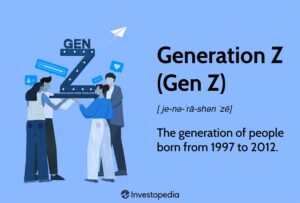
    Generational Shifts: Every generation brings its own unique set of values, behaviors, and expectations that shape society and influence markets which are known as generational shifts. Today, Generation Z (born approximately 1997-2012) and Generation Alpha (born 2013-2025) are at the forefront of a transformative shift in consumer behavior, workplace culture, and technological adoption. These young generations are redefining industries, challenging traditional norms, and accelerating the transition toward a digital-first, socially responsible world. This article explores the significant ways in which Gen Z and Alpha are influencing society and markets, from commerce and branding to education and entertainment.

    Digital Natives Reshaping Consumer Trends

    Gen Z and Alpha are the first generational shifts to be fully immersed in digital environments from birth. Their digital fluency has major implications for businesses, as traditional marketing and sales approaches must evolve to meet these consumers where they are—online, on social media, and in immersive digital spaces like the metaverse.

    Generational Shifts

    1. E-commerce and Social Commerce

    Unlike previous generations that favored brick-and-mortar retail, Gen Z and Alpha prioritize online shopping and social commerce. Platforms such as Instagram, TikTok, and Snapchat have become essential shopping hubs, where influencers, peer recommendations, and interactive content drive purchasing decisions. Social commerce, where purchases are made directly within social media apps, has skyrocketed in popularity, forcing brands to rethink engagement strategies.

    2. Subscription-Based and On-Demand Models

    Subscription services, from streaming to beauty boxes and meal kits, have surged in popularity, largely due to Gen Z’s preference for convenience, personalization, and flexibility. Companies such as Netflix, Spotify, and Amazon Prime thrive in this model, offering curated experiences that align with younger consumers’ desires for seamless, uninterrupted service.

    Generational Shifts
    Generational Shifts

    The Rise of Ethical and Value-Driven Consumption

    Gen Z and Alpha prioritize sustainability, inclusivity, and ethical responsibility when making purchasing decisions. Brands that fail to align with their values risk losing relevance in a highly competitive marketplace.

    1. Sustainability and Environmental Awareness

    Gen Z has been called the “climate generation” due to its heightened awareness of environmental issues. They favor brands that embrace sustainability, whether through ethical sourcing, minimal packaging, or carbon-neutral initiatives. Companies like Patagonia, Tesla, and Beyond Meat have gained favor with this demographic by demonstrating a commitment to eco-friendly practices.

    2. Social Responsibility and Activism

    Young consumers demand more than just quality products—they expect brands to take a stand on social issues, including diversity, equity, and inclusion. Businesses that actively support movements such as Black Lives Matter, LGBTQ+ rights, and gender equality are more likely to earn the trust and loyalty of these generations. Companies such as Nike and Ben & Jerry’s have successfully integrated activism into their brand identity.

    The Future of Work and Education

    With Generational shifts, the Gen Z entering the workforce and Generation Alpha following close behind, traditional workplace norms and education systems are undergoing radical changes.

    1. Redefining Work Culture

    Generational Shifts: Generation Z workers expect greater flexibility, work-life balance, and purpose-driven careers. They are drawn to remote work, hybrid models, and gig economy opportunities. Unlike previous generations that prioritized job stability, many Gen Zers seek meaningful work, often choosing employers based on company culture, ethical practices, and opportunities for personal growth.

    Generational Shifts

    2. The Digital Transformation of Education

    Education is also evolving under the influence of these digital natives. Online learning, interactive technologies, and AI-driven tutoring are becoming essential tools in modern education. Platforms like Khan Academy, Coursera, and Duolingo offer self-paced, personalized learning experiences that cater to the unique needs of Gen Z and Alpha students.

    Media, Entertainment, and the Creator Economy

    The entertainment industry is another sector undergoing dramatic shifts as a result of these younger generations’ preferences and behaviors.

    1. Short-Form and Interactive Content In Generational Shifts

    Platforms like TikTok, YouTube Shorts, and Instagram Reels dominate the digital landscape, with bite-sized, engaging content overtaking traditional long-form entertainment. Gen Z and Alpha prefer interactive content, including gaming and augmented reality (AR) experiences, rather than passive consumption.

    Generational Shifts

    2. The Rise of Influencers and Decentralized Media

    Traditional celebrities have lost some influence to digital creators, influencers, and micro-influencers who have built loyal followings through authentic, relatable content. Platforms like Patreon and Substack have enabled content creators to monetize their work independently, reshaping the media landscape and diminishing the power of legacy media companies.

    Gen Z and Gen Alpha are reshaping society and markets in profound ways, pushing businesses, education systems, and cultural institutions to adapt. Their digital fluency, ethical consciousness, and preference for personalized, interactive experiences are driving innovation across multiple sectors. As these generations continue to grow in influence, organizations that align with their values, embrace technological advancements, and foster genuine engagement will thrive in the evolving landscape of the future.

    ALSO READ THIS: Navigating Social Media and Online Relationships: A Comprehensive Guide In 2025

  • Navigating Social Media and Online Relationships: A Comprehensive Guide In 2025

    Navigating Social Media and Online Relationships: A Comprehensive Guide In 2025

    Social media has revolutionized the way people connect, communicate, and form relationships. Platforms such as Facebook, Instagram, Twitter, TikTok, and LinkedIn enable individuals to interact in real-time, build friendships, find romantic partners, and establish professional networks. However, with these opportunities come challenges, including miscommunication, privacy concerns, cyberbullying, and the impact of social comparison. Understanding how to navigate social media and online relationships effectively is crucial to maintaining mental well-being, safeguarding privacy, and fostering genuine connections.

    The Impact of Social Media on Relationships

    Social media influences relationships in various ways, both positively and negatively. It enables people to stay in touch with friends and family, discover new communities, and express themselves creatively. However, it can also contribute to misunderstandings, unrealistic expectations, and relationship strain. The key is to leverage the positive aspects while mitigating the potential risks.

    Benefits of Social Media in Relationships

    1. Connecting Across Distances: Social media allows individuals to maintain relationships despite physical distance. Long-distance friendships and romantic relationships benefit from instant messaging, video calls, and shared digital experiences.
    2. Finding Supportive Communities: Online communities provide support for people with shared interests, challenges, or experiences, such as mental health support groups, hobby-based forums, or professional networks.
    3. Enhancing Self-Expression: People use social media to share their thoughts, achievements, and creativity, helping them connect with like-minded individuals.
    4. Expanding Professional Opportunities: Platforms like LinkedIn facilitate networking, job searches, and career growth through online engagement.

    Challenges of Social Media in Relationships

    1. Comparison and Insecurity: Social media often showcases curated versions of people’s lives, leading to self-doubt, jealousy, and dissatisfaction in personal and professional relationships.
    2. Privacy Concerns: Oversharing personal information can lead to security risks, identity theft, or unwanted attention.
    3. Miscommunication: Text-based communication lacks tone and body language, leading to misunderstandings and conflicts.
    4. Cyberbullying and Online Harassment: Many users experience harassment, trolling, or negative interactions, impacting mental health and self-esteem.

    Social Media

    Best Practices for Navigating Social Media and Online Relationships

    To cultivate healthy online interactions, it’s essential to set boundaries, practice digital mindfulness, and engage responsibly.

    1. Establish Healthy Boundaries

    • Set Limits on Usage: Excessive social media use can affect real-life relationships and productivity. Setting screen time limits helps maintain balance.
    • Define Relationship Boundaries: Discuss social media expectations with partners, friends, and family, such as tagging, posting about each other, or responding to messages promptly.
    • Manage Online Friendships: Avoid accepting requests from strangers or sharing personal details with people you don’t fully trust.

    2. Prioritize Privacy and Security

    • Use Strong Passwords and Two-Factor Authentication: This prevents unauthorized access to your accounts.
    • Adjust Privacy Settings: Control who can see your posts, send you messages, or tag you in content.
    • Be Cautious with Sharing Personal Information: Avoid posting sensitive details like your home address, financial data, or daily routines.

    3. Communicate Effectively Online

    • Assume Positive Intent: Tone can be misinterpreted online. If something seems offensive, clarify before reacting.
    • Use Video Calls for Important Conversations: When discussing sensitive topics, face-to-face interactions help avoid misinterpretations.
    • Avoid Public Arguments: Resolving conflicts in private messages rather than public posts prevents unnecessary drama and misunderstanding.

    4. Manage Emotional Well-being

    • Take Breaks from Social Media: Regular digital detoxes help reduce stress and improve real-world connections.
    • Follow Positive and Inspiring Content: Curate your feed to include uplifting, educational, and motivational accounts.
    • Seek Support When Needed: If social media negatively impacts your mental health, consider speaking to a trusted friend, therapist, or counselor.

    5. Recognize and Handle Online Toxicity

    • Identify Red Flags: If someone consistently belittles, manipulates, or pressures you online, reconsider the relationship.
    • Use Blocking and Reporting Features: Platforms provide tools to report harassment, misinformation, or harmful content.
    • Avoid Engaging with Trolls: Negative individuals thrive on reactions. Ignoring or blocking them prevents unnecessary stress.

    Navigating Online Dating and Romantic Relationships

    Online dating is increasingly popular, but it requires caution and awareness.

    Tips for Safe Online Dating

    1. Verify Profiles: Look for signs of authenticity, such as linked social media accounts or video chat verification.
    2. Meet in Safe, Public Places: For first meetings, choose a well-lit public location and inform a friend of your plans.
    3. Be Wary of Love Scams: Scammers often manipulate emotions to gain money or personal information.
    4. Communicate Openly About Intentions: Discuss expectations early to ensure compatibility and avoid misunderstandings.

    Conclusion

    Social media and online relationships can be powerful tools for connection, self-expression, and professional growth when navigated mindfully. By setting boundaries, prioritizing security, communicating effectively, and maintaining emotional well-being, individuals can foster healthy and meaningful digital interactions. While the online world has its challenges, a balanced approach ensures a positive and enriching experience.

    ALSO READ THIS: Budget 2025: Key Highlights, Major Reforms Fiscal Targets, Investments, and Growth Plans

  • Padma Awards 2025: Details on this year’s Padma Awards ceremony, its significance, categories and history?

    Padma Awards 2025: Details on this year’s Padma Awards ceremony, its significance, categories and history?

    Padma Awards 2025: The Padma Awards 2025 ceremony happened on January 25, 2025. The ceremony had followed the tradition of announcing the award a day before India’s Republic Day celebration. This ceremony is conferred by a president of India at Rashtrapati Bhawan. As the traditions continued this year also Various inspiration individual from various fields got horned by this Nobel prize.

    Detail on Padma Awards 2025
    Detail on  the Padma Awards.

    What is the significance of Padma Awards 2025?

    Some of the significances of Padma Awards 2025 are as follows: –

    1. It helps in recognition and honor individual from various fields such as art, literature, science, public affairs, sports and etc.
    2. It honors both well-known and Unsung heroes of India who made a great contribution in the society and their field.
    3. It showcase the importance of selflessness service and motivates other to contribute towards their country.
    4. It honors individuals from all ages and background to perform excellently in their field.
    5. Apart from this there are also Awards for traditional arts, crafts, languages and cultural heritage.
    6. The awards are also given to foreign nationals which strengthen India’s global influence in various fields.

    Different categories and fields of the Awards.

    The Padma award has three categories: –

    1. Padma Vibhushan.
    2. Padma Bhushan.
    3. Padma Shri.

    Apart from this the Padma awards cover various fields like Art, literature, science, industry, Medicine, Public Affairs, social work, sports, civil services and etc.

    Padma award has three categories
    Padma Awards  has three categories

    The history of Padma awards.

    This Award was introduced by the president Dr. Rajendra Prasad and was established in 1954 by Government of India to recognize distinguish contribution in various fields. This award are the second-highest civilian honors in India after the Bharat Ratan.

    By continuing the records and tradition the Awards ceremony happens every year with President of India presenting the award Rashtrapati bhavan. This year President of India Draupadi Murmu presented the award on January 25, 2025. The ceremony had followed the tradition of announcing the award a day before India’s Republic Day celebration.

    history of Padma awards
    History of Padma awards

    Why did the Padma Awards continue to be a prestigious honor?

    The Padma awards are still the most prestigious award of India as it is following a long-standing tradition, rigorous selection process and the recognition they bring to achiever across various fields. It values merit, services and national pride with recognizing both High-profile achiever and grassroots contributor. This makes them the highest honors in India.

    Also Read This: TATA motors share: The tata share price, Q3 results, performance in recent times and future of the company.

  • Tata Motors Share 2025: Comprehensive Analysis of Its Share Performance and Future Prospects

    Tata Motors Share 2025: Comprehensive Analysis of Its Share Performance and Future Prospects

    Tata Motors Share Limited, a flagship company of the Tata Group, is one of India’s largest automotive manufacturers. Established in 1945, the company has evolved into a global leader in automobile manufacturing, producing a wide range of vehicles, from commercial trucks to passenger cars and electric vehicles. Over the years, Tata Motors has garnered significant attention in the stock market due to its robust performance and ambitious growth strategies. This article delves into the performance of Tata Motors shares, the factors influencing their valuation, and the company’s future prospects.

    Performance of Tata Motors Shares

    Tata Motors’ shares have shown a volatile but upward trajectory over the years. Listed on both the Bombay Stock Exchange (BSE) and the National Stock Exchange (NSE) in India, the stock has been a key component of major indices such as the Nifty 50 and BSE Sensex. Additionally, the company’s American Depositary Receipts (ADRs) are traded on the New York Stock Exchange (NYSE), showcasing its global appeal.

    Tata Motors Share

    Historical Performance

    Historically, Tata Motors shares have seen significant fluctuations driven by market trends, global economic conditions, and internal corporate developments. For instance, during the early 2000s, the company gained attention with its acquisition of Jaguar Land Rover (JLR) from Ford Motor Company. This acquisition, though initially a financial strain, eventually paid off as JLR contributed significantly to Tata Motors’ revenues and profits.

    However, the global economic slowdown in 2008-2009 impacted the automotive sector severely, causing a decline in Tata Motors’ share price. Post-2010, the company witnessed a revival, driven by JLR’s strong performance in international markets such as China and the US. More recently, the stock experienced a dip during the COVID-19 pandemic due to disruptions in supply chains and a slump in consumer demand. Nevertheless, it has since rebounded strongly, reflecting the company’s resilience and adaptability.

    Current Trends

    As of January 2025, Tata Motors’ shares have shown remarkable growth, supported by the company’s strategic focus on electric vehicles (EVs), cost optimization, and digital transformation. The stock has attracted both retail and institutional investors, with trading volumes remaining high. Analysts have noted that Tata Motors’ focus on sustainable mobility and its commitment to achieving net-zero emissions by 2045 are key drivers of its current valuation.

    Tata Motors Share

    Factors Influencing Tata Motors Share Performance

    Several factors contribute to the performance of Tata Motors shares, ranging from internal corporate strategies to macroeconomic conditions. Below are some of the key drivers:

    1. Electric Vehicle Revolution

    The global shift towards electric mobility has been a game-changer for Tata Motors. The company’s EV offerings, such as the Tata Nexon EV and Tigor EV, have gained significant market share in India. Tata Motors’ subsidiary, Tata Passenger Electric Mobility Limited, has also announced plans to launch 10 new EV models by 2026. This aggressive push into the EV segment has bolstered investor confidence, making Tata Motors a key player in the EV space.

    2. Jaguar Land Rover’s Performance

    JLR remains a critical component of Tata Motors’ revenue stream. While JLR faced challenges during the pandemic due to semiconductor shortages and declining demand, it has bounced back with strong sales of luxury SUVs and electric models like the Jaguar I-PACE. The brand’s focus on electrification and luxury innovation is expected to drive future growth.

    3. Indian Automobile Market Growth

    India’s automobile market is one of the fastest-growing globally, driven by increasing disposable incomes and urbanization. Tata Motors has capitalized on this growth by introducing affordable and feature-rich vehicles in the passenger car segment. The company’s popular models, such as the Tata Tiago, Altroz, and Harrier, have garnered positive reviews and robust sales figures.

    4. Government Policies and Incentives

    The Indian government’s push for electric vehicles through initiatives like the Faster Adoption and Manufacturing of Hybrid and Electric Vehicles (FAME) scheme has benefited Tata Motors significantly. Subsidies, tax benefits, and infrastructure development for EVs have provided a favorable environment for the company to expand its EV portfolio.

    5. Global Economic Conditions

    Global economic trends, including oil prices, currency fluctuations, and trade policies, also impact Tata Motors’ share performance. For instance, rising oil prices have spurred demand for EVs, indirectly benefiting Tata Motors. On the other hand, geopolitical tensions and inflationary pressures could pose risks to the company’s international operations.

    Tata Motors Share

    Challenges and Risks

    Despite its strong performance, Tata Motors faces several challenges that could impact its share price:

    1. Semiconductor Shortage

    The global shortage of semiconductor chips has disrupted automobile production worldwide. Tata Motors has not been immune to this issue, with delays in vehicle deliveries affecting customer satisfaction and revenue.

    2. Competitive Landscape

    The automotive industry is highly competitive, with global giants like Tesla, Toyota, and Volkswagen investing heavily in EV technology. Domestic rivals such as Mahindra & Mahindra and Maruti Suzuki are also ramping up their EV capabilities, posing a challenge to Tata Motors’ market share.

    3. Regulatory Risks

    Stringent emission norms and safety regulations could increase production costs, affecting profit margins. Additionally, uncertainties around trade policies and tariffs could impact JLR’s international sales.

    Tata Motors Share

    Future Outlook

    The future of Tata Motors appears promising, driven by its strategic initiatives and favorable market trends. Here are some factors contributing to its optimistic outlook:

    1. Expansion in Electric Mobility

    Tata Motors’ aggressive EV strategy positions it as a leader in India’s nascent but rapidly growing EV market. The company’s partnership with Tata Power for charging infrastructure and its focus on localized battery manufacturing are expected to strengthen its EV ecosystem.

    2. Global Growth Opportunities

    With JLR’s strong presence in luxury markets and its pivot towards electrification, Tata Motors is well-positioned to capitalize on global trends. The company’s investments in advanced technologies, such as autonomous driving and connected vehicles, further enhance its growth prospects.

    3. Improved Financial Health

    Tata Motors has undertaken several measures to improve its financial health, including cost-cutting initiatives, debt reduction, and divestment of non-core assets. These efforts have resulted in improved cash flows and profitability, making the company more attractive to investors.

    4. Sustainability Initiatives

    The company’s commitment to sustainability, including its net-zero emissions goal and investments in renewable energy, aligns with global ESG (Environmental, Social, and Governance) trends. This focus is likely to attract ESG-conscious investors, further boosting its share price.

    Tata Motors Share

    Conclusion

    Tata Motors has emerged as a formidable player in the global automotive industry, backed by its strong brand, innovative products, and strategic vision. While challenges such as semiconductor shortages and intense competition persist, the company’s focus on electric mobility, luxury innovation, and sustainability provides a solid foundation for future growth.

    For investors, Tata Motors shares represent a compelling opportunity, given their potential for long-term value creation. However, as with any investment, it is crucial to consider the associated risks and conduct thorough research before making decisions. With its strong fundamentals and ambitious plans, Tata Motors is poised to drive into a promising future, making it a stock to watch in the coming years.

    Tata Motors stands at the cusp of transformation, driven by its vision for innovation, sustainability, and global leadership. While challenges persist, the company’s strategic initiatives and market positioning provide a strong foundation for long-term growth. For investors and stakeholders, Tata Motors represents a dynamic and evolving opportunity, reflecting the broader shifts in the global automotive industry.

    ALSO READ THIS: Imposter Syndrome 2025: The Year You Conquer Imposter Syndrome and Thrive”

  • Imposter Syndrome 2025: The Year You Conquer Imposter Syndrome and Thrive”

    Imposter Syndrome 2025: The Year You Conquer Imposter Syndrome and Thrive”

    Imposter Syndrome is a phenomenon that affects many individuals, particularly high-achieving professionals, students, and creatives. Despite achieving success and recognition, those suffering from Imposter Syndrome often feel like frauds, attributing their achievements to luck or external factors rather than their own abilities and hard work. This persistent self-doubt can lead to anxiety, stress, and burnout, affecting personal well-being and professional growth. In this article, we will explore the nature of Imposter Syndrome, how to recognize its symptoms, and most importantly, strategies for overcoming it.

    What is Imposter Syndrome?

    Imposter Syndrome was first identified in the 1970s by psychologists Pauline Clance and Suzanne Imes, who noticed that high-achieving women in particular experienced chronic feelings of inadequacy, despite their obvious accomplishments. The term has since been expanded to include anyone who experiences similar feelings of self-doubt.

    At its core, Imposter Syndrome is characterized by the belief that you are not truly competent or deserving of your achievements. Instead of internalizing success, those who experience it often attribute their accomplishments to factors like timing, luck, or the help of others. There’s a pervasive fear that at any moment, someone will “find out” that you don’t belong, that you’re not as skilled or talented as others believe you to be. It’s a form of self-sabotage that can prevent individuals from reaching their full potential, as they may shy away from new opportunities or undermine their own success.

    Imposter Syndrome

    The Symptoms of Imposter Syndrome

    Imposter Syndrome manifests in various ways, and different individuals may experience it differently. However, there are some common signs and symptoms to look out for:

    1. Chronic Self-Doubt:

    Individuals with Imposter Syndrome often experience deep self-doubt. They second-guess their abilities, questioning whether they’re truly capable of performing the tasks at hand. This feeling can persist despite receiving positive feedback or achieving success.

    2. Attributing Success to External Factors:

    People suffering from Imposter Syndrome may downplay their achievements and attribute them to luck, help from others, or external circumstances. They may struggle to accept that their skills and efforts played a significant role in their success.

    Imposter Syndrome

    3. Fear of Being “Found Out”:

    One of the most distinctive features of Imposter Syndrome is the constant fear that someone will discover they are not as competent as others think. This fear can be overwhelming, leading individuals to overwork or avoid taking on new challenges for fear of failure.

    4. Perfectionism:

    Many individuals with Imposter Syndrome exhibit perfectionistic tendencies. They feel that if their work is not flawless, they will be exposed as inadequate or unworthy. This leads to setting impossibly high standards for themselves and becoming overly critical of their performance.

    5. Overworking:

    To compensate for their perceived lack of ability, individuals with Imposter Syndrome often overwork themselves, pushing themselves to the point of exhaustion. They may feel that they need to work harder than others to prove their worth, even though their contributions are already valuable.

    6. Avoidance of New Challenges:

    Because of the constant fear of failure and exposure, individuals with Imposter Syndrome may avoid new opportunities or challenges that they would otherwise excel in. This avoidance can prevent them from growing professionally or personally, keeping them stuck in a cycle of self-doubt.

    Imposter Syndrome
    Imposter Syndrome

    The Causes of Imposter Syndrome

    Imposter Syndrome can be caused by a variety of factors, and its roots may be different for each person. However, some common causes include:

    1. Upbringing and Family Expectations:

    Children who grow up in environments where high achievement is heavily emphasized or where they are constantly compared to others may develop feelings of inadequacy when they fail to meet those expectations. This can lead to Imposter Syndrome later in life, as the individual internalizes a fear of failure.

    2. Cultural and Societal Pressure:

    Societal norms and cultural expectations can exacerbate feelings of being an “imposter.” For instance, in industries or environments where success is highly visible, individuals may feel immense pressure to meet external standards, regardless of their own unique strengths or abilities.

    3. Stereotype Threat:

    In some cases, individuals who belong to underrepresented groups may experience Imposter Syndrome due to stereotype threat. They may feel additional pressure to prove themselves because of the societal stereotypes associated with their identity, leading to an overwhelming sense of inadequacy.

    Imposter Syndrome

    4. High Achievements and Success:

    Paradoxically, Imposter Syndrome is often seen in individuals who are highly successful or accomplished. The more success they achieve, the more pressure they may feel to maintain that level of performance, leading to feelings of being undeserving or fraudulent.

    5. Social Media and Comparison:

    In the digital age, social media plays a significant role in amplifying feelings of inadequacy. Constant exposure to curated, idealized versions of other people’s lives and careers can fuel comparisons and trigger self-doubt. This can make individuals feel as though they are not measuring up, even though the portrayal of success online is often far from the full picture.

    The Impact of Imposter Syndrome

    The impact of Imposter Syndrome can be profound. While it’s natural to feel self-doubt from time to time, when these feelings are persistent and unchecked, they can lead to serious negative outcomes. Some potential consequences include:

    • Increased Stress and Anxiety: Constantly worrying about being “found out” or fearing that one’s work isn’t good enough can cause chronic stress and anxiety, which can lead to burnout.
    • Impaired Decision-Making: Those with Imposter Syndrome may struggle to make decisions confidently, fearing that they will make the wrong choice. This indecision can delay progress or lead to missed opportunities.
    • Reduced Job Satisfaction and Career Progression: Because they may not feel they deserve success, individuals with Imposter Syndrome might hold themselves back from pursuing promotions, raises, or new opportunities. They might also feel unfulfilled in their current roles, leading to dissatisfaction and disengagement.
    • Impaired Relationships: The fear of being exposed as an imposter can lead individuals to withdraw from others or avoid asking for help. This isolation can strain professional and personal relationships, as others may not be able to connect with the individual’s struggles.

    Imposter Syndrome

    Overcoming Imposter Syndrome

    While overcoming Imposter Syndrome can be a challenge, it is absolutely possible with the right mindset and strategies. Here are some effective steps for overcoming self-doubt and embracing your achievements:

    1. Recognize the Symptoms:

    The first step in overcoming Imposter Syndrome is to acknowledge that you are experiencing it. By recognizing the symptoms—such as chronic self-doubt, fear of exposure, or perfectionism—you can begin to separate your feelings from reality.

    2. Reframe Your Thoughts:

    Cognitive reframing is a powerful tool for changing negative thought patterns. When you catch yourself thinking, “I don’t deserve this success,” or “I’m just lucky,” try to reframe those thoughts in a more balanced way. Remind yourself of the hard work, skills, and effort that led to your accomplishments.

    Imposter Syndrome

    3. Embrace Imperfection:

    Perfectionism is a major contributor to Imposter Syndrome. Understand that no one is perfect, and mistakes are a natural part of growth. Allow yourself to make errors and learn from them, rather than fearing failure.

    4. Celebrate Your Achievements:

    Take time to acknowledge and celebrate your successes. Reflect on the challenges you’ve overcome and the skills you’ve developed. Creating a list of your achievements, both big and small, can help reinforce the value of your contributions.

    5. Seek Support:

    Don’t be afraid to talk about your feelings of self-doubt with trusted colleagues, friends, or a therapist. Chances are, others have experienced similar emotions and can offer valuable perspective and advice. Support from others can help normalize your feelings and remind you that you’re not alone.

    6. Shift Your Focus to Growth:

    Focus on progress rather than perfection. Recognize that growth comes from trying new things, making mistakes, and learning along the way. Reframe your setbacks as opportunities for learning, not as evidence of incompetence.

    7. Challenge the Fear of Exposure:

    Understand that everyone experiences self-doubt at some point. The belief that you are the only one feeling this way is often a result of Imposter Syndrome itself. Challenge that fear by acknowledging that you’re not alone in your struggles, and many others share similar experiences.

    Conclusion

    Imposter Syndrome can be a deeply ingrained challenge, but it is also one that can be overcome with awareness, self-compassion, and deliberate action. By recognizing the symptoms, understanding the causes, and implementing strategies for change, you can break free from the cycle of self-doubt and begin to embrace your achievements and potential. Remember, you are worthy of your success, and it is your abilities and hard work that have brought you to where you are today. Reclaim your confidence, take ownership of your journey, and step into the future with a renewed sense of self-assurance.