Holi 2025: Holi is a vibrant and joyful festival celebrated mainly in the many religion India and Nepal. The marks as the arrival of spring season. Apart from this it also marks as the festival of the victory of good over evil. It is known for its playful tradition colored, dancing, feasting and more. Holi also symbolizes unity, love, and new beginnings.
What is Holi 2025?
What significance of this festival?
This festival has two significant The Legend of Prahlad and Holika (Victory of Good Over Evil) and The Love Story of Radha and Krishna (Festival of Colors). There are other significance but this two are the major reasons of celebrating this festival.
What is the significance of Holi?
What is the history?
Holi history with Prahlad and Holika:
According to Hindu mythology, There was once a powerful king named Hiranyakashipu who wanted everyone to worship him as a god. However, his son Prahlad was a devout devotee of Lord Vishnu. Watching his son worship vishnu, Hiranyakashipu attempted several times to kill Prahlad but failed. Finally, he sought help from his sister Holika, who had a divine boon that made her immune to fire. She tricked Prahlad into sitting on her lap in a burning pyre, but due to divine protection, Prahlad remained unharmed, while Holika was burned to ashes. This event symbolizes the triumph of good over evil, and thus, the tradition of Holika Dahan (bonfire) is observed on the eve of Holi.
significance with Prahlad and Holika
Holi history with Radha and Krishna:
Holi is also related to Lord Krishna and his beloved Radha. Krishna had a dark complexion and was worried about whether fair-skinned Radha would love him or not. His mother Yashoda, playfully suggested that he apply colors to Radha’s face to make them alike. He did so and this playful act became a tradition, leading to the modern time of playing and throwing color on each other celebrations for the celebration of Holi.
Radha and Krishna
Different types of Holi 2025celebration?
Types of Holi 2025 are as follows: –
1. Lathmar Holi played in the region of Barsana and Nandgaon.
Lathmar Holi
2. Phoolon ki Holi played Banke Bihari Temple of Vrindavan and also nearby areas.
Phoolon ki Holi
3. Huranga Holi which is Celebrated in Dauji Temple near Mathura.
4. Rang Panchami played in the region of Madhya Pradesh and Maharashtra.
5. Dol Jatra or Basanta Utsav in the region of West Bengal.
Basanta Utsav
6. Manjal Kuli Played in many region of Kerala.
Manjal Kuli
7. Royal Holi celebrated in many region of Rajasthan.
8. Holi in Kumaon in Uttarakhand.
9. Yaosang in Manipur region.
Yaosang
10. Shigmo in Goa.
Shigmo
11. Brij Holi played in Mathura and Vrindavan.
12. Banjara Holi in Rajasthan and Gujarat area.
13. Hola Mohalla in Punjab.
Hola Mohalla
14. Apart from this international it is also played international in Nepal and other regional.
How to celebrate Holi with proper tradition?
Holika Dahan: The Holi Celebration begin with Holika Dahan also known as choti Holi. This is celebrated one night before the Holi. The ritual symbolises a victory of good over evil inspired by the story of Prahlad and Holika as discussed before.
Holika Dahan
The celebration of Holi are done in the following way first people collect wood and other material for bonfire then after setting, people perform Pooja or worship after, this they burn the bonfire to remove all the negative energy from the surrounding. Apart from this People walk around the fire while chanting prayers and throwing grains, coconut and sweet into the fire as an offering.
Holi: Then comes the part of the main Holi celebration with colors (gulal) flowers (phool) and other stuffs like water balloons. People apply color and tika on each other, sing Holi songs and perform folk dances.
applying color
Apart from this people enjoy sweet and rings like gujiya, thandai, malpua, dahi bhalle and puran poli.
How to celebrate Holi 2025 safely?
Some of the ways are as follows: –
1. By using Safe and Natural Colors.
2. By protecting Your Skin and Hair.
3. By dress up Comfortably and Appropriately.
4. Play with Colors Respectfully and with consent.
5. Be Careful with Water Usage and don’t waste water.
How to celebrate Holi 2025 safely?
6. By Stay Hydrated and Eat Well.
7. Be ensure about the Children’s Safety.
8. By Avoid Harmful Substances.
9. By Drive Safely before of people playing with water and color.
10. By doing Post-Holi Cleanup and Skincare.
Jahangir, the fourth Mughal Emperor of India, reigned from 1605 to 1627. Born as Nur-ud-din Muhammad Salim on August 31, 1569, he was the son of the great Emperor Akbar and Empress Mariam-uz-Zamani. His rule was marked by significant developments in art, culture, and administration, as well as political intrigues and personal challenges. Jahangir’s reign is often regarded as a golden period in Mughal history, with notable achievements in painting, architecture, and governance.
Early Life and Ascension to the Throne
He was born in Fatehpur Sikri, the imperial capital of the Mughal Empire at the time. He was named Salim, reportedly after the Sufi saint Sheikh Salim Chishti, who had blessed Akbar with the hope of a son. As the eldest surviving son of Akbar, Salim was the natural heir to the throne, but his journey to kingship was fraught with tension.
During the later years of Akbar’s reign, a rift developed between father and son. Salim was impatient to ascend the throne and even rebelled against his father in 1599 while Akbar was engaged in the Deccan campaigns. However, the rebellion was short-lived, and Akbar forgave Salim, restoring him to favor. Upon Akbar’s death on October 27, 1605, Salim was crowned Emperor and took the title Jahangir, meaning “Conqueror of the World.”
Administration and Governance
Jahangir inherited a vast and prosperous empire, and he largely continued the policies of his father while also making notable contributions of his own. His administration was known for its efficiency, and he introduced several important reforms. One of his most famous initiatives was the installation of the “Chain of Justice” outside his palace in Agra, allowing any citizen to seek redress for grievances directly from the Emperor.
Jahangir’s reign was characterized by a blend of centralized power and delegation to trusted nobles and military officials. He was also known for his keen interest in legal affairs and his fair sense of justice. However, his rule was also marked by court intrigues and the growing influence of his Persian wife, Nur Jahan, who played a significant role in political affairs.
Role of Nur Jahan
Nur Jahan, originally named Mehr-un-Nissa, was the most influential woman in his life and one of the most powerful women in Mughal history. She married Jahangir in 1611 and quickly became his closest confidante and advisor. She wielded immense influence over court affairs, effectively ruling the empire in Jahangir’s later years as his health declined due to excessive consumption of alcohol and opium.
Nur Jahan issued royal decrees, minted coins in her name, and had significant control over imperial decisions. She was also a patron of the arts and played a key role in the construction of several architectural marvels, including her own tomb in Lahore. Her political acumen ensured the stability of Jahangir’s reign, although her dominance also led to resentment among other nobles.
Patronage of Arts and Culture
Jahangir was an avid patron of the arts, particularly painting. Mughal painting reached its zenith during his reign, with the establishment of an imperial atelier that produced exquisite miniature paintings. The artworks from his time are known for their refined aesthetics, intricate detailing, and a blend of Persian and Indian influences.
He also encouraged the compilation of historical and literary works. His own autobiography, the Tuzuk-i-Jahangiri (Memoirs of Jahangir), provides valuable insights into his reign, personal beliefs, and administrative policies. Unlike his predecessors, Jahangir had a keen interest in European art and culture, which he was exposed to through Jesuit missionaries at his court.
Foreign Relations and Military Campaigns
His foreign policy was a mix of diplomacy and military expansion. His relations with the English East India Company began during his reign, with Sir Thomas Roe visiting his court in 1615 to secure trading rights. Jahangir was favorably disposed toward the English and granted them several privileges, laying the foundation for future British involvement in India.
Militarily, Jahangir faced challenges in various parts of his empire. His biggest conflict was with the Rajput kingdom of Mewar, ruled by Rana Amar Singh. After prolonged warfare, he managed to secure Mewar’s submission in 1615. He also launched campaigns in the Deccan against the Ahmadnagar Sultanate, where his general Malik Ambar proved to be a formidable opponent.
Jahangir also had conflicts with the Safavid Empire over the control of Kandahar, a strategically important city. In 1622, the Safavids successfully captured Kandahar, marking a significant territorial loss for the Mughals.
Personal Life and Legacy
Jahangir was known for his indulgences, particularly his love of alcohol and opium, which affected his health and decision-making in later years. Despite his weaknesses, he was a keen observer of nature and had a deep appreciation for flora and fauna. His court was filled with exotic animals, and he commissioned numerous paintings of birds and animals.
His later years were marred by internal conflicts and succession struggles. In 1622, his son, Prince Khurram (later Emperor Shah Jahan), rebelled against him, leading to a prolonged power struggle. Jahangir’s declining health and Nur Jahan’s growing influence further complicated matters. In 1627, while traveling from Kashmir to Lahore, he fell seriously ill and passed away on October 28, 1627.
Conclusion
Jahangir’s reign was a blend of artistic brilliance, political intrigue, and administrative continuity. While he may not have been as militarily ambitious as Akbar or Shah Jahan, his contributions to Mughal culture and governance were significant. His patronage of the arts and his keen sense of justice left a lasting legacy, making him one of the most intriguing figures in Mughal history. His tomb in Lahore remains a testament to his grandeur and continues to be an important historical site in South Asia.
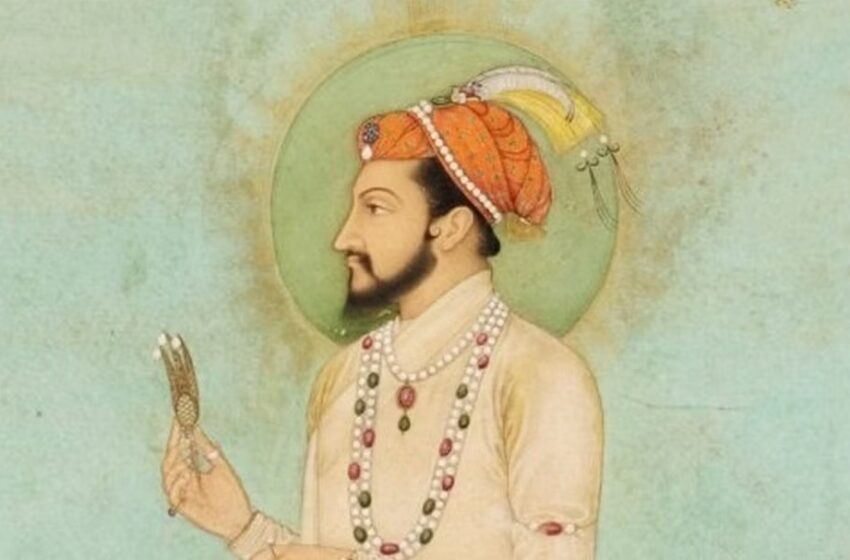
Shah Jahan: The Magnificent Mughal Emperor: Shah Jahan (1592–1666) was the fifth Mughal emperor of India, ruling from 1628 to 1658. He is best known for commissioning the Taj Mahal, one of the most iconic architectural masterpieces in the world, built in memory of his beloved wife, Mumtaz Mahal. His reign is often considered the golden age of Mughal architecture, marked by grand structures like the Red Fort, Jama Masjid, and Shah Jahanabad (Old Delhi).
Shah Jahan expanded the Mughal Empire through military campaigns and maintained economic prosperity. However, in his later years, he was overthrown by his son Aurangzeb and imprisoned in Agra Fort, where he spent his final years gazing at the Taj Mahal until his death in 1666. His legacy endures as a ruler who epitomized grandeur, artistic brilliance, and imperial power.
Shah Jahan, born as Prince Khurram on January 5, 1592, in Lahore, was the fifth Mughal Emperor of India. He was the third son of Emperor Jahangir and his Rajput wife, Princess Manmati, also known as Jagat Gosain. From an early age, Khurram exhibited qualities of intelligence, military skill, and an appreciation for art and architecture, which later became his defining traits as an emperor.
As a young prince, he was rigorously trained in warfare, administration, and the arts. His grandfather, Emperor Akbar, had already established the Mughal Empire as a dominant power in India, and Khurram grew up witnessing the grandeur and complexity of the empire’s administration. Jahangir, his father, favored him over his other sons, which gave him an edge in the succession battle.
shah jahan
Rise to Power
Prince Khurram proved his mettle by leading successful military campaigns against the Rajputs, Deccan Sultanates, and Mewar. His achievements on the battlefield made him his father’s preferred choice for succession. However, the road to the throne was not without obstacles. He faced stiff competition from his half-brothers and other nobles who sought to undermine his claim.
In 1622, he rebelled against his father due to political intrigues within the royal court. However, he eventually reconciled with Jahangir before the latter’s death in 1627. Upon Jahangir’s passing, Prince Khurram, with the support of powerful nobles and the army, ascended the throne in 1628, taking the title Shah Jahan, meaning “King of the World.”
Reign and Achievements
Shah Jahan’s reign (1628–1658) is often considered the golden age of Mughal architecture and culture. He expanded the empire’s frontiers and maintained stability through a mix of diplomacy and military strength. His reign was marked by economic prosperity, administrative efficiency, and a flourishing arts scene.
Military Campaigns
Shah Jahan inherited a vast empire and sought to further expand it. His notable military campaigns included:
Deccan Campaigns: He led expeditions to subdue the Ahmednagar Sultanate and consolidate Mughal control over the Deccan region.
Kandahar War: He attempted to recover Kandahar from the Persian Safavids but ultimately failed.
Northwestern Expansion: He maintained Mughal supremacy in the northwest by controlling key trade routes and fortifications.
While his military campaigns were largely successful, they were also expensive, putting a strain on the empire’s resources.
shah jahan
Architectural Legacy
Shah Jahan is best remembered for his grand architectural projects, which blended Persian, Islamic, and Indian styles. His passion for architecture reshaped India’s landscape with some of the most iconic structures in the world.
Taj Mahal (1632-1653): Built in memory of his beloved wife, Mumtaz Mahal, this white marble mausoleum in Agra remains one of the world’s greatest architectural masterpieces.
Red Fort (1639-1648): Located in Delhi, this massive fortress became the seat of Mughal power.
Jama Masjid (1650-1656): One of the largest mosques in India, built in Delhi.
Shah Jahanabad: He established the city of Shah Jahanabad, which is today’s Old Delhi.
Moti Masjid and Shalimar Gardens: Other architectural marvels that showcase his refined taste.
Administration and Economic Policies
Shah Jahan maintained a centralized administration and followed the governance model laid down by Akbar. His rule was characterized by:
Efficient Revenue System: The empire’s economy thrived under his policies, with an emphasis on agrarian prosperity.
Infrastructure Development: Roads, bridges, and canals were built to facilitate trade and commerce.
Religious Policies: While he was a devout Muslim, his rule saw a decline in Akbar’s policy of religious tolerance. He reimposed certain taxes on non-Muslims, which strained relations with Hindus.
shah jahan
Personal Life and Tragedy
Shah Jahan’s personal life was marked by deep love and loss. His marriage to Mumtaz Mahal, a Persian noblewoman, was a love story that became legendary. She was his trusted advisor and constant companion. Tragically, she died in 1631 while giving birth to their 14th child, leaving Shah Jahan devastated. To honor her memory, he commissioned the Taj Mahal, which took over two decades to complete.
His later years were troubled by illness and political strife. His four sons—Dara Shikoh, Aurangzeb, Shah Shuja, and Murad Baksh—engaged in a bitter succession war. Ultimately, Aurangzeb emerged victorious, deposing Shah Jahan in 1658 and imprisoning him in the Agra Fort, where he spent the last eight years of his life gazing at the Taj Mahal from a window.
Death and Legacy
Shah Jahan passed away on January 22, 1666, and was buried beside Mumtaz Mahal in the Taj Mahal. His legacy endures through his contributions to architecture, governance, and the cultural development of India.
Shah Jahan remains one of the most celebrated Mughal emperors, known for his vision, artistic brilliance, and romantic devotion. His era symbolizes the peak of Mughal grandeur, leaving an indelible mark on India’s history and culture.
Social Justice: Activism, Advocacy, and Allyship Social justice is the pursuit of equity, fairness, and the protection of human rights for all individuals, regardless of race, gender, socioeconomic status, or other identity markers. In a world marked by systemic inequalities, activism, advocacy, and allyship play crucial roles in dismantling oppressive structures and fostering a more inclusive society. This article explores these three interwoven pillars of social justice, their significance, and how individuals can contribute to creating a fairer world.
Social justice is founded on the principles of human rights, equality, and dignity. It seeks to address disparities in wealth, access to resources, and representation. While legislative reforms can provide structural changes, real progress is often driven by grassroots movements and collective efforts at various levels of society.
Key Principles of Social Justice:
Equity: Ensuring that resources and opportunities are distributed fairly based on individual needs.
Access: Breaking down barriers to education, healthcare, and employment.
Participation: Encouraging the involvement of marginalized groups in decision-making processes.
Human Rights: Upholding fundamental rights such as freedom, safety, and dignity for all individuals.
Activism: Driving Change Through Action
Activism is the process of taking direct action to effect social, political, or economic change. It can manifest in various forms, from peaceful protests and social media campaigns to lobbying for policy reforms. Activists play a crucial role in raising awareness, mobilizing communities, and holding institutions accountable.
Forms of Activism:
Grassroots Movements: Community-led initiatives that address local issues, such as affordable housing or environmental justice.
Digital Activism: Online campaigns that amplify marginalized voices and advocate for policy changes.
Protests and Demonstrations: Public displays of dissent that draw attention to injustices and push for systemic reforms.
Legislative Advocacy: Working with policymakers to introduce or amend laws that promote social justice.
Notable Examples of Activism:
The Civil Rights Movement (1950s-1960s) in the United States, which fought against racial segregation and discrimination.
The #MeToo Movement, which shed light on sexual harassment and gender-based violence.
Climate strikes led by youth activists like Greta Thunberg, demanding action against environmental degradation.
Advocacy: Amplifying Voices and Influencing Policy
Advocacy involves efforts to influence public opinion, policies, and laws in favor of marginalized communities. Advocates work within systems to create sustainable changes through education, legal reforms, and institutional accountability.
Types of Advocacy:
Policy Advocacy: Engaging with lawmakers to enact or modify policies that promote equity.
Legal Advocacy: Challenging discriminatory laws and defending human rights in courts.
Community Advocacy: Empowering local communities to voice their concerns and influence decision-making.
Media Advocacy: Utilizing journalism and storytelling to highlight social injustices.
Steps to Effective Advocacy:
Educate Yourself and Others: Understanding the issues and raising awareness among peers.
Engage with Decision-Makers: Writing petitions, attending town hall meetings, and contacting representatives.
Build Coalitions: Collaborating with organizations and individuals who share common goals.
Measure Impact: Assessing the effectiveness of advocacy efforts and adjusting strategies accordingly.
Allyship: Supporting and Uplifting Marginalized Communities
Allyship is the practice of using one’s privilege to support marginalized individuals and groups in their fight for justice. Unlike performative allyship, which is superficial and self-serving, genuine allyship requires ongoing education, self-reflection, and action.
How to Be an Effective Ally:
Listen and Learn: Understand the experiences of marginalized communities without centering oneself.
Acknowledge Privilege: Recognizing one’s advantages and using them to support others.
Take Actions: Amplify marginalized voices, challenge discriminatory behaviors, and support equitable policies.
Accept Criticism: Being open to feedback and continuously improving one’s allyship practices.
Commit to Long-Term Support: Engaging in consistent advocacy rather than treating allyship as a trend.
Examples of Allyship in Action:
White allies supporting Black Lives Matter protests by using their platforms to amplify Black voices.
Men advocating for gender equality in workplaces by challenging discriminatory hiring practices.
Despite the progress made in social justice movements, challenges persist. Structural resistance, misinformation, and activist burnout are common hurdles. To sustain momentum, individuals and organizations must prioritize mental health, foster inclusive dialogues, and adopt adaptive strategies.
Ways to Sustain Social Justice Efforts:
Self-Care: Activists and advocates should practice self-care to prevent burnout.
Intersectional Approach: Addressing the interconnected nature of various social justice issues.
Policy Reforms: Ensuring long-term impact by advocating for systemic changes.
Continued Education: Staying informed about emerging social justice issues and evolving best practices.
Conclusion
Social justice is an ongoing struggle that requires dedication, persistence, and collective action. Activism, advocacy, and allyship are crucial components in the fight against systemic inequality and oppression. While activism fuels immediate change through direct action, advocacy works within existing systems to drive long-term reforms. Meanwhile, allyship ensures that marginalized voices are heard and supported in meaningful ways.
Achieving true social justice is not an individual effort but a communal responsibility. It necessitates active engagement from all sectors of society, including individuals, communities, institutions, and governments. By continuously educating ourselves, challenging unjust systems, and standing in solidarity with marginalized groups, we can work toward a more equitable and inclusive world.
Ultimately, the pursuit of social justice is a journey rather than a destination. It requires ongoing commitment and an unwavering belief in the possibility of a better, fairer future for all. The collective power of activism, advocacy, and allyship can create lasting change, shaping a world where every individual, regardless of background, enjoys dignity, respect, and equal opportunities.
Social justice is a fundamental principle that seeks to ensure fairness, equality, and equity for all individuals, regardless of their background, identity, or social status. Activism, advocacy, and allyship are three essential pillars in the pursuit of social justice, each playing a distinct yet interconnected role in challenging injustice and fostering systemic change.
Activism is the driving force behind social movements, often characterized by direct action, protests, and grassroots organizing. Activists bring visibility to social issues, demand accountability, and push for policy changes that dismantle oppressive systems. Their courage and persistence challenge the status quo, ensuring that marginalized voices are heard and societal inequities are addressed.
Advocacy complements activism by engaging with institutions, lawmakers, and communities to influence policy and systemic reforms. Advocates work within legal and organizational frameworks to propose solutions, draft policies, and implement programs that promote social justice. Their work helps translate activist demands into actionable changes that have lasting impacts on society.
Allyship is a crucial component that fosters solidarity among individuals who may not experience oppression firsthand but commit to supporting marginalized communities. True allyship requires continuous education, active listening, and leveraging privilege to amplify the voices of the oppressed. Allies play a vital role in dismantling prejudice within their own circles and advocating for inclusivity and equity.
Together, activism, advocacy, and allyship form a powerful triad that drives social justice forward. While activism sparks the conversation and demands change, advocacy institutionalizes it, and allyship broadens the movement by engaging those in positions of power and influence. Achieving true social justice requires a collective effort where individuals and communities work in unison to challenge discrimination, promote human rights, and create a more just and equitable world for all.
Ultimately, the fight for social justice is ongoing and requires unwavering commitment, resilience, and collaboration. Every act of activism, advocacy, and allyship contributes to a larger movement that seeks to eradicate inequality and build a future where justice and dignity are not privileges, but universal rights.
Personal Branding: Personal branding is the process of creating and managing a unique identity, reputation, and presence that represents who you are, what you stand for, and what you offer to others. It involves shaping how people perceive you, both online and offline, to build credibility, influence, and opportunities in your career or business.
what is Personal Branding?
In today’s digital world, your personal brand is your digital resume and reputation people often search for you online before meeting you.
Why do we need it?
The reason behind why we need it: –
It helps us to Differentiate and Standing Out among others.
It helps us to create Career Growth.
It provides various job Opportunities.
It provides us with Business and Entrepreneurship Success.
It Establishes Credibility.
Why do we need it?
It brings out Leadership quality in our personality.
It helps us to expand your network.
It increased Influence and Impact on others.
It provides Greater Control Over Your Online Reputation.
It provides more Opportunities for Income and Side Hustles.
What are key elements and fundamental for Personal Branding?
Some key elements and fundamentals for personal branding are as follows: –
It Defines Your Personal Brand Identity.
It Identifies Your Target Audience.
It Build a Strong Online Presence
It provides Content Strategy and Thought Leadership
It provides Networking and Building Relationships.
What are key elements and fundamental for Personal Branding?
It provides Personal Brand Reputation and Credibility.
It provides a Developed Signature Style and Voice.
AI Dark Side 2025:Will Create New Jobs but May Also Replace Some Artificial Intelligence (AI) is reshaping the global workforce, with both promising opportunities and significant challenges. While AI is expected to create numerous new job roles, it is also poised to replace some existing ones. Understanding this dual impact is crucial for businesses, workers, and policymakers alike. In this article, we explore how AI is transforming employment, the industries most affected, and what can be done to adapt to this evolving landscape.
AI as a Job Creator
Despite fears of job displacement, AI is generating new opportunities across various sectors. The demand for AI specialists, data scientists, and automation engineers has surged as companies integrate AI into their operations. According to reports, industries like healthcare, finance, and technology are seeing a boom in AI-related roles, leading to job creation rather than destruction.
AI Dark Side 2025
Emerging AI-Driven Roles
1. AI and Machine Learning Engineers – These professionals develop algorithms and AI models that drive automation and data analysis.
2. Data Scientists and Analysts – As AI thrives on data, skilled professionals who can interpret and derive insights from data are in high demand.
3. Robotics Engineers – With AI playing a significant role in robotics, experts in this field are crucial in designing and maintaining AI-powered machines.
4. AI Ethics and Compliance Officers – The rise of AI also brings ethical concerns, necessitating roles that focus on responsible AI usage and governance.
5. AI Trainers and Human-AI Interaction Specialists – AI requires training and continuous improvement, creating roles centered around fine-tuning AI models.
These are just a few examples of new career paths emerging as a result of AI advancements. Many industries are also seeing AI enhance existing roles rather than replace them entirely.
AI Dark Side 2025
AI-Induced Job Displacement
While AI is creating new opportunities, it is also automating tasks traditionally performed by humans. This is particularly evident in industries that rely on repetitive, routine tasks.
As Artificial Intelligence (AI) continues to advance, its impact on the job market is becoming more apparent. While AI is creating new opportunities, it is also replacing certain roles, particularly those that involve repetitive, routine tasks. Job displacement due to AI and automation is a growing concern, as industries undergo significant transformations.
AI Dark Side 2025
Industries Most Affected by AI Displacement
Manufacturing and Production- AI-powered robots are automating assembly lines, reducing the need for human labor.
Smart factories use AI-driven machines for quality control, logistics, and warehouse operations.
Retail and Customer Service-Chatbots and virtual assistants are replacing human customer service representatives.
Self-checkout systems and automated inventory management reduce the demand for retail workers.
Transportation and Logistics-Self-driving trucks, delivery drones, and AI-powered logistics planning are reshaping the industry.
Ride-hailing services and public transport systems are exploring automation, reducing the need for human drivers.
Finance and Accounting-AI-driven algorithms perform data analysis, risk assessment, and fraud detection with greater accuracy.
Automated bookkeeping and tax preparation software are decreasing the demand for traditional accountants.
Administrative and Clerical Work-AI-powered virtual assistants handle scheduling, data entry, and document management.
Businesses are adopting AI tools for email filtering, transcription, and workflow automation.
AI Dark Side 2025
Mitigating the Impact of AI Displacement
While AI is displacing some jobs, it is also changing the nature of work rather than eliminating employment altogether. Here’s how workers and industries can adapt
Reskilling and Upskilling Programs-Governments and businesses should invest in AI-related training programs.
Workers should acquire digital skills, learn AI tools, and transition into roles that require human oversight of AI systems.
Shift Toward Human-AI Collaboration-AI should be used to augment human capabilities rather than replace workers entirely.
Employees should focus on roles that require creativity, critical thinking, and emotional intelligence.
Policy and Support Systems-Governments should implement policies to support displaced workers, including reemployment programs and financial assistance.
Encouraging entrepreneurship and innovation can help create new job opportunities.
Emphasis on Soft Skills-Jobs requiring interpersonal skills, problem-solving, and adaptability will remain valuable.
AI cannot replace human intuition, leadership, or emotional intelligence, making these skills essential for future employment.
AI Dark Side 2025
Sectors Most Affected by AI Displacement
1. Manufacturing and Production – AI-powered robots are replacing human workers in assembly lines, warehousing, and logistics operations.
2. Retail and Customer Service – Chatbots and automated systems are reducing the need for human customer service representatives.
3. Transportation and Logistics – Self-driving technology is impacting jobs for truck drivers, delivery personnel, and transport operators.
4. Finance and Accounting – AI is automating routine financial analysis, bookkeeping, and auditing tasks, reducing the need for human accountants.
5. Administrative and Clerical Work – AI-driven automation tools are handling scheduling, data entry, and documentation tasks that previously required human intervention.
Although these trends indicate a shift in job requirements, it is important to note that AI does not completely eliminate jobs—it transforms them. Employees in affected sectors can pivot to roles that involve managing and overseeing AI systems.
AI Dark Side 2025
The Future of Work: Adaptation and Upskilling
To mitigate job losses and harness AI’s potential, adaptation is key. Governments, businesses, and educational institutions must focus on upskilling and reskilling workers to prepare them for AI-driven job markets.
Artificial Intelligence (AI) is transforming industries at an unprecedented pace, disrupting traditional job roles while simultaneously creating new opportunities. As AI continues to evolve, the workforce must adapt to this technological shift to remain relevant in the job market. Adaptation and upskilling are crucial strategies for workers, businesses, and governments to thrive in the AI-driven future.
AI Dark Side 2025
Why Adaptation and Upskilling Matter
AI is not just automating routine tasks—it is reshaping how work is done across various industries. Employees who proactively adapt and acquire new skills will have a competitive advantage, while those resistant to change may struggle to keep up. Upskilling is essential to bridge the gap between human capabilities and AI advancements.
As Artificial Intelligence (AI) continues to reshape industries, adaptation and upskilling have become essential for workforce survival and growth. AI is automating repetitive tasks, changing job roles, and demanding new skill sets. Workers who embrace change and enhance their skills will remain relevant, while those who resist may face job displacement. Here’s why adaptation and upskilling matter in the AI era.
AI Dark Side 2025
1. AI is Reshaping the Job Market-AI is not just replacing jobs; it is transforming them. Many traditional roles are evolving to require a blend of human intelligence and AI-driven decision-making. Workers must adapt by acquiring digital literacy and technical expertise to stay competitive.
2. New Career Opportunities are Emerging-While AI is automating certain jobs, it is also creating new ones. Roles such as AI specialists, data scientists, automation engineers, and cybersecurity analysts are in high demand. Upskilling allows individuals to transition into these high-growth fields.
3. Enhancing Human-AI Collaboration-AI excels at processing vast amounts of data but lacks human creativity, emotional intelligence, and problem-solving abilities. Upskilling enables workers to complement AI rather than compete with it, fostering a collaborative and more productive work environment.
4. Job Security and Career Growth-Workers who continuously update their skills are more likely to secure stable employment and advance in their careers. Employers value employees who can adapt to technological shifts and leverage AI tools to drive innovation.
5. Competitive Advantage in the Workplace-Companies prefer hiring professionals who are tech-savvy and can integrate AI into business processes. Developing skills in AI, data analytics, and automation enhances job prospects and earning potential.
6. Future-Proofing the Workforce-The rapid pace of AI development means that job roles will continue to evolve. Lifelong learning and continuous skill development ensure that workers can navigate future technological disruptions without being left behind.
AI Dark Side 2025
Key Areas for Upskilling
AI & Machine Learning – Understanding AI applications and how to work alongside AI systems. Data Analysis & Digital Literacy – Gaining insights from AI-driven data and utilizing automation tools. Soft Skills Development – Strengthening critical thinking, creativity, emotional intelligence, and leadership skills. Cybersecurity & Ethical AI – Ensuring AI systems are secure and used responsibly.
Key Strategies for Workforce Adaptation
Continuous Learning and Digital Literacy-Staying updated with AI trends and emerging technologies is crucial.
Learning digital tools, automation software, and data analytics will enhance job security.
Reskilling for AI-Integrated Roles-Workers in jobs at risk of automation should explore reskilling opportunities in AI-driven fields.
Training in areas like data science, machine learning, and robotics can open new career paths.
Encouraging Human-AI Collaboration-Rather than replacing humans, AI is often used to augment human capabilities.
Learning to work alongside AI systems can improve productivity and efficiency.
Focusing on Soft Skills-Critical thinking, creativity, emotional intelligence, and problem-solving are skills that AI cannot easily replicate.
These skills will become more valuable as AI handles technical and repetitive tasks.
Government and Corporate Initiatives-Governments should implement AI education programs and workforce transition policies.
Companies must invest in employee training to build an AI-ready workforce.
AI Dark Side 2025
Industries Leading the Upskilling Movement
Technology – AI engineers, data analysts, and cybersecurity experts are in high demand. Healthcare – AI-assisted diagnostics require professionals trained in AI applications. Finance – Analysts and accountants must learn AI-powered financial tools. Retail & E-commerce – AI-driven logistics and customer service require skilled operators.
Strategies for Workforce Adaptation
1. Education and Training Programs – Investing in STEM (Science, Technology, Engineering, and Mathematics) education ensures that future workers are equipped with AI-related skills.
2. Reskilling and Upskilling Initiatives – Existing employees should be trained in digital literacy, AI usage, and other emerging technologies.
3. Encouraging Human-AI Collaboration – AI should complement human workers rather than replace them entirely. Training employees to work alongside AI systems can boost productivity.
4. Government Policies and Support – Policymakers should implement workforce transition programs and support displaced workers with alternative employment opportunities.
5. Emphasizing Soft Skills – Creativity, problem-solving, and emotional intelligence remain areas where humans excel over AI. Encouraging the development of these skills ensures job security in an AI-driven world.
AI Dark Side 2025
Conclusion
AI is neither a complete job destroyer nor a guaranteed job creator—it is a transformative force reshaping the workforce. While it is eliminating some roles, it is simultaneously generating new opportunities that require different skill sets. The key to thriving in this AI-driven era is adaptability.
Businesses must embrace AI as a tool for innovation rather than a replacement for human workers. Employees should focus on continuous learning and reskilling to remain relevant in the evolving job market. By striking a balance between AI implementation and workforce readiness, society can harness AI’s potential while minimizing its disruptive effects on employment.
The rise of artificial intelligence (AI) is reshaping the job market, bringing both opportunities and challenges. While AI will undoubtedly replace certain roles—especially those involving repetitive, rule-based tasks—it will also create new jobs, industries, and career paths that we cannot yet fully anticipate.
AI-driven automation is most likely to impact jobs in manufacturing, customer service, data entry, and transportation. However, this disruption is not new; throughout history, technological advancements have displaced some jobs while generating others. The key difference with AI is its ability to perform cognitive tasks, which means that even some knowledge-based professions may be affected.
AI Dark Side 2025
On the other hand, AI will foster job creation in emerging fields such as AI development, data science, cybersecurity, and human-AI collaboration. Additionally, AI will enable workers to be more productive, automating routine aspects of jobs while allowing humans to focus on creative, strategic, and interpersonal tasks that machines cannot easily replicate.
The net impact of AI on employment will depend on how governments, businesses, and individuals respond to these changes. Investments in education and reskilling programs will be crucial to preparing the workforce for AI-driven industries. Ethical considerations and policies surrounding job displacement, fair wages, and workforce transition support will also play a significant role in shaping the future of work.
AI is not simply a job destroyer—it is a powerful tool that, if harnessed effectively, can enhance human potential and drive economic growth. The challenge lies in ensuring that the workforce is equipped to adapt to this transformation, embracing AI as an ally rather than a threat. By fostering a culture of continuous learning and innovation, society can strike a balance where AI complements human skills rather than replacing them entirely.
AI-Powered Apps: In today’s fast-paced digital world, artificial intelligence (AI) has transformed various aspects of human life, with healthcare being a major beneficiary. AI-powered health tracking apps are at the forefront of this revolution, offering users the ability to monitor their health metrics and receive personalized improvement suggestions. These applications leverage machine learning, data analytics, and real-time monitoring to provide insights into physical activity, nutrition, sleep patterns, mental health, and chronic disease management. This article explores how AI-powered health apps are revolutionizing personal well-being and healthcare.
The adoption of AI in healthcare has been growing exponentially. With the integration of wearable technology, smartphone sensors, and cloud-based analytics, AI-driven apps have become more sophisticated in tracking health parameters. From monitoring heart rates and step counts to predicting potential health risks, these applications offer a proactive approach to well-being. Some of the most well-known AI health tracking apps include Apple Health, Google Fit, MyFitnessPal, Fitbit, and Sleep Cycle.
AI-Powered Apps
Key Features of AI-Powered Health Tracking Apps
Real-Time Health Monitoring
AI-powered health apps use data from wearable devices like smartwatches, fitness bands, and mobile phones to track real-time health metrics such as heart rate, blood pressure, oxygen levels, and stress levels. The collected data is analyzed instantly to provide meaningful insights and trends.
Personalized Recommendations
One of the major advantages of AI-driven health apps is their ability to analyze a user’s data and provide personalized health suggestions. Based on past behaviors, dietary habits, and activity levels, these apps generate customized fitness plans, meal recommendations, and lifestyle changes.
Predictive Analytics and Disease Prevention
AI algorithms can assess vast amounts of historical and real-time health data to identify patterns and predict potential health risks. By recognizing early signs of conditions such as diabetes, cardiovascular diseases, or stress-related disorders, AI-powered apps can prompt users to take preventive measures or seek medical consultation.
AI-Powered Apps
Sleep and Mental Health Tracking
With the increasing focus on mental health and sleep quality, AI-driven apps analyze sleep patterns and stress levels. Using voice analysis, facial recognition, and behavior tracking, these apps detect emotional states and provide relaxation techniques, guided meditation, or sleep hygiene tips.
Virtual Health Coaching
AI-powered virtual health assistants act as digital coaches, guiding users through fitness routines, nutrition tracking, and lifestyle modifications. Some apps also feature chatbots or voice assistants that answer health-related queries, making personalized healthcare more accessible.
Chronic Disease Management
For individuals with chronic conditions like diabetes or hypertension, AI-powered apps offer continuous monitoring and reminders for medication intake, dietary guidelines, and scheduled check-ups. They also facilitate remote consultation with healthcare providers, enhancing patient engagement and self-care.
AI-Powered Apps
Benefits of AI in Health Tracking
The integration of AI in health tracking offers several benefits, including:
Early Detection of Health Issues:Artificial intelligence[AI] can identify subtle health changes and warn users about potential medical conditions before they become severe.
Data-Driven Decision Making: With access to comprehensive health analytics, users can make informed lifestyle choices.
Improved User Engagement: AI-powered insights motivate users to stay committed to their health and fitness goals.
Accessibility and Convenience: These apps provide instant feedback and recommendations, reducing the dependency on frequent doctor visits.
Integration with Smart Devices: AI health apps seamlessly connect with smartwatches, fitness bands, and IoT medical devices to provide a holistic view of an individual’s health.
AI-Powered Apps
Challenges and Concerns
While AI-powered health apps offer numerous advantages, there are challenges and concerns that need to be addressed:
Data Privacy and Security: Since these apps handle sensitive health information, concerns regarding data breaches and unauthorized access are prevalent.
Accuracy and Reliability: AI predictions and recommendations are based on data inputs, and errors in data collection can lead to misleading health insights.
Regulatory and Ethical Concerns: The use of AI in healthcare raises questions about accountability, compliance with health regulations, and ethical considerations.
Over-Reliance on Technology: Users might excessively depend on AI-driven recommendations without consulting medical professionals, which can be risky in certain health conditions.
AI-Powered Apps
Future Trends in AI-Driven Health Tracking
The future of AI in health tracking looks promising, with several advancements on the horizon:
AI-Powered Diagnostics: Enhanced AI algorithms will provide more accurate diagnostic capabilities through image recognition, voice analysis, and wearable sensor data interpretation.
Integration with Telemedicine: AI-driven health apps will further integrate with telemedicine platforms, enabling real-time consultations with healthcare providers.
Genetic-Based Health Insights: AI will be used to analyze genetic data, providing personalized health recommendations based on an individual’s genetic predisposition.
Improved Mental Health Assistance: Advanced AI models will enhance the accuracy of mood detection and mental health assessments, offering more effective support for mental well-being.
Wearable AI Health Assistants: Smart wearable devices will incorporate AI-driven insights for continuous monitoring, alerting users about potential health risks in real time.
AI-Powered Apps
Conclusion
AI-powered applications are transforming the landscape of health tracking and personalized well-being, offering unprecedented levels of accuracy, accessibility, and adaptability. By leveraging machine learning, big data, and real-time analytics, these apps empower individuals to take proactive control of their health, providing tailored insights and actionable recommendations.
One of the most significant advantages of AI in health tracking is its ability to analyze vast amounts of data efficiently, detecting patterns and predicting health risks before they become critical. Whether through wearable devices monitoring vital signs, AI-driven nutrition planners, or mental health chatbots offering real-time support, these applications enhance healthcare precision while promoting preventive care.
Furthermore, AI-driven health solutions are bridging the gap between individuals and healthcare providers. Telemedicine platforms, AI-powered diagnostics, and virtual health assistants are reducing the burden on healthcare systems, improving accessibility to care, and fostering a more personalized patient experience. By integrating AI with biometric sensors and IoT technology, users receive continuous monitoring, enabling early intervention and better management of chronic conditions.
AI-Powered Apps
Despite these advancements, challenges remain. Data privacy concerns, algorithm biases, and regulatory compliance issues must be addressed to ensure ethical and responsible AI implementation. Striking a balance between technological innovation and user trust is crucial for the sustainable growth of AI in health tracking.
Looking ahead, AI-powered health apps will continue to evolve, incorporating more sophisticated algorithms, enhanced personalization, and deeper integration with medical ecosystems. As AI advances, it holds the potential to revolutionize not only how we track our well-being but also how we approach holistic health management. With ongoing research, ethical considerations, and user-centered design, AI-powered health applications will shape a future where personalized healthcare is not just a luxury but a standard for all.
India’s oil: India’s burgeoning economy has led to a significant increase in energy consumption, making it the world’s third-largest oil importer. In the fiscal year 2020–21, India’s net crude oil imports reached approximately 226.95 million metric tons, underscoring its heavy reliance on foreign oil to meet domestic demand. This dependence has profound implications for the nation’s economy, energy security, and foreign policy.
India’s oil import bill is a significant component of its economy, reflecting the country’s heavy reliance on imported crude oil to meet its energy demands. In the fiscal year 2023-24, India imported approximately 232.5 million tonnes of crude oil, incurring an expenditure of $132.4 billion. This figure represents a 16% decrease from the previous fiscal year’s import bill of $157.5 billion, primarily due to lower international crude oil prices. However, despite the reduction in expenditure, India’s import dependence increased to 87.7% in 2023-24, up from 87.4% in the prior year, underscoring the nation’s growing energy needs and limited domestic production.
The global oil landscape is influenced by the policies of major economies, notably the United States. Former President Donald Trump’s energy strategy, often termed the pursuit of “energy dominance,” aimed to position the U.S. as a leading global energy producer and exporter. This approach involved several key initiatives:
Boosting Domestic Production: The Trump administration prioritized increasing domestic oil and gas production by rolling back environmental regulations and expediting permits for drilling, including in previously protected areas like the Arctic National Wildlife Refuge.
Withdrawal from the Paris Agreement: In a move to prioritize economic growth over environmental commitments, the U.S. withdrew from the Paris Climate Accord, signaling a shift away from global efforts to reduce carbon emissions.
Support for Fossil Fuel Infrastructure: The administration advocated for the expansion of fossil fuel infrastructure, including pipelines and liquefied natural gas (LNG) terminals, to facilitate increased exports. This included lifting moratoriums on federal coal leasing and promoting offshore drilling.
Opposition to Renewable Energy Initiatives: The Trump administration took steps to limit the development of renewable energy projects, such as halting new offshore wind leases and rolling back incentives for electric vehicles, arguing that these measures were necessary to protect jobs and ensure energy reliability.
These policies were designed to enhance U.S. energy independence, stimulate economic growth, and strengthen national security by reducing reliance on foreign oil. However, they also had significant implications for global oil markets and other oil-importing nations like India.
The Dynamics of India’s Oil Import Bill
India’s oil import bill is a substantial component of its trade deficit. The country’s import dependence for crude oil stands at 82.8%, highlighting its vulnerability to global oil price fluctuations. Major suppliers include Russia, Iraq, Saudi Arabia, and the United Arab Emirates, with Russia recently becoming a significant contributor, accounting for 40% of India’s oil imports. This shift has reduced the share of Middle Eastern oil imports from 60% to 44%.
The financial implications are considerable. Elevated global oil prices can lead to increased inflation, a higher current account deficit, and pressure on the Indian rupee. Consequently, the government faces challenges in managing subsidies and maintaining fiscal discipline.
India’s Oil
Strategies to Mitigate Import Dependence
To address these challenges, India is pursuing several strategies:
Diversification of Energy Sources: The government is investing in renewable energy projects, including solar, wind, and hydroelectric power, to reduce reliance on fossil fuels.
Enhancing Domestic Production: Efforts are underway to boost domestic oil and gas exploration and production. The government has engaged with major international oil companies, such as ExxonMobil, BP, Chevron, and Petrobras, to encourage exploration in Indian territories, particularly in untapped regions like the Andaman waters. Proposed regulatory changes aim to protect investors and streamline legal processes, with additional measures including the opening of previously restricted areas for exploration.
Strategic Petroleum Reserves: India is expanding its strategic petroleum reserves to cushion against supply disruptions and price volatility.
Impact on Global Oil Markets and India
The U.S.’s increased oil production contributed to a more abundant global oil supply, which, in turn, exerted downward pressure on international oil prices. For India, a major oil importer, lower global oil prices can lead to reduced import bills, providing economic relief. However, the benefits are nuanced.
While lower oil prices can reduce immediate import costs, they can also discourage investment in domestic oil production and alternative energy sources, potentially increasing long-term dependency on imports. Moreover, the U.S.’s withdrawal from international climate agreements and the rollback of environmental regulations can contribute to global environmental challenges, which have far-reaching consequences beyond energy markets.
India’s Strategic Response
In response to the evolving global oil dynamics, India has been exploring strategies to mitigate its import dependence and enhance energy security:
Diversification of Import Sources: India has increased its oil imports from Russia, taking advantage of discounted rates. The share of Russian crude in India’s import basket jumped to 36% in April-February FY2024 from 2% in FY2022. This shift has led to significant savings, estimated at $7.9 billion in 11 months of 2023-24.
Enhancing Domestic Production: The Indian government is encouraging exploration and production activities within the country. Initiatives include offering incentives for oil exploration in unexplored regions and implementing policy reforms to attract foreign investment in the energy sector.
Investing in Renewable Energy: India is making significant investments in renewable energy sources such as solar and wind power to reduce its reliance on imported fossil fuels. The country aims to achieve 450 GW of renewable energy capacity by 2030 as part of its commitment to sustainable development.
India’s Oil
The Global Oil Landscape and U.S. Policies
On the global stage, oil dynamics are influenced by the policies of major producers and consumers, notably the United States. Under President Donald Trump’s administration, there was a pronounced emphasis on achieving energy dominance. This approach involved:
Deregulation: Rolling back environmental regulations to boost oil and gas production.
Infrastructure Development: Promoting projects like the Keystone XL Pipeline to enhance oil transportation capacity.
Industry Leadership: Appointing industry leaders to key positions, such as Chris Wright, CEO of Liberty Energy, as Secretary of Energy.
These policies aimed to increase domestic production, reduce dependence on foreign oil, and position the U.S. as a leading global energy supplier.
Implications for India
The U.S. pursuit of energy dominance has several implications for India:
Market Dynamics: Increased U.S. oil production can influence global oil prices, potentially benefiting large importers like India through more stable or reduced prices.
Trade Opportunities: Enhanced U.S. production opens avenues for India to diversify its import sources, strengthening energy security.
Geopolitical Considerations: U.S. policies can affect global alliances and trade flows, necessitating strategic adjustments by India in its foreign policy and trade relations.
Conclusion: The Future of India’s Oil Strategy in a Shifting Global Energy Order
India’s oil import bill of ₹11 lakh crore underscores its heavy reliance on foreign crude, making energy security a critical concern for economic stability. As one of the world’s fastest-growing energy consumers, India faces the challenge of balancing energy affordability, geopolitical risks, and long-term sustainability. The country’s dependency on imported oil has direct implications for its trade deficit, inflation, and currency stability. This makes strategic planning essential, especially when global oil markets are influenced by power plays from dominant nations like the United States, Russia, and OPEC members.
India’s Strategic Dilemma: Energy Security vs. Geopolitical Constraints
India has been actively diversifying its crude oil sources, with Russia emerging as a major supplier in recent years. However, this diversification brings its own set of challenges, including sanctions, price volatility, and shifting diplomatic alliances. The dominance of the US in global energy markets—especially with its ambitions to be the world’s top oil and gas producer—adds another layer of complexity.
India’s Oil
Under Donald Trump’s leadership, the US adopted a strategy of energy dominance, increasing domestic oil production, lifting export restrictions, and using oil as a geopolitical tool. If Trump were to return to power, his administration is likely to continue prioritizing energy independence and global market influence. This could impact India in several ways:
Oil Price Volatility – US policies favoring domestic production may lead to lower global oil prices, benefiting India in the short term. However, aggressive American energy policies could also disrupt global supply chains.
Geopolitical Alignments – The US may impose stricter trade restrictions on countries buying oil from sanctioned nations like Russia, forcing India to make difficult foreign policy decisions.
Shift Towards US LNG – With the US becoming a leading exporter of Liquefied Natural Gas (LNG), India might increase LNG imports from the US, reducing its crude dependency but raising new cost considerations.
The Path Forward: Balancing Domestic and Global Priorities
To reduce its vulnerability, India is focusing on several key strategies:
Expanding domestic exploration and production – Investing in oil fields within India and improving extraction technologies.
Boosting renewable energy initiatives – Increasing solar, wind, and biofuel projects to lessen dependence on imported crude.
Strengthening energy partnerships – Engaging with diverse suppliers like Middle Eastern nations, Russia, and the US to ensure a steady and competitive supply.
Enhancing strategic petroleum reserves – Stockpiling oil to cushion against supply disruptions and price shocks.
Navigating the Global Oil Game with Strategic Agility
India finds itself at the crossroads of a global oil power struggle, where economic growth, diplomatic flexibility, and energy security must be carefully balanced. While its oil import bill remains high, the country’s ability to adapt to shifting energy dynamics, build resilient supply chains, and invest in alternative energy sources will determine its long-term energy independence.
With the US pushing for greater control over the global oil market—especially if Trump returns to office—India will need strategic foresight to navigate the oil game effectively. By leveraging diplomatic engagements, enhancing domestic production, and accelerating its clean energy transition, India can strengthen its position and mitigate risks associated with global energy politics.
Solitude: It is an art of being alone without the feeling of the loneliness. It is in choose in or intentional experience that will allow a person to disconnect with external destruction and reconnect with themselves.
what is solitude?
Apart from this loneliness is a mark of isolations and sadness, whereas solitude is it positive and enriching state that promote self-reflection, creativity and inner peace.
Why do we need solitude?
Some of the reasons why we need it are because of the following: –
It helps understand thought emotions and goals.
It encourages self-awareness and deeper isolation.
It reduces the stress and anxiety by allowing the mind to set.
It helps us in Deeper thinking which allows us to find out new innovations and thoughts.
It helps us in problem solving situations.
Why do we need?
It enhances focus and productivity.
It teaches us to be comfortable with ourselves.
It helps us strengthen our emotions.
It improves our relationship with others.
It reduces our dependents on others.
It Promotes healthy boundaries.
What is the importance of it?
The Solitude plays a crucial role in personal growth, mental well-being, and overall life balance. It is not about isolation or loneliness but about intentionally spending time alone to reflect, recharge, and grow for betterment of our-self.
What is the importance
How can we practice it?
Some ways of practicing are as following: –
Setting up of alone time.
By disconnecting with technology.
Spending time in nature or a calm place.
By practicing meditation and other activities.
Some ways of practicing solitude
By reading and writing for keeping are thoughts.
Enjoy some solo activities you like.
Setup your goal and tasks.
Enjoy the power of doing nothing and letting your mind rest.
Difference between solitude and loneliness?
The Solitude is a conscious choice to spend time alone for self-reflection, relaxation, and personal growth. It is a positive state that fosters creativity, emotional balance, and mental clarity. Whereas loneliness is an unwanted feeling of isolation, often accompanied by sadness, emptiness, and a longing for connection.
The key difference
The key difference lies in control, solitude is voluntary and fulfilling, whereas loneliness is often involuntary and painful. Understanding this distinction allows us to embrace solitude as a source of strength while addressing loneliness through meaningful connections.
Self-Care for the Soul: In today’s fast-paced world, self-care has become an essential practice for maintaining overall well-being. A vital part of self-care is skin care, as our skin is the largest organ and serves as the first line of defense against environmental aggressors.
By adopting a consistent and effective skin care routine, you can enhance your skin’s health and radiance while also enjoying the mental and emotional benefits of self-care.
This comprehensive guide will walk you through the importance of skin care and self-care routines, the steps involved in crafting the perfect regimen, and tips for incorporating these practices into your daily life.
Taking care of your skin is essential for maintaining its health, appearance, and overall well-being. A proper skincare routine helps prevent skin issues, enhances your natural glow, and protects against environmental damage. Here are some key reasons why skincare is important:
Protection Against Environmental Damage
Our skin is exposed to pollutants, UV rays, and harsh weather conditions daily. A proper skin care routine can help protect it from damage, preventing premature aging and skin disorders.
Maintaining Hydration and Nourishment
Keeping your skin hydrated and nourished helps maintain its elasticity, prevent dryness, and reduce the likelihood of irritation and breakouts.
Boosting Self-Confidence
Healthy and glowing skin can enhance your confidence. When your skin looks and feels good, you are more likely to feel positive and empowered.
Preventing Skin Issues
A consistent routine can help prevent common skin issues such as acne, hyperpigmentation, and wrinkles.
5. Slows Down Signs of Aging
Fine lines, wrinkles, and sagging skin are natural parts of aging, but proper skincare can slow this process. Hydration, sun protection, and collagen-boosting ingredients (like retinol and peptides) help maintain youthful skin.
6. Supports Skin Healing and Regeneration
Skin constantly regenerates, but factors like stress, lack of sleep, and poor diet can slow this process. A proper skincare routine nourishes the skin, aiding in faster healing and rejuvenation.
7. Helps with Makeup Application
A smooth and well-moisturized face provides a better canvas for makeup. Proper skincare ensures that foundation and other products apply evenly and look flawless.
Essential Steps in a Skin Care Routine
A good skincare routine consists of essential steps that help maintain healthy, glowing skin. Here’s a simple yet effective routine:
Cleansing
Cleansing is the foundation of any skin care routine. It removes dirt, oil, and makeup, preventing clogged pores and breakouts.
Use a gentle cleanser suitable for your skin type.
Wash your face twice daily—morning and night.
Exfoliating
Exfoliation helps remove dead skin cells, promoting a brighter and smoother complexion.
Use a chemical exfoliant (AHAs or BHAs) or a gentle physical scrub 2–3 times per week.
Avoid over-exfoliating to prevent irritation.
Toning
Toners help balance the skin’s pH, tighten pores, and provide additional hydration.
Choose an alcohol-free toner with soothing ingredients like rose water or chamomile.
Apply using a cotton pad or by patting it into the skin.
Moisturizing
Hydration is key to maintaining a healthy skin barrier.
Use a lightweight moisturizer for oily skin and a richer one for dry skin.
Apply moisturizer while the skin is still slightly damp to lock in moisture.
Sun Protection
Sunscreen is crucial for preventing sun damage, premature aging, and skin cancer.
Use a broad-spectrum SPF 30 or higher daily.
Reapply every 2–3 hours if exposed to direct sunlight.
Targeted Treatments
Depending on your skin concerns, you may need specific treatments such as:
Serums with vitamin C for brightening
Retinol for anti-aging
Hyaluronic acid for hydration
Spot treatments for acne
The Morning Routine (AM)
Cleanser – Removes dirt, oil, and sweat from overnight. Use a gentle cleanser suitable for your skin type.
Toner (Optional) – Balances skin’s pH and preps it for better absorption of products.
Serum – Hydrating or antioxidant serums (like Vitamin C) protect against environmental damage.
Moisturizer – Locks in hydration and maintains the skin barrier. Choose a lightweight moisturizer if you have oily skin and a richer one for dry skin.
Sunscreen (SPF 30+) – The most important step! Protects against UV damage and prevents premature aging.
The Night Routine (PM)
Makeup Remover/Cleansing Oil (if needed) – Double cleanse if you wear makeup or sunscreen.
Cleanser – Wash away impurities from the day.
Exfoliation (2-3 times a week) – Helps remove dead skin cells and unclog pores (use chemical exfoliants like AHA/BHA or a gentle scrub).
Toner (Optional) – Helps refresh and prepare the skin.
Serum/Treatment – Night time is ideal for retinol, peptides, or hydrating serums like hyaluronic acid.
Moisturizer – Helps repair and nourish your skin overnight.
Eye Cream (Optional) – If you have concerns like dark circles or puffiness.
Self-Care Routines for a Healthy Mind and Body
Self-care is essential for maintaining overall well-being, reducing stress, and improving quality of life. A good self-care routine should nurture both your mind and body, helping you feel more balanced, energized, and fulfilled.
Prioritize Sleep
Good sleep is essential for skin regeneration and overall well-being.
Aim for 7–9 hours of sleep per night.
Establish a night time routine to improve sleep quality.
Stay Hydrated
Drinking plenty of water helps maintain skin hydration and overall health.
Aim for at least 8 glasses of water daily.
Include hydrating foods like watermelon and cucumber in your diet.
Exercise Regularly
Physical activity promotes blood circulation, leading to a natural glow.
Engage in at least 30 minutes of exercise most days of the week.
Try activities like yoga, running, or strength training.
Practice Stress Management
Chronic stress can lead to breakouts and dull skin.
Engage in relaxation techniques like meditation, deep breathing, or journaling.
Spend time doing hobbies you enjoy.
Nourish Your Body
A balanced diet plays a crucial role in skin and overall health.
Consume a diet rich in fruits, vegetables, lean proteins, and healthy fats.
Reduce processed foods, sugar, and excessive caffeine.
Set Boundaries and Take Breaks
Overworking and constant connectivity can lead to burnout.
Take short breaks throughout the day.
Set boundaries with work and social media to prioritize mental health.
7. Establish a Skincare & Hygiene Routine
A skincare routine helps maintain healthy skin and boosts self-confidence.
Regular hygiene practices (bathing, oral care, hair care) contribute to overall well-being.
8. Connect with Loved Ones
Prioritize meaningful relationships.
Call, text, or meet with family and friends to strengthen social bonds.
9. Journaling & Gratitude
Write down your thoughts, feelings, and daily experiences.
Keep a gratitude journal to focus on positive aspects of life.
Creating a Personalized Routine
Everyone’s skin is unique, and self-care needs vary from person to person. Here’s how you can create a routine that suits you:
Identify Your Skin Type
Oily, dry, combination, or sensitive
Choose products accordingly
Determine Your Concerns
Acne, aging, hyperpigmentation, dehydration
Use targeted treatments for specific issues
Be Consistent
Skin care and self-care require patience and regularity.
Stick to your routine for at least 4–6 weeks to see results.
Listen to Your Skin and Body
Adjust products and routines based on changes in your skin and overall well-being.
5. Adjust & Stay Flexible
Your routine should fit your lifestyle, not feel overwhelming.
Make adjustment based on what works best for you.
Be kind to yourself—missing a day doesn’t mean failure. Just restart the next day!
Conclusion:
Establishing and maintaining a consistent skin care and self-care routine is essential for overall well-being, confidence, and long-term health. Skin care is more than just a beauty regimen; it plays a crucial role in protecting the skin from environmental aggressors, preventing premature aging, and maintaining hydration and balance. A well-structured routine, tailored to one’s skin type and concerns, can help combat issues such as acne, dryness, sensitivity, and hyperpigmentation while promoting a healthy and radiant complexion.
Likewise, self-care is an essential component of holistic wellness. It extends beyond skincare to include mental, emotional, and physical well-being. Engaging in self-care practices such as mindfulness, regular exercise, a balanced diet, proper hydration, and adequate sleep contributes to reduced stress levels and improved overall health. When skin care and self-care go hand in hand, they create a comprehensive approach to self-maintenance, fostering both inner and outer beauty.
Investing time in self-care routines is not an act of vanity but rather a necessity for leading a balanced and fulfilling life. When individuals prioritize their well-being, they cultivate self-love and confidence, which positively impact other aspects of life, including relationships, work, and personal growth. Consistency is key in both skincare and self-care, as long-term benefits arise from diligent efforts and mindful habits.
Ultimately, the journey of self-care and skincare is deeply personal, requiring attention to one’s unique needs and preferences. By listening to the body and addressing specific concerns with patience and care, individuals can achieve a healthier, glowing complexion and a more harmonious lifestyle. Prioritizing these routines fosters self-respect and empowerment, reminding individuals that taking care of oneself is an essential step toward leading a happier and healthier life.