Category: Health

  • Health and Wellness Amid Rising COVID-19 Cases in India : Stay Safe and Strong

    Health and Wellness Amid Rising COVID-19 Cases in India : Stay Safe and Strong

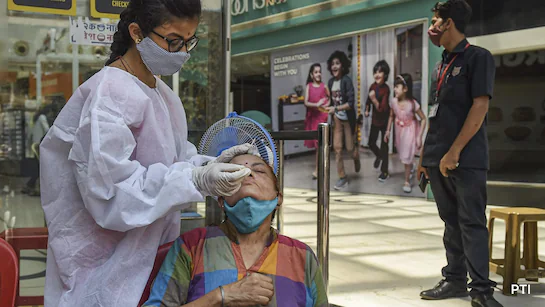
     India is witnessing a resurgence of COVID-19 cases, particularly in states like Kerala, Maharashtra, Gujarat, and Tamil Nadu. While health officials note that most cases are mild, concerns about waning vaccine immunity and new variants are prompting renewed focus on health and wellness. With the monsoon season adding complexity, it’s more important than ever to prioritize physical and mental well-being. Here’s a guide to staying healthy, boosting immunity, and maintaining mental peace during this challenging time.

    Understanding the Current COVID-19 Situation

    Recent reports indicate a spike in COVID-19 cases across several Indian states, with health experts suggesting that waning immunity from earlier vaccinations may be a factor. Thankfully, severe cases remain low, and hospitalizations are manageable. However, this resurgence serves as a reminder to stay vigilant. The monsoon season, with heavy rainfall in areas like Navi Mumbai and Kerala, can exacerbate health risks by increasing the spread of respiratory illnesses.

    So, how can you protect yourself and your loved ones while keeping wellness first? Let’s dive into practical tips for physical health, immunity, and mental well-being.

    COVID-19 Cases in India
    COVID-19 Cases in India

    Boosting Physical Health and Immunity

    1. Strengthen Your Immunity with Nutrition

    A robust immune system is your first line of defense. Incorporate these immunity-boosting foods into your diet:

    • Citrus Fruits and Vitamin C: Oranges, amla, and lemons are rich in Vitamin C, which supports immune function.
    • Turmeric and Ginger: These staples of Indian kitchens have anti-inflammatory properties. Try a warm turmeric milk or ginger tea.
    • Protein-Rich Foods: Dals, paneer, and eggs provide essential nutrients to repair and build immunity.
    • Hydration: Monsoon humidity can dehydrate you. Aim for 8-10 glasses of water daily, and consider electrolyte-rich drinks like coconut water.

    Quick Tip: Try a simple immunity-boosting kadha: boil water with tulsi leaves, ginger, black pepper, and a pinch of turmeric. Add honey for taste and sip daily.

    2. Stay Active Indoors

    With monsoon rains limiting outdoor activities, indoor exercises are a great way to stay fit. Yoga, in particular, is perfect for boosting immunity and reducing stress. Poses like Surya Namaskar and Pranayama improve respiratory health, which is crucial during a respiratory illness surge.

    Try This: Dedicate 15 minutes daily to yoga or bodyweight exercises like squats and push-ups. Apps like HealthifyMe offer guided indoor workouts tailored for Indian audiences.

    3. Follow COVID-19 Safety Protocols

    Even with mild cases, prevention is key:

    • Mask Up: Wear masks in crowded indoor spaces, especially in high-risk states like Maharashtra and Kerala.
    • Sanitize: Keep hand sanitizers handy and wash hands frequently.
    • Ventilation: Ensure good airflow at home to reduce viral transmission, especially during humid monsoon days.
    • Stay Updated: Check with local health authorities for booster shot recommendations or new guidelines.
    COVID-19 Cases Boosting Physical Health and Immunity
    COVID-19 Cases Boosting Physical Health and Immunity

    Prioritizing Mental Wellness

    The uncertainty of rising cases can take a toll on mental health. Here are ways to stay grounded:

    1. Practice Mindfulness and Meditation

    Meditation can reduce anxiety and improve focus. Apps like Calm or Indian platforms like Art of Living offer guided sessions. Even 5 minutes of deep breathing can make a difference.

    Quick Practice: Try the 4-7-8 technique—inhale for 4 seconds, hold for 7 seconds, exhale for 8 seconds. Repeat 4 times to soothe your mind.

    2. Limit News Overload

    While staying informed is important, constant exposure to news about COVID-19 or other crises (like recent India-Pakistan tensions) can increase stress. Curate your news sources and limit scrolling on platforms like X to 15-20 minutes daily.

    3. Connect with Loved Ones

    Social connections boost mental resilience. Call a friend, join a virtual community, or spend quality time with family. Monsoon evenings are perfect for indoor board games or storytelling sessions with kids.

    COVID-19 Cases Prioritizing Mental Wellness
    COVID-19 Cases Prioritizing Mental Wellness

    Monsoon-Specific Health Tips

    The rainy season brings unique challenges, like waterborne diseases and humidity-related infections. Here’s how to stay safe:

    • Avoid Stagnant Water: Mosquito-borne diseases like dengue can spike during monsoons. Use repellents and keep your surroundings clean.
    • Dry Feet Thoroughly: Fungal infections are common in humid weather. Wear breathable footwear and dry your feet after getting wet.
    • Healthy Snacking: Swap fried pakoras for baked or steamed snacks like corn chaat or roasted makhana to stay healthy.

    Also Read This: The Traitors Show : A Deep Dive into the Ultimate Game of Deception

    Immunity & Inner Peace

    The rise in COVID-19 cases is a reminder that health and wellness require consistent effort. By combining good nutrition, indoor exercise, safety protocols, and mental health practices, you can navigate this period with confidence. Let’s embrace the resilience of the Indian spirit—whether it’s savoring a warm kadha or finding peace in a rainy-day meditation session.

    Stay safe, stay strong, and keep wellness first! Share your favorite immunity-boosting recipes or self-care tips in the comments below, and let’s support each other through this time.
  • Prostate Cancer : Awareness, Advances, and Stories of Strength

    Prostate Cancer : Awareness, Advances, and Stories of Strength

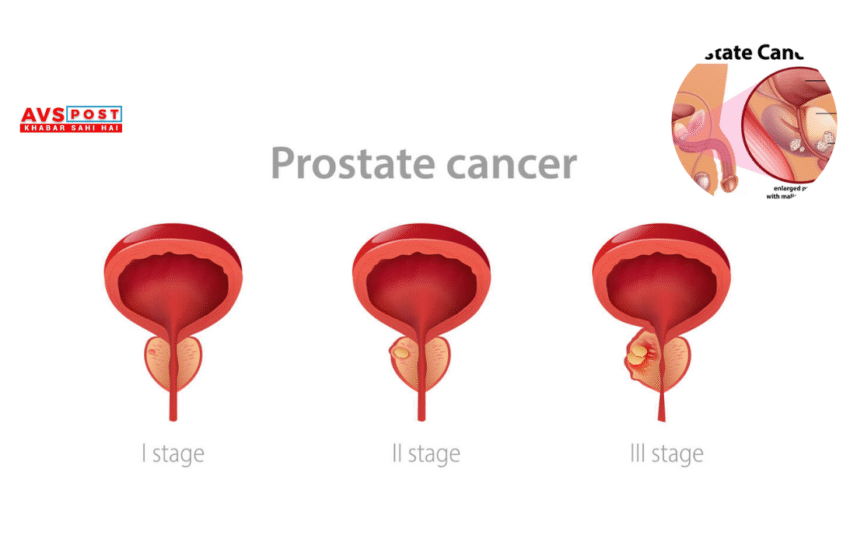
    Prostate cancer is one of the most common cancers affecting men worldwide, yet it often remains a silent topic until it’s too late. With early detection and modern treatments, survival rates are improving, but awareness is key. This blog explores what prostate cancer is, highlights recent breakthroughs, and shares inspiring stories of men facing the disease with courage. Understanding Prostate Cancer


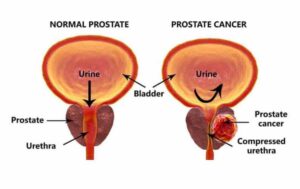
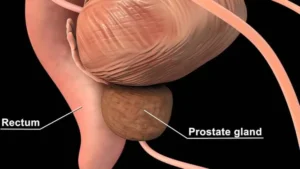
    Prostate cancer develops in the prostate gland, a small organ that produces fluid for semen. It’s the second most common cancer in men globally, with about 1.4 million new cases annually, projected to double by 2040. Risk factors include age (most common after 50), family history, ethnicity (higher risk in Black men), and genetic mutations like BRCA. Symptoms, such as difficulty urinating, frequent urination, or pelvic pain, often appear in later stages, making early screening vital.

    most common cancers affecting men worldwide
    most common cancers affecting men worldwide

    The Prostate-Specific Antigen (PSA) test, a simple blood test, is a cornerstone for early detection. Men over 50, or those with risk factors, should discuss screening with their doctor. A digital rectal exam (DRE) or imaging like multiparametric MRI can confirm suspicions, while a biopsy determines the cancer’s aggressiveness using the Gleason score.

    Recent Advances in Prostate Cancer Care

    The fight against prostate cancer is advancing rapidly. Here are some exciting developments:

    • Precision Diagnostics: A 2025 study showed a urine test using AI and gene activity analysis can detect prostate cancer early, reducing unnecessary biopsies. The 4Kscore test also improves accuracy, cutting biopsy rates by up to 58% while missing few high-risk cases.
    • Targeted Therapies: Treatments like enzalutamide (Xtandi) combined with talazoparib (Talzenna) extend survival in metastatic castration-resistant prostate cancer by blocking DNA repair and hormone-driven growth. PARP inhibitors like olaparib (Lynparza) are now FDA-approved for men with specific genetic mutations.
    • Innovative Radiation: Lutetium-177-PSMA-617 (LuPSMA) delivers radiation directly to cancer cells via PSMA proteins, reducing deaths by nearly 40% in advanced cases. This “smart bomb” therapy spares healthy tissue, improving outcomes.
    • Immunotherapy and Beyond: Research from 2023 showed immunotherapy with enoblituzumab before surgery improved remission rates in high-risk cases. Clinical trials are also exploring Bipolar Androgen Therapy (BAT) for resistant cancers.

    These advancements highlight the importance of clinical trials, which pave the way for new standards of care. For example, abiraterone, once experimental, is now a go-to treatment for metastatic disease, thanks to patients who participated in trials.

    normal to cancer
    normal to cancer

    Stories of Resilience

    Prostate cancer is more than statistics—it’s about real people. Take Drew Bouton, diagnosed with metastatic prostate cancer at 45 in 2001. Given two years to live, he embraced a positive mindset and cutting-edge treatments, including early immunotherapy with sipuleucel-T (Provenge). Over 20 years later, Drew’s disease is stable, and he advocates for clinical trials and early detection. His story shows that a proactive attitude and access to new therapies can rewrite the odds.

    Similarly, Jerry Bembry, a ZERO Prostate Cancer advocate, turned his diagnosis into a mission. After losing his brother to the disease, Jerry pushes for regular screenings, especially for Black men, who face a 1-in-6 risk compared to 1-in-8 for others. His advocacy emphasizes equity and awareness, saving lives through education.

    Why Awareness Matters

    Prostate cancer often lacks early symptoms, leading to late diagnoses, as seen in cases like Sir Chris Hoy, who shared his story to urge men to check their risk. Prostate Cancer UK’s 30-second online risk checker is a simple tool to assess personal risk based on age, family history, and ethnicity. Early detection through PSA testing or MRI can catch cancer before it spreads, dramatically improving outcomes.

    Black men face a heavier burden, with a 2–4 times higher risk of death. Initiatives like the Prostate Cancer Foundation’s work during Hispanic Heritage Month also highlight disparities among Latino men, pushing for better screening access.

    why is awareness matter
    why  awareness matter

    Taking Action

    If you’re a man over 50 or have risk factors, talk to your doctor about PSA testing. Stay informed about new treatments, and consider joining support groups like those on Prostate Cancer UK’s online community or ZERO Prostate Cancer’s network. These spaces offer emotional support and practical advice from others who understand the journey.

    For caregivers, showing love through small acts—whether it’s cooking a healthy meal like a Niçoise salad or joining advocacy events—can make a big difference.

    Also Read This : Hina Khan : The Unstoppable Star of Indian Entertainment

    Looking Ahead

    Prostate cancer is a formidable foe, but hope is growing. From AI-driven diagnostics to targeted therapies, science is transforming care. Stories like Drew’s and Jerry’s remind us that courage and community are just as powerful. Check your risk, stay proactive, and support the fight—together, we can make prostate cancer a disease of the past.

  • Why AIIMS Is the Best Choice for Medical Aspirants in India 2025

    Why AIIMS Is the Best Choice for Medical Aspirants in India 2025

    The All India Institute of Medical Sciences (AIIMS) is a group of premier public medical institutes in India, established under the All India Institute of Medical Sciences Act, 1956. All India Institute of Medical Sciences institutions are renowned for their excellence in medical education, research, and patient care. The first AIIMS was established in New Delhi in 1956, and as of 2025, there are 24 AIIMS institutions across India, including AIIMS New Delhi, AIIMS Bhopal, AIIMS Bhubaneswar, AIIMS Jodhpur, and others.

    AIIMS institutions offer undergraduate (MBBS), postgraduate (MD/MS/MDS), and super-specialty (DM/MCh) courses, along with nursing, paramedical, and allied health sciences programs. They are considered among the top medical colleges in India due to their rigorous academic standards, world-class faculty, and advanced infrastructure.

    Admission to AIIMS MBBS

    Admission to the MBBS program at All India Institute of Medical Sciences is through the National Eligibility cum Entrance Test (NEET-UG), followed by a centralized counseling process conducted by AIIMS New Delhi. Candidates are selected based on their NEET scores, rank, and category.

    National Eligibility cum Entrance Test
    National Eligibility cum Entrance Test

    Benefits of Studying at AIIMS

    1. World-Class Education

      • All India Institute of Medical Sciences institutions are globally recognized for their high-quality medical education.
      • The curriculum is comprehensive, combining theoretical knowledge, practical training, and research opportunities.
      • Faculty includes leading doctors, researchers, and scientists in the medical field.
    2. Affordable Fees

      • As government-funded institutions, AIIMS offer MBBS and other programs at highly subsidized fees compared to private medical colleges.
      • The approximate annual tuition fee for MBBS at AIIMS is ₹5,000–₹10,000, making it accessible to students from diverse economic backgrounds.
    3. State-of-the-Art Infrastructure

      • All India Institute of Medical Sciences campuses are equipped with modern laboratories, advanced medical equipment, and well-stocked libraries.
      • Attached tertiary-care hospitals provide hands-on clinical training with exposure to a diverse range of medical cases.
    4. Excellent Career Opportunities

      • An AIIMS degree is highly respected, opening doors to prestigious job opportunities in India and abroad.
      • Graduates often secure top positions in hospitals, research institutions, or pursue higher studies (MD/MS) at AIIMS or other renowned institutions.
      • Many AIIMS alumni work in global organizations like WHO or leading hospitals worldwide.
    5. Research Opportunities

      • All India Institute of Medical Sciences encourages students to engage in cutting-edge medical research, with access to funded projects and collaborations.
      • Students can publish papers, attend conferences, and contribute to advancements in healthcare.
    6. Clinical Exposure

      • All India Institute of Medical Sciences hospitals handle a high volume of patients, offering students unparalleled clinical exposure.
      • Students gain practical experience in diagnostics, surgeries, and patient care under expert supervision.
    7. Prestige and Recognition

      • Graduating from AIIMS is a mark of excellence, earning respect in the medical community and society.
      • AIIMS consistently ranks as the top medical college in India (e.g., NIRF 2024 ranked AIIMS New Delhi as No. 1).
    8. Holistic Development

      • AIIMS campuses offer vibrant student life with cultural events, sports, and extracurricular activities.
      • Leadership and teamwork skills are developed through student organizations and community outreach programs.
    9. Global Opportunities

      • AIIMS graduates are eligible to pursue postgraduate studies or practice medicine in countries like the USA, UK, and Australia after clearing relevant licensing exams (e.g., USMLE, PLAB).
      • International collaborations and exchange programs enhance global exposure.
    10. Contribution to Public Health

      • All India Institute of Medical Sciences trains students to address India’s healthcare challenges, including rural health and infectious diseases.
      • Graduates often contribute to public health initiatives, policy-making, and community service.
    delhi
    delhi

    Specific Benefits for MBBS Students

    • Limited Seats, High Competition: All India Institute of Medical Sciences offers around 1,200 MBBS seats across all its institutes, ensuring a low student-to-faculty ratio and personalized attention.
    • Internship and Stipend: The mandatory internship at AIIMS hospitals provides practical training and a stipend (approximately ₹20,000–₹25,000 per month).
    • Direct Pathway to Postgraduate Studies: AIIMS graduates have an edge in securing MD/MS seats at All India Institute of Medical Sciences or other top institutes due to their rigorous training.

    Why Choose AIIMS Over Other Medical Colleges?

    • Reputation: All India Institute of Medical Sciences is synonymous with excellence, often compared to institutions like Harvard Medical School for its standards.
    • Cost-Effectiveness: Unlike private colleges charging ₹50 lakh–₹1 crore for MBBS, All India Institute of Medical Sciences  is affordable.
    • Patient Diversity: Exposure to a wide range of medical cases prepares students for any challenge.
    • Alumni Network: A strong network of All India Institute of Medical Sciences alumni provides mentorship and career support.

    Also Read This: ChatGPT Shopping : Revolution or Rough Start?

    Studying at AIIMS is a dream for many medical aspirants due to its academic rigor, affordability, and unmatched career prospects. It equips students to become skilled doctors, researchers, and leaders in healthcare, contributing to both individual success and societal well-being. To secure admission, candidates must excel in NEET-UG (e.g., 2024 cut-off for general category was 675+ marks) and prepare diligently for the competitive selection process.

  • How to Pick Good Mangoes : Expert Tips for Choosing Fresh, Sweet, and Safe Mangoes

    How to Pick Good Mangoes : Expert Tips for Choosing Fresh, Sweet, and Safe Mangoes

    How to Pick Good Mangoes : Mangoes are a beloved summer treat, bursting with sweetness and tropical flavor. However, not all mangoes are safe to eat. Some are artificially ripened using harmful chemicals like calcium carbide, which can pose serious health risks. To enjoy the true taste of mangoes and protect your health, it’s essential to know how to spot the real ones. In this blog, we share five simple ways to identify naturally ripened mangoes and explain why avoiding fake ones is crucial for your well-being.

    The Dangers of Fake Mangoes

    Fake or chemically ripened mangoes are often treated with calcium carbide, a banned substance that releases acetylene gas to speed up ripening. This chemical leaves behind traces of arsenic and phosphorus, which can cause nausea, headaches, skin irritation, and even long-term issues like neurological damage or cancer risk. Up to 40% of mangoes in some markets may be artificially ripened, making it vital to choose wisely.

    Tips to Stay Safe
    How to Pick Good Mangoes

    How to Pick Good Mangoes 

    Here are five practical tips to help you pick authentic, naturally ripened mangoes every time:

    1. Sniff for the Sweet Aroma

    Real mangoes give off a sweet, fruity aroma, particularly around the stem. Their scent is tropical, often with hints of floral or citrus notes. In contrast, chemically ripened mangoes usually lack this natural fragrance or may carry a slight chemical smell. If a mango doesn’t smell fresh and inviting, it’s best to avoid it.

    Sniff for the Sweet Aroma
    How to Pick Good Mangoes : Sniff for the Sweet Aroma

    2. Check the Color

    Naturally ripened mangoes display a mix of colors—green, yellow, and sometimes red or pink—showing their gradual ripening process. Be cautious of mangoes that look overly glossy or uniformly bright yellow/orange, as this can indicate chemical treatment. Real mangoes have a natural, slightly uneven hue, not a polished, artificial shine.

    Check the Color
    How to Pick Good Mangoes : Check the Color

    3. Feel the Texture

    Gently press the mango with your fingers. Real mangoes are slightly soft but firm, yielding just a little under pressure. Chemically ripened mangoes may feel mushy, overly soft, or unnaturally hard due to uneven ripening caused by chemicals. Avoid mangoes that don’t have that perfect balance of firmness and softness.

    4. Look for White Powder

    Inspect the mango’s surface closely. If you notice a white, powdery residue, it’s a red flag. This could be a sign of chemical treatments like calcium carbide or other ripening agents. Naturally ripened mangoes have clean, smooth skin without such suspicious coatings. If you see white powder, don’t buy the mango.

    Look for White Powder
    How to Pick Good Mangoes : Look for White Powder

    5. Taste the Freshness

    Real mangoes are sweet, juicy, and full of fresh, tropical flavor, often with a creamy texture. Chemically ripened mangoes may taste bland, overly sweet, or have a strange, chemical-like aftertaste. Some people even feel a burning sensation in the throat after eating fake mangoes. If you can sample a piece, ensure it tastes vibrant and natural.

    Taste the Freshness
    How to Pick Good Mangoes : Taste the Freshness

    Why Chemically Ripened Mangoes Are Dangerous

    Mangoes treated with chemicals like calcium carbide can harm your health in several ways:

    • Short-Term Effects: Nausea, vomiting, dizziness, skin rashes, or throat irritation.
    • Long-Term Risks: Potential neurological damage, liver or kidney issues, and increased cancer risk due to arsenic exposure.
    • Nutritional Loss: Fake mangoes often lack the vitamins, antioxidants, and natural sweetness of real ones, reducing their health benefits.

    Even permitted ripening agents like ethylene, if overused, can cause digestive or hormonal issues. By choosing naturally ripened mangoes, you safeguard your health and enjoy a better taste.

    Tips to Stay Safe

    • Wash Thoroughly : Soak mangoes in water for 30 minutes and scrub gently to remove any chemical residues, even if they seem natural.
    • Buy from Trusted Sources: Opt for vendors or farms known for organic or natural ripening practices to minimize the risk of fake mangoes.
    • Combine Checks: No single method is foolproof. Use a combination of smell, color, texture, and surface inspection for the best results.
    Tips to Stay Safe
    How to Pick Good Mangoes : Tips to Stay Safe

    Also Read This : Smart Tips Before Taking a Loan : Avoid Common Mistakes and Borrow Smart

    Enjoy Real Mangoes, Stay Healthy!

    By following these simple tips, you can confidently pick authentic, naturally ripened mangoes that are safe and delicious. Don’t let fake mangoes spoil your summer—trust your senses, avoid chemically treated fruit, and savor the true king of fruits. Eat fresh, eat real, and stay healthy!

  • Morning Routine for a Stress-Free Mind

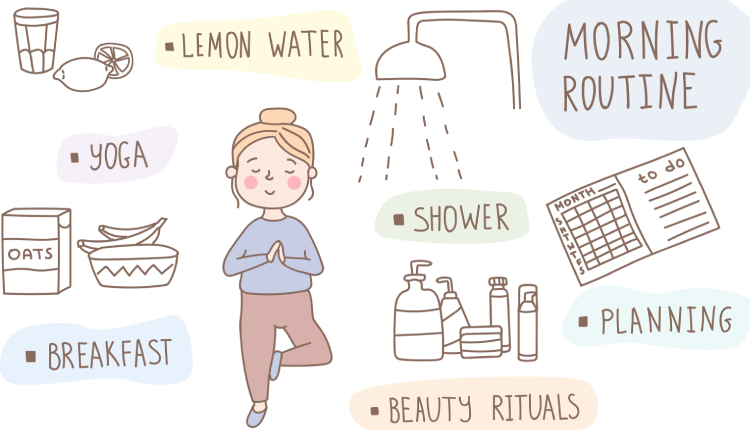
    Morning Routine for a Stress-Free Mind

    Starting your day with intention can transform your mental state, setting a calm and focused tone for the hours ahead. A well-crafted morning routine reduces stress, boosts clarity, and helps you approach challenges with resilience. Here’s a simple, effective routine to cultivate a stress-free mind, designed to fit into busy schedules while promoting mindfulness and well-being.

    Why a Morning Routine Matters

    Mornings are a fresh slate. A deliberate routine primes your brain for positivity, reduces decision fatigue, and anchors you in a sense of control. Studies show that consistent morning habits, like meditation or exercise, lower cortisol levels (the stress hormone) and enhance mood by triggering dopamine release. This routine blends science-backed practices with practical steps to help you start your day feeling grounded.

    The Stress-Free Morning Routine

    1. Wake Up Early (5 Minutes)

    Set your alarm for 30–60 minutes earlier than usual, ideally between 5:30 AM and 7:00 AM, depending on your schedule. Early mornings are quiet, offering uninterrupted time for self-care. Avoid hitting snooze—place your alarm across the room to force you out of bed. Consistency is key; aim to wake up at the same time daily, even on weekends, to regulate your body’s circadian rhythm.

    Wake Up Early
    Morning Routine : Wake Up Early

    Tip: Use a gentle alarm sound, like birds chirping, to ease into waking.

    2. Hydrate and Refresh (5 Minutes)

    Drink a glass of room-temperature water right after waking to rehydrate your body and kickstart metabolism. Add a slice of lemon for a vitamin C boost, which supports immune health and mood. Splash cold water on your face or take a quick shower to invigorate your senses and shake off grogginess.

    Hydrate and Refresh
    Morning Routine : Hydrate and Refresh

    Why It Works: Dehydration increases stress hormones. Morning hydration improves focus and energy.

    3. Mindful Breathing or Meditation (5–10 Minutes)

    Sit in a comfortable position, close your eyes, and practice deep breathing: inhale for 4 seconds, hold for 4, exhale for 6. Do this for 5 minutes to calm your nervous system. Alternatively, try a guided meditation app for 10 minutes, focusing on gratitude or body awareness. Apps like Calm or Insight Timer offer free sessions.

    Mindful Breathing or Meditation
    Morning Routine : Mindful Breathing or Meditation

    Science Bit: Meditation reduces activity in the amygdala, the brain’s stress center, promoting emotional balance.

    4. Gentle Movement (10–15 Minutes)

    Engage in light exercise to get your blood flowing. Options include:

    • Yoga: Try a 10-minute flow with poses like Cat-Cow, Downward Dog, and Child’s Pose to stretch and relax muscles.
    • Walking: A brisk 10-minute walk outside exposes you to natural light, regulating serotonin levels.
    • Stretching: Focus on neck, shoulders, and hips to release tension.

    Avoid intense workouts if stress is high—they can elevate cortisol. Aim for movement that feels energizing but soothing.

    Gentle Movement
    Morning Routine : Gentle Movement

    5. Journal for Clarity (5–10 Minutes)

    Spend a few minutes writing in a journal. Use these prompts to clear mental clutter:

    • What am I grateful for today?
    • What’s one thing I want to accomplish?
    • What’s weighing on my mind, and how can I address it?

    Alternatively, try “morning pages” (freewriting 1–2 pages without editing). This practice offloads worries and fosters creativity.

    Journal for Clarity
    Morning Routine : Journal for Clarity

    Why It Helps: Journaling reduces anxiety by externalizing thoughts, making them easier to manage.

    6. Healthy Breakfast (10–15 Minutes)

    Eat a balanced breakfast with protein, healthy fats, and complex carbs to stabilize blood sugar and sustain energy. Examples:

    • Greek yogurt with berries, nuts, and a drizzle of honey.
    • Avocado toast with a boiled egg and cherry tomatoes.
    • Oatmeal with almond butter, banana, and chia seeds.

    Avoid sugary cereals or skipping breakfast, as they can cause energy crashes and mood swings. Eat mindfully—sit down, chew slowly, and avoid screens.

    Healthy Breakfast
    Morning Routine : Healthy Breakfast

    Nutrition Note: Omega-3s (in nuts or seeds) and antioxidants (in berries) support brain health and stress resilience.

    7. Plan Your Day (5 Minutes)

    Review your calendar or to-do list and prioritize 1–3 key tasks. Write them down to avoid feeling overwhelmed later. Visualize your day briefly: imagine handling challenges calmly and completing tasks with ease. This mental rehearsal boosts confidence and reduces anxiety.

    Hack: Use a simple notebook or app like Todoist to keep your list clear and actionable.

    Plan Your Day
    Morning Routine : Plan Your Day

    Customizing Your Routine

    • Time Crunch: If you’re short on time, cut each step to its minimum (e.g., 2-minute meditation, 5-minute walk). Even 20 minutes of intentional habits makes a difference.
    • Personalize: Swap activities to suit your preferences—swap yoga for dancing or journaling for sketching.
    • Environment: Create a calm space with dim lighting, a comfy chair, or a scented candle to enhance relaxation.

    Common Pitfalls to Avoid

    • Phone Overload: Don’t check emails or social media first thing—it spikes stress. Keep your phone on “Do Not Disturb” until the routine is done.
    • Rushing: Give yourself buffer time to avoid feeling frantic. Prep the night before (e.g., set out clothes or breakfast ingredients).
    • Inconsistency: Stick to the routine for at least 21 days to form a habit. Track progress with a habit app like Habitica.

    Also Read This: CBSE Class 10th 12th Result 2025 : Date, How to Check, and Latest Updates

    The Payoff

    This 45–60 minute routine rewires your brain for calm and focus. Over time, you’ll notice:

    • Lower anxiety and fewer stress-induced reactions.
    • Improved mood and emotional resilience.
    • Better productivity and decision-making.
  • #Homeopathy Dr. Padmalaya Rath: Leading Homoeopathy with Compassion and Excellence at Dr. D.P. Rastogi Central Research Institute, Noida

    #Homeopathy Dr. Padmalaya Rath: Leading Homoeopathy with Compassion and Excellence at Dr. D.P. Rastogi Central Research Institute, Noida

    #Homeopathy Dr. Padmalaya Rath, a renowned expert in the field of Homoeopathy, currently serves as the Hospital In-charge and Research Officer at the Dr. D.P. Rastogi Central Research Institute (Homoeopathy), Noida. This prestigious institute, a unit under the Central Council for Research in Homoeopathy (CCRH), Ministry of AYUSH, Government of India, is recognized for its significant contributions to homoeopathic research and patient care.

    Dr. Rath holds the rare distinction of being the first-ever MD (Homoeopathy) in Organon of Medicine from the esteemed National Institute of Homoeopathy, under Calcutta University in 2001. Her academic brilliance led her to author the popular book Homoeopathy MCQ, which became a best-seller in India’s homoeopathy academic community. The book saw multiple editions due to its success.

    Dr. Rath’s career spans both government and private sectors, where she has contributed as a Medical Officer, Lecturer, and Research Officer. Her expertise extends beyond clinical work to public education on health issues. She has actively participated in talk shows on All India Radio and Rajya Sabha TV, raising awareness about health topics.

    Her research excellence is reflected in her 27 published articles in indexed journals and her significant role as a Resource Person at various Government of India-sponsored Continuing Medical Education (CME) programs. Dr. Rath’s educational outreach has extended to Madhya Pradesh, Arunachal Pradesh, Tripura, Meghalaya, and Manipur, where she has shared her knowledge with medical professionals. She also serves as an examiner for various universities.

    Dr. Rath’s academic credentials are exceptional. In addition to her MD, she holds a PhD in Homoeopathy from JRN Rajasthan Vidyapeeth (Deemed University), Udaipur. She has also earned Post-Graduate Diplomas in Disaster Preparedness and Rehabilitation and Computer Applications (PGDCA).

    Her clinical expertise has made her a trusted name in treating critical and chronic diseases. Dr. Rath is widely recognized for her work in skin conditions such as eczema, psoriasis, chronic rashes, and acne. Many patients have found significant relief from these conditions through her holistic homoeopathic treatments.

    Dr. Padmalaya Rath
    Dr. Padmalaya Rath

    Mrs. Sunita Sharma, a Noida resident, shared, “I had been struggling with migraines for over 10 years. After following Dr. Rath’s homoeopathic treatment, I saw dramatic improvement. My headaches have reduced by over 90%.”

    Similarly, Mr. Rajesh Verma, who had long battled chronic skin allergies, noted, “After trying various treatments, Dr. Rath’s homoeopathy brought me permanent relief without any side effects. I’m truly grateful.”

    Dr. Rath has also successfully treated complex conditions such as thyroid disorders, chronic asthma, anxiety-related issues, pediatric health problems, and autoimmune diseases. Her holistic approach, which focuses on identifying the root causes of illnesses, has earned her a loyal patient base. Patients often speak highly of her patient-centered care, which sets her apart in the field.

    Her academic contributions and dedication to research have earned her several accolades. Dr. Rath was honored with the Flame of Medical Science Award by the World Science Congress in 2015. She also won the 2nd prize for Research Paper Presentation at the 10th Global Health Summit, organized by the American Association of Physicians of Indian Origin in 2016.

    Beyond her professional life, Dr. Rath is deeply committed to social service. She played a pivotal role in providing medical aid during the 2004 Surat floods and has since been involved in organizing and participating in health camps across various regions. Her continued involvement in public awareness campaigns has made her an advocate for alternative medicine and holistic health practices.

    Dr. Rath’s leadership and dedication at the Dr. D.P. Rastogi Central Research Institute are now more significant than ever. Since 2022, she has taken charge as the Hospital In-charge, overseeing the institute’s operations and ensuring the delivery of quality healthcare services. Under her leadership, the institute has continued to grow as a center for advanced research in homoeopathy.

    The Dr. D.P. Rastogi Central Research Institute (Homoeopathy) has become a key institute for homoeopathic research and training, with Dr. Rath playing a crucial role in guiding young homoeopaths and contributing to the future of the field. Her commitment to excellence, both in treatment and research, is setting a new standard in the integration of homoeopathy into mainstream healthcare systems in India.

    Through her expertise, leadership, and compassionate care, Dr. Padmalaya Rath continues to make a lasting impact on the homoeopathy community, providing innovative solutions to critical health challenges while promoting integrated healthcare for the people of India.

  • 5 Essential Nutrients for 2025 to Boost Immunity, Energy, and Overall Health

    5 Essential Nutrients for 2025 to Boost Immunity, Energy, and Overall Health

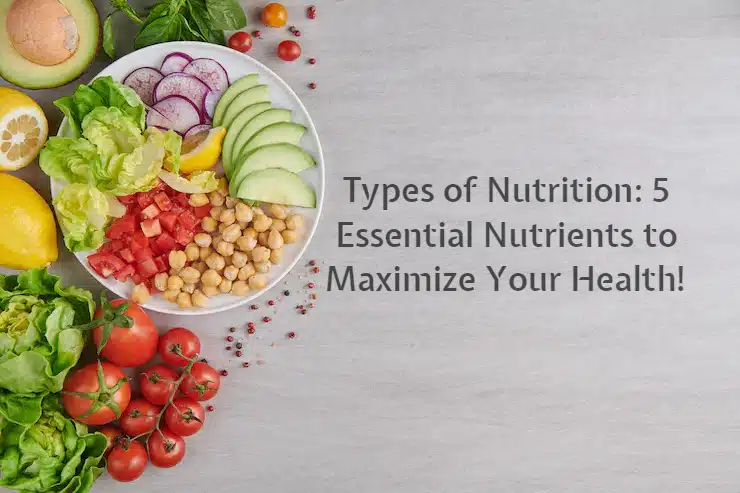
    5 Essential Nutrients for 2025  to supercharge your health: Vitamin D, Omega-3 fatty acids, Magnesium, Vitamin B12, and Iron. These powerhouses strengthen immunity, support heart and brain health, enhance energy, and combat fatigue, addressing common deficiencies caused by modern diets and lifestyles. Incorporate them through nutrient-rich foods like fatty fish, leafy greens, nuts, eggs, and citrus, or consider supplements after consulting a doctor to ensure optimal intake and avoid toxicity.

    5 Essential Nutrients for 2025

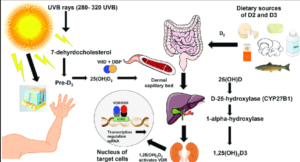
    1. Vitamin D

    • Why It’s Essential: Supports bone health by aiding calcium absorption, boosts immunity, and promotes mood and cardiovascular health. Deficiency increases risks of osteoporosis, infections, and heart disease.
    • Why It’s a Concern: Limited sun exposure, urban lifestyles, and darker skin tones increase deficiency risks, especially in winter.
    • Sources:
      • Food: Fatty fish (salmon, mackerel), egg yolks, fortified dairy, cereals.
      • Sunlight: 15–30 minutes of midday sun exposure (varies by skin type/location).
      • Supplements: 2,000–4,000 IU/day, tailored via blood test. Consult a doctor.
    • Tip: Take with fat-containing meals for better absorption (fat-soluble).
    Vitamin D
    5 Essential Nutrients for 2025 Vitamin D

    2. Omega-3 Fatty Acids

    • Why It’s Essential: EPA, DHA, and ALA reduce inflammation, support heart health, and enhance brain function (cognition, mental clarity). Critical for preventing cardiovascular and neurological issues.
    • Why It’s a Concern: Diets low in fatty fish or high in processed foods lack Omega-3s. Plant-based diets may not provide enough bioavailable EPA/DHA.
    • Sources:
      • Food: Fatty fish (salmon, sardines), walnuts, flaxseeds, chia seeds.
      • Supplements: Fish oil or algae-based supplements (1.5–2g EPA/DHA daily).
    • Tip: Vegans should prioritize algae-based Omega-3s, as ALA conversion to EPA/DHA is inefficient.
    Omega-3 Fatty Acids
    5 Essential Nutrients for 2025 : Omega-3 Fatty Acids

    3. Magnesium

    • Why It’s Essential: Involved in 300+ enzymatic reactions, including muscle function, stress regulation, DNA repair, and blood pressure control. Improves sleep and reduces cramps.
    • Why It’s a Concern: Soil depletion, processed foods, stress, and medications reduce magnesium levels.
    • Sources:
      • Food: Leafy greens, nuts (almonds, cashews), seeds, whole grains, dark chocolate.
      • Supplements: 300–400 mg/day (citrate or glycinate forms). Consult a doctor.
    • Tip: Avoid taking with high-fiber meals to enhance absorption.
    Magnesium
    5 Essential Nutrients for 2025 : Magnesium

    4. Vitamin B12

    • Why It’s Essential: Supports red blood cell production, neurological function, and DNA synthesis. Deficiency causes fatigue, anemia, and nerve damage.
    • Why It’s a Concern: Common in vegans, vegetarians, and older adults due to low intake or poor absorption. Certain medications (e.g., metformin) increase deficiency risk.
    • Sources:
      • Food: Meat, fish, eggs, dairy, fortified plant milks, nutritional yeast.
      • Supplements: 500–1,000 mcg/day (cyanocobalamin or methylcobalamin).
    • Tip: Regular blood tests are crucial for those at risk (e.g., vegans, elderly).
    Vitamin B12
    5 Essential Nutrients for 2025 : Vitamin B12

    5. Iron

    • Why It’s Essential: Vital for oxygen transport, energy production, and immune function. Deficiency leads to anemia, fatigue, and weakened immunity.
    • Why It’s a Concern: Common in women (due to menstruation), vegetarians, and those with poor diets. Plant-based iron (non-heme) is less bioavailable.
    • Sources:
      • Food: Red meat, poultry, fish, lentils, spinach, fortified cereals.
      • Supplements: 18–27 mg/day for deficient individuals. Consult a doctor.
    • Tip: Pair plant-based iron with Vitamin C (e.g., citrus) to boost absorption; avoid tea/coffee with meals, as they inhibit it.
    Iron
    5 Essential Nutrients for 2025 : Iron

    How to Incorporate These Nutrients

    • Diet First: Prioritize nutrient-dense foods like fatty fish, leafy greens, nuts, fortified products, and lean meats. A varied diet helps cover most needs.
    • Supplements as Needed: Use supplements for dietary gaps (e.g., vegan B12, winter Vitamin D), but consult a healthcare provider to avoid toxicity.
    • Lifestyle Support: Get safe sun exposure for Vitamin D, manage stress for magnesium, and monitor blood levels for B12/iron if at risk.

    Also Read This : What is PCOD? : Causes, Symptoms, Treatment. What Happens and How to Manage It.

    Important Notes

    • Balance Is Key: Over-supplementation risks toxicity (e.g., Vitamin D hypercalcemia, magnesium digestive issues, iron overload). Tailor intake with professional guidance.
    • Special Considerations: Conditions (e.g., kidney disease) or medications (e.g., GLP-1 agonists) may affect nutrient needs. Blood tests or dietitian consults provide clarity.
    • Stay Informed: Dietary trends and research evolve, so check reliable sources or professionals for personalized advice.

    By prioritizing these five nutrients in 2025, you can address common deficiencies and support long-term health.

  • Top 5 eye care centers in Gorakhpur for Advanced Vision Solutions

    Top 5 eye care centers in Gorakhpur for Advanced Vision Solutions

    These top 5 eye care centers in Gorakhpur offer advanced treatments like LASIK, cataract surgery, glaucoma management, and retinal care. Equipped with modern technology, they provide comprehensive services, including pediatric ophthalmology, with a focus on patient comfort and high-quality outcomes.

    Top 5 eye care centers in Gorakhpur

    1. Raj Eye Hospital

    • Location: Cantt Road, Chatra Sangh Chauraha, Kalepur, Gorakhpur
    • Overview: Established in 1990, Raj Eye Hospital is NABH-accredited and renowned for its modern facilities and skilled ophthalmologists. It offers services like LASIK, cataract surgery, glaucoma treatment, pediatric ophthalmology, and retinal care. The hospital is praised for its clean environment and patient-centric approach.
    • Specialties: Femto LASIK, corneal transplants, vitreoretinal surgery, and community outreach programs.
    • Rating: 4.6/5 (Justdial, 50 ratings)
    Top 5 eye care centers in Gorakhpur
    Top 5 eye care centers in Gorakhpur

    2. Centre For Sight, Gorakhpur

    • Location: Mugalaha Chauraha, Medical Road, Opp. Vishal Mega Mart, Gorakhpur
    • Overview: Part of a leading national chain, this hospital is equipped with cutting-edge technology and offers comprehensive eye care, including LASIK, cataract surgery, glaucoma management, and pediatric ophthalmology. It emphasizes precision and patient comfort.
    • Specialties: SMILE laser vision correction, retinal disorder treatments, and advanced diagnostic equipment.
    • Contact: 1800 1200 477
    Top 5 eye care centers in Gorakhpur
    Top 5 eye care centers in Gorakhpur

    3. Sangam Super Speciality Eye Hospital

    • Location: Infront of Vasundhara Enclave, near Sales Tax Office, Rail Vihar Colony Phase 3rd, Taramandal, Gorakhpur, Uttar Pradesh 273010
    • Overview: Known for its state-of-the-art equipment and experienced surgeons, Sangam provides a full range of eye care services under one roof. It is committed to community outreach and personalized treatment plans adhering to international standards.
    • Specialties: Cataract surgery, retinal treatments, and comprehensive eye exams for adults and children.
    • Rating: Highly rated for patient satisfaction
    Top 5 eye care centers in Gorakhpur
    Top 5 eye care centers in Gorakhpur

    4. Mittal Eye Hospital

    • Location: Opposite Overhead Water Tank, near Munshi Prem Chand Park, Betihata, Gorakpur, Uttar Pradesh  Overview: Equipped with advanced technologies like B Scan, Green Laser, and OCT, Mittal Eye Hospital is recognized for its personalized care and experienced staff. It supports Ayushman Bharat services and offers prompt patient communication.
    • Specialties: Cataract surgery, refractive surgeries, glaucoma treatment, and diabetic retinopathy management.
    • Rating: 4.7/5 (643 ratings)
    Top 5 eye care centers in Gorakhpur
    Top 5 eye care centers in Gorakhpur

    5. Kumar Netra Chikitsalaya

    • Location: Near Cantt Thana, Kasiya Road, Betiahata-273001 
    • Overview: A leading eye care center in Gorakhpur, Kumar Netra Chikitsalaya is committed to high-quality service with a focus on patient wellness. It provides a range of treatments supported by specialized equipment.
    • Specialties: Cataract surgery, glaucoma unit, refractive unit, and pediatric eye care.
    • Rating: Noted for excellent service quality
    Top 5 eye care centers in Gorakhpur
    Top 5 eye care centers in Gorakhpur

    Also Read This: Wednesday Season 2: Details about season 2 cast, theme, plot and more.

    Vision Excellence: Gorakhpur’s Top 5 Eye Care Centers

    • These hospitals were selected based on reputation, patient reviews, technological advancements, and service range from sources like Justdial, ThreeBestRated, and hospital websites.
    • For precise addresses, contact numbers, or to book appointments, check platforms like Justdial, Sulekha, or the hospitals’ official websites.
    • Always verify with the hospital for specific services, costs (e.g., cataract surgery: INR 20,000–50,000; LASIK: INR 20,000–60,000), and insurance options like Ayushman Bharat.
    • Another mentioned facility, Sri Ram Janaki Netralaya, was noted on Quora for advanced technology but lacks sufficient corroborating data to rank among the top five here.
  • Sugar Detox Results : What Happens When You Stop Eating Sugar for 7 Days

    Sugar Detox Results : What Happens When You Stop Eating Sugar for 7 Days

    Sugar Detox Results

    Cutting sugar from your diet for just one week can lead to surprising changes in your body and mind. Sugar, while delicious, is often linked to health issues like weight gain, inflammation, and energy crashes. A 7-day sugar detox can be a powerful reset, revealing how your body responds without it. Here’s what you can expect when you stop eating sugar for a week, based on science and real experiences.

    Day 1-2: The Sugar Withdrawal Hits

    When you stop consuming sugar, your body may initially protest. Sugar triggers dopamine release, creating a feel-good effect, so cutting it out can lead to withdrawal-like symptoms. You might experience:

    • Cravings: Your brain may crave sugary snacks, especially if you’re used to frequent sweets.
    • Fatigue: Energy dips are common as your body adjusts to stable blood sugar levels.
    • Irritability or Brain Fog: The lack of quick sugar hits can make you feel moody or less focused
    The Sugar Withdrawal Hits
    The Sugar Withdrawal Hits

    Tip: Stay hydrated and eat nutrient-dense foods like avocados, nuts, or eggs to stabilize energy. These early days are tough but temporary.

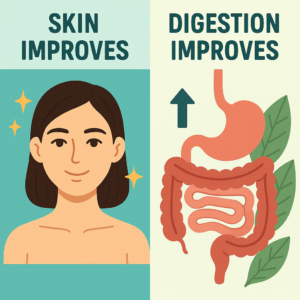
    Day 3-4: Energy Stabilizes, Skin Improves

    By midweek, your body starts adapting. Without sugar spikes, your blood glucose levels stabilize, leading to:

    • Steadier Energy: No more rollercoaster of sugar highs and crashes. You may feel more alert during the day.
    • Better Skin: Sugar can trigger inflammation, worsening acne or redness. Many notice clearer, less puffy skin by day 4.
    • Reduced Bloating: High sugar intake can cause water retention. Cutting it reduces bloating, especially in the stomach.

    Science Note: Studies show that high sugar consumption increases inflammatory markers like C-reactive protein. A short detox can lower these, easing inflammation.

    Energy Stabilizes, Skin Improves
    Sugar Detox Results : Energy Stabilizes, Skin Improves

    Day 5-7: Mental Clarity and Weight Shifts

    By the end of the week, the benefits become more pronounced:

    • Mental Clarity: Without sugar fogging your brain, focus and decision-making often improve. This is linked to reduced insulin spikes, which can affect cognitive function.
    • Weight Loss: You may lose 1-5 pounds, mostly water weight. Sugar causes glycogen storage, which binds water in the body. Less sugar means less retained water.
    • Better Sleep: Sugar can disrupt melatonin production, affecting sleep quality. Many report deeper, more restful sleep by day 7.
    • Reduced Appetite: Sugar stimulates hunger hormones like ghrelin. Without it, cravings diminish, and you may feel satisfied with smaller portions.

    Real Result: A 2020 study in Nutrients found that reducing added sugars for just one week improved insulin sensitivity and lowered hunger hormones in participants.

    Mental Clarity and Weight Shifts
    Sugar Detox Results : Mental Clarity and Weight Shifts

    Other Benefits You Might Notice

    • Improved Taste Sensitivity: Without sugar overpowering your palate, natural flavors from fruits or vegetables taste sweeter and more vibrant.
    • Mood Stability: Less sugar means fewer mood swings, as blood sugar fluctuations can affect emotional balance.
    • Gut Health: Sugar feeds harmful gut bacteria. A week without it can promote a healthier microbiome, reducing digestive discomfort.

    Challenges to Watch For

    A sugar detox isn’t all smooth sailing. Beyond cravings, you might face:

    • Hidden Sugars: Sugar hides in sauces, breads, and “healthy” snacks. Reading labels is crucial.
    • Social Pressure: Friends or family may tempt you with desserts or sugary drinks.
    • Headaches: Some experience mild headaches as the body detoxes, especially if caffeine is also reduced (many sugary drinks contain it).

    Pro Tip: Replace sugary drinks with herbal teas or infused water to stay hydrated and curb cravings.

    Benefits You Might Notice
    Benefits You Might Notice

    How to Start Your 7-Day Sugar Detox

    • Clear Your Kitchen: Remove candies, sodas, and processed snacks. Stock up on whole foods like veggies, lean proteins, and healthy fats.
    • Read Labels: Avoid anything with added sugars (look for terms like sucrose, fructose, or corn syrup).
    • Plan Meals: Focus on balanced meals with fiber, protein, and fats to keep you full. Think grilled chicken with quinoa and roasted veggies.
    • Manage Cravings: Keep low-sugar fruits like berries or a handful of nuts handy for snack attacks.
    • Track Progress: Journal your energy, mood, and physical changes to stay motivated.


    View this post on Instagram


    A post shared by AVSPOST (@avspost)


    Also Read This: IPL Points Table 2025 Today: Latest Team Rankings and NRR Update

    Is a Sugar Detox Worth It?

    Absolutely. A 7-day sugar detox can kickstart healthier habits, reveal how sugar affects you, and boost overall well-being. Many find that after a week, they don’t miss sugar as much as they thought. It’s a low-risk experiment with high rewards—weight loss, clearer skin, and mental sharpness are just the start.

    Next Steps: If you feel great, consider extending the detox or adopting a low-sugar lifestyle. The World Health Organization recommends keeping added sugars below 10% of daily calories for optimal health. Your body will thank you.

  • Mental Health Trauma : 6 Inspiring Facts About Women Recovering From the Issue

    Mental Health Trauma : 6 Inspiring Facts About Women Recovering From the Issue

    Women’s Mental Health Trauma: The impact on women’s Mental Health An extremely upsetting or distressing event that can have long-lasting emotional and psychological repercussions is called a trauma. All genders are impacted by trauma, but for a variety of social, cultural, and biological reasons, women are disproportionately affected. Trauma has a significant and intricate effect on women’s mental health, frequently showing up as mental illnesses that, if left untreated, can last for years.

    Women's Mental Health Trauma
    Women’s Mental Health Trauma

    Comprehending Mental Health Trauma in the Lives of Women

    Women are more likely than men to experience some types of trauma, particularly interpersonal trauma. These consist of emotional abuse, domestic violence, sexual assault, and maltreatment during childhood. One in three women globally have been victims of physical and/or sexual violence at some point in their lives, according to the World Health Organisation (WHO). Systemic gender inequality and power disparities that sustain cycles of abuse and silence are frequently the cause of these experiences.

    Trauma can be classified as acute (caused by a single event), chronic (occurring repeatedly and for an extended period of time), or complex (resulting from exposure to numerous traumatic incidents, many of which were intrusive and interpersonal in nature. Women who experience trauma frequently deal with several types at once, such as physical and emotional abuse along with financial hardship, which can worsen the psychological effects.

    Women’s Mental Health Trauma

    Typical Results for Mental Health Trauma

    Traumatised women may develop a range of mental health conditions, including:

    • Women are twice as likely as men to suffer from post-traumatic stress disorder (PTSD). Symptoms include intense anxiety, nightmares, flashbacks, and uncontrollable thoughts about the traumatic event.
    • Depression and Anxiety: A lot of traumatised women report having persistent depressive, hopeless, and fearful feelings. These can lead to generalised anxiety disorder (GAD) and clinical depression, which both affect functioning and quality of life.
    • Substance Use Disorders: Some women may use drugs or alcohol as a coping mechanism for distress related to trauma. Substance use disorders may result from this, which makes mental health and recovery even more difficult.
    • Eating Disorders: Disordered eating patterns like anorexia, bulimia, or binge eating are ways that some women internalise trauma. These disorders are frequently caused by feelings of guilt or shame about the trauma, which lead to a desire to punish oneself or regain control.
    • Dissociation and Self-Harm: Dissociation, or the feeling of being cut off from one’s body or environment, is a defence mechanism that trauma survivors may employ. Cutting or burning oneself can also be a coping mechanism for severe emotional distress.
    Women’s Mental Health Trauma

    Obstacles to Support for Mental Health Trauma

    Despite the severe consequences of trauma, many women encounter major obstacles when trying to get mental health treatment. Women may be discouraged from seeking help because of the cultural stigma associated with mental illness, particularly in some communities. Women in abusive relationships may also be prevented from leaving or speaking out due to financial dependence, fear of reprisals, or worries about child custody.

    Misdiagnosis or re-traumatization during treatment may result from health systems’ own failure to provide trauma-informed care. For example, if the symptoms of a woman with PTSD are not understood in the context of trauma, she may be classified as “difficult” or “non-compliant.”

    Women's Mental Health Trauma
    Women’s Mental Health Trauma

    Trauma-Informed Care’s Significance

    The approach known as trauma-informed care (TIC) acknowledges the pervasive effects of trauma and incorporates this knowledge into every facet of service provision. TIC for women entails establishing secure, encouraging spaces where they can experience empowerment, respect, and being heard. Mental health practitioners need to be educated to spot the symptoms of trauma and steer clear of actions that might unintentionally cause the patient to experience it again.

    Dialectical behaviour therapy (DBT), mindfulness-based interventions, eye movement desensitisation and reprocessing (EMDR), and cognitive-behavioral therapy (CBT) are effective treatment modalities for mental health disorders associated with trauma. The healing process can also benefit greatly from somatic therapies like yoga and bodywork, art therapy, and peer support groups.

    Women’s Mental Health Trauma

    Recovery and Empowerment

    Trauma recovery is achievable, but it calls for an all-encompassing and caring strategy. It is crucial to empower women by providing them with access to mental health resources, social support, and education. Reducing the effects of trauma also requires public policies that address issues like healthcare access, economic inequality, and gender-based violence.
    Society can start addressing the underlying problems that sustain psychological suffering by acknowledging the distinct ways trauma impacts women and giving trauma-informed care top priority. In addition to changing people’s lives, helping women recover also benefits families, communities, and future generations.

    ALSO READ THIS: Tamannaah Bhatia Owns the Red Carpet With These 5 Intense Looks