Category: Health

  • National Injury Prevention Week: Dr Harvinder Singh Chhabra Stresses Prevention, Timely Care and Rehabilitation

    National Injury Prevention Week: Dr Harvinder Singh Chhabra Stresses Prevention, Timely Care and Rehabilitation

    New Delhi, September 4, 2026: #National Injury Prevention Week, A week-long awareness campaign on injury prevention and spinal cord injuries is underway in the national capital, bringing together healthcare professionals, people living with spinal cord injuries, caregivers, students, volunteers and members of the community.

    The fourth edition of National Injury Prevention Week, being observed from September 1 to 7, is being organised under the aegis of the Directorate General of Health Services (DGHS), Ministry of Health and Family Welfare, Government of India. The initiative aims to raise awareness about preventing avoidable injuries and improving access to timely treatment, rehabilitation and long-term support for people with spinal cord injuries.

    The campaign has been organised in association with 22 national spine care societies from across India and includes sports and cultural activities, seminars, webinars, panel discussions, competitions, a street play and a wheelchair rally.

    Dr Harvinder Singh Chhabra
    Dr Harvinder Singh Chhabra

    Awareness activities held during the week

    The programme began on September 1 with an online poster competition on “Prevention of Spinal Cord Injuries” and a slogan competition on “Yes, We Can.”

    On September 2, members of the Spine Team at Sri Balaji Action Medical Institute conducted a Nukkad Natak to communicate messages related to injury prevention and spinal cord injury awareness through community theatre.

    The September 3 pre-event included talks on spinal cord injury awareness, an inclusive dance performance, a Nukkad Natak and wheelchair activities. An online panel discussion later in the day focused on the medical, psychological and social aspects of life after spinal cord injury, including rehabilitation, mental well-being, social participation and quality of life.

    A webinar titled “The Power of the Mind” is being held on September 4, focusing on psychological recovery, resilience and adaptation following spinal cord injury.

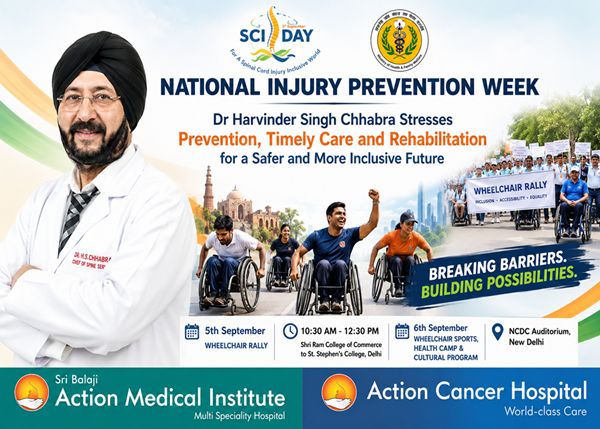
    Wheelchair rally planned for September 5

    As part of the campaign, a wheelchair rally is scheduled to be held on September 5 in the North Campus of the University of Delhi.

    The rally will start from Shri Ram College of Commerce at 10:30 am and conclude at St. Stephen’s College. According to the organisers, more than 350 participants, including around 100 wheelchair users and 250 able-bodied participants, are expected to take part.

    The rally is aimed at promoting inclusion, accessibility, road safety and awareness about spinal cord injury prevention.

    The organisers have also planned an audio-visual presentation on spinal cord injury prevention later in the evening.

    Sports, health camp and cultural programme on September 6

    A larger programme is scheduled for September 6 at the National Centre for Disease Control (NCDC) Auditorium, where more than 500 people, including over 100 wheelchair users, are expected to participate.

    An Inclusive Health Check-up Camp will be held from 10 am to 1 pm, offering health screening and consultations for wheelchair users and other participants.

    The health camp will be followed by wheelchair sporting activities from 2 pm to 3:30 pm. The events will include Wheelchair Table Tennis, Boccia, Wheelchair Racing and Wheelchair Hurdles.

    A cultural programme is scheduled from 3:30 pm to 5:30 pm, featuring wheelchair dance performances and professional wheelchair stunt demonstrations.

    According to the organisers, the programme is intended to highlight the role of sports, culture and community participation in rehabilitation and improving the quality of life of people living with spinal cord injuries. The event will also be streamed live.

    Focus on prevention and rehabilitation

    Dr Harvinder Singh Chhabra, Chief of the Spine and Rehabilitation Centre at Sri Balaji Action Medical Institute, President of the Spinal Cord Society, Chairman of the Spine Wellness & Care Foundation and Coordinator for National Injury Prevention Week, said the campaign aims to reinforce the message that many injuries, including spinal cord injuries, can be prevented.

    “Many injuries, including spinal cord injuries, can be prevented, and when they do occur, people can rebuild their lives through timely medical care, comprehensive rehabilitation and sustained social support,” he said.

    Dr Chhabra said Spinal Cord Injury Day was conceptualised to create awareness about prevention while also highlighting that people who sustain spinal cord injuries can lead happy, meaningful and fulfilling lives with appropriate medical management and rehabilitation.

    He also stressed the need for early intervention, wider access to rehabilitation and an environment that enables people with spinal cord injuries to live with dignity, independence and purpose.

    Road safety message

    Road safety is also an important part of the injury prevention campaign.

    According to data reported by the Ministry of Road Transport and Highways (MoRTH), 16,397 people were killed in road accidents in 2021 due to not wearing seat belts. The figure included 8,438 drivers and 7,959 passengers.

    The organisers said such figures highlight the importance of simple preventive measures, including consistent use of seat belts and greater awareness of road safety.

    National Injury Prevention Week to conclude on September 7

    The week-long campaign is scheduled to conclude on September 7 with a webinar focusing on injury prevention.

    The initiative seeks to shift the conversation around spinal cord injuries beyond medical treatment alone, with greater emphasis on rehabilitation, accessibility, social participation and inclusion.

    By bringing together healthcare professionals, people with disabilities, caregivers, students, volunteers and the wider community, the campaign aims to promote safer environments and support people living with spinal cord injuries in leading independent and meaningful lives.

  • Dr. Yatendra Singh: The Face of Compassionate Public Healthcare in Noida

    Dr. Yatendra Singh: The Face of Compassionate Public Healthcare in Noida

    A Government Doctor Who Earned Public Trust Through Service, Leadership and Compassion

    Noida: In the rapidly expanding urban landscape of Noida, where thousands of families depend on government healthcare every day, a few doctors have succeeded in creating an identity that goes far beyond their official designation. Among them, Dr. Yatendra Singh, Medical Superintendent of Community Health Centre (CHC), Bhangel, stands out as a physician-administrator whose commitment to public service has earned widespread respect from patients, public representatives and senior government officials alike.

    Born in Hathras, Uttar Pradesh, Dr. Singh belongs to a family that has dedicated generations to the medical profession. His grandfather, Dr. S.K. Singh, graduated from the prestigious King George’s Medical College (KGMC) in 1937, while his father Dr. D.K. Singh completed his MD in Radiology in 1965. Continuing the family’s legacy, his wife Dr. Ruchi Gupta, an MS (Obstetrics & Gynaecology), serves as Chief Medical Officer (NFSG), CGHS.

    Dr. Singh completed his MBBS from Sarojini Naidu Medical College, Agra (2001 Batch) and later pursued his Junior Residency at GNEC, Maulana Azad Medical College, New Delhi. He joined the Uttar Pradesh Provincial Medical Services (UPPMS) in 2010 as a Medical Officer and, through dedication and administrative excellence, was appointed Medical Superintendent of CHC Bhangel in 2018.

    Today, with over 17 years of public healthcare experience, Dr. Singh has become one of the most respected government doctors in Gautam Buddh Nagar.

    Dr. Yatendra Singh
    Dr. Yatendra Singh

    Transforming CHC Bhangel into a Model Healthcare Centre

    When Dr. Yatendra Singh assumed charge, CHC Bhangel was already catering to a large population. Under his leadership, however, the hospital witnessed remarkable improvements in patient services, hospital management, sanitation, emergency response, maternal healthcare and administrative efficiency.

    His emphasis has always been simple yet effective—“Every patient deserves dignity, timely treatment and compassionate care.”

    Patients visiting the hospital frequently speak about the accessibility of the Medical Superintendent himself. Despite administrative responsibilities, Dr. Singh is known for personally interacting with patients, resolving grievances and ensuring that treatment is not delayed because of procedural hurdles.

    Several residents from Bhangel, Sector 110, Salarpur, Gejha, Barola and surrounding areas describe him as a doctor who remains approachable and solution-oriented, especially for economically

    weaker families relying entirely on government healthcare.

    Dr. Yatendra Singh
    Dr. Yatendra Singh

    Leadership During the COVID-19 Crisis

    Perhaps the defining chapter of Dr. Singh’s career came during the COVID-19 pandemic.

    At a time when the healthcare system across the country was under unprecedented pressure, CHC Bhangel emerged as one of Gautam Buddh Nagar’s most active frontline institutions.

    Under Dr. Singh’s leadership, the hospital successfully managed COVID screening, testing, vaccination, patient care and continuity of essential health services without compromising emergency medical care for non-COVID patients.

    His administrative capabilities during this difficult period earned appreciation from senior bureaucrats and healthcare administrators.

    Former Divisional Commissioner Tanvir Zafar Ali (Retd. IAS) praised Dr. Singh as an administrator capable of running an efficient government medical centre with exceptional professionalism.

    Similarly, former Gautam Buddh Nagar District Magistrate Suhas L.Y. (IAS) commended his sincerity, integrity, crisis management skills and contribution towards strengthening healthcare delivery during the pandemic.

    These official letters of appreciation remain a testimony to his leadership when the district needed it the most.

    Dr. Yatendra Singh
    Dr. Yatendra Singh

    Awards and Public Recognition

    Over the years, Dr. Yatendra Singh has received recognition from:

    • Gautam Buddh Nagar District Administration
    • District Magistrates
    • Senior IAS Officers
    • Members of Parliament
    • MLAs
    • Public representatives
    • Social organisations
    • Medical associations

    Under his supervision, CHC Bhangel has also earned recognition for quality healthcare initiatives and public service, including the prestigious Kayakalp Award, reflecting sustained improvements in cleanliness, patient care and hospital management.

    Beyond Administration: A People’s Doctor

    Those who know Dr. Singh often describe him as a doctor first and an administrator later.

    Hospital staff credit him for building a culture of teamwork, discipline and accountability.

    Patients appreciate his willingness to listen.

    Social workers acknowledge his support for community health awareness programmes, blood donation drives, vaccination campaigns and public welfare initiatives.

    For many residents, CHC Bhangel has become more than just a government hospital—it has become a dependable healthcare institution where people believe they will be heard.

    A Voice from Civil Society

    Sharing his views on Dr. Yatendra Singh’s contribution, Dr. Vikas Raj Tiwari, Senior Journalist, Founder-President of Feel The Change Foundation, said:

    “In journalism, we routinely highlight shortcomings in public institutions because accountability matters. Equally important is recognising individuals who consistently strengthen those institutions through their work. Dr. Yatendra Singh has demonstrated that committed leadership can transform a government healthcare facility into a place where people feel respected and cared for. His accessibility, administrative discipline and patient-centric approach have earned him credibility not merely through awards, but through the confidence of thousands of families who depend on CHC Bhangel. Such officers deserve appreciation because they set a benchmark for public service.”

    An Institution Built on Trust

    Healthcare is not measured only by buildings or infrastructure; it is measured by the confidence people place in the system.

    Over nearly two decades of public service, Dr. Yatendra Singh has shown that professionalism, compassion and administrative excellence can coexist in government healthcare.

    For thousands of residents across Noida and Greater Noida, he is not merely the Medical Superintendent of CHC Bhangel—he has become a symbol of dependable public healthcare, proving that dedicated leadership can make government institutions stronger and communities healthier.

  • International Yoga Day 2026 : Embracing “Yoga for Healthy Ageing” for a Vibrant Life

    International Yoga Day 2026 : Embracing “Yoga for Healthy Ageing” for a Vibrant Life

    International Yoga Day 2026 : Every year on June 21, the world comes together to celebrate International Day of Yoga a global tribute to one of humanity’s most ancient and transformative practices. In 2026, we mark the 12th edition of this UN-recognized day with the powerful theme: “Yoga for Healthy Ageing” (Swasth Ayu Ke Liye Yoga).

    This theme highlights yoga’s profound ability to support physical vitality, mental resilience, and emotional balance as we age, helping people stay active, independent, and engaged throughout life.

    The Journey of International Yoga Day

    International Yoga Day 2026 : The idea for a dedicated yoga day originated from Prime Minister Narendra Modi during his address to the United Nations General Assembly on September 27, 2014. He proposed June 21 as the date, noting its significance as the summer solstice — the longest day of the year in the Northern Hemisphere — and its spiritual importance in many traditions.

    International Yoga Day 2026
    International Yoga Day 2026

    Just months later, on December 11, 2014, the UN General Assembly unanimously adopted the resolution, co-sponsored by a record number of countries (over 175). The first International Day of Yoga was celebrated in 2015, and it has since grown into a massive global movement observed in nearly 200 countries.

    Yoga, derived from the Sanskrit word yuj meaning “to unite,” harmonizes the body, mind, and spirit. It offers a holistic approach to wellness that transcends age, culture, and borders.

    Why “Yoga for Healthy Ageing” Matters in 2026

    As global populations age, preventive health practices like yoga become essential. Regular yoga practice supports:

    • Physical benefits: Improved flexibility, strength, balance, and posture; reduced risk of falls; better joint health and cardiovascular function.
    • Mental & emotional benefits: Reduced stress and anxiety, improved sleep, enhanced cognitive function, and greater emotional resilience.
    • Holistic wellness: Better immune function, management of chronic conditions (like hypertension, diabetes, and arthritis), and overall quality of life.

    Yoga is not just exercise — it’s a lifestyle that promotes mindful living, helping individuals age with grace, dignity, and vitality.

    International Yoga Day 2026
    International Yoga Day 2026

    Highlights of IDY 2026 Celebrations

    International Yoga Day 2026 : This year’s national event is hosted in Kolkata at the historic Red Road, led by Prime Minister Narendra Modi. The city is buzzing with pre-event activities:

    • Gangotri to Gangasagar: Ganga Tat Yoga Yatra (June 13–20) — Linking yoga with environmental awareness and river culture.
    • June 19: “Doud se Dhyan” — Connecting physical fitness with mental wellness.
    • June 20: “Vande Yogam” and West Bengal Day celebrations blending yoga, culture, and patriotism.
    • Ambitious Guinness World Record attempts, including synchronized yoga on 500 boats on the Hooghly River.
    • A spectacular drone light show and cultural programs.

    Events are planned at over 2,500 locations worldwide, with millions expected to participate. From local yoga sessions in parks to grand gatherings at iconic landmarks, the message is clear: Yoga 365 — make yoga a daily habit, not just a one-day event.

    International Yoga Day 2026
    International Yoga Day 2026

    Simple Ways to Celebrate and Practice Yoga Today

    International Yoga Day 2026 : You don’t need fancy equipment or a studio to start. Here are beginner-friendly tips:

    1. Start Small: Begin with 10–15 minutes daily. Focus on gentle asanas like Surya Namaskar (Sun Salutation), Tadasana (Mountain Pose), and Balasana (Child’s Pose).
    2. Incorporate Breathwork: Practice Pranayama (e.g., deep belly breathing or alternate nostril breathing) for calm and focus.
    3. Mindfulness & Meditation: End sessions with a few minutes of seated meditation or Yoga Nidra.
    4. Make it Family-Friendly: Practice with children, parents, or grandparents — yoga is truly for all ages.
    5. Join Local/Global Events: Check for community classes, online sessions, or the official Common Yoga Protocol.

    Consistency matters more than perfection. Even short daily practices yield long-term benefits for healthy ageing.

    Also Read This : Tata Tiago 2026 : The Ultimate Budget Hatchback Gets a Massive Glow-Up

    Yoga as a Gift to Humanity

    International Yoga Day 2026 reminds us that true health is holistic — a harmonious balance of body, mind, and spirit. In a fast-paced world filled with stress and lifestyle challenges, yoga offers a timeless path to inner peace and outer vitality.

  • Union Budget 2026 highlights : Key announcements from FM Nirmala Sitharaman

    Union Budget 2026 highlights : Key announcements from FM Nirmala Sitharaman

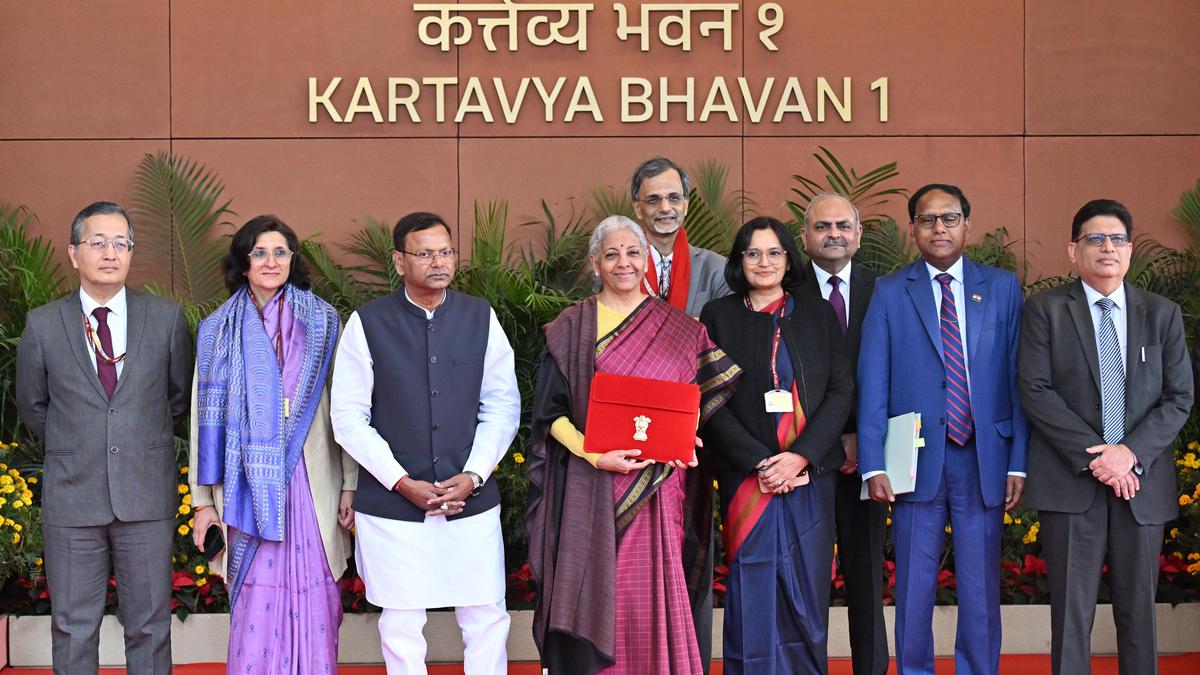
    Union Budget 2026 highlights : The Union Budget 2026-27, presented by Finance Minister Nirmala Sitharaman on February 1, 2026, marks her ninth consecutive budget speech. Tabled in Parliament on a Sunday for the first time in India’s history, this “Yuva Shakti-driven” budget emphasizes the government’s commitment to the poor, underprivileged, and disadvantaged. It draws inspiration from three core Kartavyas (duties):

    • Accelerate and sustain economic growth by boosting productivity, competitiveness, and resilience amid global volatility.
    • Fulfill people’s aspirations and build their capacities to make them strong partners in India’s prosperity.
    • Align with the vision of Sabka Saath, Sabka Vikas — ensuring every family, community, region, and sector has access to resources, amenities, and opportunities.

    Described as a budget of “reforms over rhetoric” and “action over ambivalence,” it prioritizes structural reforms, fiscal discipline, moderate inflation, sustained ~7% growth, and continued public investment to advance toward Viksit Bharat (Developed India).


    View this post on Instagram


    A post shared by AVSPOST (@avspost)

    Fiscal Framework : Prudence Meets Momentum

    The budget 2026 maintains a strong focus on capital expenditure while progressing toward fiscal consolidation.

    • Public Capital Expenditure (Capex): Raised to ₹12.2 lakh crore (approximately 4.4% of GDP) — the highest-ever allocation — up from ₹11.2 lakh crore in BE 2025-26, to sustain infrastructure momentum and crowd in private investment.
    • Fiscal Deficit: Targeted at 4.3% of GDP for FY 2026-27 (down from 4.4% in RE 2025-26).
    • Debt-to-GDP Ratio: Projected at 55.6% in BE 2026-27 (from 56.1% in RE 2025-26), with a long-term goal of 50 ± 1% by 2030.
    • Total Budget Size: Approximately ₹53.5 lakh crore.
    • Non-Debt Receipts and Total Expenditure: Estimated at ₹36.5 lakh crore and ₹53.5 lakh crore, respectively.
    • Net Tax Receipts: Around ₹28.7 lakh crore.

    These parameters reflect continued fiscal prudence while prioritizing growth-enabling investments.

    Budget 2026 : Manufacturing, Infrastructure, and Beyond

    Budget 2026 : Under the first Kartavya, the budget proposes interventions in six major areas:

    • Scaling Up Manufacturing in 7 strategic and frontier sectors.
    • Rejuvenating Legacy Industrial Sectors.
    • Creating Champion MSMEs — including a ₹10,000 crore SME Growth Fund.
    • Powerful Push to Infrastructure.
    • Long-Term Energy Security and reduced critical import dependencies.
    • Developing City Economic Regions (CERs).


    View this post on Instagram


    A post shared by AVSPOST (@avspost)


    Notable announcements include:

    • Biopharma Shakti: ₹10,000 crore over 5 years for domestic biologics and biosimilars production.
    • India Semiconductor Mission (ISM) 2.0: Launch to strengthen equipment, materials, design, and supply chains.
    • Electronics Components Manufacturing Scheme: Outlay increased to ₹40,000 crore.
    • Rare Earth Corridors: Support in states like Odisha, Kerala, Andhra Pradesh, and Tamil Nadu.
    • Infrastructure Highlights:
    • 7 high-speed rail corridors (e.g., Mumbai-Pune, Pune-Hyderabad, Hyderabad-Bengaluru, Hyderabad-Chennai, Chennai-Bengaluru, Delhi-Varanasi, Varanasi-Siliguri).
    • New dedicated freight corridors (including east-west).
    • Operationalization of 20 new National Waterways over 5 years.
    • Seaplane Viability Gap Funding (VGF) to boost indigenous manufacturing.
    • Infrastructure Risk Guarantee Fund for private developers.
    • City Economic Regions: ₹5,000 crore per CER over 5 years.
    • Defence: Record allocation (all-time high of around ₹7.85 lakh crore, up ~15%; capex hiked significantly, e.g., ~21% in some reports to ₹5.9 lakh crore).
    • Other Sectors:
    • Tourism: Upskilling 10,000 guides; reduced TCS on overseas tours; development of 15 archaeological sites; first Global Big Cat Summit; Khelo India Mission for sports skilling and employment.
    • AVGC (Animation, Visual Effects, Gaming, Comics — Orange Economy): AVGC Content Creator Labs in 15,000 schools and 500 colleges.
    • Agriculture: Dhan-Dhaanya Krishi Yojana for high-yield crops; Bharat-Vistaar AI tool.
    • Textiles: Integrated programme with mega parks and export support.


    View this post on Instagram


    A post shared by AVSPOST (@avspost)

    Tax and Customs Reforms : Simplification and Relief

    Budget 2026 : No changes to income tax slabs were announced, continuing stability from prior budgets. Key updates include:

    • New Income Tax Act, 2025: Effective from April 1, 2026, with simplified rules.
    • Middle-Class Reliefs: TCS cuts, new dividend deductions, nil deduction certificates for small taxpayers, ITR filing extension to August 31 for non-audit cases, rationalized penalties/prosecutions, and provident fund rule updates.
    • Securities Transaction Tax (STT): Increased on futures (e.g., to 0.05% from 0.02%).
    • Customs Duties:
    • Reduced from 20% to 10% on personal imports.
    • Exemptions/reductions on capital goods for lithium-ion cells, critical minerals, cancer medicines, sports equipment, leather goods, and seafood.
    • Some items (imported alcohol, coffee) may become costlier.
    • Other: Tax holidays for foreign cloud providers till 2047; MAT reforms; safe harbour enhancements for IT services; buyback taxed as capital gains.

    Overall Assessment

    The Union Budget 2026 – 27 is a continuity-focused, producer-centric document that doubles down on capex-led growth, manufacturing self-reliance, infrastructure, and inclusive reforms rather than short-term populist measures. It aims to build resilience against global uncertainties while empowering youth, MSMEs, and underserved sections.

  • How Your Food Habits Reflect Your Skin : A Science-Backed Guide to Clearer, Healthier Skin

    How Your Food Habits Reflect Your Skin : A Science-Backed Guide to Clearer, Healthier Skin

    How Your Food Habits Reflect Your Skin : In the world of skincare, we often focus on creams, serums, and routines, but one of the most powerful influences on your skin comes from within: your diet. The saying “you are what you eat” is especially true for skin health. What you consume daily can either nourish your skin for a radiant glow or contribute to breakouts, dullness, inflammation, and premature aging.

    Extensive research in nutritional dermatology shows that food habits affect skin through multiple pathways, including hormonal balance, inflammation levels, oxidative stress, collagen production, and the gut-skin axis. Studies published in journals like Nutrients, Journal of the American Academy of Dermatology, and PMC reviews consistently demonstrate that a nutrient-rich diet promotes resilient, clear skin, while poor dietary choices can worsen common concerns.

    Understanding How Your Food Habits Reflect Your Skin

    Your daily meals send signals throughout your body that directly impact skin cells. High-sugar and processed foods trigger insulin spikes and inflammation, leading to excess oil production and acne. Conversely, antioxidant-rich whole foods protect against free radical damage and support natural repair processes.

    How Your Food Habits Reflect Your Skin
    How Your Food Habits Reflect Your Skin

    This reflection isn’t immediate—it builds over weeks and months—but the changes are visible and measurable. Clinical trials have shown improvements in skin hydration, elasticity, and acne severity when participants switch to low-glycemic, anti-inflammatory diets.

    Foods That Promote Radiant, Healthy Skin

    Focus on whole, nutrient-dense foods to give your skin the building blocks it needs:

    • Colorful fruits and vegetables: Berries, citrus fruits, tomatoes, carrots, spinach, and bell peppers are loaded with vitamins C and A, beta-carotene, and polyphenols. These antioxidants fight oxidative stress and boost collagen synthesis, resulting in firmer, brighter skin.
    • Healthy fats: Sources like salmon, walnuts, chia seeds, avocados, and olive oil provide omega-3 fatty acids that strengthen the skin barrier, reduce inflammation, and lock in moisture.
    • Whole grains and fiber-rich foods: Oats, quinoa, and legumes help stabilize blood sugar and support gut health, indirectly benefiting skin via the gut-skin connection.

    The Mediterranean diet—rich in plants, healthy fats, and lean proteins—stands out in research for its ability to reduce acne, eczema flare-ups, and signs of aging.

    Hydration plays a supporting role: Aim for adequate water intake to maintain skin plumpness and aid detoxification.

    How Your Food Habits Reflect Your Skin
    How Your Food Habits Reflect Your Skin

    Dietary Habits That Can Negatively Affect Your Skin

    Certain common eating patterns are strongly linked to skin issues:

    • High-glycemic foods: Sugary drinks, white bread, pastries, and processed snacks cause rapid blood sugar rises, increasing sebum production and inflammation—a well-documented trigger for acne.
    • Dairy products: Especially skim milk and whey-based supplements, which may elevate insulin-like growth factor (IGF-1) and promote breakouts in many individuals.
    • Ultra-processed and fried foods: High in refined carbs, trans fats, and additives, these contribute to systemic inflammation and glycation, a process that damages collagen and accelerates wrinkles.

    Long-term reliance on these foods can lead to dull complexion, uneven texture, and heightened sensitivity.

    How Your Food Habits Reflect Your Skin
    How Your Food Habits Reflect Your Skin

    The Science Behind the Connection

    Robust evidence supports these links. Randomized controlled trials show that low-glycemic diets reduce acne lesions by 20–50% compared to high-glycemic ones. Reviews analyzing dozens of studies confirm that higher fruit and vegetable intake correlates with fewer wrinkles and better skin hydration.

    Emerging research on the gut-skin axis highlights how probiotic-rich foods (like yogurt and fermented vegetables) and fiber improve microbiome diversity, calming inflammatory skin conditions.

    While genetics and lifestyle factors matter, diet remains a modifiable factor with significant impact.

    Practical Steps to Improve Your Skin Through Better Food Habits

    How Your Food Habits Reflect Your Skin, Start with simple changes :-

    • Replace refined carbs with whole grains and add a serving of colorful produce to every meal.
    • Limit added sugars and monitor dairy intake to identify personal triggers.
    • Prioritize balanced plates: half vegetables, a quarter protein, a quarter complex carbs, plus healthy fats.
    How Your Food Habits Reflect Your Skin
    How Your Food Habits Reflect Your Skin

    Track your skin’s response over 4–8 weeks. Consistency is key—positive changes often become noticeable within a month.

    Also Read This : Toxic : A Fairy Tale for Grown-Ups – Yash’s Explosive Comeback Sets 2026 Ablaze

    How Your Food Habits Reflect Your Skin : Your food habits truly reflect your skin’s health. By choosing nourishing, whole foods over processed options, you invest in clearer, more resilient skin from the inside out. For persistent concerns, consult a dermatologist or registered dietitian for personalized guidance. Embrace this approach, and let your healthy choices shine through.

  • Startup Trends in India 2026 : Top Opportunities & Predictions You Can’t Ignore

    Startup Trends in India 2026 : Top Opportunities & Predictions You Can’t Ignore

    Startup Trends in India 2026 : As of January 02, 2026, India’s startup ecosystem stands resilient and increasingly mature, maintaining its position as the third-largest globally. The ecosystem has transitioned from high-velocity growth phases to a focus on sustainable scaling, strong fundamentals, and real value creation. With over 140,000 DPIIT-recognized startups (building on the 1.4 lakh+ milestone from mid-2024), the emphasis remains on quality over quantity.

    Funding Landscape in 2025 – A Snapshot

    Indian startups raised approximately $10.5–11 billion in 2025 across around 900–1,600 deals (depending on sources like Tracxn and Inc42). This marked a modest decline from prior years, reflecting greater investor selectivity amid global caution. Capital favored:

    • Businesses demonstrating clear paths to profitability
    • Strong unit economics and operational efficiency
    • Defensible technology or market advantages

    Mega-rounds ($100M+) decreased significantly, while early-stage activity held steady, highlighting a healthier, more disciplined environment.

    Startup Trends in India 2026
    Startup Trends in India 2026

    The IPO Boom and Liquidity Surge

    2025 emerged as a landmark year for public listings, with 18–42 tech/startup IPOs (varying by tracking methodology) raising substantial capital — some estimates peg total IPO proceeds from the ecosystem at around $20–22 billion. High-profile listings spanned fintech, e-commerce, consumer services, EVs, and more, providing critical liquidity to investors and employees while shifting the primary exit route from private rounds to public markets.

    This momentum is expected to carry forward strongly into 2026, potentially making it an even bigger year for listings.

    Unicorn Status – Steady but Selective

    India added roughly 5–7 new unicorns in 2025, bringing the total to approximately 125–126 (with collective valuations exceeding $366–389 billion). New entrants included names in AI-driven solutions, logistics, petcare, and enterprise automation. The slower pace compared to peak years reflects a deliberate shift toward sustainable models rather than rapid valuation inflation.

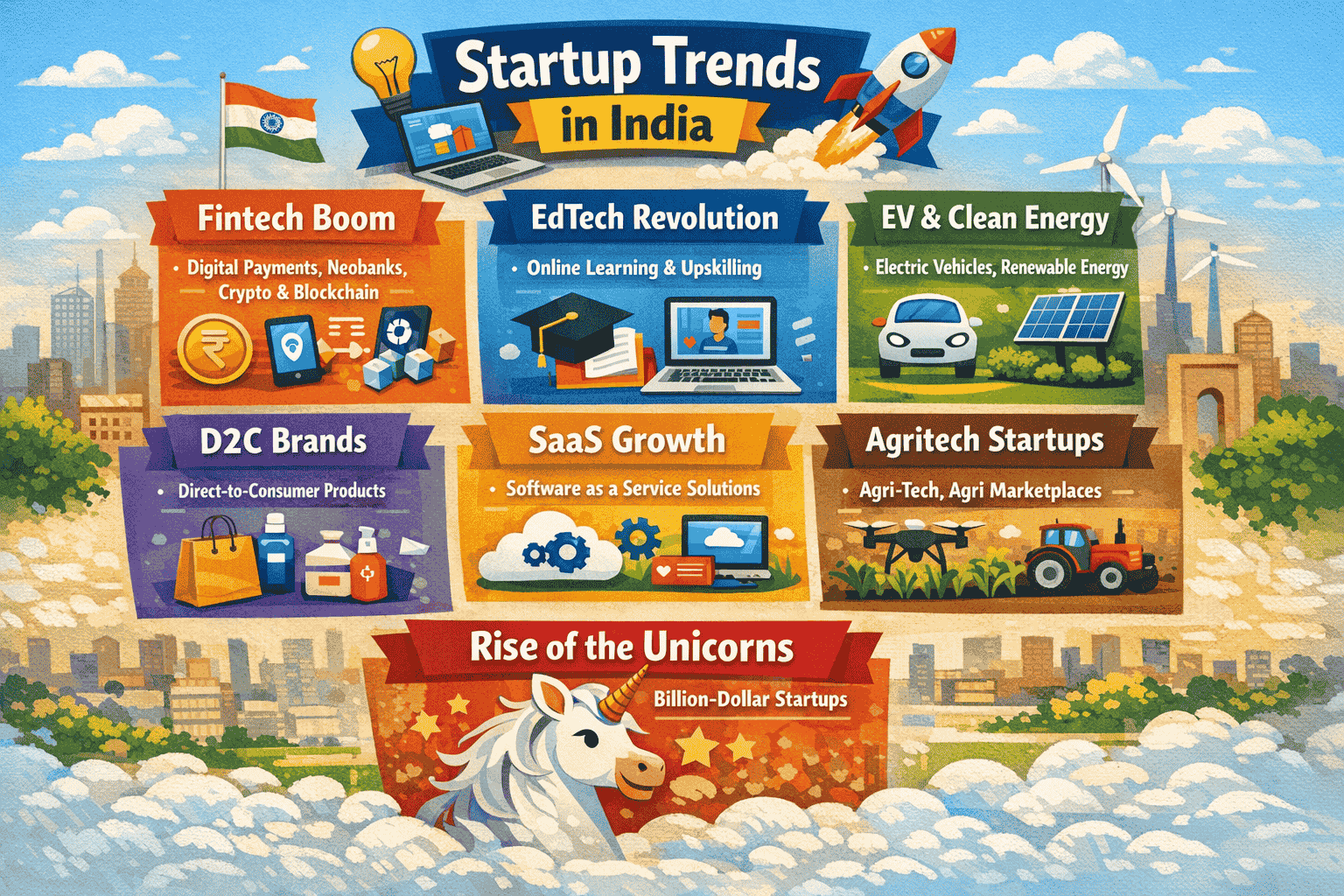
    Key Startup Trends in India Defining 2026

    Startup Trends in India 2026 : The year ahead is poised for deeper maturity, with several structural shifts already gaining traction:

    • AI & Deeptech Acceleration Expect 15–20 new AI-native and deeptech ventures, many emerging as spin-outs from Global Capability Centres (GCCs). Vertical AI applications, voice tech, enterprise automation, and practical deployments in sectors like defence, healthcare, and manufacturing will dominate early-stage interest.
    • Profitability as the New Standard Capital discipline has become non-negotiable. Founders are prioritizing runway extension, margin improvement, and operational leverage over perpetual fundraising. Profitability is now viewed as a competitive edge and entry requirement for funding.
    • Rise of Global-First & Younger Founders More startups are building with international markets in mind from day one. Younger founding teams are securing capital, especially in enterprise, AI, and deeptech spaces.
    • Geographic Decentralization Tier-2 and Tier-3 cities (e.g., Kochi, Jaipur, Indore, Coimbatore) are seeing increased idea flow, talent, and capital, supported by local accelerators, state initiatives, and remote-first models.
    • Sustainability, Climate Tech & Strategic Sectors Growing momentum in climate tech, renewables, agritech, spacetech, defence, and semiconductors — aligned with national priorities and long-term policy support.
    • M&A and Strategic Exits While not explosive, M&A activity is expected to increase selectively, driven by cash-rich late-stage players, profitable incumbents, and strategic acquisitions (especially in SaaS, fintech, and enterprise).
    Startup Trends in India 2026
    Startup Trends in India 2026

    Also Read This : Vaishnavi Sharma : The Rising Left-Arm Spin Sensation of Indian Women’s Cricket

    The Path Forward

    In 2026, Startup Trends in India point toward a more accountable, innovation-led ecosystem. Success will hinge on combining genuine product differentiation with disciplined execution, purpose-driven models, and global relevance. The era of narrative-driven hype has given way to one rewarding real impact and resilience.

  • Lupus Disease : Symptoms, Causes, Diagnosis, and Treatment – A Complete Guide

    Lupus Disease : Symptoms, Causes, Diagnosis, and Treatment – A Complete Guide

    Lupus Disease is a complex and often misunderstood chronic autoimmune disease that can affect virtually any part of the body. By raising awareness and providing clear, accurate information, this blog aims to help readers understand what lupus is, its symptoms, causes, diagnosis, and treatment options. Whether you’re newly diagnosed, supporting a loved one, or simply curious, this guide offers a detailed yet accessible overview of lupus.

    What is Lupus Disease ?

    Lupus Disease is an autoimmune condition where the immune system, which typically protects the body from infections, mistakenly attacks its own healthy tissues. This leads to inflammation and damage in various organs and systems, such as the skin, joints, kidneys, heart, lungs, and brain. The most common form of lupus is systemic lupus erythematosus (SLE), but other types include:

    • Cutaneous lupus: Primarily affects the skin, causing rashes or sores.
    • Drug-induced lupus: Triggered by certain medications, with symptoms that often resolve after discontinuing the drug.
    • Neonatal lupus: A rare condition affecting newborns of mothers with lupus, typically involving skin rashes or heart issues.

    Lupus is not contagious, and while it can range from mild to life-threatening, proper management can significantly improve quality of life.

    Lupus Disease
    Lupus Disease

    Who is Affected by Lupus?

    Lupus affects approximately 1.5 million people in the United States and 5 million worldwide. It disproportionately impacts certain groups:

    • Gender: Women are nine times more likely to develop lupus than men, likely due to hormonal influences.
    • Age: Most commonly diagnosed between ages 15 and 45, though it can occur at any age.
    • Ethnicity: Higher prevalence among African American, Hispanic, Asian, and Native American populations compared to Caucasian individuals.

    Symptoms of Lupus Disease

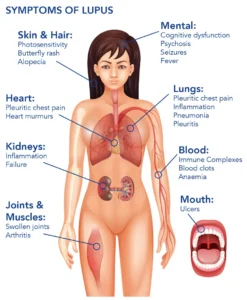
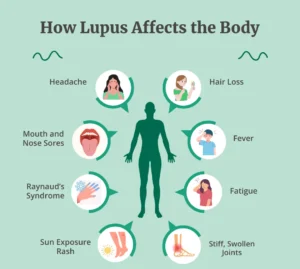
    Lupus is often called the “disease of a thousand faces” because its symptoms vary widely and can mimic other conditions. Symptoms may come and go in episodes called flares, followed by periods of remission. Common symptoms include:

    • Fatigue: Persistent, overwhelming tiredness that doesn’t improve with rest.
    • Joint Pain and Swelling: Stiffness or pain in joints, especially in the hands, wrists, and knees.
    • Skin Rashes: A hallmark is the butterfly-shaped rash across the cheeks and nose, often triggered by sun exposure. Other rashes or sores may appear elsewhere.
    • Fever: Unexplained low-grade fevers during flares.
    • Photosensitivity: Sensitivity to sunlight, which can worsen rashes or trigger flares.
    • Hair Loss: Thinning hair or patchy hair loss, often temporary.
    • Mouth or Nasal Sores: Painless ulcers inside the mouth or nose.
    • Organ Involvement: Lupus can affect the kidneys (lupus nephritis), heart, lungs, or brain, leading to symptoms like chest pain, shortness of breath, or neurological issues (e.g., seizures, memory problems).

    Because symptoms vary, lupus can be challenging to recognize, often leading to delayed diagnosis.

    Symptoms of Lupus Disease
    Symptoms of Lupus Disease

    What Causes Lupus Disease?

    The exact cause of lupus remains unknown, but it’s believed to result from a combination of factors:

    • Genetics: A family history of lupus or other autoimmune diseases increases risk, though no single “lupus gene” exists.
    • Environmental Triggers: Exposure to ultraviolet (UV) light, certain infections (e.g., Epstein-Barr virus), smoking, or specific medications (e.g., hydralazine, procainamide) can trigger or worsen lupus.
    • Hormonal Factors: Estrogen may play a role, explaining the higher prevalence in women, especially during reproductive years or pregnancy.
    • Immune System Dysregulation: Abnormal immune responses cause the body to produce autoantibodies, like antinuclear antibodies (ANA), that attack healthy tissues.

    Diagnosing Lupus Disease

    Diagnosing lupus is complex because no single test confirms it. Doctors rely on a combination of:

    • Medical History and Symptoms: Evaluating the patient’s symptoms and family history.
    • Physical Examination: Checking for rashes, joint swelling, or other signs.
    • Blood Tests:
      • Antinuclear Antibody (ANA) Test: A positive ANA test is common in lupus but not specific to it.
      • Tests for other autoantibodies (e.g., anti-dsDNA, anti-Smith) or complement levels (C3, C4).
    • Urine Tests: To detect kidney involvement, such as protein or blood in the urine.
    • Biopsies: In some cases, a kidney or skin biopsy confirms lupus-related damage.

    The American College of Rheumatology provides classification criteria, requiring at least 4 of 11 specific signs or symptoms (e.g., butterfly rash, photosensitivity, kidney issues) for a formal SLE diagnosis.

    Treatment and Management

    While there’s no cure for lupus, treatments aim to control symptoms, prevent flares, and minimize organ damage. Treatment plans are tailored to the individual and may include:

    • Medications:
      • Nonsteroidal Anti-Inflammatory Drugs (NSAIDs): Reduce joint pain and inflammation.
      • Corticosteroids (e.g., prednisone): Control severe inflammation but used cautiously due to side effects.
      • Antimalarials (e.g., hydroxychloroquine): Reduce flares and improve skin and joint symptoms.
      • Immunosuppressants (e.g., methotrexate, azathioprine): Suppress the overactive immune system for severe cases.
      • Biologics (e.g., belimumab): Target specific immune pathways.
    • Lifestyle Changes:
      • Sun Protection: Wear sunscreen, hats, and protective clothing to avoid UV-triggered flares.
      • Healthy Diet: Focus on anti-inflammatory foods like fruits, vegetables, and omega-3-rich fish.
      • Exercise: Low-impact activities like walking or yoga to maintain joint mobility and reduce fatigue.
      • Stress Management: Techniques like meditation or therapy to minimize stress-induced flares.
    • Regular Monitoring: Frequent check-ups to track disease activity and organ function.
    How Lupus Disease affects the body
    How Lupus Disease affects the body

    Complications of Lupus Disease

    If not properly managed, lupus can lead to serious complications, including:

    • Lupus Nephritis: Kidney inflammation, which can progress to kidney failure if untreated.
    • Cardiovascular Issues: Increased risk of heart disease, stroke, or blood clots.
    • Lung Problems: Pleurisy (inflammation of the lung lining) or pulmonary hypertension.
    • Neurological Effects: Seizures, memory issues, or mood disorders in severe cases.

    Early diagnosis and consistent treatment significantly reduce the risk of complications.

    Living with Lupus Disease

    A lupus diagnosis can feel overwhelming, but many people lead fulfilling lives with proper care. Key tips for managing lupus include:

    • Build a Support System: Connect with healthcare providers, family, friends, or lupus support groups.
    • Stay Informed: Learn about the condition to advocate for your needs.
    • Track Symptoms: Keep a journal to identify triggers and share with your doctor.
    • Prioritize Self-Care: Balance rest and activity, and address mental health needs.

    Raising Awareness

    Lupus awareness is critical because its unpredictable nature and varied symptoms often lead to misdiagnosis or delayed treatment. Organizations like the Lupus Foundation of America provide resources, support, and advocacy for patients and families. By sharing knowledge, we can reduce stigma and improve outcomes for those affected.

    Also Read This : 90s Retro Look Prompt : How to Create a Stunning 90s Retro Look with AI, Step-by-Step Guide

    Lupus is a challenging but manageable condition. With advances in treatment and growing awareness, people with lupus can live healthier, more active lives. If you suspect you or a loved one may have lupus, consult a healthcare provider for evaluation and guidance. Stay proactive, stay informed, and know that you’re not alone in navigating this journey.

  • Felix Hospitals Workshop 2025 : Spreading Awareness About Mental Health Through the “Manifest Your Way to Success” Workshop Organized by Felix Hospitals

    Felix Hospitals Workshop 2025 : Spreading Awareness About Mental Health Through the “Manifest Your Way to Success” Workshop Organized by Felix Hospitals

    Spreading Awareness About Mental Health Through the “Manifest Your Way to Success”

    Understanding the Importance of Mental Health in Today’s Era is Crucial: Shri Pankaj Singh Ji, MLA and Uttar Pradesh BJP Vice President, Noida

    Noida: For the first time in Delhi NCR, a one-day special spiritual workshop titled “Manifest Your Way to Success” was organized by Felix Hospitals on Sunday, August 3, at Panchsheel Balak Inter College in Sector-91, Noida. The workshop aimed to strengthen mental health and promote positive energy.

    Noida MLA and Uttar Pradesh BJP Vice President, Pankaj Singh, attended as the chief guest and inspired participants to channel their thoughts positively. He highly appreciated Felix Hospitals’ initiative, stating that such workshops not only improve mental health but also foster new perspectives and approaches to life.

    Felix Hospitals Workshop 2025 Manifest Your Way to Success Workshop
    Felix Hospitals Workshop 2025 Manifest Your Way to Success Workshop

    In his address, Pankaj Singh emphasized the importance of understanding mental health in today’s fast-paced world. He noted that amidst modern life’s challenges, ancient practices like meditation, spiritual discipline, and positive thinking can lead to mental peace, confidence, and an energized life. He congratulated Felix Hospitals and Shreyans Daga’s team for this meaningful initiative, calling it a milestone in raising mental health awareness in society.

    Inner Strength and Mental Balance Through Meditation

    The workshop was conducted and mentored by Shreyans Daga, Chairman of Pyramid Valley International and a renowned spiritual guru. He guided participants on practical ways to recognize inner strength and bring lasting positive changes through meditation, spiritual practices, and breathwork. Dr. D.K. Gupta, Chairman of Felix Hospitals, highlighted that maintaining mental health is one of the biggest challenges in today’s hectic and stressful lifestyle. He explained that the workshop aimed to make participants aware of achieving mental peace and inner balance through ancient Indian meditation and spiritual practices.

    Dr. D.K. Gupta added that in an era where everyone is racing to get ahead, true success and balance can only be achieved by recognizing inner strength. The workshop’s primary goal was to inspire people to identify their inner potential, cultivate positive thoughts, set clear life goals, and work toward achieving them. He assured that Felix Hospitals would continue such initiatives to promote mental health, confidence, and self-development in society.

    Felix Hospitals Workshop 2025 Manifest Your Way to Success Workshop
    Felix Hospitals Workshop 2025 Manifest Your Way to Success Workshop

    Manifest Your Way to Success : Techniques to Calm the Mind

    Shreyans Daga shared that daily meditation and breathwork can calm the mind, improve sleep quality, enhance focus, and reduce mental stress. He emphasized that positive thinking not only boosts careers but also infuses new energy into family and social relationships. Daga revealed that he has guided over 2 million people worldwide toward self-empowerment through meditation, breathwork, and mindful living. During the workshop, he introduced participants to simple life manifestation techniques to clarify goals and take concrete steps toward achieving them. He stressed that the mind creates what we think, and by fostering positive thoughts, one can steer life in a new direction.

    Gratitude and Closing Remarks

    At the event’s conclusion, Dr. Rashmi Gupta, Managing Director of Felix Hospitals, expressed gratitude to all participants. She noted that just 10 minutes of daily meditation can make the day energetic and positive, providing not only mental peace but also an opportunity to connect with inner strength.

    Felix Hospitals Workshop 2025 Manifest Your Way to Success Workshop
    Felix Hospitals Workshop 2025  Manifest Your Way to Success Workshop

    Interactive Q&A with Participants

    Participants had the chance to engage directly with the spiritual guru, asking questions about personal life challenges. Shreyans Daga provided precise and simple solutions, earning appreciation from attendees. Participants shared that the workshop boosted their confidence and transformed their perspective on life. Designed to be inclusive for all ages and professions, the workshop saw over 500 participants, including youth, professionals, homemakers, and senior citizens. All experienced guided meditation and breathwork sessions, reporting a profound sense of mental peace and energy afterward.

    Also Read This : Sundar Pichai : Inspiring Journey from Chennai to Google CEO & Billionaire Leader

    Manifest Your Way to Success Workshop : The event concluded successfully, leaving a lasting impact on attendees and reinforcing the importance of mental health and positive thinking.

  • Celebrating Doctors Day 2025 : Honoring the Heroes of Healthcare

    Celebrating Doctors Day 2025 : Honoring the Heroes of Healthcare

    Doctors Day 2025 : Every year, Doctors’ Day serves as a heartfelt reminder to honor the tireless dedication, compassion, and expertise of physicians who work relentlessly to save lives and improve our well-being. In 2025, as we celebrate this special day, we reflect on the invaluable contributions of doctors, especially in the face of evolving healthcare challenges and advancements. This blog explores the significance of Doctors’ Day, its history, and ways to show appreciation for these healthcare heroes.

    The Significance of Doctors Day

    Doctors Day 2025 is a tribute to the medical professionals who dedicate their lives to healing, comforting, and caring for others. It’s a moment to acknowledge their sacrifices—long hours, emotional resilience, and unwavering commitment to patient care. In 2025, this day holds even greater meaning as doctors continue to navigate the complexities of modern medicine, from integrating cutting-edge technologies like AI-assisted diagnostics to addressing global health challenges.

    Doctors Day 2025
    Doctors Day 2025

    This year’s Doctors’ Day theme, “Compassion in Care, Innovation in Healing,” emphasizes the balance between empathy and the adoption of innovative medical practices. Physicians not only treat physical ailments but also provide emotional support, making a profound impact on patients and their families.

    A Brief History of Doctors Day

    Doctors’ Day has its roots in the United States, where it was first observed on March 30, 1933, to mark the anniversary of the first use of general anesthesia in surgery by Dr. Crawford W. Long in 1842. The day was later formalized in 1990 when President George H.W. Bush signed a resolution designating March 30 as National Doctors’ Day in the U.S. However, in many countries, including India, Doctors’ Day is celebrated on July 1 to honor Dr. Bidhan Chandra Roy, a renowned physician and the second Chief Minister of West Bengal, whose birth and death anniversary falls on this date.

    In 2025, countries worldwide celebrate Doctors’ Day on different dates, but the essence remains the same: to recognize the selfless service of doctors who are the backbone of healthcare systems.

    Doctors Day 2025
    Doctors Day 2025

    Challenges Doctors Face in 2025

    The role of a doctor is more demanding than ever. In 2025, physicians are at the forefront of addressing challenges such as:

    • Technological Integration: From telemedicine to robotic surgeries, doctors are adapting to new tools that enhance patient care but require continuous learning.
    • Mental Health Crisis: With rising mental health concerns, doctors are increasingly involved in holistic care, addressing both physical and psychological needs.
    • Global Health Threats: Emerging infectious diseases and climate-related health issues demand quick thinking and global collaboration.
    • Work-Life Balance: The emotional and physical toll of long hours and high-stakes decisions continues to challenge doctors’ well-being.

    Despite these challenges, doctors remain steadfast, embodying resilience and compassion in their daily work.

    How to Celebrate Doctors’ Day 2025

    Here are meaningful ways to honor doctors on this special day:

    1. Express Gratitude: Write a heartfelt thank-you note or share a message on social media to acknowledge the doctors in your life. A simple gesture can go a long way.
    2. Support Healthcare Initiatives: Donate to organizations that provide resources for medical professionals or fund community health programs.
    3. Spread Awareness: Share stories of doctors’ contributions on platforms like X to inspire others to appreciate their work.
    4. Organize Events: Hospitals and communities can host appreciation events, such as award ceremonies or wellness programs for doctors.
    5. Advocate for Better Working Conditions: Support policies that ensure fair compensation, mental health resources, and manageable workloads for doctors.
    Doctors Day 2025
    Doctors Day 2025

    A Special Shoutout to Doctors in 2025

    This Doctors’ Day, let’s celebrate the physicians who embrace innovation while staying true to the timeless values of empathy and care. From rural clinics to urban hospitals, their work shapes healthier communities and brighter futures. As we navigate an era of rapid medical advancements, doctors remain the heart of healthcare, guiding us with their expertise and humanity.

    Also Read This : Cristiano Ronaldo in 2025: Inside the Legendary Life of Football’s Ageless Icon

  • Vaginal Health : Why Should Women Prioritize Regular Checkups and Care?

    Vaginal Health : Why Should Women Prioritize Regular Checkups and Care?

    Vaginal health is a crucial part of a woman’s overall well-being. To determine whether your vagina is healthy, you can pay attention to certain signs, symptoms, and regular checkups. Below are some methods and indicators to assess vaginal health.

    Vaginal Health
    Vaginal Health

    Signs of a Healthy Vagina

    1. Normal Vaginal Discharge:
      • A healthy vagina produces a mild discharge, typically clear or slightly white, odorless or with a faint odor.
      • The amount and texture of discharge may vary during the menstrual cycle, such as becoming more and thinner during ovulation.
      • Abnormal Signs: Green, yellow, thick (cheese-like), or foul-smelling discharge may indicate a yeast infection, bacterial vaginosis, or other infections.
    2. No Itching or Burning:
      • A healthy vagina does not experience itching, burning, or discomfort.
      • Abnormal Signs: Persistent itching, burning, or redness may suggest allergies, a yeast infection, or other issues.
    3. Normal Odor:
      • A vagina may have a mild natural odor, which varies from woman to woman.
      • Abnormal Signs: A strong, fishy, or unpleasant odor could indicate bacterial vaginosis or other infections.
    4. Pain-Free Sexual Activity or Urination:
      • A healthy vagina experiences no pain or discomfort during sexual intercourse or urination.
      • Abnormal Signs: Pain, burning, or discomfort may signal sexually transmitted infections (STIs), infections, or other issues.
    5. Regular Menstrual Cycle:
      • Vaginal health is linked to hormonal balance. A regular and normal menstrual cycle can indicate a healthy vagina.
      • Abnormal Signs: Irregular cycles, excessive bleeding, or pain may point to hormonal imbalances or other health concerns.
    Vaginal Health
    Vaginal Health

    How to Check Vaginal Health

    1. Self-Observation:
      • Regularly monitor your discharge, odor, and any discomfort.
      • Check the external vaginal area (vulva) for redness, swelling, or unusual changes.
      • A small mirror can be used to inspect external parts, but internal examinations require a doctor’s expertise.
    2. Regular Medical Checkups:
      • Gynecologist Consultation: Get a vaginal health checkup annually or if symptoms appear.
      • Pap Smear Test: Women over 21 should undergo a Pap smear every 3 years to detect cervical cancer or other abnormalities.
      • STI Screening: If sexually active, regularly test for sexually transmitted infections.
    3. Lab Tests:
      • If you notice unusual symptoms like itching, odor, or abnormal discharge, a doctor may take a discharge sample to test for yeast infections, bacterial vaginosis, or other infections.
      • Hormonal tests or ultrasounds can also help identify vaginal health issues.
    Vaginal Health
    Vaginal Health

    Tips to Maintain Vaginal Health

    • Hygiene: Clean from front to back with mild soap and water. Avoid scented products (sprays, pads).
    • Cotton Clothing: Wear loose, cotton underwear and change wet clothes promptly.
    • Probiotics: Consume yogurt or probiotic-rich foods to promote good bacteria.
    • Hydration: Drink plenty of water and reduce sugar intake.
    • Safe Sex: Use condoms and water-based lubricants.
    • Stress Management: Practice yoga or exercise to maintain hormonal balance.

    When to See a Doctor?

    • Abnormal discharge (changes in color, odor, or texture).
    • Persistent itching, burning, or redness.
    • Pain during sexual intercourse or urination.
    • Irregular menstrual cycles or abnormal bleeding.
    • Vaginal discomfort accompanied by fever.
    Vaginal Health
    Vaginal Health

    Also Read This : Prostate Cancer : Awareness, Advances, and Stories of Strength

    Regular observation, hygiene, and medical checkups are key to assessing vaginal health. A healthy vagina has normal discharge, no pain or itching, and aligns with your menstrual cycle. If you notice any unusual symptoms, consult a gynecologist promptly. By adopting healthy habits and regular checkups, you can keep your vagina healthy and safe.