Category: Business

  • Chief Minister Yogi Adityanath revitalizes banana cultivation and associated industries by designating it as Kushinagar’s ODOP

    Chief Minister Yogi Adityanath revitalizes banana cultivation and associated industries by designating it as Kushinagar’s ODOP

    Chief Minister Yogi Adityanath:-

    Turning challenges into opportunities: Ravi Prasad builds a thriving business from banana fiber

    Chief Minister Yogi Adityanath revitalizes banana cultivation and associated industries by designating it as Kushinagar’s ODOP

    Lucknow, October 23

    Ravi Prasad, a resident of Hariharpur (Tamkuhiraj) in Kushinagar, faced life-changing challenges in 2015 when he was pursuing his MA in Economics. After his father suffered a severe accident that resulted in the loss of a leg, Ravi, being the sole child in the family, was compelled to leave his studies to take on the responsibilities of the household. In that dark moment, he felt overwhelmed by uncertainty.

    Seeking a livelihood, Ravi moved to Delhi, where he stumbled upon a stall showcasing various products made from banana fiber at the Pragati Maidan exhibition. Inspired by what he saw, he realized that he could replicate this endeavor in Kushinagar. Armed with newfound knowledge, he returned home and began laying the groundwork for his venture in late 2017.

    His fortunes changed when Chief Minister Yogi Adityanath launched the One District, One Product (ODOP) initiative, declaring banana fiber as Kushinagar’s designated product. This announcement invigorated Ravi’s spirit. With determination, he secured a loan of Rs five lakhs from the PMGP scheme, allowing him to kickstart his business.

    Today, Ravi’s banana fiber products not only illuminate his life but also empower over fifty women who work alongside him. His success reached new heights when he participated in the International Trade Show organized by the Yogi government in Greater Noida, where he sold all his goods.

    Ravi has evolved into a self-sufficient entrepreneur with an expanding social identity. Recently, the district’s DM and CDO visited his unit. Rabi noted that the designation of banana as Kushinagar’s ODOP has revitalized its cultivation and associated activities.

    Currently, Ravi produces a wide range of items from banana fiber, including bags, caps, bouquets, pen stands, yoga mats, carpets, carry bags, mobile purses, laptop bags, and slippers. He even exports some of his banana fiber products to firms in Gujarat, showcasing the potential and success of his venture.
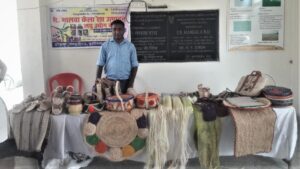
    Chief Minister Yogi Adityanath: Ravi's banana fiber products
    Chief Minister Yogi Adityanath: Ravi’s banana fiber products

    Additionally, the water extracted during the separation of banana fiber is sold for 15 to 20 rupees per liter. This nutrient-rich water, which contains calcium, potassium, iron, magnesium, and vitamin B6, is particularly sought after by fish farmers. When poured into fish ponds, it significantly promotes the healthy growth of the fish.

    Moreover, excellent organic manure can be produced by composting the leftover waste from the fiber extraction process. Ravi previously made this compost and is now preparing to resume production.

    Ravi has also trained around 600 individuals in creating various goods and products from banana fiber. Moreover, approximately 60 to 65 women from different self-help groups collaborate with him.

    According to Ravi, the process begins by placing the banana stem in a cutter, which breaks it down into smaller pieces. These pieces are then fed into a fiber extraction machine, which separates the fiber from the stem.

    Also Read This: Chief Minister Yogi Adityanath: Derogatory remarks against deities, great men, or saints of any caste, or faith are unacceptable, but anarchy in the name of protest will also not be tolerated.

    To enhance the extraction, a small amount of salt is added to the juice from the banana stem and heated. Following this, the fiber is dyed in the desired colors, ensuring that the colors are permanent. Notably, products made from this fiber are approximately 30% stronger than those made from jute.

  • ZEE announces biographical film on: Ratan Tata to honor his legacy and inspire future generation

    ZEE announces biographical film on: Ratan Tata to honor his legacy and inspire future generation

    Zee Entertainment’s MD and CEO Punit Goenka has announced a biography film as a tribute to Ratan Tata highlighting his achievement and societal impact chairman R. Gopalan expresses the company’s deep respect noting that Tata’s legacy will inspire millions. Karan Abhishek Singh, CEO of Zee media echoed this sentiment recognizing Tata as a leader who reached for and wide to broaden the films global impact, Zee studios will partner with WION leveraging its presence in 190+ countries to honor Tata’s remarkable life.

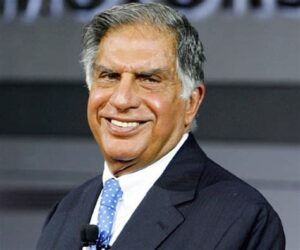
    Ratan Tata

    This announcement by Zee is being seen as a big step. The film will not only showcase Ratan Tata’s business journey but will also showcase his personal life, struggle and his commitment towards society.

    The film will become a source of inspiration for the new generation, motivating the youth to achieve their goals and bring positive change in the society.

    Also Read This: Ratan Tata: The idea of flying school brought Ratan Tata closure to JRD,this is how he become his successor

    Ratan Tata: Honoring Heritage

    Ratan Tata’s life is an example that shows that success does not only mean business achievements, but also responsibility towards society and others to ethics. The film will bring forward the ideals set by the film on which he had based his life and career.

    Ratan Tata

    Ratan Tata: Inspirational message 

    The film will not only highlight the importance of the TATA group but also how one person can bring change in the society through small anecdotes from the life of Ratan Tata. This film will serve as a source of inspiration for the youth of the new generation so that they too can dream big and step towards realizing them like Ratan Tata.

  • Tata Trust’s New Chairman? Who is Noel Tata?

    Tata Trust’s New Chairman? Who is Noel Tata?

    Tata Trust: Noel Tata, who is Ratan Tata’s half-brother has recently been appointed as the new chairman of Tata Trust. Tata Trust is the principal philanthropic arm of the TATA group and has a significant contribution to the social development of the country. Noel was appointed after the death of Ratan Tata and this responsibility has been entrusted to him on the basis of his 4 decades long service and experience within the group.

    Noel Tata has played a major role in companies like Tata International, Trent, Voltas from a small retail store to a chain of over 700 stores. Apart from this he also contributed significantly in increasing the revenues of Tata International from 500 million to 3 billion.

    Tata Trust: Noel Tata

    Noel Tata’s personality and leadership style is slightly different from Ratan Tata. He gives a low profit and focuses on his work by staying away from the media. Despite this his strategic approach and business acumen make him well suited for the important role of chairman of Tata Trust.

    Read Also: Ratan Tata: The idea of flying school brought Ratan Tata closure to JRD,this is how he become his successor

    Noel Tata’s family is also deeply connected to the TATA group, his son Neville Tata is working with Trent, and his daughters Maya and Leah are contributing to various branches of the TATA group.

  • Ratan Tata: The idea of flying school brought Ratan Tata closure to JRD,this is how he become his successor

    Ratan Tata: The idea of flying school brought Ratan Tata closure to JRD,this is how he become his successor

     Ratan Tata:  famous industrialist and hard loving Ratan Tata is no more with us his demise is a personal loss not only for this country but for every the reason for this is his simple and straightforward life despite being a successful industrialist, his down to earth behavior at a time when the country is remembering him. We are going to tell you, and incident related to his life which brought him close to Jahangir Ratanji Dadabhoy Tata.

    Ratan Tata

    Ratan TATA had dreamed of making the cheapest car in the world and full field it with Tata Nano he did his schooling at the cathedral school and after and then went to Cornell University to study architecture this was the time when he was planning is future in America. But his grandmother home Ratan Tata loved immensely, asked Ratan to return to India he immediately returned to India and started working in Tata group.

    When JRD choose Ratan Tata as his successor 

    It is the year 1991. JRD had made up his mind to say goodbye to Tata group when the time come to choose his successor, he chooses Ratan Tata to succeed him.

    It is told in RM Lala’s book that JRD had told him that Ratan Tata would prove to be like him Ratan first five year as chairman of Tata sons. There come a time when Ratan Tata with his reason and hard work, took all the companies of the group on the path of success.


    Ratan Tata

    Also Read This: Ratan tata’s health deteriorated admitted to Mumbai hospital

    He joins Tatas to biggest companies Tata Steel and Talco now Tata motors based in Jamshedpur author RM written in Lala’s book purpose of life. He proposed to open a flying school in Jamshedpur and this broad him closer to JRD Tata. On returning to Mumbai Ratan Tata was asked to run a company name Talco which was running in loss at that time Ratan Tata had once said that when JRD started losing in any debate, he would suddenly reverse the decision in your favor.


  • Ratan tata’s health deteriorated admitted to Mumbai hospital

    Ratan tata’s health deteriorated admitted to Mumbai hospital


    Ratan Tata, one of India’s most prestigious and respected industrialists, has recently been admitted to a hospital in Mumbai due to ill health. Ratan Tata 86 former chairman of Tata group, as soon as the news of his deteriorating health came, there was a wave of concern among his fans and supporters people from all over the country are praying for his speedy recovery.

    Ratan Tata and the TATA group: revolutionizing healthcare in Indian 

    Ratan Tata: On hearing the name of Ratan Tata, the image of an eminent personality of India industry and business emerges but his contributions are not limited to business only. Under his leadership the data group has not only made significant contributions in the economic sector but has also done important work for social upliftment and welfare. His contribution to the health care sector is a prime example of this. Ratan Tata and the TATA group have given a new direction to India healthcare providing better and affordable Medical services to millions of people.

    Ratan Tata

    Ratan Tata : Tata Groups beginning and contribution to health care

    History of the TATA group it was founded by Jamshedji Tata in 1868 and since then the group has been striving for the upliftment of Indian society. The foundation of the TATA group was not based on business alone, but on service and development of society. Jamshedji Tata believe that the duty of an industrialist is not only to earn profit but also to contribute to the development of the country and society. The Tata groups contribution to the health care sector goes back several decades Tata memorial hospital was established in 1941, which is today considered leading institute for cancer treatment.

    Ratan Tata: Expansion of health services under the leadership of Ratan Tata

    Ratan Tata took charge of the TATA group in 1991 and since then he has been taking the groups reason forward under his leadership the data group has launched many new initiatives in the health care sector. Ratan Tata believes that every person should have access to quality and affordable Medical services, no matter what social or economic class he or she belongs to.

    Ratan Tata

    They have established many modern hospitals and medical centers with state-of-the-art equipment and medical facilities. Along with this, he has also started many programs to provide health services to the rural and background areas of India.

  • Uttar Pradesh: Kushinagar bananas winning hearts from Punjab to Kashmir

    Uttar Pradesh: Kushinagar bananas winning hearts from Punjab to Kashmir

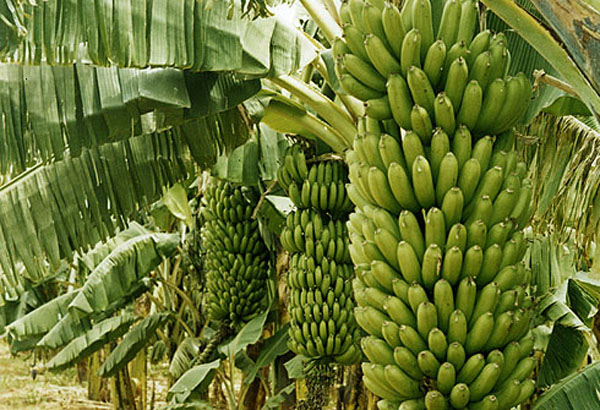
    Uttar Pradesh: Kushinagar bananas, grown in the revered land of Buddha’s Mahaparinirvana and designated as a One District One Product (ODOP) by the Yogi government, have captivated taste buds from Punjab to Kashmir.

    From Uttar Pradesh to Bihar and Nepal: Kushinagar bananas gain widespread popularity 

    These sweet bananas are distributed widely to major cities such as Delhi, Meerut, Ghaziabad, Chandigarh, Ludhiana, and Bhatinda. Their popularity extends beyond Uttar Pradesh, with strong demand across all districts of the Gorakhpur division, as well as in Kanpur, Nepal, and Bihar, where they enjoy a dedicated fan base.

    According to Ashok Rai, in charge of the Kushinagar Krishi Vigyan Kendra, affiliated to the Indian Council of Agricultural Research, local farmers grow bananas for both fruit and vegetable purposes, with 70% of the cultivation area dedicated to fruits and 30% to vegetables. 

    Uttar Pradesh

    The G-9 variety is most popular for consumption, while Robusta is preferred for vegetable use. Banana cultivation covers around 16,000 hectares in the district.

    Notably, banana cultivation and processing has surged in Kushinagar with the ODOP status granted to it by the Uttar Pradesh government.  Voluntary organizations are producing banana juice, chips, flour, pickles, and even products like mats, baskets, and slippers made from banana fiber. These products are seeing growing demand and enthusiasm. 

    Ashok Rai explains that in 2007, banana cultivation in Kushinagar was limited to just 500 hectares. Today, it has expanded 32 times to nearly 16,000 hectares with the ODOP designation. Additionally, the government subsidies approximately Rs 31,000 per hectare to farmers for cultivating bananas.

    Kushinagar, part of the Gorakhpur division, has a major market for fruits and vegetables. Initially, only a few farmers from Kushinagar would bring their bananas to sell in this market. Due to the high quality of the fruit, some traders from Gorakhpur began purchasing bananas directly from the farms in Kushinagar. 

    The bananas are being supplied to Delhi, Meerut, Ghaziabad, Chandigarh, Ludhiana, and Bhatinda 

    These traders, who had established connections with counterparts in Kashmir, Punjab, and Delhi to trade apples, kinnow, and other produce, helped spread the fame of Kushinagar bananas to distant markets. Today, Kushinagar bananas are supplied to major cities, including Kashmir, Bhatinda, Ludhiana, Chandigarh, Kanpur, Delhi, Ghaziabad, and Meerut.

    Noticing the increasing interest of local farmers in banana cultivation, former District Magistrate Umesh Mishra initiated efforts to grant banana farming the status of an industry. He convened meetings with bankers and directed them to offer easy loans to banana growers through various central and state government schemes. 

    Uttar Pradesh

    Read Also This: Uttar Pradesh: Banana emerges as a more profitable alternative to traditional crops in Purvanchal and Awadh regions with Yogi govt’s support

    Murlidhar Dixit from Sirsiyan Dixit and Mrityunjay Mishra from Bharwalia  are prominent banana farmers whose produce is distributed to major cities across the state and country through commission agents. According to them, the peak season for banana sales is just before Navratri, driven by the festive demand.

    Banana farming is labor-intensive. The process involves digging pits for planting, applying fertilizers, planting saplings, regular irrigation, crop protection, and harvesting of ripe fruit. Additionally, the tasks of loading, unloading, and transporting the produce generate significant employment opportunities.

    Dr S.P. Singh, a vegetable scientist at Krishi Vigyan Kendra Belipar (Gorakhpur), advises that the ideal time for planting bananas is in February or during July-August. To minimize risks, farmers cultivating on a large scale are advised to plant in both seasons.


  • Uttar Pradesh: Banana emerges as a more profitable alternative to traditional crops in Purvanchal and Awadh regions with Yogi govt’s support

    Uttar Pradesh: Banana emerges as a more profitable alternative to traditional crops in Purvanchal and Awadh regions with Yogi govt’s support

    Uttar Pradesh: More and more farmers are taking to banana cultivation in these regions of  

    Farmers in Uttar Pradesh are increasingly turning to banana cultivation due to its status as a short-duration cash crop with consistent demand throughout the year. It is being grown extensively in districts such as Kushinagar, Gorakhpur, Deoria, Basti, Maharajganj, Ayodhya, Gonda, Bahraich, Ambedkarnagar, Barabanki, Pratapgarh, Amethi, Kaushambi, Sitapur, and Lakhimpur, covering areas like Purvanchal and Awadh.

    Uttar Pradesh: The Yogi government is providing a subsidy of around Rs 31,000 per hectare for banana cultivation. Additionally, the transparent distribution of agricultural equipment and subsidies on drip and sprinkler irrigation, along with solar pumps, have further encouraged farmers to adopt cash crops like bananas.

    Uttar Pradesh

    Traditionally, banana farming was concentrated in South India. However, decades ago, cultivation spread to Bhusaval and surrounding areas in Maharashtra, making the Bhusaval banana synonymous with the region. Over time, Bihar’s Naugachia bananas gained popularity, particularly in markets across North India, prompting farmers in Kushinagar, near Bihar, to cultivate it on a large scale.

    According to data from the Central Institute of Subtropical Horticulture, Rahmankheda, Lucknow, India produces approximately 3.5 crore metric tonnes of bananas annually, with a cultivation area of about 9,61,000 hectares across the country.

    India and Uttar Pradesh banana production in Uttar Pradesh

    Uttar Pradesh: In Uttar Pradesh alone, banana cultivation spans around 70,000 hectares, with the total production of 3.172 lakh metric tonnes and an average yield of 45.73 metric tonnes per hectare.

    Bananas hold significant value, not only economically, but also for their religious and nutritional importance. No religious ritual is considered complete without the use of bananas or banana leaves. 

    In addition to being a popular daily breakfast item, bananas are often consumed during fasts. The fruit is also increasingly used for various co-products, including items made from both raw and ripe bananas, as well as fiber from the stem.

    While many seasonal fruits are available only during specific months, bananas are among the few fruits available year-round. Unlike most fruits that need to be washed or cut, bananas are easy to consume by simply peeling the skin, making them a convenient choice for many.

    Read Also This: Uttar Pradesh:यूपी के किसानों में बढ़ा केले की खेती का क्रेज

    Uttar Pradesh: Banana is very important not only economically but also religiously and nutritionally

    According to T. Damodaran, Director of the Central Institute of Subtropical Horticulture, bananas are highly important from a nutritional standpoint. Rich in potassium, they are also a good source of carbohydrates, fiber, antioxidants, and vitamin B-6. 

    Potassium plays a crucial role in heart health, particularly in managing blood pressure. A potassium-rich diet helps in controlling blood pressure and can reduce the risk of hypertension, potentially lowering the chance of heart disease by 27%.

    Prabhat Kumar Shukla, Principal Scientist at the Central Institute of Subtropical Horticulture, emphasizes that the vitamin B-6 found in bananas is easily absorbed by the body. A medium-sized banana can meet approximately one-fourth of the daily requirement for this vitamin. 

    Uttar Pradesh

    Vitamin B-6 is essential for the production of red blood cells, the metabolism of carbohydrates and fats, and converting these into energy. It also helps remove unwanted chemicals from the liver and kidneys, while maintaining a healthy nervous system.

  • IIM Mumbai Students Gain Valuable Insights from Pidilite’s Rahul Tiwari: Adaptability and Skills Key to Success in Evolving Corporate World

    IIM Mumbai Students Gain Valuable Insights from Pidilite’s Rahul Tiwari: Adaptability and Skills Key to Success in Evolving Corporate World

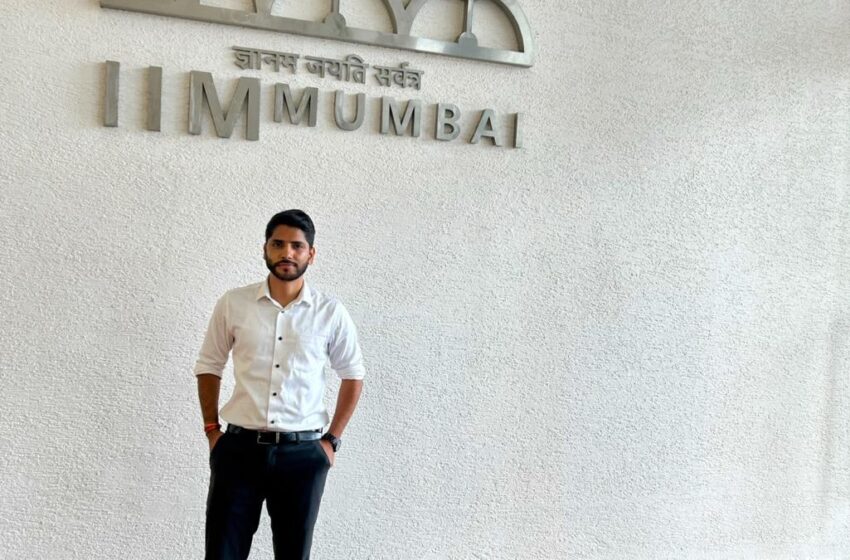
    IIM Mumbai Students: Rahul Tiwari, a prominent business leader and Senior Strategy Leader at Pidilite Industries Limited, recently shared his expertise with future business leaders during a guest lecture at the Indian Institute of Management, Mumbai (IIM Mumbai), one of India’s premier business schools.

    Tiwari, himself an alumnus of a leading Indian business school, brought a wealth of experience to the session. Currently part of Pidilite’s senior leadership team, he is also a renowned speaker and consultant, offering valuable guidance to businesses, government institutions, and emerging startups on career and business strategy.

    During his inspiring talk, Tiwari focused on equipping students with the necessary tools to navigate their upcoming corporate journeys. He offered practical insights to excel in their summer internship placements, while also shedding light on emerging industry trends and how students can strategically align their skillsets with evolving industry requirements.

    Emphasizing the dynamic nature of the corporate world, Tiwari highlighted the importance of adaptability and a strong skillset for achieving future success. He commended the institute’s commitment to fostering diversity within its curriculum and student body, recognizing its significance in preparing well-rounded business leaders.

    This session served a two-fold purpose: to empower IIM Mumbai students for their upcoming corporate endeavors and to strengthen the valuable connection between the institute and the corporate sector.

    Beyond his leadership role at Pidilite, Tiwari is also recognized as an emerging business icon and a leading voice on LinkedIn, where he consistently shares his knowledge and insights with a broader audience.

  • Gross GST revenue collection in May 2024 stands at ₹1.73 lakh crore; Records 10% y-o-y growth

    Gross GST revenue collection in May 2024 stands at ₹1.73 lakh crore; Records 10% y-o-y growth

    ₹3.83 lakh crore gross GST revenue collection in FY2024-25 (till May 2024) records 11.3% y-o-y growth

    Net Revenue (after refunds) grows 11.6% in FY 2024-25 (till May 2024)

    Domestic Gross GST Revenue grows 15.3% in May, 2024

    The gross Goods and Services Tax (GST) revenue for the month of May 2024 stood at ₹1.73 lakh crore. This represents a 10% year-on-year growth, driven by a strong increase in domestic transactions (up 15.3%) and slowing of imports (down 4.3%). After accounting for refunds, the net GST revenue for May 2024 stands at ₹1.44 lakh crore, reflecting a growth of 6.9% compared to the same period last year.

    Breakdown of May 2024 Collections:

    • Central Goods and Services Tax (CGST): ₹32,409 crore;
    • State Goods and Services Tax (SGST): ₹40,265 crore;
    • Integrated Goods and Services Tax (IGST): ₹87,781 crore, including ₹39,879 crore collected on imported goods;
    • Cess: ₹12,284 crore, including ₹1,076 crore collected on imported goods.

    The gross GST collections in the FY 2024-25 till May 2024 stood at ₹3.83 lakh crore. This represents an impressive 11.3% year-on-year growth, driven by a strong increase in domestic transactions (up 14.2%) and marginal increase in imports (up 1.4%). After accounting for refunds, the net GST revenue in the FY 2024-25 till May 2024 stands at ₹3.36 lakh crore, reflecting a growth of 11.6% compared to the same period last year.

    Breakdown of collections in the FY 2024-25 till May, 2024, are as below:

    • Central Goods and Services Tax (CGST): ₹76,255 crore;
    • State Goods and Services Tax (SGST): ₹93,804 crore;
    • Integrated Goods and Services Tax (IGST): ₹1,87,404 crore, including ₹77,706 crore collected on imported goods;
    • Cess: ₹25,544 crore, including ₹2,084 crore collected on imported goods.

    Inter-Governmental Settlement:

    In the month of May, 2024, the Central Government settled ₹38,519 crore to CGST and ₹32,733 crore to SGST from the net IGST collected of ₹67,204 crore. This translates to a total revenue of ₹70,928 crore for CGST and ₹72,999 crore for SGST in May, 2024, after regular settlement.

    Similarly, in the FY 2024-25 till May 2024 the Central Government settled ₹88,827 crore to CGST and ₹74,333 crore to SGST from the net IGST collected of ₹154,671 crore. This translates to a total revenue of ₹1,65,081 crore for CGST and ₹1,68,137 crore for SGST in FY 2024-25 till May 2024 after regular settlement.

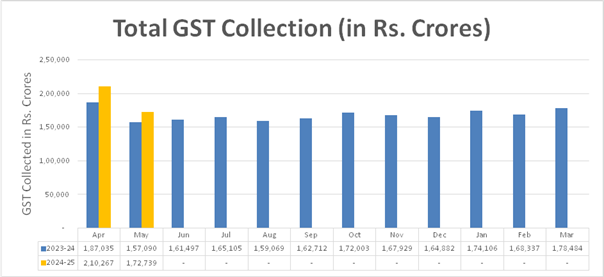
    The chart below shows trends in monthly gross GST revenues during the current year. Table-1 shows the state-wise figures of GST collected in each State during the month of May, 2024 as compared to May, 2023. Table-2 shows the state-wise figures of post settlement GST revenue of each State for the month of May, 2024.

    Chart: Trends in GST Collection

    Table 1: State-wise growth of GST Revenues during May, 2024[1]

    State/UT May-23 May-24 Growth (%)
    Jammu and Kashmir 422    525 24%
    Himachal Pradesh 828   838 1%
    Punjab 1,744   2,190 26%
    Chandigarh 259    237 -9%
    Uttarakhand 1,431   1,837 28%
    Haryana 7,250  9,289 28%
    Delhi 5,147 7,512 46%
    Rajasthan 3,924   4,414 13%
    Uttar Pradesh 7,468   9,091 22%
    Bihar 1,366 1,521 11%
    Sikkim 334    312 -7%
    Arunachal Pradesh 120      98 -18%
    Nagaland    52      45 -14%
    Manipur    39      58 48%
    Mizoram    38      39 3%
    Tripura    75      73 -3%
    Meghalaya  214    172 -20%
    Assam  1,217   1,228 1%
    West Bengal 5,162   5,377 4%
    Jharkhand 2,584  2,700 4%
    Odisha 4,398   5,027 14%
    Chhattisgarh 2,525   2,853 13%
    Madhya Pradesh 3,381  3,402 1%
    Gujarat  9,800 11,325 16%
    Dadra and Nagar Haveli and Daman & Diu 324    375 16%
    Maharashtra 23,536 26,854 14%
    Karnataka  10,317 11,889 15%
    Goa 523    519 -1%
    Lakshadweep      2 1 -39%
    Kerala 2,297   2,594 13%
    Tamil Nadu 8,953   9,768 9%
    Puducherry 202   239 18%
    Andaman and Nicobar Islands    31      37 18%
    Telangana 4,507  4,986 11%
    Andhra Pradesh 3,373  3,890 15%
    Ladakh    26       15 -41%
    Other Territory 201   207 3%
    Center Jurisdiction  187    245 30%
    Grand Total        1,14,261 1,31,783 15%


    Table-2: SGST & SGST portion of IGST settled to States/UTs in

    May (Rs. in crore)

    Pre-Settlement SGST Post-Settlement SGST[2]
    State/UT May-23 May-24 Growth May-23 May-24 Growth
    Jammu and Kashmir   178  225 26%   561  659 17%
    Himachal Pradesh  189   187 -1%  435  436 0%
    Punjab  638  724 14% 1,604 1,740 8%
    Chandigarh 48  54 12%  168   178 6%
    Uttarakhand   411  476 16%  666   714 7%
    Haryana  1,544 1,950 26% 2,568 3,025 18%
    Delhi  1,295  1,477 14% 2,539 2,630 4%
    Rajasthan 1,386 1,506 9% 3,020  3,315 10%
    Uttar Pradesh 2,384 2,736 15% 5,687 6,848 20%
    Bihar  623  695 11% 2,058 2,298 12%
    Sikkim  31 26 -15% 84 66 -21%
    Arunachal Pradesh 60  45 -26%   187   152 -19%
    Nagaland  21  19 -9% 83  79 -4%
    Manipur 23 32 35%  77  107 39%
    Mizoram  21 22 3%  79  77 -3%
    Tripura 40 36 -9%   135  138 2%
    Meghalaya  56  52 -7%   158   154 -3%
    Assam  488   511 5%  1,170 1,280 9%
    West Bengal  1,952 2,030 4% 3,407 3,628 6%
    Jharkhand  653  735 13%  976  1,135 16%
    Odisha  1,255  1,415 13%  1,676 2,068 23%
    Chhattisgarh  583  661 14%  833 1,033 24%
    Madhya Pradesh  987 1,028 4% 2,580  2,555 -1%
    Gujarat  3,371 3,526 5%  5,156 5,233 2%
    Dadra and Nagar Haveli and Daman and Diu  47  58 23% 92 80 -13%
    Maharashtra  7,621  8,711 14% 10,952 12,397 13%
    Karnataka 3,022 3,441 14% 5,704 6,062 6%
    Goa  182  190 4%  324  321 -1%
    Lakshadweep    0     1 478%    7    5 -35%
    Kerala 1,040 1,209 16% 2,387 2,497 5%
    Tamil Nadu  3,101 3,530 14% 4,829 6,014 25%
    Puducherry 36  41 13% 99  106 7%
    Andaman and Nicobar Islands  15  18 17%  41 44 5%
    Telangana 1,448 1,636 13% 3,024 3,239 7%
    Andhra Pradesh 1,048 1,240 18%  2,116 2,597 23%
    Ladakh  14    8 -43% 34 24 -27%
    Other Territory  16  17 8% 83 66 -20%
    Grand Total 35,828 40,265 12% 65,597 72,999 11%
  • NTPC registers 62% growth in coal production from its captive mines

    NTPC registers 62% growth in coal production from its captive mines

    NTPC Limited continues to demonstrate excellence in operations with an increasing trend in coal production from its captive mines. NTPC has produced 7.36 MMT of coal production as per data available on 31st August 2022 registering a robust growth of 62% compared to 4.55 MMT achieved during the same period last year.

    With meticulous planning, resource mobilization, and regular monitoring, NTPC has achieved substantial growth even during the monsoon period, so far, and is hopeful of sustaining the growth that will help in ensuring uninterrupted, reliable and affordable power generation.
    Further, NTPC has dispatched 7.52 MMT of coal from its captive mines as compared to 5.47 MMT of coal dispatched during the same period last year, registering a growth of 37%.

    NTPC has taken various steps to augment the coal production from its coal mines. The engagement of high-capacity dumpers as well as an increase in the existing fleet size of excavators has allowed the operational mines to increase their production.