Category: Business

  • Tata Chemicals Share Fall : Why the Stock Plunged Over 11% Amid Tata Sons Boardroom Dispute

    Tata Chemicals Share Fall : Why the Stock Plunged Over 11% Amid Tata Sons Boardroom Dispute

    On Friday, the Tata Chemicals share fall caught the attention of the entire market as the stock crashed more than 11%. The sharp decline was not limited to one company — several Tata group stocks also faced heavy selling pressure. The main reason behind this sudden weakness is the ongoing boardroom dispute at Tata Sons related to the reappointment of N. Chandrasekaran as Executive Chairman.

    Why Did the Tata Chemicals Share Fall Happen?

    The Tata Chemicals share fall of over 11% was one of the steepest declines among Tata group companies. Investors reacted strongly to reports of disagreement within Tata Sons over leadership continuity. Even though there was no major change in Tata Chemicals’ day-to-day business performance, the market often responds emotionally to group-level uncertainty.

    When questions arise about top leadership in a large conglomerate like Tata, the impact is usually felt across multiple listed companies. This is exactly what triggered the Tata Chemicals share fall and broader weakness in the group’s stocks.

    Tata Chemicals Share Fall : Why the Stock Plunged Over 11% Amid Tata Sons Boardroom Dispute
    Tata Chemicals Share Fall : Why the Stock Plunged Over 11% Amid Tata Sons Boardroom Dispute

    The Root Cause: Tata Sons Boardroom Dispute

    The controversy centres on the reappointment of N. Chandrasekaran, the current face of Tata group’s leadership. During his tenure, the group has taken several important strategic decisions. Differences at the board level over his next term have created uncertainty about the group’s future direction, capital allocation, and long-term strategy.

    Investors take such developments seriously because stable leadership is closely linked to business expansion and investor confidence. This uncertainty played a major role in the Tata Chemicals share fall and pressure on other Tata group companies.

    Impact on Other Tata Group Stocks

    Apart from the sharp Tata Chemicals share fall, other Tata group companies also saw selling pressure. Market participants fear that if the boardroom dispute at Tata Sons continues for long, it could affect the overall image and investor trust in the group.

    In the stock market, events related to a prestigious business house often have a wide impact. Investors look not only at current financial results but also at future strategic clarity — something that is currently under a cloud.

    Tata Chemicals Share Fall : Why the Stock Plunged Over 11% Amid Tata Sons Boardroom Dispute
    Tata Chemicals Share Fall : Why the Stock Plunged Over 11% Amid Tata Sons Boardroom Dispute

    What Should Investors Keep in Mind?

    Market experts suggest that the Tata Chemicals share fall should be viewed as a reaction to leadership-related news rather than a fundamental problem in the company’s business. If the dispute is resolved quickly, a recovery in the stock is possible. However, prolonged uncertainty could keep pressure on Tata Chemicals and other group stocks.

    Long-term investors should watch how Tata Sons handles the situation. A strong brand, diversified portfolio, and clear leadership usually help restore confidence over time.

    Also Read This : Pinaka Multi-Barrel Rocket Launcher : India’s Indigenous Artillery Powerhouse

    What Next After the Tata Chemicals Share Fall?

    All eyes are now on the next developments at Tata Sons. A quick resolution of the boardroom dispute could bring stability back to Tata group stocks, including Tata Chemicals. On the other hand, if differences escalate, the Tata Chemicals share fall may not remain a one-day event.


    View this post on Instagram

     

    A post shared by AVSPOST (@avspost)

  • United Spirits : India’s Leading Beverage Alcohol Company and Diageo’s Premium Powerhouse

    United Spirits : India’s Leading Beverage Alcohol Company and Diageo’s Premium Powerhouse

    United Spirits Limited, popularly known as United Spirits or Diageo India, stands as one of the most influential names in India’s beverage alcohol industry. As a listed subsidiary of the global giant Diageo Plc, United Spirits has successfully blended deep Indian roots with world-class international brands. Headquartered in Bengaluru and listed on both the NSE and BSE, the company continues to shape how Indians enjoy premium spirits.

    What is United Spirits?

    United Spirits is among India’s largest and most respected beverage alcohol companies. The company manufactures, markets, and distributes a wide portfolio of spirits across whisky, rum, vodka, gin, and brandy categories. Over the years, United Spirits has transformed from a predominantly volume-driven player into a premium-focused business, with the Prestige & Above segment contributing the majority of its net sales value.

    United Spirits/
    United Spirits

    Operating under the Diageo India banner, United Spirits combines global expertise with local insight. This unique positioning allows the company to offer consumers everything from everyday favorites to luxury single malts.

    A Rich Legacy : The Story of United Spirits

    The roots of United Spirits go back to the historic McDowell’s brand, which has been part of India’s drinking culture for generations. Founded in the 19th century, McDowell’s later became a cornerstone of the company’s portfolio. The modern chapter of United Spirits began when Diageo acquired a controlling stake, bringing international standards of quality, marketing, and responsible drinking practices to the Indian market.

    Today, United Spirits stands as a bridge between India’s traditional spirits heritage and contemporary global trends. The company’s evolution reflects the broader premiumization wave sweeping across the Indian alcoholic beverage sector.

    The Impressive Brand Portfolio of United Spirits

    One of the strongest competitive advantages of United Spirits is its diverse and powerful brand portfolio. The company offers both iconic Indian brands and globally recognized Diageo labels.

    Key brands under United Spirits include:

    • Johnnie Walker – The world’s best-selling Scotch whisky
    • Black Dog and Black & White – Popular Scotch offerings
    • VAT 69 – A classic blended Scotch
    • Antiquity and Signature – Premium Indian whiskies
    • Royal Challenge – A widely loved Indian whisky
    • McDowell’s No.1 – One of the largest-selling whisky brands in the world
    • The Singleton – Single malt Scotch
    • Smirnoff, Ketel One, and Tanqueray – Leading vodka and gin brands
    • Captain Morgan – Popular rum
    • Godawan – India’s award-winning artisanal single malt whisky
    United Spirits
    United Spirits

    This balanced portfolio allows United Spirits to cater to consumers across different price points while steadily shifting focus toward higher-margin premium products.

    Manufacturing Strength and Pan-India Presence

    United Spirits operates one of the largest manufacturing footprints in the Indian alcobev industry. The company maintains multiple manufacturing facilities across various states and union territories, supported by a state-of-the-art Technical Centre in Bengaluru. These facilities, combined with a robust distribution network reaching tens of thousands of outlets, ensure wide product availability.

    The scale of operations gives United Spirits a significant edge in supply chain efficiency and market reach. Continuous optimisation of its manufacturing network remains a key focus area as the company adapts to changing market dynamics.

    Commitment to Responsible Drinking

    United Spirits places strong emphasis on responsible consumption. Through Diageo’s global DRINKiQ programme, the company actively promotes awareness about the effects of alcohol and encourages moderate, informed drinking. Initiatives around water stewardship, community development, and sustainable manufacturing further highlight the company’s broader social responsibility efforts.

    Why United Spirits Continues to Lead

    Several factors keep United Spirits at the forefront of the industry:

    • Strong parentage of Diageo Plc
    • Focus on portfolio premiumisation
    • Continuous product innovation (including Indian single malts like Godawan)
    • Extensive manufacturing and distribution network
    • Deep understanding of Indian consumer preferences

    As Indian consumers increasingly trade up to better quality spirits, United Spirits is well-positioned to capture long-term growth.

    Also Read This : US Fed Rates Update : Federal Reserve Holds Interest Rates Steady, Three Officials Dissent; Eyes on Trump’s Reaction

    United Spirits is more than just a company name — it represents a significant chapter in India’s beverage alcohol journey. From its historic McDowell’s heritage to its current status as Diageo India, the company has consistently evolved with the market. With a powerful brand portfolio, strong operational backbone, and clear focus on premiumisation and responsibility, United Spirits remains a key player to watch in India’s growing spirits industry.


    View this post on Instagram


    A post shared by AVSPOST (@avspost)

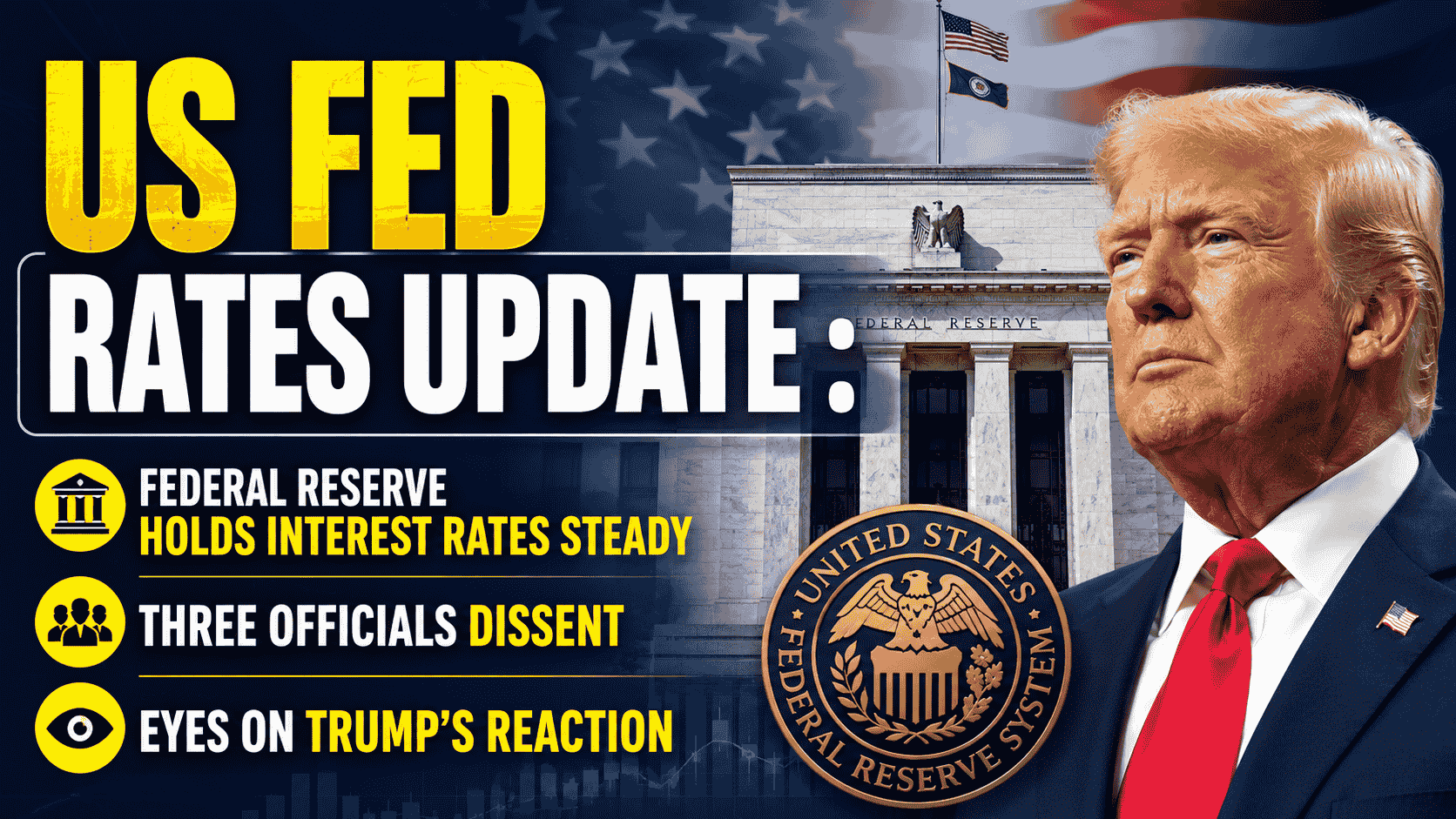
  • US Fed Rates Update : Federal Reserve Holds Interest Rates Steady, Three Officials Dissent; Eyes on Trump’s Reaction

    US Fed Rates Update : Federal Reserve Holds Interest Rates Steady, Three Officials Dissent; Eyes on Trump’s Reaction

    US Fed Rates Update : Federal Reserve Keeps Interest Rates Unchanged, The United States’ central bank, the Federal Reserve, has once again decided to keep its key interest rates unchanged. This decision comes at a time when the global economy is grappling with pressures such as inflation, slow growth, and uncertainty in financial markets. Markets have viewed the Fed’s move as a cautious stance, as the bank currently wants to further analyze economic indicators.

    However, this time the decision was not unanimous. Three officials within the Fed voted in favor of a rate increase instead of holding rates steady, signaling that differences of opinion persist among policymakers regarding the economic situation. This dissent indicates that debate over interest rate policy could intensify in the coming months.

    Why Did Three Officials Dissent?

    US Fed Rates Update : Differences of opinion on rates within the Federal Reserve are nothing new, but the opposition of three officials this time carries particular significance. These officials believed that further tightening of rates may be necessary to fully control inflation. On the other hand, the majority held the view that keeping rates steady would be a more balanced step under the current economic conditions.

    US Fed Rates Update : Federal Reserve Holds Interest Rates Steady, Three Officials Dissent; Eyes on Trump’s Reaction
    US Fed Rates Update : Federal Reserve Holds Interest Rates Steady, Three Officials Dissent; Eyes on Trump’s Reaction

    According to experts, the Fed’s decision signals that the central bank is still operating on a data-dependent policy. In other words, the future direction will be determined solely on the basis of the latest figures on employment, inflation, consumer spending, and economic growth.

    What Was the Impact on Markets?

    US Fed Rates Update : The Fed’s decision had an immediate effect on U.S. and global markets. Investors took it as a somewhat reassuring signal for now, because an increase in interest rates makes borrowing more expensive and puts pressure on corporate profits. Meanwhile, rates remaining steady could provide some relief to sectors linked to real estate, autos, and consumer loans.

    However, markets also understand that this stability is not permanent. If inflation picks up again in the coming months, the Fed could take the path of raising rates. This is why investors are now closely watching the Fed’s next signals.

    US Fed Rates Update : What Will Trump Do?

    The biggest question now is how Donald Trump will react to this decision. Trump has previously criticized the Federal Reserve’s policies and has repeatedly tried to pressure the central bank over interest rates. For him, lower interest rates are generally considered positive for economic growth and markets.

    In this context, the Fed’s current stance does not fully align with Trump’s economic thinking. If he raises this issue on the political stage, it could once again bring tension between U.S. monetary policy and the White House into discussion. Markets are also taking this potential confrontation seriously, as political rhetoric can affect investor sentiment.

    US Fed Rates Update : Federal Reserve Holds Interest Rates Steady, Three Officials Dissent; Eyes on Trump’s Reaction
    US Fed Rates Update : Federal Reserve Holds Interest Rates Steady, Three Officials Dissent; Eyes on Trump’s Reaction

    What Could the Fed’s Future Strategy Be?

    Economists believe the Fed will maintain a cautious stance for now. The central bank does not want any hasty decision to push the economy toward a recession. On the other hand, if inflation remains higher than expected, the Fed may again have to take stricter measures.

    In the coming period, data such as the employment report, the Consumer Price Index, and retail sales will prove decisive for the Fed’s next policy. That is why this decision is not limited only to today’s rates but also signals the direction of future monetary policy.

    Also Read This : Iran-US War : Has Iran Admitted Defeat? Trump’s Claim – Pleaded to Stop Attacks, Iran Itself Extended the Hand for Talks

    US Fed Rates Update : Overall, the Federal Reserve’s decision to keep interest rates steady is being seen as a cautious yet important step for the U.S. economy. The dissent of three officials has made it clear that differences exist among policymakers. Now all eyes are on the stance Trump adopts on this decision and the direction in which the Fed takes its policy in the coming months.


    View this post on Instagram


    A post shared by AVSPOST (@avspost)

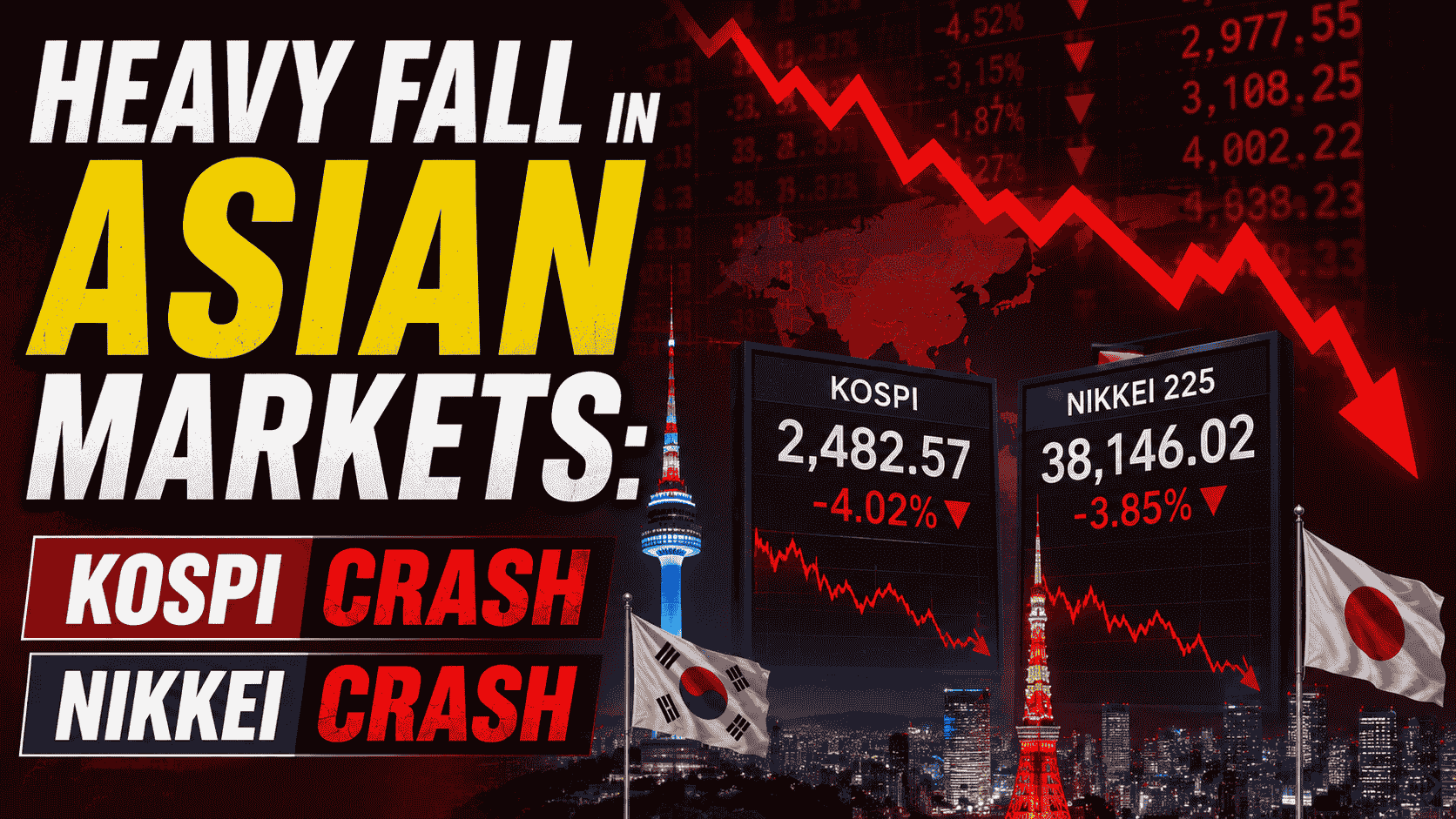
  • Heavy Fall in Asian Markets : Kospi and Nikkei Crash; Oil Prices Rise Due to US-Iran Tensions — What Will Be the Impact on India?

    Heavy Fall in Asian Markets : Kospi and Nikkei Crash; Oil Prices Rise Due to US-Iran Tensions — What Will Be the Impact on India?

    Asian Markets Crash : Asian stock markets are witnessing a sharp decline today. Rising tensions between the US and Iran, along with fears of a breakdown in peace agreements, have increased investor concerns. As a result, major Asian indices like Kospi, Nikkei, and others are under pressure. Risk aversion has intensified in the market, and investors are shifting towards safer assets.

    Why Are Asian Markets Falling?

    The biggest reason for uncertainty in global markets is geopolitical tension. The deteriorating situation between the US and Iran has made investors cautious. Whenever international tensions rise, equity markets are directly affected. Asian markets have not been spared either, with selling pressure visible from the opening trade.

    Asian Markets Crash
    Asian Markets Crash

    Experts believe that if the tensions escalate further, it could impact the supply of crude oil. This is why oil prices have risen sharply. The effect of expensive oil is not limited to energy companies alone — it also affects transportation, manufacturing, and consumer spending.

    Pressure on Kospi and Nikkei

    South Korea’s Kospi and Japan’s Nikkei both opened in the red. The heaviest pressure was seen on shares of technology, auto, and export-oriented companies. Concerns over global demand and rising crude oil prices have weakened investor sentiment.

    In export-dependent markets like Japan and South Korea, the strength of the US dollar and rising raw material costs have also become major worries. Foreign investors are adjusting their portfolios to reduce risk.

    What Does the Rise in Oil Prices Mean?

    An increase in oil prices has an immediate impact on the global economy. When crude oil becomes expensive, companies’ production costs rise, and the prices of products reaching consumers can also go up. This increases inflationary pressure and makes policy decisions difficult for central banks.

    If crude oil prices remain high for a prolonged period, it could also affect the recovery of Asian markets. Investors are currently waiting for any positive signals, but volatility is likely to persist in the present environment.

    What Will Be the Impact on India?

    The biggest question now is: what will happen in India? Indian stock markets are also influenced by global cues. If the decline in Asian markets continues and oil prices keep rising, domestic markets could also come under pressure. Sectors such as Oil & Gas, Aviation, Paints, Chemicals, and Logistics are likely to see a negative impact.

    Heavy Fall in Asian Markets : Kospi and Nikkei Crash; Oil Prices Rise Due to US-Iran Tensions
    Heavy Fall in Asian Markets : Kospi and Nikkei Crash; Oil Prices Rise Due to US-Iran Tensions

    India is a major importer of crude oil, so higher oil prices could widen the trade deficit. The rupee may also face pressure. If the rupee weakens, foreign investors’ sentiment could deteriorate further. However, some sectors like IT and Pharma may perform relatively better during periods of global uncertainty.

    What Are the Signals for Investors?

    Market experts advise investors to avoid taking excessive risks at this time. It would be better to focus on companies with strong fundamentals amid short-term volatility. Caution is necessary in sectors directly affected by rising oil prices.

    Additionally, keeping an eye on global developments is crucial. Indicators such as US-Iran tensions, crude oil prices, the Dollar Index, and foreign investment flows could determine the direction of the markets in the coming days.

    Also Read This : Elon Musk Wealth Drops Sharply in 13 Days : What Changed from Trillionaire to Billionaire Again?

    Selling pressure currently dominates Asian Markets, and investors’ attention is fixed on international developments. If tensions ease, a relief rally in the markets is possible. But if the situation worsens, the decline could deepen further.


    View this post on Instagram


    A post shared by AVSPOST (@avspost)

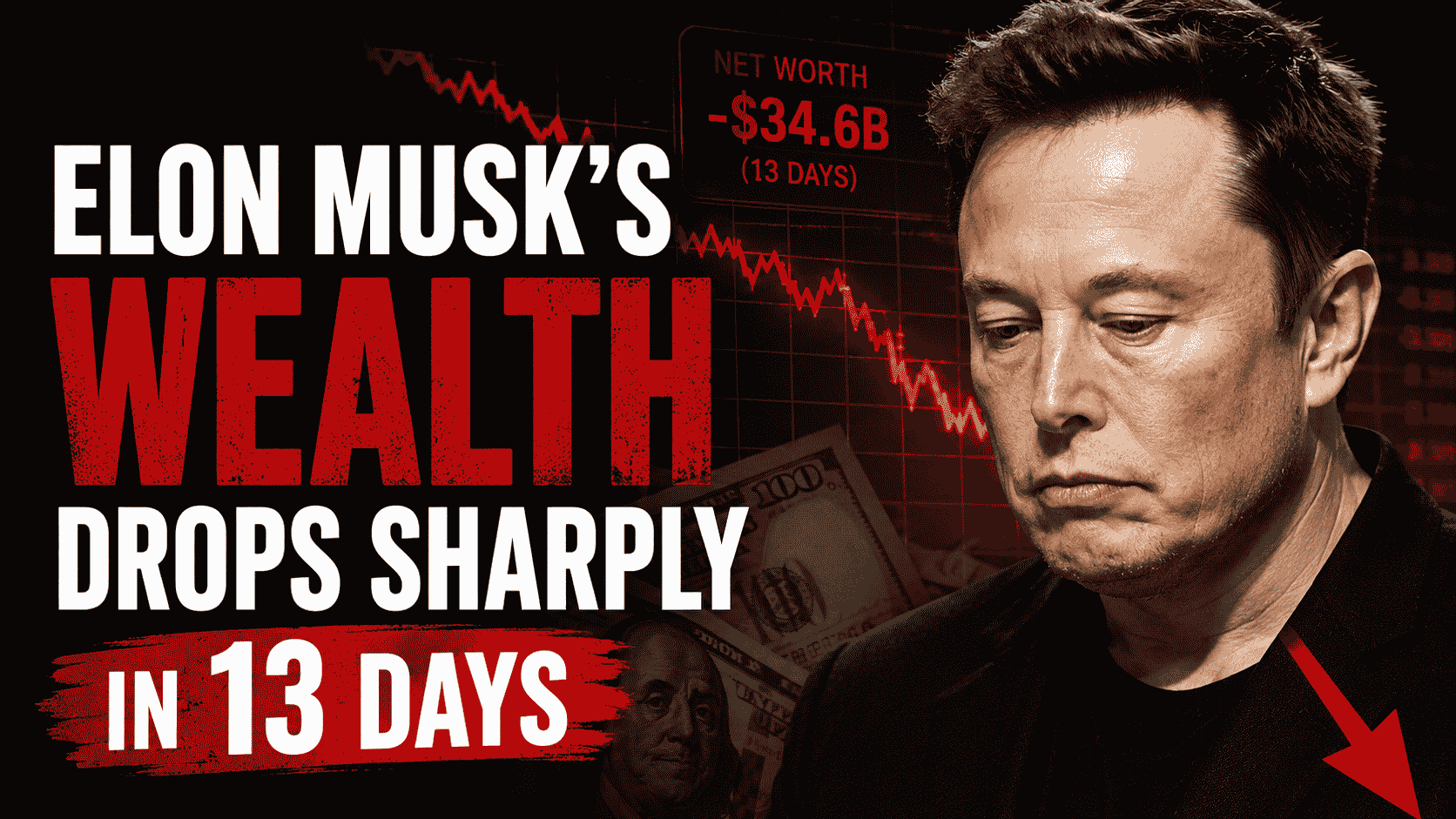
  • Elon Musk Wealth Drops Sharply in 13 Days : What Changed from Trillionaire to Billionaire Again?

    Elon Musk Wealth Drops Sharply in 13 Days : What Changed from Trillionaire to Billionaire Again?

    Elon Musk Wealth Drops : Elon Musk’s net worth has witnessed a dramatic shift within just 13 days. The world’s most talked-about billionaire, whose wealth was recently fueling discussions of him becoming the first trillionaire, is now back in the billionaire category. This rapid decline has surprised investors, market analysts, and the entire tech industry.

    The big question is: what exactly happened in such a short time that caused such a massive hit to Musk’s fortune? The answer lies in the weakness in Tesla’s shares, broader market volatility, and fluctuating investor confidence in his companies.

    Where Did the Biggest Loss Occur?

    The largest portion of Elon Musk’s wealth is tied to Tesla. His net worth is heavily dependent on Tesla stock, and any drop in the company’s share price directly impacts his total wealth. In this recent decline, the biggest damage came from the fall in Tesla’s market valuation.

    Elon Musk Wealth Drops Sharply in 13 Days : What Changed from Trillionaire to Billionaire Again?
    Elon Musk Wealth Drops Sharply in 13 Days : What Changed from Trillionaire to Billionaire Again?

    Increased selling pressure on Tesla shares brought down the company’s market capitalization, resulting in a sharp drop in Musk’s net worth. Additionally, broad pressure on the tech sector, uncertainty around interest rates, and reduced risk appetite among investors further worsened the situation.

    What Changed in 13 Days?

    Over the past 13 days, several shifts occurred in global markets. Pressure mounted on U.S. tech stocks, competition intensified in the electric vehicle sector, and investor expectations for Tesla weakened somewhat. All these factors combined to affect Musk’s wealth.

    Experts note that when a large part of a billionaire’s wealth is concentrated in a single company’s shares, even a modest decline in that stock can cause a difference of billions of dollars. This is exactly what happened with Musk. The drop in Tesla’s valuation quickly pulled down his net worth.

    From Trillionaire Talk to Billionaire Level

    Elon Musk Wealth Drops : There has long been discussion about Elon Musk potentially becoming the world’s first trillionaire in the future. However, this prediction depends on the performance of his companies, especially Tesla and SpaceX. The recent decline has shown that even such enormous wealth remains highly sensitive to market movements.

    While the possibility of becoming a trillionaire may not have disappeared, this drop has made it clear that Musk’s wealth is not stable. It fluctuates continuously with market sentiment, company performance, and investor confidence.

    Tesla’s Role is the Most Critical

    The biggest reason for the ups and downs in Elon Musk’s wealth is Tesla itself. The company’s sales, production, margins, and future guidance directly affect its share price. When Tesla’s results fall short of expectations or negative news emerges, it immediately shows up in Musk’s net worth.

    Elon Musk Wealth Drops Sharply in 13 Days: What Changed from Trillionaire to Billionaire Again?
    Elon Musk Wealth Drops Sharply in 13 Days: What Changed from Trillionaire to Billionaire Again?

    In recent times, competition in the electric vehicle market has increased significantly. Several global companies are giving Tesla tough competition. This has made investors more cautious about the company’s future growth. This is why pressure built on Tesla’s shares, leading to a decline in Musk’s wealth.

    Impact of SpaceX and Other Investments

    Elon Musk Wealth Drops : Although Tesla forms the bulk of Musk’s wealth, he also holds significant stakes in high-value private companies like SpaceX. His ownership of X and other ventures are also part of his financial profile. However, because Tesla is publicly traded, changes in its share price have the fastest and most visible impact on his net worth.

    Valuations of private companies like SpaceX are typically updated periodically, so their effect doesn’t appear immediately in public net worth calculations. In contrast, daily movements in Tesla’s stock directly influence Musk’s total wealth.

    What Does This Mean for Investors?

    Elon Musk’s recent wealth decline is not just about one individual’s net worth — it also signals the sensitivity of the market. It highlights how highly concentrated wealth structures can be extremely risky.

    For investors, this serves as a lesson that excessive dependence on a single company or sector can significantly increase risk. Even a giant like Tesla is not immune to market pressures.

    Elon Musk Wealth Drops : What Lies Ahead?

    Elon Musk Wealth Drops : If Tesla improves its performance, accelerates work on new products, and regains market confidence, Musk’s wealth could see another surge. However, current conditions suggest that volatility in his net worth may continue.

    Also Read This : Trump Warns Iran Again : Will Cancel Meetings if Nuclear Inspections Are Denied

    Elon Musk Wealth Drops Overall, this case of decline in Elon Musk’s wealth demonstrates how even the fortunes of the world’s richest people are closely tied to stock market movements. This change in just 13 days is an important signal for both investors and the market.


    View this post on Instagram
     

    A post shared by AVSPOST (@avspost)

  • Petrol Diesel Price Hike of ₹3 Per Litre in India – Check New Rates Today

    Petrol Diesel Price Hike of ₹3 Per Litre in India – Check New Rates Today

    Petrol Diesel Price Hike : After nearly four years of price stability, India has witnessed a significant petrol diesel price hike today. Oil marketing companies (OMCs) have finally passed on part of the rising global crude oil costs to consumers, ending a long freeze that began in 2022.

    Latest Petrol and Diesel Prices After the Hike

    Here are the updated prices in major cities:

    • Delhi: Petrol ₹97.77/litre | Diesel ₹90.67/litre (both up ₹3)
    • Mumbai: Petrol ₹106.68/litre | Diesel ₹93.14/litre (up over ₹3)
    • Kolkata: Petrol ≈ ₹108.74/litre | Diesel ≈ ₹95.13/litre
    • Chennai: Petrol ≈ ₹103.67/litre | Diesel ≈ ₹95.25/litre
    • Varanasi (Uttar Pradesh): Petrol ₹98.18/litre (up ≈ ₹3.35) | Diesel ₹91.42/litre (up ≈ ₹3.43)

    Prices have crossed ₹110 per litre for petrol in several cities like Hyderabad and Thiruvananthapuram. Check your local pump or apps like IndianOil, BPCL, or mypetrolprice.com for exact dealer rates.

    Petrol Diesel Price Hike of ₹3 Per Litre in India
    Petrol Diesel Price Hike of ₹3 Per Litre in India

    Why Did the Petrol Diesel Price Hike Happen Now?

    The primary trigger for this petrol diesel price hike is the sharp rise in global crude oil prices, which have climbed above $105 per barrel. Key reasons include:

    • Ongoing geopolitical tensions in the Middle East (including US-Iran related conflicts and disruptions in key oil routes).
    • India imports over 85% of its crude oil needs, making the country highly sensitive to international price swings.
    • Oil marketing companies were absorbing daily losses of around ₹1,000 crore to keep retail prices stable. This unsustainable burden finally led to the partial price revision.

    This marks the first major increase after a long period of frozen prices despite high global costs.

    Impact on Common People and Economy

    The petrol diesel price hike will have a cascading effect:

    • Higher transportation costs — affecting cab rides, goods movement, and freight.
    • Rise in daily essentials — vegetables, milk, groceries, and other commodities may become costlier due to increased logistics expenses.
    • Inflation pressure — especially in a country where fuel heavily influences overall price levels.
    • Impact on middle-class budgets — commuters, delivery personnel, farmers, and small business owners will feel the pinch.
    Petrol Diesel Price Hike of ₹3 Per Litre in India
    Petrol Diesel Price Hike of ₹3 Per Litre in India

    What’s Next? More Hikes Possible?

    This petrol diesel price hike is described as partial. Depending on how global crude prices behave in the coming weeks, further revisions cannot be ruled out. The government and OMCs are monitoring the situation closely. Factors like the rupee-dollar exchange rate and international supply disruptions will play a major role.

    Tips for Consumers During This Petrol Diesel Price Hike

    • Track daily prices using reliable apps and websites.
    • Carpool or use public transport where possible.
    • Maintain optimal tyre pressure and drive efficiently to save fuel.
    • Plan bulk purchases of essentials before prices rise further.
    • Explore CNG or electric vehicles for long-term savings in high-usage scenarios.

    Also Read This : Why Wearing a Helmet is Non-Negotiable: The Rise of Smart Helmets in 2026

    The petrol diesel price hike serves as a reminder of India’s heavy dependence on imported crude oil. While short-term relief measures like duty cuts have been used in the past, a long-term solution lies in boosting domestic production, adopting renewable energy, and improving fuel efficiency.


    View this post on Instagram


    A post shared by AVSPOST (@avspost)

  • Strait of Hormuz Reopens : Major Relief for Global Oil Markets and Indian Importers

    Strait of Hormuz Reopens : Major Relief for Global Oil Markets and Indian Importers

    Strait of Hormuz Reopens : In a significant development that has eased tensions in global energy supply chains, the Strait of Hormuz has officially reopened for commercial shipping. Iranian Foreign Minister Abbas Araghchi announced on April 17, 2026, that the strategic waterway is now “completely open” to all commercial vessels for the remaining period of the Israel-Lebanon ceasefire.

    The announcement, also confirmed by US President Donald Trump, marks a turning point after weeks of severe disruption caused by the ongoing Iran conflict. The narrow strait, which connects the Persian Gulf to the Arabian Sea, handles approximately 20% of the world’s oil trade, along with large volumes of liquefied natural gas (LNG), LPG, and fertilisers.

    What Led to the Closure?

    Strait of Hormuz Reopens : The effective closure of the Strait of Hormuz began in late February 2026 following US and Israeli military actions against Iran. Iran restricted normal commercial traffic, prioritising its own exports while many international tankers faced delays, higher insurance costs, or rerouting. This led to a sharp drop in oil and gas shipments from key Gulf producers like Saudi Arabia, UAE, Iraq, and Qatar.

    For India — one of the world’s largest crude oil importers — the blockage created immediate challenges. Dozens of India-bound vessels carrying crude, LPG, LNG, and fertilisers were stranded or forced to wait, adding pressure on domestic refiners and agriculture sectors dependent on imported urea and ammonia from the region.

    Strait of Hormuz Reopens : Major Relief for Global Oil Markets and Indian Importers
    Strait of Hormuz Reopens : Major Relief for Global Oil Markets and Indian Importers

    Markets React Positively to Strait of Hormuz Reopening

    The news of the Strait of Hormuz reopening triggered an immediate market response:

    • Crude oil prices (Brent and WTI) plunged by 9–11% or more in trading sessions following the announcement.
    • Global stocks surged on hopes of restored energy flows and lower inflation risks.
    • Shipping and insurance costs are expected to ease as vessels resume standard routes.

    President Trump welcomed the move on social media, stating the strait is “completely open and ready for business and full passage,” while emphasising that the US naval blockade on Iranian ports remains in full force until a broader peace deal is reached.

    Relief for Indian Oil Companies and Importers

    Strait of Hormuz Reopens : Indian oil companies, fertilizer importers, and other exporters/importers are breathing a sigh of relief. The prolonged restrictions had raised concerns over energy security, forcing some refiners to seek costlier alternatives.

    With the Strait of Hormuz reopens, normal shipments are expected to resume gradually. Shipping firms are closely monitoring the situation for safety, including mine risks and coordinated routes announced by Iran’s Ports and Maritime Organisation. While only a limited number of vessels have transited so far, the declaration has already reduced uncertainty.

    Experts note that full pre-crisis traffic levels may take time to restore, especially with the US blockade still active on Iranian traffic. The reopening is currently tied to the temporary 10-day Lebanon ceasefire, adding an element of caution.

    Strait of Hormuz Reopens : Major Relief for Global Oil Markets and Indian Importers
    Strait of Hormuz Reopens : Major Relief for Global Oil Markets and Indian Importers

    Outlook and Remaining Risks

    The Strait of Hormuz reopening is widely viewed as a positive signal of de-escalation amid broader US-Iran negotiations. French President Emmanuel Macron and other leaders have welcomed the move while calling for assurances on long-term stability.

    However, analysts caution that the situation remains fluid. Iranian officials have linked sustained open passage to the continuation of the ceasefire, and some shipping companies continue to exercise caution.

    Also Read This : R. Vaishali Creates History : Wins the 2026 FIDE Women’s Candidates Tournament

    Strait of Hormuz Reopens : For India, this development comes as a timely boost to energy security. It reduces immediate pressure on oil import bills and supports downstream industries reliant on stable Gulf supplies.


    View this post on Instagram


    A post shared by AVSPOST (@avspost)

  • Growth of Digital Transactions In India : Cashless India A Growing Trend

    Growth of Digital Transactions In India : Cashless India A Growing Trend

    Growth of Digital Transactions In India has increase rapidly  in recent years as more people prefer cashless transaction. Apps like Google pay and paytm  have made it easy to send and receive money instantly. Digital payment played a major In making payments fast, secure and convenient. Rural areas also adopting digital payment.  Small shopkeeper and Street vendors  are also accepting QR code payment, digital payment are becoming an important part of everyday life, making transaction simple, quick and hassle – free. Features like pin protection, OTP verification, and instant transaction alerts  help users feel safe  while making payments

    Growth of Digital Transactions In India : Quick and smoke transactions

    Easy and fast transaction are one of the main reasons behind the Rapid growth of digital payments in India.  Nowadays, Pipal can transfer money within seconds using apps like Paytm and Google pay. This has made daily financial activities must simpler compare to traditional methods like visiting banks or using cash.

    Growth of Digital Transactions In India
    Growth of Digital Transactions In India

    The process is not only quick but also very user -friendly allowing even beginners to use it without difficulty. And the another benefit is  that these transactions are available 24/7. People no longer have to depend on bank timings or worried about holidays. Even in emergencies, money can be sent quickly, which makes digital payment highly reliable.

    Digital payment app provides notification and transaction history, helping users keep track of their spending. This is very useful  in urgent situations where immediate payment is required.

    Small Businesses Going Cashless

    The use of digital payments  buy small businesses has increased fastly in recent years. small shopkeepers and street vendors  relied only on cash transactions, but now many of them have started accepting payment through QR code and mobile app like Paytm. digital payments also help  small businesses maintain   proper records of their transaction.

    The adoption of digital payments by small businesses is helping them to grow, become more efficient and stay updated with new modern technology.

    Growth of Digital Transactions In India
    Growth of Digital Transactions In India

    Role of Government In Digital Growth

    Government played a very Vital role in Rapid growth of digital payments in India. Through the various policies, the government has encourage people  to move towards a cashless economy . Campaigns like digital India focused on improving digital infrastructure, increasing internet access and encouraging citizens to  adopt online services for everyday needs. The government has also taken steps to improve security  and build trust among users, By working with banks and Financial Institutions.

    The government has punctuate  building trust by improving cyber security and protecting users from fraud. Government support played a vital role in shaping India’s digital economy. With ongoing improvements and innovations

    Also Read This : Railways New rules 2026

    Growth of Digital Transactions In India are growing at fast pace  and are becoming an  important part of modern life. India is steadly moving towards a more transparent, efficient, and digital economy.


    View this post on Instagram

     

    A post shared by AVSPOST (@avspost)

  • 8th Pay Commission 2026 : Latest Updates, Expected Salary Hikes, Fitment Factor & What Central Government Employees Should Know

    8th Pay Commission 2026 : Latest Updates, Expected Salary Hikes, Fitment Factor & What Central Government Employees Should Know

    8th Pay Commission 2026 : As of late January 2026, the long-awaited 8th Central Pay Commission (8th CPC) remains a topic of intense discussion among over 50 lakh central government employees, defence personnel, and around 60 lakh pensioners. While many had hoped for immediate salary revisions starting January 1, 2026 (the day after the 7th Pay Commission term ended), the reality is more nuanced. Here’s a clear, updated overview based on recent reports from reliable sources like The Economic Times, India Today, Financial Express, and others.


    View this post on Instagram


    A post shared by AVSPOST (@avspost)

    Current Status of the 8th Pay Commission 

    The 8th Pay Commission has not yet fully kicked in with revised salaries or a new pay matrix. Key developments this month include:

    • The commission’s office is still not fully functional.
    • Staff-side representatives (employee unions) are planning meetings in February 2026 to push their demands.
    • There are reports of vacancies in the commission structure.
    • Most credible analyses now indicate that the commission will take 12–18 months to submit its final recommendations, likely meaning implementation (with arrears from January 1, 2026) could happen in mid-to-late 2027.
    • Some earlier optimistic headlines claiming “effective from January 2026” referred only to the eligibility date for arrears, not immediate pay hikes.
    • Delays are attributed to government processes, economic considerations, and the need for detailed consultations.

    In short: No official new salary list or pay matrix has been released yet. Any tables or exact figures circulating on social media (WhatsApp, Instagram, Facebook) are speculative or unofficial.

    What is the Expected Fitment Factor?

    The fitment factor is the multiplier applied to the existing basic pay (from the 7th CPC) to arrive at the revised basic pay. This single number determines much of the overall hike.

    Current expectations (as of January 2026 reports):

    • Conservative estimates: 1.8 – 2.0 (real hike after inflation ~13%, per some analysts like Kotak Institutional Equities)
    • Moderate projections: 2.15 – 2.28 (commonly discussed in arrears calculators)
    • Optimistic/union demands: 2.57 – 3.25 (employee unions pushing for higher to offset rising costs)
    • Some sources still mention lower ranges like 1.83–2.46

    Higher fitment factors would lead to more substantial increases but depend on government finances, inflation trends (AICPI-IW index), and negotiations.

    8th Pay Commission 2026 : Latest Updates
    8th Pay Commission 2026 : Latest Updates

    Expected Salary Revisions : Level-Wise Projections

    8th Pay Commission 2026 : Here are approximate revised basic pay figures starting from the current 7th CPC minimum (Level 1: ₹18,000). These are projections only — not official.

    • Fitment Factor 2.0 → Minimum basic pay ≈ ₹36,000
    • Fitment Factor 2.15 → Minimum basic pay ≈ ₹38,700
    • Fitment Factor 2.28 → Minimum basic pay ≈ ₹41,040
    • Fitment Factor 2.57 → Minimum basic pay ≈ ₹46,260
    • Higher demands (3.0+) → Could push minimum basic pay to ₹54,000 or more

    For higher levels (e.g., Level 6–10, common for Group B & A posts), the absolute increase would be larger even at moderate fitment factors.

    Gross salary impact (including HRA, DA, TA, etc.) could range from 25–50%+ overall increase, depending on:

    • City classification (X, Y, Z for HRA)
    • Current DA level (already near 60% in early 2026)
    • Allowances revision (some reports suggest merging or enhancing them)

    Arrears would be calculated from January 1, 2026, once implemented — potentially a significant one-time payout for Levels 1–5 employees.

    What Should Central Government Employees Do Now?

    1. Stay updated from official sources — Department of Personnel & Training (DoPT), Ministry of Finance, or Press Information Bureau (PIB) notifications.
    2. Avoid unverified viral lists — Many show exaggerated figures (e.g., Peon ₹45,000+, Teacher ₹85,000) that aren’t backed by any commission report.
    3. Track union developments — National Council–Joint Consultative Machinery (NC-JCM) staff side is actively negotiating.
    4. Prepare financially — If arrears come later, the lump sum could help with major expenses, but don’t count on it immediately.

    Also Read This : UGC Equity Rules 2026

    8th Pay Commission 2026 holds the promise of meaningful relief amid rising living costs, but patience is still required. Realistic expectations point to a fitment factor in the 2.0–2.5 range, delivering a solid (though not dramatic) hike once finalized. Keep an eye on February 2026 meetings and any commission announcements in the coming months.

  • Zepto : The End of the 10-Minute Delivery Era, India’s Quick Commerce Prioritizes Safety Over Speed

    Zepto : The End of the 10-Minute Delivery Era, India’s Quick Commerce Prioritizes Safety Over Speed

    Zepto : In a landmark shift for India’s rapidly growing quick commerce industry, leading companies such as Zepto, Blinkit (owned by Zomato), Swiggy Instamart, and Flipkart Minutes have officially removed the famous “10-minute delivery” promise from their apps, advertisements, and branding. This change, implemented in early January 2026, comes as a direct response to government intervention aimed at protecting delivery workers and promoting road safety.

    Why the Government Stepped In

    The decision was triggered by concerns over the intense pressure placed on gig workers—commonly known as delivery partners or riders. The aggressive “10-minute” marketing was seen as encouraging reckless riding, traffic violations, and an increased risk of accidents on India’s busy roads.

    In January 2026, Union Labour Minister Mansukh Mandaviya held meetings with executives from these quick commerce firms. Following nationwide protests by delivery workers on New Year’s Eve 2025, the ministry advised companies to immediately drop any explicit claims of fixed-minute deliveries. The goal was clear: reduce the unsafe incentives that pushed riders to prioritize speed over safety.

    Zepto
    Zepto

    How Companies Responded

    The industry complied swiftly:

    • Blinkit was among the first to act, changing its tagline from “10,000+ products in 10 minutes” to a more neutral “30,000+ products at your doorstep.”
    • Zepto removed references to specific delivery times from its app interface and marketing materials.
    • Swiggy Instamart and Flipkart Minutes followed suit, shifting emphasis to “fast delivery” or “delivery in minutes” without committing to an exact timeframe.

    Importantly, companies have stressed that this is largely a branding and marketing adjustment. Their operational backbone—thousands of neighborhood “dark stores”—remains unchanged, meaning actual delivery times are still often in the 10-15 minute range for many orders.

    Zomato (Blinkit’s parent company) even issued a statement to stock exchanges confirming no material impact on business operations or finances.

    Customer and Public Reaction

    Interestingly, the move has received widespread support from customers. Many urban users, who once celebrated the convenience of ultra-fast groceries, have expressed understanding on social media and forums. Common sentiments include:

    • “I don’t need milk or snacks urgently enough to risk someone’s life.”
    • “A few extra minutes is fine if it means safer roads.”

    This reflects a growing awareness about the human cost behind the convenience of quick commerce.

    Zepto
    Zepto

    The Larger Context : Balancing Growth and Responsibility

    India’s quick commerce sector has exploded in recent years, transforming how millions shop for daily essentials. Valued in the billions and projected to grow further, it has created jobs for lakhs of gig workers while offering unparalleled convenience.

    However, this rapid expansion has also exposed challenges in the gig economy: inconsistent earnings, lack of social security, and safety risks. The government’s action is part of a broader effort under new labour codes to ensure better protections, including contributions to insurance and welfare funds.

    By removing the “10-minute” promise, the industry is being nudged toward more sustainable practices—where speed is a feature, not a pressure point.

     Zepto : What’s Next?

    Zepto : While the bold “10-minute” slogan is now history, lightning-fast deliveries aren’t disappearing overnight. Companies will likely continue optimizing for speed internally while publicly focusing on reliability, product range, and customer satisfaction.

    Also Read This : Anvesha Satellite : A Promising Hyperspectral Mission Lost in PSLV-C62 Failure

    This change marks a maturing phase for quick commerce in India: innovation tempered with responsibility. It’s a reminder that true progress isn’t just about being the fastest—but about being fair, safe, and sustainable.