Category: Business

  • Why market is down today? Causes and Investment Strategies

    Why market is down today? Causes and Investment Strategies

    Why market is down today : On May 20, 2025, the stock market crash sent shockwaves through investors worldwide. Both U.S. and global markets, including indices like the S&P 500, experienced significant declines, leaving many wondering about the reasons behind this downturn. In this blog, we’ll explore the key factors driving today’s market crash, including the U.S. debt downgrade, uncertainties in the global economy, and fears of inflation. We’ll also share practical investment strategies to navigate these turbulent times.

    Why market is down today? Causes of the Stock Market Crash

    1. U.S. Debt Downgrade by Moody’s

    A major catalyst for today’s stock market crash was Moody’s downgrade of the U.S. debt rating from Aaa to Aa1, announced on May 16, 2025. This downgrade raised concerns about the fiscal stability of the global economy’s largest player, leading to a sell-off in U.S. stocks, bonds, and the dollar. The ripple effect was felt across markets, including India’s Sensex and Nifty, as investors reassessed risks tied to U.S. economic policies.

    Why market is down today?
    Why market is down today?

    2. Trade Policy Uncertainties

    Uncertainty surrounding global trade policies and potential tariffs has added fuel to the market crash. Ongoing discussions about new trade restrictions, particularly involving the U.S., have raised fears of disruptions to supply chains and corporate earnings. This uncertainty has driven investors toward safer assets, intensifying the stock market downturn as they shy away from riskier equities.

    3. Inflation and Recession Fears

    Persistent inflation and growing concerns about a potential economic recession have further pressured markets. Rising prices and increasing interest rates are squeezing corporate profitability, impacting investor confidence. The global economy is grappling with these challenges, and today’s stock market crash reflects fears that central banks may continue tightening monetary policies to curb inflation, potentially slowing growth.

    Why market is down today?
    Why market is down today?

    Investment Strategies for a Volatile Market

    A stock market crash can be daunting, but it also presents opportunities for prepared investors. Here are some investment strategies to consider:

    • Diversification: Spread your investments across sectors and asset classes to reduce risk exposure.
    • Focus on Fundamentals: Invest in companies with strong balance sheets and consistent earnings, which are likely to weather the market crash.
    • Long-Term Perspective: View market volatility as a chance to buy quality stocks at lower prices for long-term gains.
    • Risk Management: Use tools like stop-loss orders to limit potential losses during sudden stock market downturns.

    Also Read This : Why Paresh Rawal Is One of the Most Versatile Actors in Indian Cinema

    Why market is down today : Today’s stock market crash was driven by a combination of the U.S. debt downgrade, uncertainties in global trade policies, and fears of inflation and recession. While these factors have created a challenging environment, savvy investors can use smart investment strategies to navigate the volatility. Stay informed, keep an eye on market trends, and make decisions based on your financial goals.


  • For Drafting Business Plans: Here are 4 Proven Steps to Help You Master

    For Drafting Business Plans: Here are 4 Proven Steps to Help You Master

    A Manual for Draughting a Business Plan One of the most important things an entrepreneur can do to put their company on the right track is to draft a business plan. Whether you are establishing a tech startup or a small local business, a well-written business plan serves as a road map that helps you navigate every step of creating and expanding your enterprise. Additionally, it can aid in securing funding and luring partners and investors. We’ll go over the essential components of a business plan in this guide and provide helpful advice for writing one that is convincing, realistic, and easy to understand.

    The Significance of a Business Plan

    It’s critical to comprehend the necessity of a business plan before delving into the structure. A business plan forces you to critically evaluate your target market, rivals, approach, and business concept. It assists you in foreseeing possible obstacles and figuring out how to get past them. A business plan allows lenders or investors to evaluate your preparedness, seriousness, and the feasibility of your idea.

    A business plan is a reference document that you can review and revise as your company expands and changes, even if you are not looking for outside funding.

    Essential Elements of a Business Plan

    Depending on the industry and objectives, business plans can differ in length and style, but the majority of effective plans contain the following sections:

    1. Executive Synopsis

    Although it should be written last, the executive summary is the first section. It provides a concise synopsis of your company’s operations, mission statement, product or service, location, leadership team, financial data, and expansion strategies. Since it is the first thing a lender or investor will read, it must be strong despite its briefness.

    1. Description of the Business

    A thorough description of your company is given in this section. Explain your sector, the issues your company resolves, and how it differs from rivals. Provide details about your company’s structure (such as a corporation, LLC, or sole proprietorship), short- and long-term objectives, and business model.

    1. Evaluation of the Market

    Knowing your market is essential. The industry environment, target market demographics, purchasing patterns, and competition should all be covered in detail in this section. Draw attention to trends that might affect your company and show that you are well-versed in the state of the market.

    To demonstrate that you are ready for obstacles and have plans to take advantage of your opportunities and strengths, do a SWOT analysis (Strengths, Weaknesses, Opportunities, and Threats).

    1. Management and Organisation

    Describe the organisational structure of your business here. Describe your management team’s responsibilities, backgrounds, and contributions to the company. Provide details about your partners, advisors, and board of directors, if appropriate.

    1. Goods or Services

    Give explanation of the goods or services you offer. Describe the advantages of your goods and services for your clients and what sets them apart. Talk about future product lines, sourcing and fulfilment procedures, intellectual property, and research and development initiatives, if appropriate.

    1. Strategy for Marketing and Sales

    Without clients, no business can thrive. Describe your plan for bringing in and keeping clients. Describe your advertising and promotional strategies, pricing strategy, and sales tactics in detail. Describe your offline and online marketing tactics and, if you can, include a campaign rollout schedule.

    1. Budgetary Estimates

    Particularly if you are looking for funding, this section is crucial. Provide balance sheets, cash flow statements, and income statements for the next three to five years. Include financial projections based on reasonable assumptions and market research if you’re a startup.

    Verify the realism of your projections. Excessively positive numbers can damage your reputation.

    1. Request for Funding

    Describe your financial needs here if you require funding. Indicate how much you require, how you plan to use the money, and the terms of your proposed investment or repayment. Make it clear if you are offering debt, equity, or a mix of the two.

    1. The Appendix

    Although it’s not always required, an appendix can be helpful when adding supporting documents that would otherwise clutter the main body of your plan, such as resumes, lease agreements, permits, and legal documentation.

    Advice for Crafting a Successful Business Plan

    • Be succinct and clear: If at all possible, steer clear of jargon and extremely technical language. Keep in mind that not all readers will be experts in the field.
    • Pay Attention to the Reader: Emphasise scalability and profitability if the plan is intended for investors. If it’s for internal use, concentrate on doable tactics.
    • Make Use of Visuals: Tables, graphs, and charts can all aid in simplifying and enhancing the visual appeal of complex data.
    • Be realistic: Make sure your plans and projections are based on facts. Sincere evaluations are more impressive than exaggerated hope.
    • Review and Edit: Make brutal edits. Request that advisors, mentors, or expert writers check your plan for coherence and clarity.

    In conclusion

    A strong business plan is more than just a document; it is the foundation for the growth of your organisation. It charts the path to your future success, outlines your objectives, and captures your vision. Making the effort to write a careful, comprehensive business plan can mean the difference between a company that fails and one that succeeds. A well-written business plan is an essential tool for any investor pitch or decision-making process.

    ALSO READ THIS: Regina Cassandra Exudes Unstoppable Star Power for 8 Reasons

    Written by – Ananya Saxena (Author avspost.com)

  • Shloka Ambani: Details on her early life, family, relation with Ambani, fashion sense and more.

    Shloka Ambani: Details on her early life, family, relation with Ambani, fashion sense and more.

    Shloka Ambani: Shloka Ambani is a well-known Indian philanthropist and socialite. She was born in the Mehta family, who owns Rosy Blue, a global diamond trading company and got married into Ambani family owner of Reliance Industries. She is known for her elegant style and grace. She keeps a low profile despite being part of one of the world’s richest families. She represents a blend of tradition, education, and modern values.

    Shloka Ambani
    Shloka Ambani

    Details on her early life and education.

    Shloka Ambani was born on July 11, 1990, in Mumbai, Maharashtra, India, into the Mehta family, who own Rosy Blue, a global diamond trading company. She studied at Dhirubhai Ambani International School in Mumbai and graduated from Princeton University in Anthropology. She later pursued a Master’s degree in Law and Anthropology at the London School of Economics.

    Details on her early life and education
    Details on her early life and education

    Who all are there in her family?

    The Shloka Ambani family consists of the following members:

    The Mehta Family (Her Birth Family).

    • Her Father: Russell Mehta, who is Managing Director of Rosy Blue India. Which is one of the world’s largest diamond trading companies.
    • Her Mother: Mona Mehta, who is a businesswoman and homemaker, also linked distantly to the controversial Nirav Modi family, although Shloka herself has no connection to the controversy.
    • Her Sister: Diya Mehta Jatia, who got married into the Jatia family owners of Hardcastle Restaurants, which operates McDonald’s in West and South India.
    • Her Brother: Viraj Mehta, who is also part of Mehta’s business.

      The Mehta Family (Her Birth Family)
      The Mehta Family (Her Birth Family)

    The Ambani Family (Her Married Family).

    • Her Husband: Akash Ambani, who is the key leader in Reliance Jio.
    • Her Child: Prithvi Akash Ambani, who was born in December 2020.
    • Her Father-in-Laws: Mukesh Ambani, who is Chairman and Managing Director of Reliance Industries, one of the richest men in the world.
    • Her Mother-in-Laws: Nita Ambani, who is Chairperson of Reliance Foundation, a prominent philanthropist and patron of sports and arts.
    • Her Sister-in-Law: Isha Ambani, who is the twin sister of Akash.
    • Her Brother-in-Law: Anant Ambani, who is the youngest Ambani sibling. Who recently got Married to Radhika Merchant.

      The Ambani Family (Her Married Family).
      The Ambani Family (Her Married Family).

    What is her work and contribution.

    Shloka is known not just for being a part of the Ambani family, but also for her quiet yet impactful work in the fields of education, philanthropy, and social welfare. She is Co-founder of ConnectFor. It is a platform that helps individuals volunteer with NGOs across India. It bridges the gap between passionate volunteers and nonprofit organizations that need manpower and skills. This platform supports causes like education, women empowerment, health, and environment.
    her work and contribution
    her work and contribution

    She is also the director at Rosy Blue Foundation. She is the philanthropic arm of her family’s diamond business. It supports sustainable development, healthcare, education, and community welfare. She has also done Advocacy for Education. She often emphasizes education access for underprivileged children. Her work with ConnectFor includes supporting NGOs that run schools, skill training centers, and mentorship programs. She has a strong academic background herself and is passionate about education.
    How is her fashion and style?

    Her fashion style is a graceful blend of elegance and minimalism. She is known for her love of pastel tones and intricate embroidery. She often chooses classic Indian designers like Sabyasachi and Abu Jani Sandeep Khosla for traditional wear. Her Western looks are equally refined, featuring clean silhouettes and luxury labels with a soft, understated touch. Her beauty approach is natural and polished, with minimal makeup and simple hairstyles. Her overall aesthetic reflects quiet luxury timeless, poised, and effortlessly chic.

    her fashion and style
    her fashion and style

    Also Read This: Nushrratt Bharucha: Who is she her, education, family, career, top 10 movies and more.

  • Blockbuster IT Earnings Cause the Sensex to Soar 500 Points

    Blockbuster IT Earnings Cause the Sensex to Soar 500 Points

    Sensex: Strong IT Earnings Cause Sensex to Rise 500 Points April 19, 2025 | Mumbai: Stronger-than-expected earnings from the IT sector propelled Friday’s sharp rally in Indian equity markets, with the BSE Sensex rising more than 500 points. The broader Nifty 50 increased 144 points to close the day at 22,870, while the Sensex closed at 75,320, up 510 points or 0.68%, led by industry titans like Infosys, TCS, and HCL Technologies.

    This was one of the biggest one-day gains in recent weeks, indicating that investors are once again confident in India’s tech-driven economic future.

    Sensex
    Sensex

    The IT Sector Drives the Market Upswing

    Bullish quarterly results from leading IT companies were a major factor in the steep increase. The second-largest software exporter from India, Infosys, reported a 15% increase in net profit year over year, surpassing market expectations. Because of the strong demand from North America and Europe, the company also reported a sequential improvement in operating margins.

    Tata Consultancy Services (TCS) also reported a robust deal pipeline and a 12% increase in revenue. The business revealed a number of significant client acquisitions in industries like manufacturing, banking, and healthcare. HCL Technologies, meanwhile, exceeded projections with increased revenue from cloud transformation and digital services initiatives.

    Market players praised the IT industry’s tenacity in the face of global challenges, such as Western economic uncertainty and ongoing worries about interest rates and inflation.

    Sensex

    High-Performing Individuals

    With tremendous momentum throughout the rally, IT stocks dominated the list of winners:

    • Infosys saw a 4.2% increase.
    • TCS saw a 3.8% increase.
    • HCL Technologies saw a 3.5% increase.
    • Wipro saw a 2.6% increase.
    • Tech Mahindra saw a 2.9% increase.

    In addition to IT, certain financial and fast-moving consumer goods stocks helped fuel the upward trend. The index was further boosted by modest gains from HDFC Bank, ICICI Bank, and HUL.

    Sensex

    Professional Views

    Strong IT earnings, steady global cues, and moderating commodity prices—particularly crude oil—were all cited by market analysts as contributing factors to the rally. Tech majors’ steady performance provided a solid basis for more general market optimism.

    “The IT industry has once again shown its tenacity. Anil Grover, Head of Equity Research at Prudent Wealth Advisors, stated, “These results validate the industry’s resilience and sustained worldwide demand, especially in digital services, artificial intelligence, and cloud transformation.”

    Grover added that because of the sector’s significant contribution to employment and exports, its performance is vital to the Indian economy. Mid-cap IT companies are currently being targeted by investors as possible value picks for the next sessions.

    Sensex

    Global Market Situation

    Wall Street reported slight gains overnight, and global equity markets stayed mixed but steady. Hopes that the Federal Reserve might halt rate hikes and help emerging markets like India were bolstered by lower-than-expected inflation data in the United States.

    With the Nikkei and Hang Seng in positive territory, Asian peers also saw increases in trading. Additionally, supporting market sentiment was the Indian rupee’s stability versus the US dollar.

    Sensex

    Prospects for the Future

    As long as future earnings are strong and there are no significant global disruptions, analysts anticipate that market momentum will continue. The quarterly results from FMCG, auto, and banking companies will now be the main focus.

    Experts advise caution in light of possible global volatility, even though the IT sector has strongly pushed markets.

    “A crucial stage of earnings season is about to begin. Markets will look for confirmation from other sectors, even though the IT results have inspired confidence. “Risk management is still crucial,” stated Priya Sharma, Axis Mutual Fund’s fund manager.

    Sensex

    In conclusion

    The Sensex’s 500-point surge on Friday demonstrated the market’s increasing faith in the robustness of India’s technology industry. Given the resurgence of global demand and the acceleration of digital transformation, the Indian economy continues to rely heavily on the IT sector. The remainder of the earnings season will now be closely watched by investors, who may use this information to determine how the market rally will proceed.

    ALSO READ THIS: Neha Kakkar’s star power is demonstrated by these 7 explosive hits.

  • Ritesh Agarwal: Details about his early life, family, his business and more information.

    Ritesh Agarwal: Details about his early life, family, his business and more information.

    Ritesh Agarwal: Ritesh Agarwal is an Indian entrepreneur best known as the founder and CEO of OYO Rooms, which is one of the world’s largest hotel chains. He showed a passion for business and technology from a young age. He moved to Delhi for college but dropped out to focus on his startup dreams.

    who is Ritesh Agarwal?
    who is Ritesh Agarwal?

    How was his childhood and education?

    He was born on November 16, 1993 in Bissam Cuttack, which is a small town in Odisha and was later raised in Rayagada, Odisha. He did his schooling from a Local school of Rayagada. After schooling he moved to Kota to prepare for IIT entrance exam, he later did his college from University of London.

    How was his childhood and education?
    How was his childhood and education?

    Who all are there in Ritesh Agarwal family?

    Ritesh Agarwal comes from a Marwari business family with modest root. His family consists of the following members:

    • Her Father: Ramesh Agarwal, Who passed away in 2023 after a fall from a high-rise in Gurgaon.
    • Her Mother: who is known to be a homemaker.
    • Her Siblings: He reportedly has three siblings.
    • His Wife: He got married in March 2023 to Geetansha Soni, who is from Lucknow. She’s known to be from a business family as well.
    • His Son: Aryan.

      Ritesh Agarwal comes from a Marwari business family with modest root.
      Ritesh Agarwal comes from a Marwari business family with modest root.

    Details on how did he started OYO room?

    Ritesh started OYO Rooms out of a personal struggle and a sharp entrepreneurial instinct. When he was a teenager, he traveled across India on a tight budget. He often stayed in budget hotels and noticed big problem like the quality was inconsistent, sometimes clean, sometimes not, service varied, and booking was a hassle. He realized that many small hotels had empty rooms not because of lack of demand, but because they weren’t discoverable online or lacked standard quality.

    At the age of 18 years old, he launched Oravel Stays, a platform similar to Airbnb, where users could book short-term budget accommodations but he quickly realized the bigger problem wasn’t the availability, it was standardization.

    Details on how did he started OYO room?
    Details on how did he started OYO room?

    Then, in 2013, Ritesh pivoted Oravel into OYO Rooms (OYO = “On Your Own”), focusing on standardizing budget hotels. He would partner with budget hotels, improve their quality, and then list them under the OYO brand, ensuring a Clean rooms, Wi-Fi services, Air-conditioning room and Standardized services. Customers could now book budget hotels with trust and consistency via the OYO app or website.

    The OYO grew rapidly across India and eventually expanded globally to countries like China, the UAE, the UK, and even the US. It became one of the world’s largest hotel chains by number of rooms at its peak.

    Why is he known as the youngest billionaire?

    Ritesh is often referred to as one of the youngest self-made billionaires because of his incredible journey from a small-town teenager to the founder of a multi-billion dollar startup. These was all before he turned 30 years old. In his mid-20s, Ritesh had built OYO into a global hotel chain, which was valued at several billion dollars.

    the youngest self-made billionaires in the world, alongside people like Mark Zuckerberg and Kylie Jenner
    the youngest self-made billionaires in the world, alongside people like Mark Zuckerberg and Kylie Jenner

    This made him one of the youngest self-made billionaires in the world, alongside people like Mark Zuckerberg and Kylie Jenner (though in very different industries). His story has been featured in Forbes 30 Under 30, Fortune India’s 40 Under 40, and many global lists highlighting young entrepreneurs. So, it’s not just his age, it’s is about how quickly and independently he built something that made him incredibly successful.

    Also Read This: Olivia Rodrigo: How was her early life, family, relationship, career, top 10 songs and movies.

  • UPI down: How did it happen, what are the reasons, its impacts and action taken by NPCI in 1 hour.

    UPI down: How did it happen, what are the reasons, its impacts and action taken by NPCI in 1 hour.

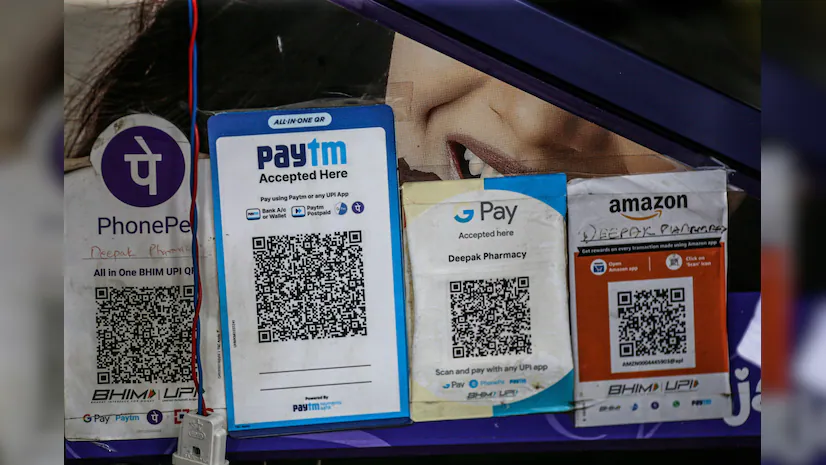
    UPI down: On Wednesday, 27 March 2025 there was a issue of UPI down in India which led to widespread of outage in people, financial loss and more issues. These happened due to Payment in UPI apps like Paytm, PhonePe and Google Pay. Apart from this some banks where also facing issue in the same process.

    What is UPI down issue?
    What is UPI down issue?

    When and how did it happen ?

    This issue started yesterday on March 26, 2025 at around 7 pm and was fixed by 8:40 PM, though some people faced minor issues even after the problem was resolved.

    When and how did it happen ?
    When and how did it happen ?

    Why did the UPI down issue happened?

    The Unified Payments Interface / UPI down issue started because of the following:

    • There were several technical glitches which involved software, network, communication and other software issues.
    • There were also issues like system complexity, which means there were high levels of transaction and systems overload issues.
    • There were also maintenance issues like large scale monitoring and update management.
    • Apart from this the problems were intermittent which means it was harder to pinpoint and resolve the main problem.
    • There were also several bugs and malfunction of hardware.

      Why did these issue happen?
      Why did these issue happen?

    What was its impact on the user and the reaction of the people?

    Some of the issues faced by the users are:

    • There was a huge disturbance in the transaction of the people, this caused a lot of inconvenience.
    • It has majorly impacted some small businesses like local business, street vendors and more.
    • It causes frustration, anxiety and more issues due to failed payment.
    • There was a trust issue due to this digital payment failing and more.
    • These led to people expressing their anger and frustration on Social Media.
    • These also showed dependency of people on UPI and how it is a major part of people’s life.

      What was its impact on the user and the reaction of the people?
      What was its impact on the user and the reaction of the people?

    The action taken by NPCI to resolve this issue.

    Some of the actions taken by the National Payment Corporation of India (NPCI) are:

    They immediately acknowledge the issue disruptions and other difficulties. They focused on identifying the issue and the resolving technical problem and more. They worked and stabilized the services quickly in about 1 hour. Apart from this they also used social media apps to give updates about the issue and also to apologize about the issue.

    The action taken by NPCI to resolve this issue.
    The action taken by NPCI to resolve this issue.

    Also Read this: Ajinkya Rahane: Details on his background, family, career his leadership from 2020-21 and other highlights.

  • Tuhin Kanta Pandey: Powering India’s Financial Growth with 35+ Years of Excellence”

    Tuhin Kanta Pandey: Powering India’s Financial Growth with 35+ Years of Excellence”

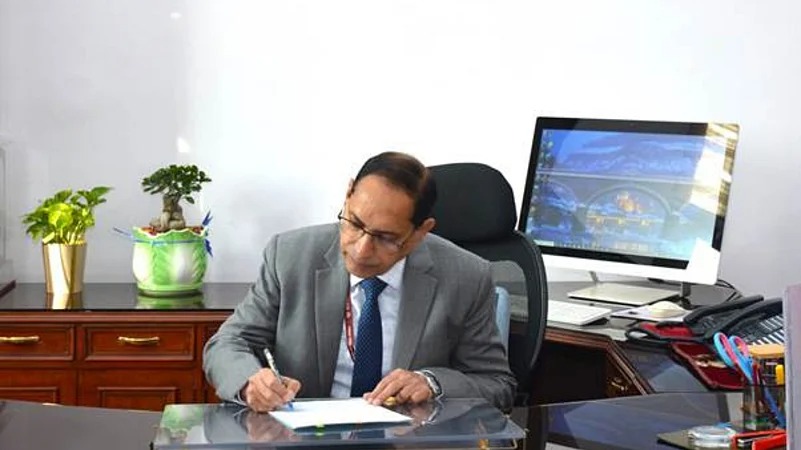
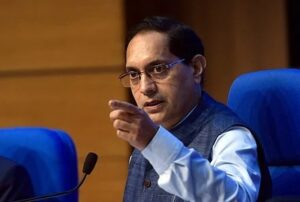
    Tuhin Kanta Pandey: A Detaled Biography Tuhin Kanta Pandey, a distinguished Indian Administrative Service (IAS) officer of the 1987 batch from the Odisha cadre, has played a pivotal role in shaping India’s economic landscape through various high-profile positions in both state and central governments. His extensive experience in public administration, financial management, and policy implementation culminated in his recent appointment as the Chairman of the Securities and Exchange Board of India (SEBI) in February 2025.

    Tuhin Kanta Pandey
    Tuhin Kanta Pandey

    Early Life and Education

    Pandey pursued his higher education with a focus on economics and management. He holds a Master of Arts degree in Economics from Punjab University, Chandigarh, and an MBA from the University of Birmingham, UK.

    This strong educational foundation equipped him with the analytical and managerial skills necessary for his future roles in public service.

    Tuhin Kanta Pandey

    Early Career in Odis

    Pandey’s career began in the state of Odisha, where he held several key positions that laid the groundwork for his expertise in financial and administrative matters. He served as the Executive Director and Managing Director of the Odisha State Finance Corporation (OSFC) and the Odisha Small Industries Corporation (OSIC), institutions crucial for the state’s industrial and financial development. His tenure as the Collector and District Magistrate of Sambalpur district further honed his administrative capabilities.

    Tuhin Kanta Pandey

    Central Government Roles

    Tuhin Kanta Pandey’s competence led to his deputation to the central government, where he assumed roles that expanded his influence on national economic policies. As Deputy Secretary in the Department of Commerce, he was involved in shaping trade policies. His international exposure was augmented by a stint with the United Nations Industrial Development Organisation (UNIDO), providing him with a global perspective on industrial development.

    Tuhin Kanta Pandey

    Return to Odisha

    Upon returning to Odisha, Pandey continued to impact the state’s development through various strategic positions. He served as Special Secretary in the General Administration Department, Transport Commissioner, Health Secretary, and Commissioner of Commercial Taxes. In these roles, he was instrumental in implementing institutional innovations, new policies, and system reforms that contributed to the state’s progress.

    Tuhin Kanta Pandey

    Planning Commission and Cabinet Secretariat

    Pandey’s expertise was further recognized with his appointment as Joint Secretary in the Planning Commission, where he served for five years. This role involved critical policy planning and resource allocation at the national level. Subsequently, he served as Joint Secretary in the Cabinet Secretariat for two years, where he was involved in coordinating among various government departments to ensure cohesive policy implementation.

    Tuhin Kanta Pandey

    Principal Secretary of Finance in Odisha

    In September 2016, Pandey was appointed as the Principal Secretary of the Finance Department in the Government of Odisha. In this capacity, he played a crucial role in managing the state’s finances, formulating budgetary policies, and overseeing fiscal reforms that aimed at enhancing the state’s economic stability and growth.

    Tuhin Kanta Pandey

    Leadership in DIPAM

    Pandey’s tenure as the Secretary of the Department of Investment and Public Asset Management (DIPAM) from October 2019 to January 2025 marked a significant phase in India’s disinvestment strategy. He was instrumental in executing the government’s policy of reducing its stake in public sector enterprises to enhance efficiency and competitiveness. Under his leadership, DIPAM successfully managed the disinvestment of several central public sector enterprises (CPSEs), aligning with the broader economic reforms aimed at liberalizing the economy.

    Tuhin Kanta Pandey

    Privatization of Air India

    One of Pandey’s notable achievements was overseeing the privatization of Air India, the country’s national carrier. The airline had been struggling with financial losses for years, and its privatization was a complex and challenging task. Pandey played a pivotal role in structuring the deal that led to the successful sale of Air India to the Tata Group in January 2022 for ₹18,000 crore. This landmark transaction was a significant step in the government’s disinvestment program and was lauded for its strategic execution.

    Tuhin Kanta Pandey

    Privatization of IDBI Bank

    In addition to Air India, Pandey supervised the privatization process of IDBI Bank. This initiative aimed to reduce the government’s stake in the banking sector and promote greater private sector participation. The process involved complex negotiations and due diligence by potential bidders, reflecting Pandey’s ability to manage intricate financial transactions.

    Tuhin Kanta Pandey

    Role as Finance Secretary

    In January 2025, Pandey assumed the role of Finance Secretary and Secretary of the Department of Revenue. In this capacity, he played a key role in framing the 2025-26 Union Budget, which provided tax reliefs amounting to ₹1 lakh crore for the middle class. He was also involved in drafting the new Income Tax Bill, aiming to replace the 64-year-old Income Tax Act of 1961, reflecting his commitment to modernizing India’s tax framework.

    Tuhin Kanta Pandey

    Appointment as SEBI Chairman

    Pandey’s extensive experience in financial management and policy implementation led to his appointment as the Chairman of SEBI in February 2025. As the head of India’s securities market regulator, he is expected to leverage his vast experience to enhance investor protection, strengthen market regulations, and oversee capital market reforms. His leadership comes at a time when Indian markets are experiencing volatility due to large-scale foreign investor withdrawals, posing challenges that his expertise is well-suited to address.

    Tuhin Kanta Pandey

    Personal Attributes and Leadership Style

    Tuhin Kanta Pandey is a strategic, reform-oriented leader with over 35 years of excellence in finance, economic policy, and governance. Known for his analytical acumen, ethical integrity, and data-driven decision-making, he has played a key role in India’s privatization, disinvestment, and financial market reforms. His leadership style is collaborative and results-oriented, balancing stakeholder engagement, regulatory oversight, and investor confidence. A crisis management expert and innovation-driven policymaker, he has successfully led high-stakes financial transformations, including the ₹18,000 crore Air India privatization. As SEBI Chairman, he is expected to strengthen market regulations, modernize policies, and drive capital market growth.

    ALSO READ THIS: “Nadaaniyan: 7 Shades of Love & Destiny”

  • Sensex, Nifty: 3 Reasons Why the Stock Market is Rising Today

    Sensex, Nifty: 3 Reasons Why the Stock Market is Rising Today

    Sensex and Nifty Show Gains

    Sensex and Nifty saw an uptrend today as GDP growth stood at 6.2%, aligning with expectations. February auto sales data was strong, providing market support. Additionally, a decline in Foreign Institutional Investors (FIIs) selling out and a drop in US bond yields strengthened the market.

    Sensex and Nifty Performance

    • Sensex reached 73,593.26, gaining 395.16 points (0.54%) at closing.
    • Nifty traded at 22,243.85, rising by 119.15 points (0.54%).
    • Most Asian markets were also trading higher, with Japan’s Nikkei leading with a 1.4% rise.
    Sensex, Nifty
     Nifty

    3 Main Reasons Behind the Stock Market Rally

    1. GDP Growth in Line with Expectations

    • India’s GDP grew by 6.2% in the December quarter, up from 5.6% in the September quarter.
    • HSBC reported that previous GDP figures were revised upward, indicating strong economic growth.

    2. Strong Performance in the Automobile Sector

    • February auto sales data exceeded expectations.
    • Companies like Mahindra & Mahindra (M&M) and Eicher Motors performed well, boosting investor confidence.

    3. Decline in Foreign Institutional Investors (FIIs) Selling

    • High stock valuations and attractive US bond yields led to recent FII selling in the Indian market.
    • However, the US 10-year bond yield has now fallen to 4.21%, which may reduce FII selling.
    FIIs
    FIIs

    Long-Term Investment Opportunity in Sensex

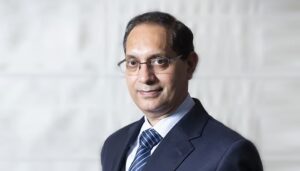
    V.K. Vijayakumar, Chief Investment Strategist at Geojit Financial Services, stated,
    “The recent correction in Sensex presents a great opportunity for long-term investors to buy high-quality stocks.”

    Also Read This: Stock market: meaning, basics and guide of stock market. Best investment strategies and market update.

    He also mentioned that while predicting the market bottom is difficult, now is a good time for long-term investors to start investing without worrying about short-term volatility.

    • Sensex and Nifty surged due to GDP growth, strong auto sales, and reduced FII selling.
    • Current market corrections offer a golden opportunity for investors to buy high-quality stocks.
  • Natco Pharma Shares: Q3 Results, Highlights, and Performance

    Natco Pharma Shares: Q3 Results, Highlights, and Performance

    Natco Pharma Shares: According to February 13, 2025 then Natco Pharma’s stock has a significant decline by following the rise of its third quarter final result. According to the company report a 37.75% decrease in the net profit which made a total of Rs 132.4 crores. This happened due to primary produce formulation export the response of the stock price plunged 20% and its closing was Rs 975.05.

    details on Natco Pharma Shares Q3 results.
    Details on Natco Pharma Shares Q3 results.

    Apart from the rise in revenue from active pharmaceutical ingredients, the overall performance was adversely affected by the downfall in the export formulation segment. This made and accounts for 44% of total.

    What is Natco Pharma?

    Natco Pharma Ltd. Indian pharmaceutical company which was founded in 1981 and it’s headquartered is in Hyderabad, India. This company is specializing in production of generic drugs, oncology medicines, active pharmaceutical ingredients and contract manufacturing. It is also known for focus on making of life saving drug particularly for cancer treatment, hepatitis and cardiovascular disease.

    What is Natco Pharma?
    What is Natco Pharma?

    Natco Pharma Shares Highlights.

    Some key highlights of Natco Pharma Shares are as follows:

    1. Stock price has dropped, failed 20% and it closed at Rs.975.05 after Q3 results.
    2. There is also a deadline in net profit, as per the report Rs.132.4 crore has down by 73.75%.
    3. The revenue has also been impacted where we can see major deadline due to weaker export formulation business.
    4. There has been a growth in API segment their revenue from active pharmaceutical has seen active growth.

      Natco Pharma Shares Highlights.
      Natco Pharma Shares Highlights.
    5. Whereas the dividend announcement has declared the third interims dividend despite the lower profits.
    6. The stock is 52 weeks low which happened due to investor concerns
    7. In the market segment the investors have reacted negatively, which caused High volatility.
    8. whereas, the recovery depends on export performance and a new approval.

    What Will Be the Future of Natco Pharma?

    The current indicators suggest potential challenges ahead, Natco Pharma’s strategic initiatives in complex generics and specialty therapies may offer avenues for future growth. The investors should monitor the company’s performance in its export formulation business and its ability to bring new products to market.

    What Will Be the Future of Natco Pharma?
    What Will Be the Future of Natco Pharma?

    Also Read This: Income Tax 2025: This year highlights, changes, important information and other details on Income Tax 2025.

  • Income Tax 2025: This year highlights, changes, important information and other details on Income Tax 2025.

    Income Tax 2025: This year highlights, changes, important information and other details on Income Tax 2025.

    Income Tax 2025: India is set to introduce a new Income Tax Bill in Parliament on February 13, 2025, aiming to replace the six-decade-old Income Tax Act of 1961. The proposed legislation, spanning 622 pages, seeks to simplify the tax code by eliminating obsolete sections and presenting tax rates in a more accessible format.

    details on Income Tax 2025?
    details on Income Tax 2025?

    These reforms are part of the government’s ongoing efforts to modernize the tax system, reduce litigation, and make compliance more straightforward for taxpayers. The bill is expected to be effective from April 2026, pending parliamentary approval.

    What are the changes in Income Tax 2025?

    Some changes in income tax 2025 bill are as following: –

    • The bill replaces the term ‘previous year’ with ‘tax year’ to align with international standards, aiming to reduce confusion among taxpayers.
    • Elimination of Obsolete Provisions by removing outdated sections, the bill reduces the law’s length from over 800 pages to 622 pages, making it more concise and user-friendly.
    • Enhanced Clarity and Compliance by streamlined provisions aim to clarify the law, reduce legal disputes, and foster voluntary compliance among taxpayers.

      What are the changes in Income Tax 2025?
      What are the changes in Income Tax 2025?

    Important details for individual and businesses.

    Some important details for individual and businesses are as following: –

    1. Simplification of Tax Laws by the bill reduces the length of the existing law from over 800 pages to 622 pages by eliminating obsolete provisions and presenting tax rates in a more accessible format.
    2. Introduction of ‘Tax Year’ Concept by the term ‘previous year’ is replaced with ‘tax year’ to align with international standards, aiming to reduce confusion among taxpayers.
    3. Revised Income Tax Slabs by the highest tax rate of 30% will now apply to incomes above ₹24 lakh, up from the previous threshold of ₹15 lakh.

      Important details for individual and businesses.
      Important details for individual and businesses.
    4. Enhanced Clarity and Compliance by Streamlined provisions aim to clarify the law, reduce legal disputes, and foster voluntary compliance among taxpayers.
    5. Digital Monitoring and Compliance by the bill introduces provisions for enhanced digital monitoring to streamline compliance and reduce manual interventions.
    6. Consolidation of Tax Provisions by the new code consolidates various tax provisions to eliminate redundancies and improve clarity.

    Common tax myths and misconceptions.

    Some common myths and misconceptions are as following: –

    1. Revised Tax Slabs Automatically Mean Higher Taxes for Everyone.
    2. The Introduction of the ‘Tax Year’ Concept Changes How Tax is Calculated.
    3. Simplifying the Tax Code Means Removing Popular Deductions and Exemptions.

      Common tax myths and misconceptions.
      Common tax myths and misconceptions.
    4. Enhanced Digital Monitoring Will Lead to Invasive Surveillance of Taxpayers.
    5. The Reduction in the Length of the Act Means Essential Rules Are Being Removed.
    6. The Bill Only Focuses on Simplification and Has No Impact on Tax Liability.

    Also Read This: Dark web: what is Dark web, how does it work, what ways we can access it and its future.