Author: AVS POST Bureau

  • Amanda Holden Stuns in Braless Look for Heart FM Breakfast Show

    Amanda Holden Stuns in Braless Look for Heart FM Breakfast Show

    Amanda Holden, who hosts the Heart FM breakfast show, made a bold fashion choice on Wednesday. She decided to go without a bra while wearing a green skater dress, showing off her assets in sizzling Instagram photos.

    The 53-year-old radio host looked stunning in the midi gown, effortlessly chic and glamorous with her choice of a flowy garment paired with gold court heels.

    To celebrate International Happiness Day, the Britain’s Got Talent judge brightened up the day with her statement ensemble.

    Amanda also shared her fitness routine, revealing that she spends 45 minutes every day on her Peloton bike to keep in shape. She emphasized that it’s not an advertisement, but she genuinely feels the effects of her workout tightening up her body.

    However, Amanda’s emotions were evident when she spoke about her daughters growing up and eventually leaving home. She became tearful as she expressed how difficult it is to imagine them being away.

    With two children, Lexi (18) and Hollie (12), with her husband Chris Hughes, Amanda reflected on the fleeting time parents have with their children before they become independent adults. She lamented how quickly time flies and how parents often wish away moments of their children’s youth, only to realize they’re grown up and gone too soon.

  • TEC, DoT & ICAR to host ITU/FAO Workshop on “Cultivating tomorrow: Advancing digital agriculture through IoT and AI

    TEC, DoT & ICAR to host ITU/FAO Workshop on “Cultivating tomorrow: Advancing digital agriculture through IoT and AI

    International Telecommunication Union (ITU) is organizing a Workshop on “Cultivating tomorrow: Advancing digital agriculture through IoT and AI,” in collaboration with the Food and Agriculture Organization (FAO) of the United Nations. This event will be hosted by the Telecommunication Engineering Centre (TEC) of the Department of Telecommunications (DoT) and the Indian Council of Agricultural Research (ICAR), Department of Agricultural Research and Education (DARE), Ministry of Agriculture and Farmers’ Welfare, Government of India.

    The Workshop is scheduled to take place on 18 March 2024 at the National Agricultural Science Complex (NASC), ICAR in the National Capital. The Workshop will be followed by the 9th meeting of the ITU/FAO Focus Group on “Artificial Intelligence (AI) and Internet of Things (IoT) for Digital Agriculture” (FG-AI4A) on 19 March 2024 at the same venue.

    Around 200 delegates are expected to participate including international participants.  They will share their experiences in this emerging field, poised to bring a complete transformation in agriculture, often referred to as Agriculture 4.0. Participation is open to ITU Member States, Sector Members, Associates, ITU Academia, and individuals from countries that are members of the ITU, as well as members of international, regional, and national organizations in hybrid mode.

    With the growing world population and climate change posing challenges to traditional farming practices, leveraging technology becomes imperative for sustainable food production. The workshop will explore the application of Internet of Things (IoT), Artificial Intelligence/Machine Learning (AI/ML), Unmanned Aerial Vehicles (UAVs) and other cutting-edge technologies across the entire value chain of agriculture, from production to consumption, including post-harvest management and marketing. The workshop will delve into how these technologies can revolutionize agriculture by providing farmers with real-time data, predictive analytics and actionable insights.

    Moreover, during the workshop, the Technical report on “Revolutionizing Agriculture: The Digital Transformation of Farming” will be released. This report will serve as a reference document for stakeholders of the agricultural sector, guiding decision-makers on harnessing the power of technology to drive sustainability, efficiency, and resilience in food production.

  • Loksabha Election 2024: Polls begin on April 19, counting on June 4

    Loksabha Election 2024: Polls begin on April 19, counting on June 4

    Loksabha Election 2024: The term of 17th Lok Sabha is due to expire on 16th June, 2024.  Article 324 of the Constitution of India bestows the relevant powers, duties and functions upon the Election Commission of India (hereinafter ECI), while Article 83(2) of the Constitution of India and Section 14 of the Representation of the People Act-1951 provides for the conduct of the elections to constitute a new Lok Sabha before the expiry of its current term. In view of this constitutional and legal provisions, the Election Commission of India has made comprehensive preparations for the conduct of elections to the 18th Lok Sabha in a free, fair, participative, accessible, inclusive, transparent and peaceful manner.

    1. Further, ECI is also to conduct election to the Legislative Assemblies of Andhra Pradesh, Arunachal Pradesh, Odisha and Sikkim before the cessation of their terms, in exercise of the authority and powers conferred upon under Article 324 read with Article 172 (1) of the Constitution of India and Section 15 of the Representation of the People Act, 1951.
    2. The term and strength along with seats reserved for Scheduled Castes and Scheduled Tribes of the Assembly Constituencies of Andhra Pradesh, Arunachal Pradesh, Odisha and Sikkim are as under:
    Name of State Term of Assembly Total No. of AC Seats Reserved for SCs Reserved for STs
    Andhra Pradesh 12th  June,2019 to 11th  June,2024 175 29 7
    Arunachal Pradesh 3rd  June,2019 to

    2nd  June,2024

    60 – 59
    Odisha 25th  June,2019 to 24th  June,2024 147 24 33
    Sikkim 3rd  June,2019 to

    2nd June,2024

    32 2 –

    1. Elections to the world’s largest democracy pose immense challenges with respect to logistics and man/ woman and material management and the Commission’s endeavor in this direction has been to consult all stakeholders, invite inputs from all relevant departments/ organizations and evolve a coordinated framework for smooth delivery of yet another round of General Election.
    2. In the course of assessing various dimensions involved in holding elections to the 543 Parliamentary Constituencies (PCs) and Assembly Election in 4 States, in particular, the parameters to be considered for their scheduling and phasing, the Election Commission of India has planned meticulously for each and every aspect of election much in advance to ensure that these elections are conducted in free, fair, participative, accessible, peaceful and inclusive manner.
    3. In the run-up to the General Election to Lok Sabha-2024 and Assembly Election in 4 States, the Commission organized a Conference of the Chief Electoral Officers (CEOs) of all the States and Union Territories on 11th and 12th January, 2024 at New Delhi. All aspects of election preparedness were reviewed for each State/UT and relevant instructions were issued to the CEOs to ensure efficient conduct of the elections.
    4.  The Commission also organised 5 Regional Conferences at Chandigarh, Chennai, Guwahati, Ahmedabad and Lucknow to review Poll preparedness, to find out any gaps and ways to fill them. These Regional conferences were headed by the Senior Officers of the Commission and were attended by the Chief Electoral officers and State Police Nodal Officers.
    5. The Commission has visited many States/UTs to review the poll preparedness and during the visit, the Commission interacted with political parties, enforcement agencies, all District Officers, SSPs/SPs, Divisional Commissioners, Range IGs, CS/DGPs and other senior officers of the States/UTs.
    6. The team of senior officers of the Commission visited various States to review law and order situation, to ascertain State/ UT specific areas of concern, to discuss the quantum of Central Armed Police Forces (CAPFs) required in each State/ UT and to review the overall preparedness of the election machinery. The cooperation of all authorities was sought for conducting free, fair and peaceful elections across the country under the overall superintendence, direction and control of the Commission.
    7. The Commission has reviewed the ground situation of Manipur and has noted that a large number of electors registered in different constituencies of Manipur were displaced from their native places during recent conflicts. They are now residing in Relief Camps in various districts of Manipur. The Commission, after due consultation with various stake holders, has decided that special polling stations shall be set up at/near the camps where such electors, who opt for such facility, will be able to register their votes in EVMs. In this regard, a detail scheme for internally displaced persons of Manipur to vote in relief camps has been issued by the Commission on 29th February, 2024.
    8. The Kashmiri migrant electors registered in several parts of the erstwhile State of Jammu and Kashmir, particularly Kashmir region, were forced to leave their native places during late 1980s and early 1990s because of terrorist activities of extremists supported from across the Indian borders.  In view of this, the Commission, after consultation with the Central Government and the State Government came out with a scheme to enable these migrant electors to cast their vote from wherever they are residing in the country, by way of postal ballots since 1996 and voting in person at Special Polling Stations set up at Delhi, Udhampur and Jammu since 2002.

    Government of India vide notification dated 9th August, 2019 has abrogated Article 370 of the Constitution of India and promulgated the Jammu and Kashmir Reorganisation Act, 2019 and Union Territory of Jammu and Kashmir would go for elections the very first time since its inception. In view of this, the Commission has decided to extend the earlier scheme, as it is, for Kashmiri migrant electors from the UT of Jammu and Kashmir.

    1. The voting in these special polling stations shall be done in the similar manner as is done at normal polling station.  The CEOs/ DEOs have been asked to provide adequate logistics and proper security.  Special training has already been given to conduct poll at such polling stations.
    2. The conduct of General Elections in the entire country requires considerable deployment of Central and State Police Forces to ensure peaceful, free and fair elections with fearless participation of electors, especially in vulnerable areas/pockets. Mobilization, deployment and disengagement of these forces with minimum crisscross movement and optimal utilization involved complex planning and detailed analysis, carried out over several rounds of consultations with the senior officers of the Ministry of Home Affairs/ CAPFs/ Police Nodal Officers of the States/ UTs. The Commission also held discussions with the Union Home Secretary to highlight the areas of coordination for effective deployment of these forces.
    3. A meeting was also held with the Chairman, Railway Board and other senior officials of the Ministry of Railways in regard to the specific requirements of special trains including other logistics for smooth and timely movement of CAPF Companies and other police forces across States/ UTs, including their intra-State shifting during the election period. Indian Railways has been directed to mobilise rolling stocks with appropriate facilities, ensure timely movement, ensure cleanliness and organize quality food for the forces on move.
    4. Keeping in view the interests of the students and also the fact that Polling Stations are mostly located in school buildings and teachers are engaged as polling personnel, the Commission has consciously factored-in the examination schedules of Central Board of Secondary Education and Indian Certificate of Secondary Education in the process of finalizing the poll dates. In addition to this, other relevant factors like various holidays and festivals falling in the months of March, April and May, harvest season in certain parts of the country and the inputs obtained from the Indian Meteorological Department on weather conditions have also been taken into consideration. Thus, while deciding on the number of poll days for each State/ UT and the composition of the PCs that go to polls on a particular poll day, the Commission has, to the extent possible, taken all relevant aspects and information related thereto into consideration.
    5. The Commission has updated/consolidated its documents issued vide Manual / Handbook/ Checklist/ Compendium/ Instructions/ Guidelines and has uploaded on the Commission’s website on https://eci.gov.in. These latest documents shall be used in conduct of upcoming elections.
    6. A. DELIMITATION OF PARLIAMENTARY CONSTITUENCIES:
    1. The General Election to the House of People-2024 to constitute the 18th Lok Sabha shall be held on the basis of the extent of Parliamentary Constituencies as contained in the “Delimitation of Parliamentary and Assembly Constituencies Order-2008” except the UT of Jammu and Kashmir and the State of Assam.   In the UT of Jammu and Kashmir, the General Election to the House of People-2024 shall be held on the basis of the extent of Parliamentary Constituencies as contained in “Delimitation Commission’s Order No. 2 vide Notification dated 5th May, 2022. In the State of Assam, the General Election to the House of People-2024 shall be held on the basis of the extent of Parliamentary Constituencies as contained in “Election Commission’s Order No. 2 vide Notification dated 11th August, 2023 and Corrigendum dated 1st November, 2023”. Therefore, there is no change in the extent and the status of any Parliamentary Constituency after the General Election to Lok Sabha-2009 in the States/UTs except the UT of Jammu and Kashmir and the State of Assam.
    2. Besides, the total number of Parliamentary Constituencies allotted to various States/UTs including SC/ST seats except UT of Jammu & Kashmir also continued to be the same.  As per the Jammu & Kashmir Reorganisation Act-2019, the UT of Jammu & Kashmir was allotted a total of 5 (five) Parliamentary Seats and the UT of Ladakh was allotted 1(one) Parliamentary seat.
    3. Section 6 of the “The Dadra and Nagar Haveli and Daman and Diu (Merger of Union Territories) Act-2019 dated 9th December, 2019” provides that “On and from the appointed day, there shall be allocated two seats to the Union territory of Dadra and Nagar Haveli and Daman and Diu in the House of People and the First Schedule to the Representation of People Act, 1950 shall be deemed to be amended accordingly”. Therefore, the General Election to the House of People-2024 for Union Territory of  Dadra and Nagar Haveli and Daman and Diu shall also be held on the basis of the extent of Parliamentary Constituencies as contained in the “Delimitation of Parliamentary and Assembly Constituencies Order-2008”.
    1. DELIMITATION OF ASSEMBLY CONSTITUENCIES:
    2. i) General Elections to the Legislative Assemblies ofAndhra Pradesh, Arunachal Pradesh, Odisha and Sikkim shall be held on the basis of the extent of Assembly Constituencies as contained in the said Delimitation Order-2008.  The total number of ACs allotted to these States, including SC/ST seats, shall also continue to be the same.

    (ii)  As per “Andhra Pradesh Reorganisation Act-2014(No.6 of 2014)” dated 1st March, 2014 & “Andhra Pradesh Reorganisation (Removal of Difficulties) Order-2015” dated 23rd April, 2015 and subsequently Commission’s Notification No.282/AP/2018(DEL) dated 22nd September, 2018, the total number of Parliamentary and Assembly Constituencies assigned in respect of Andhra Pradesh and Telangana States shall be as under: –

    S. No. State Parliamentary Constituencies Assembly Constituencies
    Total SC ST Total SC ST
    1 Andhra Pradesh 25 4 1 175 29 7
    2 Telangana 17 3 2 119 19 12

    1. TRAINING OF ELECTION OFFICIALS:
    1. General Elections to Lok Sabha in India is considered to be the biggest man management exercise in the world. It involves a mammoth task to mobilize election machinery of more than 12 million officials for this exercise.
    2. Training of these officials thus becomes essential for flawless conduct of elections. Training of such a magnitude can be completed in a cascaded manner whereby master trainers are prepared and they in turn train the participants. India International Institute of Democracy and Election Management (IIIDEM) was established by the Election Commission of India in June 2011 to fulfill this important task of training of election officials from India and abroad. IIIDEM has since been working to achieve its objectives.
    3. For General Elections to Lok Sabha and simultaneous Assembly Election in 4 States, IIIDEM has trained 237 National Level Master Trainers (NLMTs) and 1804 State Level Master Trainers (SLMTs), who have been training the Assembly Level Trainers (ALTs), District Level Master Trainers (DLMTs) and other officials of Election Machinery in cascading manner.
    4. IIIDEM has organized the following programs to train the important election functionaries:
    1. Certification Program for District Election Officers (DEOs) and Returning Officers (ROs) for General Elections to Lok Sabha 2024: An in-depth training program of 2 days per batch was organised for all District Election Officers (DEOs) and Returning Officers from all States/ UTs at IIIDEM. 16 batches comprising of DEOs/ROs of all States/UTs was organized from 5th to 29th Dec 2023, wherein 837 officers have been trained in all the aspects of elections.
    2. Certification Program for Assistant Returning Officers (for Parliamentary Constituencies) of all States/UTs at State ATIs: IIIDEM has conducted 5 days certification programme for AROs (of PC) of all States/UTs at State ATIs wherein about 5000 AROs (in around 130 batches) were trained at all States/UTs from 27th November 2023 to 2nd March 2024.
    3. Certification Program for Returning Officers/Assistant Returning Officers of 4 States having simultaneous elections at State ATIs: IIIDEM has conducted 5 days certification programme for about 1100 ROs/AROs (of AC) of 4 States i.e. Arunachal Pradesh, Sikkim, Odisha and Andhra Pradesh having simultaneous elections.
    4. Training of EROs at IIIDEM/State ATI: IIIDEM has conducted One-day online training for EROs of all States/UTs in the months of Oct-Nov,2023 in 12 batches. A total of 3100 EROs participated in the training programme.
    1. SYSTEMATIC VOTERS’ EDUCATION AND ELECTORAL PARTICIPATION (SVEEP)-

    SVEEP (Systematic Voters’ Education and Electoral Participation) is a comprehensive programme aimed at reinforcing voter education and promoting active participation in India’s democratic process. The need for SVEEP arises from the Election Commission of India’s unwavering commitment to ensuring the participation of every voter in this monumental celebration of democracy.

    SVEEP employs a combination of general and targeted interventions, carefully tailored to align with the socioeconomic, cultural, and demographic characteristics of each state. SVEEP addresses not only the registration gaps but also more glaring issues such as voter apathy, behavioural patterns, and the reasons behind such apathy in different elections.

    For enhancing electoral participation, the Commission has directed to take following initiatives:

    1. Low Voter Turnout (LVT) analysis: CEOs/ DEOs have been directed to identify low voter turnout PSs/ ACs/ PCs and take targeted initiatives to address specific gaps.

    1. Identification of district specific themes of PS:

    As the PS is the basic unit of election machinery, it has been directed to focus on district wise PSs for targeted interventions reaching out various groups like women, PWD, Transgender, PVTGs, etc. Model Polling stations to be set up keeping in view the NVD theme.

    1. Turnout Implementation Plan (TIP): With a strategic focus on increasing voter participation and engagement, the TIP delineates strategies at the Assembly Constituency level to address low voter turnout and enhance overall participation in the upcoming elections. By adopting a targeted approach at the grassroots level, TIP aims to amplify democratic participation and ensure that every eligible voter exercises their right to vote.
    2. Focus on urban and youth apathy: ECI has been addressing the pressing issue of urban and youth apathy in elections. The voting percentage in General Election to Lok Sabha – 2019 was 67.4%, for which the Commission has taken as a challenge to improve upon, just like its mission of “No Voter to be Left Behind”.
    3. Election Commission has captured election festivities under its umbrella theme “Chunav ka Parv, Desh ka Garv” (Elections: The Biggest Festival and Pride of the Nation). The overarching theme of this campaign depicts elections as the biggest festival of democracy, the pride of an individual and the country.
    4. Targeted campaign such as #MeraPhelaVoteDeshkeLiye is also launched to encourage first-time voters to participate in the electoral process.
    5. SVEEP is also leveraging the celebrities and influencers’ reach in disseminating voter awareness, another such effort is a production of short film “My Vote,  My Duty”.
    6. Partnership and collaboration: ECI has collaborated with the Ministry of Education, Ministry of railways, Ministry of Petroleum and Natural Gas,  the Department of Posts, the Indian Banking Association, etc. to expand its voter outreach and awareness efforts. Through these organisations, SVEEP aims to enhance electoral literacy among youth and increase voter engagement across the country.
    7. Engagement of National Icon: To bridge the gap between citizens, especially youth and urban population, ECI appointed Bharat Ratna Sachin Tendulkar and actor Rajkumar Rao as ‘National Icons’. This collaboration marks a significant step towards leveraging their impact and popularity to increase voters’ participation in the forthcoming General Elections 2024.
    8. Engagement and Utilisation of local Icons:

    The States have been directed to identify and engage local influential personalities as Election Icons. This would not only add value to the message of voter awareness as well as increase the general outreach in the specific region.

    1. SVEEP is using tools like social media to increase voter turnout and make the electoral process more inclusive and accessible. Promoting online portals and mobile apps to empower citizens with knowledge about their electoral rights and simplify online electoral services.

    SVEEP plays a crucial role in promoting voter awareness and participation, emphasising the importance of democratic engagement in building a stronger and more inclusive society. As the Election Commission prepares for the General Elections of 2024, it remains committed to empowering citizens and strengthening democracy through its SVEEP initiatives.

    1. DISTRICT, AC LEVEL AND BOOTH LEVEL ELECTION MANAGEMENT PLAN:

    The District Election Officers have been asked to prepare a comprehensive District Election Management Plan in consultation with SSPs/SPs and Sector Officers, including the route plan and the communication plan for conduct of elections. These will be vetted by the Observer, taking into account vulnerability mapping exercise and mapping of critical polling stations, in accordance with Election Commission of India’s extant instructions.


  • Chief Minister Yogi Adityanath: Uttar Pradesh is transitioning from a pharma consumer to producer & exporter

    Chief Minister Yogi Adityanath: Uttar Pradesh is transitioning from a pharma consumer to producer & exporter

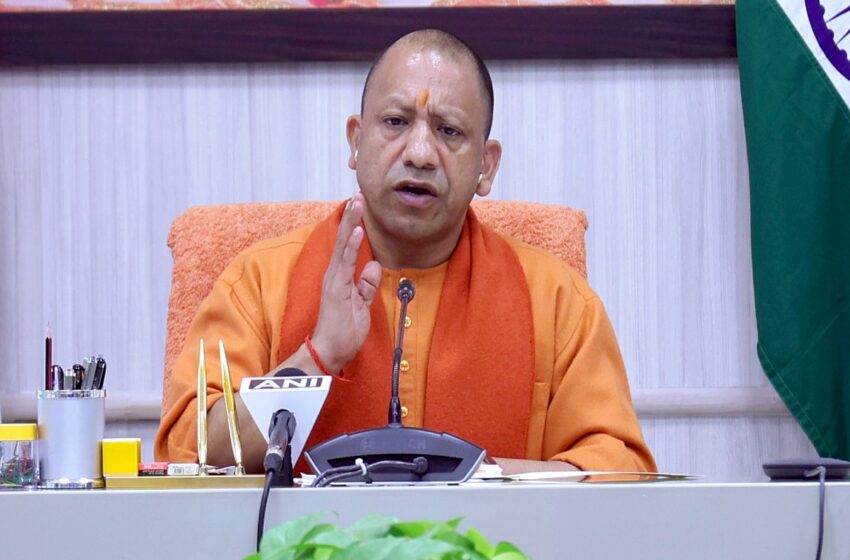
    Chief Minister Yogi Adityanath, on Friday, said that Uttar Pradesh, which was previously reliant on imported medicines and essential medical products, is fast transitioning from a pharma consumer state to a major producer and exporter of pharmaceutical products.

    “To facilitate this transformation, the government is building a Pharma Park spanning 2000 acres in Lalitpur. Additionally, plans are underway for the development of a Medical Device Park in Uttar Pradesh. This initiative will open up vast opportunities for the youth in the pharmacy sector,” Yogi added.

    The Chief Minister was addressing a gathering at the foundation stone laying ceremony of the pharmacy building to be built at a cost of Rs 24.69 crore at Madan Mohan Malviya University of Technology (MMMUT) and the distribution ceremony of tablets/smartphones to 4000 students under the Swami Vivekananda Youth Empowerment Scheme. The Chief Minister personally handed tablets and smartphones to 15 students.

    CM Yogi stated that barring the reluctance and lack of determination of the then state leadership to develop Uttar Pradesh, the state had all the resources, which it boasts now. “The state is the same, the people are the same, the machinery is also the same, but when the work culture changes, results become evident. Today, Uttar Pradesh appears as a new and transformed state. It has become a state of progress and investment. There are ample opportunities and possibilities for progress in every sector”, he remarked.

    Encouraging the youth to grab each and every opportunity that comes their way, the Chief Minister emphasized that with faith and perseverance, one can achieve even the seemingly impossible.

    The Chief Minister said that through the Swami Vivekananda Youth Empowerment Scheme, the youth of UP are being provided with smartphones and tablets to make them technically competent. He added that under the scheme, the government will distribute smartphones and tablets to as many as 2 crore youths in the state. The smartphones and tablets incorporate vital government initiatives at both the central and state levels, aimed at fostering self-reliance of the youth.

    “By becoming technically competent, the youth will move forward and contribute in realizing Prime Minister Narendra Modi’s vision of a developed India. Technically skilled youth will play a significant role in building a developed India,” Yogi added.

    Yogi emphasized that by acquiring technical proficiency, young individuals will advance and aid in the realization of Prime Minister Narendra Modi’s vision for a developed India. He highlighted that technically adept youth will play a crucial role in the nation’s development.
    Reflecting on the legacy of Madan Mohan Malviya, one of the heroes of independence and founder of BHU, the Chief Minister noted that MMMUT, named in honor of Malviya, is consistently making strides towards success. In line with PM Modi’s vision of self-reliance, the university is building the pharmacy building with its own resources.

    MP Ravikishan Shukla also spoke on the occasion. Welcoming CM Yogi in the program, Vice Chancellor of MMMUT Prof. JP Saini highlighted the achievements of the university. On this occasion, MLA Vipin Singh, BJP regional president Sahajanand Rai, District President Yudhishthir Singh etc. were prominently present.

  • Pushpa Bhatt Recognized as Apparel Skill Developer and Master Trainer on International Women’s Day 2024

    Pushpa Bhatt Recognized as Apparel Skill Developer and Master Trainer on International Women’s Day 2024

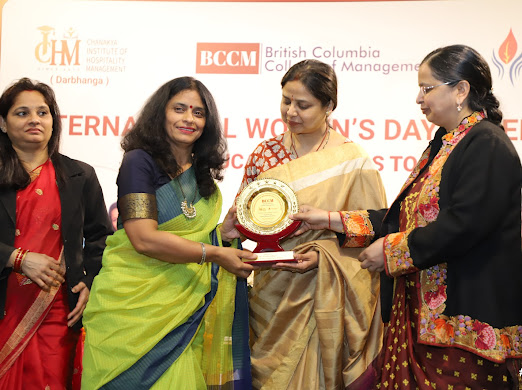
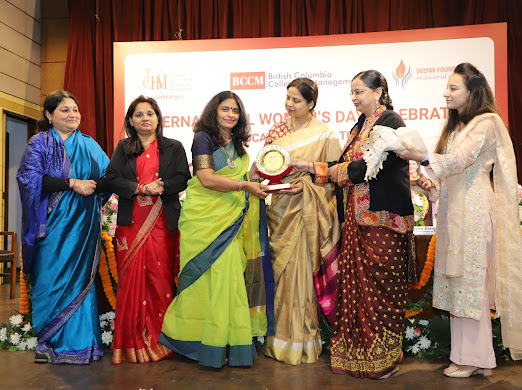
    New Delhi: On the occasion of International Women’s Day 2024, Pushpa Bhatt was celebrated and honored for her outstanding contributions in skill development and women empowerment. The British Columbia College of Management, in collaboration with ONGC under the banner of Deepak Foundation, bestowed upon her the prestigious title of Apparel Skill Developer/Master Trainer. This recognition comes in light of her exemplary work in advancing education and empowering individuals through skill development, aligning with this year’s theme of ‘Education: Wings to Fly’.

    Pushpa Bhatt, an approved Master Trainer from the Apparel sector skill council and NSDC, has been instrumental in designing and implementing various skill development programs such as PMKVY, Samarth, PM Vishwakarma, and DDUGKY. Her expertise and dedication have significantly contributed to enhancing the capabilities of countless individuals, particularly in the apparel industry. Furthermore, Pushpa Bhatt’s commitment to community service and women’s empowerment extends beyond skill development. She is an active member of the BJP Mahila Morcha in Noida, serving as Upadhyaksh and Sector Sanyojak for Sector 34. Through her leadership roles in the political arena, she continues to advocate for the rights and welfare of women, empowering them to actively participate in shaping their communities.

    Pushpa Bhatt’s journey exemplifies resilience, determination, and a steadfast commitment to making a meaningful impact in society. Her dedication to skill development, coupled with her advocacy for women’s rights, serves as an inspiration to many, embodying the spirit of progress and empowerment.

    As Pushpa Bhatt continues her endeavors to uplift and empower individuals, her contributions stand as a testament to the transformative power of education and skill development, driving positive change and fostering inclusive growth in society.

  • FIRST TRAINING SQUADRON PARTICIPATES IN CUTLASS EXPRESS 24

    FIRST TRAINING SQUADRON PARTICIPATES IN CUTLASS EXPRESS 24

    INS Tir, the lead ship of First Training Squadron (1TS) participated in Exercise Cutlass Express – 24 (CE – 24) held at Port Victoria, Seychelles from 26 Feb – 08 Mar 24. The exercise was inaugurated by the President of Seychelles in attendance of dignitaries from India, USA and African countries. As part of Cutlass Express, the Indian Navy actively engaged with participants from 16 friendly foreign countries. Training was conducted on theoretical and practical aspects of Maritime Interdiction Operations, Visit Board Search and Seizure procedures and Diving operations. During the sea phase, the ship’s VBSS team boarded Seychelles Coast Guard (SCG) ship LE Vigilant and demonstrated procedures of boarding operations. Indian divers along with US and Seychelles divers undertook joint diving operations post rigorous training week. The ship hosted R Adm Calvin M Foster, Deputy Commander of US Navy 6th Fleet who shared his views on the importance of maritime cooperation and shared commitment in the region, appreciating the crucial role played by the Indian Navy. The exercise culminated at a closing ceremony held at Seychelles Defence Academy, Ile Perseverance on 08 Mar 24. The Indian Navy has been participating in the exercise since 2019.

    Earlier INS Tir undertook joint EEZ surveillance with Seychelles Coast Guard from 01 – 03 Mar 24. During the ship’s stay at Seychelles, as part of long-range training deployment, professional exchanges, cross deck visits and friendly sports fixtures were held with Seychelles Defence Forces. The Indian Naval band performed at National Museum, Port Victoria and enthralled a huge crowd. Further, a philanthropic activity was also undertaken wherein provisions and stores were donated for the elderly.

    During the Port Call, Senior Officer, First Training Squadron, Capt Anshul Kishore paid courtesy calls on Designated Minister Mr. Sylvestre Radegonde, Seychelles Minister for Foreign Affairs and Tourism, Brig Michael Rosette, Chief of Defence Forces – Seychelles Defence Force and Shri Kartik Pande, High Commissioner of India to Seychelles. As a goodwill gesture and cooperation, the ship handed over spares for SCG ships and aircraft towards capacity building.

    The extant deployment of INS Tir at Seychelles and participation in exercise Cutlass Express underscores close ties between Indian Navy and the regional Navies towards joint training fostering interoperability and building bridges of friendship.


  • MIUT Noida: Students learn the tricks of the trade in radio jingle making workshop

    MIUT Noida: Students learn the tricks of the trade in radio jingle making workshop

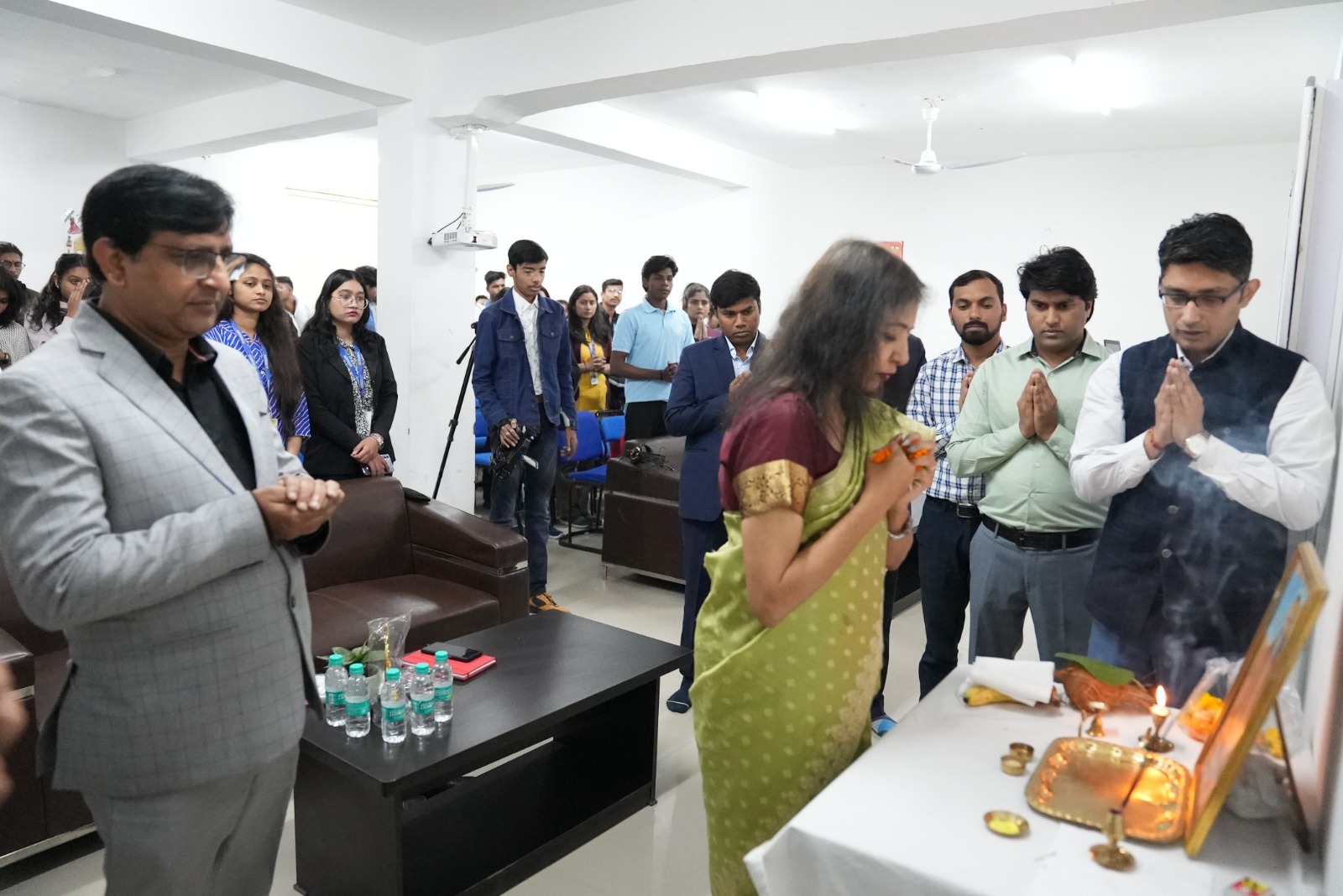
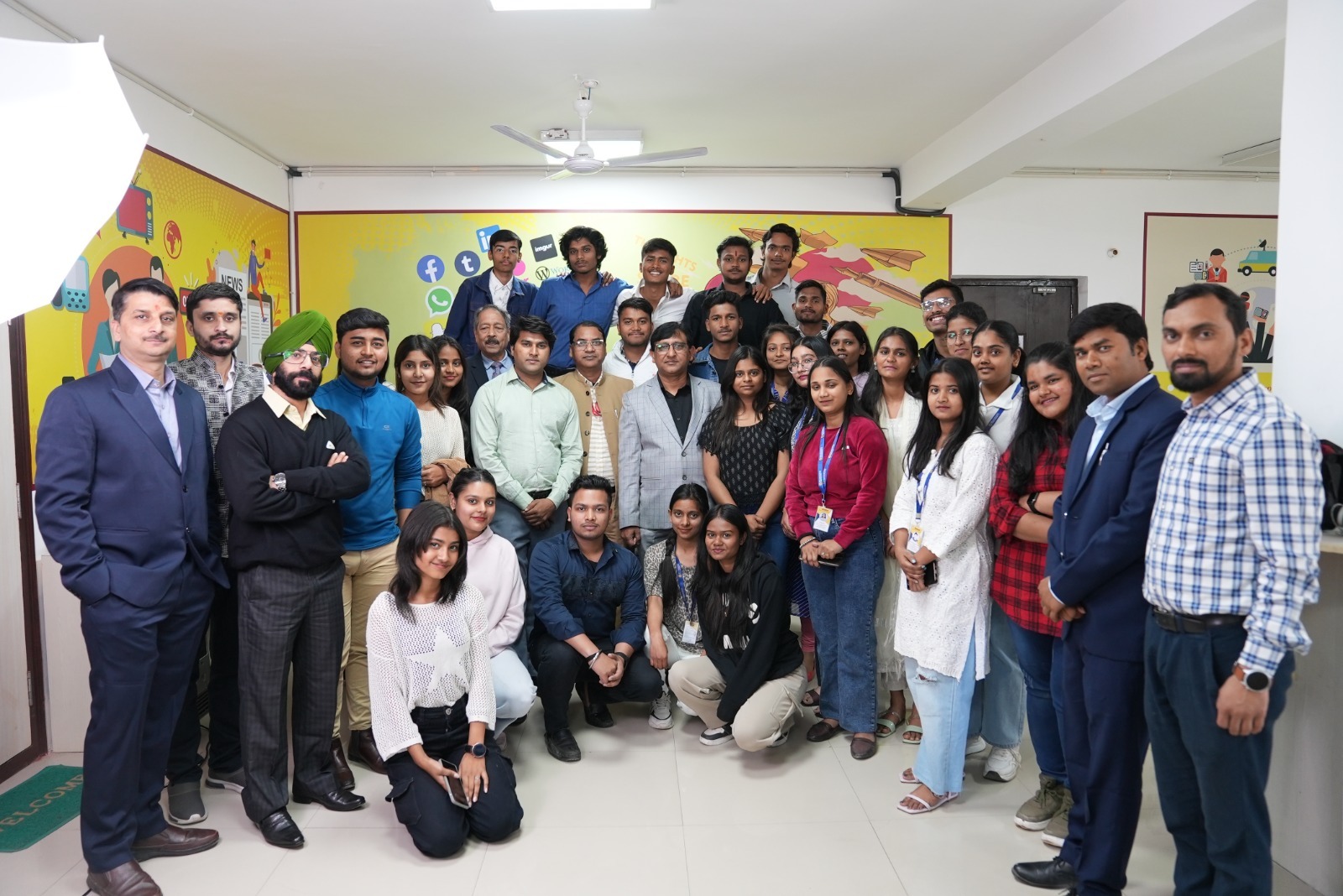
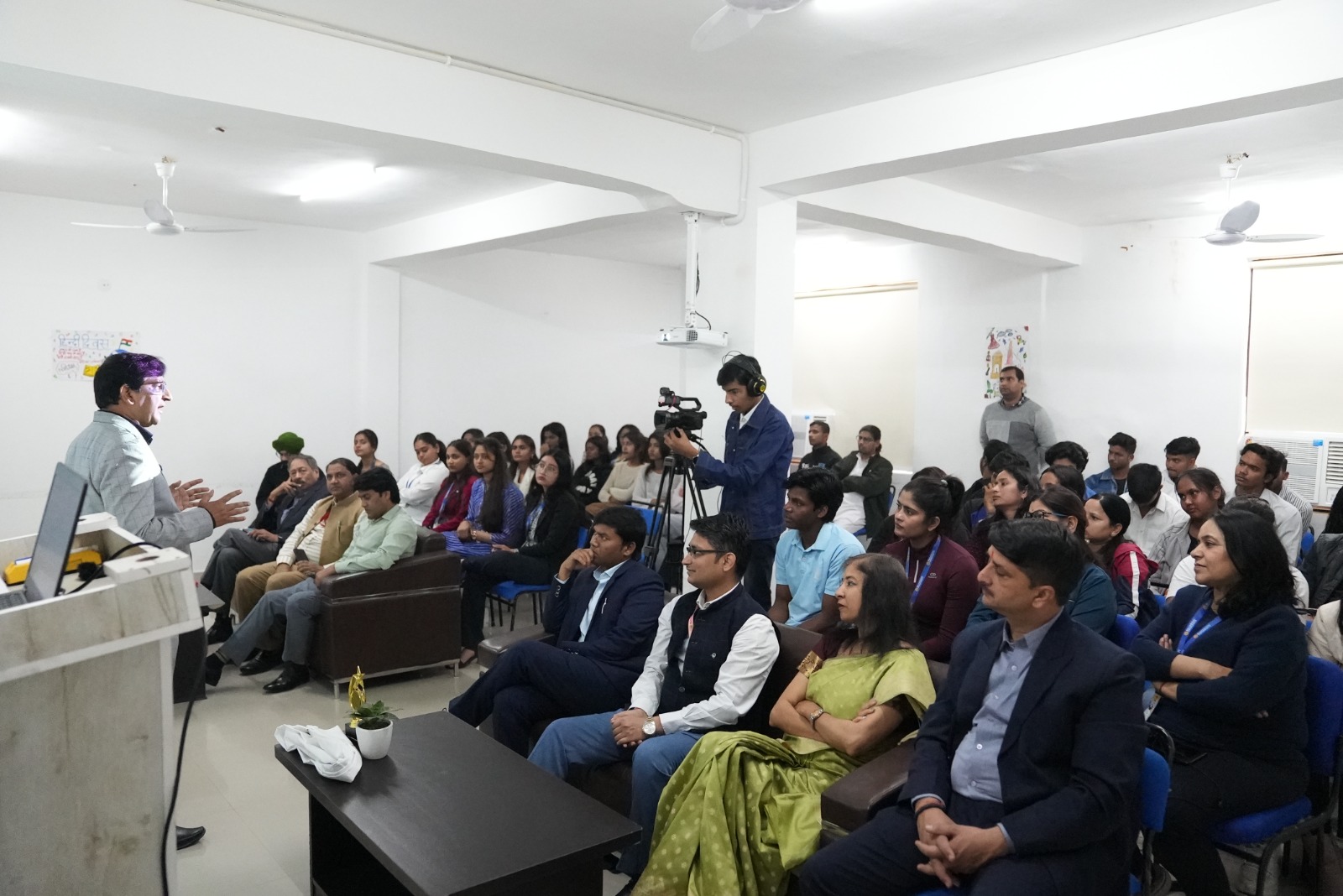
    MIUT NOIDA:  A workshop on “Making a Radio Jingle” was organized by the Media Department in collaboration with Maharshi University of Information Technology, Noida, and IQAC. The undergraduate and postgraduate students of Journalism and Mass Communication learned the tricks of the trade in radio jingle making.

    The chief guest of the workshop was Dr. Umesh Chandra Pathak, Head of the Department of Journalism and Mass Communication, Maharaja Agrasen Institute of Management Studies, Delhi (affiliated to Guru Gobind Singh Indraprastha University, Delhi). Dr. Pathak shared his experiences and insights related to jingle making with the students during the workshop. He explained the importance of radio jingles and taglines and showed some relevant advertisements from the past two decades. He said that a jingle was a lyrical musical advertising-spot on a product and was often a commercial effort and that it should be creative and catchy.

    Dr. Pathak, who is known for his mimicry skills, entertained the students with his imitations of several celluloid stars, including Amitabh Bachchan and radio presenter Amin Sayani. He said that jingle making is a process of hard work and creativity and it is done within a deadline.

    Continuing his lecture with the students in the workshop, Dr. Pathak said that jingles are the heartbeat of marketing campaigns, enchanting audiences with catchy tunes and memorable lyrics. Creating an effective jingle requires a blend of creativity, strategic thinking, and musical skills. Here are some key points to consider when embarking on the journey of jingle creation:

    • Understand the brand or product: It is important to understand the brand or product before writing the lyrics. It is necessary to understand what message the product should convey and what kind of emotional message the jingle should generate.

    • Know your target audience: It is important to create a jingle that will resonate with the target audience. If it is for the young generation, ‘Har dost jaruri hota hai’ (Every friend is important) may be appropriate, while for a housewife doing household chores, the jingle ‘Nirma… Nirma washing powder Nirma…’ may be perfect.

    • Keep it simple and catchy: The jingle should be simple, catchy, and easy to remember. It should be something that people can hum along to and remember even after hearing it once.

    • Use strong vocals and music: The vocals and music in a jingle should be strong and catchy. They should complement the lyrics and help to create a memorable experience for the listener.

    The workshop concluded with an interactive question-and-answer session with the students. Dr. Mudita Aggarwal (Dean), Mr. Gaurav Thakur, Faculty (SOC), and Dr. Shambhu Sharan Gupta (HOD), Associate Professor, Nitin Saxena, Professor, Dr. Mithilesh Kumar, Dr. Surmeet Singh, Assistant Professor, Mr. Shivam Yadav, Mr. Sunil Kumar Yadav, Arvind Singh, and Mr. Mohan Singh Rawat from Maharshi University were present.

  • UP Police Inspector Vindyachal Tiwari Mesmerizes Social Media with Recitation of “Main Akela”

    UP Police Inspector Vindyachal Tiwari Mesmerizes Social Media with Recitation of “Main Akela”

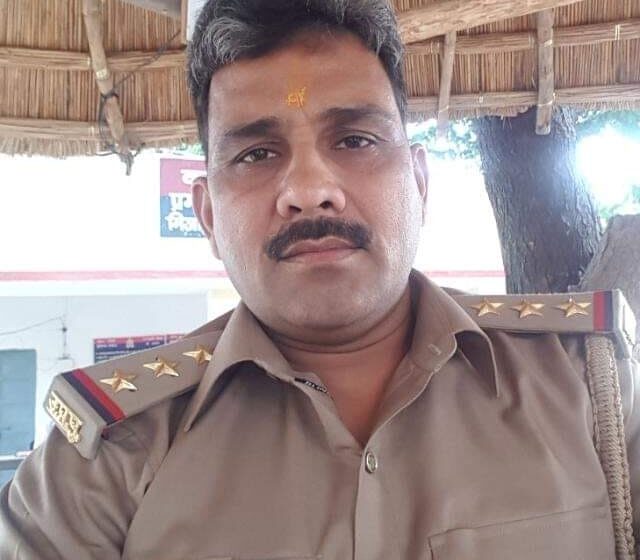
    New Delhi: Inspector Vindyachal Tiwari of the Uttar Pradesh Police has not only proven himself to be a dedicated law enforcement officer but also a connoisseur of literature. Recently, he captured the hearts of social media users with his captivating recitation of the poem “Main Akela” by the renowned poet Suryakant Tripathi “Nirala.”

    Known for his exemplary service and compassionate nature, Inspector Tiwari has long been admired for his commitment to upholding the law and ensuring the safety of citizens. However, his talents extend beyond his role in law enforcement, as his deep love for literature has been evident since his college days.

    Inspector Tiwari’s passion for literature has been nurtured over the years, and it shines through in his eloquent recitations and profound understanding of poetry. His recent rendition of “Main Akela” has garnered widespread praise on social media platforms, with users expressing admiration for his skillful delivery and heartfelt interpretation of the verses.

    Currently stationed as Police station in charge in Noida Phase 2 under the Gautam Buddh Nagar Police Commissionerate, Inspector Tiwari continues to inspire others with his multifaceted talents and dedication to serving the community. As he transitions into his new role, his commitment to both his duty as a police officer and his love for literature remains unwavering, earning him respect and admiration from colleagues and citizens alike.

    Inspector Vindyachal Tiwari exemplifies the notion that one can be both a diligent law enforcement officer and a passionate lover of literature, proving that dedication to one’s craft knows no bounds. His ability to balance these two facets of his life serves as an inspiration to all, reminding us of the importance of pursuing our passions while fulfilling our responsibilities with utmost sincerity and dedication.

  • Mission Rozgar: Chief Minister Yogi Adityanath distributes appointment letters to 3,077 newly selected Anganwadi workers

    Mission Rozgar: Chief Minister Yogi Adityanath distributes appointment letters to 3,077 newly selected Anganwadi workers

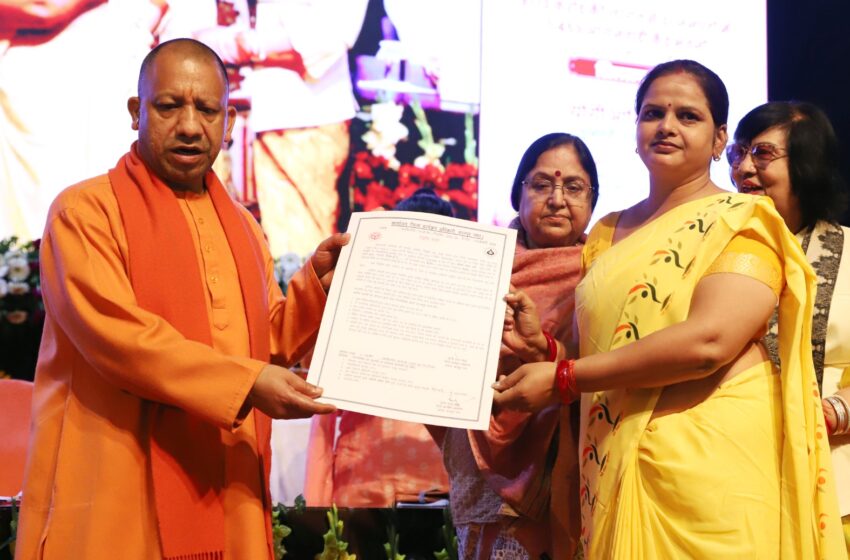
    Mission Rozgar: Chief Minister Yogi Adityanath said on Wednesday that the number of Anganwadi centers in the state has doubled over the past seven years. Handing over appointment letters to 3,077 newly selected Anganwadi workers in a program organized as a part of Mission Rozgar at Lok Bhavan, the Chief Minister emphasized the pivotal role of Aanganwadi workers in reducing maternal and child mortality rates over the past seven years.

    Highlighting data from the National Family Health Survey, CM Yogi noted a considerable decline in maternal and infant mortality rates. “The maternal mortality rate in the state was 285 per lakh in 2014, which has come down to 167 whereas the infant mortality rate, which was 48 per thousand in 2014, has reduced to 38 per thousand,” he added.

    Additionally, he laid the foundation stone for 1,459 new Anganwadi center buildings across 31 districts being built at a cost of Rs 173 crore.

    The CM said, “Today, the double-engine government is providing ‘hot-cooked meals’ to children through women’s self-help groups and Anganwadi workers.”

    Praising the dedication of Anganwadi workers, ANMs, and Asha workers during the global pandemic, the Chief Minister said, “These field workers were tasked with screening the COVID-infected people as well as providing them medicines. This proactive approach significantly contributed to the state’s success in containing the spread of the virus.”

    “Today, there are no deaths due to encephalitis in the state, a testament to the diligent efforts of our field workers. Their exemplary work has become a benchmark for the nation”, he added.

    He said that Anganwadi workers are like ‘Maa Yashoda’. “Just as Maa Yashoda cared for Lord Shri Krishna, Anganwadi workers are tirelessly caring for thousands of children across every Anganwadi center in the state.”

    Reflecting on the transformative journey of Uttar Pradesh, CM Yogi emphasized that despite the same departments and people, the state has undergone remarkable changes over the past seven years, with significant advancements witnessed across various fields, evident to all.

    “The double engine government is developing quality recipe centers at every block level through Anganwadi centers and women self-help groups within the state. In the first phase, 204 such centers will be developed. This will provide employment to thousands of people. Moreover, this initiative will ensure the availability of nutritious and high-quality food in Uttar Pradesh, marking a significant stride towards improving nutritional standards in the state,” informed the Chief Minister.

    He underscored the crucial role of Anganwadi workers in realising Prime Minister Narendra Modi’s vision of a ‘Viksit Bharat’ (Developed India), emphasizing that their efforts are vital for maintaining healthy childhoods. “A healthy childhood paves the way for healthy youth, enabling society to fully harness its talent and potential,” he added.

    Women Welfare and Child Development Minister Baby Rani Maurya, Minister of State for Women Welfare and Child Development Pratibha Shukla, along with other dignitaries and Anganwadi workers attended the program.

  • IVPL: Richard Levi shines as Red Carpet Delhi beats Chhattisgarh Warriors by 22 runs

    IVPL: Richard Levi shines as Red Carpet Delhi beats Chhattisgarh Warriors by 22 runs

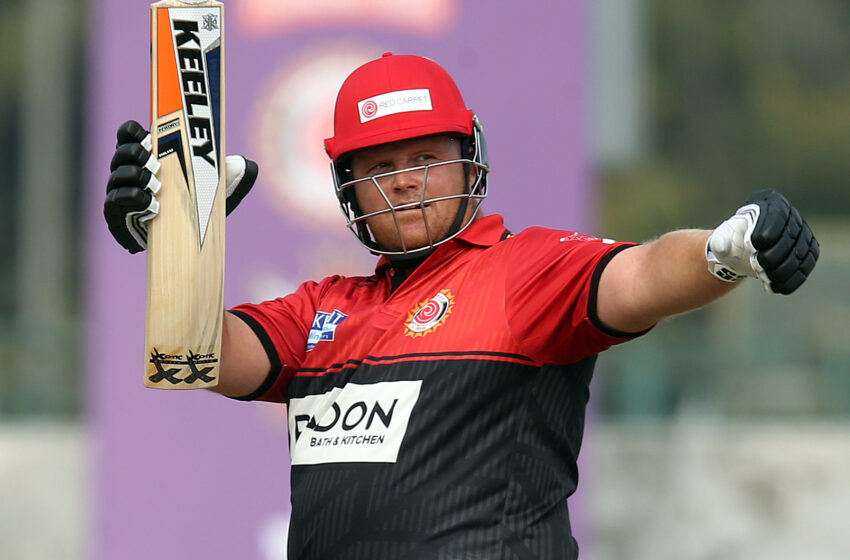
    IVPL: Richard Levi smashed a blistering century as Red Carpet Delhi defeated Chhattisgarh Warriors by 22 runs in the second match of the Indian Veteran Premier League (IVPL) here at the Shaheed Vijay Singh Pathik Sports Complex in Greater Noida on Friday.
    Red Carpet Delhi set the tone early, posting an imposing total of 255/4 in their allotted 20 overs, courtesy of Levi’s scintillating century and a late blitz from Thisara Perera. Despite valiant efforts from Naman Ojha and Saurabh Tiwary, Chhattisgarh Warriors fell short in their chase, folding for 233/10.
    In the last two overs, Chhattisgarh Warriors needed 45 runs and the side were only able to score 22 before getting folded for 233/10. For Red Carpet Delhi, Samiullah Beigh picked four while Bipul Sharma took three wickets each.
    Asked to bat first, Red Carpet Delhi got off to a firing start scoring 72 runs in the first 7 overs. Munaf Patel dismissed Red Carpet Delhi skipper Herschelle Gibbs in the eighth over and tried to put some break on the scoring spree.
    However, Richard Levi had other as he continued his onslaught. From 72/1 Levi took Red Carpet Delhi to 190/2 in just 8 overs. The opening batter unleashed an array of shots and clubbed 6 fours and 15 sixes as he scored 133 runs in 52 balls. Thisara Perera’s quickfire 38 off 14 balls further bolstered their total as they reached a commanding score.
    Chasing 256, Chhattisgarh Warriors suffered an early blow as Samiullah Beigh dismissed Jatin Saxena for a duck. The Warriors also lost Gurkeerat Singh Mann inside the powerplay.
    However, Naman Ojha kept his calm, steered the Warriors’ innings, and took the score over the 100-run mark before the completion of 10 overs. Bipul Sharma, who had picked three wickets, dismissed Ojha in the 10th over.
    Ashley Nurse in the next over dismissed Asghar Afghan to dent Chhattisgarh Warriors’ hope. But Saurabh Tiwary smashed four sixes and seven fours to keep the hopes alive. He took the Warriors from 45/2 to 196/8. However, with 45 runs needed from the final two overs, they succumbed to the disciplined bowling attack of Red Carpet Delhi, ultimately falling short of the target.
    Chhattisgarh Warriors will now lock horns with Mumbai Champions on Monday while Red Carpet Delhi will meet VVIP Uttar Pradesh on Sunday before Telangana Tigers faces Rajasthan Legends in the afternoon encounter.