Author: AVS POST Bureau

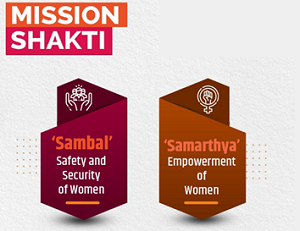
  • One Stop Centre and Women Helpline have been included as components of sub-scheme “Sambal ” of the Umbrella Scheme “Mission Shakti” implemented for safety and empowerment of women during 15thFinance Commission period

    One Stop Centre and Women Helpline have been included as components of sub-scheme “Sambal ” of the Umbrella Scheme “Mission Shakti” implemented for safety and empowerment of women during 15thFinance Commission period

    Mission Shakti: The government has implemented the schemes of One Stop Centre (OSC) and Universalisation of Women Helpline (WHL) under Nirbhaya Fund with effect from 01.04 2015 for providing assistance to the women facing any kind of violence or in distress. The WHL also provide information about various schemes/ projects/ programmes to assist the women in availing the benefits. The OSC and WHL have been included as components of sub-scheme “Sambal ” of the Umbrella Scheme “Mission Shakti” implemented for safety and empowerment of women during 15thFinance Commission period.

    So far, a total of 816 One Stop Centres have been approved in all 36 States/ UTs, out of which 785 OSCs are operational. Presently, WHL is functional in 35 States/ UTs (Except West Bengal).

    1. third party Evaluation Study of Mahila Police Volunteers (MPV) Scheme was conducted by NITI Aayog. Taking into account the findings of the third-party evaluation, past experiences and consultations with States/ Stakeholders, the MPV Scheme has been discontinued with effect from 1st pril, 2022, while suitably incorporating its appropriate provisions under other components of “Mission Shakti”.

    Since inception i.e. from 1st April 2015 to 24thMay,2024, over 9.19 lakh women got assistance through the One Stop Centres (OSCs) whereas over 1.53 crore calls had been received through the WHL and over 76.02 lakh women assisted across the country.

    Under the Nirbhaya Fund, upto the financial year 2023-24, a total amount of Rs.7212.85 Crore has been allocated. The total amount released by the Ministries/ Departments and utilized out of the Nirbhaya Fund since inception is Rs. 5501.48 Crore which is nearly 76% of the total allocation.

    This information was given by the Minister of Women and Child Development Smt. Annapurna Devi in the Rajya Sabha in reply to a question today.
  • Renowned Nephrologist Dr. Vijay Kumar Sinha is Winning Hearts with Exceptional Care and Expertise

    Renowned Nephrologist Dr. Vijay Kumar Sinha is Winning Hearts with Exceptional Care and Expertise

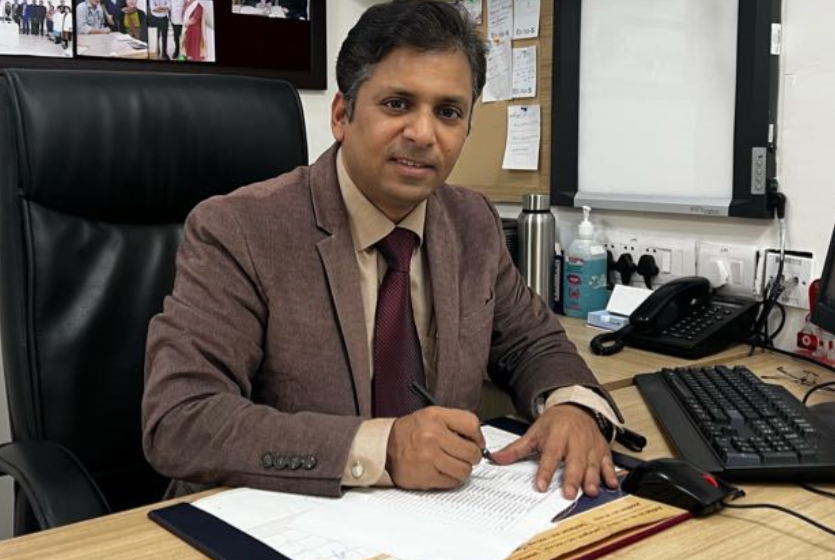
    #Renowned Nephrologist: In the world of nephrology and kidney transplant, Dr. Vijay Kumar Sinha stands out as a beacon of hope and excellence. With a distinguished career spanning 14 years, Dr. Sinha has garnered immense respect and admiration from his peers and patients alike. His journey from Bihar Sharif in Bihar to becoming a globally recognized expert in his field is a testament to his dedication, intelligence, and compassion.

    Dr. Sinha is currently serving as the Director of the Department of Nephrology & Kidney Transplant at Jaypee Hospital. His role at this leading institution highlights his continued commitment to advancing the field of nephrology and providing exceptional patient care. His extensive experience includes serving as a Consultant at Fortis Hospital in New Delhi and as a Registrar in Nephrology & Kidney Transplant at Apollo Hospital, New Delhi. His expertise in nephrology procedures, kidney biopsies, permcath insertions, and AV fistula creations has made him a sought-after specialist.

    A Pioneer in Kidney Transplant

    Dr. Sinha has a special interest in kidney transplants, particularly in medically challenging cases. With over 1,000 kidney transplants to his name, including more than 100 ABO-incompatible transplants and an equal number of transplants after desensitization, he has demonstrated remarkable expertise. His proficiency in combined liver and kidney transplants further highlights his versatility and skill.

    In the realm of dialysis, Dr. Sinha has overseen more than two lakh dialysis sessions, contributing significantly to the advancement of critical care nephrology, SLED, and CRRT. His dedication to patient care is evident in his meticulous approach and innovative techniques.

    Dr Vijay Sinha
    Dr Vijay Sinha

    Academic Excellence and Professional Affiliations

    Dr. Sinha’s academic journey is equally impressive. He earned his MBBS from Calcutta University, followed by an MD in Medicine from Patna University. He further honed his skills with a DNB in Nephrology from Apollo Hospital, New Delhi. His commitment to continuous learning and professional development is reflected in his memberships with esteemed organizations such as the Indian Society of Nephrology, Indian Society of Organ Transplant, Peritoneal Dialysis Society of India, National Academy of Medical Sciences, Association of Physicians of India, and the India Medical Association.

    A Caring and Compassionate Healer

    Beyond his technical prowess, Dr. Sinha is celebrated for his caring and compassionate approach towards his patients. His ability to connect with patients, understand their concerns, and provide personalized care has earned him widespread appreciation. Patients often commend his empathetic attitude and the genuine interest he takes in their well-being.

    Patient Testimonials: Voices of Gratitude

    Here are a few testimonials from patients who have experienced Dr. Sinha’s exceptional care:

    • Ravi Kumar, Kidney Transplant Patient: “Dr. Sinha’s expertise and compassionate care saved my life. He guided me through the entire transplant process with such patience and understanding. I am forever grateful for his dedication.”
    • Anita Sharma, Dialysis Patient: “Under Dr. Sinha’s care, I have experienced a significant improvement in my health. His personalized approach and willingness to address all my concerns have made all the difference.”
    • Sunita Gupta, Kidney Transplant Recipient: “Dr. Sinha is not just a brilliant doctor but also a wonderful human being. He gave me hope when I had almost lost it. His kindness and professionalism are truly unmatched.”
    • Amit Singh, Critical Care Nephrology Patient: “I was in a critical condition, and Dr. Sinha’s timely intervention and expertise brought me back from the brink. His dedication to his patients is truly inspiring.”
    • Manoj Verma, Kidney Transplant Patient: “When other doctors were hesitant, Dr. Sinha took on my complex case with confidence. His innovative approach and thorough explanations gave me the courage to go through the transplant. I owe my second chance at life to him.”
    • Priya Malhotra, Patient’s Family Member: “Dr. Sinha’s compassionate care extended beyond just the patient. He was always there to answer our questions and reassure us during my husband’s treatment. His empathy and professionalism made a difficult journey much easier.”

    Hometown Hero

    Dr. Sinha’s roots in Bihar Sharif, Bihar, have shaped his journey and inspired him to excel. His early brilliance and determination have paved the way for a career that has brought him international acclaim. Today, he stands as a proud representative of his hometown, bringing global recognition to Bihar through his contributions to nephrology and kidney transplant.

    Dr. Vijay Kumar Sinha’s remarkable achievements, combined with his unwavering dedication and compassionate care, make him a standout figure in the field of nephrology and kidney transplant. His journey from Bihar Sharif to global recognition serves as an inspiration to aspiring medical professionals and a source of pride for his patients and peers.

  • #IPS Shivhari Meena: Leading Noida with Integrity and Dedication

    #IPS Shivhari Meena: Leading Noida with Integrity and Dedication

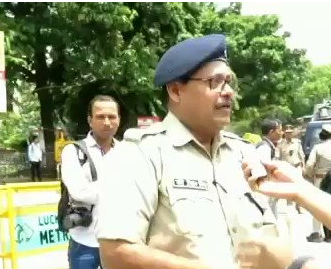
    #IPS Shivhari Meena: In the bustling and ever-growing city of Noida, one name stands out for his dedication, integrity, and commitment to law and order — Shivhari Meena. Currently serving as the Additional Commissioner of Police (Law and Order) in Gautam Buddh Nagar, Meena has earned widespread acclaim for his effective handling of cybercrime cases and the successful implementation of new laws aimed at improving the criminal justice system.

    One of the most notable aspects of Meena’s tenure in Noida is his adept management of cybercrime cases. In an era where digital threats are ever-present, his proactive approach and strategic initiatives have significantly bolstered the city’s cyber defenses. His efforts have not only led to the swift resolution of numerous cases but have also served as a deterrent to potential cybercriminals.

    Inspiring Leadership and Transformative Policing in Gautam Buddh Nagar

    Moreover, Meena’s implementation of the “Bharatiya Nyaya Sanhita,” the “Bharatiya Nagarik Suraksha Sanhita,” and the “Bharatiya Sakshya Adhiniyam” has been exemplary. His thorough understanding and application of these laws have brought about substantial improvements in Noida’s legal framework, ensuring justice is served more efficiently and equitably. These new laws are pivotal in transforming India’s criminal justice system, and Meena’s leadership in their enforcement has been instrumental in their success.

    Meena’s approach to leadership and his interaction with the community set him apart. Known for his humility and accessibility, he maintains strong relations with local residents and is seen as a reliable figure in times of need. His colleagues speak highly of his supportive nature and ethical conduct. A telling anecdote from his tenure as SP in Rampur illustrates his character. On September 29, 2018, when Meena took charge, he surprised everyone by personally cleaning his office and the old pictures hanging on the walls. This gesture, he explained, was part of his moral responsibility and a practice he has upheld throughout his career.

    His dedication to cleanliness and order in his workspace is symbolic of his broader approach to policing — meticulous, hands-on, and deeply ethical. This ethos resonates throughout his professional conduct, earning him the respect and admiration of both his peers and the public.

    Born in Dausa, Rajasthan, Shivhari Meena has always been driven by a sense of duty and service. His educational journey, culminating in an M.A. in Political Science, laid a strong foundation for his career in law enforcement. A 2010 batch IPS officer, Meena’s career trajectory has been marked by numerous postings across Uttar Pradesh, including stints as ASP in Azamgarh and Aligarh, SP City in Ghaziabad, and SP in Maharajganj, Itawa, GRP Agra, Raebareli, Kasganj, Kanpur, Rampur, PTC Unnao, Sultanpur, and Pratapgarh.

    In a time when the role of the police is under constant scrutiny, IPS Shivhari Meena stands as a shining example of what effective and ethical law enforcement looks like. His contributions to Noida’s safety and legal integrity are invaluable, making him a true asset to the community and the nation.

  • DCP Ravi Shankar Nim: Transforming Noida Police through the Integration of BNS Law

    DCP Ravi Shankar Nim: Transforming Noida Police through the Integration of BNS Law

    Noida: Deputy Commissioner of Police (DCP) Ravi Shankar Nim, an esteemed officer in the Noida Commissionerate, has been pivotal in integrating the Bharatiya Nyaya Sanhita (BNS) law into the police system, replacing the Indian Penal Code (IPC) in India. Known for his dedication and exceptional service, DCP Nim holds significant responsibilities, including Women Safety, Headquarters, Accounts, Protocol, and S.M.C.

    Originally from Kanpur, Uttar Pradesh, DCP Nim has always shown a remarkable commitment to excellence, beginning from his student days. An outstanding student, he completed his M.Sc. in Zoology, showcasing his academic prowess. This strong educational background has contributed to his analytical and problem-solving skills, essential in law enforcement.

    DCP Nim’s career is a testament to his ability to adapt and implement new laws effectively. His efforts have been crucial in ensuring that the Noida police system remains updated and efficient. He has served in various districts across Uttar Pradesh, consistently demonstrating a profound understanding of public issues and delivering timely solutions. His empathetic approach has endeared him to the community, colleagues, and junior officers alike.

    Under his leadership, the Noida police force has seen significant improvements, particularly in women’s safety and community engagement. DCP Nim’s work ensures that the police force remains responsive and adaptable to new legal frameworks, greatly benefiting the community.

    Colleagues and junior officers admire DCP Nim for his inclusive leadership style and his ability to inspire and guide them. His dedication to public service and his efforts in implementing the Bharatiya Nyaya Sanhita (BNS) highlight his role as a crucial figure in the Noida police force.

    DCP Ravi Shankar Nim’s commitment to public service, his academic excellence, and his effective integration of new laws make him a standout police officer. His work continues to enhance the safety and well-being of Noida’s residents, establishing him as a beacon of excellence in law enforcement.

  • IIM Mumbai Students Gain Valuable Insights from Pidilite’s Rahul Tiwari: Adaptability and Skills Key to Success in Evolving Corporate World

    IIM Mumbai Students Gain Valuable Insights from Pidilite’s Rahul Tiwari: Adaptability and Skills Key to Success in Evolving Corporate World

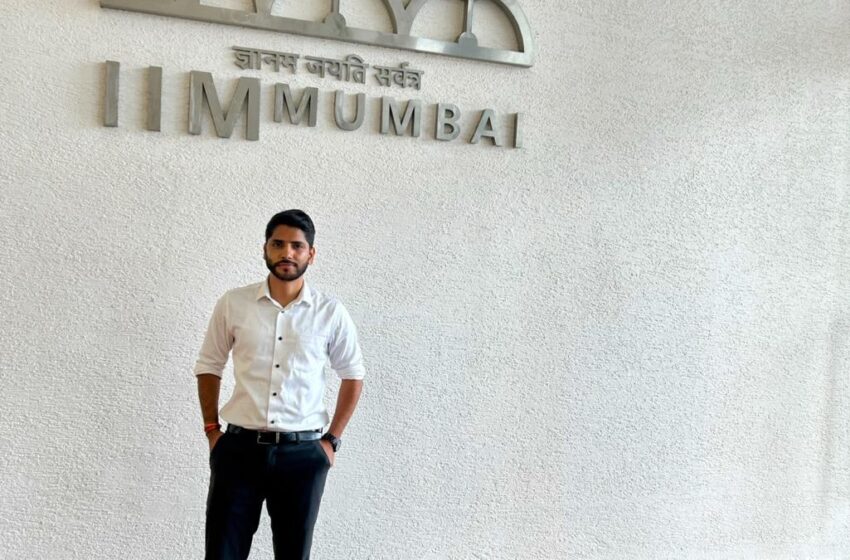
    IIM Mumbai Students: Rahul Tiwari, a prominent business leader and Senior Strategy Leader at Pidilite Industries Limited, recently shared his expertise with future business leaders during a guest lecture at the Indian Institute of Management, Mumbai (IIM Mumbai), one of India’s premier business schools.

    Tiwari, himself an alumnus of a leading Indian business school, brought a wealth of experience to the session. Currently part of Pidilite’s senior leadership team, he is also a renowned speaker and consultant, offering valuable guidance to businesses, government institutions, and emerging startups on career and business strategy.

    During his inspiring talk, Tiwari focused on equipping students with the necessary tools to navigate their upcoming corporate journeys. He offered practical insights to excel in their summer internship placements, while also shedding light on emerging industry trends and how students can strategically align their skillsets with evolving industry requirements.

    Emphasizing the dynamic nature of the corporate world, Tiwari highlighted the importance of adaptability and a strong skillset for achieving future success. He commended the institute’s commitment to fostering diversity within its curriculum and student body, recognizing its significance in preparing well-rounded business leaders.

    This session served a two-fold purpose: to empower IIM Mumbai students for their upcoming corporate endeavors and to strengthen the valuable connection between the institute and the corporate sector.

    Beyond his leadership role at Pidilite, Tiwari is also recognized as an emerging business icon and a leading voice on LinkedIn, where he consistently shares his knowledge and insights with a broader audience.

  • Yogi govt completes 143 out of 162 block-level road projects, remaining 13 to finish by December

    Yogi govt completes 143 out of 162 block-level road projects, remaining 13 to finish by December

    88% of rejuvenation work on block-level roads completed in Uttar Pradesh

    UP witnesses rapid development/ rejuvenation of roads under CM Yogi’s leadership

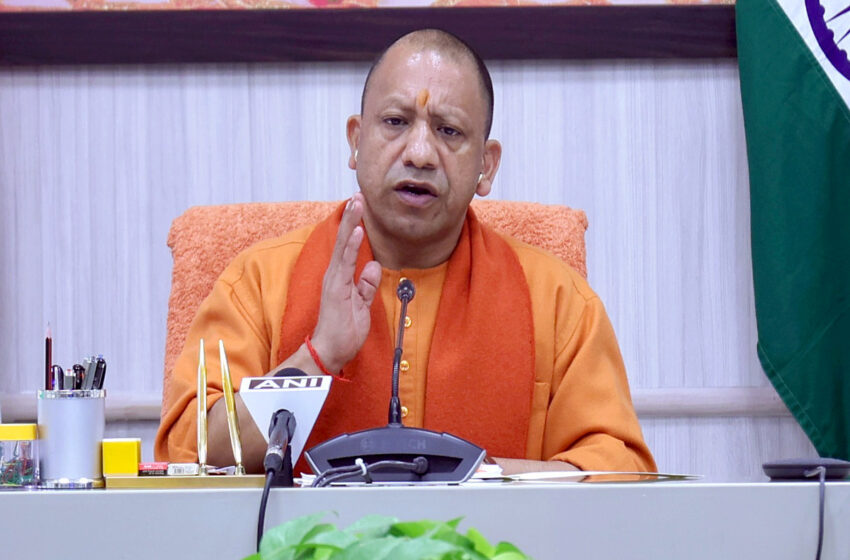
    As part of its commitment to developing a network of high-quality roads to provide better transport facilities to the citizens of Uttar Pradesh, the Yogi government has completed 88.27% of the work related to the construction of two-lane roads connecting block headquarters. The remaining work is set to be finished by the first quarter of January 2025.

    In the last seven years, there has been a significant transformation in the state’s road infrastructure. National highways, state highways, main district roads (MDR), and roads connecting blocks and villages are all being developed in an integrated manner. The detailed action plan, prepared according to CM Yogi’s vision, is progressing rapidly, ensuring comprehensive development across all road networks.

    According to the Public Works Department, 162 road projects are to be completed at the block level, mainly focusing on two-lane roads connecting block headquarters. Of these, 88.27 percent projects (143) have been completed so far, whereas the remaining 8 will be finished by September, and 5 more by December. Thus, by the end of this year, 13 pending projects will be completed, with the remaining 6 to be finished in the first quarter of 2025.

    The state government is particularly focused on completing these projects within the set timeframe, which is why the road construction and redevelopment plans at the block level are progressing rapidly.

    85 percent of development work of interstate border routes nears completion

    According to the Public Works Department, the Yogi government is advancing the development of interstate border routes in the state. Out of 102 total projects for developing these roads, 86 have been completed, which is about 85 percent. Currently, 16 projects are under construction, with 8 expected to be completed by December 2024, and the remaining 8 by the first quarter of 2025.

    Additionally, work is ongoing on 142 projects approved under the Central Road Fund. Out of these, 138 projects have been completed, and all projects are expected to be finished by the first quarter of 2025. So far, 97.18 percent of the work has been completed.

    28,538 kms of rural roads re-constructed in 7 years

    The Public Works Department is working on various projects in the state. These include developing national highways, roads funded by the Central Road Fund, roads built with loans from the World Bank, NABARD and Asian Bank, and the construction of bridges and ROBs, as well as the development of block-nagar panchayat and rural roads.

    During the Yogi government’s tenure over the past 7 years, 28,538 kilometers of rural roads have been developed and re-constructed.

    9 km of roads are being constructed daily

    The state is advancing the construction of 46 new national highways covering 4,115 km and 70 new state highways covering 5,604 km. Notably, during the Yogi government’s tenure, road widening and strengthening have been progressing at an average of 9 km per day, while one bridge is being constructed every two days. In the past 7 years, the government has developed 2,503 km of state highways, 5,934 km of major district roads, and 13,849 km of other district roads.

  • ‘Look forward to reviewing bilateral ties with my friend Putin’-PM Modi

    ‘Look forward to reviewing bilateral ties with my friend Putin’-PM Modi

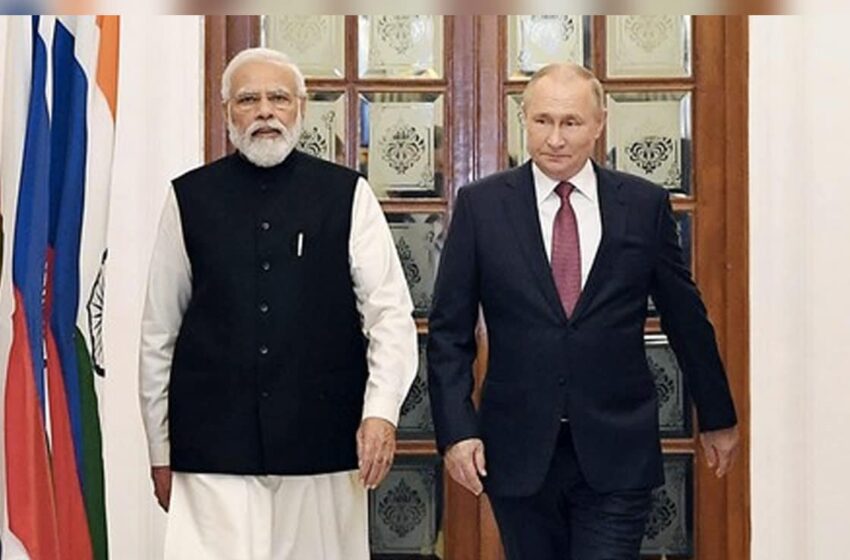
    PM Modi is set to leave for a two-day visit to Russia, scheduled from July 8 to 9, which marks his first trip to Russia since the country’s invasion of Ukraine in February 2022.

    During the 22nd India-Russia Annual Summit, the two leaders will assess the entire spectrum of multifaceted relations between their nations and exchange perspectives on current regional and global issues of mutual concern, as stated by the Ministry of External Affairs in New Delhi on Thursday.

    In an interview with Russia’s state-run channel on Saturday, Peskov mentioned that Prime Minister Modi’s agenda in Moscow will be comprehensive, and the two leaders will have the opportunity for informal discussions. “Obviously, the agenda will be extensive, If not to say overbusy. It will be an official visit, and we hope that the heads will be able to talk in an informal way as well,”

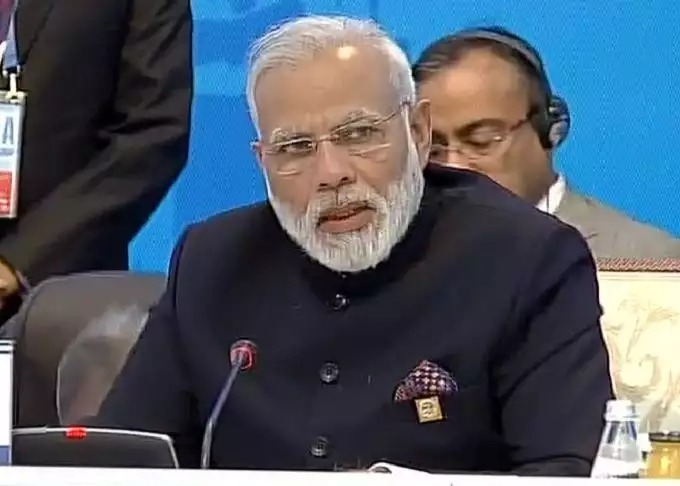
  • PM Modi’s remarks at the SCO summit

    PM Modi’s remarks at the SCO summit

    These remarks were delivered by EAM Dr S Jaishankar who was physically present at the summit.

    Excellencies,

    PM Modi’s remarks at the SCO summit: India recalls with appreciation that its admission as a Member of SCO took place during the 2017 Kazakh Presidency. Since then, we have completed one full cycle of presidencies in SCO. India hosted both the Council of Heads of Government Meeting in 2020, as well as the Council of Heads of State Meeting in 2023. The SCO occupies a prominent place in our foreign policy.

    While we congratulate Iran, attending as a Member of the Organization, I express my deepest condolences for the tragic demise of President Raisi and others in the helicopter crash.

    I also congratulate President Lukashenko and welcome Belarus as the new Member of the Organization.

    Excellencies,

    We gather today in the backdrop of pandemic impact, ongoing conflicts, rising tensions, trust deficits and increasing number of hotspots around the world. These events have put significant strain on international relations and global economic growth. They have aggravated some of the problems that have emanated from globalization. Our gathering is aimed at finding common ground to mitigate the consequences of these developments.

    The SCO is a principle-based organization, whose consensus drives the approach of its member states. At this time, it is particularly noteworthy that we are reiterating mutual respect for sovereignty, independence, territorial integrity, equality, mutual benefit, non-interference in internal affairs, non-use of force or threat of use of force as a basis for our foreign policies. We have also agreed not to take any measures contrary to the principles of state sovereignty and territorial integrity.

    While doing so, priority must naturally be given to combating terrorism, one of the original goals of the SCO. Many of us have had our experiences, often originating beyond our borders. Let us be clear that if left unchecked, it can become a major threat to regional and global peace. Terrorism in any form or manifestation cannot be justified or condoned. International community must isolate and expose those countries that harbour terrorists, provide safe havens and condone terrorism. Cross-border terrorism requires a decisive response and terrorism financing and recruitment must be resolutely countered. We should also take proactive steps to prevent the spread of radicalization among our youth. The Joint Statement issued during India’s Presidency last year on this subject underlines our shared commitment.

    Another prominent concern before us today is of climate change. We are working towards achieving committed reduction in emissions, including transition to alternate fuels, adoption of electric vehicles, and building climate-resilient infrastructure. In this context, during India’s SCO presidency, a Joint Statement on emerging fuels, and a Concept Paper on de-carbonization in the transportation sector were approved.

    Excellencies,

    Economic development requires robust connectivity. That can also pave the way for cooperation and trust between our societies. Respect for sovereignty and territorial integrity is essential for connectivity and infrastructure projects. So too are non-discriminatory trade rights and transit regimes. The SCO needs to deliberate seriously on these aspects.

    The 21st century is the century of technology. We have to make technology creative and apply it to the welfare and progress of our societies. India is among the countries to formulate a National Strategy on Artificial Intelligence and the launch of an AI Mission. Our commitment to ‘AI for All’ is also reflected in working within the SCO framework on a Roadmap on AI cooperation.

    India shares deep civilizational ties with the people of this region. Recognizing the centrality of Central Asia to SCO, we have prioritized their interests and aspirations. It is reflected in greater exchanges, projects and activities with them.

    Cooperation in the SCO, for us, has been people-centric. India organized SCO Millet Food Festival, SCO Film Festival, SCO Surajkund Craft Mela, SCO Think-Tanks Conference, and International Conference on Shared Buddhist Heritage during its presidency. We will naturally support similar endeavors by others.

    I’m glad that a number of events have been hosted in the New Delhi Hall at the SCO Secretariat, since its inauguration last year. This includes the 10th International Day of Yoga in 2024.

    Excellencies,

    I wish to underline that SCO provides us a unique platform to unite people, collaborate, grow and prosper together, practicing the millenia old principle of Vasudhaiva Kutumbakam which means ‘The World is One Family’. We must continuously translate these sentiments into practical cooperation. I welcome the important decisions we will be taking today.

  • 14th edition of the ‘Secretariat Reforms’ report released, for May 2024

    14th edition of the ‘Secretariat Reforms’ report released, for May 2024

    94.34% of total files are e-Files and 94.21% of total receipts are e-Receipts in the Central Secretariat in May 2024

    Average Distinct transaction levels reduced to 4.08 in May 2024, as compared to 7.19 in 2021 and 4.14 in April, 2024

    85.58% Public Grievances disposed (4,95,164 disposed out of 5,78,565 received)

    2,19,932 physical files reviewed, out of which 69,115 physical files weeded out

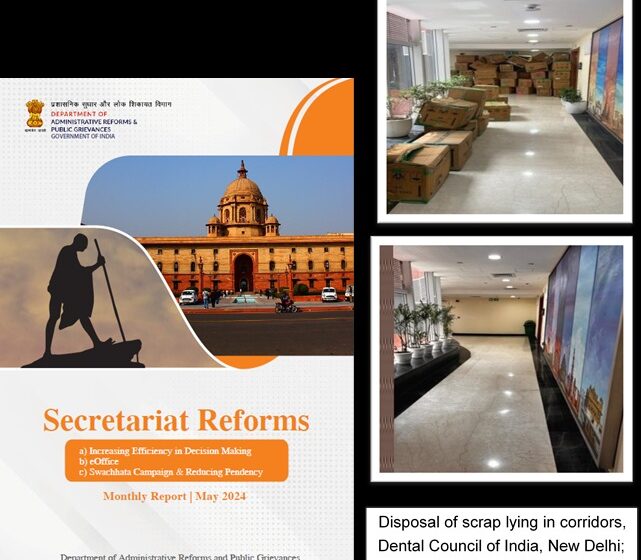
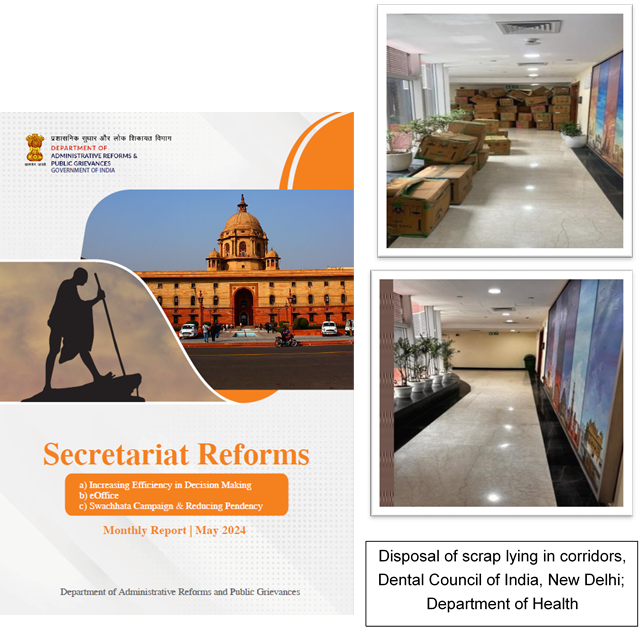
    Secretariat Reforms: Department of Administrative Reforms and Public Grievances (DARPG) under Ministry of Personnel, Public Grievances and Pensions published the 14th edition of the monthly report on “Secretariat Reforms” for May 2024 with detailed analysis under 3 initiatives (i) Increasing Efficiency in Decision Making (ii) Swachhata Campaign (iii) Reducing Pendency to Minimum Levels.  The Report highlights the Government’s efforts for institutionalizing Swachhata, reducing pendency and delayering under the initiative for Increasing Efficiency in Decision Making.  E-Office Analytics validates the success achieved in delayering in Ministries/ Departments.

    2 new chapters have been added in this edition – (i) Best Practices in the category of Scrap Disposal (ii) In Focus: Ministry of Electronics and Information Technology.

    Key highlights of the Report for the month of May 2024 are as follows:

    1. Increasing Efficiency in Decision making- e-Office implementation and analytics
    2. The average transaction levels for active files in the Central Secretariat have substantially reduced from 7.19 in 2021 to 4.08 in May 2024.
    3. In May 2024, 94.34% of total files are e-Files and 94.21% of total receipts are e-Receipts.
    4. 13 Ministries/Departments have 100% share of e-Receipts in May 2024.
    5. Swachhata Campaign & Reduction in Pendency
    1. Cleanliness Campaign conducted at 3,919 sites
    2. 2.03 lakh sq. ft of Space Freed
    3. Rs 52.53 Cr of Revenue earned by scrap disposal
    4. 4,95,164 Public Grievances disposedBest Practices: Scrap disposal

    Several Ministries/Departments conducted targeted campaigns to free up space occupied with scrap and convert them into clean and new office spaces. Photographs of such efforts by Ministries/Departments have been published in the monthly report.

  • Yogi govt implements district limit for Divyangs, divisional limit for female candidates in exam centre allocation

    Yogi govt implements district limit for Divyangs, divisional limit for female candidates in exam centre allocation

    #UP govt issues instructions regarding the arrangements of the examination centre

    #If exams are held within district, other candidates may also get centres outside home district

    #Exam centres are to be randomly assigned to avoid local candidates at the same examination centre

    Lucknow : Aiming to improve the recruitment examinations in Uttar Pradesh and ensure a robust and fair examination system, the Yogi government has issued guidelines under the prescribed policy to enhance transparency in the selection process of various commissions and selection boards in the state.

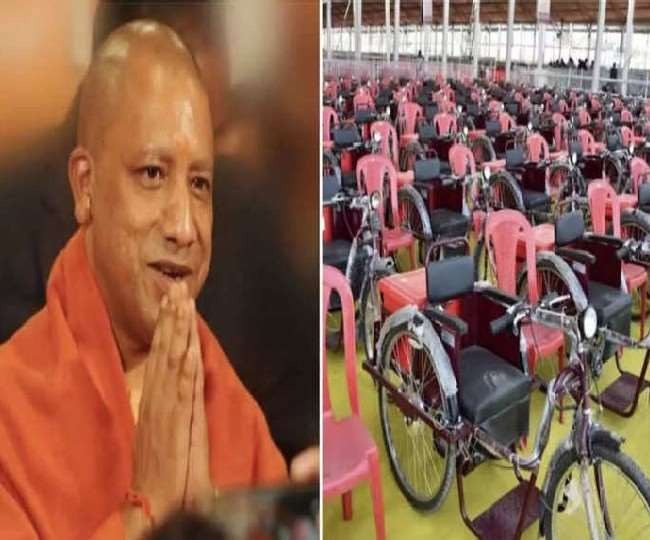
    According to the new policy, divyang candidates will not be allotted examination centres outside their home district, and female candidates will not be allotted centres outside their home division. Additionally, if the examination is held in more than one district, other candidates may be assigned centres outside their home district.

    Allocation of exam centres will be done on random basis

    According to the guidelines issued by the Department of Personnel & Training, the allocation of examination centres will be done on a random basis to ensure that candidates from the same location do not take the exam at the same centre. The allocation of exam rooms to invigilators will also be done randomly in the presence of a static magistrate, 30 minutes before candidates enter the exam centre.

    Additionally, the District Magistrate will ensure that if extra invigilators are needed at any exam centre, at least 50 per cent of the staff will be government employees from outside the exam centre.

    Additional Chief Secretary of the Department of Personnel & Training, Dr Devesh Chaturvedi said that the Sector Magistrates will be assigned to 2-3 nearby examination centres so that they can promptly reach those centres. If an examination centre is located far away, consideration may be given to appointing a separate Sector Magistrate for it.

    In addition, the Sector Magistrate should be deployed at the examination centres, who will be responsible for getting the confidential bundle of question paper/answer sheet from the treasury, bringing it to the concerned examination centre and handing it over to the Static Magistrate deployed at the examination centre. Later, the Sector Magistrate will also be responsible for getting the question paper/answer sheet back from the Static Magistrate after the examination and ensuring peace and order at the examination centre.

    Furthermore, the Sector Magistrate will also arrange for a video recording of bringing and taking the confidential bundle of question papers/answer sheets from the treasury. During the examination, the Sector Magistrate will inspect all examination centres in rotation to ensure everything is functioning properly.

    Each examination centre shall have one Static Magistrate, responsible for receiving the question papers/answer sheets from the treasury in their presence, sealing them post-examination, opening and sealing the question papers/answer sheets at the examination centre before and after the exam, ensuring peace at the examination centre, and randomly assigning invigilators.

    Moreover, the question papers/OMR sheets shall be opened 45 minutes before the exam in the presence of the Static Magistrate, Center Supervisor, and Assistant Center Supervisor, with video recording for security. Inside the exam room, at least 2 candidates’ signatures shall be taken as witnesses when opening the sealed packet of question papers/OMR sheets. CCTV recording shall secure the treasury where the confidential bundle of pre-exam question papers is stored and retrieved on the exam date.

    At the commission/board level, there should be a control room where continuous monitoring through CCTV live streaming is conducted under the leadership of a designated supervisory officer. Alongside, the candidates as well as the personnel deployed at the examination centre should be thoroughly searched when they enter the examination hall and they should not be allowed to go out under any circumstances until the examination is over.

    Additionally, there should be a complete prohibition on candidates and staff members in the examination room carrying any electronic devices. No candidate should be permitted to leave the examination centre before the completion of the exam. If there are two sessions in a single day, the question papers/answer sheets for each session should be brought separately to the examination centre from the treasury.