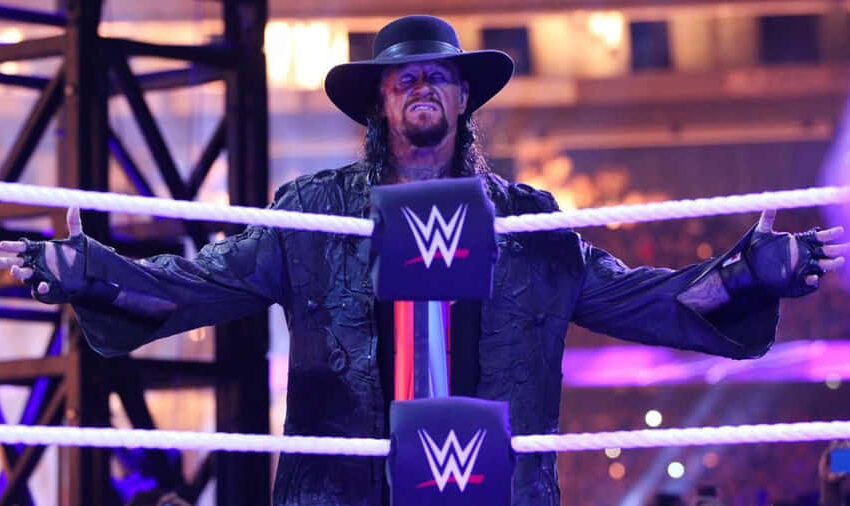
World Wrestling Entertainment, better known as WWE, stands as one of the most influential professional wrestling and sports entertainment companies in the world. Headquartered in Stamford, Connecticut, WWE has transformed athletic competition into a unique blend of storytelling, high-energy performance, and larger-than-life characters. While the outcomes of matches are predetermined and the narratives carefully scripted, the physical risks taken by the performers remain very real. This combination of athleticism, drama, and entertainment has helped WWE build a massive global fanbase over several decades.
Origins: The Capital Wrestling Corporation Era
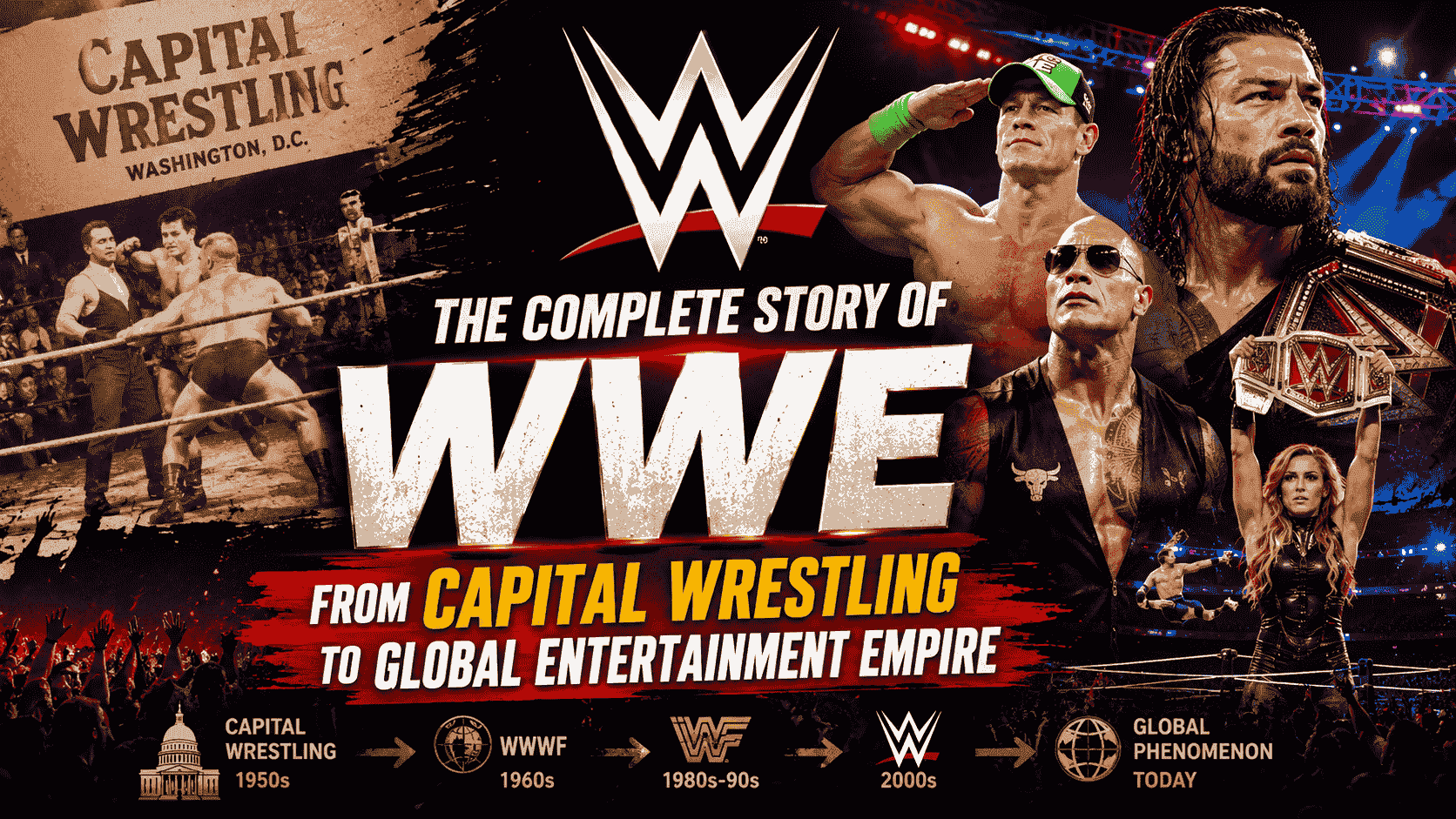
The roots of WWE stretch back to the 1950s with the founding of the Capital Wrestling Corporation. In its early years, the organization operated as part of the National Wrestling Alliance (NWA), a dominant body that controlled much of the professional wrestling landscape in North America. Over time, the promotion evolved and rebranded. It first became known as the World Wide Wrestling Federation and later simplified its name to the World Wrestling Federation, or WWF.

A pivotal moment arrived in 1982 when Vince McMahon acquired the company from his father. This change in ownership marked the beginning of an ambitious expansion. Under Vince McMahon’s leadership, the promotion moved beyond regional territories and began building a national and eventually international presence. The shift from a traditional wrestling territory to a modern entertainment company laid the foundation for everything that followed.
The Birth of WrestleMania and the Golden Era
No discussion of WWE history is complete without highlighting WrestleMania. The inaugural WrestleMania took place on March 31, 1985, at the iconic Madison Square Garden in New York. The main event featured Hulk Hogan and Mr. T teaming up against Roddy Piper and Paul Orndorff. Beyond the in-ring action, the event brought in celebrities from music and entertainment, creating a spectacle that transcended traditional wrestling shows.
WrestleMania quickly became the company’s flagship event and a cultural phenomenon. It symbolized WWE’s vision of combining sports with Hollywood-style production values. The success of that first show helped propel the company into the mainstream and set the stage for future growth throughout the 1980s and 1990s.

Rebranding and Business Expansion
In 2002, the company underwent a significant name change, officially becoming World Wrestling Entertainment, or WWE. This rebranding reflected a broader identity that emphasized entertainment alongside wrestling. From that point forward, the WWE name and logo became the primary global identifiers of the brand.
The company expanded its reach through multiple channels. Weekly television programs, live arena events, digital content, merchandise licensing, and other entertainment ventures all contributed to steady business growth. WWE positioned itself not just as a wrestling promotion but as a full-fledged media and entertainment enterprise.
Current Brands and Signature Events
Today, WWE’s weekly programming revolves around two primary brands: Raw and SmackDown. These shows feature established superstars and ongoing storylines that keep fans engaged year-round. NXT serves as the developmental brand, focusing on nurturing new talent and providing a platform for rising performers to hone their skills before moving to the main roster.
In addition to weekly television, WWE produces major premium live events throughout the year. Among the most prominent are WrestleMania, SummerSlam, and the Royal Rumble. These events draw massive audiences, both in arenas and through streaming platforms, and often mark major turning points in ongoing storylines.

The TKO Era and Corporate Transformation
A major corporate shift occurred in September 2023. The merger of WWE with Zuffa, the parent company of UFC, resulted in the formation of TKO Group Holdings. Following the merger, WWE became part of TKO Group Holdings. Both WWE and UFC now operate as key sports entertainment businesses under the TKO umbrella, combining the strengths of professional wrestling and mixed martial arts under one corporate structure.
This move represented one of the most significant developments in the modern history of combat sports entertainment and positioned TKO as a powerful player in the global sports media landscape.
Streaming Revolution: The Netflix Partnership
In a landmark media deal, WWE’s flagship show Raw began airing on Netflix starting in 2025 across the United States and several other regions. This partnership marked a major shift in how fans access weekly programming. Building on that relationship, Netflix secured additional rights in 2026 to WWE’s historic premium live event library in the United States, giving subscribers access to classic pay-per-view and major event content.
These streaming deals reflect the evolving way audiences consume sports entertainment and highlight WWE’s ability to adapt to changing media consumption habits.

WWE’s Global Footprint Today
In the present day, WWE content reaches audiences in numerous countries around the world. The company continues to operate under TKO Group Holdings, with revenue streams that include live events, television programming, digital content, licensing, and a wide range of entertainment products. Its ability to blend athletic performance with compelling narratives has allowed it to maintain relevance across generations of fans.
From its modest beginnings as the Capital Wrestling Corporation to its current status as a global entertainment powerhouse under TKO, WWE’s journey illustrates the power of innovation, storytelling, and strategic growth. Whether through the spectacle of WrestleMania, the weekly drama of Raw and SmackDown, or the continuous development of new talent on NXT, WWE remains a defining force in sports entertainment.
Also Read This : Mirabai Chanu Gold Medal : Historic Hat-Trick at Commonwealth Games 2026
As the company continues to evolve with new platforms and partnerships, its core appeal—the mix of real athletic risk, scripted drama, and larger-than-life characters—shows no signs of fading. For fans around the world, WWE is more than just wrestling. It is an ongoing saga of competition, spectacle, and entertainment that has captivated audiences for decades and shows every indication of doing so for many more years to come.
View this post on Instagram