Tag: Uttar Pradesh

  • Janjati Evam Lok Kala Sanskriti Sansthan’s Unique Initiative: Preserving Over 500 Traditional Tribal Ornaments and Utensils

    Janjati Evam Lok Kala Sanskriti Sansthan’s Unique Initiative: Preserving Over 500 Traditional Tribal Ornaments and Utensils

    Janjati Evam Lok Kala  Sanskriti Sansthan unique initiative to preserve heritage, More than 500 traditional ornaments and utensils of the state being preserved, Institute introducing the state’s tribal culture to the new generation

    Lucknow, 02 February.

    Janjati Evam Lok Kala Sanskriti Sansthan, Uttar Pradesh is playing an important role in preserving the state’s tribal cultural heritage. The institute is making noteworthy efforts to conserve, promote, and publicize traditional ornaments and rare utensils of tribal communities. 

    Tribal Treasures of Uttar Pradesh

    This initiative is a significant step in realizing Chief Minister Yogi Adityanath’s vision of inclusive development. In this direction, more than 500 traditional ornaments and utensils made by the state’s various tribal communities are not only being preserved but also being exhibited so that the new generation can learn about their cultural heritage.  

    Janjati Evam Lok Kala Sanskriti Sansthan
    Janjati Evam Lok Kala Sanskriti Sansthan

    The ornaments of Uttar Pradesh’s tribal communities such as Tharu, Buksa, Gond, and Baiga are not only symbols of beauty but also reflect the deep cultural roots and traditions of their communities. 

    To achieve this goal, the institute is preserving these traditionally crafted ornaments. The institute’s director Atul Dwivedi explained, these ornaments are entirely handmade by tribal artisans using centuries-old knowledge and skills. 

    Tribal Craft Revival by Janjati Evam Lok Kala Sanskriti Sansthan

    The ornaments represent both cultural traditions and artistic craftsmanship. They are made from materials including gilt or gota silver, old Indian coins, beads, copper, brass, wood, bone, and shells. The creation process follows traditional methods in which metals are heated in a furnace, shaped into wires and sheets, and then manually formed into the final design. 

    Ornaments such as hansli, payal, kadhani, bangles, jhumki, necklaces, rings, bajuband, and mangalsutra are integral parts of tribal life. The director also shared that while the institute is protecting these vanishing ornaments and the craftsmanship behind them, it is simultaneously trying to connect them with modern trends. 

    Modern versions of these ornaments are being adopted by the younger generation and are being worn not only with traditional attire but also with ethnic and Western clothing. 

    Janjati Evam Lok Kala Sanskriti Sansthan
    Janjati Evam Lok Kala Sanskriti Sansthan

    Preserving Vanishing Tribal Utensils and Lifestyles

    The institute’s efforts are not limited to ornaments alone. It is also active in preserving traditional brass, copper, and clay utensils that are vanishing from tribal use. The director noted that metal utensils, earthenware, and utensils such as tumbi made from wild gourd used by tribal communities including Tharu, Buksa, Agariya, and Kharwar in areas such as Sonbhadra still vividly represent tribal lifestyles. 

    The institute preserves these items and organizes exhibitions from time to time. The Agariya tribe is particularly known for its metalcraft tradition dating back to ancient times. Meanwhile, the Tharu tribe uses clay utensils to prepare traditional rice-based beverages called jaad. 

    Also Read This : Union Budget 2026 highlights : Key announcements from FM Nirmala Sitharaman

    Through exhibitions, the institute provides both national and international platforms to showcase tribal artworks, ornaments, and utensils. 

    In this context, during Uttar Pradesh Diwas 2026 and the Janjatiya Bhagidari Mahotsav, tribal artisans were given platforms and honored, elevating tribal pride to new heights.
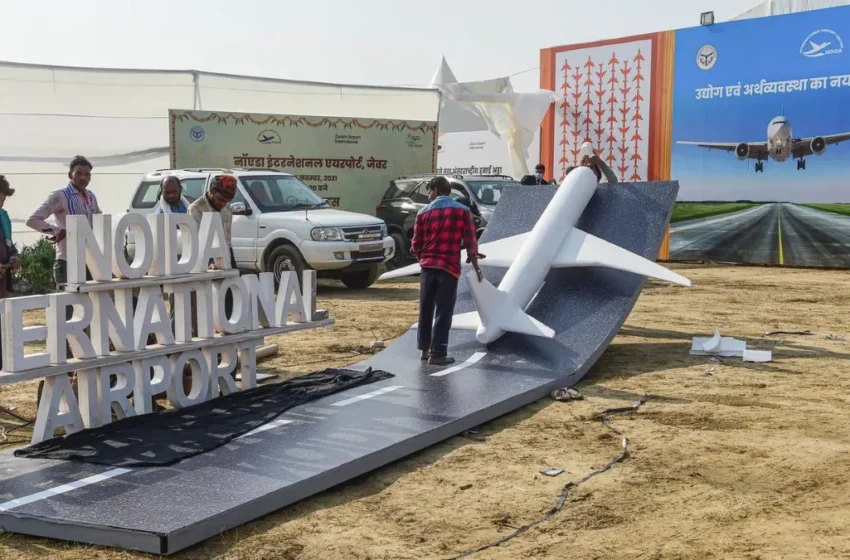

  • Jewar Airport : Latest Updates on Noida International Airport (July 2025)

    Jewar Airport : Latest Updates on Noida International Airport (July 2025)

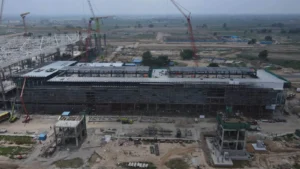
    The Noida International Airport, also known as Jewar Airport, is one of India’s most ambitious infrastructure projects, poised to transform air travel and economic growth in the National Capital Region (NCR). Located in Jewar, Gautam Buddha Nagar, Uttar Pradesh, this greenfield airport is set to become Asia’s largest and the world’s fourth-largest airport upon completion of all its phases. Below is a comprehensive update on the latest developments, milestones, and impacts of the Jewar Airport project as of July 2025.

    Jewar Airport : Noida International Airport
    Jewar Airport : Noida International Airport

    Jewar Airport : Project Overview

    Jewar Airport, officially named Noida International Airport (IATA: DXN, ICAO: VIND), is being developed by Yamuna International Airport Private Limited (YIAPL), a subsidiary of Zurich Airport International AG, under a public-private partnership model. The project, with an estimated cost of ₹29,650 crore for its first phase, aims to alleviate congestion at Delhi’s Indira Gandhi International Airport (IGI) and cater to the growing air travel demand in the NCR. The airport’s strategic location near the Yamuna Expressway enhances connectivity to key destinations like Delhi, Noida, Agra, Mathura, and Vrindavan.

    The airport is being developed in four phases, with the first phase featuring one runway and one terminal, designed to handle 12 million passengers annually. Upon completion of all phases, it will boast six runways and four terminals, with a capacity to serve 70 million passengers per year by 2040-2050. The project also emphasizes sustainability, aiming to be India’s first airport designed for multi-cargo operations and net-zero emissions.

    Jewar Airport : Noida International Airport
    Jewar Airport : Noida International Airport

    Recent Milestones and Construction Progress

    1. Successful Validation Flights

    In December 2024, Noida International Airport conducted its first successful flight validation test, a critical step toward its commercial opening. An IndiGo aircraft performed takeoff and landing maneuvers, with all necessary checks approved by the Directorate General of Civil Aviation (DGCA). Validation tests continued until mid-December, ensuring the airport’s operational readiness. The calibration of the Instrument Landing System (ILS) and Precision Approach Path Indicator (PAPI) was completed in October 2024, marking significant progress. As of July 2025, 85% of the first phase’s construction is complete, with the 3.9-km runway fully operational and the terminal building in its final stages.

    2. New Opening Date

    Initially slated for a September 2024 opening, the airport faced delays due to material shortages and construction challenges, missing subsequent deadlines in April and May 2025. The latest confirmed opening date is April 17, 2025, when commercial operations for both domestic and international flights are expected to commence. However, recent reports indicate that domestic flights may start in May 2025, with international flights potentially delayed until July 2025. The Uttar Pradesh government has imposed a ₹21 crore penalty on the airport operator for these delays, reflecting the project’s high priority.

    Jewar Airport : Noida International Airport
    Jewar Airport : Noida International Airport

    3. Infrastructure and Connectivity Enhancements

    To ensure seamless access, several infrastructure projects are underway:

    • Bhangel Elevated Road: A 5.5-km road to ease Noida-Greater Noida traffic, expected to be completed by July 2025.
    • DND-Faridabad-Ballabhgarh Link: Connects the airport to the Delhi-Mumbai Expressway, with land acquisition completed and construction ongoing.
    • Greenfield Expressway: An 8.5-km elevated stretch on the Faridabad-Jewar route has been approved.
    • Ganga Expressway Link: A 76-km expressway from Bulandshahr to Jewar, funded with ₹1,000 crore, is in planning.
    • Metro and Rail Connectivity: The Delhi Metro Rail Corporation (DMRC) is preparing a Detailed Project Report (DPR) for a metro line from Knowledge Park II to Jewar Airport. Additionally, a 71.1-km Ghaziabad-Jewar Rapid Rail Transit System (RRTS) is planned for completion by 2031. A 61-km railway line (Palwal-Noida International Airport-Khurja) will also connect the airport to major rail networks.

    4. Partnerships and Services

    • Bus and Taxi Services: Noida International Airport has signed agreements with the Uttarakhand Transport Corporation (UTC) and Mahindra Logistics Mobility to provide seamless bus connectivity and premium all-electric taxi services to key destinations.
    • Fuel Stations: A 30-year concession agreement with Indian Oil Corporation Ltd (IOCL) ensures high-quality fueling services at three locations within the airport.
    • Airline Operations: IndiGo and Akasa Air are in discussions with the DGCA and IATA for domestic and international routes. The airport will initially operate 30 flights: 25 domestic, 2 international (Zurich, Singapore, or Dubai), and 1 cargo flight.
    Jewar Airport : Noida International Airport
    Jewar Airport : Noida International Airport

    Economic and Regional Impact

    1. Real Estate Boom

    The airport’s development is significantly boosting the real estate market in Noida, Greater Noida, and Jewar. Property prices have surged, with Greater Noida leading NCR price appreciation at 98% over the last five years. Projects like ATS Homekraft’s ‘Province D Olympia’ sold 400 residential plots worth ₹1,200 crore, driven by strong demand. The Yamuna Expressway Industrial Development Authority (YEIDA) has also seen high interest, with 34,000 applications for 451 plots generating ₹1,493 crore. New sectors, including residential and commercial developments, are planned near the airport, with a proposed hotel hub in Noida Sector 28.

    2. Industrial and Employment Opportunities

    Jewar Airport is set to become a major economic hub:

    • A 1,000-acre Aviation Hub is planned for Phase II, focusing on aircraft assembly, engine production, and related activities.
    • A multi-modal cargo hub will cater to India’s growing logistics demand.
    • The HCL Group and Foxconn are jointly building a semiconductor facility near the airport, set to produce display driver chips for various devices, with production starting in 2027.
    • The airport is expected to create over 100,000 jobs, fostering industrial and commercial growth in the region.
    Jewar Airport : Noida International Airport
    Jewar Airport : Noida International Airport

    3. Tourism and Connectivity

    The airport’s proximity to the Yamuna Expressway will facilitate travel to tourist destinations like Agra (Taj Mahal), Mathura, and Vrindavan. It will also serve as a logistics gateway, with dedicated space for maintenance, repair, and overhaul (MRO) services. The Indian Air Force will have an office at the airport to manage imported equipment, enhancing operational efficiency.

    Challenges and Controversies

    1. Land Acquisition and Environmental Concerns

    The second and third phases of the airport require significant land acquisition, 1,181 and 2,053 hectares respectively, affecting 14 villages. This has led to opposition from some villagers, with concerns over displacement and inadequate rehabilitation. The Noida authority has released ₹3,645 crore, including ₹486 crore for rehabilitating displaced farmers. Environmental concerns include the threat to the Dhanauri Wetlands, which has not been designated as a Ramsar Site, and allegations of illegal groundwater exploitation for construction.

    2. Construction Delays and Penalties

    The repeated delays have drawn scrutiny, with the Uttar Pradesh government emphasizing the project’s priority. The ₹21 crore fine reflects the state’s commitment to ensuring timely completion. Issues like delayed engineering procurement and construction (EPC) contracts and material shortages have been cited as reasons for the setbacks.

    Jewar Airport : Noida International Airport
    Jewar Airport : Noida International Airport

    Key Facts About Jewar Airport

    • Location: Jewar, Gautam Buddha Nagar, Uttar Pradesh, near the Yamuna Expressway, 70 km from Delhi’s IGI Airport.
    • Operator: Yamuna International Airport Private Limited (YIAPL), a subsidiary of Zurich Airport International AG.
    • Cost: ₹29,650 crore for Phase 1; total investment projected at ₹35,000 crore.
    • Runways: Six planned (one in Phase 1).
    • Passenger Capacity: 12 million annually in Phase 1, expanding to 70 million by 2040-2050.
    • Unique Features: India’s first airport designed for multi-cargo operations and net-zero emissions; 186 aircraft stands; mixed rotation for domestic and international passengers.
    • Construction Status: 85% complete as of July 2025; commercial operations to begin April 17, 2025.
    • Key Stakeholders: Noida Authority (37.5%), Greater Noida Authority (37.5%), YEIDA (12.5%), and Uttar Pradesh government.

    Also Read This : iPhone 17 Pro Price in 2025 : Expected Cost, Features & Launch Details

    As Jewar Airport nears its April 2025 opening, it is poised to redefine air travel in India by easing the burden on IGI Airport and enhancing connectivity in the NCR. The project’s rapid construction, completed in just over three years, sets a record for infrastructure development in India. With its focus on sustainability, modern infrastructure, and economic growth, Jewar Airport is set to become a global aviation hub, driving tourism, industry, and real estate development in Uttar Pradesh.

  • Mohammad Shami: Detailed journey of how he became a cricketer.

    Mohammad Shami: Detailed journey of how he became a cricketer.

    Mohammad Shami: Mohammed Shami is one of India’s premier fast bowlers, known for his exceptional performance, ability to swing the ball, and lethal pace. He has been a crucial part of India’s bowling attack in all formats and has delivered match-winning performances in major tournaments. He is also considered as one of India’s best fast bowlers ever, alongside legends like Kapil Dev and Zaheer Khan. He has one of the best seam positions in world cricket, praised by legends like Wasim Akram. He has always continues to inspire young Indian fast bowlers with his hard work and resilience.
    Details about Mohammad Shami?
    Details about Mohammad Shami?

    When and where was he born at?

    He was born on September 3, 1990 and was born at Amroha, Uttar Pradesh, India.

    When and where was he born at?
    When and where was he born at?

    How was his childhood, Schooling and college?

    He spent most of his childhood in Amroha, Uttar Pradesh in a village called Sahaspur. His schooling was done by Amir Hasan Khan P.G. College, Moradabad, Uttar Pradesh and college from Mahatma Jyotiba Phule Rohilkhand University. He had a limited higher education as he started pursuing cricket at a young age.

    How was his childhood, Schooling and college?
    How was his childhood, Schooling and college?

    Who all are there in Mohammad Shami family?

    Mohammed Shami Family consists of the following members such as:

    1. His Father, Tousif Ali. Who was a farmer and a former local-level fast bowler. He is the one to recognized Shami’s talent and encouraged him to pursue cricket.

    2. His Mother, Anjum Ara. Who homemaker and has always supported Shami throughout his journey.

    3. His brother, he has three brothers (Mohammed Kaif, Mohammed Asif, and Mohammed Rafiq). His brothers were also interested in cricket, but Shami was the one who pursued it professionally.

    Who all are there in Mohammad Shami family?
    Who all are there in Mohammad Shami family?

    4. His sister, he has one sister, but her name and personal details are not widely known in public records.

    5. His Ex-Wife, Hasin Jahan. They got married in 2014 but later separated in 2018 due to personal disputes.
    6. His Daughter, Aairah Shami. Who was Born in 2015, she currently lives with her mother.

    Why did he choose cricket as a career?

    Mohammed Shami chose cricket as a career due to his natural talent, passion for fast bowling, and the encouragement he received from his family and coaches. His father was a local-level fast bowler and who recognized his potential and ensured he got proper coaching. Shami’s family despite financial struggles, supported his dream of becoming a cricketer.

    Since Amroha lacked professional cricket facilities, he moved to Moradabad for better training. After which he got trained under Badruddin Siddique in Moradabad, who helped him refine his skills. His dedication and ability to bowl at high speeds with a perfect position set him apart from other.

    After which he later shifted to Kolkata, where he played for Bengal in domestic cricket and caught the attention of selectors of Ranji Trophy, which led to his selection for the Indian team. His ability to swing the ball both ways and deliver deadly Yorkers made him a key fast bowler for the Indian cricket team and Kolkata knight riders team.

    Why did he choose cricket as a career?
    Why did he choose cricket as a career?

    When did he made his cricket debut?

    His cricket debut started from Ranji trophy and IPL after he impress the selector in domestic cricket of Bengal. However his ODI and test debut was made in 2013, after which he also debut in T20 on March 21, 2024.

    When did he made his cricket debut?
    When did he made his cricket debut?

    What are Mohammad Shami achievement and records?

    Some of Mohammad Shami achievements and records are as follows:

    1. He is India’s highest wicket taker in ODI World Cup history, with a record of 55 wickets in 18 matches.
    2. He is also Leading wicket taker of the tournament by 24 wickets in just 7 matches.
    3. He has the best-ever bowling figures by an Indian in a World Cup knockout match.
    4. He took a hat-trick in a match with Afghanistan after which he become the only second Indian to do so in a World Cup.
    5. He is the fastest Indian pacer in 150 Test wickets.

      Some of his achievements and records are
      Some of his achievements and records are
    6. He was a part of India’s historic Test series wins in Australia in 2018-19 and 2020-21.
    7. He won IPL 2023 Purple Cap by getting 28 wickets for Gujarat Titans and the most pacer that season.
    8. He was the best IPL bowling figures in a match with KKR in 2022.
    9. He is first Indian bowler to take 5 wicket hauls in consecutive ODI World Cups.
    10. He played a crucial role in India’s World Test Championship finals in 2021 and 2023.
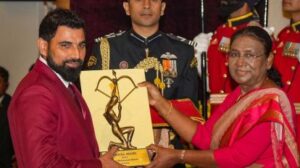
    11. He also got Arjuna Award.

    Also Read This: Kane Williamson: Details on his cricketing journey and captainship.

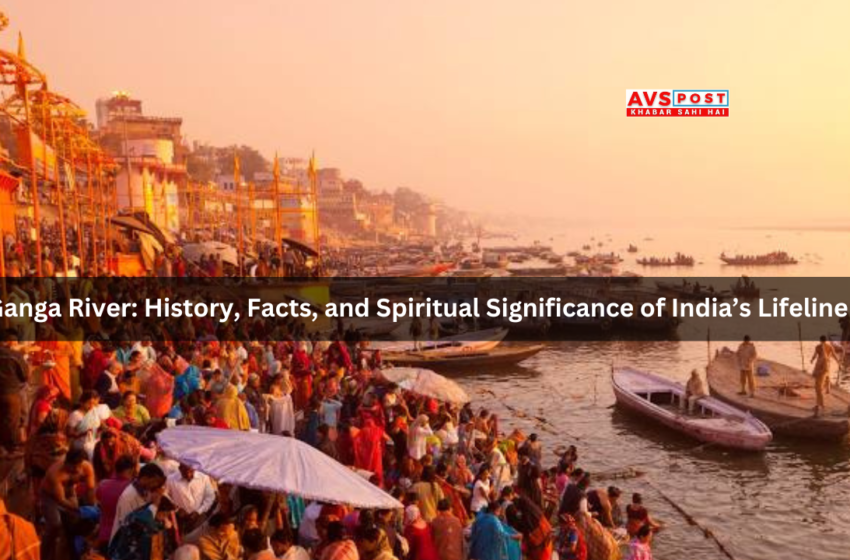
  • Ganga River : History, Facts, and Spiritual Significance of India’s Lifeline

    Ganga River : History, Facts, and Spiritual Significance of India’s Lifeline

    The Ganga River is not just a water body; it is the very soul of India. Stretching 2,525 kilometers from the Himalayas to the Bay of Bengal, this river is a lifeline for over 400 million people. Revered as a goddess in Hinduism, the Ganga is a unique blend of natural grandeur and cultural depth.

    The Ganga River: Origin, Length, and Flow

    • Length: 2,525 km (1,569 miles) – India’s longest river
    • Origin: Gangotri Glacier (Bhagirathi River), Uttarakhand, at an altitude of 4,100 meters above sea level
    • Mouth: Bay of Bengal (via the Sundarbans Delta)
    • Basin Area: 1,080,000 square kilometers (largest river basin in India)
    • States Covered: Uttarakhand, Uttar Pradesh, Bihar, Jharkhand, West Bengal
    • Flow: Average discharge of 14,270 cubic meters per second at the delta

    The Ganga originates as the Bhagirathi River from the Gangotri Glacier and merges with the Alaknanda River at Devprayag, officially becoming the Ganga. Flowing southeast, it traverses the vast Gangetic Plains before entering the Bay of Bengal through the Sundarbans Delta, the world’s largest delta and a UNESCO World Heritage Site.

    Origin
    Origin

    History of the Ganga River: A Sacred Past

    The Ganga has been an integral part of India’s history for thousands of years. Its name is derived from the Sanskrit word Ganga, meaning “swift-goer.” According to ancient mythology, King Bhagiratha brought the Ganga to Earth to grant salvation to his ancestors’ souls. The river nurtured ancient civilizations along its banks and was indirectly linked to the Harappan civilization through trade routes.

    • Ancient Era: Mentioned in the Rigveda (1500 BCE), making it one of the world’s oldest documented rivers.
    • Medieval Period: Mughal emperor Akbar built canals from the Ganga, calling it the “fountain of life.”
    • British Rule: The Ganges Canal system was launched in 1854, boosting irrigation.
    • Modern Day: Major religious events like the Kumbh Mela, drawing millions of devotees for the holy dip.

    Even today, the Ganga remains a spiritual and historical magnet for pilgrims and travelers alike.

    Major Tributaries of the Ganga River

    The vastness of the Ganga is amplified by its tributaries, which provide water and fertility to the basin:

    • Yamuna: The longest tributary (1,376 km), merging at Triveni Sangam in Prayagraj.
    • Ghaghara: Largest by water volume, joining near Chhapra, Bihar.
    • Gandak: Originating in Nepal, it merges near Patna.
    • Kosi: Known as the “Sorrow of Bihar” due to its devastating floods, merging near Bhagalpur.
    • Son: A river carrying reddish silt, meeting the Ganga near Patna.
    • Chambal: Flowing through deep ravines, merging with the Yamuna.

    These tributaries make the Ganges Basin one of the most fertile regions in India, irrigating 11% of the country’s land.

    Ganga
    Ganga

    Ecology of the Ganga River: Wildlife and Challenges

    Wildlife

    • Home to over 140 fish species, including the Mahseer fish.
    • The Ganges River Dolphin (India’s national aquatic animal, now endangered).
    • The Gharial (a critically rare crocodilian species).
    • Birds: Kingfishers and migratory Siberian Cranes thrive along its banks.
    Ecology
    Ecology

    Flora

    • Mangrove forests of the Sundarbans support rich biodiversity.
    • Aquatic plants flourish in the upper Ganga region.

    Pollution Issues

    • 1.3 billion liters of industrial and sewage waste flow into the river daily.
    • In 2010, the Ganga was ranked among the world’s most polluted rivers.
    • The Namami Gange project, launched in 2014, aims to restore its purity.

    Cultural and Spiritual Significance of the Ganga River

    The Ganga is worshiped as “Ganga Mata” (Mother Ganga) by millions:

    • Hinduism: Bathing in the river is believed to cleanse sins; ashes immersed in its waters ensure moksha (liberation).
    • Key Religious Sites:
      • Haridwar (ritual bathing),
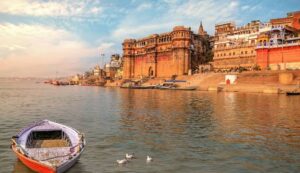
      • Varanasi (spiritual capital of India),
      • Prayagraj (Triveni Sangam, confluence of three holy rivers).
    • Major Festivals: Ganga Dussehra and Kumbh Mela (one of the largest religious gatherings in the world).
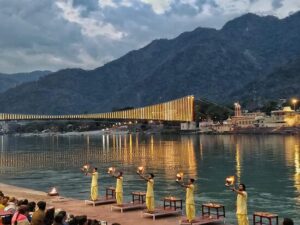
    ganga aarti
    ganga aarti

    Over 100 million pilgrims visit the Ganga every year, reinforcing its unmatched spiritual significance.

    Economic Role of the Ganga River

    The Ganga is also an economic powerhouse:

    • Agriculture: Irrigates 60 million hectares of farmland, growing rice, wheat, and sugarcane.
    • Drinking Water: Provides 40% of India’s population with drinking water.
    • Hydropower: Tehri Dam generates 2,400 MW of electricity.
    • Transport: Historically a major trade route, now limited to small boats and ferries.

    Its fertile plains sustain one of the world’s most densely populated regions.

    Interesting Facts About the Ganga River

    • 50 million years old, formed after the rise of the Himalayas.
    • Tidal impact is felt 250 km inland at Kolkata.
    • Sundarbans: The largest mangrove forest in the world, covering 10,000 square kilometers.
    • Nicknames: “River of Life” and “Goddess of Purity.”
    Ganga River
    Ganga River

    Ganga River Today: Conservation and Tourism

    • Conservation Efforts: The Namami Gange initiative ($3 billion+ budget) has improved conditions, but 30% of its water remains untreated.
    • Tourism:
      • River rafting in Rishikesh,
      • Evening Aarti at the ghats of Varanasi,
      • Cruises through the Sundarbans delta.

    Despite significant progress, climate change and urban expansion continue to pose challenges.

    Also Read This: Grok-3 : The Latest Chatbot Model by Elon Musk’s AI Company xAI

    Why the Ganga River Matters

    The Ganga is not just India’s longest river—it is a cultural icon, ecological marvel, and economic backbone. From its icy origins in the Himalayas to its vast delta, the river reflects India’s past, present, and future.

    Whether you’re exploring Ganges River facts for a project or planning a trip, this sacred river offers endless stories and experiences.

  • CM Yogi pays tribute to Mahatma Gandhi on his death anniversary

    CM Yogi pays tribute to Mahatma Gandhi on his death anniversary

    CM Yogi

    Bapu’s teachings and sacrifices illuminate the path to world peace Lucknow, January 30

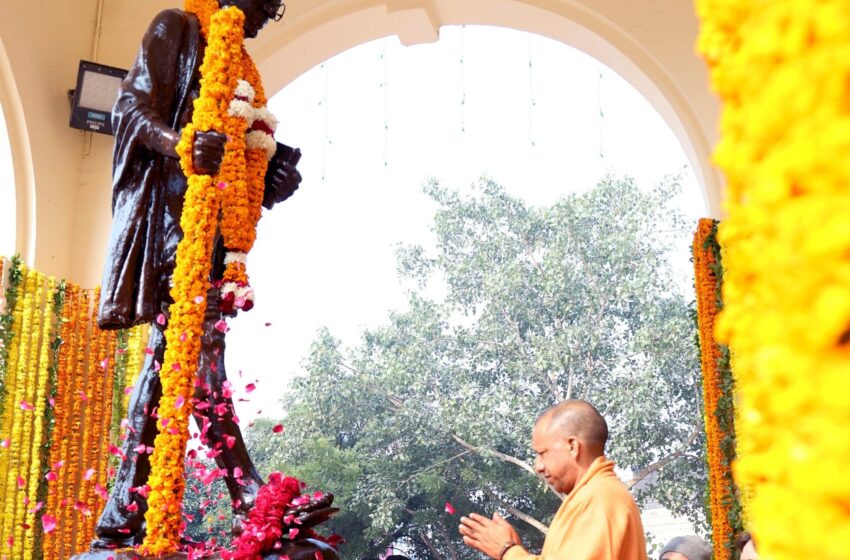
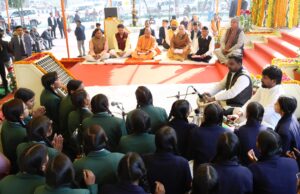
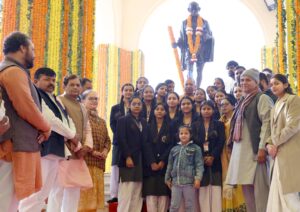
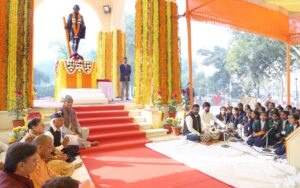
    Uttar Pradesh Chief Minister Yogi Adityanath visited Mahatma Gandhi’s statue at the General Post Office and offered floral tributes on the occasion of his death anniversary on Thursday. Marking the solemn occasion, children presented a musical tribute to the Father of the Nation, with CM Yogi joining them in the heartfelt rendition.

    CM Yogi

    Bapu’s teachings and sacrifices illuminate the path to world peace: CM Yogi

    CM Yogi wrote on his official X handle: “On the death anniversary of the great leader of the freedom movement, ‘Father of the Nation’ Mahatma Gandhi, I pay my heartfelt tribute. Bapu’s teachings and his life of sacrifice continue to pave the way for world peace. Let us all pledge to build a ‘New India—Developed India’ by following the path of truth, non-violence, and self-reliance as shown by Bapu.”

    CM Yogi

    CM Yogi joins children in a musical tribute to ‘Bapu’

    During the event, children melodiously sang devotional hymns such as ‘Raghupati Raghav Raja Ram’ and ‘Vaishnav Jan To Tene Kahiye Je Peed Parayi Jaane Re’. After the program, CM also took a photo with the children.

    CM Yogi

    Several dignitaries, including Mayor Sushma Kharkwal, MLAs Neeraj Bora, Rajeshwar Singh, Amresh Kumar, and MLC Lalji Prasad Nirmal, also offered floral tributes at Mahatma Gandhi’s statue.

    Also Read This: Mahakumbh : Major guidelines given by the Chief Minister in the special meeting

  • Dome City in Prayagraj for Kumbh Mela 2025

    Dome City in Prayagraj for Kumbh Mela 2025

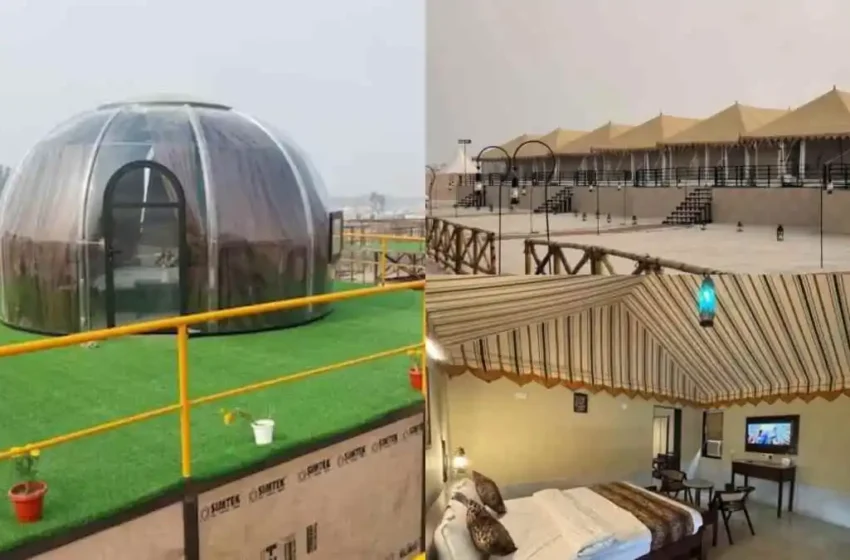
    For the first time, a unique and grand “Dome City” is being established in Prayagraj for the Kumbh Mela 2025, commencing on January 13, 2025. This innovative project is not only one-of-a-kind in India but is also set to surpass the grandeur of five-star hotels. It offers a perfect blend of tradition and modernity, making it an unparalleled experience.

    Features of Dome City in Kumbh Mela 2025

    Bulletproof, Fireproof, and Transparent Domes

    These domes are crafted using ultra-modern technology, providing an ideal mix of safety and luxury.

    Astronomical View

    Guests can control the roof curtains with a remote and enjoy the mesmerizing sight of a night sky filled with twinkling stars.

    Elevated Structures

    The city is built 15 feet above ground level and comprises 22 grand domes, offering an elevated and panoramic experience.

    Kumbh Mela 2025
    Kumbh Mela 2025

    Luxurious Stay Experience

    Each dome has been thoughtfully designed to function as both a bedroom and a drawing room. The luxurious interiors give guests a royal experience, making them feel like kings and queens during their stay.

    Pricing and Tremendous Demand

    • Cost per Night: This unparalleled experience is available at an exclusive price of over ₹1,00,000 per night.
    • Soaring Popularity: Dome City has emerged as one of the major attractions of the Kumbh Mela, with bookings pouring in rapidly.

    Also Read This: Inside the Azerbaijan Airlines Crash: What We Know So Far

    Location and Significance

    Located in the serene and picturesque Arela area, Dome City enhances the grandeur and spirituality of the Kumbh Mela 2025. It offers visitors a unique blend of luxury and divinity, making their pilgrimage an unforgettable experience.

  • Delhi and Uttar Pradesh Weather Alert: Brace for Sudden Temperature Drop and Intense Cold Wave This Week

    Delhi and Uttar Pradesh Weather Alert: Brace for Sudden Temperature Drop and Intense Cold Wave This Week

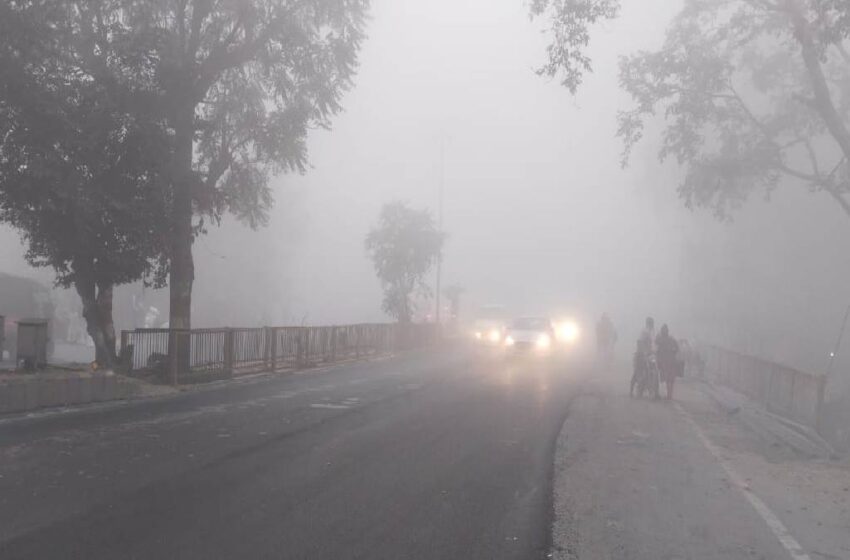
    The cold in Delhi and Uttar Pradesh is expected to intensify this week, with a significant drop in temperatures. According to the weather department, both regions will experience colder-than-usual conditions due to a strong cold wave. As a result, people in these states will face a sudden drop in temperature.

     Delhi and Uttar Pradesh Weather Forecast: Sudden Temperature Drop

    This week, Delhi and Uttar Pradesh are likely to experience a significant temperature drop. Due to the influence of a Western Disturbance and cold winds from the north, the cold will intensify in both regions. The minimum temperature in Delhi could fall to 6-8°C, while in Uttar Pradesh, it may drop to 4-6°C.

    This change will be abrupt, and the region will face a severe cold wave, making mornings and evenings particularly chilly. Cities like Delhi, Lucknow, Agra, and Kanpur may experience a sharp temperature drop.

    Delhi and Uttar Pradesh: Tips to Stay Warm: Keep Safe and Warm

    As the cold increases abruptly, it’s important to take precautions to stay warm and healthy. Here are some tips to prepare for the cold weather:

    • Layer Your Clothes: Wear warm clothes like woolen sweaters, jackets, and scarves. Layering helps trap heat and maintain body temperature.
    • Drink Warm Beverages: Drinking hot tea, coffee, or turmeric milk helps maintain body warmth.
    • Stay Hydrated: In winter, people often forget to drink enough water, but it’s essential to stay hydrated.
    • Use Blankets and Heaters: Make sure to use blankets and heaters to stay warm indoors as well.

    Delhi NCR weather forecast

    Parameter Value
                   Condition                      Mostly Cloudy
                  RealFeel®                              31°C
             RealFeel Shade™                              27°C
                 Max UV Index                           7 (High)
                   Wind                     SE at 14 km/h
                Wind Gusts                    30 km/h
               Humidity                         46%
          Indoor Humidity            46% (Slightly Humid)
                  Dew Point                         16°C
                  Pressure                 1010 mb (Falling)
              Cloud Cover                         81%
                Visibility                         11 km
             Cloud Ceiling                       9100 m

     Major Cities Weather Update: Delhi and Uttar Pradesh

    • Delhi: A cold wave is expected to affect Delhi this week. The minimum temperature may drop to 6°C, and the day will remain chilly, with dense fog in the mornings. The coldest days may see temperatures dropping even further.
    • Uttar Pradesh: In Uttar Pradesh, cities like Lucknow, Kanpur, Agra, and Varanasi may experience temperatures ranging between 4-6°C. There will be a noticeable drop in temperature during the mornings and evenings. Rural areas are likely to feel colder, as the chill is more intense in open spaces.

    Health Risks During Cold Weather

    The sudden temperature drop can bring certain health risks. Especially the elderly and children may face issues like cold, fever, or respiratory problems. Here are a few precautions:

    • Wear Warm Clothes to Prevent Illnesses: It’s crucial to dress warmly to avoid getting sick.
    • Watch Out for Frostbite or Hypothermia: Prolonged exposure to extremely cold temperatures can harm the body.
    • Take Care of Your Skin: Cold air can dry out the skin, so use moisturizers and cover exposed areas.

    Impact of Cold on Transportation: Fog and Low Visibility

    The cold weather in Delhi and Uttar Pradesh may affect transportation. Dense fog, particularly in the mornings, could reduce visibility on roads, increasing the risk of accidents. If you are traveling, especially on national highways, take extra precautions.

    Rail and air travel may also face disruptions due to low visibility and delays caused by weather conditions. It’s advisable to check the weather updates before traveling.

     What to Expect in the Coming Week

    In the coming days, the cold wave in Delhi and Uttar Pradesh is likely to continue, with temperatures remaining lower than usual. Mornings and nights will be foggy, and the cold may intensify at night. Residents in these areas should be prepared for prolonged exposure to cold weather.

    Severe rainfall alert
    Severe rainfall alert : Mumbai weather

    Severe rainfall alert

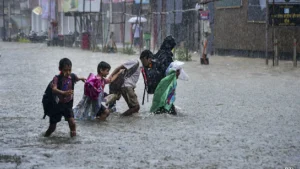
    The India Meteorological Department (IMD) has issued red alerts for extremely heavy rainfall today, August 19, 2025, in several regions of India, including:

    • Mumbai, Thane, Palghar, Raigad, and Pune (Ghat areas): Expect intense spells of rain with gusty winds of 40–60 kmph. Mumbai has seen severe waterlogging, transport disruptions, and school closures.
    • Konkan, Goa, Madhya Maharashtra, Coastal Karnataka, and Gujarat: Extremely heavy rainfall is likely, with Gujarat under a red alert extending to August 20.
    • Other areas: Orange alerts are in place for Telangana, Chhattisgarh, Kerala, and parts of Vidarbha, with heavy to very heavy rainfall expected.

    The Yamuna River in Delhi is expected to cross the danger mark (205.33 meters) today, reaching 206 meters, prompting flood alerts. The Ganga in Haridwar has also crossed the warning level, raising concerns about flooding in low-lying areas.

    Safety Advisories: Authorities recommend avoiding unnecessary travel, staying indoors, and avoiding flooded areas. Mumbai has declared holidays for schools and colleges, and emergency services are on high alert.

    For real-time updates, check the IMD website (mausam.imd.gov.in) or MOSDAC (www.mosdac.gov.in) for satellite-based heavy rainfall alerts. If you’re in an affected area, please share your location for more specific information.

    Also Read This: Delhi Pollution: Improvement in pollution due to winds, AQI came to 161

    This week, people in Delhi and Uttar Pradesh should brace themselves for a sudden and intense drop in temperature. During this cold wave, adopting measures to stay warm and maintaining good health will be essential. According to the weather forecast, you should prepare for the increasing cold to stay safe.

  • NDA victory will ensure infiltrators are kicked out of Jharkhand: CM Yogi Adityanath

    NDA victory will ensure infiltrators are kicked out of Jharkhand: CM Yogi Adityanath

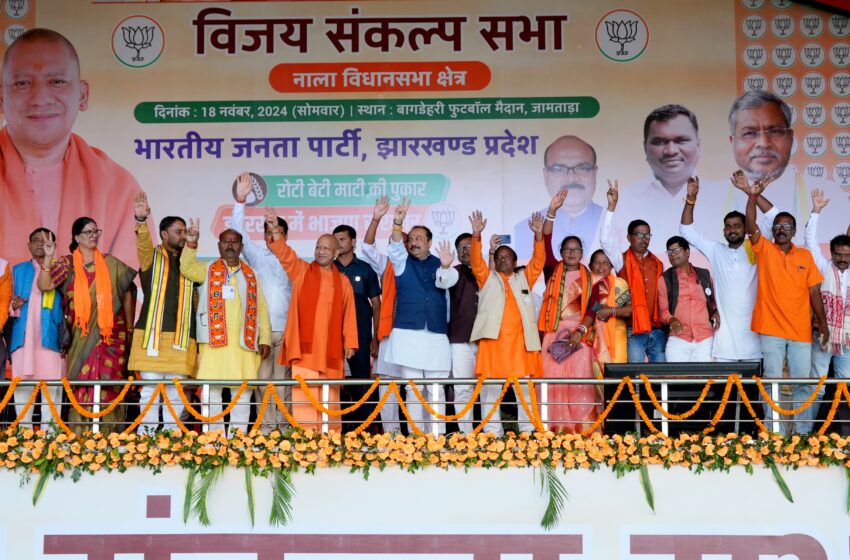
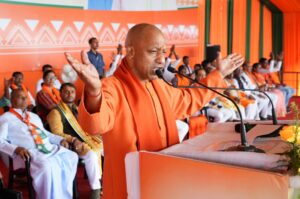
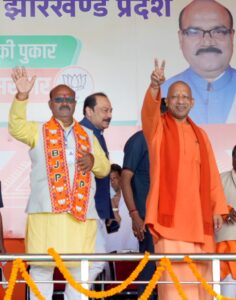
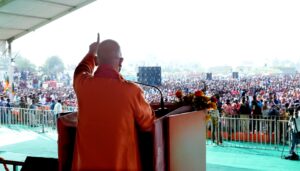
    Uttar Pradesh CM Yogi Adityanath holds three rallies in Jharkhand on the last day of election campaign

    CM Yogi Adityanath targets JMM, Congress and RJD

    CM Yogi Adityanath: Crores of rupees meant for Jharkhand’s development are found at the houses of JMM minister and Congress MP

    The poor yearn for a trolley of sand and these people engage in illegal mining: Yogi

    Mining-sand mafia are hollowing out Jharkhand, looters will be held accountable for every penny lost: CM

    Sahibganj/Jamtara/Deoghar, November 18

    CM Yogi Adityanath: Atal ji had dreamt of Jharkhand’s development but Congress, JMM and RJD ruined it

    On the final day of the election campaign in Jharkhand, Uttar Pradesh Chief Minister Yogi Adityanath launched a scathing attack on the Congress, JMM, and RJD, accusing them of derailing the development envisioned by Atal Bihari Vajpayee for Jharkhand, leaving the resource-rich state lagging in progress. 

    CM Yogi Adityanath
    CM Yogi Adityanath

    “While Jharkhand’s people remained poor, mountains of cash were discovered in the homes of leaders from these parties. Crores were seized from Congress MP and JMM minister Alamgir and his staff—so much that counting machines overheated, requiring 70 machines to handle it. This money was meant for Jharkhand’s development, sent by Modi ji,” he said. 

    CM Yogi Adityanath vowed that after November 23, following the of an NDA government, every looted penny would be recovered and redirected to benefit the people of Jharkhand while infiltrators will be kicked out from the state.   

    Highlighting the illegal activities in Rajmahal, Sahibganj, and surrounding areas, he accused the opposition of turning these regions into safe havens for Bangladeshi infiltrators and Rohingya Muslims. “In BJP-led double-engine governments, there is no place for infiltrators, riots, curfews, or hooliganism—only good governance and prosperity,” he emphasized.  

    CM Yogi Adityanath
    CM Yogi Adityanath

    Drawing parallels with Uttar Pradesh, Yogi stated, “Under the double-engine government in UP, infiltration, cow slaughter, and crimes against women are unthinkable. Anyone attempting such acts is guaranteed a one-way ticket to Yamraj.” He asserted that only the BJP alliance could deliver on these promises, not the Congress or JMM. 

    Uttar Pradesh Chief Minister Yogi Adityanath confidently stated that the first phase of voting signals the formation of a BJP-led NDA government with a clear majority, securing more than two-thirds of the seats. 

    Addressing the crowd, the CM emphasized the “Modi guarantee,” stating that once the BJP government takes power in Jharkhand on November 23, 21 lakh families will be provided with PM housing, and 1.5 lakh government jobs will be advertised. 

    CM Yogi Adityanath
    CM Yogi Adityanath

    He urged voters to prevent infiltrators from entering, assuring that once the BJP is in power, these intruders will be driven out of the state and their leaders will be held accountable. He also warned, “Bate The, Tou Kate The. Ab Batna Nahi Hai,” cautioning against leaders who divide society based on caste, calling them enemies of the nation.

    Yogi further criticized the opposition for allowing infiltration and illegal activities in Jharkhand, stating that while such actions were common before 2014, they no longer occur in India today. 

    He pointed out that while illegal mining and the sand mafia are destroying Jharkhand’s resources, the people continue to struggle. “In UP, strict action is taken against the mafia,” he said. 

    CM Yogi Adityanath
    CM Yogi Adityanath

    He also highlighted how the mining, coal, forest, and land mafias are exploiting Jharkhand, pushing citizens into poverty and ruining the lives of its youth. Under the JMM government, he claimed, the state faces a crisis over basic needs such as food, safety, and land.

    The CM also made a spiritual appeal to the people of Deoghar, saying, “Every pebble of Deoghar is Shankar.” He called for a true devotee of Baba to win in Baba’s city. Attacking the opposition again, Yogi accused the JMM, Congress, and RJD of putting political interests above the welfare of the people, creating insecurity and dishonoring women. 

    “They are promoting love jihad and occupying land in the name of land jihad. There is no such thing in UP. If anyone dares to do this, they will face consequences,” he asserted.


    Yogi also praised MP Nishikant Dubey for his efforts and recalled the BJP’s commitment to building the Ram Janmabhoomi temple. “When we said we would build the Ram Mandir, they opposed us, but we have built it. Now, Baba Vishwanath and Krishna Kanhaiya will also not remain silent,” he declared, reaffirming the BJP’s commitment to religious and cultural development. 

    Also Read This: UP & India well-equipped to compete with global leaders in readymade garment industry: CM Yogi Adityanath

    Box

    CM Yogi Adityanath campaigned for these candidates

    CM Yogi Adityanath kicked off his campaign with a rally in the Rajmahal assembly constituency, backing sitting MLA Anant Ojha. His second rally took place in the Nala constituency, where the BJP has fielded Madhav Chandra Mahato. The third public meeting was held in Deoghar to garner support for sitting MLA and candidate Narayan Das.

  • Chief Minister Yogi Adityanath: Yogi govt prioritizes eligibility-based appointments for government jobs

    Chief Minister Yogi Adityanath: Yogi govt prioritizes eligibility-based appointments for government jobs

    Chief Minister Yogi Adityanath Mission Rozgar

    Newly appointed youths laud Yogi’s policies as CM presents ‘Diwali gift’ to them

    “We got the job fairly and will work for public welfare transparently,” say newly appointed youth

    Yogi govt prioritizes eligibility-based appointments for government jobs

    Lucknow, October 24

    In a festive gesture ahead of Diwali on October 31, Chief Minister Yogi Adityanath distributed appointment letters to 1,950 youths selected by the UP Subordinate Services Selection Commission. This includes 1,526 Gram Panchayat Officers, 360 Gram Vikas Officers (Social Welfare), and 64 Social Welfare Supervisors.

    The parents of the newly appointed officers expressed their joy, referring to their children as the “lamp” of the household, bringing “prosperity” in the form of stable jobs. They extended their gratitude to Chief Minister Yogi Adityanath for the opportunity provided to their children.

    In response, the newly appointed youths pledged to serve the public with integrity and transparency, emphasizing their commitment to work for the welfare of the community.

    Youth express gratitude to Chief Minister Yogi Adityanath for transparent recruitment process for government jobs

    “I am very happy to be selected as a Gram Panchayat Officer. By filling vacant posts in a clear and fair way, the Chief Minister has done a great job to improve the future of the youth. We have received jobs and a bonus just in time for Diwali. Thank you, Chief Minister Yogi Adityanath!” – Ravi Kumar Verma, Gonda

    Chief Minister Yogi Adityanath: Mission Rozgar
    Chief Minister Yogi Adityanath Mission Rozgar

    “I have been appointed as a Gram Panchayat Officer in Amethi. The entire exam was conducted fairly, with no discrimination whatsoever. CM Yogi Adityanath provided opportunities for everyone. Today, we are all very happy to have secured government jobs without any bias.” – Radheshyam Singh, Prayagraj

    Chief Minister Yogi Adityanath: Mission Rozgar
    Chief Minister Yogi Adityanath: Mission Rozgar

    “I’m thrilled to have been selected for the post of Gram Panchayat Officer. The recruitment process was free of charge, and it has boosted the morale of the youth. Thanks to CM Yogi Adityanath, who prioritized eligibility in the selection process and created a wave of job opportunities in Uttar Pradesh.” – Komal Gupta, Ayodhya

    Chief Minister Yogi Adityanath: Mission Rozgar
    Chief Minister Yogi Adityanath: Mission Rozgar

    “I have been appointed as a Gram Vikas Officer. I appreciate the Chief Minister for ensuring a fair and transparent appointment process. From the exam to receiving the appointment letter, everything was smooth. Thanks to Yogi Adityanath’s strict policies, jobs and employment are being provided to the youth.” – Pankaj Kannaujiya, Sultanpur

    Chief Minister Yogi Adityanath: Mission Rozgar
    Chief Minister Yogi Adityanath: Mission Rozgar

    Also Read This: Yogi govt trains teachers to transform UP’s schools into skill development centres

    “I have been selected as a Gram Panchayat Officer in my home district. From the 2018 recruitment exam to my appointment, everything was handled transparently. There were no under-the-table fees, and the documentation was simple. I will perform my duties honestly, and I am very grateful to the Chief Minister for this clear process.” – Sandeep Kumar Gupta, Amethi

  • Uttar Pradesh sets national benchmark in Ayushman Bharat Digital Mission initiatives

    Uttar Pradesh sets national benchmark in Ayushman Bharat Digital Mission initiatives

    Uttar Pradesh

    Special (Big Picture Story)

    The state holds the top position in creating Ayushman Bharat Health Accounts (ABHA)

    Uttar Pradesh ranks first in the Health Professional Registry and OPD registrations based on ABHA

    Lucknow leads in operating microsites

    UP tops in Health Facility Registry, ranks second in implementing Electronic Health Records

    Lucknow, October 24:

    In a remarkable transformation over the past seven and a half years, Chief Minister Yogi Adityanath has led Uttar Pradesh from its former “BIMARU” status to becoming ‘Uttam Pradesh.’ Upon assuming office, his government implemented several key measures aimed at strengthening the state’s healthcare infrastructure and ensuring affordable, quality medical care for its citizens. The impact of these efforts is now evident statewide, with residents no longer needing to seek treatment elsewhere.

    Uttar Pradesh’s rise in healthcare services has been particularly highlighted by its leading position in multiple areas of the Ayushman Bharat Digital Mission, cementing its status as a healthcare leader in the country.

    Uttar Pradesh: 12.45 crore ABHA IDs have been created in the state so far

    Health and Medical Secretary Ranjan Kumar stated, “In line with Chief Minister Yogi Adityanath’s vision, the creation of Health Unique IDs for the citizens of Uttar Pradesh under the Ayushman Bharat Digital Mission (ABDM) is progressing rapidly across the state. As a result, Uttar Pradesh now ranks first nationwide in several key components of the ABDM.”

    He explained, “Uttar Pradesh leads the country in the creation of ABHA IDs, the Health Professionals Registry, the Health Facility Registry, the 100 Microsite Project, and the Scan and Share Module. The state also holds the second position nationally in the implementation of Electronic Health Records.”

    Secretary Ranjan Kumar highlighted that the ABHA initiative has been operational in the state for the past year. To date, Uttar Pradesh has created approximately 12.45 crore ABHA IDs, securing the top spot in the country, with Maharashtra following in second place at 5.46 crore ABHA IDs.

    Additionally, healthcare professionals from various fields, including doctors, nurses, CHOs, ANMs, and ASHA workers, are being registered in the Health Professional Registry (HPR). So far, 74,789 professionals have been registered, placing Uttar Pradesh first in the nation, ahead of Karnataka, which has recorded 58,919 health professional registrations to date.

    Uttar Pradesh: Ayushman-Bharat
    Uttar Pradesh: Ayushman-Bharat

    So far, 61,015 facilities have been registered in the Health Facility Registry

    Health and Medical Secretary Ranjan Kumar stated that all medical institutions, hospitals, health centers, sub-centers, private hospitals, clinics, and diagnostic centers are being registered in the Health Facility Registry (HFR). With 61,015 facilities already registered, Uttar Pradesh leads the country, achieving 100% registration of all government medical institutions, hospitals, and sub-centers. Karnataka holds second place with approximately 60,743 facilities registered to date.

    Secretary Kumar also highlighted the success of the Scan and Share Module under the Ayushman Bharat Digital Mission (ABDM), which has streamlined registration in government hospitals. The time required for OPD registration has been reduced from about 50 minutes to just 5 minutes, thanks to this system. “Uttar Pradesh ranks first nationwide in the implementation of the Scan and Share Module, with over 1.42 crore tokens generated so far,” he noted. Bihar follows in second place, having generated over 95 lakh tokens.

    35 microsites are being operated across the state

    Out of the 100 microsite projects implemented by the National Health Authority of the Government of India, 35 are currently operating in Uttar Pradesh. These microsites have been introduced to encourage the adoption of the Ayushman Bharat Digital Mission (ABDM) in the private healthcare sector. Notably, Uttar Pradesh is contributing the most health records to this system.

    Among these microsites, the capital city, Lucknow, holds the distinction of being the first in the country to achieve its set targets. These microsites not only enhance patient services but also streamline hospital operations through better queue management, hospital management, and data handling, making healthcare systems more transparent and efficient.

    Also Read This: Uttar Pradesh: Yogi govt to rejuvenate 21 warehouses across 10 districts to enhance UP’s storage capacity

    For the creation of Electronic Health Records (EHRs/PHRs), hospitals need to have health management systems compliant with ABDM, enabling smooth patient flow and data management within the facility. To support this, the Lab Information System is being integrated into various hospitals across the state. So far, around 5.25 crore electronic health records have been generated in Uttar Pradesh. The state currently ranks second in India, just behind Andhra Pradesh, which has created 5.32 crore EHRs. However, according to Health Secretary Ranjan Kumar, Uttar Pradesh is poised to take the top spot in the near future.