Tag: Supreme Court

  • Understanding the Waqf Act and Its 2025 Amendments: A Comprehensive Overview

    Understanding the Waqf Act and Its 2025 Amendments: A Comprehensive Overview

    In India, the Waqf Act governs the administration of Waqf properties—endowments made under Islamic law for religious, charitable, or private purposes. These properties, dedicated to God, are inalienable and meant to serve community welfare, such as funding mosques, schools, or hospitals. The Waqf (Amendment) Act, 2025, also known as the Unified Management Empowerment Efficiency and Development (UMEED) Act, has introduced significant reforms to the Waqf Act of 1995, sparking debates about transparency, inclusivity, and religious autonomy. This blog explores the Waqf Act’s origins, its 2025 amendments, key provisions, controversies, and implications for India’s Muslim community and beyond.

    What is Waqf?

    Waqf, rooted in Islamic jurisprudence, refers to the permanent dedication of movable or immovable property for pious, religious, or charitable purposes. Once declared Waqf, a property cannot be sold, gifted, or inherited, and its benefits are directed to the specified purpose. In India, Waqf properties include mosques, graveyards, schools, and hospitals, managed by State Waqf Boards and overseen by the Central Waqf Council. As of 2025, India has approximately 872,351 Waqf properties spanning over 940,000 acres, valued at an estimated $14.22 billion.
    Waqf Act and Its 2025 Amendments:
    Waqf Act and Its 2025 Amendments:

    Historical Context of the Waqf Act

    The regulation of Waqf in India dates back to the Mussalman Waqf Act of 1923, which aimed to ensure proper administration of Waqf properties. The Waqf Act of 1954 and its major revision in 1995 established a structured framework, creating State Waqf Boards and the Central Waqf Council to manage these assets. The 2013 amendments introduced measures to curb encroachments and enhance oversight but faced criticism for inefficiencies. Persistent issues like mismanagement, corruption, and land disputes—such as the Karnataka Waqf Board Land Scam—prompted calls for reform, culminating in the Waqf (Amendment) Act, 2025.

    Key Provisions of the Waqf (Amendment) Act, 2025

    The Waqf (Amendment) Act, 2025, introduced in the Lok Sabha on August 8, 2024, and enacted in April 2025 following heated parliamentary discussions, aims to improve transparency, accountability, and inclusivity in Waqf administration. Here are its key provisions:

    1. Renaming to UMEED Act: The Act renames the Waqf Act, 1995, as the Unified Waqf Management, Empowerment, Efficiency, and Development Act, emphasizing streamlined governance.
    2. Inclusion of Non-Muslims: For the first time, Waqf Boards and the Central Waqf Council must include at least two non-Muslim members to promote transparency, though this has raised concerns about community autonomy.
    3. Gender and Sectarian Inclusivity: The Act mandates at least two Muslim women on the Central Waqf Council and State Waqf Boards and ensures representation from diverse Muslim sects, such as Sunni, Shia, Bohra, and Aghakhani, as well as backward classes.
    4. Removal of ‘Waqf by User’: The provision allowing properties to be designated as Waqf based on long-term religious use has been eliminated, though existing Waqf-by-user properties registered before the Act remain valid unless disputed with the government.
    5. Centralized Registration System: A digital portal for Waqf property registration and management aims to improve record-keeping, with a six-month deadline for uploading details (extendable by Waqf Tribunals).
    6. Deletion of Section 40: Waqf Boards can no longer unilaterally declare properties as Waqf, curbing arbitrary claims that led to disputes, such as the Tamil Nadu case where an entire village, including a 1,500-year-old Hindu temple, was claimed by the Waqf Board.
    7. Enhanced Dispute Resolution: District Collectors or senior officers arbitrate disputes over Waqf versus government land, and Waqf Tribunals now include a District Judge, a Joint Secretary-level officer, and an Islamic law expert, with appeals allowed to High Courts within 90 days.
    8. Protection for Women and Orphans: The Act safeguards women’s inheritance rights, ensuring Waqf Act declarations do not override legal entitlements, and promotes welfare programs for widows and divorced women.
    9. Mandatory Audits: Entities with incomes above ₹1 lakh must undergo annual audits, subject to scrutiny by the Comptroller and Auditor General (CAG).
    10. Application of Limitation Act: The Limitation Act, 1963, now applies, setting a 12-year cap on Waqf property claims to reduce prolonged litigation.
    Key Provisions of the Waqf (Amendment) Act, 2025
    Key Provisions of the Waqf Act, 2025

    Controversies and Criticisms

    The Waqf (Amendment) Act, 2025, has ignited significant controversy, with supporters and critics voicing starkly different perspectives:

    • Supporters’ View: The government, led by the Bharatiya Janata Party (BJP), argues that the Act addresses long-standing issues like corruption, mismanagement, and illegal occupation of Waqf properties (58,898 properties are reportedly encroached upon). Minister Kiren Rijiju emphasized benefits for poor Muslims, citing the Act’s focus on transparency and inclusivity. The Dawoodi Bohra community, among others, has praised the reforms as meeting long-pending demands.
    • Critics’ Concerns: Opposition parties, including Congress, AIMIM, and the All India Muslim Personal Law Board, label the Act as “anti-Muslim” and unconstitutional, arguing it violates Article 26, which guarantees religious communities the right to manage their affairs. Critics, including MP Asaduddin Owaisi, fear the inclusion of non-Muslims and increased government oversight could erode Muslim autonomy and target Waqf properties. The removal of ‘Waqf by user’ is seen as potentially destabilizing existing Waqf designations.
    • Legal Challenges: On April 4, 2025, multiple petitions, including those by Owaisi, Congress MP Mohammad Jawed, and Jamiat Ulama-e-Hind, challenged the Act’s constitutionality in the Supreme Court. The court, under Chief Justice Sanjiv Khanna, clubbed these under “In re: Waqf (Amendment) Act 2025” and ordered no denotification of Waqf properties or appointments to Waqf Boards until May 5, 2025, pending further hearings. Six BJP-ruled states, including Haryana and Assam, have supported the Act’s constitutionality.
    Controversies and Criticisms
    Controversies and Criticisms : Waqf Act

    Implications and the Road Ahead

    The Waqf (Amendment) Act, 2025, represents a bold attempt to modernize Waqf administration, addressing issues like opaque land records (over 2 lakh properties lacked digital records) and disputes that have fueled community tensions. Its focus on digitization, inclusivity, and legal safeguards aims to align Waqf management with constitutional principles of transparency and equality. However, the Act’s success hinges on balancing state oversight with religious autonomy, a challenge underscored by ongoing Supreme Court hearings and public protests, notably in West Bengal’s Muslim-majority districts.

    The Act’s provisions, such as mandatory audits and centralized registration, could unlock the potential of Waqf properties to fund education, healthcare, and women’s empowerment programs. Yet, critics warn that excessive government control risks alienating the Muslim community and setting a precedent for regulating other religious endowments. The Supreme Court’s upcoming rulings will likely clarify the Act’s constitutional validity and its impact on India’s secular framework.

    Also Read This : Civil Defence Drills

    The Waqf (Amendment) Act, 2025, is a landmark reform with far-reaching implications for India’s 872,351 Waqf properties and the communities they serve. By tackling mismanagement and promoting inclusivity, it aims to empower marginalized groups while ensuring accountability. However, its contentious provisions have sparked a broader debate about religious autonomy and state intervention. As India navigates these reforms, inclusive dialogue and vigilant implementation will be crucial to ensuring that the Waqf Act upholds both justice and constitutional values. For the latest updates, follow the Supreme Court hearings and official government portals like minorityaffairs.gov.in.

  • Telangana Forests: What Happened, Its Impacts, People’s Reactions, Government Interventions, and More Details

    Telangana Forests: What Happened, Its Impacts, People’s Reactions, Government Interventions, and More Details

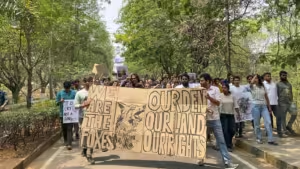
    Telangana Forests: The forests of Telangana are a crucial part of the state’s ecosystem. There is a significant forest area in the state, but concerns have been raised about the actual density and health of these forests. Several development projects, including road construction, have been proposed. One such deforestation case has been found in the area of Kancha Gachibowli in Hyderabad, Telangana. This incident has caused widespread attention, and a recent court case was filed to stop the deforestation in Kancha Gachibowli.

    deforestation case has been found in the area of Kancha Gachibowli in Hyderabad, Telangana
    deforestation case has been found in the area of Kancha Gachibowli in Hyderabad, Telangana

    What are the Reasons Behind Deforestation in Telangana Forests?

    Some of the key reasons behind deforestation in Telangana are:

    • Development Projects: There is a strong push for development, particularly the construction of infrastructure like IT parks. The recent incident in Kancha Gachibowli exemplifies this.

    • Lack of Environmental Oversight: Concerns have been raised about whether proper environmental impact assessments are being conducted before large-scale land clearing.

    • Urban Expansion: The rapid growth of urban centers like Hyderabad contributes to deforestation as land is converted for residential and commercial purposes.

      What are the Reasons Behind Deforestation in Telangana Forests?
      What are the Reasons Behind Deforestation in Telangana Forests?

    How Are People Reacting to This Incident in Hyderabad (Telangana Forests)?

    People are reacting in the following ways:

    • The incident in Hyderabad led to student protests at the University of Hyderabad. Students expressed their concerns by being vocal and staging protests.

    • Environmental activists have also organized awareness programs to raise concerns about deforestation.

    • Legal intervention has taken place, with the High Court and Supreme Court stepping in to take the issue seriously.

    • Public outrage has spread on social media platforms and channels.

    • People have also expressed concerns about the loss of biodiversity and the impact of deforestation on local wildlife.

      How Are People Reacting to This Incident in Hyderabad (Telangana Forests)
      How Are People Reacting to This Incident in Hyderabad (Telangana Forests)

    What Are the Impacts of Deforestation and Urbanization?

    Some of the impacts of deforestation and urbanization include:

    • Destruction of Biodiversity: Both plant and animal species are being affected.

    • Displacement of Wildlife: Wildlife is being displaced as forests are destroyed.

    • Increase in Air and Water Pollution: Large machinery, vehicles, and industrial activities contribute to pollution.

      What Are the Impacts of Deforestation and Urbanization?
      What Are the Impacts of Deforestation and Urbanization?
    • Climate and Environmental Change: The deforestation contributes to changes in the climate and environment.

    • Soil Erosion: This leads to the loss of fertile soil.

    • Flood and Drainage Issues: Concerns about floods and drainage problems have also arisen.

    • Forest Fires: The risk of forest fires is increasing due to climate change.

    How Did the Government and Supreme court React to This Issue?

    The government, through the Telangana Industrial Infrastructure Corporation (TGIIC), proceeded with clearing the land, asserting its legal ownership and plans for IT park development. They maintained that the land was not a designated forest area.

    However, the Telangana High Court and, later, the Supreme Court intervened, issuing stay orders on further tree felling. The Supreme Court expressed strong concern about the “alarming deforestation activities” and demanded explanations from the government regarding the urgency of these actions.

    How Did the Government and Supreme court React to This Issue?
    How Did the Government and Supreme court React to This Issue?

    As a result, the chief secretary of the state was held accountable for these activities. The government has also stated that it will engage in dialogue with student protestors.

    Additionally, the government has pledged to provide the requested information to the Supreme Court within the deadlines set by the court. The government’s response has been shaped by the strong reactions from the public and, most significantly, by the firm intervention of the judiciary.

    The Student Protestors’ Reaction After the Supreme Court’s Statement.

    After the Supreme Court halted the mass tree felling in 400 acres of land in Kancha Gachibowli, Hyderabad, following major research and concerns, students at Hyderabad University celebrated, as their protest was deemed successful.

    The Student Protestors’ Reaction After the Supreme Court’s Statement
    The Student Protestors’ Reaction After the Supreme Court’s Statement

    Also read this: Panchayat season 4: Details on 5 year anniversary, release date, cast and plot.

  • DELHI POLLUTION: AUI DROP, AAP BEING BLAMED, SUPREME COURT STATEMENT, HARYANA AND PUNBJAB AUTOMOBILE POLLUTION.

    DELHI POLLUTION: AUI DROP, AAP BEING BLAMED, SUPREME COURT STATEMENT, HARYANA AND PUNBJAB AUTOMOBILE POLLUTION.

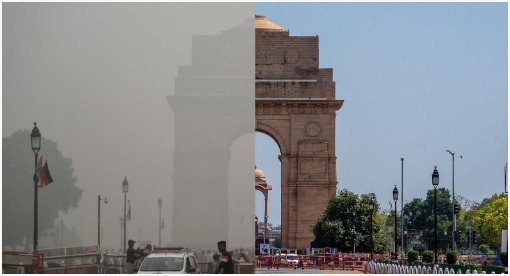
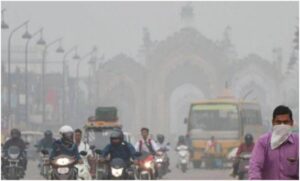
    Delhi pollution: On Monday 21 October 2024, Delhi recorded an AQI of 307 with area of Delhi like Anand Vihar AQI of 339 and Akshardham AQI of 293 also reported. Since this report many high rises building are been seen covered in dense smog making the view haze. As per the report, annual crop burning, fire cracker and pollution by cars, bus or other vehicles could be a reason for this intense pollution.

    Supreme court statement of Delhi pollution.

    Supreme court on Wednesday criticised centre Delhi over poor air quality in Delhi. They also commented on this by saying “we will take the Union of India to task it hasn’t created any machinery”. and further set the operation to set within 10 days.

    DELHI POLLUTION
    DELHI POLLUTION

    Delhi pollution: Respiratory illnesses are at its peak.

    The doctors are alarming that poor AQI is leading to respiratory illness and problem increased by 15% in last three days. People are been said to take important measure due to the high risk. Government is are also taking important measure for the following.

     Haryana and Punjab high automobile pollution and annual crop.

    Haryana and Punjab are producing a lot of pollution thought various measures and medium like; there annual crop burning, stamp out farm fires, automobile pollution and emissions from various construction sites, factory and industries have led to significant AQI drop in Delhi and its near by areas.

    Delhi: Haryana and Punjab
    Delhi: Haryana and Punjab

    Delhi: Supreme court criticism and action against Haryana and Punjab.

    Delhi Supreme court also criticised on these activities from these states and ask to take action against it immediately. After the criticism several arrests have been made in last two days to stop the following activities. To which farmer said the government a permanent solution to this problem and reduce compulsion. They also commented that are there not any factories and industries in Delhi that are resulting in pollution. But government is not taking any action and are being filed cases every day in the name of this farmer.

    BJP on AQI drop, Delhi pollution and other activities.

    Many leaders of BJP and people of Delhi have blamed AAP government over AQI drop in Delhi. They are saying the pollution in Delhi are increasing day by day and AAP doesn’t have any intension to reduce it. The layers of smog are increasing day by day at AAP are just playing blame games. They also compared Delhi air quality with Mumbai air quality.

    DELHI POLLUTION
    DELHI POLLUTION

    AAP statement on Delhi pollution.

    To this allegation, AAP government said that Delhi pollution is increasing due to emission from buses coming from neighbouring UP and they also blamed fire farms in up. They stated that BJP is doing cheap politics against them.

    Also Read This: BRICS Summit 2024 pivotal Highlights of the 16th Summit in Russia

    Actions against the Delhi pollution by the government.

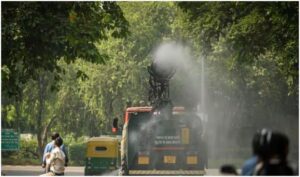
    DELHI Government has planned Actions like banning of fireworks till 1st January 2025, crop burning activities and odd/even rule, etc till now. They also set water sprinkler vehicles. Other than this Centre’s commission for air quality management has also activated graded response action plan’s first stage.

    Report By:- Enakshi Dasgupta

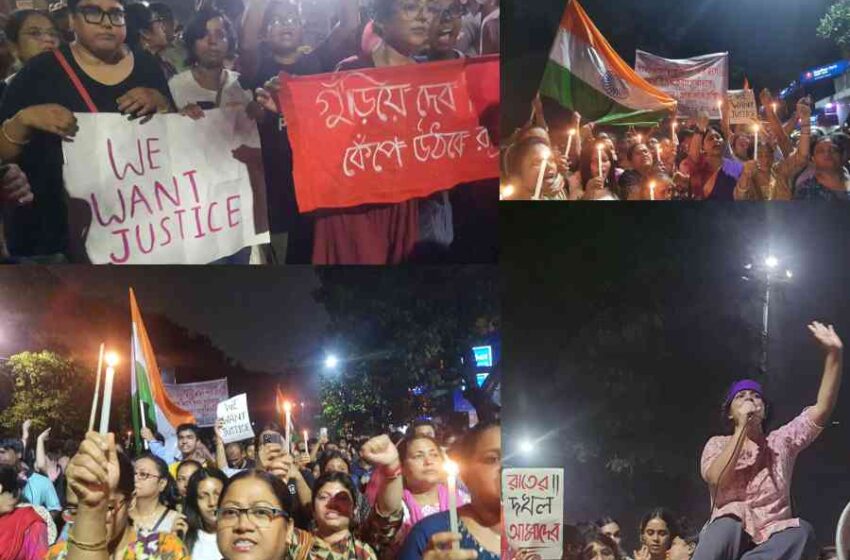
  • Kolkata Rape and Murder Case: Medical Student’s Tragic Death Sparks Outrage and Protests

    Kolkata Rape and Murder Case: Medical Student’s Tragic Death Sparks Outrage and Protests

    Kolkata croaker rape AND murder case:
    The body of a woman croaker was set up inside as forum hall of RG bus government sanitorium in North Kolkata on August 9th 2004 primary or topsy report indicated that she was sexually abused before being bobbled a collaborative tax of Kolkata police was arrested in connection with the rise coming day.

    Supreme Court Takes Suo Motu Cognizance of Kolkata Rape Case

    Croakers and other medical staff has been protesting and different corridor of the country affecting the functioning of health installations. They are pressing for a central law to check violence against healthcare particular, declaring hospitals save zones with obligatory security and subvention among other demands. The union home ministry has asked all state police forces to give its situation reports every 2 hours in a wake of kick but croakers nursing staff and others supreme court on 18th August 2018 took Suo Motu cognisance of the rape and murder case. A three judge bench headed buy top justice of India D.Y. chandrachud is schedule to hear the case, institute it on the course on stir, on August 20, 2024. The Apex law innovention follows and August 13 order of Calcutta High court transferring the exploration to Central office of exploration CBI from Kolkata police.

    Kolkata
    Kolkata

    Government Response: Increased Security in Hospitals in Kolkata

    Victim Was from RG kar medical College Kolkata a alternate time pupil was hospitalised and had extensive injuries to her body all infinity before death. According to postmortem report attained by India moment declared evidences of forceful penetration indicating sexual assault over 14 injuries were proved on victims head face neck arms in genitals the cause of that was determined to be manual strangulation associated with smothering. The manner of death was ruled as homicide. Semen was set up in victims genitalia and signs of hemorrhaging in the lungs and blood clothes in the body were set up indeed the neck bone was fractured. Samples of blood and other body fluids were transferred for further analysis. This terrible crime has sparked wide outrage leading to strikes and kick by croakers and babysitters across West Bengal and other corridor of India.

    Also Read This: Kolkata: Questions on CBI investigation even after witnesses, evidence and polygraph test!

    Amid the public out cry Dr Sandip Ghosh the former star of RG bus medical council and sanitorium abnegated from his post and as seen the question by CBI. In response incident the west Bengal government and down several measures to enhance the safety of women in factory, particularly at State run hospitals. Beef measures include establishment of designated retiring apartments and CCTV spectators’ safe zones’ for women, especially those in working night shift.
    Meanwhile, supreme court has taken up the matter on its own and its schedule to hear it on 20 August.

    Report By:- Ananya Saxena