Tag: Sun Protection

  • Lupus Disease : Symptoms, Causes, Diagnosis, and Treatment – A Complete Guide

    Lupus Disease : Symptoms, Causes, Diagnosis, and Treatment – A Complete Guide

    Lupus Disease is a complex and often misunderstood chronic autoimmune disease that can affect virtually any part of the body. By raising awareness and providing clear, accurate information, this blog aims to help readers understand what lupus is, its symptoms, causes, diagnosis, and treatment options. Whether you’re newly diagnosed, supporting a loved one, or simply curious, this guide offers a detailed yet accessible overview of lupus.

    What is Lupus Disease ?

    Lupus Disease is an autoimmune condition where the immune system, which typically protects the body from infections, mistakenly attacks its own healthy tissues. This leads to inflammation and damage in various organs and systems, such as the skin, joints, kidneys, heart, lungs, and brain. The most common form of lupus is systemic lupus erythematosus (SLE), but other types include:

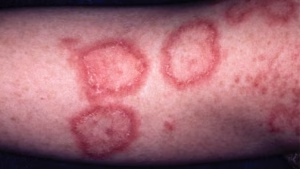
    • Cutaneous lupus: Primarily affects the skin, causing rashes or sores.
    • Drug-induced lupus: Triggered by certain medications, with symptoms that often resolve after discontinuing the drug.
    • Neonatal lupus: A rare condition affecting newborns of mothers with lupus, typically involving skin rashes or heart issues.

    Lupus is not contagious, and while it can range from mild to life-threatening, proper management can significantly improve quality of life.
    Lupus Disease
    Lupus Disease

    Who is Affected by Lupus?

    Lupus affects approximately 1.5 million people in the United States and 5 million worldwide. It disproportionately impacts certain groups:

    • Gender: Women are nine times more likely to develop lupus than men, likely due to hormonal influences.
    • Age: Most commonly diagnosed between ages 15 and 45, though it can occur at any age.
    • Ethnicity: Higher prevalence among African American, Hispanic, Asian, and Native American populations compared to Caucasian individuals.

    Symptoms of Lupus Disease

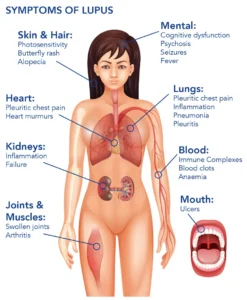
    Lupus is often called the “disease of a thousand faces” because its symptoms vary widely and can mimic other conditions. Symptoms may come and go in episodes called flares, followed by periods of remission. Common symptoms include:

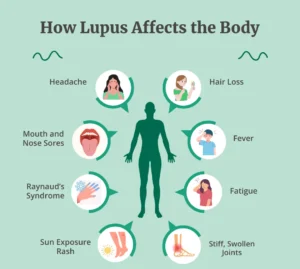
    • Fatigue: Persistent, overwhelming tiredness that doesn’t improve with rest.
    • Joint Pain and Swelling: Stiffness or pain in joints, especially in the hands, wrists, and knees.
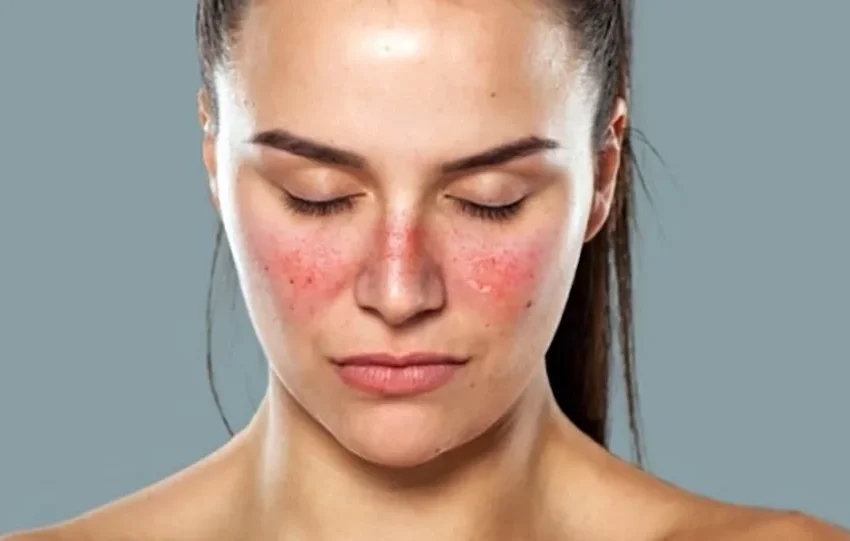
    • Skin Rashes: A hallmark is the butterfly-shaped rash across the cheeks and nose, often triggered by sun exposure. Other rashes or sores may appear elsewhere.
    • Fever: Unexplained low-grade fevers during flares.
    • Photosensitivity: Sensitivity to sunlight, which can worsen rashes or trigger flares.
    • Hair Loss: Thinning hair or patchy hair loss, often temporary.
    • Mouth or Nasal Sores: Painless ulcers inside the mouth or nose.
    • Organ Involvement: Lupus can affect the kidneys (lupus nephritis), heart, lungs, or brain, leading to symptoms like chest pain, shortness of breath, or neurological issues (e.g., seizures, memory problems).

    Because symptoms vary, lupus can be challenging to recognize, often leading to delayed diagnosis.
    Symptoms of Lupus Disease
    Symptoms of Lupus Disease

    What Causes Lupus Disease?

    The exact cause of lupus remains unknown, but it’s believed to result from a combination of factors:

    • Genetics: A family history of lupus or other autoimmune diseases increases risk, though no single “lupus gene” exists.
    • Environmental Triggers: Exposure to ultraviolet (UV) light, certain infections (e.g., Epstein-Barr virus), smoking, or specific medications (e.g., hydralazine, procainamide) can trigger or worsen lupus.
    • Hormonal Factors: Estrogen may play a role, explaining the higher prevalence in women, especially during reproductive years or pregnancy.
    • Immune System Dysregulation: Abnormal immune responses cause the body to produce autoantibodies, like antinuclear antibodies (ANA), that attack healthy tissues.

    Diagnosing Lupus Disease

    Diagnosing lupus is complex because no single test confirms it. Doctors rely on a combination of:

    • Medical History and Symptoms: Evaluating the patient’s symptoms and family history.
    • Physical Examination: Checking for rashes, joint swelling, or other signs.
    • Blood Tests:
      • Antinuclear Antibody (ANA) Test: A positive ANA test is common in lupus but not specific to it.
      • Tests for other autoantibodies (e.g., anti-dsDNA, anti-Smith) or complement levels (C3, C4).
    • Urine Tests: To detect kidney involvement, such as protein or blood in the urine.
    • Biopsies: In some cases, a kidney or skin biopsy confirms lupus-related damage.

    The American College of Rheumatology provides classification criteria, requiring at least 4 of 11 specific signs or symptoms (e.g., butterfly rash, photosensitivity, kidney issues) for a formal SLE diagnosis.

    Treatment and Management

    While there’s no cure for lupus, treatments aim to control symptoms, prevent flares, and minimize organ damage. Treatment plans are tailored to the individual and may include:

    • Medications:
      • Nonsteroidal Anti-Inflammatory Drugs (NSAIDs): Reduce joint pain and inflammation.
      • Corticosteroids (e.g., prednisone): Control severe inflammation but used cautiously due to side effects.
      • Antimalarials (e.g., hydroxychloroquine): Reduce flares and improve skin and joint symptoms.
      • Immunosuppressants (e.g., methotrexate, azathioprine): Suppress the overactive immune system for severe cases.
      • Biologics (e.g., belimumab): Target specific immune pathways.
    • Lifestyle Changes:
      • Sun Protection: Wear sunscreen, hats, and protective clothing to avoid UV-triggered flares.
      • Healthy Diet: Focus on anti-inflammatory foods like fruits, vegetables, and omega-3-rich fish.
      • Exercise: Low-impact activities like walking or yoga to maintain joint mobility and reduce fatigue.
      • Stress Management: Techniques like meditation or therapy to minimize stress-induced flares.
    • Regular Monitoring: Frequent check-ups to track disease activity and organ function.
    How Lupus Disease affects the body
    How Lupus Disease affects the body

    Complications of Lupus Disease

    If not properly managed, lupus can lead to serious complications, including:

    • Lupus Nephritis: Kidney inflammation, which can progress to kidney failure if untreated.
    • Cardiovascular Issues: Increased risk of heart disease, stroke, or blood clots.
    • Lung Problems: Pleurisy (inflammation of the lung lining) or pulmonary hypertension.
    • Neurological Effects: Seizures, memory issues, or mood disorders in severe cases.

    Early diagnosis and consistent treatment significantly reduce the risk of complications.

    Living with Lupus Disease

    A lupus diagnosis can feel overwhelming, but many people lead fulfilling lives with proper care. Key tips for managing lupus include:

    • Build a Support System: Connect with healthcare providers, family, friends, or lupus support groups.
    • Stay Informed: Learn about the condition to advocate for your needs.
    • Track Symptoms: Keep a journal to identify triggers and share with your doctor.
    • Prioritize Self-Care: Balance rest and activity, and address mental health needs.

    Raising Awareness

    Lupus awareness is critical because its unpredictable nature and varied symptoms often lead to misdiagnosis or delayed treatment. Organizations like the Lupus Foundation of America provide resources, support, and advocacy for patients and families. By sharing knowledge, we can reduce stigma and improve outcomes for those affected.

    Also Read This : 90s Retro Look Prompt : How to Create a Stunning 90s Retro Look with AI, Step-by-Step Guide

    Lupus is a challenging but manageable condition. With advances in treatment and growing awareness, people with lupus can live healthier, more active lives. If you suspect you or a loved one may have lupus, consult a healthcare provider for evaluation and guidance. Stay proactive, stay informed, and know that you’re not alone in navigating this journey.


  • Self-Care for the Soul 2025: The Ultimate Guide to Skin Care and Self-Care Routines

    Self-Care for the Soul 2025: The Ultimate Guide to Skin Care and Self-Care Routines

    Self-Care for the Soul: In today’s fast-paced world, self-care has become an essential practice for maintaining overall well-being. A vital part of self-care is skin care, as our skin is the largest organ and serves as the first line of defense against environmental aggressors.

    By adopting a consistent and effective skin care routine, you can enhance your skin’s health and radiance while also enjoying the mental and emotional benefits of self-care.

    This comprehensive guide will walk you through the importance of skin care and self-care routines, the steps involved in crafting the perfect regimen, and tips for incorporating these practices into your daily life.

    The Importance of Skin Care

    Taking care of your skin is essential for maintaining its health, appearance, and overall well-being. A proper skincare routine helps prevent skin issues, enhances your natural glow, and protects against environmental damage. Here are some key reasons why skincare is important:

    1. Protection Against Environmental Damage

    Our skin is exposed to pollutants, UV rays, and harsh weather conditions daily. A proper skin care routine can help protect it from damage, preventing premature aging and skin disorders.

    1. Maintaining Hydration and Nourishment

    Keeping your skin hydrated and nourished helps maintain its elasticity, prevent dryness, and reduce the likelihood of irritation and breakouts.

    1. Boosting Self-Confidence

    Healthy and glowing skin can enhance your confidence. When your skin looks and feels good, you are more likely to feel positive and empowered.

    1. Preventing Skin Issues

    A consistent routine can help prevent common skin issues such as acne, hyperpigmentation, and wrinkles.

          5. Slows Down Signs of Aging

    Fine lines, wrinkles, and sagging skin are natural parts of aging, but proper skincare can slow this process. Hydration, sun protection, and collagen-boosting ingredients (like retinol and peptides) help maintain youthful skin.

        6. Supports Skin Healing and Regeneration

    Skin constantly regenerates, but factors like stress, lack of sleep, and poor diet can slow this process. A proper skincare routine nourishes the skin, aiding in faster healing and rejuvenation.

        7. Helps with Makeup Application

    A smooth and well-moisturized face provides a better canvas for makeup. Proper skincare ensures that foundation and other products apply evenly and look flawless.

    Essential Steps in a Skin Care Routine

    A good skincare routine consists of essential steps that help maintain healthy, glowing skin. Here’s a simple yet effective routine:

    1. Cleansing

    Cleansing is the foundation of any skin care routine. It removes dirt, oil, and makeup, preventing clogged pores and breakouts.

    • Use a gentle cleanser suitable for your skin type.
    • Wash your face twice daily—morning and night.
    1. Exfoliating

    Exfoliation helps remove dead skin cells, promoting a brighter and smoother complexion.

    • Use a chemical exfoliant (AHAs or BHAs) or a gentle physical scrub 2–3 times per week.
    • Avoid over-exfoliating to prevent irritation.
    1. Toning

    Toners help balance the skin’s pH, tighten pores, and provide additional hydration.

    • Choose an alcohol-free toner with soothing ingredients like rose water or chamomile.
    • Apply using a cotton pad or by patting it into the skin.

    Self-Care

    1. Moisturizing

    Hydration is key to maintaining a healthy skin barrier.

    • Use a lightweight moisturizer for oily skin and a richer one for dry skin.
    • Apply moisturizer while the skin is still slightly damp to lock in moisture.
    1. Sun Protection

    Sunscreen is crucial for preventing sun damage, premature aging, and skin cancer.

    • Use a broad-spectrum SPF 30 or higher daily.
    • Reapply every 2–3 hours if exposed to direct sunlight.
    1. Targeted Treatments

    Depending on your skin concerns, you may need specific treatments such as:

    • Serums with vitamin C for brightening
    • Retinol for anti-aging
    • Hyaluronic acid for hydration
    • Spot treatments for acne

    The Morning Routine (AM)

    Cleanser – Removes dirt, oil, and sweat from overnight. Use a gentle cleanser suitable for your skin type.

    Toner (Optional) – Balances skin’s pH and preps it for better absorption of products.

    Serum – Hydrating or antioxidant serums (like Vitamin C) protect against environmental damage.

    Moisturizer – Locks in hydration and maintains the skin barrier. Choose a lightweight moisturizer if you have oily skin and a richer one for dry skin.

    Sunscreen (SPF 30+) – The most important step! Protects against UV damage and prevents premature aging.

    The Night Routine (PM)

    Makeup Remover/Cleansing Oil (if needed) – Double cleanse if you wear makeup or sunscreen.

    Cleanser – Wash away impurities from the day.

    Exfoliation (2-3 times a week) – Helps remove dead skin cells and unclog pores (use chemical exfoliants like AHA/BHA or a gentle scrub).

    Toner (Optional) – Helps refresh and prepare the skin.

    Serum/Treatment – Night time is ideal for retinol, peptides, or hydrating serums like hyaluronic acid.

    Moisturizer – Helps repair and nourish your skin overnight.

    Eye Cream (Optional) – If you have concerns like dark circles or puffiness.

    Self-Care Routines for a Healthy Mind and Body

    Self-care is essential for maintaining overall well-being, reducing stress, and improving quality of life. A good self-care routine should nurture both your mind and body, helping you feel more balanced, energized, and fulfilled.

    1. Prioritize Sleep

    Good sleep is essential for skin regeneration and overall well-being.

    • Aim for 7–9 hours of sleep per night.
    • Establish a night time routine to improve sleep quality.
    1. Stay Hydrated

    Drinking plenty of water helps maintain skin hydration and overall health.

    • Aim for at least 8 glasses of water daily.
    • Include hydrating foods like watermelon and cucumber in your diet.
    1. Exercise Regularly

    Physical activity promotes blood circulation, leading to a natural glow.

    • Engage in at least 30 minutes of exercise most days of the week.
    • Try activities like yoga, running, or strength training.
    1. Practice Stress Management

    Chronic stress can lead to breakouts and dull skin.

    • Engage in relaxation techniques like meditation, deep breathing, or journaling.
    • Spend time doing hobbies you enjoy.
    1. Nourish Your Body

    A balanced diet plays a crucial role in skin and overall health.

    • Consume a diet rich in fruits, vegetables, lean proteins, and healthy fats.
    • Reduce processed foods, sugar, and excessive caffeine.

    1. Set Boundaries and Take Breaks

    Overworking and constant connectivity can lead to burnout.

    • Take short breaks throughout the day.
    • Set boundaries with work and social media to prioritize mental health.

        7. Establish a Skincare & Hygiene Routine

    • A skincare routine helps maintain healthy skin and boosts self-confidence.
    • Regular hygiene practices (bathing, oral care, hair care) contribute to overall well-being.

        8. Connect with Loved Ones

    • Prioritize meaningful relationships.
    • Call, text, or meet with family and friends to strengthen social bonds.

         9. Journaling & Gratitude

    • Write down your thoughts, feelings, and daily experiences.
    • Keep a gratitude journal to focus on positive aspects of life.


    Creating a Personalized Routine

    Everyone’s skin is unique, and self-care needs vary from person to person. Here’s how you can create a routine that suits you:

    1. Identify Your Skin Type
      • Oily, dry, combination, or sensitive
      • Choose products accordingly
    2. Determine Your Concerns
      • Acne, aging, hyperpigmentation, dehydration
      • Use targeted treatments for specific issues
    3. Be Consistent
      • Skin care and self-care require patience and regularity.
      • Stick to your routine for at least 4–6 weeks to see results.
    4. Listen to Your Skin and Body
      • Adjust products and routines based on changes in your skin and overall well-being.

    5.   Adjust & Stay Flexible

    • Your routine should fit your lifestyle, not feel overwhelming.
    • Make adjustment based on what works best for you.
    • Be kind to yourself—missing a day doesn’t mean failure. Just restart the next day!

    Conclusion:

    Establishing and maintaining a consistent skin care and self-care routine is essential for overall well-being, confidence, and long-term health. Skin care is more than just a beauty regimen; it plays a crucial role in protecting the skin from environmental aggressors, preventing premature aging, and maintaining hydration and balance. A well-structured routine, tailored to one’s skin type and concerns, can help combat issues such as acne, dryness, sensitivity, and hyperpigmentation while promoting a healthy and radiant complexion.

    Likewise, self-care is an essential component of holistic wellness. It extends beyond skincare to include mental, emotional, and physical well-being. Engaging in self-care practices such as mindfulness, regular exercise, a balanced diet, proper hydration, and adequate sleep contributes to reduced stress levels and improved overall health. When skin care and self-care go hand in hand, they create a comprehensive approach to self-maintenance, fostering both inner and outer beauty.

    Investing time in self-care routines is not an act of vanity but rather a necessity for leading a balanced and fulfilling life. When individuals prioritize their well-being, they cultivate self-love and confidence, which positively impact other aspects of life, including relationships, work, and personal growth. Consistency is key in both skincare and self-care, as long-term benefits arise from diligent efforts and mindful habits.

    Ultimately, the journey of self-care and skincare is deeply personal, requiring attention to one’s unique needs and preferences. By listening to the body and addressing specific concerns with patience and care, individuals can achieve a healthier, glowing complexion and a more harmonious lifestyle. Prioritizing these routines fosters self-respect and empowerment, reminding individuals that taking care of oneself is an essential step toward leading a happier and healthier life.

    ALSO READ THIS:Do Patti 2024: A Deep Dive into Its Plot and Message