Tag: Strait of Hormuz

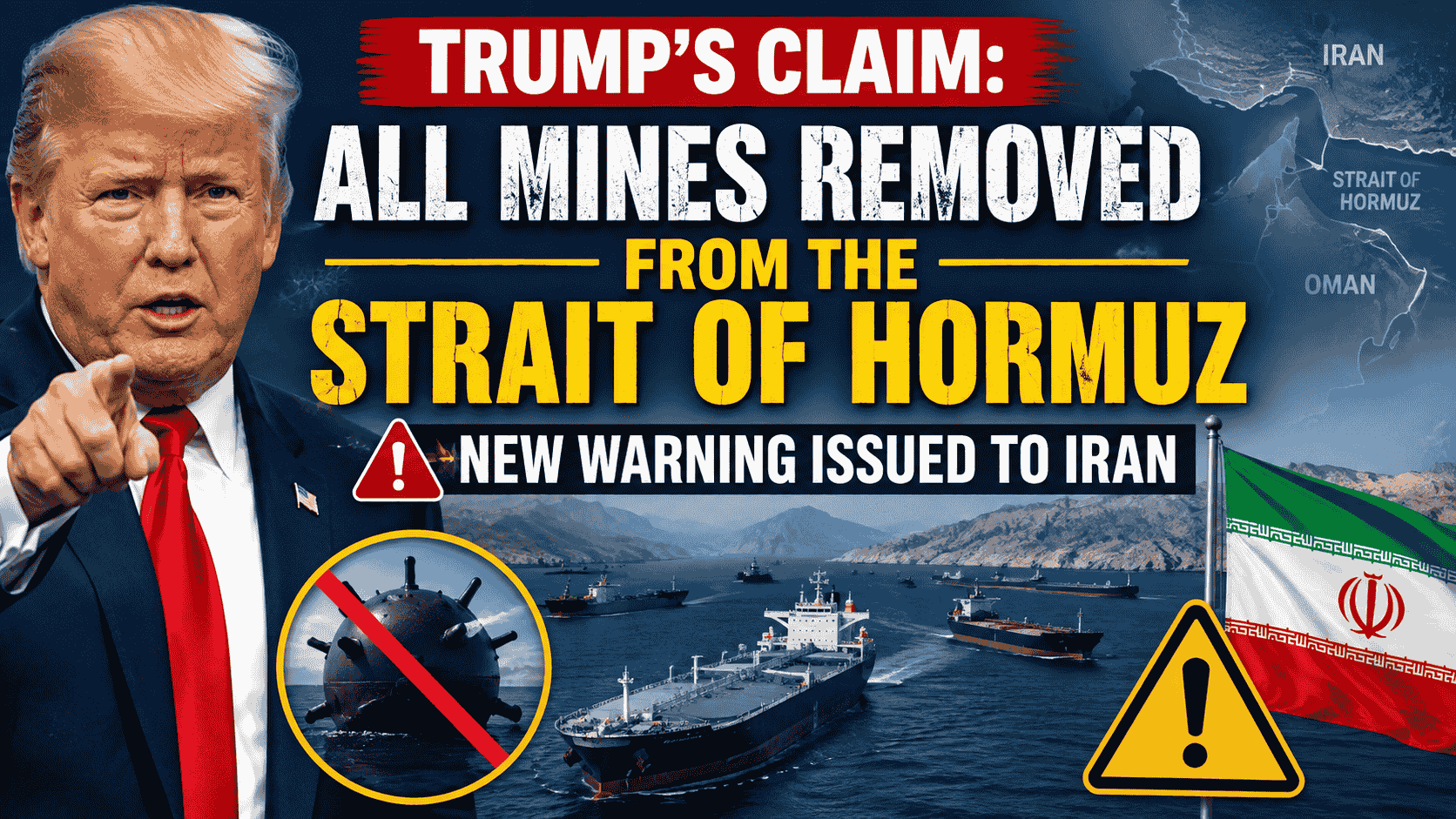
  • Strait of Hormuz Mines : Trump Claims All Mines Removed, Issues Fresh Warning to Iran

    Strait of Hormuz Mines : Trump Claims All Mines Removed, Issues Fresh Warning to Iran

    The Strait of Hormuz mines issue has once again captured global attention. Former U.S. President Donald Trump recently claimed that all naval mines placed in the Strait of Hormuz have been completely removed. At the same time, he issued a strong warning to Iran, stating that any attempt to re-lay mines in this vital waterway would lead to serious consequences.

    This statement has reignited discussions about maritime security, oil supply risks, and rising tensions in West Asia. Although the claim has not been independently verified, the focus on Strait of Hormuz mines highlights how sensitive this narrow passage remains for the world’s energy markets.

    Why the Strait of Hormuz Matters So Much

    The Strait of Hormuz is a narrow sea lane connecting the Persian Gulf to the Arabian Sea and the Indian Ocean. It is one of the most important oil transit chokepoints on the planet.

    Trump’s Claim: All Mines Removed from the Strait of Hormuz; New Warning Issued to Iran
    Trump’s Claim: All Mines Removed from the Strait of Hormuz; New Warning Issued to Iran

    Every day, millions of barrels of crude oil from Saudi Arabia, Iran, Iraq, Kuwait, the United Arab Emirates, and other Gulf nations pass through this route. Experts estimate that nearly 20% of the world’s seaborne oil trade moves through the Strait of Hormuz.

    Any disruption caused by Strait of Hormuz mines, military activity, or conflict can quickly push global oil prices higher, increase shipping insurance costs, and create supply chain delays.

    Trump’s Claim on Strait of Hormuz Mines

    According to Trump, security measures in the strategic waterway have been strengthened and the existing threats from mines have been largely neutralized. He stated that all Strait of Hormuz mines have been cleared, reducing immediate risks to commercial shipping.

    However, no independent confirmation from the U.S. military, regional governments, or international monitoring agencies has been made public so far. Despite the lack of verification, the statement has drawn significant attention because of the high stakes involved.

    Fresh Warning to Iran

    Along with the claim about mine clearance, Trump delivered a direct warning to Iran. He made it clear that any future attempt to plant mines in the Strait of Hormuz would not be tolerated and would result in severe consequences.

    This warning comes at a time when political and military tensions between the United States and Iran remain elevated. Analysts note that such strong statements often serve both strategic and political purposes — signaling strength abroad while reinforcing a tough stance on national security at home.

    Trump’s Claim: All Mines Removed from the Strait of Hormuz; New Warning Issued to Iran
    Trump’s Claim: All Mines Removed from the Strait of Hormuz; New Warning Issued to Iran

    Potential Impact of Strait of Hormuz Mines on Global Markets

    The presence or even the threat of Strait of Hormuz mines can create major economic ripple effects:

    • Oil price spikes – Markets react quickly to any perceived risk in the Gulf.
    • Higher shipping and insurance costs – Vessel operators may demand higher premiums or avoid the route.
    • Supply delays – Alternative routes are longer and more expensive.
    • Pressure on importing nations – Countries heavily dependent on Gulf oil face increased costs that can eventually reach consumers.

    Energy markets already factor in geopolitical risks. Renewed talk of mines in the Strait of Hormuz only adds to existing uncertainty.

    Regional Tensions and the Bigger Picture

    West Asia continues to experience complex security dynamics. The Strait of Hormuz sits at the center of these tensions. Any military movement, statement, or incident in this area is closely watched by governments, oil traders, and shipping companies worldwide.

    Trump’s remarks about Strait of Hormuz mines underline a larger reality: this waterway is not just a shipping lane. It is a critical junction of energy security, military strategy, and global politics.

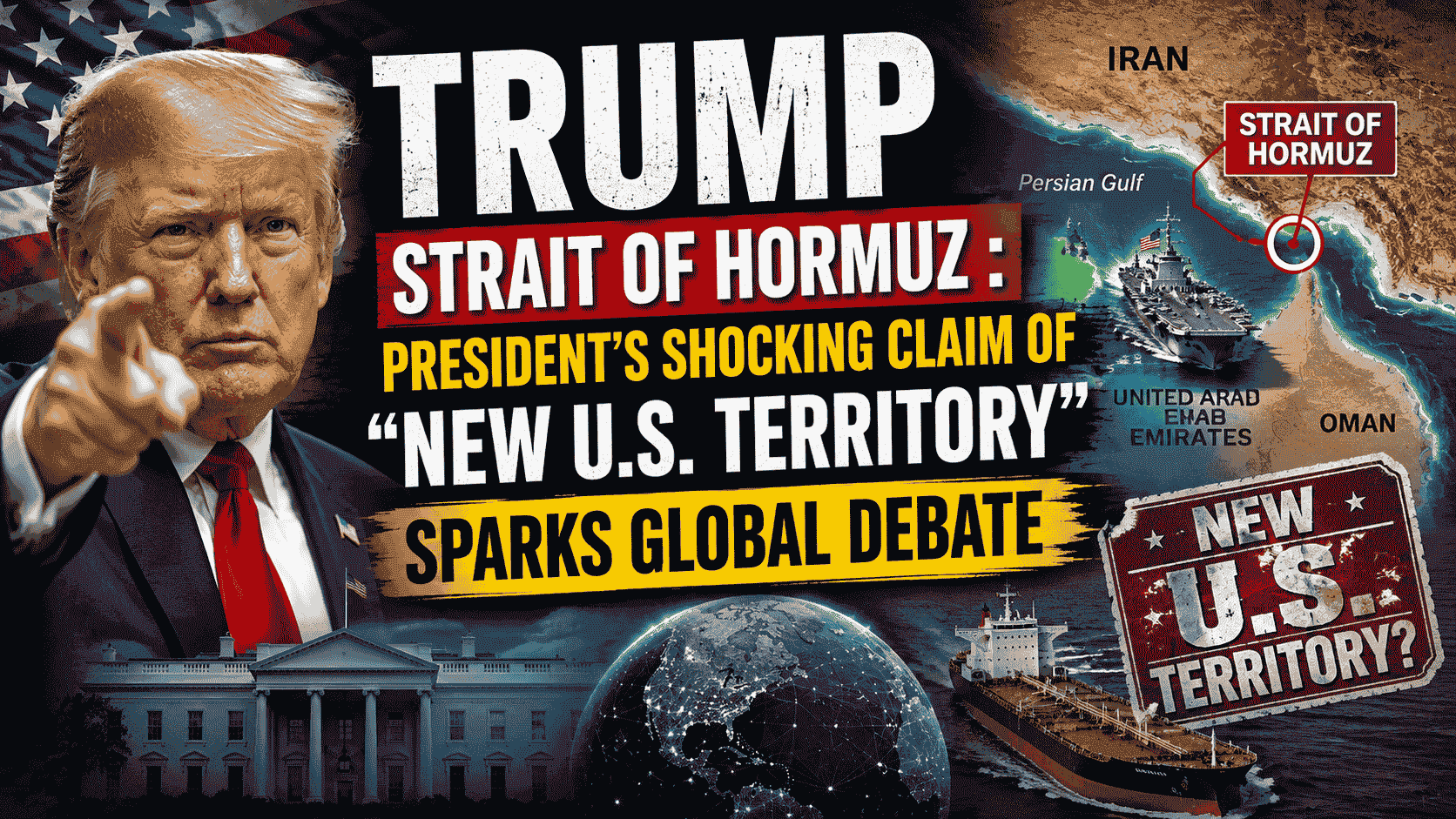
    Also Read This : Trump Strait of Hormuz : President’s Shocking Claim of “NEW U.S. Territory” Sparks Global Debate

    What Happens Next?

    All eyes are now on Iran’s response and any official statements from the United States or regional powers. If tensions escalate through further statements or actions, concerns over maritime safety and energy supplies could grow.

    For now, Trump’s claim that all Strait of Hormuz mines have been removed remains unverified. Yet the discussion itself is a reminder of how vulnerable global oil flows remain to developments in this narrow but vital strait.


    View this post on Instagram
     

    A post shared by AVSPOST (@avspost)

  • Trump Strait of Hormuz : President’s Shocking Claim of “NEW U.S. Territory” Sparks Global Debate

    Trump Strait of Hormuz : President’s Shocking Claim of “NEW U.S. Territory” Sparks Global Debate

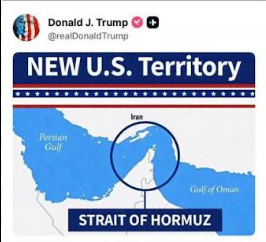
    Trump Strait of Hormuz controversy erupts after President Donald Trump posts a map on Truth Social calling the strategic waterway a “NEW U.S. Territory.” Read the full details, implications, and global reactions.

    In a surprising move that has captured worldwide attention, Trump Strait of Hormuz became the top trending topic after US President Donald Trump shared a map of the vital waterway on Truth Social and labeled it “NEW U.S. Territory.” The post has triggered intense discussions among diplomats, energy experts, and geopolitical analysts.

    What Exactly Did Trump Post About the Strait of Hormuz?

    On Tuesday, President Trump uploaded a map of the Strait of Hormuz on his Truth Social account. In the accompanying text, he referred to the narrow sea passage as America’s new territory. This unexpected claim immediately went viral and placed the Trump Strait of Hormuz statement under the global spotlight.

    While the post appears symbolic, many observers believe it carries deeper political and strategic messaging, especially given the sensitive nature of the region.

    Trump’s Shocking Claim of “NEW U.S. Territory” Sparks Global Debate
    Trump’s Shocking Claim of “NEW U.S. Territory” Sparks Global Debate

    Why the Strait of Hormuz Matters So Much

    The Strait of Hormuz sits between Iran and Oman and serves as one of the most critical maritime chokepoints in the world. A significant portion of the world’s crude oil and liquefied natural gas (LNG) passes through this narrow waterway every day.

    Any disruption or heightened tension in the Strait of Hormuz can rapidly affect:

    • Global oil prices
    • Shipping insurance costs
    • Energy security for major economies
    • International maritime trade routes

    This is why the Trump Strait of Hormuz claim is being treated with extreme seriousness by energy markets and governments alike.

    Geopolitical Implications of Trump’s Statement

    Analysts are divided over the intention behind the post. Some view it as pure political theater, while others see it as a deliberate signal aimed at Iran and other regional players.

    Trump Strait of Hormuz
    Trump Strait of Hormuz : New US Territory

    Key concerns raised by experts include:

    • Potential escalation in US-Iran tensions
    • Increased security worries among Gulf countries
    • Questions of international law and sovereignty
    • Possible impact on regional stability

    Under international law, no country can unilaterally claim the Strait of Hormuz as its territory. The waterway remains a vital international passage governed by long-standing maritime norms.

    Impact on Energy Markets and Maritime Security

    History shows that even minor threats or rhetoric surrounding the Strait of Hormuz can cause oil prices to spike. Shipping companies often raise insurance premiums, and tanker routes face delays whenever tensions rise.

    If the Trump Strait of Hormuz narrative gains further traction, markets could react quickly. Energy analysts are already monitoring the situation closely for any signs of real policy changes or military posturing.

    What Happens Next?

    So far, official reactions from the White House, Gulf nations, and international bodies have been limited. However, the coming days will be crucial. Diplomats and foreign policy experts will watch closely to see whether this remains a social media statement or evolves into something more substantial.

    Trump Strait of Hormuz : New US Territory
    Trump Strait of Hormuz : New US Territory

    The Trump Strait of Hormuz episode once again highlights how a single post from the US President can reshape global conversations about energy security, maritime freedom, and geopolitical power.

    Also Read This : US National debt crosses $40 trillion for the first time; rising liabilities heighten economic concerns

    Whether intended as a strategic message or a provocative social media move, President Trump’s claim has successfully put the world’s most important oil transit route back into the spotlight. The Trump Strait of Hormuz story continues to unfold, and its long-term impact on international relations remains to be seen.

    What are your thoughts on this development? Do you think this claim will lead to real policy changes or remain limited to social media? Share your views in the comments below.


    View this post on Instagram
     

    A post shared by AVSPOST (@avspost)

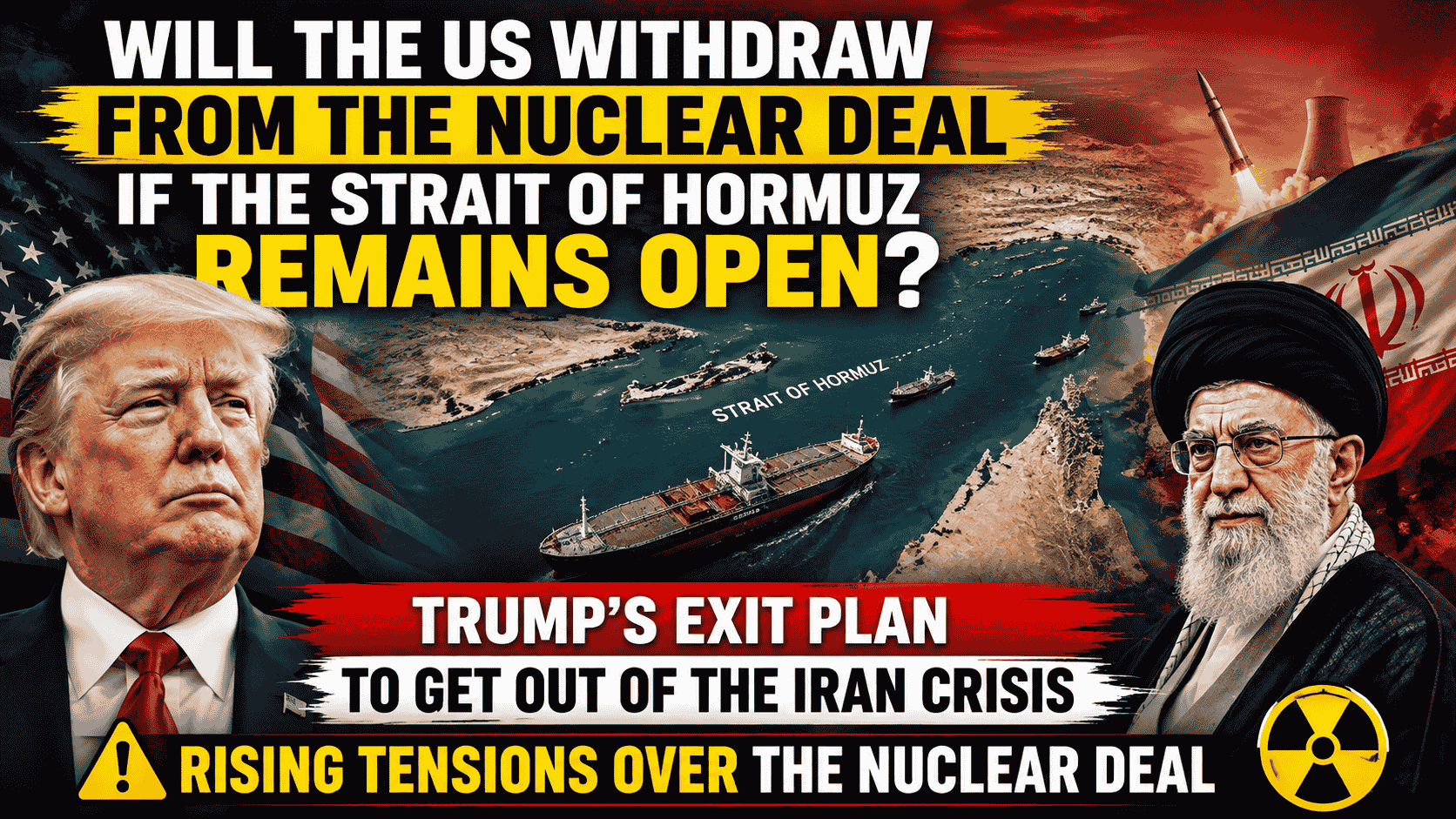
  • Will the US withdraw from the nuclear deal if the Strait of Hormuz remains open? Trump’s exit plan to get out of the Iran crisis; rising tensions over

    Will the US withdraw from the nuclear deal if the Strait of Hormuz remains open? Trump’s exit plan to get out of the Iran crisis; rising tensions over

    The Strait of Hormuz, focus on America’s strategy. Amid ongoing tensions in the Middle East, the Strait of Hormuz has once again become the centre of global politics and energy security. The growing confrontation between Iran and its adversaries has heightened concerns in international markets. In this context, discussions have intensified about America’s potential strategy: if the situation normalises and the Hormuz route remains open, could Washington move towards withdrawing from the nuclear deal with Iran?

    Given Donald Trump’s role in American politics, this question becomes even more significant. The Trump administration’s foreign policy has previously been known for its hardline stance towards Iran. Therefore, the search for an exit plan to emerge from the current crisis is being seen as a strategic signal.

    Is America trying to extricate itself from the Iran conflict?

    Analysts believe that the US is currently looking for ways to avoid getting directly entangled in a prolonged military confrontation. Escalating tensions with Iran not only increase regional instability but also impact oil supplies, maritime trade and the global economy. For this reason, the security and openness of the Strait of Hormuz have become an international priority.

    If this maritime route remains fully open and functional, a new diplomatic situation could arise for the United States. Some experts believe that in such circumstances, Washington may try to revisit the nuclear deal with Iran under tougher conditions in order to maintain pressure on Tehran.

    Will the US withdraw from the nuclear deal if the Strait of Hormuz remains open? Trump’s exit plan to get out of the Iran crisis; rising tensions over
    Will the US withdraw from the nuclear deal if the Strait of Hormuz remains open? Trump’s exit plan to get out of the Iran crisis; rising tensions over

    Questions raised again over the nuclear deal

    The Iran nuclear deal has long been a subject of global controversy. The agreement’s aim was to keep Iran’s nuclear programme under control, but mutual distrust between the US and Iran repeatedly weakened it. During Trump’s tenure, the United States decided to withdraw from the deal, after which the situation became even more complicated.

    Now, with fresh tensions in the region, there are fears that America may adopt a new strategy of diplomatic pressure in exchange for temporary peace or maritime security. If the Strait of Hormuz remains open and oil supplies are not disrupted, it could also send a message that the US intends to redefine economic and political pressure on Iran.

    Why is the Strait of Hormuz so important?

    The Strait of Hormuz is one of the world’s most sensitive maritime routes. It connects the Persian Gulf to the Gulf of Oman and the Arabian Sea. A large share of the world’s crude oil and gas passes through this route. Any disruption here directly affects international energy prices.

    This is why the United States, European countries and several Gulf nations remain highly vigilant about the security of this waterway. Iran also views the strait as a source of strategic leverage, which increases its ability to exert pressure in the event of any confrontation.

    Trump’s stance and a possible exit plan

    A key aspect of Donald Trump’s foreign policy has been his preference for avoiding long and costly military campaigns. However, his approach towards Iran has often been aggressive. If the United States now wants to avoid getting drawn into a major conflict, preparing an exit plan is considered natural.

    Will the US withdraw from the nuclear deal if the Strait of Hormuz remains open? Trump’s exit plan to get out of the Iran crisis; rising tensions over
    Will the US withdraw from the nuclear deal if the Strait of Hormuz remains open? Trump’s exit plan to get out of the Iran crisis; rising tensions over

    This exit plan would not mean merely a military withdrawal, but also the creation of diplomatic and economic arrangements to contain the crisis. These could include maritime security agreements, regional cooperation, and limited yet effective pressure on Iran.

    Impact on global markets and diplomacy

    Any form of instability in the Middle East is immediately reflected in global markets. Oil prices, shipping costs and investor sentiment are directly affected. If the Strait of Hormuz remains open, markets may experience some relief. But if tensions escalate, an energy crisis and economic uncertainty could deepen.

    At the diplomatic level too, America will have to strike a balance. On one hand, it must reassure its allies about security; on the other, it must avoid a confrontation with Iran that could push the entire region towards war. This is why every move by Washington is now being watched with extreme caution.

    What could happen next?

    In the coming days it will become clear in which direction America wants to take the Iran crisis. If the situation calms down and the maritime route returns to normal, a new political debate over the nuclear deal could intensify. On the other hand, if tensions rise, the US may have to choose between greater toughness or greater flexibility in its strategy.

    Also Read This : Iran could strengthIran control Strait of Hormuz : discussions underway about collecting up to 7% toll from commercial ships

    For now, one thing is certain: the situation in the Strait of Hormuz is no longer just a regional issue, but has become a decisive point for global energy, diplomacy and security. America’s next move could change this entire equation.


    View this post on Instagram


    A post shared by AVSPOST (@avspost)

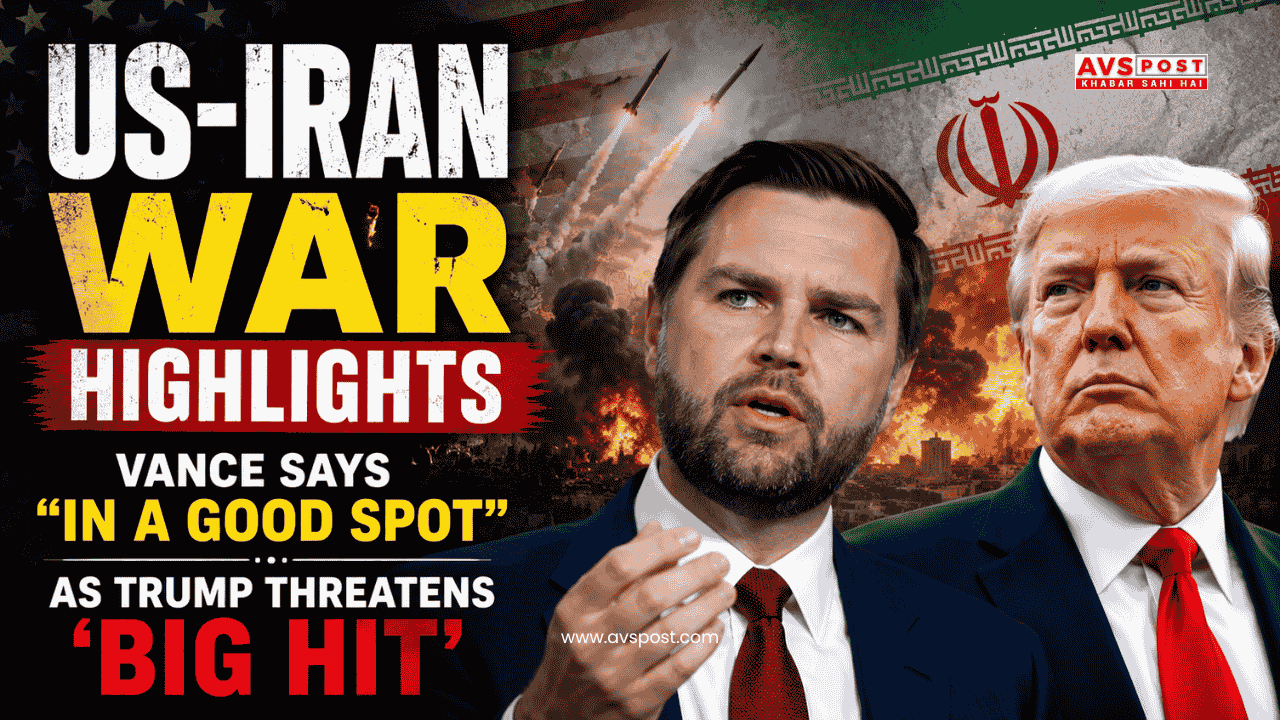
  • US-Iran War Highlights : Vance Says “In a Good Spot” as Trump Threatens ‘Big Hit’

    US-Iran War Highlights : Vance Says “In a Good Spot” as Trump Threatens ‘Big Hit’

    The US-Iran war highlights continue to capture global attention as a fragile ceasefire holds amid active diplomatic talks and strong military posturing. The conflict, which escalated dramatically on February 28, 2026, with major US-Israeli strikes on Iranian targets, has now entered a tense phase of negotiations mixed with clear warnings.

    Background of the Conflict

    The confrontation began with extensive airstrikes on Iranian nuclear facilities, missile bases, military infrastructure, and key leadership targets. Iran responded with missile attacks, drone strikes, and disruption of shipping in the Strait of Hormuz. After weeks of intense exchanges and significant casualties on both sides, a ceasefire was established in early April 2026. However, core disputes remain unresolved, keeping the region on edge.

    US-Iran War Highlights
    US-Iran War Highlights

    US-Iran War Highlights: Current Diplomatic Situation

    As of May 20, 2026, diplomatic efforts are progressing with active engagement between the two sides. US Vice President JD Vance has expressed measured optimism, stating that negotiations are making “a lot of good progress” and that the United States is “in a pretty good spot.” Vance has described the situation as not leading into a forever war, while underlining that the US remains fully prepared to take necessary action if talks fail.

    Vance has been directly involved in the negotiations, including lengthy sessions in Pakistan, emphasizing that any final deal must permanently prevent Iran from developing nuclear weapons.

    Trump’s Firm Stance

    President Donald Trump has kept up the pressure with strong rhetoric. He recently warned that the US could deliver “another big hit” on Iran if a satisfactory agreement is not reached soon. At the same time, Trump has shown tactical patience by pausing certain planned strikes following requests from Gulf allies. He continues to stress the importance of reopening the Strait of Hormuz for safe international shipping and has highlighted potential economic benefits once stability is achieved.

    Key Issues Being Discussed

    • Verifiable limits on Iran’s nuclear program
    • Full reopening and security of the Strait of Hormuz
    • Regional security arrangements and ceasefire durability
    • Sanctions and economic matters
    US-Iran War Highlights
    US-Iran War Highlights

    What Lies Ahead?

    The US-Iran war highlights show a clear strategy of combining active diplomacy with credible military threats. While Vance’s comments bring some hope for progress, Trump’s warnings ensure that Iran understands the consequences of stalling.

    Also Read This : Greater Noida Dowry Death Case

    The coming weeks will be critical in determining whether this ceasefire leads to a lasting agreement or if tensions boil over once again. The situation remains fluid, with major implications for global energy markets and Middle East stability.


    View this post on Instagram


    A post shared by AVSPOST (@avspost)

  • Strait of Hormuz Reopens : Major Relief for Global Oil Markets and Indian Importers

    Strait of Hormuz Reopens : Major Relief for Global Oil Markets and Indian Importers

    Strait of Hormuz Reopens : In a significant development that has eased tensions in global energy supply chains, the Strait of Hormuz has officially reopened for commercial shipping. Iranian Foreign Minister Abbas Araghchi announced on April 17, 2026, that the strategic waterway is now “completely open” to all commercial vessels for the remaining period of the Israel-Lebanon ceasefire.

    The announcement, also confirmed by US President Donald Trump, marks a turning point after weeks of severe disruption caused by the ongoing Iran conflict. The narrow strait, which connects the Persian Gulf to the Arabian Sea, handles approximately 20% of the world’s oil trade, along with large volumes of liquefied natural gas (LNG), LPG, and fertilisers.

    What Led to the Closure?

    Strait of Hormuz Reopens : The effective closure of the Strait of Hormuz began in late February 2026 following US and Israeli military actions against Iran. Iran restricted normal commercial traffic, prioritising its own exports while many international tankers faced delays, higher insurance costs, or rerouting. This led to a sharp drop in oil and gas shipments from key Gulf producers like Saudi Arabia, UAE, Iraq, and Qatar.

    For India — one of the world’s largest crude oil importers — the blockage created immediate challenges. Dozens of India-bound vessels carrying crude, LPG, LNG, and fertilisers were stranded or forced to wait, adding pressure on domestic refiners and agriculture sectors dependent on imported urea and ammonia from the region.

    Strait of Hormuz Reopens : Major Relief for Global Oil Markets and Indian Importers
    Strait of Hormuz Reopens : Major Relief for Global Oil Markets and Indian Importers

    Markets React Positively to Strait of Hormuz Reopening

    The news of the Strait of Hormuz reopening triggered an immediate market response:

    • Crude oil prices (Brent and WTI) plunged by 9–11% or more in trading sessions following the announcement.
    • Global stocks surged on hopes of restored energy flows and lower inflation risks.
    • Shipping and insurance costs are expected to ease as vessels resume standard routes.

    President Trump welcomed the move on social media, stating the strait is “completely open and ready for business and full passage,” while emphasising that the US naval blockade on Iranian ports remains in full force until a broader peace deal is reached.

    Relief for Indian Oil Companies and Importers

    Strait of Hormuz Reopens : Indian oil companies, fertilizer importers, and other exporters/importers are breathing a sigh of relief. The prolonged restrictions had raised concerns over energy security, forcing some refiners to seek costlier alternatives.

    With the Strait of Hormuz reopens, normal shipments are expected to resume gradually. Shipping firms are closely monitoring the situation for safety, including mine risks and coordinated routes announced by Iran’s Ports and Maritime Organisation. While only a limited number of vessels have transited so far, the declaration has already reduced uncertainty.

    Experts note that full pre-crisis traffic levels may take time to restore, especially with the US blockade still active on Iranian traffic. The reopening is currently tied to the temporary 10-day Lebanon ceasefire, adding an element of caution.

    Strait of Hormuz Reopens : Major Relief for Global Oil Markets and Indian Importers
    Strait of Hormuz Reopens : Major Relief for Global Oil Markets and Indian Importers

    Outlook and Remaining Risks

    The Strait of Hormuz reopening is widely viewed as a positive signal of de-escalation amid broader US-Iran negotiations. French President Emmanuel Macron and other leaders have welcomed the move while calling for assurances on long-term stability.

    However, analysts caution that the situation remains fluid. Iranian officials have linked sustained open passage to the continuation of the ceasefire, and some shipping companies continue to exercise caution.

    Also Read This : R. Vaishali Creates History : Wins the 2026 FIDE Women’s Candidates Tournament

    Strait of Hormuz Reopens : For India, this development comes as a timely boost to energy security. It reduces immediate pressure on oil import bills and supports downstream industries reliant on stable Gulf supplies.


    View this post on Instagram


    A post shared by AVSPOST (@avspost)