Tag: Social media

  • Imposter Syndrome 2025: The Year You Conquer Imposter Syndrome and Thrive”

    Imposter Syndrome 2025: The Year You Conquer Imposter Syndrome and Thrive”

    Imposter Syndrome is a phenomenon that affects many individuals, particularly high-achieving professionals, students, and creatives. Despite achieving success and recognition, those suffering from Imposter Syndrome often feel like frauds, attributing their achievements to luck or external factors rather than their own abilities and hard work. This persistent self-doubt can lead to anxiety, stress, and burnout, affecting personal well-being and professional growth. In this article, we will explore the nature of Imposter Syndrome, how to recognize its symptoms, and most importantly, strategies for overcoming it.

    What is Imposter Syndrome?

    Imposter Syndrome was first identified in the 1970s by psychologists Pauline Clance and Suzanne Imes, who noticed that high-achieving women in particular experienced chronic feelings of inadequacy, despite their obvious accomplishments. The term has since been expanded to include anyone who experiences similar feelings of self-doubt.

    At its core, Imposter Syndrome is characterized by the belief that you are not truly competent or deserving of your achievements. Instead of internalizing success, those who experience it often attribute their accomplishments to factors like timing, luck, or the help of others. There’s a pervasive fear that at any moment, someone will “find out” that you don’t belong, that you’re not as skilled or talented as others believe you to be. It’s a form of self-sabotage that can prevent individuals from reaching their full potential, as they may shy away from new opportunities or undermine their own success.

    Imposter Syndrome

    The Symptoms of Imposter Syndrome

    Imposter Syndrome manifests in various ways, and different individuals may experience it differently. However, there are some common signs and symptoms to look out for:

    1. Chronic Self-Doubt:

    Individuals with Imposter Syndrome often experience deep self-doubt. They second-guess their abilities, questioning whether they’re truly capable of performing the tasks at hand. This feeling can persist despite receiving positive feedback or achieving success.

    2. Attributing Success to External Factors:

    People suffering from Imposter Syndrome may downplay their achievements and attribute them to luck, help from others, or external circumstances. They may struggle to accept that their skills and efforts played a significant role in their success.

    Imposter Syndrome

    3. Fear of Being “Found Out”:

    One of the most distinctive features of Imposter Syndrome is the constant fear that someone will discover they are not as competent as others think. This fear can be overwhelming, leading individuals to overwork or avoid taking on new challenges for fear of failure.

    4. Perfectionism:

    Many individuals with Imposter Syndrome exhibit perfectionistic tendencies. They feel that if their work is not flawless, they will be exposed as inadequate or unworthy. This leads to setting impossibly high standards for themselves and becoming overly critical of their performance.

    5. Overworking:

    To compensate for their perceived lack of ability, individuals with Imposter Syndrome often overwork themselves, pushing themselves to the point of exhaustion. They may feel that they need to work harder than others to prove their worth, even though their contributions are already valuable.

    6. Avoidance of New Challenges:

    Because of the constant fear of failure and exposure, individuals with Imposter Syndrome may avoid new opportunities or challenges that they would otherwise excel in. This avoidance can prevent them from growing professionally or personally, keeping them stuck in a cycle of self-doubt.

    Imposter Syndrome
    Imposter Syndrome

    The Causes of Imposter Syndrome

    Imposter Syndrome can be caused by a variety of factors, and its roots may be different for each person. However, some common causes include:

    1. Upbringing and Family Expectations:

    Children who grow up in environments where high achievement is heavily emphasized or where they are constantly compared to others may develop feelings of inadequacy when they fail to meet those expectations. This can lead to Imposter Syndrome later in life, as the individual internalizes a fear of failure.

    2. Cultural and Societal Pressure:

    Societal norms and cultural expectations can exacerbate feelings of being an “imposter.” For instance, in industries or environments where success is highly visible, individuals may feel immense pressure to meet external standards, regardless of their own unique strengths or abilities.

    3. Stereotype Threat:

    In some cases, individuals who belong to underrepresented groups may experience Imposter Syndrome due to stereotype threat. They may feel additional pressure to prove themselves because of the societal stereotypes associated with their identity, leading to an overwhelming sense of inadequacy.
    Imposter Syndrome

    4. High Achievements and Success:

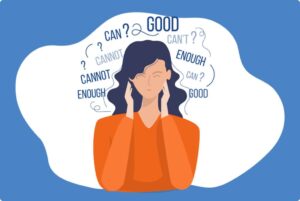
    Paradoxically, Imposter Syndrome is often seen in individuals who are highly successful or accomplished. The more success they achieve, the more pressure they may feel to maintain that level of performance, leading to feelings of being undeserving or fraudulent.

    5. Social Media and Comparison:

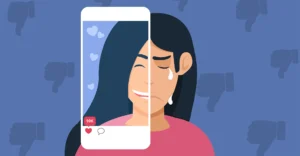
    In the digital age, social media plays a significant role in amplifying feelings of inadequacy. Constant exposure to curated, idealized versions of other people’s lives and careers can fuel comparisons and trigger self-doubt. This can make individuals feel as though they are not measuring up, even though the portrayal of success online is often far from the full picture.

    The Impact of Imposter Syndrome

    The impact of Imposter Syndrome can be profound. While it’s natural to feel self-doubt from time to time, when these feelings are persistent and unchecked, they can lead to serious negative outcomes. Some potential consequences include:

    • Increased Stress and Anxiety: Constantly worrying about being “found out” or fearing that one’s work isn’t good enough can cause chronic stress and anxiety, which can lead to burnout.
    • Impaired Decision-Making: Those with Imposter Syndrome may struggle to make decisions confidently, fearing that they will make the wrong choice. This indecision can delay progress or lead to missed opportunities.
    • Reduced Job Satisfaction and Career Progression: Because they may not feel they deserve success, individuals with Imposter Syndrome might hold themselves back from pursuing promotions, raises, or new opportunities. They might also feel unfulfilled in their current roles, leading to dissatisfaction and disengagement.
    • Impaired Relationships: The fear of being exposed as an imposter can lead individuals to withdraw from others or avoid asking for help. This isolation can strain professional and personal relationships, as others may not be able to connect with the individual’s struggles.

    Imposter Syndrome

    Overcoming Imposter Syndrome

    While overcoming Imposter Syndrome can be a challenge, it is absolutely possible with the right mindset and strategies. Here are some effective steps for overcoming self-doubt and embracing your achievements:

    1. Recognize the Symptoms:

    The first step in overcoming Imposter Syndrome is to acknowledge that you are experiencing it. By recognizing the symptoms—such as chronic self-doubt, fear of exposure, or perfectionism—you can begin to separate your feelings from reality.

    2. Reframe Your Thoughts:

    Cognitive reframing is a powerful tool for changing negative thought patterns. When you catch yourself thinking, “I don’t deserve this success,” or “I’m just lucky,” try to reframe those thoughts in a more balanced way. Remind yourself of the hard work, skills, and effort that led to your accomplishments.

    Imposter Syndrome

    3. Embrace Imperfection:

    Perfectionism is a major contributor to Imposter Syndrome. Understand that no one is perfect, and mistakes are a natural part of growth. Allow yourself to make errors and learn from them, rather than fearing failure.

    4. Celebrate Your Achievements:

    Take time to acknowledge and celebrate your successes. Reflect on the challenges you’ve overcome and the skills you’ve developed. Creating a list of your achievements, both big and small, can help reinforce the value of your contributions.

    5. Seek Support:

    Don’t be afraid to talk about your feelings of self-doubt with trusted colleagues, friends, or a therapist. Chances are, others have experienced similar emotions and can offer valuable perspective and advice. Support from others can help normalize your feelings and remind you that you’re not alone.

    6. Shift Your Focus to Growth:

    Focus on progress rather than perfection. Recognize that growth comes from trying new things, making mistakes, and learning along the way. Reframe your setbacks as opportunities for learning, not as evidence of incompetence.

    7. Challenge the Fear of Exposure:

    Understand that everyone experiences self-doubt at some point. The belief that you are the only one feeling this way is often a result of Imposter Syndrome itself. Challenge that fear by acknowledging that you’re not alone in your struggles, and many others share similar experiences.

    Conclusion

    Imposter Syndrome can be a deeply ingrained challenge, but it is also one that can be overcome with awareness, self-compassion, and deliberate action. By recognizing the symptoms, understanding the causes, and implementing strategies for change, you can break free from the cycle of self-doubt and begin to embrace your achievements and potential. Remember, you are worthy of your success, and it is your abilities and hard work that have brought you to where you are today. Reclaim your confidence, take ownership of your journey, and step into the future with a renewed sense of self-assurance.


  • Mental health: what is the impact of social media on are mental health, new trends in it, and reaction of society on the same.

    Mental health: what is the impact of social media on are mental health, new trends in it, and reaction of society on the same.

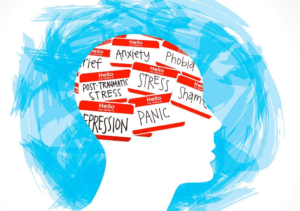
    Mental health: A person’s emotional and psychological way to act in different situation is known as mental health. It is a very important factor of are heath as its effect the way a person feels, thinks or acts.

    Apart from this Mental health, is also a condition in which a person can figure out their weakness, stress, and trigger points. which can harm them if not take care properly. Just like are physical health, mental health is also important for all people and all age group.

    Mental Health
    what is Mental Health?

    What cause meatal health issues?

    Some of the reasons that causes mental health issues are as follows:

    1.Lifestyle factor– It includes are way of living are activity, sleep schedule and food habits.

    2.Family trauma- some time the surrounding and people we live with affect are mental health. One the most important people for this factor is our family or relatives.

    3.Biological factor- It includes genetic, hormonal imbalances or other condition inside or outside our body.

    4.Environmental factor- Our toxic environment or bad relationship led to mental health disorder.

    5.Psychological factor- our past traumas, the way we grow up and people in are life effects are mental health.

    Some other factors are- Abuse, loss, grief, social factor and sleeping or eating habits.

    causes of mental health
    causes of mental health.

    Social media on mental health.

    Social media can create both positive and negative effect on our mental health in the following way: –

    Positive impact.

    1.It help us stay connected and talk to people about various issues of mental and physical health issues.

    2.It help us to educate people and tell them about importance of mental health.

    3.It help us to aware people and latest update or issue.

    4.It help us to express our self and share our thoughts.

    5.It help us build support and a good network among the people on social media.

    effects of social media on mental health.
    Effects of social media on mental health.

    Negative impact.

    1.It increases feelings like jealousy and low self-esteem.

    2.It promotes issues like harassment and cyberbullying.

    3.It makes us feel left out or FOMO (fear of missing out)

    4.It spread several unwanted or wrong information

    5.It makes us addictive and obsessed.

    People reaction on mental health.

    The reaction of people on mental health can be both positive or negative in the following way: –

    Positive reaction.

    1.Creates empathy.

    2.Help to build our support system.

    3.Make us aware.

    4.Builds understanding.

    5.spread reality and safe of living.

    People reaction on Mental Health.
    People reaction on Mental Health.

    Negative reaction.

    1.They create sigma.

    2.Lot of judgement.

    3.Create misunderstanding.

    4.Faking issues and problem.

    5.Set unwanted stereotype.

    New trends for mental health.

    Some new trends for mental health are as follow:-

    1.Mental health apps.

    2.Artificial intelligence.

    3.Online or Offline Counselling.

    4.Therapy and self-care workshop.

    5.Brain or mental health tests.

    6.Programes on digital detox.

    7.Tracker or journaling apps.

    8.Cheap mental health resources.

    9.Screen time or social media usage timing.

    10.Detox for brain.

    These are some new trends for mental health and awareness.

    Trends of mental health
    Trends of mental health

    How to protect your mental health?

    We can protect our mental health in the following way: –

    1.By prioritizing yourself.

    2.Exercising and yoga doing regularly.

    3.By doing self-care.

    4.By doing Time-management.

    5.By Sleep well and tied.

    Mental health protection.
    Mental health protection.

    6.Sharing feeling with people we trust and love.

    7.By learning to say no.

    8.Limit toxic people and behavior from your life.

    9.Acknowledging yourself and your emotion.

    10.by taking therapy, counselling, and support.

    Also Read This: Cricket: A journey into the cricket history and roots of glories past of this sport.

  • Cybercitizens reactions over trending Netflix series named as squid game season 2 needled the audience thrilled by the twisted plot and unexpected ending:

    Cybercitizens reactions over trending Netflix series named as squid game season 2 needled the audience thrilled by the twisted plot and unexpected ending:

    The exceedingly foresee second season of south Korean is dystopian survival thriller series squid game has debuted on Netflix this December and audience have shared their reviews more reactions various on social media platforms praising the web series for its ardent plot and had supervised the spectators for a great excitement as an enthusiasm.

    The audience Spotlighted the rectifications of the second series by tweeting the second series has been found to be more thriller than the first. But on the other side there were some spectators who claimed that it was a boring series with a predictable plot and was not satisfied with the ending.

    Squid Game Season2
    Squid Game Season2

    Squid game season 2 review:

    According to the records of objections people on social media wrote that the season 2 of the web series was quite disappointing as they were confused about the protagonist and also the characters were not introduced properly due to which spectators got confused to focus on to whom.

    The spectators said that squid game season 2 is quite terrible from the beginning of the very first season as there was no place for emotions and the audience feels no connection with it. One of the fans commented that the season 2 is such a Cliff hanger! spree and jamboree the whole season and now waiting for the next part. The makers should have created the season lengthy and prolonged to conclude the plot. Many others agreed many others didn’t agree vocational in the season ‘half a season’ for guiding others to be patient for the upcoming season 3. Some fans felt that the enthusiasm from the beginning of the web series was lost and absent. One of the spectators commented that the beginning 2 episodes were fine which was quite slow and had skipped a lot of scenes as the audience felt that the makers have unnecessarily extended this season as a no specific reason.

    Squid Game
    Squid Game

    Fans reviews on Squid Game

    The main objection was about treading of the season. The fans felt there were a lot of filter scenes without any emotions which disenchanted the spectators as the makers had added more games without focusing on the plot as the audience would prefer the provocations. The fans said that what they had expected from the season 2 occurred in the last 30 minutes of the series which is quite unsatisfactory for the audience and claim it is as a ‘complete waste of time’. Another fan set that season 2 is just a teaser for the upcoming season until and unless the final season gets released as this season is just sense like a trash.

    Also Read This: Mass media: A Modern solution for spreading awareness among public people regarding environmental protections and conservations

    Critics also pointed out some of the striding problems with several objections about the buffer, connectionless and unwanted scenes for increasing on screen timing is quite terrible. Critics also came that the make us just wanted to get the popularity by using those video game recreations as the believe that audience would like it so they just side lined the story theme and had neglected the entire plot of the web series.

    Squid Game
    Squid Game

    The first episode of the web series positioned itself pleasingly. The spectators were entirely in wonder of Gong Yoo’s execution in the web series as a salesman as a dangerous psychopathic round the clock. Gong Yoo has exhibited his assortment once again in the web series following refinement executions in the stock. Other co actor who is in sensation among the audience and is known as a rapper Choi Seungh-hyun is consider as a Thanos of the show. Third and fourth episodes of the web series have captivated the audience due to the games which were conceived in an innovative method. Also, according to the spectator the series has been considered more catastrophic as compared to its season 1. Geek get infatuated with Hwang’s Dong-Hyuk performance. Wi Ha-joon has a comeback as a detective but had a limited time on screen. K-pop audiences are praising their insertion in the web series.

  • Digital Mahakumbh AI cameras to help reunite lost devotees at Mahakumbh, Facebook and X to assist

    Digital Mahakumbh AI cameras to help reunite lost devotees at Mahakumbh, Facebook and X to assist

    Digital Mahakumbh:   ‘Khoya Paaya Kendra’ set to go live on December 1, simplifying lost-and-found processes

    328 AI cameras to monitor Mahakumbh 24/7 under CM Yogi’s leadership

    Successful testing of AI cameras conducted at four key locations in fair area

    Prayagraj, November 21

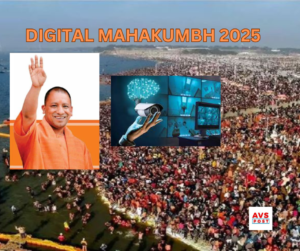
    In a bid to ensure the safety and convenience of an estimated 45 crore devotees, the Yogi Adityanath government is revolutionizing preparations for the upcoming Digital Mahakumbh. For the first time, the grand event is being digitized on such a large scale, leveraging Artificial Intelligence (AI) and social media platforms to enhance management and security.

    AI-powered cameras are being installed throughout the Kumbh site to monitor the massive crowd and ensure 24/7 surveillance. These state-of-the-art cameras will not only bolster security but also assist in reuniting individuals who may get separated during the event.

    In addition, popular social media platforms like Facebook and X will provide immediate assistance in locating lost relatives, streamlining the process of reuniting families amidst the sea of pilgrims.

    Digital Mahakumbh will help the lost and found center

    This time, visitors from across the country and abroad attending the Digital Mahakumbh 2025 won’t have to worry about losing their loved ones in the crowd. The Mela administration has devised an extensive plan to address this concern. A digital ‘khoya paaya kendra’ (lost-and-found center) will go live from December 1, utilizing advanced technology to reunite separated individuals quickly and efficiently.

    The entire fair area is being equipped with 328 AI-enabled cameras, which have already been tested at four key locations. These cameras will monitor the crowd 24/7 and assist in locating lost individuals. Under the directives of the Yogi government, the large-scale installation of these cameras is in its final stages.

    Digital Mahakumbh 2025
    Digital Mahakumbh 2025

    Now no one will be able to get separated in Mahakumbh, technology will work in the blink of an eye

    The digital lost-and-found centers will immediately register every missing person’s details digitally. Once registered, the AI-powered cameras will begin searching for the individual. Additionally, information about missing persons will be shared on social media platforms like Facebook and X (formerly Twitter), making it easier to locate them quickly.

    Face recognition technology will be used at the Digital  Mahakumbh to identify individuals who get separated from their loved ones. This advanced system will work instantly, capturing photographs and identifying individuals among the estimated 45 crore attendees.

    Also Read This: Mahakumbh 2025: UP Yogi govt ramps up efforts to ensure timely completion of projects in Prayagraj

    Anyone separated from their family at the fair will be taken care of under a safe, organized, and responsible system. Strict measures will be in place to ensure that no adult can take custody of a child or woman without verifying their identity and relationship. This initiative aims to provide a secure and efficient way to reunite families while ensuring the safety of every individual at the event

  • How to grow your brand on Social media: best trends of 2024, what strategies to use, platform and tools detail.

    How to grow your brand on Social media: best trends of 2024, what strategies to use, platform and tools detail.

    Social media marketing: It is a way of using social media platform for promoting or marketing of a particular brand and sell your product.

    Who all can do social media marketing?

    Social media marketing can be done by done by anyone but with perfect skills and experience are needed to be successful in this field.

    It is specifically used by startups and smaller or big business. But the person promoting and sell product must be authorised and certified for selling or promoting their brand.

    Platform for social media marketing.

    Choosing the right platform for brand promotion is very important as platforms allow us to reach to people. Today over millions or billions of people are use social media thus here are some of the best platforms for social media marketing: –

    1. Facebook
    2. Instagram
    3. LinkedIn
    4. Twitter/X
    5. YouTube
    6. Pinterest and others.
    Social media
    Social media

    Strategies to use your social media for marketing.

    Some strategies to use for social media marketing and promotion of your brands are as following: –

    1. Choosing a target or particular audience according to your product.
    2. Select Right content or promotion writing for your product.
    3. Choose correct platform like Facebook or Instagram for proper promotion.
    4. Interact with your audience post regularly and respond to people review or comments.
    5. Keep updating about your product to the audience.
    6. Use proper hashtag and caption for your product.
    7. Set your goals and content calendar according to your product requirement.
    8. Make advertisement and promote your products and details.
    9. Have good research about your brand and competitor selling the same product as you.
    10. Collaborate, engage and build a community.
    Strategies to use your social media for marketing.
    Strategies to use your social media for marketing.

    Tools for social media marketing.

    Top 10 Best tools for social media marketing are: –

    1. Canva
    2. Social Rank
    3. Buffer
    4. Loomly
    5. Social Pilot
    6. Up Content
    7. Curata
    8. Brandwatch
    9. Tapinfluence
    10. Mention
    Tools for social media marketing.
    Tools for social media marketing.

    Some other tools for branding include Hootsuite, Buffer, Buzzsumo, HubSpot, Meetedgar and etc.

    Top social media trends for branding in 2024.

    10 Best way of branding and trends in 2024 on social media platforms are: –

    1. Making short advertisement video, shorts or reels.
    2. Making new and authentic content of promotion of your brand.
    3. By hiring or reaching out to popular celebrity or influencer for promotion and giving product details.
    4. Use AI tools to personalised and enhancing of your promotion.
    5. Providing costumer service for any possible inconvenience by the consumer or buyer of the product.
    6. Reacting to people good or bad comment positively and for betterment of the product.
    7. Brand Expansion by social commerce.
    8. By providing product testing video to audience for their convenes and satisfaction.
    9. creating a shareable content to reach more and more people.
    10. By personalizing the product with good packaging and selling manner so that more and more people get convince to buy this product.

    Also Read This: Pushpa 2 trailer out: fans are overwhelmed of Fahadh Faasil megahit appearance and Allu Arjun fans are overjoyed which flags online networks astonished


     Report By: Enakshi Dasgupta