Tag: security

  • Goodbye Google Chrome? Zoho Launches Ulaa Browser as India’s Better Alternative

    Goodbye Google Chrome? Zoho Launches Ulaa Browser as India’s Better Alternative

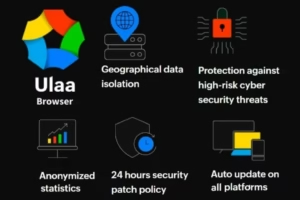
    Ulaa Browser : In May 2023, Zoho Corporation, the Chennai-based tech giant, launched Ulaa, a privacy-first, Chromium-based web browser that’s been hailed as a “Made in India” alternative to Google Chrome. After winning India’s Indigenous Browser Development Challenge (IWBDC) and rolling out Ulaa Enterprise in May 2025, Ulaa has sparked buzz as a potential “Chrome killer.” Social media platforms are abuzz with users praising its speed and privacy features, but does it truly outshine Chrome? Let’s compare the two across privacy, performance, usability, and more to find out.

    What is Ulaa?

    Ulaa is a free browser available on Windows, macOS, Linux, Android, and iOS, developed by Zoho, the company behind tools like Zoho CRM and Mail. It emphasizes user privacy, blocks trackers and ads by default, and integrates tightly with Zoho’s ecosystem. The Enterprise edition, launched in 2025, adds advanced security controls and AI features powered by Zoho’s Zia assistant, appealing to businesses and privacy-focused users.

    So, how does Ulaa stack up against Google Chrome, which holds a dominant 65% global market share? Let’s break it down.

    Ulaa Browser
    Ulaa Browser

    Privacy: Ulaa’s Strongest Suit

    Ulaa is built for users who value privacy, setting it apart from Chrome’s data-heavy approach:

    • Tracker and Ad Blocking: Ulaa automatically blocks trackers, ads, and browser fingerprinting, minimizing your online footprint.
    • DuckDuckGo Default: It uses the privacy-centric DuckDuckGo as its default search engine, avoiding Google’s ecosystem.
    • Browser ID Reset: Each session starts with a fresh browser ID, making cross-site tracking difficult.
    • End-to-End Encryption: Sync data (bookmarks, passwords, etc.) is fully encrypted, and Zoho claims it collects no telemetry data.
    • Motion Sensor Blocking: Ulaa disables access to device motion sensors, a lesser-known tracking vector.

    Chrome, by contrast, relies on Google’s data collection for targeted advertising. To achieve similar privacy protections, you’d need extensions like uBlock Origin or Privacy Badger. For privacy-conscious users, Ulaa is the clear winner.

    Performance: Chrome Holds the Edge

    Speed and resource efficiency are critical for a smooth browsing experience. Here’s how they compare:

    • Ulaa: User reviews praise its quick startup and smooth performance for light to moderate use. However, it consumes more CPU and RAM than Chrome, especially with multiple tabs (e.g., 500MB+ idle with 10 tabs, spawning more processes). Its memory saver mode helps but isn’t as refined as Chrome’s.
    • Chrome: Known for its optimization, Chrome handles heavy multitasking and complex web apps with ease, using tab hibernation to keep resource usage low.

    Recent benchmarks (as of September 2025) show Chrome outperforming Ulaa in JavaScript execution and page load times, especially on demanding sites like video editors or gaming platforms. If speed is your priority, Chrome remains the leader.

    Ease of Use: Familiarity vs. Features

    Both browsers are user-friendly but cater to different audiences:

    • Ulaa (9.1/10 on user reviews): Its clean interface, customizable dashboards (minimal or smart with tracker stats), and browsing modes (Work, Personal, Kids) are popular. However, non-Zoho users may face a slight learning curve, and some report occasional login issues with Zoho IDs.
    • Chrome (9.6/10 on user reviews): Chrome’s minimalist design and universal familiarity make it effortless to use. Its integration with Google services like Gmail and Drive is a plus for many.

    Chrome wins for simplicity, but Ulaa’s unique features—like isolated modes and Zoho app integration—make it a productivity gem once mastered.
    Ulaa Browser
    Ulaa Browser

    Extensions and Ecosystem: Chrome’s Strength

    Extensions are a browser’s lifeblood, and both being Chromium-based helps with compatibility:

    • Ulaa: Supports most Chrome Web Store extensions, but its native library is smaller. Built-in tools like an ad blocker and password manager reduce the need for some add-ons, but power users may find the options limited.
    • Chrome: With a vast extension library and near-universal compatibility, Chrome is the go-to for customization.

    If you rely on niche extensions or developer tools, Chrome’s ecosystem is unmatched. Ulaa Browser is improving but still lags behind.

    Security: A Tight Race

    Security is a priority for both browsers, with different strengths:

    • Ulaa: Features auto-updates, browser ID rotation, and robust privacy controls. The Enterprise edition offers IT admin tools like policy enforcement and data loss prevention, ideal for businesses.
    • Chrome: Google’s frequent patches and Safe Browsing protect against phishing and malware, but its open extension ecosystem can introduce risks if you install unverified add-ons.

    For individuals, it’s a tie—Ulaa’s privacy focus balances Chrome’s patching prowess. Businesses may lean toward Ulaa Browser Enterprise for its advanced controls.

    Battery and Memory: Chrome’s Efficiency

    Battery life is key, especially for mobile and laptop users:

    • Ulaa: Performs decently on mobile, but user feedback notes higher battery drain than Chrome, particularly during video streaming or heavy tab usage.
    • Chrome: Its tab hibernation and optimized rendering make it more power-efficient for prolonged use.

    For low-spec devices or extended sessions, Chrome is the better choice.

    Ulaa Browser
    Ulaa Browser

    Integration: Ecosystem Matters

    Your preferred apps can sway your choice:

    • Ulaa: A boon for Zoho users, offering one-click SSO login to Zoho apps (CRM, Mail, etc.) and Zia AI for searching across Zoho data. It’s less compelling outside the Zoho ecosystem.
    • Chrome: Ideal for Google Workspace users, with seamless access to Gmail, Drive, and Meet.

    Zoho users will love Ulaa’s integration; Google loyalists will stick with Chrome.

    What Users Are Saying

    As of September 30, 2025, social media and reviews reflect strong opinions:

    • Ulaa Fans: Users praise its “fast, ad-free browsing” and privacy focus, with many in India switching for “Swadeshi” pride. It earns 4.5/5 on app stores for its sleek UI and speed.
    • Critics: Some complain about crashes or high RAM usage (“Ulaa eats resources”). A few mention Zoho ID login bugs, though Zoho’s support is responsive.
    • Chrome’s Grip: Chrome’s reliability and speed keep it dominant for most users.

    The Verdict: Is Ulaa Better Than Chrome?

    Ulaa Browser is a bold Indian innovation, excelling in privacy and Zoho integration. It’s ideal if you:

    • Want to escape Google’s tracking and prioritize privacy.
    • Use Zoho apps and value a tailored browsing experience.
    • Support India’s push for homegrown tech.

    Also Read This : ICC Men’s T20 world cup 2026 : A Preview of Cricket’s Biggest Showdown

    Chrome, however, leads in:

    • Performance and battery efficiency.
    • Extension variety and compatibility.
    • Google ecosystem integration.

    Final Take: Ulaa Browser isn’t a Chrome killer yet, but it’s a strong contender for privacy hawks and Zoho users. If you need speed, extensions, or Google’s ecosystem, Chrome—or alternatives like Brave—may still be your go-to.

  • Gemini in Focus : Fresh Updates on AI and Crypto Innovations

    Gemini in Focus : Fresh Updates on AI and Crypto Innovations

    The term “Gemini” has been buzzing lately, representing two distinct powerhouses: Google’s cutting-edge AI model and the dynamic Gemini cryptocurrency exchange. As of September 2025, both are driving significant advancements in their fields. Here’s a fresh look at what’s new with each, crafted to highlight their latest strides.

    Google’s Gemini AI : Redefining Intelligent Systems

    Gemini 2.5 : A Smarter AI

    Google’s Gemini 2.5, particularly its Pro version, is making waves as a top-tier AI model. It shines in complex tasks like coding, mathematical problem-solving, and scientific analysis, consistently ranking high in competitive benchmarks. Its ability to process multiple data types—text, images, and more—along with an expansive context window, allows it to tackle intricate challenges with ease. Users can now explore its reasoning process through detailed thought summaries, adding a layer of clarity to its decision-making.

    Geminiai 2.5 : A Smarter AI
    Geminiai 2.5 : A Smarter AI

    Deep Think Mode: Next-Level Reasoning

    Launched in August 2025 for Ultra-tier subscribers, Deep Think mode elevates Gemini 2.5 Pro’s capabilities. This feature uses advanced algorithms to break down tough problems in programming, math, and creative projects. It’s already shown impressive results, earning high marks in international AI challenges, making it a go-to for those needing precise, thoughtful solutions.

    Interactive and Creative Features

    Gemini Live, the conversational arm of the AI, now syncs with tools like calendars and email, making it a seamless virtual assistant. Meanwhile, Gemini’s video creation tool, Veo 3, lets users generate high-quality videos complete with sound. Available globally to premium users, this feature is transforming how creators bring ideas to life.

    Developer-Friendly and Secure

    For developers, Gemini 2.5 offers robust tools, including APIs with enhanced reasoning options and open-source integration capabilities. Security has also been tightened, with new safeguards against prompt manipulation. Starting this quarter, businesses can deploy Gemini in private data centers, catering to industries with strict data privacy needs.

    Addressing Data Concerns

    Rumors have circulated about other AI models potentially using Gemini’s outputs for training. Google has responded by introducing tracking mechanisms to protect its technology, ensuring its innovations remain secure.

    Deep Think Mode: Next-Level Reasoning
    Deep Think Mode: Next-Level Reasoning

    Gemini Cryptocurrency Exchange : Building a Crypto Future

    Going Public

    The GeminiAI exchange, led by the Winklevoss twins, is gearing up for a major milestone: an initial public offering. Targeting a raise of over $300 million, the platform is working with top financial institutions to navigate this leap, signaling confidence in the crypto market’s growth.

    Expanding in Europe

    Gemini recently earned a key regulatory license, allowing it to operate as a fully compliant crypto platform across more than 30 European nations. It’s also rolled out new trading options, including tokenized versions of major U.S. stocks, broadening investment opportunities for its users.

    New Products and Partnerships

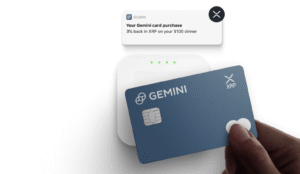
    The exchange launched an XRP-based rewards credit card, offering attractive cashback in cryptocurrency. It’s also added support for popular digital assets on faster, cost-efficient blockchain networks, making transactions smoother. Additionally, Gemini has teamed up with international banks to streamline payments in key markets like the UK.

    The exchange launched an XRP-based rewards credit card, offering attractive cashback in cryptocurrency.
    The exchange launched an XRP-based rewards credit card, offering attractive cashback in cryptocurrency.

    Regulatory Wins

    After a lengthy regulatory review, Gemini received a clean slate from U.S. authorities, boosting its credibility. It’s also resolving past legal disputes, paving the way for smoother operations. For users impacted by its Earn program, Gemini has promised a near-full return of assets, with distributions already underway.

    Tackling Security

    While Gemini has made strides, it’s not without hurdles. Some users have reported issues with phishing attempts and data privacy. The exchange is addressing these concerns, emphasizing its commitment to regulatory compliance and user protection.

    Also Read This : Tata Safari 2025 : 10 Powerful Upgrades That Redefine Premium SUVs in India

    Wrapping Up

     Its dual forms, is shaping the future of technology and finance. Google’s GeminiAI is pushing the boundaries of what machines can achieve, from smarter problem-solving to creative content generation. Meanwhile, the Gemini exchange is carving out a prominent place in the crypto world with bold expansions and user-focused innovations. Together, they highlight the exciting convergence of AI and finance in 2025.

  • Biometric e-Passports in India : A New Era of Secure Travel

    Biometric e-Passports in India : A New Era of Secure Travel

    Biometric e-passports, also known as electronic passports, represent a significant leap in travel document security and efficiency. In India, the introduction of these advanced passports under the Passport Seva Programme 2.0 is transforming how citizens travel internationally. This blog explores what biometric passports are, their features, and their impact on Indian travelers.

    What is a Biometric Passport?

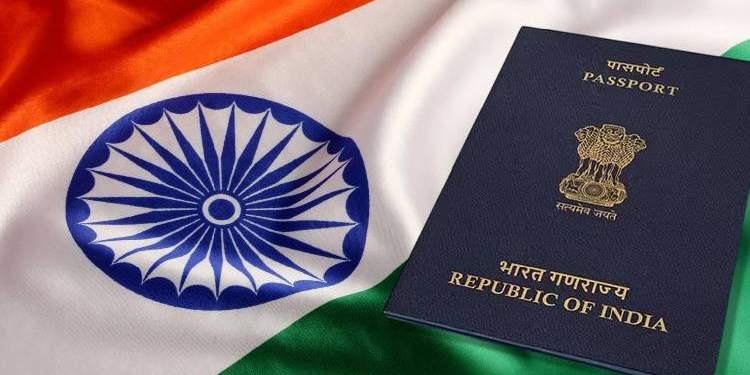
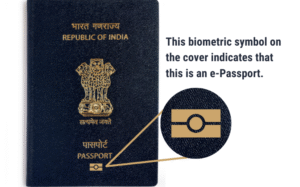
    A biometric passport is an enhanced version of a standard passport, featuring an embedded microchip that securely stores personal and biometric information. In India, these e-passports contain details such as the passport holder’s name, date of birth, and other identification information, along with biometric data like fingerprints and digital photographs. The microchip uses Radio Frequency Identification (RFID) technology, ensuring secure storage and easy verification at border controls.

    Biometric e-Passports in India
    Biometric e-Passports in India

    Key Features of India’s Biometric e-Passports

    1. Enhanced Security: The embedded chip is encrypted, making it nearly impossible to forge or tamper with the passport. This reduces identity fraud and enhances trust in Indian passports globally.
    2. Biometric Data Integration: Fingerprints and photographs are stored digitally, allowing for quick and accurate identity verification at immigration checkpoints.
    3. ICAO Compliance: India’s e-passports adhere to International Civil Aviation Organization (ICAO) standards, ensuring compatibility with global immigration systems, including e-gates at airports.
    4. Faster Processing: The chip enables automated processing at border controls, reducing wait times and streamlining international travel.

    The Rollout in India

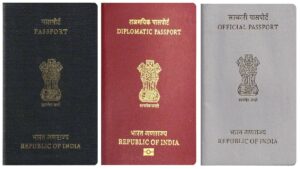
    India launched a pilot phase for biometric e-passports on April 1, 2024, covering 13 cities, including Chennai, Hyderabad, Jaipur, Nagpur, and Bhubaneswar. This initiative is part of the ambitious Passport Seva Programme 2.0, aimed at modernizing passport services. The pilot has successfully issued chip-enabled passports, with plans for a nationwide rollout by May 2025. Once fully implemented, all new passports issued in India will be biometric, replacing older, non-electronic versions.

    Biometric e-Passports in India
    Biometric e-Passports in India

    Benefits for Indian Travelers

    • Seamless Travel: With e-gates and automated systems at international airports, Indian travelers can expect faster immigration checks.
    • Global Acceptance: ICAO-compliant e-passports ensure smooth entry and exit in countries with advanced border control systems.
    • Increased Trust: The high-security features make Indian passports more reliable, reducing the risk of scrutiny or rejection abroad.
    • Future-Ready: As more countries adopt biometric systems, India’s e-passports position travelers to meet evolving global standards.

    Challenges and Considerations

    While the transition to biometric passports is promising, there are challenges. The infrastructure for issuing these passports, including biometric data collection, requires significant investment and coordination. Ensuring accessibility in rural areas and addressing privacy concerns about biometric data storage are also critical. However, the government is taking steps to ensure data security through robust encryption and compliance with international standards.

    Biometric e-Passports in India
    Biometric e-Passports in India

    Also Read This: Anahat Singh Makes History: Record Wins, Olympic Dreams, and Global Impact

    The Future of Travel with Biometric Passports

    India’s adoption of biometric e-passports marks a milestone in modernizing its travel infrastructure. As the nationwide rollout progresses, Indian citizens will benefit from safer, more efficient international travel. These passports not only align with global trends but also enhance India’s reputation as a nation committed to secure and innovative travel solutions.