Tag: Productivity

  • How to Stop Smartphone Addiction : A Practical Guide

    How to Stop Smartphone Addiction : A Practical Guide

    How to Stop Smartphone Addiction is a growing concern in 2025, with people spending hours scrolling through social media, gaming, or checking notifications. Excessive phone use can harm mental health, productivity, and relationships. This blog offers actionable steps to break free from smartphone addiction and reclaim control over your time.

    How to Stop Smartphone Addiction : Understand Your Addiction

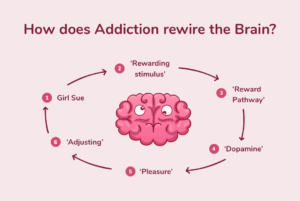
    Recognizing the problem is the first step. Smartphone addiction often stems from habits like compulsive checking or using apps to escape stress. Track your screen time using built-in tools like Digital Wellbeing (Android) or Screen Time (iOS). Studies suggest the average person spends 4-6 hours daily on their phone, with social media apps like Instagram and TikTok being major culprits. Reflect on why you reach for your phone—is it boredom, anxiety, or habit?

    Understand Your Addiction
    How to Stop Smartphone Addiction  : Understand Your Addiction

    Set Clear Boundaries

    Establish specific rules for phone use. Designate “no-phone” zones, such as during meals, family time, or in the bedroom. Set time limits for apps—most smartphones allow you to cap usage (e.g., 30 minutes daily for social media). Try the 20-20-20 rule: every 20 minutes, look away from your screen for 20 seconds at something 20 feet away to reduce eye strain and break the cycle of constant engagement.
    Set Clear Boundaries
    How to Stop Smartphone Addiction  : Set Clear Boundaries

    Create a Phone-Free Routine

    Replace phone time with meaningful activities. Start your day with a morning routine that avoids screens—try journaling, exercising, or meditating for 15 minutes. Schedule hobbies like reading, painting, or outdoor walks during times you’d typically scroll. For example, swap evening Instagram sessions with a podcast or a quick workout. The goal is to fill your day with purpose, reducing the urge to default to your phone.
    Create a Phone-Free Routine
    How to Stop Smartphone Addiction  : Create a Phone-Free Routine

    Use Technology to Limit Technology

    Leverage apps and settings to curb overuse. Enable grayscale mode to make your screen less appealing, reducing the dopamine pull of colorful apps. Use apps like Freedom or Forest to block distracting sites or reward focused time. Set “Do Not Disturb” during work or study hours to minimize notifications. In 2025, newer phone models offer advanced AI-driven focus modes—explore these in your device settings to customize distraction-free periods.

    Practice Digital Detox

    Commit to regular breaks from your phone. Start with a weekly “digital detox” day where you avoid non-essential screen time. If a full day feels daunting, try a few hours—perhaps a Sunday afternoon spent offline. During detoxes, engage in face-to-face interactions or nature-based activities. Research shows that even a 24-hour break can reduce stress and improve sleep quality, resetting your relationship with technology.

    Address Underlying Triggers

    Smartphone addiction often masks deeper issues like loneliness or procrastination. Identify emotional triggers that drive excessive use. For instance, if you scroll to avoid work, tackle tasks in small, manageable chunks to build momentum. If social media fuels comparison, curate your feed to include positive, inspiring accounts. Consider mindfulness practices or therapy to address anxiety, as these can reduce reliance on phones for emotional relief.

    Build a Support System

    Share your goals with friends or family to stay accountable. Encourage loved ones to join you in reducing screen time—try phone-free dinners or group activities like board games. Join online communities or forums focused on digital minimalism for tips and motivation. In 2025, platforms like X have active threads on breaking tech addiction—search for hashtags like #DigitalDetox or #SmartphoneFree to connect with others.

    Also Read This : Vaibhav Suryavanshi : Breaking Records and Building Dreams

    Track Progress and Reward Yourself

    Monitor your progress weekly to stay motivated. Compare your screen time data to see reductions—aim for a 10-20% drop initially. Celebrate milestones, like a week of sticking to app limits, with non-screen rewards (e.g., a favorite treat or a movie night). Over time, you’ll notice improved focus, better sleep, and stronger real-world connections, reinforcing your commitment to change.

    How to Stop Smartphone Addiction
    How to Stop Smartphone Addiction

    Final Thoughts

    How to Stop Smartphone Addiction : Breaking smartphone addiction requires intention and consistency, but the rewards are worth it. By setting boundaries, replacing habits, and addressing triggers, you can regain control and live more fully in the moment. Start small, experiment with these strategies, and tailor them to your lifestyle. In a world buzzing with notifications, choosing presence over screens is a powerful act of self-care.

  • Morning Routine for a Stress-Free Mind

    Morning Routine for a Stress-Free Mind

    Starting your day with intention can transform your mental state, setting a calm and focused tone for the hours ahead. A well-crafted morning routine reduces stress, boosts clarity, and helps you approach challenges with resilience. Here’s a simple, effective routine to cultivate a stress-free mind, designed to fit into busy schedules while promoting mindfulness and well-being.

    Why a Morning Routine Matters

    Mornings are a fresh slate. A deliberate routine primes your brain for positivity, reduces decision fatigue, and anchors you in a sense of control. Studies show that consistent morning habits, like meditation or exercise, lower cortisol levels (the stress hormone) and enhance mood by triggering dopamine release. This routine blends science-backed practices with practical steps to help you start your day feeling grounded.

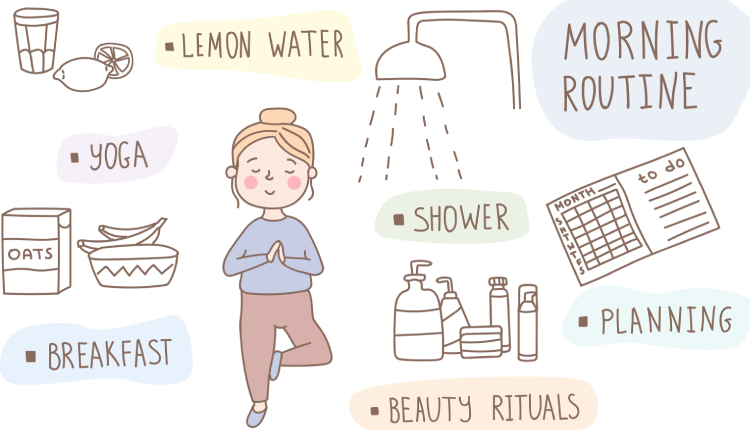
    The Stress-Free Morning Routine

    1. Wake Up Early (5 Minutes)

    Set your alarm for 30–60 minutes earlier than usual, ideally between 5:30 AM and 7:00 AM, depending on your schedule. Early mornings are quiet, offering uninterrupted time for self-care. Avoid hitting snooze—place your alarm across the room to force you out of bed. Consistency is key; aim to wake up at the same time daily, even on weekends, to regulate your body’s circadian rhythm.

    Wake Up Early
    Morning Routine : Wake Up Early

    Tip: Use a gentle alarm sound, like birds chirping, to ease into waking.

    2. Hydrate and Refresh (5 Minutes)

    Drink a glass of room-temperature water right after waking to rehydrate your body and kickstart metabolism. Add a slice of lemon for a vitamin C boost, which supports immune health and mood. Splash cold water on your face or take a quick shower to invigorate your senses and shake off grogginess.

    Hydrate and Refresh
    Morning Routine : Hydrate and Refresh

    Why It Works: Dehydration increases stress hormones. Morning hydration improves focus and energy.

    3. Mindful Breathing or Meditation (5–10 Minutes)

    Sit in a comfortable position, close your eyes, and practice deep breathing: inhale for 4 seconds, hold for 4, exhale for 6. Do this for 5 minutes to calm your nervous system. Alternatively, try a guided meditation app for 10 minutes, focusing on gratitude or body awareness. Apps like Calm or Insight Timer offer free sessions.

    Mindful Breathing or Meditation
    Morning Routine : Mindful Breathing or Meditation

    Science Bit: Meditation reduces activity in the amygdala, the brain’s stress center, promoting emotional balance.

    4. Gentle Movement (10–15 Minutes)

    Engage in light exercise to get your blood flowing. Options include:

    • Yoga: Try a 10-minute flow with poses like Cat-Cow, Downward Dog, and Child’s Pose to stretch and relax muscles.
    • Walking: A brisk 10-minute walk outside exposes you to natural light, regulating serotonin levels.
    • Stretching: Focus on neck, shoulders, and hips to release tension.

    Avoid intense workouts if stress is high—they can elevate cortisol. Aim for movement that feels energizing but soothing.

    Gentle Movement
    Morning Routine : Gentle Movement

    5. Journal for Clarity (5–10 Minutes)

    Spend a few minutes writing in a journal. Use these prompts to clear mental clutter:

    • What am I grateful for today?
    • What’s one thing I want to accomplish?
    • What’s weighing on my mind, and how can I address it?

    Alternatively, try “morning pages” (freewriting 1–2 pages without editing). This practice offloads worries and fosters creativity.

    Journal for Clarity
    Morning Routine : Journal for Clarity

    Why It Helps: Journaling reduces anxiety by externalizing thoughts, making them easier to manage.

    6. Healthy Breakfast (10–15 Minutes)

    Eat a balanced breakfast with protein, healthy fats, and complex carbs to stabilize blood sugar and sustain energy. Examples:

    • Greek yogurt with berries, nuts, and a drizzle of honey.
    • Avocado toast with a boiled egg and cherry tomatoes.
    • Oatmeal with almond butter, banana, and chia seeds.

    Avoid sugary cereals or skipping breakfast, as they can cause energy crashes and mood swings. Eat mindfully—sit down, chew slowly, and avoid screens.

    Healthy Breakfast
    Morning Routine : Healthy Breakfast

    Nutrition Note: Omega-3s (in nuts or seeds) and antioxidants (in berries) support brain health and stress resilience.

    7. Plan Your Day (5 Minutes)

    Review your calendar or to-do list and prioritize 1–3 key tasks. Write them down to avoid feeling overwhelmed later. Visualize your day briefly: imagine handling challenges calmly and completing tasks with ease. This mental rehearsal boosts confidence and reduces anxiety.

    Hack: Use a simple notebook or app like Todoist to keep your list clear and actionable.

    Plan Your Day
    Morning Routine : Plan Your Day

    Customizing Your Routine

    • Time Crunch: If you’re short on time, cut each step to its minimum (e.g., 2-minute meditation, 5-minute walk). Even 20 minutes of intentional habits makes a difference.
    • Personalize: Swap activities to suit your preferences—swap yoga for dancing or journaling for sketching.
    • Environment: Create a calm space with dim lighting, a comfy chair, or a scented candle to enhance relaxation.

    Common Pitfalls to Avoid

    • Phone Overload: Don’t check emails or social media first thing—it spikes stress. Keep your phone on “Do Not Disturb” until the routine is done.
    • Rushing: Give yourself buffer time to avoid feeling frantic. Prep the night before (e.g., set out clothes or breakfast ingredients).
    • Inconsistency: Stick to the routine for at least 21 days to form a habit. Track progress with a habit app like Habitica.

    Also Read This: CBSE Class 10th 12th Result 2025 : Date, How to Check, and Latest Updates

    The Payoff

    This 45–60 minute routine rewires your brain for calm and focus. Over time, you’ll notice:

    • Lower anxiety and fewer stress-induced reactions.
    • Improved mood and emotional resilience.
    • Better productivity and decision-making.
  • What is email marketing and how does it work for connecting potential consumers for increasing productivity for the constructions of consumers faithfulness:

    What is email marketing and how does it work for connecting potential consumers for increasing productivity for the constructions of consumers faithfulness:

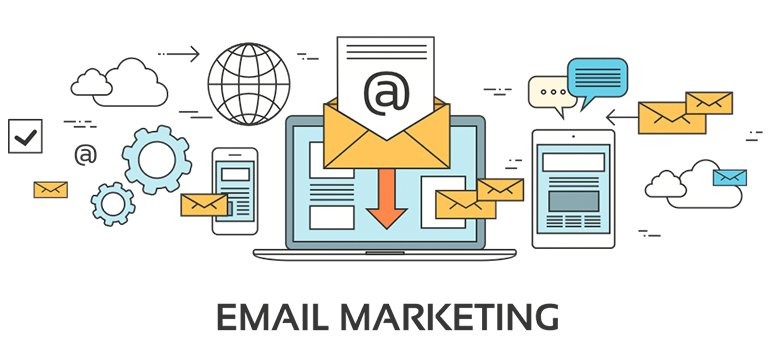
    Email marketing and how it works: email marketing functions by transporting several messages to particular followers which has responded for the identifications of the brand email record.

    What is meant by email marketing?

    Email marketing is a multimedia marketing procedure by interacting with the audience through emails and messages. The email messages are usually considered as transactional targets and besides they are utilized for educating the mass and for notifying the legatee on the subject of willingness. Email marketing is mostly utilized for e-commerce.

    Email marketing is not a complex mechanism however it comprises forwarding correct tactics for interacting with the followers for the welfare of the business targets. Email marketing is considered as a persuasive device for growing the businesses by constructing secure connections with the consumers for increasing trade productivity in a profitable manner with various tariff-efficient straight marketing programs for providing content to their connections.


    The Greatest crucial welfare produced by email marketing are as follows:

    1. It is considered as a significant aspect for generating trade sectors throughout the brands.
    2. A provides benefits for initiating connections with the mass.
    3. It is considered as a productive redirecting device.
    4. It is considered as a foremost path for further guidance and creating increased trades.
    5. It assists in generating more productivity for social media marketing and digital platforms marketing campaigns and schemes.

    How does email marketing work and what are the various procedures involved in email marketing for its functioning:

    1.Email marketing transports various targeting messages for the audience by providing them numerous gigantic followers records feasible for generalising emails for the complete records. In present times, email marketing is working on diversity and efficiently having also disclosed the increased productivity of advancing healthy records in large numbers.

    1. Selections of various programs for email marketing are considered as the most accomplished devices for executing correct tactics by influencing partitions, targets, mechanism and coherent after selecting correct platforms for utilisations live generating email records and remarketing the mass on social media constructed email records.
    2. Constructing directions and administrations of focused targets for attaining email marketing programs as well as schemes. For generating awareness for the brands and trades by protecting the consumers faithfulness and chronological worth for elegant content and email constructions.
    3. Social media commercials are most frequently increasing brand productivity among the mass ensuring email marketing must reach the familiar separates as it allows the legatee for choosing brands records for receiving the messages.

    5.Creations of correct email marketing tactics is an efficient method for increasing productivity of the brands and conserving time managements and other expenses within the business target by constructing clear objectives, proper schedule, effective email records, managing tariff productions, mechanism and campaigns.

    Also Read This: Pinnacle marketing strategies: for building small businesses from industry experts for benefits and advancement of the society

    6.The perceptions panels provide various attempt estimates for email marketing with several articulations for efficiency of email schemes cross examining the triumph specific email mostly on the title, the click-to-open rate showcases the target legatee tapped on the email for viewing the content.

    7.Practicing conversations and continuation duties assist in email marketing for the followers for normalising compositions of indolent followers on the records with median email open rates for the email schemes around 20% defining that the majority audience on the record haven’t read the messages yet.

    What are the various types of email formations:

    1. Welcome emails assist the consumers for picturizing emails and provide a captivating glance of advancement of trade productions.
    2. Verification emails provide services and products to the purchasers for verifications of the reaction towards props acquired ripples and summons evaluations of the product for an extent on the upcoming acquirement. 3. Bulletin/general emails are considered as uniform briefing generally spotlighting fresh contributions with different blogs articles and consumers feedbacks.
    3. Exclusive emails are considered as mostly judicious and scrupulous. As they are appointed to definite sections of the emails record constructed on the standard of frequent ventures and partnership reputations.
    4. Declarations email reports become the highlight of forthcoming occasions with new productivity meetings and conferences positioning the accumulations of the enthusiasm and recognitions.
    5. Survey emails mostly in email marketing provides consumers complete pleasures for increased productivities  and trades evaluations, purchaser feedback and another conditions for load demands