Tag: Polycystic Ovary Syndrome (PCOS)

  • “PCOS and PCOD : 14 Crucial Distinctions Every Woman Needs to Understand for Improved Health”

    “PCOS and PCOD : 14 Crucial Distinctions Every Woman Needs to Understand for Improved Health”

     A Complete Guide to the Distinction Between PCOS and PCOD Two prevalent hormonal conditions that impact women of reproductive age are Polycystic Ovary Syndrome (PCOS) and Polycystic Ovarian Disease (PCOD). Despite the fact that these terms are frequently used synonymously, they refer to different conditions with different traits, causes, symptoms, and methods of treatment. For management and treatment to be effective, it is essential to comprehend the distinctions between PCOS and PCOD.

    PCOS and PCOD
    PCOS and PCOD

    PCOS: What is it?

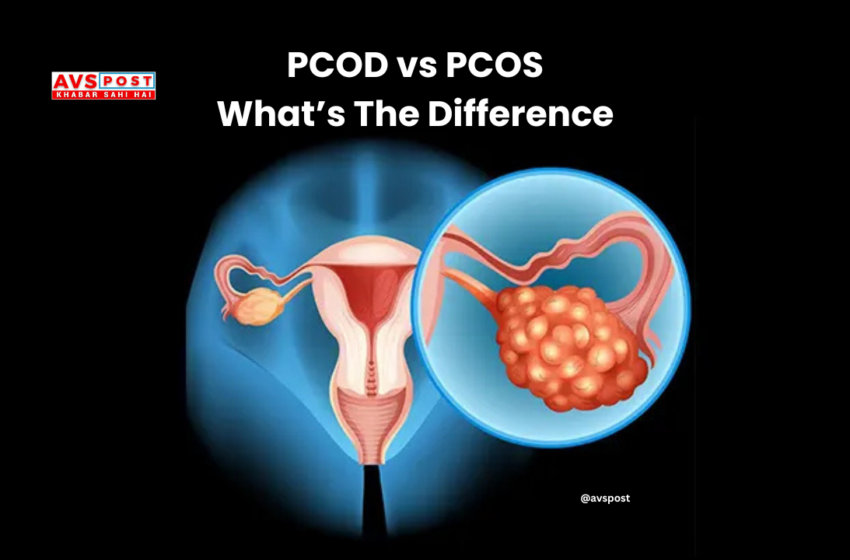
    Polycystic Ovary Syndrome, or PCOS, is a hormonal condition that impacts the endocrine system and has effects that extend well beyond the ovaries. It is characterised by a hormonal imbalance that results in multiple small cysts on the ovaries, irregular menstrual cycles, and excessive production of androgen (male hormone).

    PCOS and PCOD

    PCOS causes

    Although the precise cause of PCOS is unknown, a number of factors are thought to play a role in its development:

    • Genetics: PCOS frequently runs in families, suggesting a genetic component.
    • Insulin Resistance: Insulin resistance raises insulin levels, which can cause excess androgen production in many women with PCOS.
    • Hormonal Imbalance: Elevated androgen levels interfere with ovulation and the ovaries’ normal function.
    PCOS and PCOD

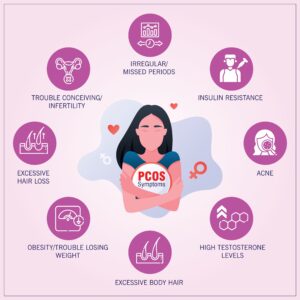
    PCOS symptoms

    PCOS can cause a variety of symptoms in women, such as:

    • Absence or irregular menstruation
    • Hirsutism, or excessive hair growth, especially on the face and body
    • Oily skin and acne
    • Gaining weight, especially around the abdomen
    • Hair loss or thinning
    • Infertility brought on by irregular ovulation
    • Acanthosis nigricans, or dark skin patches
    • Depression and mood swings
    PCOS and PCOD

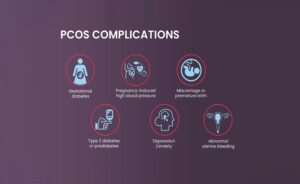
    PCOS complications

    PCOS can result in a number of long-term health issues if treatment is not received, including:

    • Diabetes type 2
    • Elevated blood pressure
    • Heart conditions
    • Unable to conceive
    • Endometrial cancer
    PCOS and PCOD

    PCOS diagnosis

    A combination of symptoms, medical history, and laboratory testing are used to diagnose PCOS. Physicians can do:

    • Hormone levels are checked using blood tests.
    • Using ultrasound to find ovarian cysts
    • Tests of glucose tolerance for insulin resistance
    PCOS and PCOD

    PCOS treatment

    Symptom management and lowering the chance of complications are the main goals of PCOS treatment. It could consist of:

    • Lifestyle Modifications: Maintaining a healthy weight, eating a balanced diet, and exercising frequently can all help reduce symptoms.
    • Medication: Anti-androgen medications, insulin-sensitizing medications such as metformin, and birth control pills are frequently prescribed.
    • Fertility Treatments: Women with PCOS may benefit from assisted reproductive technologies or medications such as clomiphene.
    PCOS and PCOD

    PCOD: What is it?

    Polycystic Ovarian Disease, or [PCOD] is a disorder in which the ovaries produce partially mature or immature eggs that have the potential to develop into cysts. PCOD is generally regarded as less severe than PCOS and is more of a lifestyle-related disorder.

    PCOD causes

    PCOD is caused by a number of factors, including:

    • Bad Lifestyle Decisions: Hormonal imbalances can be exacerbated by a diet heavy in processed foods and a lack of exercise.
    • Obesity: Being overweight can cause the menstrual cycle to be disturbed by an increase in oestrogen production.
    • Stress: Hormonal changes brought on by high levels of stress can interfere with ovulation.
    PCOS and PCOD

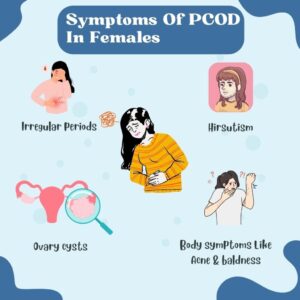
    PCOD symptoms

    Similar to PCOS, but typically less severe, are the symptoms of PCOD:

    • Menstrual cycle irregularities
    • slight increase in weight
    • Oily skin and acne
    • Thinning of the hair
    • Problems with fertility (although most of the time ovulation is still possible)
    PCOS and PCOD

    PCOD complications

    Although PCOD can cause issues with fertility, it is typically less severe than PCOS and does not always lead to long-term reproductive health issues. Untreated PCOD, however, may raise the risk of:

    • Diabetes
    • Elevated cholesterol
    • High blood pressure
    • PCOD diagnosis
    • Similar to PCOS, PCOD is identified by:
    • Analysis of medical history and symptoms
    • Hormone levels are checked using blood tests.
    • Using ultrasound to find ovarian cysts
    PCOS and PCOD

    PCOD treatment

    The mainstay of PCOD treatment is changing one’s lifestyle, which includes:

    • Healthy Diet: Hormone regulation can be achieved by eating a balanced diet high in fibre, protein, and good fats.
    • Frequent Exercise: Exercise helps control insulin levels and maintain a healthy weight.
    • Stress management: Hormone balance can be achieved by engaging in stress-relieving activities such as yoga, meditation, or other practices.
    • Medication: To control menstrual cycles, doctors occasionally prescribe birth control pills or other drugs.
    PCOS and PCOD

    Important Distinctions Between PCOD and PCOS

    Feature                        PCOS        PCOD


    Nature


    A hormonal condition that impacts the entire endocrine system


    Hormonal imbalances associated with ovarian disease


    Severity


    More serious with long-term health hazards


    less severe illness with fewer side effects

    Ovulation Absent or infrequent ovulation  

    Although irregular, ovulation does occur.


    Fertility


    An increased chance of infertility


    Fertility is less affected

    Symptoms More severe, such as metabolic disorders and excessive hair growth milder symptoms that mostly impact the menstrual cycle
    Treatment Focus Changes in lifestyle and hormonal therapy Modest medication and lifestyle adjustments

     Is It Possible to Cure PCOS and PCOD?

    Although PCOS and PCOD cannot be permanently cured, they can both be effectively managed with medication and lifestyle changes. Reducing symptoms and enhancing general health outcomes can be achieved with early diagnosis and effective treatment.

    Conclusion

    Despite their similarities, PCOS and PCOD are two different conditions that need different approaches to treatment. PCOD is a relatively mild ovarian disorder influenced by lifestyle factors, whereas PCOS is a more serious hormonal disorder with systemic effects. Women who are aware of the distinctions between these conditions are better able to seek the right medical attention and develop healthy lifestyle choices to effectively manage their symptoms.
    PCOS and PCOD

    Hormonal imbalances, irregular menstrual cycles, and possible complications like infertility, metabolic problems, and an elevated risk of diabetes and cardiovascular diseases are all possible outcomes of both conditions.

    PCOD is a milder condition that can frequently be controlled with lifestyle changes, whereas PCOS is a more severe metabolic disorder that poses long-term health risks. Dietary changes, consistent exercise, stress reduction, and, in certain situations, medication to control hormones and enhance fertility are all part of the treatment for both disorders.

    Proactive management and early diagnosis can lower complications, preserve general health, and greatly enhance quality of life. To avoid long-term health problems, women who are exhibiting symptoms should consult a doctor for an accurate diagnosis and course of treatment.

    ALSO READ THIS: “How Strong Adult Bonds Are Shaped by Helicopter Parenting: 3 Crucial Insights”
  • What is PCOD? : Causes, Symptoms, Treatment. What Happens and How to Manage It.

    What is PCOD? : Causes, Symptoms, Treatment. What Happens and How to Manage It.

    What is PCOD?

    Polycystic Ovary Syndrome (PCOS), often referred to as PCOD (Polycystic Ovary Disorder), is a common hormonal condition that affects millions of women worldwide. If you’ve heard of it but aren’t quite sure what it entails—or if you’re wondering how to avoid it—this blog is for you. Let’s dive into what PCOD is, why it happens, and practical steps to manage or even prevent its impact.

    What Is PCOD?

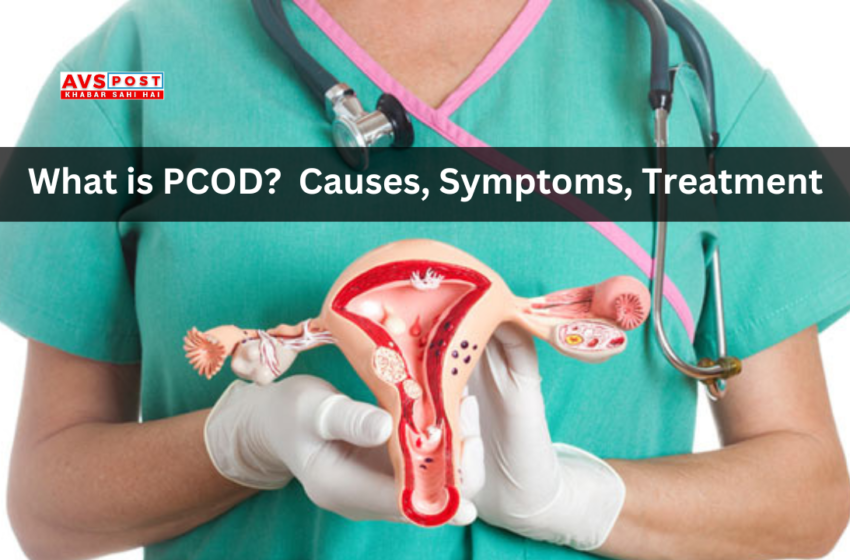
    What is PCOD? : PCOD is a condition where the ovaries produce an excess of androgens, hormones typically associated with male traits, though present in all bodies in smaller amounts. This hormonal imbalance can lead to irregular menstrual cycles, the formation of small cysts (fluid-filled sacs) on the ovaries, and a range of symptoms that vary from person to person. While the name suggests “cysts,” not every woman with PCOD has visible ovarian cysts, making it a bit of a misnomer. It’s more about the hormonal chaos than the cysts themselves.

    What is PCOD? : PCOD affects roughly 1 in 10 women of reproductive age, and it’s one of the leading causes of infertility. But it’s not just about fertility it can influence your skin, weight, mood, and overall health. The good news? While it’s a chronic condition, lifestyle changes and medical support can make a huge difference.

    What Happens in PCOD?

    So, what’s going on inside the body when PCOD strikes? Here’s the breakdown:

    1. Hormonal Imbalance: The ovaries overproduce androgens (like testosterone), which disrupts the normal ovulation process. Instead of releasing an egg each month, the ovaries may hold onto immature follicles, which can turn into cysts over time.
    2. Irregular Periods: Without regular ovulation, menstrual cycles can become unpredictable—sometimes too frequent, too far apart, or absent altogether.
    3. Insulin Resistance: Many women with PCOD have trouble using insulin effectively, leading to higher blood sugar levels. This can trigger even more androgen production, creating a vicious cycle.
    4. Symptoms Galore: The hormonal shifts can cause acne, excessive hair growth (hirsutism) on the face or body, hair thinning on the scalp, weight gain (especially around the midsection), and even mood swings or depression.
    5. Long-Term Risks: If left unmanaged, PCOD increases the risk of type 2 diabetes, heart disease, and endometrial cancer due to the prolonged hormonal imbalance and insulin issues.
    What is PCOD?
    What is PCOD?

    The exact cause of PCOD isn’t fully understood, but it’s believed to be a mix of genetics (it often runs in families) and environmental factors like diet and stress. It’s not something you “catch”—it’s more like a predisposition that gets triggered.

    Symptoms of PCOD

    What is PCOD? : PCOD is a hormonal condition that shows up differently in every person. While no two cases are exactly alike, there are some common signs that can hint at PCOD. Recognizing these symptoms early can help you seek support and manage the condition effectively. Here’s what to watch for:

    1. Irregular Menstrual Cycles

    • One of the hallmark signs of PCOD is unpredictable periods. This could mean:
      • Periods that come too often (less than 21 days apart).
      • Periods that are too far apart (more than 35 days) or skipped altogether.
      • Heavy bleeding or very light spotting when periods do occur.
    • Why? The hormonal imbalance disrupts ovulation, throwing your cycle off track.

    2. Excess Hair Growth 

    • Notice unwanted hair sprouting on your face, chin, chest, back, or stomach? This is called hirsutism and happens because of elevated androgen (male hormone) levels.
    • It’s often coarse and dark, unlike the fine “peach fuzz” most people have.

    3. Acne or Oily Skin

    • Stubborn acne—especially along the jawline, cheeks, or back—can pop up due to excess androgens. Your skin might also feel oilier than usual, leading to clogged pores.
    What is PCOD ? Acne or Oily Skin
    What is PCOD ? Acne or Oily Skin

    4. Hair Thinning or Loss

    • While hair might grow where you don’t want it, you might lose it where you do. Thinning hair or male-pattern baldness (receding hairline or widening part) on the scalp is another common symptom.

    5. Weight Gain or Trouble Losing Weight

    • Many women with PCOD notice unexplained weight gain, especially around the belly. Insulin resistance—a key player in PCOD—makes it harder for your body to process carbs and shed pounds.

    6. Darkening of Skin

    • Look out for dark, velvety patches on your skin, often around the neck, underarms, or groin. This is called acanthosis nigricans and is tied to insulin resistance.

    7. Difficulty Getting Pregnant

    • Irregular or absent ovulation can make it tougher to conceive. If you’ve been trying without success, PCOD might be a factor.

    8. Mood Changes

    • Feeling anxious, irritable, or down more than usual? Hormonal fluctuations and the stress of other symptoms can take a toll on your mental health.

    9. Fatigue

    • Constant tiredness or low energy can creep in, often linked to insulin issues or poor sleep (sometimes worsened by PCOD-related sleep apnea).

    10. Pelvic Pain (Sometimes)

    • While not as common, some women experience discomfort or pain in the pelvic area, possibly due to ovarian cysts or inflammation. However, cysts themselves don’t always cause pain.
    Symptoms of PCOD : What is PCOD?
    Symptoms of PCOD : What is PCOD?

    How Does PCOD Affect Daily Life?

    What is PCOD? : Imagine planning your month, only to realize your period has gone AWOL again. Or dealing with stubborn acne that won’t budge no matter what skincare you try. Maybe it’s the frustration of unwanted facial hair or the struggle to shed a few pounds despite your best efforts. For many, PCOD feels like a constant battle with their own body. Beyond the physical symptoms, it can take an emotional toll—feeling “out of control” is a common sentiment among those diagnosed.

    Can You Avoid PCOD?

    What is PCOD? : Since PCOD has a genetic component, you can’t entirely “prevent” it if you’re predisposed. However, you can take steps to reduce its severity, delay its onset, or manage it effectively if you’re at risk. Prevention and management go hand-in-hand, and it’s all about empowering your body to stay balanced. Let’s explore how.

    How to Manage PCOD: Practical Tips

    What is PCOD ? : Whether you’re trying to avoid PCOD’s effects or manage an existing diagnosis, these lifestyle tweaks can help regulate hormones, improve insulin sensitivity, and keep symptoms at bay.

    1. Eat Smart, Not Less

    • Focus on Low-Glycemic Foods: Foods like whole grains (quinoa, brown rice), leafy greens, berries, and lean proteins (chicken, fish, tofu) stabilize blood sugar and reduce insulin spikes.
    • Cut Back on Sugar and Processed Carbs: Ditch the sodas, white bread, and pastries—they can worsen insulin resistance.
    • Healthy Fats Are Your Friend: Avocados, nuts, seeds, and olive oil support hormone production without overloading your system.
    • Small, Frequent Meals: Eating every 3-4 hours keeps your blood sugar steady and prevents cravings.

    2. Move Your Body

    • Exercise Regularly: Aim for 30 minutes most days—think brisk walking, cycling, or yoga. Strength training is especially great for boosting metabolism and tackling insulin resistance.
    • Avoid Overdoing It: Extreme workouts can stress your body and increase cortisol (another hormone), so find a balance that feels good.
    Exercise Regularly: What is PCOD ?
    Exercise Regularly: What is PCOD ?

    3. Manage Stress

    • Chronic stress pumps out cortisol, which can worsen hormonal imbalances. Try mindfulness practices like meditation, deep breathing, or even a relaxing hobby (knitting, anyone?). Sleep is non-negotiable, aim for 7-9 hours to let your body reset.

    4. Watch Your Weight

    • Even a 5-10% reduction in body weight can restore ovulation and reduce symptoms in overweight individuals. But don’t crash diet—slow, sustainable changes are key.

    5. Stay on Top of Health Checkups

    • Regular visits to a doctor can catch early signs like irregular periods or insulin resistance. If you have a family history of PCOD, mention it early monitoring can make a difference.

    6. Consider Supplements (With Guidance)

    • Inositol: Known to improve insulin sensitivity and ovulation.
    • Omega-3s: Reduces inflammation and supports hormone balance.
    • Vitamin D: Many women with PCOD are deficient, and correcting it can help. Always consult a healthcare provider before starting supplements.

    7. Limit Toxins

    • Some research suggests endocrine-disrupting chemicals (like BPA in plastics) might worsen hormonal issues. Use glass or stainless steel for food storage and avoid heating food in plastic containers.
    What is PCOD?
    What is PCOD?

    When to Seek Help

    What is PCOD?  If you notice irregular periods, sudden weight gain, excessive hair growth, or severe acne, don’t brush it off—see a healthcare professional. A simple blood test (for hormones and insulin) or an ultrasound can confirm PCOD. Treatments like birth control pills, metformin (for insulin resistance), or fertility meds can help, depending on your goals.

    Also Read This : Best free AI tools for Ghibli-Style Art for Free with These AI Tools 2025

    What is PCOD? : PCOD might sound overwhelming, but it doesn’t have to define you. Think of it as your body asking for a little extra TLC. With the right habits, balanced eating, movement, and stress care you can keep it in check and live your fullest life. It’s not about perfection; it’s about consistency.