Tag: Mughal Empire

  • “Jahangir: 22 Years of 360° Vision, 7 Breakthrough Achievements, and an Enduring Legacy”

    “Jahangir: 22 Years of 360° Vision, 7 Breakthrough Achievements, and an Enduring Legacy”

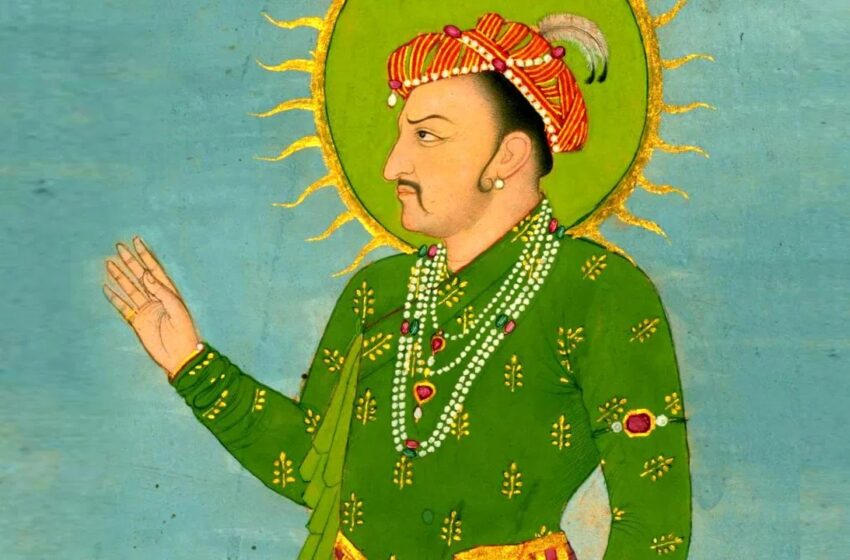
     Jahangir, the fourth Mughal Emperor of India, reigned from 1605 to 1627. Born as Nur-ud-din Muhammad Salim on August 31, 1569, he was the son of the great Emperor Akbar and Empress Mariam-uz-Zamani. His rule was marked by significant developments in art, culture, and administration, as well as political intrigues and personal challenges. Jahangir’s reign is often regarded as a golden period in Mughal history, with notable achievements in painting, architecture, and governance.
    jahangir

    Early Life and Ascension to the Throne

    He was born in Fatehpur Sikri, the imperial capital of the Mughal Empire at the time. He was named Salim, reportedly after the Sufi saint Sheikh Salim Chishti, who had blessed Akbar with the hope of a son. As the eldest surviving son of Akbar, Salim was the natural heir to the throne, but his journey to kingship was fraught with tension.

    During the later years of Akbar’s reign, a rift developed between father and son. Salim was impatient to ascend the throne and even rebelled against his father in 1599 while Akbar was engaged in the Deccan campaigns. However, the rebellion was short-lived, and Akbar forgave Salim, restoring him to favor. Upon Akbar’s death on October 27, 1605, Salim was crowned Emperor and took the title Jahangir, meaning “Conqueror of the World.”
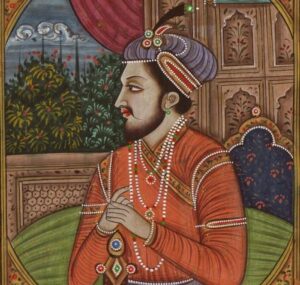
    Administration and Governance

    Jahangir inherited a vast and prosperous empire, and he largely continued the policies of his father while also making notable contributions of his own. His administration was known for its efficiency, and he introduced several important reforms. One of his most famous initiatives was the installation of the “Chain of Justice” outside his palace in Agra, allowing any citizen to seek redress for grievances directly from the Emperor.

    Jahangir’s reign was characterized by a blend of centralized power and delegation to trusted nobles and military officials. He was also known for his keen interest in legal affairs and his fair sense of justice. However, his rule was also marked by court intrigues and the growing influence of his Persian wife, Nur Jahan, who played a significant role in political affairs.
    Role of Nur Jahan

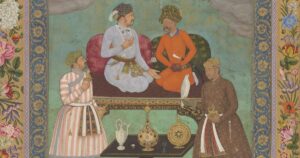
    Nur Jahan, originally named Mehr-un-Nissa, was the most influential woman in his life and one of the most powerful women in Mughal history. She married Jahangir in 1611 and quickly became his closest confidante and advisor. She wielded immense influence over court affairs, effectively ruling the empire in Jahangir’s later years as his health declined due to excessive consumption of alcohol and opium.

    Nur Jahan issued royal decrees, minted coins in her name, and had significant control over imperial decisions. She was also a patron of the arts and played a key role in the construction of several architectural marvels, including her own tomb in Lahore. Her political acumen ensured the stability of Jahangir’s reign, although her dominance also led to resentment among other nobles.
    Patronage of Arts and Culture

    Jahangir was an avid patron of the arts, particularly painting. Mughal painting reached its zenith during his reign, with the establishment of an imperial atelier that produced exquisite miniature paintings. The artworks from his time are known for their refined aesthetics, intricate detailing, and a blend of Persian and Indian influences.

    He also encouraged the compilation of historical and literary works. His own autobiography, the Tuzuk-i-Jahangiri (Memoirs of Jahangir), provides valuable insights into his reign, personal beliefs, and administrative policies. Unlike his predecessors, Jahangir had a keen interest in European art and culture, which he was exposed to through Jesuit missionaries at his court.
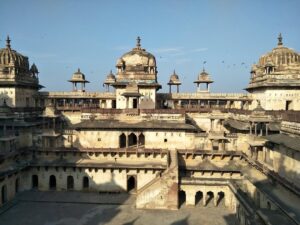
    Foreign Relations and Military Campaigns

    His foreign policy was a mix of diplomacy and military expansion. His relations with the English East India Company began during his reign, with Sir Thomas Roe visiting his court in 1615 to secure trading rights. Jahangir was favorably disposed toward the English and granted them several privileges, laying the foundation for future British involvement in India.

    Militarily, Jahangir faced challenges in various parts of his empire. His biggest conflict was with the Rajput kingdom of Mewar, ruled by Rana Amar Singh. After prolonged warfare, he managed to secure Mewar’s submission in 1615. He also launched campaigns in the Deccan against the Ahmadnagar Sultanate, where his general Malik Ambar proved to be a formidable opponent.

    Jahangir also had conflicts with the Safavid Empire over the control of Kandahar, a strategically important city. In 1622, the Safavids successfully captured Kandahar, marking a significant territorial loss for the Mughals.
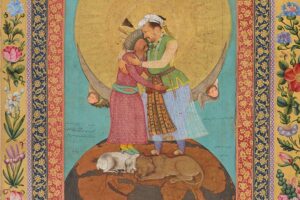
    Personal Life and Legacy

    Jahangir was known for his indulgences, particularly his love of alcohol and opium, which affected his health and decision-making in later years. Despite his weaknesses, he was a keen observer of nature and had a deep appreciation for flora and fauna. His court was filled with exotic animals, and he commissioned numerous paintings of birds and animals.

    His later years were marred by internal conflicts and succession struggles. In 1622, his son, Prince Khurram (later Emperor Shah Jahan), rebelled against him, leading to a prolonged power struggle. Jahangir’s declining health and Nur Jahan’s growing influence further complicated matters. In 1627, while traveling from Kashmir to Lahore, he fell seriously ill and passed away on October 28, 1627.
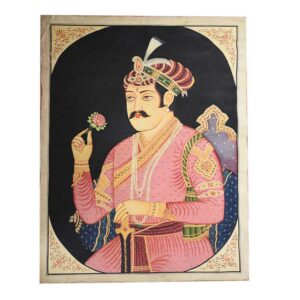
    Conclusion

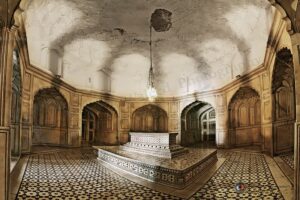
    Jahangir’s reign was a blend of artistic brilliance, political intrigue, and administrative continuity. While he may not have been as militarily ambitious as Akbar or Shah Jahan, his contributions to Mughal culture and governance were significant. His patronage of the arts and his keen sense of justice left a lasting legacy, making him one of the most intriguing figures in Mughal history. His tomb in Lahore remains a testament to his grandeur and continues to be an important historical site in South Asia.

    ALSO READ THIS: Shah Jahan: 7 Powerful Legacies of the Magnificent Emperor”
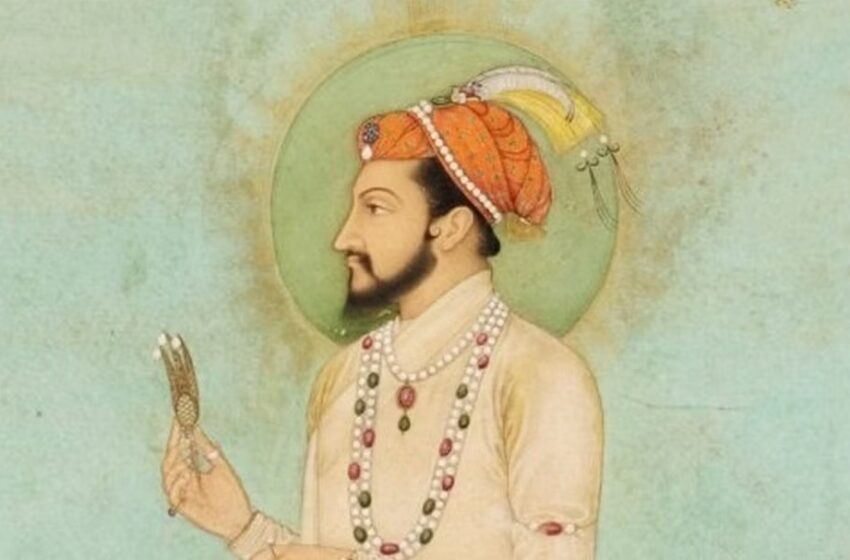
  • Shah Jahan: 7 Powerful Legacies of the Magnificent Emperor”
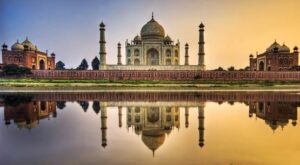
    Shah Jahan: 7 Powerful Legacies of the Magnificent Emperor”
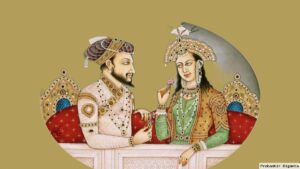
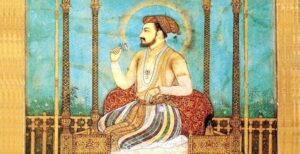
    Shah Jahan: The Magnificent Mughal Emperor: Shah Jahan (1592–1666) was the fifth Mughal emperor of India, ruling from 1628 to 1658. He is best known for commissioning the Taj Mahal, one of the most iconic architectural masterpieces in the world, built in memory of his beloved wife, Mumtaz Mahal. His reign is often considered the golden age of Mughal architecture, marked by grand structures like the Red Fort, Jama Masjid, and Shah Jahanabad (Old Delhi).

    Shah Jahan expanded the Mughal Empire through military campaigns and maintained economic prosperity. However, in his later years, he was overthrown by his son Aurangzeb and imprisoned in Agra Fort, where he spent his final years gazing at the Taj Mahal until his death in 1666. His legacy endures as a ruler who epitomized grandeur, artistic brilliance, and imperial power.‘

    shah jahan

    Early Life and Background

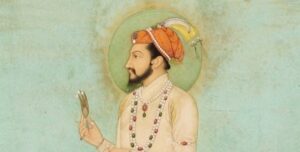
    Shah Jahan, born as Prince Khurram on January 5, 1592, in Lahore, was the fifth Mughal Emperor of India. He was the third son of Emperor Jahangir and his Rajput wife, Princess Manmati, also known as Jagat Gosain. From an early age, Khurram exhibited qualities of intelligence, military skill, and an appreciation for art and architecture, which later became his defining traits as an emperor.

    As a young prince, he was rigorously trained in warfare, administration, and the arts. His grandfather, Emperor Akbar, had already established the Mughal Empire as a dominant power in India, and Khurram grew up witnessing the grandeur and complexity of the empire’s administration. Jahangir, his father, favored him over his other sons, which gave him an edge in the succession battle.

    shah jahan

    Rise to Power

    Prince Khurram proved his mettle by leading successful military campaigns against the Rajputs, Deccan Sultanates, and Mewar. His achievements on the battlefield made him his father’s preferred choice for succession. However, the road to the throne was not without obstacles. He faced stiff competition from his half-brothers and other nobles who sought to undermine his claim.

    In 1622, he rebelled against his father due to political intrigues within the royal court. However, he eventually reconciled with Jahangir before the latter’s death in 1627. Upon Jahangir’s passing, Prince Khurram, with the support of powerful nobles and the army, ascended the throne in 1628, taking the title Shah Jahan, meaning “King of the World.”

    Reign and Achievements

    Shah Jahan’s reign (1628–1658) is often considered the golden age of Mughal architecture and culture. He expanded the empire’s frontiers and maintained stability through a mix of diplomacy and military strength. His reign was marked by economic prosperity, administrative efficiency, and a flourishing arts scene.

    Military Campaigns

    Shah Jahan inherited a vast empire and sought to further expand it. His notable military campaigns included:

    • Deccan Campaigns: He led expeditions to subdue the Ahmednagar Sultanate and consolidate Mughal control over the Deccan region.
    • Kandahar War: He attempted to recover Kandahar from the Persian Safavids but ultimately failed.
    • Northwestern Expansion: He maintained Mughal supremacy in the northwest by controlling key trade routes and fortifications.

    While his military campaigns were largely successful, they were also expensive, putting a strain on the empire’s resources.

    shah jahan

    Architectural Legacy

    Shah Jahan is best remembered for his grand architectural projects, which blended Persian, Islamic, and Indian styles. His passion for architecture reshaped India’s landscape with some of the most iconic structures in the world.

    • Taj Mahal (1632-1653): Built in memory of his beloved wife, Mumtaz Mahal, this white marble mausoleum in Agra remains one of the world’s greatest architectural masterpieces.
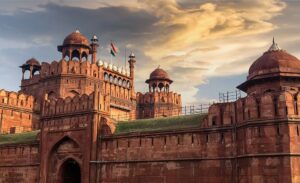
    • Red Fort (1639-1648): Located in Delhi, this massive fortress became the seat of Mughal power.
    • Jama Masjid (1650-1656): One of the largest mosques in India, built in Delhi.
    • Shah Jahanabad: He established the city of Shah Jahanabad, which is today’s Old Delhi.
    • Moti Masjid and Shalimar Gardens: Other architectural marvels that showcase his refined taste.

    Administration and Economic Policies

    Shah Jahan maintained a centralized administration and followed the governance model laid down by Akbar. His rule was characterized by:

    • Efficient Revenue System: The empire’s economy thrived under his policies, with an emphasis on agrarian prosperity.
    • Infrastructure Development: Roads, bridges, and canals were built to facilitate trade and commerce.
    • Religious Policies: While he was a devout Muslim, his rule saw a decline in Akbar’s policy of religious tolerance. He reimposed certain taxes on non-Muslims, which strained relations with Hindus.
    shah jahan

    Personal Life and Tragedy

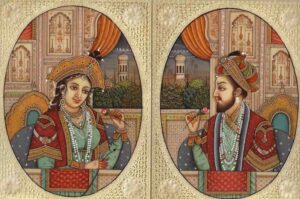
    Shah Jahan’s personal life was marked by deep love and loss. His marriage to Mumtaz Mahal, a Persian noblewoman, was a love story that became legendary. She was his trusted advisor and constant companion. Tragically, she died in 1631 while giving birth to their 14th child, leaving Shah Jahan devastated. To honor her memory, he commissioned the Taj Mahal, which took over two decades to complete.

    His later years were troubled by illness and political strife. His four sons—Dara Shikoh, Aurangzeb, Shah Shuja, and Murad Baksh—engaged in a bitter succession war. Ultimately, Aurangzeb emerged victorious, deposing Shah Jahan in 1658 and imprisoning him in the Agra Fort, where he spent the last eight years of his life gazing at the Taj Mahal from a window.

    Death and Legacy

    Shah Jahan passed away on January 22, 1666, and was buried beside Mumtaz Mahal in the Taj Mahal. His legacy endures through his contributions to architecture, governance, and the cultural development of India.

    Shah Jahan remains one of the most celebrated Mughal emperors, known for his vision, artistic brilliance, and romantic devotion. His era symbolizes the peak of Mughal grandeur, leaving an indelible mark on India’s history and culture.

    ALSO READ THIS: Tuhin Kanta Pandey: Powering India’s Financial Growth with 35+ Years of Excellence”

  • Chhatrapati Shivaji: An Amazing Journey Through Empire and Rule.

    Chhatrapati Shivaji: An Amazing Journey Through Empire and Rule.

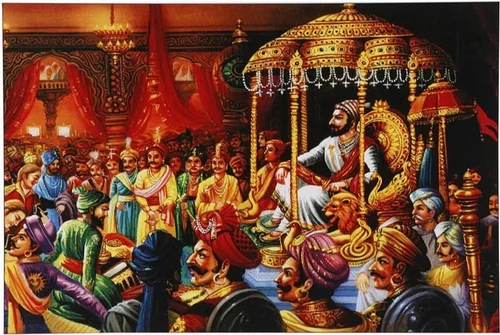
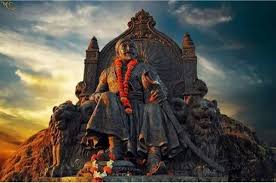
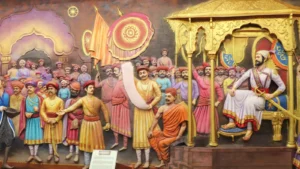
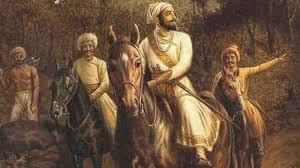
    Chhatrapati Shivaji: Chhatrapati Shivaji Maharaj (1630–1680) was a legendary warrior king and the founder of the Maratha Empire in India. He is known for his bravery, military tactics, and vision of Swarajya (self-rule). He fought against the Mughal Empire and other regional powers to establish an independent kingdom based on justice, good governance, and religious tolerance.

    details on Chhatrapati Shivaji?
    Details on Chhatrapati Shivaji?

    He is remembered as a symbol of courage, leadership, and nationalism. His governance principles influenced many later freedom fighters, including Bal Gangadhar Tilak and Mahatma Gandhi.

    Where Did He Spend His Early Life and How Was Chhatrapati Shivaji Upbringing?

    Shivaji Maharaj was born on February 19, 1630, at Shivneri Fort (Maharashtra), a well-protected fort near Pune. His father, Shahaji Bhosale, was a military general under the Bijapur Sultanate, and his mother, Jijabai, was deeply religious and played a crucial role in shaping his character. Shivaji was raised in Pune, where his mother and mentor, Dadoji Kondadev, supervised his education and training.

    Where Did He Spend His Early Life and How Was His Upbringing?
    Where Did He Spend His Early Life and How Was Chhatrapati Shivaji Upbringing?

    Jijabai instilled in him Hindu values, stories of the Ramayana and Mahabharata, and the dream of Swarajya (self-rule). He was trained in warfare, horse riding, sword fighting, and archery. He also learned administration, politics, and diplomacy under Dadoji Kondadev. Jijabai was his biggest inspiration, guiding him with moral values, strategic thinking, and devotion to the welfare of his people. She often told him stories of great warriors like Rama, Krishna, and Arjuna, fueling his vision to fight for independence.

    How Did Chhatrapati Shivaji Establish the Maratha Empire?

    Shivaji Maharaj laid the foundation of the Maratha Empire through strategic military conquests, guerrilla warfare, and strong administration. At the age of 15, Shivaji began capturing forts from the Bijapur Sultanate. His first major conquest was Torna Fort (1645), followed by Rajgad, Kondhana (Sinhagad), and Purandar Forts. This marked the beginning of Swarajya (self-rule).

    How Did Chhatrapati Shivaji Establish the Maratha Empire?
    How Did Chhatrapati Shivaji Establish the Maratha Empire?

    What Were Chhatrapati Shivaji Major Military Strategies?

    Chhatrapati Shivaji Maharaj was a military genius who used innovative strategies to fight against the Mughals, Adilshahis, and other enemies. Some of Chhatrapati Shivaji military strategies include:

    1. Guerrilla Warfare (Shiv Sutra):
      Shivaji used hit-and-run attacks, small raids, and ambushes as his most effective war tactics. He launched surprise attacks on enemy camps and made quick retreats into forests or mountains. He utilized the rugged Sahyadri hills for swift movement and hiding from enemies, avoiding direct battles with larger armies. Instead, he focused on attrition warfare.

    2. Fort Warfare (Ganimi Kava):
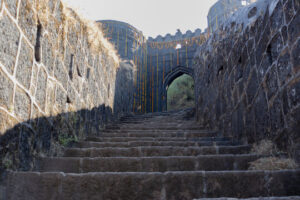
      Shivaji used forts as both defensive and offensive weapons. He built and captured over 300 forts, including Raigad, Pratapgad, and Sinhagad. He developed hidden tunnels, water reservoirs, and food storage inside forts for long battles. Small, well-trained forces inside forts were used to trap and weaken enemies.

    3. Psychological Warfare & Surprise Attacks:
      Shivaji weakened the enemy’s morale before attacking by spreading false rumors to confuse them. He attacked enemy supply chains and communication lines and used fake retreats to lure enemies into traps.

      What Were His Major Military Strategies?
      What Were His Major Military Strategies?
    4. Naval Warfare (First Indian Naval Force):
      He created India’s first strong navy to protect the coastal areas, building sea forts like Sindhudurg and Vijaydurg to control the Konkan coast. He used fast-moving warships to attack Portuguese, Dutch, and British naval forces and ensured trade security by protecting merchant ships from pirates.

    5. Fast Cavalry Movement (Mavalas Troops):
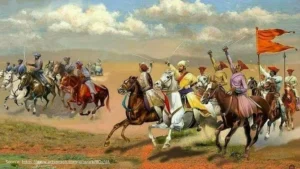
      Shivaji used small, highly mobile cavalry units for quick raids. The Maratha cavalry was trained to attack, loot supplies, and disappear quickly. They avoided fighting in open battles, where the Mughals and Bijapur had stronger armies. Instead, they used forest and mountain routes to avoid enemy detection.

    6. Defensive Retreats and Diplomacy:
      Shivaji knew when to fight and when to retreat strategically. When faced with strong enemies, he signed peace treaties to regain strength. He used diplomacy to play enemies against each other (e.g., Mughals vs. Adilshahis) and always ensured minimal loss of his own army before launching a major attack.

    Details of His Governance and Administration

    Shivaji Maharaj’s administration was well-structured, efficient, and focused on justice, military strength, and economic growth. He established the Ashta Pradhan Mandal (Council of Eight Ministers) for governance and introduced a fair revenue system to support farmers. His military administration was disciplined, with a strong army and navy to protect the kingdom. He promoted religious tolerance, local self-governance, and strict anti-corruption policies, ensuring a stable and independent Maratha Empire. His governance laid the foundation for a strong and self-reliant rule.

    Chhatrapati Shivaji
    Chhatrapati Shivaji

    Why Do We Celebrate Chhatrapati Shivaji Maharaj Jayanti?

    Shivaji Maharaj Jayanti is celebrated to honor the birth anniversary of Chhatrapati Shivaji Maharaj, the great warrior king and founder of the Maratha Empire. He is remembered for his bravery, military genius, and vision of Swarajya (self-rule). The day is observed to inspire people with his leadership, patriotism, and principles of justice and good governance. Celebrations include processions, cultural programs, and tributes, especially in Maharashtra, where he is a symbol of pride and valor. His legacy continues to motivate generations.

    Shivaji Maharaj Jayanti
    Shivaji Maharaj Jayanti

    Why Is He an Inspiration for Our Generation?

    Chhatrapati Shivaji Maharaj is an inspiration for the current generation because of his leadership, courage, and vision. He built the Maratha Empire from scratch, fought against powerful enemies with strategy and intelligence, and always prioritized the welfare of his people. His principles of self-rule (Swarajya), good governance, discipline, and religious tolerance are relevant even today. His guerrilla warfare tactics and innovative military strategies teach us resilience and adaptability. Shivaji Maharaj’s fearlessness, respect for all religions, and administrative brilliance continue to inspire leaders, entrepreneurs, and youth to stand for justice, work hard, and lead with integrity.

    Also Read This: Realme P3 Pro: Features, Design, Launch Date, and How to Get It.