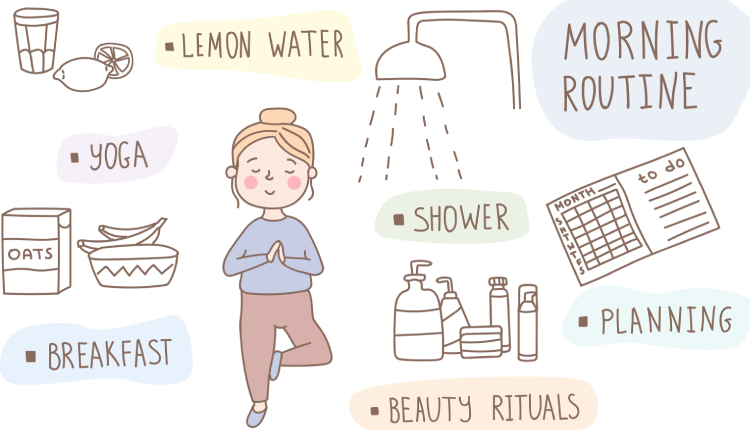
Tag: mental clarity

  • Morning Routine for a Stress-Free Mind

    Morning Routine for a Stress-Free Mind

    Starting your day with intention can transform your mental state, setting a calm and focused tone for the hours ahead. A well-crafted morning routine reduces stress, boosts clarity, and helps you approach challenges with resilience. Here’s a simple, effective routine to cultivate a stress-free mind, designed to fit into busy schedules while promoting mindfulness and well-being.

    Why a Morning Routine Matters

    Mornings are a fresh slate. A deliberate routine primes your brain for positivity, reduces decision fatigue, and anchors you in a sense of control. Studies show that consistent morning habits, like meditation or exercise, lower cortisol levels (the stress hormone) and enhance mood by triggering dopamine release. This routine blends science-backed practices with practical steps to help you start your day feeling grounded.

    The Stress-Free Morning Routine

    1. Wake Up Early (5 Minutes)

    Set your alarm for 30–60 minutes earlier than usual, ideally between 5:30 AM and 7:00 AM, depending on your schedule. Early mornings are quiet, offering uninterrupted time for self-care. Avoid hitting snooze—place your alarm across the room to force you out of bed. Consistency is key; aim to wake up at the same time daily, even on weekends, to regulate your body’s circadian rhythm.

    Wake Up Early
    Morning Routine : Wake Up Early

    Tip: Use a gentle alarm sound, like birds chirping, to ease into waking.

    2. Hydrate and Refresh (5 Minutes)

    Drink a glass of room-temperature water right after waking to rehydrate your body and kickstart metabolism. Add a slice of lemon for a vitamin C boost, which supports immune health and mood. Splash cold water on your face or take a quick shower to invigorate your senses and shake off grogginess.

    Hydrate and Refresh
    Morning Routine : Hydrate and Refresh

    Why It Works: Dehydration increases stress hormones. Morning hydration improves focus and energy.

    3. Mindful Breathing or Meditation (5–10 Minutes)

    Sit in a comfortable position, close your eyes, and practice deep breathing: inhale for 4 seconds, hold for 4, exhale for 6. Do this for 5 minutes to calm your nervous system. Alternatively, try a guided meditation app for 10 minutes, focusing on gratitude or body awareness. Apps like Calm or Insight Timer offer free sessions.

    Mindful Breathing or Meditation
    Morning Routine : Mindful Breathing or Meditation

    Science Bit: Meditation reduces activity in the amygdala, the brain’s stress center, promoting emotional balance.

    4. Gentle Movement (10–15 Minutes)

    Engage in light exercise to get your blood flowing. Options include:

    • Yoga: Try a 10-minute flow with poses like Cat-Cow, Downward Dog, and Child’s Pose to stretch and relax muscles.
    • Walking: A brisk 10-minute walk outside exposes you to natural light, regulating serotonin levels.
    • Stretching: Focus on neck, shoulders, and hips to release tension.

    Avoid intense workouts if stress is high—they can elevate cortisol. Aim for movement that feels energizing but soothing.

    Gentle Movement
    Morning Routine : Gentle Movement

    5. Journal for Clarity (5–10 Minutes)

    Spend a few minutes writing in a journal. Use these prompts to clear mental clutter:

    • What am I grateful for today?
    • What’s one thing I want to accomplish?
    • What’s weighing on my mind, and how can I address it?

    Alternatively, try “morning pages” (freewriting 1–2 pages without editing). This practice offloads worries and fosters creativity.

    Journal for Clarity
    Morning Routine : Journal for Clarity

    Why It Helps: Journaling reduces anxiety by externalizing thoughts, making them easier to manage.

    6. Healthy Breakfast (10–15 Minutes)

    Eat a balanced breakfast with protein, healthy fats, and complex carbs to stabilize blood sugar and sustain energy. Examples:

    • Greek yogurt with berries, nuts, and a drizzle of honey.
    • Avocado toast with a boiled egg and cherry tomatoes.
    • Oatmeal with almond butter, banana, and chia seeds.

    Avoid sugary cereals or skipping breakfast, as they can cause energy crashes and mood swings. Eat mindfully—sit down, chew slowly, and avoid screens.

    Healthy Breakfast
    Morning Routine : Healthy Breakfast

    Nutrition Note: Omega-3s (in nuts or seeds) and antioxidants (in berries) support brain health and stress resilience.

    7. Plan Your Day (5 Minutes)

    Review your calendar or to-do list and prioritize 1–3 key tasks. Write them down to avoid feeling overwhelmed later. Visualize your day briefly: imagine handling challenges calmly and completing tasks with ease. This mental rehearsal boosts confidence and reduces anxiety.

    Hack: Use a simple notebook or app like Todoist to keep your list clear and actionable.

    Plan Your Day
    Morning Routine : Plan Your Day

    Customizing Your Routine

    • Time Crunch: If you’re short on time, cut each step to its minimum (e.g., 2-minute meditation, 5-minute walk). Even 20 minutes of intentional habits makes a difference.
    • Personalize: Swap activities to suit your preferences—swap yoga for dancing or journaling for sketching.
    • Environment: Create a calm space with dim lighting, a comfy chair, or a scented candle to enhance relaxation.

    Common Pitfalls to Avoid

    • Phone Overload: Don’t check emails or social media first thing—it spikes stress. Keep your phone on “Do Not Disturb” until the routine is done.
    • Rushing: Give yourself buffer time to avoid feeling frantic. Prep the night before (e.g., set out clothes or breakfast ingredients).
    • Inconsistency: Stick to the routine for at least 21 days to form a habit. Track progress with a habit app like Habitica.

    Also Read This: CBSE Class 10th 12th Result 2025 : Date, How to Check, and Latest Updates

    The Payoff

    This 45–60 minute routine rewires your brain for calm and focus. Over time, you’ll notice:

    • Lower anxiety and fewer stress-induced reactions.
    • Improved mood and emotional resilience.
    • Better productivity and decision-making.

  • Sugar Detox Results : What Happens When You Stop Eating Sugar for 7 Days

    Sugar Detox Results : What Happens When You Stop Eating Sugar for 7 Days

    Sugar Detox Results

    Cutting sugar from your diet for just one week can lead to surprising changes in your body and mind. Sugar, while delicious, is often linked to health issues like weight gain, inflammation, and energy crashes. A 7-day sugar detox can be a powerful reset, revealing how your body responds without it. Here’s what you can expect when you stop eating sugar for a week, based on science and real experiences.

    Day 1-2: The Sugar Withdrawal Hits

    When you stop consuming sugar, your body may initially protest. Sugar triggers dopamine release, creating a feel-good effect, so cutting it out can lead to withdrawal-like symptoms. You might experience:

    • Cravings: Your brain may crave sugary snacks, especially if you’re used to frequent sweets.
    • Fatigue: Energy dips are common as your body adjusts to stable blood sugar levels.
    • Irritability or Brain Fog: The lack of quick sugar hits can make you feel moody or less focused
    The Sugar Withdrawal Hits
    The Sugar Withdrawal Hits

    Tip: Stay hydrated and eat nutrient-dense foods like avocados, nuts, or eggs to stabilize energy. These early days are tough but temporary.

    Day 3-4: Energy Stabilizes, Skin Improves

    By midweek, your body starts adapting. Without sugar spikes, your blood glucose levels stabilize, leading to:

    • Steadier Energy: No more rollercoaster of sugar highs and crashes. You may feel more alert during the day.
    • Better Skin: Sugar can trigger inflammation, worsening acne or redness. Many notice clearer, less puffy skin by day 4.
    • Reduced Bloating: High sugar intake can cause water retention. Cutting it reduces bloating, especially in the stomach.

    Science Note: Studies show that high sugar consumption increases inflammatory markers like C-reactive protein. A short detox can lower these, easing inflammation.

    Energy Stabilizes, Skin Improves
    Sugar Detox Results : Energy Stabilizes, Skin Improves

    Day 5-7: Mental Clarity and Weight Shifts

    By the end of the week, the benefits become more pronounced:

    • Mental Clarity: Without sugar fogging your brain, focus and decision-making often improve. This is linked to reduced insulin spikes, which can affect cognitive function.
    • Weight Loss: You may lose 1-5 pounds, mostly water weight. Sugar causes glycogen storage, which binds water in the body. Less sugar means less retained water.
    • Better Sleep: Sugar can disrupt melatonin production, affecting sleep quality. Many report deeper, more restful sleep by day 7.
    • Reduced Appetite: Sugar stimulates hunger hormones like ghrelin. Without it, cravings diminish, and you may feel satisfied with smaller portions.

    Real Result: A 2020 study in Nutrients found that reducing added sugars for just one week improved insulin sensitivity and lowered hunger hormones in participants.

    Mental Clarity and Weight Shifts
    Sugar Detox Results : Mental Clarity and Weight Shifts

    Other Benefits You Might Notice

    • Improved Taste Sensitivity: Without sugar overpowering your palate, natural flavors from fruits or vegetables taste sweeter and more vibrant.
    • Mood Stability: Less sugar means fewer mood swings, as blood sugar fluctuations can affect emotional balance.
    • Gut Health: Sugar feeds harmful gut bacteria. A week without it can promote a healthier microbiome, reducing digestive discomfort.

    Challenges to Watch For

    A sugar detox isn’t all smooth sailing. Beyond cravings, you might face:

    • Hidden Sugars: Sugar hides in sauces, breads, and “healthy” snacks. Reading labels is crucial.
    • Social Pressure: Friends or family may tempt you with desserts or sugary drinks.
    • Headaches: Some experience mild headaches as the body detoxes, especially if caffeine is also reduced (many sugary drinks contain it).

    Pro Tip: Replace sugary drinks with herbal teas or infused water to stay hydrated and curb cravings.

    Benefits You Might Notice
    Benefits You Might Notice

    How to Start Your 7-Day Sugar Detox

    • Clear Your Kitchen: Remove candies, sodas, and processed snacks. Stock up on whole foods like veggies, lean proteins, and healthy fats.
    • Read Labels: Avoid anything with added sugars (look for terms like sucrose, fructose, or corn syrup).
    • Plan Meals: Focus on balanced meals with fiber, protein, and fats to keep you full. Think grilled chicken with quinoa and roasted veggies.
    • Manage Cravings: Keep low-sugar fruits like berries or a handful of nuts handy for snack attacks.
    • Track Progress: Journal your energy, mood, and physical changes to stay motivated.


    View this post on Instagram


    A post shared by AVSPOST (@avspost)


    Also Read This: IPL Points Table 2025 Today: Latest Team Rankings and NRR Update

    Is a Sugar Detox Worth It?

    Absolutely. A 7-day sugar detox can kickstart healthier habits, reveal how sugar affects you, and boost overall well-being. Many find that after a week, they don’t miss sugar as much as they thought. It’s a low-risk experiment with high rewards—weight loss, clearer skin, and mental sharpness are just the start.

    Next Steps: If you feel great, consider extending the detox or adopting a low-sugar lifestyle. The World Health Organization recommends keeping added sugars below 10% of daily calories for optimal health. Your body will thank you.