Tag: Maruti Suzuki

  • Maruti Suzuki Victoris 2025 Launched in India : Price, Powertrain Options, and Features

    Maruti Suzuki Victoris 2025 Launched in India : Price, Powertrain Options, and Features

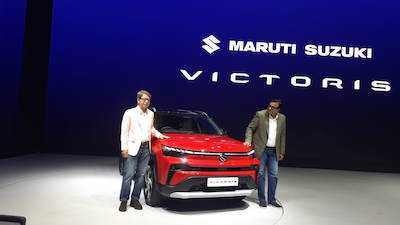
    Maruti Suzuki, India’s leading automaker, has officially launched its much-anticipated midsize SUV, the Maruti Suzuki Victoris, on September 3, 2025. This bold new addition to the company’s Arena lineup is set to redefine the compact SUV segment, offering a compelling blend of style, technology, and affordability. Positioned strategically between the popular Brezza and the premium Grand Vitara, the Victoris is poised to take on heavyweights like the Hyundai Creta, Kia Seltos, and Tata Curvv. Here’s everything you need to know about this exciting launch.

    A Strategic Addition to the Arena Lineup

    The Victoris marks a significant milestone for Maruti Suzuki’s Arena dealership network, which has long relied on the Brezza as its flagship SUV. By introducing a larger, more feature-packed model, Maruti aims to capture the growing demand for midsize SUVs in India, particularly in tier-2 and tier-3 cities where Arena showrooms have a strong presence. Unlike the Grand Vitara, which is sold through the premium Nexa outlets, the Victoris is designed to be accessible yet aspirational, appealing to families and young buyers alike.
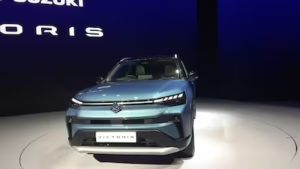
    Maruti Suzuki Victoris 2025 Launched in India
    Maruti Suzuki Victoris 2025 Launched in India

    Design: Bold and Distinctive

    The Victoris boasts a fresh design that draws inspiration from the Grand Vitara but carves its own identity. Its sleek, curvaceous silhouette sets it apart from the boxier Brezza, while a sporty crossover stance gives it a modern edge. The front fascia features sharp LED headlights and distinctive daytime running lights, complemented by a bold grille that exudes confidence. At the rear, a connected LED tail-lamp design adds a touch of sophistication, reminiscent of premium SUVs but tailored to Maruti’s mass-market ethos.

    Measuring between 4.2 and 4.3 meters in length, the Victoris is slightly larger than the Grand Vitara, offering generous cabin space and a competitive boot capacity. While it retains a five-seat layout, spy shots of test mules have sparked rumors of a potential three-row variant in the future, which could further broaden its appeal.

    Powertrains: Versatile and Efficient

    Maruti Suzuki has equipped the Victoris with a range of powertrains borrowed from the Grand Vitara, ensuring reliability and efficiency. Buyers can choose from:

    • 1.5L Naturally Aspirated Petrol: Delivering approximately 103 PS and 139 Nm of torque, this engine is paired with a 5-speed manual or a 6-speed automatic transmission. An optional AllGrip AWD system enhances its versatility-Aldrich capability for select trims.
    • 1.5L Strong Hybrid: Producing around 116 PS, this petrol-hybrid option comes with an e-CVT transmission, offering superior fuel efficiency for eco-conscious drivers.
    • 1.5L CNG: A factory-fitted underbody CNG tank ensures minimal compromise on boot space, making the Victoris a practical choice for cost-conscious buyers. It delivers around 88 PS in CNG mode.

    This multi-powertrain strategy caters to diverse preferences, from performance enthusiasts to those prioritizing fuel economy.

    Features: Packed with Innovation

    The Victoris sets a new benchmark for Maruti Suzuki with its extensive feature list, including several segment-firsts. It is the brand’s first SUV in India to offer Level-2 ADAS, featuring adaptive cruise control, lane departure warning, and automatic emergency braking. The cabin is loaded with premium amenities, such as:
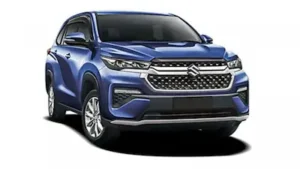
    Maruti Suzuki Victoris 2025 Launched in India
    Maruti Suzuki Victoris 2025 Launched in India
    • A 9-inch or 10-inch touchscreen infotainment system with wireless Android Auto and Apple CarPlay.
    • A premium Dolby Atmos audio system.
    • Ventilated front seats and automatic climate control.
    • A panoramic sunroof for an airy, open feel.
    • A 360-degree camera, heads-up display, and connected car technology.
    • A powered tailgate for added convenience.

    Safety is a priority, with standard features like six airbags, ABS with EBD, electronic stability control, and ISOFIX mounts. The Victoris is also expected to achieve a 5-star Bharat NCAP rating, reinforcing Maruti’s commitment to passenger safety.

    Pricing and Positioning

    The Victoris is priced competitively, with estimates ranging from ₹9.75 lakh to ₹20 lakh (ex-showroom). This strategic pricing positions it as a more affordable alternative to the Grand Vitara while offering features that rival pricier competitors. By leveraging the Arena network’s extensive reach, Maruti aims to make the Victoris a volume driver in the midsize SUV segment.

    Competition and Market Impact

    The Victoris enters a fiercely competitive segment, going head-to-head with the Hyundai Creta, Kia Seltos, Skoda Kushaq, Volkswagen Taigun, and Honda Elevate. Its combination of advanced technology, multiple powertrain options, and Maruti’s trusted reliability gives it a strong edge. The inclusion of a CNG variant and a hybrid option further broadens its appeal, especially in a market increasingly focused on fuel efficiency and sustainability.

    The Toyota Connection

    Given Maruti Suzuki’s partnership with Toyota, there’s speculation about a rebadged Toyota version of the Victoris, which could slot between the Urban Cruiser Hyryder and Taisor. While not confirmed, such a move would strengthen Toyota’s compact SUV lineup and deepen the collaboration between the two brands.
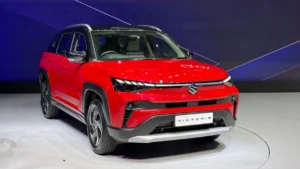
    Maruti Suzuki Victoris 2025 Launched in India
    Maruti Suzuki Victoris 2025 Launched in India

    Why the Victoris Matters

    The launch of the Victoris is a strategic move by Maruti Suzuki to strengthen its SUV portfolio at a time when consumer demand for utility vehicles is soaring. Timed to coincide with the festive season, the launch is expected to capitalize on positive market sentiment. By offering a feature-rich, competitively priced SUV through its Arena dealerships, Maruti is poised to capture a significant share of the midsize SUV market.

    Also Read This : TVS Apache 2025 : Latest Updates and Features for the Iconic Motorcycle Series

    The Maruti Suzuki Victoris is more than just a new SUV—it’s a statement of intent. With its blend of modern design, cutting-edge technology, and versatile powertrains, it’s set to appeal to a wide range of buyers, from urban professionals to families in smaller cities. As Maruti Suzuki continues to innovate and expand its SUV offerings, the Victoris could well become a game-changer in India’s automotive landscape.
  • Tata Motors Share 2025: Comprehensive Analysis of Its Share Performance and Future Prospects

    Tata Motors Share 2025: Comprehensive Analysis of Its Share Performance and Future Prospects

    Tata Motors Share Limited, a flagship company of the Tata Group, is one of India’s largest automotive manufacturers. Established in 1945, the company has evolved into a global leader in automobile manufacturing, producing a wide range of vehicles, from commercial trucks to passenger cars and electric vehicles. Over the years, Tata Motors has garnered significant attention in the stock market due to its robust performance and ambitious growth strategies. This article delves into the performance of Tata Motors shares, the factors influencing their valuation, and the company’s future prospects.

    Performance of Tata Motors Shares

    Tata Motors’ shares have shown a volatile but upward trajectory over the years. Listed on both the Bombay Stock Exchange (BSE) and the National Stock Exchange (NSE) in India, the stock has been a key component of major indices such as the Nifty 50 and BSE Sensex. Additionally, the company’s American Depositary Receipts (ADRs) are traded on the New York Stock Exchange (NYSE), showcasing its global appeal.

    Tata Motors Share

    Historical Performance

    Historically, Tata Motors shares have seen significant fluctuations driven by market trends, global economic conditions, and internal corporate developments. For instance, during the early 2000s, the company gained attention with its acquisition of Jaguar Land Rover (JLR) from Ford Motor Company. This acquisition, though initially a financial strain, eventually paid off as JLR contributed significantly to Tata Motors’ revenues and profits.

    However, the global economic slowdown in 2008-2009 impacted the automotive sector severely, causing a decline in Tata Motors’ share price. Post-2010, the company witnessed a revival, driven by JLR’s strong performance in international markets such as China and the US. More recently, the stock experienced a dip during the COVID-19 pandemic due to disruptions in supply chains and a slump in consumer demand. Nevertheless, it has since rebounded strongly, reflecting the company’s resilience and adaptability.

    Current Trends

    As of January 2025, Tata Motors’ shares have shown remarkable growth, supported by the company’s strategic focus on electric vehicles (EVs), cost optimization, and digital transformation. The stock has attracted both retail and institutional investors, with trading volumes remaining high. Analysts have noted that Tata Motors’ focus on sustainable mobility and its commitment to achieving net-zero emissions by 2045 are key drivers of its current valuation.

    Tata Motors Share

    Factors Influencing Tata Motors Share Performance

    Several factors contribute to the performance of Tata Motors shares, ranging from internal corporate strategies to macroeconomic conditions. Below are some of the key drivers:

    1. Electric Vehicle Revolution

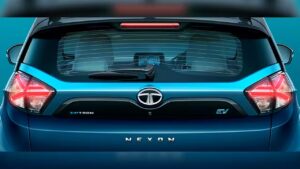
    The global shift towards electric mobility has been a game-changer for Tata Motors. The company’s EV offerings, such as the Tata Nexon EV and Tigor EV, have gained significant market share in India. Tata Motors’ subsidiary, Tata Passenger Electric Mobility Limited, has also announced plans to launch 10 new EV models by 2026. This aggressive push into the EV segment has bolstered investor confidence, making Tata Motors a key player in the EV space.

    2. Jaguar Land Rover’s Performance

    JLR remains a critical component of Tata Motors’ revenue stream. While JLR faced challenges during the pandemic due to semiconductor shortages and declining demand, it has bounced back with strong sales of luxury SUVs and electric models like the Jaguar I-PACE. The brand’s focus on electrification and luxury innovation is expected to drive future growth.

    3. Indian Automobile Market Growth

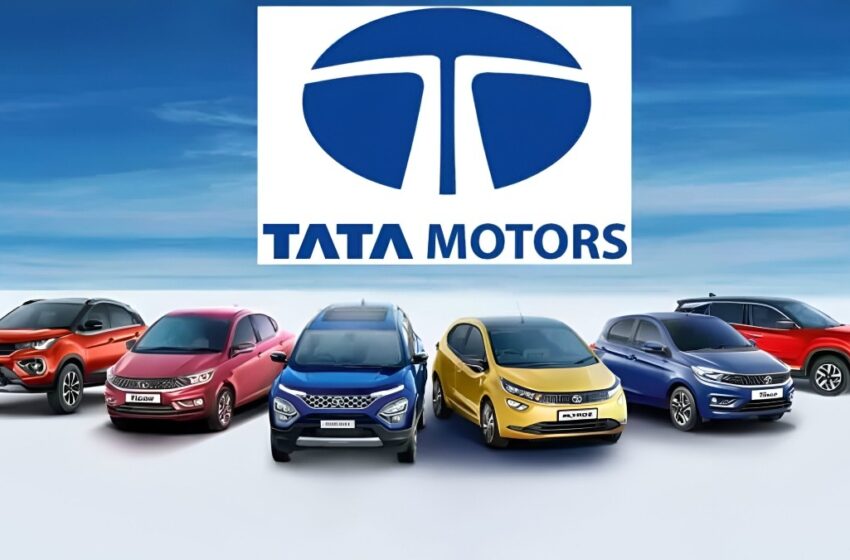
    India’s automobile market is one of the fastest-growing globally, driven by increasing disposable incomes and urbanization. Tata Motors has capitalized on this growth by introducing affordable and feature-rich vehicles in the passenger car segment. The company’s popular models, such as the Tata Tiago, Altroz, and Harrier, have garnered positive reviews and robust sales figures.

    4. Government Policies and Incentives

    The Indian government’s push for electric vehicles through initiatives like the Faster Adoption and Manufacturing of Hybrid and Electric Vehicles (FAME) scheme has benefited Tata Motors significantly. Subsidies, tax benefits, and infrastructure development for EVs have provided a favorable environment for the company to expand its EV portfolio.

    5. Global Economic Conditions

    Global economic trends, including oil prices, currency fluctuations, and trade policies, also impact Tata Motors’ share performance. For instance, rising oil prices have spurred demand for EVs, indirectly benefiting Tata Motors. On the other hand, geopolitical tensions and inflationary pressures could pose risks to the company’s international operations.

    Tata Motors Share

    Challenges and Risks

    Despite its strong performance, Tata Motors faces several challenges that could impact its share price:

    1. Semiconductor Shortage

    The global shortage of semiconductor chips has disrupted automobile production worldwide. Tata Motors has not been immune to this issue, with delays in vehicle deliveries affecting customer satisfaction and revenue.

    2. Competitive Landscape

    The automotive industry is highly competitive, with global giants like Tesla, Toyota, and Volkswagen investing heavily in EV technology. Domestic rivals such as Mahindra & Mahindra and Maruti Suzuki are also ramping up their EV capabilities, posing a challenge to Tata Motors’ market share.

    3. Regulatory Risks

    Stringent emission norms and safety regulations could increase production costs, affecting profit margins. Additionally, uncertainties around trade policies and tariffs could impact JLR’s international sales.

    Tata Motors Share

    Future Outlook

    The future of Tata Motors appears promising, driven by its strategic initiatives and favorable market trends. Here are some factors contributing to its optimistic outlook:

    1. Expansion in Electric Mobility

    Tata Motors’ aggressive EV strategy positions it as a leader in India’s nascent but rapidly growing EV market. The company’s partnership with Tata Power for charging infrastructure and its focus on localized battery manufacturing are expected to strengthen its EV ecosystem.

    2. Global Growth Opportunities

    With JLR’s strong presence in luxury markets and its pivot towards electrification, Tata Motors is well-positioned to capitalize on global trends. The company’s investments in advanced technologies, such as autonomous driving and connected vehicles, further enhance its growth prospects.

    3. Improved Financial Health

    Tata Motors has undertaken several measures to improve its financial health, including cost-cutting initiatives, debt reduction, and divestment of non-core assets. These efforts have resulted in improved cash flows and profitability, making the company more attractive to investors.

    4. Sustainability Initiatives

    The company’s commitment to sustainability, including its net-zero emissions goal and investments in renewable energy, aligns with global ESG (Environmental, Social, and Governance) trends. This focus is likely to attract ESG-conscious investors, further boosting its share price.

    Tata Motors Share

    Conclusion

    Tata Motors has emerged as a formidable player in the global automotive industry, backed by its strong brand, innovative products, and strategic vision. While challenges such as semiconductor shortages and intense competition persist, the company’s focus on electric mobility, luxury innovation, and sustainability provides a solid foundation for future growth.

    For investors, Tata Motors shares represent a compelling opportunity, given their potential for long-term value creation. However, as with any investment, it is crucial to consider the associated risks and conduct thorough research before making decisions. With its strong fundamentals and ambitious plans, Tata Motors is poised to drive into a promising future, making it a stock to watch in the coming years.

    Tata Motors stands at the cusp of transformation, driven by its vision for innovation, sustainability, and global leadership. While challenges persist, the company’s strategic initiatives and market positioning provide a strong foundation for long-term growth. For investors and stakeholders, Tata Motors represents a dynamic and evolving opportunity, reflecting the broader shifts in the global automotive industry.

    ALSO READ THIS: Imposter Syndrome 2025: The Year You Conquer Imposter Syndrome and Thrive”

  • Top trending Automobile Industry: Biggest trends in automobile industries and list of best Indian automobile industry for cars. 

    Top trending Automobile Industry: Biggest trends in automobile industries and list of best Indian automobile industry for cars. 

    Automobile industry: Today the growth and trends of automobile is taking pace with the growing use of AI, sustainable development, and machine learning. It is also at a transformation phase with growing or changing customer preferences and technology innovations.

    The automobile industry Today are considered as the world’s largest revenue and profit industry.

    What are the Biggest and latest trend in Automobile Industries?

    Some of the biggest trend of automobile industries are-

    1. Introduction of self-driving car.
    2. Increased use of artificial intelligence.
    3. Improvement of vehicles fuel efficiency.
    4. Analysed data and information’s.
    5. The rise of environmental concerns.
    6. Good investment for good manufacturing demands.
    7. Betterment in immersive technology.
    8. Raised safety features (like airbag, anti-lock, and electronic control).
    9. The Shifting automobile industries to electric vehicle (EVs).
    10. Reduced cost of mobility through shared vehicles.
    Automobile Industries
    Automobile Industries

    Things to keep in mind while buying an automobile vehicle are.

    Some things to keep in mind while buying a car are.

    1. Setting up a budget.
    2. Inspection of car before buying.
    3. Test drive for checking handling and performance of a car.
    4. Check the safety features in the car.
    5. Inspect its size and type.
    6. Check its insurance and guaranty.
    7. To see its resale value.
    8. To know the vehicle is CNG, petrol or diesel.
    9. Negotiating in the price while before finalizing the deal.
    10. Check the car or its ownership history.
    Things to keep in mind while buying
    Things to keep in mind while buying

    Top 10 most popular and used automobile industry in India for car.                 

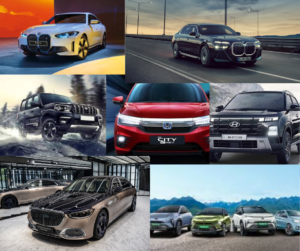
    1. Maruti Suzuki- This is an Indian subsidiary of Japanese automaker.th Suzuki. It is the largest automobile manufacturer of India. Its speciality is small and sustainable cars. The Maruti Suzuki India Limited was founded in 24 February 1981 in Gurugram. It headquarters is in Delhi.
    2. TATA Motors- It is a global car manufacturing utility vehicle. They are the number one automobile company and top three in the Indian list. It was founded in Mumbai 1945. It headquarters is in Mumbai.
    3. Volkswagen- It is a Germany automobile company. It was founded in 28 may 1937, in berlin, Germany. It is one of the world and India’s top leading companies. It headquarters is in Germany.
    4. Ford- It is an American automobile company. It was founded by Henry Ford on 16 June 1903, in Detroit, Michigan, united state. Its headquarters is in united state.
    5. Hyundai- This is a Korean automobile company. It is one of the globally recognized automobile companies, with production over 200 countries. It was founded in 29 December 1967. Its headquarters is in Seoul, south Korea.
    6. Honda motor- It was founded in 24 September 1948, in Japan. It one of the leading automobile companies of world. There headquarter is in Minato, Tokyo, Japan.
    7. Mahindra and Mahindra- This company was founded in Ludhiana on 2 October 1945. Mahindra is on of the India’s leading with it headquarter in Mumbai, Maharashtra.
    8. Mercedes- it is a German company producing luxury and commercial vehicle. It was founded in 28 June 1926.its headquarter is in Stuttgart, Germany.
    9. BMW- It is also German company producing premium cars and motorcycles. It was founded on 7 march 1916. It headquarters is in Munich, Germany. This is also home for BMW, Mini, Rolls Royce and BMW Motorrad Brands.
    10. Kia- It is oldest manufacturing company of motor vehicles. This was founded on 11 December 1944.its headquarters is in Seoul, south Korea.
    Most popular and used automobile industry in India for car
    Most popular and used automobile industry in India for car

    Some other popular automobile industries for cars are General Motors, Tesla, Stellantis, Ferrari, Porsche, and Škoda Auto.

    Also Read This: Big ups and downs in the Stock Market: After the fall, Sensex made a tremendous comeback of 550 points

    Top 10 most popular and used automobile industry in India for Bikes.

    Most popular and used automobile industry for bikes are Hero MotoCorp, Honda Motorcycle and scooter, Bajaj Auto, Royal Enfield, KTM India, Yamaha, Suzuki, TVS Raider, Ola electric, Kawasaki, Ducati, Harley-Davidson, India Motorcycle, SCOTT, and Cannondale.