Tag: innovation

  • 10 Years of Startup India : A Decade of Innovation and Enterprise

    10 Years of Startup India : A Decade of Innovation and Enterprise

    Startup India : Today, India celebrates National Startup Day, marking a significant milestone—the 10th anniversary of the Startup India initiative. Launched in 2016 by Prime Minister Narendra Modi, this flagship program has transformed the country into the world’s third-largest startup ecosystem. In a grand event held at Bharat Mandapam in New Delhi, PM Modi addressed entrepreneurs, innovators, and young minds, describing the journey as nothing short of a “revolution.”

    10 Years of Startup India
    10 Years of Startup India

    From Vision to Reality : The Numbers That Inspire

    The progress over the past decade is nothing short of remarkable. Starting with fewer than 500 recognized startups in 2016, India now boasts more than 200,000 DPIIT-certified ventures. Among them, over 125 companies have achieved unicorn status, collectively valued at over $350 billion.

    These startups have become engines of employment, creating more than 2.1 million direct jobs across diverse sectors. Notably, 2025 alone saw the registration of around 44,000 new startups—a record-breaking surge. What’s even more encouraging is the democratization of entrepreneurship: over half of these ventures now originate from Tier-2 and Tier-3 cities, proving that innovation thrives beyond metropolitan hubs.

    This inclusive growth reflects the core philosophy of Atmanirbhar Bharat—a self-reliant India built on local talent, ideas, and determination.

    Voices from the Top : Insights from PM Modi’s Speech

    Addressing a gathering of founders, investors, and young innovators, the Prime Minister emphasized how the mindset of the nation has shifted dramatically. “Entrepreneurship is no longer an alternative path—it has become the preferred choice for millions of young Indians,” he noted. Today’s youth are not merely seeking jobs; they are creating solutions for pressing challenges in healthcare, agriculture, education, sustainability, and beyond.

    He highlighted the cultural transformation: taking calculated risks is now celebrated rather than feared. The Prime Minister also outlined the road ahead, placing strong emphasis on emerging frontiers such as artificial intelligence, deep technology, space exploration, and defense innovation. He urged startups to prioritize quality, scalability, and global standards, reminding everyone that today’s bold research will become tomorrow’s valuable intellectual property.

    10 Years of Startup India
    10 Years of Startup India : PM Modi’s Speech

    Why This Decade Matters More Than Ever

    Startup India has done far more than provide funding or tax benefits. It has fostered an ecosystem of mentorship, incubators, regulatory ease, and investor confidence. Programs like seed funding schemes, credit guarantees, and women-led startup initiatives have ensured that opportunities reach every corner of the country.

    The ripple effects are visible in everyday life—from fintech apps simplifying payments in rural areas to agritech solutions boosting farmer incomes, and edtech platforms democratizing education. These ventures are not just building businesses; they are solving real problems and contributing to a Viksit Bharat (Developed India) by 2047.

    Startup India : The Next Chapter

    As we close this celebratory day, the message is clear: the first ten years were about laying strong foundations; the next decade will be about scaling new heights. With continued government support, private investment, and the unstoppable spirit of Indian entrepreneurs, the startup ecosystem is poised to lead global innovation in critical areas.

    Also Read This : How Your Food Habits Reflect Your Skin : A Science-Backed Guide to Clearer, Healthier Skin

    Whether you’re a student with a groundbreaking idea, a professional dreaming of independence, or someone passionate about impact—the time to act is now. India’s startup story is still being written, and there’s room for every dreamer to add their chapter.


  • Meta AI in Defence : How Meta is Revolutionizing Military Tech with AR & AI

    Meta AI in Defence : How Meta is Revolutionizing Military Tech with AR & AI

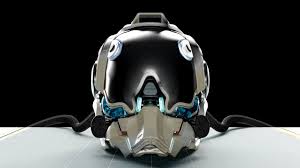
    Meta AI in Defence, the tech giant behind globally recognized social media platforms like WhatsApp, Facebook, and Instagram, is reportedly venturing into uncharted territory: the defense industry. Known for its expertise in connecting billions of people through digital platforms, Meta is now poised to make waves in military technology by developing advanced, high-tech helmets and glasses for the U.S. military. This strategic pivot signals a significant shift in the company’s vision, blending its cutting-edge technological prowess with the rigorous demands of defense applications.

    Meta’s New Venture: High-Tech Military Gear

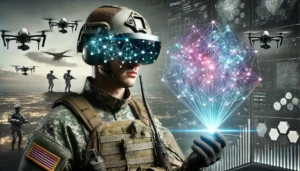
    According to recent reports, Meta is gearing up to design and manufacture specialized helmets and glasses equipped with state-of-the-art features for the U.S. armed forces. These are not ordinary pieces of equipment but are expected to integrate advanced technologies, potentially including augmented reality (AR), heads-up displays (HUDs), and enhanced communication systems. Such innovations could provide soldiers with real-time battlefield data, improved situational awareness, and seamless coordination during operations.

    Meta AI in Defence
    Meta AI in Defence

    The move aligns with Meta’s long-standing investment in AR and virtual reality (VR) technologies, as seen in products like the Oculus VR headsets and its broader metaverse ambitions. By leveraging its expertise in immersive tech, Meta aims to create military-grade equipment that could redefine how soldiers interact with their environment, making operations safer and more efficient.

    Why Defense? A Strategic Shift for Meta

    Meta’s entry into the defense sector may seem surprising, given its roots in social media, but it reflects a growing trend among tech giants exploring opportunities in defense contracts. Companies like Microsoft and Google have previously secured contracts to supply technology to military forces, from cloud computing to AI-driven solutions. For Meta, this move could diversify its portfolio, reduce reliance on ad-driven revenue, and position it as a key player in the lucrative defense market.

    Meta AI in Defence
    Meta AI in Defence

    The decision also comes at a time when Meta is facing scrutiny over privacy concerns and regulatory challenges in its core social media business. By pivoting to defense, Meta could tap into a new revenue stream while showcasing its ability to innovate in high-stakes, mission-critical environments.

    What to Expect from Meta’s High-Tech Helmets and Glasses

    While specific details about the helmets and glasses remain under wraps, industry experts speculate that Meta’s products will incorporate cutting-edge features, such as:

    • Augmented Reality (AR) Displays: Providing soldiers with real-time overlays of maps, enemy positions, and mission objectives.
    • Enhanced Communication Systems: Secure, encrypted channels for seamless coordination between units.
    • Night Vision and Thermal Imaging: Advanced optics for improved visibility in low-light or adverse conditions.
    • Biometric Monitoring: Sensors to track soldiers’ vitals, ensuring optimal performance and health during missions.
    • Lightweight, Durable Design: Built to withstand harsh environments while remaining comfortable for prolonged use.
    Meta AI in Defence
    Meta AI in Defence

    These features could give U.S. forces a technological edge, blending Meta’s consumer-tech expertise with the rugged requirements of military operations.

    Meta AI in Defence : Challenges and Opportunities

    Entering the defense industry is not without its challenges. Meta will need to navigate strict regulatory standards, rigorous testing protocols, and competition from established defense contractors like Lockheed Martin and Raytheon. Additionally, the company may face public and ethical scrutiny, as partnerships between tech giants and military organizations often spark debates about the militarization of technology.

    However, the opportunities are vast. A successful foray into defense could solidify Meta’s reputation as a versatile innovator, capable of delivering solutions beyond the consumer market. It could also open doors to further government contracts, both in the U.S. and globally, while driving advancements in AR and wearable technology that could eventually trickle down to consumer products.

    The Bigger Picture: Tech Giants in Defense

    Meta’s move is part of a broader trend where technology companies are increasingly collaborating with defense agencies. From Microsoft’s HoloLens for military training to Amazon’s cloud services for the Pentagon, the lines between consumer tech and defense applications are blurring. Meta’s expertise in AR, AI, and connectivity positions it uniquely to contribute to this evolving landscape, potentially reshaping how military technology is developed and deployed.

    Meta AI in Defence
    Meta AI in Defence

    Also Read This: ChatGPT Outage : What Happened and What’s Next?

    Meta’s reported entry into the defense industry marks a bold and ambitious step for the tech giant. By developing high-tech helmets and glasses for the U.S. military, Meta is not only diversifying its business but also pushing the boundaries of what’s possible with AR and wearable technology. As the company ventures into this new frontier, all eyes will be on how it balances innovation, ethics, and the demands of one of the world’s most critical industries. This could be the beginning of a transformative era for Meta, as it moves from connecting people online to empowering soldiers on the battlefield.