Tag: India-Pakistan conflict

  • India-Pakistan conflict : Operation Sindoor and the Shattered Ceasefire

    India-Pakistan conflict : Operation Sindoor and the Shattered Ceasefire

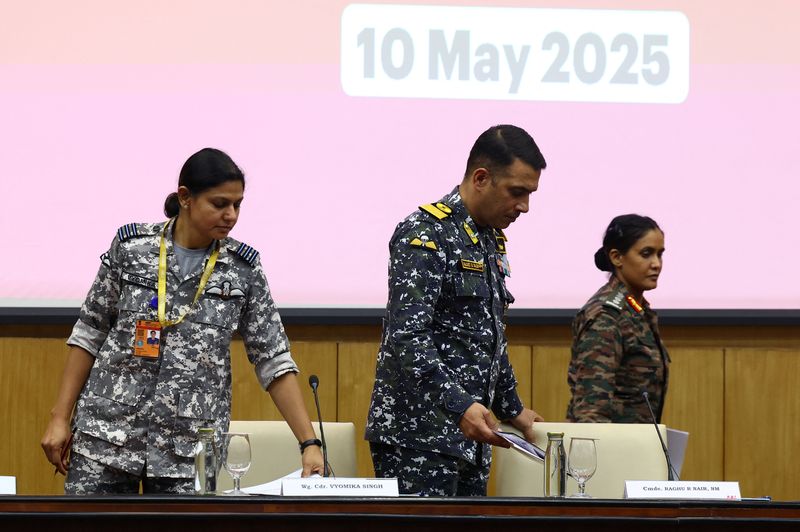
    The India-Pakistan conflict has once again thrust South Asia into a state of high alert, with a fragile ceasefire barely holding the line. The spark? A devastating terror attack on April 22, 2025, in Pahalgam, Kashmir, claiming 26 lives. What followed was a rapid escalation that has left the world watching anxiously.

    Operation Sindoor : India Strikes Back

    On May 7, India launched Operation Sindoor, a bold military operation targeting terror infrastructure in Pakistan and Pakistan-occupied Kashmir (PoK). The strikes hit nine terror camps, including Jaish-e-Mohammad’s stronghold in Bahawalpur, eliminating 35-40 personnel. India’s message was clear: terrorism would face severe consequences. The operation was a direct response to the Pahalgam attack, which New Delhi attributed to Pakistan-backed groups.

    India-Pakistan conflict
    India-Pakistan conflict

    India-Pakistan conflict : Pakistan’s Retaliation

    Pakistan didn’t stay silent. On May 8-9, it launched missile and drone attacks on Indian military bases in Jammu, Udhampur, and Pathankot. Hundreds of Turkish drones, mostly unarmed, tested India’s defenses, with some capturing reconnaissance footage. India’s advanced systems—S-400, Akash, and Barak-8—neutralized the threat, but the provocation was unmistakable. The cost was heavy: two Indian soldiers, including Surendra Singh Moga and BSF Sub-Inspector Md Imteyaz, lost their lives, while Pakistan reported 26 civilian deaths from India’s strikes.

    A Fragile Ceasefire

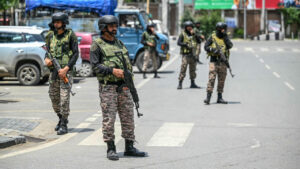
    On May 10, a U.S.-mediated ceasefire brought a temporary pause. But peace was short-lived. By May 11, explosions rocked Srinagar and Jammu, and India accused Pakistan of deploying drones in Barmer, Rajasthan. Pakistan, in turn, claimed India violated the truce. Both nations remain on edge, with India demanding terrorists like Masood Azhar and Hafiz Saeed be handed over, while Pakistan’s troop movements to forward areas hint at further escalation.
    India-Pakistan conflict
    India-Pakistan conflict

    Beyond the Battlefield

    The conflict’s ripples extend far beyond military clashes. India suspended the Indus Waters Treaty, briefly halting water flow from the Baglihar dam, a move with severe implications for Pakistan. Both nations expelled diplomats, canceled visas, and suspended trade. Pakistan closed its airspace, and India abstained from supporting a $1 billion IMF bailout for Pakistan, citing its terrorism links. The human toll is stark: blackouts hit Indian-administered Kashmir, the Indian Premier League paused for a week, and Pakistan’s Twenty20 league was postponed indefinitely.

    The Road Ahead

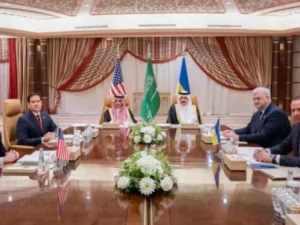
    The India-Pakistan conflict is a stark reminder of deep-rooted tensions, fueled by decades of mistrust and unresolved issues like Kashmir. The ceasefire, brokered with U.S. and Saudi involvement, hangs by a thread. Social media buzzes with reports of diplomatic fallout and troop movements, though misinformation—like false claims of Imran Khan’s death—clouds the narrative.
    The ceasefire, brokered with U.S. and Saudi involvement
    The ceasefire, brokered with U.S. and Saudi involvement

    Also Read This : Meet Flight Lieutenant Shivangi Singh : India’s Trailblazing Rafale Pilot

    As both nations stand at a crossroads, the world hopes for de-escalation. But with mutual accusations and no clear path to dialogue, the risk of renewed conflict looms large. What’s next for India and Pakistan? Only time will tell.
  • India-Pakistan Tensions Escalate Under Operation Sindoor

    India-Pakistan Tensions Escalate Under Operation Sindoor

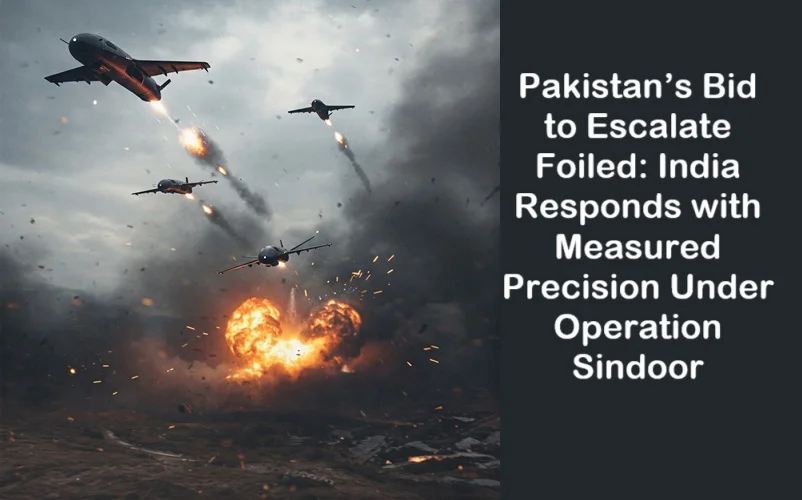
    Operation Sindoor : On April 22, 2025, a horrific terror attack in Pahalgam, Jammu and Kashmir, claimed the lives of 26 civilians, igniting a fresh wave of conflict between India and Pakistan. The attack, attributed to Pakistan-based terror group Jaish-e-Mohammad, prompted India to launch Operation Sindoor, a series of precision airstrikes targeting terror infrastructure across the border. This blog explores the unfolding crisis, its implications, and the delicate balance of power in the region.


    View this post on Instagram


    A post shared by AVSPOST (@avspost)

    `

    Operation Sindoor: India’s Decisive Response

    India’s military response was swift and calculated. Airstrikes hit nine terror launchpads in Pakistan and Pakistan-occupied Kashmir (PoK), neutralizing key Jaish-e-Mohammad operatives, including Abdul Rauf Azhar, a notorious figure linked to the IC-814 hijacking and the 2019 Pulwama attack. The Indian Air Force, leveraging advanced intelligence, ensured minimal collateral damage while crippling terror networks. The operation underscored India’s zero-tolerance policy toward cross-border terrorism, with the government emphasizing its right to self-defense.

    Pakistan’s Retaliation and India’s Defense

    Pakistan retaliated aggressively, launching missiles and drones targeting military installations in 15 Indian cities across Jammu, Punjab, Gujarat, and Rajasthan. However, India’s state-of-the-art S-400 air defense system proved formidable, intercepting missiles and downing drones with precision. A significant blow came when Indian forces shot down a Pakistani F-16 jet near Sargodha and disabled Pakistan’s air defense radar in Lahore. These actions highlighted India’s technological and strategic superiority, though the human cost of the conflict remains a grim reality.

    India-Pakistan Tensions : operation sindoor
    India-Pakistan Tensions : operation sindoor

    The Human and Strategic Toll

    The escalation has not been without loss. At least 16 civilians, including women and children, and one Indian soldier have been killed in the crossfire. Blackouts have been enforced in border states, and 24 airports in northern India are closed, disrupting over 400 flights. The Indian government has banned live media coverage of military operations to curb panic and misinformation, while security measures have been tightened nationwide. On the Pakistani side, unverified reports suggest heavy casualties, adding to the regional instability.

    A Call for De-escalation

    The international community has responded with urgency. U.S. Secretary of State Marco Rubio has engaged both nations, urging restraint and dialogue. Former U.S. President Donald Trump described the conflict as a “tit-for-tat” cycle, expressing hope for resolution. Domestically, voices like PDP leader Mehbooba Mufti have called for diplomacy over military action, emphasizing the suffering in Jammu and Kashmir. The situation remains volatile, with the Indian Air Force on high alert and Pakistan signaling readiness for further retaliation.

    Also Read This: India-Pakistan conflict 

    Looking Ahead

    As tensions simmer, the India-Pakistan conflict under Operation Sindoor serves as a stark reminder of the fragile peace in South Asia. While India’s military prowess has sent a strong message, the path to lasting stability lies in addressing the root causes of terrorism and fostering diplomatic engagement. For now, the region holds its breath, hoping cooler heads prevail in this high-stakes standoff.