Tag: high-tech helmets

  • Why Wearing a Helmet is Non-Negotiable: The Rise of Smart Helmets in 2026

    Why Wearing a Helmet is Non-Negotiable: The Rise of Smart Helmets in 2026

    Smart Helmets in 2026 : Motorcycle and scooter riders often underestimate the importance of wearing a helmets — until it’s too late. In the unfortunate event of an accident, head injuries are among the most dangerous and life-threatening. A high-quality helmets can dramatically reduce the risk of severe trauma and even save your life.

    In India alone, thousands of road accidents occur every year, with head injuries being one of the leading causes of fatalities. This is exactly why traffic laws across the country have made helmet use mandatory. Wearing a helmets is not just a legal requirement — it’s a life-saving habit.

    Why Helmet Matter More Than You Think

    • Helmets protect your skull and brain from direct impact.
    • They absorb shock and prevent fatal injuries in crashes.
    • They also shield your face and eyes from dust, debris, rain, and UV rays.
    • According to road safety data, helmet use can reduce the risk of head injury by up to 70% and the risk of death by 40%.

    Despite these proven benefits, many riders still avoid helmets citing discomfort or style concerns. Modern technology has solved these issues with smart, lightweight, and feature-rich helmets.

    Smart Helmets in 2026
    Smartest Helmets in 2026

    Top Features of Smart & Advanced Helmets in 2026

    The helmets industry has evolved significantly. Today’s smart helmets are no longer just protective gear — they are intelligent riding companions. Here are the most popular features available in the market:

    1. Bluetooth Connectivity

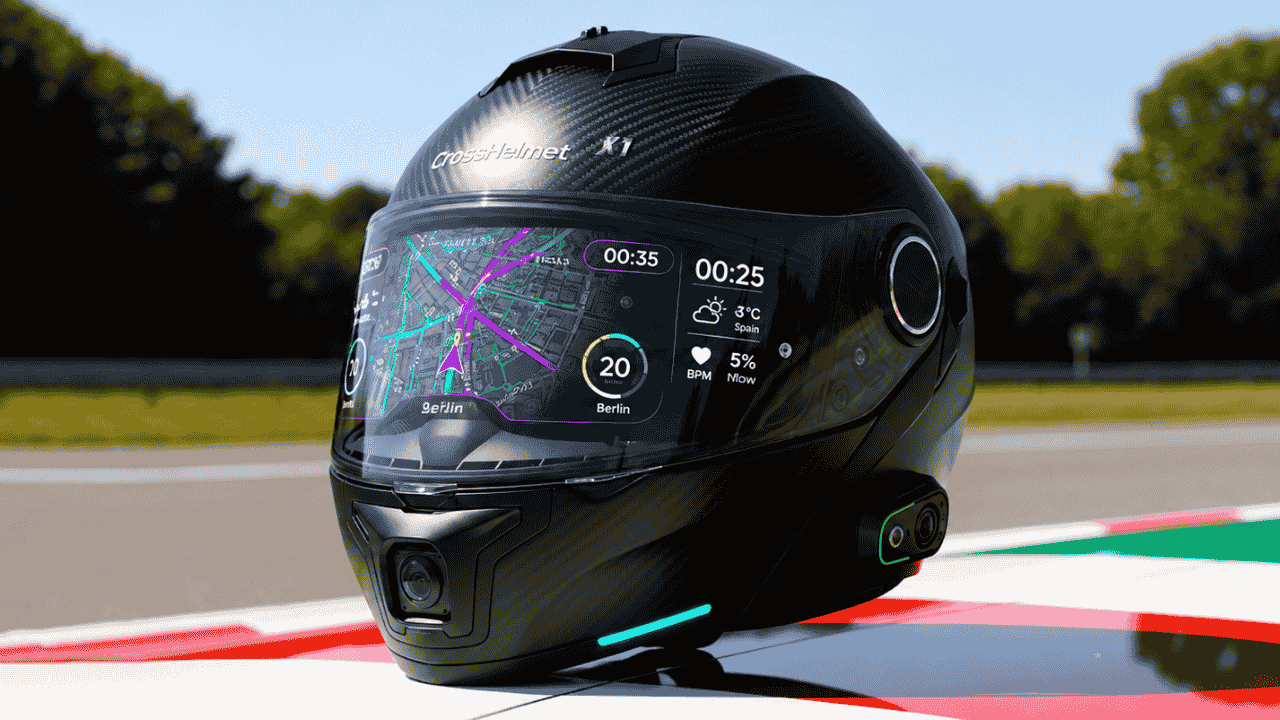
    Built-in Bluetooth allows riders to take calls, listen to music, and follow GPS navigation without removing their hands from the handlebar. Voice commands make the entire experience safe and seamless.

    1. Smart Visor Technology

    Anti-fog, anti-scratch, and UV-protected visors are now standard. Many models come with pinlock systems or even auto-tinting (photochromic) visors that adjust according to light conditions — perfect for day and night riding.

    1. Crash Detection & SOS Alert System

    One of the most life-saving innovations. In case of an accident, the helmet can automatically detect impact and send your live location via SMS or app notification to emergency contacts and family members.

    1. Built-in Camera

    Some premium helmets now feature integrated action cameras (front or dual-facing) that record your rides. This footage can serve as crucial evidence in case of disputes or accidents.

    1. Advanced Ventilation System

    Multi-directional air vents and aerodynamic designs keep your head cool even during long rides in hot weather. Good ventilation significantly reduces fatigue and sweating.

    1. Lightweight yet Strong Materials

    Modern helmets use premium materials like Carbon Fiber, Fiberglass, and high-impact Polycarbonate. These helmets meet international safety standards (ECE, DOT) while weighing much less than traditional ones.

    Top Features of Smart & Advanced Helmets in 2026
    Top Features of Smart & Advanced Helmets in 2026

    Important Buying Tips

    • Always choose a BIS (ISI) certified helmet. Never compromise on safety for style or price.
    • Full-face helmets offer the highest protection compared to half or open-face helmets.
    • Replace your helmets every 3–5 years, even if it looks fine. The protective foam and materials degrade over time.
    • Choose the right size and shape for a snug, comfortable fit.
    • For women and children, opt for specially designed helmets that fit smaller head sizes properly.

    Also Read This : Sonam Zomba Defends Strawweight Title with Dominant Submission Win at MFN 18

    A helmets is the single most important piece of safety equipment for any two-wheeler rider. With the availability of smart helmets packed with useful features, there’s no longer any excuse to ride without one.

    Protect your head. Protect your life. Make helmets wearing a non-negotiable habit every time you ride.

    Ride Safe. Ride Smart.


    View this post on Instagram


    A post shared by AVSPOST (@avspost)

  • Meta AI in Defence : How Meta is Revolutionizing Military Tech with AR & AI

    Meta AI in Defence : How Meta is Revolutionizing Military Tech with AR & AI

    Meta AI in Defence, the tech giant behind globally recognized social media platforms like WhatsApp, Facebook, and Instagram, is reportedly venturing into uncharted territory: the defense industry. Known for its expertise in connecting billions of people through digital platforms, Meta is now poised to make waves in military technology by developing advanced, high-tech helmets and glasses for the U.S. military. This strategic pivot signals a significant shift in the company’s vision, blending its cutting-edge technological prowess with the rigorous demands of defense applications.

    Meta’s New Venture: High-Tech Military Gear

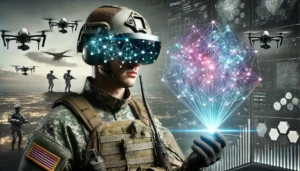
    According to recent reports, Meta is gearing up to design and manufacture specialized helmets and glasses equipped with state-of-the-art features for the U.S. armed forces. These are not ordinary pieces of equipment but are expected to integrate advanced technologies, potentially including augmented reality (AR), heads-up displays (HUDs), and enhanced communication systems. Such innovations could provide soldiers with real-time battlefield data, improved situational awareness, and seamless coordination during operations.

    Meta AI in Defence
    Meta AI in Defence

    The move aligns with Meta’s long-standing investment in AR and virtual reality (VR) technologies, as seen in products like the Oculus VR headsets and its broader metaverse ambitions. By leveraging its expertise in immersive tech, Meta aims to create military-grade equipment that could redefine how soldiers interact with their environment, making operations safer and more efficient.

    Why Defense? A Strategic Shift for Meta

    Meta’s entry into the defense sector may seem surprising, given its roots in social media, but it reflects a growing trend among tech giants exploring opportunities in defense contracts. Companies like Microsoft and Google have previously secured contracts to supply technology to military forces, from cloud computing to AI-driven solutions. For Meta, this move could diversify its portfolio, reduce reliance on ad-driven revenue, and position it as a key player in the lucrative defense market.

    Meta AI in Defence
    Meta AI in Defence

    The decision also comes at a time when Meta is facing scrutiny over privacy concerns and regulatory challenges in its core social media business. By pivoting to defense, Meta could tap into a new revenue stream while showcasing its ability to innovate in high-stakes, mission-critical environments.

    What to Expect from Meta’s High-Tech Helmets and Glasses

    While specific details about the helmets and glasses remain under wraps, industry experts speculate that Meta’s products will incorporate cutting-edge features, such as:

    • Augmented Reality (AR) Displays: Providing soldiers with real-time overlays of maps, enemy positions, and mission objectives.
    • Enhanced Communication Systems: Secure, encrypted channels for seamless coordination between units.
    • Night Vision and Thermal Imaging: Advanced optics for improved visibility in low-light or adverse conditions.
    • Biometric Monitoring: Sensors to track soldiers’ vitals, ensuring optimal performance and health during missions.
    • Lightweight, Durable Design: Built to withstand harsh environments while remaining comfortable for prolonged use.
    Meta AI in Defence
    Meta AI in Defence

    These features could give U.S. forces a technological edge, blending Meta’s consumer-tech expertise with the rugged requirements of military operations.

    Meta AI in Defence : Challenges and Opportunities

    Entering the defense industry is not without its challenges. Meta will need to navigate strict regulatory standards, rigorous testing protocols, and competition from established defense contractors like Lockheed Martin and Raytheon. Additionally, the company may face public and ethical scrutiny, as partnerships between tech giants and military organizations often spark debates about the militarization of technology.

    However, the opportunities are vast. A successful foray into defense could solidify Meta’s reputation as a versatile innovator, capable of delivering solutions beyond the consumer market. It could also open doors to further government contracts, both in the U.S. and globally, while driving advancements in AR and wearable technology that could eventually trickle down to consumer products.

    The Bigger Picture: Tech Giants in Defense

    Meta’s move is part of a broader trend where technology companies are increasingly collaborating with defense agencies. From Microsoft’s HoloLens for military training to Amazon’s cloud services for the Pentagon, the lines between consumer tech and defense applications are blurring. Meta’s expertise in AR, AI, and connectivity positions it uniquely to contribute to this evolving landscape, potentially reshaping how military technology is developed and deployed.

    Meta AI in Defence
    Meta AI in Defence

    Also Read This: ChatGPT Outage : What Happened and What’s Next?

    Meta’s reported entry into the defense industry marks a bold and ambitious step for the tech giant. By developing high-tech helmets and glasses for the U.S. military, Meta is not only diversifying its business but also pushing the boundaries of what’s possible with AR and wearable technology. As the company ventures into this new frontier, all eyes will be on how it balances innovation, ethics, and the demands of one of the world’s most critical industries. This could be the beginning of a transformative era for Meta, as it moves from connecting people online to empowering soldiers on the battlefield.