Tag: creativity

  • 8 Effective Strategies to Create an Positive Attitude Right Now

    8 Effective Strategies to Create an Positive Attitude Right Now

    How to Develop an Positive Attitude : Not everyone who is creative is an artist, writer, or musician. It’s an essential ability for leadership, creativity, problem-solving, and daily life. However, creativity is a mindset you can deliberately cultivate rather than something you are born with. You can discover new ideas, approach problems from different angles, and live a more flexible and imaginative life by developing a creative mindset.

    Here are some tips for developing and fortifying your creative mindset:

    Positive Attitude
    Positive Attitude

    Adopt a curious mindset

    Creativity is based on curiosity. Curious people frequently seek out new experiences, investigate various points of view, and pose questions. To encourage curiosity:

    • Pose additional queries: Investigate further rather than taking things at face value. What causes something to function a certain way? What could be done differently?
    • Investigate new subjects: Attend lectures on topics you don’t know much about, watch documentaries, or read books that aren’t typically your interests.
    • Keep an open mind: Refrain from instantly discounting novel concepts, even if they initially appear odd or unrelated. The most creative ideas can occasionally come from the strangest ones.

    Positive attitude

    Step Outside of Your Comfort Zone

    When you venture beyond routine and familiarity, creativity flourishes. Your brain is stimulated by new experiences, which compels it to create new connections.

    • Try new things: Rearrange your workspace, learn to play an instrument, visit a new city, or even start painting.
    • Meet new people: Engaging with people from diverse backgrounds exposes you to fresh perspectives.
    • Approach problems in a different way: The next time you face a challenge, make a conscious effort to approach it from a different perspective.
    • You become more adaptable when you step outside of your comfort zone, and creative thinking is all about adaptation.
    Positive Attitude

    Encourage Playfulness

    We frequently link creativity to diligence and concentration, but playfulness is equally important. Play promotes experimentation without fear of failure and releases your mind from strict patterns.

    • Play games, draw, or have brainstorming sessions where there are no “wrong” ideas. These are examples of unstructured activities.
    • Laugh frequently because humour encourages unconventional thinking and releases mental blocks.
    • Let yourself be silly: Occasionally, the most insightful thoughts arise from spontaneous outbursts.

    Playful exploration fosters an environment that is conducive to creativity.

    Positive Attitude

    Engage in Mindfulness

    It is difficult to be creative with a cluttered, distracted mind. Being totally present in the moment, or practicing mindfulness, improves awareness and sharpens your mind.

    • Regular meditation can help you focus better and quiet your inner chatter. Even ten minutes a day can help.
    • Practice deep listening by paying close attention during discussions without pre-planning your next move.
    • Take note of your surroundings: Every day, set aside some time to just observe your surroundings objectively.

    In addition to enhancing focus, mindfulness helps you notice details you might otherwise miss.

    Positive Attitude

    Recognise failure as a necessary component of the process

    More than anything else, fear of failure stifles creativity. You will avoid bold, creative ideas if you are overly focused on success or being correct.

    • Rethink failure as a step towards development rather than as a means to an end.
    • Honour your efforts by rewarding yourself for having the guts to try something new as well as for your accomplishments.
    • Learn from your mistakes: Examine what went wrong without criticising yourself, then use the knowledge to make your next attempt better.

    Risk is a part of creativity. Your mind will become more liberated the more at ease you are with imperfection.

    Positive Attitude

    Establish an Invigorating Setting

    Your mental state is greatly influenced by your social and physical surroundings. Your creativity can be stimulated every day.

    • Inspire yourself by surrounding yourself with books, quotes, artwork, and other items that pique your interest.
    • Reduce distractions by turning off pointless alerts and setting aside some quiet time for original thought.
    • Make connections with other creatives by working with people who appreciate innovation, attending workshops, or joining groups.

    A creative mind thrives in an atmosphere that promotes inquiry and expression.

    Positive Attitude

    Make Lifelong Learning a Priority

    In a mind that is constantly growing, creativity thrives. Develop a lifelong love of learning.

    • Enrol in classes: Every subject, from coding to philosophy, expands your creative toolkit.
    • Read widely: Books introduce you to a variety of stories, cultures, and ways of thinking.
    • Continue to be inquisitive about yourself: A major factor in genuine creativity is self-awareness, which is enhanced by personal growth—knowing your feelings, drives, and routines.

    Your brain can form more connections between concepts the more you know.

    Positive Attitude

    Concluding remarks

    The goal of developing a creative mindset is to incorporate creativity into your life on a daily basis by forming habits, attitudes, and behaviours. Adopt resilience, playfulness, mindfulness, and curiosity. Make an inspiring environment, take regular risks, and make a commitment to lifelong learning.

    You’ll be more capable of innovating, resolving issues, and adding distinctive value to everything you do if you do this. Keep in mind that creativity is a practice rather than a gift.

    ALSO READ THIS: Pahalgam is Kashmir’s glittering gem for 8 magical reasons.
  • Procrastination: what is procrastination, why do we procrastinate and how to stop and overcome it.

    Procrastination: what is procrastination, why do we procrastinate and how to stop and overcome it.

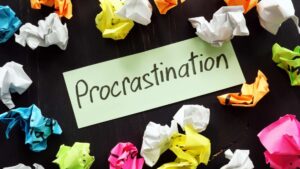
    Procrastination: Procrastination is known as an action in which a person delays and post ponds there work or task which led to stress, low productivity and missing of opportunities. This also trends to a person’s short sense of comfort, distraction or other negative consequence. It is a very common habit in human beings and with self-awareness and affectionally it could be solved.

    What is procastination?
    What is procrastination?

    Types of procrastination.

    Different types of procrastination are: –

    1. Perfectionist procrastination.
    2. Avoidance procrastination.
    3. Decision-making procrastination.
    4. Deadline-Driven procrastination
    5. Busy procrastination.
    6. Overwhelming procrastination.
    7. Impulsive procrastination.
    8. Anxiety-based procrastination.
    9. Pleasure-seeking procrastination.
    10. Passive procrastination.

      Types of procastination.
      Types of procrastination.

    Why do we procrastinate and Reasons behind procrastination?

    The reasons behind procrastination are: –

    • The fear of failure, success and judgement.
    • Be perfectionist.
    • The unrealistic and high standards of doing things or complecting.
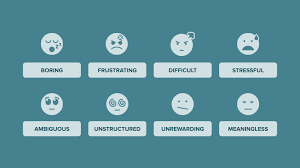
    • Having lack of interest or bored in doing task or work.
    • Worrying about things or anxiety.
    • Prioritizing instant gratification or enjoyment on complecting difficult task or work.
    • Bad time management skills.
    • Poor focus or distraction.
    • No appreciation or rewards delay.
    • Emotion related issues.
    • Lack of motivation and support.
    • Biasness or overconfidence.

      Reasons of procrastination.
      Reasons of procrastination.

    In what ways procrastination affects us.

    It affects us in the following way: –

    • It causes emotional and psychological effects like stress, guilt, shame, self-esteem or burnout.
    • It also effects are productivity and performances like missing of deadlines, decrease in efficiency and lack in knowledge or development skill.
    • It also effect is sleeping schedules.
    • It also causes illness and health issues.
    • It makes us develop trust issues.
    • It also affects our relationship.
    • It led us to miss our opportunities.
    • It affects our career goals.
    • It also causes negativity.
    • It also led to feeling of regrets and sadness.

      What is affects of procrastination?
      What is affects of procrastination?

    The trigger points for procrastination.

    Some trigger points of procrastination are feeling, emotion, fear, delaying of work, lack of interest, lack of clarity, negative self-talk, distraction and overconfidence.

    Trigger point of procrastination.
    Trigger point of procrastination.

    How to stop and overcame procrastination?

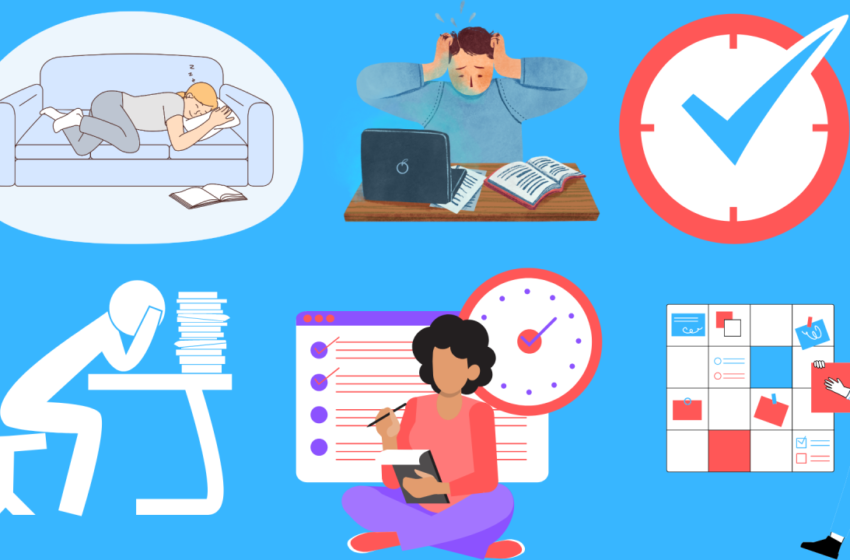
    We can stop procrastination in the following ways: –

    1. First identify the causes.
    2. By taking smaller step to break bigger problem.
    3. Set your goals and deadline.
    4. Promote time management activities.
    5. Prioritize yourself and your work.
    6. Stop yourself from distraction.
    7. Overcome from perfectionism.
    8. Reward and appreciation.
    9. Change your environment.
    10. Reduce negativity.

      How to stop procrastination?
      How to stop procrastination?

    Benefits of Procrastination.

    Some benefits of Procrastination are: –

    • It enhances are creativity.
    • It improves are decision-making.
    • It helps us to priorities our-self.
    • It helps us stay motivated.
    • To manage are stress.
    • Help us to encourage are simplification.
    • To avoid unnecessary work.
    • Build a strategic thinking.
    • Help us to improve emotion.
    • Build self-awareness.

      benefits of procrastination.
      benefits of procrastination.

    The myths about procrastination.

    Some myths about procrastination are: –

    1. It is a sign of laziness.
    2. It is reasons of unproductivity.
    3. It is harmful.
    4. It is reasons for failure.
    5. It causes time pressure.
    6. It cause low achievement.
    7. It is a character trait.
    8. It makes us impossible to do task.
    9. It makes us less intelligence.
    10. It cause poor disciple.

    Technology and social media on procrastination.

    There is a huge significates and role of technology and social media on procrastination like social media platform causes Instant reward like “like, comments and notification which causes instant pleasures and constant need to update our self. Adapt from this it also causes FOMO.

    Whereas the technology provides easy distraction, escape from task and felling of overwhelming and unappealing.

    Can we make procrastination normal?

    Yes, we can normalize procrastination, as it makes us acknowledging our behavior, feeling and emotion. If we recognize the reasons and causes of are procrastination we can use or improve it for our betterment.

    Also Read This: Redmi A4: It cost, design, display and other details.

  • Food photography: For better composition there are various Food Photographers who guide the audience effectively about food photos and different healthy recipes for good health and lifestyle

    Food photography: For better composition there are various Food Photographers who guide the audience effectively about food photos and different healthy recipes for good health and lifestyle

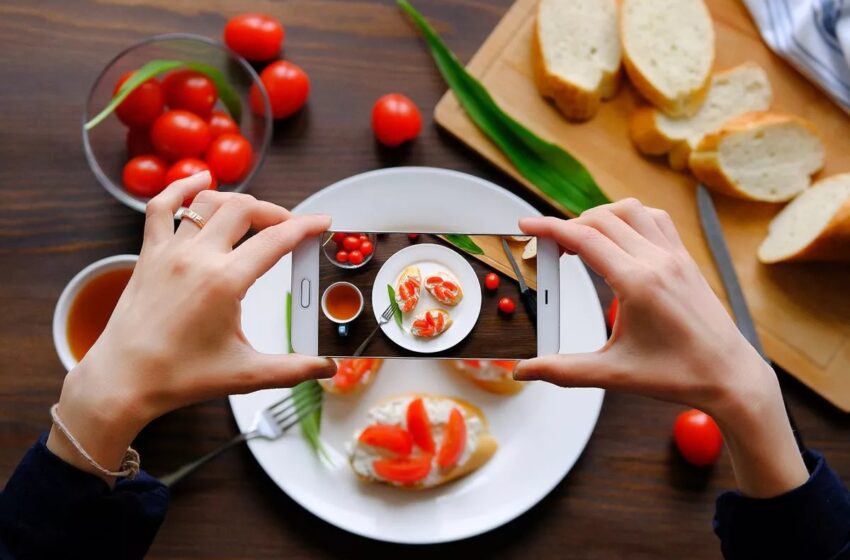
    Food photography configuration is as likely as not only the almost a fruitful method for slurping the followers into your food pictures and drooling them over several food recipes. An attractive light, astonishing prop and a well garnished dish are a basic grade for a scrumptious food portrayal on how you devise these constituents and promotes an ordinary and a normal shot into a staggering food story.

    It includes tables of different contents of various dishes to rapidly negotiate through these grand food photography creations for proper guidance to the audience for health advancement and in addition to be confident to analyses the links to different resources which have been placed for instructions that provide help to plant all these particulars into gestures.

    Food photography
                                              Food photography

    Key factors which are necessary for Food Photography to reach out to perfection for various social media platforms

    By introducing well-shot food pictures can enhance the sales of the tariff.

    Either to shoot directly above or low of about 10 to 40 degrees from the table to capture a flat lay look.

    The focus of the camera should be on the main food or dish to capture an aesthetic pic in responses to the audience.

    Well clicked food pictures can upgrade the monotonous into something attractive.

    Lighting is very important for achieving a good picture, it can be natural, artificial and soft depends on the situation.

    Maintaining the authenticity of the picture without any filters and adding any unwanted unnecessary partials details into it.

    Use fresh and proper prepared dishes.

    To Pay attention on the backgrounds and to avoid negative and congestive spaces.

    By analysing correct angle for photography to make the picture look better.

    By using reflectors and diffusers the picture will gets its origin for posting.

    Food photography
                                   Food photography

    Why Food Photography is essential for the audience in present times:

    Food photography is a categorization that sharpens apprehending attractive images of different food items which are responsible for arousing the appetite. Whether its book for cooking or a restaurant or a cafe tariff or a food blog, food photography is an essential method for displaying delicious and mouth watery dishes and encouraging people to try new methods for preparing meals for their family and friends. In this article we are traveling to a tour of art of the food photography and its essence.

    Food photography
                                                         Food photography

    Food photography is a form of recycling visual stories through which several photographs of different dishes are able to frame a narration about different meals answering several questions like where it came from? How did the dish was prepared? and what are the unique textures and flavours added to it for its enhancement and effectiveness which is expected by the audience. And another essential part of food photography is catching different textures and adding foot colours to the food which can make it incredibly attractive and highlight them with secured lighting and effective styling. Good photographers are conscious to pull out the best in each prepared dish to catch out a creamy and mouth watery substance of a soup through vibrant colours in a salad.

    Food photography
                                                         Food photography

    One of the biggest challenges experienced by food photographers is catching the essence of dish without making it look unfiltered and unauthorised which require secured styling and proper lighting Procedure to make the dish look fresh and delicious. For exemplification a bowl of soup should look delicious but in photography it can rapidly become a flat and filtered. A good photographer must use its skills to create an impact on the audience through its photograph that should look attractive as in taste also. Food photography is also essential for encouraging healthy eating sustainability by displaying attractive pictures of being healthy and sustainable source products. A food photographer can help to encourage people to create healthier choices by supporting locals and producers especially important in modern society where fast food is processing and are becoming more and more prevalent.

    Food photography
                                                     Food photography

    Also Read This: 10 major benefits of eating banana

    Food photography is a great way to spend your creativity experiments with new technologies and to connect with others to share the passion for food weather as a professional photographer or just a normal person who enjoys capturing images of their meals. In conclusion food photography is an art form that plays a crucial role in contribution of healthy eating complete sustainability and joy of food by using secured lighting composition stylings to create a vision of stunning image that not only look delicious but also tells a story about dish itself.

    Report By:- Ananya Saxena