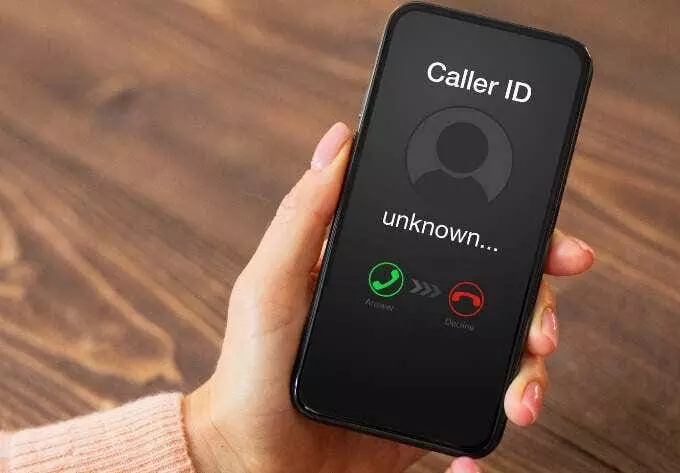
CNAP : India has taken a major step toward reducing spam, fraud, and unidentified calls. From 1 November 2026, mobile operators must enable Calling Name Presentation (CNAP) by default across 4G and higher-generation (including 5G) wireless networks. When someone calls you from a number that is not saved in your contacts, your phone can now display the caller’s registered name alongside the number — without any app or extra request from you.
What Exactly Is CNAP?
CNAP (Calling Name Presentation) is a telecom network supplementary service. It allows the called party to see the calling party’s name at the time of call setup. The name comes from the subscriber records (KYC data) maintained by the caller’s mobile operator, not from crowd-sourced contact lists or third-party databases.
This is different from traditional Caller ID (which only shows the number) and from apps like Truecaller (which rely on user-uploaded or crowd-sourced data). CNAP is network-based and uses official subscriber information linked to the SIM.
Internationally, similar concepts exist (CNAM in the US, CNIP in some standards). In India, it follows 3GPP specifications (TS 22.096) and has been shaped by TRAI recommendations and DoT directives.
Current Status and Timeline (as of early November 2026)
- DoT Circular: On 13 October 2026, the Department of Telecommunications issued Circular No. 01/Licensing Policy/2026 directing all access service providers to introduce CNAP across their service areas with effect from 1 November 2026.
- The service is mandatory and default — users do not need to request activation.
- It currently covers 4G and higher-generation wireless networks (including 5G). Support for 2G, 3G, and landline/PSTN networks will be considered separately.
- Earlier pilots and trials took place in 2025 (e.g., in Haryana and Himachal Pradesh by major operators). An earlier nationwide target of March 2026 was not fully met, leading to the final October 2026 directive.
How CNAP Works on Your Phone
When a call arrives, the display typically shows two fields:
- The caller’s telephone number (as before).
- A name field, chosen in this order of preference:
| Situation | What Appears in the Name Field |
| Number is saved in your contacts | The name you saved |
| Unsaved domestic number | The caller’s name from their operator’s subscriber records |
| Unsaved international call | “International Call” |
| Caller has enabled CLIR (Calling Line Identification Restriction) | Name is not displayed |
The originating operator provides the name from its subscriber database. The terminating operator presents it to the recipient. Operators must maintain accurate databases linking names to numbers.
For businesses: Organisations using business or bulk connections can apply to display a preferred name (registered trademark or GST-registered trade name) instead of the legal entity name on the connection paperwork.
Key Benefits
- Helps identify unknown callers before answering.
- Reduces dependence on third-party apps.
- Aims to curb spam, telemarketing, and vishing (voice phishing) by showing verified KYC names.
- Works without internet or any app installation — it is handled by the telecom network itself.
- Available by default for all eligible users.
Important Limitations and Caveats
- The displayed name reflects who registered the SIM (KYC name), not necessarily the person currently speaking.
- It does not stop spam or fraud by itself — it only provides an identity signal. Users should still be cautious about sharing OTPs, banking details, or personal information.
- International calls show only “International Call.”
- CLIR users can still hide their name (subject to existing rules).
- Older networks (2G/3G) and landlines are not yet covered.
- Calls via internet messaging apps (WhatsApp, etc.) do not carry CNAP.
- Privacy safeguards require that the name should not be retained after the call ends via the query-response mechanism.
How It Differs from Truecaller and Similar Apps
| Aspect | CNAP | Truecaller / Similar Apps |
| Source of name | Operator KYC/subscriber records | Crowd-sourced + user data |
| Requires app/internet | No | Yes |
| Official / regulated | Yes (DoT mandate) | No |
| Coverage | Network-level (4G+) | App-dependent |
| Business names | Can use verified trademark/GST name | Varies |
CNAP is intended to complement, not fully replace, existing spam-detection tools.
What Users Should Do
- No action is required for activation on supported networks.
- Keep your contact list updated if you prefer custom names.
- For businesses, check with your operator about preferred name registration if the legal name is not ideal for customers.
- Continue practising basic call safety: verify unexpected requests independently, never share OTPs or sensitive details over unknown calls.
- Operators must provide a grievance redressal mechanism for CNAP-related complaints (incorrect names, etc.).
Also Read This : Driving License in India : Complete Guide to Rules, Requirements & Proposed 2026 Changes
CNAP marks a significant shift in how caller identity works in India. By tying the displayed name to official subscriber records, it strengthens transparency on the network itself. Further expansion to older networks, refinements for business branding, and ongoing monitoring of effectiveness against fraud are expected in the coming months.
As of early November 2026, the service is live on 4G and 5G networks. Users may start noticing registered names appearing for previously unknown domestic numbers. Always treat the name as helpful context rather than absolute proof of identity.
View this post on Instagram