Tag: Artificial intelligence (AI)

  • AI Dark Side 2025: The Hidden Cost of Job Loss in the Age of Automation

    AI Dark Side 2025: The Hidden Cost of Job Loss in the Age of Automation

    AI Dark Side 2025:Will Create New Jobs but May Also Replace Some Artificial Intelligence (AI) is reshaping the global workforce, with both promising opportunities and significant challenges. While AI is expected to create numerous new job roles, it is also poised to replace some existing ones. Understanding this dual impact is crucial for businesses, workers, and policymakers alike. In this article, we explore how AI is transforming employment, the industries most affected, and what can be done to adapt to this evolving landscape.

    AI as a Job Creator

    Despite fears of job displacement, AI is generating new opportunities across various sectors. The demand for AI specialists, data scientists, and automation engineers has surged as companies integrate AI into their operations. According to reports, industries like healthcare, finance, and technology are seeing a boom in AI-related roles, leading to job creation rather than destruction.

    AI Dark Side 2025
    AI Dark Side 2025

    Emerging AI-Driven Roles

    1.   AI and Machine Learning Engineers – These professionals develop algorithms and AI models that drive automation and data analysis.

    2.   Data Scientists and Analysts – As AI thrives on data, skilled professionals who can interpret and derive insights from data are in high demand.

    3.   Robotics Engineers – With AI playing a significant role in robotics, experts in this field are crucial in designing and maintaining AI-powered machines.

    4.   AI Ethics and Compliance Officers – The rise of AI also brings ethical concerns, necessitating roles that focus on responsible AI usage and governance.

    5.   AI Trainers and Human-AI Interaction Specialists – AI requires training and continuous improvement, creating roles centered around fine-tuning AI models.

    These are just a few examples of new career paths emerging as a result of AI advancements. Many industries are also seeing AI enhance existing roles rather than replace them entirely.
    AI Dark Side 2025

    AI-Induced Job Displacement

    While AI is creating new opportunities, it is also automating tasks traditionally performed by humans. This is particularly evident in industries that rely on repetitive, routine tasks.

    As Artificial Intelligence (AI) continues to advance, its impact on the job market is becoming more apparent. While AI is creating new opportunities, it is also replacing certain roles, particularly those that involve repetitive, routine tasks. Job displacement due to AI and automation is a growing concern, as industries undergo significant transformations.
    AI Dark Side 2025

    Industries Most Affected by AI Displacement

    1. Manufacturing and Production- AI-powered robots are automating assembly lines, reducing the need for human labor.
      Smart factories use AI-driven machines for quality control, logistics, and warehouse operations.
    2. Retail and Customer Service-Chatbots and virtual assistants are replacing human customer service representatives.
      Self-checkout systems and automated inventory management reduce the demand for retail workers.
    3. Transportation and Logistics-Self-driving trucks, delivery drones, and AI-powered logistics planning are reshaping the industry.
      Ride-hailing services and public transport systems are exploring automation, reducing the need for human drivers.
    4. Finance and Accounting-AI-driven algorithms perform data analysis, risk assessment, and fraud detection with greater accuracy.
      Automated bookkeeping and tax preparation software are decreasing the demand for traditional accountants.
    5. Administrative and Clerical Work-AI-powered virtual assistants handle scheduling, data entry, and document management.
      Businesses are adopting AI tools for email filtering, transcription, and workflow automation.

    AI Dark Side 2025

    Mitigating the Impact of AI Displacement

    While AI is displacing some jobs, it is also changing the nature of work rather than eliminating employment altogether. Here’s how workers and industries can adapt

    1. Reskilling and Upskilling Programs-Governments and businesses should invest in AI-related training programs.
      Workers should acquire digital skills, learn AI tools, and transition into roles that require human oversight of AI systems.
    2. Shift Toward Human-AI Collaboration-AI should be used to augment human capabilities rather than replace workers entirely.
      Employees should focus on roles that require creativity, critical thinking, and emotional intelligence.
    3. Policy and Support Systems-Governments should implement policies to support displaced workers, including reemployment programs and financial assistance.
      Encouraging entrepreneurship and innovation can help create new job opportunities.
    4. Emphasis on Soft Skills-Jobs requiring interpersonal skills, problem-solving, and adaptability will remain valuable.
      AI cannot replace human intuition, leadership, or emotional intelligence, making these skills essential for future employment.

    AI Dark Side 2025

    Sectors Most Affected by AI Displacement

    1.   Manufacturing and Production – AI-powered robots are replacing human workers in assembly lines, warehousing, and logistics operations.

    2.   Retail and Customer Service – Chatbots and automated systems are reducing the need for human customer service representatives.

    3.   Transportation and Logistics – Self-driving technology is impacting jobs for truck drivers, delivery personnel, and transport operators.

    4.   Finance and Accounting – AI is automating routine financial analysis, bookkeeping, and auditing tasks, reducing the need for human accountants.

    5.   Administrative and Clerical Work – AI-driven automation tools are handling scheduling, data entry, and documentation tasks that previously required human intervention.

    Although these trends indicate a shift in job requirements, it is important to note that AI does not completely eliminate jobs—it transforms them. Employees in affected sectors can pivot to roles that involve managing and overseeing AI systems.

    AI Dark Side 2025

    The Future of Work: Adaptation and Upskilling

    To mitigate job losses and harness AI’s potential, adaptation is key. Governments, businesses, and educational institutions must focus on upskilling and reskilling workers to prepare them for AI-driven job markets.

    Artificial Intelligence (AI) is transforming industries at an unprecedented pace, disrupting traditional job roles while simultaneously creating new opportunities. As AI continues to evolve, the workforce must adapt to this technological shift to remain relevant in the job market. Adaptation and upskilling are crucial strategies for workers, businesses, and governments to thrive in the AI-driven future.

    AI Dark Side 2025

    Why Adaptation and Upskilling Matter

    AI is not just automating routine tasks—it is reshaping how work is done across various industries. Employees who proactively adapt and acquire new skills will have a competitive advantage, while those resistant to change may struggle to keep up. Upskilling is essential to bridge the gap between human capabilities and AI advancements.

    As Artificial Intelligence (AI) continues to reshape industries, adaptation and upskilling have become essential for workforce survival and growth. AI is automating repetitive tasks, changing job roles, and demanding new skill sets. Workers who embrace change and enhance their skills will remain relevant, while those who resist may face job displacement. Here’s why adaptation and upskilling matter in the AI era.

    AI Dark Side 2025

    1. AI is Reshaping the Job Market-AI is not just replacing jobs; it is transforming them. Many traditional roles are evolving to require a blend of human intelligence and AI-driven decision-making. Workers must adapt by acquiring digital literacy and technical expertise to stay competitive.

    2. New Career Opportunities are Emerging-While AI is automating certain jobs, it is also creating new ones. Roles such as AI specialists, data scientists, automation engineers, and cybersecurity analysts are in high demand. Upskilling allows individuals to transition into these high-growth fields.

    3. Enhancing Human-AI Collaboration-AI excels at processing vast amounts of data but lacks human creativity, emotional intelligence, and problem-solving abilities. Upskilling enables workers to complement AI rather than compete with it, fostering a collaborative and more productive work environment.

    4. Job Security and Career Growth-Workers who continuously update their skills are more likely to secure stable employment and advance in their careers. Employers value employees who can adapt to technological shifts and leverage AI tools to drive innovation.

    5. Competitive Advantage in the Workplace-Companies prefer hiring professionals who are tech-savvy and can integrate AI into business processes. Developing skills in AI, data analytics, and automation enhances job prospects and earning potential.

    6. Future-Proofing the Workforce-The rapid pace of AI development means that job roles will continue to evolve. Lifelong learning and continuous skill development ensure that workers can navigate future technological disruptions without being left behind.
    AI Dark Side 2025

    Key Areas for Upskilling

    AI & Machine Learning – Understanding AI applications and how to work alongside AI systems.
    Data Analysis & Digital Literacy – Gaining insights from AI-driven data and utilizing automation tools.
    Soft Skills Development – Strengthening critical thinking, creativity, emotional intelligence, and leadership skills.
    Cybersecurity & Ethical AI – Ensuring AI systems are secure and used responsibly.

    Key Strategies for Workforce Adaptation

    1. Continuous Learning and Digital Literacy-Staying updated with AI trends and emerging technologies is crucial.
      Learning digital tools, automation software, and data analytics will enhance job security.
    2. Reskilling for AI-Integrated Roles-Workers in jobs at risk of automation should explore reskilling opportunities in AI-driven fields.
      Training in areas like data science, machine learning, and robotics can open new career paths.
    3. Encouraging Human-AI Collaboration-Rather than replacing humans, AI is often used to augment human capabilities.
      Learning to work alongside AI systems can improve productivity and efficiency.
    4. Focusing on Soft Skills-Critical thinking, creativity, emotional intelligence, and problem-solving are skills that AI cannot easily replicate.
      These skills will become more valuable as AI handles technical and repetitive tasks.
    5. Government and Corporate Initiatives-Governments should implement AI education programs and workforce transition policies.
      Companies must invest in employee training to build an AI-ready workforce.
    AI Dark Side 2025

    Industries Leading the Upskilling Movement

    Technology – AI engineers, data analysts, and cybersecurity experts are in high demand.
    Healthcare – AI-assisted diagnostics require professionals trained in AI applications.
    Finance – Analysts and accountants must learn AI-powered financial tools.
    Retail & E-commerce – AI-driven logistics and customer service require skilled operators.

    Strategies for Workforce Adaptation

    1.   Education and Training Programs – Investing in STEM (Science, Technology, Engineering, and Mathematics) education ensures that future workers are equipped with AI-related skills.

    2.   Reskilling and Upskilling Initiatives – Existing employees should be trained in digital literacy, AI usage, and other emerging technologies.

    3.   Encouraging Human-AI Collaboration – AI should complement human workers rather than replace them entirely. Training employees to work alongside AI systems can boost productivity.

    4.   Government Policies and Support – Policymakers should implement workforce transition programs and support displaced workers with alternative employment opportunities.

    5.   Emphasizing Soft Skills – Creativity, problem-solving, and emotional intelligence remain areas where humans excel over AI. Encouraging the development of these skills ensures job security in an AI-driven world.
    AI Dark Side 2025

    Conclusion

    AI is neither a complete job destroyer nor a guaranteed job creator—it is a transformative force reshaping the workforce. While it is eliminating some roles, it is simultaneously generating new opportunities that require different skill sets. The key to thriving in this AI-driven era is adaptability.

    Businesses must embrace AI as a tool for innovation rather than a replacement for human workers. Employees should focus on continuous learning and reskilling to remain relevant in the evolving job market. By striking a balance between AI implementation and workforce readiness, society can harness AI’s potential while minimizing its disruptive effects on employment.

    The rise of artificial intelligence (AI) is reshaping the job market, bringing both opportunities and challenges. While AI will undoubtedly replace certain roles—especially those involving repetitive, rule-based tasks—it will also create new jobs, industries, and career paths that we cannot yet fully anticipate.

    AI-driven automation is most likely to impact jobs in manufacturing, customer service, data entry, and transportation. However, this disruption is not new; throughout history, technological advancements have displaced some jobs while generating others. The key difference with AI is its ability to perform cognitive tasks, which means that even some knowledge-based professions may be affected.

    AI Dark Side 2025

    On the other hand, AI will foster job creation in emerging fields such as AI development, data science, cybersecurity, and human-AI collaboration. Additionally, AI will enable workers to be more productive, automating routine aspects of jobs while allowing humans to focus on creative, strategic, and interpersonal tasks that machines cannot easily replicate.

    The net impact of AI on employment will depend on how governments, businesses, and individuals respond to these changes. Investments in education and reskilling programs will be crucial to preparing the workforce for AI-driven industries. Ethical considerations and policies surrounding job displacement, fair wages, and workforce transition support will also play a significant role in shaping the future of work.

    AI is not simply a job destroyer—it is a powerful tool that, if harnessed effectively, can enhance human potential and drive economic growth. The challenge lies in ensuring that the workforce is equipped to adapt to this transformation, embracing AI as an ally rather than a threat. By fostering a culture of continuous learning and innovation, society can strike a balance where AI complements human skills rather than replacing them entirely.

    ALSO READ THIS:AI-Powered Apps: Powerful Apps Shaping 2025 and Beyond
  • Social Media Evolution 2025: The Next Big Trends in Social Media Platforms and Usage

    Social Media Evolution 2025: The Next Big Trends in Social Media Platforms and Usage

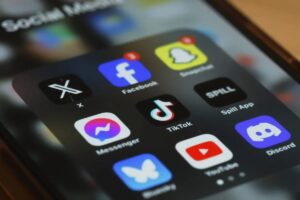
    Social media has come a long way since the early days of Friendster and MySpace. What started as a way to connect with friends and family has now evolved into a massive digital ecosystem that influences every aspect of our lives, from entertainment and business to politics and mental health. As technology continues to advance, the social media landscape is also rapidly changing. What will the next big trends be? Let’s explore the future of social media and the trends that will define the next generation of digital interactions.

    Social Media

    The Rise of AI-Powered Social Media

    Artificial intelligence (AI) is already playing a crucial role in social media, from content recommendation algorithms to chatbots. However, the next phase of AI-driven social media will see even more personalized and immersive experiences. AI-generated content (AIGC), such as text, images, and videos, will become mainstream, allowing users to create professional-quality content effortlessly. Platforms will also use AI for enhanced moderation, reducing harmful content and misinformation while improving engagement.

    Key Impacts:

    • More sophisticated AI-driven chatbots for customer service and interaction.
    • AI-powered content creation tools making high-quality posts accessible to everyone.
    • Advanced moderation techniques to curb fake news, hate speech, and cyberbullying.

    Decentralization and Blockchain-Based Social Media

    With increasing concerns about data privacy, censorship, and platform monopolies, decentralized social media is gaining traction. Blockchain-based platforms, such as Mastodon and Bluesky, offer users more control over their data and content, reducing reliance on big tech corporations.

    Key Impacts:

    • Users will have more ownership over their content and data.
    • A reduction in censorship concerns as platforms operate on decentralized networks.
    • More opportunities for monetization through token-based reward systems and NFTs.

    The Growth of the Metaverse and Virtual Social Spaces

    The concept of the metaverse is no longer just a futuristic idea; it is becoming a reality. Platforms like Meta (formerly Facebook), Decentraland, and Roblox are investing heavily in virtual social spaces where users can interact through avatars, attend virtual events, and even conduct business.

    Key Impacts:

    • Increased adoption of VR and AR technologies for social interactions.
    • More immersive online communities, replacing traditional text-based social networks.
    • Brands leveraging the metaverse for marketing, customer engagement, and e-commerce.

    Short-Form Video Dominance

    Platforms like TikTok, Instagram Reels, and YouTube Shorts have revolutionized content consumption. Short-form video content is engaging, highly shareable, and preferred by younger audiences. As attention spans continue to decrease, this trend will only grow.

    Key Impacts:

    • More brands and influencers focusing on bite-sized, engaging content.
    • AI-enhanced video editing tools making content creation easier.
    • Increased competition among platforms to dominate the short-video space.

    Social Commerce: Shopping Directly from Social Media

    Social media is no longer just about connecting with people; it is now a marketplace. Platforms like Instagram, Facebook, and TikTok are integrating shopping features, allowing users to discover and purchase products without leaving the app.

    Key Impacts:

    • Increased influencer-driven shopping experiences.
    • More brands using AR try-on features for virtual product testing.
    • Expansion of live shopping events where influencers sell products in real-time.

    Privacy and Digital Well-Being

    With rising concerns about data security and mental health, users are becoming more cautious about their online activities. Platforms are being pressured to introduce better privacy controls, reduce algorithmic addiction, and promote healthier digital habits.

    Key Impacts:

    • More platforms adopting “privacy-first” approaches, limiting data tracking.
    • Increased demand for digital detox tools and well-being features.
    • Stricter regulations around data collection and user privacy.

    Social Media

    Audio-First Social Media

    The success of Clubhouse and Twitter Spaces has demonstrated that audio-based social networking is here to stay. Podcasts, live audio chats, and voice-driven interactions are becoming popular alternatives to text and video content.

    Key Impacts:

    • More platforms integrating live audio rooms for discussions and events.
    • Increased use of AI-powered voice assistants for personalized interactions.
    • Growth of niche communities centered around audio-based content.

    Niche and Community-Driven Platforms

    As users become frustrated with mainstream social media platforms, there is a shift toward smaller, niche communities. Platforms like Discord and Reddit are thriving because they offer highly engaged, topic-specific discussions rather than algorithm-driven content feeds.

    Key Impacts:

    • Growth of micro-communities where users interact based on shared interests.
    • Less reliance on ad-driven models, with more focus on user-funded content.
    • Increased adoption of subscription-based models for exclusive content.

    The Evolution of Influencer Marketing

    Influencer marketing is evolving beyond sponsored posts. Brands are now focusing on long-term partnerships, co-branded products, and micro-influencers who have highly engaged niche audiences.

    Key Impacts:

    • Shift from mega-influencers to micro and nano-influencers.
    • More collaborations between brands and influencers on product development.
    • AI-driven influencer analytics for better campaign performance tracking.

    Gamification and Interactive Content

    Gamification elements, such as badges, challenges, and interactive polls, are making social media more engaging. Platforms are incorporating interactive content to keep users hooked and encourage more participation.

    Key Impacts:

    • Increased use of interactive filters, quizzes, and polls to boost engagement.
    • Brands leveraging gamified experiences for marketing campaigns.
    • Greater emphasis on rewards and incentives to encourage user activity.

    Conclusion

    Social media is evolving at an unprecedented pace, driven by advancements in AI, blockchain, and immersive technologies. The next generation of social media platforms will be more personalized, decentralized, and immersive, offering users greater control and engagement. Brands, content creators, and marketers must stay ahead of these trends to remain relevant in the ever-changing digital landscape. As we move forward, one thing is certain: social media will continue to shape how we connect, communicate, and consume content in ways we never imagined.

    ALSO READ THIS: ChatGPT: The Ultimate AI Assistant for Success and 24/7 Smart Companion for Innovation

  • Music in the Digital Age: The Bright Future of Music in the Digital Age (2025)

    Music in the Digital Age: The Bright Future of Music in the Digital Age (2025)

    The digital revolution has transformed nearly every aspect of modern life, and the music industry is no exception. Advances in technology have significantly changed how music is created, distributed, and consumed. From digital audio workstations (DAWs) enabling independent production to streaming services redefining accessibility, technology has reshaped the landscape. This article explores the profound impact of digital advancements on both music production and consumption, examining the benefits and challenges that have emerged in the process.

    The Evolution of Music Production

    The Shift from Analog to Digital Recording

    Historically, music production relied on analog equipment, including tape recorders, mixing consoles, and vinyl pressings. However, the advent of digital recording in the late 20th century revolutionized the industry. Digital audio workstations (DAWs) such as Pro Tools, Logic Pro, and Ableton Live have enabled artists and producers to create, edit, and mix music with unprecedented flexibility and precision.

    Digital recording has also improved audio quality by reducing noise interference and allowing for greater dynamic range. Additionally, the affordability of software-based production tools has democratized music creation, empowering independent musicians who no longer need access to expensive studio equipment.

    Music

    Virtual Instruments and Sampling

    Technology has also revolutionized instrumentation through virtual instruments and sampling. Synthesizers, drum machines, and orchestral plugins enable artists to produce high-quality music without requiring physical instruments. Moreover, advancements in artificial intelligence (AI) and machine learning have led to the development of AI-generated compositions and algorithmic music production, pushing creative boundaries even further.

    The Rise of Home Studios

    In the past, music production required expensive studio time, but today, many artists produce professional-grade music from home. High-quality microphones, audio interfaces, and DAWs allow musicians to record and mix their work without the need for traditional studio spaces. This shift has given rise to a more independent music industry where self-produced artists can achieve mainstream success.

    The Transformation of Music Distribution

    The Decline of Physical Media

    Before the digital age, music distribution relied on physical formats such as vinyl records, cassette tapes, and CDs. With the rise of digital downloads and streaming services, physical media sales have declined significantly. Although vinyl has seen a niche resurgence, the majority of consumers now access music digitally.

    The Streaming Revolution

    Streaming services such as Spotify, Apple Music, and YouTube Music have fundamentally changed how audiences consume music. Listeners now have access to vast libraries of music at their fingertips, often at little or no cost. Subscription-based models and ad-supported platforms have replaced traditional purchasing methods, leading to a decline in album sales but an increase in overall music accessibility.

    However, streaming services have also sparked debates about artist compensation. While these platforms provide exposure to millions of listeners, many artists receive only a fraction of a cent per stream, making it challenging for independent musicians to earn a sustainable income.

    The Role of Social Media in Music Promotion

    Social media platforms like TikTok, Instagram, and Twitter have become essential tools for music promotion. Viral trends and challenges on TikTok, for instance, have propelled songs to mainstream popularity, sometimes even reviving older tracks. Independent artists can now reach global audiences without relying on record labels, leveraging social media algorithms and influencer collaborations to gain traction.

    The Changing Landscape of Music Consumption

    Personalized Listening Experiences

    Artificial intelligence and big data have enabled personalized music recommendations. Streaming services use sophisticated algorithms to analyze user preferences and suggest tailored playlists, enhancing the listening experience. AI-driven curation has made music discovery more accessible, helping listeners find new artists and genres with ease.

    The Impact of Digital Piracy

    While streaming services have curbed illegal downloads to some extent, digital piracy remains an issue. File-sharing platforms and unauthorized streaming sites still contribute to revenue losses for artists and record labels. However, advancements in digital rights management (DRM) and blockchain technology offer potential solutions to protect intellectual property rights and ensure fair compensation for creators.

    Live Streaming and Virtual Concerts

    The COVID-19 pandemic accelerated the adoption of live-streamed performances and virtual concerts. Artists have embraced platforms like Twitch, YouTube Live, and Facebook Live to engage with audiences in real-time. Virtual reality (VR) concerts are also emerging, providing immersive experiences that replicate the atmosphere of live shows.

    Challenges and Ethical Considerations

    Despite its benefits, technology-driven music consumption presents several challenges. The dominance of streaming services has led to concerns about fair pay for artists, with many advocating for more transparent revenue-sharing models. Additionally, the over-reliance on algorithms in music discovery raises concerns about artistic diversity, as mainstream trends often overshadow niche or experimental genres.

    Conclusion

    Technology has undeniably revolutionized the music industry, reshaping both production and consumption in profound ways. Digital tools have democratized music creation, while streaming platforms have expanded accessibility like never before. However, these advancements also present challenges, particularly regarding fair compensation and artistic visibility. As technology continues to evolve, the industry must adapt to ensure that both artists and audiences benefit from the digital transformation of music. Ultimately, striking a balance between innovation and sustainability will be key to the future of music in the digital age.

    ALSO READ THIS: The Future of Film and Television 2025: Trends in Streaming and Content Creation with a Thriving Era of Innovation and Storytelling”

  • Healthcare with technology: how we can use technology in health, new technology updates, and other AI tools for healthcare.

    Healthcare with technology: how we can use technology in health, new technology updates, and other AI tools for healthcare.

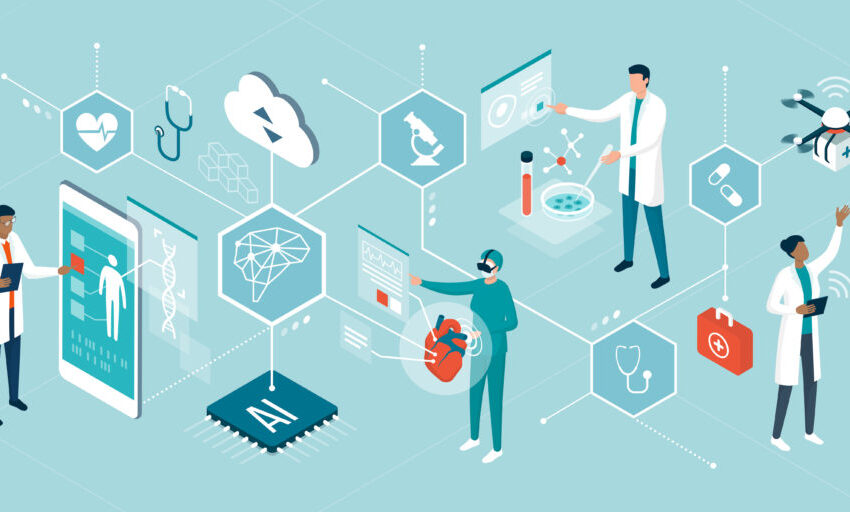
    Healthcare with technology: This is a way of using technology like devices, products and other technical support for maintaining and taking care of your health and health care routine.

    Healthcare and technology are growing together as it is making stuff easy and convenient for people like booking an appointment with a doctor or ordering a medicine you can do all with technology.

    How is technology impacting healthcare.

    Some of the reasons of why technology is impacting healthcare are-

    1. It reduces the cost of healthcare services.
    2. it is convenient to use and easily available.
    3. It provide easy and better way of conversation with health expert.
    4. It could reach any area urban or rural easily.
    5. It records data of our heath, charts of our medicines and etc.
    6. It provides better surgeries and treatment application.
    7. It could be used to get review of people for improvement and betterment of services.
    8. it reduces errors.
    9. it provides better analysis.
    10. it is more efficient and effective.
    Technology impacting healthcare
    Technology impacting healthcare

    What are new in technology for healthcare?

    There is had been a lot of development in technology for healthcare in the recent years. Some of the development includes: –

    1. Artificial intelligence (AI) – It can create and design plans for healthcare and treatments. It can also suggest medicines and other treatment to the users.
    2. 3D printing – it could be used to make or print 3D customized implants and other objects for the patients. It could make objects of any shape and size.
    3. Potable diagnostic devices – These is a small portable device which could be existed by anyone for measurement of blood pressure, oxygen, body temperature, or heart rate. This device is available I the form of watches and ring also.
    4. X-Ray devices – It is also known as Extended Reality technology. This technology could be used for painless MRI and VR OF Patient. It is also easy to use.
    5. Telehealth – It is a new healthcare service which provides online health services. It includes virtual check-up, monitoring, surgery by robotics, electronic records, mobile apps, and online videos.
    6. Nano medicines – It a new technology to prevent and diagnose diseases.it use technology like nanotechnology.
    7. Virtual reality – It could be use to teach the way of treating different health problems.
    8. Healthcare apps – Todays different apps provide with medicines and healthcare services on one click on any devices through this apps.
    9. Medical devices – Today healthcare has advance machines and devices for treatments.
    10. IT Systems – this provides technology like cloud, blockchain and other system which is a great support for healthcare organizations.
    Medical devices
    Medical devices

    What are new trends in technology of healthcare in 2024?

    Top 10 trends in healthcare technology will include use of: –

    1. Artificial intelligences.
    2. Cloud computing.
    3. Virtual reality.
    4. Telemedicine
    5. Mental health technology.
    6. Data Explosion (block chain).
    7. Wearable devices.
    8. Nano medicines.
    9. 3D printing.
    10. Big data.

    Also Read This: Food photography: For better composition there are various Food Photographers who guide the audience effectively about food photos and different healthy recipes for good health and lifestyle

     Health care with AI and its tools.

    Health care with AI and its tools.
    Health care with AI and its tools.

    Some of the reasons for using AI in Healthcare are: –

    1. It provides a proper care for patients.
    2. It ensures proper safety.
    3. It provides better pr4eventive measures.
    4. It can provide virtual care and appointments of doctor.
    5. It can reach remote areas.
    6. It can solve smallest to biggest care online with one click.
    7. It is available in all language.
    8. It provides machine learning.
    9. It can be used to learn, prevent and cure disease.
    10. It can provide systematic ways of treatment and etc.


    Report By: Enakshi Dasgupta