Category: Travel

  • Tata Tiago 2026 : The Ultimate Budget Hatchback Gets a Massive Glow-Up

    Tata Tiago 2026 : The Ultimate Budget Hatchback Gets a Massive Glow-Up

    The Tata Tiago 2026 has arrived, and it’s more than just a simple facelift — it’s a comprehensive update that transforms Tata’s popular entry-level hatchback into a modern, feature-packed contender. Launched in late May 2026, the new Tata Tiago 2026 brings sharper styling inspired by the Altroz, a completely redesigned premium cabin, enhanced safety features, and the same reliable and efficient powertrains that made the original a bestseller. Whether you’re a first-time buyer looking for an affordable city car or someone who values low running costs with CNG, the Tata Tiago 2026 delivers impressive value.

    Bold New Design That Turns Heads

    The Tata Tiago 2026 sports a fresh, more mature look. The front end features sleek swept-back LED headlamps with integrated DRLs, a slim connected black grille, and a redesigned bumper with a larger air dam. A new clamshell bonnet adds presence, while the rear gets connected LED taillamps and a full-width reflector for a contemporary touch.

    Tata Tiago 2026
    Tata Tiago 2026

    Dimensionally, it’s slightly longer and wider than before, yet it retains the compact footprint ideal for Indian cities — with 170mm ground clearance that handles bad roads effortlessly. New alloy wheel designs, black wheel arch cladding, and vibrant colour options like Pangong Pulse, Varanasi Vibrance, and Sobo Surge give the Tata Tiago 2026 a premium and youthful appeal.

    Revamped Interior: Premium Feel at an Affordable Price

    Step inside the Tata Tiago 2026, and you’ll notice a complete transformation. The dashboard has been fully redesigned with better materials, improved ergonomics, and a more upmarket layout. Higher variants offer a large 10.25-inch touchscreen with wireless Android Auto and Apple CarPlay, a part-digital instrument cluster, rear AC vents, and thoughtful storage solutions.

    Seats now offer better bolstering and cushioning for long drives. Features like a cooled glovebox, wireless charging, 360-degree camera (in top trims), and connected car technology with iRA make the cabin feel far more premium than its price suggests. The Tata Tiago 2026 successfully bridges the gap between budget hatchbacks and more expensive offerings.

    Tata Tiago 2026
    Tata Tiago 2026

    Powertrains: Efficient and Practical

    Under the hood, the Tata Tiago 2026 sticks with proven and reliable options:

    • Petrol: 1.2-litre 3-cylinder engine producing around 86 hp and 113 Nm, paired with a 5-speed manual or AMT.
    • CNG (iCNG): Same engine tuned for dual-cylinder CNG, delivering about 75.5 hp and 96.5 Nm, also available with MT or AMT (with paddle shifters on higher variants).

    The engine is peppy enough for city commuting and effortless highway cruising. While refinement could be better (typical three-cylinder vibes at idle), real-world mileage remains strong — making the Tata Tiago 2026 an economical choice for daily use. The Tiago EV variant also gets updates for those interested in electric mobility.

    Safety: Segment-Leading Protection

    Tata has significantly upped the safety game in the Tata Tiago 2026. Even the base variant gets 6 airbags as standard, along with ABS with EBD, ESP, rear parking sensors, and ISOFIX child seat anchors. Higher trims add a 360-degree camera and more advanced assists. Built on the improved X-Alfa platform, the new Tiago promises strong structural integrity and crash performance.

    Tata Tiago 2026
    Tata Tiago 2026

    Pricing and Variants

    The Tata Tiago 2026 is aggressively priced, starting at ₹4.69 lakh (ex-showroom) for the base petrol Smart variant and going up to around ₹8.55 lakh for the top Creative CNG AMT. Variants include Smart, Pure, Pure+, Pure+ A, Creative, and Creative+. This pricing, combined with the massive upgrades, makes it one of the strongest value propositions in the segment.

    Who Should Buy the Tata Tiago 2026?

    The Tata Tiago 2026 shines as an ideal first car or urban runabout. It offers modern design, a comfortable and feature-rich cabin, excellent fuel efficiency (especially the CNG versions), and Tata’s renowned build quality — all at a price that undercuts many rivals.

    If you prioritize low ownership costs, practicality, and a car that feels more expensive than it is, the Tata Tiago 2026 is hard to beat. It stands tall against competitors like the Maruti Suzuki Swift, Hyundai Grand i10 Nios, and Citroen C3.

    Also Read This : Why Wearing a Helmet is Non-Negotiable: The Rise of Smart Helmets in 2026

    The Tata Tiago 2026 is a confident step forward for Tata. It retains everything buyers loved about the original while fixing its shortcomings and adding premium touches. For budget-conscious buyers seeking style, features, and efficiency in one compact package, this updated hatchback is a winner.


    View this post on Instagram
     

    A post shared by AVSPOST (@avspost)

  • Union Budget 2026 highlights : Key announcements from FM Nirmala Sitharaman

    Union Budget 2026 highlights : Key announcements from FM Nirmala Sitharaman

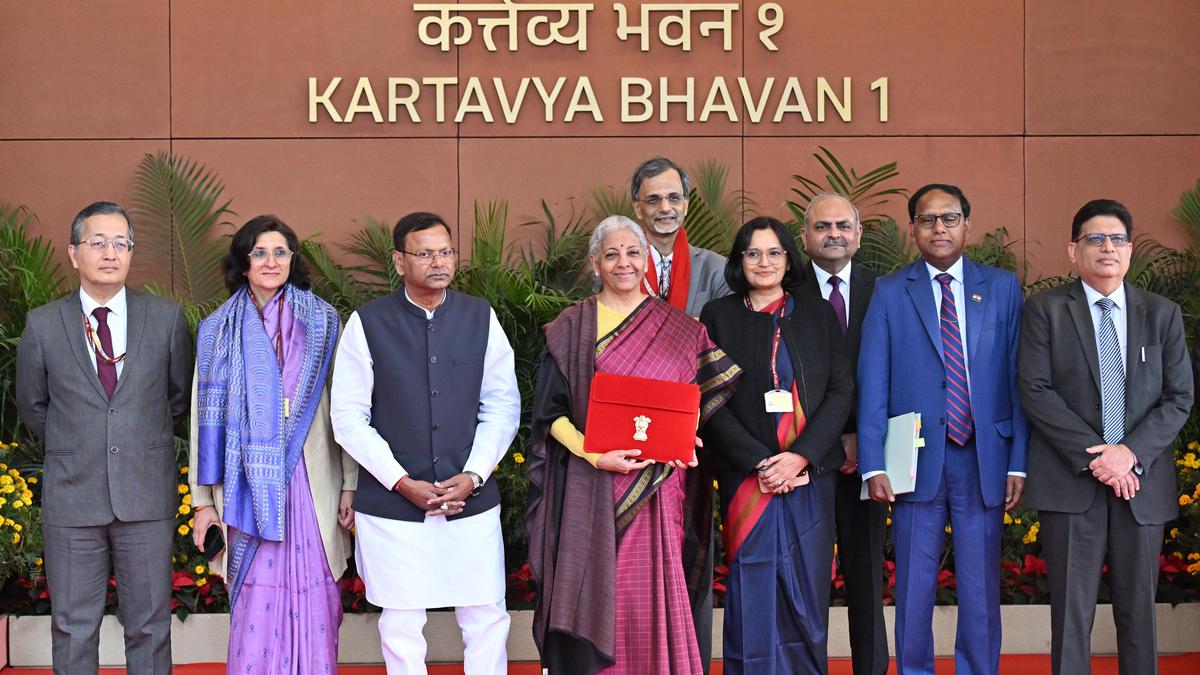
    Union Budget 2026 highlights : The Union Budget 2026-27, presented by Finance Minister Nirmala Sitharaman on February 1, 2026, marks her ninth consecutive budget speech. Tabled in Parliament on a Sunday for the first time in India’s history, this “Yuva Shakti-driven” budget emphasizes the government’s commitment to the poor, underprivileged, and disadvantaged. It draws inspiration from three core Kartavyas (duties):

    • Accelerate and sustain economic growth by boosting productivity, competitiveness, and resilience amid global volatility.
    • Fulfill people’s aspirations and build their capacities to make them strong partners in India’s prosperity.
    • Align with the vision of Sabka Saath, Sabka Vikas — ensuring every family, community, region, and sector has access to resources, amenities, and opportunities.

    Described as a budget of “reforms over rhetoric” and “action over ambivalence,” it prioritizes structural reforms, fiscal discipline, moderate inflation, sustained ~7% growth, and continued public investment to advance toward Viksit Bharat (Developed India).


    View this post on Instagram


    A post shared by AVSPOST (@avspost)

    Fiscal Framework : Prudence Meets Momentum

    The budget 2026 maintains a strong focus on capital expenditure while progressing toward fiscal consolidation.

    • Public Capital Expenditure (Capex): Raised to ₹12.2 lakh crore (approximately 4.4% of GDP) — the highest-ever allocation — up from ₹11.2 lakh crore in BE 2025-26, to sustain infrastructure momentum and crowd in private investment.
    • Fiscal Deficit: Targeted at 4.3% of GDP for FY 2026-27 (down from 4.4% in RE 2025-26).
    • Debt-to-GDP Ratio: Projected at 55.6% in BE 2026-27 (from 56.1% in RE 2025-26), with a long-term goal of 50 ± 1% by 2030.
    • Total Budget Size: Approximately ₹53.5 lakh crore.
    • Non-Debt Receipts and Total Expenditure: Estimated at ₹36.5 lakh crore and ₹53.5 lakh crore, respectively.
    • Net Tax Receipts: Around ₹28.7 lakh crore.

    These parameters reflect continued fiscal prudence while prioritizing growth-enabling investments.

    Budget 2026 : Manufacturing, Infrastructure, and Beyond

    Budget 2026 : Under the first Kartavya, the budget proposes interventions in six major areas:

    • Scaling Up Manufacturing in 7 strategic and frontier sectors.
    • Rejuvenating Legacy Industrial Sectors.
    • Creating Champion MSMEs — including a ₹10,000 crore SME Growth Fund.
    • Powerful Push to Infrastructure.
    • Long-Term Energy Security and reduced critical import dependencies.
    • Developing City Economic Regions (CERs).


    View this post on Instagram


    A post shared by AVSPOST (@avspost)


    Notable announcements include:

    • Biopharma Shakti: ₹10,000 crore over 5 years for domestic biologics and biosimilars production.
    • India Semiconductor Mission (ISM) 2.0: Launch to strengthen equipment, materials, design, and supply chains.
    • Electronics Components Manufacturing Scheme: Outlay increased to ₹40,000 crore.
    • Rare Earth Corridors: Support in states like Odisha, Kerala, Andhra Pradesh, and Tamil Nadu.
    • Infrastructure Highlights:
    • 7 high-speed rail corridors (e.g., Mumbai-Pune, Pune-Hyderabad, Hyderabad-Bengaluru, Hyderabad-Chennai, Chennai-Bengaluru, Delhi-Varanasi, Varanasi-Siliguri).
    • New dedicated freight corridors (including east-west).
    • Operationalization of 20 new National Waterways over 5 years.
    • Seaplane Viability Gap Funding (VGF) to boost indigenous manufacturing.
    • Infrastructure Risk Guarantee Fund for private developers.
    • City Economic Regions: ₹5,000 crore per CER over 5 years.
    • Defence: Record allocation (all-time high of around ₹7.85 lakh crore, up ~15%; capex hiked significantly, e.g., ~21% in some reports to ₹5.9 lakh crore).
    • Other Sectors:
    • Tourism: Upskilling 10,000 guides; reduced TCS on overseas tours; development of 15 archaeological sites; first Global Big Cat Summit; Khelo India Mission for sports skilling and employment.
    • AVGC (Animation, Visual Effects, Gaming, Comics — Orange Economy): AVGC Content Creator Labs in 15,000 schools and 500 colleges.
    • Agriculture: Dhan-Dhaanya Krishi Yojana for high-yield crops; Bharat-Vistaar AI tool.
    • Textiles: Integrated programme with mega parks and export support.


    View this post on Instagram


    A post shared by AVSPOST (@avspost)

    Tax and Customs Reforms : Simplification and Relief

    Budget 2026 : No changes to income tax slabs were announced, continuing stability from prior budgets. Key updates include:

    • New Income Tax Act, 2025: Effective from April 1, 2026, with simplified rules.
    • Middle-Class Reliefs: TCS cuts, new dividend deductions, nil deduction certificates for small taxpayers, ITR filing extension to August 31 for non-audit cases, rationalized penalties/prosecutions, and provident fund rule updates.
    • Securities Transaction Tax (STT): Increased on futures (e.g., to 0.05% from 0.02%).
    • Customs Duties:
    • Reduced from 20% to 10% on personal imports.
    • Exemptions/reductions on capital goods for lithium-ion cells, critical minerals, cancer medicines, sports equipment, leather goods, and seafood.
    • Some items (imported alcohol, coffee) may become costlier.
    • Other: Tax holidays for foreign cloud providers till 2047; MAT reforms; safe harbour enhancements for IT services; buyback taxed as capital gains.

    Overall Assessment

    The Union Budget 2026 – 27 is a continuity-focused, producer-centric document that doubles down on capex-led growth, manufacturing self-reliance, infrastructure, and inclusive reforms rather than short-term populist measures. It aims to build resilience against global uncertainties while empowering youth, MSMEs, and underserved sections.

  • Tata Punch Facelift 2026 : Launching 13 January – Everything You Need to Know

    Tata Punch Facelift 2026 : Launching 13 January – Everything You Need to Know

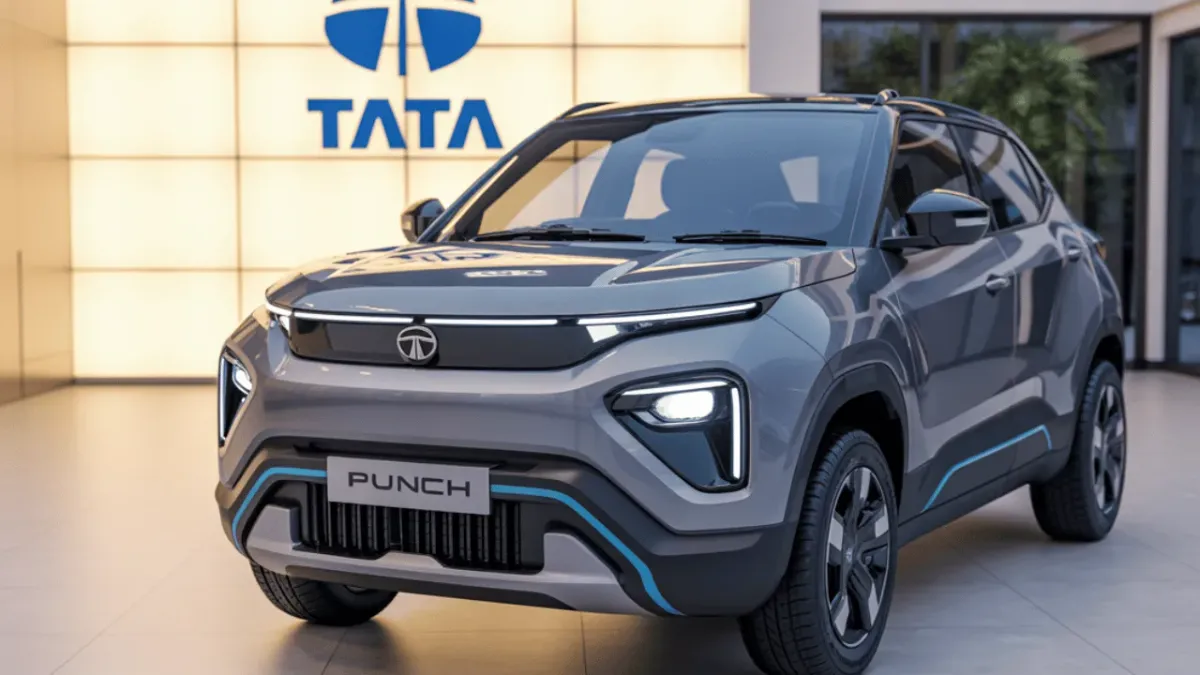
    Tata Punch Facelift 2026 : The Tata Punch has been one of the most successful micro-SUVs in India since its launch in 2021. With strong sales, excellent safety ratings, and a practical package, it quickly became a favourite among buyers. Now, Tata Motors is preparing to launch the Tata Punch Facelift 2026 on 13 January 2026, bringing a much-needed mid-life update to keep it competitive.

    Here’s a complete overview of what to expect from the refreshed Tata Punch.

    Exterior – Sharper & More Modern Look

    The facelift gives the Punch a bolder and more contemporary appearance while retaining its signature high stance and muscular proportions.

    • Completely redesigned front with slimmer LED DRLs, sharper headlamps, and a more sculpted bumper
    • New grille design for a premium and aggressive front fascia
    • Rear features connected LED tail-lamps with a full-width light bar
    • Fresh alloy wheel designs and updated side profile elements

    The overall design draws clear inspiration from the Punch EV and larger Tata SUVs, making it look more upmarket.

    Tata Punch Facelift 2026
    Tata Punch Facelift 2026

    Interior – Bigger Screen, Better Quality

    Inside, the cabin feels noticeably more modern and feature-rich.

    • Larger 10.25-inch touchscreen infotainment system
    • Fully digital instrument cluster
    • New 2-spoke steering wheel with illuminated Tata logo
    • Updated dashboard layout with improved material quality
    • Possible additions like ventilated front seats, air purifier, and enhanced connected car features

    Safety – Segment-First ADAS

    Tata continues to lead in safety with this update.

    • Level-2 ADAS features (adaptive cruise control, lane keep assist, forward collision warning, etc.) – a first for any car in this segment and price range
    • 360-degree camera with front radar sensor
    • 6 airbags as standard across all variants
    • Electronic Stability Control (ESC), TPMS, hill-hold assist, and more

    Engine & Transmission – No Major Changes

    The powertrain remains the same trusted setup:

    • 1.2-litre naturally aspirated petrol engine (88 PS, 115 Nm)
    • 5-speed manual and AMT options
    • Factory-fitted i-CNG variant with dual-cylinder technology for better boot space

    No turbo-petrol or hybrid is expected in this update.

    Tata Punch Facelift 2026
    Tata Punch Facelift 2026

    Tata Punch Facelift : Expected Price

    The current Tata Punch ranges between approximately ₹6 lakh to ₹10.10 lakh (ex-showroom). The facelift version is likely to see a modest increase of ₹25,000–50,000 depending on the variant.

    Expected price band after facelift: ₹6.20 lakh – ₹11 lakh (ex-showroom)

    Rivals It Will Face

    The updated Punch will compete against:

    • Hyundai Exter
    • Nissan Magnite
    • Renault Kiger
    • Citroën C3
    • Maruti Fronx (base variants)

    Also Read This : Nissan Gravite Unveiled : Nissan’s Bold Bet on Affordable Family Mobility in India 2026

    With added ADAS, bigger screen, refreshed design, and Tata’s strong safety reputation, the Tata Punch Facelift 2026 looks set to strengthen its position as one of the best value-for-money micro-SUVs in India.

  • Nissan Gravite Unveiled : Nissan’s Bold Bet on Affordable Family Mobility in India 2026

    Nissan Gravite Unveiled : Nissan’s Bold Bet on Affordable Family Mobility in India 2026

    Nissan Gravite : In a market where space, affordability, and versatility are non-negotiable for growing families, Nissan has just dropped a bombshell. Yesterday, on December 18, 2025, the Japanese automaker took the wraps off the Nissan Gravite, a sub-compact seven-seater MPV that’s not just another vehicle, but a “modern art form on four wheels” inspired by the aspirations of 1.4 billion Indians. Set for an official launch in early 2026, with a full reveal slated for January, the Gravite signals Nissan’s aggressive resurgence in India, joining the likes of the Magnite SUV and the premium X-Trail in a lineup that’s finally starting to feel revitalized.

    If you’re tired of cramped sedans or overpriced SUVs that guzzle fuel and parking space, the Gravite could be the game-changer you’ve been waiting for. Built on the proven CMF-A platform and sharing DNA with its Renault sibling, the Triber, this MPV promises to blend global engineering with local smarts. Let’s dive into what makes the Gravite tick—and why it might just anchor your next family road trip.

    Design: Bold, Familiar, Yet Distinctly Nissan Gravite

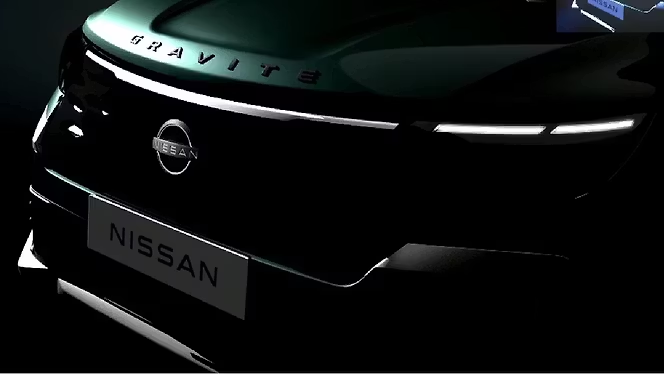
    First impressions? The Gravite doesn’t shy away from making a statement. Teaser images and leaked production shots reveal a confident, boxy stance that’s perfect for urban jungles and highway hauls alike. Up front, it sports Nissan’s signature V-motion grille, flanked by sleek LED DRLs that give it a premium edge without the premium price tag. The rear end gets unique Gravite badging and a fresh lighting layout, differentiating it from the Triber while maintaining that practical, no-nonsense MPV silhouette.

    Nissan Gravite
    Nissan Gravite

    Measuring under 4 meters in length, the Gravite qualifies for India’s sub-4m tax incentives, keeping costs down for buyers. It’s all about modularity here—think slide-and-tumble second and third rows that transform from a seven-seater people carrier to a cargo-hauling beast in seconds. Nissan calls it “designed for Indian families,” and from the looks of it, they’ve nailed the balance of style and substance.

    Powertrain: Efficient and Punchy for Everyday Adventures

    Under the hood, the Gravite borrows the Triber’s reliable 1.0-litre naturally aspirated petrol engine, but whispers from the grapevine suggest a turbocharged variant could spice things up for those craving a bit more grunt. Expect around 70-100 bhp depending on the tune, paired with a five-speed manual or an optional AMT for effortless city commuting. Fuel efficiency? We’re talking 18-20 kmpl, making it a wallet-friendly choice in a segment dominated by thirstier rivals.

    Nissan hasn’t spilled all the beans yet, but the focus is clear: smooth, reliable performance tailored for India’s diverse roads—from pothole-riddled streets to monsoon-soaked highways. And with its lightweight construction, handling feels nimble, not boat-like.

    Features: Loaded for the Long Haul

    What good is space without smarts? The Nissan Gravite packs a punch in the features department, aiming to outshine its budget roots. Expect a 7-inch touchscreen infotainment system with Apple CarPlay and Android Auto, wireless charging, and NissanConnect connectivity for seamless smartphone integration. Safety gets a nod too, with dual airbags, ABS with EBD, rear parking sensors, and possibly a 360-degree camera in higher trims.

    Inside, it’s all about family-friendly vibes: ventilated front seats for those sweltering Indian summers, ample boot space (up to 625 liters with seats folded), and ISOFIX mounts for child seats. Nissan emphasizes “comfort and modularity,” so don’t be surprised if we see customizable storage cubbies and USB ports galore. It’s not flashy like a luxury MPV, but for the price, it’s feature-packed enough to feel like a steal.

    Nissan Gravite
    Nissan Gravite

    Pricing and Competition: Value King in a Crowded Ring

    Word on the street (and from early estimates) is that the Nissan Gravite will start at around ₹6 lakh, climbing to ₹9 lakh for top-spec variants—ex-showroom, of course. That’s squarely in the wheelhouse of the Renault Triber (its closest cousin), Maruti Suzuki Ertiga, and Kia Carens, but with Nissan’s badge adding a touch of aspirational flair.

    Competitor Starting Price (₹ Lakh) Key Edge Over Gravite
    Renault Triber 6.0 Slightly cheaper base, but less styling tweaks
    Maruti Ertiga 8.7 More powerful engines, wider service network
    Kia Carens 10.5 Premium features, but pricier

    The Gravite’s ace? Its sub-4m footprint for tax savings and that perfect blend of Nissan reliability with Triber practicality. If priced right, it could poach buyers from the Ertiga’s value segment while undercutting the Carens’ premium play.

    A Resurgence Worth Watching

    The Nissan Gravite isn’t reinventing the wheel—it’s reimagining it for the Indian family on the go. In a year that’s seen Nissan double down on India with the Magnite facelift and now this, the brand’s “Defy Ordinary” mantra feels more tangible than ever. Launching in just a few weeks, it’ll be fascinating to see how it stacks up in real-world tests.

    Also Read This : Dhurandhar Box Office Collection 2025 : Day-Wise Earnings, Budget, Worldwide Gross & Verdict

    What do you think—will the Nissan Gravite pull families away from Maruti’s stronghold? Drop your thoughts in the comments below. Stay tuned for our full review post-launch. Until then, defy the ordinary—because why settle for less when you can have seven seats of fun?

  • 5 Dreamy Honeymoon Destinations in India Under Rs 20000 : Romantic Escapes on a Shoestring Budget

    5 Dreamy Honeymoon Destinations in India Under Rs 20000 : Romantic Escapes on a Shoestring Budget

    5 Dreamy Honeymoon Destinations in India Under Rs 20000 : Ah, the honeymoon – that magical interlude where love feels infinite and budgets… Well, let’s just say they don’t have to be. If you’re a newlywed couple dreaming of India’s diverse landscapes without draining your savings, you’re in luck. In 2025, with smart planning and off-peak travel, you can whisk away for 3-4 days of romance for under ₹20,000 total for two. We’re talking misty hills, serene beaches, and adventure-packed riversides that scream “forever” without the hefty price tag.

    Drawing from the latest travel insights, I’ve curated five handpicked spots that blend affordability, accessibility, and that undeniable spark. These estimates cover basic stays, meals, local transport, and a few heart-fluttering activities – assuming you’re traveling by train or bus from major cities and keeping things cozy. Ready to fall deeper in love? Let’s dive in.

    5 Dreamy Honeymoon Destinations in India Under Rs 20000

    1. Rishikesh, Uttarakhand

    Tucked amid the Garhwal Himalayas, Rishikesh beckons with its blend of spiritual calm and pulse-racing escapades. Dawn yoga flows along the Ganges give way to sunset rafting dashes, where holding hands through rapids seals your adventure pact. Evenings? Whispered promises over herbal teas in cliffside cafes.

    The Romantic Edge: It’s where souls sync—meditative mornings for reflection, wild afternoons for laughter that echoes off canyon walls.

    Cost Snapshot (Couple, 3 Days): ₹7,000–₹12,000

    • Lodging: Basic riverside retreats or eco-cabins: ₹1,000–₹1,500/night.
    • Eats: Fresh thalis and chai stalls: ₹400–₹600 daily.
    • Fun & Moves: Shared rafting thrill (₹800) plus local shuttles: ₹1,000 all-in.
    • Access: Quick train from Delhi (₹500–₹1,000 return).

    Insider Hack: December’s crisp air amps the magic; snag a Ganga Aarti view spot for zero extra rupees.

    5 Dreamy Honeymoon Destinations in India Under Rs 20000
    5 Dreamy Honeymoon Destinations in India Under Rs 20000

    2. Pondicherry

    This Union Territory feels like a love letter from France to India—tree-lined boulevards, pastel facades, and golden sands inviting barefoot strolls. Cycle through the White Town’s labyrinth, pause for crepes at seaside nooks, or meditate in Aurobindo’s ashram gardens, letting the Arabian Sea’s breeze carry your dreams.

    The Romantic Edge: Effortless elegance for couples who crave cultured downtime, with bike-shared sunsets feeling like your private film scene.

    Cost Snapshot (Couple, 3 Days): ₹8,000–₹13,000

    • Lodging: Heritage guesthouses or beachfront pods: ₹1,200–₹2,000/night.
    • Eats: Indo-French bites from corner bistros: ₹500–₹700 daily.
    • Fun & Moves: Bike hires and ferry jaunts: ₹800 total.
    • Access: Bus or rail from Chennai (₹300–₹800 return).

    Insider Hack: Hunt for Paradise Beach’s hidden coves via a cheap boat ride—₹200 for seclusion that sparks stories.

    5 Dreamy Honeymoon Destinations in India Under Rs 20000
    5 Dreamy Honeymoon Destinations in India Under Rs 20000

    3. Coorg, Karnataka

    Kodagu’s emerald hills, dubbed India’s coffee cradle, unfold in misty veils and spice-scented trails. Wander plantation paths hand-in-hand, chase rainbows at Iruppu Falls, or share stories by a homestay hearth as Kodava folk tunes play softly.

    The Romantic Edge: Nature’s quiet symphony—foggy treks that draw you closer, turning every leaf-rustle into a shared secret.

    Cost Snapshot (Couple, 3 Days): ₹8,000–₹14,000

    • Lodging: Plantation nests or family-run abodes: ₹1,500–₹2,200/night.
    • Eats: Robust local curries and brews: ₹500–₹800 daily.
    • Fun & Moves: Trail treks and jeep rambles: ₹1,200 all-in.
    • Access: Smooth bus from Bengaluru (₹400–₹1,000 return).

    Insider Hack: Align with the December bloom—wildflowers carpet paths, making impromptu picnics poetic.

    5 Dreamy Honeymoon Destinations in India Under Rs 20000
    5 Dreamy Honeymoon Destinations in India Under Rs 20000

    4. Manali, Himachal Pradesh

    5 Dreamy Honeymoon Destinations in India Under Rs 20000 : Himachal’s crown, Manali, trades city chaos for pine-fringed valleys and apple-blossom arcs. Glide on ropeways above gushing Beas, toast marshmallows by riverside fires, or brave a paraglide tandem for views that humble the heart.

    The Romantic Edge: Mountain majesty meets playful chills—cozy shawls and stargazing that reignite that first-spark wonder.

    Cost Snapshot (Couple, 3 Days): ₹8,000–₹15,000

    • Lodging: Valley-view huts or cozy inns: ₹1,200–₹2,000/night.
    • Eats: Hearty Pahari platters: ₹600–₹900 daily.
    • Fun & Moves: Pass excursions and bus hops: ₹1,500 total.
    • Access: Night bus from Delhi (₹800–₹1,500 return).

    Insider Hack: Light December flurries add sparkle; layer up and claim a bonfire nook early.

    5 Dreamy Honeymoon Destinations in India Under Rs 20000
    5 Dreamy Honeymoon Destinations in India Under Rs 20000 : Manali

    5. Munnar, Kerala

    5 Dreamy Honeymoon Destinations in India Under Rs 20000 : God’s Own Country’s highland heart, Munnar, drapes lovers in rolling tea carpets and cardamom breezes. Paddle echoey lakes at twilight, chase Nilgiri tahrs in mist-shrouded parks, or steep in a spice-scented soak back at your estate.

    The Romantic Edge : Timeless tranquility—endless greens that mirror your growing forever, with hilltop halts for horizon-bound vows.

    Cost Snapshot (Couple, 3 Days): ₹9,000–₹16,000

    • Lodging: Estate cottages with vistas: ₹1,500–₹2,500/night.
    • Eats: Sadya feasts and toddy taps: ₹500–₹800 daily.
    • Fun & Moves: Boat drifts and off-road spins: ₹1,000 all-in.
    • Access: Train or bus from Kochi (₹500–₹1,200 return).

    Insider Hack: Winter’s veil of vapor turns trails ethereal; sidestep holiday peaks for hushed hills.

    5 Dreamy Honeymoon Destinations in India Under Rs 20000
    5 Dreamy Honeymoon Destinations in India Under Rs 20000

    Honeymoon Hacks : Stretch Every Rupee, Amplify Every Moment

    • Seasonal Savvy: December 2025 shines with mild temps and post-festive dips—book mid-week for 20% off vibes.
    • Wander Wisely: Stick to public rides (under ₹2,000 round-trip) and forage markets for meals that taste like home.
    • Couple Curations: Weave in freebies like stargazing or wild swims; splurge selectively on a ₹1,000 couples’ massage.
    • Eco-Eternal: Tread lightly—pick green stays, carry reusables. Your tale can trailblaze kinder journeys.

    Also Read This : Bigg Boss 19 Winner Gaurav Khanna : Drama, Heart, and the Trophy He Deserved

    5 Dreamy Honeymoon Destinations in India Under Rs 20000 : India’s romance isn’t reserved for the lavish; it’s in these unassuming corners where bonds bloom brightest. From river roars to hilltop hush, ₹20,000 unlocks eternities. Which whisper calls to you? Share in the comments—may your chapters unfold with wonder. Cheers to love’s affordable adventures!

  • Tata Sierra 2025 : Reviving an Icon – What to Expect from the November 25 Launch

    Tata Sierra 2025 : Reviving an Icon – What to Expect from the November 25 Launch

    Tata Sierra 2025 : If you’re anything like me, the name “Tata Sierra” brings back a flood of memories from the ’90s – that boxy beast that ruled Indian roads with its rugged charm and unapologetic style. Fast forward to today, and Tata Motors is breathing new life into this legend with the Tata Sierra 2025. Unveiled just yesterday on November 15, 2025, this mid-size SUV is set to make its official launch on November 25, 2025, complete with pricing and booking details. Buckle up as we dive into everything we know so far about this nostalgic yet futuristic ride.

    A Design That Honors the Past While Eyeing the Future

    The Tata Sierra 2025 doesn’t just borrow from its predecessor; it evolves it into a head-turner for the modern era. Picture the original’s iconic boxy silhouette, but amplified with sleek, contemporary touches. The exterior screams premium ruggedness: a massive all-black grille emblazoned with “Sierra” lettering, slim LED headlights connected by a signature light bar, and chunky silver skid plates for that off-road vibe.

    Flush door handles, 18-inch alloy wheels, and roof rails add to the urban explorer aesthetic, while the rear boasts connected LED tail lamps, an integrated spoiler, and a bumper-mounted number plate for a fresh twist. Glossy black accents on the bumpers, side sills, and pillars give it a stealthy, monochromatic edge – available in colors like Cosmic Gold and Lunar White, if rumors hold true.

    Tata Sierra 2025
    Tata Sierra 2025

    Inside, it’s a tech haven. The dashboard features a tri-screen setup: a 10.25-inch infotainment display, a digital driver’s cluster, and even a passenger-side screen for seamless connectivity. Dual-zone climate control, ambient lighting, and a panoramic sunroof elevate the cabin to luxury levels. Tata’s attention to detail shines through with a four-spoke steering wheel sporting an illuminated logo and ventilated leatherette seats. It’s not just a car; it’s a rolling living room designed for Indian families on the go.

    Power Under the Hood: ICE First, EV to Follow

    Performance-wise, the Tata Sierra 2025 is geared for versatility. Launching initially with internal combustion engine (ICE) options, it promises punchy yet efficient drives:

    Engine Option Displacement Power Torque Transmission
    1.5L Turbo-Petrol 1.5L 125 PS 260 Nm 6-Speed MT/AT
    2.0L Diesel 2.0L 170 PS 350 Nm 6-Speed MT/AT

    These powertrains, borrowed from Tata’s proven lineup (think Altroz and Harrier), ensure highway prowess and city maneuverability, with expected mileage around 18-22 kmpl. And here’s the cherry on top: an electric variant is slated for 2026, potentially packing a 60-75 kWh battery for 400+ km range, aligning with Tata’s EV push.

    Safety isn’t an afterthought either. Expect Level 2 ADAS features like adaptive cruise control, lane-keep assist, and automatic emergency braking, plus a 360-degree camera and six airbags as standard.

    Tata Sierra 2025
    Tata Sierra 2025

    Pricing and Rivals : Ready to Shake Up the Segment

    Word on the street is that the Tata Sierra 2025 will start at around ₹11-12 lakh for the base petrol variant, climbing to ₹18-20 lakh for top diesel trims – making it a value-packed contender against the Hyundai Creta, Kia Seltos, and Maruti Suzuki Grand Vitara. Bookings kick off on launch day, November 25, so if you’re eyeing one, mark your calendars!

    In a market flooded with cookie-cutter crossovers, the Sierra stands out with its retro-futuristic appeal. It’s Tata’s bold statement: blending heritage with innovation to capture hearts (and garages) across India.

    Also Read This : The King of Pop Returns: Inside the Record-Breaking Teaser for Michael – The Michael Jackson Biopic

    Why the Tata Sierra 2025 Has Us Hooked

    From its unveil walkaround videos that have already racked up millions of views to the promise of an EV sequel, the Tata Sierra 2025 isn’t just a comeback – it’s a revolution. Whether you’re a nostalgia-driven millennial or a tech-savvy parent, this SUV ticks all the boxes for style, substance, and sustainability.

    What do you think – will the Sierra reclaim its throne? Drop your thoughts in the comments, and stay tuned for our live launch coverage on November 25. Drive safe, folks!

  • Whispers of the Wind: Unveiling the Enchanting Hawa Mahal in Jaipur

    Whispers of the Wind: Unveiling the Enchanting Hawa Mahal in Jaipur

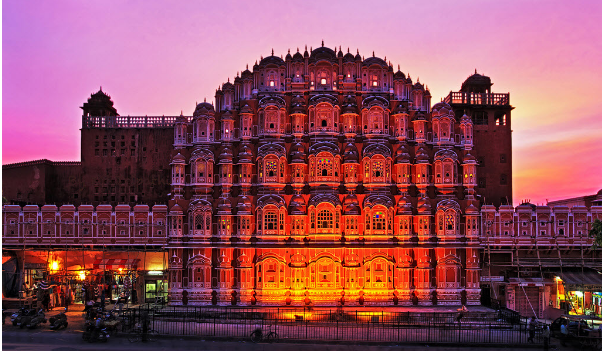
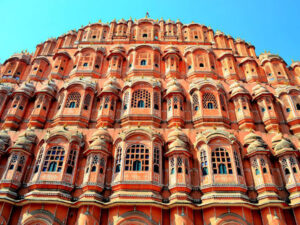
    Hawa Mahal : Imagine standing in the heart of a bustling pink city, gazing up at a honeycomb of delicate windows that seem to dance with the desert breeze. That’s Hawa Mahal for you—a five-story facade that’s less a palace and more a poetic veil between the royal past and the vibrant present. Nestled in the chaotic charm of Jaipur, Rajasthan’s “Pink City,” this architectural gem has whispered secrets of intrigue, tradition, and ingenuity for over two centuries. If you’re a history buff, an architecture aficionado, or just someone who loves a good story wrapped in sandstone, join me as we step through its lattice screens and into a world frozen in time.

    The Royal Veil: A Peek into Hawa Mahal’s Storied Past

    Built in 1799 by Maharaja Sawai Pratap Singh, the grandson of Jaipur’s visionary founder Maharaja Jai Singh II, Hawa Mahal wasn’t designed for grand banquets or opulent thrones. No, this was a sanctuary for the women of the royal zenana—the secluded quarters where queens, princesses, and attendants lived under the purdah system. From behind its 953 intricately carved jharokhas (overhanging enclosed balconies), they could catch glimpses of the world outside: colorful street processions, lively festivals, and the everyday rhythm of the city below. It was a clever compromise between isolation and curiosity, allowing the royals to stay hidden while staying connected.

    Hawa Mahal
    Hawa Mahal

    The palace’s name, meaning “Palace of Winds,” is no poetic flourish. Jaipur’s scorching summers demanded innovation, and Hawa Mahal delivered. Cool breezes funneled through those tiny windows like nature’s own air conditioning, turning the structure into a living testament to the Kachwaha dynasty’s blend of Rajput valor and Mughal finesse. Under the guidance of architect Lal Chand Ustad, it rose as part of the sprawling City Palace complex, yet stands alone like a blushing sentinel on the edge of Badi Chaupar. Over the years, it has witnessed the ebb and flow of empires, from the princely states to independent India, evolving from a private viewpoint into a public icon that draws wanderers from across the globe.

    What strikes me most about its history isn’t just the dates and dynasties—it’s the human element. Picture the rustle of silk saris against stone walls, the muffled laughter of hidden observers, and the faint echo of elephant processions. Hawa Mahal isn’t just stone; it’s a silent storyteller of lives veiled in mystery.

    A Symphony in Sandstone: The Architectural Poetry of Hawa Mahal

    If Jaipur is a canvas painted in rose-tinted hues, Hawa Mahal is the masterpiece that steals the show. Towering 53 meters high, its facade unfurls like a frozen honeycomb, each level adorned with progressively more windows—fewer at the base, blooming into a frenzy at the top for optimal airflow. Crafted from the region’s signature pink sandstone (locally sourced and quarried to perfection), the structure glows ethereally at dawn and dusk, especially during the monsoon when the air hums with petrichor.

    Step closer, and the details will leave you breathless. Floral motifs of lotuses and peacocks intertwine with geometric Islamic patterns, a harmonious nod to the syncretic influences of Rajput and Mughal eras. Those jharokhas aren’t mere holes; they’re sculpted screens with overhanging cornices that cast playful shadows, turning the wall into a living tapestry. Inside, it’s a different tale—narrow corridors wind upward via steep staircases, revealing sparse chambers that feel more like a high-rise beehive than a lavish lair. There’s no vast Durbar Hall here; the magic is in the restraint, the clever use of space to prioritize ventilation over volume.

    Hawa Mahal
    Hawa Mahal

    Fun fact: The pyramid-like shape isn’t accidental. It mimics Lord Krishna’s crown, a divine touch that infuses the secular with the sacred. In an age before fans or AC units, this design was revolutionary—passive cooling at its finest, a lesson in sustainable living we could all borrow from today. Wandering its innards, I couldn’t help but marvel at how something so visually extravagant serves such a practical purpose. It’s architecture that breathes, literally.

    A Morning with the Winds: Experiencing Hawa Mahal Up Close

    My first encounter with Hawa Mahal was at sunrise, when the city still slumbers under a golden haze. Arriving via a rickety auto-rickshaw through the labyrinthine lanes of the old city, I crossed the road to the iconic viewpoint—a spot where the palace’s full glory unfolds like a postcard come to life. From here, it’s a riot of pink perforations against the sky, perfect for that Instagram-worthy silhouette (though trust me, the real charm is in the details you can’t capture in a single frame).

    Entry is straightforward and affordable, with tickets that let you roam freely from 9 AM to 4:30 PM most days. Opt for an early visit to beat the heat and the hordes—by noon, the place buzzes with school groups and selfie sticks. Inside, a small museum on the ground floor houses artifacts like antique jewelry and faded photographs, offering a tangible link to the zenana’s whispers. Climb those stairs (wear comfy shoes; they’re no joke), and emerge onto balconies where the wind truly comes alive, tousling your hair as you peer down at the bazaar’s awakening chaos.

    Pro tip: Bring a hat and water—Rajasthan’s sun doesn’t discriminate. And if you’re there in the cooler months (October to March, ideally), linger for the subtle play of light through the lattices; it’s like watching a kaleidoscope shift in slow motion. Evenings bring a quieter vibe, with the palace bathed in the warm glow of street lamps, hinting at the festivals that light it up during Diwali or Teej.

    Echoes Beyond the Walls: Jaipur’s Treasures Just a Stone’s Throw Away

    Hawa Mahal doesn’t exist in isolation; it’s the gateway to Jaipur’s soul. Mere steps away lies the majestic City Palace, where royal courtyards and museums spill secrets of the maharajas’ opulent lives. Venture a short stroll to Jantar Mantar, the UNESCO-listed observatory whose massive sundials and star charts feel like stepping into a cosmic playground designed by an 18th-century genius.

    Hawa Mahal
    Hawa Mahal

    For a dose of local flavor, lose yourself in Chandpole Bazaar, where vendors hawk everything from block-printed textiles to silver jhumkas that jingle like temple bells. It’s here that Jaipur’s sensory overload hits: the spice-scented air, the haggling symphony, the flash of turquoise and crimson saris. Pair your Hawa Mahal jaunt with a thali at a nearby dhaba—think dal baati churma that warms you from the inside out—and you’ve got the makings of an unforgettable day.

    Final Breeze: Why Hawa Mahal Still Captivates

    In a world racing toward glass skyscrapers and smart cities, Hawa Mahal stands as a gentle reminder of beauty born from necessity. It’s not just a monument; it’s a bridge to a time when architecture whispered rather than shouted, when winds carried stories across veiled divides. Whether you’re tracing the footsteps of forgotten queens or simply seeking a cool respite from the desert heat, this palace invites you to pause, peer, and ponder.

    Also Read This : WhatsApp vs Arattai : The Ultimate Messaging App Showdown for India in 2025

    Jaipur’s Pink City pulses with such wonders, but Hawa Mahal ? It’s the heartbeat. If life’s veils ever feel too thick, head to the Palace of Winds—let it remind you that sometimes, the best views come from looking out, unseen.

  • Exploring Mirzapur Top 5 Must-Visit Place Near the Web Series Iconic Setting

    Exploring Mirzapur Top 5 Must-Visit Place Near the Web Series Iconic Setting

    Mirzapur Top 5 Must-Visit Place : The gritty drama of Mirzapur has captivated audiences worldwide, painting a vivid picture of this Uttar Pradesh town with its intense storyline and raw characters. But beyond the fictional world of Kaleen Bhaiya and Guddu Pandit lies a real Mirzapur—a hidden gem brimming with spiritual, natural, and historical treasures. If you’re planning a trip to experience the charm of this region, here’s a curated guide to the top 8 destinations in and around Mirzapur that promise an unforgettable adventure. From sacred temples to cascading waterfalls, these spots are perfect for a weekend getaway. Let’s dive in!

    Why Visit Mirzapur?

    Mirzapur, nestled along the banks of the Ganga, is more than just a backdrop for a web series. It’s a land where spirituality meets nature, and history whispers through ancient forts and landmarks. Whether you’re a devotee seeking divine blessings, a nature enthusiast chasing waterfalls, or a history buff exploring old forts, Mirzapur has something for everyone. Plus, its proximity to Varanasi (about 70 km) makes it an ideal add-on to your travel itinerary. Here’s a breakdown of the must-visit spots, categorized for easy planning.

    Spiritual Gems : Mirzapur Top 5 Must-Visit Place 

    Mirzapur Top 5 Must-Visit Place : Mirzapur is a hub of spiritual energy, home to some of India’s most revered temples. These sites offer peace, divine vibes, and a glimpse into the region’s rich cultural heritage.

    1. Vindhyavasini Devi Temple

    • Why Visit? Perched on the Vindhyachal hills, this ancient temple dedicated to Goddess Durga is one of the 51 Shakti Peeths. The serene surroundings and the spiritual aura make it a must-visit. During Navratri, the temple comes alive with a grand fair, drawing devotees from across the country.
    • Distance from Mirzapur: 8-10 km
    • Best Time to Visit: October (Navratri) for the festive vibe, or early mornings for a peaceful darshan.
    • Pro Tip: Wear comfortable shoes for the short climb, and don’t miss the stunning view of the Ganga from the temple.
    Vindhyavasini Devi Temple
    Mirzapur Top 5 Must-Visit Place : Vindhyavasini Devi Temple

    2. Ashtabhuja Devi Temple

    • Why Visit? Another Shakti Peeth, this temple is dedicated to Goddess Kali with her eight arms. Located near Vindhyavasini, it’s a great spot for a short trek and spiritual reflection. The temple’s unique architecture and serene ambiance make it a hidden gem.
    • Distance from Mirzapur: 5 km (near Vindhyachal)
    • Best Time to Visit: Early mornings to avoid crowds and enjoy the cool breeze.
    • Pro Tip: Combine this visit with Vindhyavasini for a fulfilling spiritual day trip.

    3. Kali Khoh Temple

    • Why Visit? Tucked inside a cave, this temple dedicated to Goddess Kali is steeped in Ramayana lore. The underground setting adds a thrilling, almost mystical vibe to the visit. It’s perfect for those who love a mix of spirituality and adventure.
    • Distance from Mirzapur: 10 km
    • Best Time to Visit: Before monsoon (March-May) to avoid slippery paths.
    • Pro Tip: Carry a flashlight to explore the cave’s nooks and crannies safely.
    Kali Khoh Temple
    Mirzapur Top 5 Must-Visit Place : Kali Khoh Temple

    Nature Escapes: Waterfalls and Scenic Spots

    Mirzapur Top 5 Must-Visit Place : Mirzapur’s natural beauty shines through its waterfalls and lush landscapes, making it a paradise for nature lovers and adventure seekers. These spots are ideal for picnics, photography, or simply soaking in the tranquility.

    4. Tanda Falls

    • Why Visit? This stunning waterfall, surrounded by dense forests, is a crowd-puller, especially during the monsoon when the water gushes down with full force. It’s a perfect spot for a refreshing dip or a relaxed picnic with friends and family.
    • Distance from Mirzapur: 14 km
    • Best Time to Visit: July-September (monsoon) for the full waterfall experience.
    • Pro Tip: Bring a picnic basket and enjoy a meal by the falls, but watch out for slippery rocks!

    5. Sirsi Waterfall

    • Why Visit? Located near a dam, Sirsi Waterfall is a serene spot with a steady flow of water and lush greenery. Popular since British times, it’s also a great place for birdwatching and unwinding in nature.
    • Distance from Mirzapur: 45 km
    • Best Time to Visit: Post-monsoon (October-November) for clear skies and vibrant landscapes.
    • Pro Tip: Pack binoculars if you’re into birdwatching—migratory birds are a treat here.
    Sirsi Waterfall
    Mirzapur Top 5 Must-Visit Place : Sirsi Waterfall

    6. Sita Kund

    • Why Visit? This sacred kund is believed to be the spot where Goddess Sita entered the earth, according to Ramayana. Surrounded by gardens and smaller waterfalls, it’s a peaceful retreat with a spiritual touch.
    • Distance from Mirzapur: 20 km
    • Best Time to Visit: Early morning or late afternoon for cooler temperatures and beautiful lighting.
    • Pro Tip: Spend some time in the nearby gardens for a relaxing break after exploring the kund.

    Also Read This : Train Ticket Cancellation and Refund Rules 2025

    Historical Hotspots: Forts and Landmarks

    Mirzapur Top 5 Must-Visit Place : For history buffs, Mirzapur offers a peek into its storied past through forts and iconic structures that have witnessed centuries of change.

    Chunar Fort
    Mirzapur Top 5 Must-Visit Place : Chunar Fort

    7. Chunar Fort

    • Why Visit? Overlooking the Ganga, this ancient fort is a treasure trove of history, having been under Mughal, British, and Afghan rule. Explore its secret tunnels, grand courtyards, and panoramic river views for a step back in time.
    • Distance from Mirzapur: 35 km
    • Best Time to Visit: Afternoon for cooler weather and stunning sunset views over the Ganga.
    • Pro Tip: Hire