Category: News

  • G7 Summit 2025 : Key Takeaways from Kananaskis

    G7 Summit 2025 : Key Takeaways from Kananaskis

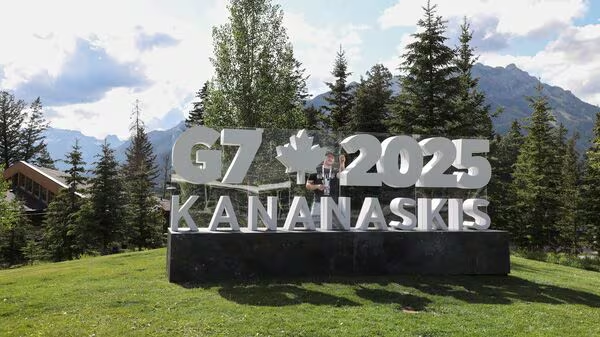
    The 51st G7 Summit was held on June 16–17, 2025, in Kananaskis, Alberta, Canada, where leaders from Canada, France, Germany, Italy, Japan, the United Kingdom, and the United States came together for high-level discussions. Representatives from the European Union and invited guests. Against a backdrop of global conflicts and economic challenges, the summit aimed to address pressing issues like the Russia-Ukraine war, Middle East tensions, trade policies, and energy security. However, the event was marked by unexpected disruptions and mixed outcomes. Below are the key takeaways from this pivotal gathering.

    U.S. President Trump’s Abrupt Exit

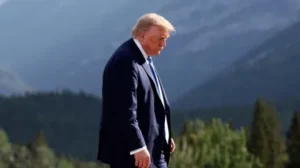
    One of the summit’s defining moments was U.S. President Donald Trump’s early departure on June 16 to address escalating tensions in the Israel-Iran conflict. This move disrupted a planned meeting with Ukrainian President Volodymyr Zelenskyy, derailing efforts to secure U.S. support for pressuring Russia into a Ukraine ceasefire. Trump’s focus shifted to the Middle East, with speculation about potential U.S. involvement in Israeli strikes against Iran’s nuclear facilities. His absence left a void in discussions, raising questions about the G7’s ability to align on critical global issues and fueling debates about the group’s relevance in a shifting geopolitical landscape.
    U.S. President Trump’s Abrupt Exit
    U.S. President Trump’s Abrupt Exit

    Ukraine and Russia: A Fractured G7 Response

    The Russia-Ukraine war was a central focus, but divisions emerged, particularly after Trump’s exit. His expressed support for Russian President Vladimir Putin complicated efforts to craft a unified G7 stance. Canada, as host, had hoped to issue a strong statement condemning Russia and supporting Ukraine but scrapped these plans due to U.S. resistance. Ukrainian President Zelenskyy called the diplomatic situation a “crisis,” urging G7 leaders to leverage their influence to end the conflict.

    Despite the setbacks, Canada stepped up with significant commitments, announcing $4.3 billion in aid for Ukraine. This package included $2 billion in military support—comprising helicopters, drones, and ammunition—and $2.3 billion in loans for infrastructure rebuilding. Canada also condemned Russia’s recent deadly attack on Kyiv, labeling it an act of “barbarism.” Other G7 members reaffirmed their support for Ukraine, but the lack of U.S. alignment underscored the challenges of coordinated action.

    Middle East Tensions Take Center Stage

    The Israel-Iran conflict loomed large over the summit, with G7 leaders issuing a joint statement condemning Iran as a source of regional instability and emphasizing that Iran must not acquire nuclear weapons. Trump’s early departure was directly tied to these tensions, with reports indicating U.S. preparations for potential military engagement alongside Israel. The G7’s unified stance on Iran contrasted with its divisions over Ukraine, highlighting the complex balancing act of addressing multiple global crises simultaneously.

    India’s Role and Diplomatic Efforts

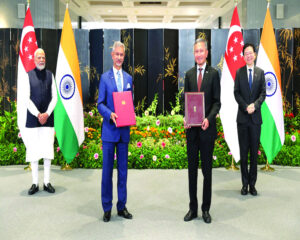
    Indian Prime Minister Narendra Modi’s attendance—his sixth consecutive G7 summit—underscored India’s growing global influence. Modi emphasized energy security, green technology pathways, and the need for collective action against terrorism. His presence also sparked protests from Sikh groups over Canada’s allegations regarding the 2023 killing of Hardeep Singh Nijjar, a Canadian Sikh leader. Despite these tensions, Modi held productive meetings with Canadian Prime Minister Mark Carney and other leaders to reset India-Canada relations and explore trade opportunities, including a proposed Europe-Middle East-India trade corridor.
    India’s Role and Diplomatic Efforts
    India’s Role and Diplomatic Efforts

    Trade, Tariffs, and Economic Cooperation

    Trade discussions yielded mixed results. Trump secured a framework for a new trade deal with the United Kingdom but criticized the European Union and Japan for what he called unfair trade practices, singling out Japan as “tough” in negotiations. Canada, meanwhile, made progress on a potential U.S. trade agreement and brokered initiatives for critical minerals stockpiling and cross-border wildfire coordination. These efforts reflect the G7’s ongoing focus on economic resilience amid global uncertainties.

    Global South and Energy Security

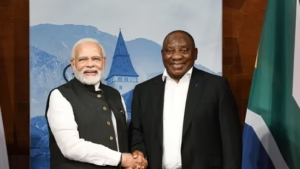
    South African President Cyril Ramaphosa, the only African leader invited, advocated for the Global South’s priorities, calling for a fairer global order. Modi echoed this sentiment, highlighting sustainable energy solutions to support AI-driven and technology-intensive societies. The G7’s discussions on energy security underscored the need for collaborative approaches to address climate challenges while ensuring economic stability.

    Indigenous Engagement

    In a notable moment, Indigenous leader Steven Crowchild of the Tsuut’ina First Nation welcomed G7 leaders, including Trump, to the summit. Crowchild described the encounter with Trump as “intense” but emphasized the importance of Indigenous voices in global dialogues. This gesture highlighted Canada’s commitment to incorporating Indigenous perspectives into international forums.
    Global South and Energy Security
    Global South and Energy Security

    Questions About the G7’s Future

    Trump’s early exit and his “America First” approach prompted renewed scrutiny of the G7’s effectiveness. Critics, including Russian official Maksim Oreshkin, argued that the G7 no longer drives global economic growth, pointing to the G20 as a more inclusive platform. Despite these challenges, Canadian Prime Minister Mark Carney earned praise for his deft handling of a complex summit, navigating diplomatic tensions and securing tangible outcomes like aid for Ukraine and trade progress.

    Also Read This : Mahindra XUV700 Facelift: What to Expect from the Upcoming XUV 7XO

    The 51st G7 Summit in Kananaskis was a microcosm of today’s fractured global landscape. While it achieved progress in areas like critical minerals, trade frameworks, and support for Ukraine, it also exposed deep divisions, particularly over Russia and the U.S.’s role in global diplomacy. The summit underscored the urgency of addressing conflicts in Ukraine and the Middle East, the importance of inclusive partnerships with the Global South, and the need for the G7 to adapt to a rapidly evolving world. As the international community looks ahead, the outcomes of Kananaskis 2025 will shape diplomatic and economic strategies for years to come.

  • RCB Ban from IPL 2026 Rumors : Fact or Fiction?

    RCB Ban from IPL 2026 Rumors : Fact or Fiction?

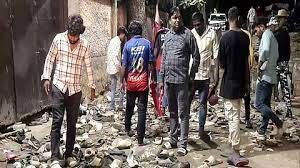
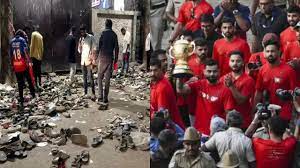
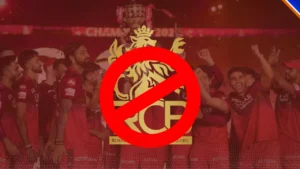
    RCB Ban from IPL 2026 The cricketing world was rocked by tragedy following Royal Challengers Bengaluru’s (RCB) historic IPL 2025 victory, their first title in 18 seasons. A victory parade meant to celebrate the triumph turned catastrophic when a stampede outside M. Chinnaswamy Stadium claimed 11 lives and injured many others. In the aftermath, social media and news outlets have been abuzz with speculation about a potential RCB ban from the IPL 2026 season. But how much truth is there to these claims? Let’s dive into the facts, the rumors, and the implications.

    RCB Ban from IPL 2026 Rumors
    RCB Ban from IPL 2026 Rumors

    The Tragic Incident

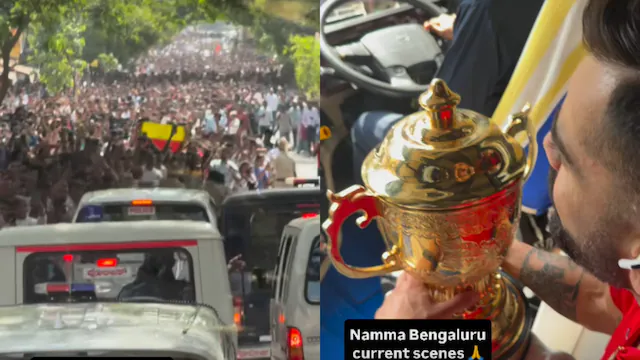
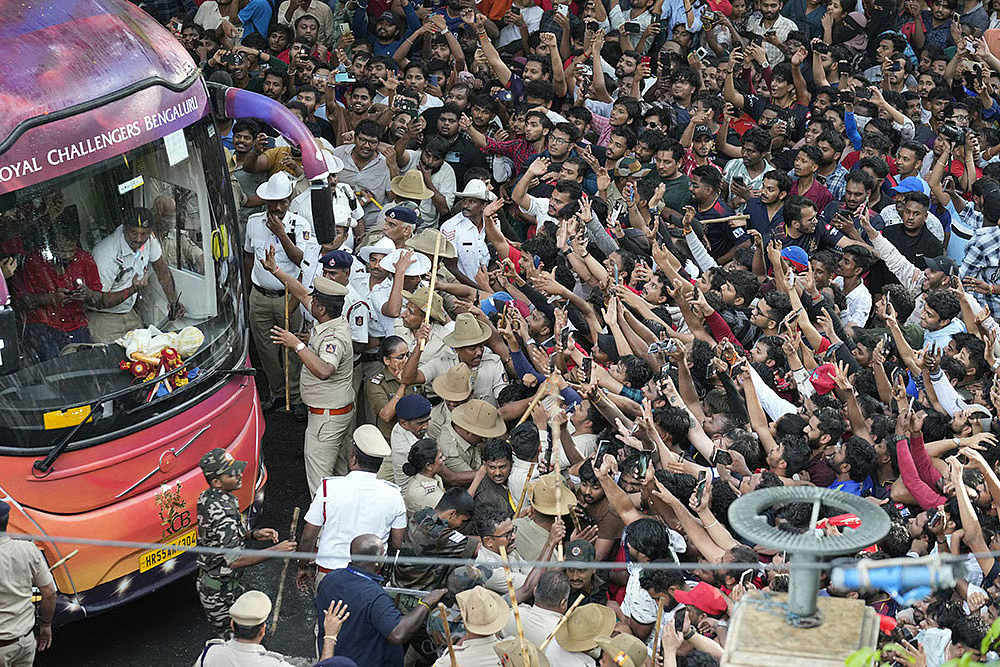
    On June 4, 2025, RCB organized a victory parade in Bengaluru to celebrate their thrilling six-run win over Punjab Kings in the IPL 2025 final. The event, held outside Chinnaswamy Stadium, drew massive crowds eager to catch a glimpse of stars like Virat Kohli and captain Rajat Patidar. However, inadequate crowd management and poor planning led to chaos. Reports indicate that the Bengaluru police had advised against holding the event on short notice due to security concerns, but RCB and the state government proceeded, citing the need to celebrate before foreign players departed.

    The stampede resulted in 11 fatalities and over 30 injuries, prompting widespread outrage. An FIR was filed against RCB, the Karnataka State Cricket Association (KSCA), and the event management company, DNA Entertainment, for alleged negligence. Two KSCA officials resigned, and one arrest was made in connection to the incident.

    RCB Ban from IPL 2026
    RCB Ban from IPL 2026

    The Ban Speculation

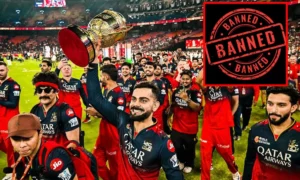
    RCB Ban from IPL 2026 : Social media platforms, particularly X, have been flooded with claims that RCB could face a one-year ban from IPL 2026. Posts like those from @chiku_187 and @OnlyfanOnX have even suggested an “official” BCCI statement confirming the ban, though no credible evidence supports these claims. Other sources, such as India.com and Crictoday, have reported that the BCCI is considering strict action if investigations directly link RCB’s management to gross negligence.

    The BCCI’s contracts with IPL franchises include clauses on public safety, and a failure to adhere to these could lead to penalties. Past precedents, like the two-year bans on Chennai Super Kings and Rajasthan Royals in 2016-17 for betting-related issues, fuel speculation that RCB could face similar consequences. However, the BCCI has not issued any official statement confirming a ban, and some reports, like one from The Financial Express, dismiss these claims as unverified social media rumors.

    RCB Ban from IPL 2026
    RCB Ban from IPL 2026

    What’s Happening Now?

    The investigation into the stampede is ongoing, with the CID taking over to probe safety lapses. The BCCI’s legal team is reportedly reviewing RCB’s contract and safety provisions, but no final decision has been announced. RCB has expressed condolences and announced Rs 10 lakh in financial aid for each deceased victim’s family, attempting to address the fallout.

    Critics, including former cricketer Madan Lal, have called for accountability, with some urging legal action against RCB and the government for poor crowd control. Meanwhile, a resurfaced 2024 warning from a Chennai Super Kings fan club about safety issues at Chinnaswamy Stadium has added fuel to the debate about event management at high-profile cricket events.

    RCB Ban from IPL 2026 : Is a Ban Likely?

    While the incident has undoubtedly tarnished RCB’s moment of glory, a ban remains speculative. The IPL is the BCCI’s most valuable asset, and punishing a high-profile franchise like RCB, backed by a passionate fanbase and commercial giants, could have significant financial and legal repercussions. A ban would also set a precedent that could affect future franchise operations. However, if investigators find clear evidence of negligence by RCB’s management, the BCCI may be forced to act to maintain the league’s credibility.

    RCB Ban from IPL 2026 : For now, claims of a confirmed ban are largely driven by unverified social media posts. The BCCI’s focus appears to be on issuing preventive advisories rather than rushing to punitive measures. Fans and analysts await the investigation’s outcome for clarity.

    RCB Ban from IPL 2026
    RCB Ban from IPL 2026

    Looking Ahead

    RCB’s maiden IPL title was a historic milestone, celebrated by fans and players like Virat Kohli, who dedicated the win to the team’s loyal supporters. Yet, the tragedy has cast a long shadow. The franchise’s Director of Cricket, Mo Bobat, had already set sights on defending the title in 2026, with the final scheduled in Bengaluru. Whether RCB will get the chance to chase back-to-back titles depends on the investigation’s findings and the BCCI’s response.

    Also Read This : Vijay Mallya 2025 Comeback: Podcast Buzz, RCB Glory & India Return Debate

    The rumors of an RCB ban from IPL 2026 stem from a tragic event that exposed serious lapses in event management. While the speculation is rife, no official confirmation supports a ban, and the BCCI is likely to tread carefully given the franchise’s prominence. As investigations continue, the focus must remain on justice for the victims and ensuring such tragedies are never repeated. For now, RCB fans can only hope that their team’s triumph isn’t overshadowed by an uncertain future.

  • #ProudShanitian: Shanti International School Redefines Excellence in 21st Century Education

    #ProudShanitian: Shanti International School Redefines Excellence in 21st Century Education

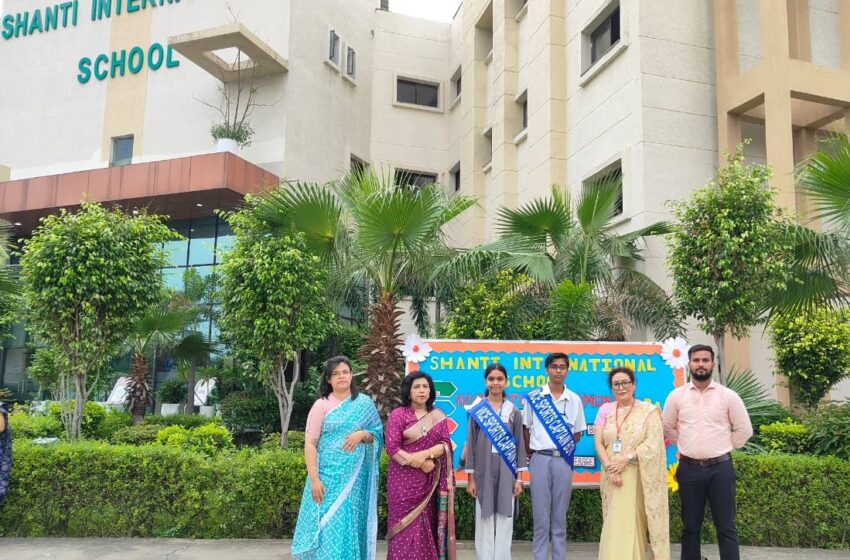
    #ProudShanitian: Noida – In the bustling educational landscape of Noida, one institution stands out for its unwavering commitment to holistic development – Shanti International School. With its innovative approach to learning and emphasis on character building, the school has established itself as a pace-setter in modern education.

    A New Paradigm in Learning

    Breaking away from conventional teaching methods, Shanti International School has implemented:

    • Project-based learning modules that encourage critical thinking
    • Technology-integrated classrooms with smart learning tools
    • Personalized mentorship programs catering to individual student needs

    #ProudShanitian, Celebrating Achievements

    The past academic year witnessed remarkable accomplishments:

    • 100% pass rate in CBSE examinations
    • State-level championships in basketball and robotics
    • National recognition for environmental initiatives led by students

    Nurturing Tomorrow’s Leaders

    Beyond academics, the school focuses on:

    • Emotional intelligence development through specialized workshops
    • Community service programs that foster social responsibility
    • Cultural exchange initiatives promoting global awareness

    A Campus Designed for Inspiration

    The school’s infrastructure supports its educational philosophy with:

    • Spacious, technology-enabled learning spaces
    • Well-equipped laboratories for scientific exploration
    • Extensive sports facilities promoting physical wellness

    “We don’t just prepare students for exams – we prepare them for life,” shares a senior faculty member, encapsulating the institution’s ethos.

    As education continues to evolve, Shanti International School remains at the forefront, consistently demonstrating how traditional values and modern pedagogy can combine to create extraordinary learning experiences.

    #FutureReadyEducation #HolisticLearning #InnovativeTeaching

  • Stampede tragedy : RCB victory parade Cancelled A Bittersweet festivity for Bengaluru suckers 

    Stampede tragedy : RCB victory parade Cancelled A Bittersweet festivity for Bengaluru suckers 

    Stampede tragedy : RCB victory parade Cancelled : A major Triumph for RCB Jubilation swept through Bengaluru as Royal contenders Bengaluru( RCB) eventually captured their demoiselle IPL title in 2025, putting an end to times of heartache and unfulfilled dreams for their devoted suckers. 

    Stampede tragedy : The megacity, synonymous with justice passion, was ready to paint the thoroughfares red and gold with a palm cortege planned from Vidhana Soudha to M Chinnaswamy Stadium. suckers eagerly anticipated cheering for Virat Kohli and the team, celebrating a triumph that felt like a collaborative palm for Bengaluru. 

    Stampede tragedy : RCB victory parade Cancelled 

    Bengaluru’s Business Strikes Again 

     In a twist that could only be described as “ Peak Bengaluru, ” the important- awaited cortege was cancelled due to the megacity’s notorious business traffic. The Central Business District, formerly a agony for commuters, posed invincible logistical challenges. Limited parking, anticipated crowds, and the threat of deadlock led the Bengaluru Police to prioritize safety over festivity, pulling the draw on the open-top machine cortege . 

     A woeful Shadow Over fests 

     The decision was farther told by a ruinous rush at M Chinnaswamy Stadium, where 11 suckers lost their lives and over 33 were injured. Poor crowd operation and a false scuttlebutt about free tickets touched off the tragedy, casting a dimmed shadow over RCB’s palm. The incident stressed the challenges of managing large gatherings in Bengaluru, making the cortege ’s cancellation a necessary, if painful, call. 

    Stampede tragedy : RCB victory parade Cancelled 
    Stampede tragedy : RCB victory parade Cancelled

    Stampede tragedy:  A Controlled festivity 

    Rather than the cortege , RCB organized a felicitation form at M Chinnaswamy Stadium on June 4, 2025, from 5 PM to 6 PM. Entry was confined to ticket or pass holders to insure safety. suckers who attended were treated to moments with Kohli and captain Rajat Patidar, who addressed the crowd and took a stage of honor with the IPL jewel. before, the platoon was recognized by Karnataka Chief Minister Siddaramaiah at Vidhana Soudha, marking their major achievement. 

    Also Read This : Vaginal Health : Why Should Women Prioritize Regular Checkups and Care?

    Suckers Reply to the Cancellation 

     The cortege ’s cancellation sparked mixed responses. On social media, some suckers vented frustration, condemning RCB’s operation and the police for poor planning. Others took it in stride, with one quipping, “ Only Bengaluru business could cancel an IPL palm cortege . ” Despite RCB’s sweats to push for a shorter route, police enterprises about crowd control and safety prevailed, reflecting the megacity’s complex realities. 

    Stampede tragedy : RCB victory parade Cancelled 

     A Palm That Endures 

    Stampede tragedy : While the cancelled cortege left a bittersweet note, the felicitation event allowed suckers to connect with their icons . Kohli’s seductiveness and Patidar’s leadership shone through, reminding everyone why RCB’s fanbase remains imperturbable. Bengaluru’s business may have stolen the cortege , but the spirit of RCB’s 2025 triumph continues to unite the megacity, proving that no deadlock can shroud the love for justice in Bengaluru.

  • Gujarat Infrastructure 2025 : Government Initiatives and Infrastructure Development

    Gujarat Infrastructure 2025 : Government Initiatives and Infrastructure Development

    Gujarat Infrastructure 2025 :  Prime Minister Narendra Modi kicked off a two-day visit to Gujarat with a vibrant roadshow in Vadodara, capturing the enthusiasm of thousands who lined the streets waving tricolour flags and chanting patriotic slogans. This visit, marked by the inauguration of transformative infrastructure projects worth over ₹77,400 crore, underscores the government’s commitment to boosting connectivity, economic growth, and sustainability. From a state-of-the-art locomotive manufacturing plant in Dahod to renewable energy projects in Bhuj, these initiatives are setting the stage for Gujarat—and India—to emerge as a global economic powerhouse. Here’s a deep dive into why these developments are trending and what they mean for entrepreneurs and the public.

    Gujarat Infrastructure 2025 :  Prime Minister Narendra Modi kicked off a two-day visit to Gujarat with a vibrant roadshow in Vadodara
    Gujarat Infrastructure 2025 :  Prime Minister Narendra Modi kicked off a two-day visit to Gujarat with a vibrant roadshow in Vadodara

    Why Gujarat Infrastructure Boom is Making Headlines

    Prime Minister Modi’s visit comes on the heels of India’s bold Operation Sindoor, a counter-terrorism strike against Pakistan, adding a layer of national pride to the celebratory mood in Vadodara. The roadshow, attended by locals and even family members of Colonel Sofiya Qureshi—a Vadodara native who briefed the nation on the operation—highlighted Gujarat’s strategic and emotional significance. But beyond the fanfare, the real story lies in the massive infrastructure projects unveiled during this visit, designed to enhance connectivity, create jobs, and drive sustainable growth.

    Gujarat Infrastructure 2025 has long been a model for development, with Modi’s tenure as Chief Minister (2001–2014) laying the foundation for initiatives like the ‘Make in India’ campaign and the Gujarat Urban Growth Story. Today, as the state celebrates 20 years of urban development, these new projects signal a continuation of that legacy, aligning with the vision of a Viksit Bharat (Developed India).

    Key Infrastructure Projects Unveiled

    1. Dahod Locomotive Manufacturing Plant

    A standout initiative is the inauguration of India’s first electric locomotive manufacturing plant in Dahod, producing advanced 9000 HP locomotives for domestic use and export. Part of the ‘Make in India’ initiative, this ₹21,405-crore project will boost Indian Railways’ freight capacity and promote environmental sustainability through regenerative braking systems. Modi highlighted its rapid progress, noting, “Three years ago, some mocked this project, but today, the first locomotive is ready.” These locomotives will not only serve India but also supply components to countries like England, Saudi Arabia, and Germany, positioning India as a global manufacturing hub.

    2. Bhuj’s Renewable Energy and Infrastructure Push

    In Bhuj, Modi launched projects worth over ₹53,400 crore, including transmission projects for the Khavda Renewable Energy Park, an ultra-supercritical thermal power plant in Tapi, and developments at Kandla Port. These initiatives focus on renewable energy, road connectivity, and water supply, reinforcing Gujarat’s leadership in sustainable development. The Kutch region, with its strategic border proximity, will also benefit from enhanced infrastructure, boosting both security and economic prospects.

    Gujarat Infrastructure 2025
    Gujarat Infrastructure 2025

    3. Urban Development Year 2025

    On May 27, in Gandhinagar, Modi will launch Urban Development Year 2025, marking two decades since he initiated the Gujarat Urban Growth Story in 2005. This includes projects like metro rail expansions in Ahmedabad and Surat, the Sabarmati Riverfront, and the BRTS bus system, which serve millions daily. With 225 town planning schemes approved in the last three years, Gujarat is prioritizing Ease of Living through modern infrastructure, housing for marginalized communities, and clean air programs.

    4. Vande Bharat Express and Railway Upgrades

    The launch of the Vande Bharat Express between Veraval and Ahmedabad, alongside other railway projects like line doubling and electrification, will improve connectivity across Gujarat. These upgrades reduce travel time, enhance freight movement, and create economic opportunities in regions like Dahod and Valsad.

    5. Water and Civic Infrastructure

    From water supply schemes covering 193 villages to smart city projects in Dahod, these initiatives address critical civic needs. The modernization of Pipavav Port and the Bharat Mata Lake in Amreli, with its potential to attract tourism, further highlight the government’s holistic approach to development.

    Gujarat Infrastructure 2025 Water and Civic Infrastructure
    Gujarat Infrastructure 2025 Water and Civic Infrastructure

    Why These Initiatives Matter for Entrepreneurs

    These projects are a goldmine for entrepreneurs and small businesses. Here’s how:

    • Job Creation: The Dahod locomotive plant and Bhuj’s renewable energy projects will generate thousands of direct and indirect jobs, from manufacturing to logistics.
    • Supply Chain Opportunities: The ‘Make in India’ focus opens doors for MSMEs to supply components for locomotives and renewable energy infrastructure.
    • Urban Growth: Metro expansions and smart city projects create demand for real estate, tech solutions, and urban services, ideal for startups in proptech and civic tech.
    • Sustainability Ventures: The emphasis on renewable energy and clean air programs aligns with the growing market for green technologies, offering opportunities for eco-friendly startups.
    • Tourism Boost: Developments like the Bharat Mata Lake and Lothal Maritime Heritage Complex can spur tourism-related businesses, from hospitality to local crafts.
    Gujarat Infrastructure 2025
    Gujarat Infrastructure 2025

    The Bigger Picture: Economic Growth and Public Impact

    Gujarat infrastructure 2025 : These initiatives align with broader government programs like GatiShakti, which integrates multimodal connectivity to drive economic growth. As Modi noted in Dahod, “India has broken decades-old shackles in 11 years,” with Gujarat leading the charge. The state’s infrastructure investments—spanning roads, railways, ports, and renewable energy—position it as a hub for innovation and industry. For the public, these projects mean better connectivity, improved access to water and healthcare, and a higher quality of life.

    The Vadodara roadshow, with its patriotic fervor, also reflects public support for these developments. The presence of Colonel Qureshi’s family underscored the intersection of national security and economic progress, resonating deeply with Gujaratis and Indians nationwide.

    How Entrepreneurs Can Capitalize

    1. Leverage Government Schemes: Explore programs like Pradhan Mantri Mudra Yojana for funding to start or scale businesses tied to infrastructure projects.
    2. Focus on Local Needs: Develop solutions for urban challenges, such as smart city tech or sustainable construction materials.
    3. Network Locally: Attend industry events in Gujarat’s major cities (Ahmedabad, Surat, Vadodara) to connect with stakeholders in railways, renewable energy, and urban planning.
    4. Go Digital: Use platforms like X to promote your business, share insights on infrastructure trends, and engage with Gujarat’s entrepreneurial community.

    Also Read This: Health and Wellness Amid Rising COVID-19 Cases in India : Stay Safe and Strong

    Gujarat infrastructure 2025 boom is more than just projects—it’s a blueprint for India’s future. Whether you’re an entrepreneur eyeing new opportunities or a citizen excited about better connectivity, these initiatives are transforming lives.

  • Why Paresh Rawal Is One of the Most Versatile Actors in Indian Cinema

    Why Paresh Rawal Is One of the Most Versatile Actors in Indian Cinema

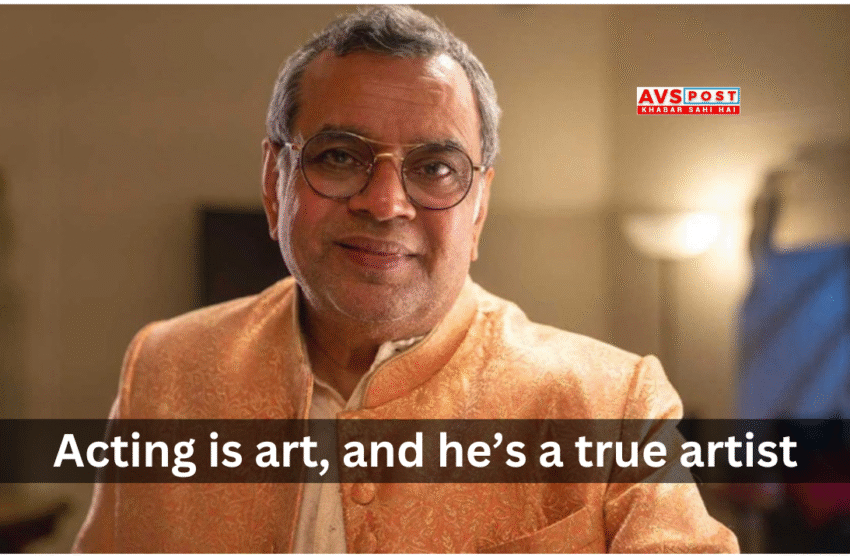
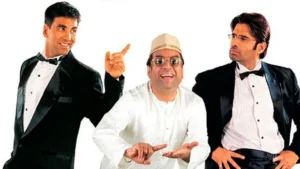
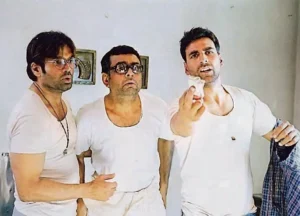
    Paresh Rawal : When you think of Bollywood’s most iconic characters, Paresh Rawal’s Baburao Ganpatrao Apte from Hera Pheri likely springs to mind, with his unforgettable “Yeh Baburao ka style hai!” But there’s so much more to this veteran actor than his comedic genius. From villainous roles to thought-provoking dramas, Paresh Rawal has left an indelible mark on Indian cinema over a career spanning four decades. As of May 2025, Rawal remains in the headlines, with news of his exit from Hera Pheri 3 and quirky health claims sparking debates. Let’s dive into the life, legacy, and latest updates of this multifaceted legend.

    Bollywood’s most iconic characters, Paresh Rawal’s Baburao Ganpatrao Apte
    Bollywood’s most iconic characters, Paresh Rawal’s Baburao Ganpatrao Apte

    Early Life and Rise to Stardom

    Born on May 30, 1955, in Mumbai to a Gujarati family, Paresh Rawal discovered his love for performing arts during his college days. Theatre became his playground, where he not only honed his craft but also met his future wife, Swaroop Sampat, a former Miss India and actress. Their love story, blossoming over 12 years before their 1987 marriage, is the stuff of Bollywood romances—rooted in shared passion and grounded in simplicity. The couple has two sons, Aditya and Aniruddh, both carving their own paths in acting.

    Rawal’s cinematic journey began with a small role in Holi (1984), but it was his supporting parts in Arjun (1985) and Naam (1986) that caught attention. Known for his intense villain roles early on, he showcased his versatility in films like Sardar (1993), where he portrayed Sardar Vallabhbhai Patel with remarkable depth. However, it was the 2000 comedy Hera Pheri that catapulted him to superstardom. His portrayal of the bumbling yet lovable Baburao became a cultural phenomenon, spawning memes and dialogues that remain evergreen.

    his family
    his family

    Paresh Rawal : A Career of Versatility

    With over 200 films, Rawal’s filmography is a testament to his range. He’s made audiences laugh in comedies like Hungama (2003), Golmaal (2006), and Welcome (2007), while delivering powerful performances in dramas like Woh Chokri and Sir (1994), earning him a National Film Award for Best Supporting Actor. His role as a skeptical atheist in OMG – Oh My God! (2012), which he also produced, showcased his ability to tackle socially relevant themes with nuance.

    Rawal’s theatre roots have kept him grounded, and his collaborations with directors like Vishal Bhardwaj and R. Balki reflect his hunger for diverse roles. In a recent April 2025 interview with The Lallantop, he described his Hera Pheri role as a “gale ka fanda” (noose), expressing his desire to break free from comedic typecasting. His praise for peers like Naseeruddin Shah and Anurag Kashyap highlights his respect for authentic storytelling.

    Beyond the Screen: Politics and Personal Life

    Rawal’s influence extends beyond cinema. From 2014 to 2019, he served as a Member of Parliament for the Bharatiya Janata Party (BJP) from Ahmedabad East, bringing his charisma to the political stage. On a personal note, his wife, Swaroop, pursued a PhD at 43, embodying the couple’s zest for growth. Their playful dynamic was recently highlighted when Swaroop shared how Rawal once used her savings of Rs 40,000–50,000 to clear a bar debt in their early years—a story that had fans chuckling.

    Latest News: What’s Happening in May 2025?

    Paresh Rawal is no stranger to making headlines, and May 2025 is no exception. Here’s what’s buzzing:

    Exit from Hera Pheri 3
    Exit from Hera Pheri 3

    Exit from Hera Pheri 3

    In a shocking update, Rawal confirmed on May 18, 2025, via X that he’s no longer part of Hera Pheri 3. Denying rumors of creative or monetary disputes, he expressed admiration for director Priyadarshan, stating, “I hold immense love, respect, and faith in Mr. Priyadarshan the film director.” Fans on X voiced heartbreak, with many arguing the film shouldn’t proceed without Baburao. The reasons for his exit remain unclear, fueling speculation about the franchise’s future.

    Controversial Health Claim

    In late April 2025, Rawal stirred controversy by revealing he drank his urine for 15 days to recover from a knee injury, claiming it was advised by Veeru Devgan, Ajay Devgn’s father. Medical experts, including Dr. Cyriac Abby Philips, debunked the practice as unscientific, while social media erupted with reactions—from memes to debates. Actress Anu Aggarwal backed Rawal, calling urine “amrit” for anti-aging, but the claim has divided opinions.

    Upcoming Projects

    Rawal’s fans have plenty to look forward to. He’s set to star in Thama, a Diwali 2025 release with Ayushmann Khurrana, Rashmika Mandanna, and Nawazuddin Siddiqui. He’s also part of Welcome to the Jungle, boasting a stellar cast, and Badtameez Gill, a comedy-drama with Vaani Kapoor. Additionally, The Taj Story, which began shooting in July 2024, promises to showcase his dramatic prowess.

    hera pheri
    hera pheri

    Why Paresh Rawal Remains a Legend

    Paresh Rawal’s enduring appeal lies in his ability to reinvent himself. Whether he’s making you laugh, cry, or think, he brings authenticity to every role. His candidness—whether praising Shah Rukh Khan’s honest criticism or sharing quirky anecdotes about Nana Patekar—makes him relatable. Even his controversial health claims spark conversations, proving his relevance in an ever-changing industry.

    Also Read This: Asia Cup 2025 Faces Uncertainty as India Withdraws

    As we await his upcoming films, Rawal’s legacy as a versatile actor, producer, and public figure continues to grow. His exit from Hera Pheri 3 may leave a void, but with projects like Thama on the horizon, Paresh Rawal is far from done surprising us.

  • PM Kisan Yojana : A Complete Guide to e-KYC Verification

    PM Kisan Yojana : A Complete Guide to e-KYC Verification

    PM Kisan Yojana

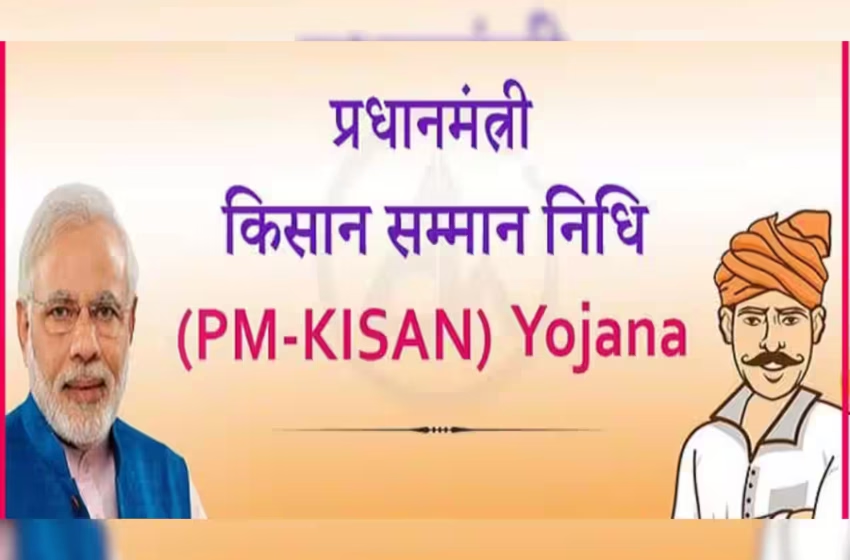
    The Pradhan Mantri Kisan Samman Nidhi Yojana (PM Kisan) is a key initiative by the Government of India to financially assist small and marginal farmers. Through this program, eligible farmers are provided ₹6,000 per year, disbursed in three equal installments of ₹2,000, directly credited to their bank accounts. However, to continue availing these benefits, completing e-KYC (Electronic Know Your Customer) is mandatory. The government has made e-KYC compulsory to ensure that only genuine farmers benefit from the scheme and to prevent fraud. In this blog, we’ll guide you through the e-KYC process for PM Kisan Yojana, its importance, and how to complete it easily.

    Why is e-KYC Important?

    e-KYC is a process to verify the identity of farmers registered under the PM Kisan scheme. It ensures that the benefits reach only eligible beneficiaries, eliminating misuse or fraudulent claims. Failure to complete e-KYC may result in your next installment being withheld. Hence, it’s crucial to complete this process as soon as possible to avoid disruptions in receiving funds.

    What Do You Need for e-KYC?

    To complete the e-KYC process, you’ll need the following:

    • Aadhaar Number: Your 12-digit Aadhaar number registered with the PM Kisan scheme.
    • Linked Mobile Number: A mobile number linked to your Aadhaar for receiving OTP (One-Time Password).
    • Internet Access: Required for online e-KYC (optional if you visit a CSC center).
    • Alternative: If your mobile number is not linked to Aadhaar, you can visit a Common Service Center (CSC) for biometric verification.
    PM Kisan Yojana
    PM Kisan Yojana

    How to Complete e-KYC Online?

    PM Kisan Yojana : You can complete the e-KYC process from the comfort of your home using the PM Kisan official website or mobile app. Follow these steps:

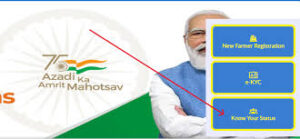
    1. Visit the Official Website: Open your browser and go to the PM Kisan official website pmkisan.gov.in.
    2. Select e-KYC Option: On the homepage, under the “Farmers Corner” section, click on the “e-KYC” option.
    3. Enter Aadhaar Number: A new page will open where you need to enter your 12-digit Aadhaar number. Click “Search.”
    4. OTP Verification: If your mobile number is linked to Aadhaar, you’ll receive an OTP on your registered mobile number. Enter the OTP in the provided box and click “Submit.”
    5. Confirmation: Upon successful OTP verification, your e-KYC process will be complete, and you’ll see a confirmation message on the screen.

    Note: If you encounter an “Invalid OTP” error, ensure you’re using the mobile number registered with your PM Kisan account.

    How to Complete e-KYC Offline?

    If your mobile number is not linked to Aadhaar or you’re not comfortable with the online process, you can visit a nearby Common Service Center (CSC). Here’s how:

    1. Visit your nearest CSC with your Aadhaar card and PM Kisan registration number.
    2. Inform the CSC operator that you need to complete e-KYC for the PM Kisan scheme.
    3. Your identity will be verified through biometric authentication (fingerprint or face scan).
    4. Once verified, you’ll receive confirmation of successful e-KYC completion.

    e-KYC via Face Authentication

    The PM Kisan Yojana now supports face authentication for e-KYC, making the process even more accessible. To use this:

    • Download the PM Kisan mobile app from the Google Play Store.
    • Open the app and select the “Face Authentication” option.
    • Scan your face using your phone’s camera as prompted.
    • Once verified, your e-KYC will be updated successfully.
    e-KYC via Face Authentication
    PM Kisan Yojana : e-KYC via Face Authentication

    Key Tips for a Smooth e-KYC Process

    • Link Mobile Number: If your mobile number is not linked to Aadhaar, visit a CSC or Aadhaar Seva Kendra to update it before starting the e-KYC process.
    • Website Traffic: The PM Kisan website may experience high traffic, causing delays. Try again after some time if the site is slow.
    • Helpline Support: For any issues, contact the PM Kisan helpline at 155261 or 011-24300606.
    • Regular Checks: Periodically check your e-KYC status and beneficiary details on pmkisan.gov.in to stay updated.

    Also Read This: Doha Diamond League 2025 : A Global Showcase of Track and Field

    PM Kisan Yojana

    PM Kisan Yojana : The PM Kisan Samman Nidhi Yojana is a lifeline for millions of farmers across India, and completing e-KYC is a critical step to ensure uninterrupted access to its benefits. By verifying your identity, e-KYC helps maintain the scheme’s integrity and ensures that funds reach genuine farmers. Whether you choose the online method, visit a CSC, or use face authentication, complete your e-KYC at the earliest to secure your next installment. Don’t delay—start the process today!

  • India-Pakistan conflict : Operation Sindoor and the Shattered Ceasefire

    India-Pakistan conflict : Operation Sindoor and the Shattered Ceasefire

    The India-Pakistan conflict has once again thrust South Asia into a state of high alert, with a fragile ceasefire barely holding the line. The spark? A devastating terror attack on April 22, 2025, in Pahalgam, Kashmir, claiming 26 lives. What followed was a rapid escalation that has left the world watching anxiously.

    Operation Sindoor : India Strikes Back

    On May 7, India launched Operation Sindoor, a bold military operation targeting terror infrastructure in Pakistan and Pakistan-occupied Kashmir (PoK). The strikes hit nine terror camps, including Jaish-e-Mohammad’s stronghold in Bahawalpur, eliminating 35-40 personnel. India’s message was clear: terrorism would face severe consequences. The operation was a direct response to the Pahalgam attack, which New Delhi attributed to Pakistan-backed groups.

    India-Pakistan conflict
    India-Pakistan conflict

    India-Pakistan conflict : Pakistan’s Retaliation

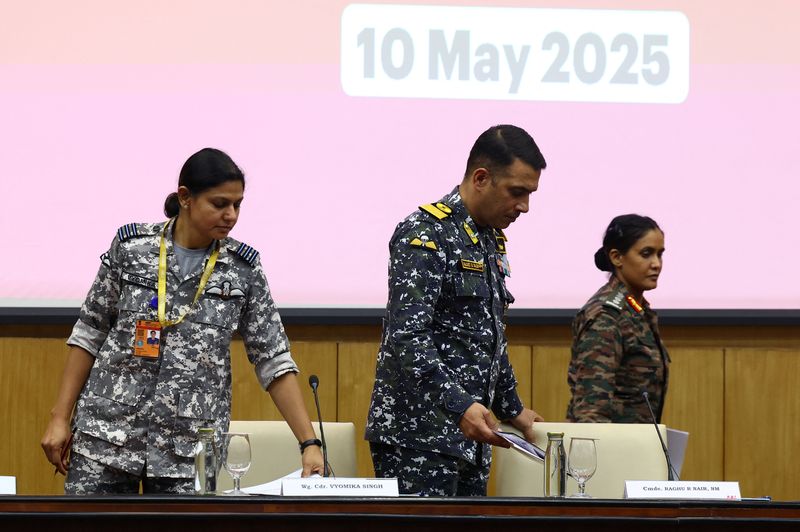
    Pakistan didn’t stay silent. On May 8-9, it launched missile and drone attacks on Indian military bases in Jammu, Udhampur, and Pathankot. Hundreds of Turkish drones, mostly unarmed, tested India’s defenses, with some capturing reconnaissance footage. India’s advanced systems—S-400, Akash, and Barak-8—neutralized the threat, but the provocation was unmistakable. The cost was heavy: two Indian soldiers, including Surendra Singh Moga and BSF Sub-Inspector Md Imteyaz, lost their lives, while Pakistan reported 26 civilian deaths from India’s strikes.

    A Fragile Ceasefire

    On May 10, a U.S.-mediated ceasefire brought a temporary pause. But peace was short-lived. By May 11, explosions rocked Srinagar and Jammu, and India accused Pakistan of deploying drones in Barmer, Rajasthan. Pakistan, in turn, claimed India violated the truce. Both nations remain on edge, with India demanding terrorists like Masood Azhar and Hafiz Saeed be handed over, while Pakistan’s troop movements to forward areas hint at further escalation.

    India-Pakistan conflict
    India-Pakistan conflict

    Beyond the Battlefield

    The conflict’s ripples extend far beyond military clashes. India suspended the Indus Waters Treaty, briefly halting water flow from the Baglihar dam, a move with severe implications for Pakistan. Both nations expelled diplomats, canceled visas, and suspended trade. Pakistan closed its airspace, and India abstained from supporting a $1 billion IMF bailout for Pakistan, citing its terrorism links. The human toll is stark: blackouts hit Indian-administered Kashmir, the Indian Premier League paused for a week, and Pakistan’s Twenty20 league was postponed indefinitely.

    The Road Ahead

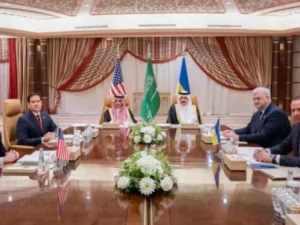
    The India-Pakistan conflict is a stark reminder of deep-rooted tensions, fueled by decades of mistrust and unresolved issues like Kashmir. The ceasefire, brokered with U.S. and Saudi involvement, hangs by a thread. Social media buzzes with reports of diplomatic fallout and troop movements, though misinformation—like false claims of Imran Khan’s death—clouds the narrative.

    The ceasefire, brokered with U.S. and Saudi involvement
    The ceasefire, brokered with U.S. and Saudi involvement

    Also Read This : Meet Flight Lieutenant Shivangi Singh : India’s Trailblazing Rafale Pilot

    As both nations stand at a crossroads, the world hopes for de-escalation. But with mutual accusations and no clear path to dialogue, the risk of renewed conflict looms large. What’s next for India and Pakistan? Only time will tell.

  • Understanding the Waqf Act and Its 2025 Amendments: A Comprehensive Overview

    Understanding the Waqf Act and Its 2025 Amendments: A Comprehensive Overview

    In India, the Waqf Act governs the administration of Waqf properties—endowments made under Islamic law for religious, charitable, or private purposes. These properties, dedicated to God, are inalienable and meant to serve community welfare, such as funding mosques, schools, or hospitals. The Waqf (Amendment) Act, 2025, also known as the Unified Management Empowerment Efficiency and Development (UMEED) Act, has introduced significant reforms to the Waqf Act of 1995, sparking debates about transparency, inclusivity, and religious autonomy. This blog explores the Waqf Act’s origins, its 2025 amendments, key provisions, controversies, and implications for India’s Muslim community and beyond.

    What is Waqf?

    Waqf, rooted in Islamic jurisprudence, refers to the permanent dedication of movable or immovable property for pious, religious, or charitable purposes. Once declared Waqf, a property cannot be sold, gifted, or inherited, and its benefits are directed to the specified purpose. In India, Waqf properties include mosques, graveyards, schools, and hospitals, managed by State Waqf Boards and overseen by the Central Waqf Council. As of 2025, India has approximately 872,351 Waqf properties spanning over 940,000 acres, valued at an estimated $14.22 billion.

    Waqf Act and Its 2025 Amendments:
    Waqf Act and Its 2025 Amendments:

    Historical Context of the Waqf Act

    The regulation of Waqf in India dates back to the Mussalman Waqf Act of 1923, which aimed to ensure proper administration of Waqf properties. The Waqf Act of 1954 and its major revision in 1995 established a structured framework, creating State Waqf Boards and the Central Waqf Council to manage these assets. The 2013 amendments introduced measures to curb encroachments and enhance oversight but faced criticism for inefficiencies. Persistent issues like mismanagement, corruption, and land disputes—such as the Karnataka Waqf Board Land Scam—prompted calls for reform, culminating in the Waqf (Amendment) Act, 2025.

    Key Provisions of the Waqf (Amendment) Act, 2025

    The Waqf (Amendment) Act, 2025, introduced in the Lok Sabha on August 8, 2024, and enacted in April 2025 following heated parliamentary discussions, aims to improve transparency, accountability, and inclusivity in Waqf administration. Here are its key provisions:

    1. Renaming to UMEED Act: The Act renames the Waqf Act, 1995, as the Unified Waqf Management, Empowerment, Efficiency, and Development Act, emphasizing streamlined governance.
    2. Inclusion of Non-Muslims: For the first time, Waqf Boards and the Central Waqf Council must include at least two non-Muslim members to promote transparency, though this has raised concerns about community autonomy.
    3. Gender and Sectarian Inclusivity: The Act mandates at least two Muslim women on the Central Waqf Council and State Waqf Boards and ensures representation from diverse Muslim sects, such as Sunni, Shia, Bohra, and Aghakhani, as well as backward classes.
    4. Removal of ‘Waqf by User’: The provision allowing properties to be designated as Waqf based on long-term religious use has been eliminated, though existing Waqf-by-user properties registered before the Act remain valid unless disputed with the government.
    5. Centralized Registration System: A digital portal for Waqf property registration and management aims to improve record-keeping, with a six-month deadline for uploading details (extendable by Waqf Tribunals).
    6. Deletion of Section 40: Waqf Boards can no longer unilaterally declare properties as Waqf, curbing arbitrary claims that led to disputes, such as the Tamil Nadu case where an entire village, including a 1,500-year-old Hindu temple, was claimed by the Waqf Board.
    7. Enhanced Dispute Resolution: District Collectors or senior officers arbitrate disputes over Waqf versus government land, and Waqf Tribunals now include a District Judge, a Joint Secretary-level officer, and an Islamic law expert, with appeals allowed to High Courts within 90 days.
    8. Protection for Women and Orphans: The Act safeguards women’s inheritance rights, ensuring Waqf Act declarations do not override legal entitlements, and promotes welfare programs for widows and divorced women.
    9. Mandatory Audits: Entities with incomes above ₹1 lakh must undergo annual audits, subject to scrutiny by the Comptroller and Auditor General (CAG).
    10. Application of Limitation Act: The Limitation Act, 1963, now applies, setting a 12-year cap on Waqf property claims to reduce prolonged litigation.
    Key Provisions of the Waqf (Amendment) Act, 2025
    Key Provisions of the Waqf Act, 2025

    Controversies and Criticisms

    The Waqf (Amendment) Act, 2025, has ignited significant controversy, with supporters and critics voicing starkly different perspectives:

    • Supporters’ View: The government, led by the Bharatiya Janata Party (BJP), argues that the Act addresses long-standing issues like corruption, mismanagement, and illegal occupation of Waqf properties (58,898 properties are reportedly encroached upon). Minister Kiren Rijiju emphasized benefits for poor Muslims, citing the Act’s focus on transparency and inclusivity. The Dawoodi Bohra community, among others, has praised the reforms as meeting long-pending demands.
    • Critics’ Concerns: Opposition parties, including Congress, AIMIM, and the All India Muslim Personal Law Board, label the Act as “anti-Muslim” and unconstitutional, arguing it violates Article 26, which guarantees religious communities the right to manage their affairs. Critics, including MP Asaduddin Owaisi, fear the inclusion of non-Muslims and increased government oversight could erode Muslim autonomy and target Waqf properties. The removal of ‘Waqf by user’ is seen as potentially destabilizing existing Waqf designations.
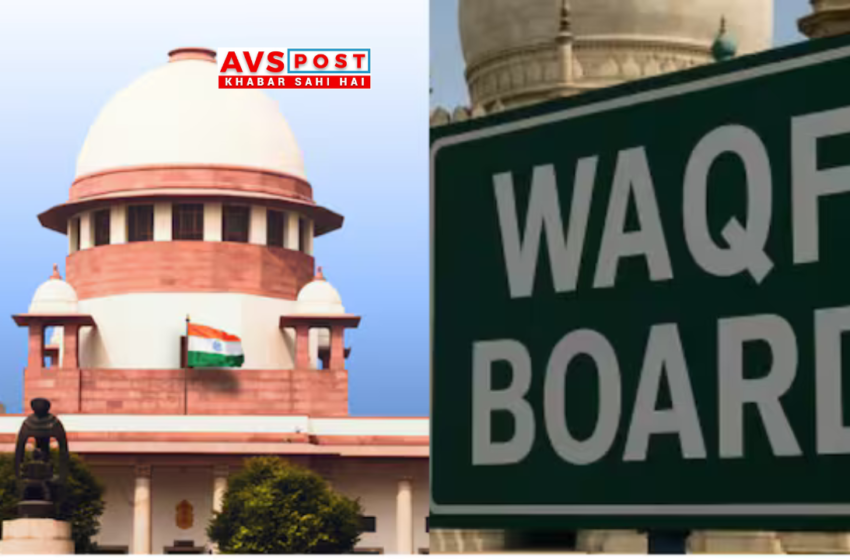
    • Legal Challenges: On April 4, 2025, multiple petitions, including those by Owaisi, Congress MP Mohammad Jawed, and Jamiat Ulama-e-Hind, challenged the Act’s constitutionality in the Supreme Court. The court, under Chief Justice Sanjiv Khanna, clubbed these under “In re: Waqf (Amendment) Act 2025” and ordered no denotification of Waqf properties or appointments to Waqf Boards until May 5, 2025, pending further hearings. Six BJP-ruled states, including Haryana and Assam, have supported the Act’s constitutionality.
    Controversies and Criticisms
    Controversies and Criticisms : Waqf Act

    Implications and the Road Ahead

    The Waqf (Amendment) Act, 2025, represents a bold attempt to modernize Waqf administration, addressing issues like opaque land records (over 2 lakh properties lacked digital records) and disputes that have fueled community tensions. Its focus on digitization, inclusivity, and legal safeguards aims to align Waqf management with constitutional principles of transparency and equality. However, the Act’s success hinges on balancing state oversight with religious autonomy, a challenge underscored by ongoing Supreme Court hearings and public protests, notably in West Bengal’s Muslim-majority districts.

    The Act’s provisions, such as mandatory audits and centralized registration, could unlock the potential of Waqf properties to fund education, healthcare, and women’s empowerment programs. Yet, critics warn that excessive government control risks alienating the Muslim community and setting a precedent for regulating other religious endowments. The Supreme Court’s upcoming rulings will likely clarify the Act’s constitutional validity and its impact on India’s secular framework.

    Also Read This : Civil Defence Drills

    The Waqf (Amendment) Act, 2025, is a landmark reform with far-reaching implications for India’s 872,351 Waqf properties and the communities they serve. By tackling mismanagement and promoting inclusivity, it aims to empower marginalized groups while ensuring accountability. However, its contentious provisions have sparked a broader debate about religious autonomy and state intervention. As India navigates these reforms, inclusive dialogue and vigilant implementation will be crucial to ensuring that the Waqf Act upholds both justice and constitutional values. For the latest updates, follow the Supreme Court hearings and official government portals like minorityaffairs.gov.in.

  • India on Alert: Civil Defence Drills Ordered as Tensions with Pakistan Escalate

    India on Alert: Civil Defence Drills Ordered as Tensions with Pakistan Escalate

    Civil Defence Drills

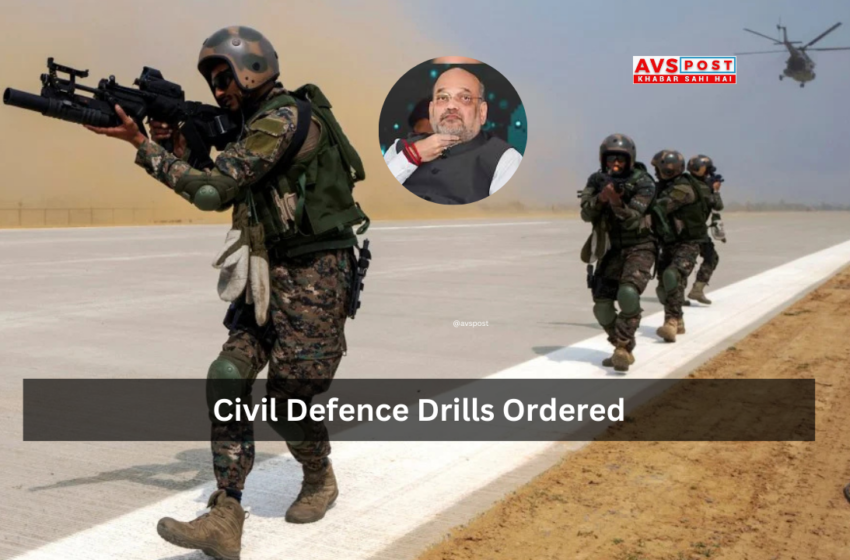
    India’s Ministry of Home Affairs (MHA) issued a directive for multiple states to conduct civil defence mock drills on May 7, a move driven by heightened tensions with Pakistan following the devastating April 22 terrorist attack in Pahalgam, Jammu and Kashmir. The attack, which claimed 26 lives, mostly tourists, has pushed the two nuclear-armed neighbors to the brink, with fears of conflict looming large. These drills, evoking memories of the 1971 India-Pakistan war, signal India’s resolve to prepare its citizens for any escalation.

    India’s Ministry of Home Affairs (MHA)
    India’s Ministry of Home Affairs (MHA) : civil defence drills

    The Trigger: Pahalgam and Its Fallout

    The Pahalgam attack, the deadliest in Kashmir since 2000, has inflamed India-Pakistan relations. India accuses Pakistan of orchestrating the assault, while Pakistan denies involvement, calling for a neutral probe. The attack has sparked a series of retaliatory measures from India: suspension of the 1960 Indus Waters Treaty, a ban on Pakistani airlines in Indian airspace, and the cancellation of visas for Pakistani nationals. Along the Line of Control (LoC), both nations have exchanged fire, with Pakistan claiming civilian casualties and India asserting effective counterstrikes. Pakistan’s recent warning of an imminent Indian military strike, based on “credible intelligence,” has further raised the stakes.

    Civil Defence Drills : A Proactive Response

    The MHA’s order for civil defence drills is a calculated step to ensure civilian readiness amid these volatile developments. Scheduled for May 7, the drills include:

    • Air Raid Siren Activation: Testing warning systems to alert civilians of potential attacks.
    • Public Training: Educating citizens, including students, on protective measures like taking cover or evacuating to bunkers.
    • Blackout Exercises: Simulating power outages to assess security preparedness, as recently practiced in Ferozepur Cantonment.
    • Camouflaging Key Sites: Early efforts to shield critical infrastructure from detection.
    • Evacuation Planning: Updating and rehearsing strategies to move civilians to safety.
    Civil Defence Drills
    Civil Defence Drills

    In border regions like Poonch, Jammu and Kashmir, these preparations are particularly urgent. Schools are training students to dive under desks or flee to bunkers during shelling, a grim reminder of the region’s vulnerability.

    The Bigger Picture: Military and Diplomatic Moves

    The civil defence initiative aligns with India’s broader response. Prime Minister Narendra Modi has given the armed forces “complete operational freedom,” with the Indian Air Force conducting exercises featuring Rafale and Su-30MKI jets. The National Investigation Agency is investigating the Pahalgam attack, and security has been tightened nationwide, with strict checks on Pakistani nationals in India.

    The Bigger Picture: Military and Diplomatic Moves
    civil defence drills  :  The Bigger Picture: Military and Diplomatic Moves

    On the diplomatic front, global powers are urging restraint. The U.S. has backed India’s right to combat terrorism but emphasized de-escalation, with Secretary of State Marco Rubio and Defense Secretary Pete Hegseth issuing measured statements. Russia, Iran, and others have echoed similar calls, while Pakistan has sought Russia’s mediation and proposed a joint investigation into the attack. Pakistan’s military, meanwhile, is conducting its own exercises near the LoC, signaling readiness for any Indian move.

    A Nation on Edge

    The drills reflect the public’s growing unease. Nationwide protests demanding justice for the Pahalgam victims have amplified calls for action, with opposition leaders like Rahul Gandhi pressing for a strong response. In Pakistan, public anxiety is evident, with people searching for terms like “India-Pakistan war” and “Rafale missiles,” wary of India’s military might. For Kashmiris on both sides of the LoC, the threat of conflict is all too real, with villagers preparing bunkers and schools closing in Pakistan-administered areas.

    Historical Echoes and Future Risks

    India and Pakistan have faced similar crises before—three wars since 1947, the 1999 Kargil conflict, and the 2019 Balakot airstrike after the Pulwama attack. Each time, diplomacy or restraint averted all-out war, but the current standoff feels different. The suspension of the Indus Waters Treaty, a cornerstone of bilateral ties, and the lack of robust crisis management channels raise the risk of miscalculation. With India’s 172 nuclear warheads and Pakistan’s 170, any escalation could be catastrophic.

    Civil Defence Drills
    Civil Defence Drills

    A Delicate Balance

    The MHA’s civil defence drills are both a practical necessity and a message of resolve. They prepare India’s citizens for the worst while signaling to Pakistan that India is ready for any eventuality. Yet, the hope remains that cooler heads will prevail. The international community’s push for dialogue and the memory of past de-escalation—like Pakistan’s release of an Indian pilot in 2019—offer a glimmer of optimism. For now, India stands vigilant, its people bracing for an uncertain future as the shadow of conflict lingers.

    Also Read This: ChatGPT Shopping : Revolution or Rough Start?