Category: International

  • Under-16 Social Media Ban in Australia : Full Guide to the New Online Safety Law 2025

    Under-16 Social Media Ban in Australia : Full Guide to the New Online Safety Law 2025

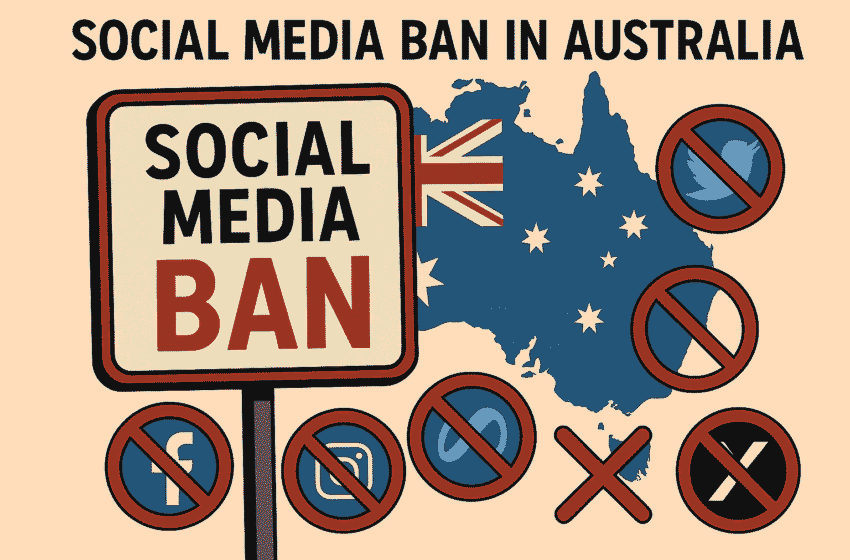
    Social Media Ban in Australia : As the clock ticks down to December 10, 2025, Australia stands on the brink of a digital revolution that’s got parents, teens, and tech executives buzzing. In just over a week, the nation’s groundbreaking under-16 social media ban kicks in, forcing platforms like TikTok, Instagram, and Snapchat to lock out young users or cough up fines that could top AUD $50 million. It’s a bold move aimed at reclaiming childhood from the grip of addictive algorithms and endless feeds. But is it a shield for vulnerable minds or a sledgehammer to online freedom? Let’s dive into the details, unpack the drama, and figure out how this could reshape family screen time forever.

    Understanding Social Media Ban in Australia

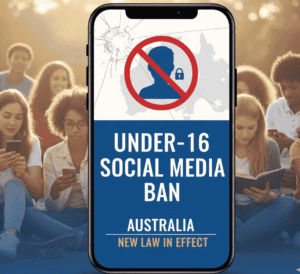
    Under-16 Social Media Ban in Australia : At its core, Social Media Ban in Australia, officially the Online Safety Amendment (Social Media Minimum Age) Act 2024. Isn’t about shaming parents or policing kids’ devices. Instead, it flips the script, placing the full weight of responsibility on tech giants. Platforms with more than a million Australian users must now deploy “reasonable steps” to verify ages and block anyone under 16 from signing up or staying logged in. We’re talking advanced tools like AI-powered facial recognition, biometric scans, or even government ID checks to keep the under-16 crowd out.
    Under-16 Social Media Ban in Australia
    Under-16 Social Media Ban in Australia

    This isn’t a vague suggestion; it’s enforceable law, overseen by the eSafety Commissioner. If Meta, ByteDance, or Snap fail to comply, they could face those eye-watering penalties—enough to make any CEO sweat. The ban’s roots trace back to mounting evidence of social media’s toll on youth: studies linking it to spikes in anxiety, depression, and cyberbullying, all supercharged by AI that knows exactly how to hook a 14-year-old’s attention. Communications Minister Michelle Rowland put it bluntly during the bill’s passage: “The evidence is overwhelming, social media is inflicting real harm on our children, and it’s time for platforms to act.”

    With enforcement starting next week, Meta has already begun testing account deactivations on Instagram and Facebook, flagging profiles based on signup data and usage patterns. Teens caught in the net can appeal with proof of age, but expect a scramble as families adjust.

    The Tech and Enforcement Puzzle: How Will It Play Out?

    Under-16 Social Media Ban in Australia Picture this: Your 15-year-old tries to log into TikTok, only to hit a wall demanding a selfie for age estimation. That’s the reality platforms are rolling out. Early pilots, like those from UK-based Yoti, use machine learning to guess ages from facial features with about 99% accuracy for most users—but not without hiccups. Reports highlight biases, with higher error rates for Indigenous Australians or people with darker skin tones, sparking calls for urgent tweaks.

    Enforcement won’t be flawless. Savvy kids might dust off old VPN tricks or borrow a sibling’s account, and rural families without easy ID access could feel the pinch hardest. Still, the law gives platforms a one-year grace period to iron out kinks, with regular audits to keep everyone honest. Exemptions keep things targeted: private messengers like WhatsApp and non-social apps like Roblox slip through, as long as they’re not masquerading as hangout spots.

    Critics, including digital rights advocates from Electronic Frontiers Australia, argue it’s a privacy minefield. Mandatory age checks could mean hoarding sensitive data—facial scans that hackers dream of. Two enterprising Sydney teens are even mounting a court challenge, claiming it stomps on free expression and discriminates against marginalized groups. The Australian Human Rights Commission is weighing in today, with a full hearing eyed for early 2026. It’s messy, but that’s the point: this ban is forcing a reckoning on how we balance innovation with innocence.
    Under-16 Social Media Ban in Australia
    Under-16 Social Media Ban in Australia

    Voices from the Frontlines: Cheers, Fears, and Family Realities

    Under-16 Social Media Ban in Australia : Supporters see the Australia social media ban as a long-overdue victory. UNICEF Australia hailed it as a “vital step toward safer digital spaces,” while polls show seven in ten parents cheering the extra layer of protection. eSafety Commissioner Julie Inman Grant frames it poetically: “We’re giving kids a fighting chance to thrive offline, where real connections bloom without the buzz of notifications.”

    On the flip side, the backlash is fierce and heartfelt. Teens like 15-year-old Mia from Melbourne, who shared with the BBC that Instagram is her “lifeline for mental health chats and LGBTQ+ support,” worry about isolation. In remote areas, where social media doubles as a portal to the world, the ban could widen divides. Tech heavyweights like Meta have grumbled it’s “unworkable” without stronger privacy safeguards, and they’re not wrong—Australia’s patchwork data laws leave gaps that could expose users to breaches.

    Yet amid the noise, families are adapting with grit. Parents are dusting off board games, organizing park meetups, and exploring kid-safe alternatives like Duolingo or Khan Academy Kids. One mum in Brisbane told The Guardian: “It’s scary, but it’s forcing us to talk more. My daughter’s already reading a physical book again—miracle!”

    A Global Wake-Up Call: Who’s Next?

    Under-16 Social Media Ban in Australia : Australia’s gamble isn’t happening in a vacuum. Eyes from London to Washington are locked on Sydney, wondering if this sparks a worldwide wave. The UK’s Online Safety Act is piloting similar age gates, with under-16 restrictions possibly landing by 2026. In the EU, the Digital Services Act demands tougher youth protections, and U.S. states like California are drafting mirror bills amid federal foot-dragging.

    If the ban sticks—curbing harms without crumbling under workarounds—it could pressure global platforms to build in age walls from the get-go. Bloomberg dubs it a “world-first blueprint,” one that might just drag Big Tech into the 21st-century ethics conversation.

    Also Read This : FIFA World Cup 2026 : The Ultimate Guide to Football’s Biggest Tournament Ever

    Unplugging for a Brighter Tomorrow

    Social Media Ban in Australia : As December 10 looms, Social Media Ban in Australia feels less like a barrier and more like a bridge—to healthier habits, deeper bonds, and a childhood less defined by likes. It’s imperfect, yes: privacy risks linger, enforcement will stumble, and not every family will cheer. But in an era where AI feeds prey on young vulnerabilities, stepping up feels essential.

    Parents, grab esafety’s free guides now—tips on spotting sneaky sign-ups and sparking offline adventures await. Teens, this isn’t the end of connection; it’s a pivot to real-world magic. And to the world watching: Australia’s lighting the fuse. Will you join the spark?
  • Israel-Hamas Ceasefire Sparks Glimmers of Peace Amid Gaza’s Ruins

    Israel-Hamas Ceasefire Sparks Glimmers of Peace Amid Gaza’s Ruins

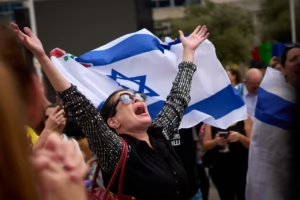
    The Israel-Hamas ceasefire entered its fourth day with a poignant milestone: the release of seven Israeli hostages into the arms of waiting families. This fragile truce, forged under intense U.S. mediation, has halted the guns—for now—after a war that has scarred the region for nearly two years. But beneath the celebrations lie deep fissures, from unresolved governance disputes to the specter of renewed violence.

    The handover, coordinated by the International Committee of the Red Cross, unfolded in the early hours of Monday in a secure corridor near Gaza City. The seven individuals—four women, two children, and an elderly man—were among the 20 living hostages prioritized for immediate freedom under the deal. Transported across the border, they underwent swift medical checks before tearful reunions at an IDF base near Reim kibbutz, the very site of the October 7, 2023, Hamas assault that ignited the conflict and claimed 1,200 Israeli lives.

    Israel-Hamas Ceasefire
    Israel-Hamas Ceasefire

    Israel-Hamas Ceasefire: A Step Forward, But Tensions Simmer

    At the core of this Israel-Hamas ceasefire is a phased exchange mechanism designed to build trust incrementally. Hamas committed to freeing 20 living hostages within 72 hours of Israel’s partial withdrawal from urban enclaves, in return for the release of roughly 1,900 Palestinian prisoners. These include high-profile figures serving life sentences for attacks on Israelis, as well as detainees held without formal charges during the war. The Israeli side has already begun processing the first wave of releases, with many Palestinians destined for the West Bank or exile.

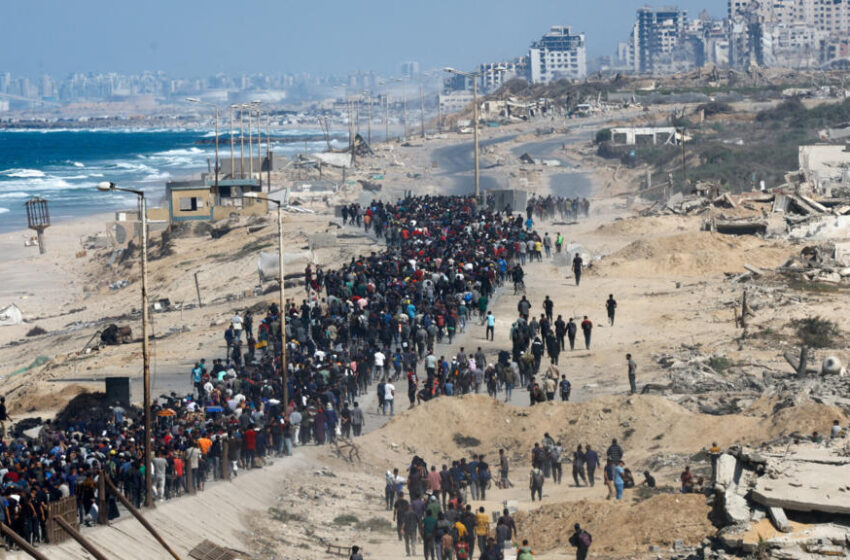
    Military dynamics have shifted palpably: IDF troops have pulled back from key population centers like Khan Younis and Gaza City, enabling the return of tens of thousands of displaced residents. Yet, Israel maintains a firm grip on border zones, including the Philadelphi Corridor, to monitor for arms smuggling. Daily no-fly windows over Gaza—spanning 10 to 12 hours—facilitate the exchanges without aerial interference.

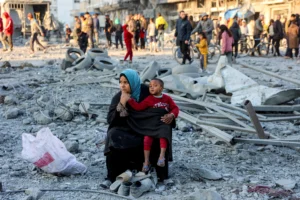
    Humanitarian corridors, long choked by blockade, have reopened with a vengeance. Over 600 aid trucks rolled in over the weekend, laden with essentials to combat the famine-like conditions affecting hundreds of thousands. The UN reports stockpiles sufficient for three months, but warns that Gaza remains a “graveyard of rubble,” with recovery teams unearthing over 100 bodies in newly accessible areas.

    Israel-Hamas Ceasefire
    Israel-Hamas Ceasefire

    Trump’s Diplomacy Takes Center Stage

    U.S. President Donald Trump, fresh off a dramatic flight to the region, landed in Tel Aviv this morning to a hero’s welcome. Addressing the Knesset, he proclaimed the Israel-Hamas ceasefire a triumph of his 20-point peace blueprint, crediting Qatari and Egyptian intermediaries for bridging the divide. “This isn’t just a pause—it’s the beginning of the end,” Trump declared, flanked by Israeli Prime Minister Benjamin Netanyahu.

    Trump’s itinerary includes intimate meetings with hostage families—many of whom erupted in cheers of “Thank you, Trump!” at Tel Aviv’s Hostages Square—and a high-stakes summit in Sharm el-Sheikh, Egypt. There, alongside more than 20 global leaders, including Palestinian Authority President Mahmoud Abbas, discussions will pivot to reconstruction funding (estimated at over $1 billion) and long-term governance. Proposals float an Arab-led security force and technocratic administration, but Hamas has balked at any foreign oversight, insisting on Palestinian sovereignty.

    Critics, however, temper the euphoria. Netanyahu faces domestic backlash from hostage kin who booed him over prior negotiation stalls, while vowing to dismantle Hamas’s military wing “by choice or by force.” On the Palestinian front, West Bank celebrations have been muted by Israeli warnings against unrest, and Gaza’s internal rifts boiled over with the October 12 killing of journalist Saleh al-Jafarawi in clan-related clashes.

    Israel-Hamas Ceasefire
    Israel-Hamas Ceasefire

    Echoes from the Ground: Hope, Heartbreak, and Hurdles Ahead

    Real-time dispatches from X paint a mosaic of raw emotion. Viral videos capture Palestinian families sifting through debris for heirlooms, while Israeli posts overflow with reunion footage. One thread from a Gaza aid worker reads: “Trucks are coming, but so is the truth of what we’ve lost—67,000 souls gone.” Globally, leaders like France’s Emmanuel Macron and the UK’s Keir Starmer hailed the breakthrough, urging swift Phase Two talks on full demilitarization and statehood contours.

    Also Read This : Historic Triumph : Sherry Singh Crowned India’s First-Ever Mrs. Universe 2025 Winner

  • UAE Suspends Tourist and Work Visa Applications for Nine Countries : What You Need to Know

    UAE Suspends Tourist and Work Visa Applications for Nine Countries : What You Need to Know

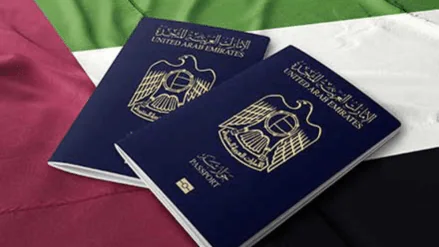
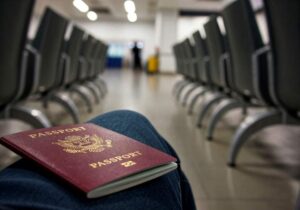
    UAE Suspends Tourist and Work Visa : The United Arab Emirates (UAE) has recently announced a significant immigration policy change, temporarily suspending new tourist and work visa applications for citizens of nine countries. This decision, enacted through an internal circular by the General Directorate of Residency and Foreigners Affairs (GDRFA), has sparked widespread discussion due to its potential economic, diplomatic, and humanitarian implications. Below, we dive into the details of this policy, its reasons, impacts, and what affected individuals should do next.

    Which Countries Are Affected?
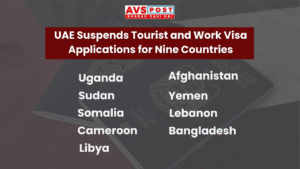
    The suspension applies to nationals from the following nine countries, spanning Africa and Asia/Middle East:

    • Uganda
    • Sudan
    • Somalia
    • Cameroon
    • Libya
    • Afghanistan
    • Yemen
    • Lebanon
    • Bangladesh
    UAE Suspends Tourist and Work Visa Applications for Nine Countries
    UAE Suspends Tourist and Work Visa Applications for Nine Countries

    Effective immediately, citizens of these nations cannot apply for new tourist visas or work permits until the ban is lifted, which is expected to extend into 2026. However, those already holding valid UAE visas—whether tourist, work, or residency permits—are unaffected and can continue to enter, reside, or work in the UAE without disruption.

    Why Has the UAE Imposed This Ban?

    UAE Suspends Tourist and Work Visa : While the UAE government has not released an official public statement detailing the reasons, insights from regional analysts and immigration sources point to a combination of factors:

    1. Security Concerns: The UAE has prioritized national security, citing risks such as terrorism, political instability, or inadequate vetting processes in some of the listed countries. This aligns with the UAE’s ongoing efforts to strengthen border control and immigration protocols.
    2. Diplomatic Relations: Strained ties with certain nations may have influenced the decision. The ban could serve as a diplomatic signal or leverage in ongoing bilateral discussions.
    3. Health and Safety Protocols: Post-COVID-19 measures continue to shape immigration policies. Concerns about vaccination compliance or disease transmission from regions with limited healthcare infrastructure may play a role.
    4. Migration and Labor Reforms: The UAE is modernizing its visa and labor systems, introducing digital verification tools and stricter labor market regulations. The suspension may be part of efforts to manage workforce demographics and reduce reliance on specific nationalities.

    This isn’t the first time the UAE has imposed visa restrictions. Similar temporary bans occurred in 2020, but this broader policy reflects heightened scrutiny amid global uncertainties.

    UAE Suspends Tourist and Work Visa Applications for Nine Countries
    UAE Suspends Tourist and Work Visa Applications for Nine Countries

    UAE Suspends Tourist and Work Visa : What Are the Impacts?

    The visa suspension carries far-reaching consequences across multiple sectors:

    1. Economic Effects

    • Labor Market: Countries like Bangladesh and Sudan rely heavily on remittances from workers in the UAE’s construction, retail, and domestic service sectors. The ban could disrupt these income flows, affecting families and local economies.
    • Businesses: UAE employers, particularly in industries dependent on low- to mid-skill labor, may face recruitment challenges, potentially leading to labor shortages or higher operational costs.

    2. Tourism and Travel

    • The suspension will reduce visitor numbers from these nine countries, impacting the UAE’s vibrant tourism sector, especially in hubs like Dubai and Abu Dhabi. Hotels, restaurants, and tour operators may see a dip in revenue.

    3. Humanitarian Concerns

    • For nationals from conflict-affected countries like Yemen, Libya, and Afghanistan, the ban adds barriers for families, students, or those seeking medical treatment in the UAE. This could exacerbate existing hardships in these regions.

    4. Diplomatic Ramifications

    • The policy may strain UAE relations with the affected countries. While no immediate retaliatory measures have been reported, governments may respond with reciprocal restrictions or diplomatic protests.
    UAE Suspends Tourist and Work Visa Applications for Nine Countries
    UAE Suspends Tourist and Work Visa Applications for Nine Countries

    What Should Affected Individuals Do?

    UAE Suspends Tourist and Work Visa : If you’re a citizen of one of the nine listed countries, here’s how to navigate this situation:

    • Check Your Current Visa Status: If you hold a valid UAE visa (tourist, work, or residency), you are unaffected by the ban. Confirm your visa’s validity through the GDRFA portal (gdrfad.gov.ae) or the UAE’s online visa system (icp.gov.ae).
    • Monitor Official Updates: The suspension is temporary, with no fixed end date. Regularly check official UAE government websites or contact your local UAE embassy/consulate for updates on when applications may resume.
    • Explore Alternatives: If you planned to travel or work in the UAE, consider other Gulf Cooperation Council (GCC) countries with more open visa policies, such as Qatar or Oman, though their requirements may differ.
    • Consult Authorized Agents: For future applications, work with certified visa agents or directly through UAE’s online platforms to ensure compliance with updated regulations.

    Also Read This : iPhone 16 Pro Max Price Guide : What to Expect in 2025

    UAE Suspends Tourist and Work Visa : The UAE’s visa suspension underscores its strategic approach to balancing economic growth, security, and global relations. While the policy aims to address pressing concerns, it also highlights the challenges of navigating immigration in a rapidly changing world. For affected individuals and businesses, staying informed and adaptable will be key until the ban is lifted.

    UAE Suspends Tourist and Work Visa : For the latest updates, visit the UAE’s official immigration websites or follow trusted news sources. If you’re directly impacted, reach out to the GDRFA or your nearest UAE embassy for personalized guidance.

  • Balendra Shah : The Independent Mayor Who Could Become Nepal’s Next Prime Minister in 2025?

    Balendra Shah : The Independent Mayor Who Could Become Nepal’s Next Prime Minister in 2025?

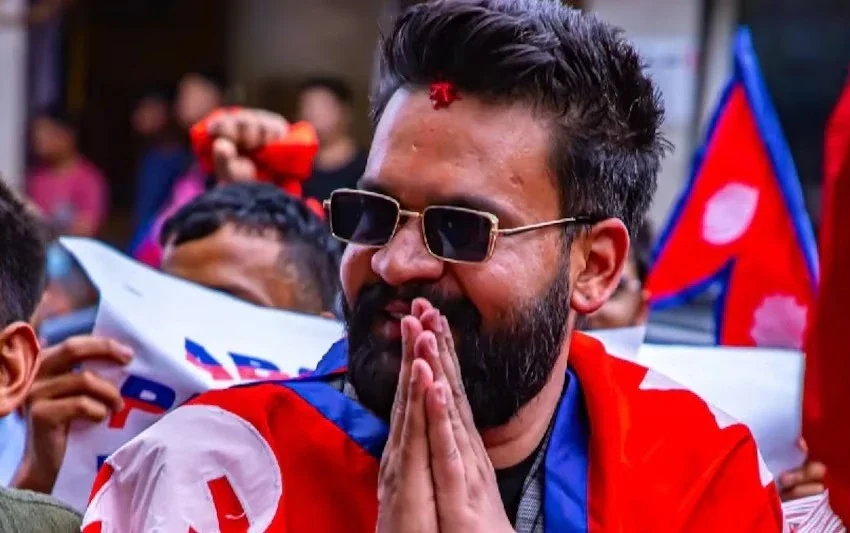
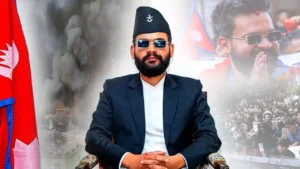
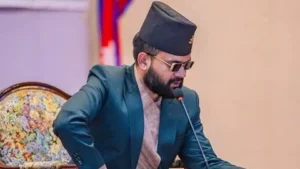
    Balendra Shah : In the heart of Nepal’s capital, Kathmandu, a new kind of leader has emerged, captivating the nation’s youth and shaking up its political landscape. Balendra Shah, popularly known as Balen Shah or simply Balen, is not your typical politician. A rapper, structural engineer, and independent mayor, Balen has become a symbol of change for Nepal’s Gen Z, who are increasingly vocal about their desire for a corruption-free government. His journey from the underground hip-hop scene to the mayor’s office, and now as a potential candidate for national leadership, is a story of grit, vision, and relentless commitment to reform. This blog explores Balen Shah’s rise, his impact on Kathmandu, and his role in Nepal’s evolving political narrative as of September 2025.

    Balendra Shah
    Balendra Shah

    From Rapper to Reformist: Balendra Shah Journey

    Born on April 27, 1990, Balen Shah first made waves in Kathmandu’s underground hip-hop scene. His freestyle rap battles and socially conscious lyrics, often addressing corruption and societal issues, resonated with a generation frustrated by Nepal’s stagnant political system. Tracks like “Sadak ko Ujjwal” (Bright Streets) showcased his ability to blend art with activism, earning him a loyal following. However, Balen’s ambitions extended beyond music. He pursued a master’s degree in structural engineering from Visvesvaraya Technological University in India, equipping him with the technical expertise to tackle urban challenges.

    In 2022, Balen ran as an independent candidate for mayor of Kathmandu Metropolitan City, a bold move in a political arena dominated by established parties like the Nepali Congress and CPN-UML. His campaign, rooted in transparency and accountability, struck a chord with voters. Promising to clean up the city—literally and figuratively—he won in a landslide, securing over 60,000 votes and becoming Kathmandu’s 15th mayor at the age of 32. His victory was a testament to the power of grassroots movements and the growing influence of Nepal’s youth.

    Balendra Shah
    Balendra Shah

    Transforming Kathmandu: Balen’s Mayoral Impact

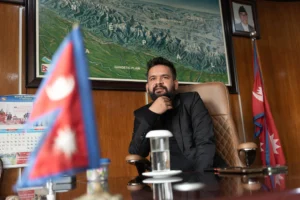
    As mayor, Balen Shah has focused on practical, visible changes. His initiatives include clearing garbage from Kathmandu’s streets, improving public schools, and cracking down on tax-evading institutions. His hands-on approach—often seen inspecting projects or engaging directly with citizens—has earned him widespread admiration. In one notable move, he demolished illegal structures built by powerful businesses, signaling a zero-tolerance stance on corruption. These efforts led to his inclusion in Time Magazine’s Top 100 Emerging Leaders list, a recognition of his ability to inspire change in one of South Asia’s most chaotic urban centers.

    Balen’s unconventional style has also sparked debate. In 2023, he displayed a “Greater Nepal” map in his office, claiming it reflected historical boundaries. While some praised his boldness, legal experts criticized the move as provocative and potentially harmful to Nepal’s diplomatic relations. Despite such controversies, Balen’s commitment to transparency and his refusal to align with traditional political parties have solidified his image as a leader who prioritizes people over politics.

    Balendra Shah
    Balendra Shah

    The Gen Z Revolution and Balendra Shah’s  Role

    In September 2025, Nepal witnessed a seismic shift in its political landscape. Violent protests led by Gen Z activists, triggered by the government’s ban on 26 social media platforms—including Facebook, Instagram, YouTube, and X—escalated into a broader movement against corruption and mismanagement. The protests, which resulted in at least 19 deaths and hundreds of injuries, forced the resignation of Prime Minister KP Sharma Oli on September 9, 2025. Balen Shah, though unable to join the protests due to an age cap set by organizers, emerged as a vocal supporter of the movement.

    In a widely shared Facebook post, Balen expressed solidarity with the youth, stating, “My full sympathy is with the youth fighting for a better Nepal.” He urged protesters to avoid damaging public property, emphasizing that “the loss of the country’s wealth is, in reality, a loss to our own property.” His message resonated deeply, garnering over 100,000 reactions despite the social media ban, highlighting his influence in a digitally restricted environment. Balen also cautioned political leaders against exploiting the protests for personal gain, reinforcing his reputation as a principled figure.

    A Potential Prime Minister?

    The resignation of Oli has left Nepal at a crossroads, with Gen Z protesters and social media campaigns rallying behind Balen Shah as a potential prime minister. His name has trended heavily on platforms like X, where users describe him as a “zero-tolerance” leader who could usher in a new era of governance. Comments like “Balen is the voice of a new generation” and “He’s our hope for a corruption-free Nepal” reflect the growing sentiment that he could lead the nation. However, Balen has not officially confirmed his candidacy, and other figures, such as jailed anti-corruption activist Rabi Lamichhane, are also in the conversation.

    Who is Balendra Shah
    Who is Balendra Shah

    Balen’s appeal lies in his outsider status and his proven track record as mayor. Unlike traditional politicians, he has no ties to Nepal’s entrenched political dynasties, making him a fresh face for a population disillusioned with the status quo. His background as a rapper and engineer adds to his relatability, particularly among younger voters who see him as a bridge between their aspirations and practical governance.

    Challenges and Criticisms

    While Balen’s rise has been meteoric, it is not without challenges. His lack of experience in national politics could be a hurdle in navigating Nepal’s complex political landscape, where coalition governments and party loyalties dominate. Critics argue that his bold actions, like the “Greater Nepal” map controversy, could alienate key stakeholders or complicate foreign relations. Additionally, the expectations placed on him by Nepal’s youth are immense, and any failure to deliver could erode his support base.

    Moreover, the political vacuum left by Oli’s resignation has created a volatile environment. Balendra Shah would need to balance the demands of a restive Gen Z population with the realities of governing a nation with deep-seated economic and social challenges. His ability to translate his mayoral success to a national stage remains untested.

    Who is Balendra Shah
    Who is Balendra Shah

    Balendra Shah represents a new chapter in Nepal’s political story—one driven by youth, transparency, and a rejection of the old guard. From his roots as a rapper to his transformative tenure as Kathmandu’s mayor, he has shown an uncanny ability to connect with people and deliver results. As Nepal grapples with the aftermath of the 2025 protests and searches for its next leader, Balen’s name resonates as a beacon of hope for many. Whether he steps into the role of prime minister or continues to shape Kathmandu, one thing is clear: Balendra Shah is a force to be reckoned with, and his journey is far from over.

    Also Read This :  Nepal Gen Z Revolution 2025

  • Debunking the Donald Trump Death Rumors : Separating Fact from Fiction

    Debunking the Donald Trump Death Rumors : Separating Fact from Fiction

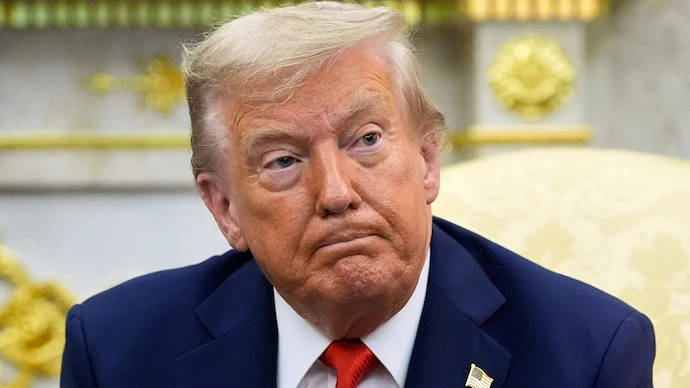
    Donald Trump Death Rumors : In the fast-paced world of social media, rumors can spread like wildfire, often blurring the lines between truth and misinformation. Recently, the phrase “Trump is dead” trended on X, sparking widespread speculation about the health and status of former U.S. President Donald Trump, who is currently serving his second term as the 47th President. These rumors, fueled by unverified posts and misinterpretations, have caused confusion among the public. This blog aims to address the origins of these rumors, examine the facts, and highlight the importance of verifying information in the digital age.

    Donald Trump Death Rumors
    Donald Trump Death Rumors

    The Origin of the Donald Trump Death Rumors

    Donald Trump Death Rumors : The latest wave of rumors about Donald Trump’s death gained traction on August 30, 2025, when the phrase “Trump is dead” began trending on X. The speculation was amplified by a combination of factors, including a statement from Vice President JD Vance about his readiness to assume the presidency, which some misinterpreted as a hint of Trump’s demise. Additionally, Trump’s absence from public appearances over a weekend added fuel to the fire, with unverified posts claiming to show ambulances and police heading toward the White House. A viral video on X alleging “breaking news” about Trump’s death garnered hundreds of thousands of views, further escalating the frenzy.

    This is not the first time such rumors have surfaced. In September 2023, a hacked X account belonging to Donald Trump Jr. falsely announced the former president’s death, causing a similar spike in online searches. Another instance involved a viral video claiming The Simpsons predicted Trump’s death on April 12, 2025, which was later debunked as AI-generated and digitally manipulated content. These recurring hoaxes highlight the persistent challenge of misinformation surrounding high-profile figures like Trump.

    Donald Trump Death Rumors
    Donald Trump Death Rumors

    The Facts: Is Donald Trump Dead?

    Donald Trump Death Rumors : To address the question directly: No, Donald Trump is not dead. As of August 30, 2025, there is no credible evidence or official confirmation supporting claims of his passing. Trump remains alive and actively engaged in his role as President, with recent public appearances and posts on his Truth Social platform contradicting the rumors. For instance, following a U.S. Appeals Court ruling on his tariffs, Trump posted on Truth Social, calling the court “highly partisan” and defending his economic policies. This activity directly disproves claims of his death.

    The White House has also confirmed that Trump suffers from Chronic Venous Insufficiency (CVI), a manageable circulatory condition that is not life-threatening. His physician, Dr. Sean P. Barbabella, stated that Trump underwent a comprehensive medical evaluation, including heart scans and blood work, which revealed no major cardiac or systemic issues. These official statements further refute speculative claims about his health.

    The Role of Misinformation

    The rapid spread of these rumors underscores the power of social media to amplify unverified information. Platforms like X, with their algorithm-driven feeds, can boost sensational posts, especially when they align with users’ existing biases. For example, anti-Trump users shared memes and phrases like “No One Mourns the Wicked,” while supporters pushed back, creating a viral echo chamber. Past incidents, such as the 2022 fabricated CNN report claiming Trump’s death at age 76, demonstrate how hoaxes often originate from satire, parody accounts, or malicious disinformation campaigns.

    Donald Trump Death Rumors
    Donald Trump Death Rumors

    The Simpsons rumor, in particular, capitalized on the show’s reputation for seemingly predicting real-world events. However, executive producer Matt Selman and independent fact-checkers confirmed that no such episode depicting Trump’s death exists, and the viral clip was a product of digital manipulation. These examples illustrate how misinformation can exploit public fascination with prophecy or conspiracy to gain traction.

    The Impact of Death Rumors

    Donald Trump Death Rumors : False claims about a public figure’s death can have significant consequences. They cause distress to family, friends, and supporters, undermine trust in legitimate news sources, and contribute to a polarized information landscape. In Trump’s case, rumors about his demise could influence his supporters’ morale, affect political strategies, and shape narratives about his legacy. The normalization of such misinformation also erodes public confidence in media and fosters skepticism toward credible reporting.

    Moreover, these rumors can be weaponized for political purposes. For instance, after the 2023 hack of Donald Trump Jr.’s X account, some users speculated about political motives behind the false announcement, while others used it to fuel partisan narratives. Similarly, conspiracy theories about assassination attempts being staged—either by Trump or his opponents—have further muddied the waters, reflecting deep political divisions.

    How to Verify Information

    Donald Trump Death Rumors : In an era where misinformation spreads rapidly, it’s crucial to adopt a critical approach to online content. Here are some practical steps to verify information:

    Donald Trump Death Rumors
    Donald Trump Death Rumors
    1. Check Credible Sources: Rely on reputable news outlets or official statements from individuals, their medical teams, or families. For example, Trump’s continued activity on Truth Social and statements from his physician provide reliable evidence of his status.
    2. Cross-Reference Information: Confirm news by checking multiple trustworthy sources. If several reputable outlets report the same information, it’s more likely to be accurate.
    3. Understand Context: Be cautious of sensational headlines or posts that lack context. Satirical or AI-generated content, like the Simpsons clip, often misleads without proper scrutiny.
    4. Be Skeptical of Outrageous Claims: If a story seems too shocking to be true, investigate further. Unverified posts about ambulances or dramatic health collapses often lack substantiation.

    Also Read This : Gaurav Khanna : From Corporate Dreams to Television Glory

    Donald Trump Death Rumors are unfounded and stem from a mix of hacked accounts, satirical content, and misinterpretations of routine statements. As of August 30, 2025, Trump is alive, actively leading his administration, and managing a non-life-threatening health condition. The persistence of these rumors highlights the challenges of navigating information in the digital age, where unverified claims can spread rapidly. By prioritizing credible sources and critical thinking, we can separate fact from fiction and avoid falling prey to misinformation. Let’s keep the conversation grounded in truth and continue to question what we read online.

  • Tesla Launch in India 2025 : Tesla’s showroom launch gives a glimpse of EV future in India

    Tesla Launch in India 2025 : Tesla’s showroom launch gives a glimpse of EV future in India

    Tesla Launch in India : India’s electric vehicle (EV) landscape is buzzing with excitement as Tesla, the global EV giant, makes its long-awaited debut in the country. With the launch of its first showroom in Mumbai and plans for further expansion, Tesla is poised to shake up India’s automotive market. Here’s a look at the latest developments and what they mean for India’s EV future.

    Tesla in India 2025
    Tesla Launch in India 2025

    Tesla in Mumbai

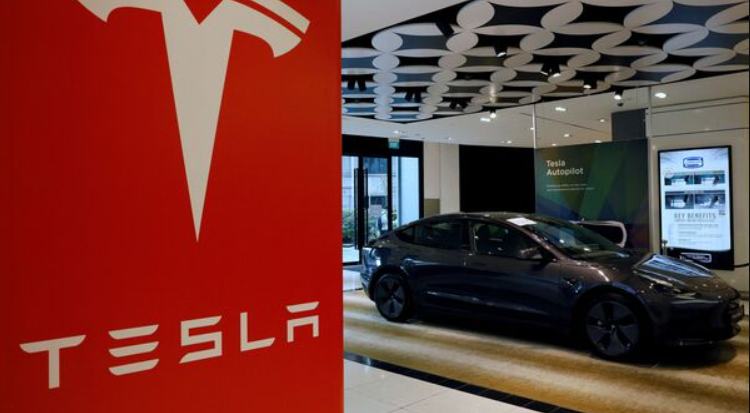
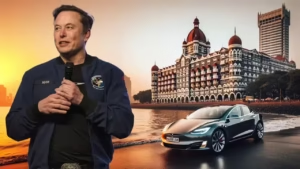
    Tesla officially opened its first Indian showroom at Mumbai’s Maker Maxity Mall in Bandra Kurla Complex, marking a significant milestone for the company’s entry into one of the world’s fastest-growing automotive markets. The Tesla Model Y, the world’s best-selling electric car, takes center stage, imported as a Completely Built Unit (CBU) from Tesla’s Shanghai factory. Priced at ₹59.89 lakh (~$69,756) for the rear-wheel-drive variant and ₹67.89 lakh (~$79,074) for the long-range version, the Model Y targets India’s premium EV segment. However, high import duties of around 70% make these vehicles notably more expensive than local competitors like Tata Motors and JSW MG Motors.

    Tesla in Mumbai
    Tesla in Mumbai

    Tesla’s Mumbai launch is just the beginning. The company is already planning a second showroom in New Delhi and is actively hiring for roles in sales, service, and charging infrastructure to support its operations. The Model Y, along with the Model 3, has undergone homologation for Indian roads, ensuring compliance with local regulations. While Tesla’s premium pricing may limit its immediate reach in India’s price-sensitive market, the brand’s global appeal and cutting-edge technology are expected to attract affluent buyers and EV enthusiasts.

    Challenges and Opportunities

    India’s EV market is growing rapidly, with sales increasing by 20% in 2024 to 99,165 units, driven by government subsidies and policies aiming for 30% EV adoption by 2030. However, Tesla faces significant challenges. The premium EV segment (vehicles over $20,000) accounts for just 6.6% of India’s EV sales, with local players like Tata Motors commanding a 60% market share. Limited charging infrastructure and high import tariffs (up to 110% on some vehicles) further complicate Tesla’s strategy.

    Tesla Launch in India 2025
    Tesla Launch in India 2025

    Despite these hurdles, Tesla has an opportunity to carve out a niche in the luxury EV market, competing with brands like BMW and Mercedes-Benz. India’s restrictions on Chinese EV makers like BYD could also give Tesla a competitive edge. The government’s EV policy, introduced in March 2024, offers reduced import duties of 15% for companies investing $500 million in local production, but Tesla has yet to commit to manufacturing in India. Union Heavy Industries Minister HD Kumaraswamy noted in June 2025 that Tesla is currently focused on retail sales rather than local production, a decision that has sparked debate amid U.S.-India trade discussions.

    Tesla Launch in India 

    Tesla Launch in India 2025
    Tesla Launch in India 2025

    Tesla Launch in India : Tesla’s entry into India is a bold step, but its success will depend on navigating the country’s unique market dynamics. While the company has expressed interest in a $2-3 billion manufacturing plant and a more affordable model priced at ₹20-25 lakh, no concrete timeline has been confirmed. For now, Tesla’s focus on establishing a retail presence and building brand awareness could pave the way for future investments. As India’s EV ecosystem evolves, Tesla’s presence is likely to inspire innovation and competition, pushing the nation closer to its sustainable mobility goals.

    Also Read This : BitChat : The Future of Decentralized, Offline Messaging 2025

  • India 2047 Vision : Dr. D.K. Gupta, Chairman of Felix Hospital, Honored as Guest of Honour at House of Lords Event in London

    India 2047 Vision : Dr. D.K. Gupta, Chairman of Felix Hospital, Honored as Guest of Honour at House of Lords Event in London

    India 2047 Vision : An international brainstorming event focused on the theme of  Viksit Bharat 2047 (Developed India 2047) was organized at the House of Lords, the UK Parliament, on Monday. The event centered on exploring possibilities for judicial cooperation between India and the United Kingdom. Dr. Dharmendra Kumar (D.K.) Gupta, Chairman of Felix Hospital in Noida, was invited as the Guest of Honour for this prestigious occasion.

    Dr. D.K. Gupta Highlights the True Path to Development

    Dr. D.K. Gupta expressed his pride in being part of this historic platform, stating, “I am honored to be a part of this significant event. When we talk about a developed India, we must not forget that justice, healthcare, and education are the foundational pillars without which no nation can achieve complete development. India has made significant progress in recent decades, but there is still a need for improvement in the speed of judicial processes, access to healthcare services, and the quality of education. If India aims to become a developed nation by 2047, it must work diligently on these fundamental pillars.”

    India 2047 vision : House of Lords London
    India 2047 vision : House of Lords London

    Rural Reach and Global Partnerships: Technology as a Catalyst for Development

    Acknowledging the growing use of technology, Dr. Gupta praised India’s advancements in telemedicine and digital health. However, he emphasized that ensuring proper access to these advancements in rural areas remains a challenge. He highlighted the importance of sharing experiences and expertise in healthcare and judicial sectors between India and the UK. He noted that both nations, being democratic systems, can learn and teach each other a great deal to improve judicial processes, ensure transparency, and enhance accessibility for the common citizen.

    India 2047 Vision: Dialogue Between India-UK Delegates and a Ceremonial Honor

    The event’s organizer, Lord Rami Ranger, stated that the program aimed to strengthen India’s global image and provide a platform for policy discussions. Expressing gratitude to Dr. D.K. Gupta, he said that his experience and perspective enriched the discussions. The event concluded with a formal dinner, where delegates from India and the UK, including academics, doctors, and policymakers, engaged in meaningful exchanges to foster mutual cooperation.

    Dr. D.K. Gupta
    India 2047 vision : Dr. D.K. Gupta

    Strengthening India-UK Relations at the House of Lords

    The event was hosted by Lord Rami Ranger FRSA and took place in the historic Cholmondeley Room and Terrace of the House of Lords in London. Senior British Parliament member Andrew Rosindell attended as a special guest, emphasizing the historical depth of India-UK relations and the need for cooperation in judicial systems.

    Also Read This : Mahindra XUV700 Facelift: What to Expect from the Upcoming XUV 7XO

    This unique event underscored the commitment to fortifying ties between India and the UK while aligning with the vision of a developed India by 2047.

  • G7 Summit 2025 : Key Takeaways from Kananaskis

    G7 Summit 2025 : Key Takeaways from Kananaskis

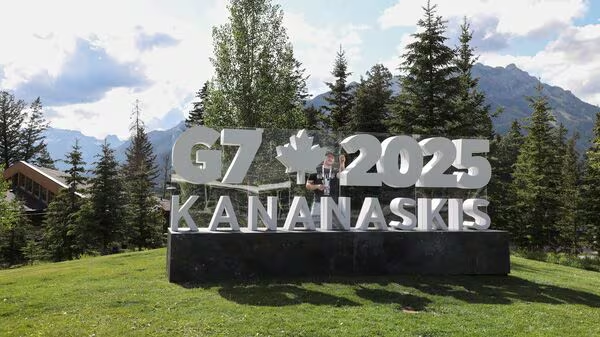
    The 51st G7 Summit was held on June 16–17, 2025, in Kananaskis, Alberta, Canada, where leaders from Canada, France, Germany, Italy, Japan, the United Kingdom, and the United States came together for high-level discussions. Representatives from the European Union and invited guests. Against a backdrop of global conflicts and economic challenges, the summit aimed to address pressing issues like the Russia-Ukraine war, Middle East tensions, trade policies, and energy security. However, the event was marked by unexpected disruptions and mixed outcomes. Below are the key takeaways from this pivotal gathering.

    U.S. President Trump’s Abrupt Exit

    One of the summit’s defining moments was U.S. President Donald Trump’s early departure on June 16 to address escalating tensions in the Israel-Iran conflict. This move disrupted a planned meeting with Ukrainian President Volodymyr Zelenskyy, derailing efforts to secure U.S. support for pressuring Russia into a Ukraine ceasefire. Trump’s focus shifted to the Middle East, with speculation about potential U.S. involvement in Israeli strikes against Iran’s nuclear facilities. His absence left a void in discussions, raising questions about the G7’s ability to align on critical global issues and fueling debates about the group’s relevance in a shifting geopolitical landscape.

    U.S. President Trump’s Abrupt Exit
    U.S. President Trump’s Abrupt Exit

    Ukraine and Russia: A Fractured G7 Response

    The Russia-Ukraine war was a central focus, but divisions emerged, particularly after Trump’s exit. His expressed support for Russian President Vladimir Putin complicated efforts to craft a unified G7 stance. Canada, as host, had hoped to issue a strong statement condemning Russia and supporting Ukraine but scrapped these plans due to U.S. resistance. Ukrainian President Zelenskyy called the diplomatic situation a “crisis,” urging G7 leaders to leverage their influence to end the conflict.

    Despite the setbacks, Canada stepped up with significant commitments, announcing $4.3 billion in aid for Ukraine. This package included $2 billion in military support—comprising helicopters, drones, and ammunition—and $2.3 billion in loans for infrastructure rebuilding. Canada also condemned Russia’s recent deadly attack on Kyiv, labeling it an act of “barbarism.” Other G7 members reaffirmed their support for Ukraine, but the lack of U.S. alignment underscored the challenges of coordinated action.

    Middle East Tensions Take Center Stage

    The Israel-Iran conflict loomed large over the summit, with G7 leaders issuing a joint statement condemning Iran as a source of regional instability and emphasizing that Iran must not acquire nuclear weapons. Trump’s early departure was directly tied to these tensions, with reports indicating U.S. preparations for potential military engagement alongside Israel. The G7’s unified stance on Iran contrasted with its divisions over Ukraine, highlighting the complex balancing act of addressing multiple global crises simultaneously.

    India’s Role and Diplomatic Efforts

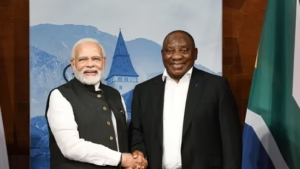
    Indian Prime Minister Narendra Modi’s attendance—his sixth consecutive G7 summit—underscored India’s growing global influence. Modi emphasized energy security, green technology pathways, and the need for collective action against terrorism. His presence also sparked protests from Sikh groups over Canada’s allegations regarding the 2023 killing of Hardeep Singh Nijjar, a Canadian Sikh leader. Despite these tensions, Modi held productive meetings with Canadian Prime Minister Mark Carney and other leaders to reset India-Canada relations and explore trade opportunities, including a proposed Europe-Middle East-India trade corridor.

    India’s Role and Diplomatic Efforts
    India’s Role and Diplomatic Efforts

    Trade, Tariffs, and Economic Cooperation

    Trade discussions yielded mixed results. Trump secured a framework for a new trade deal with the United Kingdom but criticized the European Union and Japan for what he called unfair trade practices, singling out Japan as “tough” in negotiations. Canada, meanwhile, made progress on a potential U.S. trade agreement and brokered initiatives for critical minerals stockpiling and cross-border wildfire coordination. These efforts reflect the G7’s ongoing focus on economic resilience amid global uncertainties.

    Global South and Energy Security

    South African President Cyril Ramaphosa, the only African leader invited, advocated for the Global South’s priorities, calling for a fairer global order. Modi echoed this sentiment, highlighting sustainable energy solutions to support AI-driven and technology-intensive societies. The G7’s discussions on energy security underscored the need for collaborative approaches to address climate challenges while ensuring economic stability.

    Indigenous Engagement

    In a notable moment, Indigenous leader Steven Crowchild of the Tsuut’ina First Nation welcomed G7 leaders, including Trump, to the summit. Crowchild described the encounter with Trump as “intense” but emphasized the importance of Indigenous voices in global dialogues. This gesture highlighted Canada’s commitment to incorporating Indigenous perspectives into international forums.

    Global South and Energy Security
    Global South and Energy Security

    Questions About the G7’s Future

    Trump’s early exit and his “America First” approach prompted renewed scrutiny of the G7’s effectiveness. Critics, including Russian official Maksim Oreshkin, argued that the G7 no longer drives global economic growth, pointing to the G20 as a more inclusive platform. Despite these challenges, Canadian Prime Minister Mark Carney earned praise for his deft handling of a complex summit, navigating diplomatic tensions and securing tangible outcomes like aid for Ukraine and trade progress.

    Also Read This : Mahindra XUV700 Facelift: What to Expect from the Upcoming XUV 7XO

    The 51st G7 Summit in Kananaskis was a microcosm of today’s fractured global landscape. While it achieved progress in areas like critical minerals, trade frameworks, and support for Ukraine, it also exposed deep divisions, particularly over Russia and the U.S.’s role in global diplomacy. The summit underscored the urgency of addressing conflicts in Ukraine and the Middle East, the importance of inclusive partnerships with the Global South, and the need for the G7 to adapt to a rapidly evolving world. As the international community looks ahead, the outcomes of Kananaskis 2025 will shape diplomatic and economic strategies for years to come.

  • India on Alert: Civil Defence Drills Ordered as Tensions with Pakistan Escalate

    India on Alert: Civil Defence Drills Ordered as Tensions with Pakistan Escalate

    Civil Defence Drills

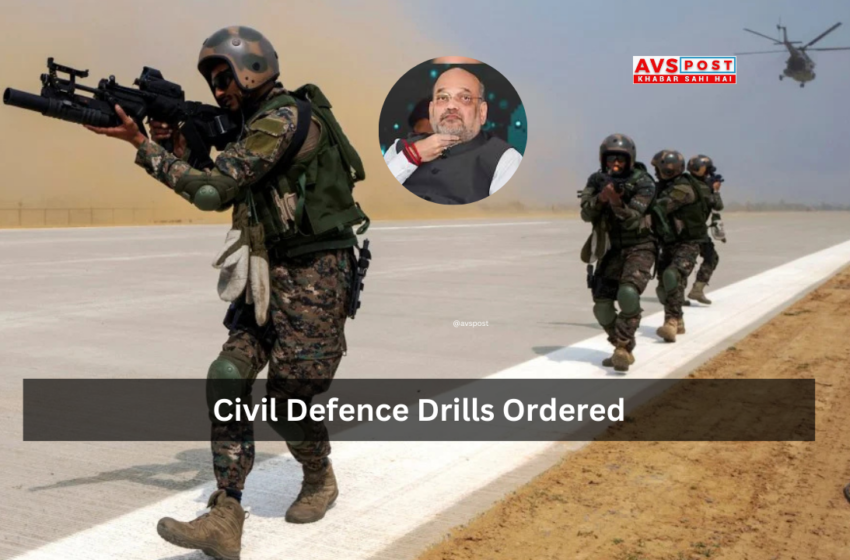
    India’s Ministry of Home Affairs (MHA) issued a directive for multiple states to conduct civil defence mock drills on May 7, a move driven by heightened tensions with Pakistan following the devastating April 22 terrorist attack in Pahalgam, Jammu and Kashmir. The attack, which claimed 26 lives, mostly tourists, has pushed the two nuclear-armed neighbors to the brink, with fears of conflict looming large. These drills, evoking memories of the 1971 India-Pakistan war, signal India’s resolve to prepare its citizens for any escalation.

    India’s Ministry of Home Affairs (MHA)
    India’s Ministry of Home Affairs (MHA) : civil defence drills

    The Trigger: Pahalgam and Its Fallout

    The Pahalgam attack, the deadliest in Kashmir since 2000, has inflamed India-Pakistan relations. India accuses Pakistan of orchestrating the assault, while Pakistan denies involvement, calling for a neutral probe. The attack has sparked a series of retaliatory measures from India: suspension of the 1960 Indus Waters Treaty, a ban on Pakistani airlines in Indian airspace, and the cancellation of visas for Pakistani nationals. Along the Line of Control (LoC), both nations have exchanged fire, with Pakistan claiming civilian casualties and India asserting effective counterstrikes. Pakistan’s recent warning of an imminent Indian military strike, based on “credible intelligence,” has further raised the stakes.

    Civil Defence Drills : A Proactive Response

    The MHA’s order for civil defence drills is a calculated step to ensure civilian readiness amid these volatile developments. Scheduled for May 7, the drills include:

    • Air Raid Siren Activation: Testing warning systems to alert civilians of potential attacks.
    • Public Training: Educating citizens, including students, on protective measures like taking cover or evacuating to bunkers.
    • Blackout Exercises: Simulating power outages to assess security preparedness, as recently practiced in Ferozepur Cantonment.
    • Camouflaging Key Sites: Early efforts to shield critical infrastructure from detection.
    • Evacuation Planning: Updating and rehearsing strategies to move civilians to safety.
    Civil Defence Drills
    Civil Defence Drills

    In border regions like Poonch, Jammu and Kashmir, these preparations are particularly urgent. Schools are training students to dive under desks or flee to bunkers during shelling, a grim reminder of the region’s vulnerability.

    The Bigger Picture: Military and Diplomatic Moves

    The civil defence initiative aligns with India’s broader response. Prime Minister Narendra Modi has given the armed forces “complete operational freedom,” with the Indian Air Force conducting exercises featuring Rafale and Su-30MKI jets. The National Investigation Agency is investigating the Pahalgam attack, and security has been tightened nationwide, with strict checks on Pakistani nationals in India.

    The Bigger Picture: Military and Diplomatic Moves
    civil defence drills  :  The Bigger Picture: Military and Diplomatic Moves

    On the diplomatic front, global powers are urging restraint. The U.S. has backed India’s right to combat terrorism but emphasized de-escalation, with Secretary of State Marco Rubio and Defense Secretary Pete Hegseth issuing measured statements. Russia, Iran, and others have echoed similar calls, while Pakistan has sought Russia’s mediation and proposed a joint investigation into the attack. Pakistan’s military, meanwhile, is conducting its own exercises near the LoC, signaling readiness for any Indian move.

    A Nation on Edge

    The drills reflect the public’s growing unease. Nationwide protests demanding justice for the Pahalgam victims have amplified calls for action, with opposition leaders like Rahul Gandhi pressing for a strong response. In Pakistan, public anxiety is evident, with people searching for terms like “India-Pakistan war” and “Rafale missiles,” wary of India’s military might. For Kashmiris on both sides of the LoC, the threat of conflict is all too real, with villagers preparing bunkers and schools closing in Pakistan-administered areas.

    Historical Echoes and Future Risks

    India and Pakistan have faced similar crises before—three wars since 1947, the 1999 Kargil conflict, and the 2019 Balakot airstrike after the Pulwama attack. Each time, diplomacy or restraint averted all-out war, but the current standoff feels different. The suspension of the Indus Waters Treaty, a cornerstone of bilateral ties, and the lack of robust crisis management channels raise the risk of miscalculation. With India’s 172 nuclear warheads and Pakistan’s 170, any escalation could be catastrophic.

    Civil Defence Drills
    Civil Defence Drills

    A Delicate Balance

    The MHA’s civil defence drills are both a practical necessity and a message of resolve. They prepare India’s citizens for the worst while signaling to Pakistan that India is ready for any eventuality. Yet, the hope remains that cooler heads will prevail. The international community’s push for dialogue and the memory of past de-escalation—like Pakistan’s release of an Indian pilot in 2019—offer a glimmer of optimism. For now, India stands vigilant, its people bracing for an uncertain future as the shadow of conflict lingers.

    Also Read This: ChatGPT Shopping : Revolution or Rough Start?

  • Mother’s Day 2025: What is it, its significance, history and more.

    Mother’s Day 2025: What is it, its significance, history and more.

    Mother’s Day 2025: It is a special day dedicated to honoring and appreciating mothers and mother figures for their love, sacrifices, and influence in our lives. It’s a time to celebrate the women who raise, nurture, and support us in countless ways. In many countries like the United States, India, and most of Europe, Mother’s Day is celebrated on the second Sunday of May to honor our mother and their sacrifices.

    Mother's Day 2025
    Mother’s Day 2025

    When is Mother’s Day 2025?

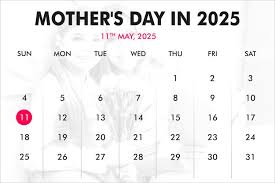
    Mother’s Day is celebrated on the second Sunday of May, this year it is on May 11, 2025.

    When is Mother's Day 2025?
    When is Mother’s Day 2025?

    Why do we celebrate mother’s day and it’s history ?

    It is a special occasion dedicated to honoring the incredible love, strength, and sacrifices of mothers and mother figures. It’s a time to recognize the vital role they play in our lives as caregivers, teachers, protectors, and constant sources of support.

    Why do we celebrate mother's day and it's history ?
    Why do we celebrate mother’s day and it’s history ?

    In ancient Greece and Rome, festivals were held to honor mother goddesses like Rhea and Cybele. Whereas, in the UK, a tradition called Mothering Sunday was observed in the 16th century, when people returned to their “mother church” and spent time with family. Apart from the United States, Mother’s Day was founded by Anna Jarvis in 1908. Which was in the memory of her own mother who was a peace activist. She campaigned to make it a national holiday, and in 1914, President Woodrow Wilson officially declared the second Sunday of May as Mother’s Day.

    What is its significance?

    Its significance are as follows:

    • To express gratitude for the selfless love and efforts of mothers.
    • To celebrate all forms of motherhood, including biological mothers, stepmothers, grandmothers, adoptive moms, and motherly figures.
    • To cherish the emotional bond between a mother and child.
    • It also serves as a reminder to appreciate the women in our lives not just one day a year, but every day.

      What is its significance?
      What is its significance?

    What is the importance of motherhood?

    Some importance of motherhood are:

    • They provide emotional support, by providing a safe space for children to express their emotions and grow with confidence and security.
    • They provide us with Moral and Social Values, From early childhood, mothers instill values such as kindness, responsibility, empathy, and respect.
    • They are our Lifelong Influence, a mother’s guidance shapes a person’s character, choices, and overall outlook on life.
    • They provide Strength and Sacrifice, they often put their families’ needs before their own, quietly sacrificing for the well-being of others.
    • They also provide us with Unconditional Love, Perhaps the most beautiful part of motherhood is the selfless, unwavering love that endures through every phase of life.

      What is the importance of motherhood?
      What is the importance of motherhood?

    Motherhood is not defined by biology alone it is about love, care, and commitment. Whether it’s a grandmother, stepmom, sister, aunt, or mentor, anyone who nurtures a mother’s heart plays an invaluable role in our lives.

    How can we celebrate mother’s day this year?

    We can celebrate mother’s day in the following ways:

    • You can Spend Quality Time Together by Plan a family meal, picnic, or day out doing something she loves — like gardening, painting, or visiting her favorite place.
    • By Cooking Her Favorite Meal. You can Surprise her with breakfast in bed, a homemade dinner, or even a fun cook-together session if she enjoys being in the kitchen.
    • By Giving a Thoughtful Gift like Handmade cards or crafts, personalized items like photo albums, or self-care kits (candles, books, skincare) show love and effort.
    • By Writing a Heartfelt Letter or Poem like Words are powerful. Express your feelings through a letter, poem, or even a simple voice note or video message.

      How can we celebrate mother's day this year?
      How can we celebrate mother’s day this year?
    • By Planning a Virtual Celebration Schedule a video call, play games online, or watch a movie together using a streaming party app.
    • By Creating a Memory Jar or Scrapbook like filling a jar with notes of appreciation or create a scrapbook of memories and photos that reflect your journey together.
    • By providing Acts of Service like help her with chores she usually handles, run errands for her, or give her a “day off” to relax and recharge.
    • By Giving Her the Gift of Time, like listening, laughing, and enjoying her company.

    Also Read This: Millie Bobby Brown: Details journey of acting, relationship, Brand, top 10 shows and upcoming project in 2025.