Category: Government Job

  • Indian Navy SSC Officer Recruitment 2026 : Join the Elite Force – Apply Now!

    Indian Navy SSC Officer Recruitment 2026 : Join the Elite Force – Apply Now!

    Indian Navy SSC Officer Recruitment 2026 : If you’ve been dreaming of donning the crisp white uniform of the Indian Navy and commanding the waves, your opportunity has arrived. The Indian Navy has just rolled out the much-awaited notification for Short Service Commission (SSC) Officers in the January 2027 (ST-27) Course. This recruitment drive offers around 260 vacancies across multiple branches, opening doors for dynamic young men and women to serve the nation with pride.

    Applications are now open from 24 January 2026 to 24 February 2026. With the window closing in just a month, it’s time to act fast and secure your spot in this prestigious force.

    Indian Navy SSC Officer Recruitment 2026 : What Makes This Recruitment Special?

    The Indian Navy’s SSC entry is perfect for those seeking a challenging career filled with adventure, leadership, and global exposure. Whether you’re inclined towards the Executive Branch (handling operations and logistics), Technical Branch (engineering marvels at sea), or Education Branch (shaping future minds), there’s a role that aligns with your skills.

    Indian Navy SSC Officer Recruitment 2026
    Indian Navy SSC Officer Recruitment 2026
    • Vacancies: Approx. 260 (detailed branch-wise distribution in the official notification).
    • Course Start: January 2027 at the scenic Indian Naval Academy (INA), Ezhimala, Kerala – known for its rigorous yet transformative training.
    • Eligibility Snapshot:
      • Unmarried candidates (men and women).
      • Born between 02 July 2002 and 01 July 2008 (with minor variations per branch).
      • Minimum 60% in BE/B.Tech, M.Sc., MCA, MBA, or equivalent (specific streams required for each branch).

    This is more than a job – it’s a calling to safeguard India’s vast maritime borders and contribute to humanitarian missions worldwide.

    Step-by-Step Guide to Apply

    Indian Navy SSC Officer Recruitment 2026 : Applying is straightforward and completely online:

    1. Head to the official portal: www.joinindiannavy.gov.in.
    2. Complete one-time registration with your email and phone.
    3. Choose the “SSC Officers – January 2027 Course” option.
    4. Carefully enter your details, upload scanned documents (photograph, signature, and certificates).
    5. Review and submit – there’s no fee involved!

    Pro Tip: Double-check everything before submission, as corrections aren’t allowed later. Download the official notification PDF for exact requirements and vacancy details directly from the site.

    The Road to Selection : What to Expect

    The selection is merit-based and multi-stage:

    1. Initial Screening: Applications are shortlisted based on your academic scores (normalized if needed) and branch preferences.
    2. Services Selection Board (SSB): The hallmark 5-day interview at centers like Bhopal, Bangalore, Visakhapatnam, or Kolkata. It tests your officer-like qualities through psychological assessments, group tasks, and personal interviews.
    3. Medical Tests: Thorough examination to ensure you’re fit for sea duties.
    4. Final Merit: Compiled from SSB marks, medical clearance, and available slots.

    Preparation starts now! Brush up on current affairs, stay physically active, and practice group discussions. Lucknow has excellent coaching centers for SSB – make the most of them.

    Indian Navy SSC Officer Recruitment 2026
    Indian Navy SSC Officer Recruitment 2026

    Perks of Being a Naval Officer

    Joining as an SSC Officer means:

    • Starting pay of ₹56,100 (Level 10) plus Maritime Special Pay (₹15,500/month) and other allowances.
    • World-class training, postings on advanced warships, submarines, or aircraft.
    • Opportunities for extensions, Permanent Commission, or specialized courses.
    • A life of discipline, camaraderie, and unforgettable experiences – from sailing across oceans to disaster relief operations.

    Also Read this : Nitin Nabin Takes Charge : A New Era Begins for the BJP

    Indian Navy SSC Officer Recruitment 2026 : For aspirants in Uttar Pradesh like you, this is a chance to represent your state on a national platform. The Navy values diversity and merit above all.

  • SBI Recruitment 2025 : 18,000 Officer Jobs in FY26, Biggest Hiring in a Decade

    SBI Recruitment 2025 : 18,000 Officer Jobs in FY26, Biggest Hiring in a Decade

     SBI Recruitment 2025 : The State Bank of India (SBI), the country’s largest public sector bank, has announced its most ambitious recruitment drive in a decade, set to hire 18,000 personnel in FY26 (2025–2026). This landmark initiative, revealed by SBI Chairman CS Setty, aims to bolster the bank’s workforce, enhance its technological capabilities, and support its tech-driven transformation. With roles spanning clerical staff, probationary officers, local bank officers, and system officers, this recruitment offers unparalleled opportunities for banking and tech professionals. This SEO-friendly blog dives into the details of SBI’s hiring plan, its significance, and how aspiring candidates can prepare, optimized for keywords like “SBI recruitment 2025,” “SBI officer jobs FY26,” and “SBI hiring 2025.”

    Breakdown of SBI’s 18,000 Vacancies

     SBI Recruitment 2025 : SBI’s FY26 recruitment drive is designed to address diverse operational needs, from core banking to cutting-edge technology. Here’s the breakdown of the vacancies:

    • Clerical Staff: 13,500–14,000 positions to support branch operations and customer service.
    • Probationary Officers (POs) and Local Bank Officers (LBOs): 3,000 roles for leadership and managerial functions.
    • System Officers: 1,600 specialized tech positions to strengthen digital banking infrastructure.

    This hiring spree, the largest in a decade, reflects SBI’s strategic focus on scaling its workforce to meet growing customer demands and advancing its digital transformation.

     SBI Recruitment 2025
    SBI Recruitment 2025

    Why This Recruitment Matters

    SBI’s massive hiring plan is a game-changer for job seekers and the banking sector. Here’s why it stands out:

    • Unprecedented Scale: The 18,000 vacancies mark SBI’s biggest recruitment drive in 10 years, offering opportunities for fresh graduates and experienced professionals alike.
    • Tech-Driven Focus: The inclusion of 1,600 system officers highlights SBI’s commitment to digital banking, with 98% of customer transactions now conducted through alternate channels like the YONO platform, which boasts over 8.77 crore users.
    • Economic Impact: With a balance sheet exceeding ₹66 trillion and a network of 22,937 branches, SBI’s hiring will boost employment and support India’s financial ecosystem.
    • Diverse Opportunities: From clerical roles to specialized tech positions like data scientists and network operators, the recruitment caters to varied skill sets.

     SBI Recruitment 2025 : Key Roles and Responsibilities

    Each category of SBI’s FY26 recruitment targets specific functions:

    1. Clerical Staff: Handle day-to-day banking operations, customer interactions, and administrative tasks. Ideal for graduates seeking stable, entry-level roles.
      • Salary: Starting at ~₹46,000/month in metro cities like Mumbai, including allowances.
    2. Probationary Officers (POs): Train for leadership roles, managing branches, and driving business growth.
      • Salary: ₹8.2–13.08 LPA, with additional perks like HRA and medical benefits.
    3. Local Bank Officers (LBOs): Focus on regional banking operations, ensuring localized customer service.
      • Salary: Similar to POs, with location-based allowances.
    4. System Officers: Develop and maintain SBI’s tech infrastructure, including digital platforms and cybersecurity systems.
      • Salary: Competitive, often exceeding ₹10 LPA for specialized roles.

    Why SBI Is Investing in Talent

    SBI’s recruitment aligns with its broader vision of becoming a tech-driven banking leader. Key drivers include:

    • Digital Transformation: Investments in platforms like YONO and a focus on hiring tech talent signal SBI’s shift toward seamless digital services.
    • Operational Growth: With deposits over ₹53 lakh crore and advances surpassing ₹42 lakh crore in FY25, SBI needs a robust workforce to sustain its growth.
    • Specialized Roles: The bank is recruiting for niche positions like data scientists and data architects to enhance analytics and customer experience.
    • Financial Strength: SBI’s FY25 operating profit crossed ₹1 lakh crore, enabling significant investments in human capital.
    SBI Recruitment 2025
    SBI Recruitment 2025

    How to Prepare for SBI Recruitment 2025–26

    Aspiring candidates can position themselves for success with these tips:

    • Eligibility Check:
      • Clerical Staff: Graduate degree, age typically 20–28 years.
      • POs/LBOs: Graduate degree, age 21–30 years.
      • System Officers: Engineering/IT degrees, relevant certifications (e.g., AWS, Cisco).
    • Skill Development:
      • For clerical/PO roles: Focus on quantitative aptitude, reasoning, English, and banking awareness.
      • For system officers: Learn coding (Python, Java), cloud computing, and cybersecurity basics.
    • Exam Preparation: SBI exams test general knowledge, data analysis, and role-specific skills. Practice mock tests and review past question papers.
    • Stay Updated: Monitor SBI’s official career portal for notifications, expected to roll out in 2025.
    • Networking: Engage with banking professionals on social platforms to gain insights into the selection process.

    Challenges and Opportunities

    While SBI’s recruitment drive is a golden opportunity, candidates should be aware of:

    • High Competition: With thousands applying, rigorous preparation is essential to stand out.
    • Tech Skills Gap: System officer roles require specialized skills, so upskilling in IT is critical.
    • Training Period: Clerical staff undergo six months of training, while POs face a probationary period with intensive learning.

    On the flip side, SBI offers job security, attractive salaries, and growth prospects, making it a top choice for career aspirants.

    Also Read This : Top 5 High-Demand Jobs in India for 2025-2030 : Your Career Guide

    A Golden Opportunity Awaits

    SBI’s plan to hire 18,000 personnel in FY26 is a historic milestone, opening doors for thousands of job seekers in India’s banking sector. Whether you’re a fresh graduate eyeing a clerical role, a professional aiming for a PO position, or a tech enthusiast targeting system officer jobs, this recruitment drive offers a chance to join a prestigious institution shaping India’s financial future. Start preparing now to seize this once-in-a-decade opportunity.

  • UPSC Preparation 2025 : What is UPSC exam? how to prepare for UPSC exam ?

    UPSC Preparation 2025 : What is UPSC exam? how to prepare for UPSC exam ?

    UPSC Preparation 2025

    Do you dream of serving India as an IAS, IPS, or IFS officer? The UPSC Civil Services Examination (CSE) is the key to turning that dream into reality. It’s a tough exam with a vast syllabus, but with the right plan, you can succeed. After clearing UPSC, you’ll train at the Lal Bahadur Shastri National Academy of Administration (LBSNAA) in Mussoorie, where future IAS officers are shaped. This easy-to-follow guide shares practical tips for UPSC preparation in 2025 and explains what LBSNAA is, where it’s located, and how it prepares you for a rewarding career.

    What is UPSC? : UPSC Preparation 2025

    The Union Public Service Commission (UPSC) holds the Civil Services Exam every year to select candidates for top government jobs like the Indian Administrative Service (IAS), Indian Police Service (IPS), and Indian Foreign Service (IFS). It’s one of the hardest exams in the world, with only about 0.1–0.2% of candidates succeeding. The exam tests your knowledge, skills, and personality through three stages: Prelims, Mains, and Interview.

    UPSC Preparation 2025
    UPSC Preparation 2025

    How the UPSC Exam Works

    Let’s break down the exam structure so you know what to expect:

    1. Prelims (Screening Test)

    • What it is: Two multiple-choice papers (400 marks total).
    • Paper 1 (General Studies): Questions on history, geography, politics, economy, environment, and current events (200 marks).
    • Paper 2 (CSAT): Tests reasoning, reading comprehension, and basic math (200 marks, you need 33% to qualify).
    • Why it matters: Clears you for Mains, but marks don’t count for the final rank.

    2. Mains (Written Exam)

    • What it is: Nine written papers (1750 marks).
    • Papers include:
      • Qualifying: Indian Language and English (300 marks each, just pass).
      • Essay: Write essays on given topics (250 marks).
      • General Studies (4 papers): Covers history, governance, ethics, and more (250 marks each).
      • Optional Subject: Two papers on a subject you choose, like Sociology or Geography (250 marks each).
    • Why it matters: Your Mains score heavily impacts your final rank.

    3. Interview (Personality Test)

    • What it is: A 275-mark interview to assess your personality and communication.
    • Final Score: Mains (1750) + Interview (275) = 2025 marks.

    What is LBSNAA and Where is it Located? LBSNAA full form

    The Lal Bahadur Shastri National Academy of Administration (LBSNAA) is India’s top training center for IAS officers and other civil servants. It’s located in Mussoorie, Uttarakhand, a beautiful hill station in the Himalayas, about 6,500 feet above sea level. Spread across 189 acres, LBSNAA was founded in 1959 and named after India’s second Prime Minister, Lal Bahadur Shastri, in 1973.

    UPSC Preparation 2025
    UPSC Preparation 2025

    LBSNAA trains future leaders to serve the nation with honesty and skill. It offers:

    • Foundation Course: A 3-month program for all new civil servants (IAS, IPS, IFS, etc.).
    • IAS Training: A 2-year program with classroom learning, field visits, and hands-on experience.
    • Other Programs: Training for senior officers and state service promotees.

    The campus has modern classrooms, hostels (named Ganga, Kaveri, etc.), a huge library, sports facilities, and even trekking trails. Trainees enjoy cultural events, yoga, and community service, making LBSNAA a unique place to grow as a leader.

    IAS Training at LBSNAA : What Happens There?

    Once you clear UPSC, you’ll join LBSNAA for IAS training. Here’s what the 2-year IAS training program looks like:

    1. Foundation Course (3 months): Learn basics like law, governance, and public policy with other civil servants.
    2. Phase I (15 weeks): Study administration, policymaking, and technology. Includes Bharat Darshan, a 7-week trip across India to understand its culture and challenges.
    3. District Training (1 year): Work under a District Collector to learn real-world governance, like managing projects or solving local issues.
    4. Phase II (12 weeks): Reflect on your experiences, attend workshops, and visit international institutes.
    5. Assistant Secretaryship: Work in New Delhi to understand central government operations.

    Daily Life: Trainees start with morning exercise, attend classes, play sports, and join cultural events. You’ll earn a stipend of about Rs. 35,000–40,000 monthly (after deductions from Rs. 56,100).

    Why it’s Special: LBSNAA builds teamwork and leadership through events like cultural festivals and adventure activities. It’s not just training—it’s a life-changing experience.

    UPSC Preparation 2025
    UPSC Preparation 2025

    How to Prepare for UPSC in 2025

    Ready to start? Here’s a simple guide to ace UPSC preparation:

    1. Know the Syllabus

    • Get the official UPSC syllabus from upsc.gov.in.
    • Focus on key topics like politics, economy, and current events.

    2. Start with NCERT Books

    • Read NCERTs (Class 6–12) for clear basics:
      • History: Our Pasts (Class 6–8), Themes in Indian History (Class 11–12).
      • Politics: Indian Constitution at Work (Class 11).
      • Geography: Fundamentals of Physical Geography (Class 11).
      • Economy: Macroeconomics (Class 12).

    3. Add Must-Read Books

    • Politics: Indian Polity by M. Laxmikanth.
    • Economy: Indian Economy by Ramesh Singh.
    • History: A Brief History of Modern India by Spectrum.
    • Environment: Environment by Shankar IAS Academy.

    4. Follow Current Affairs

    • Read The Hindu or Indian Express every day.
    • Check Yojana or Kurukshetra magazines for big issues.
    • Use Vision IAS or InsightsIAS for monthly summaries.
    • Write short notes connecting news to exam topics.

    5. Pick an Optional Subject

    • Choose something you enjoy or studied before, like Sociology or Geography.
    • Look for subjects that overlap with General Studies.
    • Read standard books and practice writing answers.

    6. Practice Writing for Mains

    • After 4–6 months, start writing answers daily.
    • Use a clear format: Introduction, Main Points, Conclusion.
    • Join a test series (like Vision IAS) to get feedback.

    7. Get Ready for Prelims

    • Practice past question papers to spot patterns.
    • Take mock tests (e.g., InsightsIAS) to build speed.
    • Work on CSAT if math or reasoning feels tough.

    8. Prepare for the Interview

    • Know your Detailed Application Form (DAF) well—your hobbies, education, etc.
    • Stay updated on news and practice mock interviews.

     12-Month UPSC Study Plan for 2025

    • Months 1–4: Finish NCERTs, follow news, pick optional subject.
    • Months 5–8: Read standard books, start writing answers, take Prelims mocks.
    • Months 9–12: Revise everything, join test series, focus on essays and optional.
    • After Prelims: Practice Mains writing and optional.
    • After Mains: Prepare for Interview with DAF and mock sessions.

    Best Resources for UPSC Preparation

    • Books: NCERTs, M. Laxmikanth, Spectrum, Shankar IAS.
    • News: The Hindu, Indian Express.
    • Magazines: Yojana, Kurukshetra.
    • Online: InsightsIAS, Vision IAS, Unacademy.
    • Apps: Evernote for notes, UPSC quiz apps.

    Mistakes to Avoid

    1. Using too many books—stick to a few good ones.
    2. Skipping news—current affairs are a must.
    3. Forgetting to revise—review weekly.
    4. Not practicing writing—Mains needs strong answers.
    5. Poor planning—balance Prelims and Mains prep.

    Tips to Stay on Track

    • Study Daily: Aim for 6–8 hours.
    • Revise Often: Use short notes for quick recall.
    • Stay Healthy: Exercise, eat well, and rest.
    • Connect: Join UPSC groups on Telegram or Reddit.
    • Keep Going: Don’t give up, even if it takes a few tries.

    Also Read This : Best Food Lucknow : Iconic Dishes You Must Try in the City of Nawabs

     Your Journey to LBSNAA

    Clearing the UPSC Civil Services Exam in 2025 is tough, but with hard work and a smart plan, you can make it. Start with the syllabus, study NCERTs, and stay updated on news. Practice writing and taking tests to sharpen your skills. Once you succeed, LBSNAA in Mussoorie will train you to become an IAS officer, ready to serve India with pride. Take the first step today—your future at LBSNAA is waiting!

  • Arun Singhal: Details on his education, post details, roles and achievements.

    Arun Singhal: Details on his education, post details, roles and achievements.

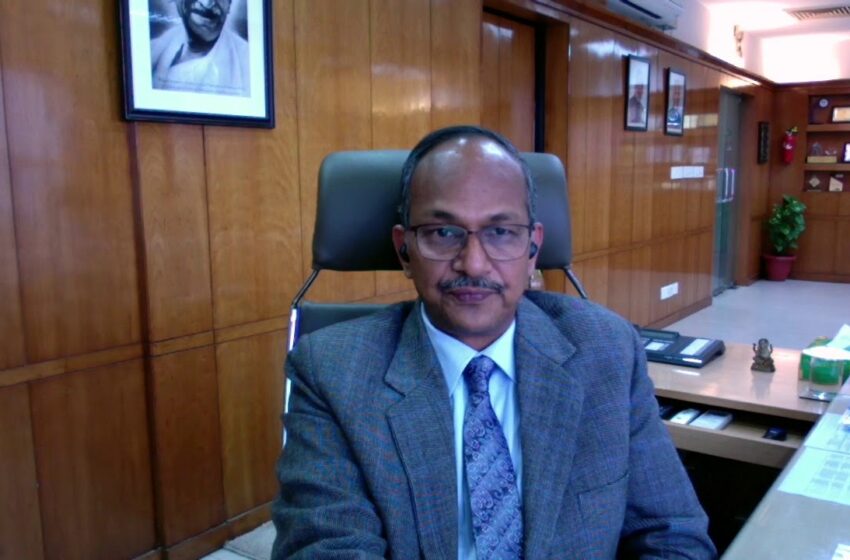
    Arun Singhal: Arun Singhal is an IAS officer from 1987 batch. He has held various significant positions in the Indian government and Is Currently serving as the Director General of the National Archives of India (New Delhi) as of March 2025.

    Who is Arun Singhal?
    Who is Arun Singhal?

    Details on his early life and education.

    He was born on April 15, 1965 in Ghaziabad ,district of Uttar Pradesh. He did his education in Electrical Engineering ( B.Tech and M.Tech).

    Details on his early life and education.
    Details on his early life and education.

    When did he join government services and when did he was appointed as IAS?

    Arun was in 1987 IAS batch and he joined government services as a IAS on August 24, 1987. His first post was as a assistant magistrate in Gorakhpur. He is currently on the post of Director General National Archives of India in New Delhi.

    When did he join government services and when did he was appointed as IAS?
    When did he join government services and when did he was appointed as IAS?

    Details on the post he held till now.

    In past he was also appointed in the post of Assistant Magistrate, executive magistrate, Joint secretary to the Government of India, Additional Commissioner, Technical Education department, Chief Election Officer (UP), Principal Secretary To Government Of UP and Secretary, Health, Medical and Family Welfare department. He is currently Director General National Archives of India.

    Details on the post he held till now.
    Details on the post he held till now.

    His role as Director General of the National Archives of India.

    As, Director General of the National Archives of India (NAI), Arun holds a significant and multifaceted role focused on the management, preservation, and accessibility of India’s documentary heritage. His responsibilities are guided by the Public Records Act, 1993 and the Public Records Rules, 1997.

    Some of Arun Singhal role as Director General of the National Archives are:

    • He is a Custodian of National Records, in which he Overseeing the preservation of public records of enduring value belonging to the Government of India.
    • He does Implementation of the Public Records Act in which he ensures the effective implementation of the Public Records Act, 1993 and its rules. This includes, supervising the management and control of the Archives, accepting the deposit of permanent public records after a prescribed period, managing the custody, use and withdrawal of public records and ensuring the proper arrangement, preservation, and exhibition of these records.
    • He also enhancing Records Management Practices like analyzing, developing, promoting, and coordinating standards, procedures, and techniques for improving records management systems across Central Government ministries, departments, and public sector undertakings. He is also advising record-creating agencies on the compilation, classification, and disposal of records.
    • He does Preservation and Conservation like ensuring the maintenance, arrangement, and security of public records both within the Archives and in the originating agencies. He is also promoting the utilization of available space and the maintenance of equipment for preserving public records.

      His role as Director General of the National Archives of India.
      His role as Director General of the National Archives of India.
    • He is facilitating Access and research like preparing inventories, indices, catalogues, and other reference tools to make records accessible. He is regulating access to public records for researchers and other users. He is providing authenticated copies of or extracts from public records.
    • He is Capacity Building and Awareness like Organizing training programs in various disciplines of archives administration and records management. He is Promoting archival awareness among the general public through exhibitions and outreach activities. The NAI also houses the Museum of National Archives for this purpose.
    • He is collaborating and coordinating by acting as the Secretariat for the Indian Historical Records Committee (IHRC) and the National Committee of Archivists (NCA), providing guidance on archival matters nationwide, fostering relationships between archivists and archival institutions at national and international levels and coordinating with various ministries and organizations on matters related to records and archives.
    • He is Accepting Private Collections by having the authority to accept records from private sources that hold historical or national importance.
    • He is managing Disposal of Records by Overseeing the process of destroying or disposing of public records according to established rules and regulations.
    • He does emergency Preparedness by making arrangements for securing public records in the event of a national emergency.

    What are his achievements?

    Some of Arun Singhal achievements are:

    • He proactively worked towards Drugs & Food Regulation.
    • He was involved in the implementation of the Pradhan Mantri Swasthya Suraksha Yojana (PMSSY), which includes setting up new AIIMS.
    • He contributed to reforms in medical education.
    • He was providing COVID-19 training to food business operators through the FOSTAC program, training and certifying over two lakh food handlers.
    • He is improving online services for licensing, registration, food imports, and the laboratory network.
    • He launched the ‘Eat Smart Cities Challenge’ to encourage healthy and sustainable food environments in smart cities.

      What are his achievements?
      What are his achievements?
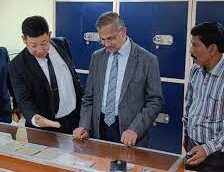
    • He inaugurated an exhibition on ‘Indian Heritage Through Architecture’ showcasing the evolution of architecture in India.
    • He has emphasized the historical ties between India and other nations, such as Oman, and has offered NAI’s technical assistance in the conservation and digitization of their archival wealth.
    • He has interacted with staff at various Record Centers of the NAI, focusing on conservation projects and the implementation of the Public Records Act and Rules.
    • He was empaneled as Secretary in the Government of India in June 2022.
    • He has a “rich and varied experience of administrative work in diverse areas including Petroleum and Natural Gas, Industrial Development, Rural Development, Agriculture Marketing and Health & Family Welfare.

    Also Read This: Telangana Forests: What Happened, Its Impacts, People’s Reactions, Government Interventions, and More Details

  • REET Exam 2025: Details on Exam, Criteria, Importance, Admit Card Download Process, and Syllabus.

    REET Exam 2025: Details on Exam, Criteria, Importance, Admit Card Download Process, and Syllabus.

    Reet Exam 2025: The Reet Exam also known as Rajasthan eligibility examination for teachers is an exam created at state level exam which is conducted by Rajasthan staff selection Board (RSSB) determine the eligibility of the candidates for teaching position in government school of Rajasthan.

    what is Reet Exam 2025?
    what is Reet Exam 2025?

    This exam specially decides the teachers from class 1st to 8th standard. That exam is divided into two levels, the first level decides the Teachers for class 1st to 5th and the second level decides the teachers from class 6th to 8th.

    What is the criteria to be in Reet Exam 2025?

    Some of the criteria to be in the Reet Exam 2025 are as follow: –

    1. The Nationality limit.
    2. Age limit.
    3. Education qualification.
    4. There is no limit of attempts.
    5. Candidate should apply for teacher recruitment.

    The importance of the exam.

    The Rajasthan Eligibility Examination for Teachers (REET) is a crucial exam for aspiring teachers in Rajasthan government schools. It serves as a mandatory qualification for those who wish to teach students from Classes 1 to 8 in state-run schools.

    The importance of the exam.
    The importance of the exam.

    Some of its importance are as following:-

    1. It is mandatory for Teaching Jobs in Rajasthan.
    2. It can provide us with Lifetime Certification.
    3. It ensures Quality Education.
    4. It gives Skilled Teachers.
    5. It gives government Job Benefits.
    6. It gives opportunity for Career Growth.
    7. It gives recognition Across Rajasthan.
    8. It is a motivation for Aspiring Teachers.

    How to get your Admit card?

    1. Visit the Official Website of the Rajasthan Staff Selection Board (RSSB) official website.
    2. Look for the “REET Admit Card 2025” link under the Latest Announcements section.
    3. Enter Your Details like name, date of birth and other details.
    4. Then submit your application.
    5. After submitting the details, your REET admit card will appear on the screen.
    6. Download your Admit card.

    Details of the Reet Exam 2025 syllabus.

    The REET syllabus is divided into two levels. Level 1 (Classes 1-5) includes Child Development & Pedagogy, Language I & II, Mathematics, and Environmental Studies, focusing on basic concepts and teaching methodologies.
    Level 2 (Classes 6-8) covers Child Development & Pedagogy, Language I & II, Mathematics & Science (for Science teachers), and Social Studies (for Social Studies teachers), emphasizing subject expertise and teaching strategies.

    Details of the Reet Exam 2025 syllabus.
    Details of the Reet Exam 2025 syllabus.

    Important dates of the exam.

    Some of the important dates of the exam are: –

    Notification Release: Expected in the first quarter of the year
    Online Application Start Date: Usually within a month of the notification
    Last Date to Apply: Around 3–4 weeks after applications open
    Admit Card Release: About 1–2 weeks before the exam
    Exam Date: Generally held mid-year (April–July)
    Result Declaration: Within 1–2 months after the exam

    ALSO READ THIS: Sunita Williams: Her Journey from NASA to Space Missions.

  • DRDO Internship 2025: Details on the Internship, Its Importance, How and Where to Apply?

    DRDO Internship 2025: Details on the Internship, Its Importance, How and Where to Apply?

    DRDO internship 2025: The DRDO Internship is a program offered by the Defense Research and Development Organization (DRDO) that provides students and early professionals with hands-on experience in cutting-edge defense and aerospace projects. Interns work alongside experienced scientists and engineers on real-world challenges in fields such as electronics, mechanical engineering, aerospace, and computer science.what is DRDO internship 2025?

    This opportunity not only enhances technical skills but also offers insight into national defense research and innovation, making it a valuable stepping stone for a career in defense technology and research.

    What is the Importance of DRDO Internship 2025?

    Some of the importance of the DRDO Internship 2025 are as follows:

    1. Real-World Projects: Interns work on real defense and research projects, gaining practical knowledge.
    2. Exposure to Advanced Technology: Learn about cutting-edge fields like AI, cybersecurity, missile technology, and aerospace engineering.
    3. Guidance from Experts: Work under top scientists and engineers in India’s premier defense research organization.
    4. Boost in Career Opportunities: Enhance your career prospects with DRDO experience.

      What is the Importance of DRDO Internship 2025?
      What is the Importance of DRDO Internship 2025?
    5. Opportunities for Innovation: Encourages problem-solving, innovation, and research contributions in national security projects.
    6. Networking and Collaboration: Connect with like-minded professionals, researchers, and scientists, building strong career networks.
    7. Certificate and Recognition: Interns receive a certificate from DRDO, adding value to their academic and professional profiles.
    8. Contributing to National Security: Being part of India’s defense research efforts gives interns a sense of pride and responsibility.

    Details on the Eligibility Criteria for the Internship.

    Some of the eligibility criteria for the internship are as follows: Eligible candidates include B.Tech, M.Tech, B.Sc, M.Sc, and Ph.D. students specializing in disciplines like Aerospace, Mechanical, Electrical, Electronics, Computer Science, Cybersecurity, and Biotechnology. Applicants must have a good academic record and a keen interest in defense research and innovation.

    Details on the Eligibility Criteria for the Internship
    Details on the Eligibility Criteria for the Internship

    Internships are usually available for final-year students or those in the pre-final year, depending on specific project requirements. Some DRDO labs may have additional criteria, such as a minimum GPA or a recommendation from the institute. Selection is competitive, and candidates may need to submit a resume, academic transcripts, and a statement of purpose (SOP).

    When and Where to Apply for the Internship?

    The DRDO Internship 2025 application process typically begins in the first quarter of the year (January–March), but specific deadlines vary by DRDO labs. Interested candidates can apply through the official DRDO website (www.drdo.gov.in) or directly contact DRDO laboratories and research centers related to their field.

    When and Where to Apply for the Internship?
    When and Where to Apply for the Internship?

    Applications usually require a resume, academic transcripts, and a No Objection Certificate (NOC) from the college. Since each DRDO lab has its own selection process, it’s best to check individual lab websites or contact them for specific details.

    How Can We Apply for the DRDO Internship?

    1. Visit the Official Website: Go to www.drdo.gov.in or choose a relevant DRDO lab.
    2. Prepare Required Documents: Ensure you have an updated resume/CV, academic transcripts/marksheets, No Objection Certificate (NOC) from your college/university, and a letter of recommendation (if required).

    Also Read This: Personal Branding: what is personal branding, why do we need it, key elements and how to build it?

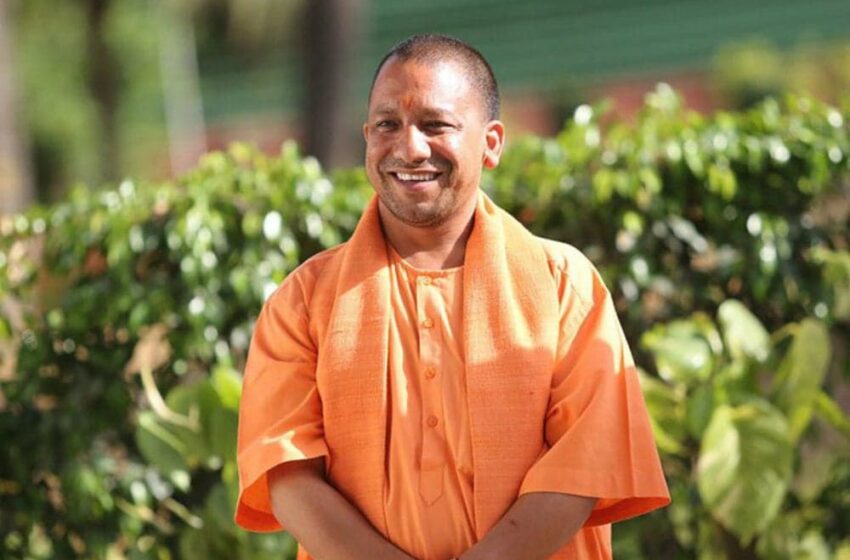
  • Chief Minister Yogi Adityanath: Yogi govt prioritizes eligibility-based appointments for government jobs

    Chief Minister Yogi Adityanath: Yogi govt prioritizes eligibility-based appointments for government jobs

    Chief Minister Yogi Adityanath Mission Rozgar

    Newly appointed youths laud Yogi’s policies as CM presents ‘Diwali gift’ to them

    “We got the job fairly and will work for public welfare transparently,” say newly appointed youth

    Yogi govt prioritizes eligibility-based appointments for government jobs

    Lucknow, October 24

    In a festive gesture ahead of Diwali on October 31, Chief Minister Yogi Adityanath distributed appointment letters to 1,950 youths selected by the UP Subordinate Services Selection Commission. This includes 1,526 Gram Panchayat Officers, 360 Gram Vikas Officers (Social Welfare), and 64 Social Welfare Supervisors.

    The parents of the newly appointed officers expressed their joy, referring to their children as the “lamp” of the household, bringing “prosperity” in the form of stable jobs. They extended their gratitude to Chief Minister Yogi Adityanath for the opportunity provided to their children.

    In response, the newly appointed youths pledged to serve the public with integrity and transparency, emphasizing their commitment to work for the welfare of the community.

    Youth express gratitude to Chief Minister Yogi Adityanath for transparent recruitment process for government jobs

    “I am very happy to be selected as a Gram Panchayat Officer. By filling vacant posts in a clear and fair way, the Chief Minister has done a great job to improve the future of the youth. We have received jobs and a bonus just in time for Diwali. Thank you, Chief Minister Yogi Adityanath!” – Ravi Kumar Verma, Gonda

    Chief Minister Yogi Adityanath: Mission Rozgar
    Chief Minister Yogi Adityanath Mission Rozgar

    “I have been appointed as a Gram Panchayat Officer in Amethi. The entire exam was conducted fairly, with no discrimination whatsoever. CM Yogi Adityanath provided opportunities for everyone. Today, we are all very happy to have secured government jobs without any bias.” – Radheshyam Singh, Prayagraj

    Chief Minister Yogi Adityanath: Mission Rozgar
    Chief Minister Yogi Adityanath: Mission Rozgar

    “I’m thrilled to have been selected for the post of Gram Panchayat Officer. The recruitment process was free of charge, and it has boosted the morale of the youth. Thanks to CM Yogi Adityanath, who prioritized eligibility in the selection process and created a wave of job opportunities in Uttar Pradesh.” – Komal Gupta, Ayodhya

    Chief Minister Yogi Adityanath: Mission Rozgar
    Chief Minister Yogi Adityanath: Mission Rozgar

    “I have been appointed as a Gram Vikas Officer. I appreciate the Chief Minister for ensuring a fair and transparent appointment process. From the exam to receiving the appointment letter, everything was smooth. Thanks to Yogi Adityanath’s strict policies, jobs and employment are being provided to the youth.” – Pankaj Kannaujiya, Sultanpur

    Chief Minister Yogi Adityanath: Mission Rozgar
    Chief Minister Yogi Adityanath: Mission Rozgar

    Also Read This: Yogi govt trains teachers to transform UP’s schools into skill development centres

    “I have been selected as a Gram Panchayat Officer in my home district. From the 2018 recruitment exam to my appointment, everything was handled transparently. There were no under-the-table fees, and the documentation was simple. I will perform my duties honestly, and I am very grateful to the Chief Minister for this clear process.” – Sandeep Kumar Gupta, Amethi

  • Yogi govt implements district limit for Divyangs, divisional limit for female candidates in exam centre allocation

    Yogi govt implements district limit for Divyangs, divisional limit for female candidates in exam centre allocation

    #UP govt issues instructions regarding the arrangements of the examination centre

    #If exams are held within district, other candidates may also get centres outside home district

    #Exam centres are to be randomly assigned to avoid local candidates at the same examination centre

    Lucknow : Aiming to improve the recruitment examinations in Uttar Pradesh and ensure a robust and fair examination system, the Yogi government has issued guidelines under the prescribed policy to enhance transparency in the selection process of various commissions and selection boards in the state.

    According to the new policy, divyang candidates will not be allotted examination centres outside their home district, and female candidates will not be allotted centres outside their home division. Additionally, if the examination is held in more than one district, other candidates may be assigned centres outside their home district.

    Allocation of exam centres will be done on random basis

    According to the guidelines issued by the Department of Personnel & Training, the allocation of examination centres will be done on a random basis to ensure that candidates from the same location do not take the exam at the same centre. The allocation of exam rooms to invigilators will also be done randomly in the presence of a static magistrate, 30 minutes before candidates enter the exam centre.

    Additionally, the District Magistrate will ensure that if extra invigilators are needed at any exam centre, at least 50 per cent of the staff will be government employees from outside the exam centre.

    Additional Chief Secretary of the Department of Personnel & Training, Dr Devesh Chaturvedi said that the Sector Magistrates will be assigned to 2-3 nearby examination centres so that they can promptly reach those centres. If an examination centre is located far away, consideration may be given to appointing a separate Sector Magistrate for it.

    In addition, the Sector Magistrate should be deployed at the examination centres, who will be responsible for getting the confidential bundle of question paper/answer sheet from the treasury, bringing it to the concerned examination centre and handing it over to the Static Magistrate deployed at the examination centre. Later, the Sector Magistrate will also be responsible for getting the question paper/answer sheet back from the Static Magistrate after the examination and ensuring peace and order at the examination centre.

    Furthermore, the Sector Magistrate will also arrange for a video recording of bringing and taking the confidential bundle of question papers/answer sheets from the treasury. During the examination, the Sector Magistrate will inspect all examination centres in rotation to ensure everything is functioning properly.

    Each examination centre shall have one Static Magistrate, responsible for receiving the question papers/answer sheets from the treasury in their presence, sealing them post-examination, opening and sealing the question papers/answer sheets at the examination centre before and after the exam, ensuring peace at the examination centre, and randomly assigning invigilators.

    Moreover, the question papers/OMR sheets shall be opened 45 minutes before the exam in the presence of the Static Magistrate, Center Supervisor, and Assistant Center Supervisor, with video recording for security. Inside the exam room, at least 2 candidates’ signatures shall be taken as witnesses when opening the sealed packet of question papers/OMR sheets. CCTV recording shall secure the treasury where the confidential bundle of pre-exam question papers is stored and retrieved on the exam date.

    At the commission/board level, there should be a control room where continuous monitoring through CCTV live streaming is conducted under the leadership of a designated supervisory officer. Alongside, the candidates as well as the personnel deployed at the examination centre should be thoroughly searched when they enter the examination hall and they should not be allowed to go out under any circumstances until the examination is over.

    Additionally, there should be a complete prohibition on candidates and staff members in the examination room carrying any electronic devices. No candidate should be permitted to leave the examination centre before the completion of the exam. If there are two sessions in a single day, the question papers/answer sheets for each session should be brought separately to the examination centre from the treasury.

  • UP govt announces three-year age relaxation for candidates in police constable recruitment

    UP govt announces three-year age relaxation for candidates in police constable recruitment

    Yogi govt gives big relief to youth demanding relaxation in age limit

    Candidates of all categories will get age relaxation in police recruitment exam*

    UP govt issued notification for police constable (civil) recruitment on Dec 23

    Lucknow: in a major move aimed at benefiting the youth preparing for police recruitment, Chief Minister Yogi Adityanath has announced a relaxation of three years in the age limit for this year’s examination.

    In this regard, the Chief Minister has directed State Principal Secretary Home Sanjay Prasad that a relaxation of 3 years should be given in the maximum age limit in this year’s examination. Since the issuance of the recruitment notification, a large number of youth have been demanding an increase in the age limit.

    Acknowledging the demand of the youth, CM Yogi has decided to grant a three-year age relaxation in the maximum age limit for candidates of all categories in the recruitment process for the position of Police Constable.

    Announcing from his official account X, the Chief Minister stated that the government is fully committed to the welfare and bright future of the youth. In this regard, a decision has been taken to provide a three-year age relaxation in the maximum age limit for candidates of all categories in the recruitment process for the position of Police Constable in the UP Police.

    As part of the ongoing ‘Mission Rozgar’, the Yogi government issued the notification for the largest police recruitment in the state on December 23, providing a significant gift to the youth of the state. The youth have been awaiting the recruitment of over 60,000 vacancies for constables in the UP Police for quite some time.

    Out of these, 24,102 positions are reserved for the general category, 6,024 for EWS, 16,264 for other backward classes, 12,650 for Scheduled Castes, and 1,204 for Scheduled Tribes. Reservation for women has also been prescribed in the notification.

    According to the information provided in the notification, 20% of the total positions have been reserved for women. Due to the commencement of the recruitment process after a long time, the youth demanded an age relaxation in the age limit so that those who have been preparing for many years do not miss out on the process due to being overaged. Acknowledging this demand of the youth, Chief Minister Yogi Adityanath has directed the Principal Secretary (Home) to grant an age relaxation.