Author: AVS POST Bureau

  • Karun Nair: Detail on his early life, education, family, career and achievements. Details about Century in Test Cricket (303)

    Karun Nair: Detail on his early life, education, family, career and achievements. Details about Century in Test Cricket (303)

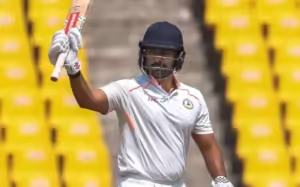
    Karun Nair: Karun Nair or Karun Kaladharan Nair is an Indian cricketer, who is known as the only second Indian batsman, after Virender Sehwag to score a triple century in Test cricket. He made headlines in 2016 when he scored 303 not out against England in just his third Test match, instantly etching his name in the history books. He played for the IPL team, Rajasthan Royals, Delhi Daredevils, Kings XI Punjab, and others. His story is often seen as one of cricket’s strangest. He is a player achieving something historic but not getting a long run in the team.
    Karun Nair
    Karun Nair

    How and where was his early life and education?

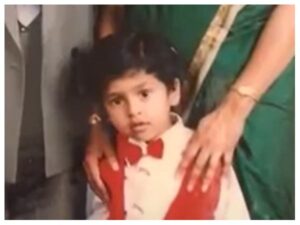
    He was born on December 6, 1991 in Jodhpur, Rajasthan in India. He has spent most of his childhood in Bangalore as his moved there from Jodhpur. He did his schooling from Chinmaya Vidyalaya in Bangalore. Whereas, he did his college from Jain University in Bangalore.
    How and where was his early life and education?
    How and where was his early life and education?

    Who all are there in his family?

    The Karun Nair family consists of the following members:

    • His Father: Kaladharan Nair, who is a mechanical engineer who worked with the Indian Air Force and later with a private aviation company.
    • His Mother: Prema Nair, who is a teacher.
    • His Sister: Shruthi Nair.

      Who all are there in his family?
      Who all are there in his family?
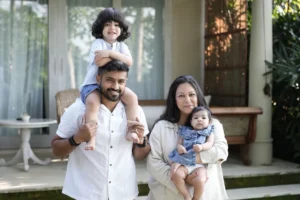
    • His Wife: Sanaya Tankariwala, they got married in January 2020. She is a media professional.
    • His Son: Kayaan Nair, who was born in January 2022.
    • His Daughter: Samara, who was born in 2024.

    Why did he choose cricket as a career and when did he make his cricket debut?

    He developed a love for cricket early in his childhood while growing up in Bangalore. His parents, especially his father, were very supportive of his interest. He began formal coaching for him at a young age and showed strong promise in age-group cricket for Karnataka. Cricket became more than a hobby for him, when his talent started getting noticed in school and club-level tournaments. Being part of Karnataka’s strong domestic structure, played a big role for him as he had access to good coaching, competitive matches, and also role models like Rahul Dravid and Anil Kumble who also came from the same system.

    Why did he choose cricket as a career and when did he make his cricket debut?
    Why did he choose cricket as a career and when did he make his cricket debut?

    Karun Nair’s debut details:

    • His First-Class Debut was from Karnataka in the Ranji Trophy – 2013. He had a breakthrough 2013-14 season by scoring three consecutive centuries and helping Karnataka win the title.
    • His ODI Debut for India was on June 11, 2016 against Zimbabwe.
    • His Test Debut for India was on November 26, 2016 against England. In only in his third Test match, he scored the famous history 303 in Chennai.
    • His IPL Debut was from Royal Challengers Bangalore in 2013

    What is his playing style?

    He is a stylish right-handed middle-order batsman known for his classical technique and calm temperament. He excels in longer formats, with a solid ability to build innings and play spin effectively. Though he is not a power-hitter but he can accelerate when needed, as seen in his historic triple century. He also bowls occasional off-spiner and is a sharp, reliable fielder.

    What is his playing style?
    What is his playing style?

    Details on his achievement and records.

    Some of Karun Nair’s achievement and records are as follows:

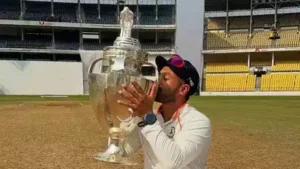
    • He made Triple Century in Test Cricket (303) and became the second Indian (after Virender Sehwag) and the third player in history to convert a maiden Test century into a triple century against England in December 2016.
    • He is the fastest Indian to a Triple Century by reached 300 in just his third Test match with a unique and rare feat.
      Details on his achievement and records.
      Details on his achievement and records.
    • He was a part of Karnataka’s Ranji Trophy-winning team, and played a crucial role in Karnataka’s back to back Ranji Trophy titles in 2013–14 and 2014–15.
    • He is a consistent performer in domestic cricket with over 5,000+ first-class runs with multiple centuries.
    • He has won Arjuna Award in 2017, for outstanding achievement in cricket.

    Also Read this: Hydrogen Train: What Is a Hydrogen Train, When Will It Start, How Does It Work, Structure, and More.
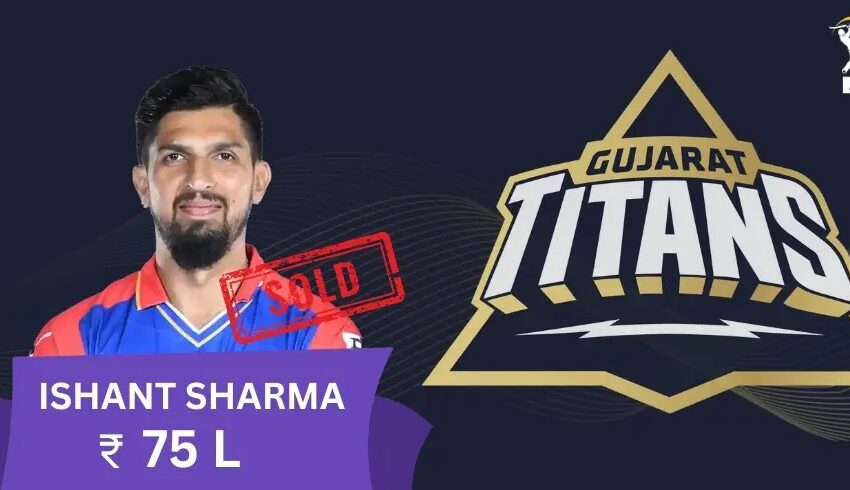
  • Ishant Sharma became a legend thanks to 6 unforgettable spells.

    Ishant Sharma became a legend thanks to 6 unforgettable spells.

    Ishant Sharma: A Comprehensive Biography Indian cricket’s tall warrior, Ishant Sharma As the “workhorse” of Indian fast bowling, Ishant Sharma’s name conjures up images of fiery spells, relentless pace, and the kind of aggression that Indian cricket had long lacked. Ishant, who stands over 6 feet 4 inches tall, is one of the most enduring fast bowlers in Indian cricket history because of his height, long run-up, and dedication to the game.

    Ishant Sharma

    Childhood and Cricket’s Inception

    Ishant Sharma was born in Delhi on September 2, 1988, into a middle-class family where cricket was more than just a sport; it was a passion. He had an inherent advantage in fast bowling from an early age due to his height. He modelled his behaviour and discipline after the greats, such as Javagal Srinath and Glenn McGrath, whom he admired.

    Before establishing himself in the Ranji Trophy, he played age-group cricket and rose through the ranks of Delhi’s domestic circuit. Selectors were immediately impressed by his performances, and at the age of 18, he was selected for the 2006–07 South Africa tour.

    Ishant Sharma

    The Infancy of International Cricket

    Ishant made his Test debut for India against Bangladesh in May 2007.It was an important step towards a longer career, even though the opposition was not the strongest. But the Australian tour in 2007–2008 was the one that made him famous.

    Ishant Sharma’s match against Ricky Ponting in Perth during that series is widely regarded as one of the best spells by an Indian fast bowler in contemporary history. He used bounce, movement, and unwavering determination to torment one of the top batsmen in the world over and over. Known for his ability to dominate bowlers, Ponting appeared shaken. He was eventually fired by Ishant, and that spell marked a sea change in his career.

    The Prolonged Path of Struggle and Consistency

    Ishant’s career over the following few years was a rollercoaster, despite his outstanding performance in Australia. He frequently had issues with form, injuries, and consistency. There were concerns about his fitness and capacity to spearhead the bowling attack due to his erratic pace. Nevertheless, he continued to be a consistent member of India’s Test team, particularly abroad, where his bounce and seam movement increased his effectiveness.

    But his path was more rocky in ODIs and T20s. Even though he was instrumental in games like the 2013 ICC Champions Trophy final, where he defeated England by taking two wickets in a pivotal over, his economy rate in the shorter formats frequently drew criticism.

    Ishant Sharma

    The pivotal moment: the late career revival

    Ishant was one of the most seasoned pacers in Indian history by the time he reached 50 Test matches, but he had not yet reached his full potential. He started to undergo a significant change in 2018, adopting a more controlled line and length, concentrating on his fitness, and changing the way he bowled.

    Ishant was forced to improve his game by the arrival of bowling coach Bharat Arun and a potent pace group that included Mohammed Shami, Jasprit Bumrah, and Umesh Yadav. He became India’s go-to bowler in challenging overseas conditions as he began to bowl fuller and make better use of his height.

    His performances during the 2019–2021 World Test Championship cycle and the 2018 England tour were pivotal. For the first time in 28 years, India won a Test match at Lord’s thanks to Ishant’s 7 for 74 innings against England in 2014. One of the most well-known spells ever executed by an Indian pacer is still this one.

    Despite not playing in the Gabba Test, he played a key role in India’s historic series victory in Australia (2020–21) during the WTC cycle. His leadership and experience were crucial in helping the younger bowlers get ready for high-pressure scenarios.

    Ishant Sharma

    Getting into the 100-Test Club

    On February 24, 2021, Ishant Sharma became the second Indian fast bowler to play 100 Test matches, after Kapil Dev. It demonstrated his tenacity, fortitude, and resolve. He had bowled against the best batsmen, in every condition, and on every continent over the years.

    It was made even more remarkable by the fact that he achieved this milestone while playing fast bowling in India, a nation traditionally known for its spinners. He had witnessed it all in a career that lasted more than ten and a half years, from the youthful, wild-haired tearaway to the seasoned campaigner leading India’s pace battery.

    Domestic cricket and the IPL

    Ishant’s Indian Premier League (IPL) experience was not entirely positive. The Deccan Chargers, Sunrisers Hyderabad, Rising Pune Supergiant, Delhi Capitals, Kings XI Punjab, and Kolkata Knight Riders were among the teams he played for. He contributed value with experience and sporadic fiery spells, even though he wasn’t as dominant as in Test matches.

    He had one of the greatest fast bowling performances in the history of the IPL in 2011 when he took five wickets for Deccan Chargers against Kochi Tuskers Kerala. That was his most memorable IPL moment.

    He continued to be a devoted servant for Delhi in domestic cricket, coaching young bowlers and playing important roles in the Ranji Trophy.

    Influence and Legacy

    Even though Ishant Sharma lacks Bumrah’s glitz and Shami’s physical prowess, his legacy is one of perseverance, fortitude, and devotion. He fought form slumps, remained in the system, and kept getting better.

    His coaching of young bowlers was extremely important in the development of India’s formidable pace attack, particularly during the country’s transitional period in the middle of the 2010s. From Zaheer Khan’s reign to Bumrah’s ascent, he frequently served as a link between different eras.

    Ishant is well-known off the pitch for his modest demeanour, sense of humour, and team spirit. Since their days as junior cricket players, he and Virat Kohli, who is also from Delhi, have frequently discussed their friendship.

    Ishant Sharma

    In conclusion

    The tale of Ishant Sharma is one of tenacity rather than just records or wickets. Ishant stood tall both literally and figuratively, persevering through difficult tours, protracted spells, and hostile pitches in a cricketing culture that frequently exalts spectacular performances. He will always be regarded as one of India’s most devoted warriors, even though he may never be the most renowned cricketer in its history.

    Future generations will use Ishant Sharma’s pioneering work as a guide and a source of inspiration as Indian cricket continues to produce fast bowlers with extraordinary skill and speed.

    ALSO READ THIS: 7 Ways Bollywood’s Preity Zinta Redefined Courage and Charm

  • Milkha Singh’s Grit Legacy: 9 Valuable Lessons from the Flying Sikh

    Milkha Singh’s Grit Legacy: 9 Valuable Lessons from the Flying Sikh

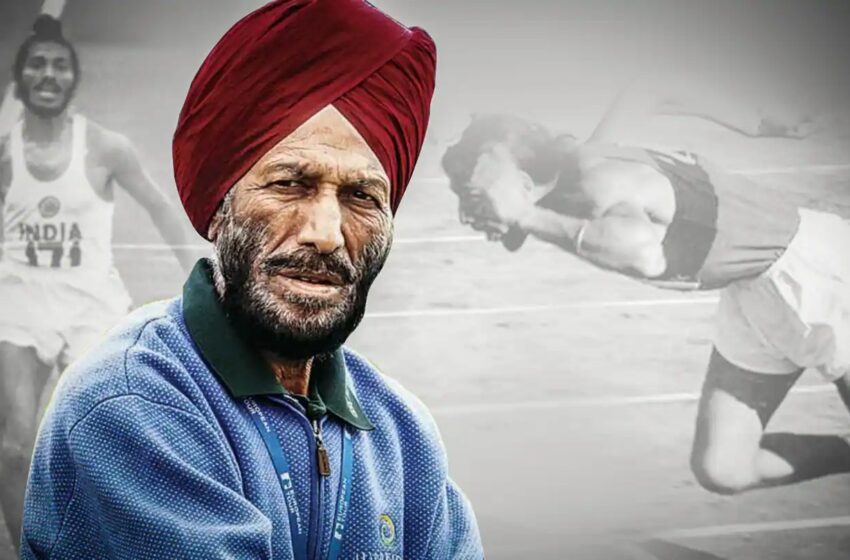
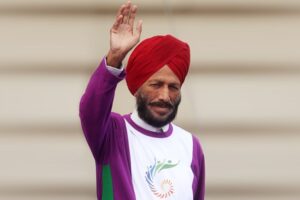
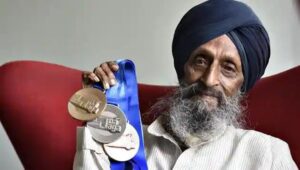
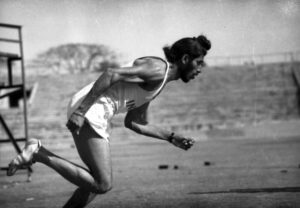
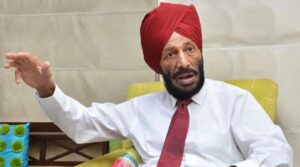
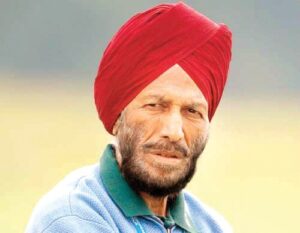
    Milkha Singh: A Comprehensive Biography The Flying Sikh, Milkha Singh One of India’s greatest athletes and a representation of tenacity, fortitude, and patriotism, Milkha Singh was born in Govindpura, a small village in Multan district, in undivided India, which is now in Pakistan, on November 20, 1929 (official records frequently state October 8, 1935). From a refugee during the partition to an Olympic legend, his life story is both tragic and inspirational.

    Milkha Singh

    Childhood and Misfortune

    A Sikh Rathore Rajput family was the birthplace of Milkha Singh. Despite a modest upbringing and limited resources, he lived a peaceful life before India’s 1947 Partition. His family was severely affected by the violence and bloodshed of the partition; he saw his parents, two sisters, and a brother brutally murdered. When Milkha fled to India as a teenager, he was devastated and alone.

    To escape the violence and intercommunal riots, he travelled to Delhi by train.He fought to survive in a refugee camp at Old Delhi Railway Station with family members. During this desperate time in his life, he even contemplated committing crimes, but destiny had other ideas.

    Enlisting in the Army and Learning About Sports

    The moment Milkha Singh enlisted in the Indian Army was a turning point in his life. He made several attempts before being chosen on his fourth try. His athletic abilities were discovered while he was assigned to the Electrical Mechanical Engineering (EME) unit in Secunderabad.

    The army gave him the opportunity, discipline, and structure he needed to train. His ascent as an athlete was fuelled by his dedication, innate talent, and will to overcome his past.

    Singh started running cross-country and soon rose to the top of his unit’s running rankings. His career took off after he won his first significant race, a 400-meter race at the Services meet.

    Milkha Singh

    Breakthrough on a National and International Level

    Milkha Singh made his debut for his country at the 1956 Summer Olympics in Melbourne, but he did not take home a medal. But it was a teaching moment that motivated him to work out even more. He adopted strict training regimens after studying the strategies of accomplished athletes.

    The actual breakthrough occurred in 1958. He became the first Indian athlete to win an individual gold medal at the Commonwealth Games in Cardiff, where he won the gold medal in the 440 yards, or roughly 400 meters. He also took home gold in the 200- and 400-meter events at the Tokyo Asian Games that same year.

    He became a national hero as a result of these triumphs, and the nation began to celebrate his accomplishments.

    The Legendary Rome Olympics of 1960

    The 1960 Summer Olympics in Rome were arguably Milkha Singh’s most pivotal event. He competed in the 400 meters, where he was among the front-runners for a medal. Milkha ran the race of his life, missing the bronze by just 0.1 seconds and finishing fourth in a race full of tension and exceptional competitors.

    This performance was praised worldwide even though it did not result in a medal. His final time of 45.73 seconds was a national record for 40 years, and he broke the Olympic record in the heats and semi-finals. His near-miss turned into a legend and greatly aided in his rise to prominence.

    After this race, Milkha Singh’s performance against Pakistani sprinter Abdul Khaliq in Lahore impressed Pakistan’s General Ayub Khan, who gave him the nickname “The Flying Sikh,” which he would always use.

    Subsequent Career and Input

    In international competitions, Milkha Singh kept up her strong performance. At the 1962 Asian Games, he took home two more gold medals in the 400-meter and 4×400-meter relays. But as he grew older and sustained injuries, he eventually gave up competitive sports.

    After retiring, Singh remained active in both sports and public service. He was named Punjab’s Director of Sports, where he oversaw the development of young athletes and encouraged sports in the region. He persisted in motivating upcoming generations because he thought that sports had the ability to improve both individuals and society.

    Individual Life

    The Indian women’s volleyball team’s former captain, Nirmal Kaur, wed Milkha Singh in 1962. They had three daughters and a son, Jeev Milkha Singh, who went on to become a well-known professional golfer worldwide. Despite their accomplishments, the family kept a low profile because they valued humility and discipline.

    Honours and Legacy

    Throughout his life, Milkha Singh was bestowed with numerous accolades and distinctions, such as:

    • One of India’s greatest civilian honours is the Padma Shri (1959).
    • In 1958, he won the Helms World Trophy for being Asia’s best athlete.
    • Several statues, stadiums, and events bear his name.

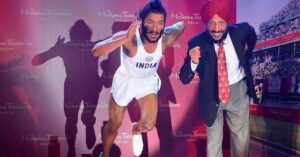
    His life story captured the nation’s imagination and became a symbol of tenacity and patriotism. Bollywood brought his amazing journey to the big screen in 2013 with the Farhan Akhtar-starring biopic “Bhaag Milkha Bhaag,” which was directed by Rakeysh Omprakash Mehra. His story was told to a new generation by the hugely successful movie.

    Singh gave the film’s profits to charity, specifically to support athletes from disadvantaged backgrounds. He maintained his modesty and strong ties to the principles of diligence, self-control, and patriotism.

    Death and the Last Years

    Long into his eighties, Milkha Singh was still coaching athletes and promoting sports. Regretfully, in May 2021, Milkha Singh and his spouse contracted COVID-19. Following the death of Nirmal Kaur on June 13, 2021, Milkha Singh passed away on June 18, 2021, at the age of 91.

    The nation mourned their passing. Athletes, politicians, celebrities, and millions of Indians whose lives had been impacted by his story all paid their respects.

    In conclusion

    The life of Milkha Singh is proof of the ability of the human spirit to triumph over trauma and hopelessness. He transformed personal tragedy into national glory by becoming a worldwide sports icon after losing his family during the partition. Generations have been inspired by his discipline, passion, and humility. Even though the Flying Sikh is no longer with us, his legacy endures in the hearts of millions of people as well as on the tracks.

    ALSO READ THIS: Discover Your Inner Strength on Hanuman Jayanti, April 12, 2025.

  • 10 Ways Ashi Singh is Using Grit and Grace to Rethink Stardom

    10 Ways Ashi Singh is Using Grit and Grace to Rethink Stardom

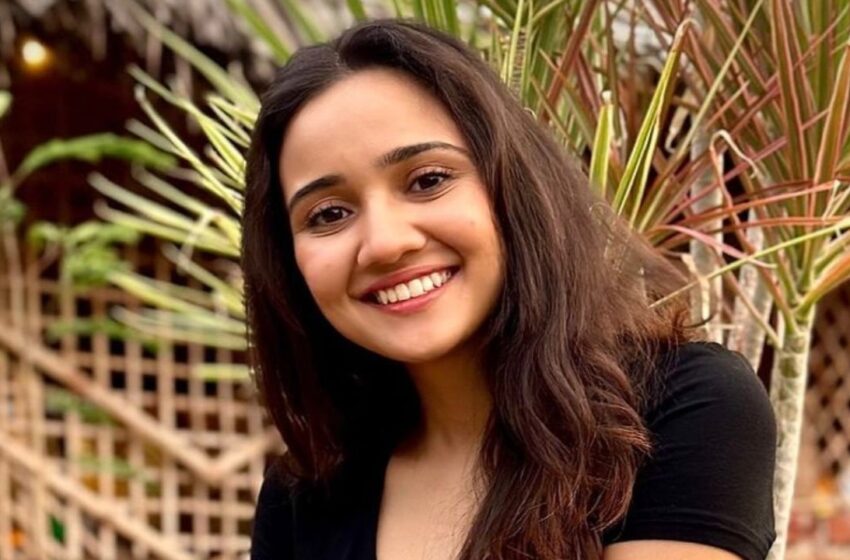
    Ashi Singh: A Comprehensive Biography The gifted Indian television actress Ashi Singh is well-known for her captivating roles and endearing on-screen persona. Her breakthrough performance as Naina Agarwal in the 2017–2019 nostalgic romantic drama Yeh Un Dinon Ki Baat Hai made her a household name. She has developed a devoted following over the years thanks to her effortless acting, uncomplicated style, and commitment to her art.

    Ashi Singh

    Childhood and Schooling

    On August 12, 1997, Ashi Singh was born in Agra, Uttar Pradesh, India. Her family was modest and encouraging when she was growing up. Ashi’s interest in the performing arts was evident from a young age. Throughout her school years, she was drawn to acting and dancing and took an active part in stage productions and cultural events.

    Ashi relocated to Mumbai to pursue further education and look into career options in the entertainment sector after finishing her schooling in Agra. She studied for her commerce degree at Kishinchand Chellaram College (K.C. College) in Mumbai. Ashi’s acting career started when she was a college student and started trying out for TV and commercial parts.

    Ashi Singh

    Beginnings of a Career

    Small parts in television series marked the beginning of Ashi Singh’s acting career. In 2015, she made her television debut in the crime-based series Secret Diaries: The Hidden Chapters, which was broadcast on Channel V. Despite its brief duration, the role provided her with a much-needed introduction to the television industry.

    After that, she appeared in other episodic shows like Gumrah and Savdhaan India. She was able to hone her acting abilities and adjust to the fast-paced demands of the television industry thanks to these early roles.

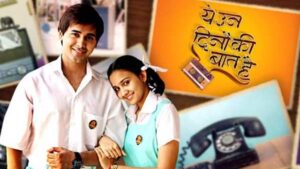
    yeh un dinon ki baat hai

    Yeh Un Dinon Ki Baat Hai’s breakthrough

    When Ashi Singh was cast as Naina Agarwal in the Sony TV series Yeh Un Dinon Ki Baat Hai in 2017, her career took a dramatic turn. The show, which was set in the 1990s, was a romantic drama about coming of age that was based on the true love story of its producers, Shashi and Sumeet Mittal. The series emphasised the simplicity of life in pre-digital India and the purity of adolescent love.

    In contrast to actor Randeep Rai, who played Sameer Maheshwari, Ashi played the quiet, reserved, and perceptive Naina. The show immediately gained popularity among viewers of all ages due to the widespread appreciation for their on-screen chemistry. The nostalgic story struck a deep chord with audiences, and Ashi’s performance was praised for its sincerity and nuance.

    Ashi Singh and Randeep Rai as Naina and Sameer

    Due to the show’s success, Ashi Singh became well-known and received a plethora of honours, including Best Actress and Best Onscreen Jodi, which were chosen by fans.

    Change to Aladdin: Naam Toh Suna Hoga

    By entering the fantasy genre in 2020, Ashi took on an entirely new challenge. In place of Avneet Kaur, she portrayed Yasmine, the female lead in Sony SAB’s Aladdin: Naam Toh Suna Hoga. It was difficult to make the switch from a gentle romantic drama to a fantasy-action series, but Ashi took on the task with assurance.

    Fans accustomed to the original lead were initially sceptical, but Ashi won hearts with her elegant portrayal of Yasmine, demonstrating her range as an actress. She handled the action scenes and intricate costumes with professionalism and gave the role strength and poise.

    Additional Notable Projects and Engagements

    Ashi Singh has appeared in a number of music videos and online content in addition to daily soap operas. Her partnerships with other musicians in music videos, particularly on YouTube, garnered millions of views and increased her following among young people.

    Tere Naal Rehna and Baadalon Mein are a couple of her well-known music videos. Through these projects, she was able to try out various styles and feelings in shorter narrative formats.

    Ashi played Meet Hooda, a strong, forward-thinking woman who defied social conventions, in the lead role of Meet: Badlegi Duniya Ki Reet, another Sony TV drama, in 2021. Her portrayal as a bold, tomboyish Haryana girl was valued for its originality and gender equality message.

    Ashi Singh

    Persona and Acting Style

    Ashi Singh is renowned for her dedication to her roles, naturalistic acting, and expressive eyes. She brings sincerity and commitment to every role, whether she’s portraying a fearless warrior princess or a shy adolescent. She has frequently stated in interviews that she believes in knowing the emotional core of each role and prepares for them thoroughly.

    Her relatability and groundedness have won her admirers. In contrast to many TV celebrities, Ashi leads a modest life and prefers to interact with her followers on social media sites like Instagram, where she posts entertaining content, behind-the-scenes photos, and tidbits about her personal life.

    Honours and Acknowledgement

    Ashi received a lot of praise and multiple honours for her role in Yeh Un Dinon Ki Baat Hai, including:

    • Best New Face (Female) at the Indian Television Academy Awards
    • Best Onscreen Couple (with Randeep Rai) at the Lions Gold Awards
    • The Gold Awards’ Rising Star of the Year

    She was highlighted in a number of magazines and online portals that highlight up-and-coming young talent in Indian entertainment as a result of her increasing fame and influence.

    Ashi Singh

    Interests and Personal Life

    Being close to her family, Ashi frequently gives them credit for helping her pursue her acting career. She believes in striking a balance between work and personal life and finds time for her loved ones despite her hectic schedule.

    Aside from performing, Ashi enjoys dancing, travelling, and trying out different foods. She also enjoys working out, and she frequently posts brief videos of her workouts on social media.

    Although Ashi keeps her personal relationships private, she is approachable and friendly with her fans, who lovingly refer to themselves as the “Ashians.”

    Plans and Goals for the Future

    Ashi Singh is still a well-known figure in the Indian television industry as of 2025. She is ready to pursue new opportunities like web series, movies, or even international projects now that she has a number of years of successful work under her belt and a growing online following. She has stated in interviews that she wants to work in Bollywood and partner with well-known actors and filmmakers.

    She also aspires to play more difficult parts that defy expectations and provide compelling narratives.

    Ashi Singh

    In conclusion

    Ashi Singh’s transformation from a young child with lofty aspirations to a well-known television actress is incredibly motivating. She has made a name for herself in the cutthroat Indian entertainment industry thanks to her talent, perseverance, and hard work. Ashi continues to win people over with her charm and versatility, and she has a bright future in the acting industry.

    ALSO READ THIS: 8 Motivating Factors That Make Randeep Rai Unstoppable

  • Motivated to Motivate: Sai Abhyankkar’s 7 Pillars

    Motivated to Motivate: Sai Abhyankkar’s 7 Pillars

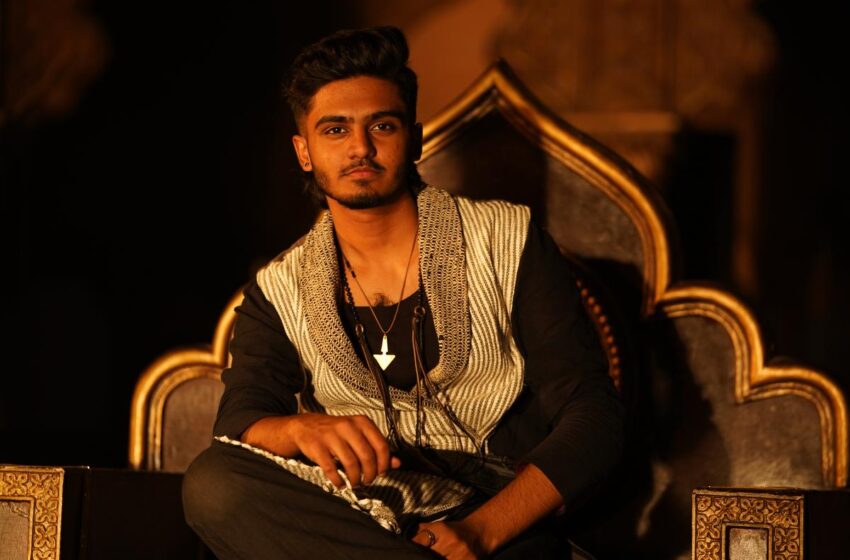
    Sai Abhyankkar: A Comprehensive Biography  The Up-and-Coming Artist Transforming Tamil Music Born on November 4, 2004, Sai Abhyankkar quickly became well-known in the Indian music industry. He has had a tremendous influence on Tamil music and beyond at the young age of 20, captivating audiences with his inventive compositions and moving performances.​

    Sai Abhyankkar

    Childhood and Musical Traditions

    Sai’s artistic inclination was fostered from an early age, as she comes from a musically inclined family. Tippu, his father, is a well-known playback singer who has made numerous contributions to Hindi, Tamil, Telugu, and Kannada films. As a playback singer, his mother Harini has also achieved notable success, working with renowned composers such as Ilaiyaraaja and A.R. Rahman. Sai was drawn to music by nature growing up in such a setting, perfecting his vocal abilities and learning to play instruments like the guitar and keyboard.

    Sai Abhyankkar

    “Katchi Sera” is a breakthrough.

    Sai Abhyankkar shot to fame with his first single, “Katchi Sera,” which was released in January 2024 under the independent label Think Music India. With more than 200 million views on YouTube and a ranking in the top 10 most searched songs worldwide in 2024, the song’s distinctive pop and R&B fusion struck a chord with listeners. The song’s viral popularity on social media further contributed to its success, demonstrating Sai’s capacity to engage a wide range of listeners.

    Sai Abhyankkar

    Later Hits and Growing Notoriety

    In June 2024, Sai and his sister Sai Smriti released “Aasa Kooda,” building on the popularity of his debut. With over 245 million views, this single outperformed its predecessor and cemented Sai’s status as a hitmaker. This pattern was maintained by his third album, “Sithira Puthiri,” which featured Meenakshi Chaudhary and solidified his position in the music business.​

    Sai Abhyankkar

    Change to Movie Music

    The film industry took notice of Sai’s achievements in the independent music scene. When he was hired to compose the music for “Benz,” which was presented by Lokesh Kanagaraj and directed by Bakkiyaraj Kannan, he made his Tamil film debut. One noteworthy event that highlighted his growing fame was when he took over as music director for “Suriya 45,” replacing A.R. Rahman. Sai’s influence in the film industry has also grown since he was selected to write the music for an upcoming pan-India movie that stars Allu Arjun and was directed by Atlee Kumar.​

    Sai Abhyankkar

    Influences and Styles of Music

    Pop, R&B, and other modern genres are blended with traditional Indian elements to create Sai’s music. He mentions M.S. Viswanathan, Ilaiyaraaja, and A.R. Rahman as important influences, but he finds inspiration in a wide variety of artists. His compositions appeal to a broad audience because they strike a balance between classical roots and contemporary sensibilities.​

    Sai Abhyankkar
    Sai Abhyankkar

    Individual Thoughts and Upcoming Projects

    Sai highlights the importance of spirituality in his creative process in addition to his musical abilities. His artistic path is guided by his belief that spirituality and music are intertwined. In the future, Sai hopes to keep discovering new musical genres, working with a variety of musicians, and advancing Indian music.​

    Sai Abhyankkar

    In conclusion

    Sai Abhyankkar’s rapid rise in the music industry is a testament to his talent, dedication, and originality. He is well-positioned to reshape Tamil music and leave a lasting impression on the world scene thanks to a solid foundation based on a rich musical legacy and a forward-thinking outlook.

    Sai Abhyankkar’s rapid rise in the music industry is a testament to his talent, dedication, and originality. He is well-positioned to reshape Tamil music and leave a lasting impression on the world scene thanks to a solid foundation based on a rich musical legacy and a forward-thinking outlook.

    ALSO READ THIS: Ananya Birla : The Diverse Businesswoman Redefining Achievement Who is Ananya Birla?

  • Sheikh Hamdan bin Mohammed Al Maktoum: Who is he, his lifestyle, family, work, hobbies and more.

    Sheikh Hamdan bin Mohammed Al Maktoum: Who is he, his lifestyle, family, work, hobbies and more.

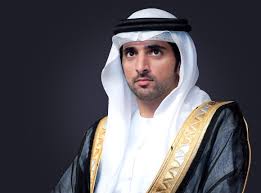
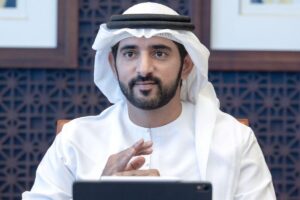
    Sheikh Hamdan bin Mohammed Al Maktoum: He is the Crown Prince of Dubai, born on November 14, 1982. He is the son of Sheikh Mohammed bin Rashid Al Maktoum. Who is the Ruler of Dubai and Prime Minister of the United Arab Emirates. Sheikh Hamdan is widely known for his leadership role in shaping the future of Dubai and for his adventurous lifestyle and poetry. He is also a popular public figure, often recognized by his pen name “Fazza”, which he uses for writing traditional Nabati poetry.

    Sheikh Hamdan bin Mohammed Al Maktoum
    Sheikh Hamdan bin Mohammed Al Maktoum

    When and where was he born?

    Sheikh Hamdan was born on November 14, 1982 and was born in Dubai, United Arab Emirates.

    How was childhood and education?

    He had a privileged yet disciplined childhood while he was growing up Dubai’s royal family. His upbringing was shaped by a strong emphasis on leadership, responsibility, and Emirati values. At a very young age, he was taught the importance of humility, hard work, and public service. He also developed early interests in sports, poetry, and adventure, which continued into adulthood. His family environment encouraged a deep respect for culture and heritage, along with a progressive outlook.

    How was childhood and education?
    How was childhood and education?

    He did his Primary and Secondary Education by attended schools in Dubai where he received a strong foundation in Islamic studies, Arabic, and modern subjects. He later went Royal Military Academy Sandhurst (UK), One of the world’s most prestigious military institutions and did training with focused on discipline, leadership, physical endurance, and strategic thinking, just like Gulf royals, Sandhurst helped him build resilience and global perspective. He later also went London School of Economics (LSE), to studied economics and public administration.

    Who all are there in Sheikh Hamdan bin Mohammed Al Maktoum family?

    Sheikh Hamdan bin Mohammed Al Maktoum family consists of the following:

    • His Father: Sheikh Mohammed bin Rashid Al Maktoum, Who is the Ruler of Dubai and the Vice President and Prime Minister of the United Arab Emirates.
    • His Mother: Sheikha Hind bint Maktoum bin Juma Al Maktoum, Who is Senior wife of Sheikh Mohammed also known for her privacy, philanthropy, and support for education and women’s causes in the UAE.
    • His Siblings: Sheikh Hamdan has many siblings, as his father has multiple wives. Some of the well-known ones include: Sheikh Rashid bin Mohammed Al Maktoum (1979–2015), Who is the Older brother and passed away at age 33, Sheikh Maktoum bin Mohammed Al Maktoum, Who is Deputy Prime Minister and Minister of Finance of the UAE and Deputy Ruler of Dubai, and Several sisters who remain more private but are part of the royal family’s charitable and cultural initiatives.

      Who all are there in Sheikh Hamdan bin Mohammed Al Maktoum family?
      Who all are there in Sheikh Hamdan bin Mohammed Al Maktoum family?
    • His Wife: Sheikh Hamdan married Sheikha Sheikha bint Saeed bin Thani Al Maktoum in May 2019, in a joint royal wedding with his brothers.
    • His Son: Rashid
    • His Daughter: Sheikha

    What are is roles and work?

    Some of his roles and work are as following:

    • He plays a major role in the leadership and future planning of Dubai and the UAE.
    • He is the Crown Prince of Dubai, since 2008 and is appointed by his father, Sheikh Mohammed bin Rashid Al Maktoum.
    • He represents the future leadership of Dubai and is involved in high-level decision-making and planning.

      What are is roles and work?
      What are is roles and work?
    • He is chairman of the Executive Council of Dubai and leads the council responsible for the strategic planning and execution of government policies. He Oversees key sectors like economy, infrastructure, health, education, innovation, and environment.
    • He is President of the Hamdan Bin Mohammed Smart University and Promotes innovation and e-learning in higher education.
    • He is also Chairman of the Dubai Sports Council and Supports national health, wellness, and fitness initiatives. He also encourages youth participation in sports.

    Details on his contribution.

    Some of his contribution are as follows:

    • He is part of Dubai Plan 2021 and Urban Plan 2040
    • He has helped develop long-term visions for Dubai’s growth, sustainability, and livability.
    • He has focused on making Dubai the best city to live in, with smart infrastructure and green development.
    • He is also the key contributor Smart Dubai and Digital Transformation
    • He has Strong advocate of Smart Government services and digital innovation.
    • He led initiatives to use AI, blockchain, and tech to enhance public services.

      Details on his contribution.
      Details on his contribution.
    • He focused on Youth Empowerment and launched several platforms to engage Emirati youth, promote entrepreneurship, and prepare future leaders. He also supports educational and skill-building programs.
    • He is a Humanitarian Work, who participates in various humanitarian missions and relief efforts. He supports people with disabilities, orphans, and global charitable campaigns.
    • He also has several Cultural and Poetic Contributions, through his poetry (under the pen name Fazza), he preserves Emirati heritage and Nabati poetry.
    • He also promotes culture through literature, events, and social media.
    • He is the Style of Leadership with a Humble, modern, and people-focused. He is known for being approachable and often surprises citizens with unannounced visits.
    • He leads by example, especially in fitness, public service, and innovation.

    Details on his interest and hobbies.

    Some of his interest and hobbies are:

    • He is greatest passions for sports know for a skilled and competitive endurance horse rider and he has represented the UAE in international competitions and won multiple gold medals, including the FEI World Endurance Championship. He often shares his love for horses and riding on his social media.
    • He loves Skydiving and Aerial Sports. He is a Certified and highly trained skydiver. He is known to jump from planes, helicopters, and even skyscrapers. He promotes adventure sports as a way to build mental and physical strength.
    • He also write Poetry (Nabati Poetry). He has Written traditional Bedouin-style poetry under the name Fazza. His poems often touch on themes of love, honor, patriotism, and heritage. His poetry is well-known in the Arab world and contributes to preserving Emirati cultural identity.
    • He is also in Photography, he is a passionate photographer with an eye for nature, wildlife, and unique landscapes. He captures moments from his travels, skydives, and everyday life. He uses Instagram to share artistic and personal perspectives of his world.

      Details on his interest and hobbies.
      Details on his interest and hobbies.
    • He also like traveling and Exploration, he is an avid traveler, often exploring new cultures, remote locations, and natural wonders. He has visited the Arctic, climbed mountains, and trekked through jungles. His travels often reflect his curiosity, respect for nature, and desire for personal growth.
    • He also Diving and Marine Life, he enjoys freediving and exploring the ocean, particularly around the UAE and tropical destinations. He is passionate about marine conservation and protecting ocean life.
    • He is also into Fitness and Wellness. He is extremely fit and athletic, practices gym workouts, calisthenics, running, and outdoor training. He also often promotes fitness challenges and encourages the public to lead healthy lifestyles.

    What is his current net- worth?

    Sheikh Hamdan bin Mohammed Al Maktoum’s current net worth is believed to be around $400 million to $500 million USD.

    Also Read This: iQOO Z10: Details on its launch date, features, design, price and more.

  • Hydrogen Train: What Is a Hydrogen Train, When Will It Start, How Does It Work, Structure, and More.

    Hydrogen Train: What Is a Hydrogen Train, When Will It Start, How Does It Work, Structure, and More.

    Hydrogen train: A hydrogen train is a railway vehicle that uses hydrogen fuel cells instead of conventional fuel to generate power. Unlike traditional trains, this trains produce zero emissions—only water vapor as a by-product. Many countries, including India, are actively developing and testing this new model of eco-friendly trains.

    Details on What is a Hydrogen Train?
    Details on What is a Hydrogen Train?

    Where Is It Starting in India and When Will It Launch?

    As per the report India’s first hydrogen train is starting from the Jind-Sonipat route in Haryana. Some early reports have said that it will start from March 2025 but the work is still going on to stretch this train 89 km from Haryana after some trials and testing. After the start of this train there will also be some other routes under the “Hydrogen for Heritage” plan. Apart from this the train will also have a 1200 HP engine which is expected to deploy on Heritage roots like the Kalka-Shimla line.

    Where Is It Starting in India and When Will It Launch?
    Where Is It Starting in India and When Will It Launch?

    How Does the Hydrogen Train Work?

    This train work in the following ways:

    It has storage of hydrogen gas in High pressure tank usually located on the roof of the train. These hydrogen are fitted into the fuel cells to create electric current. The electricity generated by the fuel cell helps the train to transition electricity in the motor which helps the wheels and propel to work forward for the train. Most of the hydrogen trains are hybrid vehicles which have incorporated batteries that have several crucial functions while the train is working. These batteries help for storage of electricity, Braking regeneration, and boost the train an immersion of hydrogen fuel into water vapor.

    How Does the Hydrogen Train Work?
    How Does the Hydrogen Train Work?

    The Benefits of this Trains.

    Here are some key advantages of this trains:

    • Zero Emissions: They produce only water vapor and heat, making them environmentally friendly.

    • Low Noise Pollution: Hydrogen trains are much quieter than traditional diesel locomotives.

    • Ideal for Non-Electrified Lines: They can run on tracks without electrification, reducing infrastructure costs.

    • Long Range & Efficiency: Capable of traveling long distances and operating for extended hours.

      The Benefits of Hydrogen Trains
      The Benefits of Hydrogen Trains
    • Fast Refueling: Refueling is quicker compared to charging electric trains.

    • High Power Output: India’s hydrogen train will feature a 1,200 HP engine—one of the most powerful in its class.

    • Cost-Effective Over Time: Offers long-term savings compared to diesel or electric engines.

    • Supports Green Hydrogen Economy: Promotes sustainable fuel and the green energy sector.

    Where Else can we see this Trains Being Used?

    This trains are already in use or under development in several countries such as:

    • Germany: Alstom Coradia iLint and Mireo Plus

    • France: SNCF Hydrogen Trains

    • China: Currently testing hydrogen-powered trains

    • United Kingdom: HydroFLEX

      Hydrogen trains are already in use or under development in several countries such as
      Hydrogen trains are already in use or under development in several countries such as
    • Canada: Alstom Coradia iLint

    • United States: Stadler and HH20B

    • Japan: Hybari

    • Austria: Developing a large-scale hydrogen train project

    Why Was the Hydrogen Train in India Delayed?

    The delay is due to technical issues encountered during testing and the need to increase the capacity of the fuel cells. Additional time is also required for modifications and safety checks. Initially planned for launch in December 2024, it was postponed to March 2025. However, recent updates suggest the train could be launched by the end of 2025.

    Why Was the Hydrogen Train in India Delayed?
    Why Was the Hydrogen Train in India Delayed?

    Also Read This: iQOO Z10: Details on its launch date, features, design, price and more.   

  • Pamban Bridge: All You Need to Know – History, Construction, Location and More.

    Pamban Bridge: All You Need to Know – History, Construction, Location and More.

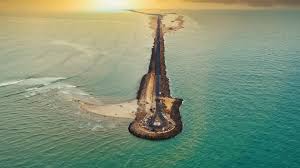
    Pamban Bridge: This Bridge sea bridge or Railway bridge connects Mandapam town to Rameshwaram Island. This bridge helps in both transportation and tourism. It was inaugurated recently by PM Narendra Modi. This is a modern structure which will replace the old bridge, which got damaged because of the Harsh marine weather and environment. This Bridge has an amazing construction and stunning design, and while travelling on this bridge one can experience memorable views.

    what is the Pamban Bridge?
    what is the Pamban Bridge?

    Where is this located and how long is this bridge?

    This Bridge is located in Tamil Nadu, India and it connects Mandapam on the mainland to Rameshwaram on Pamban Island, which is stretching across the Palk Strait. The New bridge is about 2.07 km long, which is 1.29 miles, whereas the old bridge was 2.065 km long and 1.28 miles.

    Where is this located and how long is this bridge?
    Where is this located and how long is this bridge?

    What is the history and significance of this bridge?

    The history and significance of Pamban Bridge are:

    It is India’s First Sea Bridge made in 1914 by the British which was an amazing achievement. It was established as a rail link between the mainland and Rameswaram Island. It was a crucial part of the once-seamless rail route which was connecting British India or Madras with British Ceylon Colombo, which helped in trading and movement of people. But it was not able to directly connect Dhanushkodi and Sri Lanka. Before the construction of a parallel bridge in 1988, this bridge was the life and sole of Rameshwaram as it is the center of a pilgrimage site.

    What is the history and significance of this bridge? (Dhanushkodi)
    What is the history and significance of this bridge? (Dhanushkodi)

    t has survived several cyclones and damages even the 1964 cyclone that destroyed Dhanushkodi. This Bridge is very important for the people or tourists who want to visit the Ramanathaswamy Temple of Rameshwaram, which is also one of the Char Dham sites. The new bridge aims to ease the influx of tourists and devotees. It will also enhance the connectivity between Rameswaram Island and mainland Tamil Nadu, which will lead to improving travel times and Boost of economic activity. It will also create a direct rail link between Sri Lanka and India.

    Importance and Key Features of the New Pamban Bridge

    Some of its important and key features of new Pamban bridge is:

    • It will create a direct connectivity between Sri Lanka and India.
    • It will develop great tourism from devotees and tourists, who want to visit the religious center of Rameshwaram.
    • It will increase major transportation between Island and Mainland Tamil Nadu.

      Importance and Key Features of the New Pamban Bridge
      Importance and Key Features of the New Pamban Bridge
    • It will also increase trade work and other economic activities.
    • It has a great historical significance, which can be potential for the future.
    • It is designed in a way that it can survived against the cyclones and seismic activities.
    • It has about 100 year of life spam.

    When will the bridge be inaugurated?

    The new Pamban Bridge is scheduled to be inaugurated on April 6, 2025. This will mark the opening of India’s first vertical lift railway sea bridge, a significant milestone in the country’s infrastructure development.

    It will get inaugurated on April 6, 2025, which is a significant event and opening of India's first vertical lift railway sea bridge.
    It will get inaugurated on April 6, 2025, which is a significant event and opening of India’s first vertical lift railway sea bridge.

    PM Modi’s Remarks on the Pamban Bridge.

    Prime Minister Narendra Modi emphasized that the bridge symbolizes the fusion of tradition and technology, representing how modern engineering connects a place of deep historical and spiritual importance. He highlighted the bridge’s role in improving connectivity, tourism, and trade in the region.

    PM Modi’s Remarks on the Pamban Bridge.
    PM Modi’s Remarks on the Pamban Bridge.

    PM Modi also mentioned the increase in the railway budget for Tamil Nadu and stressed the importance of continued infrastructure development. Notably, he pointed out that the bridge’s inauguration coincides with Ram Navami, and shared a personal connection—both he and the original bridge’s builder were born in Gujarat.

    Also Read This: Kedarnath Yatra: Full details about the kedarnath Yatra for your 2025 tip plan and more.

  • Discover Your Inner Strength on Hanuman Jayanti, April 12, 2025.

    Discover Your Inner Strength on Hanuman Jayanti, April 12, 2025.

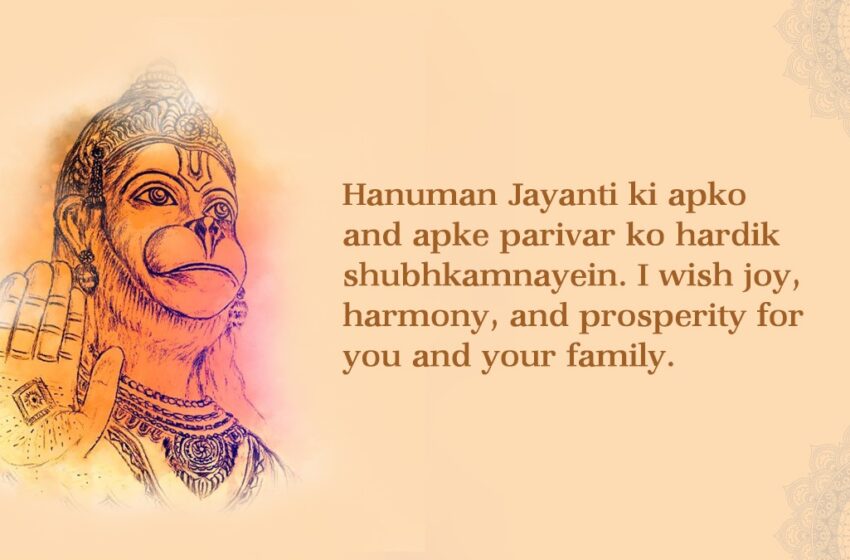
    Hanuman Jayanti 2025: An Extraordinary Celebration of Devotion on April 12 Lord Hanuman, the beloved monkey deity known for his unwavering devotion to Lord Rama, unmatched strength, and vast wisdom, was born on Hanuman Jayanti, one of Hinduism’s holiest holidays. In 2025, Hanuman Jayanti falls on Saturday, April 12, which is also Chaitra Purnima, the full moon day in the Hindu month of Chaitra. For millions of devotees in India and around the world, the 2025 celebration will be especially memorable because of the day’s increased spiritual significance due to its celestial timing.

    Devotees observed fasts and rituals in observance of the god who is renowned for removing obstacles, giving strength, and shielding his followers from evil. Temples echoed with chants of the Hanuman Chalisa, and streets came alive with colourful processions.

    Hanuman Jayanti

    The Importance of Hanuman Jayanti

    One of the most revered gods in Hinduism is Lord Hanuman, who is also referred to as Anjaneya, Maruti, Bajrangbali, and Pavanputra. Ancient texts state that he was born to Anjana and Kesari with the help of the wind god Vayu Dev, who bestowed upon Hanuman his unmatched strength and speed.

    In the epic Ramayana, Hanuman is a pivotal character who helps Lord Rama defeat Ravana and save Sita. His persona is a representation of humility, bravery, loyalty, and unselfish devotion. Hanuman Jayanti not only commemorates his birth but also acts as a reminder of the values he espoused.

    Hanuman Jayanti

    2025 Celebrations: A Blend of Tradition and Creativity

    Hanuman Jayanti was celebrated with great fervour in 2025, particularly because it fell on a weekend, which allowed more people to take part in community activities and temple rites.

    The following were the main highlights of the 2025 festivities:

    1. Celebrations at the Temple

    Temples devoted to Hanuman were adorned with saffron flags, lamps, and garlands all over India. Well-known temples like

    • Ayodhya’s Hanuman Garhi
    • Varanasi’s Sankat Mochan Temple
    • Delhi’s Jhandewalan Hanuman Mandir
    • In Rajasthan, Salasar Balaji
    • Tamil Nadu’s Namakkal Anjaneyar Temple

    saw enormous crowds starting in the morning. Chola (vermilion and oil), laddoos, boondi, and bananas—all of which are regarded as Hanuman’s favorites—were offered by devotees.

    Aarti and sankirtan (devotional singing) were performed after special abhishekams (ritualistic baths) involving milk, honey, curd, ghee, and holy water.

    1. Hanuman Chalisa recitation

    The 40-verse Devotees recited the Hanuman Chalisa, which was written by the poet-saint Tulsidas, in an uninterrupted loop known as Akhand Paath. Large crowds of people gathered in various locations to collectively recite the Chalisa 108 times because they thought it would bring about peace, health, and protection from harm.

    1. Devotion to Digital

    In the present digital age, Hanuman Jayanti 2025 also embraced technology. Hanuman Jayanti 2025 also embraced technology in the current digital era. Those who were unable to physically attend temple events took part in live-streamed events and virtual pujas. Famous Hanuman temples provided live darshan, bhajan sessions, and devotional programs on social media, YouTube, and temple websites.

    1. Spiritual discipline and fasting

    From sunrise to sunset, many devotees observed vrat, or fasting. Some ate only fruits and milk, while others read texts like the Sundara Kand, the part of the Ramayana that describes Hanuman’s valiant actions, or they just sat in total silence. It is thought that practicing this spiritual discipline can help people become more in tune with God and cleanse their bodies and minds.

    Cultural Events and Parades

    Large-scale processions were held in places like Hyderabad, Bhopal, Mumbai, and Nagpur. In remembrance of Hanuman’s bravery, large idols of him were set atop ornamented floats, accompanied by bands, singers, dancers, and martial artists using traditional fighting techniques like malla-yuddha and kushti.

    Students from schools and universities took part in cultural events where they acted out scenes from the Ramayana and demonstrated Hanuman’s achievements, like his ability to lift the Dronagiri mountain or jump over the ocean.

    The Significance of April 12, 2025, Astrologically and Spiritually

    On Hanuman Jayanti 2025, the astrological configuration was deemed extremely auspicious. Chaitra Purnima had double spiritual power because it fell on Saturday (Shanivar), a day that many devotees dedicate to Lord Hanuman. Worshipping Hanuman on Saturdays, according to devotees, brings stability and prosperity while counteracting the negative effects of Shani dosha, or Saturn-caused afflictions.

    During the Purnima Tithi, which started on April 11 at 3:15 PM and ended on April 12 at 5:28 PM (IST), astrologers advised performing Hanuman Puja. Many people used this window to carry out their primary prayers and rituals.

    Hanuman Jayanti

    The Significance of Hanuman in Contemporary Times

    The qualities that Lord Hanuman embodies—resilience, humility, loyalty, and inner strength—are more important than ever in a time of stress, uncertainty, and fast-paced living. His persona inspires others to confront their anxieties, overcome their own constraints, and focus their energies on more important goals.

    As a representation of power and protection, Hanuman particularly appeals to young people. Athletes, wrestlers, and martial artists frequently use his imagery, and it can even be found in digital wallpapers and inspirational posters.

    Eco-Friendly Events

    This year, eco-friendly Hanuman Jayanti customs were promoted by a number of temples and communities. The planting of saplings in honour of Hanuman, who is also connected to nature and forests, the use of cloth bags in place of plastic ones, and biodegradable offerings were all encouraged. A greater understanding of spiritual responsibility for the environment is reflected in this trend.

    In conclusion

    On April 12, 2025, Hanuman Jayanti was a significant celebration of moral principles, devotion, and strength in addition to being a religious holiday. The communal chanting, colourful rituals, and spiritual energy brought people together across national and cultural divides, whether in temples, homes, or online.

    Hanuman Jayanti

    The festival’s message—to live bravely, serve with humility, and love with unwavering faith—remained clear as the echoes of “Jai Bajrangbali!” reverberated throughout the atmosphere. Millions of people are still motivated to overcome obstacles, maintain their sense of reality, and pursue morality by the example set by Lord Hanuman.

    Happy Hanuman jayanti! Jai Shri Ram!

    ALSO READ THIS: Loveyapa 2025: Junaid Khan is the world’s ultimate red flag in Advait Chandan’s dated romantic comedy

  • 7 Ways Bollywood’s Preity Zinta Redefined Courage and Charm

    7 Ways Bollywood’s Preity Zinta Redefined Courage and Charm

    Preity Zinta: An Enchanting Adventure Through Bollywood and Other Worlds One of the most popular and vibrant actresses in Indian cinema, Preity Zinta is renowned for her vibrant personality, dimpled smile, and a body of work that combines critically acclaimed performances with commercial hits.Over the years, she has carved a niche for herself not just in Bollywood but also as a successful entrepreneur and humanitarian. Her transformation from a young woman from a small town to a well-known person worldwide is truly remarkable.

    Preity Zinta

    Childhood and Schooling

    Preity Zinta was born into a Rajput family in Shimla, Himachal Pradesh, on January 31, 1975. Her mother, Nilprabha Zinta, was a housewife, and her father, Durganand Zinta, served as an officer in the Indian Army. Preity’s father passed away in a car accident when she was just 13 years old, leaving her mother gravely hurt. Preity learnt independence and resiliency from this early life experience.

    She completed her education at the Convent of Jesus and Mary in Shimla, where she was a standout student and an active participant in sports, especially basketball. She obtained a postgraduate degree in criminal psychology after graduating with honours in English from St. Bede’s College in Shimla.

    Preity Zinta

    Entering the Entertainment Sector

    Preity’s foray into the entertainment industry was hardly planned. She started out as a model and made appearances in a number of TV ads, most notably for Perk chocolates. Her expressive face and innate charm drew the attention of filmmaker Shekhar Kapur, who recommended her to director Mani Ratnam.

    She debuted as an actress opposite Shah Rukh Khan in Mani Ratnam’s 1998 Tamil film Dil Se. Despite playing a supporting role, her performance generated a lot of buzz and won hearts. She costarred with Bobby Deol in Soldier that same year, which turned out to be her first significant Bollywood hit. She received the Filmfare Award for Best Female Debut for these two roles.

    Ascent to Fame

    Preity became well-known in the late 1990s and early 2000s thanks to a series of hit films. She gained notoriety for playing strong, self-reliant, and contemporary women—roles that were highly unusual for Hindi cinema at the time. She distinguished herself from her peers with her vivacious personality and effortless acting style.

    Her portrayal of an unmarried mother in Kya Kehna (2000) defied social conventions and won her praise from critics. She portrayed a self-assured, contemporary woman in Dil Chahta Hai (2001), which helped to reshape Bollywood’s urban narrative. Her role in Veer-Zaara was praised for its emotional depth, and she won the Filmfare Award for Best Actress for her performance in Kal Ho Naa Ho. Her performances in films like Armaan, Mission Kashmir, and Chori Chori Chupke Chupke also had an impact.

    Preity Zinta

    Exploring Other Regions

    Outside of the mainstream, Preity landed difficult parts in unconventional films like Deepa Mehta’s Heaven on Earth (2008), which examined domestic abuse in the Indian diaspora. For her performance, she won the Silver Hugo Award for Best Actress at the Chicago International Film Festival and was praised by critics.

    She experimented with filmmaking as well. She acted and produced Ishkq in Paris in 2013, despite the movie’s poor box office performance. Her willingness to take artistic chances in spite of this setback demonstrated her love for films.

    Entrepreneurship and Charitable Activities

    In addition to her career as an actress, Preity Zinta is a successful businesswoman. She is one of the first female owners in the male-dominated world of Indian sports franchises, having co-owned the Punjab Kings (formerly Kings XI Punjab), a cricket team in the Indian Premier League (IPL). Her participation in cricket gave her public persona a new dimension, and she was frequently spotted enthusiastically supporting her team from the stands.

    Preity’s charitable endeavours are also well-known.She has done a lot of work to fight human trafficking, promote education, and support women’s rights. She established the Preity Zinta Foundation, which aims to empower women and enhance child welfare. She has received many honours and the respect of her peers for her social activism.

    Preity Zinta

    Private Life and Public Persona

    In addition to her acting prowess, Preity Zinta is admired for her courage, intelligence, and poise. Because she stands up for what she believes in, she has frequently made headlines. She received the Godfrey Phillips National Bravery Award in 2003 for her testimony against the Indian mafia in a well-known case involving threats against Bollywood stars.

    She wed Gene Goodenough, her long-time American boyfriend, in a private ceremony in Los Angeles in 2016. She has since divided her time between the US and India. She began a new chapter in her life as a mother in 2021 when the couple welcomed twins via surrogacy.

    Preity is still well-liked and respected in the public eye even though she has stopped doing regular acting in recent years. By sharing snippets of her personal and professional lives on social media, she maintains a relationship with her fans.

    Influence and Legacy

    Preity Zinta’s journey is evidence of her bravery, tenacity, and adaptability. She entered a field that frequently confined women to stereotypes, but she was able to break those rules by playing strong, intelligent, and independent roles. She brought genuineness and passion to every performance, whether she was playing the lively girl next door or a woman fighting social stigma.

    A generation of young women have been inspired by her to be bold, self-reliant, and unapologetically authentic. Preity Zinta’s diverse career is a stunning illustration of what passion, intelligence, and perseverance can accomplish, whether it be in the glitz of Bollywood, the boardroom of a cricket team, or the quiet commitment of philanthropy.

    Even though she may not be seen on the big screen as frequently these days, her influence will never be forgotten. On-screen and off, Preity Zinta is still a true star who lights up every space she enters with her trademark dimpled smile.

    ALSO READ THIS: 8 Motivating Factors That Make Randeep Rai Unstoppable